• MAIN PAGE
  • LATEST NEWS
    • Lost Cities
    • Archaeology's Greatest Finds
    • Underwater Discoveries
    • Greatest Inventions
    • Studies
    • Blog
  • PHILOSOPHY
  • HISTORY
  • RELIGIONS
    • Africa
    • Anatolia
    • Arabian Peninsula
    • Balkan Region
    • China - East Asia
    • Europe
    • Eurasian Steppe
    • Levant
    • Mesopotamia
    • Oceania - SE Asia
    • Pre-Columbian Civilizations of America
    • Iranian Plateau - Central Asia
    • Indus Valley - South Asia
    • Japan
    • The Archaeologist Editor Group
    • Scientific Studies
    • Aegean Prehistory
    • Historical Period
    • Byzantine Middle Ages
    • Predynastic Period
    • Dynastic Period
    • Greco-Roman Egypt
  • Rome
  • PALEONTOLOGY
  • About us
Menu

The Archaeologist

  • MAIN PAGE
  • LATEST NEWS
  • DISCOVERIES
    • Lost Cities
    • Archaeology's Greatest Finds
    • Underwater Discoveries
    • Greatest Inventions
    • Studies
    • Blog
  • PHILOSOPHY
  • HISTORY
  • RELIGIONS
  • World Civilizations
    • Africa
    • Anatolia
    • Arabian Peninsula
    • Balkan Region
    • China - East Asia
    • Europe
    • Eurasian Steppe
    • Levant
    • Mesopotamia
    • Oceania - SE Asia
    • Pre-Columbian Civilizations of America
    • Iranian Plateau - Central Asia
    • Indus Valley - South Asia
    • Japan
    • The Archaeologist Editor Group
    • Scientific Studies
  • GREECE
    • Aegean Prehistory
    • Historical Period
    • Byzantine Middle Ages
  • Egypt
    • Predynastic Period
    • Dynastic Period
    • Greco-Roman Egypt
  • Rome
  • PALEONTOLOGY
  • About us

Marine Archaeology is Solving the Sea Peoples Mystery

February 10, 2026

The Sea Peoples: Solving One of the Ancient World’s Greatest Mysteries

For thousands of years, one of the most enduring mysteries of the ancient world has remained unresolved.

Around 1200 BCE, the great civilizations of the eastern Mediterranean collapsed with startling speed. Cities burned. Long-distance trade networks disintegrated. Writing systems vanished. Entire political orders fell into chaos in what historians now call the Late Bronze Age Collapse.

Amid this upheaval, Egyptian records speak of unfamiliar groups arriving by ship — the Sherden, Peleset, Denyen, and Tjeker — peoples who seemed to emerge from the sea itself.

History remembers them as the Sea Peoples.

Yet who they were, where they came from, and why they appeared has never been fully understood. Were they invaders, migrants, refugees, mercenaries — or something more complex?

In this video, we explore how marine archaeology is finally transforming that mystery.

From Bronze Age shipwrecks like Uluburun and Cape Gelidonya, to submerged coastlines now hidden beneath rising seas, archaeologists are gaining access to a world ancient historians could never reach. Using modern tools such as ROVs, sonar mapping, and photogrammetry, researchers are reconstructing ancient maritime networks that once connected — and destabilized — the Mediterranean world.

The deeper archaeologists look beneath the waves, the more complex the story becomes.

This is not a tale of myth or legend. It is a story built on real evidence, real ships, and a past that may have unfolded between coastlines rather than within them.

🎥 Watch the video below to explore the Sea Peoples and discover how underwater archaeology is reshaping our understanding of the Late Bronze Age collapse:


Stay curious.
Stay current.
The Ice Age Secrets Hiding Beneath California

February 10, 2026

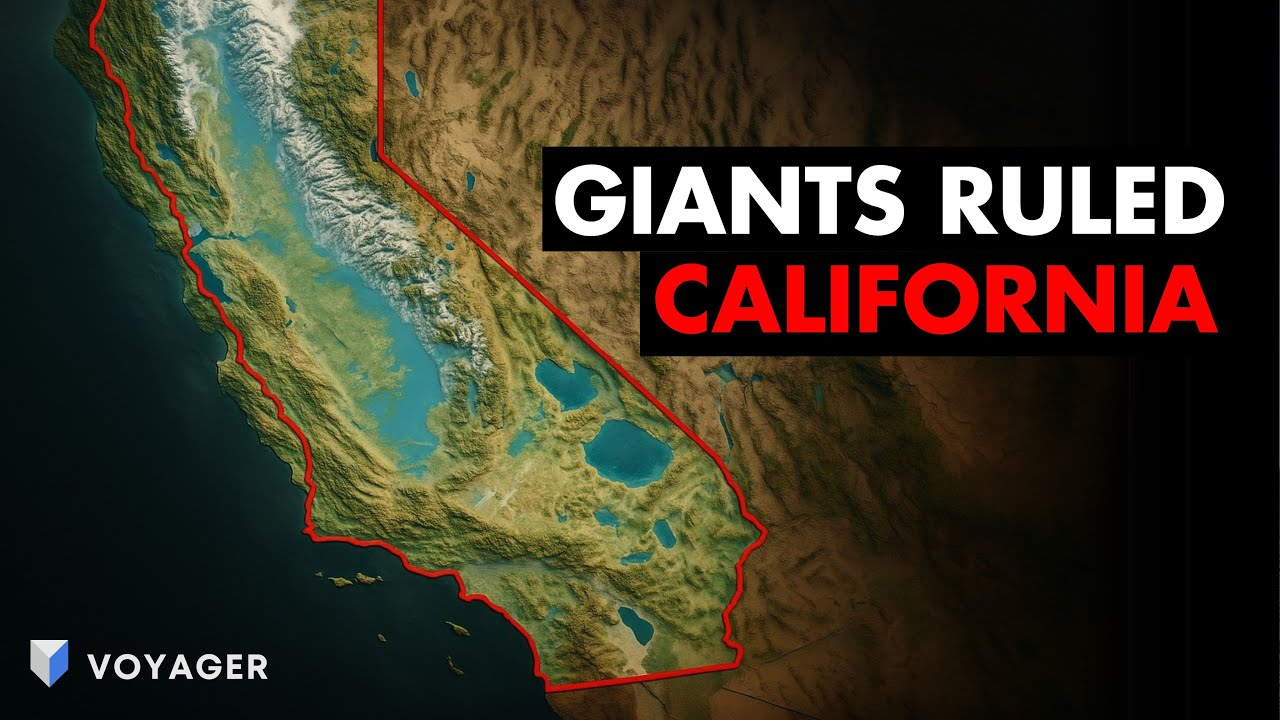
What’s Hiding Beneath California? An Ice Age Journey Into the Deep Past

What lies beneath California’s cities, beaches, and freeways isn’t just concrete and bedrock — it’s an Ice Age world, frozen in time and slowly being revealed by science.

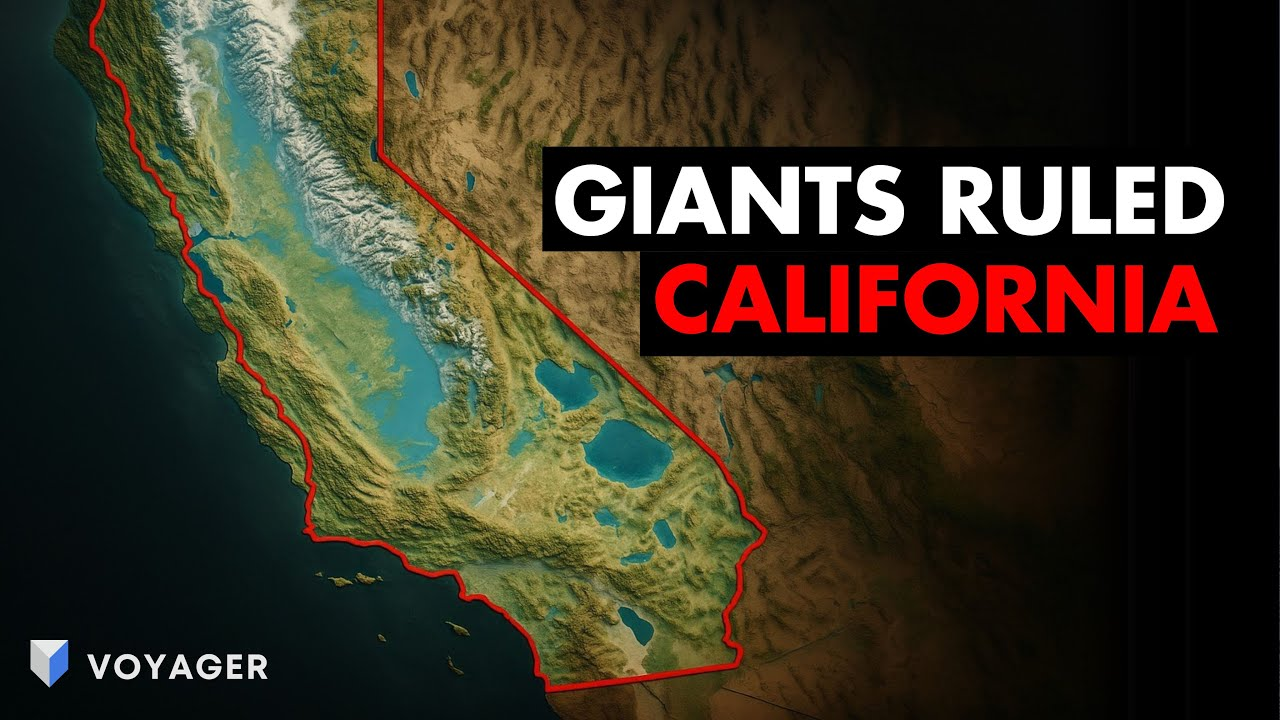
In this episode, we journey back to a California few people ever imagine. Long before San Diego’s skyline, before surfers lined the cliffs of La Jolla, this land was shaped by ice, shifting coastlines, and ruled by megafauna. Mammoths roamed the plains, saber-toothed cats stalked prey, and dire wolves hunted along ancient shores now submerged beneath the Pacific.

This is the untold story of Ice Age California — a landscape buried beneath modern life.

From submerged Kumeyaay village sites offshore to fossil-rich tar pits and eroding coastal cliffs, evidence of this ancient world continues to surface. Construction projects, landslides, and natural erosion are uncovering fossils and artifacts that are rewriting what we know about early humans in North America.

In This Video, You’ll Discover:

  • What San Diego, Los Angeles, and the Channel Islands looked like 20,000 years ago

  • The giants that once ruled the coast: mammoths, dire wolves, and saber-toothed cats

  • Human footprints on ancient shorelines — early seafarers, hunters, and toolmakers

  • How accidental discoveries during construction are transforming archaeology

  • Why understanding the deep past matters in a rapidly changing world

As sea levels rise again today, studying Ice Age coastlines helps us understand human resilience, migration, and adaptation — lessons that feel increasingly relevant.

🎥 Watch the video below to uncover the fossils, lost megafauna, and ancient human stories hidden beneath California’s surface:

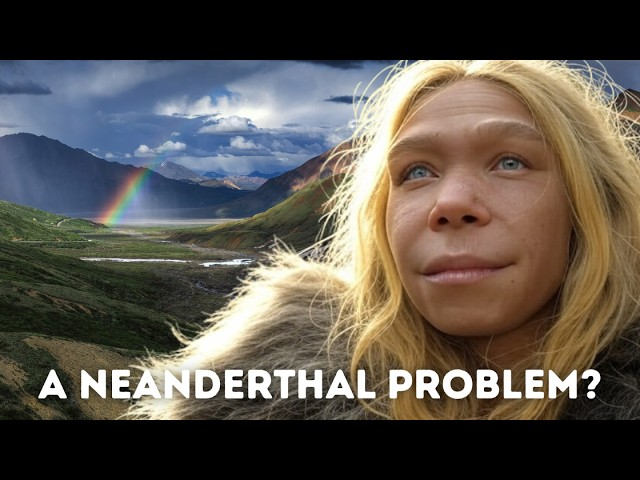
The Neanderthal Problem That Scientists Don't Want To Discuss

February 10, 2026

The Neanderthal Problem: Rethinking Human Evolution

The Neanderthal problem remains one of the most enduring and controversial debates in paleoanthropology. At its core, it challenges how we define species, ancestry, and what it truly means to be human.

Traditionally, Neanderthals have been viewed as a separate species, distinct from Homo sapiens and ultimately replaced by modern humans. This interpretation shaped much of 20th-century thinking about human evolution. However, discoveries over the past few decades have complicated that picture.

Genetic evidence has revealed that modern humans outside Africa carry Neanderthal DNA, strongly suggesting interbreeding between the two populations. Fossil records, too, show overlapping timelines and shared anatomical traits, blurring the once-clear line between “us” and “them.”

This raises fundamental questions:

  • Were Neanderthals truly a separate species, or a closely related human population?

  • How extensive was interbreeding, and what impact did it have on modern humans?

  • Does the concept of species even apply cleanly to human evolution?

By examining genetic data, fossil evidence, and evolutionary theory, this video explores the complex relationship between Homo sapiens and Neanderthals. Rather than a simple story of replacement, human evolution appears to be a messy, interconnected process, shaped by migration, adaptation, and interaction.

Understanding the Neanderthal problem doesn’t just reshape our view of the past — it forces us to rethink how human diversity emerged and how closely related we truly are to our extinct cousins.

🎥 Watch the video below to explore the Neanderthal problem and uncover what it reveals about human origins and evolutionary history:

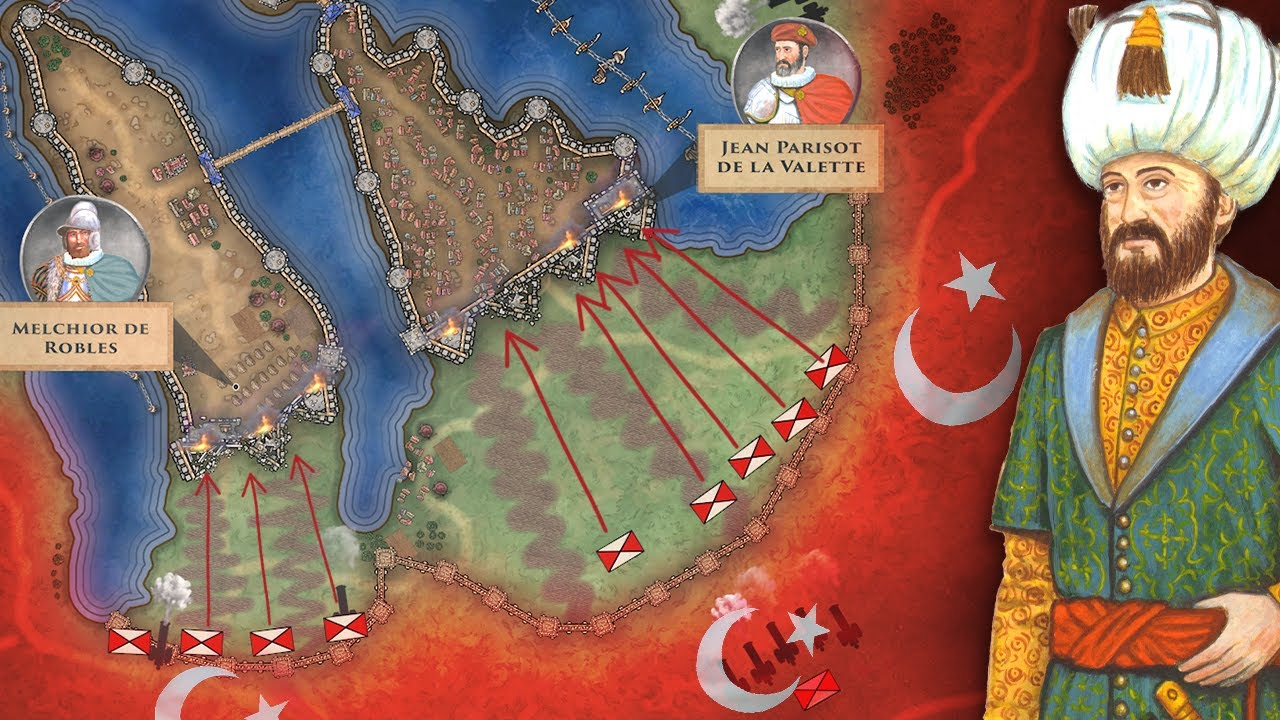
Malta Resists: The (Great) Siege of Malta 1565

February 8, 2026

The Great Siege of Malta, 1565: Knights vs. Ottomans

On 24 May 1565, the Ottoman artillery opened fire on Fort St. Elmo, marking the start of one of the most famous sieges in European history: the Great Siege of Malta. This fortress was just one of several held by the Knights Hospitaller, also known as the Order of St. John, who had long defended the island as a bulwark against Ottoman expansion.

Behind the massive bombardment stood an army of 40,000 soldiers, sent by Sultan Suleiman the Magnificent. His goal was to secure Ottoman dominance in the Mediterranean and eliminate the Knights once and for all.

Yet the Knights, aided by the Maltese militia and a contingent of mercenaries, resisted fiercely. The siege evolved into a prolonged war of attrition, testing the limits of both sides. Europe watched with bated breath: the capture of Malta would have provided the Ottomans with a strategic bridgehead just a short distance from Italy, dramatically altering the balance of power in the Mediterranean.

The Great Siege of Malta is remembered not only for its military significance but also for the heroism, strategy, and endurance of those defending the island against overwhelming odds.

🎥 Watch the video below to witness the epic story of the Great Siege of Malta, where knights, soldiers, and mercenaries held Europe’s gateway against the might of the Ottoman Empire:

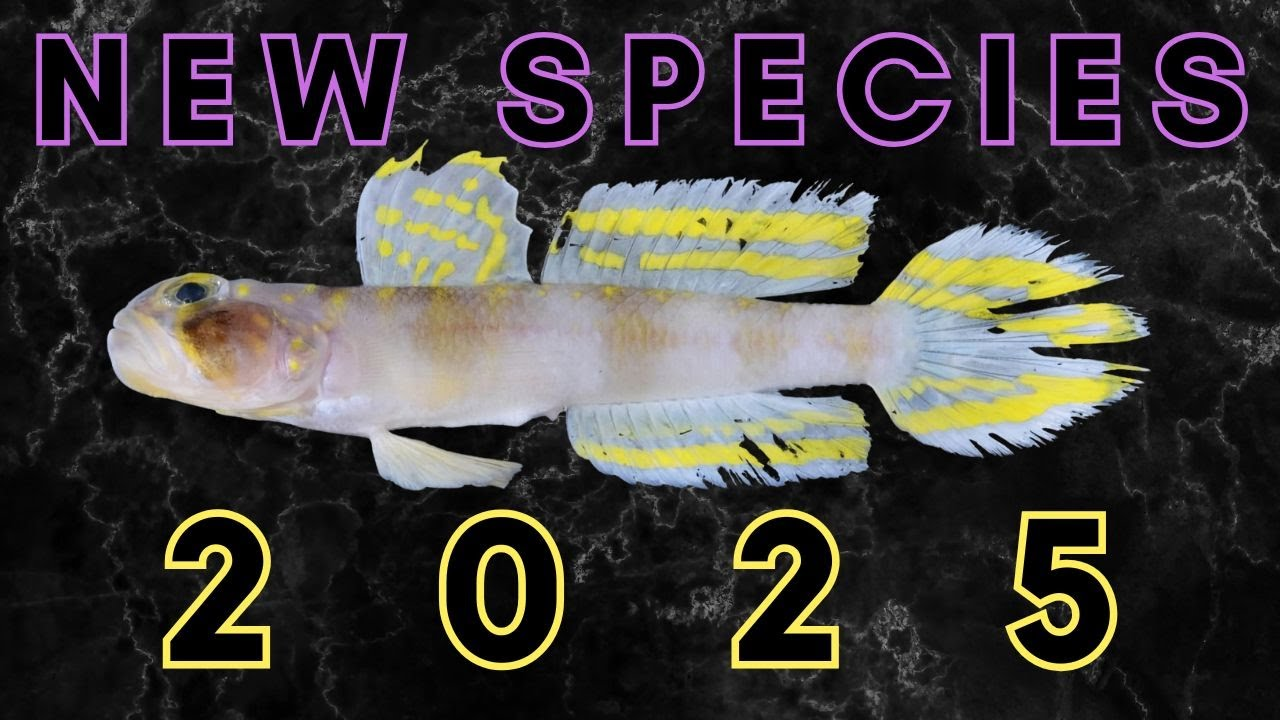
25 New Species Described in 2025

February 8, 2026

25 Amazing New Species Discovered in 2025

The natural world continues to surprise us. In 2025 alone, scientists formally described over 25 new species — from tiny insects to massive marine animals, and even previously unknown vertebrates. These discoveries highlight both the incredible biodiversity of our planet and how much remains to be explored.

Some of the most remarkable finds include:

  • Chachapoya Mouse Opossum (Marmosa chachapoya) – a tiny marsupial from Peru

  • Voss’s Porcupine (Coendou vossi) – a spiny rodent from South America

  • Snake River Plains Ground Squirrel (Urocitellus idahoensis) – a new rodent in the U.S.

  • Incan Water Rat (Incanomys mayopuma) – rediscovering ancient connections in the Andes

  • Stanley’s Dwarf Shrew (Crocidura stanleyi) – a tiny mammal hiding in plain sight

  • Slaty-masked Tinamou (Tinamus resonans) – a ground bird from South America

  • Hooded Jewel Babbler (Ptilorrhoa urrissia) – a dazzling bird from New Guinea

  • Vang Vieng Lance-headed Pit Viper (Protobothrops flavirostris) – a deadly snake with a striking pattern

  • Deccan Gracile Skink (Riopa deccanensis) – a nimble lizard from India

  • Hynek’s Hinged Terrapin (Pelusios hyneki, two subspecies) – a rare African turtle

  • Live-bearing Tree Toads (Nectophrynoides luhomeroensis, N. saliensis, N. uhehe) – small amphibians with fascinating reproductive habits

  • Meratus’ Creek Frog (Limnonectes meratusensis) – a newly described frog from Indonesia

  • Warty-lobed Sisorid Catfish (Glaridoglanis verruciloba) – an unusual freshwater fish

  • Supersaiyan Goby (Vanderhorstia supersaiyan) – a brightly colored reef fish

  • Western Australia Lanternshark (Etmopterus westraliensis) – a deep-sea predator that glows in the dark

  • Atlantic Manta Ray (Mobula yarae) – a giant ray previously unrecognized as a distinct species

  • Lucifer Bee (Megachile lucifer) – a striking new pollinator

  • Darth Vader Giant Isopod (Bathynomus vaderi) – a deep-sea crustacean worthy of its name

  • Leafless Orchid (Chiloschista tjiasmantoi) – a rare and unusual epiphytic plant

  • Woolly Devil (Ovicula biradiata) – a tiny and bizarre insect

  • Nanotyrannus (N. lancensis, N. lethaeus) – a newly described small tyrannosaurid dinosaur

These discoveries remind us that Earth’s biodiversity is vast, dynamic, and constantly evolving. Even in 2025, scientists are still uncovering species that have eluded human knowledge for centuries. Each new species adds a piece to the puzzle of life on our planet — and some may even have important ecological or scientific implications.

🎥 Watch the video below to meet all 25 incredible new species described in 2025 and learn the fascinating stories behind their discovery:

No One Knew This Door Existed

February 8, 2026

Beneath the Temple Mount: Exploring a 2,000-Year-Old Tunnel

We were granted rare access to a hidden world beneath one of the most sacred sites on Earth — the Temple Mount in Jerusalem. Here, an ancient drainage tunnel has remained largely unseen for millennia.

Recently, archaeologists discovered a massive stone door blocking the tunnel. When they opened it, they uncovered three chambers, one of which contained a mysterious trap door. Guided by Christopher Eames, one of the site’s lead advisors, we crawled through this 2,000-year-old tunnel dating back to the time of Jesus.

Inside, the tunnel reveals a treasure trove of history:

  • Hidden chambers untouched for centuries

  • Ancient artifacts that shed light on Jerusalem’s past

  • The largest gold medallion ever found in Israel

  • Clues about the engineering and construction of sacred spaces beneath the Temple Mount

This exploration uncovers a side of Jerusalem few have ever seen, revealing how ancient peoples lived, worshipped, and safeguarded treasures beneath the city. Each turn of the tunnel and every hidden chamber tells a story that has been buried for nearly two millennia.

🎥 Watch the video below to crawl through the Temple Mount tunnel, explore hidden chambers, and discover ancient treasures beneath Jerusalem:

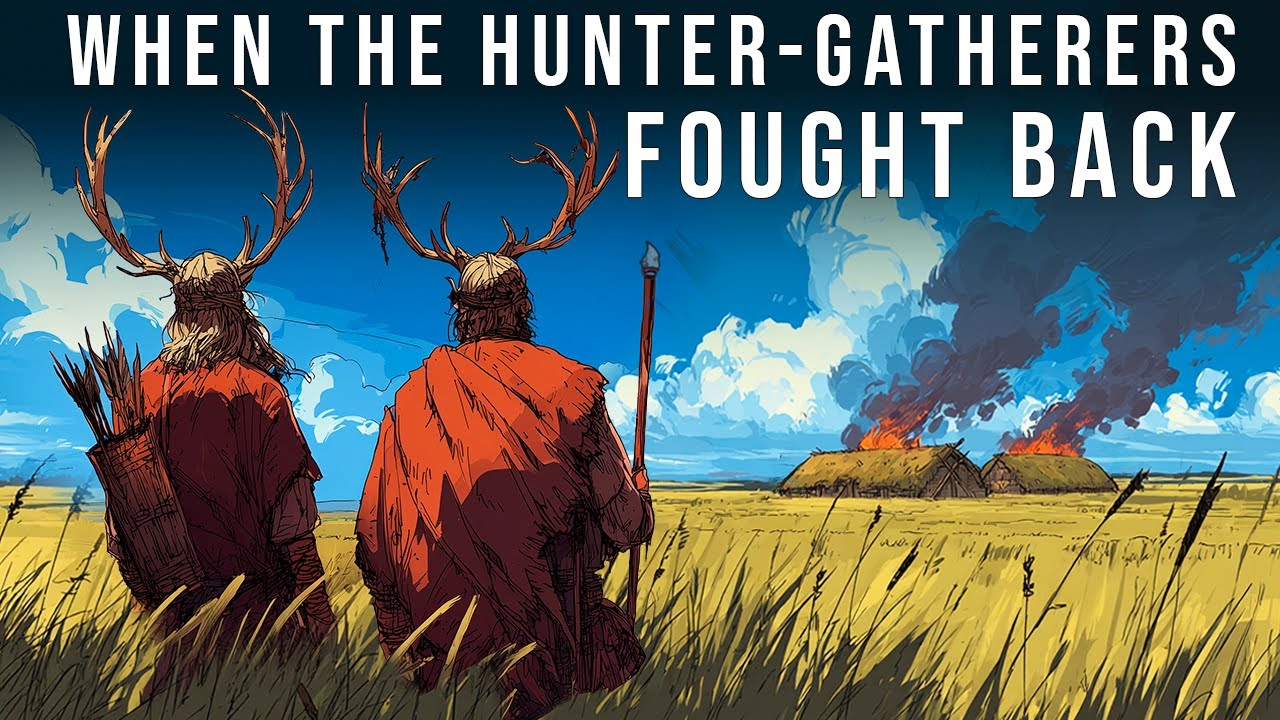
Europe's Astonishing Hunter-Gatherer Resurgence

February 8, 2026

The Late Neolithic Hunter-Gatherer Resurgence in Europe

Genetic research is reshaping our understanding of Europe’s deep past. Thousands of years after the first farmers spread across Europe from Anatolia, DNA reveals an unexpected twist: traces of Mesolithic hunter-gatherers re-emerged in the genetic makeup of these Neolithic farming populations.

Even more surprising, many of the male lineages of Neolithic farmers were replaced with those of hunter-gatherers, an event now called the Late Neolithic Hunter-Gatherer Resurgence. This phenomenon raises fascinating questions:

  • Why did hunter-gatherer genes reappear after the arrival of farming communities?

  • How did this genetic resurgence transform the demographics, culture, and societies of Neolithic Europe?

  • What does it tell us about the interactions, migrations, and adaptability of early humans?

Through advances in ancient DNA analysis, researchers are now able to trace these complex patterns, revealing a Europe far more dynamic and interconnected than previously imagined. This resurgence demonstrates that hunter-gatherer populations continued to influence and reshape early agricultural societies in ways that still echo in the DNA of Europeans today.

Whether you’re a history buff, archaeology enthusiast, or just curious about your own genetic past, these discoveries highlight the power of modern genetic research in uncovering the stories of our ancestors.

🎥 Watch the video below to explore the Late Neolithic Hunter-Gatherer Resurgence and see how these ancient genetic shifts transformed Europe:

The First Photographs Ever Taken of India (1860-1870 by Samuel Bourne) Old World Architecture

February 8, 2026

India in the 1860s: The Oldest Photographs by Samuel Bourne

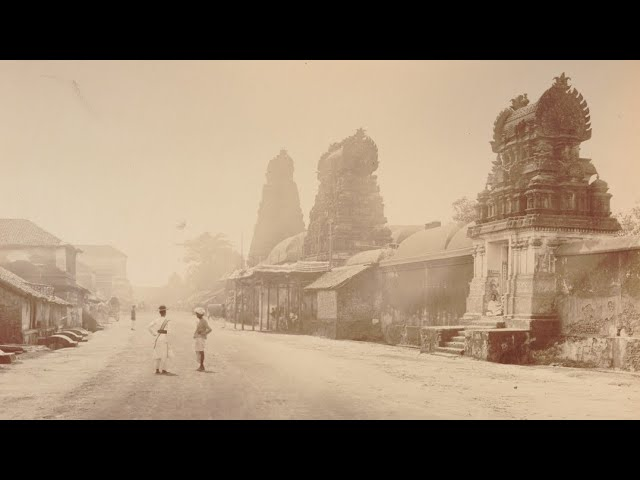
Howdy ya’ll! Today, we take a journey back to India in the 1860s through the lens of Samuel Bourne, one of the earliest and most accomplished photographers of the time. Bourne captured the landscapes, architecture, and people of India during the British colonial period, producing images that remain astonishing more than 150 years later.

In this collection, I have translated the original titles of the photographs and included them alongside the relevant images, offering a closer look at the stories Bourne sought to convey. From majestic temples and bustling city streets to serene rivers and imposing mountains, these photographs provide a rare glimpse into the Old World of India — a time and place frozen in light and shadow.

These images are not only visually stunning, but they also serve as historical documents, helping us understand life, culture, and architecture in 19th-century India. Each photograph tells a story, inviting us to step back in time and see the country as Bourne saw it over a century and a half ago.

I’d love to hear your thoughts on these images, so don’t forget to leave a comment below!

🎥 Watch the video belOw to explore Samuel Bourne’s oldest photographs of India, and experience the sights, people, and landscapes of the 1860s through his remarkable lens:

Ancient Civilizations That Hide Below The Sea | Underworld | Earth Stories

February 8, 2026

Sunken Civilizations: The Lost World Beneath the Waves

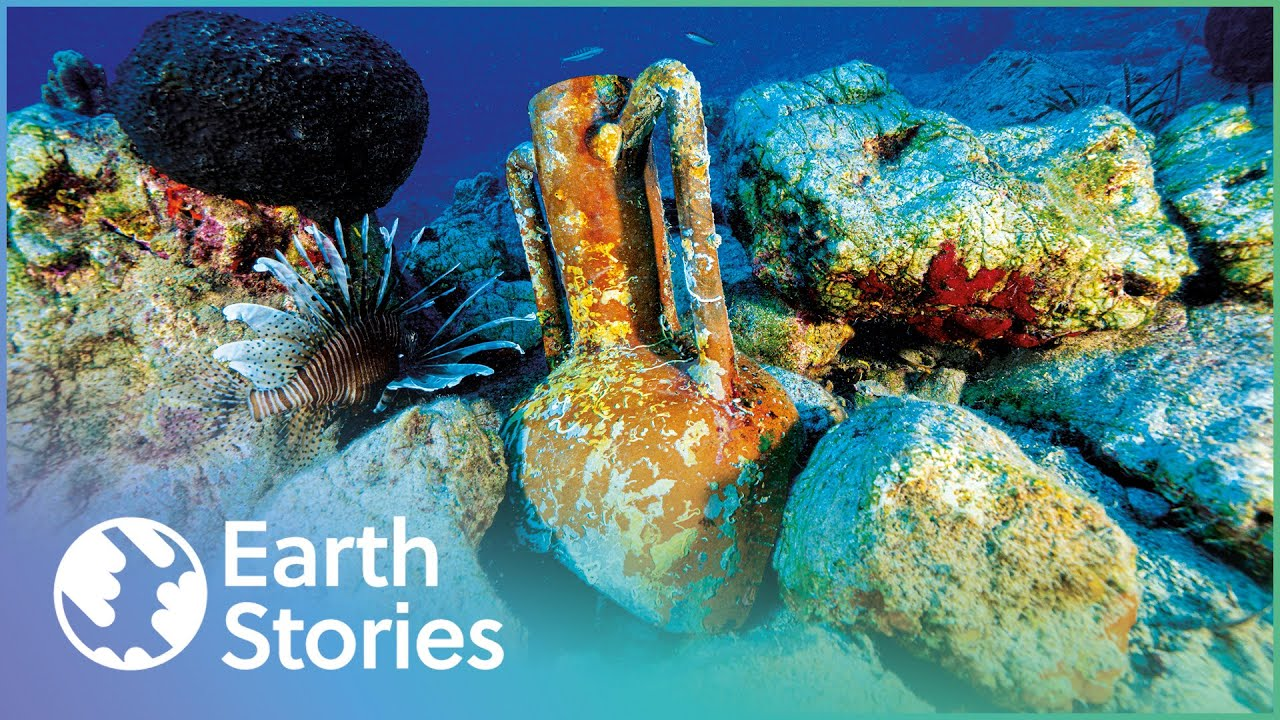
More than 12,000 years ago, the meltdown of the last Ice Age triggered catastrophic flooding that reshaped the Earth. Tidal waves and rising seas inundated vast coastal regions, turning rich, fertile lands — once home to thriving early human communities — into watery graveyards.

These submerged landscapes were warm enough to support established civilizations, but the forces of nature erased much of this human history. For millennia, these forgotten chapters remained hidden beneath the oceans, invisible to archaeologists and historians.

Today, modern technology is allowing us to peer into these lost worlds. From underwater mapping to submersibles and remote sensing, scientists are uncovering traces of human activity, settlements, and even artifacts preserved beneath the waves. These discoveries are slowly revealing a hidden chapter of human history, showing how early societies adapted — and sometimes succumbed — to dramatic climate shifts.

This story is a reminder of the power of nature, the resilience of humans, and the secrets that lie just beneath the surface of our oceans, waiting to be rediscovered.

🎥 Watch the video below to explore the sunken lands of the post-Ice Age world and discover the civilizations that once thrived where the sea now rules:

The Ice Age Secrets Hiding Beneath California

February 8, 2026

Ice Age California: The Untold Story Beneath Our Cities

Today, we journey back to a California few ever imagine — an ancient landscape buried beneath our cities, beaches, and freeways. Long before San Diego’s skyline rose or La Jolla’s cliffs drew surfers, this land was ruled by mammoths, saber-toothed cats, and early humans navigating a world still shaped by the Ice Age.

From submerged Kumeyaay village sites to fossil-filled tar pits and coastal cliffs hiding prehistoric secrets, this is the untold story of Ice Age California.

In this video, you’ll discover:

  • What San Diego, Los Angeles, and the Channel Islands looked like 20,000 years ago

  • The giants that once roamed the coast: mammoths, dire wolves, and saber-toothed cats

  • Evidence of human footprints on ancient shores — early seafarers, hunters, and toolmakers

  • How fossils uncovered during construction projects and cliffside erosion are rewriting history

  • Why understanding the deep past matters in today’s changing world

This exploration combines archaeology, paleontology, and coastal geology to reveal a California unlike any we see today — a world of giant creatures, early human ingenuity, and shifting landscapes that shaped the future of the region.

🎥 Watch the video below to step into Ice Age California and see the ancient world that once lay beneath our modern cities:

The most important lumps of dry mud in history

February 8, 2026

Before Writing: The Story of Clay Tokens

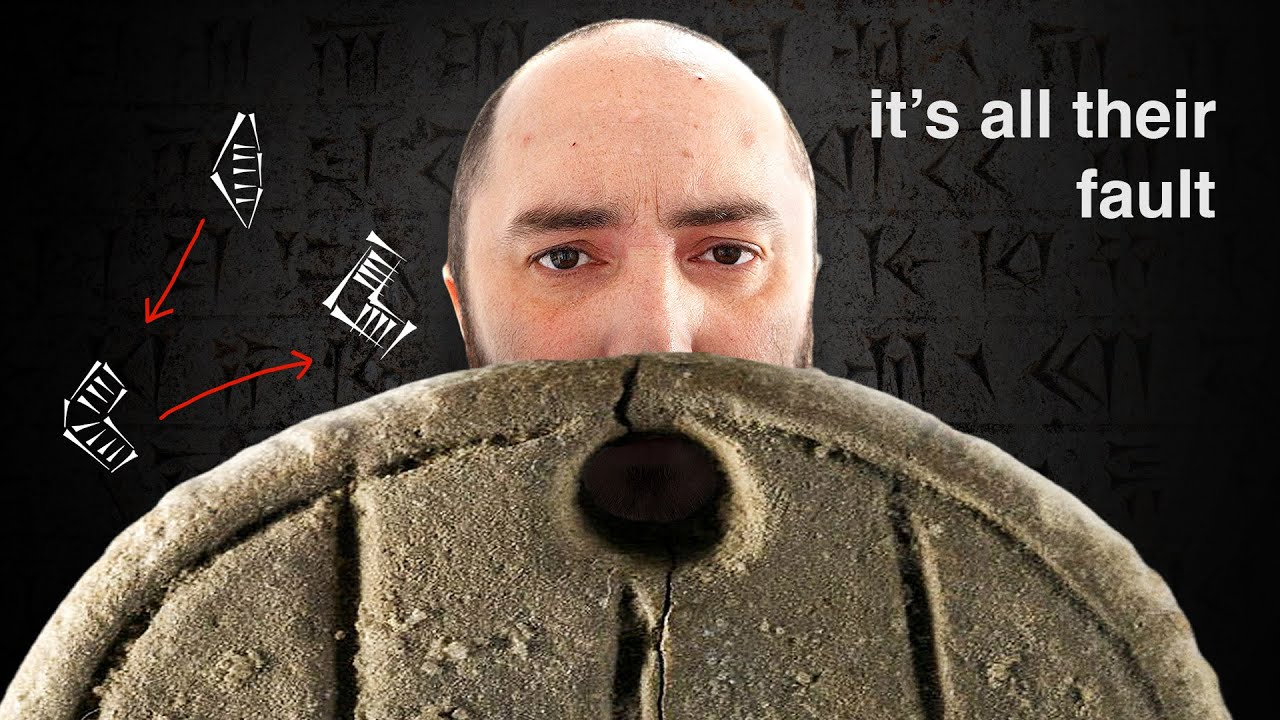
Before humans developed writing, there was something else — clay tokens. These simple, unassuming lumps of dried mud may seem ordinary at first glance, but they played a crucial role in human history.

Archaeologists believe that clay tokens were used to count, record, and organize information in early societies. They were the precursors to writing, allowing humans to track trade, property, and goods, and laying the foundation for administration and bureaucracy. In other words, these tiny artifacts may be responsible for some of the most powerful inventions of civilization:

  • Numbers and accounting systems

  • Early forms of record-keeping and administration

  • Board games and recreational uses

  • The development of complex bureaucracies

Over thousands of years, these humble clay tokens evolved into written symbols, eventually giving rise to the earliest forms of writing in places like Mesopotamia. They remind us that even the simplest tools can have profound impacts on society, shaping how humans communicate, govern, and organize their world.

🎥 Watch the video below to explore the fascinating history of clay tokens and discover how these small pieces of mud helped shape human civilization:

MOST Unsolved Bizarre Ancient Archaeological Mysteries Human Still Don’t Understand

February 8, 2026

Ancient Monuments Around the World: Forgotten Tombs, Lost Cities, and Hidden Pyramids

Across deserts, jungles, mountains, and cities, ancient civilizations built massive monuments that still challenge modern understanding. From Africa and the Middle East to China and Japan, these structures reveal the ingenuity, ambition, and organizational power of societies long gone.

In this documentary, we explore forgotten tombs, lost stone cities, hidden pyramids, and mysterious burial landscapes around the globe. Highlights include:

  • The stone fortress of Loropéni in Burkina Faso, showcasing West African defensive architecture.

  • The royal pyramids of Sudan, monumental tombs of the ancient Kushite kingdom.

  • The hidden tomb of China’s first emperor, shrouded in mystery and legend.

  • The giant keyhole-shaped burial mounds of Japan, ancient landscapes still standing after centuries.

These sites were built without modern machinery, yet they required advanced planning, engineering skill, and centralized political systems. How were millions of stones moved and shaped? How did ancient societies organize such huge projects? Why were some of these great centers abandoned and forgotten? And what secrets remain buried underground today?

Each chapter of this video explains the real history behind these places, what archaeologists have uncovered, and what mysteries remain unsolved. There are no myths, no exaggeration — just real places, real research, and real human history.

If you love long-form history, ancient engineering, and unsolved mysteries, this video is the perfect journey through human achievement and curiosity.

🎥 Watch the video below to explore ancient monuments, hidden tombs, and lost cities around the world, and uncover the secrets that still baffle modern researchers:


The Most Important Moment in England's History

February 8, 2026

The Mystery of King Alfred’s Battle at Edington

This week, we dive into one of the most pivotal moments in English history: the Battle of Ethandun, more commonly known as the Battle of Edington. Often credited with setting the foundation for the formation of England, this battle was a turning point in the struggle between King Alfred the Great and the invading Vikings.

Despite its significance, historians still disagree on where the battle actually took place. Multiple locations have been proposed, each with its own evidence — from landscape features mentioned in ancient chronicles to archaeological finds — yet no site has been definitively confirmed.

The uncertainty raises fascinating questions: Why has the location been lost to history? How much of what we think we know comes from chronicles, legends, and later interpretations? And what does this tell us about how history is recorded and remembered?

In this investigation, we examine the historical sources, weigh the evidence for various proposed sites, and explore the cultural and military significance of the battle that helped shape England. From King Alfred’s strategies to the Viking threat, this mystery is not just about geography — it’s about the story of a nation in its earliest days.

🎥 Watch the video below to uncover the mystery of King Alfred’s Battle of Edington and see why historians are still searching for its true location:

Prehistoric Animals Scientists Got Horribly Wrong

February 8, 2026

When Paleontologists Get It Wrong: Incredible Mistakes in Fossil History

Figuring out what animals that lived millions of years ago actually looked like — just from bones and fossils — is breathtakingly difficult. Even the best paleontologists have made mistakes along the way, and some of those errors have led to extraordinary misunderstandings of prehistoric life.

From misidentifying dinosaurs as biblical monsters to imagining gigantic spiders that never existed, history is full of these surprising paleontological blunders. In this video, we explore some of the most fascinating errors, including:

  • The very first dinosaur, once thought to be a giant biblical reptile.

  • The largest spider that was later revealed to never have existed.

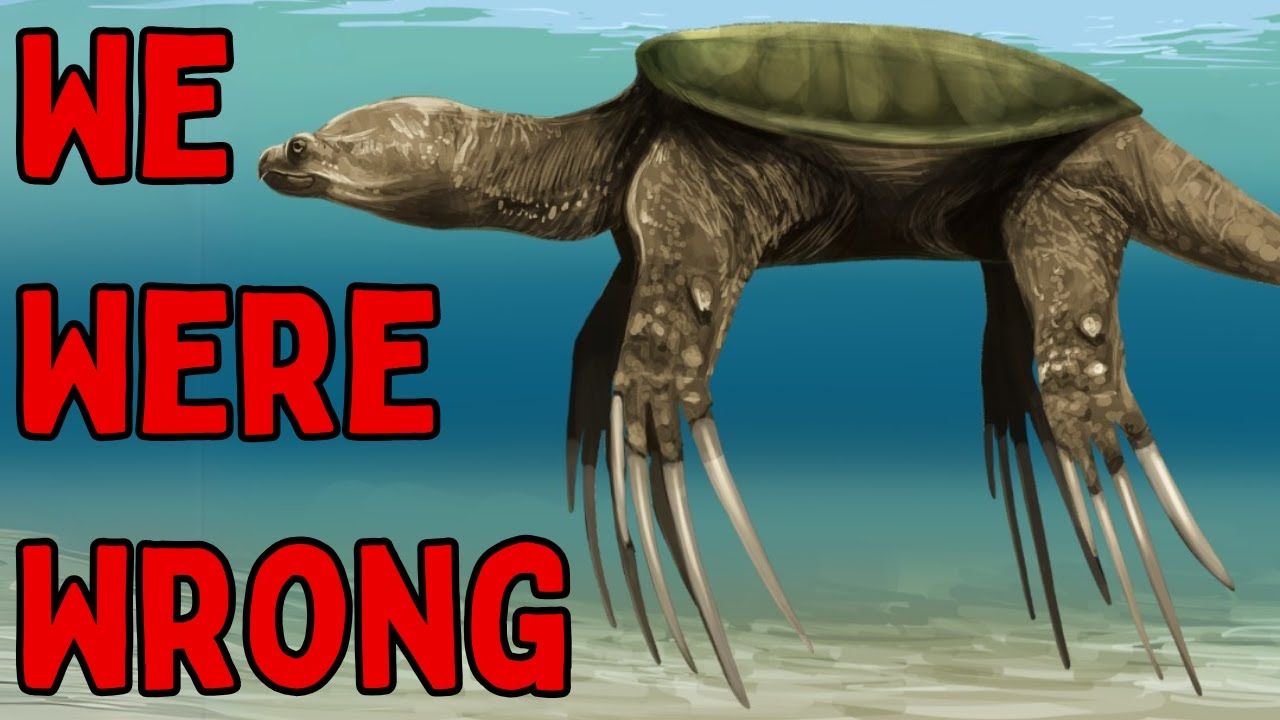
  • Therizinosaurus, originally reconstructed as a titanic clawed turtle.

  • Fully aquatic pterosaurs imagined as sea-dwelling creatures.

  • An animal misclassified as three different species at once.

  • The “slender man” version of T. rex, with all arms and no body.

  • And an animal that seemed to come back to life 66 million years later.

These moments remind us that paleontology is not just about discovery, but also about hypothesis, revision, and learning from mistakes. Each error tells a story about the limits of science, the imagination of researchers, and the incredible complexity of reconstructing life from the distant past.

🎥 Watch the video below to explore the most incredible paleontological mistakes, from giant spiders to misidentified dinosaurs, and see how scientists slowly piece together the truth about prehistoric life:

World's Biggest Great White Full Episode

February 8, 2026

The World's Biggest Great White: Shark Encounters in Hawaii

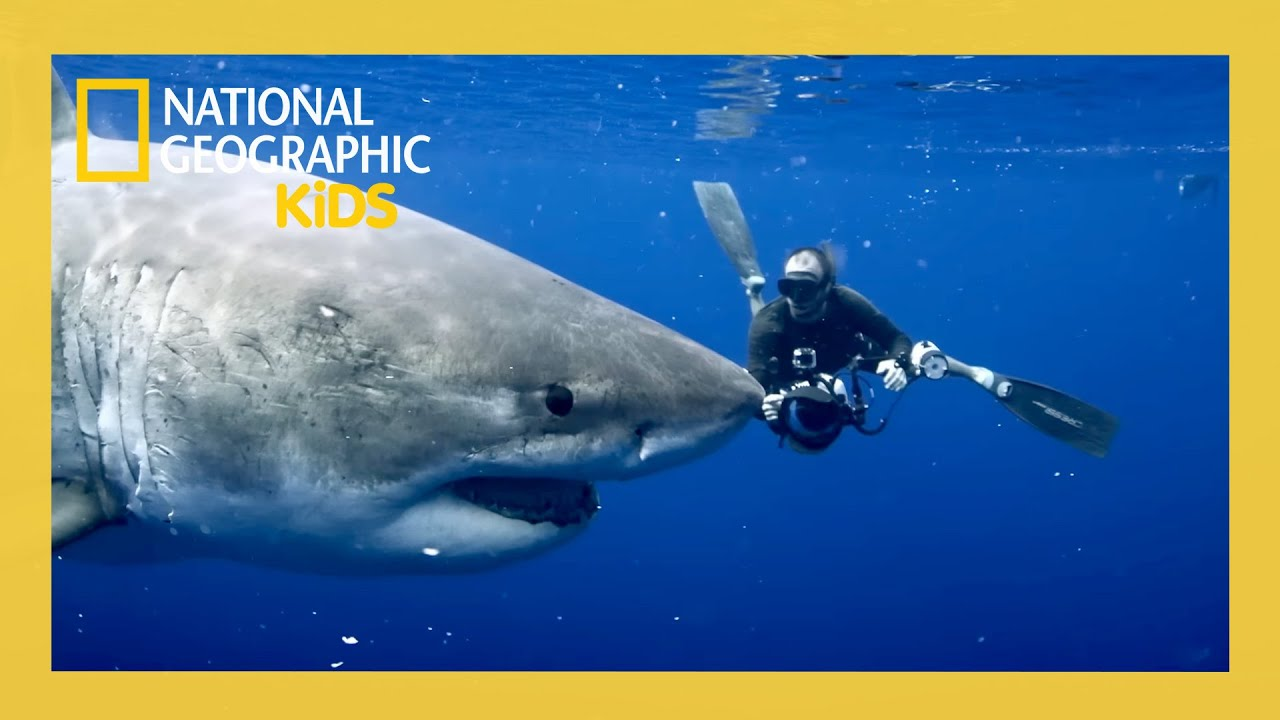
In January 2019, something extraordinary happened off the coast of Oahu, Hawaii. Three massive great white sharks were spotted in waters where white sharks are rarely seen. Among them was Deep Blue, believed to be the largest great white ever caught on camera — a true giant of the ocean.

The sightings didn’t end there. Just a few weeks later, two kayak fishermen had a close encounter with a white shark, raising questions about why these apex predators were appearing in Hawaiian waters. Who is this shark? What is it doing so far from its usual range? And how does it survive and thrive in such a distant ocean environment?

This full episode takes viewers behind the scenes of these remarkable encounters, showing the scale, power, and mystery of one of the ocean’s most iconic predators. From the careful documentation by marine scientists to heart-stopping close-up footage, it’s a chance to witness Deep Blue and other great whites like never before.

Beyond the drama, the episode also provides an educational look at shark behavior, ecology, and conservation, helping viewers understand why these animals are critical to ocean ecosystems — and why seeing them in Hawaii is both rare and exciting.

🎥 Watch the full episode below to see the world's biggest great white shark, learn about its surprising journey to Hawaiian waters, and experience up-close encounters with these incredible predators:

This Site in the Sahara Was Never Meant to Be Found...

February 8, 2026

Lost Civilization or Mystery Ruins? Exploring the Sahara Desert

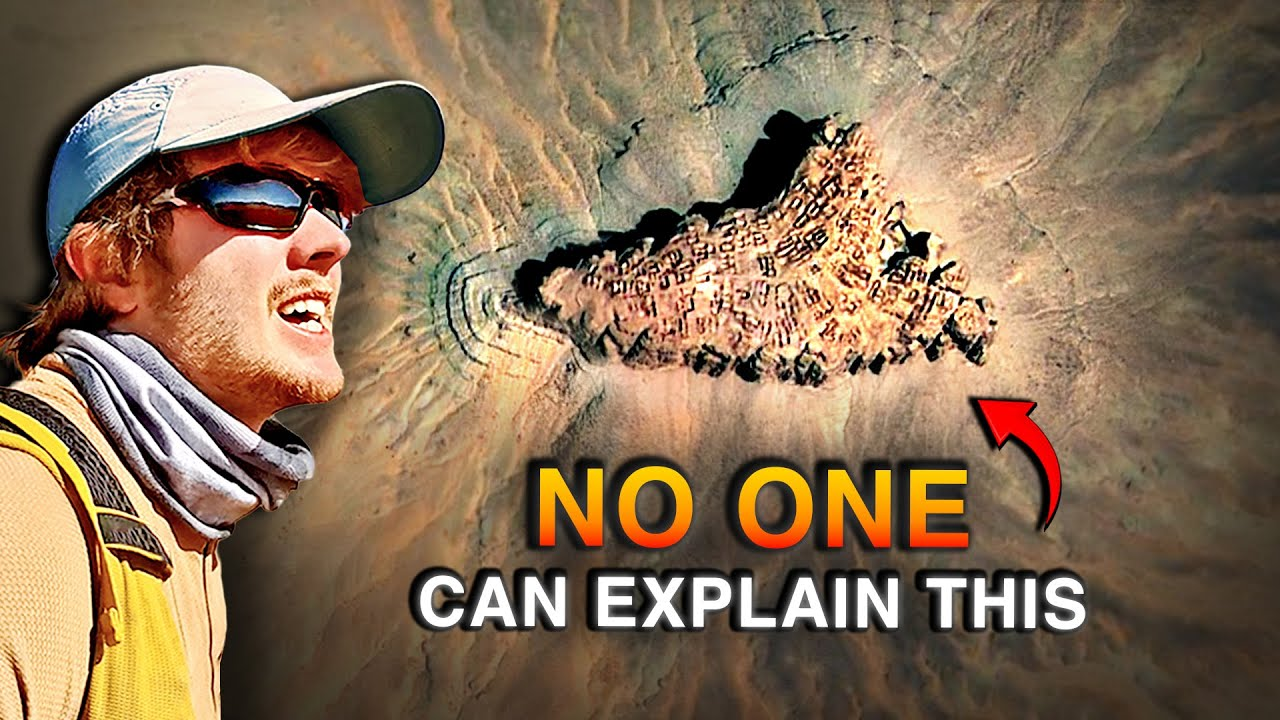
Using Google Earth, I stumbled across something remarkable in the middle of the Sahara Desert. At first glance, it looked like a rocky plateau—but on closer inspection, there were man-made structures scattered across the top, suggesting they might be ancient ruins.

Curiosity drove me to explore further, and the discoveries only got stranger. This wasn’t an isolated site. The surrounding area was dotted with similar mysterious formations, all completely undocumented. There were no historical records, no research papers, no mentions in archaeological surveys—nothing. Could this remote stretch of desert have once been home to a lost civilization?

To find answers, I embarked on an adventure with Morocco Private Tours, venturing out to these sites in person. The journey was not just about investigation—it became an epic road trip across Morocco, taking me to hidden gems and remote locations I never expected to see. It included a solo hiking expedition into the Sahara, where the vast emptiness of the desert only made the mysterious structures feel more awe-inspiring.

Were these formations truly remnants of an ancient civilization, or something else entirely? The answer remains elusive, but the experience revealed just how much the Sahara still hides—and how much there is left for explorers to uncover.

🎥 Watch the video below to join the adventure, explore the mysterious structures in the Sahara, and see what might be remnants of a long-lost civilization:

The End of the Steppe Hypothesis? Indo-European Origins in the Caucasus - Genetics & Linguistics

February 8, 2026

The Origins of the Indo-Europeans: Tracing Language and Homeland

Where did the Indo-Europeans come from, and how did their language spread across Europe and Asia? These questions have fascinated linguists, archaeologists, and historians for centuries, leading to multiple theories about the origins of one of the world’s most influential language families.

In this video, we explore the two most widely accepted theories:

  1. The Steppe Hypothesis – Proposes that the Indo-Europeans originated in the Pontic-Caspian Steppe around 4500–2500 BCE, spreading their language and culture through migrations into Europe and parts of Asia.

  2. The Anatolian Hypothesis – Suggests that the Indo-European languages began in Anatolia (modern-day Turkey) much earlier, spreading alongside the advent of agriculture.

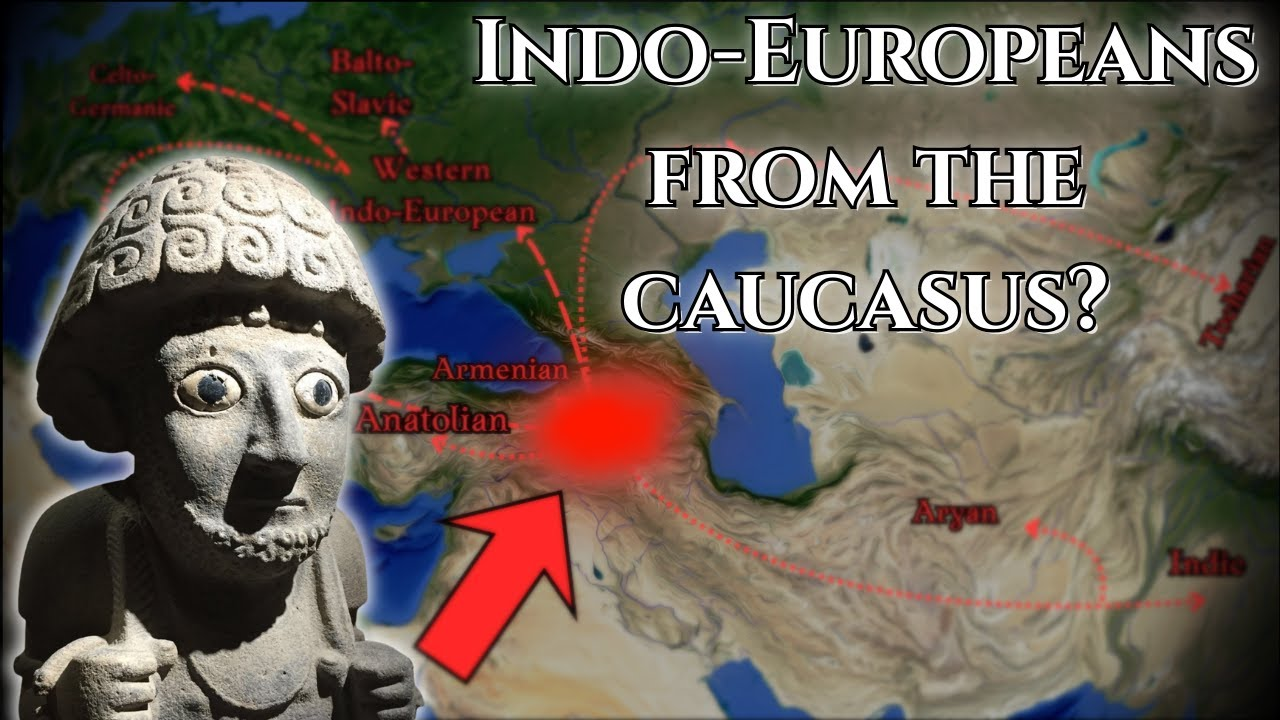
Beyond these long-standing ideas, a newer theory has emerged. This hypothesis traces the ultimate homeland of the Indo-Europeans to in or around the Caucasus, potentially offering a solution to one of the biggest linguistic puzzles: the relationship of the Anatolian branch to the other Indo-European languages.

By examining linguistic evidence, archaeological findings, and genetic research, this investigation brings us closer to understanding how one group of ancient people influenced the languages, cultures, and histories of millions of descendants. The origins of the Indo-Europeans are more than a question of geography—they touch on the roots of modern civilization itself.

🎥 Watch the video below to explore the theories about the Indo-European homeland and uncover the latest research on this enduring historical mystery:

A Mummified DINOSAUR? (at @AMNH)

February 8, 2026

Dinosaur Skin and the Bird Connection: A Paleontological Journey

What did dinosaur skin actually look like? How did scientists come to a consensus that modern birds are descended from dinosaurs? These are questions that have fascinated researchers and the public alike — and the answers lie in both fossil evidence and careful scientific interpretation.

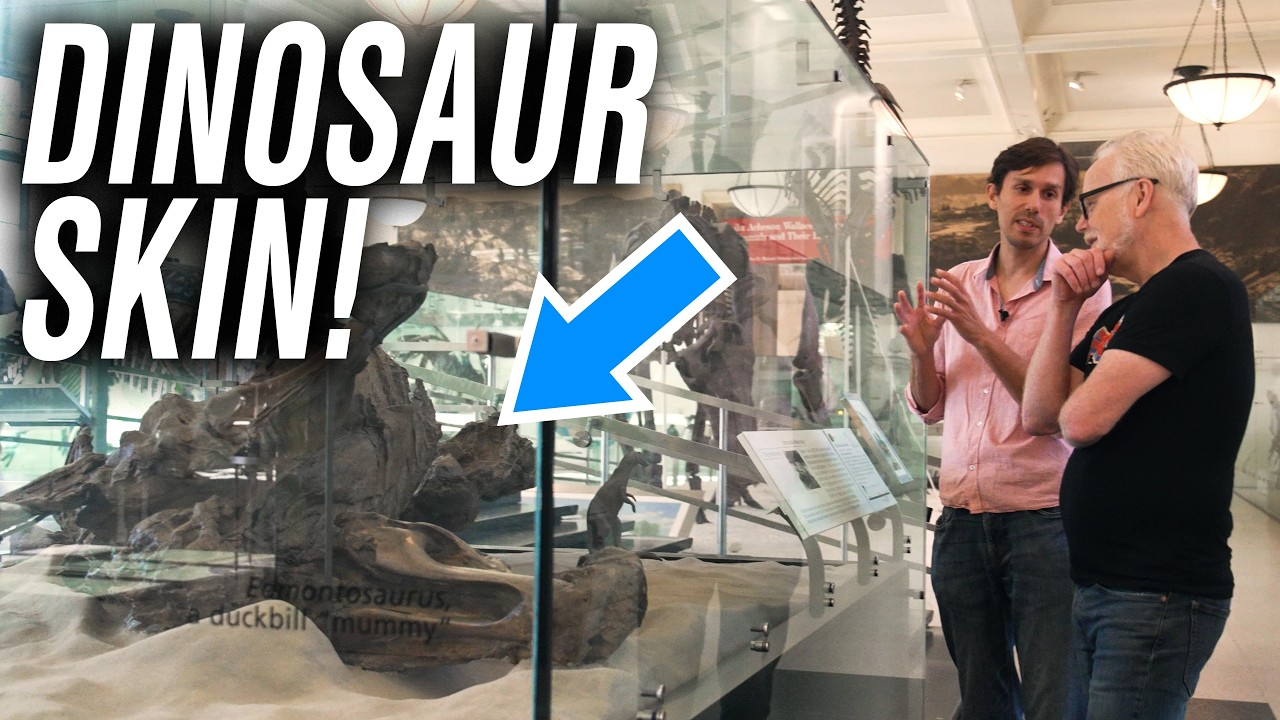
At the American Museum of Natural History (AMNH), Roger Benson, Macaulay Curator in the Division of Paleontology, gives a firsthand look at one of the museum’s most remarkable specimens: a dinosaur “mummy.” This hadrosaur fossil is extraordinarily well-preserved, including impressions of skin, muscle, and other soft tissues, making it one of the greatest discoveries in the history of paleontology.

By studying fossils like this, paleontologists can reconstruct not just the skeleton of a dinosaur, but also the texture, scale patterns, and possible coloration of its skin. Combined with skeletal and anatomical studies, these discoveries have helped scientists confirm that many features we associate with birds — feathers, hollow bones, and certain respiratory structures — first evolved in dinosaurs.

This evidence bridges the ancient past with the present: when you see a modern bird, you are glimpsing the distant descendants of creatures that once roamed the Earth millions of years ago. The research at AMNH highlights not just what dinosaurs looked like, but also how science reconstructs the story of life on our planet through meticulous observation, experimentation, and curiosity.

🎥 Watch the video below to see the hadrosaur “mummy” at AMNH, explore dinosaur skin, and learn how scientists traced the evolutionary connection between dinosaurs and modern birds:


PH Skip navigation Search Avatar image We Reconstructed the Voice of a Medieval King

February 8, 2026

Hearing Richard III Speak Again: Bringing History to Life

Imagine being able to hear one of the most fascinating figures from history speak again — not through Shakespeare’s dramatizations or modern actors, but in his own voice, speaking his own words.

In this special film, Richard III expert Matthew Lewis follows an ambitious project aimed at doing just that: giving Richard III back his voice over 500 years after his death. By combining facial reconstruction, speech science, and historical research, the team has created the closest possible approximation of how Richard actually sounded.

The project relies on the groundbreaking work of voice coach Yvonne Morley-Chisholm, who has brought together experts from diverse fields — historic speech, regional pronunciation, anatomy, theatre, psychology, history, and even dentistry — to reconstruct Richard’s vocal patterns and delivery. Every syllable is informed by scientific evidence, historical context, and meticulous analysis.

Meanwhile, Professor Caroline Wilkinson and her team at FaceLab have recreated Richard’s face using the primary evidence of his skull, rediscovered in 2012. The facial reconstruction is not just static; it is being digitally animated to speak, producing a visual and auditory approximation of the king himself.

This project doesn’t just recreate a voice. It brings Richard III back to life, letting us experience history in a way never before possible — to see him, hear him, and understand him as a living, breathing person rather than a figure frozen in textbooks or theatre performances.

🎥 Watch the video below to hear Richard III speak for the first time in centuries, and witness the extraordinary science and artistry that brings him back to life:

this ancient SKY CITY is covered in unexplained carvings

February 8, 2026

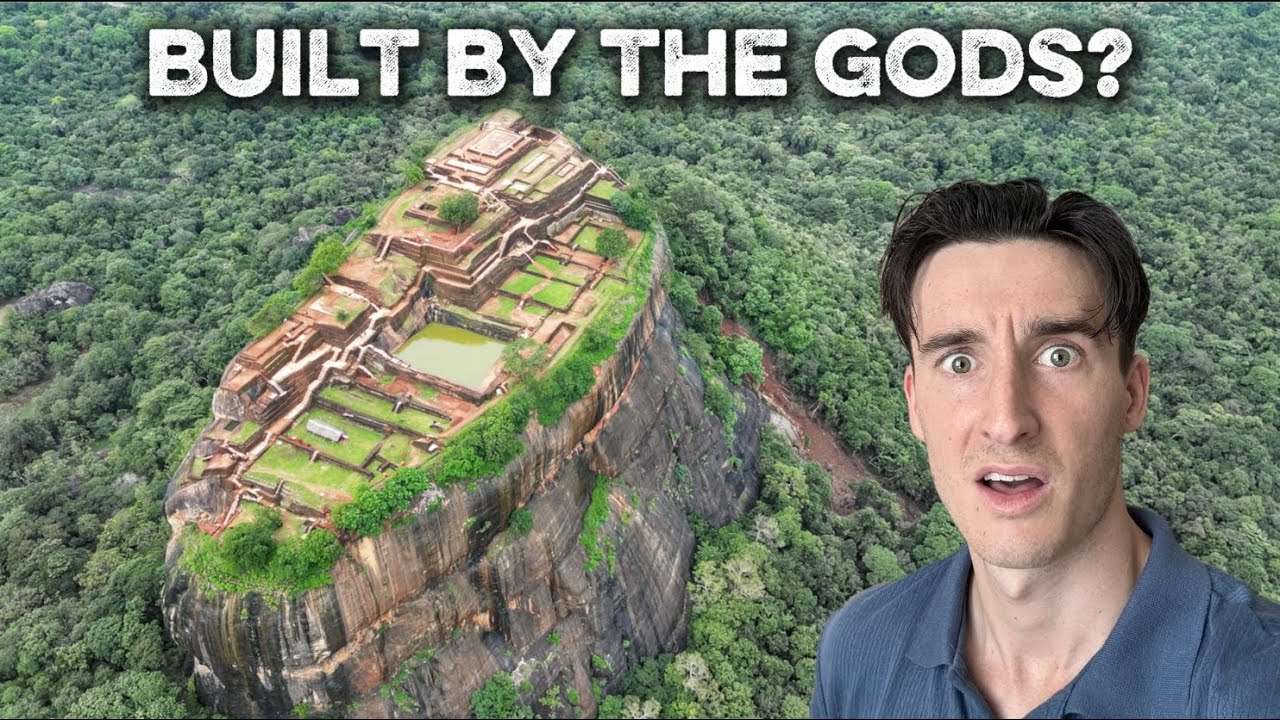
Sigiriya, often called the Lion Rock, is one of Sri Lanka’s most famous landmarks — but it’s far more complex than most people realize. Rising nearly 200 meters above the surrounding plains, this massive rock fortress is not just a single structure; it’s an intricate combination of royal palace, city, garden, and artwork, all designed with astonishing precision.

Dating back to the 5th century CE, Sigiriya was built under King Kashyapa, who transformed the natural rock formation into a fortified citadel, complete with ramparts, terraces, and moats. But what makes Sigiriya truly remarkable is its combination of art, engineering, and urban planning:

  • Frescoes painted on the rock walls, depicting celestial maidens, still captivate visitors with their vibrant colors and elegance.

  • Water gardens at the base demonstrate advanced hydraulic engineering, with pools, fountains, and channels still functioning today.

  • The Mirror Wall, originally polished to reflect the king, bears inscriptions and poems from visitors over the centuries.

Beyond its beauty, Sigiriya tells a story of ambition, ingenuity, and political intrigue. It was both a royal retreat and a defensive stronghold, carefully designed to intimidate enemies and awe visitors. Every stairway, gateway, and terrace was planned to guide movement, display power, and harmonize with the natural landscape.

Even today, walking through the terraces and climbing the rock, it’s easy to feel the scale of vision and complexity behind this ancient masterpiece. Sigiriya is not just a historical site — it’s a testament to human creativity and architectural genius.

🎥 Watch the video below to explore Sigiriya in all its complexity, from the frescoes to the water gardens and the engineering marvels of Lion Rock:

← Newer Posts Older Posts →
Featured
image_2026-02-15_210430819.png
Feb 15, 2026
The Most INCREDIBLE Archaeological Discoveries of December 2025
Feb 15, 2026
Read More →
Feb 15, 2026
image_2026-02-15_210354426.png
Feb 15, 2026
First-Ever Study of the Kelp Highway Reveals Groundbreaking Evidence
Feb 15, 2026
Read More →
Feb 15, 2026
image_2026-02-15_205930764.png
Feb 15, 2026
Jordan’s Ancient Megastructures No Civilization Could Have Built
Feb 15, 2026
Read More →
Feb 15, 2026
image_2026-02-15_205739082.png
Feb 15, 2026
What They Never Tell You About the Picts
Feb 15, 2026
Read More →
Feb 15, 2026
image_2026-02-15_205533483.png
Feb 15, 2026
The Largest Animals You've Never Heard Of
Feb 15, 2026
Read More →
Feb 15, 2026
image_2026-02-15_205322551.png
Feb 15, 2026
New Findings Expose Göbekli Tepe's BIGGEST Secret — A HIDDEN Method That's Impossible
Feb 15, 2026
Read More →
Feb 15, 2026
read more

Powered by The archaeologist