• MAIN PAGE
  • LATEST NEWS
    • Lost Cities
    • Archaeology's Greatest Finds
    • Underwater Discoveries
    • Greatest Inventions
    • Studies
    • Blog
  • PHILOSOPHY
  • HISTORY
  • RELIGIONS
    • Africa
    • Anatolia
    • Arabian Peninsula
    • Balkan Region
    • China - East Asia
    • Europe
    • Eurasian Steppe
    • Levant
    • Mesopotamia
    • Oceania - SE Asia
    • Pre-Columbian Civilizations of America
    • Iranian Plateau - Central Asia
    • Indus Valley - South Asia
    • Japan
    • The Archaeologist Editor Group
    • Scientific Studies
    • Aegean Prehistory
    • Historical Period
    • Byzantine Middle Ages
    • Predynastic Period
    • Dynastic Period
    • Greco-Roman Egypt
  • Rome
  • PALEONTOLOGY
  • About us
Menu

The Archaeologist

  • MAIN PAGE
  • LATEST NEWS
  • DISCOVERIES
    • Lost Cities
    • Archaeology's Greatest Finds
    • Underwater Discoveries
    • Greatest Inventions
    • Studies
    • Blog
  • PHILOSOPHY
  • HISTORY
  • RELIGIONS
  • World Civilizations
    • Africa
    • Anatolia
    • Arabian Peninsula
    • Balkan Region
    • China - East Asia
    • Europe
    • Eurasian Steppe
    • Levant
    • Mesopotamia
    • Oceania - SE Asia
    • Pre-Columbian Civilizations of America
    • Iranian Plateau - Central Asia
    • Indus Valley - South Asia
    • Japan
    • The Archaeologist Editor Group
    • Scientific Studies
  • GREECE
    • Aegean Prehistory
    • Historical Period
    • Byzantine Middle Ages
  • Egypt
    • Predynastic Period
    • Dynastic Period
    • Greco-Roman Egypt
  • Rome
  • PALEONTOLOGY
  • About us

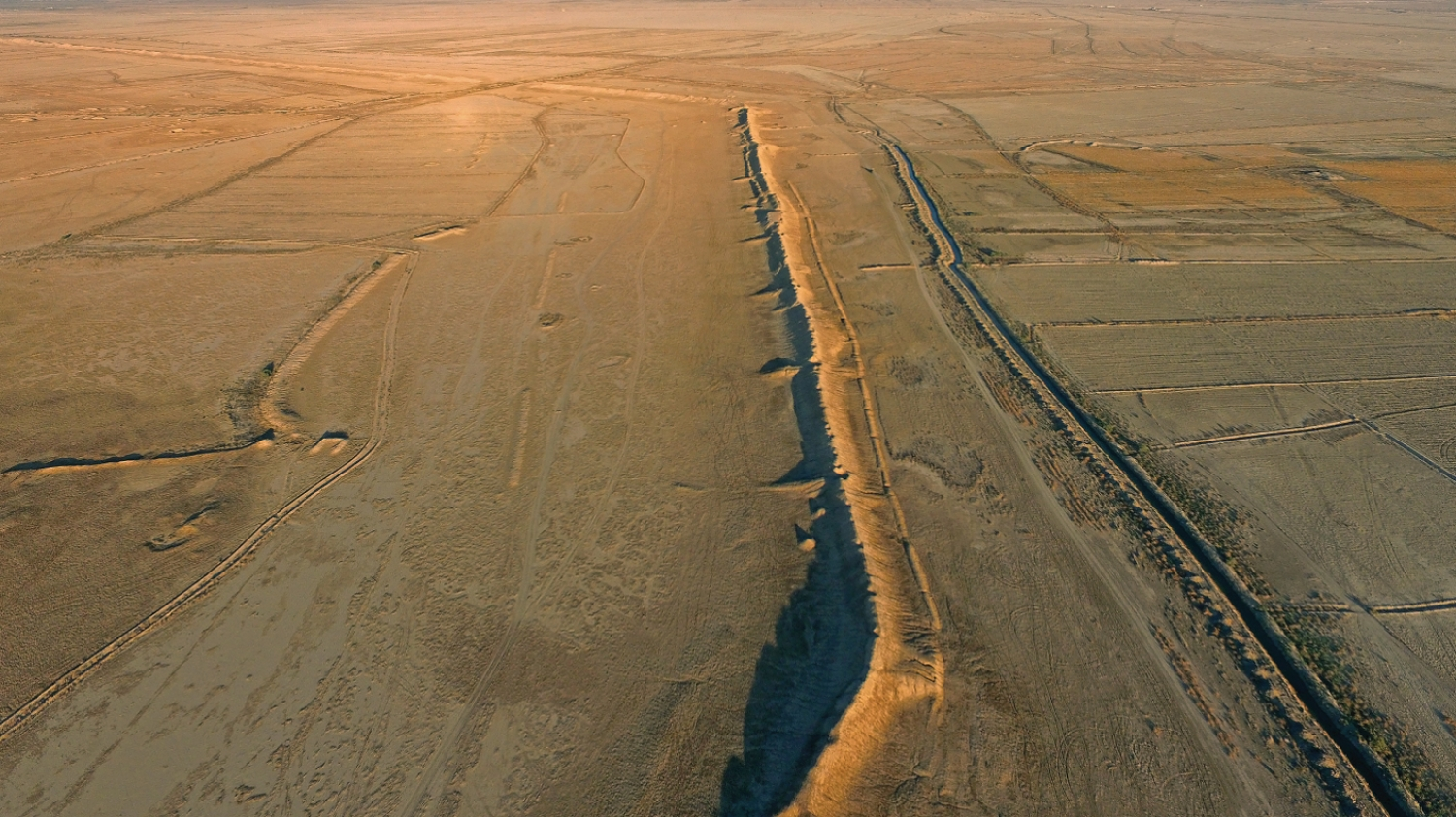
Aerial photo showing the walls of Alexandria on the Tigris, Charax-Spasinou, Iraq

New Research Confirms Location of Lost City Founded by Alexander the Great

February 11, 2026

JEBEL KHAYYABER, IRAQ — Ancient texts state that after returning from the Indus Valley around 324 B.C., Alexander the Great established a key port city in Mesopotamia called Alexandria on the Tigris. For centuries, however, archaeologists were unable to pinpoint its exact location.

According to La Brújula Verde, recent research has now identified the long-lost site and revealed new insights into its scale and design. An international team led by Stefan Hauser of the University of Konstanz used aerial photography, drone surveys, and ground investigations to confirm the city’s location at Jebel Khayyaber in modern-day Iraq.

Geophysical scans uncovered a carefully planned urban layout, including streets, defensive walls, canals, and insulae—large residential blocks that rank among the biggest known from the ancient world. The imagery also revealed expansive temple complexes and industrial zones. Hauser noted that the scale of the settlement rivaled that of Alexandria in Egypt.

Between 300 B.C. and A.D. 300, the city—later renamed Charax Spasinou—developed into a thriving commercial hub linking trade routes across Mesopotamia, India, Afghanistan, and China. However, by the third century A.D., shifts in the course of the Tigris River gradually distanced the waterway from the city, contributing to its eventual decline.

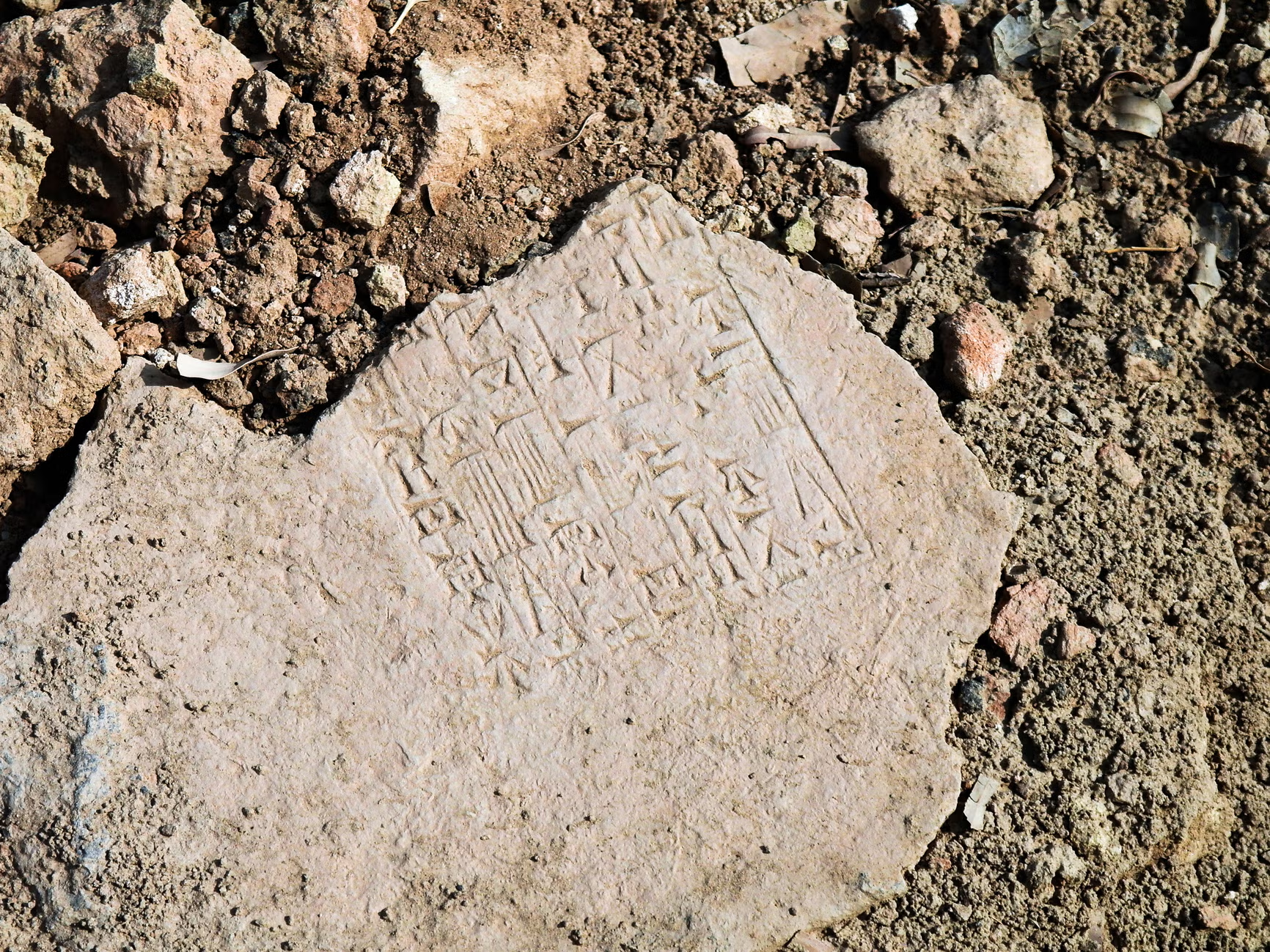
Archaeologists Finally Decoded a 4,000-Year-Old Tablet—and It Warns, ‘A King Will Die’

February 11, 2026

More than a century after their discovery, scholars have finally decoded inscriptions on a set of 4,000-year-old tablets. The texts contain ominous predictions warning of disasters such as famine, disease, invasions—and even the death of a king.

In ancient Mesopotamia, lunar eclipses were often interpreted as signs of impending misfortune. One chilling inscription bluntly states, “A king will die”—hardly reassuring news for a superstitious ruler.

In a study published in the Journal of Cuneiform Studies, researchers translated 73 cuneiform omens from ancient Babylonia. Cuneiform, a logo-syllabic script in which symbols represent words or sounds, was widely used across the Ancient Near East, a region corresponding broadly to today’s Middle East.

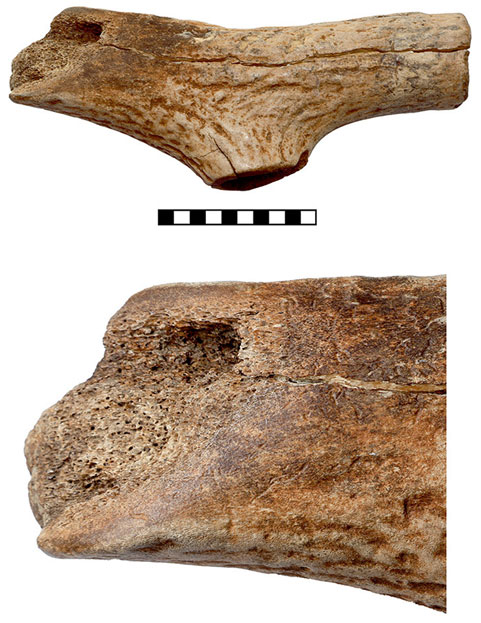
Deer Skull Headdress Highlights Neolithic Community Exchange

February 11, 2026

EILSLEBEN, GERMANY — According to Live Science, excavations at an early farming settlement near Eilsleben in northern Germany have revealed new insights into contact between local hunter-gatherers and some of Europe’s first farmers.

Archaeologists think the site functioned as a frontier settlement for early Neolithic farmers who migrated from Anatolia into central Europe around 5375 B.C. and established the village. Recent digs have uncovered houses, graves, pits, and artifacts linked to the Linear Pottery culture (LBK), one of the earliest farming cultures in the region.

Unexpectedly, researchers also discovered clearly Mesolithic items, including a deer skull headdress similar to those found at hunter-gatherer sites across Europe. In addition, they unearthed antler tools—materials not typically associated with LBK farming communities.

Laura Dietrich of Martin Luther University Halle-Wittenberg noted that finding both Mesolithic and Neolithic objects together at one location is unusual. She proposes that the settlement may have been a meeting point where incoming farmers and indigenous hunter-gatherers interacted, sharing goods, knowledge, and technologies.

The full study appears in the journal Antiquity.

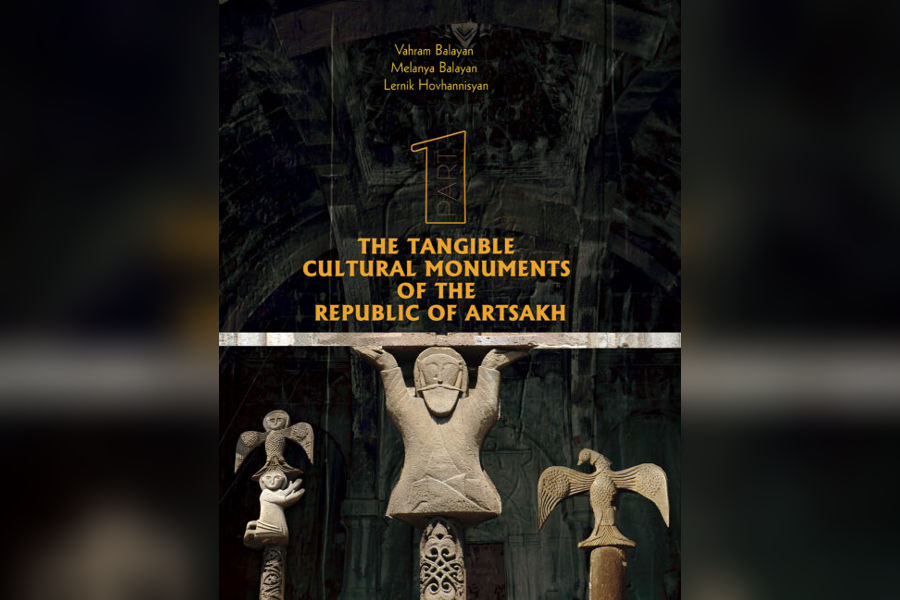
New book documents Armenian cultural heritage sites in Artsakh

February 11, 2026

This sunny Mediterranean country is the perfect place for a family holiday

February 11, 2026

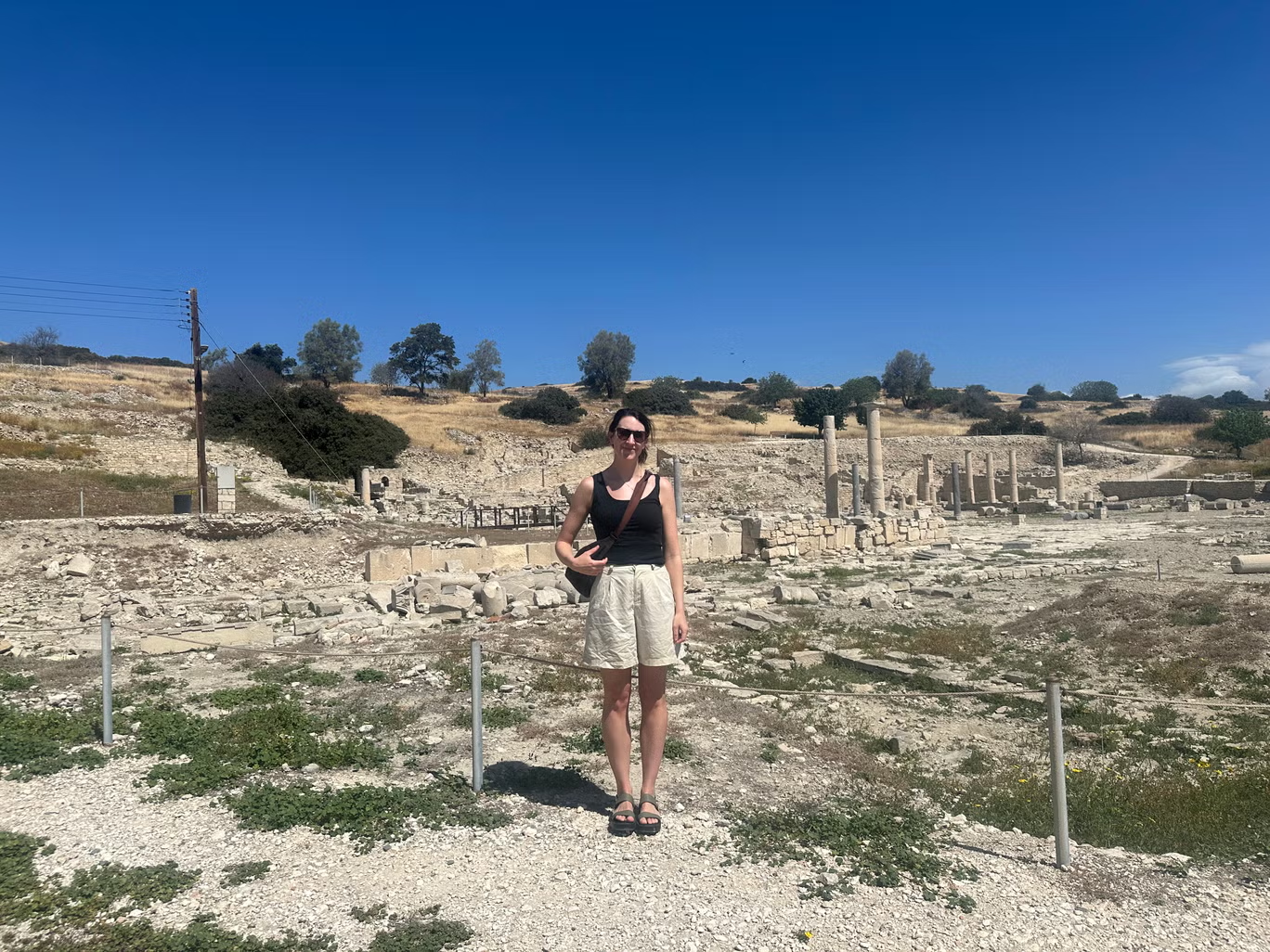
Step onto a cluster of ancient stones in an open clearing, ringed by towering columns stretching into the blue sky. “This was the agora – the marketplace,” my guide, David, explains. We’re in the heart of Amathus, an ancient kingdom dating back to the Iron Age around 1100 BC.

He points to where a river once ran, explaining that the city was built here because of its water supply, as we wander through the remains of what were once public baths for men and women.

With a modest entrance fee (€2.50/£2), visitors can freely explore the site—there are no barriers or set walkways. The only organised tours are arranged by my hotel, Parklane Resort & Spa Limassol, just five minutes away on Cyprus’s south coast.

According to David, Amathus is overlooked. Most visitors head to better-known sites like Kourion, but he believes this is the most significant of them all. Excavations are ongoing, and new discoveries continue to emerge. “Just a couple of years ago, parts of this were still buried,” he says.

Cyprus, the Mediterranean’s third-largest and third-most-populated island, boasts a deep and varied history, with evidence of human activity dating back 13,000 years. Locals proudly highlight their many historical “firsts” and “oldests.”

While my four-year-old daughter is too young to grasp the importance of ancient landmarks—such as the world’s oldest perfume factory, the largest handmade vase, or a wine variety dating to 800 BC—the island’s blend of beaches, sunshine, and culture makes it ideal for a short family getaway.

To carve out some adult time, I make use of the hotel’s Explorers Kids Club. With a large playground, bouncy castle, and a shallow pool featuring a pirate ship and slides, it keeps children entertained for hours. Parents can stay or leave their children in the care of staff, who organise activities for ages four months to 11 years, including crafts, games, and swimming. Two daily four-hour sessions give parents the chance to unwind or explore.

One afternoon, I choose relaxation and head to the spa. The 60-minute Kalloni Experience massage is the perfect remedy after a hectic few weeks.

The resort is particularly family-friendly. Although the sandy beach is just steps from our spacious sea-view room, the three expansive outdoor pools are the real highlight. There’s so much space that we don’t even manage to try them all—and there’s never a scramble for sun loungers.

I spend long afternoons unwinding while my daughter happily splashes nearby. On cooler or windier days—common along Cyprus’s south coast—we retreat to the heated indoor pool, gym, and sauna.

Dining is another strong point, with five restaurants offering varied, high-quality cuisine. At Lanes, we enjoy an extensive buffet breakfast with made-to-order omelettes, plentiful fresh fruit, and even pink champagne. The Gallery serves freshly prepared sushi, while La Petite Maison offers a Cypriot twist on French dishes. For something more casual, Vithos by the pool is perfect for a relaxed lunch.

For a special evening, I dine at Nammos, a seafood restaurant set right on the water. Seated in a courtyard adorned with hanging plants, I savour grilled squid and prawn ravioli in bisque, accompanied by a glass of local wine—this time enjoying a rare child-free moment while my daughter paints pottery at the kids club.

As any parent knows, sometimes you need a break within your break.

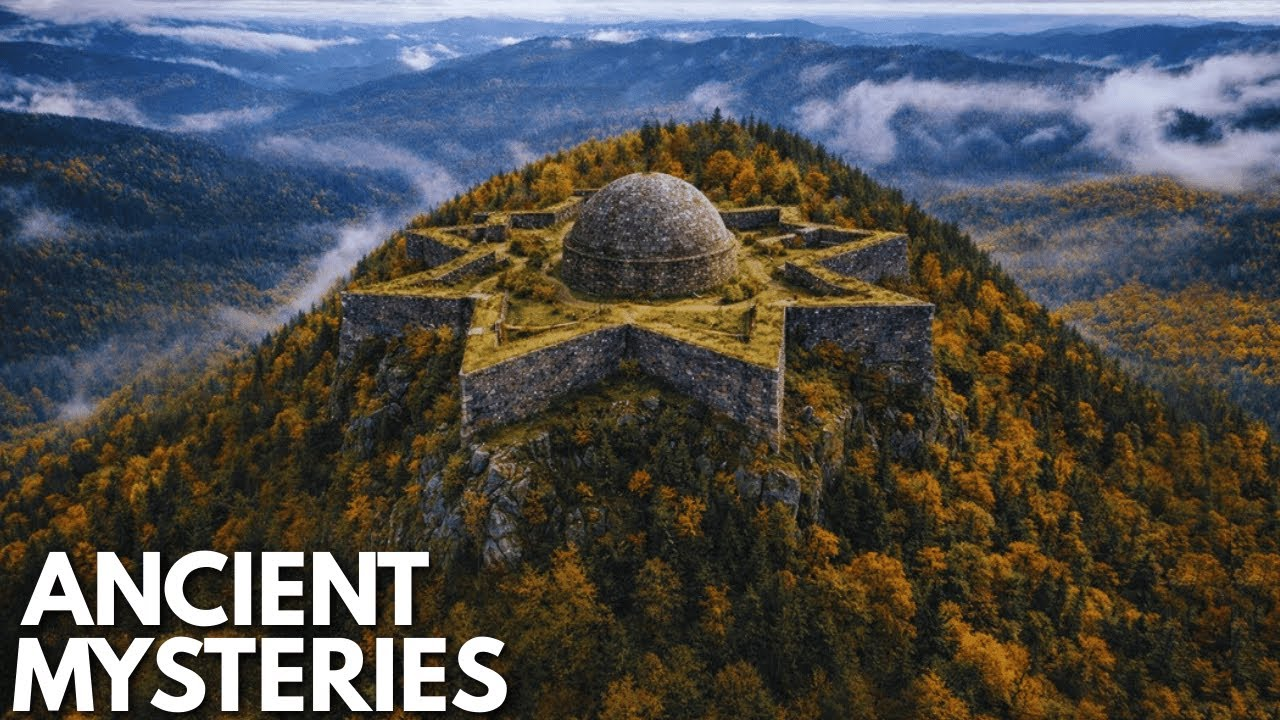
3 Hours of Prehistoric Structures Beyond Anything Humanity Can Imagine And More

February 10, 2026

3 Hours of Prehistoric Structures Beyond Anything Humanity Can Imagine

Step into a world where ancient humans achieved feats that continue to baffle modern engineers and archaeologists. In this 3-hour documentary, we journey across continents, exploring prehistoric structures so monumental, so complex, that they challenge our understanding of early civilizations.

From massive stone monuments to intricate underground cities, these structures reveal a level of engineering, planning, and societal organization far beyond what we often assume about our ancestors. Every site tells a story — of ingenuity, ambition, and culture — preserved in stone, earth, and hidden passageways.

What You’ll Discover

  • Monumental Architecture: Explore colossal stone walls, pyramids, and temples that dwarf modern constructions.

  • Underground Wonders: Descend into labyrinthine subterranean cities and burial complexes built with precision and purpose.

  • Engineering Mysteries: Investigate how ancient people moved enormous stones, designed sophisticated water systems, and built enduring monuments without modern tools.

  • Cultural Insights: Uncover the rituals, beliefs, and societal structures that shaped these civilizations.

  • Lost Knowledge: Learn why some of these marvels were abandoned, forgotten, or hidden for millennia — and what modern science is only now beginning to understand.

Across deserts, jungles, mountains, and plains, this documentary redefines the limits of human achievement. Each discovery challenges the narrative of primitive societies and illuminates the ingenuity of our prehistoric ancestors.

Whether you’re a history enthusiast, an archaeologist, or simply curious about the mysteries of our past, this journey promises to astonish, inspire, and leave you questioning what humans were truly capable of thousands of years ago.

🎥 Watch the video below to experience 3 hours of prehistoric marvels and witness structures beyond anything humanity ever imagined:

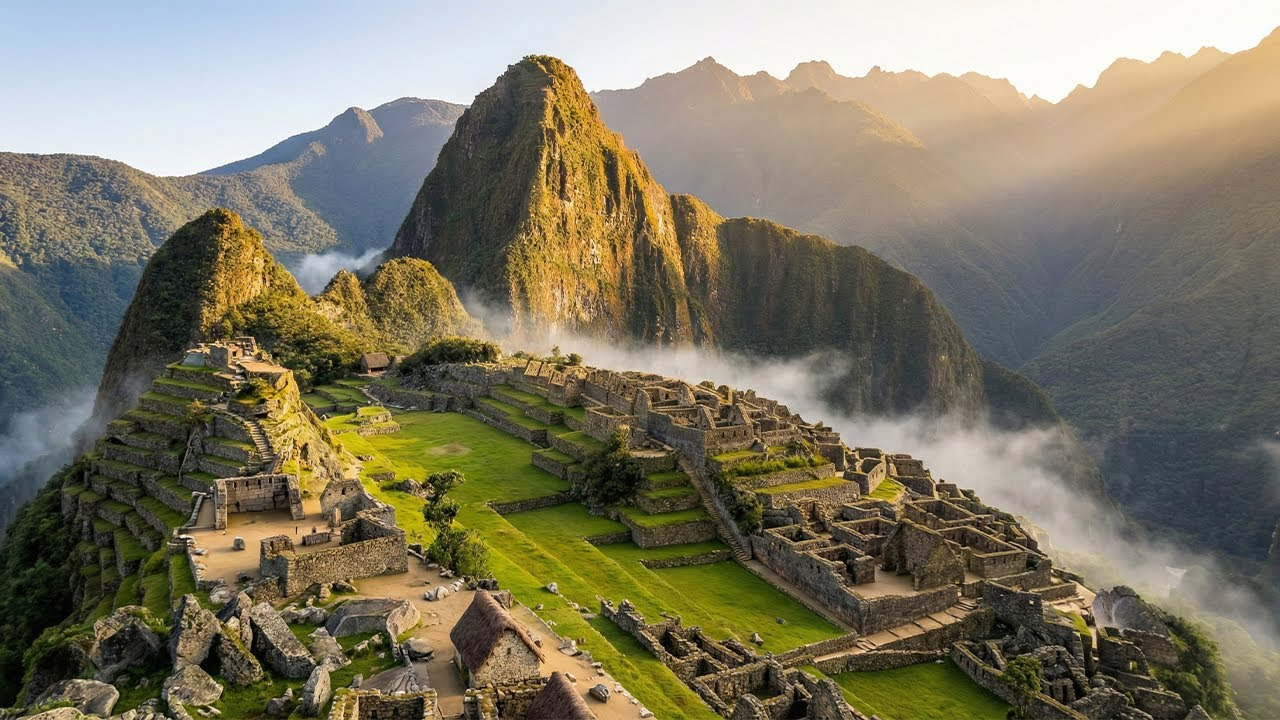
What Machu Picchu Looked Like in the 1400s (AI Reconstruction)

February 10, 2026

Machu Picchu Reborn: Step Into the Living Inca Citadel

For centuries, Machu Picchu has been seen as a mysterious ruin — bare stone walls clinging to a mountaintop, a “Lost City” frozen in time. But what if we could peel back the centuries and experience it as the Inca did? What did it sound like when the ritual fountains flowed? What did it feel like to walk beneath the golden thatch of the roofs, among a bustling population of priests, artisans, and nobles?

Thanks to advanced AI reconstruction and historical research, we can now bring the 15th-century citadel back to life — showing Machu Picchu as Emperor Pachacuti intended it, a thriving metropolis of ingenuity, spirituality, and art.

Engineering Paradox

Machu Picchu’s construction continues to baffle engineers today. The Incas moved 50-ton stones up steep Andean slopes without wheels or iron tools. How did they do it? Terraces, ramps, and precise planning allowed them to reshape the mountain itself — leaving a city that feels naturally integrated with its environment.

Hidden Infrastructure

Beneath the surface lies one of the greatest secrets of Inca engineering. Extensive underground foundations and drainage systems protect Machu Picchu from landslides and jungle encroachment. Water management was crucial: fountains, canals, and terraced irrigation ensured that the city thrived in a region prone to heavy rainfall.

Seismic Survival

Even today, Machu Picchu survives earthquakes that would destroy many modern buildings. The Incas’ use of interlocking stones, trapezoidal doors, and flexible masonry made their structures resistant to seismic activity — a reminder that ancient wisdom often surpasses modern engineering.

Daily Life in the Andes

Step inside the residential compounds (Kancha), the Temple of the Sun, and the plazas where life unfolded. Farmers tended terraces, priests performed rituals, and artisans carved stone with precision. This wasn’t a city of ruins — it was alive with culture, religion, and community, perched high in the Andes Mountains.

Why It Matters

Machu Picchu is more than a tourist destination. It’s a testament to human creativity, problem-solving, and adaptability. By reconstructing it in its original glory, we gain insight into a civilization that shaped history, not just a monument frozen in time.

🎥 Watch the video below to step into Machu Picchu as it truly was — a vibrant Inca city alive with life, sound, and ingenuity:

Calculus at a Fifth Grade Level

February 10, 2026

Calculus Made Simple: Master the Core Principles Without the Confusion

For many, the first encounter with calculus can feel like stepping into a foreign world. Symbols you’ve never seen before, rules that seem arbitrary, and concepts that are hard to picture — it’s no wonder so many people feel overwhelmed at the thought of learning it.

But here’s the truth: calculus doesn’t have to be complicated. At its core, calculus is about understanding change and motion — concepts we experience in everyday life. From the way a car accelerates on a highway to the way water flows from a faucet, calculus is the tool that allows us to describe these processes mathematically.

If you’ve struggled in a calculus class, or you’ve always wanted to explore higher-level mathematics but felt intimidated, this video is the perfect introduction. It explains the core principles of calculus in a way that is accessible to anyone, even if you have no prior knowledge — all the way down to a fifth-grade level.

What You’ll Learn

  • Derivatives: Think of this as measuring change. How fast is something moving or growing? Derivatives answer this question. The video shows how derivatives aren’t just abstract symbols — they are tools to understand speed, growth, and real-world change.

  • Integrals: Integrals are about accumulation. Whether it’s calculating the area under a curve or understanding how something builds up over time, integrals help us sum up the parts to see the whole.

  • The Big Picture: Calculus connects these two ideas — derivatives and integrals — to provide a complete picture of change and motion. This video makes that connection clear, showing how these concepts work together in practical examples.

  • No Background Needed: You don’t need prior experience in algebra or trigonometry. The explanations are simple, step-by-step, and reinforced with visual examples so you can truly understand the ideas rather than just memorize formulas.

Why This Matters

Calculus is more than just a school subject — it’s a lens through which we can understand the world. Engineers, scientists, economists, and even social scientists use calculus to make sense of complex systems. By understanding the core principles early, you build a foundation that will make more advanced topics less intimidating in the future.

Whether your goal is to improve your grades, satisfy your curiosity, or prepare for STEM studies, starting with a clear, simplified introduction is the key. And that’s exactly what this video delivers.

🎥 Watch the video below to grasp the core principles of calculus in a clear, easy, and visual way:

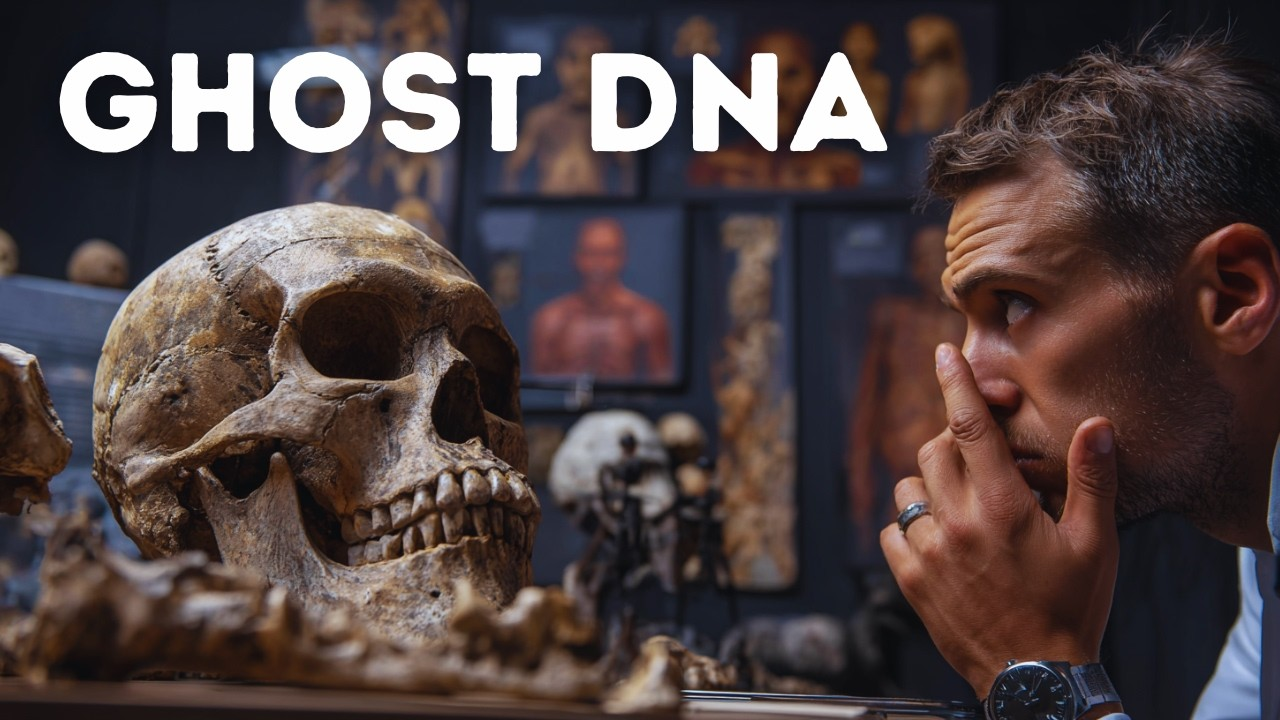
Ancient Mummies Reveal a Ghost Lineage That Shakes Up Human Evolution

February 10, 2026

Rethinking Human Origins: A New Look at Early Humans

The simple, linear story of human evolution the idea that modern humans emerged from Africa and spread outward in a straightforward march — is no longer sufficient. New research and fossil evidence are challenging the traditional narrative and forcing scientists to reconsider the complexity of our past.

Emerging discoveries suggest that prehistoric humans may have been present outside of Africa far earlier than previously thought, and that the development of modern humans unfolded across the continent rather than from a single origin point. This rewrites much of what we assumed about early migrations, adaptation, and survival.

By looking closely at fossil records, genetic data, and archaeological sites, this video sheds light on:

  • How "early humans" may have dispersed across continents in ways previously unimagined.

  • The nuanced interactions between populations, challenging the notion of a singular, linear "human evolution."

  • Fresh perspectives on "human history" and what it means to understand our species’ journey.

This isn’t just an update to textbooks it’s a re-evaluation of our place in the natural story of life, showing that human evolution was messy, complex, and interconnected.

🎥 Watch the video below to explore the latest findings on early humans and see how our understanding of human origins is evolving:

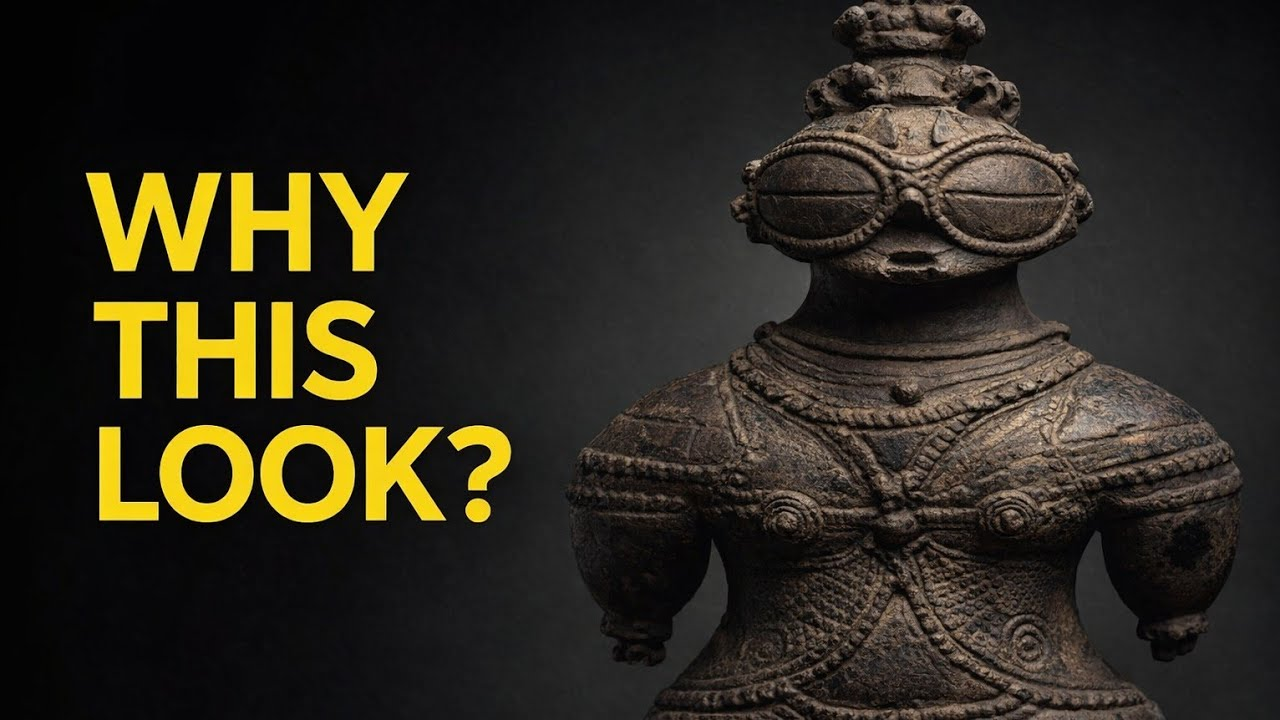
Why These 2,300-Year-Old Figures Look So Strange

February 10, 2026

The Mysterious Dogū of Japan: Ritual Artifacts of the Jōmon Period

For over three thousand years, the goggle-eyed Shakōki-dogū have captivated archaeologists and enthusiasts alike. These clay figurines, created during Japan’s Jōmon period, are not technological devices, weapons, or armor — they are ritual objects, shaped by a long and sophisticated ceramic tradition.

The Jōmon people left no written records explaining their purpose, no captions, and no direct instructions. All that survives is the material record: the clay, cord-marked surfaces, fragmentation patterns, and the archaeological context in which they were found.

In this episode of Documentify TV, we dive into what the evidence actually reveals:

  • How these figures were intentionally made, rather than accidentally shaped by natural processes.

  • The significance of their cord-marked “suits” and the illusion of armor or snow goggles.

  • Why so many Dogū are found broken, and what that tells us about their ritual use.

  • The cultural and symbolic meanings behind their exaggerated features, rather than invoking lost technology or extraterrestrial visitors.

By separating modern speculation from archaeological evidence, we can better appreciate the ritual and symbolic world of the Jōmon people. These artifacts remind us that the most revealing part of ancient objects is often what they show about the people who made them, not how strange they appear to us today.

🎥 Watch the video below to explore the Shakōki-dogū and uncover the real story behind these fascinating Jōmon artifacts:

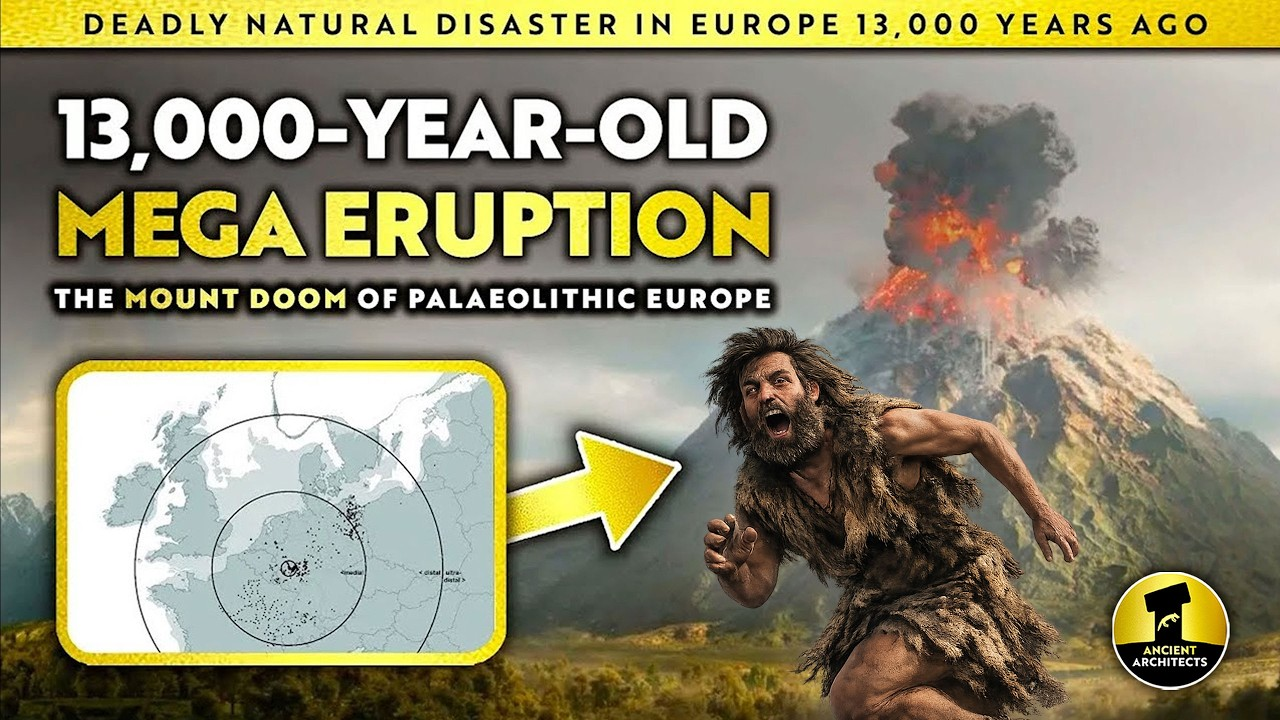
Palaeolithic Europe: The Volcanic MEGA ERUPTION of 11,000 BC

February 10, 2026

The Laacher See Eruption: Europe’s Forgotten Catastrophe

Around 14,700 years ago, Europe was experiencing a brief warm and moist interstadial period — a momentary respite after the last Ice Age. Hunter-gatherer communities thrived, crafting tools, jewelry, and weapons, developing rituals, and navigating the ever-changing climate with skill and ingenuity.

Yet, despite their adaptability, nothing could have prepared them for the cataclysm brewing beneath the earth in what is now western Germany.

The Laacher See volcanic eruption, which occurred approximately 13,077 years ago, stands as one of Central Europe’s largest eruptions in the past 100,000 years. Located in the Eifel Mountains, this eruption would have had far-reaching consequences, blanketing regions from Britain to Italy in ash and dramatically affecting the hunter-gatherer populations across the continent.

This video explores both the geological power of the eruption and the lives of the humans who experienced it, revealing a story of survival, adaptation, and the immense forces of nature that shaped human history.

🎥 Watch the full video below to uncover the story of the Laacher See eruption and its impact on ancient Europe:

Unexplained Archaeological Sites Hidden in Kyrgyzstan’s Mountains

February 10, 2026

Exploring Kyrgyzstan’s Hidden Ancient Sites

High in the mountains of Kyrgyzstan, remote ruins and enigmatic stone structures tell stories that have been almost entirely lost to history. Why were these sites built in such isolated locations? What cultures engineered them, and what knowledge has vanished over the centuries?

In this video, we journey through the mountains to examine the evidence, the unanswered questions, and the enduring mysteries of these extraordinary sites. Each location reveals a glimpse of the past — from trade networks and religious practices to architectural skill that challenges modern understanding.

Highlights from the video include:

  • Tash Rabat Stone Caravan Sarai (00:36) — A perfectly preserved stone inn on the Silk Road, offering insight into ancient trade and travel.

  • Birana Tower and the Ancient City of Balasagun (07:06) — Towering structures hinting at forgotten political and cultural centers.

  • Simalu Tash Petroglyph Complex (14:18) — Rock carvings that may preserve spiritual or historical messages from long-gone peoples.

  • Sulleman Sacred Mountain (20:57) — A spiritual site whose significance echoes through local legend.

  • Akbashim and Suyab Ancient City (08:11) — Archaeological remnants of settlements that once thrived along crucial trade routes.

Together, these sites paint a picture of a rich, interconnected past — one shaped by human ingenuity and mystery.

🎥 Watch the full video below to explore Kyrgyzstan’s hidden ancient sites for yourself:

The Most Bizarre Creatures Ever Found In Amber

February 10, 2026

The Most Bizarre Creatures Ever Found in Amber

Amber is often thought of as a window into the distant past — a fossilized time capsule preserving ancient life in exquisite detail. While it can’t bring back dinosaurs, amber does something equally remarkable: it traps entire ecosystems and creatures that existed millions of years ago, frozen in perfect clarity for scientists to study today.

In this video, we explore some of the strangest and most extraordinary creatures ever found in amber. From tiny insects perfectly preserved in mid-flight to bizarre arthropods with features that seem almost alien, each specimen offers a unique glimpse into the natural world long before humans existed.

These ancient treasures are more than curiosities. They reveal evolutionary mysteries, ecological interactions, and the incredible diversity of prehistoric life — all captured in a drop of fossilized resin. Amber shows us that even the smallest creatures can tell the biggest stories about the history of life on Earth.

Whether you’re a lover of paleontology, natural history, or just weird and wonderful creatures, this journey through amber will leave you amazed.

🔹 Watch the full video below to meet the most bizarre creatures ever trapped in amber:

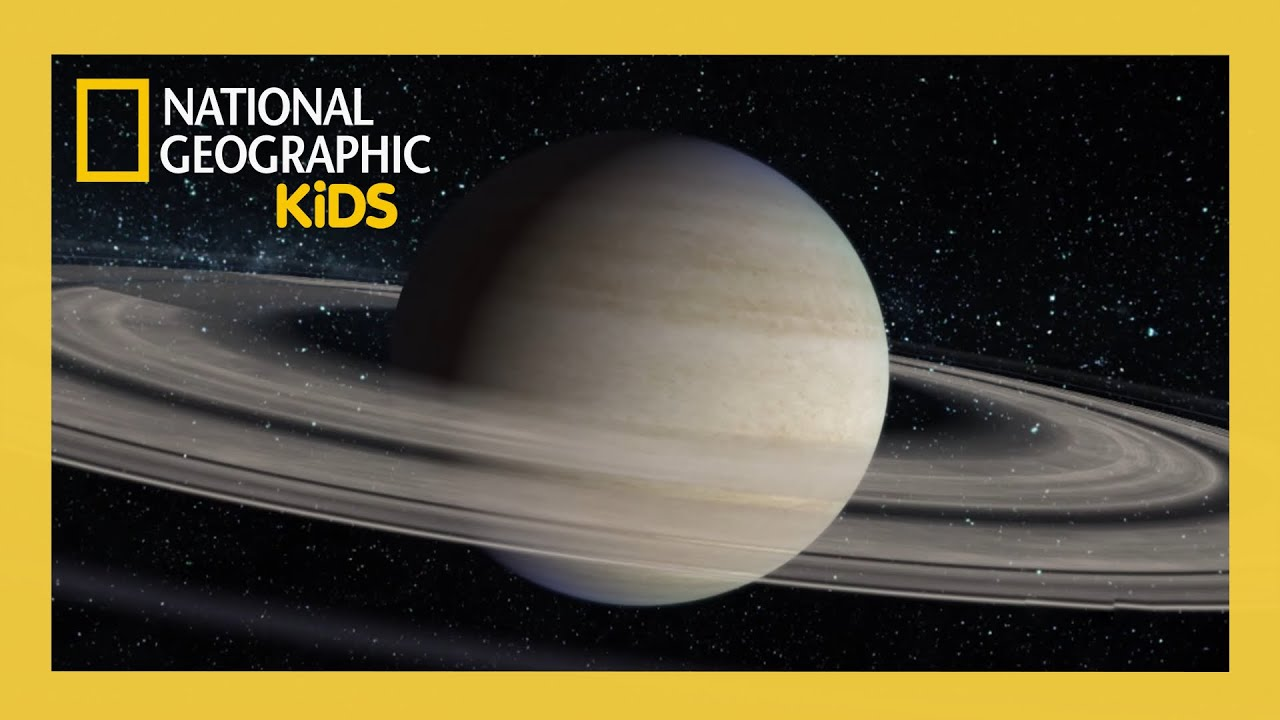
A Traveler's Guide to the Planets Full Episode | Saturn

February 10, 2026

A Traveler’s Guide to the Planets: Saturn

Welcome to Saturn — the planetary pin-up boy and home to the most breathtaking spectacle in the Solar System.

In this full episode of A Traveler’s Guide to the Planets, we journey to the ringed giant for a true cosmic getaway. From a front-row view of Saturn’s vast and luminous rings to close encounters with some of the most intriguing worlds ever discovered, this is space travel at its finest.

Our tour includes two extraordinary moons:

  • Titan — Earth-like yet profoundly alien, with lakes of liquid methane, a thick atmosphere, and chemistry that may resemble the early Earth

  • Enceladus — a small icy moon with an outsized reputation, erupting plumes of water vapor and organic material from a hidden subsurface ocean

Along the way, this episode blends real planetary science with the fun of a travel guide. You’ll learn what to pack, where the best views are, and why Saturn remains one of the most scientifically important destinations in the Solar System.

Using stunning imagery from modern space telescopes, combined with advanced animation, the series brings distant worlds into sharp, immersive focus. We plunge through Saturn’s atmosphere, skim past its rings, and explore moons that may hold clues to life beyond Earth.

It’s educational, imaginative, and visually spectacular — a reminder that space exploration is not just about data, but about curiosity, perspective, and wonder.

🚀 Watch the full episode below and take the ultimate trip to Saturn — rings, moons, and all:

How CIA Black Ops Actually Work | Authorized Account

February 10, 2026

Inside the CIA: John Kiriakou on Espionage, Counterterrorism, and Whistleblowing

John Kiriakou is a former CIA officer who specialized in counterterrorism and played a significant role in U.S. intelligence operations following the September 11 attacks. In 2002, he was named chief of CIA counterterrorism operations in Pakistan, placing him at the center of one of the most intense periods in modern intelligence history.

In this interview with Business Insider, Kiriakou offers a rare, firsthand look inside the world of the CIA — from how foreign agents are recruited to how high-risk operations are planned and executed.

He explains how the CIA:

  • Recruits and manages foreign intelligence assets

  • Conducts bunker raids and covert capture operations

  • Tracks, identifies, and hunts terrorist networks across borders

Kiriakou also recounts his role in the capture of high-profile Al Qaeda members, sharing operational insights rarely discussed in public. He describes surviving an assassination attempt, highlighting the constant personal risk faced by intelligence officers operating in hostile environments.

The interview also explores the training pipeline required to become a CIA officer. Kiriakou details instruction in:

  • Weapons handling

  • Defensive and evasive driving

  • Operational security and counter-surveillance

  • Psychological and situational readiness

Beyond field operations, Kiriakou is widely known as one of the earliest whistleblowers to publicly confirm the CIA’s use of torture in its post-9/11 interrogation program — a decision that sparked global debate and came at great personal cost.

Since retiring from the agency, Kiriakou has worked as a consultant, author, and media commentator. He has written several books detailing his experiences in intelligence and ethics, and he now hosts weekly podcasts focused on national security, civil liberties, and foreign policy.

This conversation provides a rare blend of operational detail, personal reflection, and moral reckoning, offering viewers insight into both the power and the consequences of modern intelligence work.

🎥 Watch the full interview below to hear John Kiriakou explain how the CIA recruits agents, hunts terrorists, and trains its officers — and why he chose to speak out:

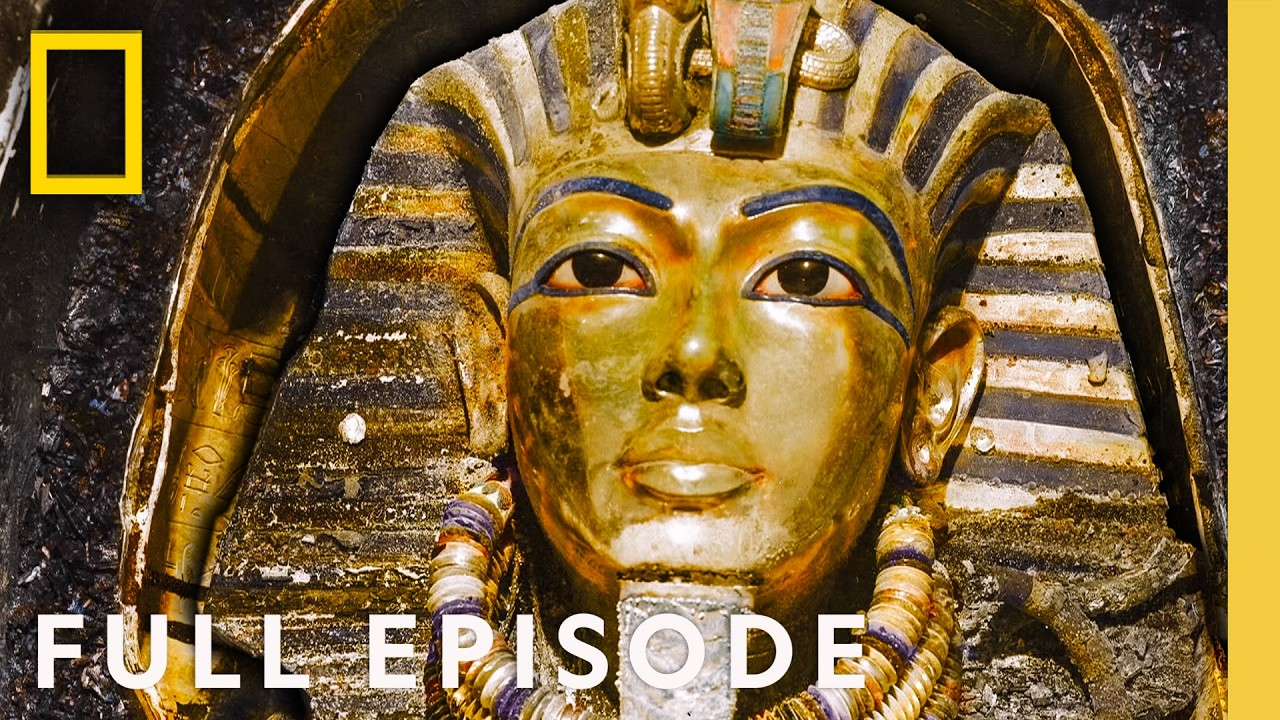
The Truth About King Tut's Golden Mask (Full Episode) | Tut's Treasures: Hidden Secrets

February 10, 2026

Was King Tut’s Golden Mask Really Made for Him?

The legendary 24-pound golden funerary mask of King Tutankhamun is one of the most recognizable artifacts from Ancient Egypt — a symbol of royal power, craftsmanship, and mystery. But what if this iconic mask was never meant for Tut at all?

In this National Geographic full episode of Tut’s Treasures: Hidden Secrets, we explore the long-running scholarly debate surrounding the mask’s true origin. Subtle but significant clues suggest the story may be far more complex than tradition tells us.

At the center of the mystery is a damaged cartouche on the mask’s nameplate. Careful analysis shows signs that an earlier royal name was altered and replaced, an unusual modification for such a sacred object. Combined with stylistic inconsistencies and craftsmanship details that don’t fully align with Tutankhamun’s reign, many Egyptologists believe the mask may have originally been made for Queen Nefertiti — his powerful female ancestor.

This theory fits into the broader context of Egypt’s turbulent Amarna Period, a time of religious upheaval, political uncertainty, and rapid succession. Tut’s unexpected death at a young age may have forced artisans to repurpose existing royal objects, even ones intended for someone as significant as Nefertiti.

Rather than diminishing the mask’s importance, this possibility makes it even more remarkable — transforming it into a rare artifact that may carry the legacy of two rulers and one of the most dramatic transitions in Egyptian history.

This episode examines:

  • The physical evidence embedded in the mask itself

  • What altered inscriptions reveal about royal reuse

  • How modern imaging and conservation have reshaped interpretations

  • Why unresolved questions still surround Tutankhamun’s burial

🎥 Watch the full episode below to explore the hidden secrets of King Tut’s treasures and uncover the evidence behind one of Ancient Egypt’s greatest debates:

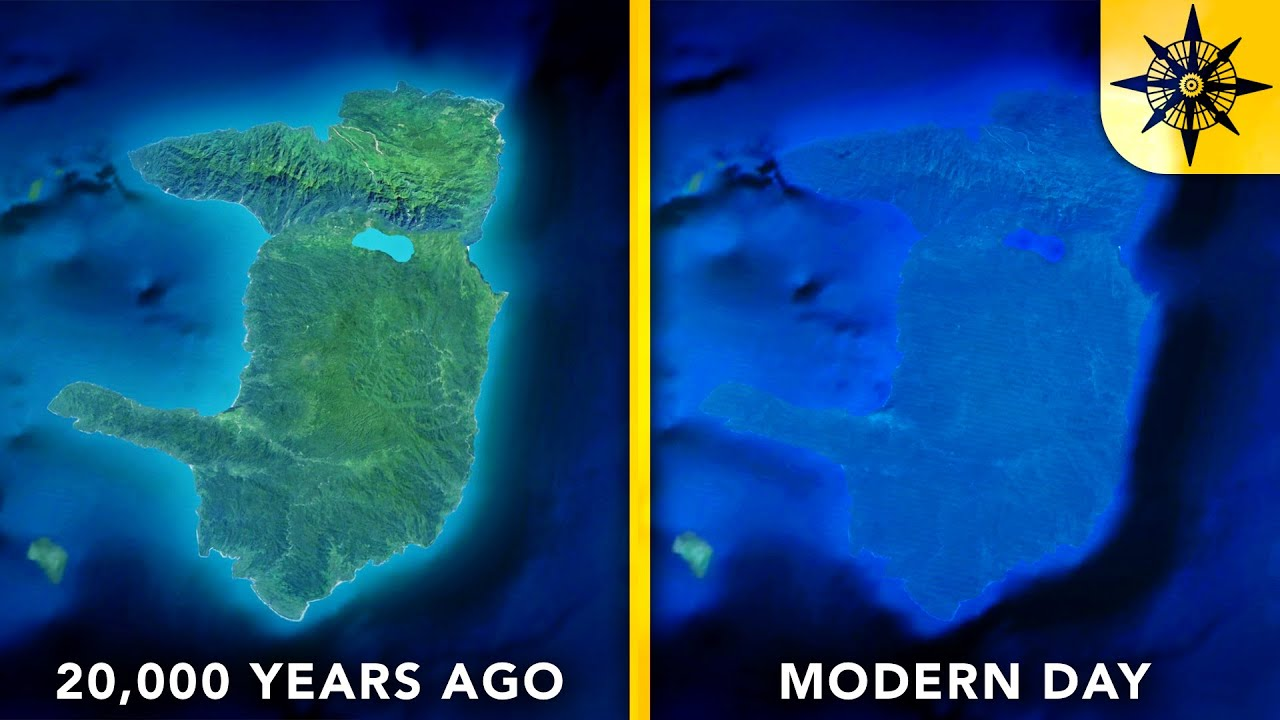
Even More Lost Islands

February 10, 2026

CLost Ice Age Islands: Worlds Hidden for 20,000 Years

Today, we revisit the mystery of lost Ice Age islands — parts of our world that have been submerged for nearly 20,000 years.

During the last Ice Age, sea levels were dramatically lower, exposing vast landscapes that no longer exist on modern maps. Entire islands, coastlines, and land bridges once connected continents, shaping human migration, animal movement, and early civilizations before vanishing beneath rising seas.

In this video, we explore these forgotten worlds — from drowned continental shelves to vanished island chains — using archaeology, geology, and paleoclimate research to reconstruct what these places once looked like and why they disappeared.

These are not myths or imagined lands.
They are real landscapes, erased by natural processes and only now being rediscovered through modern science.

What cultures may have lived there?
What evidence still lies hidden underwater?
And how much of human history was lost when the seas rose?

🎥 Watch the video below to journey back to Ice Age islands and explore parts of Earth unseen since the end of the last glacial period:

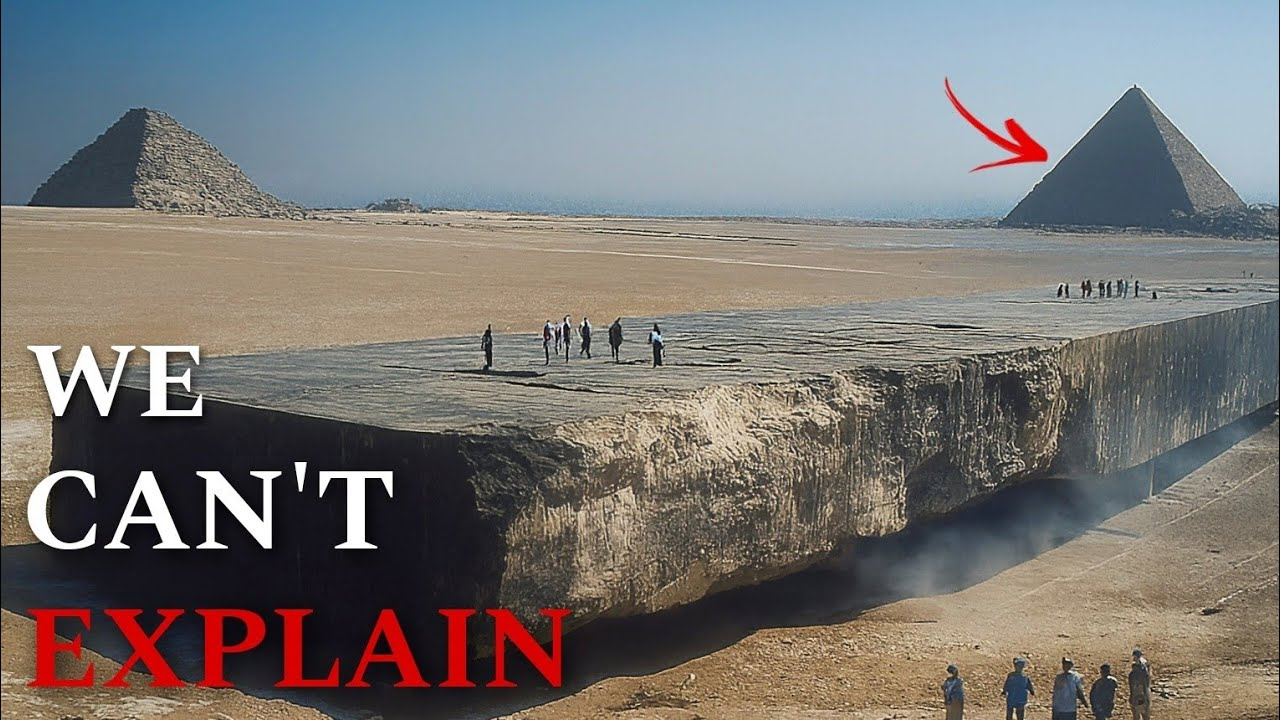
MOST Unsolved Bizarre Ancient Archaeological Mysteries Human Still Don’t Understand

February 10, 2026

Monuments of the Ancient World: Forgotten Cities, Tombs, and Lost Landscapes

Across deserts, jungles, mountains, and modern cities, ancient civilizations raised monuments of astonishing scale — structures that continue to challenge our understanding of the past.

In this documentary, we explore forgotten tombs, lost stone cities, hidden pyramids, and vast burial landscapes from around the world. From Africa and the Middle East to East Asia, these sites reveal how deeply organized, technically skilled, and ambitious ancient societies truly were.

You will journey through remarkable places such as:

  • The stone fortress of Loropéni in Burkina Faso

  • The royal pyramids of Sudan, rivals in number to those of Egypt

  • The hidden tomb of China’s first emperor, still largely unexplored

  • The immense keyhole-shaped burial mounds of Japan, visible even from space

These monuments were built without modern machinery, yet they required sophisticated planning, precise engineering, and powerful political systems capable of mobilizing enormous labor forces.

Along the way, we ask fundamental questions:

  • How were millions of stones quarried, transported, and shaped?

  • How did ancient societies organize and sustain projects that spanned generations?

  • Why were some of these once-great centers abandoned and forgotten?

  • And what secrets still lie buried beneath the ground, waiting to be uncovered?

Each chapter in this video focuses on what archaeology actually tells us — what has been discovered, how researchers know it, and where the evidence still leaves room for unanswered questions.

This is calm, documentary-style storytelling, designed for deep listening, thoughtful learning, and quiet curiosity.

No myths.
No exaggeration.
Just real places, real research, and real human history.

🎥 Watch the video below to explore ancient monuments from around the world and uncover the real history behind humanity’s greatest early achievements:

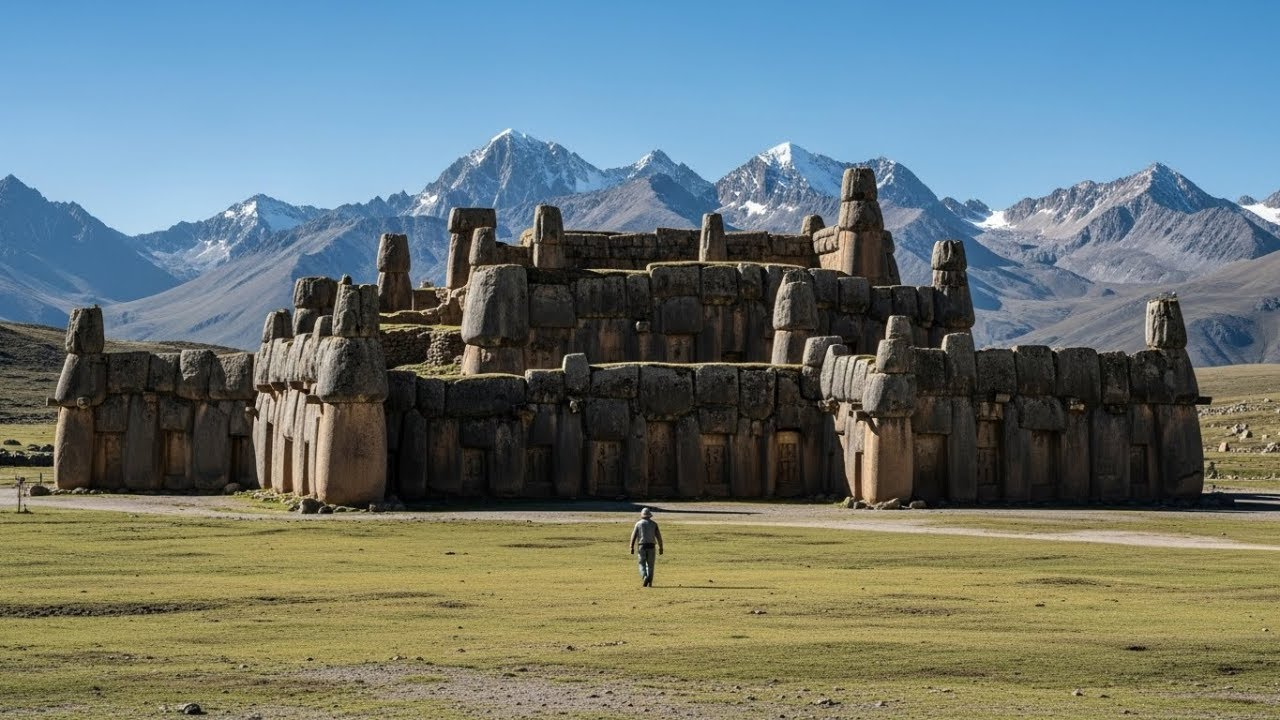
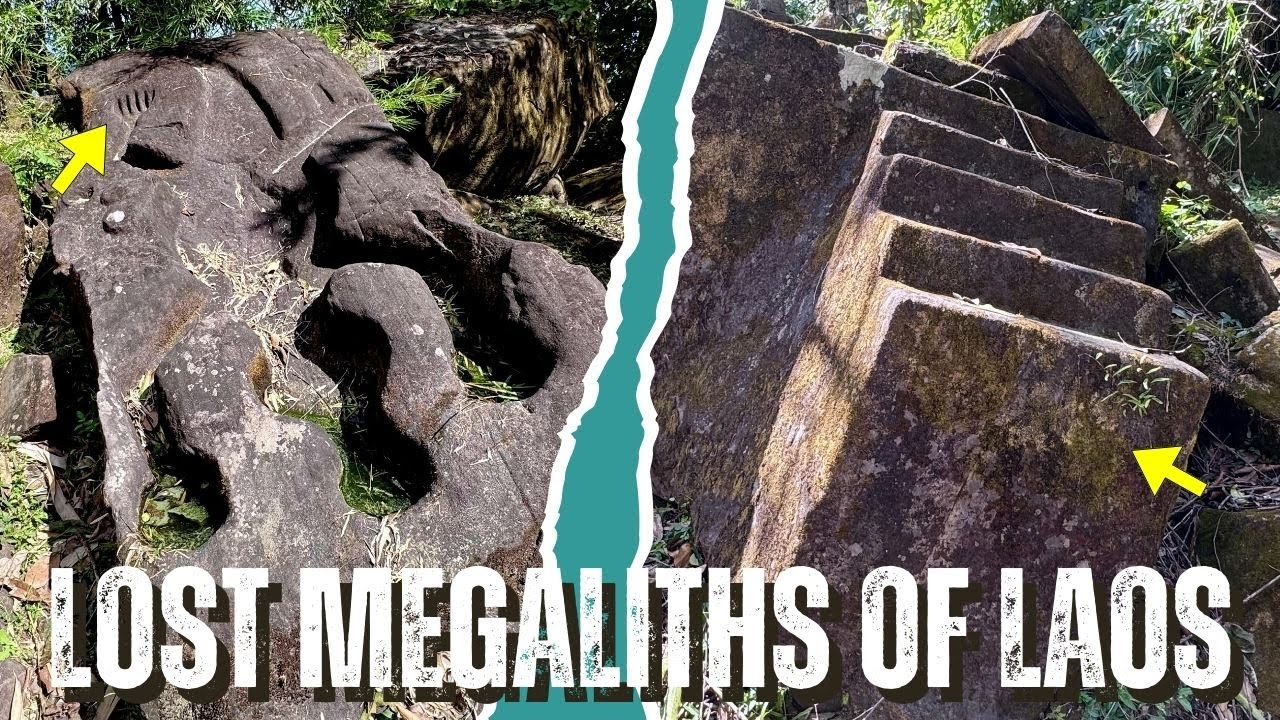
Vat Phou's Shattered Megaliths: Clues to an Ancient Catastrophe in Laos

February 10, 2026

Vat Phou: A Lost Megalithic Sanctuary in Southern Laos

Join me on a solo journey to one of Southeast Asia’s most mysterious ancient sites — Vat Phou, a remote UNESCO World Heritage Site tucked into the landscape of southern Laos.

This isn’t your typical temple complex.

While often described as a Khmer-era religious site, Vat Phou tells a far stranger story when you walk it in person. Carved into the mountainside are serpent motifs, a puzzling crocodile stone, and examples of precision stonework that feel out of place — not just stylistically, but technologically.

As I explore the site’s terraces, barays, causeways, and scattered ruins, I share firsthand observations that raise serious questions:

  • Why do some stones appear tilted and displaced, as if by a sudden ancient catastrophe?

  • Why does parts of the stonework resemble lathe-marked spindles and advanced shaping techniques?

  • Why does Vat Phou feel fundamentally out of sync with other known temples in the region?

There is mounting evidence that the site’s inscriptions may not tell the full story. Could Vat Phou predate them by centuries — or more? Was this sanctuary inherited by later cultures, built atop something far older by a lost ancient civilization?

Using modern tools like LiDAR, researchers are beginning to see patterns hidden beneath the jungle canopy — structures and alignments that suggest Vat Phou may once have been part of a much larger, far more complex landscape.

The deeper you look, the harder it becomes to fit Vat Phou neatly into conventional timelines.

This is not about wild speculation — it’s about asking careful questions, observing what’s actually there, and acknowledging when the stones themselves don’t match the story we’ve been told.

🎥 Watch the video below to explore Vat Phou up close, walk its ancient terraces, and decide for yourself whether this site belongs to a forgotten chapter of human history:

Historical Figures Brought To life. Vol. 24. You Haven't Seen Anything Like This Before!

February 10, 2026

Travel Back in Time — Like Never Before

We don’t just remember history — we revive it.

Using state-of-the-art AI technology, this video brings the past to life in a way that history books never could. No static portraits. No frozen moments. Instead, we witness history move, breathe, and exist once more.

Through meticulous digital reconstruction, legendary figures emerge with striking realism:

  • D’Artagnan, the soldier behind the legend

  • Queen Isabella of Castile, architect of a new world order

  • Queen Victoria, symbol of empire and transformation

  • Emperor Augustus, founder of imperial Rome

Their appearances are carefully reconstructed using historical portraits, surviving artifacts, and advanced AI techniques, resulting in lifelike animations that feel uncannily real. These figures blink, shift, and hold a presence — as if caught between centuries.

These are not just images.
They feel alive.

Power, elegance, ambition, and legend unfold before your eyes, reminding us that history isn’t distant or abstract. It isn’t frozen in time.

History moves with us.

This project isn’t about replacing the past — it’s about reconnecting with it, using modern tools to deepen our understanding of the people who shaped the world we live in today.

🎥 Watch the past awaken — click play below to experience history like never before:

← Newer Posts Older Posts →
Featured
image_2026-02-15_210430819.png
Feb 15, 2026
The Most INCREDIBLE Archaeological Discoveries of December 2025
Feb 15, 2026
Read More →
Feb 15, 2026
image_2026-02-15_210354426.png
Feb 15, 2026
First-Ever Study of the Kelp Highway Reveals Groundbreaking Evidence
Feb 15, 2026
Read More →
Feb 15, 2026
image_2026-02-15_205930764.png
Feb 15, 2026
Jordan’s Ancient Megastructures No Civilization Could Have Built
Feb 15, 2026
Read More →
Feb 15, 2026
image_2026-02-15_205739082.png
Feb 15, 2026
What They Never Tell You About the Picts
Feb 15, 2026
Read More →
Feb 15, 2026
image_2026-02-15_205533483.png
Feb 15, 2026
The Largest Animals You've Never Heard Of
Feb 15, 2026
Read More →
Feb 15, 2026
image_2026-02-15_205322551.png
Feb 15, 2026
New Findings Expose Göbekli Tepe's BIGGEST Secret — A HIDDEN Method That's Impossible
Feb 15, 2026
Read More →
Feb 15, 2026
read more

Powered by The archaeologist