• MAIN PAGE
  • LATEST NEWS
    • Lost Cities
    • Archaeology's Greatest Finds
    • Underwater Discoveries
    • Greatest Inventions
    • Studies
    • Blog
  • PHILOSOPHY
  • HISTORY
  • RELIGIONS
    • Africa
    • Anatolia
    • Arabian Peninsula
    • Balkan Region
    • China - East Asia
    • Europe
    • Eurasian Steppe
    • Levant
    • Mesopotamia
    • Oceania - SE Asia
    • Pre-Columbian Civilizations of America
    • Iranian Plateau - Central Asia
    • Indus Valley - South Asia
    • Japan
    • The Archaeologist Editor Group
    • Scientific Studies
    • Aegean Prehistory
    • Historical Period
    • Byzantine Middle Ages
    • Predynastic Period
    • Dynastic Period
    • Greco-Roman Egypt
  • Rome
  • PALEONTOLOGY
  • About us
Menu

The Archaeologist

  • MAIN PAGE
  • LATEST NEWS
  • DISCOVERIES
    • Lost Cities
    • Archaeology's Greatest Finds
    • Underwater Discoveries
    • Greatest Inventions
    • Studies
    • Blog
  • PHILOSOPHY
  • HISTORY
  • RELIGIONS
  • World Civilizations
    • Africa
    • Anatolia
    • Arabian Peninsula
    • Balkan Region
    • China - East Asia
    • Europe
    • Eurasian Steppe
    • Levant
    • Mesopotamia
    • Oceania - SE Asia
    • Pre-Columbian Civilizations of America
    • Iranian Plateau - Central Asia
    • Indus Valley - South Asia
    • Japan
    • The Archaeologist Editor Group
    • Scientific Studies
  • GREECE
    • Aegean Prehistory
    • Historical Period
    • Byzantine Middle Ages
  • Egypt
    • Predynastic Period
    • Dynastic Period
    • Greco-Roman Egypt
  • Rome
  • PALEONTOLOGY
  • About us
No results found

New Findings Expose Göbekli Tepe's BIGGEST Secret — A HIDDEN Method That's Impossible

February 15, 2026

New Findings Expose Göbekli Tepe’s Biggest Secret — A Hidden Method That Shouldn’t Exist

More than 12,000 years ago — long before agriculture, long before metal tools, long before cities — something extraordinary was built on a hilltop in what is now modern-day Turkey.

It’s called Göbekli Tepe.

And it continues to challenge everything we think we know about early human civilization.

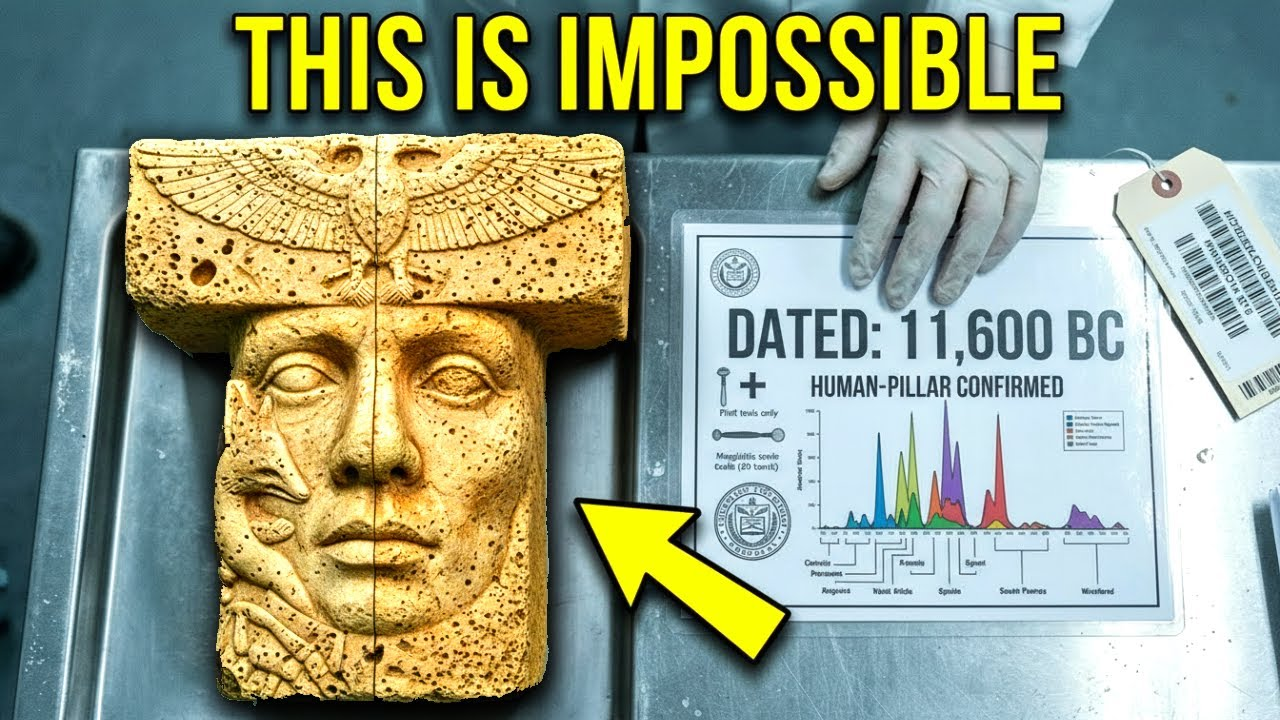
Discovered in the 20th century and excavated beginning in the 1990s, Göbekli Tepe predates Stonehenge by thousands of years. Its massive T-shaped limestone pillars — some weighing up to 20 tons — were quarried, carved, transported, and arranged in carefully designed circular enclosures by people we still label as “hunter-gatherers.”

That alone rewrote history.

But new findings are raising even bigger questions.

A Level of Planning That Feels Impossible

Recent chemical analyses of the stone, studies of unfinished monoliths in nearby quarries, and increasingly precise mapping of the site suggest something unsettling:

This wasn’t random ritual architecture.

It was meticulously planned.

The enclosures appear to follow intentional geometric layouts. Pillars align in ways that hint at advanced spatial understanding. Animal carvings — foxes, vultures, snakes, boars — aren’t scattered decoration. They may follow symbolic patterns or narrative sequencing.

For a society that supposedly had no permanent settlements, no farming base, and no metal tools, the scale of coordination required is staggering.

Who organized the labor?

How were 20-ton pillars moved without wheels or draft animals?

And how was such precision achieved using only stone tools?

Modern engineers can replicate parts of the process — but only with careful planning and large coordinated teams. The idea that small, nomadic bands accomplished this 12,000 years ago forces us to rethink what “primitive” really means.

The Deliberate Burial

Then there’s the most mysterious detail of all.

Göbekli Tepe wasn’t destroyed by invaders.

It wasn’t abandoned and left to decay.

It was deliberately buried.

The enclosures were carefully filled in with rubble and sediment, sealing the pillars underground for millennia. This act preserved the carvings in astonishing condition — but it also raises a haunting question:

Why build something monumental… only to hide it?

Was it ritual closure? Cultural transition? A symbolic ending? Or something else entirely?

Rethinking Early Civilization

For decades, the dominant narrative of human history was simple:

First came agriculture.
Then permanent settlements.
Then religion and monumental architecture.

Göbekli Tepe flips that sequence.

It suggests that large-scale ritual gatherings may have come first — and that the need to support those gatherings may have encouraged the development of agriculture.

If that’s true, then our origin story as a species is fundamentally different from what we were taught.

Religion before farming.
Monuments before villages.
Complex symbolic systems before cities.

That isn’t just surprising.

It’s revolutionary.

A Missing Chapter of Human History?

With every new excavation season, fresh anomalies appear — subtle differences in material composition, unexplained construction techniques, patterns in the layout that hint at knowledge we don’t fully understand.

None of this requires supernatural explanations.

But it does require humility.

Göbekli Tepe forces us to confront a simple possibility: our ancestors may have been far more socially and intellectually sophisticated than we ever gave them credit for.

And there may still be entire chapters of early human history waiting beneath the soil.

🎥 Watch the video below to explore Göbekli Tepe’s biggest secret, the hidden construction methods, and the discoveries that are reshaping our understanding of early civilization:

This Ancient Roman Shipwreck Discovery CHANGED History

February 15, 2026

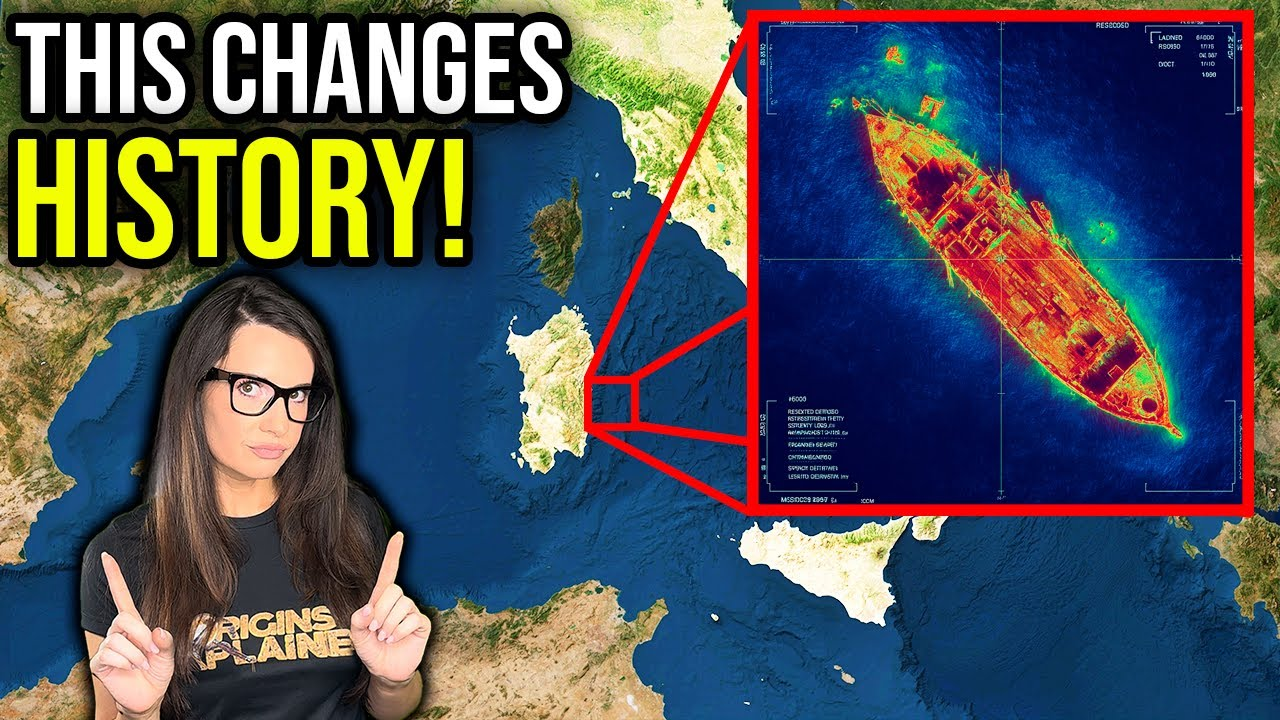
Two thousand years ago, a Roman merchant ship sank off the coast of Sardinia.

There was nothing glamorous in its hull. No gold. No statues. No treasure fit for legend. Just heavy, unremarkable lead ingots — raw material destined for construction somewhere in the vast machinery of the Roman world.

And yet, that forgotten cargo would become something far more extraordinary than anyone aboard could have imagined.

Because the sea kept it hidden.

Buried beneath saltwater and sediment for centuries, the lead was shielded from a quiet but relentless force that constantly washes over our planet: cosmic radiation. Invisible particles from space bombard Earth every second, subtly contaminating almost everything around us at the atomic level.

But at the bottom of the Mediterranean, that ancient Roman lead rested in darkness, protected.

And two millennia later, modern physicists realized it was something priceless.

Ancient Metal, Modern Science

To detect neutrinos — the elusive “ghost particles” that pass through us by the trillions every second — scientists must build incredibly sensitive detectors. The problem? These detectors are so delicate that even the faintest radioactive contamination can overwhelm the signal.

Modern lead, exposed to centuries of cosmic radiation, contains trace isotopes that create background noise.

But Roman lead, sealed away before the industrial age and shielded beneath the sea, is astonishingly “clean.”

It became the perfect shielding material for cutting-edge physics experiments designed to observe neutrinos — particles born in supernovae, nuclear reactions, and some of the most violent events in the universe.

Think about that for a second.

A cargo of construction metal from the Roman Empire now helps scientists listen to the cosmos.

When History Reaches Forward

What makes this story so powerful is how it flips our expectations.

We usually think of archaeology as a way to look backward — to reconstruct lives, trade routes, and empires long gone. But here, the ancient world isn’t just informing us about the past. It’s actively helping us understand the deepest mechanics of reality itself.

A shipwreck off Sardinia becomes part of experiments that probe stellar explosions and cosmic mysteries.

A mundane shipment of lead becomes a shield against the noise of the universe.

It’s a reminder that history and science aren’t separate lanes. Sometimes they intersect in ways that feel almost poetic.

And That’s Just the Beginning…

This compilation doesn’t stop there. From ancient shipwrecks unlocking particle physics to harrowing tales of survival and mystery across the seas, each story reveals how the past still shapes our understanding of the world — and beyond.

Chapters:

0:00 Intro
0:43 The Shipwreck Unlocking the Universe
9:05 Madness and Murder on the Batavia
17:37 Shocking Reason for Shackleton’s Doomed Expedition
22:56 The Mystery of the Lost Pirate Shipwrecks

🎥 Watch the video below to discover how a forgotten Roman shipwreck helped unlock the secrets of the universe — along with four more incredible maritime mysteries:

Pre-Construction Delays: Impacts on CURT Members & How to Avoid Them

February 15, 2026

Addressing Pre-Construction Delays: Turning Industry Insight into Action

Our members asked — and Construction Users Roundtable (CURT) delivered.

During recent Research Sprint Team sessions, industry leaders identified a critical and recurring challenge: persistent delays in the pre-construction phase. Across sectors, regions, and project types, participants reported strikingly similar patterns — unclear scope development, delayed decision-making, stakeholder misalignment, procurement bottlenecks, and incomplete front-end planning.

These weren’t isolated frustrations.

They were systemic signals.

Recognizing the magnitude of the issue, CURT commissioned a comprehensive study through the Simplar Research Foundation to move beyond anecdotal experience and into rigorous, data-driven insight.

The research dives deeply into:

  • The root causes behind pre-construction delays

  • The measurable cost and schedule impacts

  • Organizational behaviors that unintentionally create risk

  • Cross-industry trends and recurring patterns

  • Practical strategies that leading teams are using to improve outcomes

The findings will be presented at this event — but more importantly, they provide a blueprint for change.

Attendees will gain a clear, structured understanding of today’s pre-construction delay landscape. Rather than reacting to problems after they surface, participants will learn how to proactively strengthen early-phase planning, streamline decision pathways, align stakeholders earlier, and reduce friction before construction even begins.

Because when pre-construction improves:

  • Schedules stabilize

  • Budgets become more predictable

  • Risk exposure decreases

  • Project performance strengthens across the lifecycle

This session is not simply about identifying delays.

It is about equipping industry professionals with the tools, insights, and confidence to prevent them.

🎥 Watch the video below to explore the full research findings and discover strategies to reduce pre-construction delays and drive stronger project outcomes:

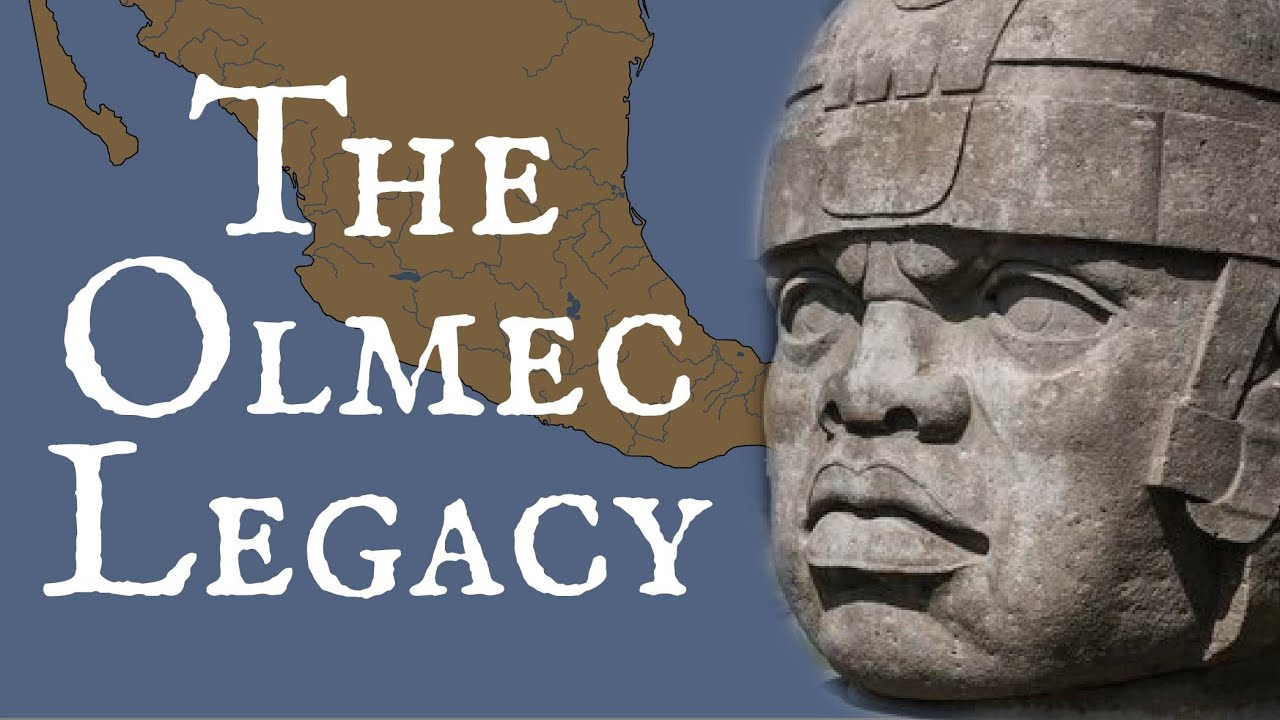
The Olmec Legacy

February 15, 2026

The Olmec: The First Great Civilization of Mesoamerica

The Olmec civilization were the first great civilization of Mesoamerica.

Though they emerged later than the early river valley civilizations of Egypt and Mesopotamia, they bloomed with astonishing speed along the Gulf Coast of present-day Mexico. Within just a few centuries, they developed monumental architecture, long-distance trade networks, complex religious symbolism, and artistic traditions that would echo across Central America for more than a thousand years.

They were not simply another ancient culture.

They were the foundation.

A Sudden Flowering of Power and Art

Around 1500 BCE, the Olmec established major ceremonial centers such as San Lorenzo Tenochtitlán and later La Venta. These were not small villages — they were carefully planned centers featuring massive earthen platforms, plazas, drainage systems, and ritual spaces.

And then there are the colossal heads.

Carved from massive basalt boulders transported from distant mountains, some weighing up to 40 tons, these monumental sculptures remain among the most iconic works of ancient American art. Each face is distinct, possibly representing rulers. Even today, their expressions feel startlingly alive.

How did a society with no metal tools move such stones across swamps and rivers?

That question is still debated.

The “Mother Culture” of Mesoamerica?

The Olmec are often called the “mother culture” of later civilizations like the Maya civilization and the Aztec civilization. While historians continue to debate how direct that influence was, there is no question that core elements of Mesoamerican civilization appear first in Olmec contexts:

  • Early forms of writing and symbolic communication

  • A ritual ballgame tradition

  • Distinctive religious iconography, including the jaguar motif

  • Monumental ceremonial architecture

In many ways, the blueprint of later Mesoamerican society begins here.

A Legacy That Outlived Them

By around 400 BCE, the great Olmec centers declined. The reasons are still unclear — environmental change, political upheaval, shifting trade routes, or internal transformation may all have played a role.

But their ideas did not disappear.

They spread.

Across forests, mountains, and centuries, later civilizations adapted and reshaped Olmec traditions, weaving them into their own identities. The Olmec may have faded, but their cultural DNA endured.

They were latecomers in the global story of civilization.

Yet in Mesoamerica, they were the beginning.

🎥 Watch the video below to explore the rise of the Olmec, their colossal monuments, and the lasting legacy that shaped the civilizations of Central America:

The Full Story of the Bamiyan Buddhas

February 15, 2026

The Bamiyan Buddhas: Giants of the Silk Road, Gone But Not Forgotten

For nearly 1,500 years, the Bamiyan Buddhas stood watch over the Silk Road.

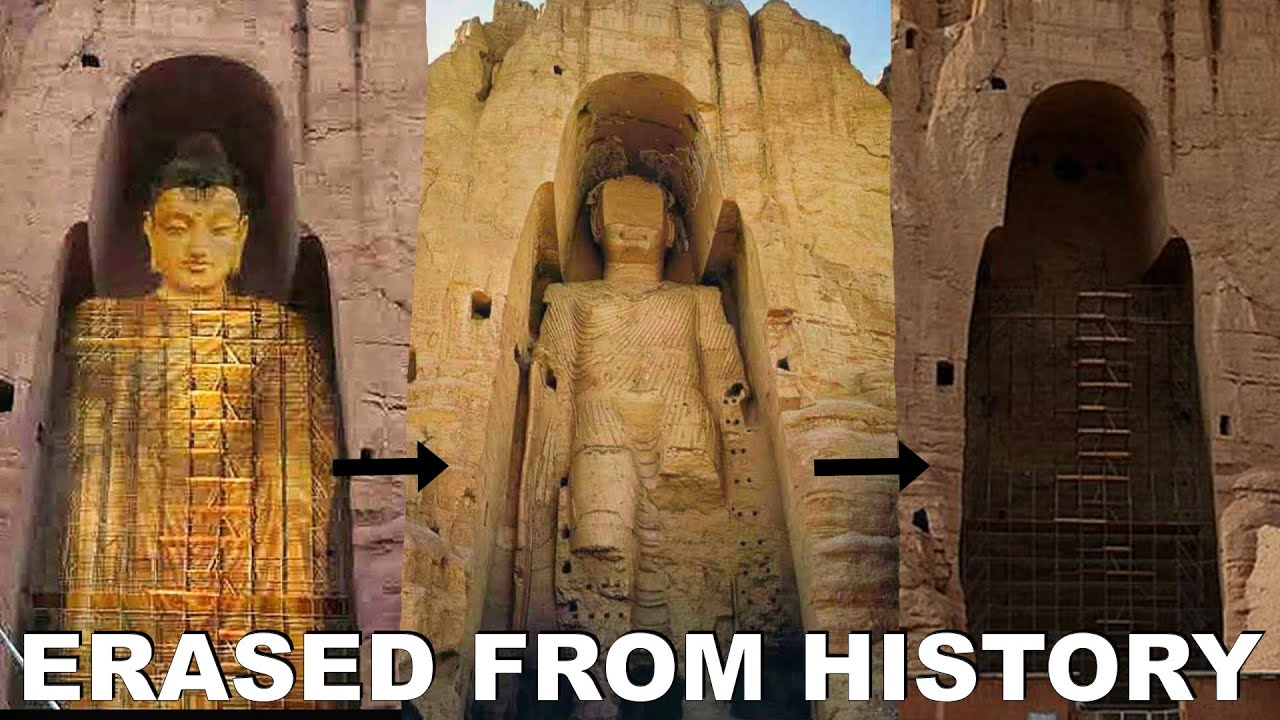
Carved into the sandstone cliffs of Afghanistan’s Bamiyan Valley in the 6th century, these monumental statues — one rising about 55 meters tall, the other 38 — were among the largest standing Buddhas in the world. They gazed out across a crossroads of civilizations, where merchants, monks, pilgrims, and conquerors once passed between East and West.

They endured empires.

They survived invasions.

They outlasted religious transformations and the relentless erosion of time itself.

Until March 2001.

That was when the Taliban deliberately destroyed them, reducing the ancient colossi to rubble with explosives and artillery. After fifteen centuries of survival, the full destructive force of the modern age proved too much to endure.

For many around the world, that tragic act became the entire story.

But the Bamiyan Buddhas were far more than their destruction.

A Forgotten Chapter of Pre-Islamic History

To understand the Buddhas, we have to turn the clock back — long before 2001, long before modern borders, even long before Islam reached the region.

The Bamiyan Valley once lay at the heart of a vibrant network of trade routes connecting India, Persia, Central Asia, and China. It was part of the great Silk Road — a cultural artery where ideas, art, religion, and technology flowed across continents.

During this era, Buddhism flourished across what is now Afghanistan. Monks carved monasteries and cave complexes into the cliffs surrounding the statues. Inside, intricate murals blended Indian, Persian, and even Greco-Roman artistic influences — evidence of a truly globalized ancient world.

The Buddhas themselves reflected this fusion. Their flowing robes showed Hellenistic influence from the legacy of Alexander the Great’s eastern campaigns centuries earlier. Their spiritual symbolism echoed Indian traditions. Their location along Central Asian trade routes made them witnesses to centuries of cultural exchange.

This was not a remote, isolated frontier.

It was a thriving, cosmopolitan crossroads.

Survival Through the Ages

Over the centuries, the region transformed. Buddhist influence declined. Islamic dynasties rose. Empires shifted and borders redrew themselves.

Yet the Buddhas remained.

They were damaged at times, neglected at others, but never fully erased. Even rulers who opposed idolatry often tolerated them as relics of the past — silent, ancient monuments embedded in the landscape.

For over a millennium, they stood as reminders of a pluralistic, interconnected world.

And then, in 2001, they were gone.

More Than Their Destruction

Today, the empty niches in the cliffs of Bamiyan are haunting. The absence itself has become part of the story.

But the Bamiyan Buddhas are not remembered solely for how they were destroyed. They represent:

  • A lost chapter of Afghanistan’s pre-Islamic heritage

  • The cultural richness of the Silk Road world

  • The blending of artistic traditions across continents

  • And the fragility of human history in the modern era

Though physically gone, their story continues through photographs, archaeological research, digital reconstructions, and global memory.

They are no longer standing in stone.

But they are not forgotten.

🎥 Watch the video below to journey back to the origins of the Bamiyan Buddhas — exploring their rise, their world along the Silk Road, and the full story behind their tragic destruction:

3 Hours of AMAZING Bible Stories for Kids | From Creation to Jesus to Revelation!

February 15, 2026

Take your children on an unforgettable journey through the greatest stories ever told — from the very beginning of time to the final book of the Bible.

This 3-hour Bible story collection for kids brings together powerful, faith-building moments from Scripture in one inspiring compilation. Perfect for family time, Sunday school, bedtime, or homeschool lessons, these stories are designed to help children understand God’s plan in a clear, engaging, and age-appropriate way.

🌍 From Creation to the Flood

Travel back to the beginning in Genesis, where God creates the world, Adam and Eve walk in the Garden of Eden, and Noah builds the ark to survive the great flood. These foundational stories introduce children to themes of obedience, trust, and God’s promises.

🐪 Heroes, Kings, and Miracles

Meet brave figures like Abraham, Moses, David, and Daniel. Watch the Red Sea part, see a giant fall with a single stone, and witness God’s faithfulness in the fiery furnace and the lion’s den. These unforgettable stories teach courage, faith, and perseverance.

✨ The Life of Jesus

Journey into the New Testament to experience the birth of Jesus, His miracles, His teachings, and His ultimate sacrifice. Children will discover the meaning of love, forgiveness, and hope through the life of Christ.

🌈 Hope and Revelation

Finally, explore the powerful imagery and promises found in Revelation, reminding us of God’s ultimate victory and the hope of a restored world.

This extended compilation weaves together stories from across the Bible into one continuous, faith-filled experience. With engaging storytelling and vivid imagery, it helps children see how all these stories connect into one bigger story — God’s love for humanity.

Whether you're introducing young listeners to the Bible for the first time or reinforcing lessons they already know, this collection makes Scripture accessible, memorable, and meaningful.

🎥 Watch the video below to experience 3 hours of amazing Bible stories for kids — from Creation to Jesus to Revelation — all in one epic journey of faith:

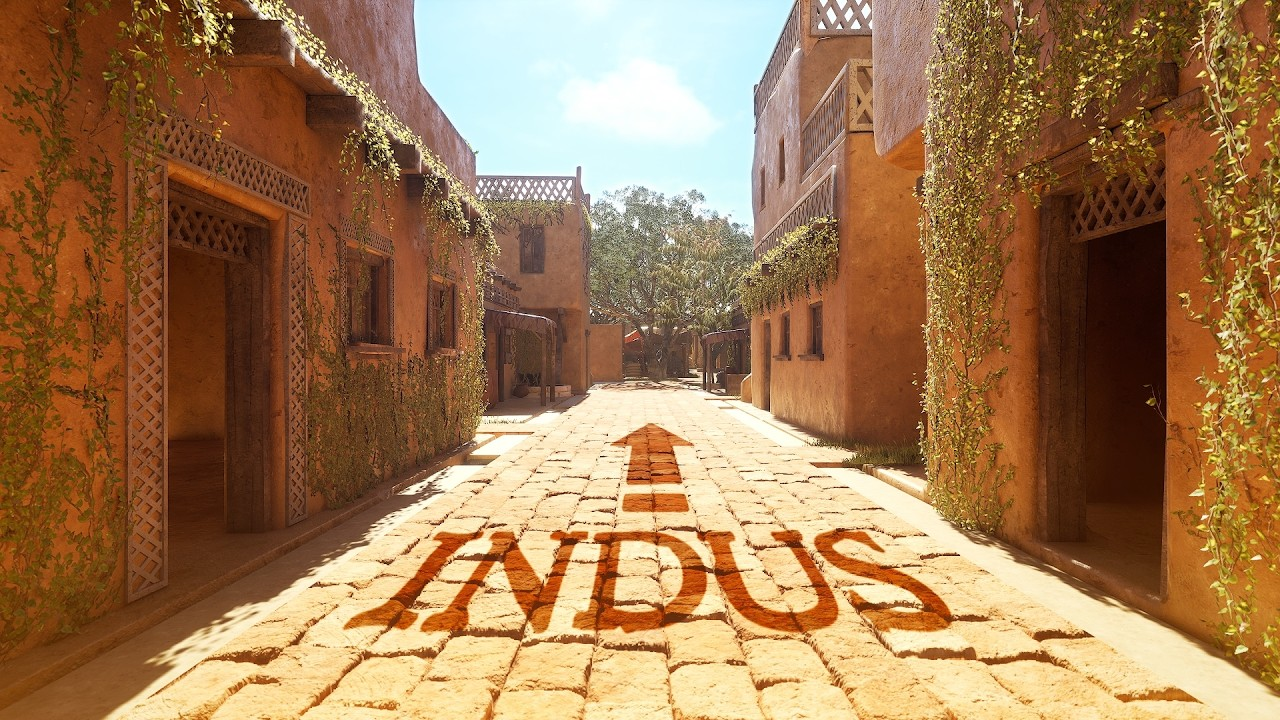
INDUS VALLEY 3D: walk the streets of a 5000-year-old civilization.

February 15, 2026

Rethinking the Indus Valley Civilization: Beyond the Myths

The Indus Valley Civilization—one of the earliest urban societies in human history—has long fascinated historians, archaeologists, and curious minds alike. For decades, it has been described in sweeping generalizations: a peaceful, egalitarian society that mysteriously vanished, leaving behind impressive but enigmatic cities like Harappa and Mohenjo-daro.

But are these narratives truly accurate? Or have simplifications, assumptions, and outdated ideas shaped our understanding of this remarkable civilization more than the actual evidence?

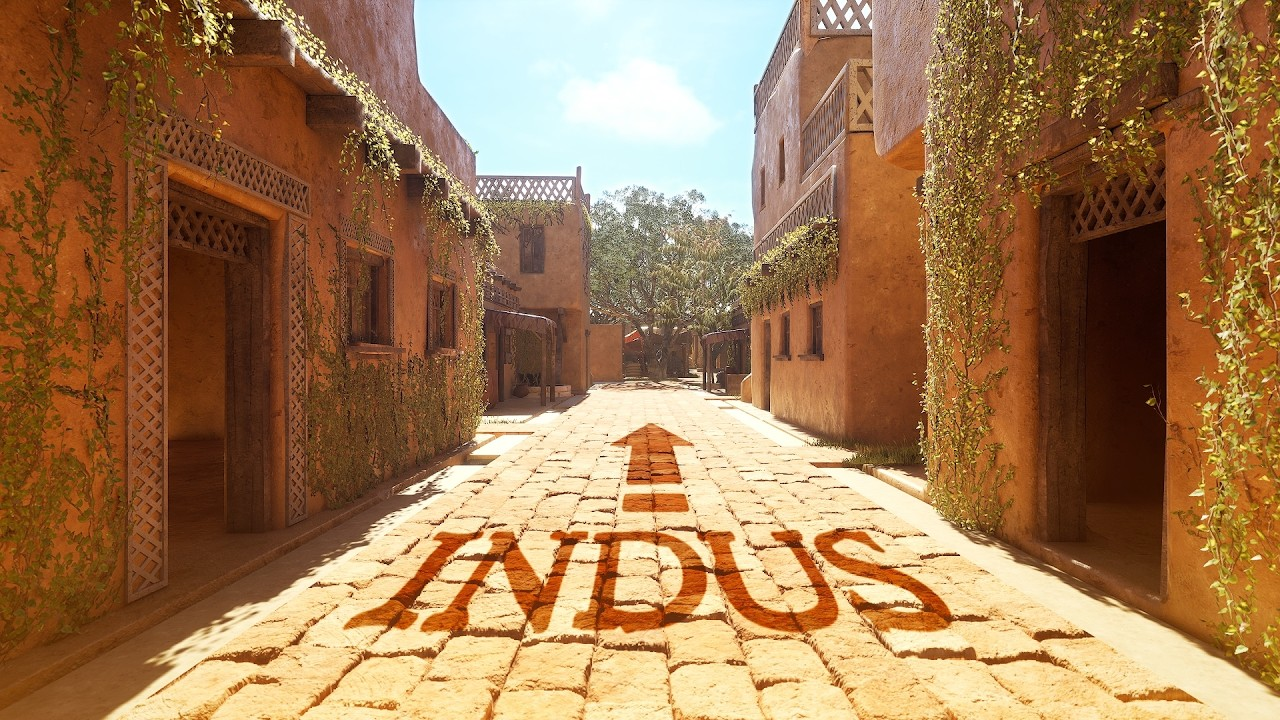
In this video, we go beyond the clichés. We examine the archaeological record, looking at the streets, granaries, public baths, and workshops that reveal a society with a complex urban design, sophisticated trade networks, and advanced craftsmanship. The Indus people were skilled engineers, artisans, and traders, and their cities were laid out with remarkable precision—featuring grid streets, standardized bricks, and early sewage systems that rival even later civilizations.

Yet, much of their society remains a mystery. Without a deciphered written language, we can only infer their social structures, political organization, and belief systems from the material evidence they left behind. Were they truly egalitarian, or were hierarchies more subtle than we imagine? How did they manage resources, trade, and urban planning across hundreds of miles?

With the help of our time-traveling companion, RA-jeeves, we reconstruct these lost cities and explore what life might have been like for the people of the Indus Valley. From bustling marketplaces to quiet residential compounds, we try to imagine the everyday experiences, challenges, and innovations that shaped their society.

This is more than a journey through ruins. It’s a fresh perspective on human ingenuity thousands of years ago, challenging the simplified stories we’ve been told and showing that the Indus Valley Civilization was far more complex, nuanced, and “human” than history books often suggest.

🎥 Watch the video below to step inside Harappa, Mohenjo-daro, and the hidden world of the Indus Valley Civilization, brought vividly to life with archaeological evidence and historical reconstruction:

INDUS VALLEY 3D: walk the streets of a 5000-year-old civilization.

February 15, 2026

Rethinking the Indus Valley Civilization: Beyond Myths and Mysteries

The Indus Valley Civilization is often wrapped in clichés and half-truths—painted as a peaceful, egalitarian society that mysteriously disappeared. But are these stories really accurate?

In this video, we dig beneath the surface of long-standing narratives and explore what life in this ancient civilization might have actually looked like.

With our time-traveling companion, RA-jeeves, we journey through ancient cities, elaborate drainage systems, and bustling marketplaces, piecing together the archaeological evidence.

What emerges is a civilization far more complex, nuanced, and “human” than the simplified myths suggest. From social hierarchies to technological innovation, the Indus Valley continues to challenge our assumptions about early urban life.

🎥 Watch the video below to uncover the real story of the Indus Valley Civilization and see history come alive through archaeology:

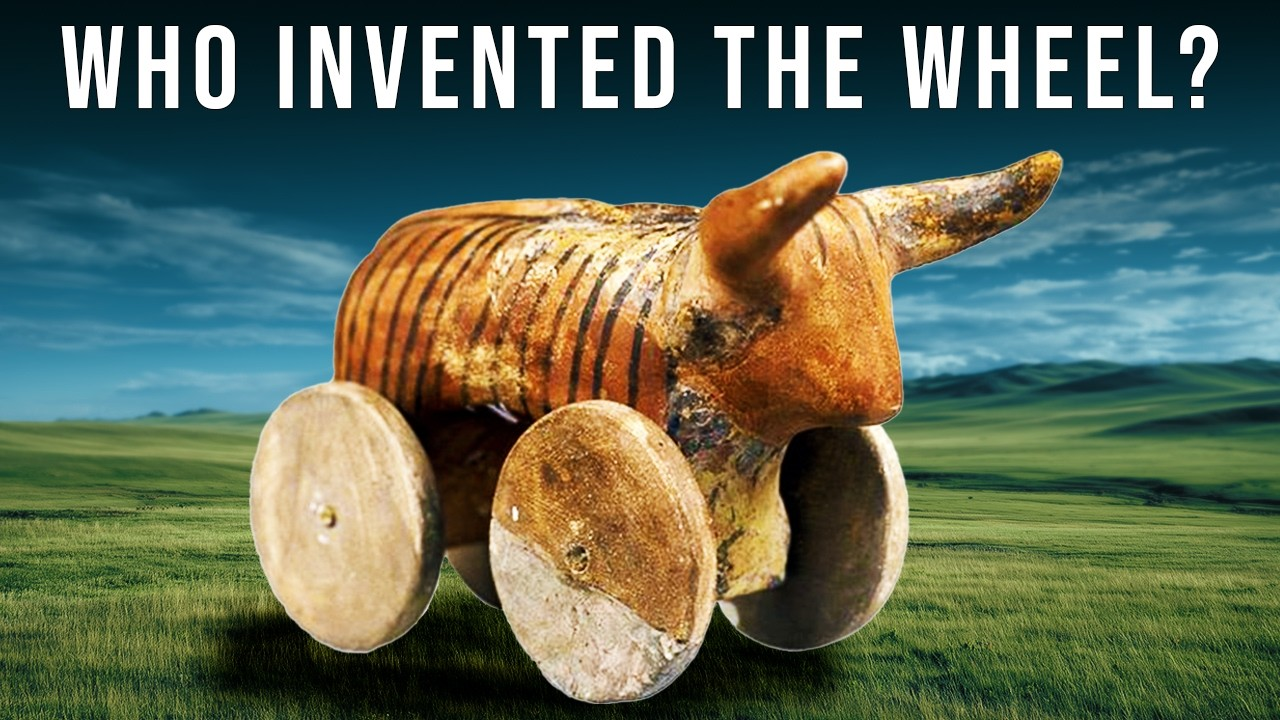
Which Ancient Society REALLY Invented the Wheel?

February 15, 2026

Who Really Invented the Wheel? The Origins of One of Humanity’s Greatest Inventions

Few inventions have shaped human history as profoundly as the wheel. For centuries, scholars assumed that Mesopotamia—the so-called cradle of civilization—was the birthplace of this revolutionary technology. But recent discoveries across Europe have challenged that long-standing assumption.

Archaeological evidence now tells a more complex story:

  • The earliest known tracks of wheeled vehicles were found in northern Germany.

  • The oldest model wheels ever discovered come from Ukraine.

  • The oldest preserved wooden wheel in the world was unearthed in Slovenia.

  • The earliest graves containing wheels and wagons were located on the East European steppe.

These findings raise new questions: Who actually invented the wheel? When did it happen? And why did humans develop not only the wheel, but also the axle, the wagon, and the cart?

This video explores the fascinating history behind the wheel, revealing how a simple circle of wood changed the course of human civilization.

🎥 Watch the video below to trace the wheel’s journey across Europe and uncover the origins of this life-changing invention:

THREE YEARS OF HELL And Forgotten Catastrophe: Lost Cities And A BURIED EMPIRE

February 15, 2026

Three Years of Hell and Forgotten Catastrophe: Lost Cities and a Buried Empire

Imagine a civilization so vast, so powerful, that its collapse reshaped the lives of millions—and yet, history almost forgot it. In this video, we uncover the story of a buried empire struck by unimaginable disaster, leaving cities abandoned, monuments shattered, and entire regions transformed forever.

Over the course of three years of hell, environmental upheavals, warfare, or possibly a combination of both wreaked havoc on this once-thriving civilization. Archaeologists now dig through layers of forgotten ruins, piecing together evidence of lost cities, temples, and trade networks that tell the story of people who lived, worked, and struggled against forces beyond their control.

We explore:

  • Ancient urban centers buried beneath layers of earth and time

  • Artifacts and architecture that hint at sophisticated planning and culture

  • Environmental clues that reveal what catastrophic events brought life to a halt

  • How this forgotten empire fits into the larger tapestry of human history

By examining ruins, maps, and relics, we reconnect with a civilization that almost vanished from memory—but whose story still has lessons for us today.

🎥 Watch the video below to step into lost cities and uncover the buried empire that endured three years of catastrophe:

Who Wrote the New Testament? PLUS 18 More Bible Stories for Kids

February 15, 2026

Who Wrote the New Testament? Plus 18 More Bible Stories for Kids

The Bible has fascinated generations of readers, but many questions remain—especially for young learners. Who actually wrote the New Testament? How did the stories come together? And what do these tales teach us about history, faith, and human experiences?

In this video, we explore the authors of the New Testament, from apostles like Paul and John to other early Christian writers. We explain in a way that’s easy to understand, showing how these texts were written, preserved, and shared across centuries.

But that’s not all! Alongside this explanation, kids will enjoy 18 more captivating Bible stories, including:

  • The Creation Story

  • Noah’s Ark

  • Moses and the Red Sea

  • David and Goliath

  • Jonah and the Big Fish

  • And many more!

Through fun storytelling, colorful animations, and clear explanations, children can connect with these ancient stories while learning important lessons about courage, faith, and kindness.

Whether it’s a first introduction or a deeper dive into biblical history, this video is a great resource for kids, parents, and educators alike.

🎥 Watch the video below to discover who wrote the New Testament and enjoy 18 more Bible stories for kids:

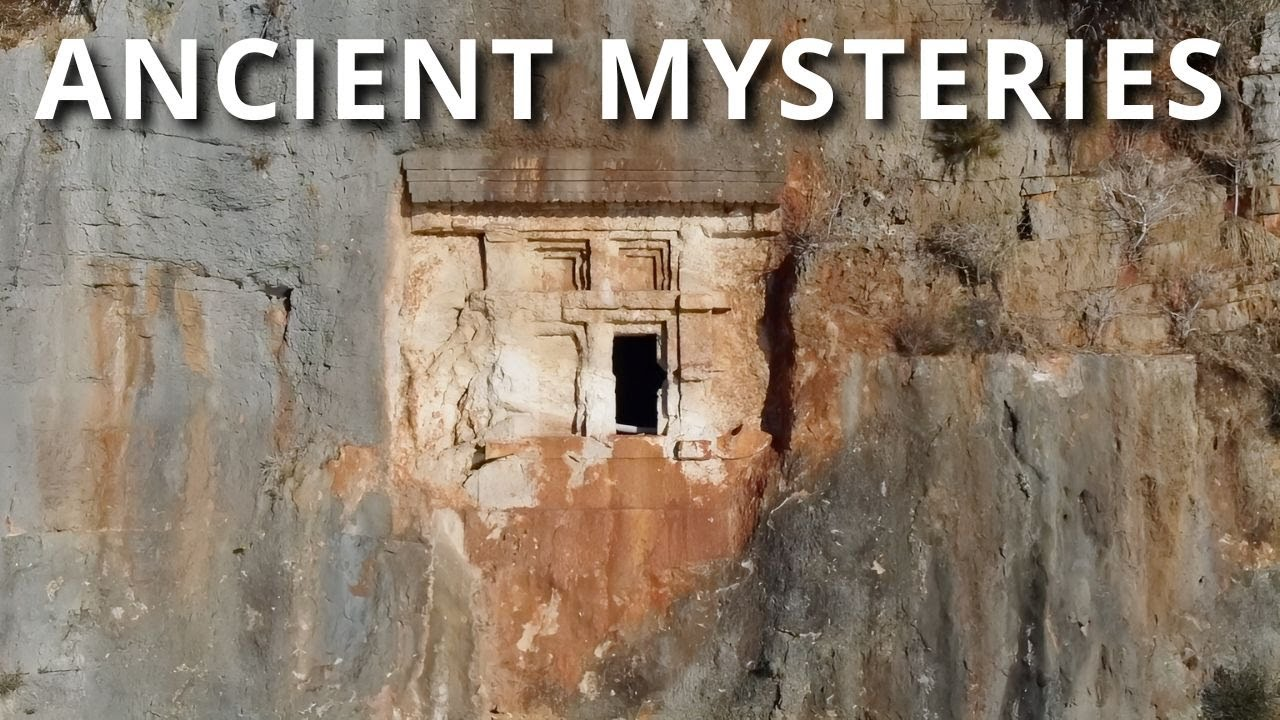
ANCIENT MYSTERIES | Unexplained Archaeological Places

February 15, 2026

Exploring Ancient Sites That Hold Unsolved Mysteries

Across deserts, mountains, jungles, and plains, ancient civilizations built monumental structures that still baffle historians and archaeologists today. These sites were more than just buildings—they were feats of engineering, centers of culture, and reflections of human ingenuity that remain partially unexplained even now.

From hidden tombs to sprawling stone cities, each location tells a story—yet leaves questions behind. How were massive stones moved without modern tools? Why were some of these incredible centers abandoned and forgotten? And what knowledge has been lost to time?

Notable Mysterious Ancient Sites

  • Loropéni, Burkina Faso – A fortified stone settlement whose purpose and builders remain enigmatic.

  • Royal Pyramids of Sudan – Ancient burial complexes with intricate planning and design.

  • The Tomb of China’s First Emperor – Hidden beneath layers of earth, still guarding secrets of Qin Shi Huang’s reign.

  • Keyhole-Shaped Burial Mounds of Japan – Giant mounds that defy explanation in terms of size and alignment.

These sites share a common mystery: they were built without modern machinery, yet required advanced organization, engineering skill, and political power. Modern technology like LiDAR, photogrammetry, and ground-penetrating radar has revealed details that were invisible to early explorers, but many questions still remain unanswered.

Each chapter of these ancient marvels offers insight into the real history behind the structures, what archaeologists have uncovered, and what secrets still lie hidden underground.

This is calm, documentary-style storytelling designed for deep listening, learning, and reflection. No myths. No exaggeration. Just real places, real research, and real human history.

🎥Watch the video below to explore these ancient sites and uncover the mysteries they still hold:

Tour Outer Space! 🪐🔭Tour Outer Space! 🪐🔭

February 15, 2026

A Traveler’s Guide to the Planets – Full Episode Compilation

Blast off on an unforgettable journey through our Solar System with Nat Geo Kids’ “A Traveler’s Guide to the Planets”! This special compilation features three full episodes, taking you on a tour of some of the most fascinating planets and moons in our cosmic neighborhood.

Whether you’re a budding astronomer or just curious about the wonders of space, this guide offers stunning visuals, expert commentary, and fun travel tips for exploring the universe—without leaving your living room.

Episode Highlights

00:00:00 – Jupiter

No tour of the Solar System is complete without visiting Jupiter, the largest planet. Marvel at its grand storms and mesmerizing cloud patterns—but beware of its deep mysteries and immense gravitational pull!

00:45:58 – Venus and Mercury

Prepare for a visit to our inner solar system neighbors, Venus and Mercury. Get essential travel advice for surviving these fiendishly hot worlds, and discover what makes each one uniquely extreme.

01:31:38 – Saturn

Take a ringside seat to Saturn, the planetary pin-up of the Solar System. Explore its spectacular rings and venture close to two extraordinary moons: the alien yet Earth-like Titan and Enceladus, a moon full of surprises.

With advanced animation and highly detailed telescope imagery, this series lets you experience the planets up-close-and-personal. See the solar system as never before, from breathtaking vistas to hidden details you might have never imagined.

🎥 Watch the full compilation of “A Traveler’s Guide to the Planets” below and explore the wonders of our cosmic neighborhood:

Clues Reveal How The Great Pyramid Was Built

February 15, 2026

Unlocking the Secrets of the Great Pyramid of Giza

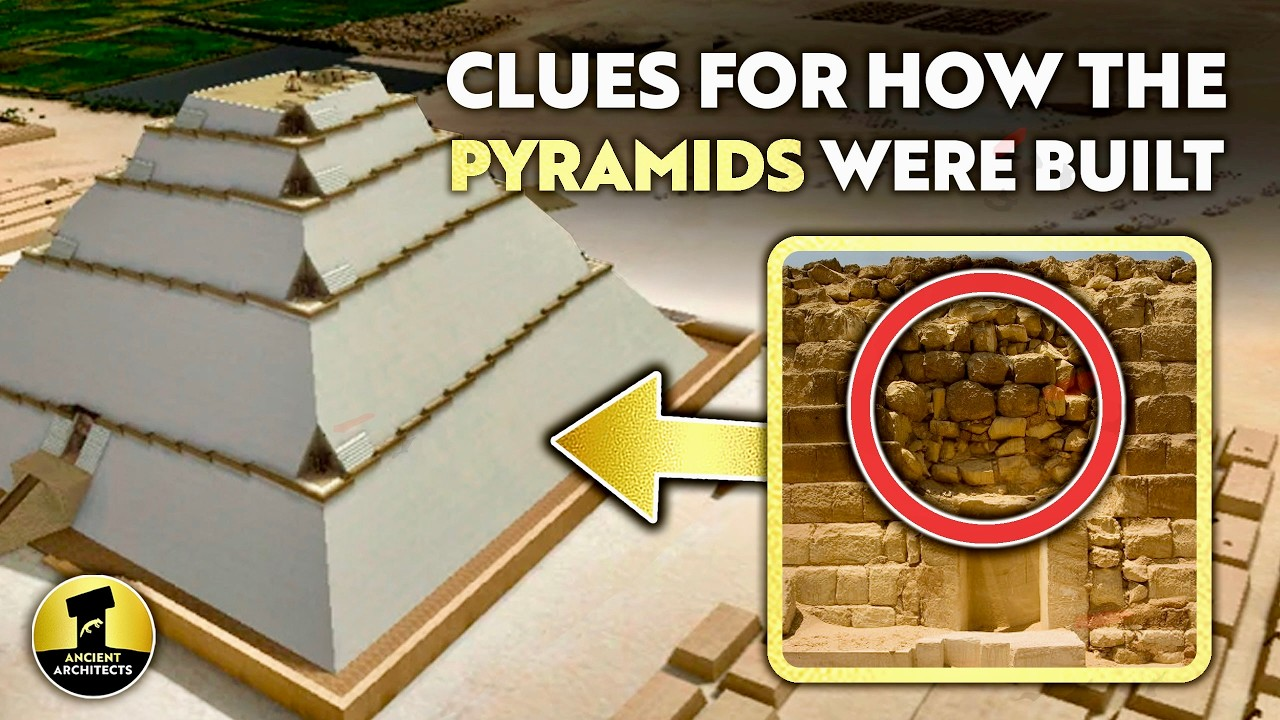
The pyramids of Giza are among the most awe-inspiring structures ever built by human hands. Rising thousands of years above the plateau, they have captivated generations of historians, archaeologists, and tourists alike. Yet, despite centuries of study, how they were built remains a mystery.

Many details we accept as fact about these monuments might actually be misleading. Experts and enthusiasts often claim that the Great Pyramid consists of 2.3 million precisely cut and fitted blocks, mostly limestone, with some granite. But what if that isn’t the full story?

Rethinking Pyramid Materials

Recent investigations suggest a large portion of the pyramid may actually be rubble, not meticulously cut stone. Understanding the materials used is crucial to unlocking the mysteries of construction.

In this video, we explore:

  • The mastaba of Hemiunu, the architect behind the Great Pyramid, and what it reveals about ancient building techniques.

  • Jean-Pierre Houdin’s theories, which offer innovative insights into how the pyramid could have been constructed from the inside out.

By starting with the materials, we can begin to peel back the layers of history and approach the Great Pyramid with a clearer perspective.

🎥 Watch the video below to explore the materials, theories, and secrets of the Great Pyramid of Giza:

Scuba Diving with Sam! 🐡 | What Sam Sees | 90 Minutes | Nat Geo Kids Compilation

February 15, 2026

Dive Into the Ocean with Sam: A Journey Through Marine Life

Join scuba diver Sam as she plunges into the vibrant and mysterious world beneath the waves. With her Sam Cam, you get an exclusive, up-close look at incredible underwater creatures and the fascinating habitats they call home. Accompanied by expert aquarists, Sam reveals the secrets of life in the ocean, from tiny coral animals to massive predators.

Exploring Ocean Giants and Oddities

  • Jolly Green Giant (00:00): Swim alongside the mighty moray eel at the National Aquarium in Baltimore, Maryland, and learn how this twisting, turning predator moves through its watery world.

  • Swimming with a Small Shark (05:55): Face a bonnethead shark and discover how even small sharks play big roles in maintaining healthy ecosystems.

  • All Hail the Queen (11:54): Meet the queen of the ocean and learn what makes her truly extraordinary.

  • A Flying Fish (17:25): Spot fins that look like wings and see how this clever fish navigates the seabed.

  • A Puffed Up … Porcupine (23:09): Encounter the spiky puffer fish and discover how it defends itself in the coral reef.

Clever, Curious, and Colorful

  • One Sly Fish (29:28): Watch the sand tilefish as it changes colors and moves rocks to build its home.

  • Turtle Time! (35:25): Visit a sea turtle rescue hospital and learn how humans help protect these gentle giants.

  • Coral Kingdom (42:29): Discover that coral are animals, not plants, and why they are so vital to marine ecosystems.

  • Shark Dive (51:01): Learn about over 400 shark species and their essential role in ocean health.

Reefs, Giants, and Marine Marvels

  • Shipwreck Reef (59:33): Explore artificial reefs created by sunken ships, now teeming with life.

  • Finding the Giant Goliath Grouper (1:07:36): Meet this colossal fish and learn about its interactions with neighbors like barracudas and green sea turtles.

  • Hungry Hungry Lionfish (1:15:38): See how divers are tackling invasive lionfish and protecting delicate ecosystems.

  • Discovering Dolphins (1:23:40): Marvel at the intelligence, agility, and playfulness of dolphins, the acrobats of the sea.

🌊 From hidden coral kingdoms to giant predators, this adventure brings the ocean to life like never before.

🎥 Watch the full “What Sam Sees” adventure below to explore underwater ecosystems, incredible marine life, and Sam’s amazing scuba adventures:

Ancient Frogs and New Castaways

February 15, 2026

Exploring Madagascar: A Living Island of Evolution

Far off the southeastern coast of Africa lies one of the most extraordinary places on Earth — Madagascar. Isolated for nearly 90 million years, this island became a world apart, where life evolved in ways found nowhere else on the planet.

From towering mountain ranges to dense rainforests, tree-lined coastal plains, and arid deserts, Madagascar’s landscapes are as diverse as the species that inhabit them. Every region tells a story millions of years in the making.

A Landscape Shaped by Time

Madagascar’s central highlands rise dramatically above the coastline, creating cool mountain habitats that contrast sharply with the humid eastern rainforests. Along the western plains, dry deciduous forests give way to vast stretches of savanna, while the southern region transforms into spiny desert — one of the most unusual ecosystems in the world.

This dramatic variation in terrain and climate has allowed species to adapt in remarkable and unexpected ways.

Ancient Plants from the Age of Dinosaurs

Some of Madagascar’s flora appear almost prehistoric. Towering baobab trees dominate the horizon like natural monuments, and plant lineages dating back to the Jurassic era still survive here.

Because the island split from ancient supercontinents long ago, its ecosystems developed independently. Plants and animals that disappeared elsewhere continued evolving in isolation.

Evolution in Action

Madagascar is perhaps best known for its wildlife — much of which exists nowhere else on Earth.

Ancient frog and reptile species have adapted to blend seamlessly into forest bark, leaf litter, and desert sand. Chameleons shift colors with dazzling precision. Lemurs leap through the canopy, having evolved to fill ecological roles similar to monkeys — despite not being monkeys at all.

Scientists often refer to Madagascar as a natural laboratory of evolution. With limited predators and unique environmental pressures, species diversified in extraordinary ways.

A Fragile Paradise

More than 80% of Madagascar’s wildlife is endemic — meaning it is found nowhere else on the planet. That makes the island not only fascinating but incredibly vulnerable.

Deforestation, habitat loss, and climate change threaten many of these ancient ecosystems. Understanding Madagascar’s biodiversity is the first step toward protecting it for future generations.

Madagascar reminds us that evolution is not just something that happened in the distant past — it is an ongoing story written across mountains, forests, and deserts.

🎥 Watch the video below to tour Madagascar’s mountains, rainforests, deserts, and unique wildlife, and witness evolution in action:

Buddhist Denominations Explained | Theravada vs Mahayana

February 15, 2026

Buddhist Denominations Explained: Theravada vs. Mahayana

Buddhism is often spoken of as a single religion, but in reality, it contains diverse traditions with distinct philosophies, practices, and interpretations of the teachings of Gautama Buddha.

In this video, we explore the two largest branches of Buddhism — Theravada and Mahayana — and unpack what makes them similar, and what sets them apart.

Theravada: The “Teaching of the Elders”

Theravada is the oldest surviving branch of Buddhism and is often described as the most conservative in preserving early teachings. It is dominant in countries such as Sri Lanka, Thailand, Myanmar, Laos, and Cambodia.

Theravada emphasizes:

  • Strict adherence to the Pali Canon (the earliest recorded Buddhist scriptures)

  • Monastic discipline

  • Personal enlightenment through meditation and ethical living

  • The ideal of the Arhat — one who achieves Nirvana through their own effort

In this tradition, liberation is a personal journey. The focus is on understanding suffering, impermanence, and non-self through direct experience and disciplined practice.

Mahayana: The “Great Vehicle”

Mahayana Buddhism developed several centuries later and expanded across China, Korea, Japan, and Vietnam.

Key characteristics include:

  • Additional scriptures (such as the Lotus Sutra and Heart Sutra)

  • The ideal of the Bodhisattva — one who seeks enlightenment not just for themselves, but for all beings

  • A broader, more inclusive interpretation of the path to liberation

  • Greater emphasis on compassion and universal salvation

While Theravada centers on individual liberation, Mahayana emphasizes collective awakening — the idea that enlightenment is something we help each other achieve.

Shared Foundations

Despite their differences, both traditions:

  • Follow the Four Noble Truths

  • Practice the Eightfold Path

  • Seek liberation from suffering (Dukkha)

  • Trace their teachings back to Gautama Buddha

The distinctions are philosophical and interpretive — not oppositional. Both traditions aim at awakening, just through slightly different lenses.

Why Understanding the Difference Matters

Learning the distinctions between Theravada and Mahayana helps clarify how Buddhism evolved as it spread across Asia. It shows how a single teaching tradition can adapt to new cultures while preserving its core insights.

Rather than viewing them as competing systems, it’s more accurate to see them as different expressions of the same spiritual foundation.

🎥 Watch the full video to dive deeper into the history, philosophy, and key differences between Theravada and Mahayana Buddhism — and discover how these traditions continue to shape spiritual practice around the world.

Ancient Athens Explained

February 15, 2026

Explore Ancient Athens: Architecture & Urban Design

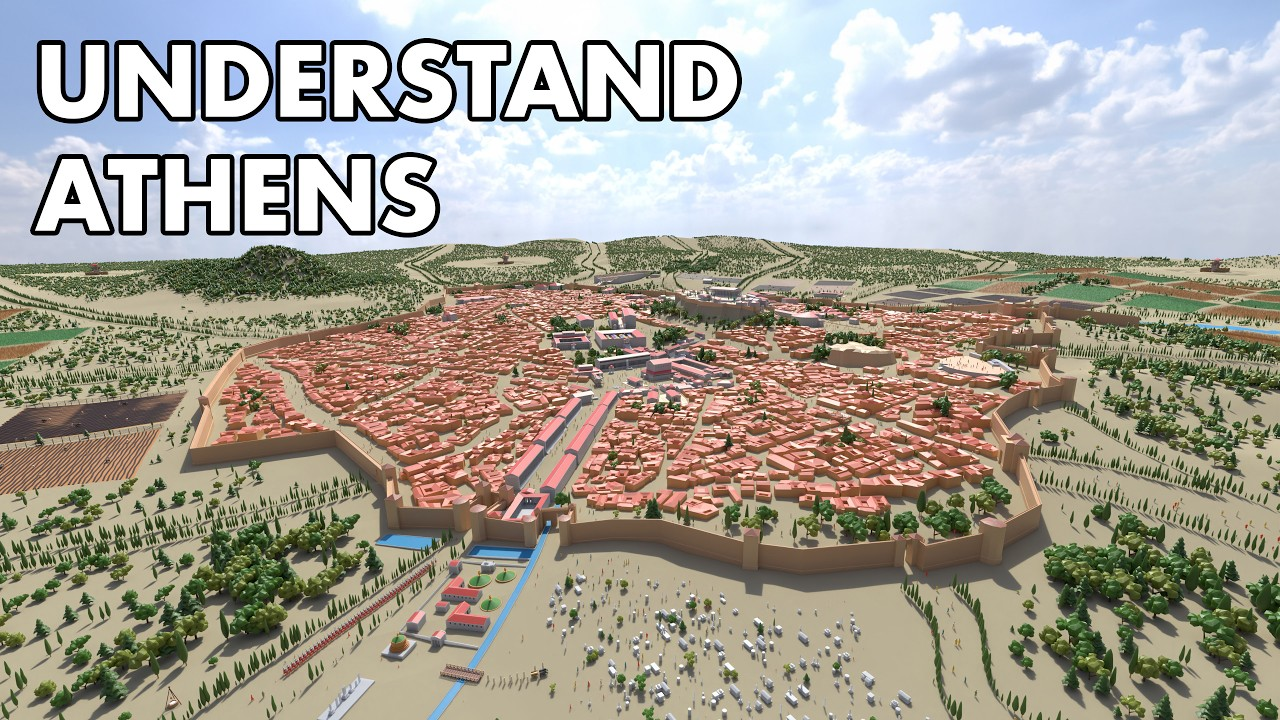
Join us on a journey through ancient Athens, one of the most influential cities in human history — the birthplace of democracy, philosophy, and Classical architecture. This detailed tour brings to life the architecture and urban planning that shaped the city at the height of its power in the 5th century BCE, before the devastation of the Peloponnesian War and during the Golden Age of Pericles.

Athens wasn’t just a collection of temples and statues — it was a living, designed city with public spaces, thoroughfares, and monumental buildings that reflected its cultural ideals. Key aspects of the city reveal how architecture and urban form expressed civic identity:

A City Designed for People and Power

Rising above the urban landscape was the Acropolis, the religious and symbolic heart of Athens, crowned with structures like the Parthenon and dedicated to the city’s patron deity, Athena. These temples weren’t mere shrines — they communicated Athenian wealth, artistic mastery, and political aspiration.

Public Life at the Agora

At the base of the Acropolis lay the Agora, the city’s central marketplace and civic hub. Here, citizens gathered to trade goods, debate politics, hear announcements, and participate in the democratic life for which Athens is famous. The layout of the Agora — open, accessible, and integrated with the city’s streets — reflected the Athenian commitment to public engagement and exchange.

Structured Urban Space

Athens’ urban design wasn’t random. Major thoroughfares like the Panathenaic Way connected the city’s neighborhoods with its most sacred spaces, linking everyday life with religious and civic rituals. These routes shaped how people moved through the city and experienced its grandeur.

Architectural Innovation

Athenian architecture wasn’t just functional — it was symbolic. The Doric, Ionic, and Corinthian orders became defining elements of classical design, influencing centuries of architecture in the Mediterranean and beyond. Marble quarrying, sculptural decoration, and sophisticated proportions elevated buildings like the Parthenon into enduring icons of Western aesthetics.

A Legacy That Lives On

The urban spaces and buildings of ancient Athens helped shape not just a city, but an ideal. The forms and functions developed here echo through modern public buildings, museums, and civic spaces across the world — a testament to the lasting impact of Athenian design.

🎥 Watch the video below to explore Ancient Athens’ architecture and urban design, and see the city reconstructed with stunning clarity:

The amazing adventures of Rosetta and Philae

February 15, 2026

The Adventures of Rosetta & Philae: A Comet Quest Like No Other

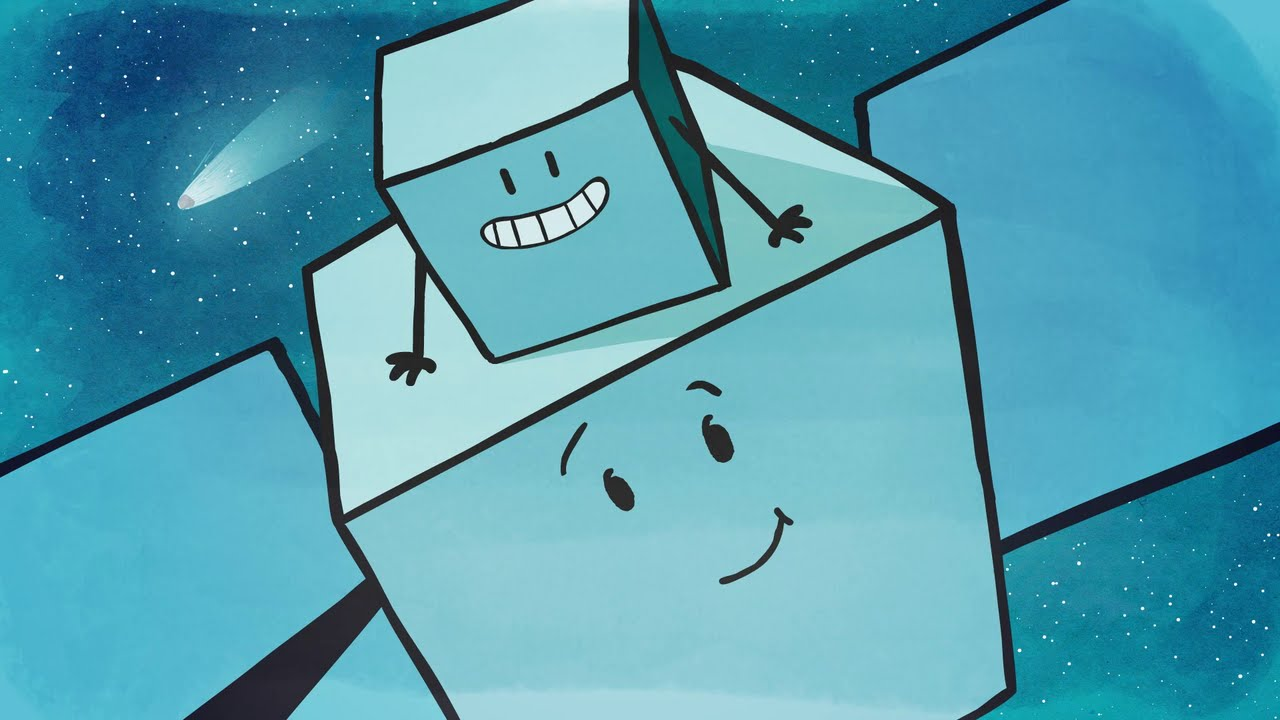
Get ready for a heartwarming, action-packed space adventure! Watch the amazing cartoon journeys of Rosetta and Philae, now brought together in one special feature-length presentation.

It all begins with a dream: the bold ambition to visit a comet. Follow Rosetta and her tiny lander companion Philae as they set off on an extraordinary ten-year voyage through the Solar System. Along the way, they swing past planets, glide by asteroids, and perform gravity assists that push them farther than ever before — all in pursuit of their icy destination: 67P/Churyumov–Gerasimenko.

When they finally arrive, the real adventure begins.

Watch as Philae attempts humanity’s first-ever landing on a comet — a daring descent filled with suspense, surprises, and unexpected challenges. Will the harpoons fire? Will the landing stick? The tension is real, even in cartoon form.

Meanwhile, Rosetta orbits faithfully above, observing the comet as it transforms. As they travel closer to the Sun, the once-quiet world awakens — jets of gas burst from the surface, dust plumes swirl into space, and the landscape reshapes itself in real time. Through Rosetta’s eyes, you’ll discover how comets evolve, and what they can teach us about the origins of our Solar System.

And when the mission reaches its emotional finale, stay with Rosetta as she completes her journey — descending gently onto the comet’s surface after years of groundbreaking discovery. It’s a farewell filled with meaning, legacy, and one final surprise you won’t want to miss.

Perfect for families, students, and space lovers of all ages, this feature brings science, exploration, and friendship together in a way that’s both educational and unforgettable.

Arab Silver Coins in Russia Highlight Medieval Trade Links

February 12, 2026

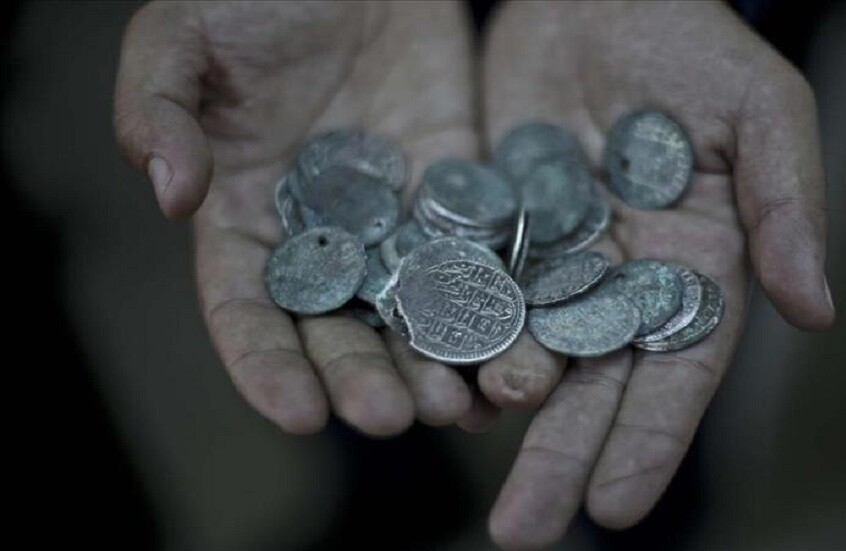
In Stary Ladoga, Russia’s Leningrad region, the City Museum announced the discovery of 23 silver coins dating to the Arab Caliphate period (697–816 CE) along the right bank of the Volkhov River.

The museum highlighted the scientific significance of the find, noting that Arab silver coins were key to international trade between the 8th and 11th centuries. This collection offers material evidence of robust trade activity along the Volga trade route, also known as the “route from the Varangians to the Arabs.”

The coins will become part of the museum’s holdings, contributing to research on monetary circulation, refining understanding of early medieval trade networks, and clarifying Stary Ladoga’s role in broader economic processes.

Stary Ladoga, one of Russia’s oldest settlements, founded no later than the mid-7th century, is historically significant as the first capital of ancient Rus, with around 160 historical monuments, including a fortress, churches, and monasteries.

In a separate Russian discovery, Culture Minister Olga Lyubimova announced the finding of ~20,000 silver coins hidden in a 17th-century merchant’s mansion in Moscow, described as one of the most important recent archaeological finds.

This discovery, alongside the Ladoga coins, underscores the vital role of early medieval trade and coin circulation in Russia.

← Newer Posts Older Posts →
Featured
image_2026-07-21_215409368.png
July 23, 2026
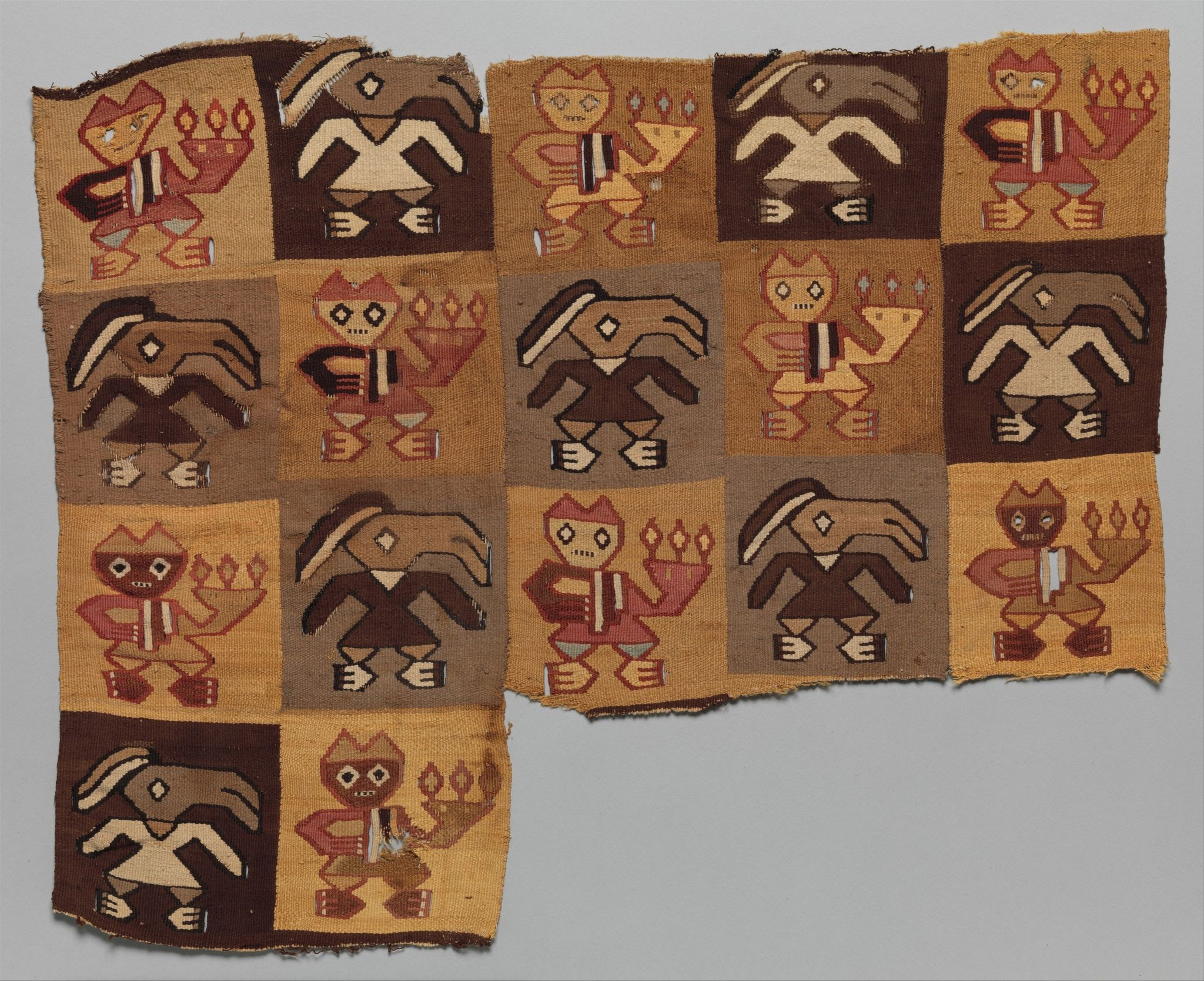
Caral-Supe Textiles: Peru's 5,000-Year Cotton Weaves
July 23, 2026
Read more →
July 23, 2026
image_2026-07-21_215324765.png
July 23, 2026
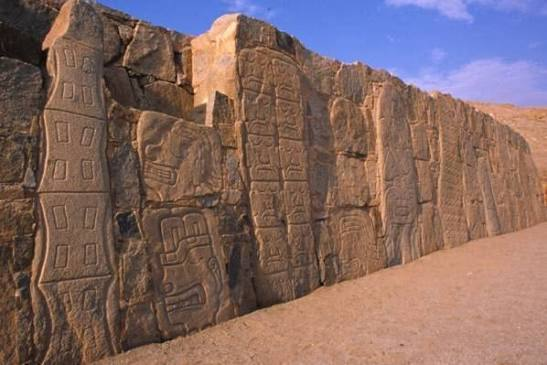
Sechín Alto: Peru's 5,500-Year Ritual Complex
July 23, 2026
Read more →
July 23, 2026
image_2026-07-21_215236513.png
July 23, 2026
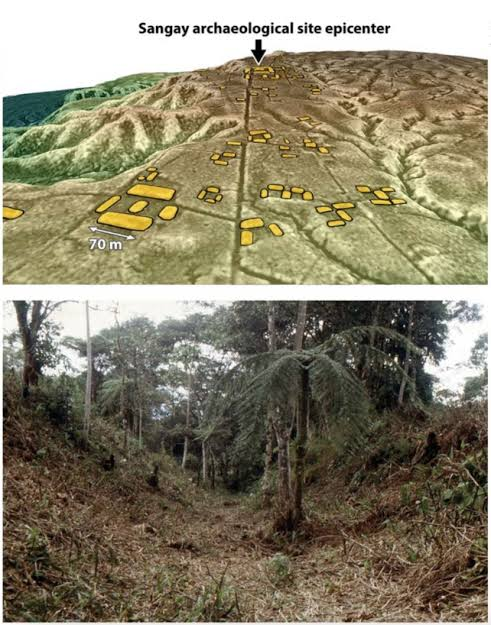
Sangay Park: Ecuador's Upano Valley Roads
July 23, 2026
Read more →
July 23, 2026
image_2026-07-21_215133477.png
July 23, 2026
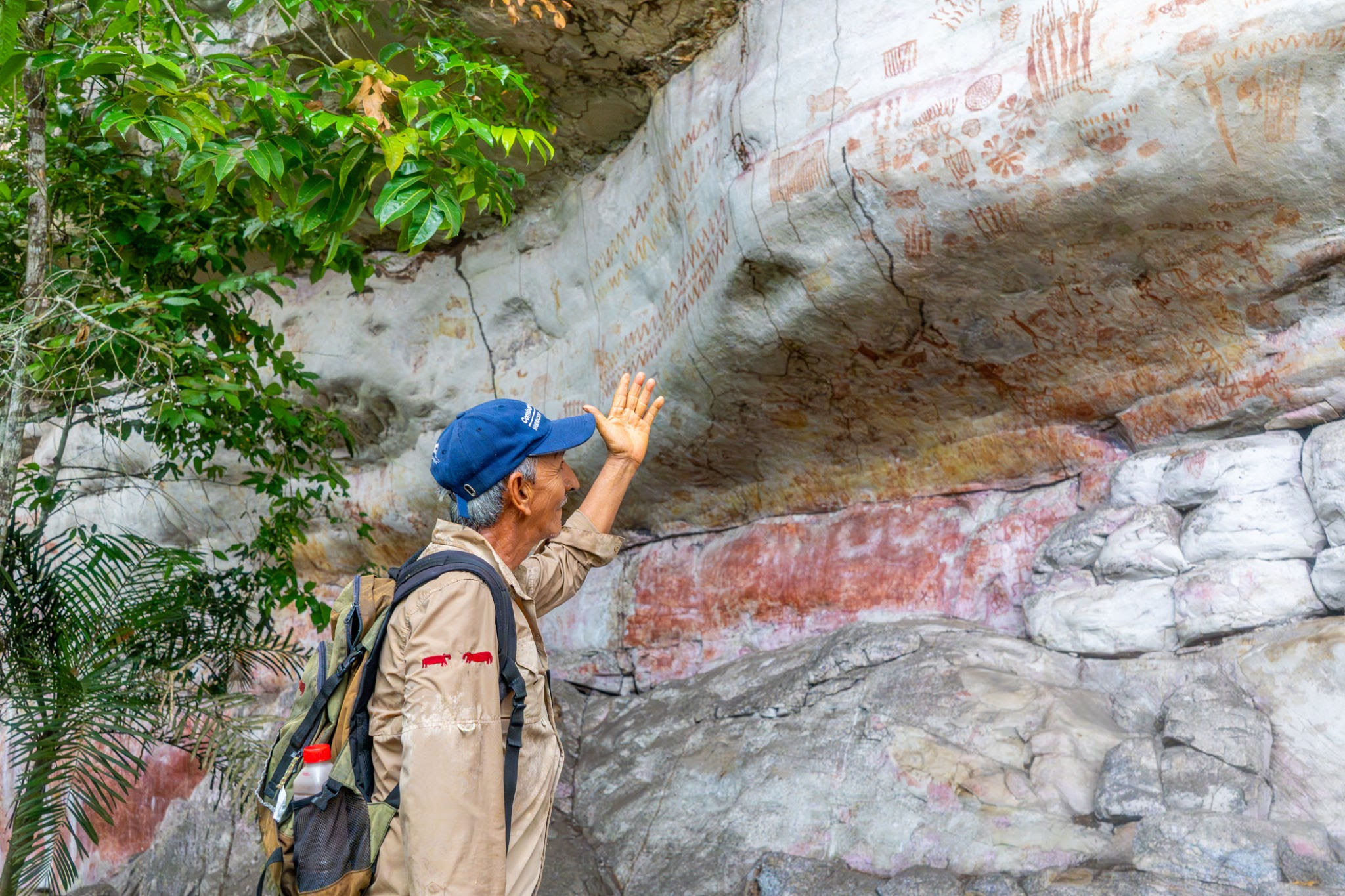
Chiribiquete: Colombia's Painted Cave Labyrinth
July 23, 2026
Read more →
July 23, 2026
image_2026-07-21_215024903.png
July 23, 2026
2026 LiDAR: Amazon's 10,000 Geoglyphs Revealed
July 23, 2026
Read more →
July 23, 2026
image_2026-07-21_214821187.png
July 23, 2026
Go Thap: Vietnam's Funan-Era Hindu Shrines
July 23, 2026
Read more →
July 23, 2026
read more

Powered by The archaeologist