• MAIN PAGE
  • LATEST NEWS
    • Lost Cities
    • Archaeology's Greatest Finds
    • Underwater Discoveries
    • Greatest Inventions
    • Studies
    • Blog
  • PHILOSOPHY
  • HISTORY
  • RELIGIONS
    • Africa
    • Anatolia
    • Arabian Peninsula
    • Balkan Region
    • China - East Asia
    • Europe
    • Eurasian Steppe
    • Levant
    • Mesopotamia
    • Oceania - SE Asia
    • Pre-Columbian Civilizations of America
    • Iranian Plateau - Central Asia
    • Indus Valley - South Asia
    • Japan
    • The Archaeologist Editor Group
    • Scientific Studies
    • Aegean Prehistory
    • Historical Period
    • Byzantine Middle Ages
    • Predynastic Period
    • Dynastic Period
    • Greco-Roman Egypt
  • Rome
  • PALEONTOLOGY
  • About us
Menu

The Archaeologist

  • MAIN PAGE
  • LATEST NEWS
  • DISCOVERIES
    • Lost Cities
    • Archaeology's Greatest Finds
    • Underwater Discoveries
    • Greatest Inventions
    • Studies
    • Blog
  • PHILOSOPHY
  • HISTORY
  • RELIGIONS
  • World Civilizations
    • Africa
    • Anatolia
    • Arabian Peninsula
    • Balkan Region
    • China - East Asia
    • Europe
    • Eurasian Steppe
    • Levant
    • Mesopotamia
    • Oceania - SE Asia
    • Pre-Columbian Civilizations of America
    • Iranian Plateau - Central Asia
    • Indus Valley - South Asia
    • Japan
    • The Archaeologist Editor Group
    • Scientific Studies
  • GREECE
    • Aegean Prehistory
    • Historical Period
    • Byzantine Middle Ages
  • Egypt
    • Predynastic Period
    • Dynastic Period
    • Greco-Roman Egypt
  • Rome
  • PALEONTOLOGY
  • About us

The Secrets of the Ancient Ziggurats of Mesopotamia

December 6, 2025

Exploring the Purpose of These Towering Step Pyramids

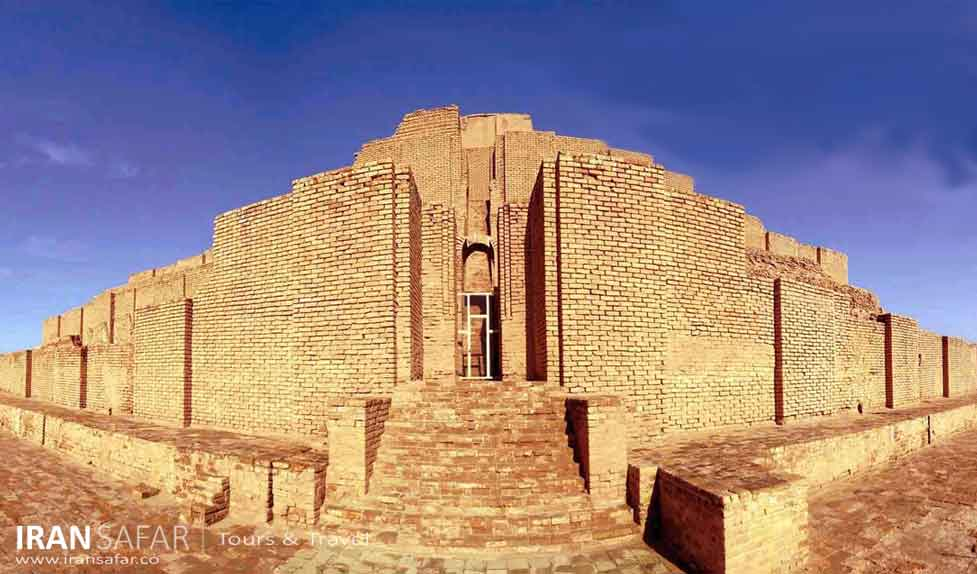
Ziggurats were monumental structures built by the Sumerians, Babylonians, and Assyrians. Rising high above their cities, they served as spiritual centers and symbols of royal power.

Sacred Platforms for the Gods

Each ziggurat supported a temple at its summit dedicated to a city’s patron deity. Priests performed rituals there, believing they were closer to the divine realm.

Engineering in the Ancient World

Constructed from millions of bricks, ziggurats featured layered terraces and grand staircases. The Ziggurat of Ur is one of the best preserved and shows the precision of early Mesopotamian builders.

Centers of Urban Life

These structures were not tombs but community landmarks, linking religion, governance, and daily activity. Their massive size still inspires awe today.
The Ancient Practice of Sky Burials in Tibet

December 6, 2025

Understanding the Spiritual Meaning Behind the Ritual

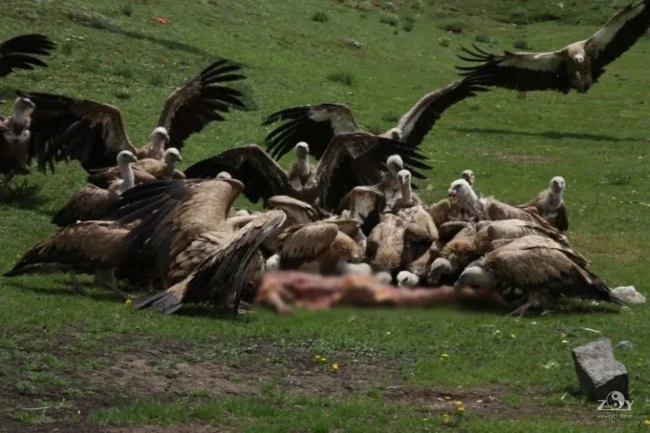
Sky burials are one of the most distinctive funerary traditions in Tibetan Buddhism. Instead of burial or cremation, the body is offered to vultures on a sacred hillside.

A Ritual of Compassion and Impermanence

Tibetan teachings emphasize that the body is only a temporary vessel. By offering it to nature, families perform a final act of generosity, symbolizing the release of the soul and acceptance of life’s transience.

Practical and Spiritual Roots

High-altitude regions of Tibet lack wood for cremation and have rocky soil, making burial difficult. The sky burial ritual developed as a practical solution supported by deep spiritual meaning.

Sacred Messengers of the Sky

Vultures are viewed as purifying beings, carrying the offering toward the heavens. For Tibetans, the ritual reflects harmony between humans, nature, and cosmic cycles.

The Lost City of Petra: Carved in Stone

December 6, 2025

Exploring the Nabatean City Hidden in the Desert

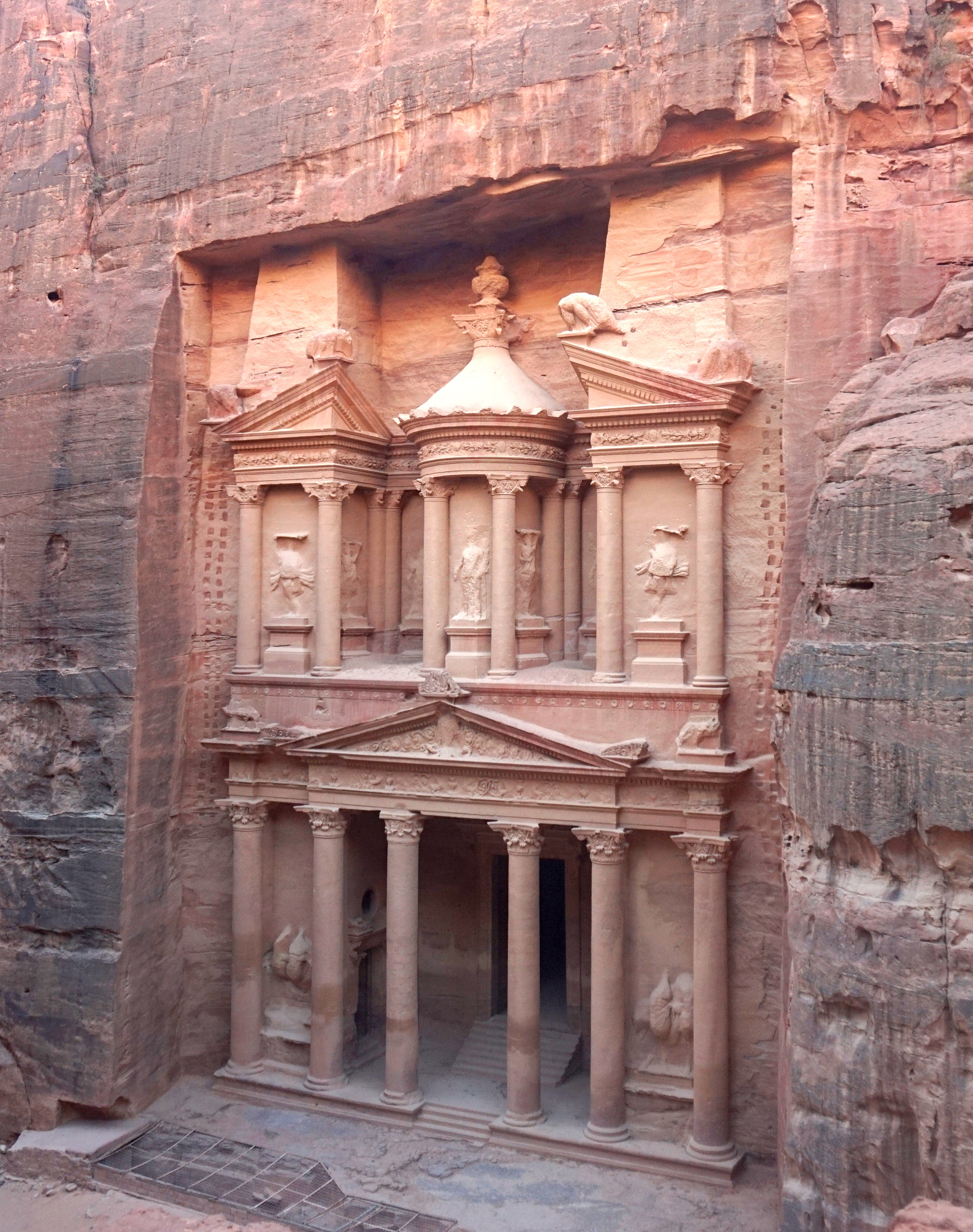
Petra is one of the world’s most remarkable archaeological wonders, a city carved directly into rose-colored cliffs by the Nabateans over 2,000 years ago. Hidden within the rugged canyons of southern Jordan, it thrived as a center of trade and craftsmanship.

Origins of Petra

The Nabateans built Petra around the 4th century BCE, choosing a secluded valley that allowed them to control major trade routes. They carved monumental structures—temples, tombs, and façades—straight from the sandstone, blending Greek, Egyptian, and Arabian artistic styles.

A City of Stone and Water

Beyond its famous carvings, Petra was engineered with advanced water systems including channels, dams, and reservoirs. These innovations allowed the city to flourish in an extremely dry environment.

A Rediscovered Wonder

After centuries of obscurity, Petra was brought to modern attention in 1812. Today, landmarks like the Treasury and Monastery reveal the creativity and spiritual life of the Nabatean people, preserving their legacy in stone.

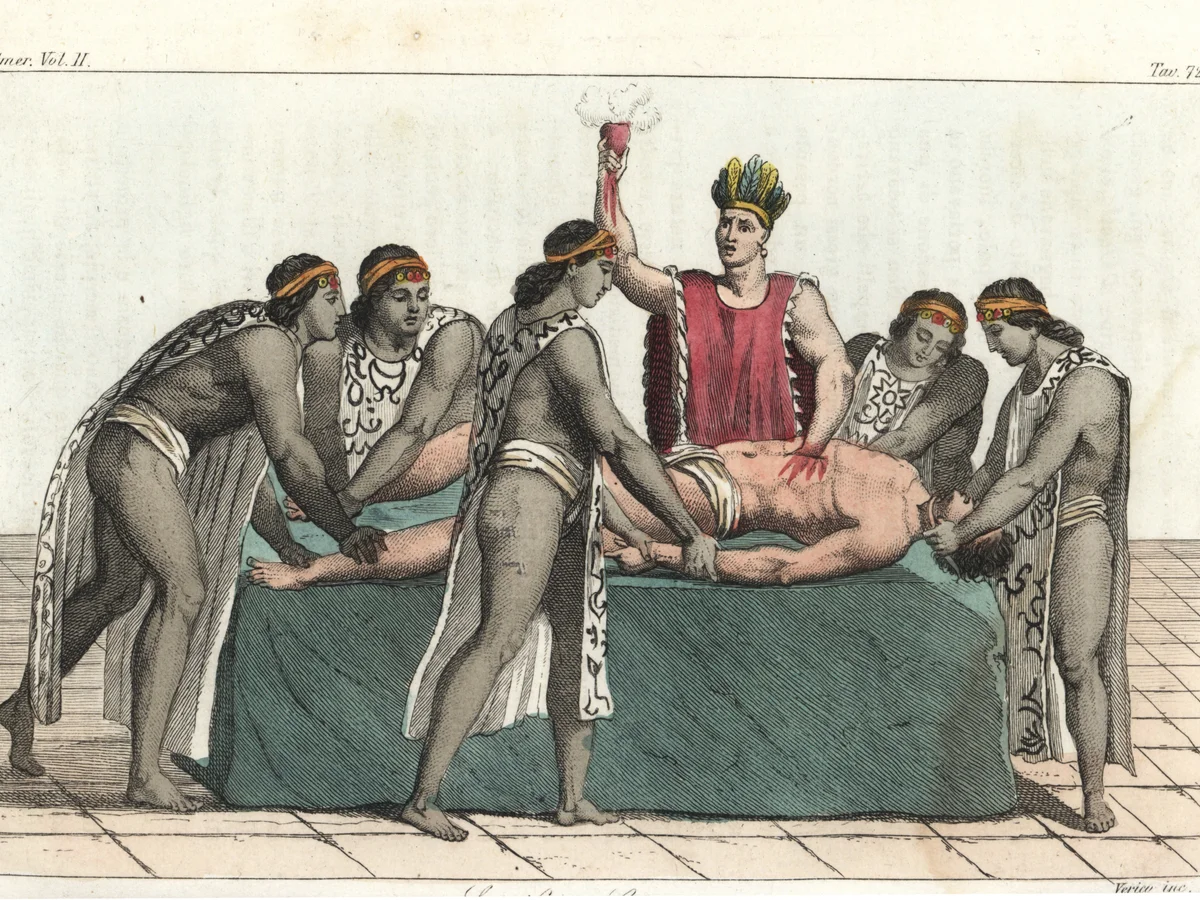
The Ancient Ritual of Human Sacrifice: Why and Where?

December 6, 2025

Examining Cultures That Practiced Sacrifice and the Meaning Behind It

Human sacrifice, though disturbing to modern sensibilities, played a significant role in several ancient cultures. Understanding its purpose helps illuminate the worldview and values of these societies.

Civilizations That Practiced Sacrifice

Evidence appears in:

  • Mesoamerica, where Aztecs offered captives to sustain cosmic order

  • Ancient China, where early dynasties buried retainers with nobles

  • The Near East, where rituals honored deities during crises

  • Iron Age Europe, where bog bodies reflect ritual killings

Each practice arose from specific cultural beliefs.

Symbolism and Purpose

Human sacrifice often symbolized renewal, cosmic balance, or devotion. Some societies believed the gods required human life to maintain harmony, ensure fertility, or protect the community.

Understanding an Ancient Worldview

While difficult to interpret today, these rituals were rooted in complex ideas about duty, spirituality, and the relationship between humans and divine forces.

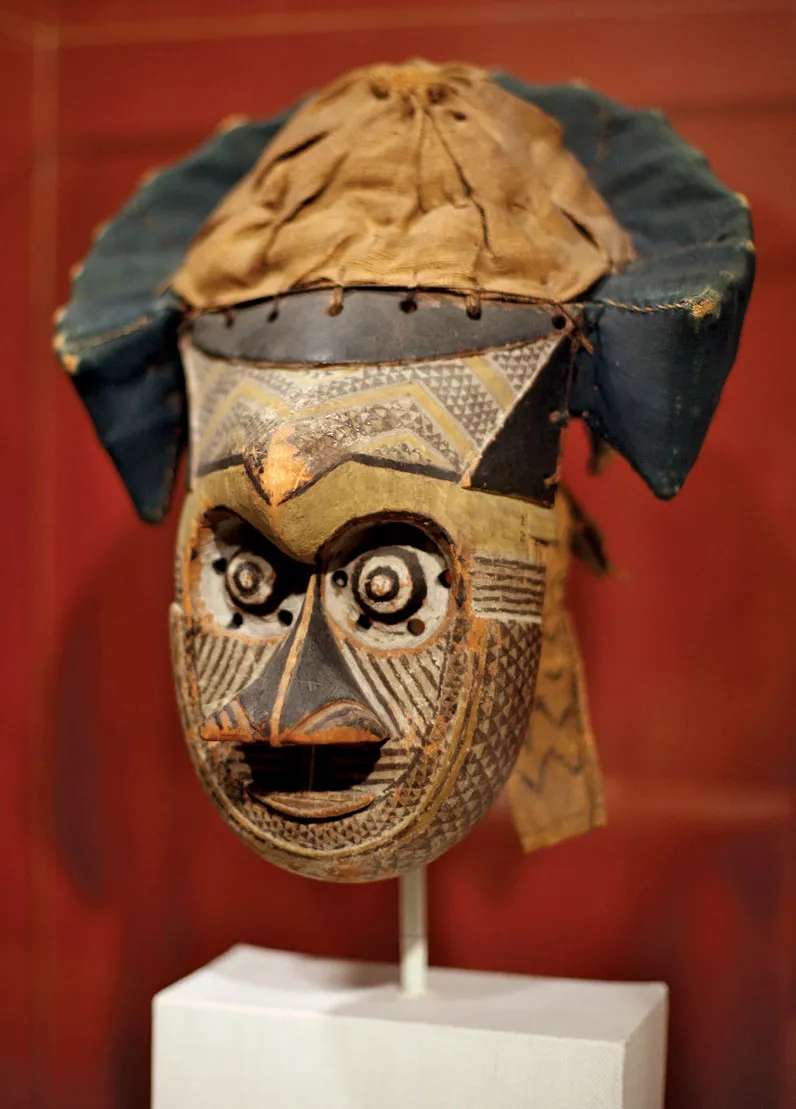
The Role of Masks in Ancient Rituals and Ceremonies

December 6, 2025

How Masks Connected People to Spirits, Gods, and Ancestral Forces

Masks have been central to ritual performance across cultures, transforming wearers into divine beings or spiritual intermediaries.

Ritual Transformation

In many societies, masks allowed shamans, priests, or dancers to embody deities or ancestors. The act of wearing the mask was believed to invite spiritual presence.

Cultures such as the Hopi, Yoruba, Greeks, and ancient Chinese used masks to communicate with unseen forces.

Ceremonial and Theatrical Functions

Masks were used during:

  • Initiation rites

  • Fertility and harvest festivals

  • Funeral ceremonies

  • Ancient dramas and sacred performances

Each mask carried symbolic designs that communicated cultural identity and belief.

A Bridge Between Worlds

Masks helped define moments when ordinary life gave way to the sacred, allowing communities to connect with mythic narratives and spiritual energies.

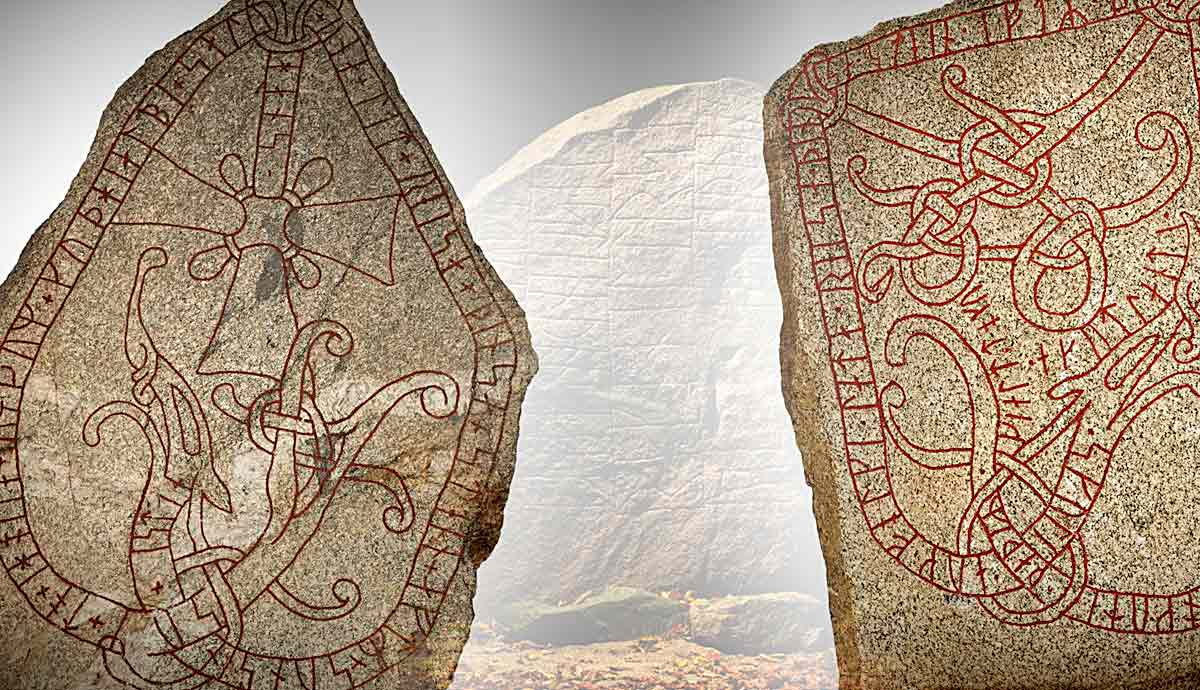
The Secrets of the Ancient Viking Runes

December 6, 2025

Uncovering the Origins and Meaning of the Runic Alphabet

The Vikings used runes not only for writing but for magic, ritual, and protection. These symbols carved onto wood, stone, and metal reveal the beliefs and identity of Norse culture.

Origins of the Runes

The runic alphabet, or Elder Futhark, developed around the 2nd century CE. Its shapes were designed for carving into hard surfaces, with straight lines and sharp angles.

Runes as Sacred Symbols

Beyond communication, runes held mystical significance. Norse mythology tells that Odin discovered the runes through a powerful ritual of self-sacrifice. As a result, each rune carried spiritual meaning protection, victory, fertility, or destiny.

Carved Messages Across the North

Rune stones recorded memorials, achievements, boundary markers, and sometimes warnings or curses. These inscriptions preserve the voices of Viking communities across Scandinavia.

The Myth of the Seven Sages of Ancient India

December 6, 2025

Exploring the Wisdom and Legacy of the Legendary Rishis

In ancient Indian tradition, the Seven Sages, or Saptarishi, are revered as enlightened beings who guided humanity through knowledge, spirituality, and cosmic understanding.

Bearers of Sacred Knowledge

Each Sage is associated with specific teachings astronomy, philosophy, medicine, and divine law. They appear in Vedic literature as authors of hymns, advisors to kings, and keepers of cosmic order.

Cosmic and Symbolic Significance

The Seven Sages were linked to the seven stars of the Big Dipper, symbolizing stability and guidance. Their presence in myths reflects the belief that wisdom is eternal and continuously passed down.

Influence on Indian Culture

The teachings of the Rishis shaped yoga, ritual traditions, and philosophical schools. Their legacy remains central to Indian spiritual heritage.

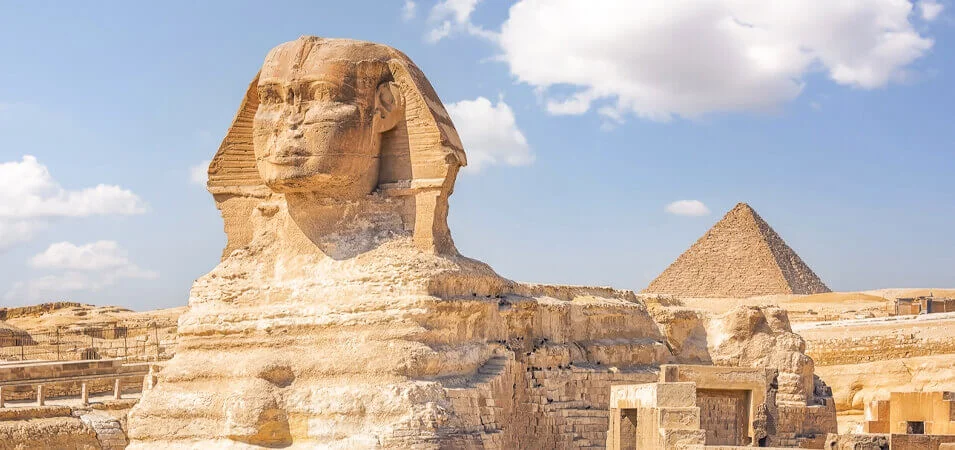
The Origins of the Egyptian Sphinx: Guardian of the Desert

December 6, 2025

Exploring the Purpose and Creation of One of Egypt’s Most Iconic Monuments

The Great Sphinx of Giza, with its lion’s body and human face, stands as one of the most recognizable symbols of ancient Egypt. Yet its origins and purpose continue to inspire debate.

When Was the Sphinx Built?

Most scholars attribute the Sphinx to Pharaoh Khafre of the Fourth Dynasty (c. 2500 BCE), carved from a single limestone outcrop near the pyramids. Its features and proximity to Khafre’s pyramid support this theory.

A Guardian and Symbol of Power

The Sphinx likely served as a protective guardian, watching over the necropolis and representing royal strength. Its lion body symbolized might, while the human face represented intelligence and divine authority.

Mysteries Still Unsolved

Erosion patterns, missing inscriptions, and later restorations leave questions unanswered. Some propose older origins or alternative symbolic meanings. Regardless, the Sphinx remains a masterpiece of ancient engineering and iconography.

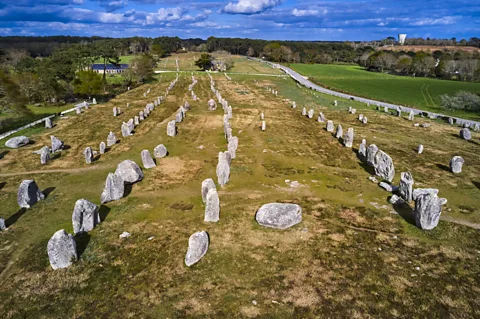
The Mysterious Megaliths of Carnac in France

December 6, 2025

Unraveling the Purpose of the Stone Alignments of Brittany

The Carnac stones in Brittany, France, form one of the world’s largest and most enigmatic megalithic sites. Stretching for miles, these thousands of standing stones have puzzled researchers for centuries.

A Monumental Undertaking

Erected around 4500–3300 BCE, the Carnac alignments include long rows of stones, dolmens, burial mounds, and stone circles. Their precise placement required immense planning and cooperation.

Theories Behind the Stones

Scholars propose several explanations:

  • Astronomical observatory: Alignments may mark solstices or lunar cycles

  • Ritual pathways: Stones may have guided processions or ceremonies

  • Territorial markers: They could signify sacred or social boundaries

Despite extensive research, no single theory explains the entire complex.

The Legacy of Carnac

Today, Carnac remains a symbol of Europe’s prehistoric ingenuity. Its sheer scale and mystery continue to fascinate archaeologists and visitors alike.

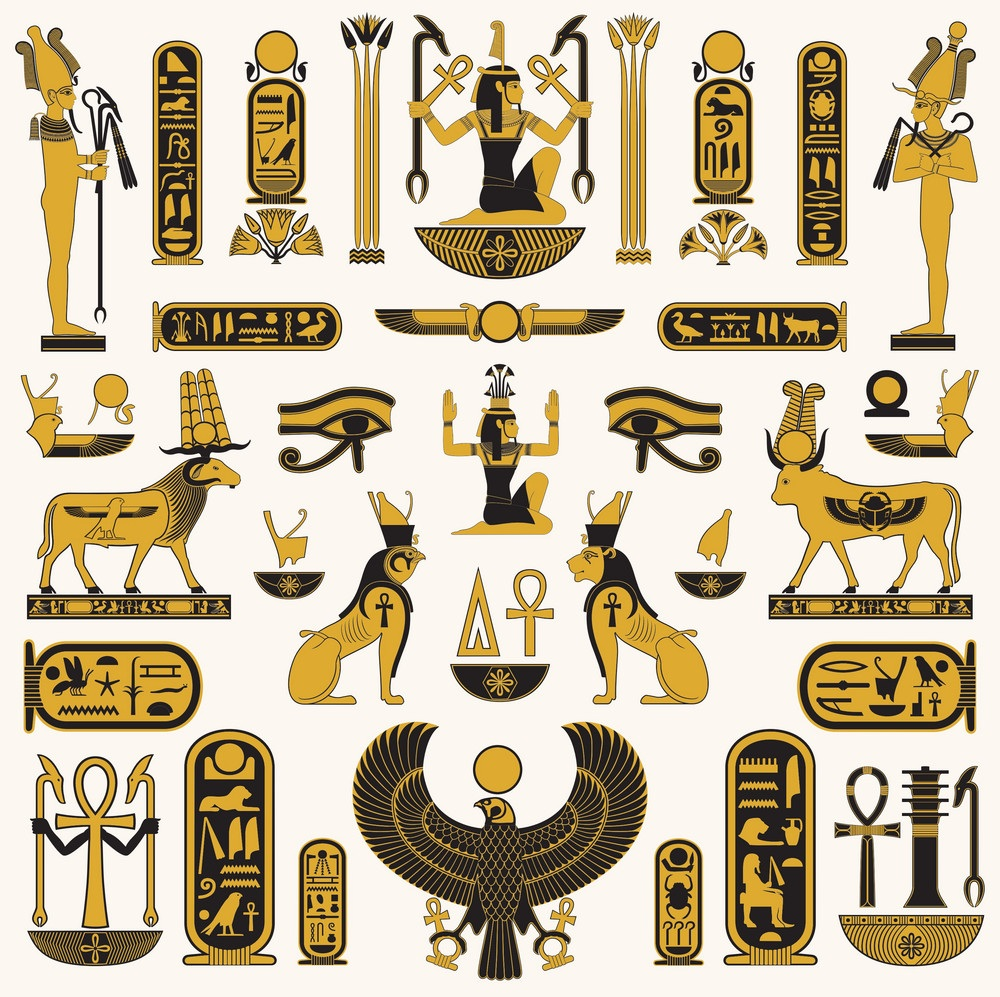
The Secret Language of Ancient Symbols and Glyphs

December 6, 2025

How Symbols Shaped Rituals, Art, and Early Writing

Across civilizations, symbols served as powerful tools for communication, identity, and spiritual belief. From sacred carvings to coded religious motifs, these images formed a universal language.

Symbols in Art and Religion

Ancient cultures used symbols to express ideas that words could not fully capture:

  • The ankh symbolized life in Egypt

  • The spiral represented growth in Celtic traditions

  • The lotus embodied purity in India and Southeast Asia

These images carried layers of meaning understood by their communities.

Glyphs and Early Writing

Glyphs evolved from symbolic images into more structured writing systems. Mayan glyphs, Egyptian hieroglyphs, and Sumerian cuneiform began with pictorial symbols that gradually represented sounds and ideas.

Priests, scribes, and artisans guarded these scripts, using them in rituals, record-keeping, and storytelling.

A Universal Visual Language

Even without shared words, symbols allowed ancient peoples to express beliefs, claim identity, and pass on sacred knowledge. Many modern signs from medical symbols to cultural icons—trace their origins to these early glyphs.

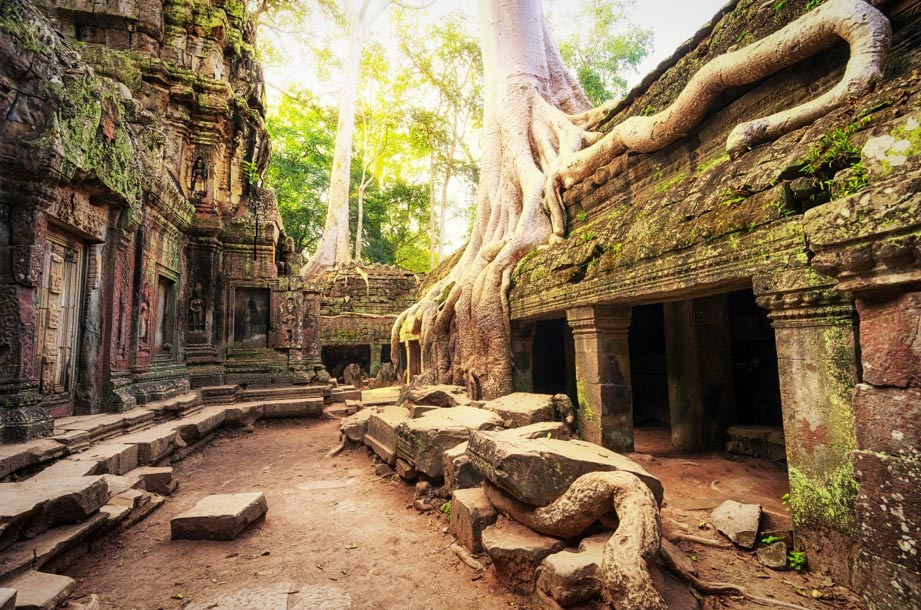
The Lost Temples of the Khmer Empire

December 6, 2025

Exploring Angkor Wat and the Hidden Marvels of an Ancient Kingdom

The Khmer Empire, which flourished in Southeast Asia from the 9th to 15th centuries, built some of the largest and most intricate temple complexes in the world. Angkor Wat, its most famous creation, is only the beginning.

Angkor Wat: Jewel of the Kingdom

Built in the early 12th century, Angkor Wat served as both a temple and a political center. Its vast bas-reliefs depict cosmic battles, royal processions, and Hindu mythology. The temple’s symmetry and scale demonstrate extraordinary engineering skill.

Beyond Angkor Wat

Hidden in surrounding jungles lie other wonders:

  • Bayon, with its serene stone faces

  • Ta Prohm, swallowed by trees and roots

  • Banteay Srei, famed for its detailed pink sandstone carvings

Many temples are aligned with celestial events, reflecting the Khmer belief in cosmic harmony.

Rediscovering a Forgotten Empire

Angkor’s decline remains partly mysterious, but climate shifts, war, and shifting trade routes likely played roles. Modern technology like LiDAR scanning continues to reveal entire cities once hidden beneath the forest canopy.

The Story of the Ancient Oracle Bones of China

December 6, 2025

How Early Diviners Used Bones to Communicate with the Spirits

The earliest written records of China are not found on paper or bamboo, but engraved on animal bones and turtle shells. These oracle bones, dating back to the Shang Dynasty (1600–1046 BCE), reveal a sophisticated system of divination and early writing.

The Ritual of Divination

Shamans or royal specialists carved questions onto bones—often concerning war, harvests, weather, or royal health. They then applied intense heat to the bone until it cracked.

The shape of the cracks was interpreted as the answer from ancestors or divine forces. Each session recorded the question, response, and sometimes the outcome.

Birth of Chinese Writing

Oracle bone inscriptions contain early forms of characters that evolved into modern Chinese script. These carvings show the development of concepts, names, and rituals that shaped Chinese civilization.

A Window Into the Ancient Mind

These bones reveal a world where the supernatural guided political decisions. Kings did not act without consulting the ancestors, demonstrating the deep connection between governance and belief.

The Forgotten Art of Ancient Stonemasonry

December 6, 2025

Tools and Techniques Behind the World’s Oldest Monuments

Long before modern machinery, ancient builders shaped mountains, raised towering monuments, and carved sacred temples with astonishing precision. Their mastery of stonemasonry remains one of history’s greatest technical achievements.

Tools That Shaped Civilizations

Ancient masons relied on surprisingly simple tools hammerstones, chisels made from copper, bronze, or iron, and abrasive sands. In Egypt, workers used dolerite balls to pound granite blocks, while in Greece and Rome, metal chisels allowed for more refined detail.

Polishing stones, wooden wedges, and levers were essential for smoothing surfaces and splitting massive slabs.

Techniques That Defy Time

Builders used methods such as:

  • Percussion carving, striking stone repeatedly to chip away material

  • Abrasive cutting, using sand and water to grind through harder minerals

  • Stone dressing, shaping blocks to fit perfectly without mortar

Massive stones were transported through sledges, rollers, barges, and coordinated human labor. Precision joints in places like Machu Picchu and Giza show remarkable skill without modern tools.

A Legacy Carved in Stone

From the columns of ancient temples to the reliefs of royal palaces, stonemasons left behind structures that continue to inspire awe. Their knowledge, passed down through generations, formed the backbone of early architecture.

The Role of the Sun in Ancient Worship

December 6, 2025

Exploring Solar Gods and Festivals in Egypt, Inca, and Mesopotamian Traditions

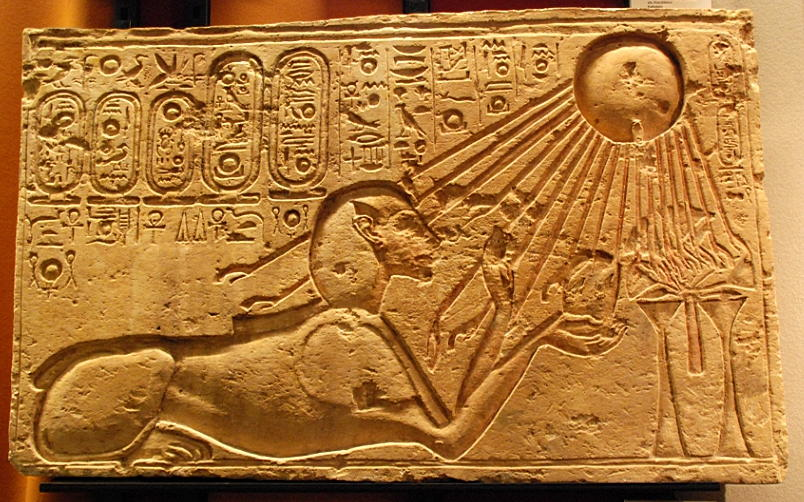
The sun’s life-giving light made it one of the most powerful symbols in ancient religions. Civilizations across the world celebrated solar deities, built temples aligned with the sun, and organized festivals around its seasonal cycles.

Sun Gods Across Civilizations

  • Egypt: The sun god Ra was believed to travel across the sky each day and through the underworld each night, maintaining cosmic order.

  • Inca: Inti, the radiant sun god, was central to state religion, and his festivals reinforced imperial authority.

  • Mesopotamia: Shamash embodied justice and truth, watching over humanity and illuminating the world.

Solar Architecture and Ceremony

Ancient temples, pyramids, and city layouts often aligned with solstices and equinoxes. Sun festivals celebrated harvests, royal coronations, and the renewal of life.

A Universal Symbol of Power

Across cultures, the sun represented strength, rebirth, clarity, and divine presence. Its daily rise and fall offered a natural rhythm that shaped early understandings of time, seasons, and cosmic balance.

The Hidden Underground Cities of Cappadocia

December 6, 2025

Exploring the Vast Subterranean World Beneath Ancient Turkey

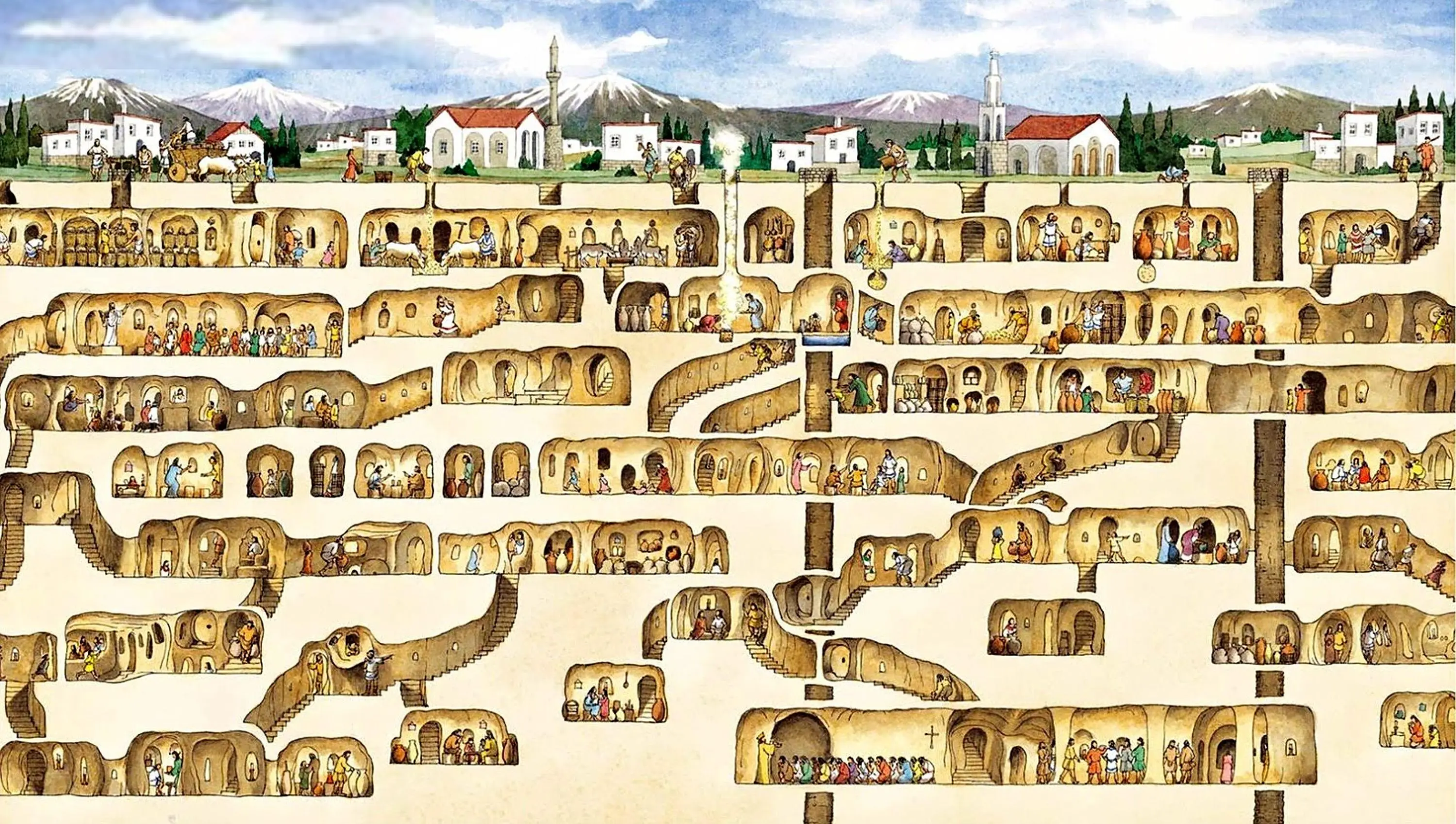
The region of Cappadocia in Turkey is famous for its dramatic rock formations but even more astonishing are the cities carved beneath the earth. These massive complexes housed thousands of people and served as refuges in times of conflict.

Engineering Marvels Beneath the Surface

Cities like Derinkuyu and Kaymakli stretch multiple levels underground, featuring ventilation shafts, storage rooms, stables, and worship spaces. Ingenious sliding stone doors protected entrances and kept inhabitants safe during invasions.

Life in the Underground

People could live for months in these subterranean spaces. Archaeologists believe they were used by early Christians and earlier local groups seeking shelter. The design shows remarkable planning, cooperation, and engineering mastery.

A Landscape Full of Secrets

New tunnels and chambers are still being discovered, suggesting that Cappadocia’s underground network is even larger than previously imagined.

The Ancient Science of Alchemy and Immortality

December 6, 2025

Tracing the Origins of Alchemy and the Quest for Eternal Life

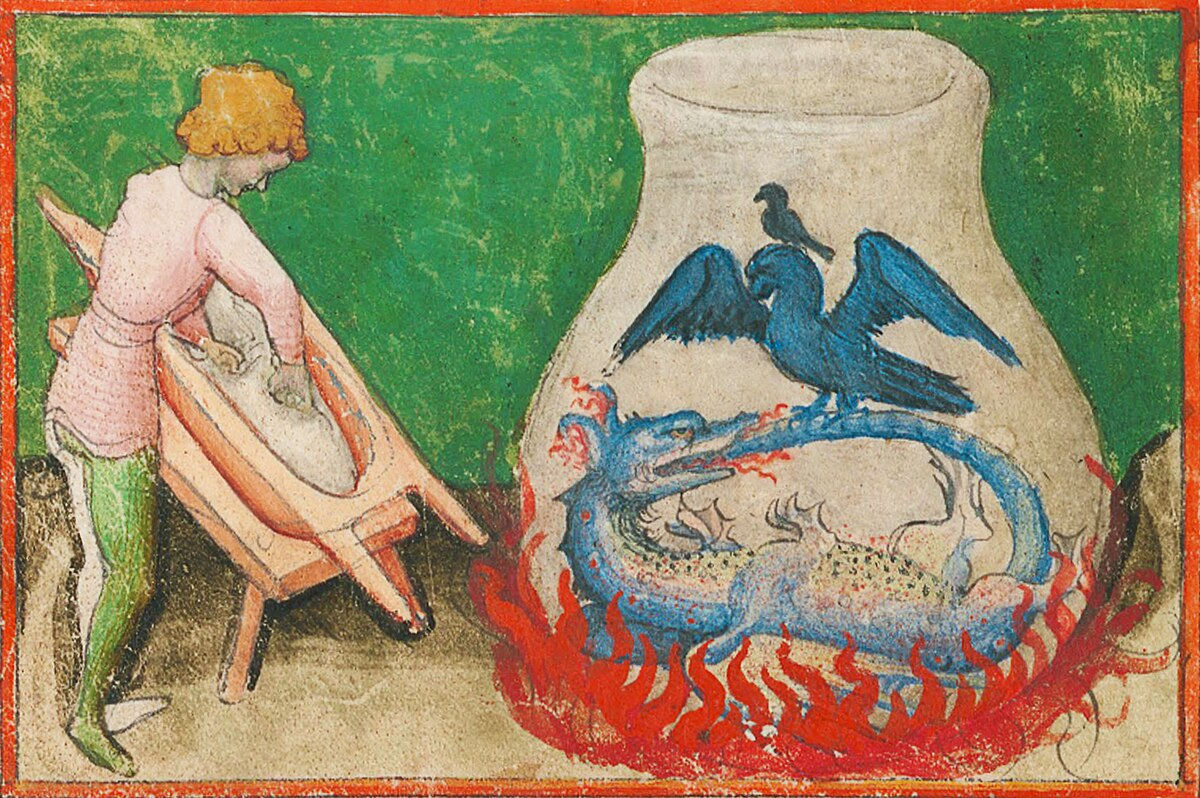
Long before modern chemistry, practitioners of alchemy sought to understand the universe through a blend of science, philosophy, and mystical symbolism. Their goals were ambitious: purify matter, unlock cosmic secrets, and achieve everlasting life.

The Search for the Philosopher’s Stone

Across China, Egypt, and the Islamic world, alchemists believed that a special substance the Philosopher’s Stone could transform base metals into gold and grant immortality. This quest blended spiritual discipline with experimental techniques that laid the groundwork for scientific inquiry.

Alchemy as Spiritual Transformation

For many alchemists, the real goal was not literal immortality but inner purification. They viewed the transformation of metals as a metaphor for transforming the human soul.

A Legacy That Shaped Science

Although alchemy’s mystical aspects eventually faded, its experiments with minerals, acids, and heat directly influenced the birth of modern chemistry and medicine.

The Role of Fire in Ancient Rituals and Myths

December 6, 2025

How Fire Became a Symbol of Transformation, Creation, and Divine Power

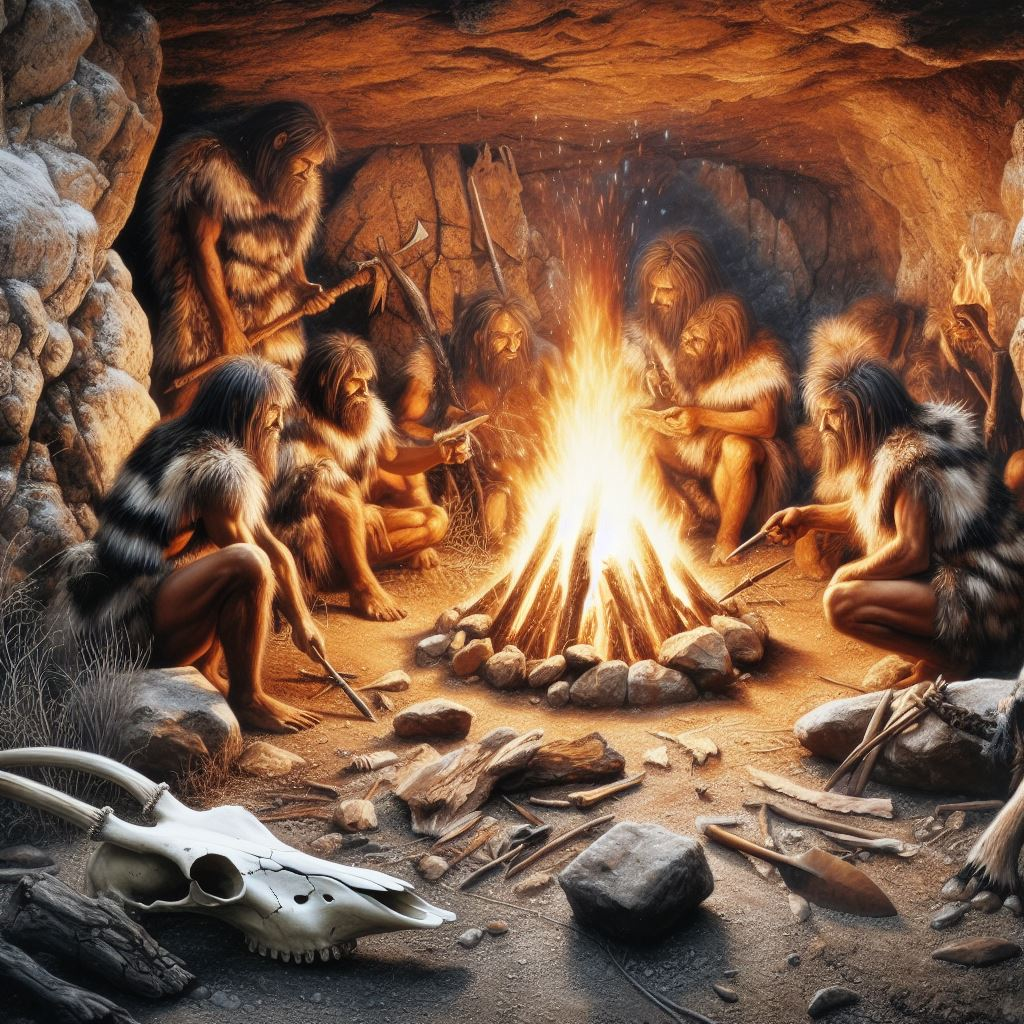
Fire has captivated humans since the dawn of time. Its ability to warm, destroy, and illuminate made it a central force in ancient religions and myths.

Fire as a Divine Gift

Many cultures believed fire came from the gods. In Greek myth, Prometheus famously stole fire for humanity, symbolizing knowledge and progress. In Vedic tradition, Agni served as the fiery mediator between gods and humans, carrying prayers to the heavens.

Rituals of Renewal and Purification

Fire played a key role in ceremonies that marked new beginnings, seasonal changes, and cleansing rites. Burning offerings symbolized releasing burdens or sending messages to the divine.

Festivals like the Celtic Beltane used large bonfires to bless livestock and ensure prosperity.

Creation and Destruction in One Element

Fire’s dual nature life-giving and destructive made it a powerful metaphor. It represented transformation, passion, and the cycle of death and rebirth. Ancient myths often used fire to explain cosmic changes and human destiny.

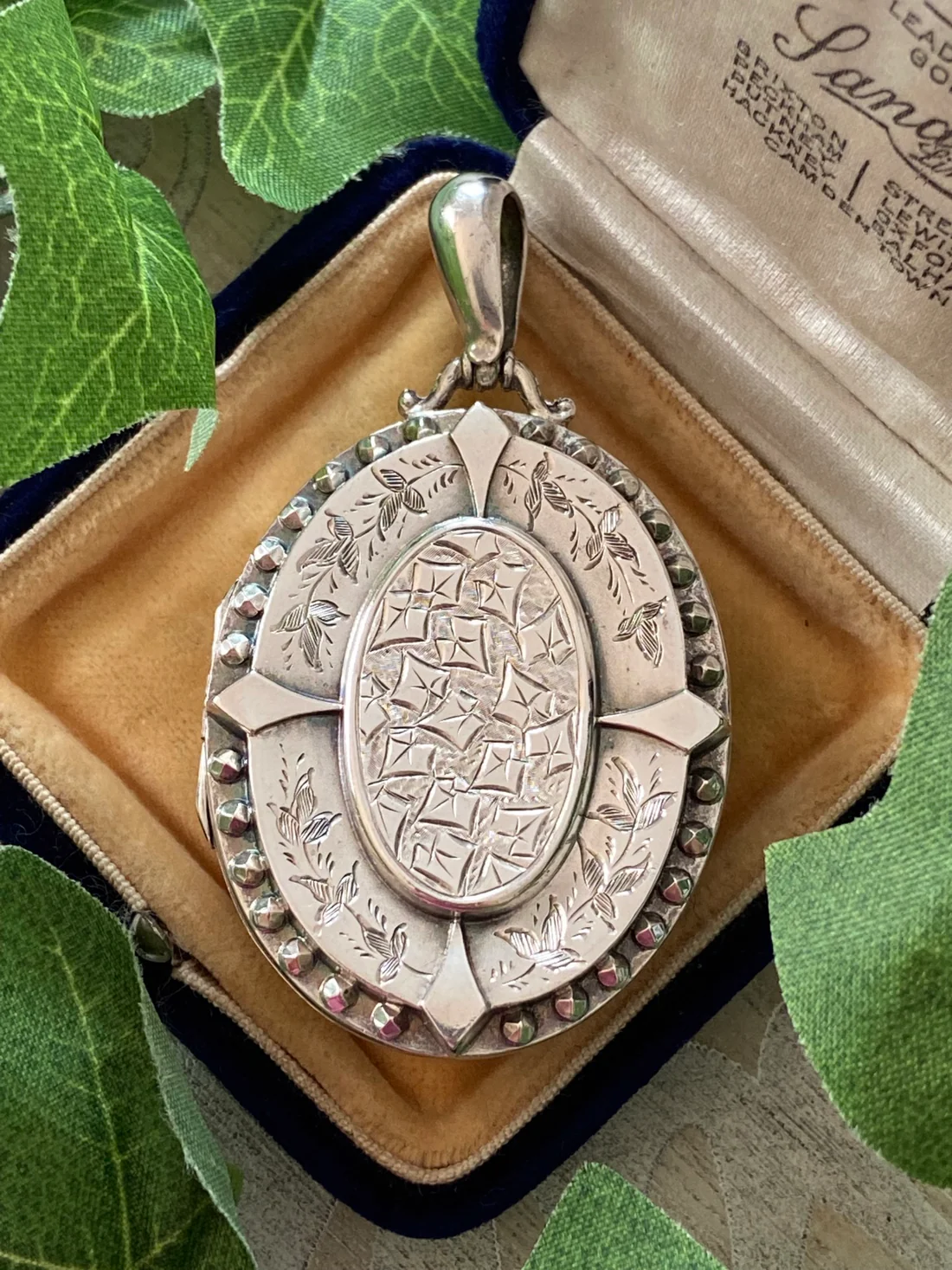
The Secret Messages Hidden in Ancient Jewelry

December 6, 2025

How Amulets and Gemstones Protected, Guided, and Communicated Meaning

Ancient jewelry wasn’t just decorative it carried powerful symbolic messages. Amulets and gemstones were believed to shield the wearer from harm, attract good fortune, and communicate identity.

Amulets as Spiritual Armor

Egyptians wore protective symbols like the scarab or Eye of Horus to guard against illness and evil forces. In Mesopotamia, engraved seals contained protective spells and motifs that invoked divine protection.

These objects served as portable talismans, offering reassurance in uncertain times.

Gemstones Filled with Symbolic Power

Different stones held different meanings:

  • Carnelian symbolized strength and courage

  • Lapis lazuli represented royalty and divine favor

  • Amber was linked to sunlight and purity

Many cultures believed gemstones stored cosmic energy, making them tools for healing and spiritual guidance.

Jewelry as Personal Expression

Beyond protection, jewelry also conveyed status, lineage, and cultural identity. Hidden inscriptions, carved motifs, and symbolic shapes made these objects vessels for secret messages understood only by their communities.

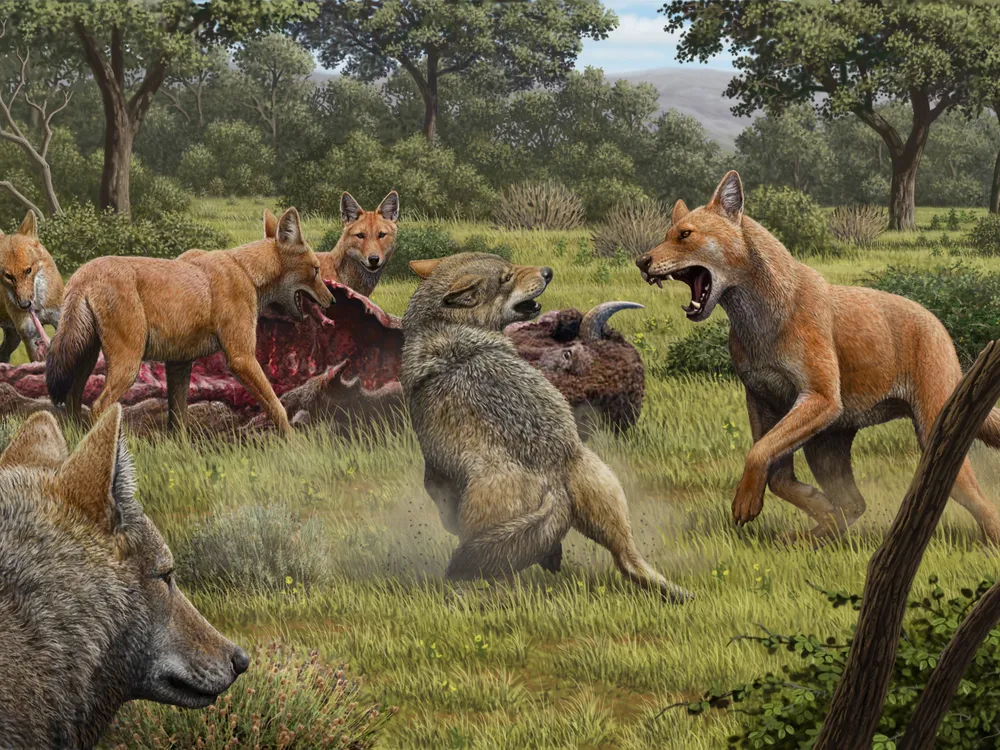
The First Animal Domestication: How Wolves Became Dogs

December 6, 2025

Tracing the Earliest Friendship Between Humans and Animals

The story of dog domestication begins tens of thousands of years ago, when humans and wolves crossed paths on Ice Age landscapes. Over time, curiosity, cooperation, and mutual survival forged one of the most enduring partnerships in history.

From Wild Hunters to Trusted Companions

Early wolves likely followed human groups in search of food scraps. Less aggressive individuals gradually adapted to human presence, eventually giving rise to a population that was genetically distinct from wild wolves.

Humans benefited from the wolves’ sharp senses, while wolves gained protection and consistent food sources.

The Birth of the Domestic Dog

Archaeological finds show early dogs buried alongside humans, suggesting deep emotional bonds. These early dogs helped with hunting, protection, herding, and companionship roles that expanded as civilizations grew.

A Relationship That Shaped Both Species

The evolution of dogs reflects the evolution of human society. By working together, humans and canines created a mutually beneficial relationship that continues to this day.

The Ancient Healing Powers of Hot Springs and Sacred Waters

December 6, 2025

How Early Civilizations Used Thermal Waters for Health and Spiritual Renewal

Throughout the ancient world, people viewed natural springs and warm mineral waters as gifts from the gods. These sites became hubs of healing, worship, and community life.

Natural Springs as Sacred Spaces

In Greece, the sanctuaries of Asklepios often included baths where the sick purified themselves before seeking treatment. Romans built elaborate bath complexes around thermal springs, believing the waters restored vitality and relieved pain.

In Japan, early Shinto beliefs connected hot springs to spiritual cleansing, while indigenous groups in North America used sacred pools for ritual purification.

Healing Through Mineral-rich Waters

Ancient physicians recognized that certain springs soothed ailments like joint pain, skin conditions, and fatigue. Although they lacked modern science, they observed consistent benefits from mineral baths.

People traveled long distances to reach these healing waters, turning springs into early wellness destinations.

Where Earth and Spirit Meet

Many cultures saw springs as portals to the divine or as homes of protective spirits. Offerings, prayers, and rituals were common. The combination of natural beauty, warm water, and communal gathering transformed these locations into powerful spiritual centers.

← Newer Posts Older Posts →
Featured
image_2025-12-27_220439520.png
Dec 27, 2025
The Rituals of the Ancient Druids
Dec 27, 2025
Read More →
Dec 27, 2025
image_2025-12-27_214828498.png
Dec 27, 2025
The Lost Civilization of Tartessos
Dec 27, 2025
Read More →
Dec 27, 2025
image_2025-12-27_214128151.png
Dec 27, 2025
The Iron Age in Sub-Saharan Africa
Dec 27, 2025
Read More →
Dec 27, 2025
image_2025-12-27_212939823.png
Dec 27, 2025
The Ancient Dyes and Colors Industry
Dec 27, 2025
Read More →
Dec 27, 2025
image_2025-12-27_212833941.png
Dec 27, 2025
The First Known Peace Treaties
Dec 27, 2025
Read More →
Dec 27, 2025
image_2025-12-27_212314950.png
Dec 27, 2025
The Origins of the Samurai
Dec 27, 2025
Read More →
Dec 27, 2025
read more

Powered by The archaeologist