2,000-year-old love note and gladiator fight scene uncovered on Pompeii wall

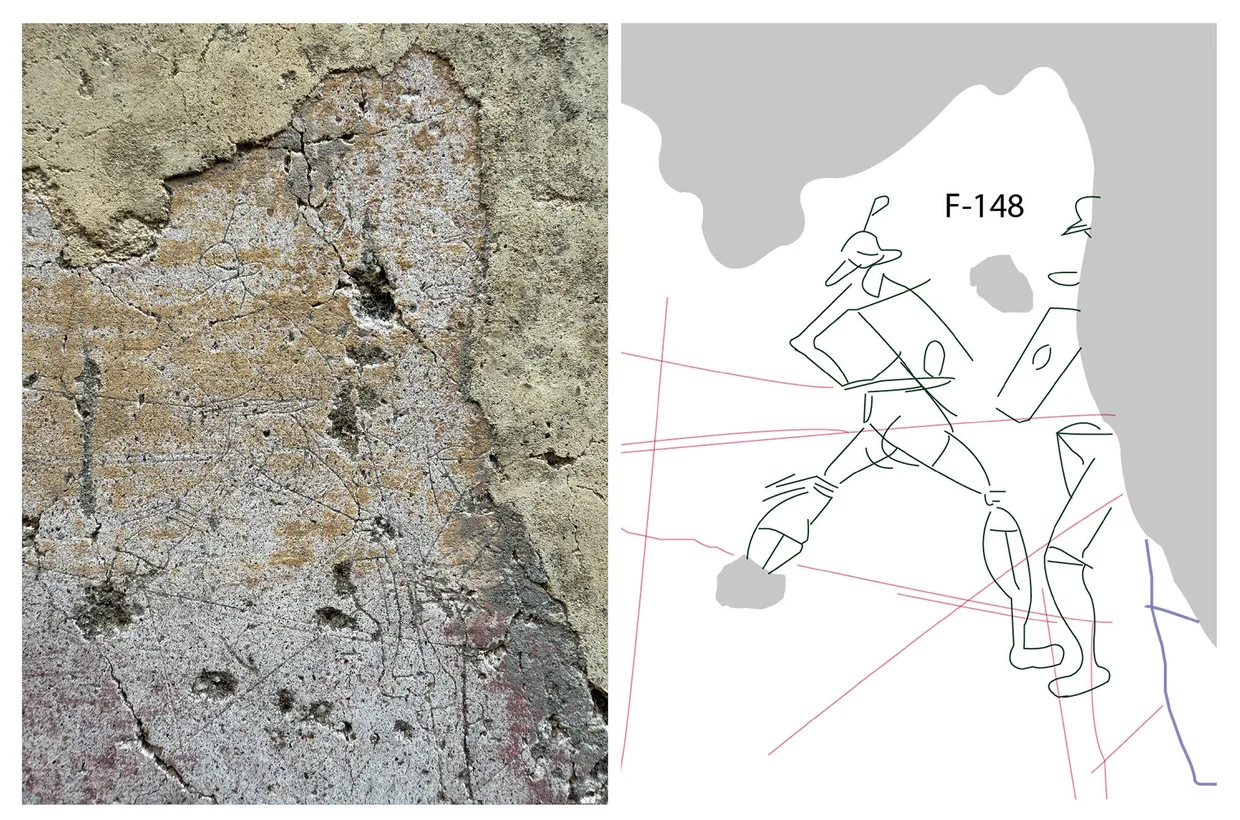
A 2,000-year-old love message and a drawing depicting a gladiator fight are among a series of ancient inscriptions recently revealed on a wall in Pompeii, according to an announcement by the archaeological park this week.

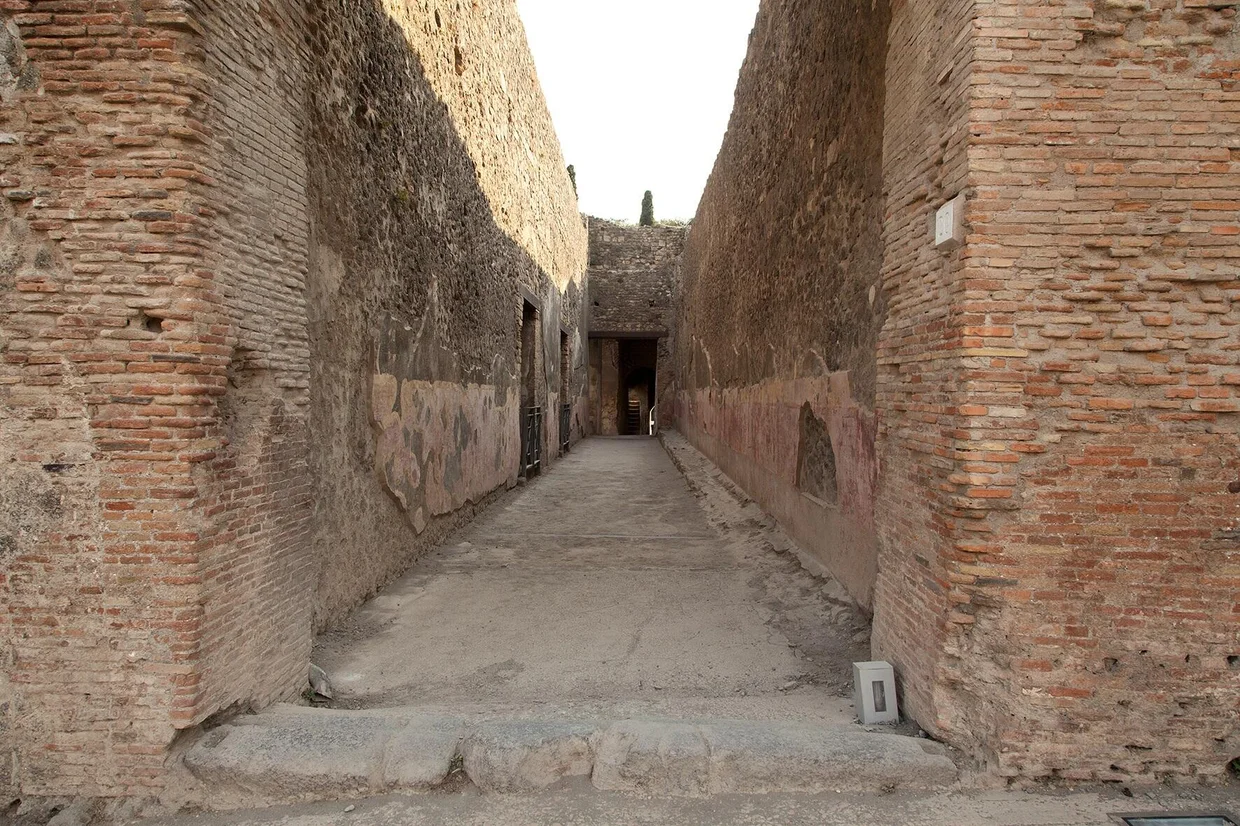
Often described as the graffiti of the ancient world, the inscriptions include accounts of everyday life, sporting events, emotions, and personal insults. They were carved into a passageway linking Pompeii’s theatre district with one of the city’s main roads. Although the wall itself was excavated more than 230 years ago, around 300 inscriptions remained unnoticed until advances in modern technology made them visible.

The rediscovery formed part of a research initiative known as Corridor Rumors, led by Louis Autin and Éloïse Letellier-Taillefer of Sorbonne University in Paris, alongside Marie-Adeline Le Guennec of the University of Quebec in Montreal, in collaboration with the Pompeii Archaeological Park. The team carried out two phases of investigation, first in 2022 and again in 2025, using a combination of archaeological methods and digital imaging techniques to bring the long-hidden messages back to light.

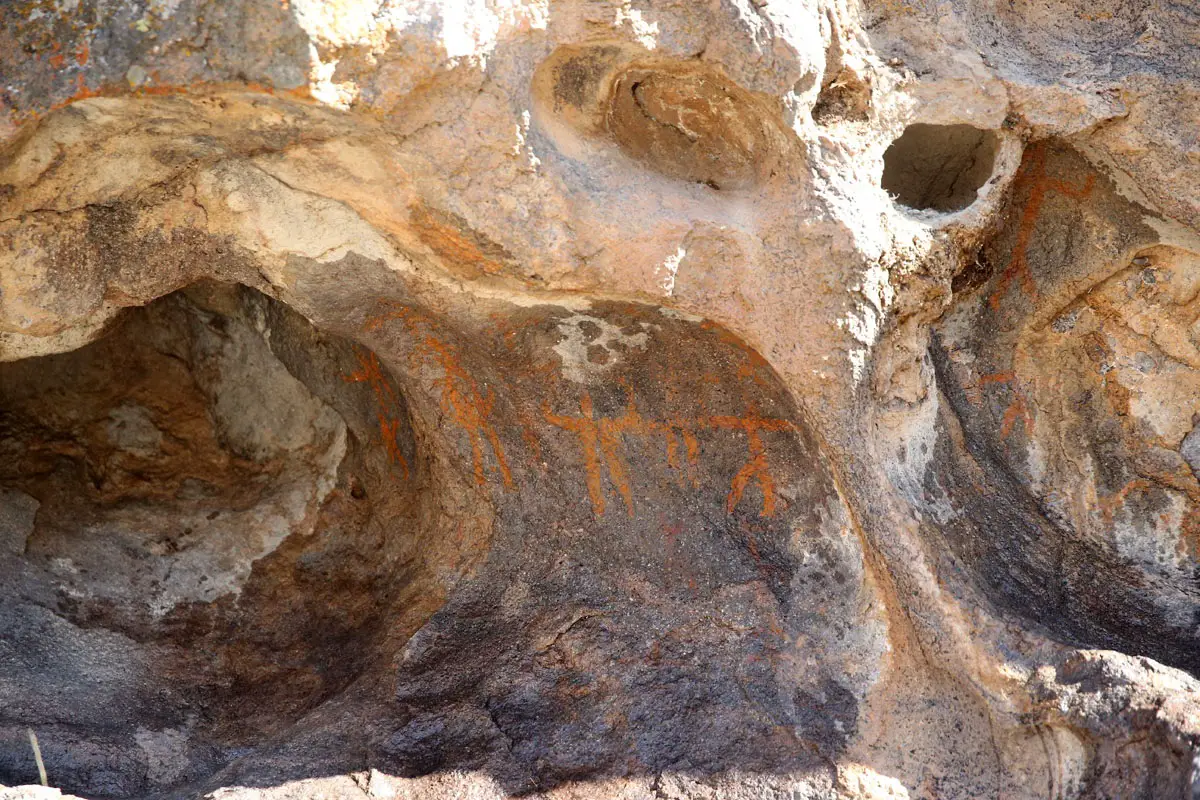
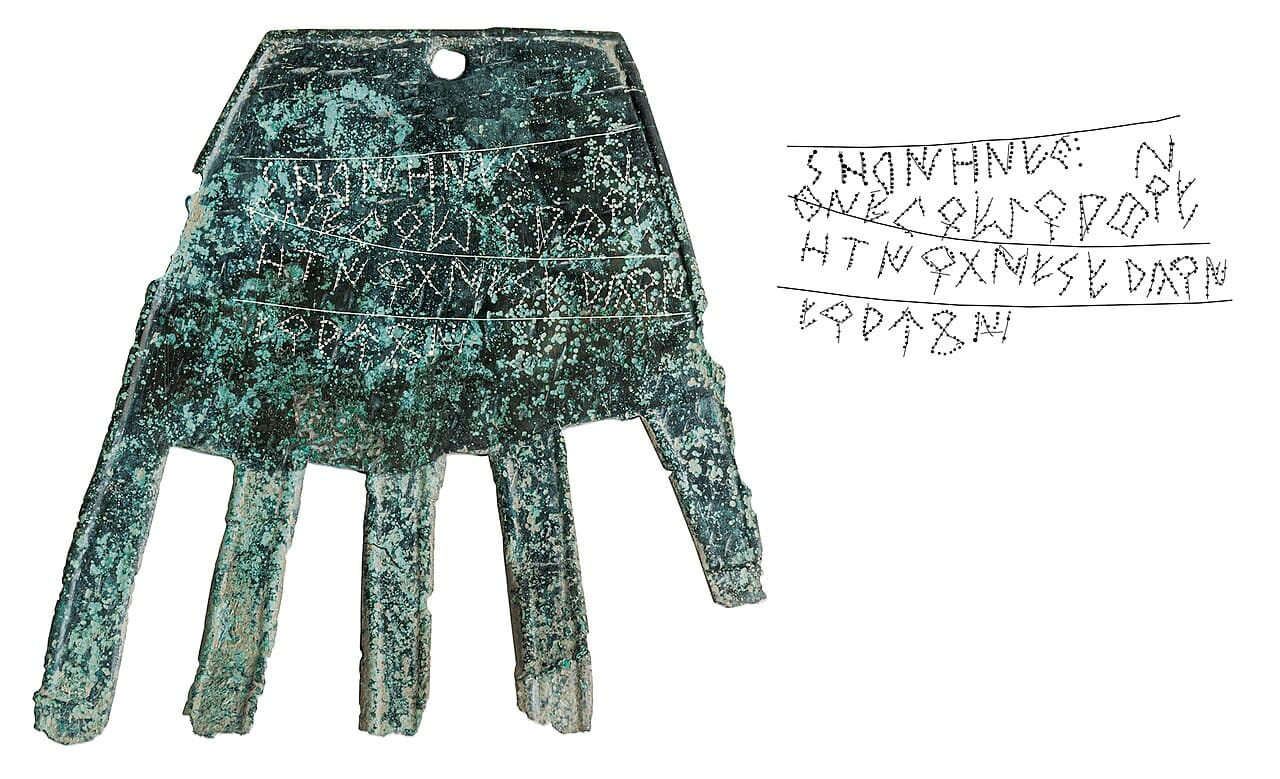
From left, a gladiator fight scene etched into a wall in ancient Pompeii, and researchers' rendering of the illustration.

“One inscription reads, ‘I’m in a hurry; take care, my Sava—make sure you love me!’” the archaeological park reported, adding that the writings “bear witness to the vibrancy, diversity of interactions, and forms of social life that flourished in a public space frequently used by the people of ancient Pompeii.”

Pompeii was once a thriving Roman city in what is now southern Italy, before it was engulfed by volcanic ash and pumice during the eruption of Mount Vesuvius in AD 79. The disaster preserved the city in extraordinary detail, effectively freezing it in time. Today, Pompeii is a UNESCO World Heritage Site, drawing large numbers of visitors and continuing to yield new insights through ongoing archaeological research.

Ancient inscriptions have been uncovered on a wall in Pompeii.

“Technology is the key that unlocks new spaces in the ancient world, and those spaces must be shared with the public,” said Gabriel Zuchtriegel, director of the archaeological park, in a statement on the recent discoveries. He explained that work is underway on a project to safeguard and enhance Pompeii’s inscriptions, which number more than 10,000 across the site and represent an extraordinary cultural legacy. Zuchtriegel added that only through the use of technology can this vast record of everyday life in Pompeii be preserved for the future.

Anglo-Saxon ‘lordly centre’ revealed by excavations near Skipsea Castle

Archaeologists working near Skipsea Castle in East Yorkshire say a series of rare discoveries is transforming understanding of life in the centuries before the Norman Conquest

The discoveries are considered as key indicators of elite or high-status sites in the period

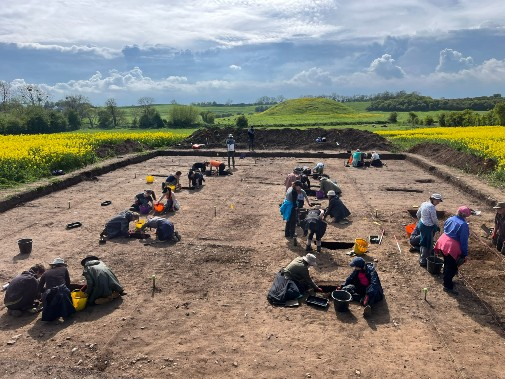
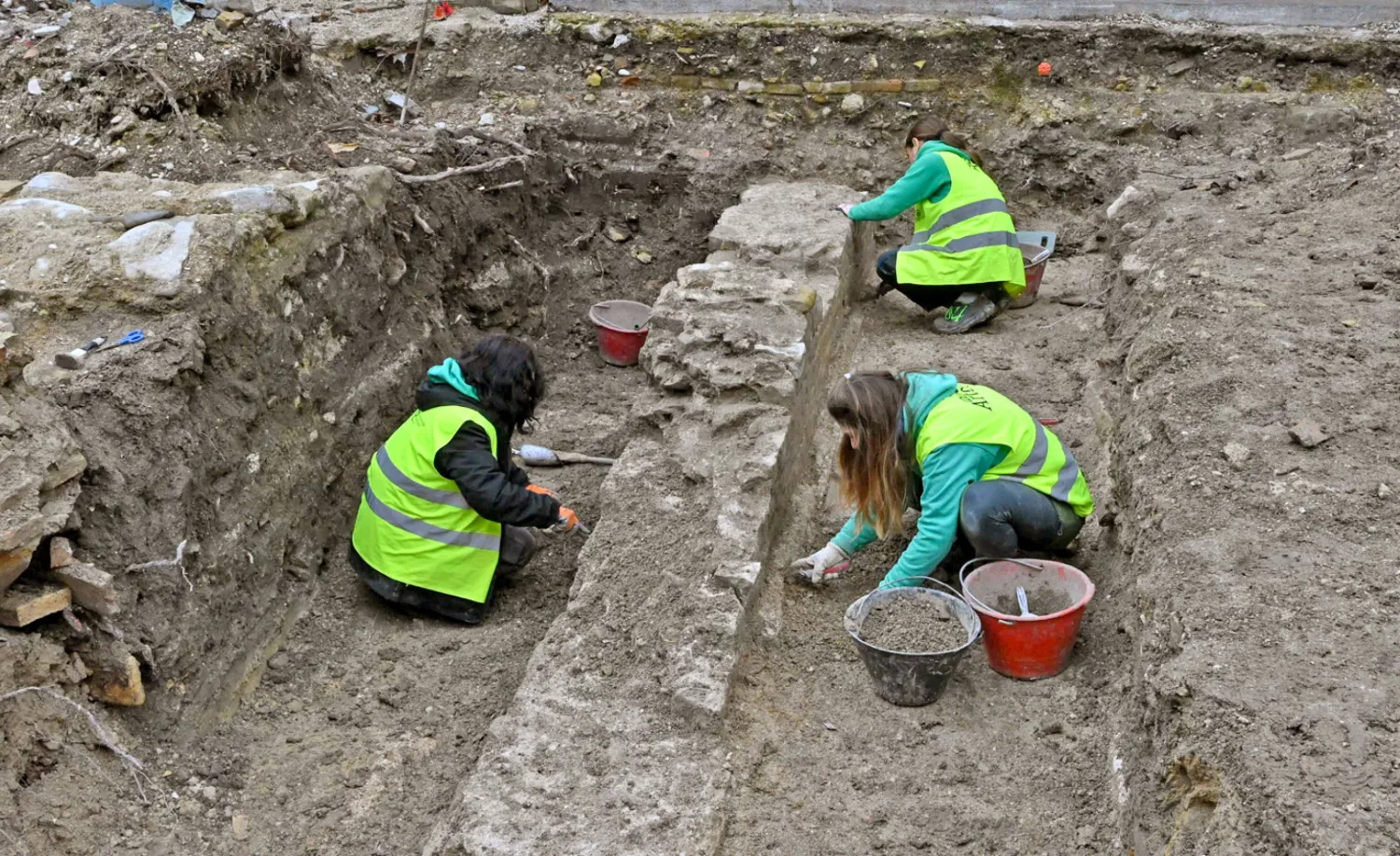
Excavations led by the University of York have revealed evidence of elite Anglo-Saxon buildings and industrial activity, including what may be a malthouse, a timber tower, and a large hall used for feasting and assemblies.

The research is being carried out at Sparrow Croft, a field around 225 metres from the Norman castle at Skipsea, as part of a six-year project that began in 2023.

One of the most important recent discoveries is the remains of a rare early medieval malthouse, dated to around AD 750–850. The structure includes a drying oven and an adjacent clay floor, once housed within a timber-framed building made with wattle and daub.

Timber structures and elite activity

Close by, archaeologists uncovered a square, sunken feature lined with timber and mortar. This is believed to be the cellar of a wooden tower, which may have functioned as a watchtower, bell tower, or possibly a tower-nave church.

Both the malthouse and the tower are uncommon finds in England and are considered strong indicators of a high-status or elite site in the period before the Norman Conquest.

Above the remains of the malthouse, researchers also identified a later, large timber hall, likely used for feasting, drinking, and political gatherings. The hall, which predates the Norman castle, was enclosed within an extensive ditch system. Taken together, the evidence suggests the area functioned as a “lordly centre” within the late Anglo-Saxon landscape.

Links to Anglo-Saxon power

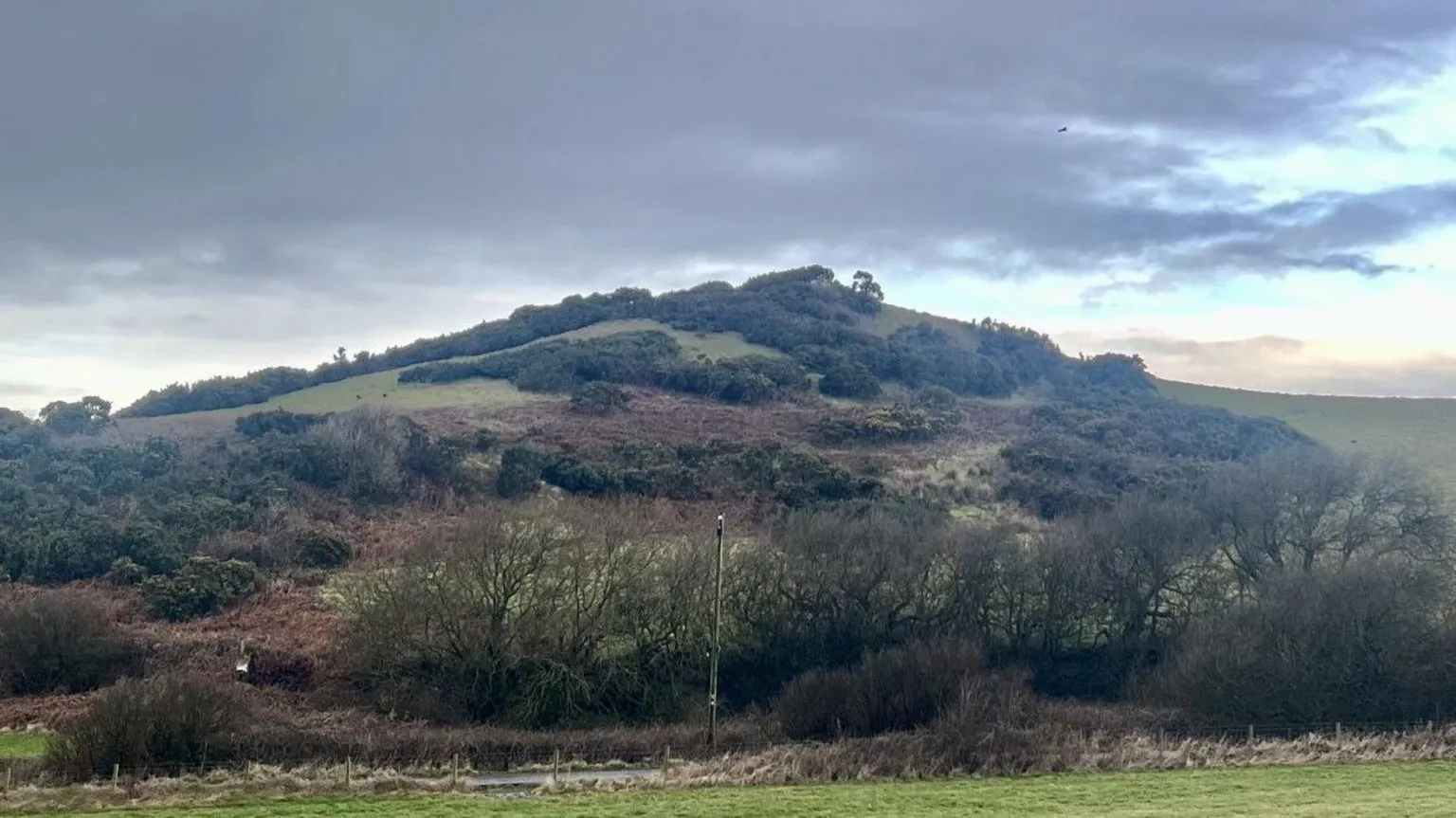
These findings build on earlier discoveries at Skipsea that have already transformed understanding of the site. Nearly a decade ago, University of York archaeologists Dr Jim Leary and Dr Elaine Jamieson demonstrated that the enormous mound on which Skipsea Castle stands—85 metres wide and 13 metres high—was not Norman, as previously believed, but Iron Age in origin.

Radiocarbon dating showed the mound was constructed around 1,500 years before the Norman Conquest, making it unique in Britain.

Dr Leary said that relatively little is known about this period of English history, making discoveries of this kind particularly rare. He added that the site is especially significant because the area later belonged to Harold Godwinson, the last Anglo-Saxon king of England, before becoming the estate centre of the Lords of Holderness after 1066.

Although there is no direct evidence that Harold himself visited Skipsea, the discoveries point to a landscape shaped by power and wealth in the late Anglo-Saxon period.

A much deeper history

The importance of the area extends far earlier still. Skipsea was once surrounded by three freshwater lakes—Skipsea Bail Mere, Skipsea Low Mere, and Skipsea Withow Mere—connected to the River Hull. Formed around 10,000 years ago, these lakes attracted human activity from the Mesolithic period through to medieval times.

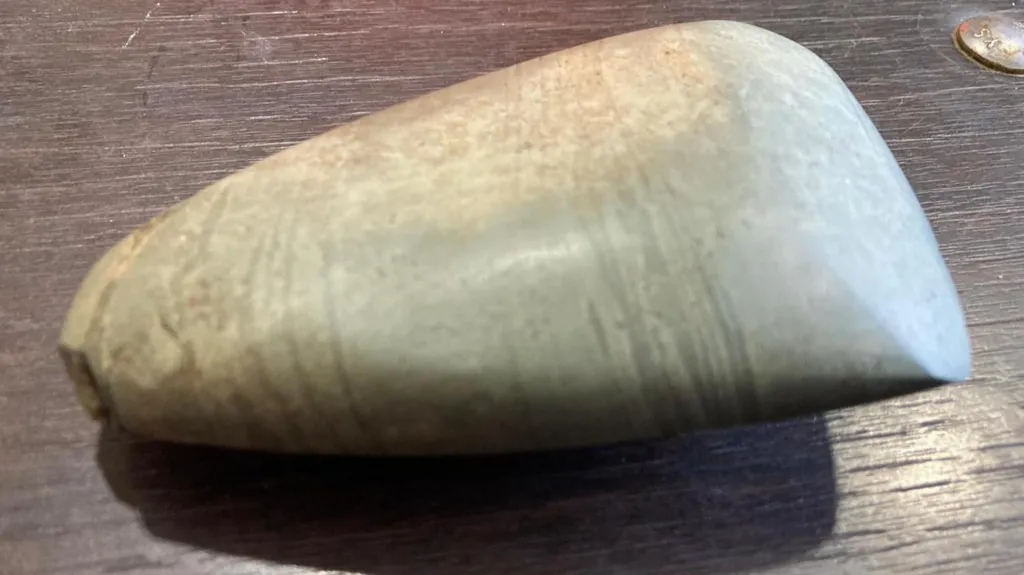
Archaeological finds from the former lakes include stone tools, animal remains, and bone harpoons, while Neolithic and Bronze Age buildings and trackways have been identified along their margins.

Today, Skipsea Castle is a Scheduled Monument under the care of English Heritage. Each May, it hosts the University of York’s archaeology field school, involving around 120 undergraduate and postgraduate students.

Dr Elaine Jamieson noted that the project is only halfway complete, and that further discoveries may yet shed more light on how power, industry, and everyday life were organised in eastern England in the centuries leading up to the Norman Conquest.

Hoard of coins buried on eve of the Battle of Hastings revealed in record-breaking treasure report

 A hoard of coins, believed to have been concealed shortly before the Battle of Hastings, is among the notable discoveries featured in the 2024 Portable Antiquities Scheme (PAS) and Treasures report.

The scheme, administered by the British Museum, has highlighted this find along with several other standout objects included in the latest report.

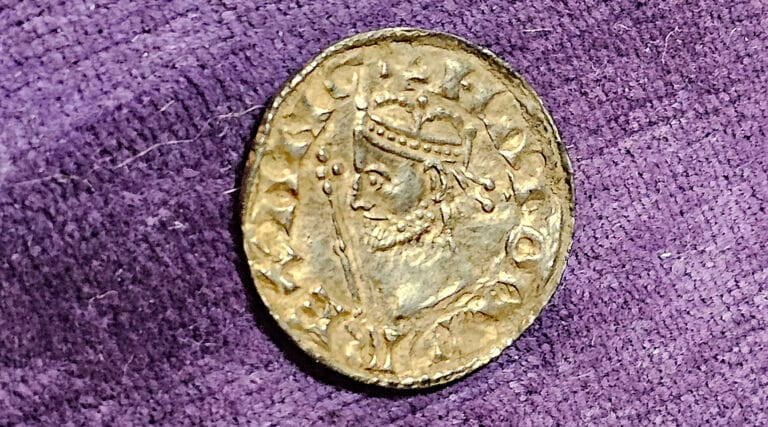
One of the 179 King Harold II silver coins discovered and included in the Treasure report

The report represents the third year in a row to set new records for the number of archaeological finds reported and objects officially declared treasure, helping to ensure their legal protection. Under the Treasure Act, anyone who uncovers a significant find is required to report it. This allows important artefacts to be secured for public collections before they can pass into private ownership, while also guaranteeing fair rewards for finders, most of whom are metal detectorists.

One of the most significant discoveries of 2024 is a hoard of 179 silver pennies dating to 1066. The coins were probably buried for safekeeping during the final weeks of Anglo-Saxon England, at a time when the kingdom’s future was deeply uncertain.

Notably, the hoard consists entirely of coins from the brief reign of King Harold II, indicating it was concealed very late in his rule. It may have been hidden as England prepared for invasion—either during the Norwegian assault led by King Harald Hardrada in September 1066, or in the tense weeks that followed, shortly before Harold confronted William of Normandy at the Battle of Hastings.

Harald Hardrada temporarily seized York after defeating English forces at the Battle of Fulford, near where the hoard was discovered, before being killed at Stamford Bridge. Harold II’s army then undertook a gruelling forced march south, only to face the Norman invasion almost immediately afterwards.

The hoard captures one of history’s great “what if” moments. Had Harold’s forces not been weakened by the northern campaign, the outcome at Hastings—and the future of English history—might have been very different.

The highest numbers of Portable Antiquities Scheme finds were recorded in Norfolk (7,120), Suffolk (5,410), Lincolnshire (5,133), and Gloucestershire (5,034), all predominantly agricultural counties with rich archaeological landscapes. Over the same period, Norfolk (138), Hampshire (110), and North Yorkshire (109) recorded the most Treasure finds. More than 92% of all objects were recovered from cultivated land, where archaeological remains are particularly vulnerable to damage from farming.

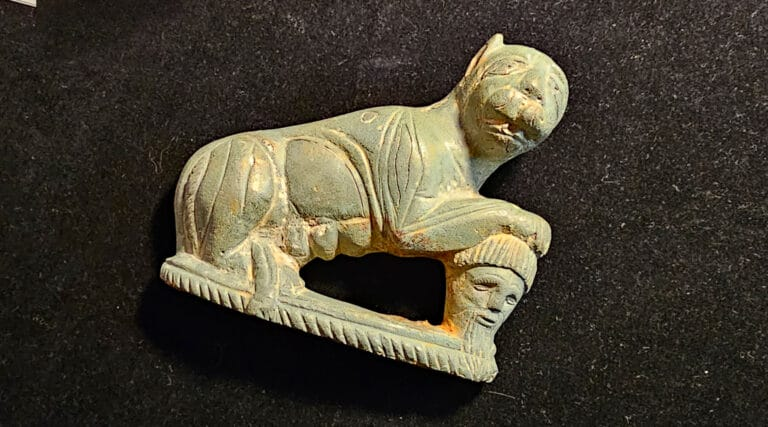
Also displayed was a rare, complete Roman copper-alloy vehicle fitting discovered by a detectorist in Essex. Such fittings are uncommon in Britain and were likely attached to a carriage or wagon body, or to the yoke used to harness draught animals.

One interpretation suggests the piece depicts a panther placing its paw on the head of a defeated Englishman who may have incurred Roman punishment. Although most items classed as treasure are made from precious metals, this object was deemed so historically significant that it was designated treasure despite being copper alloy, enabling a museum to acquire it.

The Essex panther

The final item presented at the event was a group of Early Medieval precious metal objects recovered from ploughed farmland in Wiltshire. The assemblage includes a silver, gold, and garnet bird’s-head terminal with elephant ivory inlays—possibly once attached to a drinking horn—along with several gold rings and other metal artefacts. Discovered by metal detectorists just metres apart, the objects may represent the remains of a high-status Early Medieval burial. Collectively, they offer valuable insight into elite life and long-distance connections during the period.

A follow-up excavation is scheduled to take place in the coming months, led jointly by Cardiff University and the Portable Antiquities Scheme.

Dr Nicholas Cullinan OBE, Director of the British Museum, said: “The British Museum is proud to manage the Portable Antiquities Scheme and the Treasure process. Together, they play a crucial role in safeguarding and documenting Britain’s past, ensuring that extraordinary discoveries made by the public are protected, researched, and shared with all.”

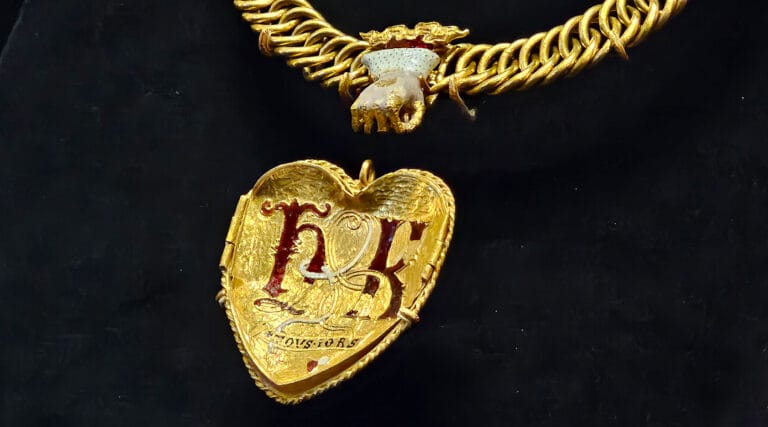
The British Museum has also placed the exceptionally rare Tudor Heart on display in its Treasures Gallery on the ground floor, as efforts continue to raise £3.5 million to secure it for the nation. It was announced this morning that the Art Fund has contributed £400,000 to the campaign. Visitors can now also make smaller contributions using a tap-to-donate screen located beside the display.

Tudor Heart on display at the British Museum

It was also announced that the Portable Antiquities Scheme (PAS) website will undergo an upgrade later this year. The improvements are expected to make it much simpler for finders to record and report their discoveries, while also making it easier for the public to explore what has been found and see which museums have acquired objects for public display.

Chinese team restores legendary Tang dynasty ‘golden’ armour found in Tibetan tomb

Tomb’s occupant confirmed to be a Tuyuhun king and the golden armour is likely to have been among his prized possessions, conservators say

“We will not leave the desert until we defeat the enemy, even if our golden armour is worn thin a hundred times.”

In this famous Tang dynasty poem, Wang Changling expressed the steadfast resolve of soldiers clad in golden armour as they fought on the empire’s desert frontiers.

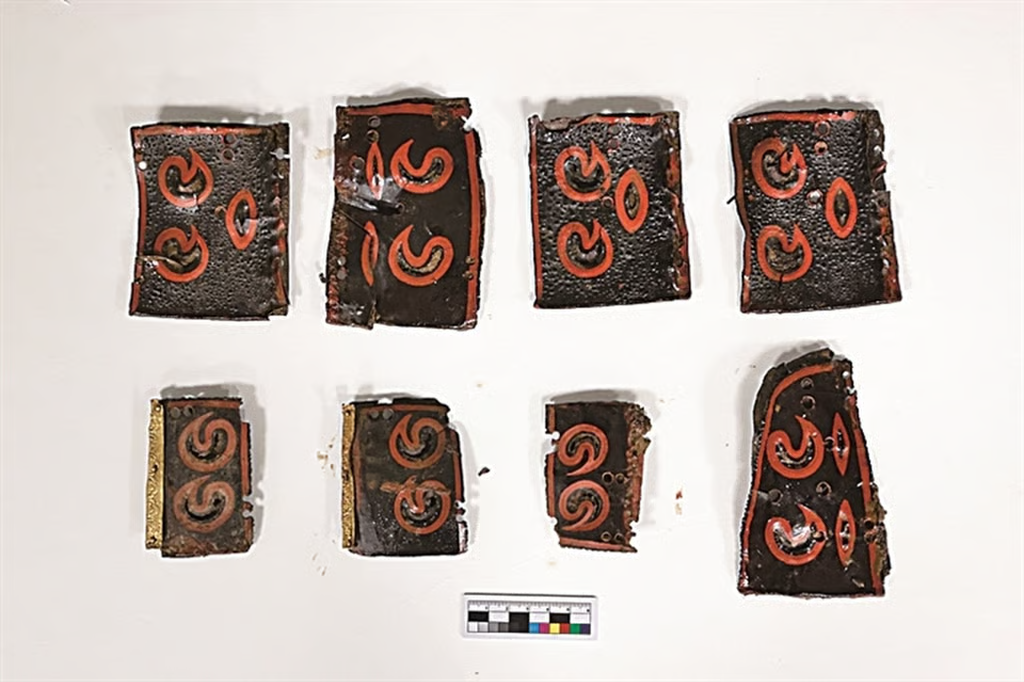
For centuries, however, the brilliance of Tang gold-plated armour existed only in literature and imagination, as no physical examples had ever been discovered. That changed last week, when the Key Laboratory of Archaeological Sciences and Cultural Heritage at the Chinese Academy of Social Sciences (CASS) revealed the only known surviving example of Tang dynasty “golden” armour—a carefully restored set of gilded bronze armour uncovered in a royal tomb on the Tibetan plateau.

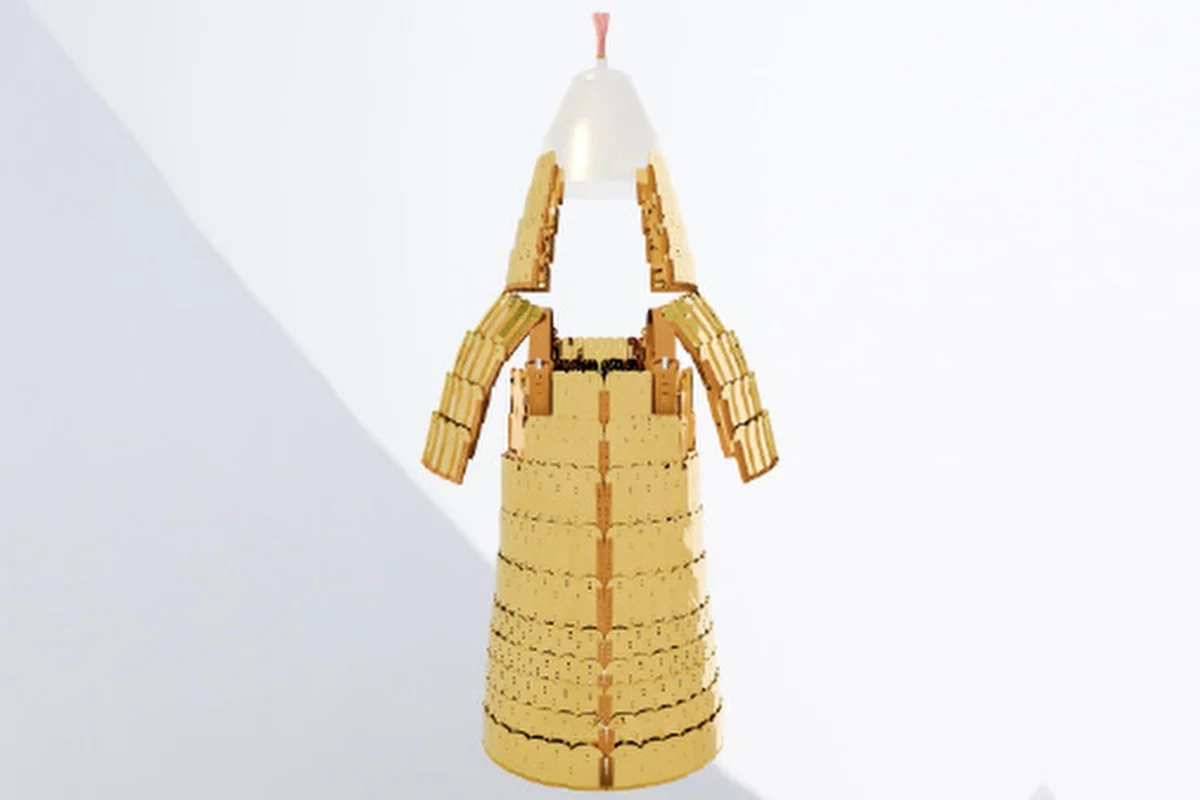
The restoration team not only painstakingly reassembled the armour fragment by fragment, but also created a video reconstruction showing how it likely appeared in its original form.

The artefacts—including armour, lacquerware and metal objects—were recovered and restored from the Tuyuhun royal tombs between 2022 and 2025.

“At the core of our approach was breaking the whole into parts and then reconstructing the whole from those parts,” said cultural heritage conservation specialist Guo Zhengchen at a press conference held on January 14 to unveil the armour. “We carried out layered cleaning, extraction and preservation, while carefully documenting every individual armour plate.”

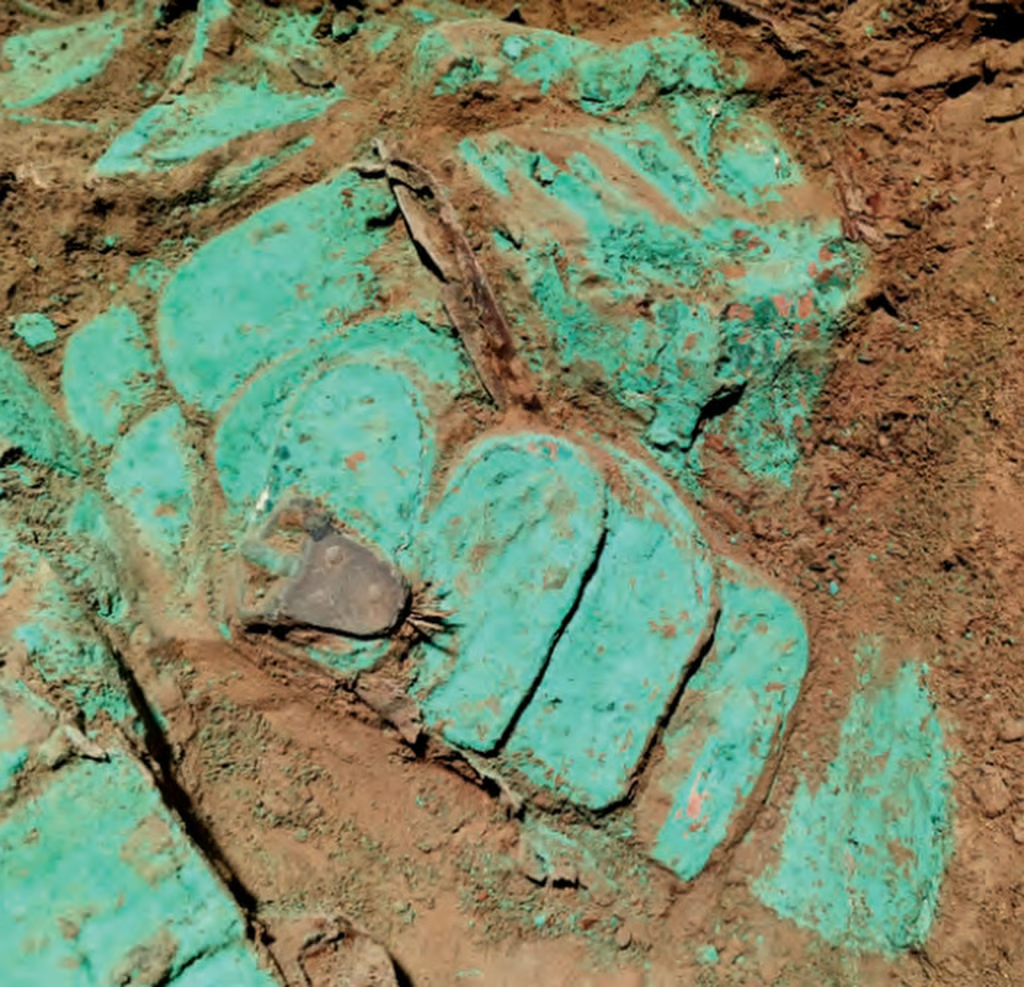
The royal tomb had previously been damaged by looting and salvage excavations, leaving the armour plates heavily fragmented and severely deteriorated. A 2024 excavation report published in the journal Archaeology described the discovery as follows: “Several bronze armour plates were uncovered … nearly rectangular in shape with a semicircular lower edge … along with a large quantity of lacquered armour fragments.”

The copper and lacquered pieces were found mixed together in piles, with no obvious structural arrangement. Extremely fragile, they risked breaking apart with even the slightest contact.

“To preserve crucial information, we recorded the original spatial position of each plate using 3D scanning and examined their production techniques and material composition through scanning electron microscopy and ultra-depth microscopy,” the conservators explained.

This analysis showed that the armour was not simply bronze, but gilded—confirming it as true golden armour. On the basis of this discovery, the team produced a detailed restoration video.

The reconstructed armour depicted in the video echoes another Tang dynasty verse: “Like golden scales upon the water, sunlight glints off our coats of mail.”

According to the conservation report, analysis of gold artefacts, silk textiles, and tree-ring dating of the tomb’s wooden structure places the burial in the mid-8th century.

The report confirmed that the tomb belonged to a Tuyuhun king, and the golden armour on display was likely among his most treasured possessions.

Once a dominant power on China’s western frontier, the Tuyuhun kingdom was gradually defeated by the Sui dynasty and later the Tang, before eventually becoming a vassal state of the Tubo empire on the Tibetan plateau. In addition to the golden armour, the tomb contained a wide range of equestrian equipment as well as iron and lacquered armour, providing valuable insight into the military culture of the era.

The discovery is consistent with historical accounts in the New Book of Tang, compiled by 11th-century historian Ouyang Xiu, which describes the Tubo as possessing “superior armour that covered the entire body, leaving only the eyes exposed, so that even powerful bows and sharp weapons could not cause serious injury”.

The tomb was located in Dulan County in northwestern Qinghai province, a key crossroads for east–west trade along the Silk Road.

The Qinghai route functioned as a crucial trade artery, connecting the Tubo empire and the Tang dynasty through a corridor that extended east to Chang’an (present-day Xi’an) and west to Xinjiang, Persia (modern Iran), and other parts of Central Asia.

Revealing the epic story of ancient humans: Best ideas of the century

Since the turn of the millennium, our understanding of our ancestors and extended cousins has shifted dramatically, thanks to a swathe of surprising archaeological discoveries

Developments in the study of human evolution over the past 25 years can be captured in a single word: “more.” Archaeologists have uncovered far more fossils, species, and artefacts, spread across a wider range of locations than ever before—from the tiny “hobbits” of an Indonesian island to the enigmatic Homo naledi, known only from a deep cave in South Africa. At the same time, scientists have created increasingly sophisticated methods for analysing these remains. As a result, there is now an unprecedented volume of information about human origins and our extinct relatives.

From this surge of discoveries, two key insights have emerged. First, since 2000, the hominin fossil record has been pushed much further back in time. In the late 1990s, the oldest known hominin was Ardipithecus, dated to 4.4 million years ago. However, discoveries in 2000 and 2001 revealed even earlier species: Orrorin tugenensis, dating to about 6 million years ago, and Sahelanthropus tchadensis, which lived roughly 7 million years ago. More recently, a second Orrorin species, Orrorin praegens, was described in 2022 and appears to be slightly younger than O. tugenensis.

“These early hominin discoveries represent one of the major revolutions in the field,” says Clément Zanolli of the University of Bordeaux in France.

Remains of Vitruvius' Basilica found in 'Tutankhamun-like' discovery

Art history will be divided between 'before' and 'after' this find says culture minister

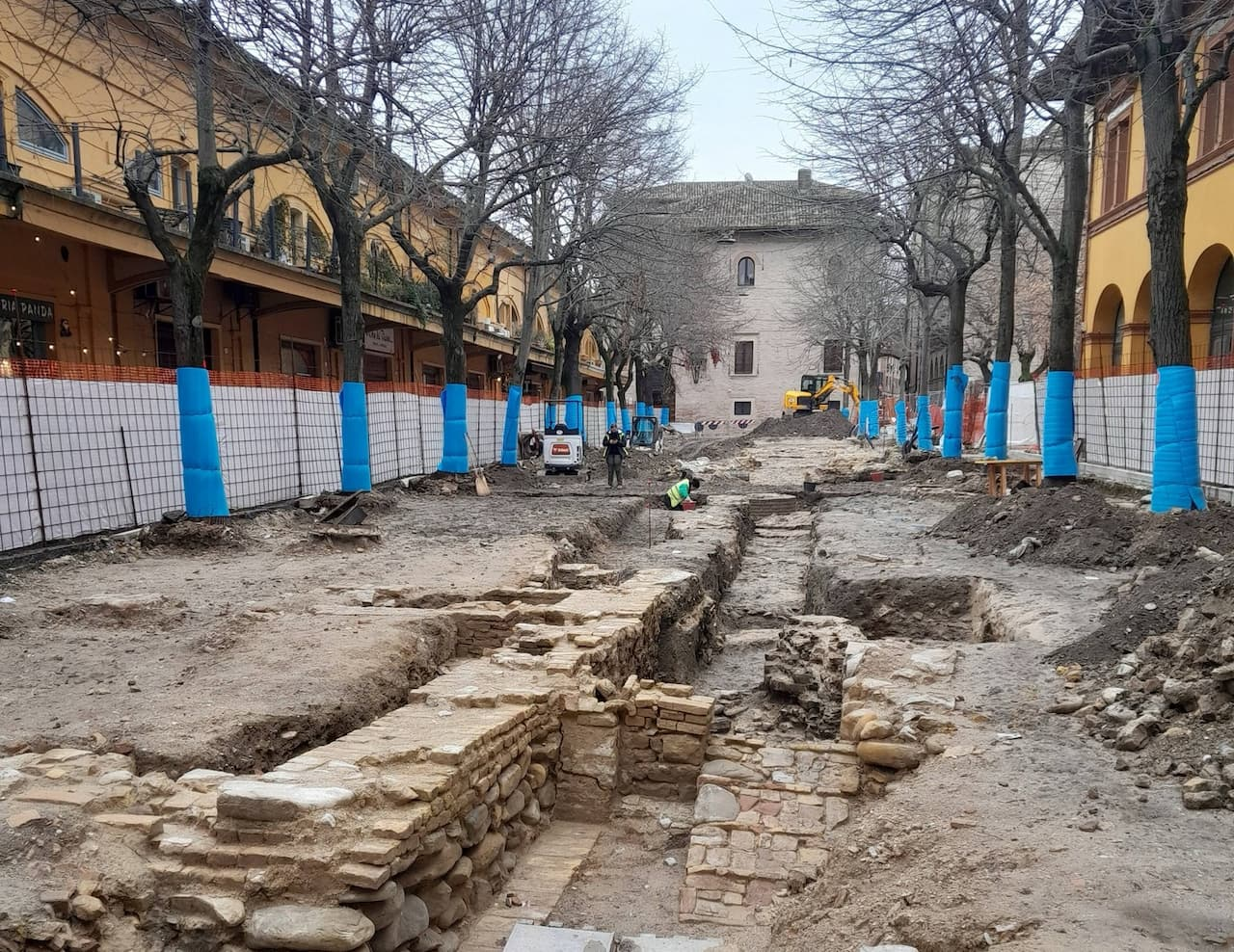
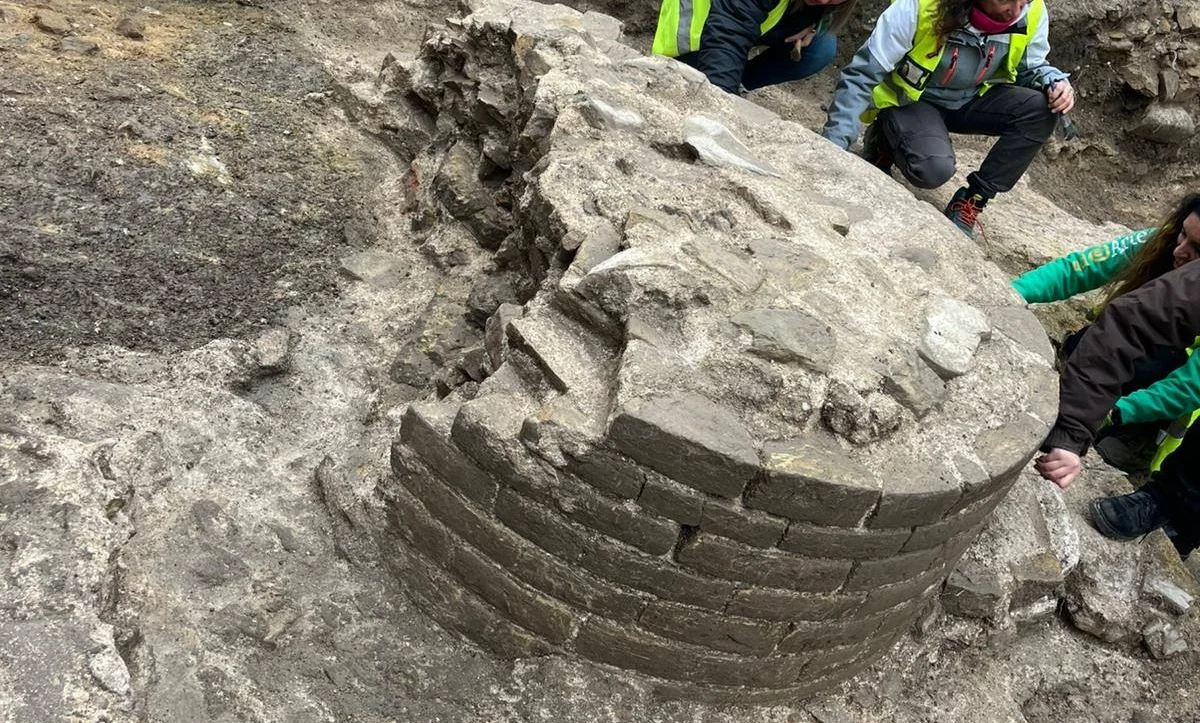
Archaeologists have uncovered the remains of the legendary basilica designed by the influential Roman architect Vitruvius, a discovery Italy’s culture minister has described as “the Tutankhamun of the 21st century.”

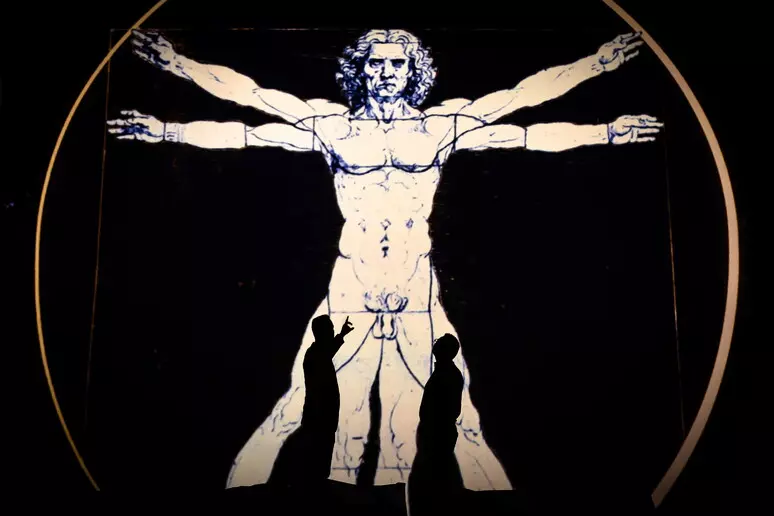
The structure, created by the architect whose principles of proportion inspired Leonardo da Vinci’s iconic Vitruvian Man, was found during excavations in the city of Fano in Italy’s Marche region, officials announced on Monday.

Built at Fanum Fortunae and completed in 19 BC, the basilica is the only structure definitively attributed to Vitruvius, as he specifically mentioned it in his writings. Over the centuries, the building vanished, and its exact location became one of archaeology’s long-standing mysteries.

Vitruvius’ De architectura remains the only architectural treatise to survive from antiquity and is widely regarded as the foundational text of architectural theory.

“For more than 2,000 years, we have been waiting for this discovery,” said Fano Mayor Luca Serfilippi while unveiling the find at a conference attended virtually by Culture Minister Alessandro Giuli. “We have found the Basilica of Vitruvius. I am proud of the work that has been done.”

Giuli hailed the discovery as “truly exceptional in the history of archaeology, architecture, and the urban development of Fano,” adding that the city’s importance had long been recognized but was now further confirmed. He spoke via video link at the press conference, which was also attended by Marche Governor Francesco Acquaroli and Andrea Pessina, superintendent of archaeology, fine arts, and landscape for the provinces of Ancona and Pesaro Urbino.

Drawing comparisons to landmark discoveries of the past, Giuli likened the find to Tutankhamun’s tomb, considered the greatest archaeological discovery of the 20th century, and to the unearthing of the Lapis Niger in Rome—one of the most significant monuments in the Roman Forum, bearing an inscription that provides evidence of Rome’s early royal period.

“The same thing has happened in Fano,” Giuli said. “At this moment, history is divided into before and after the discovery of the Basilica of Vitruvius.”

“History books—not just journalists,” he added, “will record and contextualize this day, along with everything that will be discovered and written about this extraordinary find in the years to come.”

Remains of Vitruvius' Basilica found in dig at Fano

'We've been waiting for this discovery for 2,000 years' says mayor

Remains of Vitruvius ' Basilica found in dig at Fano

Italian officials announced on Monday that archaeologists have identified the remains of Vitruvius’ Basilica during excavations in the city of Fano, in the Marche region.

The basilica was built at Fanum Fortunae and completed in 19 BC. It is the only structure known to have been designed by the Roman architect Vitruvius, as he explicitly referenced it in his writings. Over the centuries, the building disappeared, and its exact location had long remained unknown.

Vitruvius’ De architectura is the only surviving architectural treatise from antiquity and is widely regarded as the earliest work of architectural theory.

“For more than 2,000 years, we have been waiting for this discovery,” said Fano Mayor Luca Serfilippi while presenting the findings at a conference attended virtually by Culture Minister Alessandro Giuli. “We have found the Basilica of Vitruvius. I am proud of the work that has been done.”