The Ancient Engineers Who Moved Mega-Stones

Building the Impossible

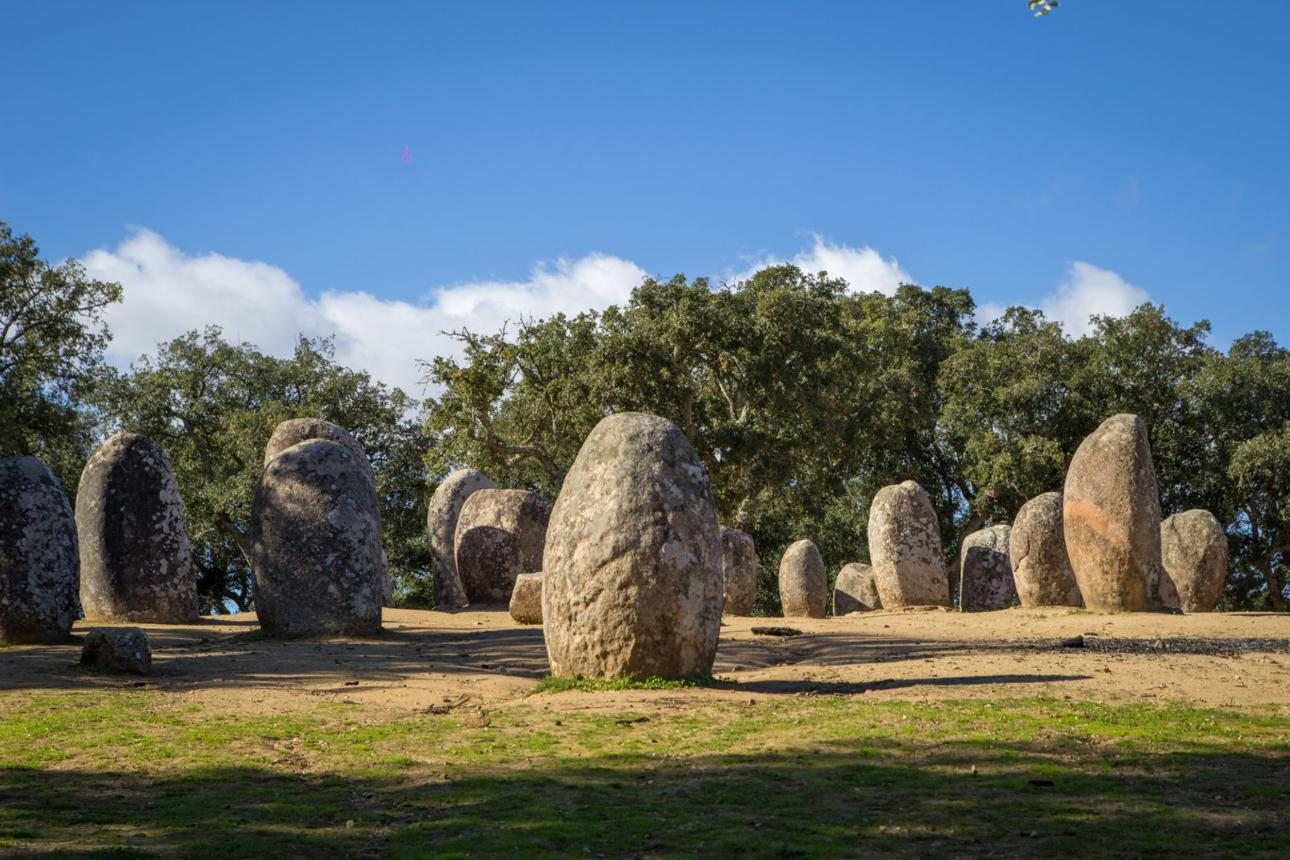
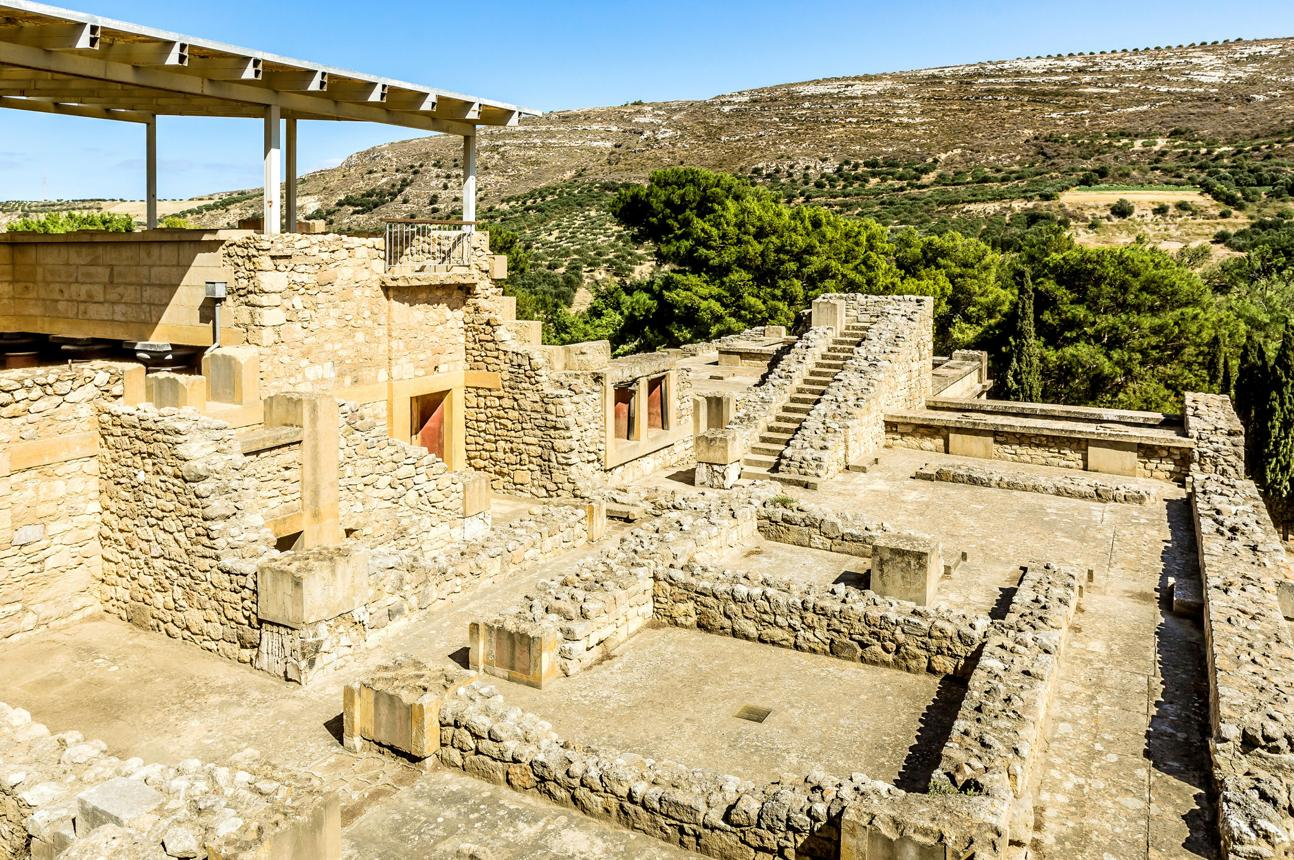
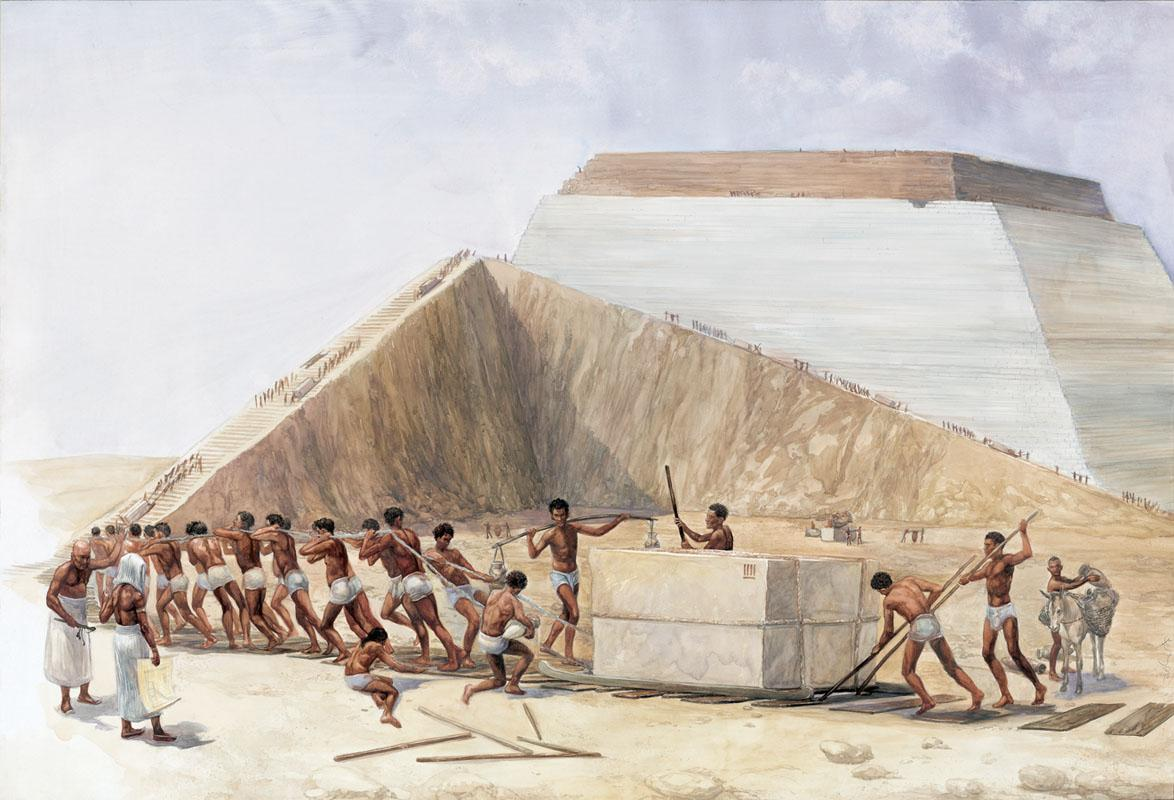
Ancient civilizations constructed monumental structures using massive stones, often weighing several tons. Without modern machinery, these achievements required ingenuity, coordination, and advanced planning.

How Did They Do It?

Researchers believe ancient builders used a combination of techniques, including:

  • Wooden rollers and sledges

  • Lever systems

  • Human and animal labor

  • Lubrication using water or mud

Sites like Stonehenge and the Egyptian pyramids showcase the incredible capabilities of early engineers.

Engineering Legacy

These achievements highlight not only technical skill but also strong social organization. Large-scale construction required cooperation, planning, and leadership—key elements of early civilizations.

Prehistoric Medicine and Healing Rituals

Early Healing Practices

Before the rise of modern medicine, early humans relied on observation, experimentation, and spiritual beliefs to treat illness and injury. Despite limited knowledge, they developed surprisingly effective methods of healing.

Techniques and Treatments

One of the most fascinating practices is trepanation, a surgical procedure involving drilling a hole into the skull. Evidence suggests that some patients survived, indicating a level of medical skill.

Herbal remedies were also widely used, with plants serving as treatments for pain, infection, and other ailments. Shamans or healers often combined these remedies with rituals, believing that illness could have spiritual causes.

Medicine and Belief

Prehistoric medicine reflects a blend of practical knowledge and spiritual understanding. While some treatments were effective, others were rooted in belief systems that sought to explain the unknown.

The Oldest Known Laws in Human History

Why Laws Emerged

As human societies grew larger and more complex, maintaining order became increasingly difficult. Early communities relied on customs and traditions, but as cities developed, formal legal systems became necessary to regulate behavior and resolve disputes.

Early Legal Systems

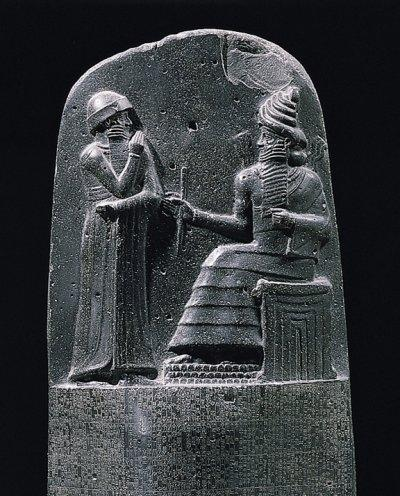
Some of the earliest laws originated in Sumer, where rulers began recording rules on clay tablets. The most famous example, the Code of Hammurabi, outlined detailed laws covering everything from trade to family life.

In ancient Egypt, law was closely tied to the concept of balance and justice, often associated with divine order. Meanwhile, Indo-European societies developed customary laws that governed social relationships and responsibilities.

Lasting Impact on Society

These early legal systems shaped the development of governance, influencing later civilizations and modern law. They established principles such as accountability, justice, and social order—concepts that remain central to societies today.

Ancient Trade Networks That Spanned Continents

The First Global Economy

Long before modern globalization, ancient civilizations were already connected through vast trade networks that stretched across continents. These routes allowed not only the exchange of goods but also the movement of ideas, technologies, and cultural practices.

Key Trade Systems of the Ancient World

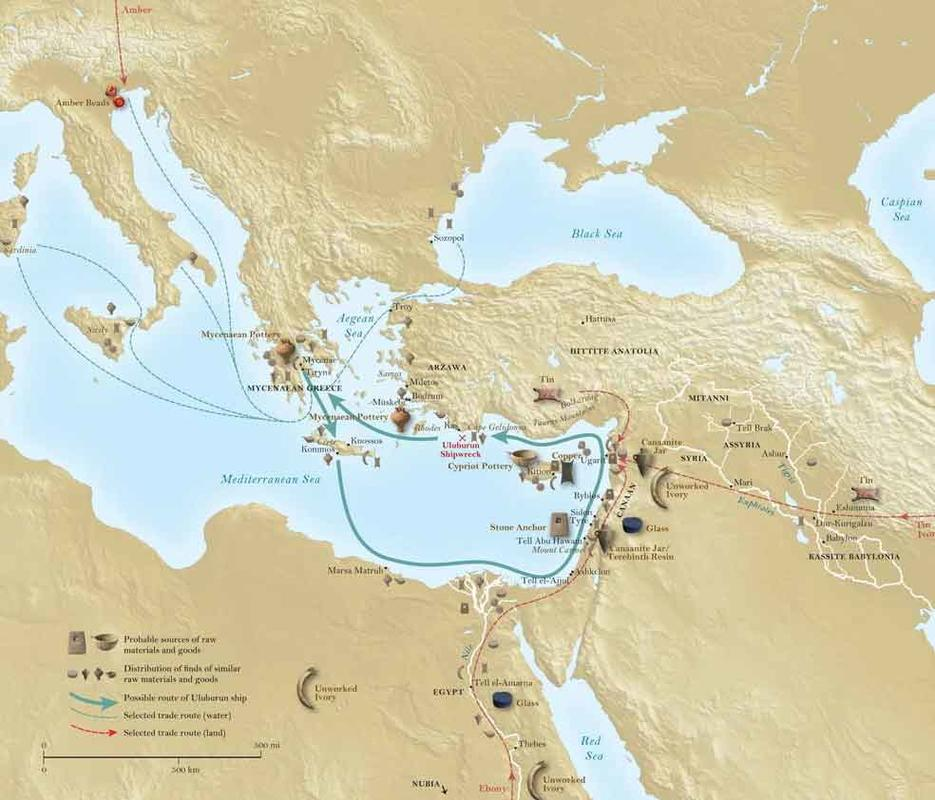
One of the earliest examples is the obsidian trade network, where volcanic glass used for tools was transported over long distances in prehistoric times. Similarly, the Amber Road connected northern Europe to the Mediterranean, allowing valuable amber to circulate among elite societies.

Maritime trade also played a crucial role. Ancient sailors navigated coastlines and open seas, linking distant civilizations through the exchange of goods like spices, metals, and textiles.

Cultural Exchange and Innovation

Trade routes were not just economic pathways—they were channels of cultural exchange. Through these networks, societies shared technologies such as metallurgy, agricultural practices, and even religious beliefs.

These early systems laid the groundwork for complex economies and demonstrated that even ancient societies were deeply interconnected.

The Dawn of Ancient Warfare

The First Battles in Human History

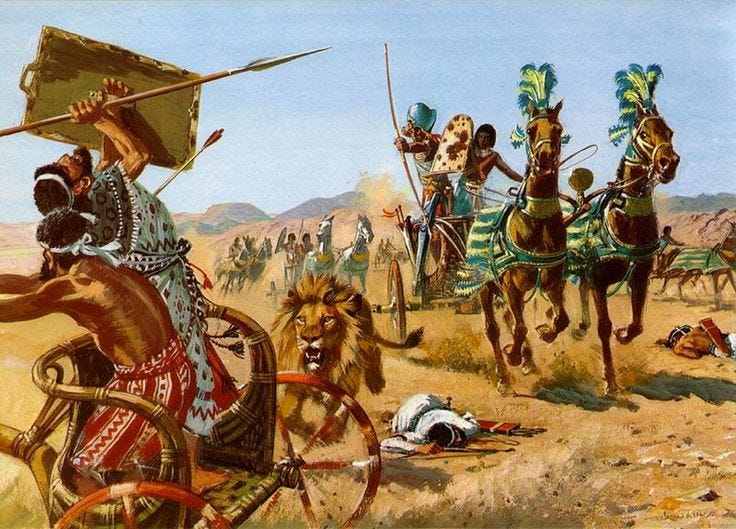
Long before written records, humans were already engaging in organized conflict. Archaeological evidence suggests that warfare began as early as the Neolithic period, when growing populations and competition over land and resources led to violent encounters.

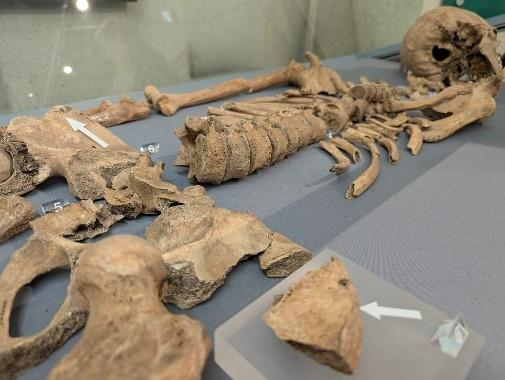
One of the earliest known examples is a mass grave discovered at Jebel Sahaba, where skeletons show clear signs of violent injuries caused by projectiles. This suggests repeated conflict rather than a single event.

Primitive Weapons and Early Tactics

Early warriors relied on simple but deadly tools such as:

  • Stone-tipped spears

  • Clubs and axes

  • Bows and arrows

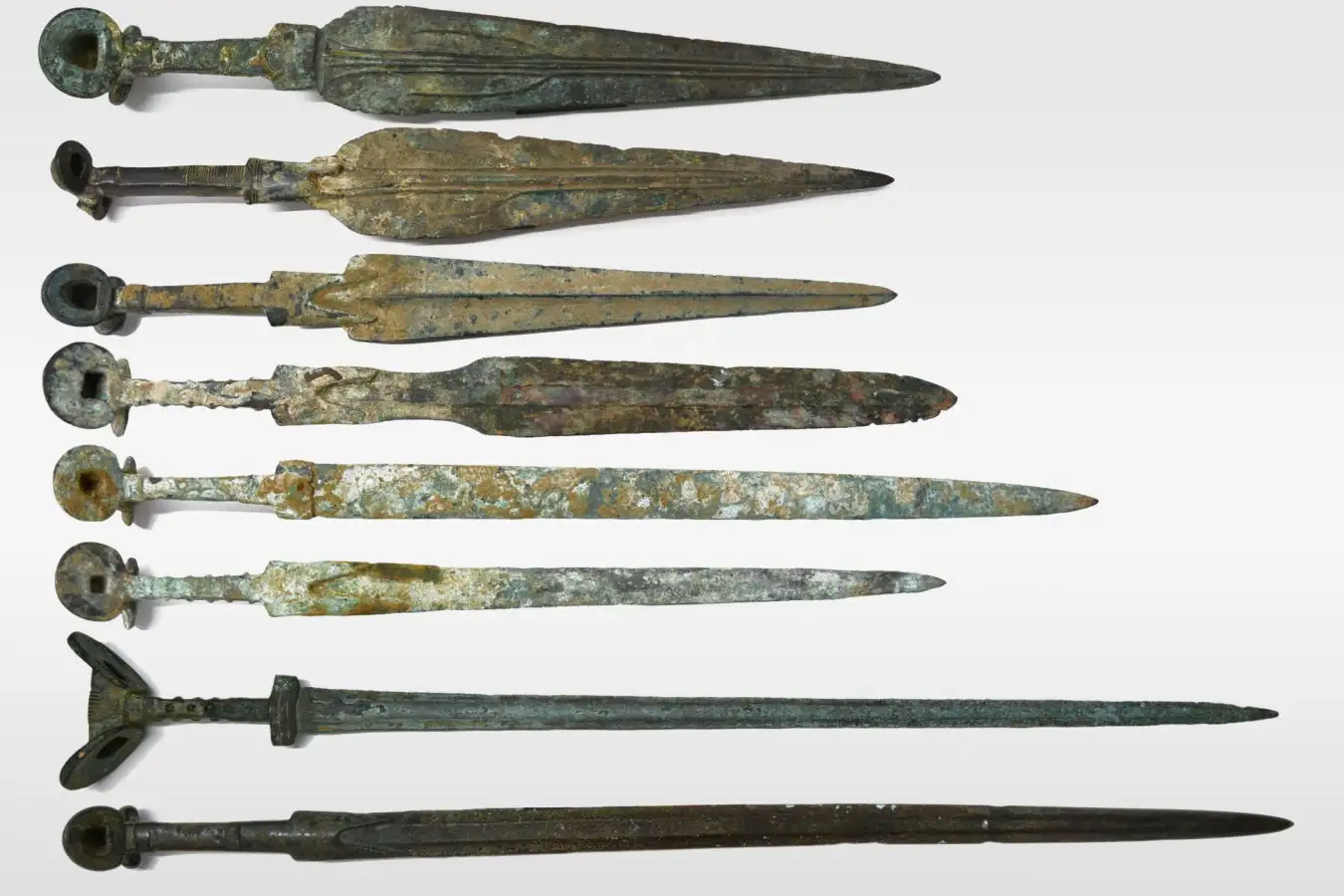
As metallurgy developed, these weapons became more advanced, leading to bronze swords and armor.

The Rise of Organized Combat

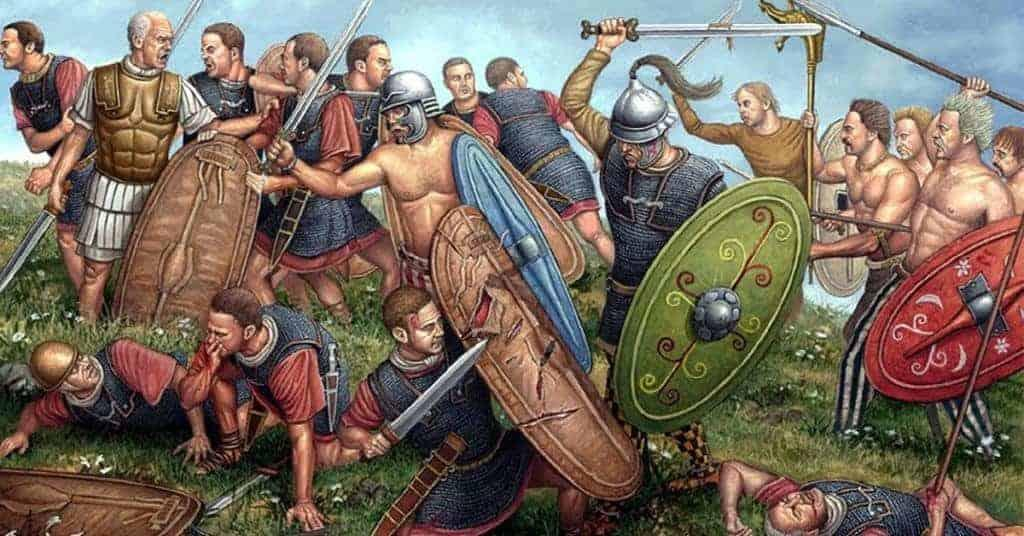
Over time, warfare evolved from scattered clashes into structured battles with leaders, strategies, and trained fighters. Settlements began building defenses like walls and fortifications, marking the transition from survival conflict to organized warfare—a defining feature of early civilizations.

Buried at a Doorway for 5,000 Years: Ancient Bread Reveals a Lost Recipe—and a Ritual

5,000-Year-Old Bread Discovery Reshapes Understanding of Ancient Cuisine

A charred loaf of bread, buried for thousands of years in central Anatolia, is offering remarkable new insights into early food practices—and the deeper meaning food held in ancient societies.

Unearthed at Küllüoba Höyük, the bread dates to around 3000 BCE and is now considered one of the oldest and best-preserved examples from the Early Bronze Age. Far from being a simple food item, the discovery reveals a complex story of technology, culture, and ritual.

A Remarkably Preserved Ancient Loaf

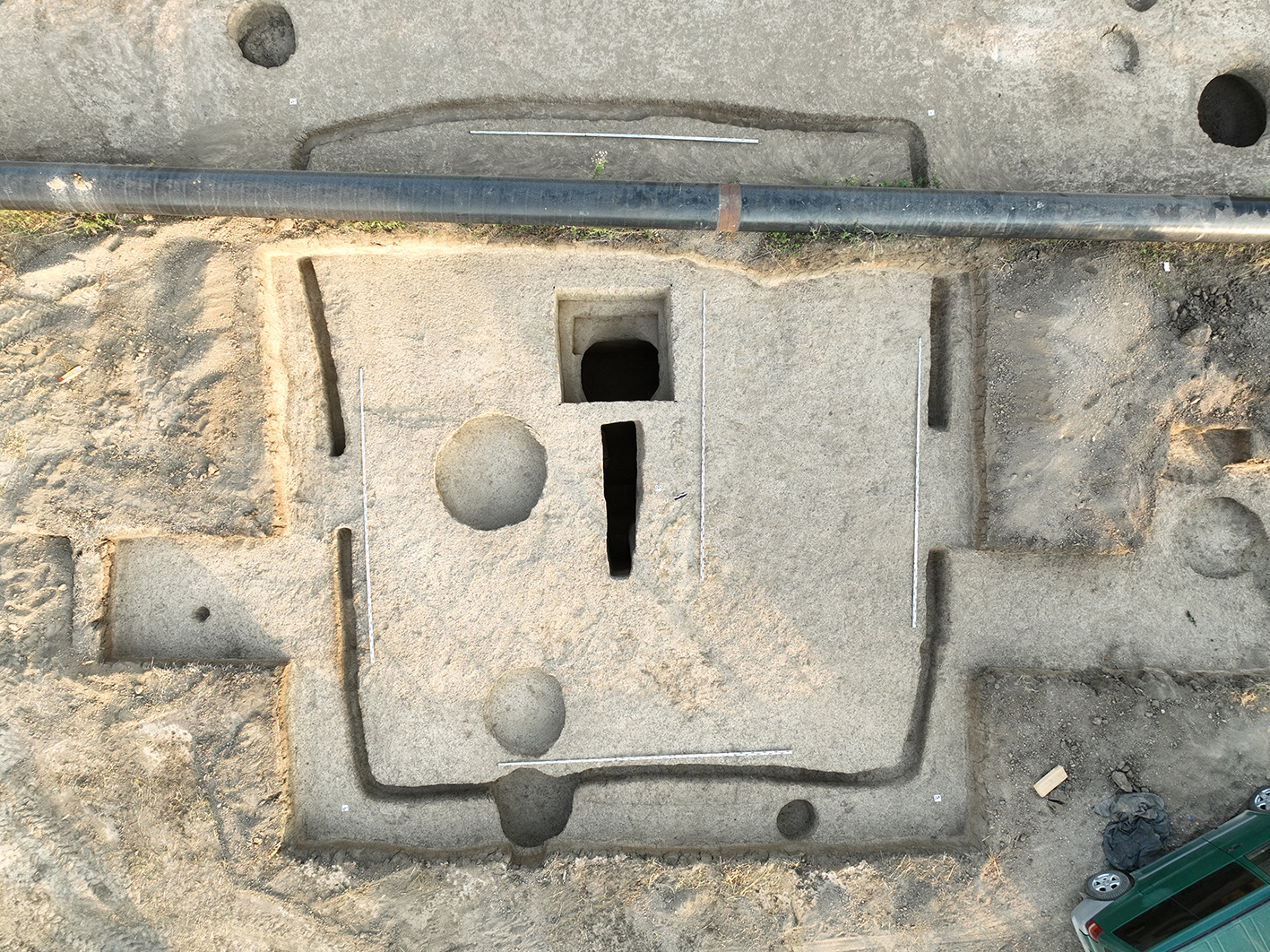
The bread was found intact near the entrance of a structure during excavations. Measuring roughly 12 centimeters in diameter, it had been intentionally burned and buried beneath a clean layer of soil—a context that immediately suggested it was placed deliberately rather than discarded.

Scientific analysis showed that the loaf was made primarily from emmer wheat (Triticum dicoccum), combined with a smaller portion of lentils (Lens culinaris). This blend points to a surprisingly balanced and nutritious recipe for the time, indicating that ancient communities already had a thoughtful approach to food preparation.

Advanced Food Technology in the Early Bronze Age

Researchers used a range of modern techniques—including scanning electron microscopy, Raman spectroscopy, and thermal analysis—to reconstruct how the bread was made.

Their findings revealed that:

  • The bread was baked at temperatures exceeding 150–160°C

  • Controlled heating methods were likely used, such as ovens or carefully managed hearths

  • The loaf retained internal structures like starch granules, even after charring

Chemical analysis also identified carbohydrates, proteins, and fats, providing a detailed picture of its nutritional composition.

Together, these results challenge the idea that early bread-making was basic or experimental. Instead, they show that culinary techniques were already refined and intentional thousands of years ago.

More Than Food: A Ritual Offering

Perhaps the most compelling aspect of the discovery is its symbolic purpose. The bread’s placement—beside a doorway, deliberately burned, and sealed under clean soil—strongly suggests it was part of a ritual rather than everyday consumption.

Archaeologists believe it may have been used in a ceremonial closure of the building, a practice seen in earlier Neolithic traditions where structures were abandoned with offerings.

According to excavation director Murat Türkteki, the find highlights that bread was not just a staple food but also a meaningful cultural object tied to beliefs and traditions.

From Survival to Symbolism

Bread has a long history, with evidence of early bread-like foods dating back over 14,000 years at sites like Shubayqa 1.

By the Early Bronze Age, however, bread had evolved into something more structured—both in how it was made and how it was understood socially.

At Küllüoba, several factors reflect this shift:

  • Ingredient choices, such as combining wheat and lentils

  • Refined preparation methods, indicating culinary knowledge

  • Ritual use, showing symbolic and cultural significance

Archaeobotanical evidence from the site also reveals a broader agricultural system that included barley and einkorn wheat, suggesting a diverse and organized food economy.

A Rare and Valuable Archaeological Find

Well-preserved bread from this period is extremely rare, especially in such a clear ritual context. Unlike fragmented remains, this loaf provides a complete and detailed object for study—bridging the gap between everyday life and symbolic practice.

The discovery also demonstrates how modern scientific tools are transforming archaeology. Without advanced analysis techniques, much of the bread’s story—its ingredients, preparation, and purpose—would have remained hidden.

What This Discovery Reveals About Early Societies

The Küllüoba bread offers a powerful reminder that food has always carried meaning beyond simple survival. Even 5,000 years ago, people were:

  • Carefully selecting and combining ingredients

  • Controlling cooking techniques

  • Embedding food within cultural and ritual practices

In this way, the humble loaf reflects broader human behavior—linking nourishment with identity, tradition, and belief.

A Simple Loaf With a Lasting Message

This ancient bread shows that early societies in Anatolia were far more sophisticated than often assumed. It represents not just a meal, but a connection between daily life and deeper cultural expression.

Ultimately, the discovery highlights a timeless truth: food is never just food. Even in the earliest civilizations, it carried meaning, memory, and a sense of belonging—much like it does today.

The Hidden Temples Beneath Modern Cities

Layers of History Beneath Our Feet

Modern cities are often built on top of ancient ones. Over centuries, as populations grow and landscapes change, older structures are buried beneath new construction.

Beneath busy streets and buildings, hidden temples and sacred sites remain, offering a glimpse into the past.

Discoveries Through Archaeology

Archaeological excavations have uncovered temples beneath major cities around the world. These discoveries reveal how ancient people lived, worshipped, and organized their communities.

Advanced techniques allow researchers to explore these sites without disturbing modern structures.

Continuity of Sacred Spaces

In many cases, modern religious buildings are located directly above older sacred sites. This suggests a continuity of spiritual significance, where certain locations remain important across generations.

Challenges of Urban Archaeology

Excavating beneath cities is complex. Archaeologists must balance preservation with ongoing urban development.

A Living Connection to the Past

These hidden temples remind us that history is not separate from modern life. It exists beneath us, shaping the spaces we live in.

Why It Matters

Studying these sites helps us understand the continuity of human culture and belief. It shows how the past continues to influence the present in ways we may not always see.

The Ritual Masks of Early Human Civilizations

Transforming Identity Through Masks

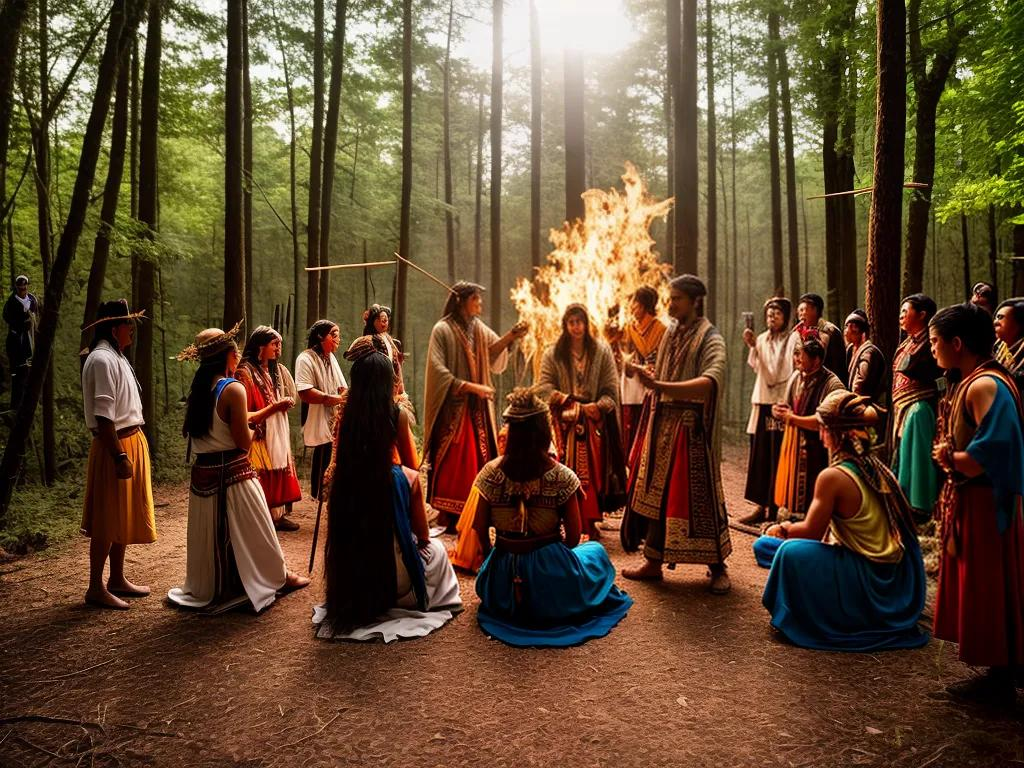
Masks have been used by humans for thousands of years as powerful tools of transformation. In early civilizations, wearing a mask allowed individuals to take on new identities—becoming gods, spirits, ancestors, or symbolic figures.

This transformation was not just physical but deeply spiritual, connecting the wearer to forces beyond the everyday world.

Materials and Design

Masks were crafted from materials such as wood, clay, bone, and fabric. They were often decorated with paint, feathers, or carvings, each element carrying symbolic meaning.

The design of a mask could represent specific traits, such as strength, wisdom, or protection.

Spiritual and Cultural Roles

Masks were used in a wide range of ceremonies, including religious rituals, dances, and burial practices. They allowed participants to communicate with spiritual realms or represent important figures.

In some traditions, masks were believed to hold power, serving as a bridge between humans and the divine.

Social and Community Functions

Mask rituals often involved the entire community. They reinforced shared beliefs, cultural identity, and social structure.

Enduring Tradition

Many cultures continue to use masks today, preserving ancient traditions and meanings.

The First Seafarers of the Pacific Ocean

Navigating the Open Ocean

Crossing the vast Pacific Ocean is a remarkable challenge even with modern technology. Yet thousands of years ago, ancient seafarers accomplished this feat using only their knowledge of nature and simple vessels.

These early navigators explored and settled islands across thousands of kilometers, making them some of the greatest explorers in human history.

Star Navigation and Environmental Knowledge

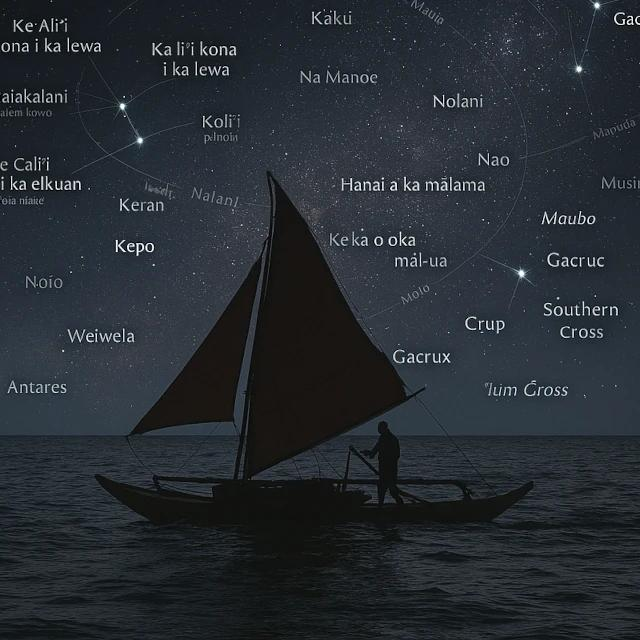
Pacific seafarers relied on detailed knowledge of the natural world. They studied the stars, using their positions to determine direction. They also observed ocean currents, wave patterns, and wind behavior.

Bird movements and cloud formations provided additional clues about nearby land. This combination of observations created a highly effective navigation system.

Voyaging Technology

The vessels used for these journeys were carefully designed. Outrigger canoes provided stability, allowing sailors to travel long distances safely.

These boats were lightweight yet durable, capable of carrying people, supplies, and even plants for cultivation on new islands.

Expansion Across the Pacific

Using these techniques, seafarers reached and settled remote islands across the Pacific. This expansion required courage, planning, and deep knowledge passed down through generations.

Cultural Significance

Navigation was more than a skill—it was a respected tradition. Knowledge was preserved through teaching, storytelling, and practice.

A Remarkable Achievement

The success of these early seafarers demonstrates the power of human ingenuity. Their achievements remain impressive and continue to inspire modern navigation studies.