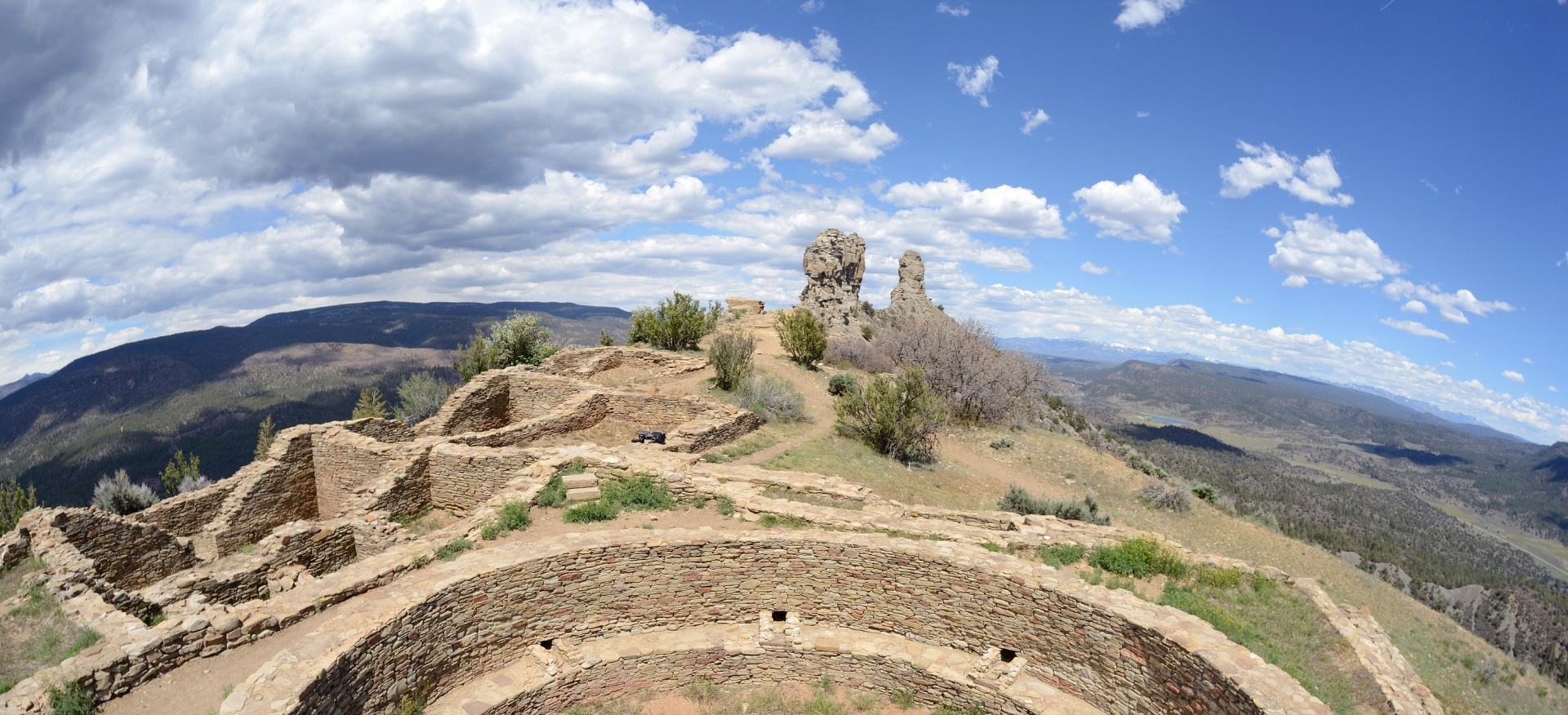
Norwegian archaeology find of the year: "So well preserved that they appear to have been made yesterday"

The remarkable find was voted 'find of the year' by Norwegian archaeologists.
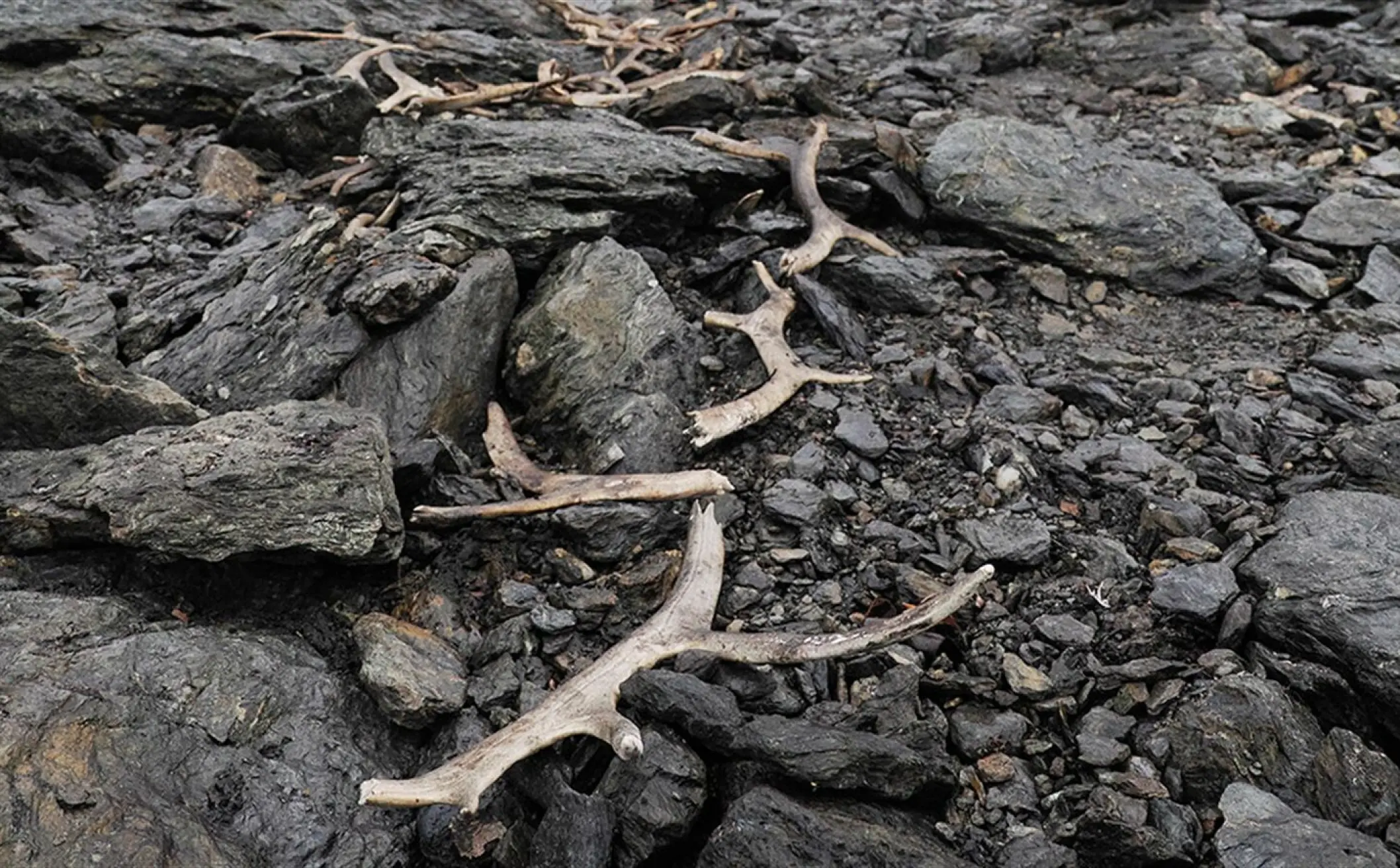
Antlers bearing cut marks were the archaeologists' most important clues to what the facility was used for.

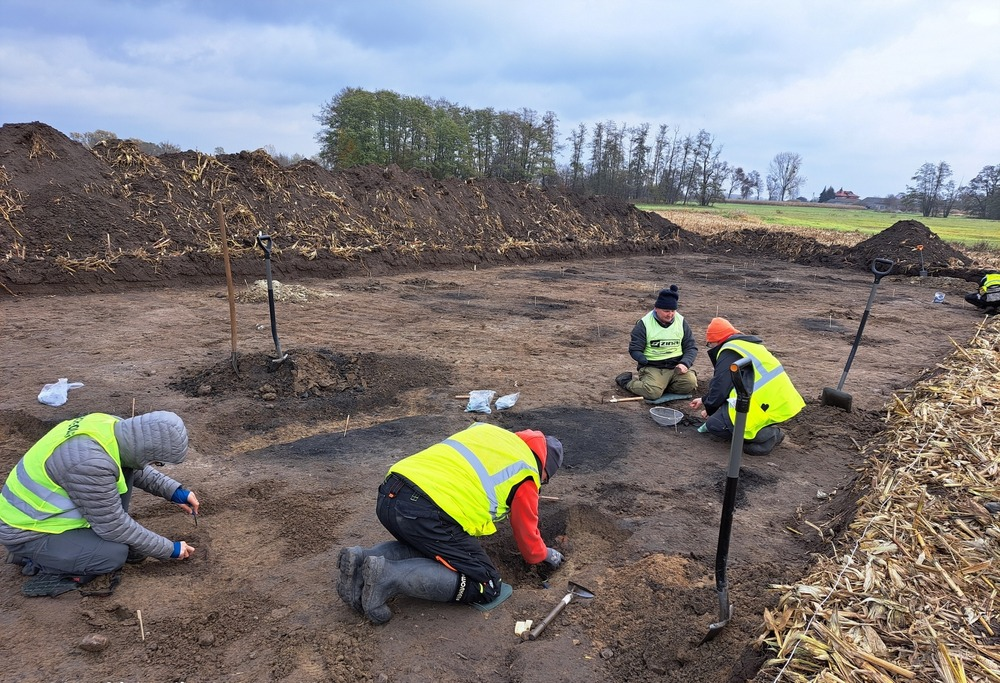
During the autumn, archaeologists from the University Museum of Bergen have been excavating a 1,500-year-old reindeer mass-trapping site on Aurland Mountain.

Until now, the existence of this complex trapping system had been unknown. More details about the discovery can be found here.

On November 15, the find was honored as “Find of the Year” at the Norwegian Archaeology Meeting in Tromsø, highlighting its significance in understanding early reindeer hunting practices.
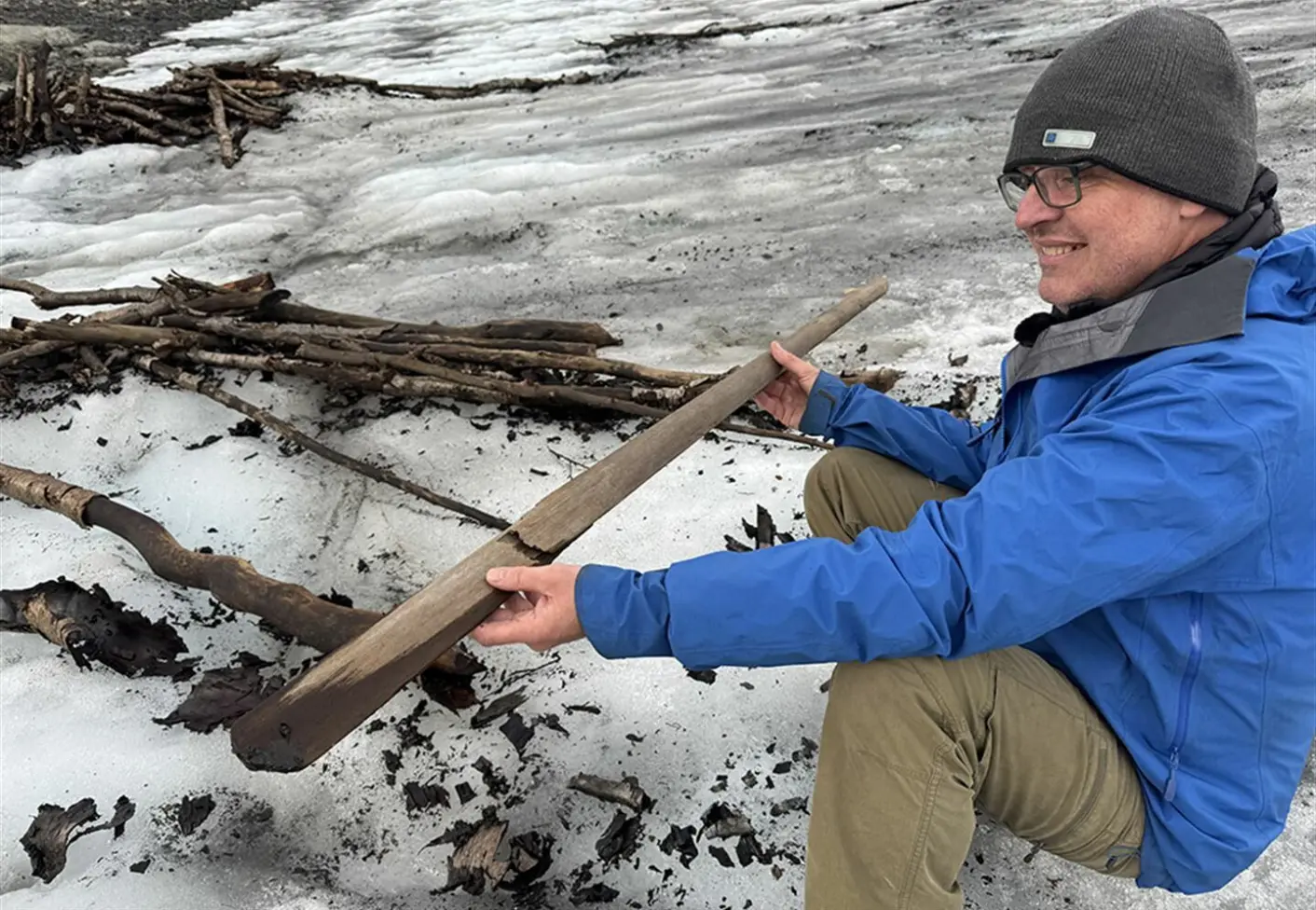
Archaeologist Leif Inge Åstveit is the project leader for the excavation of the mass trapping facility.

“It’s been incredibly busy,” project leader Leif Inge Åstveit told Science Norway. “It feels fantastic that our excavation was named Find of the Year.”

Åstveit acknowledged that Norway has seen numerous remarkable discoveries this year, making the competition for the award especially strong. However, their site ultimately won by a clear margin.

“This discovery is truly exceptional,” he said. “The level of preservation is unlike anything we normally encounter, which makes it remarkable.”

He added that the find has attracted massive attention. “It’s been a whirlwind. We receive multiple inquiries every day, both from within Norway and internationally. The experience has been very unusual,” Åstveit said.
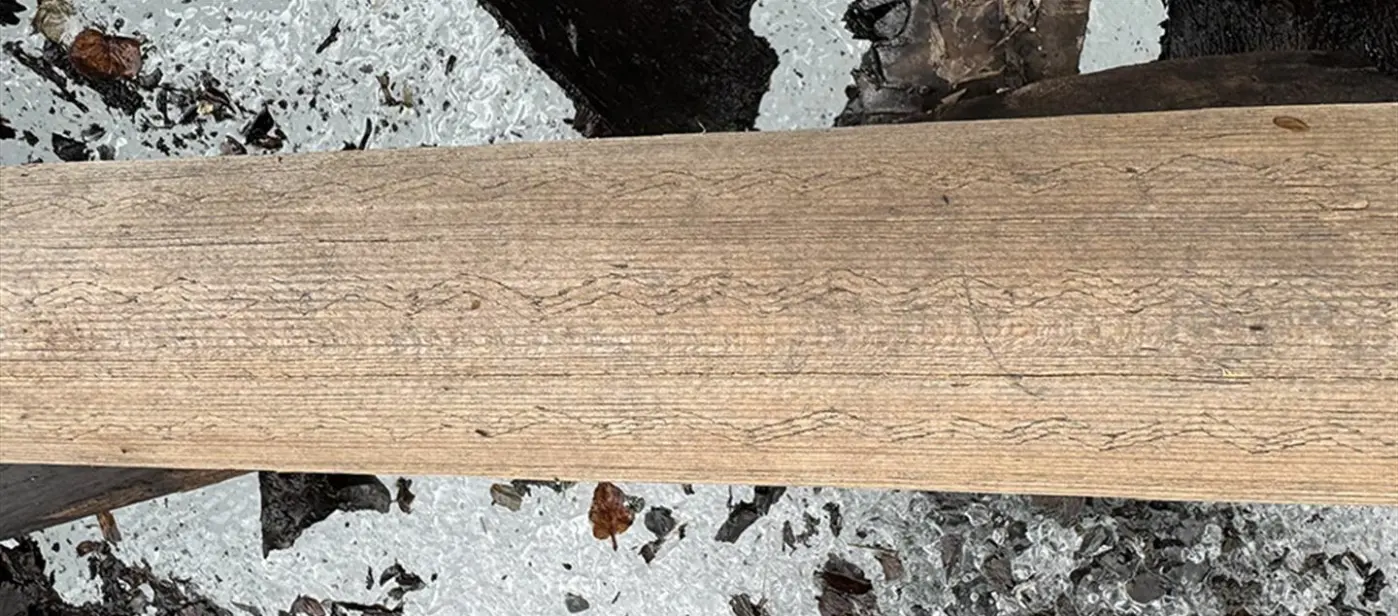
Archaeologists also found a wooden oar decorated with carved ornamentation.

A one-of-a-kind discovery

Archaeologist Erik Kjellmann, who led this year's Norwegian Archaeology Meeting (NAM), believes the find won the award because of its exceptional nature.

“Never before in Norway have such well-preserved remains of what appears to be a wooden trapping facility been uncovered,” he said.

Kjellmann emphasized that the materials already recovered offer enormous potential for new insights, and that the remaining ice likely conceals even more discoveries.

“Finds like this capture the imagination and excitement of archaeologists, which probably contributed to its recognition,” he explained.

He also highlighted the extraordinary state of preservation. “The objects displayed at NAM looked as if they were made yesterday. Wood usually doesn’t survive well in soil, but ice creates near-perfect conditions for preserving materials over thousands of years,” Kjellmann said.

The road ahead

Project leader Leif Inge Åstveit shared that the team plans to continue with a dating program, analyzing tree rings in the wood to determine the exact age of the facility and the season when the trees were felled.

“Other trapping facilities have been found in the mountains before, but they were all built from stone, leaving very little for archaeologists to study. Finding organic material like this opens up an entirely new set of possibilities,” he said.

Archaeologists Found 6,000-Year-Old Artifacts Under One of England’s Most Hallowed Buildings

This stuff is older than Stonehenge.

What You’ll Discover in This Story:

Archaeologists working at the Palace of Westminster have uncovered artifacts spanning 6,000 years of history.

The team found stone tools dating back to around 4300 B.C.E., suggesting the area was once home to a community of hunters and fishers. More than 60 flint tools were recovered, including one carefully shaped item that may date to the late Mesolithic period.
The Palace of Westminster, one of London’s most iconic buildings and home to the Houses of Parliament, sits atop this historically rich site. The discoveries were made as part of a three-year archaeological investigation led by the Houses of Parliament Restoration and Renewal Delivery Authority. Researchers drilled 14 trial pits and 10 geoarchaeological boreholes, including in areas historically used for industrial activity.
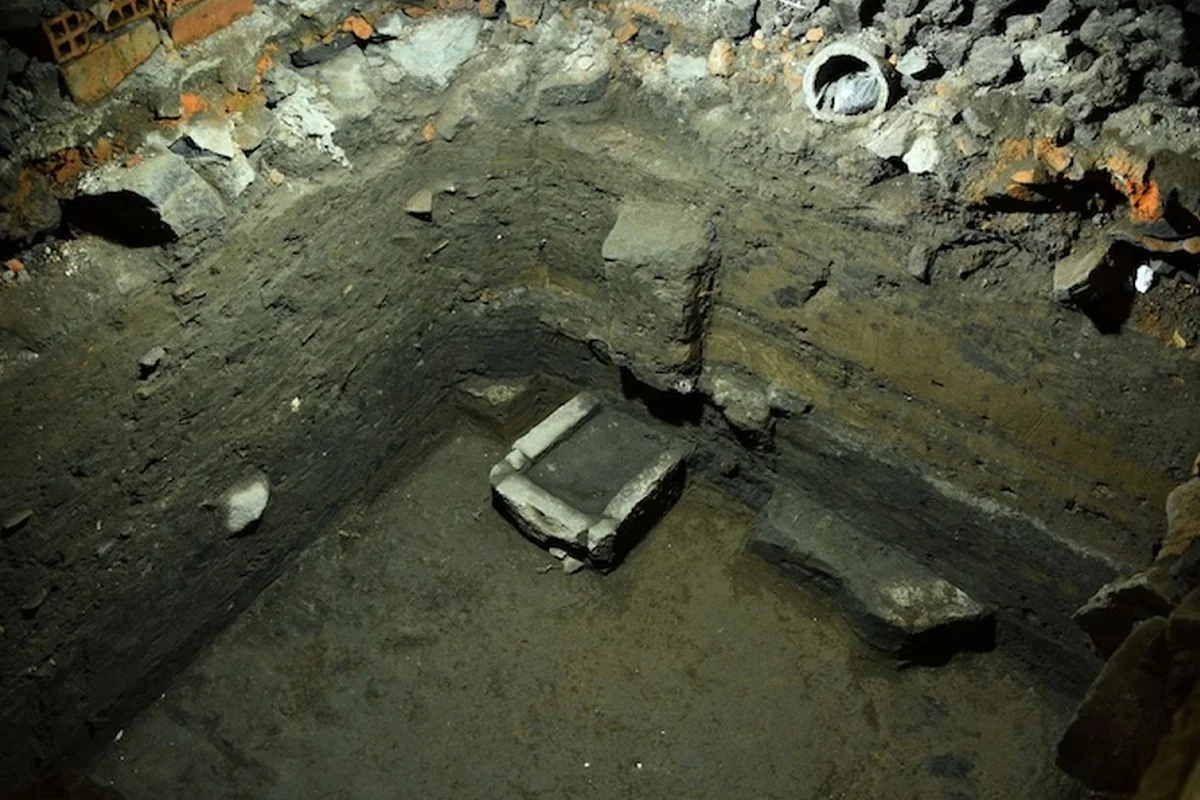
Artifacts found across the site cover multiple periods: a medieval leather boot and shoe soles about 800 years old; fragments of elaborately decorated clay tobacco pipes likely used by stonemasons after the 1834 fire; a Roman altar piece more than 2,000 years old; a 14th–15th-century lead badge shaped like a flowering heart, commonly used as a seal or on wedding rings; a 19th-century five-pint beer jug; a medieval floor tile; and a stone crucible used to heat lead, possibly for crafting window frames in the medieval palace.

These discoveries reveal the rich, layered history beneath one of London’s most famous landmarks.

In Turkey, ancient carved faces shed new light on Neolithic society

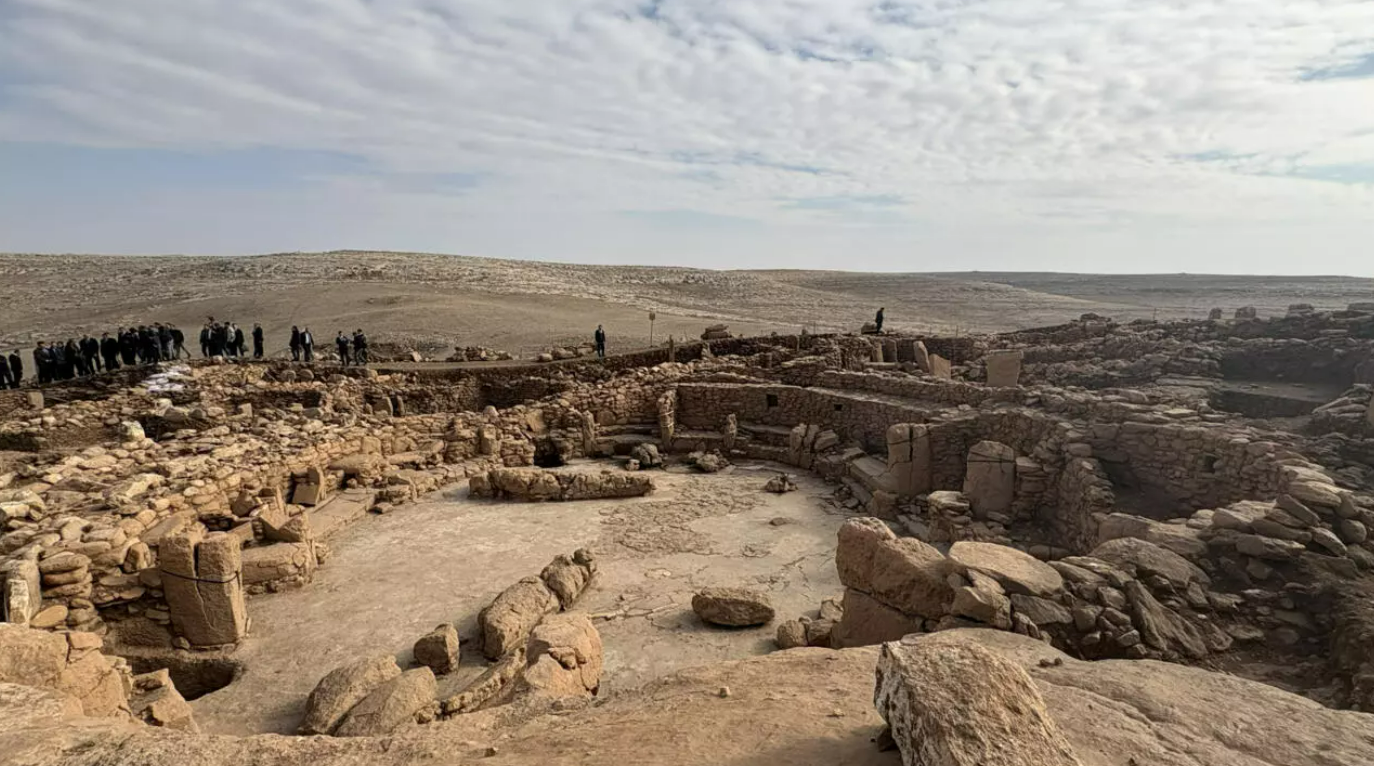
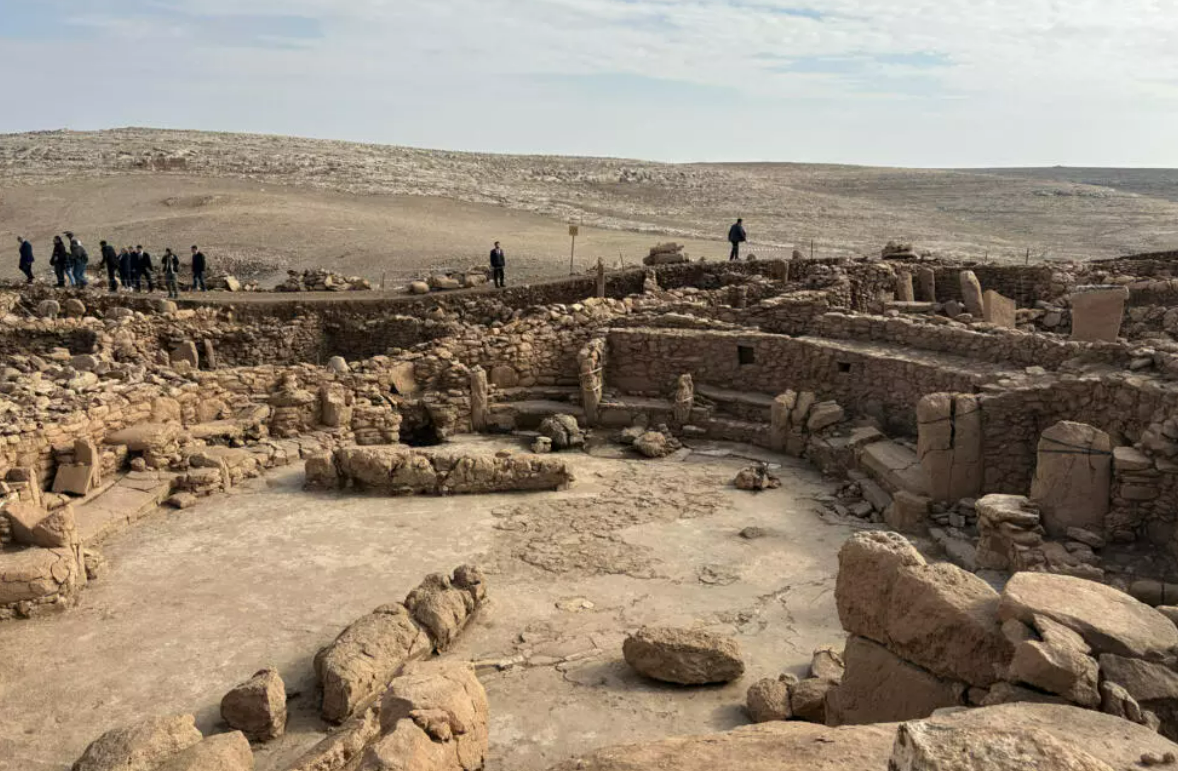
On the windswept hills overlooking Turkey's vast southeastern plains, new archaeological discoveries are revealing how life might have looked 11,000 years ago when the world's earliest communities began to emerge.

The archaeological site of Karahan Tepe in southeastern Turkey is shedding new light on our understanding of the earliest human settlements.

Neolithic Insights from Karahan Tepe Excavations

Recent discoveries at Karahan Tepe include a stone figurine with stitched lips, carved stone faces, and a black serpentinite bead featuring expressive faces on both sides. These artifacts provide new clues about Neolithic beliefs and rituals.

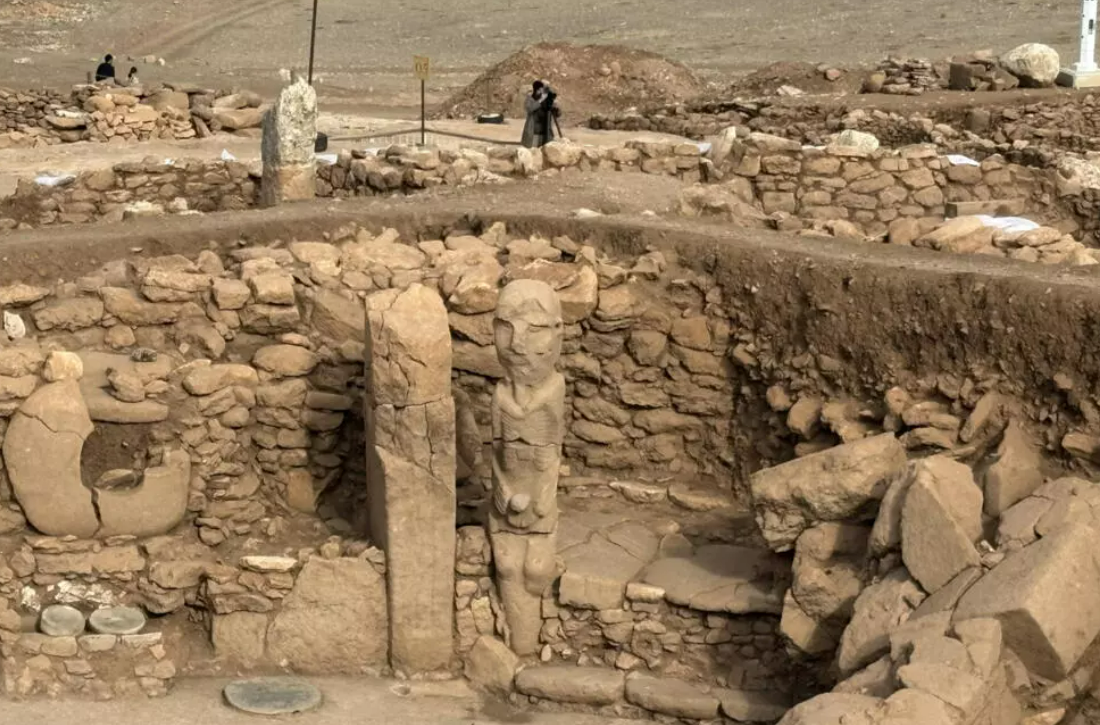
“The growing number of human sculptures reflects the shift toward settled life,” said Necmi Karul, the lead archaeologist at Karahan Tepe. “As communities became more sedentary, people gradually distanced themselves from nature, placing the human figure and human experience at the center of their worldview.” He highlighted a human face carved onto a T-shaped pillar as a key example.

The excavation is part of Turkey’s government-backed “Stone Hills” project, launched in 2020 across 12 sites in Şanlıurfa province. Culture Minister Nuri Ersoy has described the region as “the world’s Neolithic capital.”

The project also includes the UNESCO World Heritage site Göbekli Tepe—known as “Potbelly Hill” in Turkish—which contains the oldest known megalithic structures in Upper Mesopotamia. Excavations at Göbekli Tepe were first initiated by the late German archaeologist Klaus Schmidt in 1995.

Lee Clare of the German Archaeology Institute, commenting on some of the new finds displayed at Karahan Tepe’s visitor centre, said the discoveries challenge long-held assumptions about humanity’s transition from nomadic hunter-gatherers to early settlements. “Every building we study offers a glimpse into someone’s life. Each layer we excavate brings us closer to understanding an individual—we can almost connect with them through their remains. These finds provide insights into their belief systems,” he explained.

A pillar and a human statue are among the artifacts offering clues about Neolithic life.

Understanding Prehistoric Life at Karahan Tepe

Over the past five years, excavations at Karahan Tepe and other sites have produced “a remarkable amount of data,” according to archaeologists involved in the project.

However, fully understanding these prehistoric societies remains challenging. “We don’t have any written records, obviously, because it’s prehistory,” said Lee Clare, who has worked at Göbekli Tepe since 2013.

Identifying the individuals represented by statues or figurines is likely impossible, given they date to “a period before writing, around 10,000 years ago,” explained Necmi Karul, who also leads the dig at Göbekli Tepe and coordinates the Stone Hills project. Nevertheless, as the number of discoveries grows and archaeologists learn more about the contexts in which they appear, it becomes possible to perform statistical analyses and make meaningful comparisons.

The settlements began emerging after the last Ice Age, Karul added. “The changing environment created fertile conditions, allowing people to feed themselves without constantly hunting. This, in turn, supported population growth and encouraged the development and expansion of permanent settlements in the area,” he said, pointing to the early signs of a highly organized society.

Once communities started producing surpluses, there was wealth and poverty a 'slippery slope' leading toward the modern world, says Lee Clare of the German Archaeology Institute.

Emerging Social Structures in Neolithic Communities

As settlements became more permanent, new social dynamics began to take shape, explained Lee Clare. “Once people produced a surplus, distinctions between rich and poor appeared,” he said, highlighting early signs of social hierarchy. “What we are seeing here marks the beginning of that process. In many ways, it’s a step along the path toward the modern world.”

The ongoing excavations are reshaping our understanding of the Neolithic period, with each site contributing uniquely to the scientific record. Emre Guldogan of Istanbul University, lead archaeologist at the nearby Sefer Tepe site, noted that Karahan Tepe and the broader Stone Hills project reveal “a highly organized society with its own symbolic world and belief systems,” challenging older notions of a “primitive” Neolithic era.

“These communities shared certain traits, yet they also developed distinct cultural differences,” Guldogan added, emphasizing the complexity and diversity of early settled life.

Archaeologists say they are seeking to better understand the finds, which date to a period before writing, around 10,000 years ago.

Human and Animal Symbolism Across the Stone Hills

At Karahan Tepe, human symbolism is prominent, whereas at Göbekli Tepe, animal imagery dominates. Archaeologists suggest that these differences reflect how each community chose to represent their living environments.

“Every new discovery raises fresh questions about the people behind these creations,” said Emre Guldogan.

The recent finds have also increased the region’s appeal beyond its traditional religious significance. Previously known mainly as the area where Abraham is believed to have settled a figure revered in Judaism, Christianity, and Islam the Stone Hills sites now attract a broader spectrum of visitors.

“Before excavations began at Karahan Tepe and other sites, the area mainly drew religious tour groups,” explained tourist guide Yakup Bedlek. “Now, with the emergence of new archaeological zones, a more diverse mix of tourists is visiting the region.”

Early Humans Mastered Plant Processing 170,000 Years Ago, Challenging the Paleolithic Meat-Eater Myth

Learn how our human ancestors survived and thrived during climate shifts not by eating more meat, but by mastering plant processing.

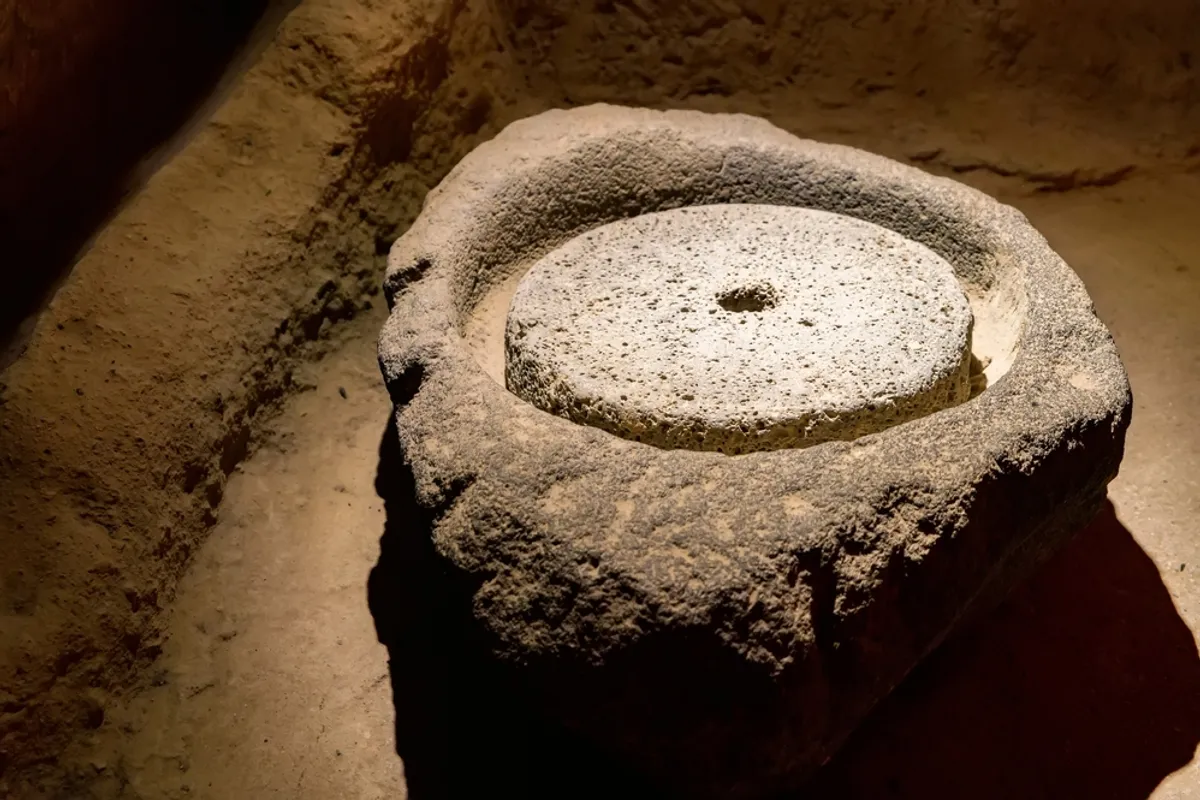
A millstone once used to grind grain, not associated with this study.

Rethinking the Paleolithic Diet: Early Humans and Plant Foods

For a long time, our ancient human ancestors have been thought of primarily as meat-eaters, relying on hunting animals as their main source of sustenance. This “Paleolithic carnivore” image has been widely accepted by both the public and some scientific communities—and has even inspired modern diet trends.

However, a recent study published in the Journal of Archaeological Research challenges this idea. The research suggests that processed plant foods played a crucial role in the diets of early humans, providing essential nutrients and calories that allowed humans to survive and thrive across diverse and changing environments.

“This ability to process plant foods allowed humans to unlock key calories and nutrients and to thrive in a wide range of global environments,” the study notes.

The Paleo Diet: Fact vs. Fiction

Traditionally, the Broad Spectrum Revolution has been considered the period when humans expanded their diets beyond a few staple foods. According to this hypothesis, pressures like population growth and environmental instability pushed humans to diversify their diets, setting the stage for the eventual development of agriculture.

The new study proposes an alternative explanation, called the broad-spectrum species hypothesis. This idea suggests that humans have always been capable of creating a diverse diet based on available resources, rather than being forced into it by external pressures.

Researchers also argue that the use of processed plant foods extends far earlier than previously thought, playing a key role in human evolution and helping shape the flexibility and adaptability that define our species.

How Early Humans Processed Plant Foods

The “Paleolithic meat-eater” image persisted partly because animal remains are easier to detect in the archaeological record. Yet growing evidence shows that early humans processed plant foods long before the rise of agriculture.

Archaeological finds from around the world reveal that our ancestors were grinding wild seeds, pounding and cooking starchy tubers, and detoxifying bitter nuts thousands of years before farming began. Plant macrofossil analyses indicate that early humans employed diverse processing techniques such as cooking, peeling, roasting, pounding, and extracting fats. These methods allowed them to extract nutrients, enhance flavor, and improve digestibility.

Even earlier evidence of thermal processing of plant foods—dating back as far as 170,000 years ago—has been discovered at early human and Neanderthal sites across Africa, Southwest Asia, and parts of Europe.

The Evolutionary Impact of Processed Plant Foods

The study concludes that the ability to process plant foods was critical to the evolutionary success of humans. Far from being hyper-carnivores, early humans were dietary generalists who adapted to environmental changes and cultural innovations with remarkable flexibility.

“Our species evolved as plant-loving, tool-using foodies who could turn almost anything into dinner,” the research emphasizes, highlighting the ingenuity and adaptability of early humans.