• MAIN PAGE
  • LATEST NEWS
    • Lost Cities
    • Archaeology's Greatest Finds
    • Underwater Discoveries
    • Greatest Inventions
    • Studies
    • Blog
  • PHILOSOPHY
  • HISTORY
  • RELIGIONS
    • Africa
    • Anatolia
    • Arabian Peninsula
    • Balkan Region
    • China - East Asia
    • Europe
    • Eurasian Steppe
    • Levant
    • Mesopotamia
    • Oceania - SE Asia
    • Pre-Columbian Civilizations of America
    • Iranian Plateau - Central Asia
    • Indus Valley - South Asia
    • Japan
    • The Archaeologist Editor Group
    • Scientific Studies
    • Aegean Prehistory
    • Historical Period
    • Byzantine Middle Ages
    • Predynastic Period
    • Dynastic Period
    • Greco-Roman Egypt
  • Rome
  • PALEONTOLOGY
  • About us
Menu

The Archaeologist

  • MAIN PAGE
  • LATEST NEWS
  • DISCOVERIES
    • Lost Cities
    • Archaeology's Greatest Finds
    • Underwater Discoveries
    • Greatest Inventions
    • Studies
    • Blog
  • PHILOSOPHY
  • HISTORY
  • RELIGIONS
  • World Civilizations
    • Africa
    • Anatolia
    • Arabian Peninsula
    • Balkan Region
    • China - East Asia
    • Europe
    • Eurasian Steppe
    • Levant
    • Mesopotamia
    • Oceania - SE Asia
    • Pre-Columbian Civilizations of America
    • Iranian Plateau - Central Asia
    • Indus Valley - South Asia
    • Japan
    • The Archaeologist Editor Group
    • Scientific Studies
  • GREECE
    • Aegean Prehistory
    • Historical Period
    • Byzantine Middle Ages
  • Egypt
    • Predynastic Period
    • Dynastic Period
    • Greco-Roman Egypt
  • Rome
  • PALEONTOLOGY
  • About us

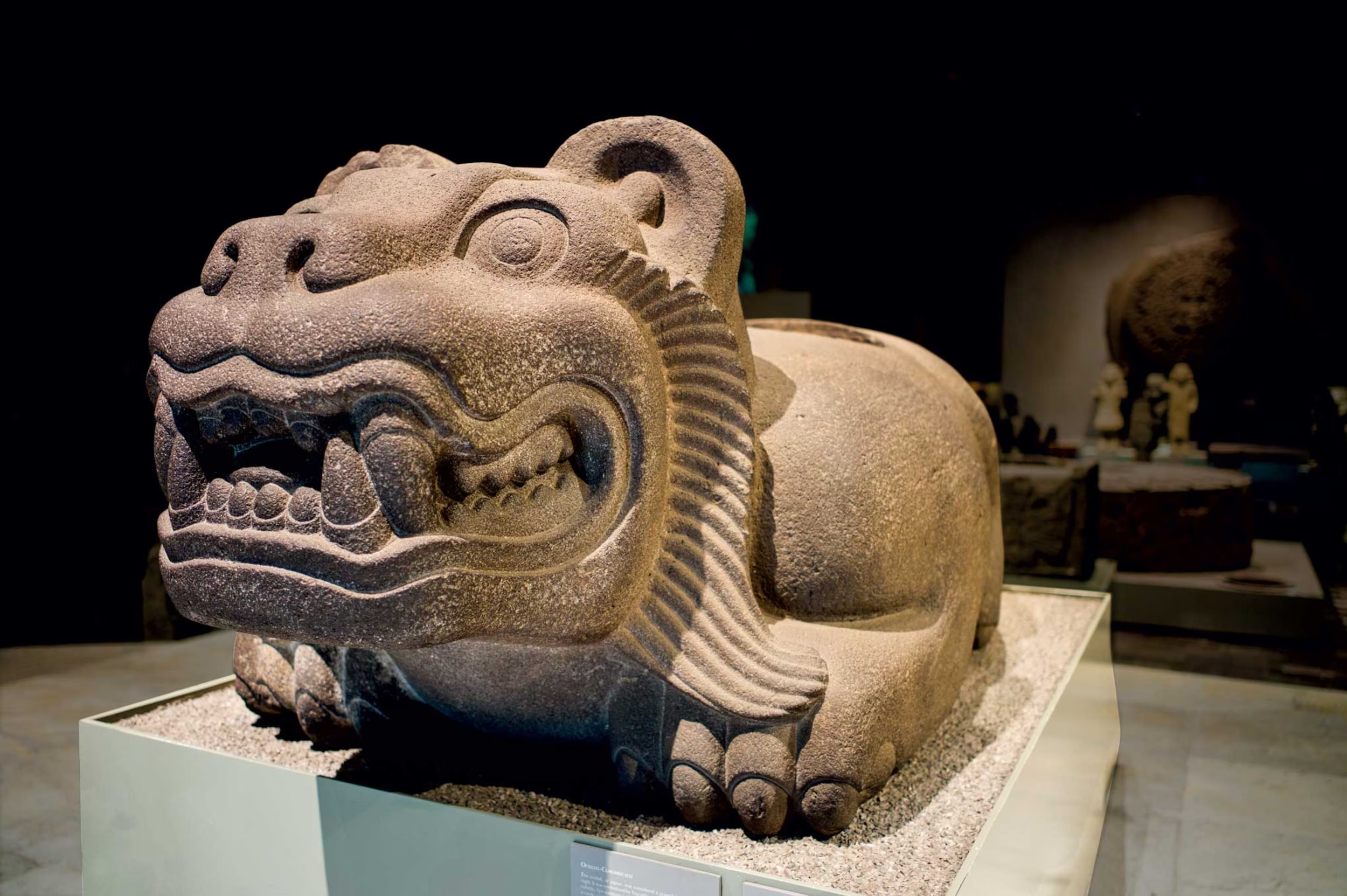
The Role of the Jaguar in Ancient Mesoamerican Mythology

December 7, 2025

Symbol of Power and Mystery

The jaguar was central to Mayan and Aztec mythology, representing strength, the underworld, and spiritual authority. Its image appears in temples, codices, and ceremonial artifacts.

Mayan Symbolism

For the Maya, the jaguar governed night, the underworld, and shamanic journeys. Rulers associated themselves with jaguar power to legitimize authority.

Aztec Interpretation

The Aztecs saw the jaguar as a warrior’s symbol, connected to military prowess and divine protection. Jaguar warriors formed elite military units embodying the animal’s ferocity.

Cultural Impact

The jaguar’s sacred status reinforced societal hierarchy, cosmology, and ritual practices, illustrating the integration of natural observation and spiritual symbolism.

The Secret Rites of the Eleusinian Mysteries

December 7, 2025

Ancient Greek Spiritual Initiation

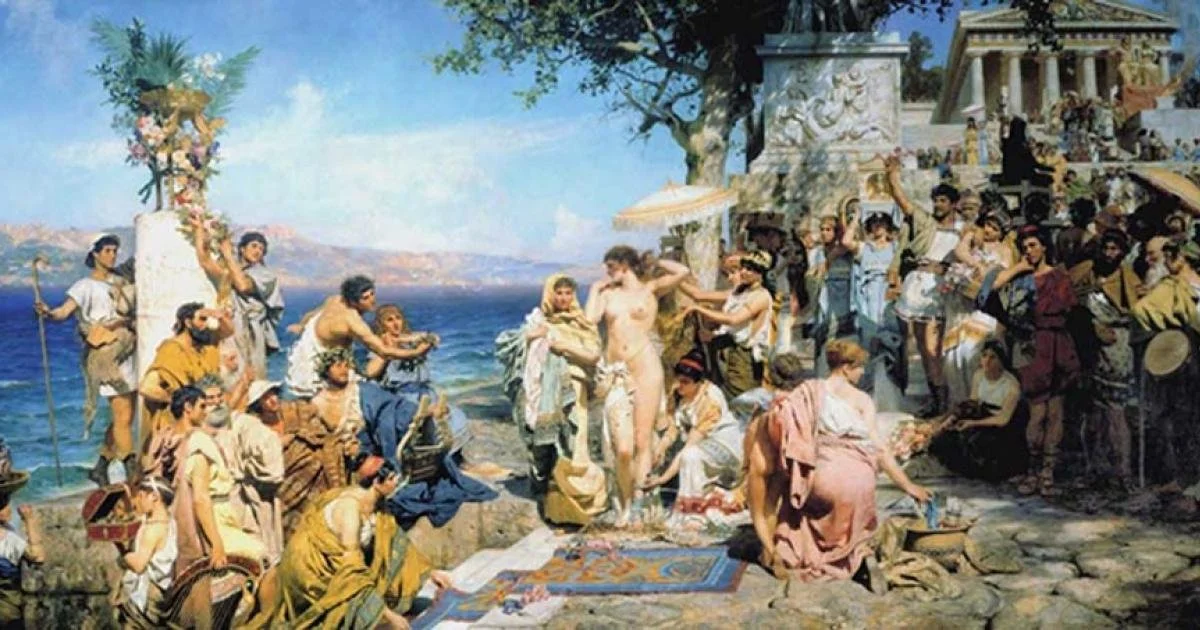
The Eleusinian Mysteries were secret religious ceremonies held in Eleusis, Greece, honoring Demeter and Persephone. Initiates sought spiritual insight and promised a blessed afterlife.

Ritual Structure

Participants underwent purification, fasting, and secret rites. Processions, sacred chants, and symbolic enactments of the Demeter myth conveyed themes of life, death, and rebirth.

Mystical Significance

The rituals emphasized personal transformation and the soul’s immortality. Initiates believed the mysteries offered knowledge inaccessible to outsiders.

Cultural Legacy

Though details remain hidden, the Eleusinian Mysteries influenced Greek religion, philosophy, and later esoteric traditions, reflecting the human quest for divine understanding.

The Ancient Science of Metallurgy and Weapon Crafting

December 7, 2025

Forging Civilization

Metallurgy transformed ancient societies by enabling the production of tools, weapons, and ceremonial objects. Knowledge of bronze, iron, and later steel shaped power, trade, and culture.

Bronze Age Innovations

Early metalworkers combined copper and tin to produce bronze, crafting swords, armor, and household tools. This technology revolutionized warfare and agriculture.

Iron and Steel

Iron smelting allowed stronger, more durable weapons, shifting military balance and fostering empires. Metallurgy became both practical and symbolic, demonstrating wealth and authority.

Ritual and Symbolism

Weapons and metal objects were often consecrated or used in religious ceremonies, blending craftsmanship with spiritual significance.

The Role of the Sacred River Ganges in Ancient Hinduism

December 7, 2025

Life, Purity, and Devotion

The Ganges River has been central to Hindu belief for millennia, symbolizing purity, life, and divine presence. Its waters connect humans with gods and ancestors.

Religious Practices

Bathing in the river is believed to cleanse sins and facilitate spiritual renewal. Temples, rituals, and festivals line its banks, reflecting its central role in daily and sacred life.

Cultural Significance

The Ganges influenced settlement patterns, agriculture, and trade. Cities like Varanasi became pilgrimage centers, integrating religious devotion with social and economic activity.

Symbolism and Myth

Personified as the goddess Ganga, the river embodies life-giving force, fertility, and divine protection, linking humans with cosmic order and spiritual continuity.

The Lost Kingdom of the Scythians: Nomadic Warriors of the Steppe

December 7, 2025

Masters of Horse and Bow

The Scythians dominated the Eurasian Steppe from the 9th century BCE to the 4th century CE. Renowned horsemen, archers, and metalworkers, they left a lasting imprint on Eurasian history.

Nomadic Lifestyle

Living in mobile settlements, the Scythians relied on horses for travel, trade, and warfare. Their mobility allowed them to control vast territories and conduct raids with precision.

Art and Warfare

Scythian art, especially gold ornaments, reflects warrior culture, spiritual beliefs, and social status. Weapons, including composite bows and iron swords, reveal advanced metallurgy and combat expertise.

Legacy

Though their cities faded, Scythian culture influenced neighboring civilizations and shaped Eurasian steppe history, leaving behind archaeological treasures that highlight their sophistication.

The Secrets of the Ancient Mayan Ball Game

December 7, 2025

Ritual, Sport, and Sacrifice

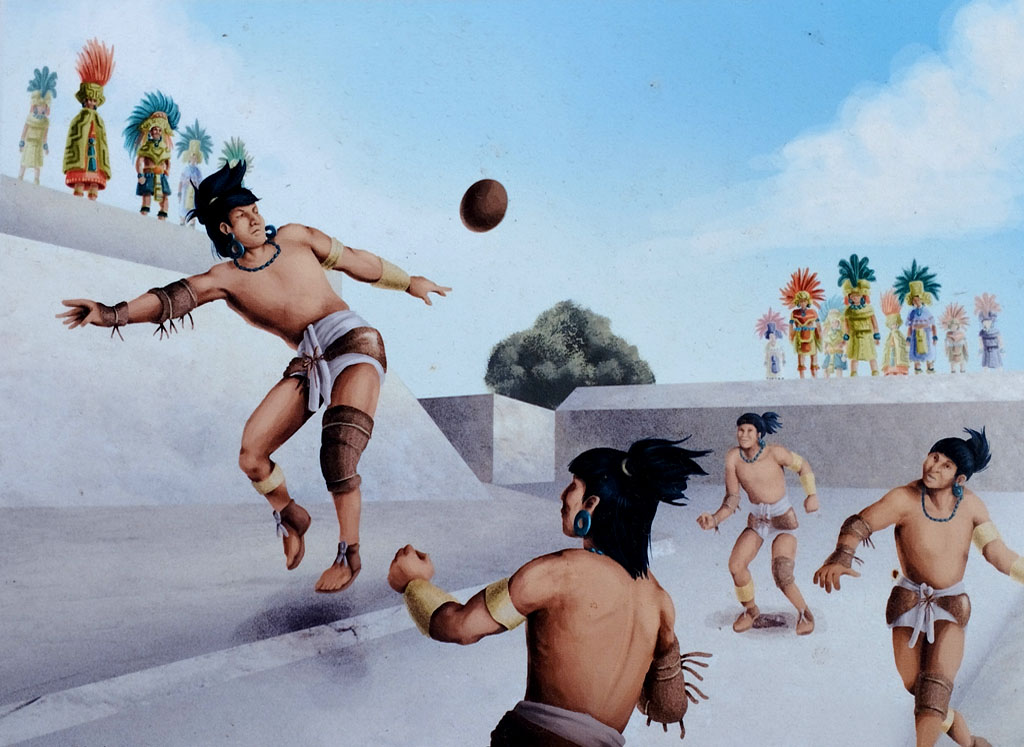
The Mesoamerican ball game, or Ōllamaliztli, was played by the Maya and other civilizations, combining sport, ritual, and political symbolism. Its courts are found throughout Central America.

Rules and Play

Players used hips, elbows, and knees to strike a rubber ball through stone hoops. The game required agility, teamwork, and strategy, reflecting physical prowess and skill.

Ritual Significance

The game often symbolized cosmic battles between life and death, sun and underworld. High-stakes matches could end in human sacrifice, emphasizing its spiritual importance.

Cultural Influence

The ball game reinforced social hierarchy, honored gods, and demonstrated the integration of sport and religious belief in ancient Mesoamerican society.

The Forgotten Kingdom of Aksum in Africa

December 7, 2025

Ethiopia’s Ancient Powerhouse

The Kingdom of Aksum, flourishing between the 1st and 7th centuries CE in modern Ethiopia and Eritrea, was a hub of trade, religion, and culture. Its rulers claimed legendary ties to King Solomon and the Queen of Sheba.

Trade and Influence

Aksum controlled Red Sea trade routes, exchanging gold, ivory, and exotic goods. Coins, inscriptions, and architecture reveal a sophisticated, interconnected economy that rivaled contemporary empires.

Religion and Culture

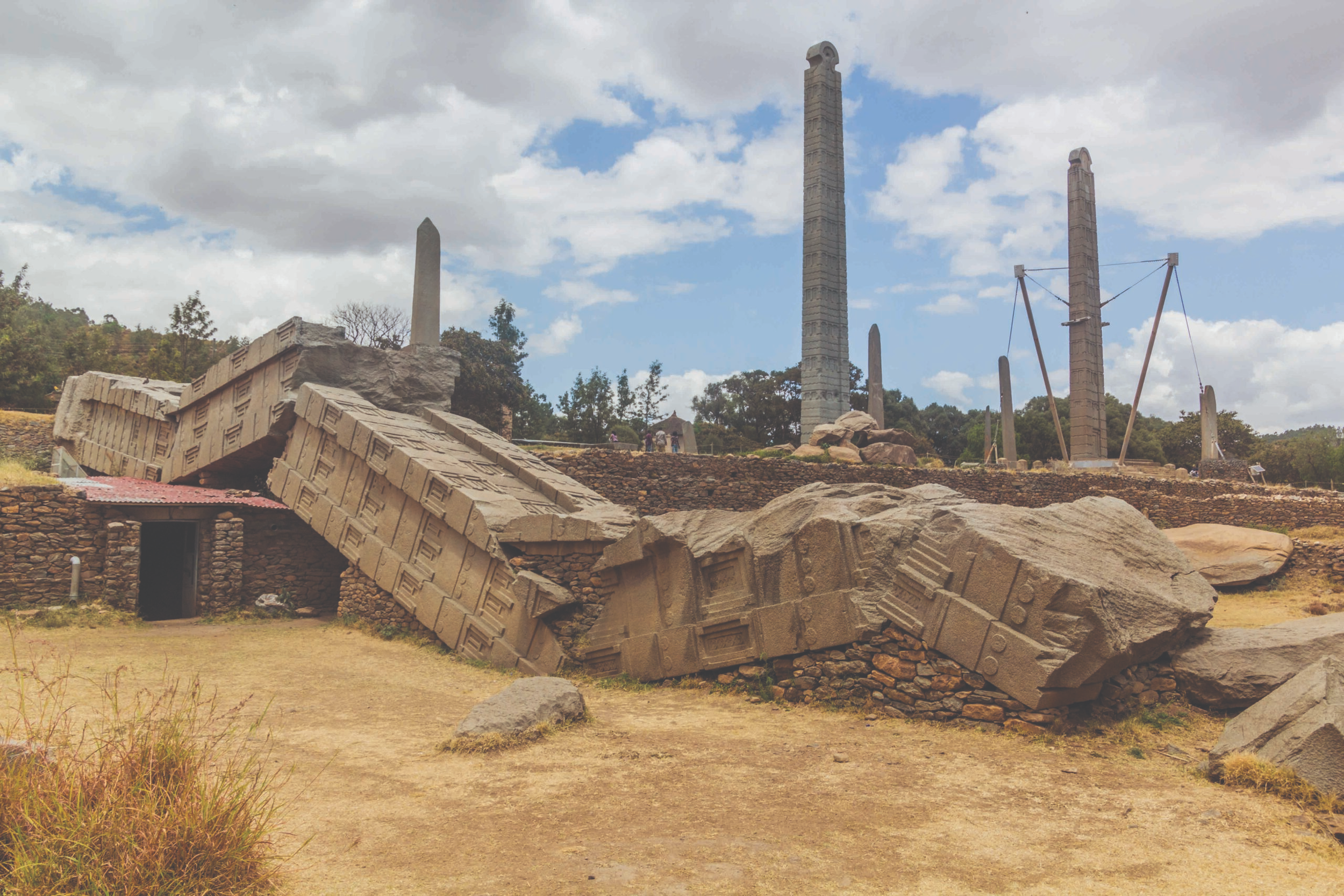
Aksum adopted Christianity in the 4th century CE, blending local traditions with new religious practices. The kingdom left behind monumental stelae, churches, and inscriptions that testify to its spiritual and cultural achievements.

Legacy

Though largely forgotten in Western history, Aksum influenced East African civilization and retains a central place in Ethiopian heritage and identity.

The Ancient Art of Bone Carving and Jewelry Making

December 7, 2025

Crafting Beauty from Bones

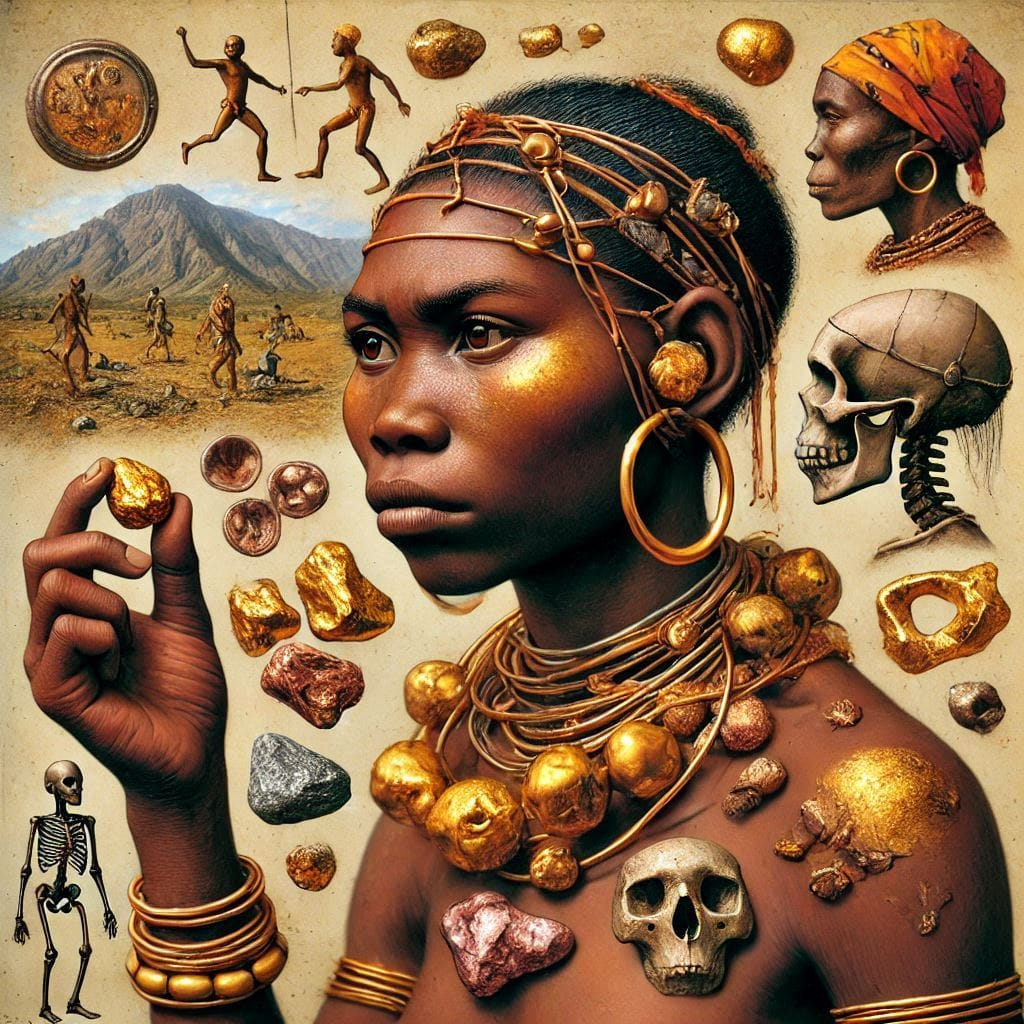
Early humans transformed bones into tools, ornaments, and amulets, demonstrating creativity, skill, and symbolic thinking. These artifacts reveal both practical and spiritual aspects of prehistoric life.

Functional Tools and Weapons

Bones were carved into needles, awls, and fish hooks, enabling sewing, hunting, and fishing. Their durability and accessibility made them essential resources for survival.

Ornaments and Amulets

Beyond utility, bones were fashioned into beads, pendants, and intricate carvings. These items often served as personal adornment or carried protective and magical significance, reflecting early beliefs and identity.

Artistic Expression

Bone carving required precision and imagination. Patterns, etchings, and symbolic shapes indicate a connection to storytelling, ritual, and social status. These creations offer a tangible link to the ingenuity of early humans.

The Sacred Symbols of the Ancient Celts

December 7, 2025

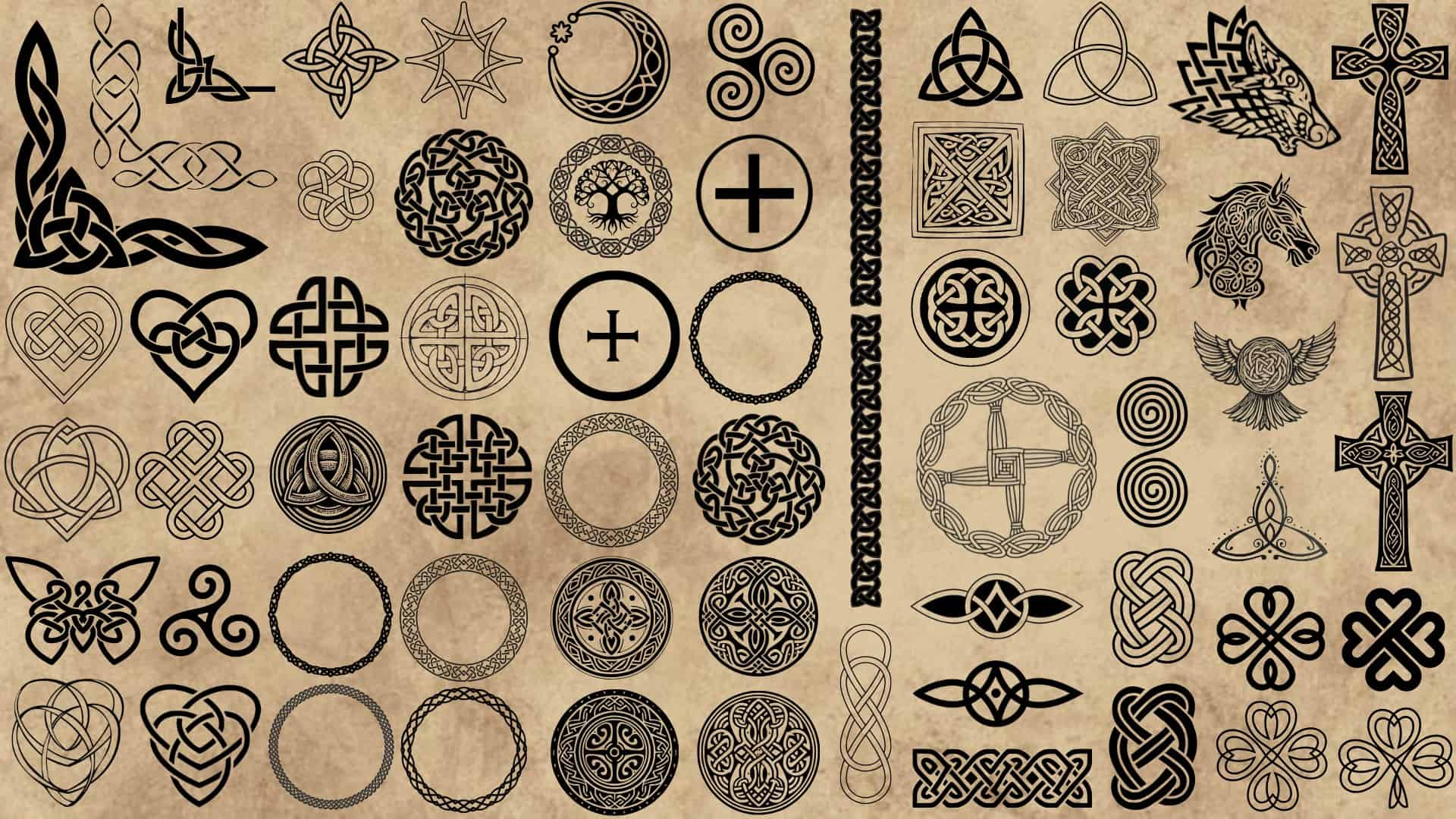
Celtic symbols convey ideas of eternity, balance, and the natural world. Patterns like knots, spirals, and crosses appear in metalwork, stone carvings, and manuscripts.

Knots and Continuity

Celtic knots, with no beginning or end, symbolized eternity, interconnectedness, and the cyclical nature of life. They adorned jewelry, religious artifacts, and ceremonial items.

Spirals and Cosmic Cycles

Spirals represented the sun, growth, and spiritual journeys. They reflect the Celts’ observation of natural cycles and human life stages.

Crosses and Cultural Synthesis

Celtic crosses combine Christian and pagan motifs, symbolizing the fusion of faiths and the adaptation of ancient beliefs into new religious frameworks.

Enduring Legacy

Celtic symbols continue to inspire art, design, and spiritual practice, offering a window into ancient Celtic philosophy and worldview.

The Role of Shamans in Ancient Tribal Societies

December 7, 2025

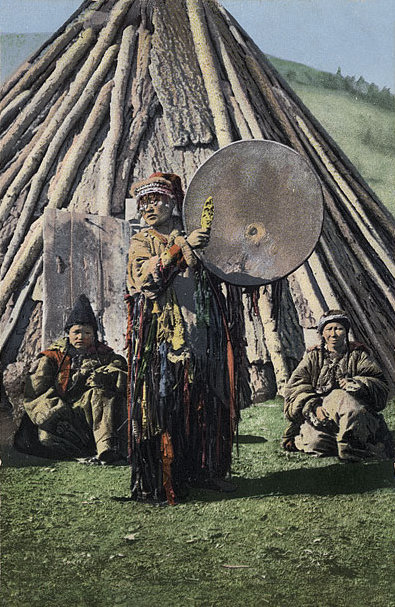
Shamans acted as spiritual guides in Siberia, Africa, and the Americas, mediating between humans and the supernatural. They performed healing, divination, and ritual leadership.

Spiritual Practices

Using trance, drumming, and sacred objects, shamans communicated with spirits and ancestors. They interpreted omens, conducted ceremonies, and advised leaders on critical decisions.

Social Importance

Shamans maintained communal health, spiritual balance, and cultural knowledge. Their authority reinforced social cohesion and guided ethical conduct within tribal societies.

Cross-Cultural Insights

Despite geographic differences, shamanistic practices share common themes of spiritual intercession, healing, and ritual performance, highlighting universal aspects of human spirituality.

The Mystery of the Giant Statues on Easter Island

December 7, 2025

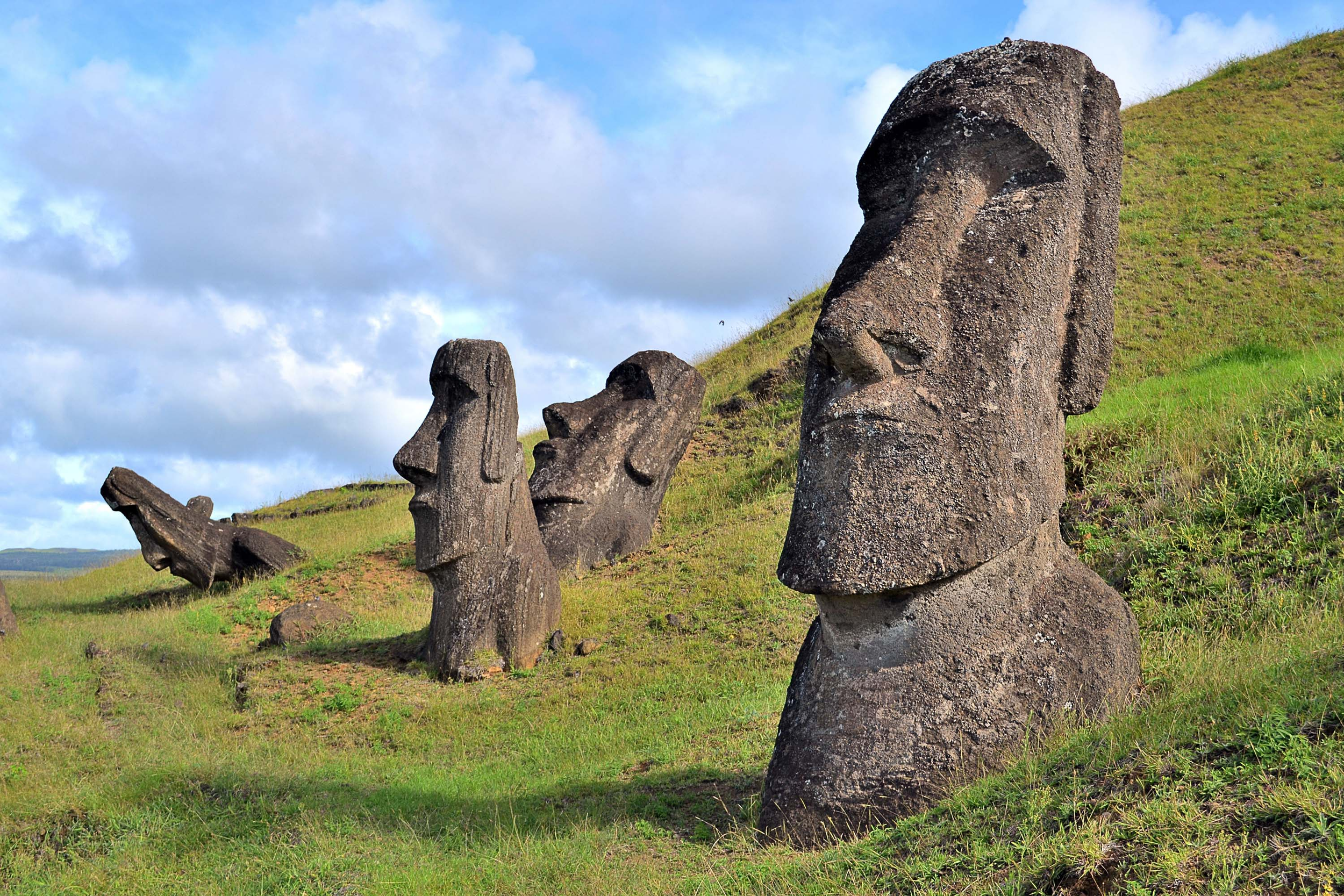
The Moai statues of Easter Island are massive stone figures carved by the Rapa Nui people between 1400 and 1650 CE. They embody ancestor worship and social hierarchy.

Carving and Transportation

Carved from volcanic tuff, Moai were transported using sleds, rollers, or a “walking” method over distances up to 20 kilometers. Their construction showcases ingenuity and coordination.

Cultural Significance

Moai represented ancestral spirits, ensuring protection, fertility, and prosperity. Positioned to face inland, they symbolically watched over communities.

Legacy and Preservation

Easter Island’s Moai remain a testament to human creativity, cultural identity, and the ability to manipulate the environment on a grand scale.

The Ancient Science of Herbal Medicine

December 7, 2025

Herbal medicine was central to ancient health practices, blending observation, ritual, and spiritual belief. Plants were used to treat illness, enhance wellbeing, and connect with divine forces.

Egyptian and Mesopotamian Practices

Physicians in Egypt and Mesopotamia documented remedies using herbs, roots, and oils. Papyrus scrolls and clay tablets detail treatments for digestive, respiratory, and skin conditions.

Greek and Chinese Traditions

Greek physicians like Hippocrates emphasized the natural properties of herbs, while Traditional Chinese Medicine incorporated herbs in complex systems of balance, yin, and yang.

Spiritual and Practical Applications

Herbs were often used in ritual alongside practical treatments. Healing and magic were intertwined, showing the holistic approach to medicine in ancient societies.

The Forgotten Empire of the Hittites

December 7, 2025

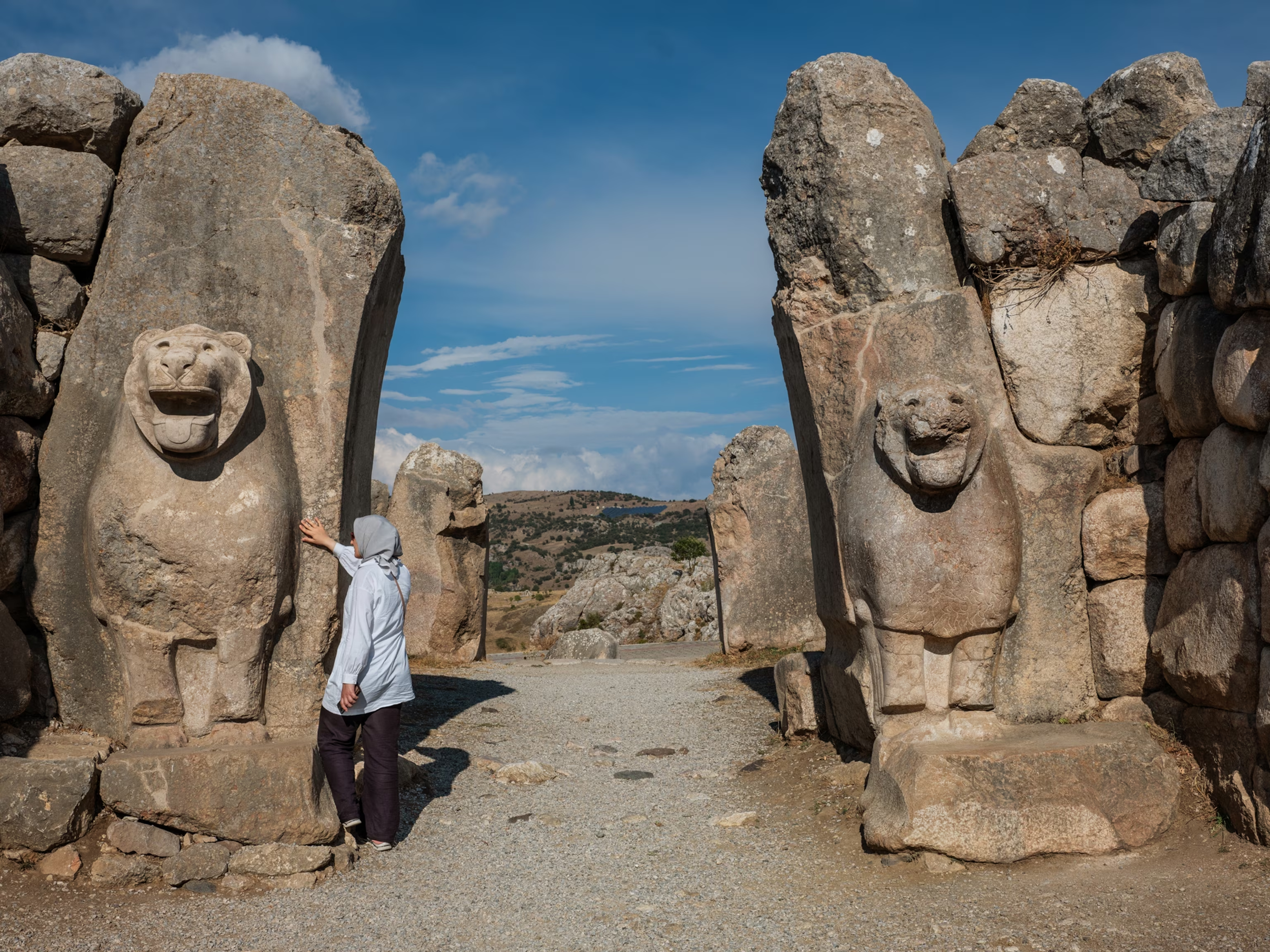
The Hittites established a powerful empire in Anatolia during the second millennium BCE, known for military prowess, diplomacy, and legal innovation. Their influence stretched across the Near East, challenging Egypt and Assyria.

Political and Military Achievements

The Hittites controlled vast territories through fortified cities and well-trained armies. The Treaty of Kadesh with Egypt is one of the earliest known peace agreements in history.

Culture and Religion

They adopted and adapted Mesopotamian gods, developed hieroglyphic scripts, and left records in cuneiform. Their art, pottery, and religious practices reveal a rich cultural life.

Legacy

Though overshadowed by later civilizations, the Hittites contributed legal frameworks, military strategies, and cultural exchanges that shaped the ancient Near East.

The Ancient Library of Ashurbanipal: The First Knowledge Vault

December 7, 2025

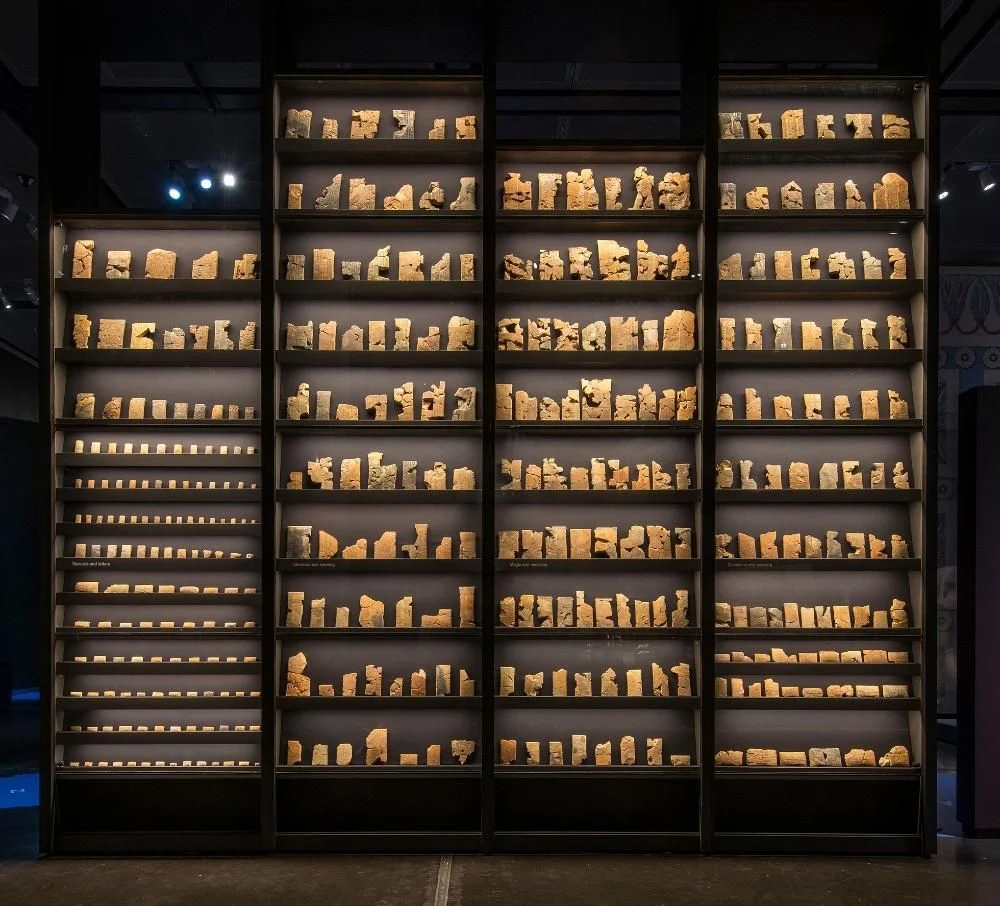
The library of Ashurbanipal in Nineveh, dating to the 7th century BCE, housed tens of thousands of clay tablets inscribed in cuneiform, preserving literature, legal codes, and scholarly texts.

Scope and Content

The library included epic tales like the Gilgamesh Epic, medical texts, astronomical records, and administrative documents. It offered insight into the intellectual life of the Assyrian Empire.

Organization and Access

Tablets were carefully catalogued and stored, illustrating early methods of information management. Scholars accessed the library to study law, religion, and science, ensuring continuity of knowledge.

Legacy

Ashurbanipal’s library represents one of the earliest attempts to preserve human knowledge systematically, influencing later traditions of scholarship and education in the ancient world.

The Sacred Geometry of the Egyptian Pyramids

December 7, 2025

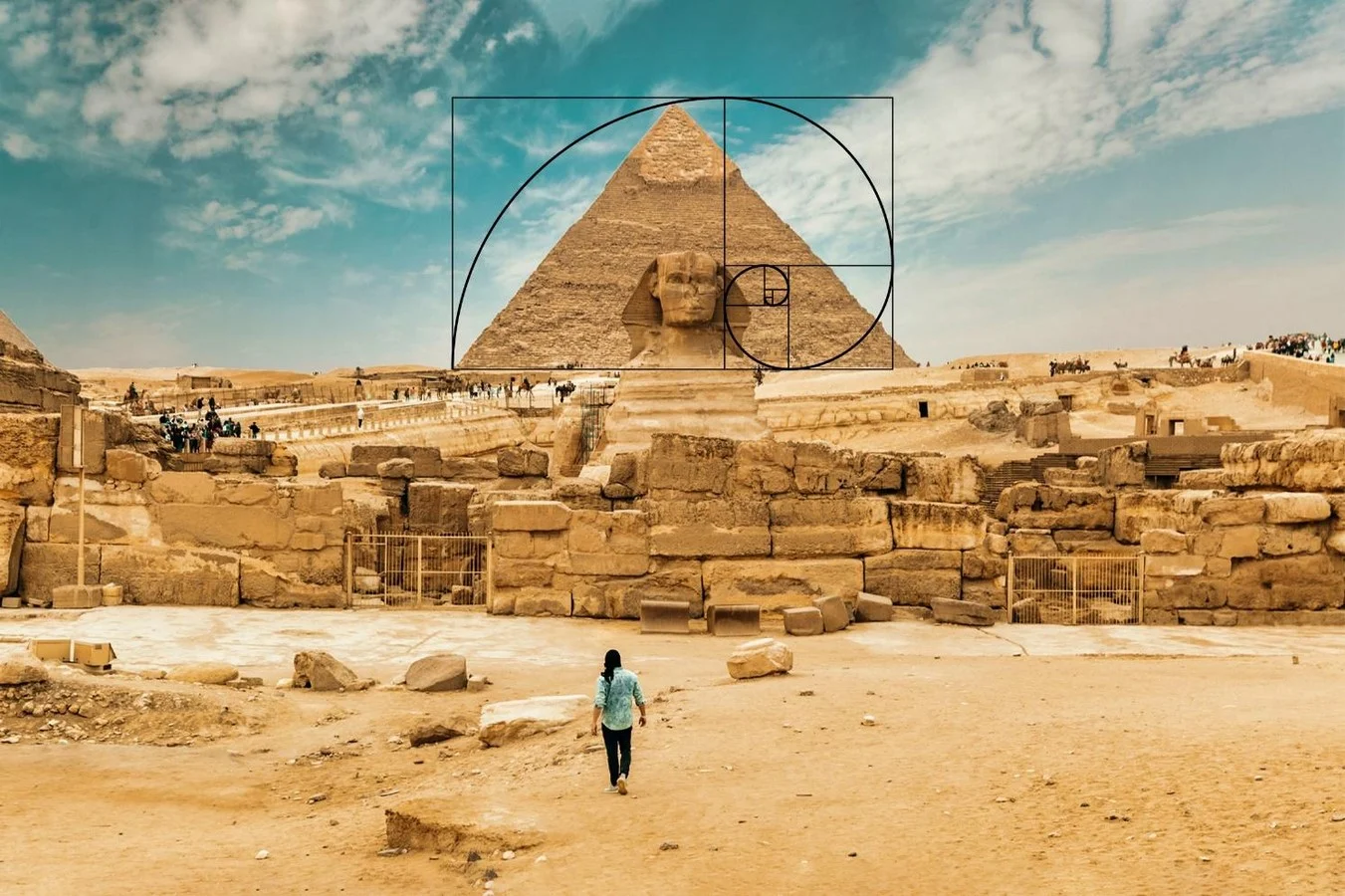
The Egyptian pyramids are not only architectural marvels but also embodiments of sacred geometry, reflecting knowledge of mathematics, astronomy, and cosmic symbolism.

Design Principles

The Great Pyramid of Giza aligns with cardinal points and incorporates precise ratios, suggesting advanced understanding of geometry. Architects integrated mathematical relationships to achieve structural stability and symbolic meaning.

Astronomical Alignment

Pyramids were oriented to celestial bodies, connecting tombs to stars, solstices, and the sun. This alignment reflected beliefs about the afterlife and the pharaoh’s divine journey to the heavens.

Spiritual and Cultural Significance

The use of geometry elevated pyramids beyond tombs, making them monuments to cosmic order, divine authority, and human ingenuity, demonstrating the intersection of science and spirituality

The Oldest Known City in the Americas: Caral

December 7, 2025

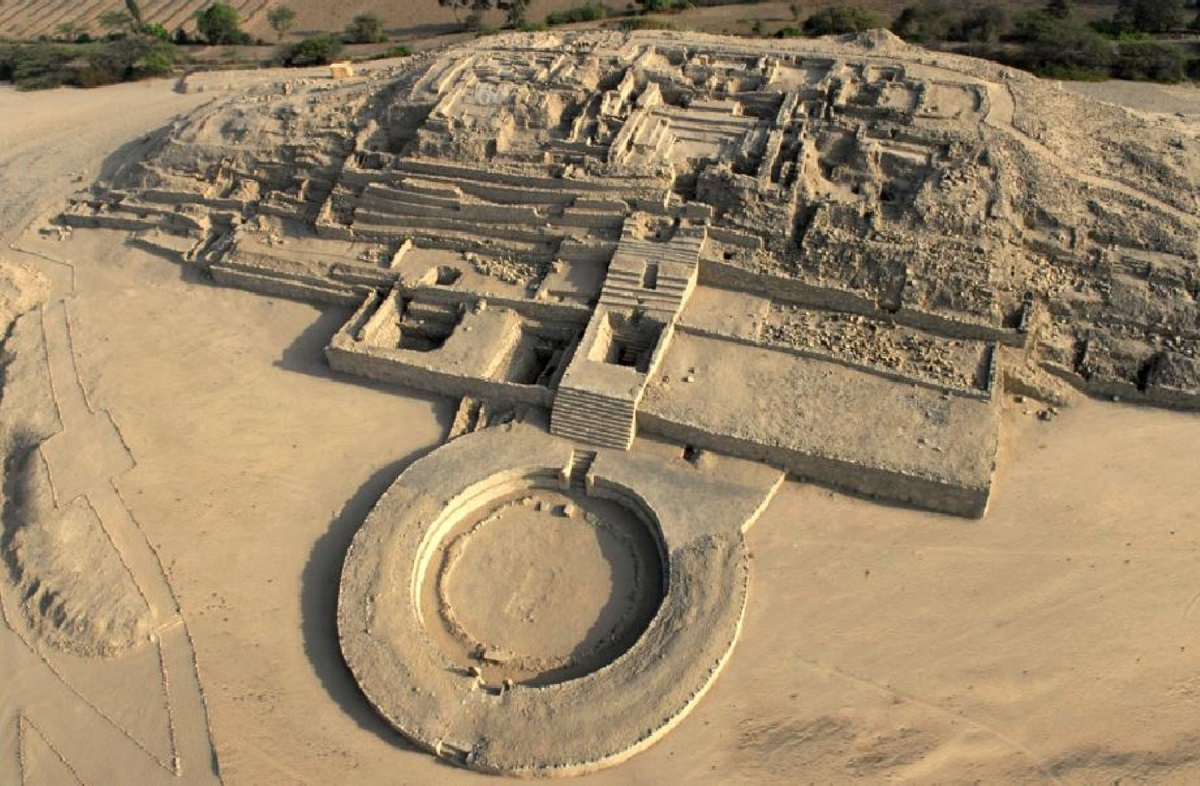
Caral, located in Peru’s Supe Valley, is considered the oldest urban center in the Americas, dating back over 5,000 years. Its monumental architecture and planning reveal an advanced society.

Urban Planning and Architecture

Caral featured pyramids, plazas, and residential complexes arranged with precision. The city’s design reflects social hierarchy, public spaces for communal activity, and sophisticated engineering knowledge.

Cultural Achievements

The Caral civilization developed textiles, musical instruments like flutes, and irrigation systems. They practiced trade with distant regions, demonstrating complex economic networks.

Legacy

Caral challenges assumptions about early American societies, showing that urbanization, architecture, and culture flourished long before European contact.

The Role of Music in Ancient Religious Ceremonies

December 7, 2025

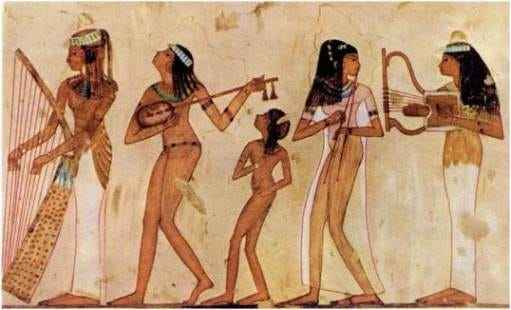
Music was central to religious life in ancient civilizations, enhancing rituals, invoking deities, and unifying communities. Instruments, chants, and rhythmic patterns carried spiritual significance across cultures.

In Ancient Egypt and Mesopotamia

Egyptians used lyres, flutes, and percussion in temple ceremonies, often to accompany hymns and offerings. In Mesopotamia, harps and drums were used to honor gods and signal festivals, blending sound with sacred narrative.

Greek and Roman Rituals

In Greece, music accompanied sacrifices, theatrical performances, and festivals like the Eleusinian Mysteries. Romans incorporated music in public ceremonies, processions, and funerals, using sound to convey reverence and communal identity.

Spiritual and Social Impact

Music not only pleased the gods but also structured rituals, creating shared experiences and reinforcing social cohesion. Its role in religious ceremonies demonstrates the interplay between art, spirituality, and cultural expression.

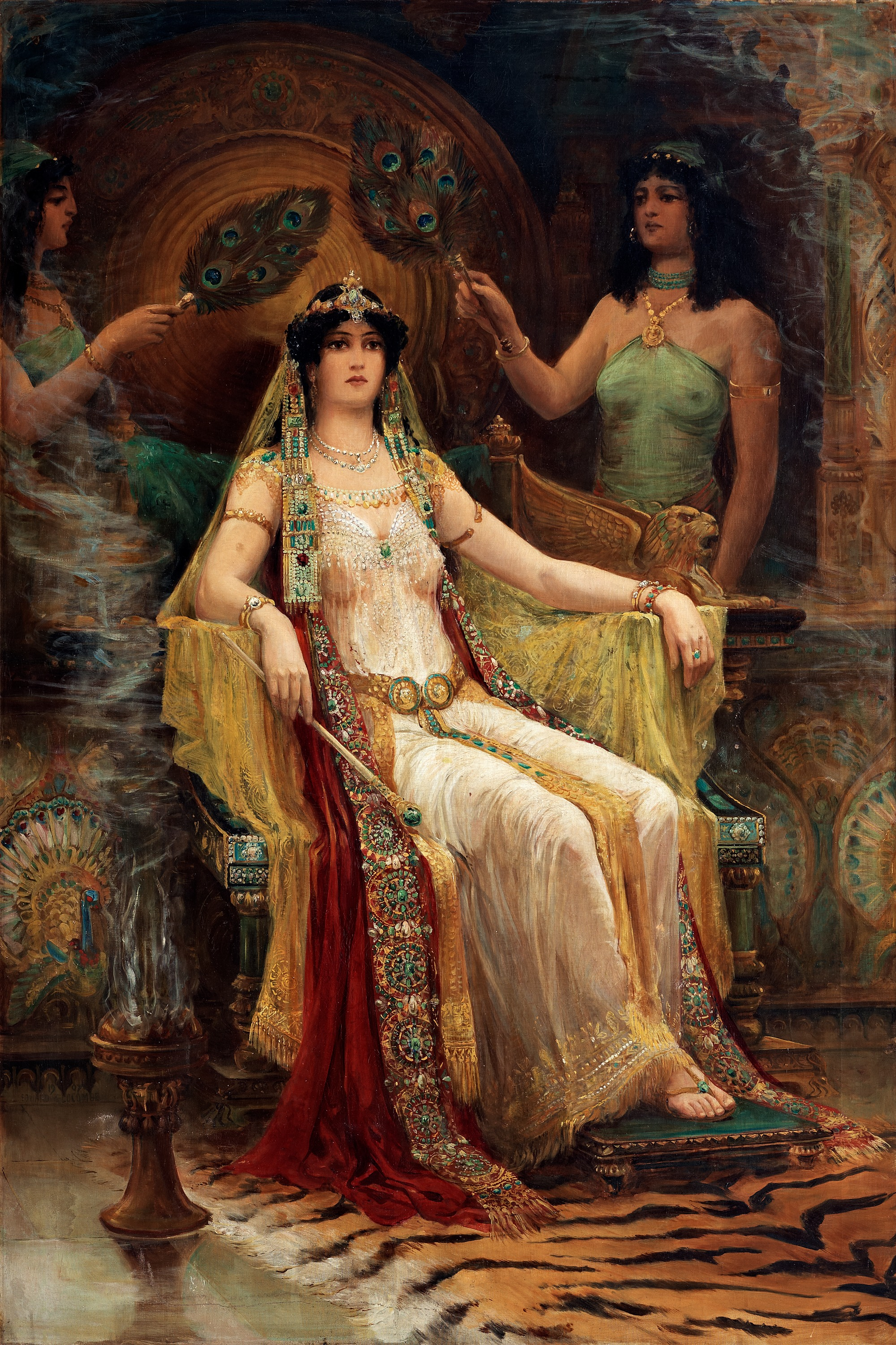
The Legendary Queen of Sheba: Fact or Fiction?

December 7, 2025

The Queen of Sheba is one of the most captivating figures of ancient lore, appearing in Ethiopian, Arabian, and biblical traditions. Her story blends historical accounts with legend, making her both a political and cultural icon.

Historical Accounts

Some historians link Sheba to the Sabaean kingdom in modern-day Yemen, a wealthy trading state known for frankincense, spices, and gold. Ancient inscriptions suggest that rulers of Sheba engaged in diplomacy with neighboring kingdoms, possibly including Israel.

The Biblical and Qur’anic Narratives

In scripture, Sheba is depicted as a wise and wealthy monarch who visited King Solomon, bringing gifts and testing his wisdom. These accounts emphasize intelligence, wealth, and divine insight, traits celebrated across generations.

Cultural Legacy

Whether historical or mythical, the Queen of Sheba inspired art, literature, and folklore. Her story reflects the power of trade, diplomacy, and cross-cultural exchange in shaping ancient societies.

Nearly 2,000-Year-Old Service Station Unearthed Along a Major Roman Road

December 7, 2025

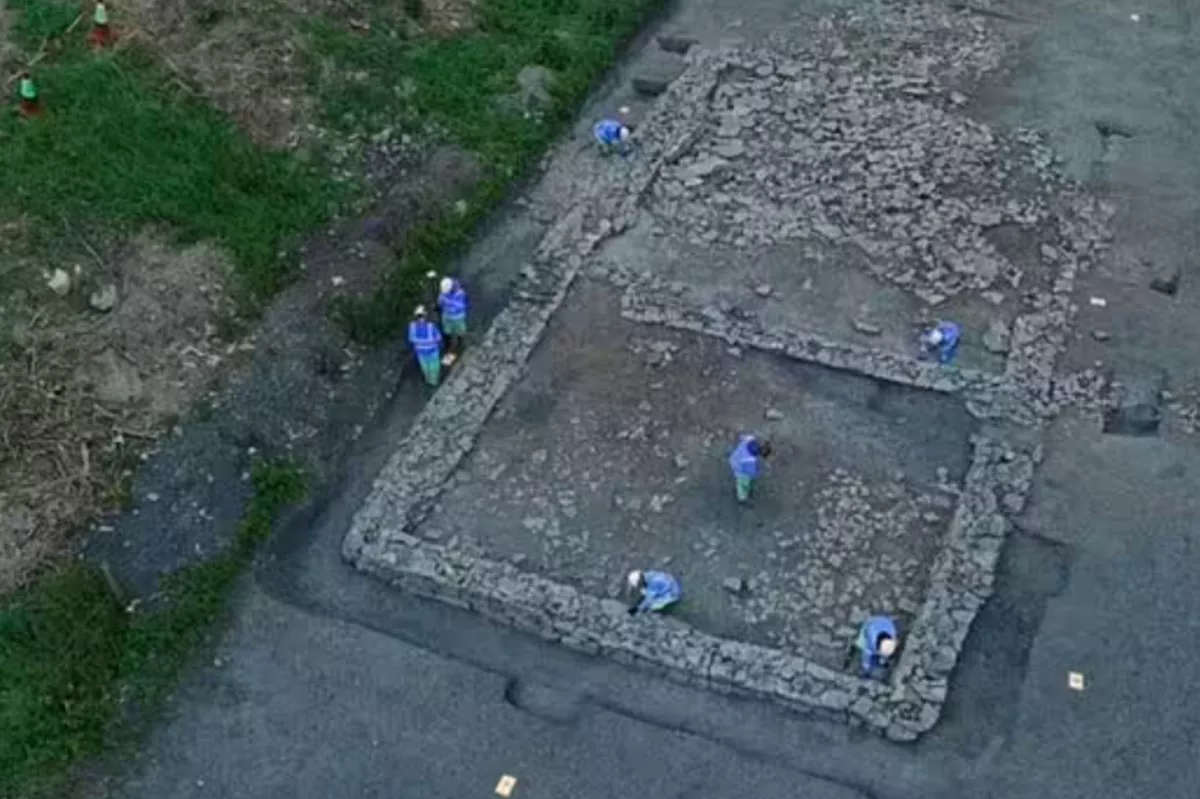
Archaeologists in Gloucestershire have uncovered a remarkable glimpse into daily life in Roman Britain: the remains of what amounts to a 2,000-year-old roadside service station. Situated just off today’s A417, five miles south of Cheltenham, the site sits alongside a major Roman road that once linked Corinium (Cirencester) and Glevum (Gloucester) two of Roman western Britain’s most important towns.

The discovery, made by Oxford Cotswold Archaeology as part of the A417 Missing Link infrastructure project, reveals a rare example of a Roman mutatio—a designated stopover where travellers could rest, eat, and, crucially, change horses. These stations were part of the cursus publicus, Rome’s state-run transport network that moved officials, messages, and goods efficiently across the empire.

A Roadside Hub for Centuries

Evidence suggests this Gloucestershire mutatio was in use from the 2nd to 4th centuries AD, during a period when Roman Britain thrived economically and militarily. The buildings were modest, but their layout shows a clear separation of functions: one area for humans, the other for animals.

In the animal quarters, archaeologists found bridles, harness fittings, and horse gear, confirming the site’s role in swapping tired horses for fresh ones. The human quarters contained primitive ovens, quern stones for grinding flour, cooking areas, and personal items—indicating meals, shelter, and warmth for weary travellers. Food remains show visitors ate bread, meat, and even snails, a delicacy in parts of the Roman world. Cook sites and animal bones further reinforce that this was more than a stable; it was a fully functioning rest stop with its own small supply network.

A Treasure Trove of Artifacts

Excavations uncovered over 460 Roman coins, 420 kilograms of pottery and animal bones, 15 decorative brooches (fibulae), a bronze ring with glass inlay, and a striking blue-white glass bead. Among the most unusual finds was a Roman bone-and-metal nail clipper, a reminder that grooming was part of life even during long journeys.

Project manager Alex Thompson described the discovery as a “remarkable insight into Roman infrastructure,” noting that the site “exceeded all expectations” and could represent one of Europe’s earliest formalized roadside service concepts.

An Unexpected Glimpse Into Roman Travel

While modern travellers take motorway service stations for granted, well-organized rest points were revolutionary in antiquity. The Romans built over 80,000 kilometers of engineered roads across their empire, many equipped with mutationes and mansiones larger inns for overnight stays. The Gloucestershire mutatio fits into this network, positioned along what was likely part of Ermin Street, a major route connecting frontier zones near Wales with central and southern Britain. It would have served both civilian travellers and officials on imperial business, its proximity to Corinium highlighting its significance.

A Region Rich in Roman History

Gloucestershire was a hub of Roman activity. Glevum (modern Gloucester) began as a fortress before becoming a bustling colonia for retired soldiers, while Corinium grew into a wealthy city with mosaics, amphitheatres, and sprawling villas. The region connected the military frontier near Wales with the commercial Cotswolds. Remnants of this history still shape the landscape from Roman roads visible from the air to artifacts in local museums. The newly discovered mutatio and its artifacts are set to join this narrative, with plans for public display.

Modern Roads, Ancient Footsteps

The find highlights a striking continuity between ancient and modern transport. Just as today’s A417 guides drivers to major hubs, the Roman road once carried soldiers, merchants, couriers, and settlers across the province. Long before petrol pumps and convenience stores, travellers relied on these roadside stations to rest, refuel, and continue their journeys.

Hidden for centuries just beneath the tarmac of one of Britain’s busiest modern highways, this discovery reminds us that the past is often closer than we think.

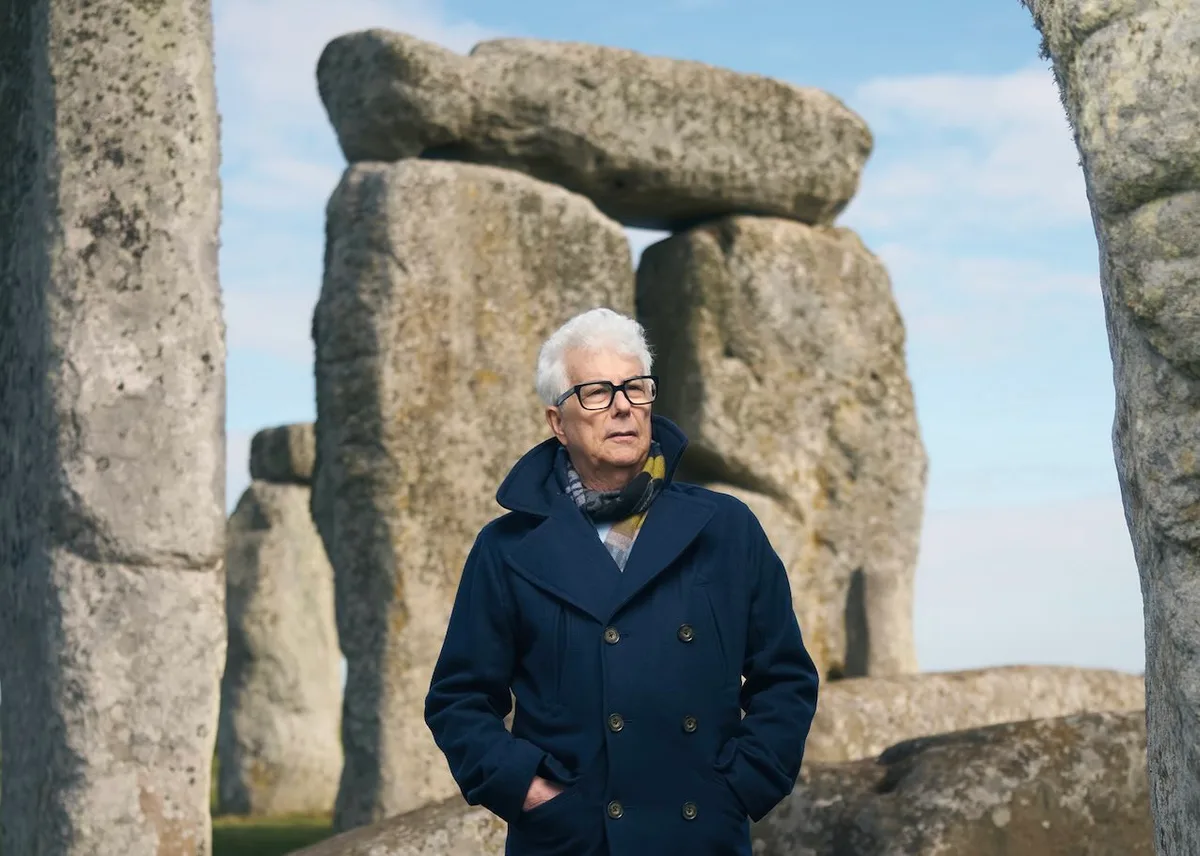
This author has sold 198 million books. Now he’s delving into the ancient unsolved mystery of Stonehenge

December 7, 2025

Stonehenge has long captivated both scientists and spiritual seekers, drawing over a million visitors each year to its prehistoric stone circle. In his novel Circle of Days, author Ken Follett explores the enduring mystery surrounding the monument.

When asked about his early interest in history, Follett admits he actually disliked history at school, finding it boring, though he did enjoy reading historical novels. His curiosity deepened while writing spy stories, when he realized a narrative set against real historical battles or wars made for a far more compelling story. This led him to study military history, particularly moments when a spy could influence historical events.

Follett is fascinated by Stonehenge and similar structures because they show how ordinary people, often living humble lives, can create something lasting and extraordinary. He compares this achievement to the building of medieval cathedrals—works that transcend their creators’ circumstances.

During his research for the book, he was especially struck by the discovery that Stone Age people dug mines to extract high-quality flint for tool-making, such as those at Grimes Graves in Norfolk. These mines suggest the existence of trade networks in the Stone Age, a revelation that had a strong impact on him.

Regarding the construction of Stonehenge, Follett acknowledges that while he has his own theories, they are based on archaeological research and expert consensus rather than definitive proof. The mystery surrounding its creation allows him to use imagination to fill in the gaps, which makes Stonehenge an ideal subject for a novelist.

As for the motivation behind the monument, Follett notes that the people who built it are the true focus of his story. Constructing Stonehenge would have been extremely challenging, especially since it predates the wheel and animals were not used to transport the massive stones. Moving them required immense human effort and determination. While the exact reasons remain unknown, the feat itself is inspiring—and for the full answer to why Stonehenge was built, readers must turn to his book.

← Newer Posts Older Posts →
Featured
image_2025-12-27_220439520.png
Dec 27, 2025
The Rituals of the Ancient Druids
Dec 27, 2025
Read More →
Dec 27, 2025
image_2025-12-27_214828498.png
Dec 27, 2025
The Lost Civilization of Tartessos
Dec 27, 2025
Read More →
Dec 27, 2025
image_2025-12-27_214128151.png
Dec 27, 2025
The Iron Age in Sub-Saharan Africa
Dec 27, 2025
Read More →
Dec 27, 2025
image_2025-12-27_212939823.png
Dec 27, 2025
The Ancient Dyes and Colors Industry
Dec 27, 2025
Read More →
Dec 27, 2025
image_2025-12-27_212833941.png
Dec 27, 2025
The First Known Peace Treaties
Dec 27, 2025
Read More →
Dec 27, 2025
image_2025-12-27_212314950.png
Dec 27, 2025
The Origins of the Samurai
Dec 27, 2025
Read More →
Dec 27, 2025
read more

Powered by The archaeologist