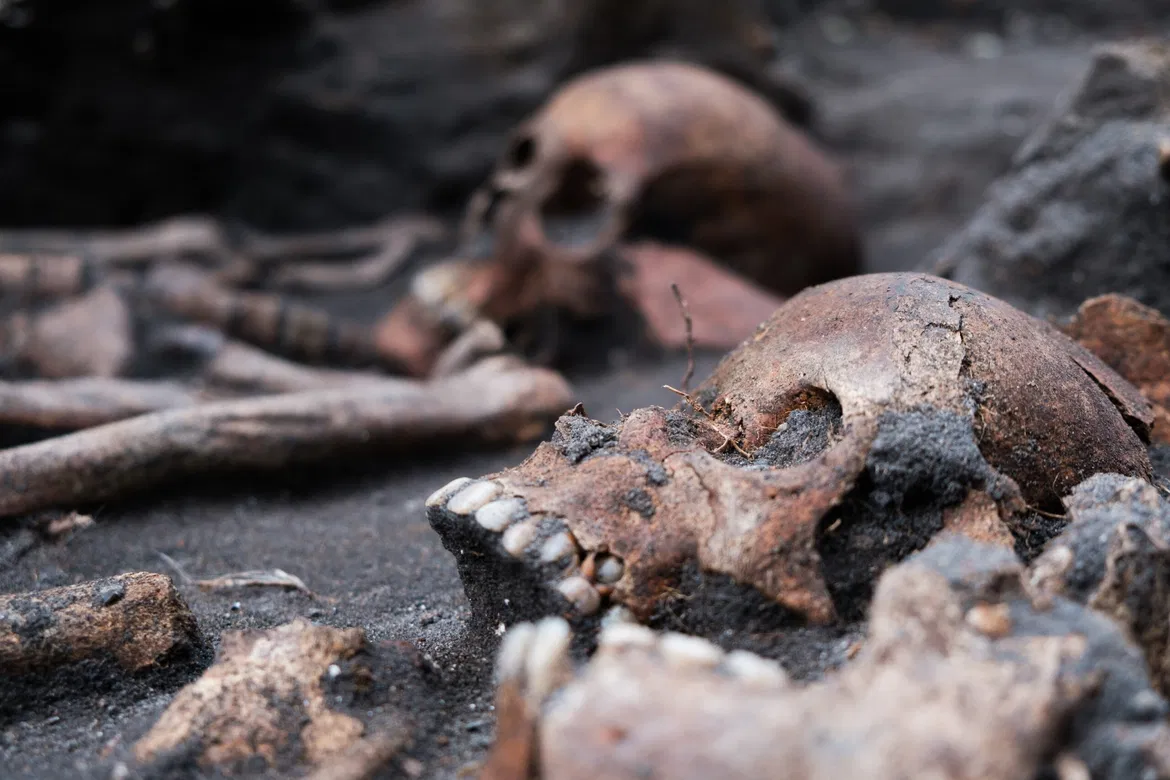
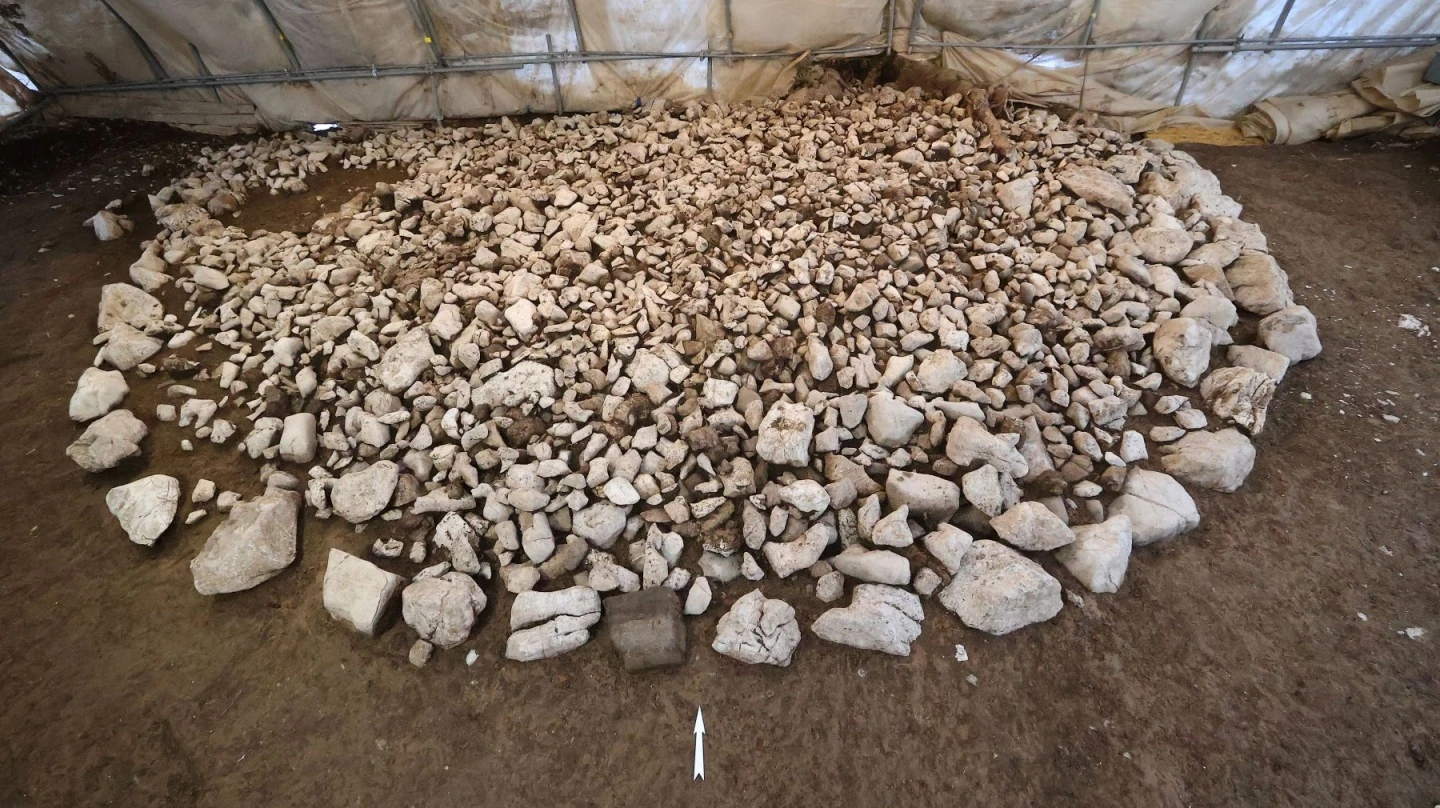
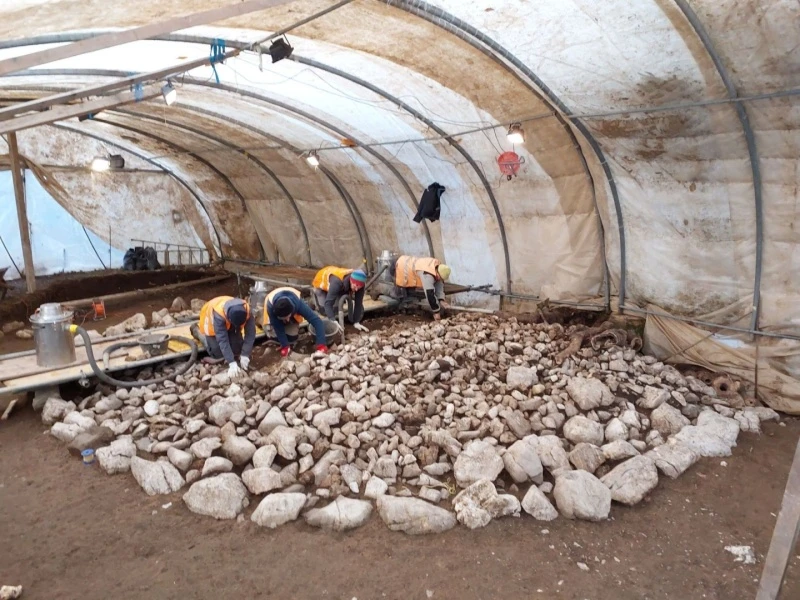
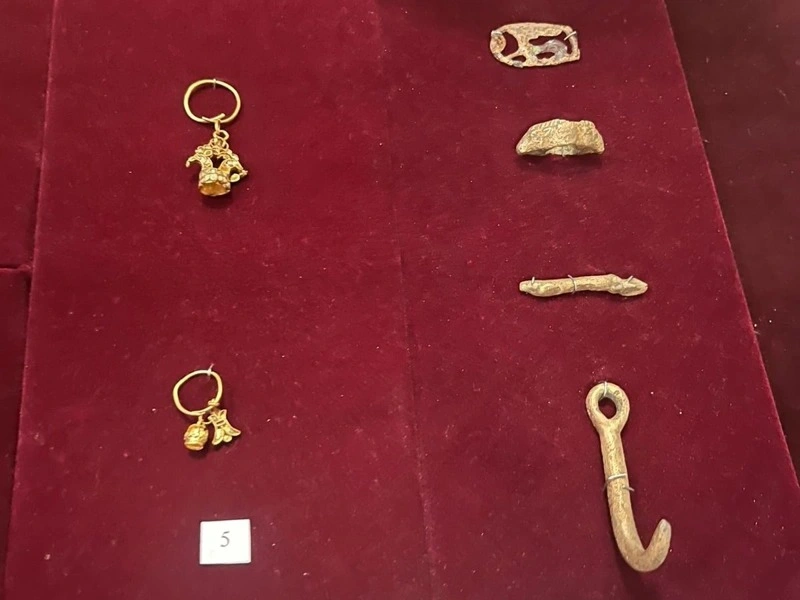
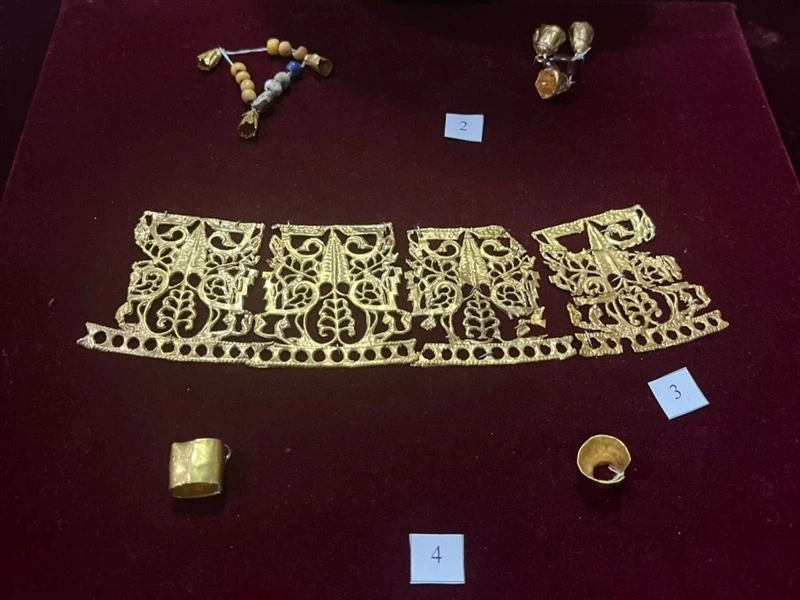
Elite burials at the Dauylbai necropolis have provided some of the clearest evidence yet of how Saka society expressed rank, identity, and power. One of the largest mounds investigated during the excavation measured roughly 40 meters across and rose nearly four meters high. Inside this monumental structure, archaeologists discovered the remains of a man interred with an iron akinak sword—an iconic weapon strongly associated with Saka warriors and nobles. Gold plates and personal ornaments found beside him further emphasize his high status, suggesting he belonged to the ruling elite or held significant military or political authority. Finds like these help map out the social hierarchy of the Saka world, where lineage, warrior prestige, and ceremonial roles shaped community life.
The 2024 season brought an especially rare and moving discovery: a paired burial containing a woman and a child. Such burials are seldom found in the Zhetysu region, making this an important scientific milestone. The child’s skull was located near a pair of gold earrings—an unexpected inclusion, since young children were almost never buried with precious materials. Based on skeletal measurements, the child is estimated to have been around 95 centimeters tall. The presence of gold jewelry suggests the child belonged to a prestigious family or held symbolic importance within the group. Alongside the remains, archaeologists recovered bronze plaques decorated with deer and other sacred creatures rendered in the distinctive Saka animal style. These elements reinforce the ceremonial nature of the burial and offer new clues about spiritual beliefs surrounding death and ancestry.
Restoration and Exhibition
Throughout 2025, conservators carried out careful restoration work to stabilize the artifacts. Metal objects were cleared of corrosion to reveal their original detail, while bone, ceramic, and other fragile materials were reinforced to prevent further deterioration. Thanks to this meticulous work, the pieces can now be studied in greater depth and displayed safely to the public. Many of the Dauylbai finds have already been featured in a temporary exhibition at the Tynyshpaev Museum, where visitors can explore the artistry and symbolism of Saka culture through jewelry, weapons, ritual objects, and everyday items.
A Broader Archaeological Landscape
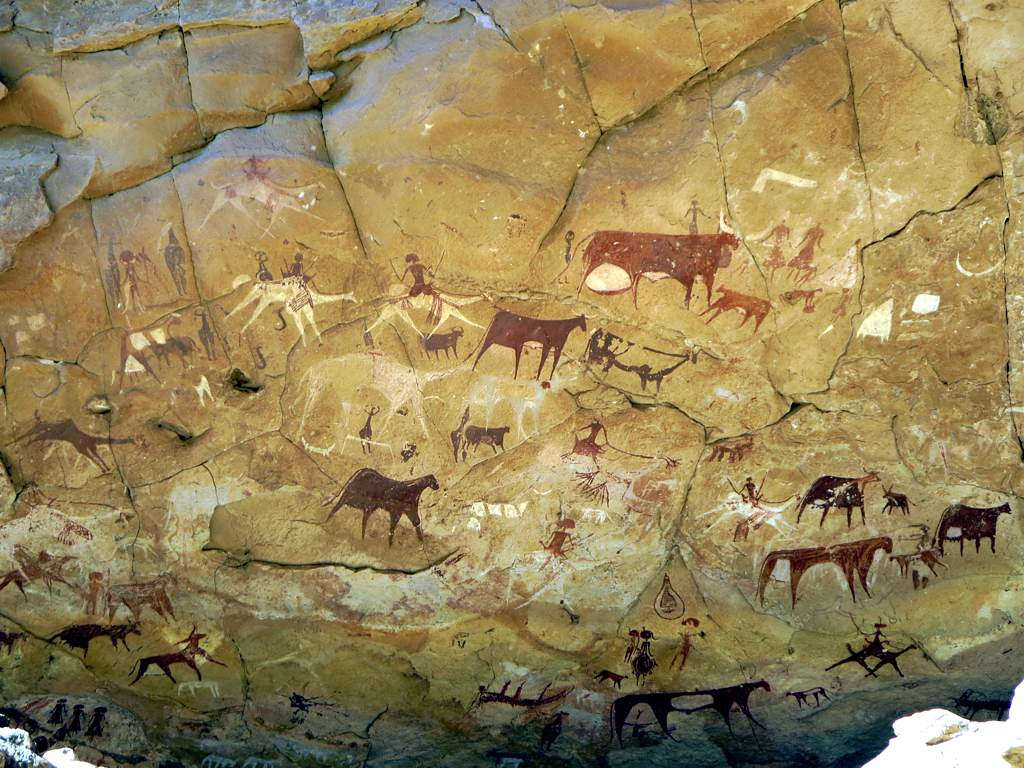
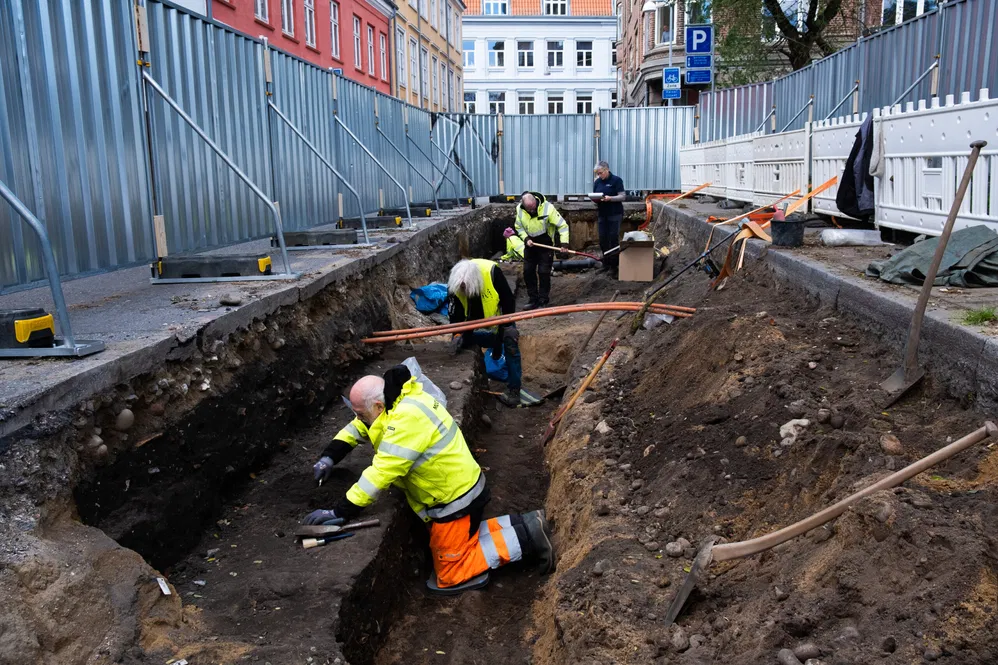
Dauylbai lies at the center of a vast archaeological zone stretching across more than 100 square kilometers. The ridge is home to more than 190 recorded sites—burial mounds, settlement remains, and expansive petroglyph fields dating from the Bronze Age through later historical periods. For years, the area remained under-explored, but recent excavations have revealed its enormous scientific potential, strengthening the idea that Zhetysu served as an important cultural and ceremonial center for ancient nomadic communities.
Significant discoveries are emerging elsewhere in Kazakhstan as well. In the Turkistan region, archaeologists uncovered unique Bronze Age artifacts, including intricately decorated tools and ritual objects that complement the narrative taking shape in Zhetysu. Together, these finds show that 2024–2025 is becoming a breakthrough period for Kazakh archaeology—one that is reshaping our understanding of early nomadic societies and the deep cultural connections linking communities across Central Asia.