• MAIN PAGE
  • LATEST NEWS
    • Lost Cities
    • Archaeology's Greatest Finds
    • Underwater Discoveries
    • Greatest Inventions
    • Studies
    • Blog
  • PHILOSOPHY
  • HISTORY
  • RELIGIONS
    • Africa
    • Anatolia
    • Arabian Peninsula
    • Balkan Region
    • China - East Asia
    • Europe
    • Eurasian Steppe
    • Levant
    • Mesopotamia
    • Oceania - SE Asia
    • Pre-Columbian Civilizations of America
    • Iranian Plateau - Central Asia
    • Indus Valley - South Asia
    • Japan
    • The Archaeologist Editor Group
    • Scientific Studies
    • Aegean Prehistory
    • Historical Period
    • Byzantine Middle Ages
    • Predynastic Period
    • Dynastic Period
    • Greco-Roman Egypt
  • Rome
  • PALEONTOLOGY
  • About us
Menu

The Archaeologist

  • MAIN PAGE
  • LATEST NEWS
  • DISCOVERIES
    • Lost Cities
    • Archaeology's Greatest Finds
    • Underwater Discoveries
    • Greatest Inventions
    • Studies
    • Blog
  • PHILOSOPHY
  • HISTORY
  • RELIGIONS
  • World Civilizations
    • Africa
    • Anatolia
    • Arabian Peninsula
    • Balkan Region
    • China - East Asia
    • Europe
    • Eurasian Steppe
    • Levant
    • Mesopotamia
    • Oceania - SE Asia
    • Pre-Columbian Civilizations of America
    • Iranian Plateau - Central Asia
    • Indus Valley - South Asia
    • Japan
    • The Archaeologist Editor Group
    • Scientific Studies
  • GREECE
    • Aegean Prehistory
    • Historical Period
    • Byzantine Middle Ages
  • Egypt
    • Predynastic Period
    • Dynastic Period
    • Greco-Roman Egypt
  • Rome
  • PALEONTOLOGY
  • About us

Alexander the Great: 2,000 Year-Old Lost City Confirmed in Iraq

March 16, 2026

The Rediscovery of Alexandria on the Tigris: A Lost City of Alexander the Great

A Legendary Conqueror and His Cities

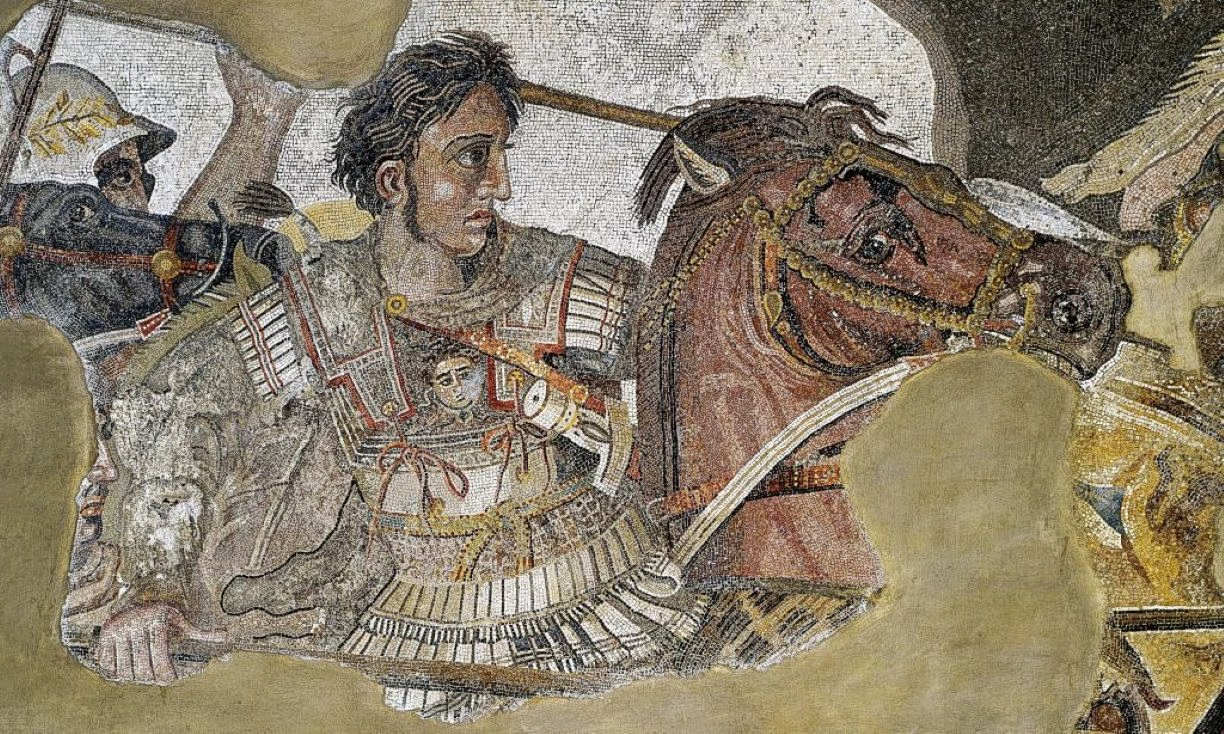
Alexander the Great is widely regarded as one of history’s greatest military strategists. During his remarkable campaigns across Asia and the conquest of the Persian Empire, he established numerous cities—many of them named Alexandria in his honor. Historians estimate that more than 70 settlements bearing his name were founded during his lifetime.

One of these cities, long believed lost to history, has now been rediscovered by archaeologists after more than two millennia.

The Discovery of Alexandria on the Tigris

The ancient city, known as Alexandria on the Tigris, has been confirmed at a strategic location in southern Iraq, close to the Persian Gulf. The city stood along the Tigris River, one of the two great rivers that defined the civilization of Mesopotamia.

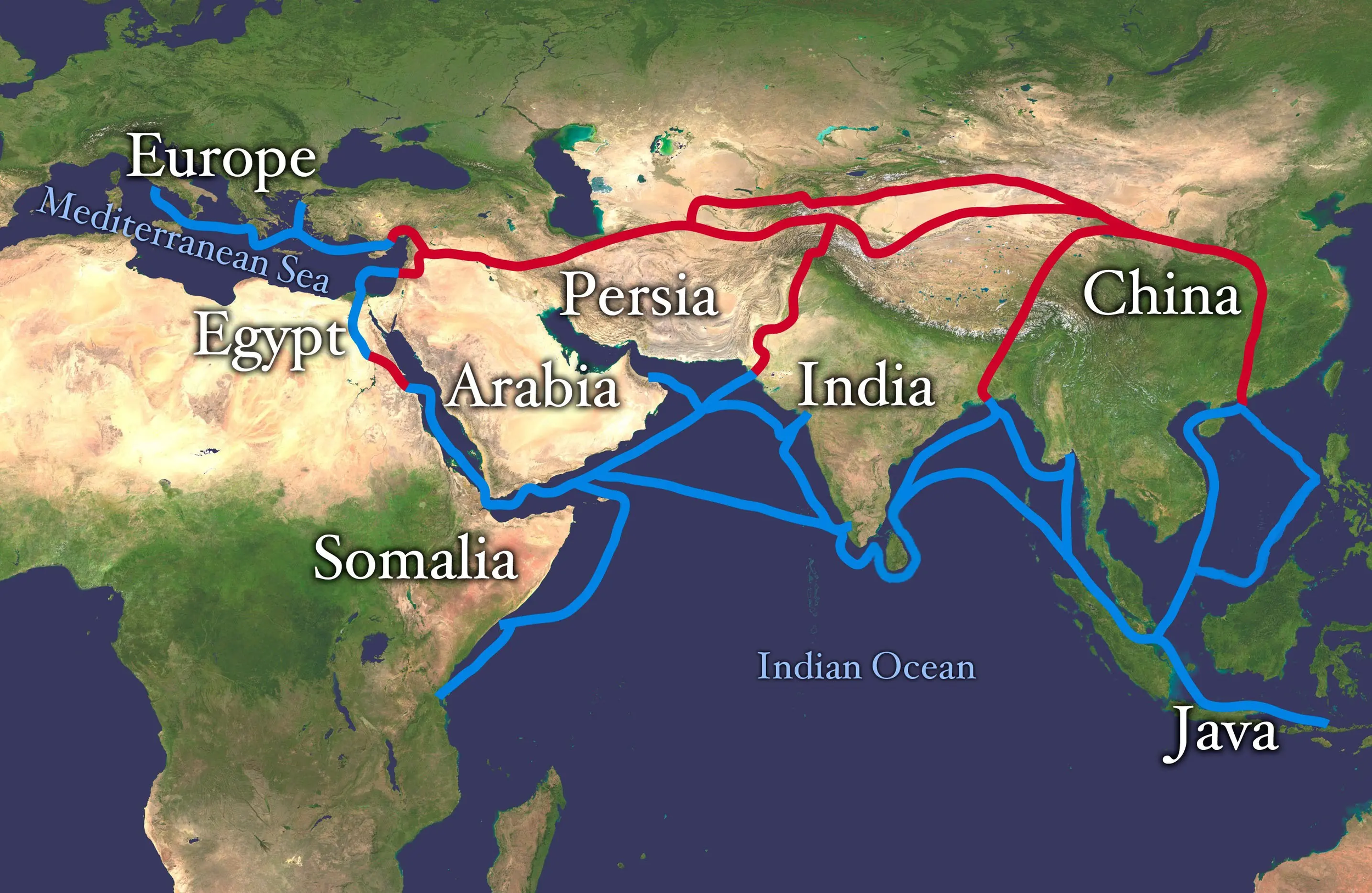
Founded in the 4th century BC by Alexander himself, the city served as a vital trading center. Its location allowed it to link the commercial networks of India, Mesopotamia, and the Mediterranean, making it an important hub for merchants and travelers moving between East and West.

Sixteen Years of Archaeological Investigation

The rediscovery was the result of a long-term archaeological project that lasted 16 years. Researchers used modern tools such as high-resolution aerial imaging and drones to examine the landscape and identify buried structures.

These technologies allowed archaeologists to map the city’s defensive walls and street layout. The results revealed a carefully planned urban grid and the impressive scale of what was once a thriving metropolis.

Remarkably Preserved Despite Flooding

According to archaeologist Stefan R. Hauser, the site experienced repeated flooding over the centuries. Surprisingly, these natural events did not completely destroy the settlement.

Instead, much of the ancient city remained preserved beneath layers of sediment. Hauser described the survival of the ruins as almost miraculous.

Temples, Workshops, and Urban Life

Excavations have uncovered several important structures, including temples, workshops, kilns, and furnaces. These discoveries provide insight into both the religious practices and industrial activities of the city’s inhabitants.

One of the most striking findings is the unusually large size of the city blocks. According to Hauser, the blocks are even larger than those found in major capitals of the period, such as Seleucia on the Tigris and Alexandria.

A Vast Ancient Metropolis

Archaeologists estimate that Alexandria on the Tigris covered approximately 2.5 square miles, a size that Hauser describes as enormous for an ancient city.

Geophysical surveys have also revealed that many structures lie just beneath the surface. Because of this shallow depth, researchers were able to identify building walls quickly, leading to exceptionally clear results during exploration.

A New Chapter in Ancient History

The rediscovery of Alexandria on the Tigris provides valuable insight into the urban planning, trade networks, and influence of Alexander’s empire. More importantly, it highlights how advanced archaeological techniques can bring long-lost cities back into the historical record.

As excavation continues, researchers hope to learn even more about daily life in this once-bustling center of commerce—one of the many cities that carried the legacy of Alexander the Great across the ancient world.
Desert Civilizations That Vanished Without a Trace

March 16, 2026

Life in Harsh Landscapes

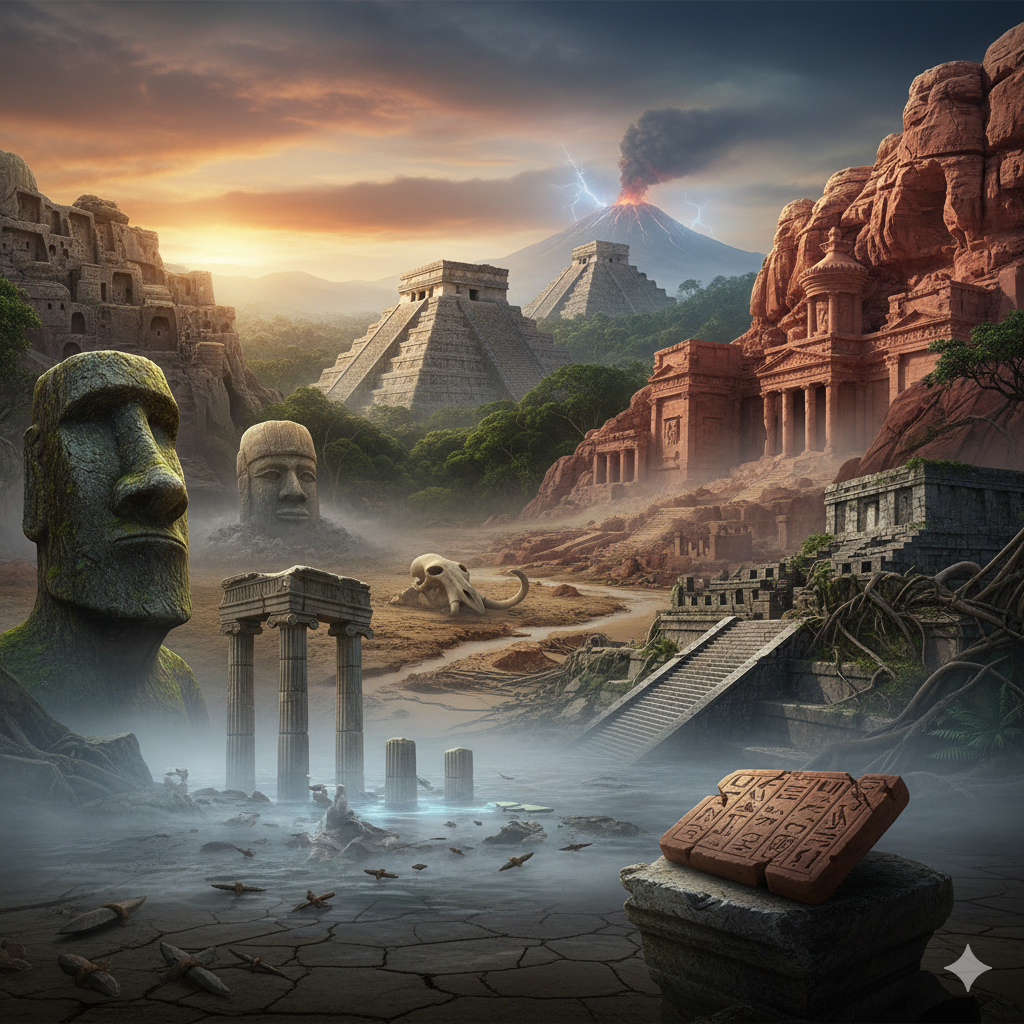
Deserts may seem like inhospitable places, yet throughout history many civilizations thrived in these challenging environments.

Through ingenuity and adaptation, desert communities developed ways to survive in regions with extreme temperatures and limited water.

Innovative Survival Strategies

To thrive in desert conditions, ancient cultures developed remarkable techniques.

They built irrigation systems to capture scarce rainfall, created underground water channels, and cultivated crops suited to arid climates.

These innovations allowed communities to flourish in landscapes that might otherwise seem uninhabitable.

Trade Across the Sands

Desert civilizations often became important centers of trade.

Caravan routes crossing vast deserts connected distant regions, allowing merchants to exchange valuable goods such as spices, textiles, metals, and rare minerals.

These trade networks helped transform remote settlements into thriving cultural hubs.

Mysterious Disappearances

Despite their success, some desert civilizations eventually vanished.

Archaeological remains suggest that once-bustling settlements were abandoned, leaving behind ruins buried by sand.

The reasons for these disappearances remain debated.

Possible Explanations

Researchers have proposed several theories for why desert cultures disappeared.

Climate changes may have reduced water supplies, making agriculture impossible. Trade routes might have shifted, cutting off economic lifelines.

In some cases, conflict or migration could have forced communities to relocate.

Echoes Beneath the Sands

Today, archaeologists continue to uncover traces of these lost civilizations.

Their ruins reveal stories of resilience, innovation, and adaptation in some of the world’s most difficult environments.

The deserts still hold many secrets, waiting to reveal the histories of cultures that once thrived under the scorching sun.

The Guardians of Knowledge: Ancient Library Traditions

March 16, 2026

Preserving Human Memory

Long before digital storage and printed books, knowledge was preserved through handwritten texts.

Ancient libraries played a vital role in protecting stories, scientific discoveries, religious teachings, and historical records.

Without these early institutions, much of humanity’s intellectual heritage might have been lost.

The Work of Scribes

At the heart of ancient libraries were scribes—skilled individuals trained to read and write.

Scribes copied texts by hand, ensuring that important works could survive beyond a single manuscript. Their training required years of study, and their work demanded extreme accuracy.

In many cultures, scribes held respected positions within society.

Centers of Scholarship

Ancient libraries were not merely storage rooms for books.

They often served as centers of learning where scholars gathered to study, debate ideas, and produce new writings.

Philosophers, historians, and scientists depended on these collections to expand their knowledge.

One of the most famous examples is the Library of Alexandria, which sought to collect knowledge from across the ancient world.
Preserving Myths and Science

Libraries stored a wide range of texts, including mythology, poetry, astronomy, medicine, and mathematics.

By preserving these works, ancient scholars ensured that important ideas could be shared across generations.

These collections helped shape intellectual traditions that would influence later civilizations.

Knowledge as Power

Control over written knowledge gave libraries and scholars significant influence.

Rulers often supported these institutions because they helped strengthen cultural identity and political authority.

By preserving records and teachings, libraries became guardians of civilization’s collective memory.

The Legacy of Ancient Libraries

Though many ancient libraries were eventually destroyed or lost, their impact continues.

Modern libraries and research institutions owe much to these early traditions of preserving and sharing knowledge.

Ancient Healing Practices and Sacred Medicine

March 16, 2026

Medicine at the Crossroads of Science and Spirituality

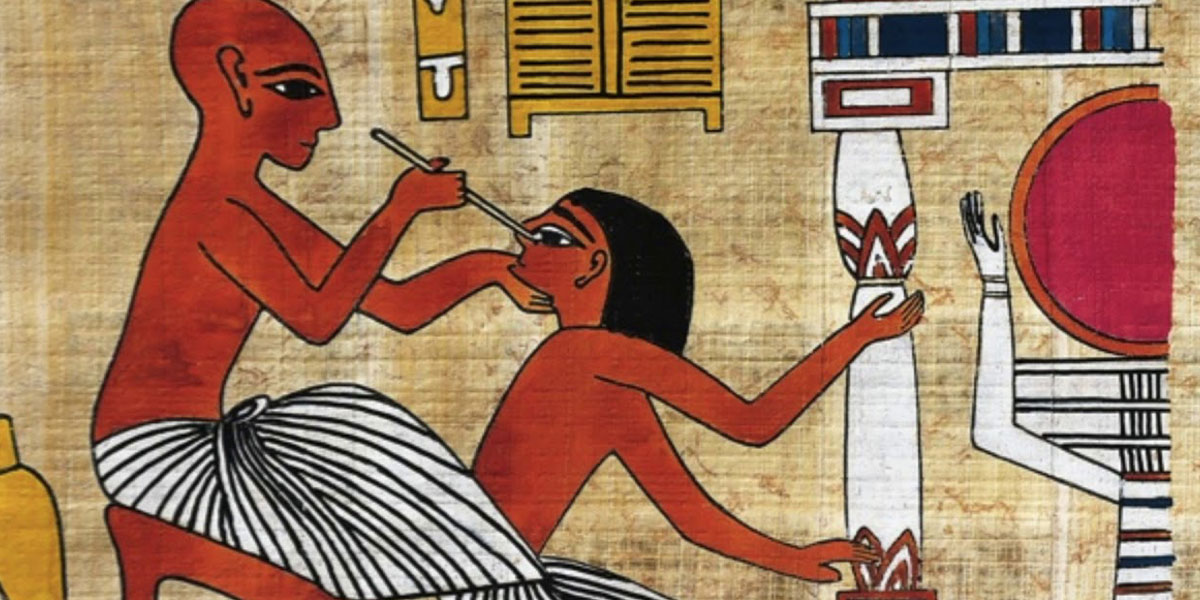
In ancient societies, healing was rarely separated from religion. Medical knowledge combined practical observation with spiritual beliefs about the body, nature, and divine forces.

Early healers often served as both physicians and spiritual leaders within their communities.

Herbal Knowledge and Natural Remedies

One of the foundations of ancient medicine was the use of plants.

Healers studied the properties of herbs, roots, and minerals, developing treatments for wounds, infections, and digestive problems.

This knowledge was often passed down through generations and formed the basis for many traditional medical systems.

Rituals and Spiritual Healing

In addition to physical treatments, many healing practices included rituals intended to restore spiritual balance.

Chants, prayers, and symbolic gestures were believed to remove harmful influences or appease supernatural forces thought to cause illness.

Patients might participate in ceremonies designed to strengthen both body and spirit.

Early Medical Techniques

Ancient practitioners developed surprising medical skills.

Evidence suggests they performed basic surgeries, treated fractures, and created tools for medical procedures.

Though limited by the scientific knowledge of their time, these healers relied on careful observation and practical experience.

Healing as a Community Practice

Medical care was often deeply connected to community traditions.

Healing rituals could involve family members, religious leaders, and other participants who supported the patient’s recovery.

These practices reinforced social bonds and shared beliefs.

The Roots of Modern Medicine

While ancient medicine sometimes included supernatural explanations, many techniques were based on careful study of the natural world.

The herbal knowledge and observational skills of early healers laid important foundations for later medical discoveries.

The Mysterious Architects of Ancient Palaces

March 13, 2026

Symbols of Power and Prestige

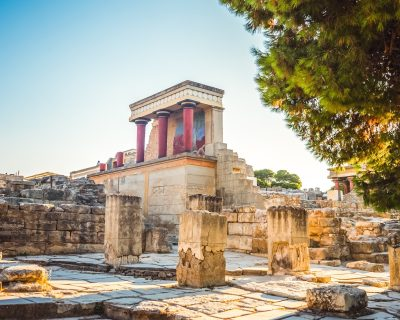
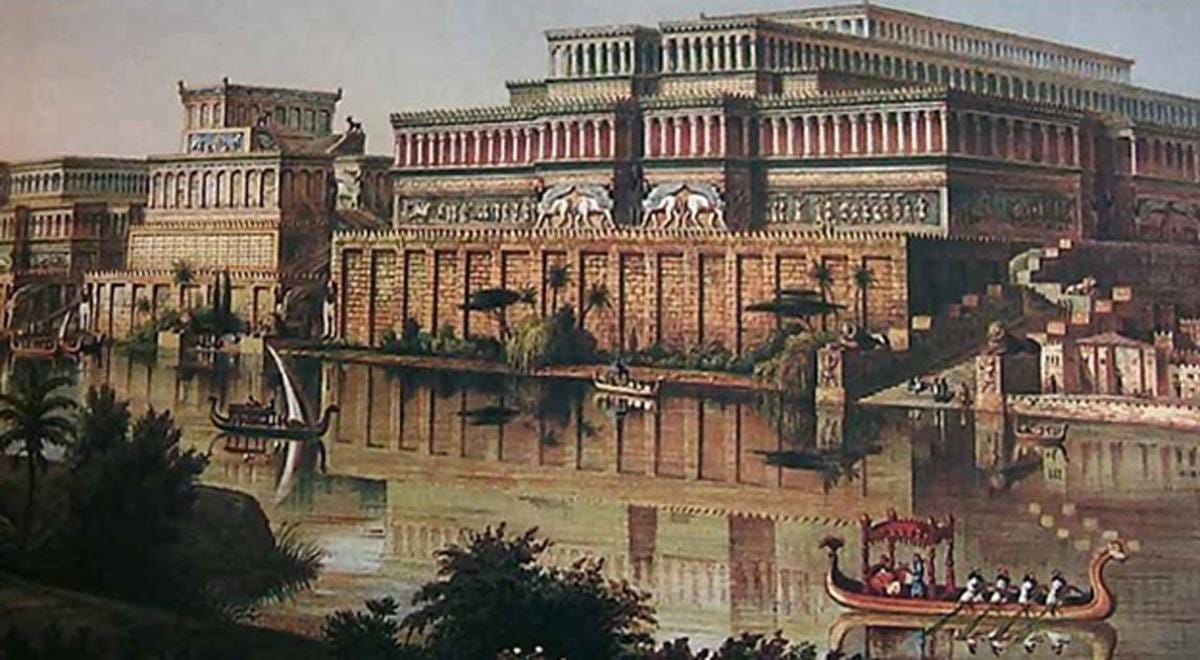
Ancient palaces were more than luxurious residences. They were political centers, cultural landmarks, and powerful symbols of authority.

These massive structures required extraordinary planning, engineering, and artistic skill—yet the identities of the people who designed and built them are often unknown.

Engineering on a Monumental Scale

Constructing early palaces demanded impressive technical knowledge.

Builders had to plan complex layouts, transport massive materials, and create durable structures that could support large halls, courtyards, and ceremonial spaces.

Without modern tools or machinery, ancient engineers relied on clever techniques involving ramps, pulleys, and coordinated labor.

Artistic Mastery

Palaces were also showcases of artistic achievement.

Walls were decorated with detailed carvings, paintings, and relief sculptures. These artworks often depicted royal ceremonies, military victories, and mythological scenes that celebrated the power of the ruling elite.

Every design element served both aesthetic and symbolic purposes.

Who Built These Structures?

Although kings and rulers commissioned these buildings, the true architects were skilled craftsmen, engineers, and artisans.

These specialists may have belonged to organized guilds or worked within royal workshops supported by the palace itself.

Their expertise allowed them to create structures that would stand for centuries.

Cultural and Political Centers

Ancient palaces often served as administrative hubs where officials managed trade, diplomacy, and taxation.

Within their walls, decisions were made that shaped entire kingdoms.

At the same time, ceremonial halls hosted rituals and celebrations that reinforced the ruler’s authority.

Monuments to Human Ingenuity

Even today, ancient palaces inspire awe. Their scale and craftsmanship reveal the remarkable abilities of early builders.

Though the architects themselves remain largely anonymous, their creations continue to tell the story of human ambition, creativity, and political power.

Divine Kingship: When Rulers Were Seen as Gods

March 13, 2026

Power Beyond the Throne

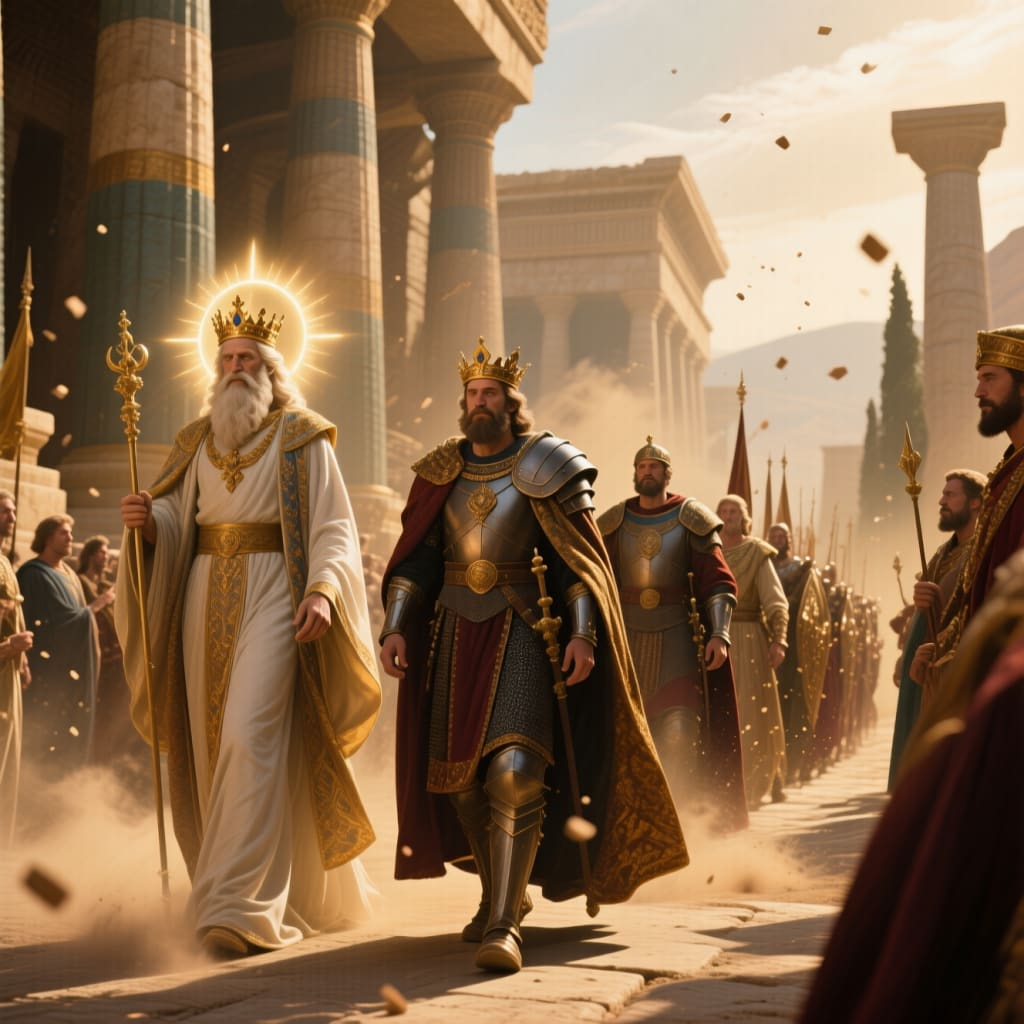
In many ancient societies, kings were not viewed as ordinary human leaders. Instead, they were believed to possess divine authority or even be living gods. This concept—known as divine kingship—shaped politics, religion, and social order across several early civilizations.

From the monumental pyramids of ancient Egypt to the sacred temples of Mesoamerica, rulers often stood at the center of both government and spiritual life.

Pharaohs and the Divine Order

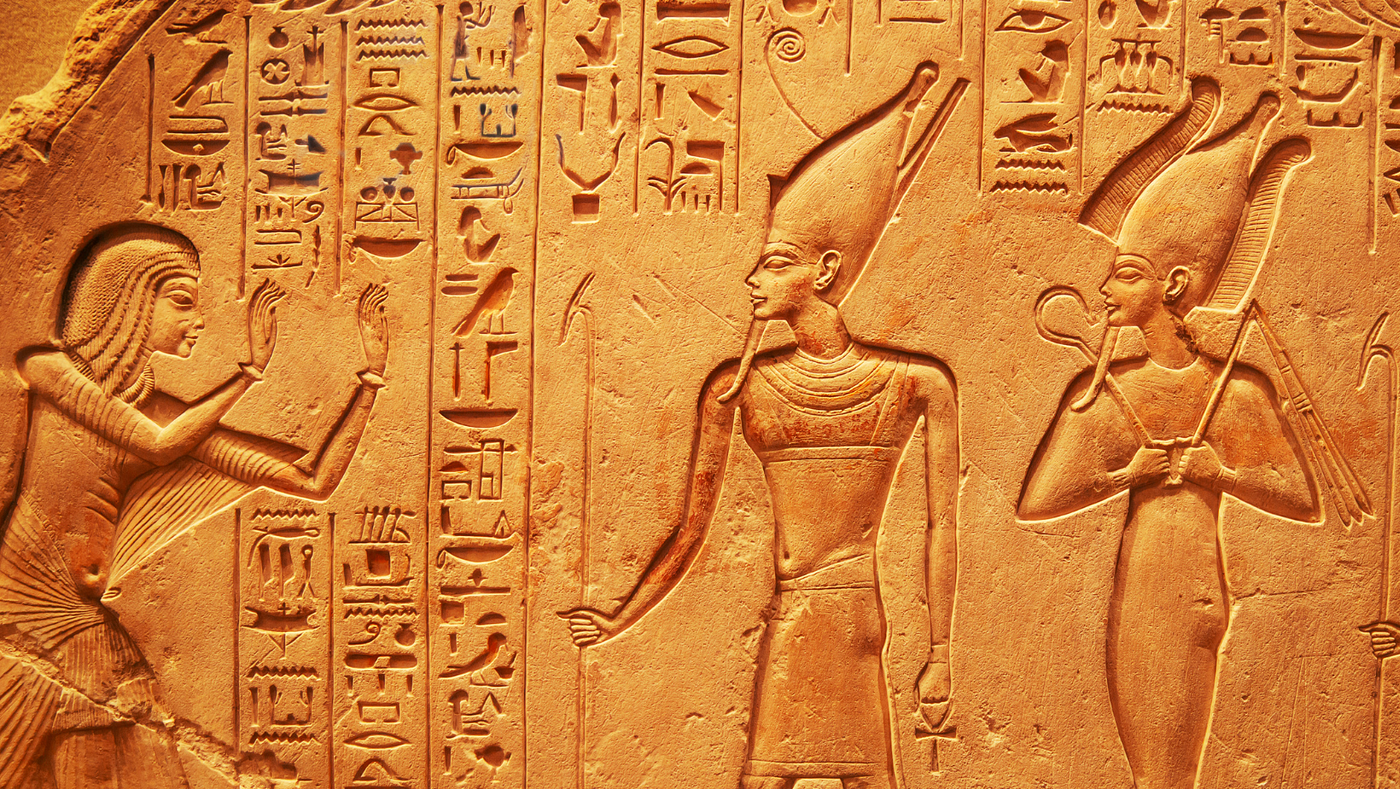
In Ancient Egypt, the pharaoh was believed to be a divine figure chosen by the gods to maintain cosmic balance.

Egyptians believed the pharaoh served as the earthly representative of the god Horus during life and became associated with Osiris after death. This sacred role meant that ruling was not simply a political duty—it was a religious responsibility to preserve harmony between the heavens and the Earth.

Massive monuments, temples, and burial complexes reinforced the idea that the pharaoh possessed supernatural authority.

Sacred Kings in Mesopotamia

In Mesopotamia, rulers were not always considered gods themselves, but they were believed to govern with divine approval.

Kings often claimed that major gods had chosen them to rule and guide their cities. Temples and palaces worked closely together, and religious ceremonies reinforced the king’s sacred legitimacy.

By presenting themselves as protectors of divine order, rulers strengthened their authority over their subjects.

God-Kings of the Americas

In ancient civilizations of Mesoamerica, rulers also held powerful spiritual roles.

Kings were often seen as intermediaries between humans and the gods. Through elaborate rituals, sacrifices, and ceremonies, they maintained the balance of the universe.

Royal bloodlines were believed to carry sacred power, reinforcing the belief that leadership came directly from divine forces.

Why Divine Kingship Worked

Divine kingship provided stability for early societies.

If rulers were believed to be chosen by the gods—or even part divine themselves—then their authority became unquestionable. This belief discouraged rebellion and helped unify large populations under a single leader.

Religion and politics therefore became deeply intertwined.

The Legacy of Sacred Rulers

Though modern governments rarely claim divine authority, echoes of divine kingship remain in cultural traditions and historical memory.

The idea that leadership carries a sacred responsibility continues to influence how societies think about power, duty, and legitimacy.

The Forgotten Sea Peoples: Raiders of the Ancient World

March 13, 2026

A Sudden Wave of Destruction

Around the end of the Bronze Age, several powerful civilizations around the Mediterranean experienced dramatic upheaval. Cities were destroyed, trade routes collapsed, and long-standing empires began to weaken.

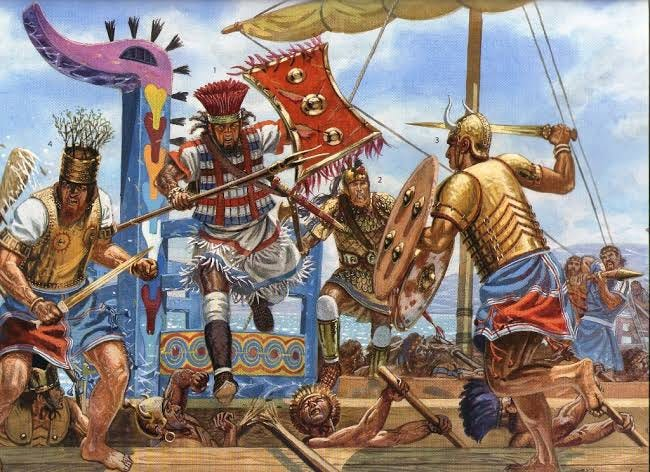
Ancient records from this period mention mysterious attackers known today as the Sea Peoples.

These groups appeared suddenly in historical accounts, launching raids against coastal regions and powerful kingdoms.

Attacks on Major Civilizations

Texts and inscriptions describe the Sea Peoples attacking important centers throughout the eastern Mediterranean.

They are known to have clashed with powerful states that dominated the region at the time. Their raids contributed to widespread instability during a period historians now call the Bronze Age collapse.

Some cities were abandoned entirely after these attacks.

Who Were the Sea Peoples?

The true identity of the Sea Peoples remains one of history’s most intriguing mysteries.

Ancient records mention several different groups that may have been part of this coalition. Scholars believe they could have been migrating communities, displaced populations, or warrior groups searching for new territories.

Because archaeological evidence is limited, their exact origins remain uncertain.

Possible Causes of Their Movements

Historians have proposed several explanations for the sudden appearance of the Sea Peoples.

Some theories suggest climate changes or droughts forced populations to migrate. Others propose that political conflicts and economic disruption drove communities to seek new lands.

It is also possible that several different groups moved simultaneously, creating a wave of instability across the region.

Their Mysterious Disappearance

Just as suddenly as they appeared, the Sea Peoples seem to vanish from historical records.

Some scholars believe they eventually settled in new territories and became part of emerging cultures. Others suggest they were gradually absorbed into existing societies.

Because the evidence is limited, the final fate of these groups remains uncertain.

A Turning Point in Ancient History

The arrival of the Sea Peoples marked a dramatic moment in ancient history. Their raids coincided with the decline of major Bronze Age civilizations and the transformation of political landscapes across the Mediterranean.

Though many details remain unclear, the story of the Sea Peoples highlights how migrations and conflicts can reshape entire regions.

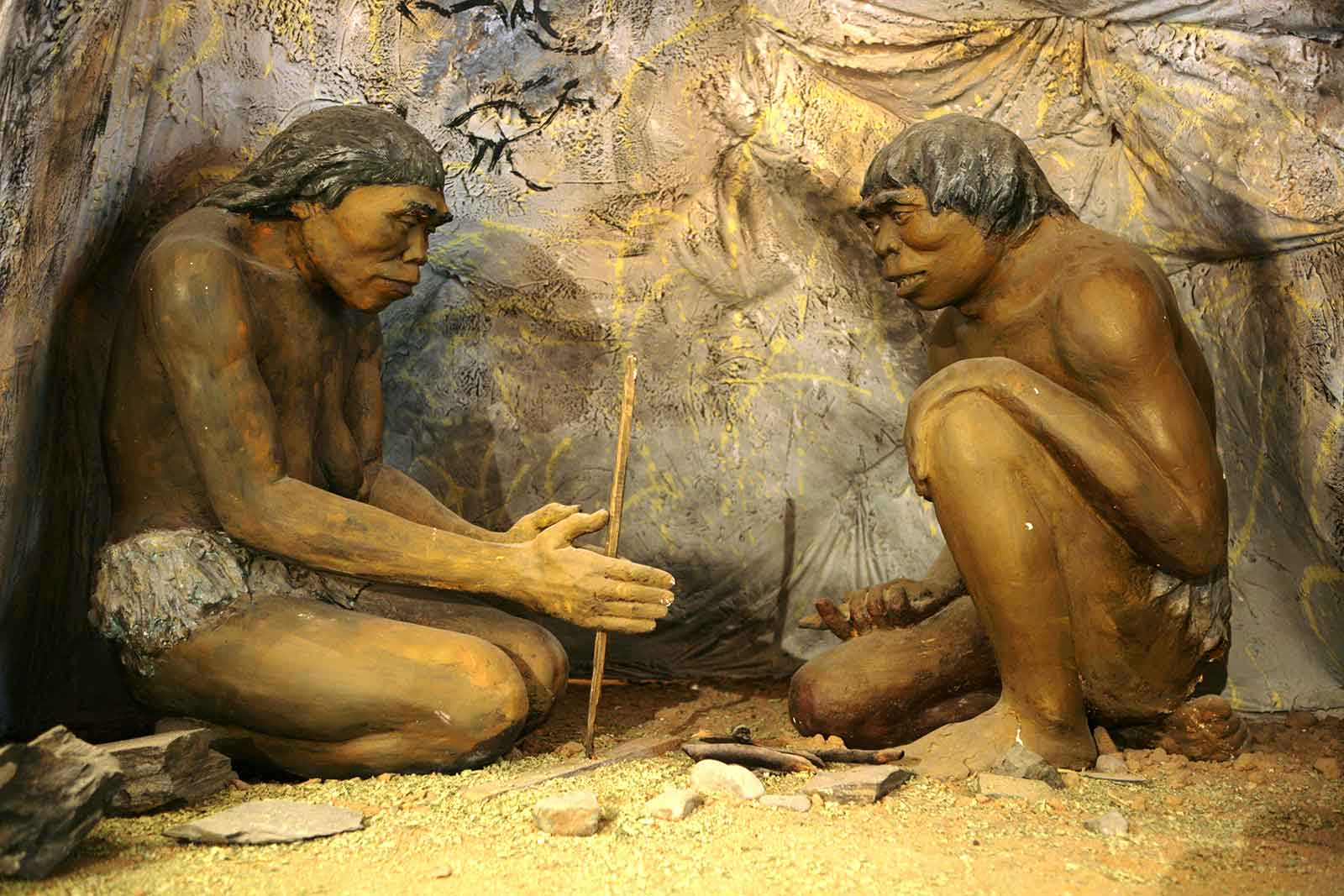
The Oldest Rituals Known to Humanity

Rituals at the Dawn of Culture

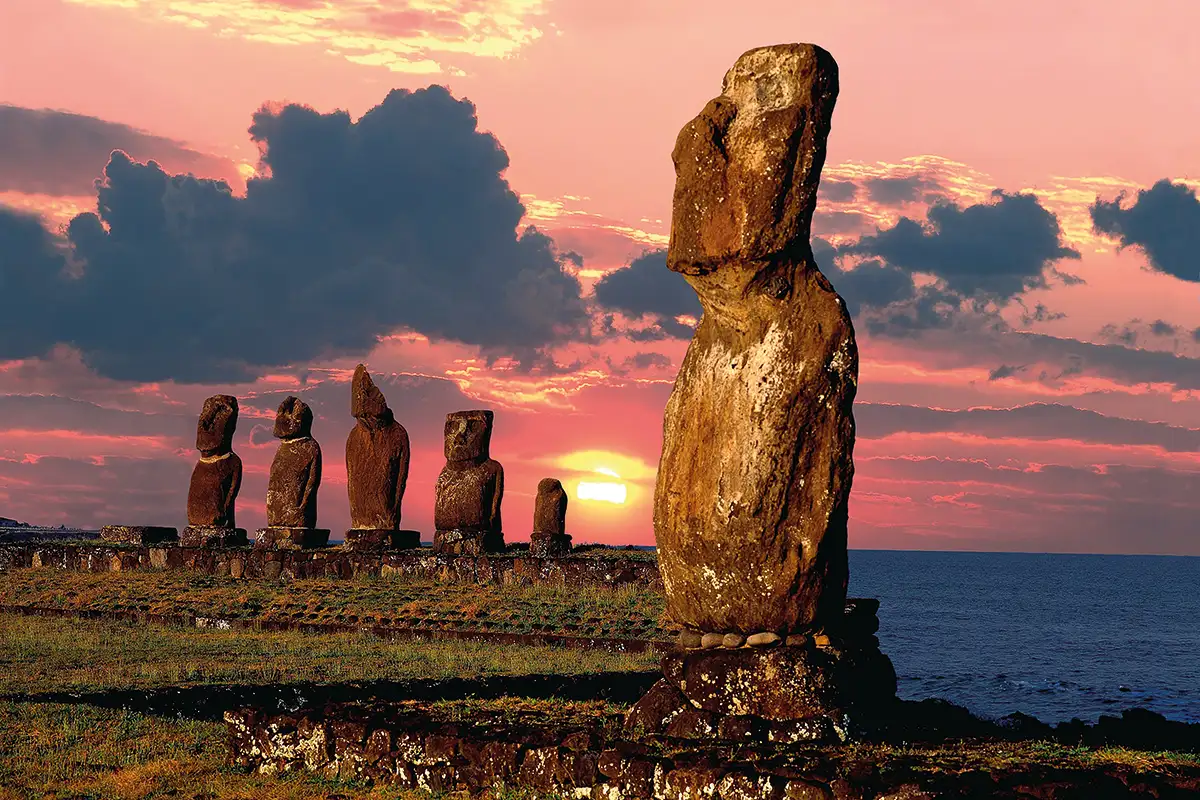
Long before written language or organized religion, humans were performing rituals. These structured actions—repeated across generations—helped early communities make sense of life, death, and the forces of nature.

Archaeological discoveries suggest that ritual behavior may have existed tens of thousands of years ago.

Prehistoric Ceremonies

Evidence of early rituals appears in caves, burial sites, and ancient gathering places.

Cave paintings, carefully arranged objects, and decorated tools suggest that early humans created symbolic ceremonies connected to hunting, fertility, or spiritual beliefs.

These activities were likely performed by groups rather than individuals, strengthening social bonds within early communities.

Rituals Surrounding Death

One of the clearest examples of early ritual behavior involves burial practices.

Some prehistoric graves contain carefully placed objects such as tools, ornaments, or food. Bodies were sometimes positioned in specific ways, suggesting deliberate ceremonial preparation.

These practices indicate that early humans were already developing beliefs about death and the possibility of an afterlife.

Rituals and the Natural World

Early rituals often focused on natural cycles.

Seasonal ceremonies may have celebrated the return of spring, the success of hunts, or the changing positions of the sun and stars.

These rituals helped communities organize their activities around environmental rhythms that were essential for survival.

The Social Power of Ritual

Rituals served more than spiritual purposes. They also helped organize communities and reinforce shared identities.

By participating in ceremonies together, members of a group strengthened their sense of belonging and cooperation.

These traditions laid the foundation for later religious systems.

The Roots of Religion

The oldest rituals show that humanity’s search for meaning began long before written history.

Through ceremony, symbolism, and shared experience, early humans expressed curiosity about life, nature, and the unseen forces they believed shaped the world.

These ancient traditions eventually evolved into the complex religious cultures that developed in later civilizations.

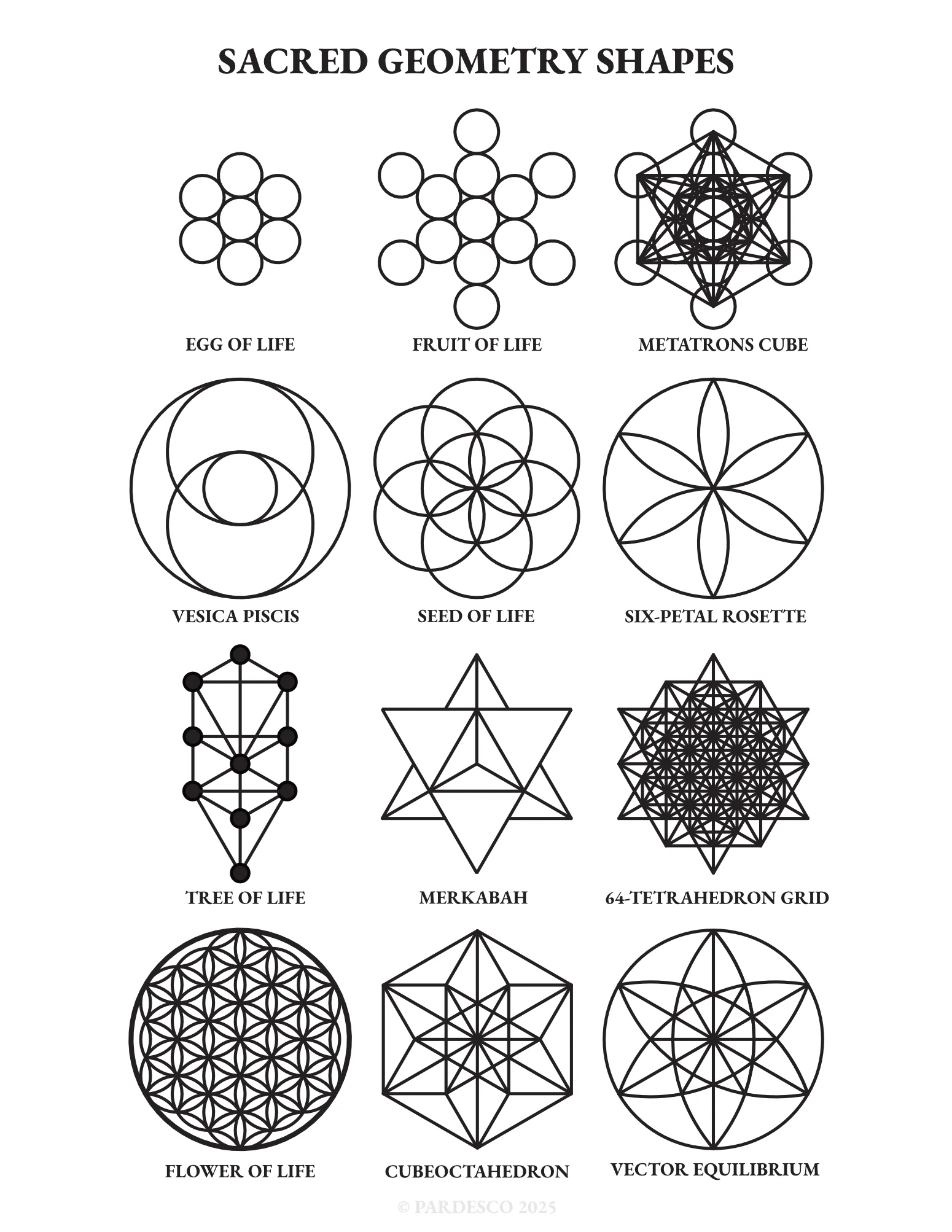
The Origins of Sacred Geometry

March 13, 2026

Patterns That Reflect the Universe

Throughout history, certain geometric shapes have appeared repeatedly in temples, artwork, and sacred architecture. Circles, triangles, spirals, and symmetrical patterns were not chosen randomly.

Ancient builders believed these shapes represented deeper truths about the structure of the universe. This tradition became known as sacred geometry.

Sacred geometry reflects the idea that mathematical patterns reveal the hidden order of the cosmos.

Geometry in Ancient Architecture

Many ancient temples were designed using precise geometric proportions.

Builders used careful measurements to create structures that reflected balance and harmony. The placement of walls, columns, and doorways often followed mathematical relationships believed to hold spiritual significance.

These designs created spaces that felt orderly and harmonious—qualities that ancient people associated with divine power.

Geometry in Art and Symbolism

Sacred geometric patterns also appeared in decorative art.

Artists incorporated repeating shapes and symmetrical designs into carvings, mosaics, and sacred symbols. These patterns were believed to mirror the natural patterns found in the world around them.

For ancient observers, geometry served as a bridge between human creativity and the structure of nature.

Cosmic Meaning

Many cultures believed that geometric forms reflected the organization of the cosmos itself.

For example, circles could represent eternity or the cycles of time. Triangles might symbolize balance between different cosmic forces. Spirals often reflected growth, movement, or transformation.

Through these shapes, ancient societies expressed philosophical ideas about life, order, and creation.

Knowledge Shared Across Cultures

Evidence suggests that geometric principles were understood by many ancient civilizations across different regions.

Though the details varied, the underlying idea remained similar: mathematics was not only practical but also spiritual.

Geometry became a language through which humans attempted to understand the deeper structure of reality.

The Enduring Legacy of Sacred Patterns

Sacred geometry continues to influence architecture, art, and philosophy today.

The patterns discovered by ancient builders remind us that mathematics has long been connected to humanity’s search for meaning and harmony in the universe.

Buried Temples Beneath Modern Cities

March 13, 2026

Ancient Sacred Spaces Beneath Our Feet

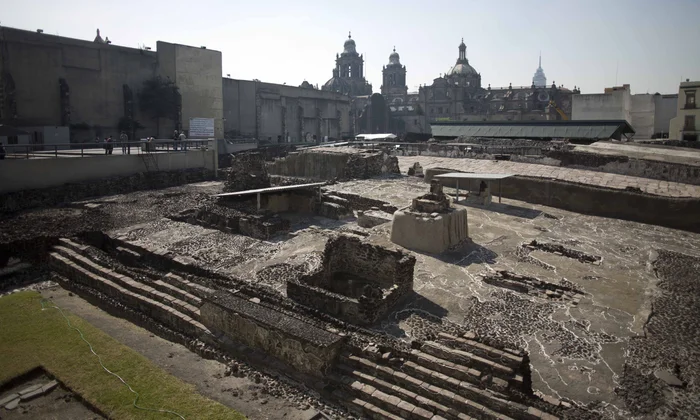
Modern cities often appear to represent the newest chapter of human history. Yet beneath busy streets and towering buildings, archaeologists frequently uncover remnants of much older worlds.

Hidden under many urban centers are the remains of ancient temples—sacred places where earlier civilizations worshiped their gods and practiced religious rituals.

These discoveries reveal that many modern cities grew directly on top of ancient religious landscapes.

Layers of History

Cities often expand continuously over thousands of years. When older buildings collapse or are abandoned, new structures are constructed above them.

Over time, this process creates layers of history buried beneath the ground. Temples that once stood at the center of ancient communities may now lie several meters below modern streets.

Excavations sometimes reveal entire temple complexes preserved beneath later construction.

Discoveries in Unexpected Places

Archaeologists have uncovered ancient temples under markets, residential neighborhoods, and government buildings.

These discoveries often occur during construction projects when workers accidentally expose ancient walls, statues, or ceremonial spaces.

Once excavated, these structures provide valuable insights into the religious life of earlier civilizations.

What These Temples Reveal

The remains of buried temples offer clues about early spiritual beliefs and social organization.

Architectural designs reveal how rituals were performed. Carvings and inscriptions provide information about the gods worshiped by ancient communities.

Artifacts found within temples—such as statues, offerings, and ceremonial tools—help researchers reconstruct religious traditions that may have disappeared centuries ago.

Sacred Centers of Ancient Cities

In many early civilizations, temples served as more than religious buildings. They were often the heart of political, economic, and cultural life.

Priests might oversee festivals, maintain records, or manage resources connected to the temple.

By studying these structures, historians gain a deeper understanding of how religion shaped the development of early cities.

A Hidden World Beneath the Present

Every buried temple represents a doorway into a forgotten era.

These discoveries remind us that modern cities are built upon thousands of years of human activity. Beneath the noise and movement of modern life lie sacred spaces that once guided the spiritual lives of ancient communities.

The Secret Languages of the Ancient Priesthoods

March 13, 2026

Words Reserved for the Sacred

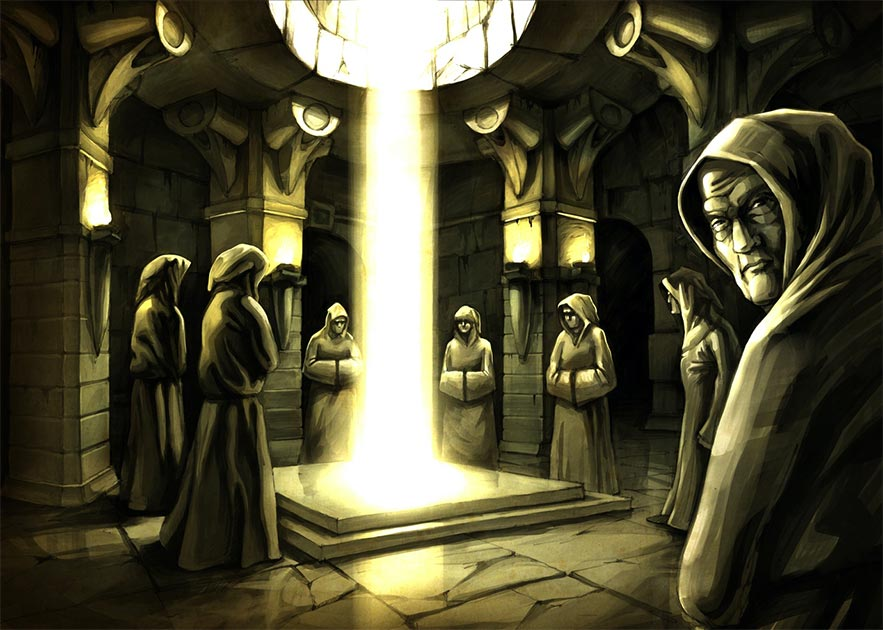
In many ancient civilizations, language was more than a tool for communication—it was a powerful instrument of religion, authority, and mystery. Certain words, phrases, and even entire languages were reserved for priests and religious specialists. These sacred vocabularies formed secret linguistic systems used in rituals, ceremonies, and spiritual teachings.

By controlling these languages, priesthoods preserved knowledge that was considered too powerful or too sacred for everyday use.

Ritual Languages and Sacred Speech

Ancient priests often spoke or recited prayers in languages that ordinary people did not fully understand. These ritual languages sometimes represented older forms of speech preserved long after they disappeared from everyday conversation.

This separation created a sense of reverence and mystery during ceremonies. When sacred words were spoken, listeners believed they carried divine power capable of communicating with gods or spiritual forces.

In some traditions, the exact pronunciation of ritual words was believed to influence their effectiveness, making precise recitation essential.

Codes Hidden Within Religious Texts

Beyond special vocabularies, some priesthoods used coded writing systems to record sacred knowledge.

These texts might include symbolic language, layered meanings, or metaphors that only trained initiates could interpret. Religious instruction therefore required years of study before a student could fully understand the teachings.

By embedding knowledge within symbolic language, ancient scholars ensured that sacred teachings were preserved without being easily misused.

Preserving Knowledge Across Generations

Secret languages also served a practical purpose: protecting knowledge across centuries.

Priests acted as guardians of religious traditions, historical records, and scientific observations. By keeping certain teachings within their institutions, they created systems that passed knowledge from teacher to student through careful training.

This approach allowed religious communities to maintain continuity even during times of political change or cultural upheaval.

The Power of Sacred Language

To ancient societies, words were not merely descriptive—they were believed to shape reality itself. Ritual chants, prayers, and sacred names were thought to influence the natural and spiritual worlds.

Because of this belief, language became a sacred tool requiring discipline and respect.

Echoes in Modern Traditions

Even today, many religious traditions maintain sacred languages used in ceremonies and prayers. These traditions preserve the ancient idea that certain words carry spiritual meaning beyond ordinary speech.

The secret languages of ancient priesthoods remind us that language has long been intertwined with faith, power, and the preservation of knowledge.

The First Astronomer-Priests

March 13, 2026

Watching the Skies

In many ancient cultures, religious leaders were also skilled observers of the heavens.

These astronomer-priests studied the movement of the sun, moon, and stars to understand the rhythms of the universe.

Tools and Observations

Early astronomer-priests used simple but effective tools.

They tracked celestial movements by marking shadows, aligning structures with the horizon, and recording patterns in the night sky.

Over time, these observations became increasingly precise.

Calendars and Agriculture

Understanding the sky allowed these scholars to create calendars.

Accurate calendars were essential for agriculture, helping communities know when to plant and harvest crops.

Astronomical knowledge therefore played a critical role in sustaining early societies.

Prophecy and Ritual

Celestial events were often interpreted as divine messages.

Eclipses, planetary movements, and unusual astronomical events could influence religious ceremonies and political decisions.

Astronomer-priests were therefore both scientists and spiritual leaders.

The Legacy of Ancient Skywatchers

The work of these early observers laid the foundation for astronomy.

Their careful study of the heavens helped humanity begin to understand the vast and complex universe beyond Earth.

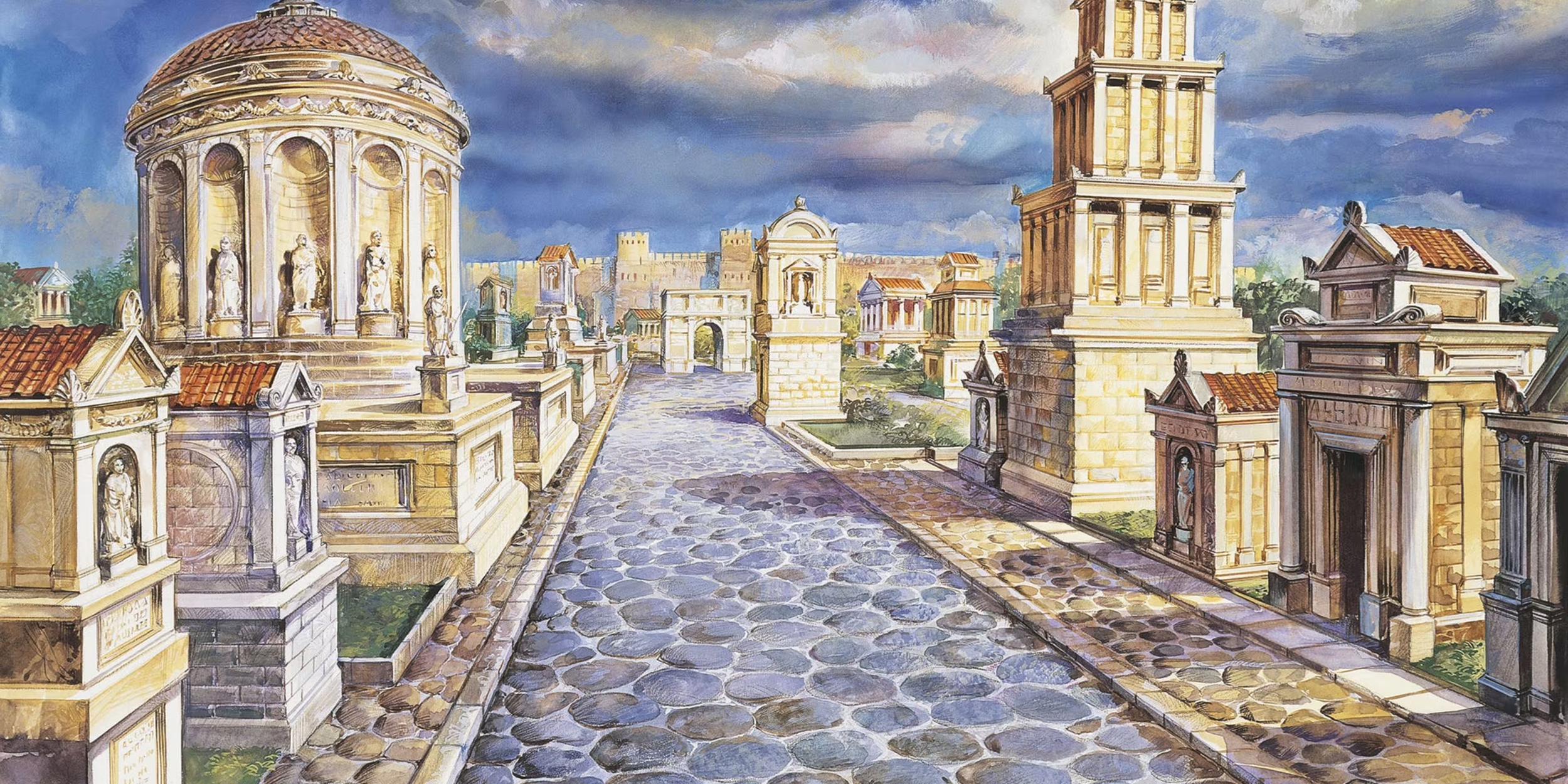
Ancient Roads That Shaped the World

March 13, 2026

Pathways Across Continents

Long before modern highways, ancient roads connected distant communities and civilizations.

These routes allowed people to travel, trade, and share ideas across vast regions.

Early Engineering

Building roads required significant planning and effort.

Some routes were simple paths worn into the ground by repeated travel. Others were carefully engineered with stone paving and drainage systems.

These roads made long-distance travel safer and more efficient.

Trade and Pilgrimage

Ancient roads often served both commercial and spiritual purposes.

Merchants transported goods such as spices, textiles, metals, and precious stones. At the same time, pilgrims traveled these routes to reach sacred temples and shrines.

Cultural Exchange

Road networks allowed languages, technologies, and religious beliefs to spread between distant regions.

Ideas could travel just as easily as goods, shaping cultures across entire continents.

The Foundations of Global Connection

Ancient roads laid the groundwork for the interconnected world we live in today.

They remind us that human societies have always relied on movement, exchange, and communication.

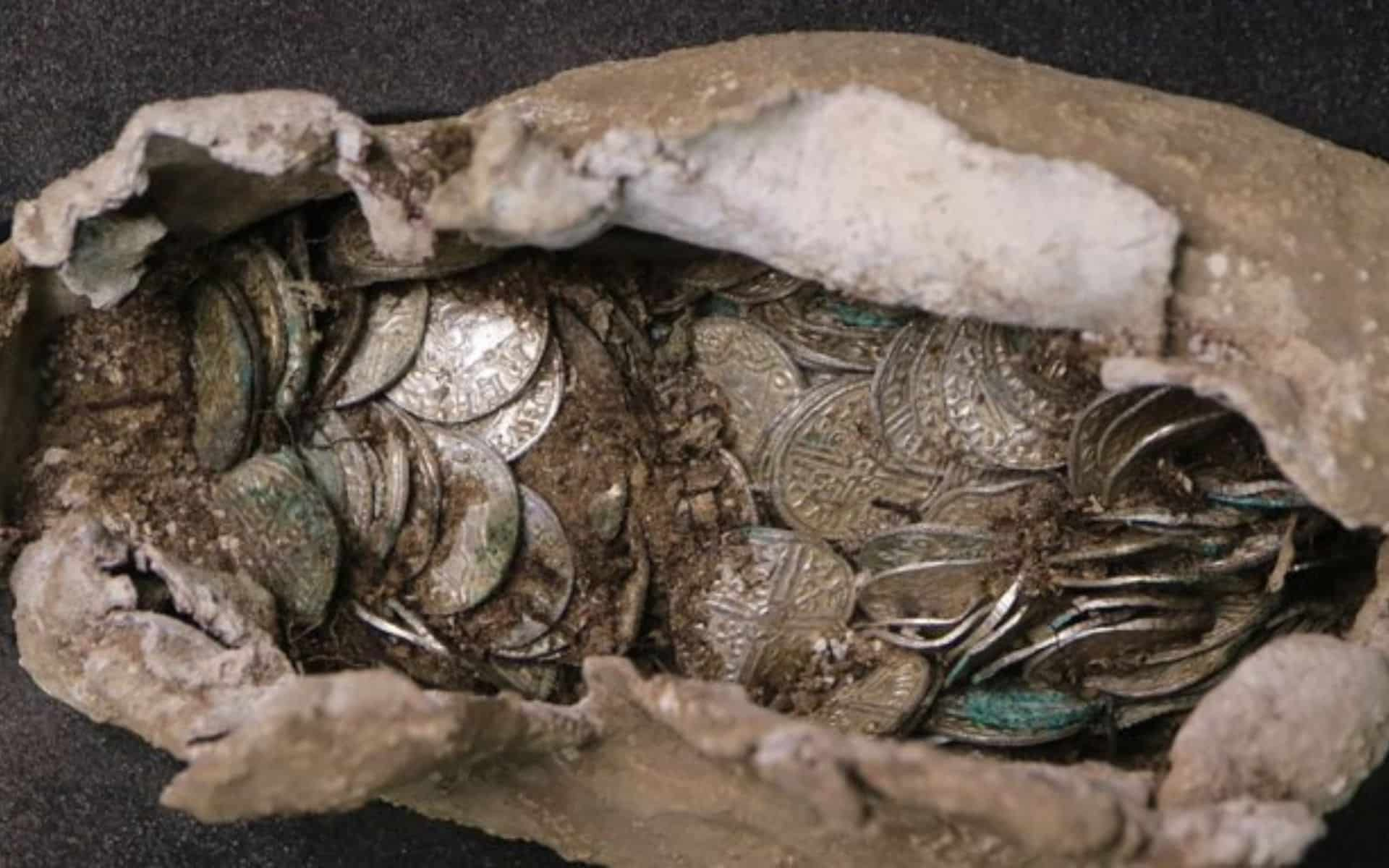
Treasures of Lost Kingdoms Unearthed

March 13, 2026

Discoveries Beneath the Earth

Archaeological discoveries continue to reveal artifacts from forgotten kingdoms.

These treasures provide valuable insights into ancient craftsmanship, culture, and everyday life.

Extraordinary Craftsmanship

Many artifacts from ancient kingdoms demonstrate remarkable skill.

Metalwork, jewelry, pottery, and carved stone objects show a high level of artistic and technical ability.

These items were often created for royal courts, religious ceremonies, or elite members of society.

Everyday Objects with Hidden Stories

Not all discoveries are grand treasures.

Tools, household items, and simple ornaments can reveal just as much about ancient cultures.

They help archaeologists understand how people lived, worked, and interacted with their environment.

Cultural Significance

Artifacts also carry symbolic meaning.

Religious symbols, ceremonial objects, and decorative motifs provide clues about beliefs and social structures.

Each discovery helps reconstruct the story of a kingdom that may have been forgotten by history.

Rebuilding the Past

Through careful study of these artifacts, archaeologists can piece together the political systems, trade networks, and artistic traditions of ancient societies.

Each object adds another piece to the puzzle of humanity’s past.

The Mythic Ages Before Humans

March 13, 2026

Imagining a Time Before Humanity

Many ancient cultures told stories about eras that existed before humans appeared on Earth.

These myths described divine ages filled with gods, giants, and cosmic battles that shaped the world.

The Golden Age

In several traditions, the earliest era of existence was a Golden Age.

This mythical time was often described as peaceful and harmonious. Nature provided everything people needed, and conflict was unknown.

The Golden Age represented a perfect world that later generations believed had been lost.

The Age of Titans and Giants

Some myths describe powerful beings who ruled the world before humans.

These figures were often portrayed as enormous and immensely strong, representing raw cosmic forces.

Stories of epic battles between gods and these ancient beings symbolized the struggle between order and chaos.

Divine Epochs

Many mythologies divided time into sacred periods governed by different gods.

Each era ended with a dramatic transformation—sometimes through disaster, war, or divine intervention.

These cycles explained why the world changed over time and why humanity existed in its current state.

What These Myths Meant

Myths about pre-human ages helped ancient cultures explain creation and the origins of the universe.

They also reflected philosophical ideas about decline, progress, and humanity’s relationship with divine powers.

Stories That Shaped Worldviews

Though mythical, these stories reveal how early societies imagined time itself.

They created vast cosmic histories that placed human life within a much larger narrative.

Echoes of the Stone Age: Monuments Older Than Civilization

March 13, 2026

Ancient Structures Before Cities

Long before cities, farming societies, or written language, humans were already building large and complex monuments.

These prehistoric structures challenge traditional ideas about when organized architecture first appeared.

Monumental Construction in the Stone Age

Archaeologists have discovered massive stone circles, carved pillars, and ceremonial sites dating back thousands of years before the rise of civilization.

These monuments were often constructed by hunter-gatherer communities, suggesting that early societies were capable of remarkable cooperation and planning.

Possible Ritual Purposes

Many of these ancient sites appear to have served spiritual or ceremonial roles.

Their layouts often align with astronomical events such as solstices or star positions. This suggests that early builders were closely observing the skies and incorporating celestial cycles into their rituals.

The Mystery of Their Construction

One of the most fascinating questions surrounding these monuments is how they were built.

Without metal tools, wheels, or large domestic animals, prehistoric builders still managed to transport and arrange enormous stones.

The techniques used remain subjects of ongoing research and debate.

Rethinking Early Societies

These monuments reveal that early human communities were far more organized and culturally complex than once believed.

Even before agriculture transformed human life, people were capable of building impressive structures and developing shared traditions.

Voices from Deep Time

Stone Age monuments stand as silent witnesses to humanity’s distant past.

They remind us that creativity, cooperation, and spiritual curiosity existed long before civilization as we know it.

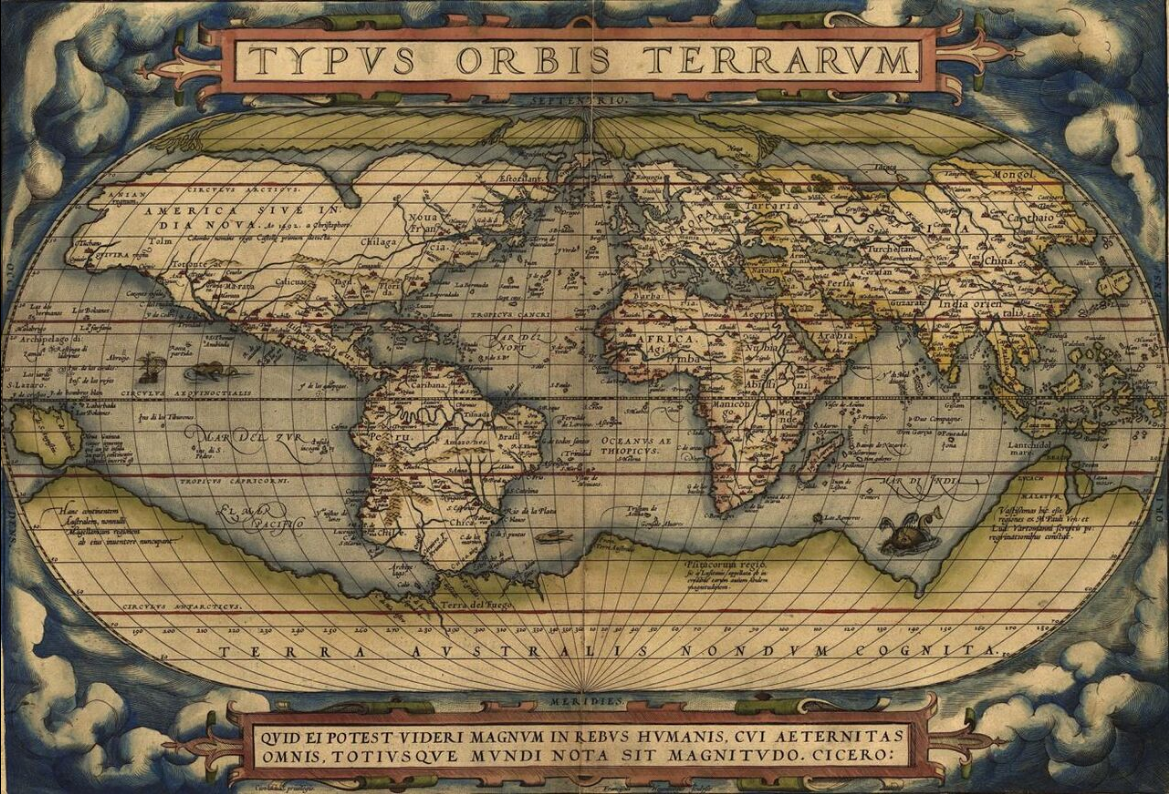
The Oldest Maps Ever Created

March 13, 2026

Humanity’s First Attempts to Understand the World

Maps are among the most powerful tools humans have ever created. They help us understand landscapes, navigate unfamiliar territory, and imagine distant places.

The earliest maps were simple but remarkable attempts to represent the world visually.

Maps Carved in Stone

Some of the oldest maps were carved directly into stone surfaces.

These early carvings may have shown rivers, hunting grounds, or paths used by ancient communities.

Although simple, they reveal that prehistoric people were already thinking spatially about their environment.

Clay Tablet Maps

Later civilizations began recording maps on clay tablets.

These maps often depicted cities, nearby rivers, and surrounding territories. They were sometimes used for administrative purposes, helping rulers organize land and resources.

Clay tablets also preserved maps of the broader world as people understood it.

Early Star Maps

Ancient cultures were also deeply interested in the sky.

Star maps helped track celestial patterns that were important for agriculture, navigation, and religious rituals.

These early astronomical maps reveal how ancient people connected the heavens with events on Earth.

What Early Maps Reveal

The oldest maps show how people perceived their place in the world.

They highlight what early societies considered important—water sources, sacred locations, trade routes, and celestial movements.

Even when inaccurate by modern standards, these maps reveal remarkable creativity and observation.

Mapping the Human Journey

The development of maps represents a key moment in human intellectual history.

By drawing the world around them, ancient people began transforming space into knowledge—a tradition that continues in modern cartography today.

The Secret Schools of Antiquity

March 13, 2026

Hidden Centers of Knowledge

In the ancient world, knowledge was often considered sacred. Certain teachings were shared only with those who were carefully chosen or initiated.

These institutions, sometimes called mystery schools, preserved spiritual, philosophical, and scientific knowledge.

Initiation and Secrecy

Mystery schools often required initiation rituals before students could learn their teachings.

Participants might undergo symbolic ceremonies, tests of character, or periods of preparation before being accepted.

The secrecy surrounding these schools helped protect their teachings and gave them an aura of mystery.

The Role of Priests and Philosophers

Priests, scholars, and philosophers were often responsible for preserving and transmitting these hidden teachings.

They studied subjects such as astronomy, mathematics, ethics, and spiritual philosophy.

Because these fields were closely tied to religion and governance, knowledge itself became a powerful form of authority.

Esoteric Knowledge

The teachings of mystery schools often explored deeper philosophical questions about the universe and human existence.

Students were encouraged to seek wisdom beyond everyday experience, including ideas about the soul, cosmic order, and the nature of reality.

Some traditions believed that true understanding required both intellectual study and personal transformation.

Influence on Later Traditions

Though many ancient mystery schools disappeared over time, their influence continued.

Philosophical ideas, symbolic rituals, and spiritual traditions from these schools shaped later religious and intellectual movements.

Their legacy reminds us that knowledge has often been viewed as something both powerful and sacred.

The World’s Most Mysterious Burial Sites

March 13, 2026

Ancient Clues About Death and the Afterlife

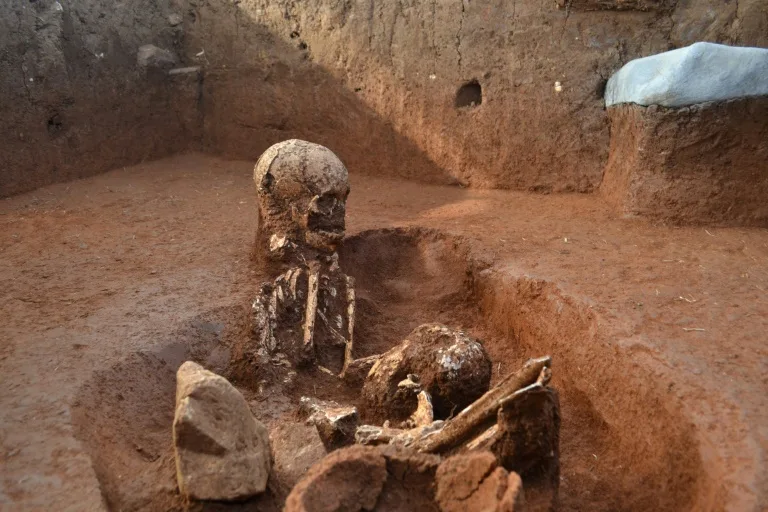
Burial sites are among the most important discoveries in archaeology. They provide rare insights into how ancient cultures understood death, memory, and the afterlife.

Across the world, ancient societies built extraordinary tombs and developed unique burial rituals that reveal their spiritual beliefs.

Monumental Tombs

Some burial sites are enormous structures built to honor important individuals.

Massive stone tombs, underground chambers, and towering mounds appear in many ancient cultures. These monuments required tremendous effort and organization to construct.

Their scale suggests that honoring the dead was deeply important to these societies.

Unusual Burial Practices

Not all burial traditions involved monumental structures. Some cultures developed unique rituals that reflected their beliefs about the journey after death.

Examples include:

  • Carefully arranged skeletons

  • Graves filled with tools and personal objects

  • Bodies buried with animals

  • Secondary burials where bones were moved after decomposition

These practices suggest that ancient people believed the dead continued to exist in another form.

Grave Goods and Symbolism

Objects placed inside graves—known as grave goods—often provide clues about the beliefs and values of a culture.

Items such as jewelry, weapons, pottery, and food were sometimes buried with the deceased.

These offerings may have been intended to provide comfort, status, or protection in the afterlife.

What Burial Sites Reveal

By studying burial sites, archaeologists learn about social structures, religious beliefs, and daily life.

For example, differences in grave size or objects can reveal social hierarchy. A richly decorated tomb might indicate a leader, while simpler graves may belong to ordinary individuals.

Burial sites therefore act as powerful windows into ancient societies.

Messages Across Time

The mysterious burial places scattered across the world remind us that humans have always tried to understand death.

Through elaborate rituals and monumental tombs, ancient cultures expressed hope, respect, and curiosity about what lies beyond life.

Their burial traditions continue to speak to us thousands of years later.

Prehistoric Global Trade Networks

March 13, 2026

Trade Before Written History

Trade is often associated with organized civilizations, written contracts, and established markets. Yet archaeological evidence shows that long-distance trade existed long before written records.

Even prehistoric societies exchanged materials across vast distances, creating early networks that connected distant communities.

The Importance of Obsidian

One of the clearest signs of prehistoric trade is obsidian, a volcanic glass used to make extremely sharp tools and weapons.

Obsidian can be traced back to specific volcanic sources. Archaeologists have discovered obsidian artifacts hundreds—and sometimes thousands—of kilometers away from their original sources.

This suggests that ancient communities transported or traded the material across large regions. These obsidian routes are some of the earliest known trade networks in human history.

Early Sea Travel

Trade was not limited to land routes. Evidence shows that prehistoric people were capable sailors.

Archaeologists have found materials such as shells, stones, and tools transported between islands and coastal regions long before advanced ships existed.

These discoveries suggest that early humans developed boats and navigational skills earlier than once believed.

Exotic Goods and Cultural Exchange

Certain artifacts found far from their origins indicate that prehistoric people valued rare or unusual materials.

These included items such as:

  • Decorative shells

  • Rare stones

  • Pigments used for art

  • Unusual minerals

Such goods were often used for symbolic or ceremonial purposes, making them highly valued in distant communities.

More Than Just Trade

Prehistoric trade networks did more than move objects. They also spread ideas, technologies, and cultural practices.

Techniques for making tools, art styles, and even spiritual beliefs could travel along the same routes as traded goods.

These early exchanges helped shape human culture long before the rise of cities and written languages.

A Connected Ancient World

The evidence of prehistoric trade networks reveals that early humans were far more interconnected than once believed.

Even in the Stone Age, people were exploring, exchanging resources, and building relationships across vast distances.

These early networks laid the foundation for the global trade systems that would emerge thousands of years later.

The Oldest Known Mythological Creatures

March 13, 2026

When Legends First Took Shape

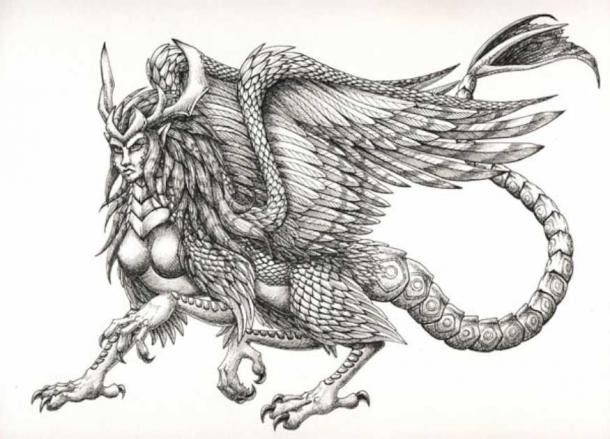
Long before written history fully developed, humans were already imagining powerful creatures that lived beyond the boundaries of the known world. Some of the oldest myths describe dragons, griffins, and strange monsters that symbolized natural forces, divine power, or humanity’s deepest fears.

These creatures appear in the earliest surviving texts and artwork from ancient civilizations. Though their forms differ across cultures, their roles often share striking similarities.

Dragons: Symbols of Power and Chaos

Dragons are among the most ancient mythological creatures known to humanity. References to dragon-like beings appear in early texts from Mesopotamia, China, and ancient Europe.

In many traditions, dragons represented untamed forces of nature. In ancient Mesopotamian myths, serpent-like monsters symbolized chaos and the primordial sea. These creatures often battled heroic gods who represented order.

In East Asia, dragons took on a very different role. Rather than destructive monsters, they were often seen as wise and benevolent beings connected to rain, rivers, and imperial authority. Their presence symbolized prosperity and cosmic harmony.

Across cultures, dragons reflected humanity’s attempt to explain the unpredictable forces of the natural world.

Griffins: Guardians of Treasure

Griffins—creatures with the body of a lion and the head and wings of an eagle—appear in art dating back more than 5,000 years.

These hybrid beings were especially common in the art of ancient Persia and the Mediterranean. Because they combined two powerful animals, griffins symbolized strength, vigilance, and divine protection.

Ancient stories often described griffins guarding valuable treasures such as gold. Their role as protectors made them powerful symbols in royal and religious imagery.

Monsters and the Unknown

Early myths also include terrifying creatures designed to embody danger and chaos. From sea serpents to giant beasts, these monsters reflected the fears of ancient societies living in a mysterious and often dangerous world.

Unfamiliar landscapes, storms, wild animals, and unexplained natural disasters could easily be interpreted as the work of supernatural beings.

By giving these fears a form, early cultures created stories that helped people understand and confront the unknown.

Why These Creatures Mattered

Mythological creatures were more than simple entertainment. They carried deep symbolic meaning.

Dragons could represent chaos or divine power. Griffins symbolized guardianship and royal authority. Other monsters warned against danger or moral failure.

These stories also helped shape cultural identity. By telling tales of heroes defeating monsters, societies reinforced values like bravery, order, and wisdom.

Ancient Imaginations That Still Inspire

Even today, dragons, griffins, and legendary monsters remain central to literature, art, and film. Their origins stretch back thousands of years, reminding us that imagination has always been part of human culture.

The oldest mythological creatures show how early societies used storytelling to make sense of their world—transforming mystery and fear into enduring legends.

← Newer Posts Older Posts →
Featured
image_2026-03-16_222009550.png
Mar 18, 2026
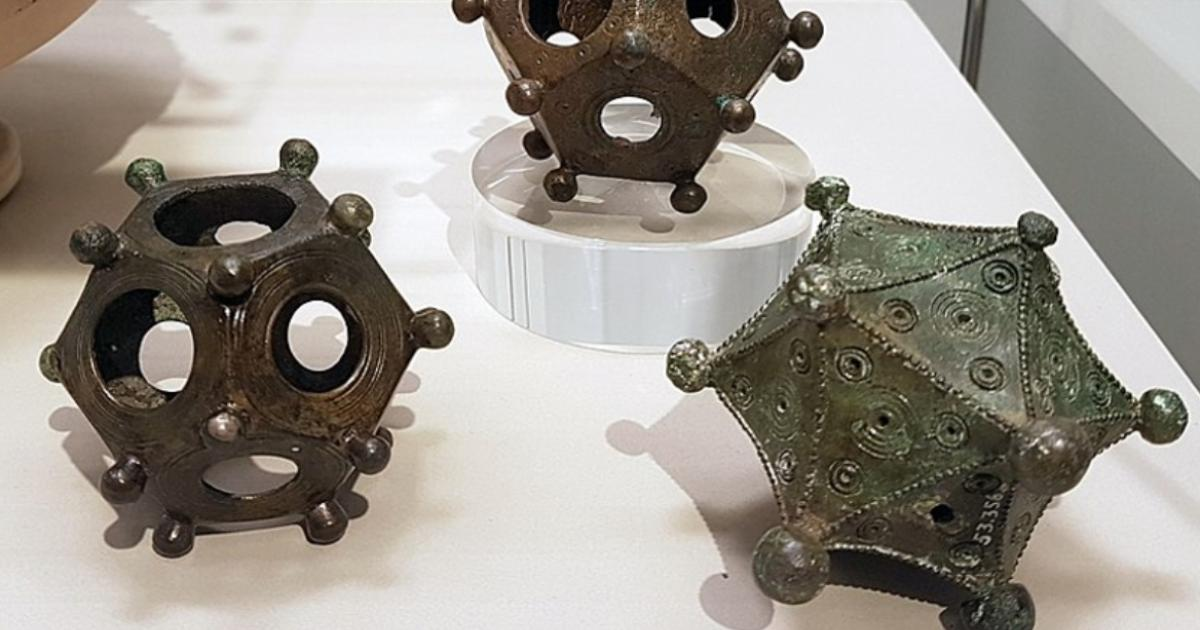
Ancient Metal Artifacts With Unknown Origins
Mar 18, 2026
Read More →
Mar 18, 2026
image_2026-03-18_002518866.png
Mar 18, 2026
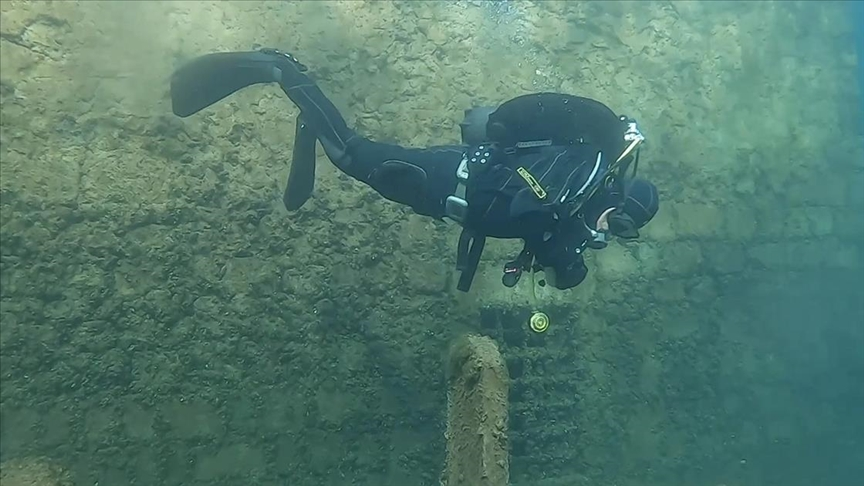
2,400-Year-Old Submerged Structures Captured Beneath Turkey’s Dicle Dam Waters
Mar 18, 2026
Read More →
Mar 18, 2026
image_2026-03-18_002243247.png
Mar 18, 2026
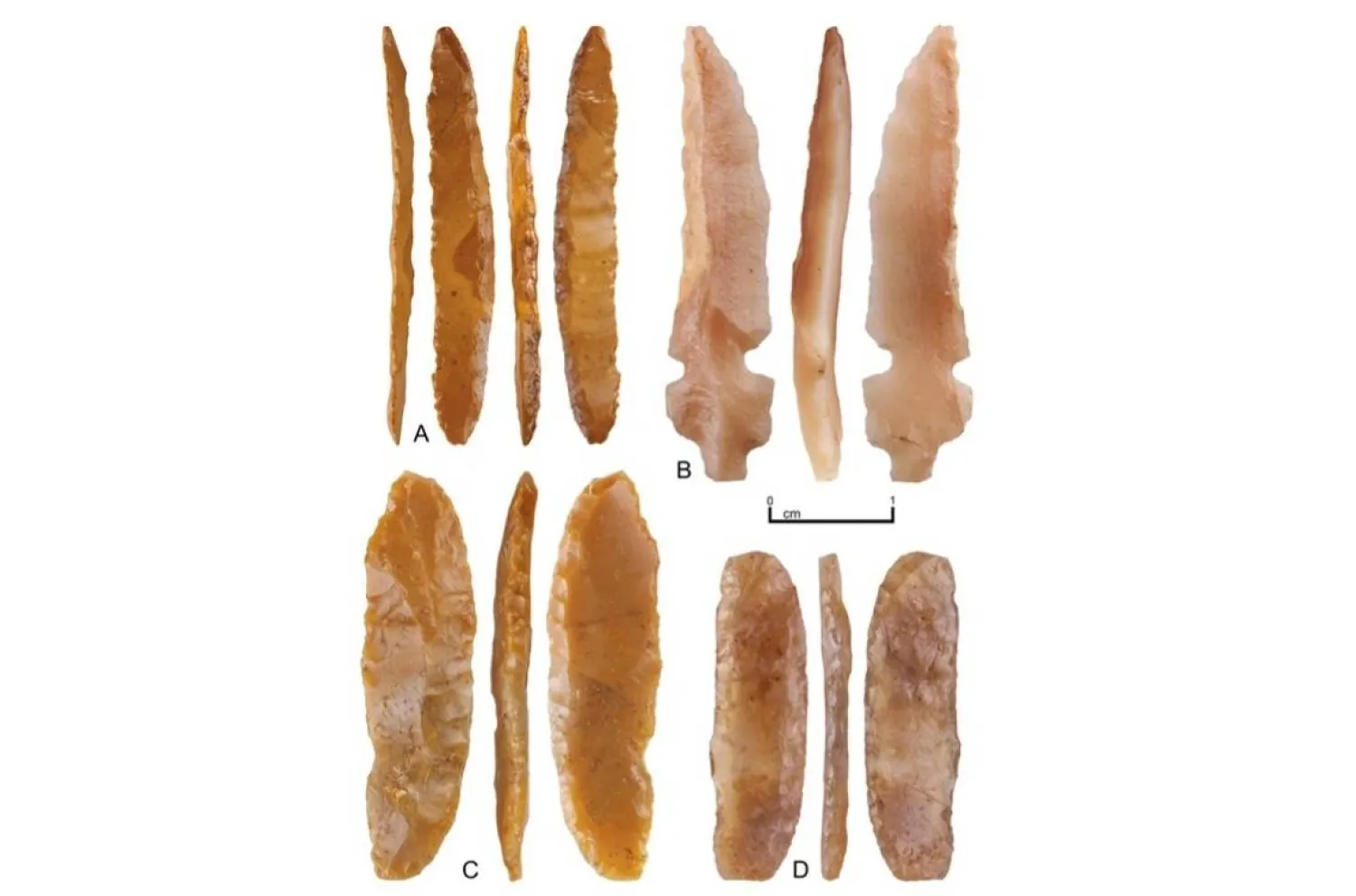
Northern Arabia Archaeological Site Reveals 13,500-Year-Old Human Settlement
Mar 18, 2026
Read More →
Mar 18, 2026
image_2026-03-18_002037500.png
Mar 18, 2026
Ancient star opens window to early days of the universe
Mar 18, 2026
Read More →
Mar 18, 2026
image_2026-03-18_001657389.png
Mar 18, 2026
Neanderthal prey: elephant teeth preserve 125,000-year-old record of movement and diet
Mar 18, 2026
Read More →
Mar 18, 2026
image_2026-03-18_001431220.png
Mar 18, 2026
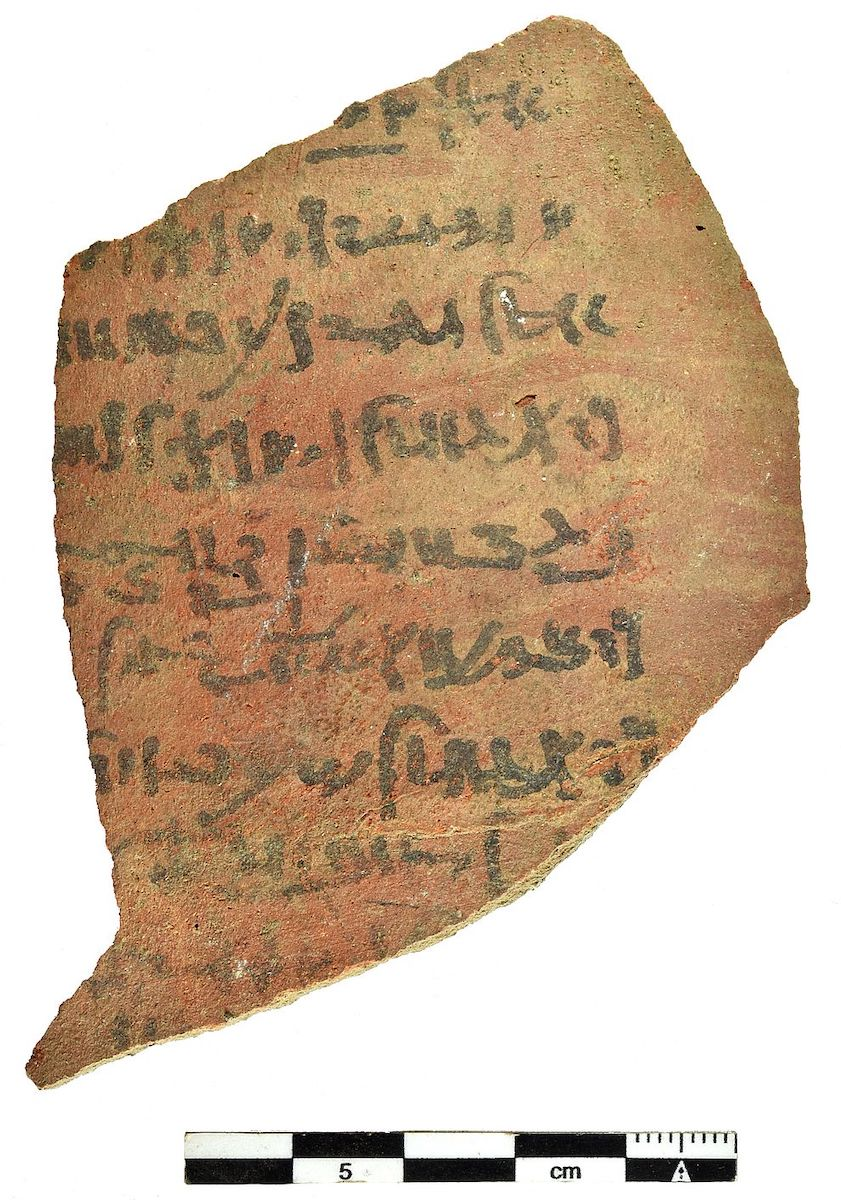
Thousands of Ostracons Unearthed in Egypt
Mar 18, 2026
Read More →
Mar 18, 2026
read more

Powered by The archaeologist