The Nabataeans: How the Masters of the Desert Built the Rose-Red City of Petra

A Civilization Hidden in Stone

In the harsh deserts of the Middle East, where survival itself is a challenge, an ancient civilization achieved something extraordinary. The Nabataeans—skilled traders, engineers, and architects—carved an entire city into rock, creating one of the most breathtaking archaeological sites in the world: Petra.

Often called the “Rose-Red City” because of the color of its sandstone cliffs, Petra stands as a testament to human ingenuity in one of the most unforgiving environments on Earth.

Who Were the Nabataeans?

The Nabataeans were an ancient Arab people who rose to power around the 4th century BCE. Positioned strategically between major civilizations—including Egypt, Mesopotamia, and the Mediterranean—they became masters of trade.

They controlled key routes that transported:

  • Spices from Arabia and India

  • Incense and perfumes

  • Precious goods like silk and metals

Their wealth allowed them to build monumental structures and develop advanced technologies.

Engineering a City in the Desert

What makes Petra truly remarkable is not just its beauty—but its engineering brilliance.

Water: The Key to Survival

In a region with little rainfall, the Nabataeans developed an advanced system to collect, store, and distribute water.

Their innovations included:

  • Rock-cut channels and pipelines

  • Underground cisterns to store rainwater

  • Dams to prevent flooding

This system allowed Petra to support thousands of inhabitants in a desert environment.

Architecture Carved from Rock

Instead of building upward, the Nabataeans carved their city directly into cliffs. Structures like the famous Treasury (Al-Khazneh) and the Monastery were sculpted with incredible precision.

These buildings combined influences from:

  • Greek architecture

  • Egyptian styles

  • Local traditions

The result was a unique artistic identity that reflected Petra’s role as a cultural crossroads.

A Thriving Trade Empire

Petra was more than a city—it was a commercial hub. Caravans passed through regularly, bringing goods and ideas from distant lands.

Markets, storage areas, and caravanserais supported this constant flow of trade. The Nabataeans became wealthy and influential, shaping the economy of the region.

Decline and Rediscovery

Petra’s importance declined after Roman annexation and changes in trade routes. Over time, earthquakes and neglect led to its abandonment.

For centuries, the city remained hidden from the outside world—until it was rediscovered in 1812.

A Lasting Legacy

Today, Petra is one of the most iconic archaeological sites in the world. It stands as proof that even in the most extreme environments, human creativity and determination can flourish.

The Nabataeans were not just survivors of the desert—they were masters of it.
The Scythian Ice Maidens: Perfectly Preserved Secrets of the Eurasian Steppe

Frozen in Time

High in the mountains of Siberia, beneath layers of ice and permafrost, archaeologists have uncovered some of the most astonishing human remains ever discovered—the Scythian Ice Maidens.

These women, preserved for over 2,000 years, offer a rare and intimate glimpse into the lives of ancient nomadic societies.

Who Were the Scythians?

The Scythian culture were nomadic people who roamed the vast Eurasian степpe from around 900 BCE to 200 BCE.

They were known for:

  • Skilled horsemanship

  • Elaborate burial practices

  • Rich artistic traditions

Despite their mobility, they developed complex cultural and social systems.

The Discovery of the Ice Maidens

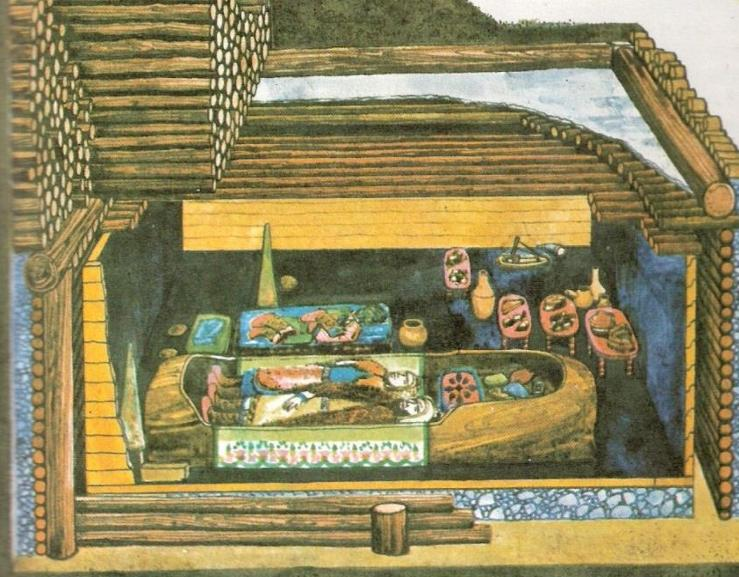
The Ice Maidens were found in burial mounds known as kurgans, where the combination of cold temperatures and sealed conditions preserved organic materials.

These tombs contained:

  • Bodies with intact skin and hair

  • Clothing made of wool and fur

  • Jewelry and ceremonial objects

Tattoos and Identity

One of the most remarkable features of the Ice Maidens is their tattoos, which are still visible on their skin.

These intricate designs—featuring animals and mythical creatures—may have symbolized:

  • Social status

  • Spiritual beliefs

  • Personal identity

They reveal a culture rich in symbolism and artistic expression.

Insights into Ancient Life

The preservation of these remains provides valuable information about:

  • Diet and health

  • Clothing and craftsmanship

  • Ritual practices

Unlike most ancient burials, which leave only bones, these discoveries offer a complete picture of life and death in the ancient степpe.

A Culture Preserved by Nature

The Ice Maidens remind us that history is not always lost—sometimes, it is frozen in time, waiting to be rediscovered.

Their stories bridge the gap between past and present, offering a rare connection to a world long gone.

Mystery of the Olmec Heads: Who Were the True Pioneers of Mesoamerica?

Giants Carved in Stone

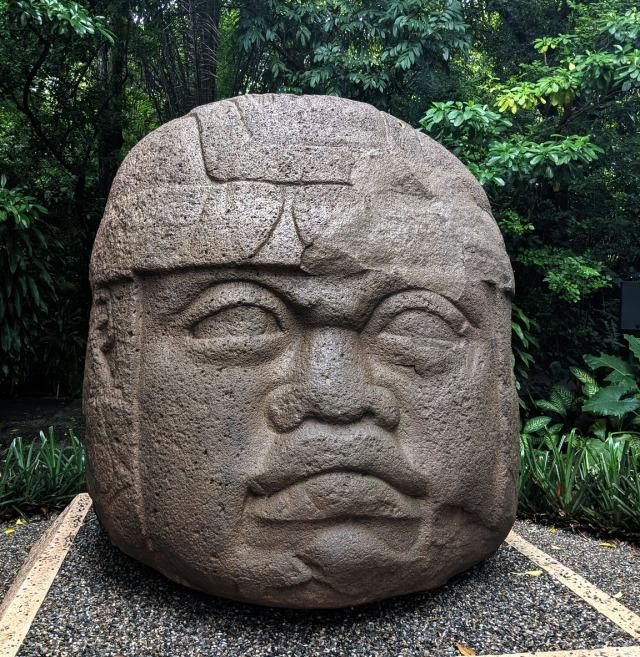
Scattered across the tropical lowlands of Mexico are massive stone sculptures unlike anything else in the ancient world—the colossal heads of the Olmec civilization.

Weighing up to 50 tons and standing several meters tall, these heads are among the most mysterious artifacts in archaeology.

The Olmec Civilization

The Olmec flourished between 1400 and 400 BCE, making them one of the earliest known civilizations in Mesoamerica. They built complex societies with:

  • Planned cities

  • Monumental architecture

  • Artistic traditions

Because of their influence, they are often called the “mother culture” of later civilizations like the Maya and Aztec.

The Purpose of the Heads

Each colossal head is unique, with distinct facial features, expressions, and helmet-like headgear. This suggests they may represent:

  • Powerful rulers

  • Elite warriors

  • Possibly deified leaders

Their individuality indicates that they were likely portraits, not generic figures.

How Were They Made and Moved?

The heads were carved from basalt, a volcanic rock sourced from quarries many kilometers away.

Transporting these massive stones without modern tools remains one of the biggest mysteries. Possible methods include:

  • Rolling them on logs

  • Using rafts along rivers

  • Coordinated human labor

The effort required shows a high level of organization and engineering skill.

Why Do They Matter?

The Olmec heads are more than sculptures—they are symbols of a civilization that laid the groundwork for Mesoamerican culture.

They demonstrate:

  • Artistic sophistication

  • Political structure

  • Cultural identity

A Mystery That Endures

Despite decades of research, many questions remain unanswered. Who exactly did the heads represent? What rituals were associated with them?

The Olmec left no written records, leaving their story carved only in stone—waiting to be fully understood.

The Sacred Rivers of Ancient Civilizations

The Birthplaces of Civilization

Some of the greatest civilizations in history were built along rivers. These waterways provided everything early societies needed to survive and grow—fresh water, fertile soil, and transportation routes.

The Great Rivers That Shaped History

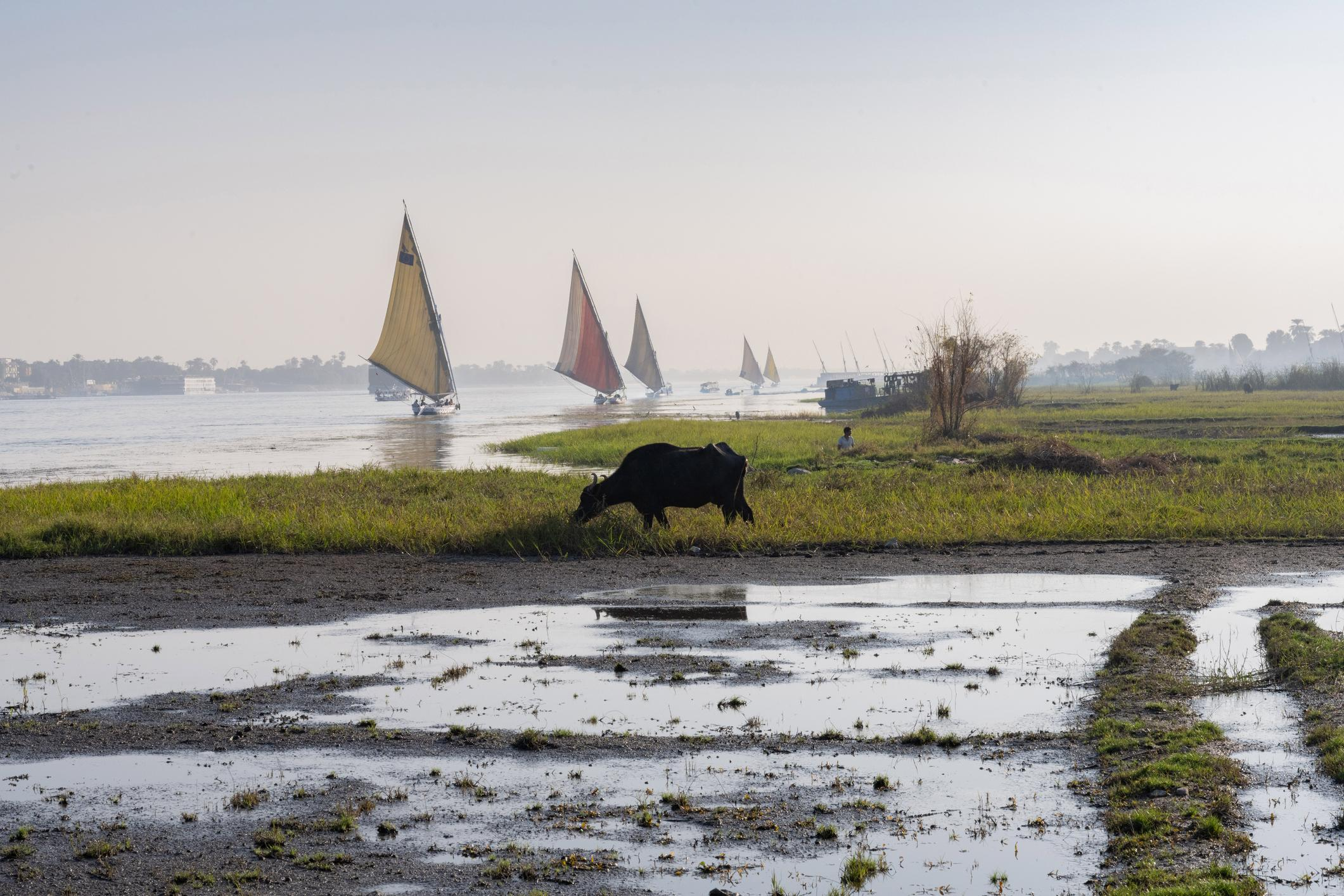
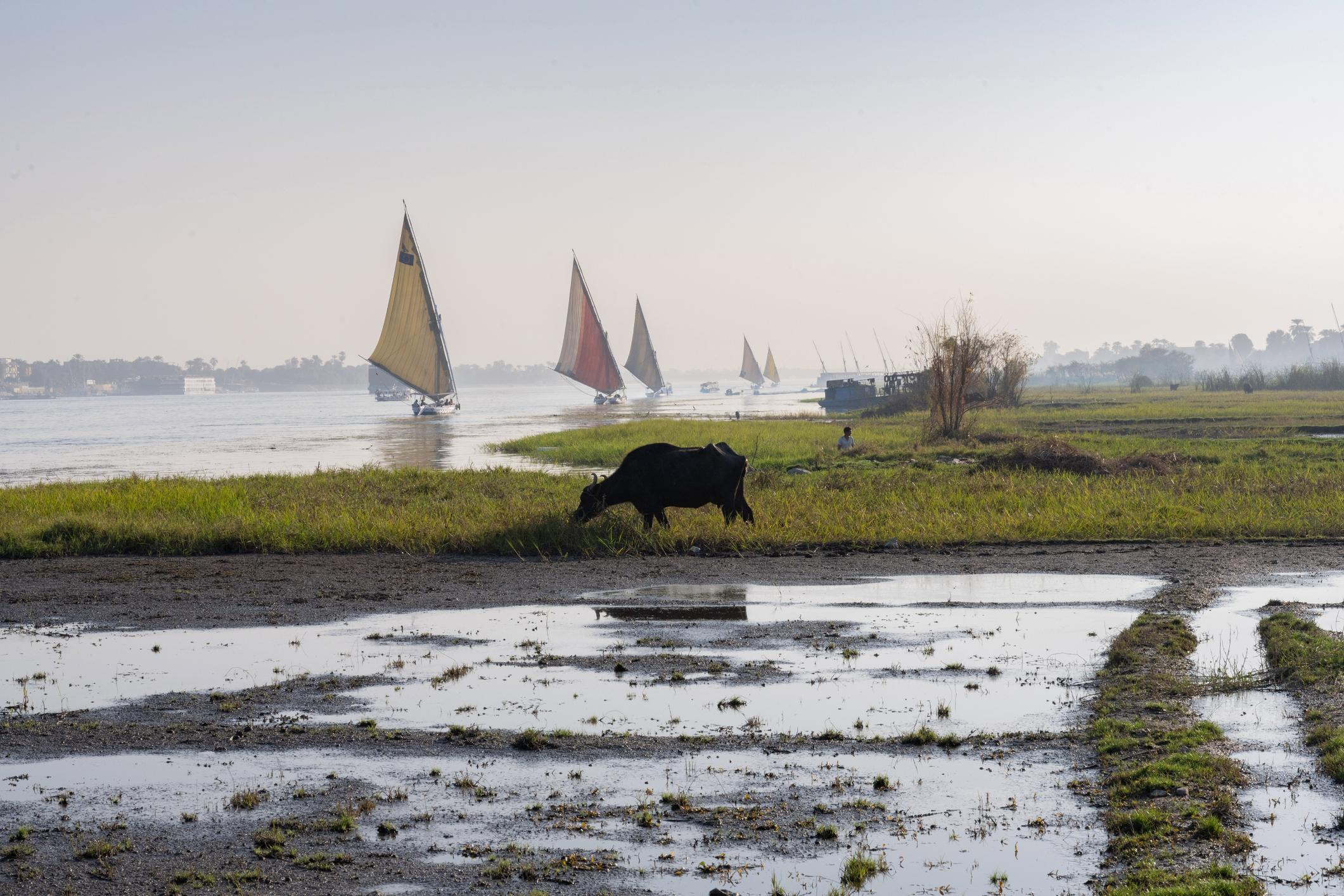
Nile River

The Nile’s predictable flooding created rich farmland, allowing ancient Egypt to flourish for thousands of years.

Indus River

This river supported highly organized cities with advanced planning, sanitation, and trade systems.

Tigris River and Euphrates River

These rivers formed Mesopotamia, where some of the world’s first cities, writing systems, and laws emerged.

Yellow River

Often called the “Mother River,” it nurtured early Chinese civilization, though its floods could also be destructive.

Agriculture and Power

Rivers made large-scale farming possible through irrigation systems. This led to:

  • Food surpluses

  • Population growth

  • The rise of cities and governments

Control over water often meant control over power.

Rivers as Sacred Forces

Ancient peoples did not see rivers as mere resources—they saw them as living, divine forces.

  • The Nile was associated with gods of fertility

  • Mesopotamian myths described rivers as part of creation

  • Asian traditions viewed rivers as sacred lifelines

Rituals, offerings, and festivals were often centered around these waterways.

Doggerland: The Lost World Beneath the North Sea

A Land That Once Connected Europe

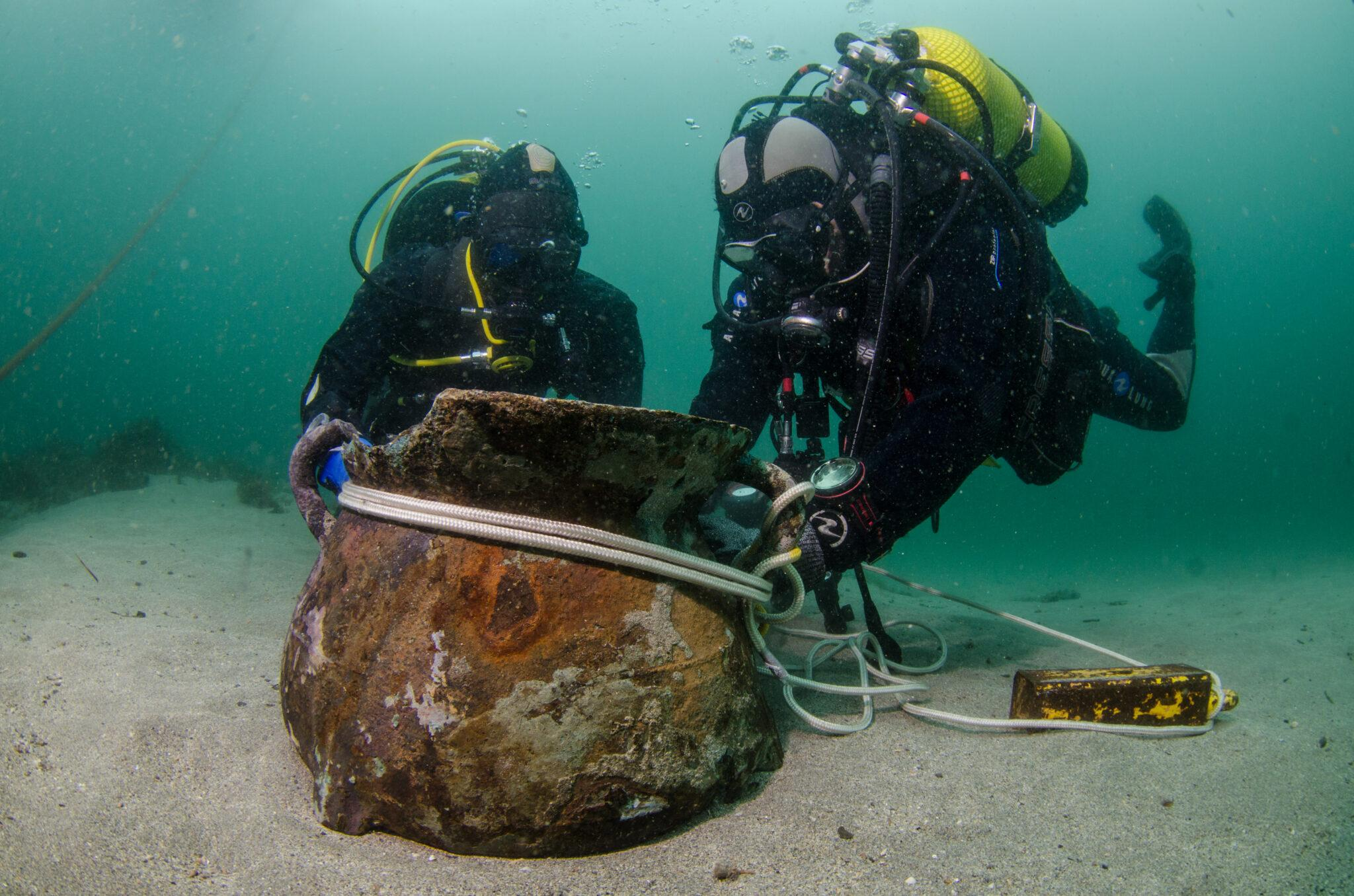
Thousands of years ago, a vast stretch of land connected United Kingdom to mainland Europe. This region, now submerged beneath the North Sea, is known as Doggerland.

A Thriving Prehistoric Landscape

Far from being empty, Doggerland was rich in life. It featured:

  • Rivers and wetlands

  • Forests filled with animals

  • Human settlements and hunting grounds

Mesolithic communities lived here, fishing, hunting, and gathering resources in a fertile environment.

The Slow Flooding of a Continent

As the last Ice Age ended, glaciers melted and sea levels began to rise. Over thousands of years, Doggerland was gradually submerged.

A massive underwater landslide, known as the Storegga Slide, may have triggered a tsunami that accelerated its disappearance.

Rediscovering a Lost World

Today, evidence of Doggerland is being uncovered through:

  • Seafloor mapping

  • Fossils and tools brought up by fishing nets

  • Advanced underwater surveys

These discoveries are helping archaeologists reconstruct a landscape that vanished beneath the waves.

Europe’s Real Atlantis?

Doggerland is sometimes called the “Atlantis of the North Sea,” not because of myth, but because it represents a real, lost world.

Its story reminds us that climate change and rising seas have shaped human history before—and may do so again.

Göbekli Tepe: The 12,000-Year-Old Temple That Changed History

A Discovery That Rewrote the Timeline

High on a hill in Turkey lies one of the most important archaeological discoveries ever made: Göbekli Tepe.

Dating back over 12,000 years, this site predates Stonehenge and the pyramids by thousands of years. Even more astonishing—it was built before the invention of agriculture.

Monumental Architecture Without Civilization

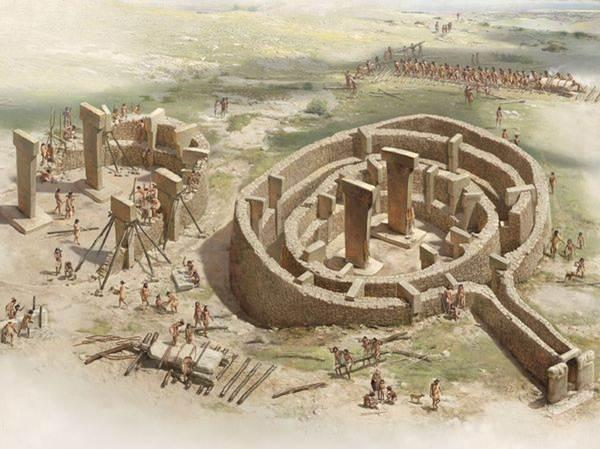
The site consists of massive T-shaped stone pillars arranged in circular enclosures. Many of these pillars are decorated with intricate carvings of animals, including lions, snakes, and birds.

The scale of construction is staggering:

  • Stones weighing up to 20 tons

  • Carefully arranged ceremonial layouts

  • Evidence of repeated building phases

This raises a major question: How could hunter-gatherers build something so complex?

Rethinking the Origins of Religion

For decades, historians believed that organized religion emerged only after people settled into agricultural societies. Göbekli Tepe challenges that idea entirely.

Instead, it suggests the opposite:
religion may have come first.

Gatherings for ritual or belief may have encouraged people to settle in one place, eventually leading to farming and permanent communities.

A Site Still Full of Secrets

Only a small portion of Göbekli Tepe has been excavated. Ground scans suggest that many more structures remain buried beneath the surface.

Each new discovery adds to the mystery, offering clues about early human beliefs, social organization, and creativity.

Why It Matters Today

Göbekli Tepe forces us to rethink one of the biggest questions in human history:
What came first—civilization or belief?

Its answer may reshape our understanding of how society itself began.

The Lost City of the Monkey God: LIDAR Reveals a Hidden Jungle Metropolis

A Legend That Refused to Die

For centuries, explorers, adventurers, and historians were drawn to stories of a mysterious lost city hidden deep within the jungles of Honduras. Known as the “White City” or the “City of the Monkey God,” it was said to be filled with riches, sacred idols, and the remnants of a once-powerful civilization.

Despite numerous expeditions, the dense rainforest of the Mosquitia region kept its secrets well hidden. Thick vegetation, dangerous wildlife, and disease made exploration extremely difficult, turning the legend into something that many dismissed as myth.

The Technology That Saw Through the Jungle

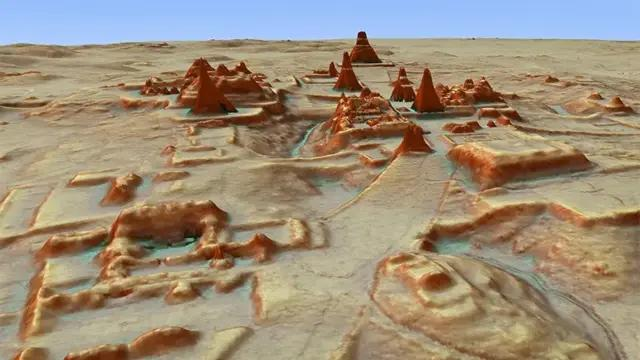
Everything changed with the introduction of LIDAR (Light Detection and Ranging) technology. By firing laser pulses from aircraft and measuring how they bounce back, LIDAR can strip away vegetation digitally and reveal the ground beneath.

What researchers discovered was astonishing.

Beneath the jungle canopy lay a vast, carefully planned settlement—complete with plazas, mounds, irrigation features, and possible pyramidal structures. Far from a single ruin, it appeared to be an entire urban landscape, suggesting a complex and organized society.

Evidence of a Sophisticated Civilization

Artifacts recovered from the site include carved stone objects, ceremonial pieces, and animal-shaped sculptures—some resembling monkeys, which may connect to the legend itself.

The layout of the city suggests:

  • Central gathering spaces

  • Structured urban planning

  • Agricultural adaptation to rainforest conditions

This was not a primitive settlement, but a thriving civilization adapted to a challenging environment.

Why Was It Abandoned?

Like many ancient cities, the reason for its decline remains uncertain. Scholars have proposed several theories:

  • Disease introduced through contact with outsiders

  • Environmental strain from overuse of resources

  • Social or political collapse

The city appears to have been suddenly deserted, leaving behind a snapshot of life frozen in time.

A New Chapter in American Archaeology

The discovery of the Monkey God city has reshaped our understanding of pre-Columbian civilizations in Central America. It proves that complex societies existed even in regions once thought too harsh for large populations.

What was once legend is now evidence—and the jungle may still be hiding more cities waiting to be revealed.

The Sacred Rivers of Ancient Civilizations

Rivers as Lifelines of Civilization

Rivers have always been central to human survival. For ancient civilizations, they provided water, fertile soil, food, and transportation—making them essential for the growth of cities and societies.

Many of the world’s earliest civilizations developed along major rivers, where natural resources supported large populations and complex communities.

The Great Rivers of the Ancient World

Nile River

The Nile was the lifeblood of ancient Egypt. Its predictable flooding enriched the soil, allowing agriculture to flourish in an otherwise arid landscape.

Indus River

The Indus supported one of the world’s earliest urban civilizations, known for its advanced city planning and drainage systems.

Tigris River and Euphrates River

These rivers formed the heart of Mesopotamia, often called the “cradle of civilization.” They enabled the rise of early cities, writing systems, and legal codes.

Yellow River

Known as the “Mother River” of China, the Yellow River supported early Chinese civilizations, though its unpredictable flooding also posed challenges.

Agriculture and Economic Growth

Rivers made large-scale farming possible. Irrigation systems allowed communities to control water flow, increasing food production and supporting population growth.

Surplus crops could be traded, leading to the development of economies and social hierarchies.

Spiritual and Cultural Significance

Beyond their practical importance, rivers held deep spiritual meaning. Many were seen as sacred, associated with gods, creation myths, and the cycle of life.

  • The Nile was linked to divine forces of fertility

  • Mesopotamian rivers were tied to creation stories

  • Asian rivers were often revered in religious traditions

Rivers became central to rituals, ceremonies, and belief systems.

The Lasting Influence of Sacred Rivers

The importance of rivers continues today, as many modern cities still rely on the same waterways that supported ancient civilizations.

These rivers are not just natural features—they are historical lifelines, carrying the legacy of human development across thousands of years.

The World’s Oldest Stone Roads and Highways

Connecting the Ancient World

Long before modern highways, ancient civilizations built roads that connected cities, empires, and distant regions. These early transportation networks were essential for trade, communication, and political control, allowing societies to expand and thrive.

Roads were more than just paths—they were symbols of organization and power, reflecting a society’s ability to plan, build, and maintain infrastructure.

Early Examples of Road Systems

Via Appia

Often called the “Queen of Roads,” the Via Appia was one of the earliest and most important Roman roads. Built in 312 BCE, it connected Rome to southern Italy and played a vital role in military movement and trade.

Its durable stone construction set a standard for road-building that influenced engineering for centuries.

Andean Road Systems

In South America, the Inca civilization developed an extensive network of roads across rugged mountain terrain. These paths connected distant regions of the empire, allowing for efficient communication and transport.

Despite lacking wheeled vehicles, the Inca created one of the most advanced road systems in the ancient world.

Mesopotamian Routes

In ancient Mesopotamia, early roads linked cities across the Fertile Crescent. These routes facilitated trade and administration, helping to unify some of the world’s first urban societies.

Engineering and Construction

Ancient road builders used a variety of techniques to ensure durability:

  • Layered foundations for stability

  • Carefully fitted stones

  • Drainage systems to prevent erosion

These innovations allowed roads to withstand heavy use and harsh weather conditions.

The Impact of Roads on Civilization

Roads transformed how people interacted with the world. They enabled:

  • Faster movement of armies

  • Expansion of trade networks

  • Efficient governance of large territories

Empires like Rome relied heavily on their road systems to maintain control and communication across vast distances.

Highways of History

Ancient roads were not just physical structures—they were pathways of culture and exchange. Along these routes traveled goods, ideas, languages, and beliefs.

Even today, many modern roads follow the paths established thousands of years ago, showing the lasting influence of ancient engineering.

The First People to Domesticate Fire for Industry

Fire as Innovation: From Survival to Technology

Fire is one of the most transformative discoveries in human history. Early humans first used it for warmth, protection, and cooking—but over time, they learned to control and adapt fire for far more complex purposes. This shift marked a turning point: fire was no longer just a survival tool, but a foundation for early industry and technological progress.

The domestication of fire for industrial use did not happen overnight. It developed gradually, through experimentation and observation, as early communities discovered that heat could transform materials in powerful and predictable ways.

The Birth of Early Industries

Pottery and Kilns

One of the earliest industrial uses of fire was in pottery production. Clay vessels, when exposed to high heat, became stronger, waterproof, and more durable. Early kilns allowed people to control temperature more precisely, leading to improved quality and consistency.

Pottery revolutionized daily life. It enabled long-term food storage, cooking, and trade—essential elements for growing settlements and complex societies.

Metal Smelting and Metallurgy

Perhaps the most significant leap came with the discovery that fire could extract metals from ore. This process, known as smelting, gave rise to metallurgy.

  • Copper was among the first metals used

  • Later came bronze, an alloy of copper and tin

  • Eventually, ironworking transformed tools and weapons even further

Metal tools were sharper, stronger, and more efficient than stone, allowing for advances in agriculture, construction, and warfare.

Lime Production and Construction

Fire also played a critical role in building technology. By heating limestone, ancient people produced quicklime, a key ingredient in mortar and plaster.

This innovation allowed for stronger, more durable structures, paving the way for large-scale architecture, including temples, roads, and fortifications.

Mastering Heat: A Scientific Breakthrough

The ability to control fire required a deep understanding of materials and temperatures—even if early people did not express it scientifically. They learned:

  • Which fuels burned hottest

  • How to regulate airflow in furnaces

  • How long materials needed to be heated

These skills represent some of the earliest forms of applied science and engineering.

Transforming Civilization

The industrial use of fire changed nearly every aspect of human life. It enabled:

  • Stronger tools and weapons

  • More permanent settlements

  • Expanded trade networks

  • Technological innovation

In many ways, fire was the engine that powered early civilization. Without it, advancements in agriculture, architecture, and industry would have been impossible.

A Legacy That Still Burns

Today, modern industries—from steel production to energy generation—still rely on principles first discovered thousands of years ago. The early mastery of fire laid the groundwork for everything from ancient metallurgy to modern engineering.

What began as a simple flame became one of humanity’s most powerful tools—shaping the course of history itself.

The Forgotten Bronze Age Kingdoms of the Aegean

Civilizations of the Aegean

The Bronze Age Aegean world was home to powerful and sophisticated civilizations that influenced the development of later Greek culture.

Key Societies

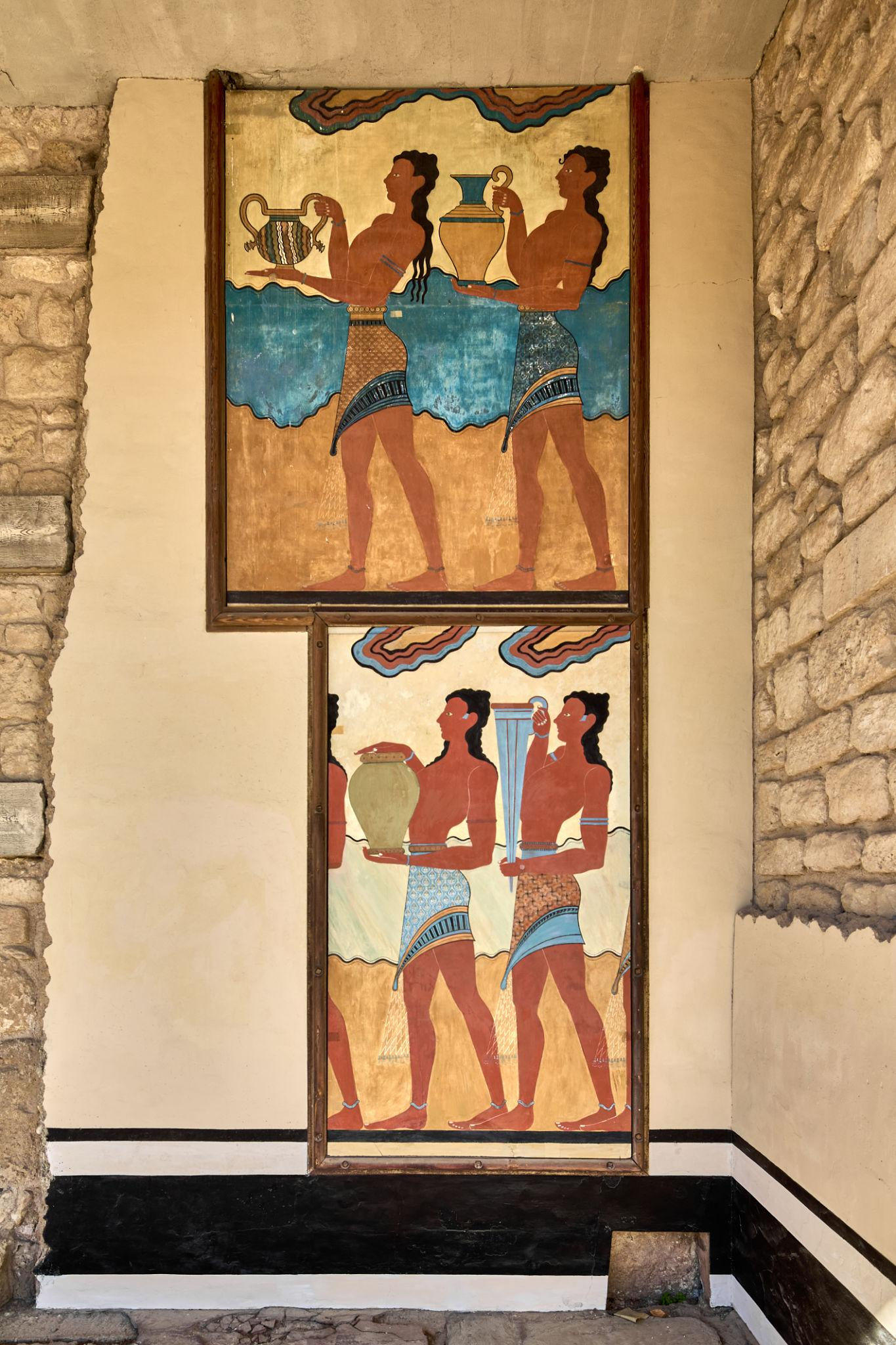
  • Minoans: Known for art, trade, and palace complexes

  • Mycenaeans: Militaristic society with strong fortifications

  • Sea Peoples: Mysterious groups linked to widespread destruction

Collapse and Legacy

Around 1200 BCE, many of these civilizations declined, possibly due to climate change, invasions, or internal conflict. Their legacy, however, influenced the rise of classical Greece.

The Earliest Known Religious Festivals

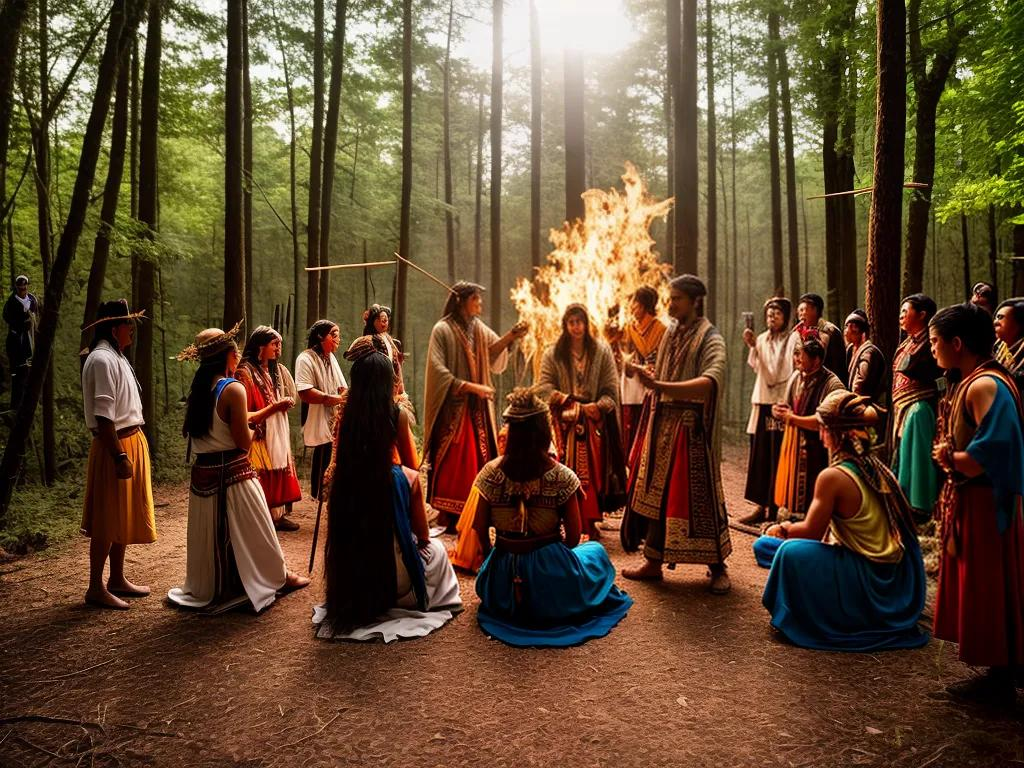
Celebrating the Sacred

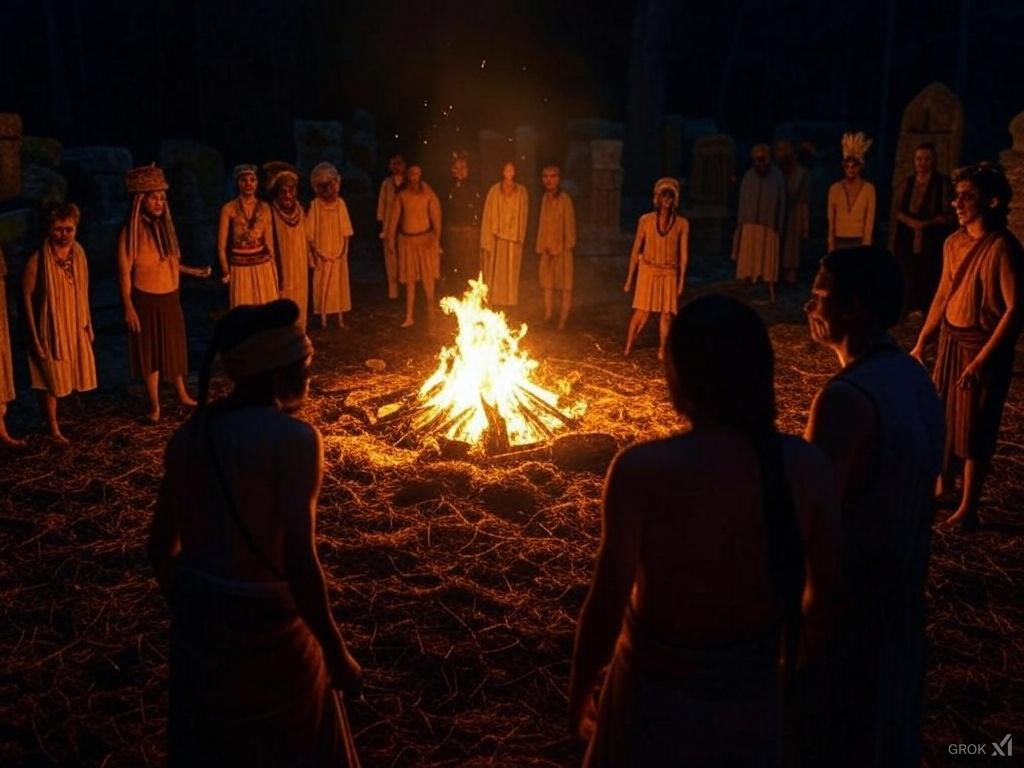
Religious festivals have been part of human culture for thousands of years, serving as moments of celebration, worship, and community bonding.

Rituals and Traditions

Early festivals often included:

  • Feasting and communal meals

  • Offerings and sacrifices

  • Seasonal celebrations tied to agriculture

These events helped communities connect with their environment and spiritual beliefs.

Social and Cultural Importance

Festivals reinforced social bonds and cultural identity. They also played a role in marking time and organizing agricultural cycles.

The Ancient Engineers Who Moved Mega-Stones

Building the Impossible

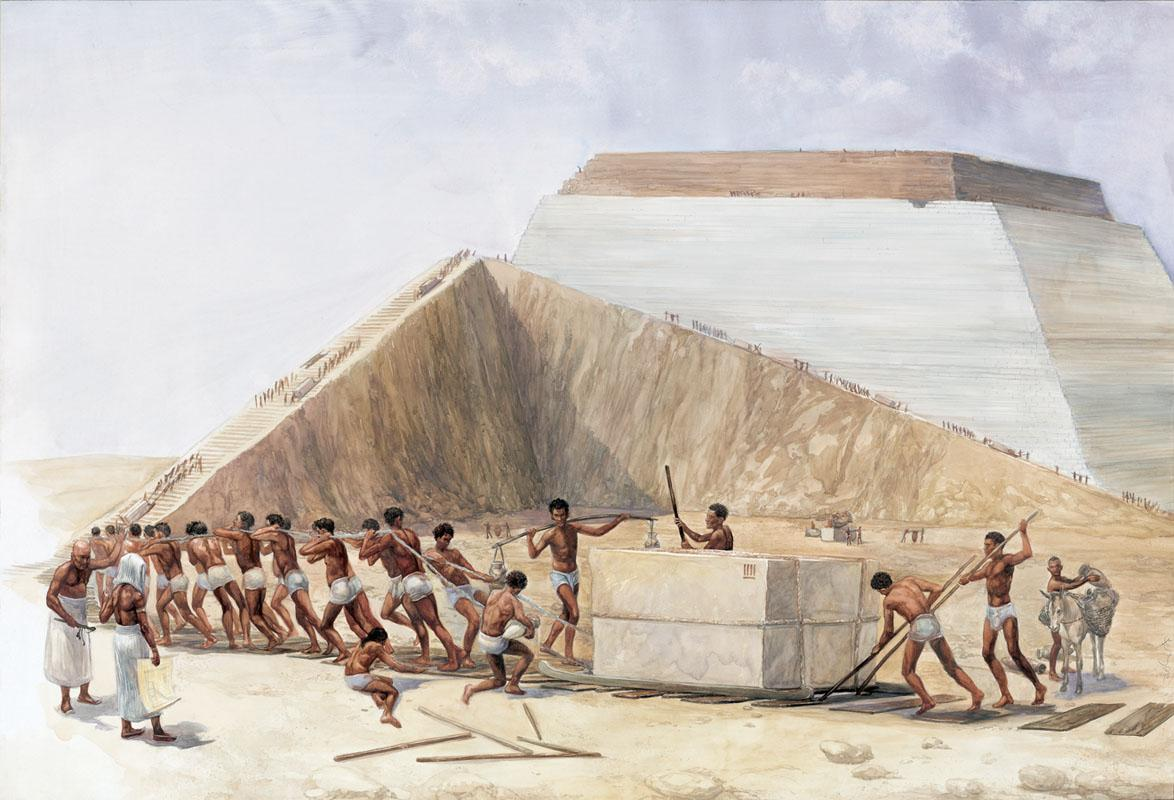
Ancient civilizations constructed monumental structures using massive stones, often weighing several tons. Without modern machinery, these achievements required ingenuity, coordination, and advanced planning.

How Did They Do It?

Researchers believe ancient builders used a combination of techniques, including:

  • Wooden rollers and sledges

  • Lever systems

  • Human and animal labor

  • Lubrication using water or mud

Sites like Stonehenge and the Egyptian pyramids showcase the incredible capabilities of early engineers.

Engineering Legacy

These achievements highlight not only technical skill but also strong social organization. Large-scale construction required cooperation, planning, and leadership—key elements of early civilizations.

Prehistoric Medicine and Healing Rituals

Early Healing Practices

Before the rise of modern medicine, early humans relied on observation, experimentation, and spiritual beliefs to treat illness and injury. Despite limited knowledge, they developed surprisingly effective methods of healing.

Techniques and Treatments

One of the most fascinating practices is trepanation, a surgical procedure involving drilling a hole into the skull. Evidence suggests that some patients survived, indicating a level of medical skill.

Herbal remedies were also widely used, with plants serving as treatments for pain, infection, and other ailments. Shamans or healers often combined these remedies with rituals, believing that illness could have spiritual causes.

Medicine and Belief

Prehistoric medicine reflects a blend of practical knowledge and spiritual understanding. While some treatments were effective, others were rooted in belief systems that sought to explain the unknown.

The Oldest Known Laws in Human History

Why Laws Emerged

As human societies grew larger and more complex, maintaining order became increasingly difficult. Early communities relied on customs and traditions, but as cities developed, formal legal systems became necessary to regulate behavior and resolve disputes.

Early Legal Systems

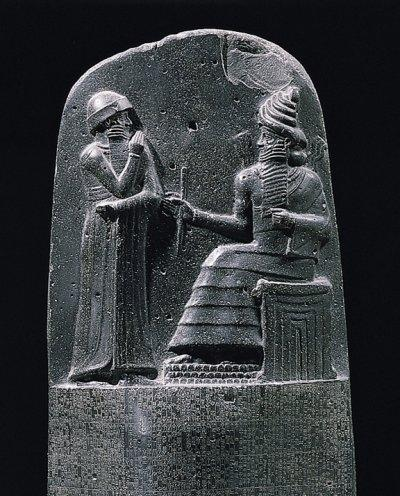
Some of the earliest laws originated in Sumer, where rulers began recording rules on clay tablets. The most famous example, the Code of Hammurabi, outlined detailed laws covering everything from trade to family life.

In ancient Egypt, law was closely tied to the concept of balance and justice, often associated with divine order. Meanwhile, Indo-European societies developed customary laws that governed social relationships and responsibilities.

Lasting Impact on Society

These early legal systems shaped the development of governance, influencing later civilizations and modern law. They established principles such as accountability, justice, and social order—concepts that remain central to societies today.

Ancient Trade Networks That Spanned Continents

The First Global Economy

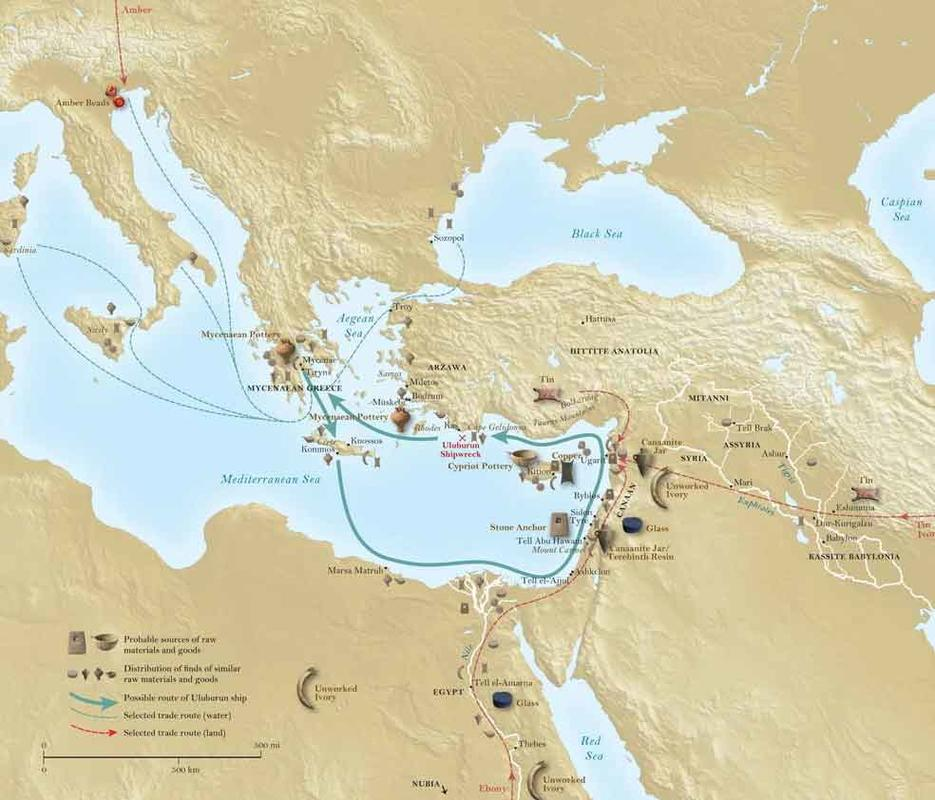
Long before modern globalization, ancient civilizations were already connected through vast trade networks that stretched across continents. These routes allowed not only the exchange of goods but also the movement of ideas, technologies, and cultural practices.

Key Trade Systems of the Ancient World

One of the earliest examples is the obsidian trade network, where volcanic glass used for tools was transported over long distances in prehistoric times. Similarly, the Amber Road connected northern Europe to the Mediterranean, allowing valuable amber to circulate among elite societies.

Maritime trade also played a crucial role. Ancient sailors navigated coastlines and open seas, linking distant civilizations through the exchange of goods like spices, metals, and textiles.

Cultural Exchange and Innovation

Trade routes were not just economic pathways—they were channels of cultural exchange. Through these networks, societies shared technologies such as metallurgy, agricultural practices, and even religious beliefs.

These early systems laid the groundwork for complex economies and demonstrated that even ancient societies were deeply interconnected.

The Dawn of Ancient Warfare

The First Battles in Human History

Long before written records, humans were already engaging in organized conflict. Archaeological evidence suggests that warfare began as early as the Neolithic period, when growing populations and competition over land and resources led to violent encounters.

One of the earliest known examples is a mass grave discovered at Jebel Sahaba, where skeletons show clear signs of violent injuries caused by projectiles. This suggests repeated conflict rather than a single event.

Primitive Weapons and Early Tactics

Early warriors relied on simple but deadly tools such as:

  • Stone-tipped spears

  • Clubs and axes

  • Bows and arrows

As metallurgy developed, these weapons became more advanced, leading to bronze swords and armor.

The Rise of Organized Combat

Over time, warfare evolved from scattered clashes into structured battles with leaders, strategies, and trained fighters. Settlements began building defenses like walls and fortifications, marking the transition from survival conflict to organized warfare—a defining feature of early civilizations.

Buried at a Doorway for 5,000 Years: Ancient Bread Reveals a Lost Recipe—and a Ritual

5,000-Year-Old Bread Discovery Reshapes Understanding of Ancient Cuisine

A charred loaf of bread, buried for thousands of years in central Anatolia, is offering remarkable new insights into early food practices—and the deeper meaning food held in ancient societies.

Unearthed at Küllüoba Höyük, the bread dates to around 3000 BCE and is now considered one of the oldest and best-preserved examples from the Early Bronze Age. Far from being a simple food item, the discovery reveals a complex story of technology, culture, and ritual.

A Remarkably Preserved Ancient Loaf

The bread was found intact near the entrance of a structure during excavations. Measuring roughly 12 centimeters in diameter, it had been intentionally burned and buried beneath a clean layer of soil—a context that immediately suggested it was placed deliberately rather than discarded.

Scientific analysis showed that the loaf was made primarily from emmer wheat (Triticum dicoccum), combined with a smaller portion of lentils (Lens culinaris). This blend points to a surprisingly balanced and nutritious recipe for the time, indicating that ancient communities already had a thoughtful approach to food preparation.

Advanced Food Technology in the Early Bronze Age

Researchers used a range of modern techniques—including scanning electron microscopy, Raman spectroscopy, and thermal analysis—to reconstruct how the bread was made.

Their findings revealed that:

  • The bread was baked at temperatures exceeding 150–160°C

  • Controlled heating methods were likely used, such as ovens or carefully managed hearths

  • The loaf retained internal structures like starch granules, even after charring

Chemical analysis also identified carbohydrates, proteins, and fats, providing a detailed picture of its nutritional composition.

Together, these results challenge the idea that early bread-making was basic or experimental. Instead, they show that culinary techniques were already refined and intentional thousands of years ago.

More Than Food: A Ritual Offering

Perhaps the most compelling aspect of the discovery is its symbolic purpose. The bread’s placement—beside a doorway, deliberately burned, and sealed under clean soil—strongly suggests it was part of a ritual rather than everyday consumption.

Archaeologists believe it may have been used in a ceremonial closure of the building, a practice seen in earlier Neolithic traditions where structures were abandoned with offerings.

According to excavation director Murat Türkteki, the find highlights that bread was not just a staple food but also a meaningful cultural object tied to beliefs and traditions.

From Survival to Symbolism

Bread has a long history, with evidence of early bread-like foods dating back over 14,000 years at sites like Shubayqa 1.

By the Early Bronze Age, however, bread had evolved into something more structured—both in how it was made and how it was understood socially.

At Küllüoba, several factors reflect this shift:

  • Ingredient choices, such as combining wheat and lentils

  • Refined preparation methods, indicating culinary knowledge

  • Ritual use, showing symbolic and cultural significance

Archaeobotanical evidence from the site also reveals a broader agricultural system that included barley and einkorn wheat, suggesting a diverse and organized food economy.

A Rare and Valuable Archaeological Find

Well-preserved bread from this period is extremely rare, especially in such a clear ritual context. Unlike fragmented remains, this loaf provides a complete and detailed object for study—bridging the gap between everyday life and symbolic practice.

The discovery also demonstrates how modern scientific tools are transforming archaeology. Without advanced analysis techniques, much of the bread’s story—its ingredients, preparation, and purpose—would have remained hidden.

What This Discovery Reveals About Early Societies

The Küllüoba bread offers a powerful reminder that food has always carried meaning beyond simple survival. Even 5,000 years ago, people were:

  • Carefully selecting and combining ingredients

  • Controlling cooking techniques

  • Embedding food within cultural and ritual practices

In this way, the humble loaf reflects broader human behavior—linking nourishment with identity, tradition, and belief.

A Simple Loaf With a Lasting Message

This ancient bread shows that early societies in Anatolia were far more sophisticated than often assumed. It represents not just a meal, but a connection between daily life and deeper cultural expression.

Ultimately, the discovery highlights a timeless truth: food is never just food. Even in the earliest civilizations, it carried meaning, memory, and a sense of belonging—much like it does today.