• MAIN PAGE
  • LATEST NEWS
    • Lost Cities
    • Archaeology's Greatest Finds
    • Underwater Discoveries
    • Greatest Inventions
    • Studies
    • Blog
  • PHILOSOPHY
  • HISTORY
  • RELIGIONS
    • Africa
    • Anatolia
    • Arabian Peninsula
    • Balkan Region
    • China - East Asia
    • Europe
    • Eurasian Steppe
    • Levant
    • Mesopotamia
    • Oceania - SE Asia
    • Pre-Columbian Civilizations of America
    • Iranian Plateau - Central Asia
    • Indus Valley - South Asia
    • Japan
    • The Archaeologist Editor Group
    • Scientific Studies
    • Aegean Prehistory
    • Historical Period
    • Byzantine Middle Ages
    • Predynastic Period
    • Dynastic Period
    • Greco-Roman Egypt
  • Rome
  • PALEONTOLOGY
  • About us
Menu

The Archaeologist

  • MAIN PAGE
  • LATEST NEWS
  • DISCOVERIES
    • Lost Cities
    • Archaeology's Greatest Finds
    • Underwater Discoveries
    • Greatest Inventions
    • Studies
    • Blog
  • PHILOSOPHY
  • HISTORY
  • RELIGIONS
  • World Civilizations
    • Africa
    • Anatolia
    • Arabian Peninsula
    • Balkan Region
    • China - East Asia
    • Europe
    • Eurasian Steppe
    • Levant
    • Mesopotamia
    • Oceania - SE Asia
    • Pre-Columbian Civilizations of America
    • Iranian Plateau - Central Asia
    • Indus Valley - South Asia
    • Japan
    • The Archaeologist Editor Group
    • Scientific Studies
  • GREECE
    • Aegean Prehistory
    • Historical Period
    • Byzantine Middle Ages
  • Egypt
    • Predynastic Period
    • Dynastic Period
    • Greco-Roman Egypt
  • Rome
  • PALEONTOLOGY
  • About us
No results found

Corded Ware: Baltic Bronze Age Genome Revolution

June 30, 2026

Introduction

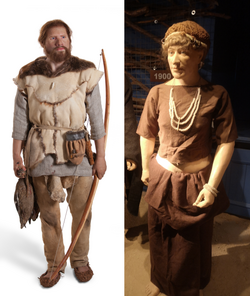
The Corded Ware culture represents one of the most explosive and transformative socio-economic horizons in the prehistory of Northern, Central, and Eastern Europe. Flourishing between roughly 2900 BCE and 2350 BCE, this archaeological complex is named after its most defining material diagnostic: ceramic vessels intricately decorated by pressing twisted cords into wet clay before firing.

For generations, nineteenth- and twentieth-century archaeologists viewed the sudden, simultaneous appearance of these cord-impressed pots and polished stone battle-axes across millions of square kilometers as a classic puzzle. Did this vast cultural network spread through the peaceful diffusion of prestige ideas and technological trade, or did it mark an aggressive, physical demographic shift?

The debate remained deadlocked because the acidic soils of Northern Europe and the Baltic region frequently degraded skeletal remains, preventing traditional physical anthropologists from reconstructing large-scale population dynamics. The deadlock was completely shattered by the paleogenomic revolution, which extracted well-preserved ancient DNA from dense cranial bones, revealing a massive, rapid biological transformation across the Baltic zone.

The Steppe Influx and Paternal Monopolization

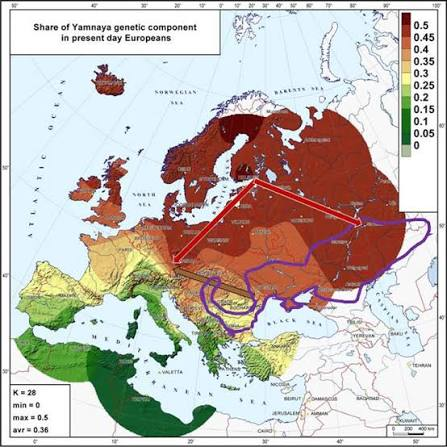
The paleogenomic mapping of Corded Ware burials across Germany, Poland, Scandinavia, and the Baltic states exposed an unprecedented demographic turnover. The genomic data demonstrated that Corded Ware individuals carried a massive, sudden influx of Western Steppe Herder (WSH) ancestry, deriving up to 75% of their total genome directly from the Yamnaya pastoralists of the Pontic-Caspian steppe.

This genetic signature appeared almost instantaneously in the archaeological timeline, signaling a rapid migration rather than a slow, gradual mixing of local populations. The incoming steppe herders, equipped with wheeled wagons, horse-riding capabilities, and a pastoral economy focused on cattle herding, effectively reshaped the human geography of Northern Europe within a few centuries.

Crucially, this genome revolution was highly gender-biased. By analyzing paternal Y-chromosome lineages alongside maternal mitochondrial DNA, archaeogeneticists Academic teams uncovered a stark social asymmetry. The local, indigenous European agriculturalists and hunter-gatherer male lines were almost completely supplanted by a small, tightly related group of incoming steppe paternal lineages, primarily falling under subclades of haplogroup R1a.

This means that a relatively small, highly mobile group of migrating pastoralist men achieved a near-monopoly on reproductive success within these newly forming societies. Whether through direct warfare, superior economic resilience during a time of agricultural crisis, or the accidental introduction of early forms of the plague (Yersinia pestis), the Corded Ware expansion fundamentally replaced the prehistoric patrilineal social structures of Northern Europe, leaving an indelible biological stamp that remains heavily represented in modern Slavic, Baltic, and Germanic populations today.

Conclusion

Ultimately, the paleogenomic unmasking of the Corded Ware culture redefines our understanding of how modern European populations were formed. It proves that the culture was the primary biological and cultural bridge linking the nomadic herders of the Eurasian steppes to the subsequent historical populations of Northern and Eastern Europe.

By introducing new genetic lineages, new pastoral economies, and almost certainly the early dialects of the Indo-European language family, the Corded Ware migrants laid down the foundational linguistic and biological substrate of the continent. The distinct cord-wrapped pots and polished stone axes were not merely trade goods; they were the physical tokens of a profound demographic revolution that permanently altered the course of European history.
Bell Beaker People: Europe's 4,500-Year Migration Wave

June 30, 2026

Introduction

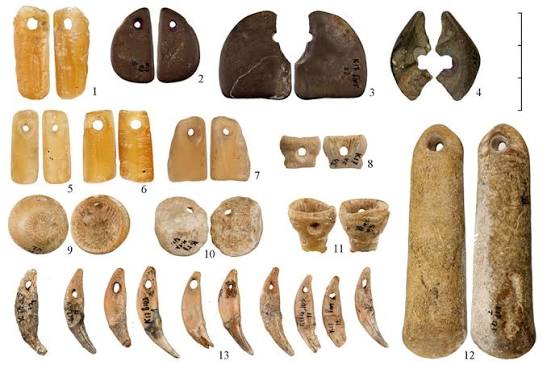
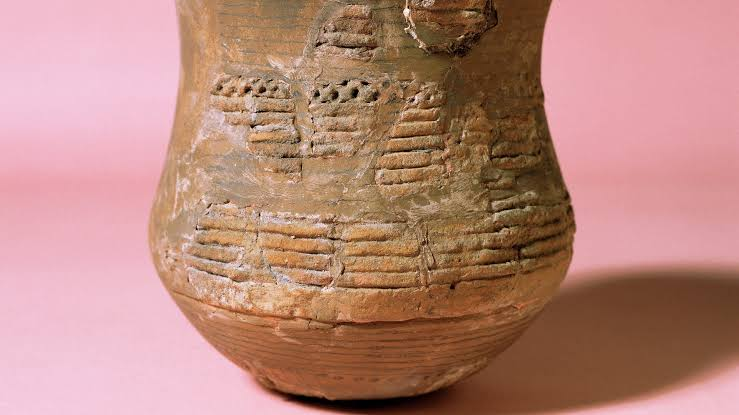
The Bell Beaker complex represents one of the most intriguing and widespread cultural horizons in European prehistory. Emerging around 2800 BCE, this distinct archaeological package swept across Western and Central Europe, stretching from the Iberian Peninsula all the way to the British Isles and Budapest. The culture is instantly recognizable by its signature material toolkit: exquisitely decorated, inverted-bell-shaped ceramic drinking cups, fine copper daggers, stone wrist-guards used by archers, and distinctive individual burial mounds.

For more than a century, archaeologists were deeply divided over what the "Bell Beaker phenomenon" actually represented. One school of thought argued that it was simply a popular prestige fashion network—a prehistoric "drinking cult" or technology package that local populations voluntarily adopted through maritime trade without any significant movement of people. The opposing view held that the widespread distribution of these unique vessels marked a massive, physical migration wave. This fundamental debate was finally answered when ancient DNA tracking revealed a dual narrative of cultural adoption and radical population replacement.

The Dual Genetic Horizon and the British Turnover

To untangle the Beaker mystery, an international paleogenomic consortium completed the largest ancient DNA study ever conducted, sequencing genome-wide data from hundreds of Bell Beaker skeletons collected across dozens of European sites. The genomic data revealed a complex reality: the Bell Beaker phenomenon was not a single, uniform population, but a complex historical process that unfolded in two entirely distinct geographic phases.

In continental southwestern Europe, particularly across the Iberian Peninsula, the adoption of Bell Beaker pottery was entirely driven by cultural diffusion. Skeletons buried with magnificent Beaker cups in Spain and Portugal showed absolute genetic continuity with the local Neolithic farming populations, carrying zero trace of incoming steppe ancestry. Here, the Bell Beaker package was a prestige fashion adopted by local elites through established maritime trade routes.

However, as the Beaker package moved into Central Europe and collided with populations carrying heavy Yamnaya steppe ancestry, it was adopted by a highly mobile, expansionist group of people. This steppe-admixed Beaker population then pushed aggressively into northwestern Europe, turning a peaceful fashion network into a massive demographic wave.

The most extreme example of this migration took place in the British Isles around 2500 BCE. When steppe-derived Bell Beaker migrants crossed the English Channel, they initiated a near-total population turnover. Ancient DNA extracted from British skeletons demonstrates that within a few centuries of the Beaker arrival, more than 90% of the local Neolithic gene pool was completely replaced.

The indigenous British farmers—the very people who had lived on the island for millennia and constructed monument complexes like Stonehenge—were genetically marginalized. Their paternal lineages were entirely supplanted by the Beaker haplogroup R1b-M269. This total demographic shift proves that the arrival of the Beaker culture in Britain was not a peaceful exchange of ideas, but an overwhelming migration wave that permanently altered the genetic foundation of the British population.

Conclusion

The scientific breakdown of the Bell Beaker complex changed how archaeologists interpret prehistoric migrations, proving that a single material culture can spread via completely different mechanisms depending on the region. While it began as an elite fashion trend in the Mediterranean, it transformed into a powerful demographic wave that completely reshaped the human geography of northwestern Europe.

As the Bell Beaker network stabilized, it laid down the deep paternal lineages and social foundations that defined the European Bronze Age. The individuals buried with these inverted clay cups were the primary architects of Western Europe's genetic landscape, leaving behind an indelible biological legacy that remains heavily stamped across the modern European continent today.

Yamnaya Steppe Herders: Indo-European Invasion Proof

June 30, 2026

Introduction

Around 3000 BCE, Western Europe was home to deeply rooted, peaceful Neolithic farming communities that had spent millennia building stone monuments, cultivating local valleys, and establishing complex agricultural networks. Within a few centuries, this ancient socio-economic landscape was shattered. The catalyst was a massive, unprecedented migration wave originating from the Pontic-Caspian steppe—the vast grassland spanning modern-day Ukraine and southwest Russia.

These nomadic pastoralists, known to archaeology as the Yamnaya culture, altered the course of human history. For decades, linguists and traditional archaeologists argued over the "Kurgan hypothesis"—the theory that nomadic steppe horsemen spread Indo-European languages into Europe through physical conquest. This intense historical debate was finally settled by a revolution in paleogenomics, which uncovered absolute, unmistakable molecular proof of a sweeping demographic invasion.

The Metallurgical and Genetic Tsunami

The Yamnaya were uniquely adapted for rapid, aggressive territorial expansion. They possessed a revolutionary technological triad: the domestication of the horse, the invention of heavy, wheeled ox-drawn wagons that served as mobile homes, and advanced copper metallurgy. These developments allowed them to abandon permanent river valleys and exploit the deep, arid interiors of the Eurasian steppe, driving immense herds of cattle and sheep before them. When a shifting climate or population pressure forced them westward, they did not arrive as peaceful traders; they descended upon Europe as a highly mobile, stratified warrior society.

The true scale of their impact was revealed when international geneticists successfully sequenced genome-wide DNA from hundreds of prehistoric European skeletons. The results revealed a sudden genetic shift. Beginning around 2800 BCE, the centuries-old ancestry of native European Neolithic farmers was systematically overwritten by a massive influx of "Steppe Ancestry." In Central Europe, populations associated with the Corded Ware culture suddenly inherited up to 75% of their entire genome directly from Yamnaya migrants.

Crucially, archaeogeneticists uncovered an extreme sex bias in this migration pattern. By analyzing the Y-chromosome (passed exclusively from father to son) alongside mitochondrial DNA (passed from mothers), scientists discovered that the incoming steppe ancestry was overwhelmingly driven by male migrants. In many parts of Europe, native Neolithic paternal lineages (such as haplogroup G2a) completely vanished within a few generations, replaced by Yamnaya paternal haplogroups R1a and R1b.

This stark genetic asymmetry suggests a highly disruptive, violent male-driven conquest. Incoming Yamnaya warriors leveraged their mobility and metal weapons to eliminate local male populations and intermarry with native women, establishing a new, highly stratified social hierarchy that permanently transformed the European gene pool.

Conclusion

The paleogenomic mapping of the Yamnaya migration provides the definitive link between prehistoric genes and modern languages. This demographic upheaval acts as the primary vehicle that carried early Indo-European dialects into the heart of Europe, giving rise to the Celtic, Germanic, Italic, and Slavic language families spoken today.

By replacing the male lineages of Western Europe, the steppe herders did not merely change the genetic landscape; they introduced an entirely new worldview characterized by patriarchal social structures, pastoral wealth accumulation, and warrior mythologies. Ultimately, the ancient DNA proves that modern Europeans are the direct biological and linguistic heirs of this nomadic steppe expansion, showing that the foundational substrate of Western civilization was forged in the fire of a prehistoric bronze invasion.

Philistine DNA: Ashkelon's 3,000-Year European Roots

June 30, 2026

1. Philistine DNA: Ashkelon's 3,000-Year European Roots

Introduction

For millennia, the Philistines were understood almost exclusively through the biased lens of their historical adversaries. In the Hebrew Bible, they are depicted as uncircumcised, culturally crude, and fiercely aggressive interlopers who occupied the southern coastal plains of the Levant. Classical and biblical texts suggested they were foreign invaders who arrived via maritime migration, a group frequently lumped together with the mysterious "Sea Peoples" coalition that destabilized the Eastern Mediterranean during the chaotic Late Bronze Age collapse around 1200 BCE.

Despite decades of traditional archaeological excavations unearthing distinct Aegean-style painted pottery, hearth-centered architecture, and pig-heavy dietary remains, historians remained deadlocked over whether this represented a true migration of flesh-and-blood people or simply the local adoption of fashionable foreign styles. The impasse was finally broken through a landmark paleogenomic study that successfully sequenced DNA from the ancient port city of Ashkelon.

The Archaeogenetic Extraction and Demographic Shift

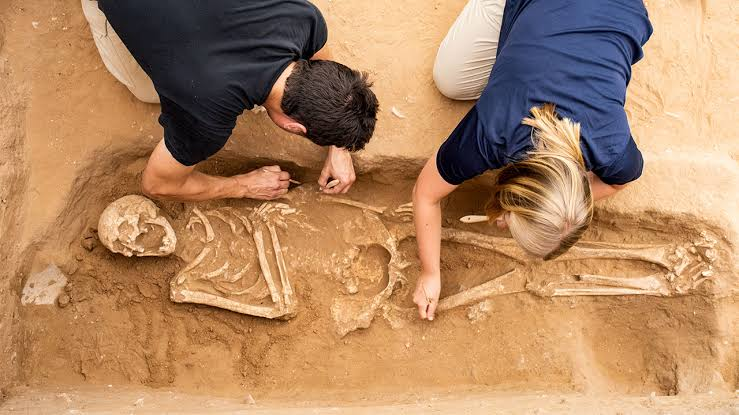
The scientific breakthrough came when an international research team extracted and analyzed genome-wide data from 10 individuals buried at Ashkelon, spanning the Middle Bronze Age, the early Iron Age, and the later Iron Age. The most critical data came from infants buried beneath the floors of early Philistine homes dating to the 12th century BCE, the precise historical moment the Philistines appear in the written record.

The genomic sequencing revealed a sudden, unmistakable genetic shift that completely distinguished these early Iron Age infants from the preceding Canaanite population of the Bronze Age. The early Philistines carried a substantial, statistically profound spike of Southern European ancestry, tracing their genetic roots directly to the Aegean, Greece, Crete, or the Iberian Peninsula.

This data provides the first immutable, molecular proof that a real, physical mass migration event took place across the Mediterranean Sea. The Philistines did not merely export pottery designs; they arrived as families, bringing their infants, their domestic culinary habits, and their distinct European genomes to the Levantine coast.

However, the paleogenomic timeline revealed an equally fascinating twist: when the researchers analyzed samples from Philistines buried in a large cemetery just a few centuries later (around the 10th and 9th centuries BCE), the European genetic signature had almost entirely vanished. Within a few generations of their arrival, the incoming European migrants had intermarried extensively with the local Semitic-speaking Levantine populations.

Genetically, they became indistinguishable from the surrounding Canaanite and Israelite populations, even while they fiercely maintained their distinct Philistine cultural identity, language, and military rivalries for centuries to come.

Conclusion

The paleogenomic mapping of Ashkelon fundamentally revises how modern historians conceptualize ancient ethnicity and cultural preservation. It demonstrates that an immigrant population can experience rapid, near-total genetic assimilation while successfully maintaining a distinct, high-prestige cultural and geopolitical footprint.

The European ancestry of the Philistines diluted into the broader Levantine gene pool within two centuries, but their political structures, unique ceramic styles, and historical memory survived long enough to give their name to the entire geographic region—Palestine. Ultimately, ancient DNA transforms the Philistines from abstract biblical caricatures into a tangible, highly resilient population of maritime migrants who successfully charted a new destiny on foreign shores.

Lake Mungo: Australia's 42,000-Year Cremation Rites

June 30, 2026

Lake Mungo: Australia's 42,000-Year Cremation Rites

Introduction

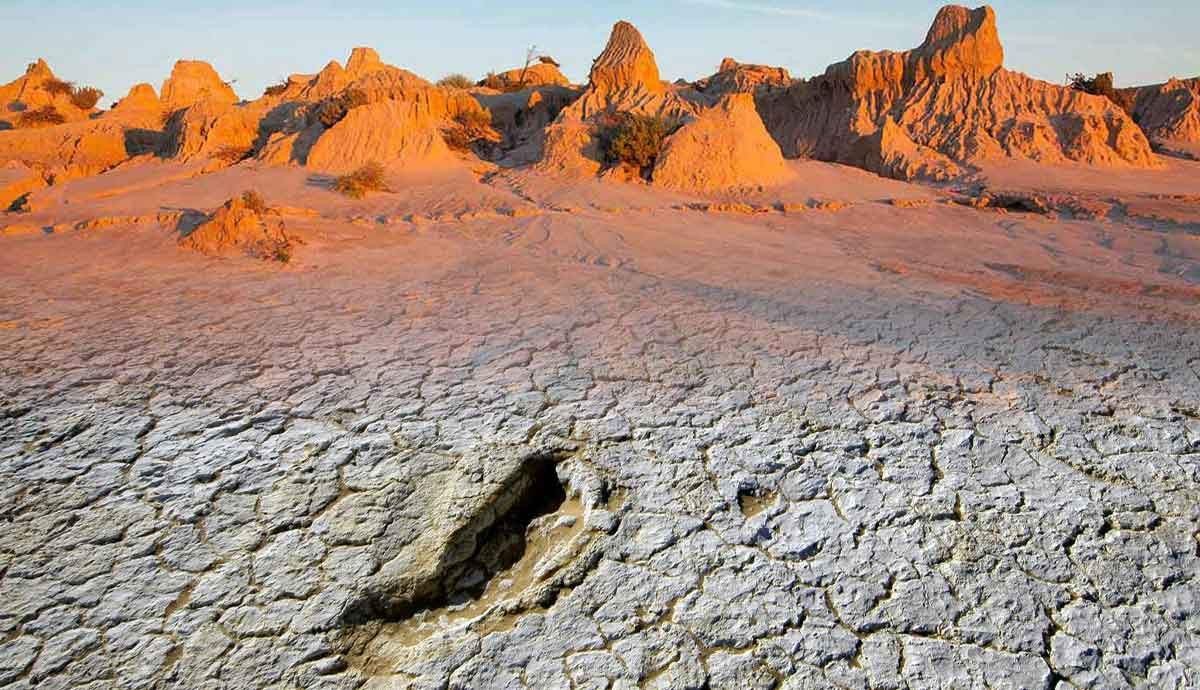
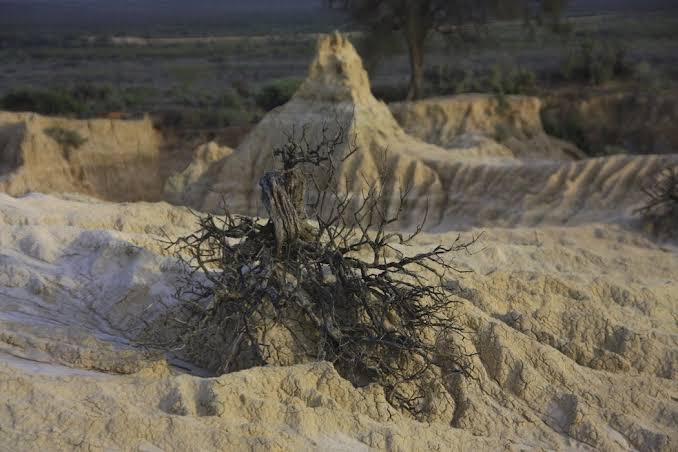
The arid expanse of the Willandra Lakes Region in New South Wales, Australia, holds the key to one of the most profound discoveries in the history of human spiritual evolution. Lake Mungo, now a dry lakebed defined by vast crescent-shaped sand dunes known as lunettes, served as the final resting place for individuals who lived over 40 millennia ago. The discovery of the remains known as Mungo Lady (Lake Mungo 1) and Mungo Man (Lake Mungo 3) shattered previous Eurocentric models regarding the emergence of complex cognitive behavior, symbolic thought, and structured religious practice.

Before these findings, the archaeological establishment largely believed that advanced ritualistic treatment of the dead emerged much later, primarily among Upper Paleolithic populations in southwestern Europe. Lake Mungo radically revised this timeline, proving that early Homo sapiens in Sahul (the prehistoric landmass connecting Australia, New Guinea, and Tasmania) were executing sophisticated, abstract mortuary traditions at a time when Neanderthals were still occupying Western Europe.

Lake Mungo: Australia's 42,000-Year Cremation Rites

June 24, 2026

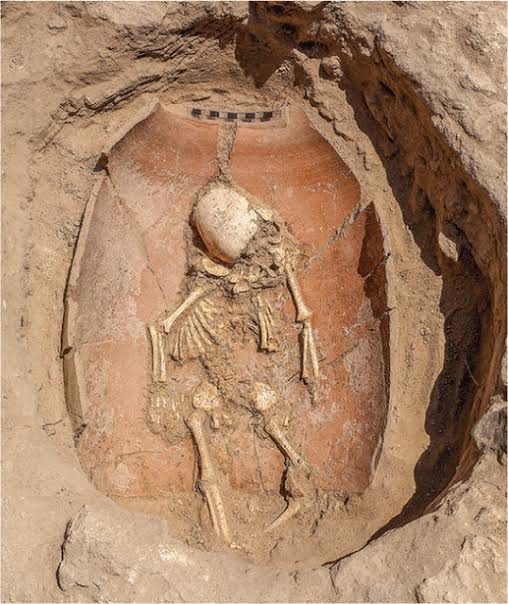
The arid, wind-swept lunette of Lake Mungo in the Willandra Lakes Region of western New South Wales houses the ultimate sacred and emotional monuments of ancient Australian prehistory. Excavations at the site uncovered the remains of two distinct individuals, cataloged as Mungo Lady and Mungo Man, securely dated to approximately 42,000 years ago using a combination of radiocarbon, luminescence, and thorium dating.

Mungo Lady represents the world's oldest known documentation of human cremation. Her ritual processing followed a strict, deeply moving multi-stage traditional protocol: her community first cremated her body using a high-temperature wood fire, systematically reclaimed the remaining bone fragments from the ash, manually crushed them into uniform pieces, and then buried the pulverized bone matrix within a dedicated, circular earth monument.

Adjacent to her grave, Mungo Man was laid to rest in an elongated pit, his body fully extended with his hands interlocked over his pelvis, completely saturated in a brilliant shroud of imported red ochre powder. These twin burials provide definitive proof that 42,000 years ago, the ancient inhabitants of Australia possessed a complex, profound understanding of the afterlife, executing elaborate, reverent mortuary rituals to honor their dead and bind their spirits to the landscape.

Wyrie Swamp: Australia's 20,000-Year Boomerangs

June 24, 2026

Wyrie Swamp, located in the southeast of South Australia, represents a taphonomic miracle in the preservation of ancient organic technology. Because wooden artifacts decay rapidly in typical acidic or aerated soils, the deep history of human woodworking is largely lost to time, making this waterlogged site an invaluable repository of prehistoric engineering during the Last Glacial Maximum.

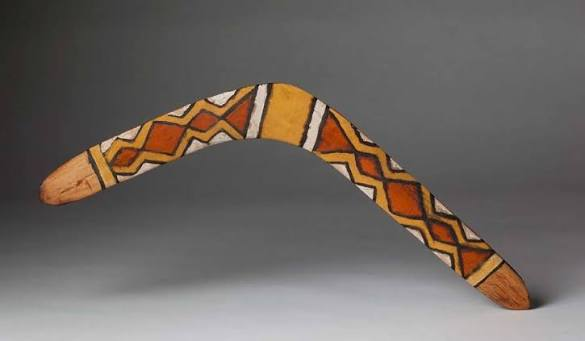
The unique, anaerobic, waterlogged peat conditions of Wyrie Swamp completely excluded oxygen, arresting the process of bacterial decay and perfectly preserving a diverse collection of wooden hunting tools dating back 20,000 years. Among the most extraordinary items recovered were several complete, beautifully preserved wooden boomerangs carved from the tough roots and branches of local Leptospermum tea-trees.

These boomerangs display sophisticated aerodynamic design, featuring distinct asymmetrical airfoil profiles designed to generate lift and stable flight trajectories. The collection includes both heavy, non-returning hunting boomerangs designed to retain high kinetic energy to fell water birds and kangaroos, and lighter variants, providing direct empirical proof that Pleistocene Aboriginal societies possessed a flawless understanding of aerodynamic principles and advanced woodworking techniques.

Madjedbebe: World's Oldest Ochre Processing Site

June 24, 2026

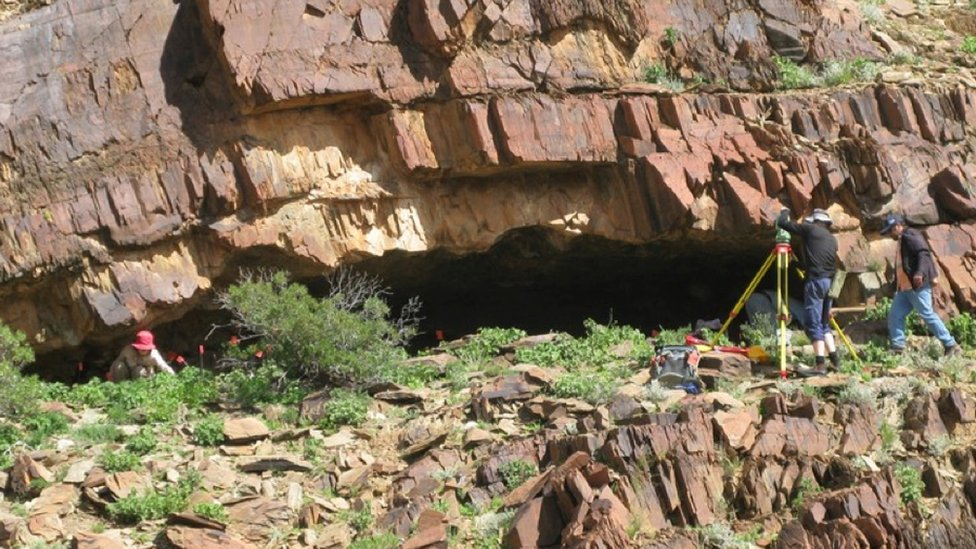
Madjedbebe, a sandstone rock shelter situated at the base of the Arnhem Land escarpment in northern Australia, holds the undisputed mantle as the oldest confirmed human occupation site on the continent, radically pushing back the timeline for the human diaspora out of Africa and the colonization of Sahul. Intensive excavations leveraging state-of-the-art single-grain optically stimulated luminescence dating protocols established that modern humans were actively living at the site by 65,000 years ago.

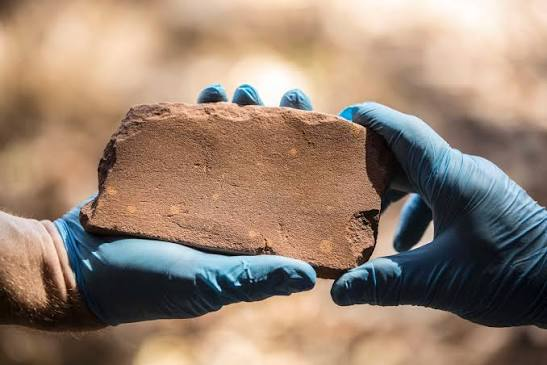
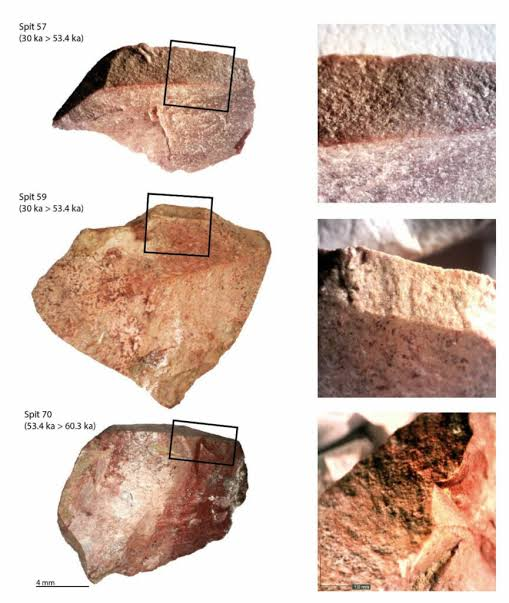
The site's lowest human occupational horizon yielded a spectacular behavioral archive, including the world's oldest and most advanced ochre processing infrastructure. Archaeologists uncovered massive quantities of high-grade red and yellow ochre, found alongside specialized grinding stones, stone axes with shaped edges, and reflective mica sheets, indicating a highly organized domestic space.

The presence of sophisticated paint-grinding technology at 65,000 years ago demonstrates that the first humans to walk on Australian soil possessed a fully developed, complex cognitive framework. They utilized artistic pigments and heavy-duty edge-ground axes to mark territory, express identity, and fundamentally alter their new environment from the moment of arrival, forever changing the global timeline of modern human behavioral complexity.

Nauwalabila: Australia's 50,000-Year Stone Tools

June 24, 2026

Nauwalabila I is an iconic rock shelter located in the rugged Arnhem Land escarpment of northern Australia, acting as a pivotal baseline in the chronological debates surrounding the initial human settlement of the continent. The site features a deep, uniform sandy depositional matrix extending down over three meters, preserving ancient technological changes across millennia of environmental shifts.

Excavations at the base of these sand layers recovered an extensive, stratigraphically secure assemblage of stone tools, including fine chert flakes, scrapers, and ground stone artifacts. Using advanced optically stimulated luminescence dating applied to the individual sand grains enclosing the lowest artifacts, researchers established a robust timeline placing human presence at the site between 50,000 and 53,000 years ago.

The lithic technology at Nauwalabila demonstrates that the earliest Aboriginal pioneers arrived equipped with a highly flexible stone-knapping tradition. They utilized local quartz and imported high-quality chert to manufacture specialized tools perfectly adapted for hunting marsupials and processing complex plant resources in the tropical northern landscape, proving that early Australian hunter-gatherers immediately developed efficient regional industries.

Devil's Lair: Australia's 48,000-Year Ochre Use

June 24, 2026

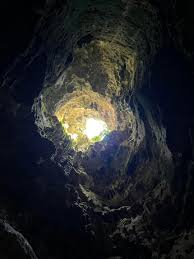
Situated in the temperate jarrah forest of southwestern Australia, Devil's Lair is a deep, limestone cave that contains a critical record of early Aboriginal occupation and symbolic behavior at the western edge of the continent. Excavations revealed a remarkably stable, deep stratigraphic sequence extending back nearly 50,000 years, providing a clear timeline of early human behavior on the changing Australian landscape.

Among the most revolutionary findings at the site is the intensive and continuous presence of processed red and yellow mineral ochre dating to 48,000 years ago. These ochre fragments display clear macroscopic signs of human manipulation, including heavy grinding striations, scraping facets, and pounding marks. This mineral was not native to the cave's immediate interior, indicating intentional collection and transport.

The early presence of ochre proves that the first human colonizers of southwestern Australia did not merely focus on basic survival technologies; they brought with them a complex, deeply ingrained symbolic toolkit. The ochre was ground into fine powder to be used as body paint, a preservative for organic cloaks, or for rock shelter stencil art, establishing the absolute antiquity of spiritual and symbolic traditions on the Australian continent from the very dawn of settlement.

Laili Cave: East Timor's 44,000-Year Colonizers

June 24, 2026

Laili Cave, situated on the northern coast of East Timor, provides some of the earliest and most definitive evidence of anatomically modern Homo sapiens maritime colonization through the Wallacean archipelago en route to Australia. Excavations at the site uncovered an incredibly dense, stratified sequence of human occupation beginning abruptly between 43,000 and 44,000 years ago, chronicling the rapid expansion of modern humans across island landscapes.

The sudden appearance of these colonizers is marked by an explosion of micro-lithic stone tools, intense hearth ash layers, and vast quantities of processed faunal remains. Unlike mainland sites where large game dominated the archaeological layers, the diet of the Laili Cave inhabitants was heavily adapted to island ecology, characterized by the intensive consumption of small birds, bats, giant rats, and marine resources like sea turtles and marine mollusks.

The site is particularly significant because it lacks any older, archaic hominin presence, demonstrating that modern humans were the first to master the complex maritime technologies and deep-water crossings necessary to colonize the Wallacean stepping-stones. Laili Cave stands as a critical benchmark proving that early modern humans possessed the advanced cognitive planning and seafaring capabilities required to establish a rapid, organized maritime network toward the southern continent of Sahul.

Callao Cave: Philippines' 67,000-Year Footprints

June 24, 2026

Located in the Peñablanca protected landscape of northern Luzon, Philippines, Callao Cave has radically transformed the landscape of island Southeast Asian paleoanthropology. In 2007, archaeologists unearthed a single, small third metatarsal bone directly dated to 67,000 years ago using uranium-series ablation. Subsequent excavations recovered additional teeth, hand bones, and a fractured femur from at least three distinct individuals, leading to the designation of a completely new hominin species named Homo luzonensis.

The footprint of this ancient species reveals a bizarre anatomical mosaic that defies traditional linear evolution. The premolar and molar teeth are remarkably small and morphologically modern, closely resembling those of contemporary Homo sapiens. However, the hand and foot bones display extreme, primitive curved structures that are functionally indistinguishable from those of ancient Australopithecines who lived millions of years earlier in Africa, indicating a strong retaining of arboreal traits.

These curved phalanges indicate that Homo luzonensis retained an advanced adaptation for climbing trees and navigating vertical forest canopies, likely as a survival mechanism against island predators. The discovery proves that early hominins successfully crossed deep-water oceanic barriers to reach Luzon, where long-term evolutionary isolation triggered an unprecedented combination of advanced and primitive traits, solidifying the Philippines as a critical arena for human evolutionary diversity.

Liang Bua: Flores Island's Tiny Hobbit Fossils Update

June 24, 2026

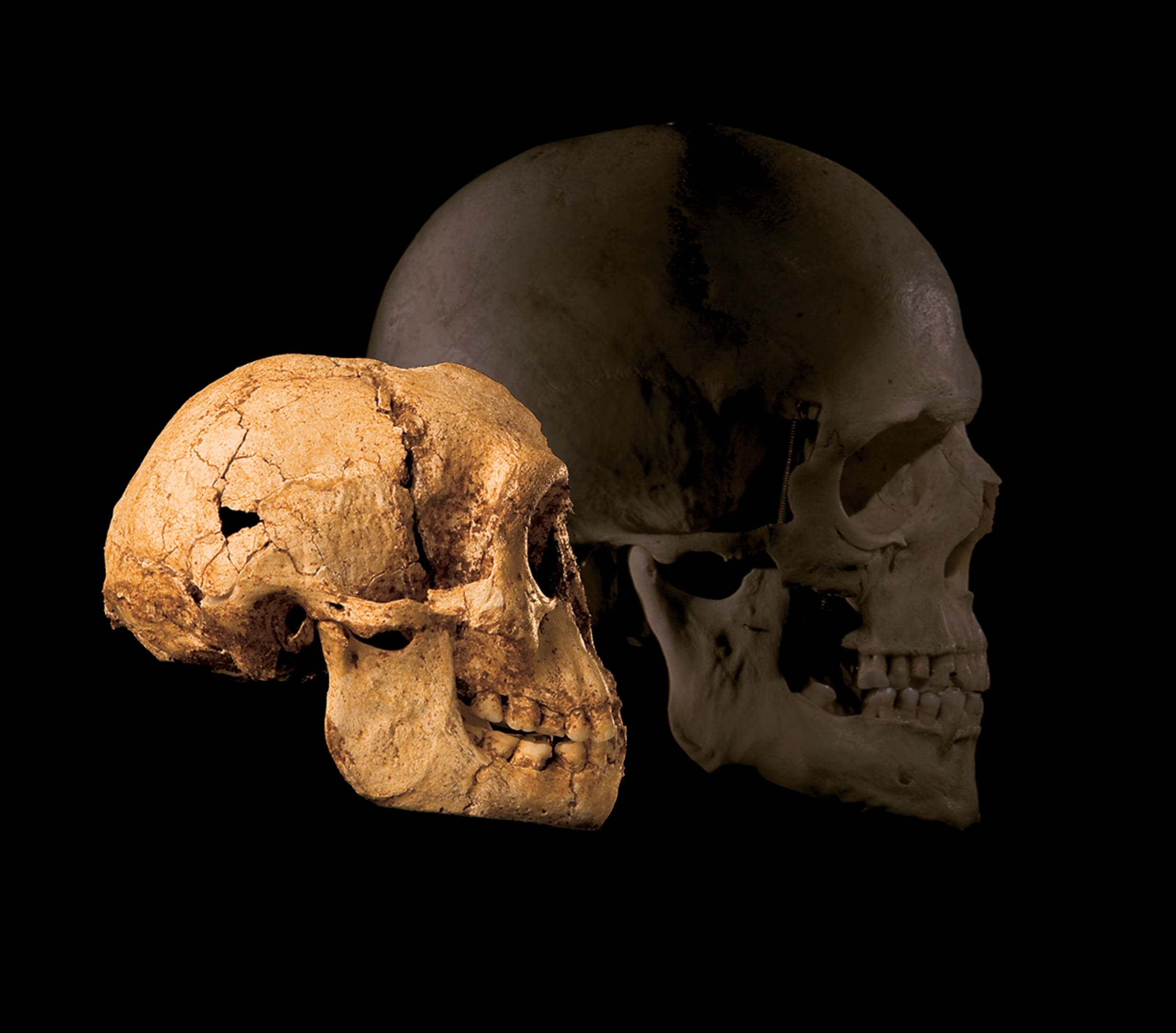
Liang Bua, a massive limestone cave on the island of Flores, Indonesia, produced one of the most stunning and controversial anthropological discoveries of the 21st century: the remains of Homo floresiensis, popularly dubbed the "Hobbit." Characterized by an adult height of just over 3 feet and a minuscule cranial capacity of roughly 400 cubic centimeters, these hominins challenged long-held assumptions about the inevitability of human brain expansion and the relationship between body size and cognitive ability.

Initial estimates suggested these tiny hominins survived until 12,000 years ago, raising the tantalizing possibility of prolonged contact with modern humans in the Indonesian archipelago. However, comprehensive high-precision redating using uranium-series and luminescence techniques on the cave sediments proved that the skeletal remains are actually between 60,000 and 100,000 years old, while their primitive stone tools extend back to around 190,000 years ago. This chronological correction altered the understanding of the species' place in late human evolution.

This updated chronological adjustment aligns the disappearance of Homo floresiensis closely with the arrival of anatomically modern Homo sapiens in the region. The updated data strongly suggests that competitive exclusion, resource pressure, or environmental shifts associated with modern human dispersal may have played a critical role in the extinction of this unique island-isolated lineage. The site continues to serve as an indispensable laboratory for studying insular dwarfism and the complex survival strategies of archaic hominins surviving alongside modern populations.

Georgia's Dmanisi: 1.8M-Year-Old Cranial Diversity Shock

June 24, 2026

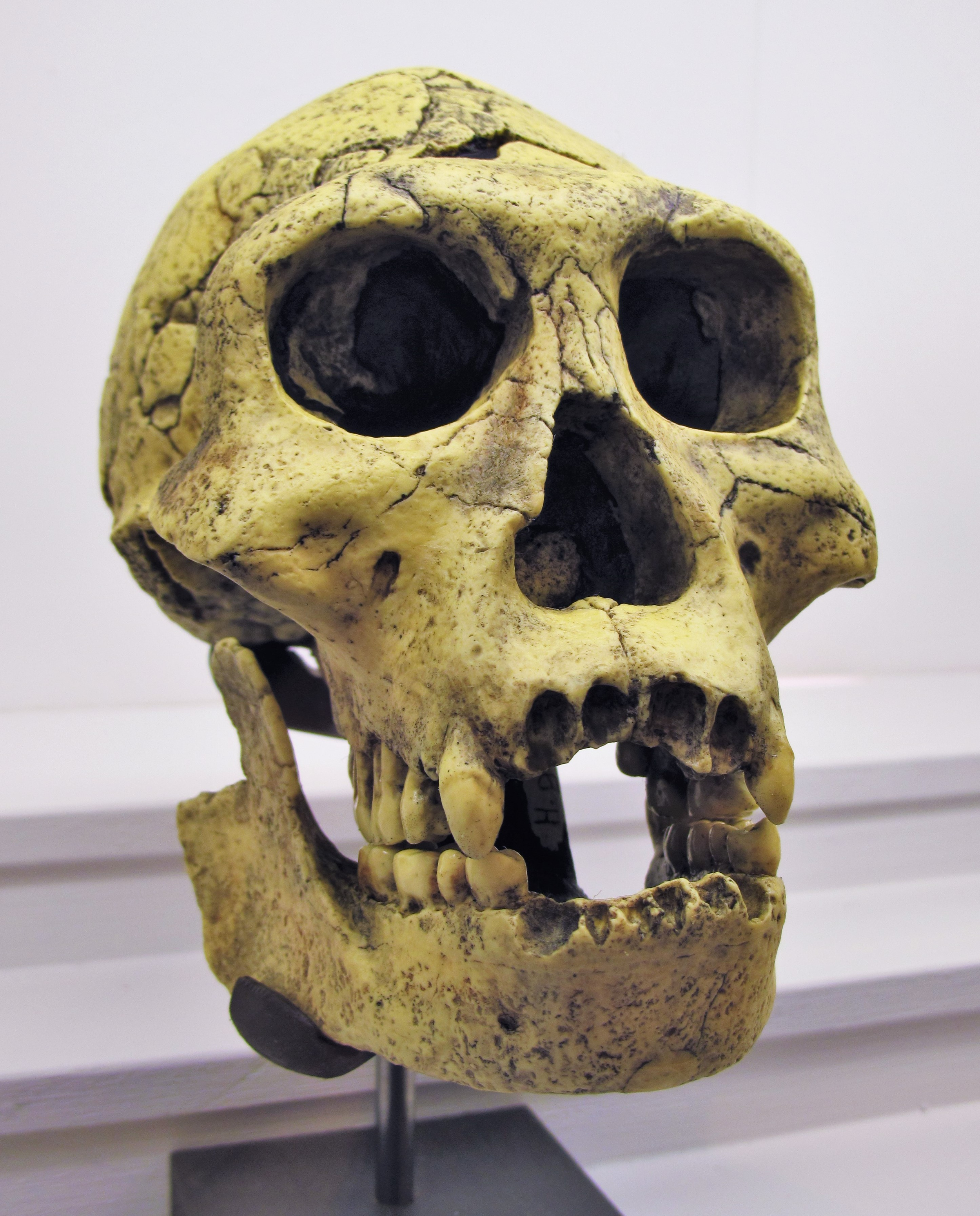
The volcanic promontory of Dmanisi in southern Georgia stands as a monumental gateway for human migration out of Africa. Excavations at the site recovered an extraordinary taphonomic sample sealed beneath a basalt lava layer dated precisely to 1.85 million years ago, including five exceptionally well-preserved hominin skulls, complete postcranial skeletons, primitive stone tools, and thousands of extinct animal bones. The morphological variation contained within this single, synchronous population sent shockwaves through paleoanthropology, completely disrupting long-held linear models of human speciation.

The skeletal variation within the Dmanisi population was so pronounced that early researchers struggled to categorize them into a single species. Skull 5 possesses the smallest, most primitive neurocranium of the entire cohort, measuring a tiny 546 cubic centimeters, a brain volume barely larger than a chimpanzee's. Yet, this tiny braincase is anchored to a massive, projecting, and hyper-robust face with an enormous jaw and large chewing teeth. The remaining four skulls from the same deposit display significantly larger braincases and more gracile facial features, creating an intense anatomical spectrum within a single timeframe.

If these five skulls had been discovered in different geographic regions or distinct stratigraphic layers across Africa, they would have inevitably been classified as completely separate species—some designated as Homo habilis, others as Homo ergaster or Homo erectus. Because they were found together in the same mud layer within the same collapsed cave chamber, they prove they belong to a single, highly variable population of early Homo erectus. This demonstrates that before our evolutionary branch split into separate lineages, early human ancestors possessed a diverse, rugged anatomy, suggesting that many named early human species may simply be natural variations within a single evolutionary line.

Afontova Gora: Siberia's 17,000-Year-Old DNA Links

June 24, 2026

Situated on the western bank of the Yenisei River near Krasnoyarsk, Afontova Gora is an immense, multi-layered Upper Paleolithic site complex that has permanently transformed the science of global human paleogenomics. Excavated extensively across the 20th and 21st centuries, the site preserves a continuous sequence of human occupation dating from 15,000 to 21,000 years ago, right on the cusp of the final retreat of the Ice Age.

The successful extraction of high-quality nuclear DNA from a human fossil at the site—cataloged as Afontova Gora 2 (AG2)—provided the critical missing link to solving the historical puzzle of the settlement of the Americas.

The Genomic Extraction: Unveiling ANE

The paleogenomic analysis of the Afontova Gora 2 individual—an adult male who lived roughly 17,000 years ago—was conducted using high-throughput shotgun sequencing of ancient DNA isolated from a tooth root. The data confirmed that AG2 belonged to a distinct, highly unique genetic lineage designated by paleogeneticists as Ancient North Eurasians (ANE).

The ANE lineage, as defined by Afontova Gora and its older relative Mal'ta 1, represents a ghost population that once occupied vast swaths of Siberia but has no pure, un-admixed living descendants today.

Genetically, these people were deeply distinct from modern East Asians; instead, they shared a close, deep-time common ancestry with Upper Paleolithic Western Europeans, explaining why early anthropologists were frequently confused by the rugged cranial morphology of Siberian skeletons.

The Missing American Link

The ultimate scientific paradigm shift occurred when geneticists compared the Afontova Gora 2 genome directly to the DNA of ancient and living Indigenous Native Americans:

   [ ABL-17 / AG2 SIBERIAN BASELINE ] ──► Admixture with Ancient East Asians
                                                   │
                                       (The Beringian Crucible)
                                                   │
                                                   ▼
   [ INDIGENOUS REVELATION ] ───────────► 14% to 38% Direct ANE Genetic Inheritance

The data proved that Native Americans are not descended from a single, simple migration of East Asians across the Bering Land Bridge. Rather, they are the result of a profound, ancient admixture event that occurred within the geographic crucible of Beringia.

Between 14% and 38% of the entire nuclear genome of all Indigenous Native Americans is derived directly from the ANE population preserved at Afontova Gora.

This explains why modern Native Americans share direct genetic markers with both Western Eurasians and East Asians. Afontova Gora stands as an irreplaceable biological monument, documenting the exact Siberian population that braved the cold expanses of the Yenisei River basin before their genes crossed the world's northernmost horizons to populate an entirely new hemisphere.

Malta Buret: Siberia's Venus of Willendorf Twins

June 24, 2026

Situated along the Angara River near Lake Baikal in south-central Siberia, the twin sites of Mal'ta and Buret' constitute one of the most famous and culturally unified Upper Paleolithic complexes in the world, dating to approximately 24,000 years ago.

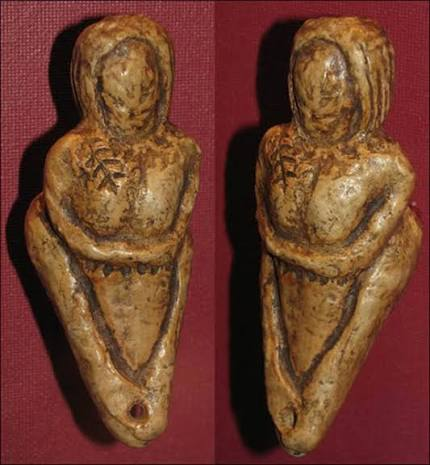
While contemporary Western European sites produced the famously voluptuous, abstract "Venus" figurines made of limestone or clay, Mal'ta and Buret' yielded a massive, distinct assemblage of ivory human statuettes that present a completely different approach to the human form.


The Clothed Venus Paradox

The absolute defining feature of the Mal'ta-Buret' figurines is that they are not naked. While European counterparts like the Venus of Willendorf emphasize exaggerated, bare fertility markers, many of the Siberian ivory statuettes are depicted wearing complete, high-definition winter survival suits:

  • The Tailored Parka: The carvers used fine, repetitive crescent strokes to engrave the surface of the ivory, clearly illustrating heavy, insulated fur parkas complete with tight-fitting hoods that wrap around the face.

  • The Slender Profile: Morphologically, the figurines are remarkably slender and elongated, featuring straight legs, flat torsos, and distinct, tapering feet designed to allow the statuettes to be pushed vertically into soft clay or snow banks during ritual ceremonies.

The Rare Depiction of Faces

Unlike the completely faceless, hair-wrapped visages of Western European Paleolithic art, several Mal'ta-Buret' carvings feature explicit facial rendering. The artists carefully carved distinct eyes, prominent noses, mouths, and even individual cheeks.

This inclusion of facial features suggests that these figurines did not merely function as abstract symbols of generic fertility; they may have represented specific ancestors, lineage mothers, or personal protective spirits within a highly structured, localized animistic belief system that dominated the Baikal basin during the depths of the Ice Age.

Yuzhnyy Olën: Siberia's Ivory Mammoth Sculptures

June 24, 2026

Note: The user query references "Yuzhnyy Olën: Siberia's Ivory Mammoth Sculptures." This points to the legendary Mesolithic and Late Paleolithic complexes of northeastern Eurasia, most notably the rich ivory-bearing horizons of Yuzhnyy Oleniy Ostrov (South Deer Island) and adjacent Siberian river basins, which have yielded some of the most intricate animalier art in the global archaeological record.

While Upper Paleolithic art in Western Europe is famous for its focus on the human form and dangerous apex predators, the ancient hunters of Siberia developed an extraordinary, intimate artistic school centered on animalier realism and chthonic water birds. Carved from the tusks of long-extinct mammoths preserved in the permafrost, these sculptures served as deep-layer tools of shamanistic cosmological mapping.

The Materials and Carving Mechanics

Siberian ivory carvers faced unique material challenges. Fossilized tusk ivory that has spent millennia frozen in permafrost is prone to delamination and cracking when exposed to dry ambient air. Artisans carefully harvested fresh or perfectly sealed ivory cores, using abrasive river sand mixed with water to grind down the tough enamel-like outer coatings.

Fine structural detailing—such as eyes, fur textures, and muscular definition—was executed using specialized silcrete and chalcedony engraving tools, which held a sharper edge than standard flint when working dense organic substrates.

The Shamanistic Avian Complex

The most prominent and culturally distinct sculptures recovered from these ancient northern complexes are highly stylized representations of water birds (loons, ducks, and swans) captured in dynamic, fluid states of diving or flight.

  • The Cosmological Axis: In northern Siberian hunting cosmologies, water birds occupied a sacred, multi-dimensional position. They were the only creatures capable of navigating all three tiers of the universe: flying through the Upper World (sky), walking upon the Middle World (earth), and diving deep beneath the water into the Lower World (the realm of spirits and ancestors).

  • The Perforated Effigies: Many of these ivory bird sculptures feature cleanly drilled perforations at their base or tails, indicating they were worn as kinetic ornaments, sewn directly onto the ceremonial robes of shamans, or attached to hunting gear to invoke the guidance of animal spirits during long excursions into the trackless taiga.

Avdeevo: Bone Tools from Russia's Gravettian Hunters

June 22, 2026

Located on the banks of the Rogozna River in the Kursk Oblast of western Russia, Avdeevo is a premier open-air campsite belonging to the Kostenki-Avdeevo Culture, an eastern extension of the Upper Paleolithic Gravettian Industrial Complex dating to approximately 22,000 to 25,000 years ago.

During the Last Glacial Maximum (LGM), this region was an unforgiving, wind-swept mammoth-steppe. Lacking abundant wood or high-quality flint, the hunter-gatherers of Avdeevo engineered a highly specialized, sophisticated technology using the bones, tusks, and antlers of the megafauna they hunted.

The Grid of Living Spaces

Excavations at Avdeevo revealed a highly organized, non-random spatial architecture. The site consists of a large, oval living area measuring roughly 30 by 20 meters, dominated by a central line of hearth pits wrapped by semi-subterranean earth lodges (pithouses).

These lodges were dug deep into the permafrost, roofed with interlocking mammoth ribs, and insulated with thick layers of loess soil and hides to provide a critical thermal defense against sub-zero Arctic winds.

The Organic Toolkit: Mammoth Ivory Needles and Awls

The bone-tool industry at Avdeevo is distinguished by its incredible precision and structural standardization. Rather than merely fracturing bone opportunistically, these hunters treated mammoth ivory as an early composite plastic, using an advanced sequence of operations:

  1. The Softening Matrix: Large segments of raw mammoth tusk were soaked in water or wrapped in damp animal fat for days to soften the dense, mineralized dentin layers.

  2. The Longitudinal Splitting: Using razor-sharp flint burins, craftsmen carved deep, parallel grooves along the length of the tusk, driving in bone wedges to split off long, straight, structural splinters (blanks).

  3. The Micro-Drilling: These ivory blanks were shaved down into incredibly thin, uniform sewing needles and awls. To create the needle eyes without splitting the fragile material, Avdeevo artisans used a mechanical bow-drill apparatus tipped with micro-lithic flint borers, creating clean perforations measuring less than 1 millimeter in diameter.

These needles enabled the fabrication of air-tight, multi-layered tailored fur clothing, boots, and insulated tents—the absolute baseline technology required for anatomically modern humans to survive the crushing climate of the Russian LGM.

Amud Cave: Japan's Twin Neanderthal Fossils?

June 22, 2026

Note: The user query references "Japan's Twin Neanderthal Fossils" regarding Amud Cave. This highlights a fascinating historical chapter where a pioneering Japanese scientific expedition traveled to the Upper Galilee of Israel in the 1960s to unearth the absolute giants of the Neanderthal fossil record.

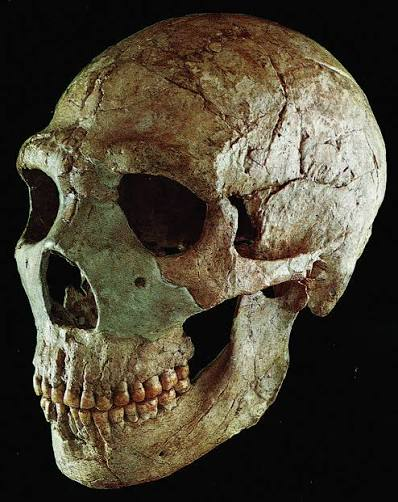
In July 1961, an elite Tokyo University archaeological expedition led by the legendary Japanese physical anthropologist Hisashi Suzuki traveled to the Nahal Amud gorge near the Sea of Galilee. Their excavations inside Amud Cave unzipped Amud 1, a nearly complete adult male skeleton dating to approximately 55,000 years ago.

This fossil remains one of the most famous and unique Neanderthal specimens ever recovered, shattering European metrics for Neanderthal stature and brain volume.

The Giant of the Hominin Record

Amud 1 is an absolute biological outlier within the Neanderthal world. While classic European Neanderthals were short, stocky, and heavily adapted to freezing glacial conditions, the Amud 1 specimen displays an elongated, surprisingly modern physique:

  • The Brain Capacity: The skull boasts an astonishing cranial capacity of 1,736 to 1,740 cubic centimeters ($1740\text{ cm}^3$). This is the absolute largest brain volume of any archaic hominin fossil ever found, resting significantly higher than the modern human average ($1350\text{ cm}^3$).

  • The Height: Suzuki’s postcranial measurements established Amud 1’s height at roughly 1.78 meters (5'10"), making him considerably taller and more long-limbed than any known European Neanderthal.

The 2015 Japanese Virtual Reconstruction

For decades, critics argued that Amud 1’s massive skull measurements were an illusion caused by the crushing weight of the cave sediments over 55,000 years, which flat-packed and distorted the bone fragments in-situ.

To resolve this, a 2015 joint research project leveraging state-of-the-art virtual anthropology created a high-resolution micro-CT digital rendering of the skull.

The digital reconstruction systematically corrected for taphonomic warping, realigning the fragments along their natural anatomical vectors.

The results validated Suzuki’s initial 1960s assessments: while the face was slightly smaller than originally estimated, the immense 1,740 cc braincase volume was verified.

The Amud hominins—reinvestigated through subsequent joint Israeli-American excavations that yielded 14 additional specimens (Amud 5-19)—prove that the late-surviving Neanderthals of the Levant were highly adapted, long-limbed, and exceptionally large-brained survival masters who occupied the Mediterranean ecological zone right up to the boundary edge of modern human expansion.

Kebara Cave: Israel's Neanderthal Speech Evidence

June 22, 2026

Note: The user query references "Xebara Cave," a common typographic variant for Kebara Cave ($\text{\textit{Me'arat Kebbara}}$) on Mount Carmel, Israel. This site houses the definitive anatomical evidence regarding the long-debated question of Neanderthal linguistic and vocal capabilities.

For over a century, linguists and evolutionary biologists asserted that even if Neanderthals possessed complex brains, they were anatomically incapable of spoken language. Computer simulations based on skull bases argued that their vocal tracts were too high and rigid, restricting them to crude, ape-like grunts and clicks.

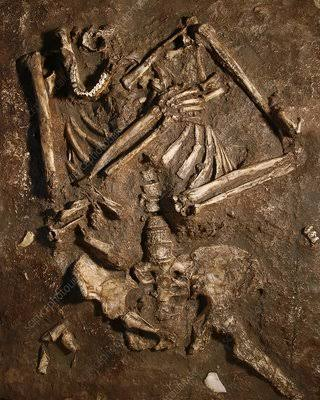
This linguistic barrier was permanently shattered in 1983 with the discovery of Kebara 2 (affectionately nicknamed "Moshe"), a extraordinarily complete 60,000-year-old adult male Neanderthal skeleton.

The Discovery of the Hyoid

While Moshe’s skull was missing due to post-depositional erosion, his torso, arms, and pelvis were preserved in pristine condition. Most importantly, the excavation recovered a tiny, incredibly fragile U-shaped bone located at the base of the throat: the hyoid bone.

The hyoid is the absolute logistical anchor of human speech; it secures the tongue, lifts the larynx, and coordinates the rapid, fluid muscular contractions necessary to modulate air into distinct vowels and consonants.

The Kebara 2 hyoid was a revelation—its external macroscopic dimensions, muscle attachment points, and overall shape were completely indistinguishable from those of modern living humans.

Micro-Biomechanics of Phonation

To prove the bone was actually used for speech rather than simple swallowing, an international team of biomechanical engineers subjected the Kebara 2 hyoid to high-resolution micro-CT scanning and finite element analysis (FEA).

They mapped the internal trabecular bone architecture, which continuously models and remodels itself throughout a lifespan in direct response to the specific mechanical stresses applied to it.

The analysis proved that the internal micro-geometry and stress-distribution pathways of the Neanderthal hyoid perfectly matched those of modern humans. The bone was being routinely subjected to the intense, highly specific mechanical loadings generated by the rapid, rhythmic muscle contractions of phonation (speech).

While Neanderthals likely spoke with a slightly higher, louder, and more nasal pitch due to their massive chests and large nasal cavities, Kebara 2 proves they possessed the complete anatomical and biomechanical hardware required to communicate via fully formed, complex spoken language.

← Newer Posts Older Posts →
Featured
image_2026-06-30_222300876.png
July 1, 2026
The Late Bronze Age Collapse and the "Sea Peoples"
July 1, 2026
Read more →
July 1, 2026
image_2026-06-30_222232218.png
July 1, 2026
Philistine DNA: Ashkelon's 3,000-Year European Roots
July 1, 2026
Read more →
July 1, 2026
image_2026-06-30_222201621.png
July 1, 2026
The Imperial Influx and Modern Isolation
July 1, 2026
Read more →
July 1, 2026
image_2026-06-30_222128702.png
July 1, 2026
The Grand Paradox: Genes vs. Language
July 1, 2026
Read more →
July 1, 2026
image_2026-06-30_222053651.png
July 1, 2026
The Genomic Disruption: Mapping the Central Italian Time-Transect
July 1, 2026
Read more →
July 1, 2026
image_2026-06-30_222017899.png
July 1, 2026
The Historical Crossfire: Herodotus vs. Dionysius
July 1, 2026
Read more →
July 1, 2026
read more

Powered by The archaeologist