• MAIN PAGE
  • LATEST NEWS
    • Lost Cities
    • Archaeology's Greatest Finds
    • Underwater Discoveries
    • Greatest Inventions
    • Studies
    • Blog
  • PHILOSOPHY
  • HISTORY
  • RELIGIONS
    • Africa
    • Anatolia
    • Arabian Peninsula
    • Balkan Region
    • China - East Asia
    • Europe
    • Eurasian Steppe
    • Levant
    • Mesopotamia
    • Oceania - SE Asia
    • Pre-Columbian Civilizations of America
    • Iranian Plateau - Central Asia
    • Indus Valley - South Asia
    • Japan
    • The Archaeologist Editor Group
    • Scientific Studies
    • Aegean Prehistory
    • Historical Period
    • Byzantine Middle Ages
    • Predynastic Period
    • Dynastic Period
    • Greco-Roman Egypt
  • Rome
  • PALEONTOLOGY
  • About us
Menu

The Archaeologist

  • MAIN PAGE
  • LATEST NEWS
  • DISCOVERIES
    • Lost Cities
    • Archaeology's Greatest Finds
    • Underwater Discoveries
    • Greatest Inventions
    • Studies
    • Blog
  • PHILOSOPHY
  • HISTORY
  • RELIGIONS
  • World Civilizations
    • Africa
    • Anatolia
    • Arabian Peninsula
    • Balkan Region
    • China - East Asia
    • Europe
    • Eurasian Steppe
    • Levant
    • Mesopotamia
    • Oceania - SE Asia
    • Pre-Columbian Civilizations of America
    • Iranian Plateau - Central Asia
    • Indus Valley - South Asia
    • Japan
    • The Archaeologist Editor Group
    • Scientific Studies
  • GREECE
    • Aegean Prehistory
    • Historical Period
    • Byzantine Middle Ages
  • Egypt
    • Predynastic Period
    • Dynastic Period
    • Greco-Roman Egypt
  • Rome
  • PALEONTOLOGY
  • About us

The Lost Kingdom of the Scythians: Nomadic Warriors of the Steppe

December 7, 2025

Masters of Horse and Bow

The Scythians dominated the Eurasian Steppe from the 9th century BCE to the 4th century CE. Renowned horsemen, archers, and metalworkers, they left a lasting imprint on Eurasian history.

Nomadic Lifestyle

Living in mobile settlements, the Scythians relied on horses for travel, trade, and warfare. Their mobility allowed them to control vast territories and conduct raids with precision.

Art and Warfare

Scythian art, especially gold ornaments, reflects warrior culture, spiritual beliefs, and social status. Weapons, including composite bows and iron swords, reveal advanced metallurgy and combat expertise.

Legacy

Though their cities faded, Scythian culture influenced neighboring civilizations and shaped Eurasian steppe history, leaving behind archaeological treasures that highlight their sophistication.

The Secrets of the Ancient Mayan Ball Game

December 7, 2025

Ritual, Sport, and Sacrifice

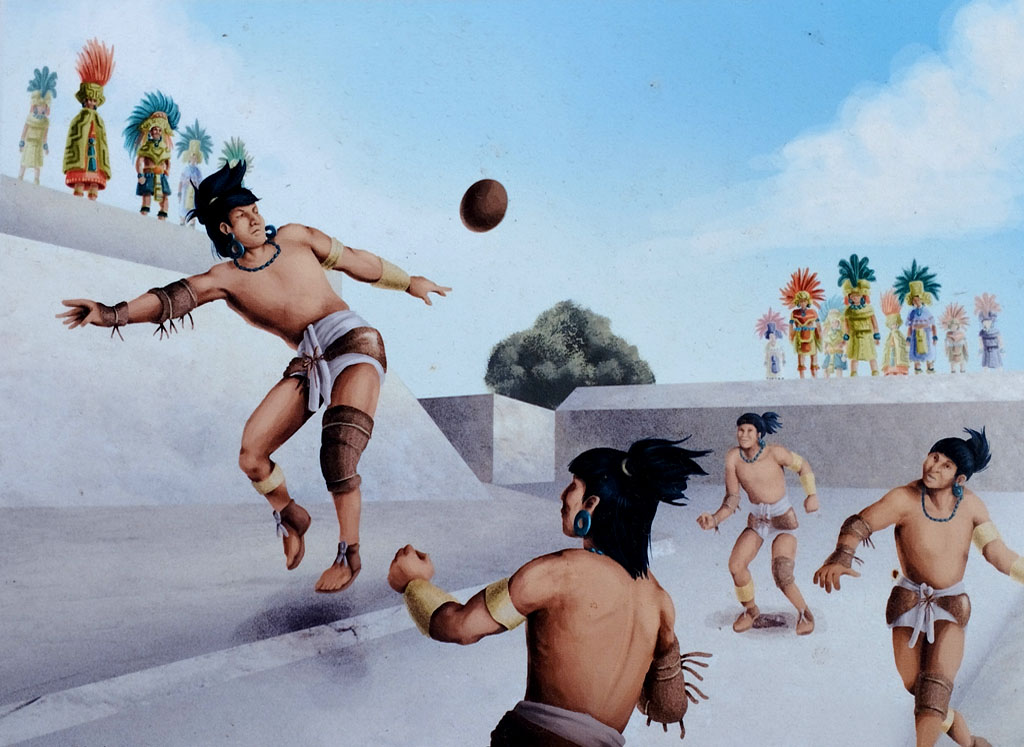
The Mesoamerican ball game, or Ōllamaliztli, was played by the Maya and other civilizations, combining sport, ritual, and political symbolism. Its courts are found throughout Central America.

Rules and Play

Players used hips, elbows, and knees to strike a rubber ball through stone hoops. The game required agility, teamwork, and strategy, reflecting physical prowess and skill.

Ritual Significance

The game often symbolized cosmic battles between life and death, sun and underworld. High-stakes matches could end in human sacrifice, emphasizing its spiritual importance.

Cultural Influence

The ball game reinforced social hierarchy, honored gods, and demonstrated the integration of sport and religious belief in ancient Mesoamerican society.

The Forgotten Kingdom of Aksum in Africa

December 7, 2025

Ethiopia’s Ancient Powerhouse

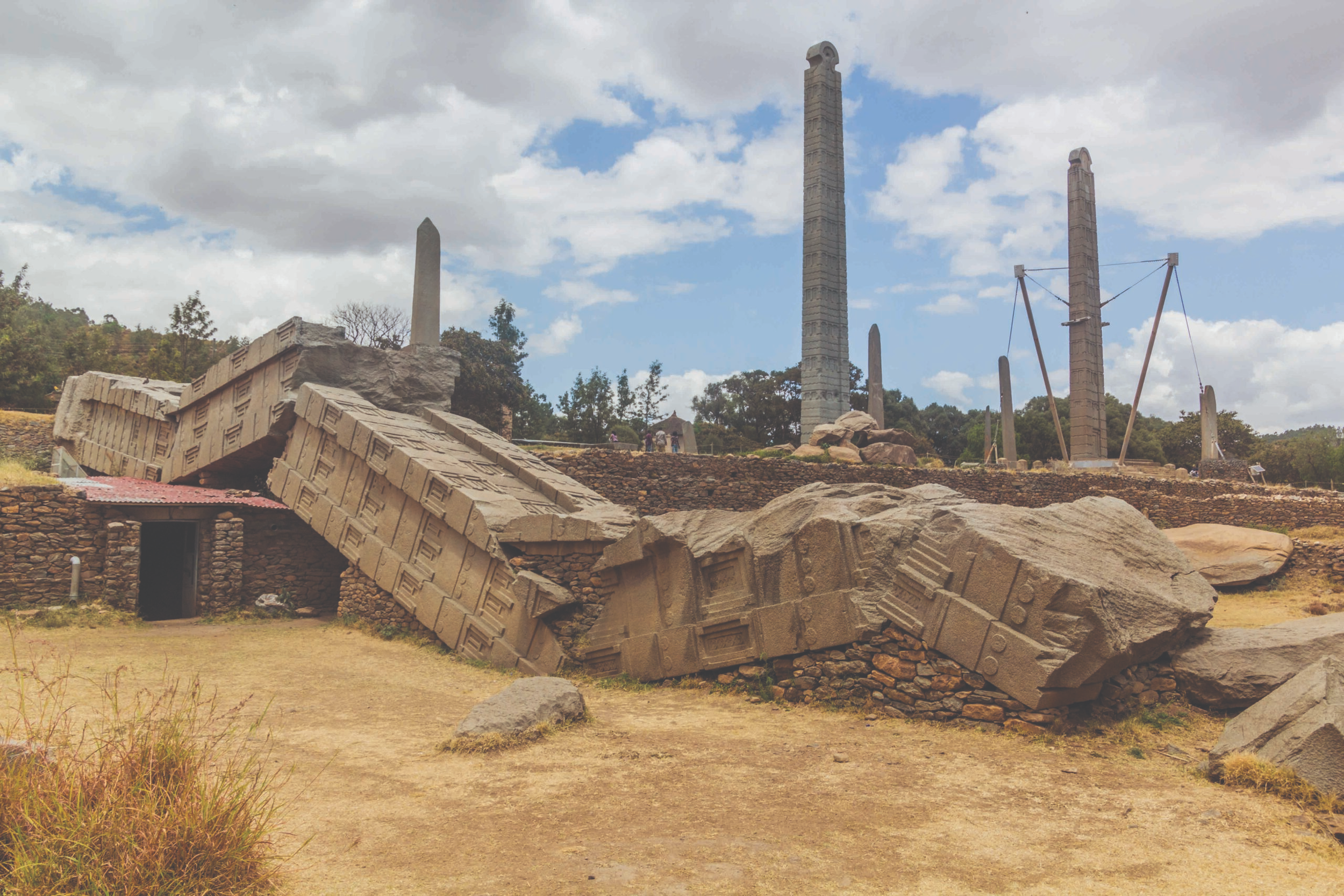
The Kingdom of Aksum, flourishing between the 1st and 7th centuries CE in modern Ethiopia and Eritrea, was a hub of trade, religion, and culture. Its rulers claimed legendary ties to King Solomon and the Queen of Sheba.

Trade and Influence

Aksum controlled Red Sea trade routes, exchanging gold, ivory, and exotic goods. Coins, inscriptions, and architecture reveal a sophisticated, interconnected economy that rivaled contemporary empires.

Religion and Culture

Aksum adopted Christianity in the 4th century CE, blending local traditions with new religious practices. The kingdom left behind monumental stelae, churches, and inscriptions that testify to its spiritual and cultural achievements.

Legacy

Though largely forgotten in Western history, Aksum influenced East African civilization and retains a central place in Ethiopian heritage and identity.

The Ancient Art of Bone Carving and Jewelry Making

December 7, 2025

Crafting Beauty from Bones

Early humans transformed bones into tools, ornaments, and amulets, demonstrating creativity, skill, and symbolic thinking. These artifacts reveal both practical and spiritual aspects of prehistoric life.

Functional Tools and Weapons

Bones were carved into needles, awls, and fish hooks, enabling sewing, hunting, and fishing. Their durability and accessibility made them essential resources for survival.

Ornaments and Amulets

Beyond utility, bones were fashioned into beads, pendants, and intricate carvings. These items often served as personal adornment or carried protective and magical significance, reflecting early beliefs and identity.

Artistic Expression

Bone carving required precision and imagination. Patterns, etchings, and symbolic shapes indicate a connection to storytelling, ritual, and social status. These creations offer a tangible link to the ingenuity of early humans.

The Sacred Symbols of the Ancient Celts

December 7, 2025

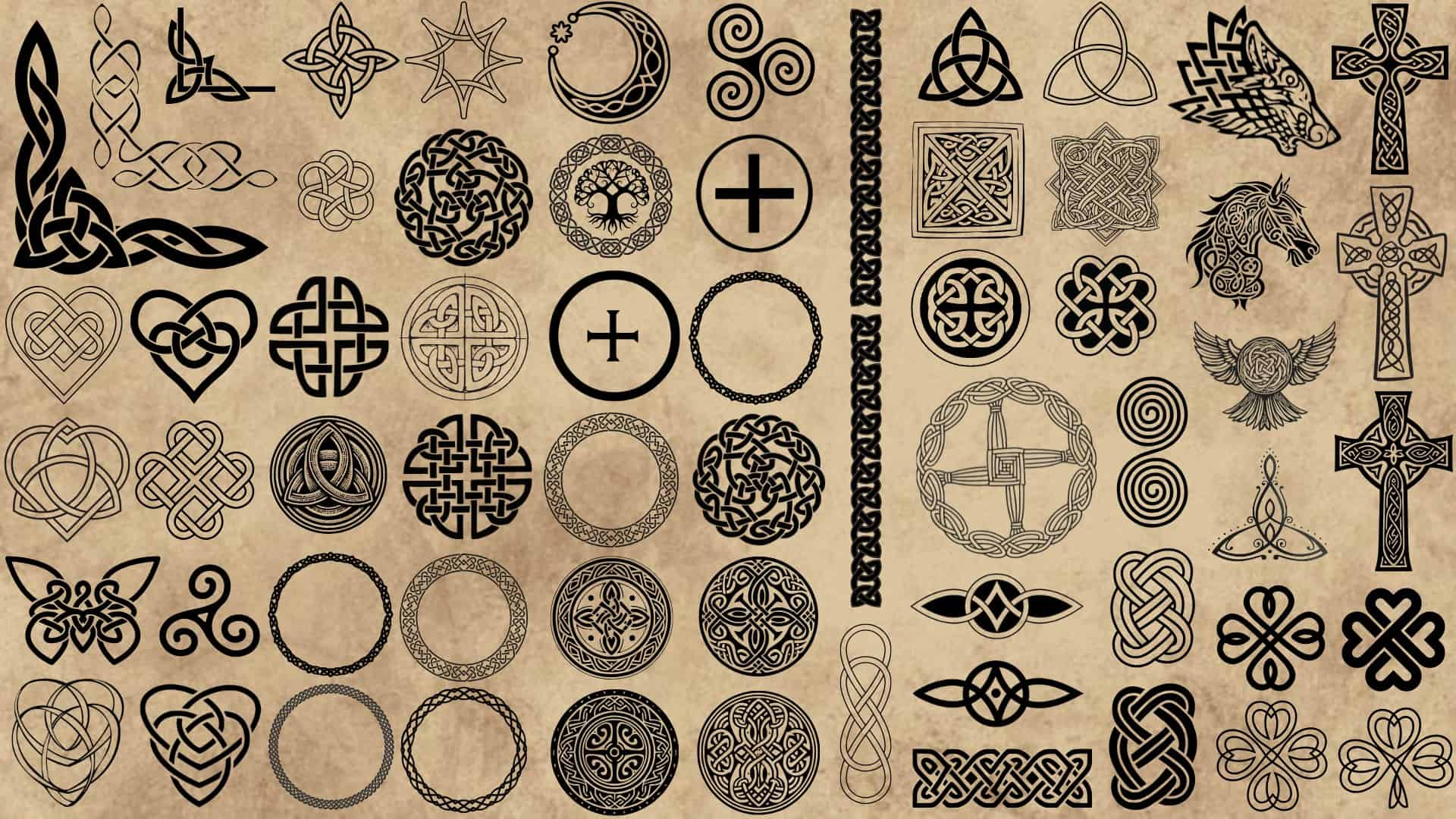
Celtic symbols convey ideas of eternity, balance, and the natural world. Patterns like knots, spirals, and crosses appear in metalwork, stone carvings, and manuscripts.

Knots and Continuity

Celtic knots, with no beginning or end, symbolized eternity, interconnectedness, and the cyclical nature of life. They adorned jewelry, religious artifacts, and ceremonial items.

Spirals and Cosmic Cycles

Spirals represented the sun, growth, and spiritual journeys. They reflect the Celts’ observation of natural cycles and human life stages.

Crosses and Cultural Synthesis

Celtic crosses combine Christian and pagan motifs, symbolizing the fusion of faiths and the adaptation of ancient beliefs into new religious frameworks.

Enduring Legacy

Celtic symbols continue to inspire art, design, and spiritual practice, offering a window into ancient Celtic philosophy and worldview.

The Role of Shamans in Ancient Tribal Societies

December 7, 2025

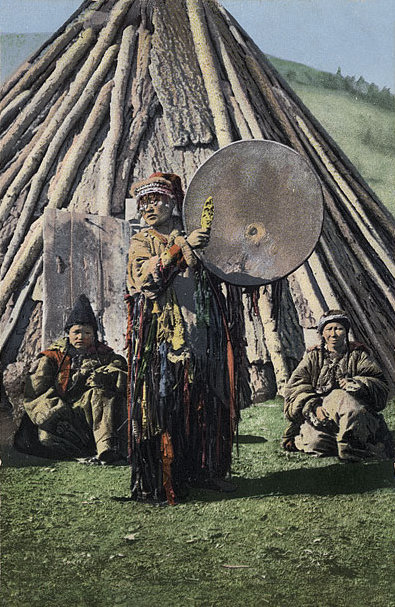
Shamans acted as spiritual guides in Siberia, Africa, and the Americas, mediating between humans and the supernatural. They performed healing, divination, and ritual leadership.

Spiritual Practices

Using trance, drumming, and sacred objects, shamans communicated with spirits and ancestors. They interpreted omens, conducted ceremonies, and advised leaders on critical decisions.

Social Importance

Shamans maintained communal health, spiritual balance, and cultural knowledge. Their authority reinforced social cohesion and guided ethical conduct within tribal societies.

Cross-Cultural Insights

Despite geographic differences, shamanistic practices share common themes of spiritual intercession, healing, and ritual performance, highlighting universal aspects of human spirituality.

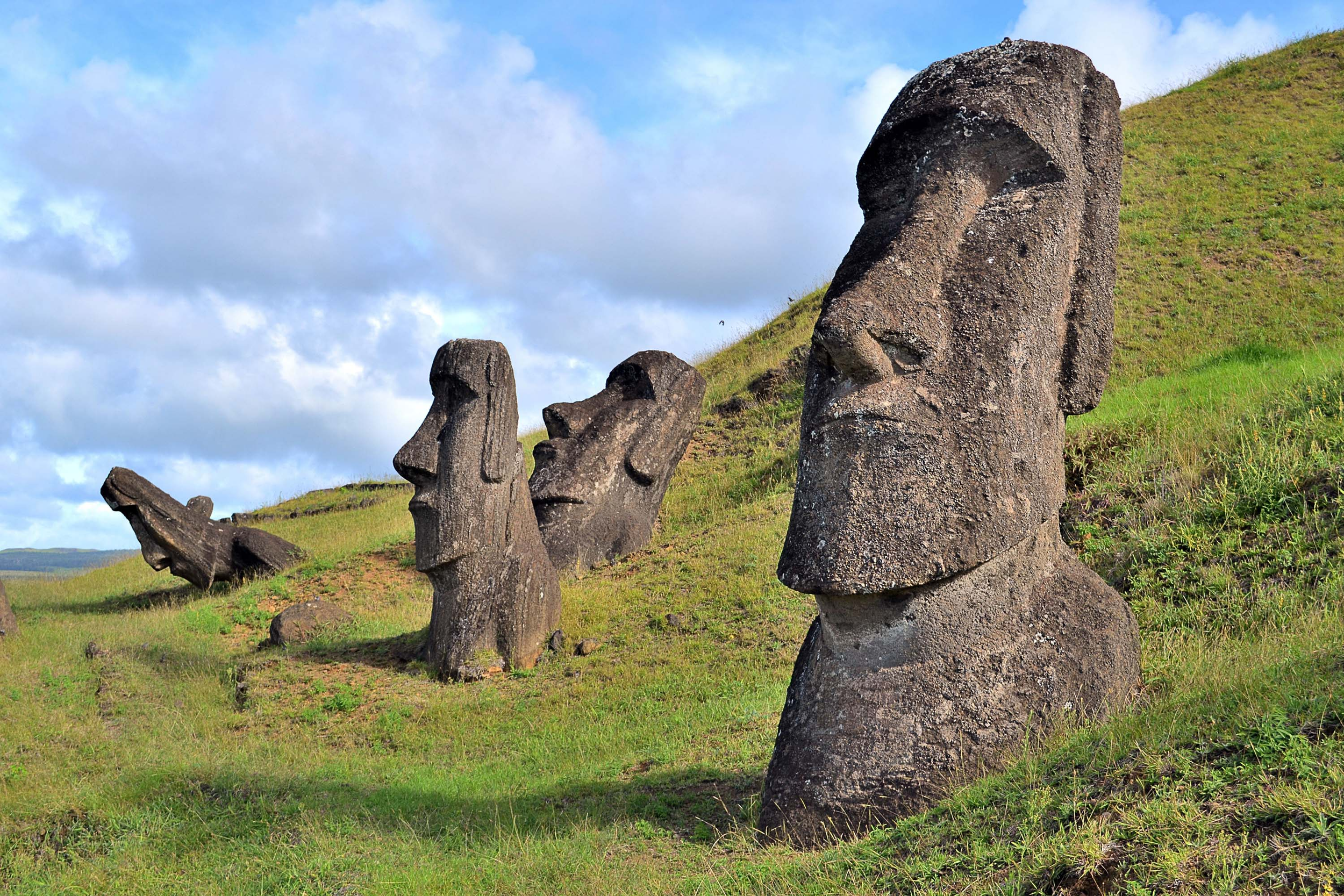
The Mystery of the Giant Statues on Easter Island

December 7, 2025

The Moai statues of Easter Island are massive stone figures carved by the Rapa Nui people between 1400 and 1650 CE. They embody ancestor worship and social hierarchy.

Carving and Transportation

Carved from volcanic tuff, Moai were transported using sleds, rollers, or a “walking” method over distances up to 20 kilometers. Their construction showcases ingenuity and coordination.

Cultural Significance

Moai represented ancestral spirits, ensuring protection, fertility, and prosperity. Positioned to face inland, they symbolically watched over communities.

Legacy and Preservation

Easter Island’s Moai remain a testament to human creativity, cultural identity, and the ability to manipulate the environment on a grand scale.

The Ancient Science of Herbal Medicine

December 7, 2025

Herbal medicine was central to ancient health practices, blending observation, ritual, and spiritual belief. Plants were used to treat illness, enhance wellbeing, and connect with divine forces.

Egyptian and Mesopotamian Practices

Physicians in Egypt and Mesopotamia documented remedies using herbs, roots, and oils. Papyrus scrolls and clay tablets detail treatments for digestive, respiratory, and skin conditions.

Greek and Chinese Traditions

Greek physicians like Hippocrates emphasized the natural properties of herbs, while Traditional Chinese Medicine incorporated herbs in complex systems of balance, yin, and yang.

Spiritual and Practical Applications

Herbs were often used in ritual alongside practical treatments. Healing and magic were intertwined, showing the holistic approach to medicine in ancient societies.

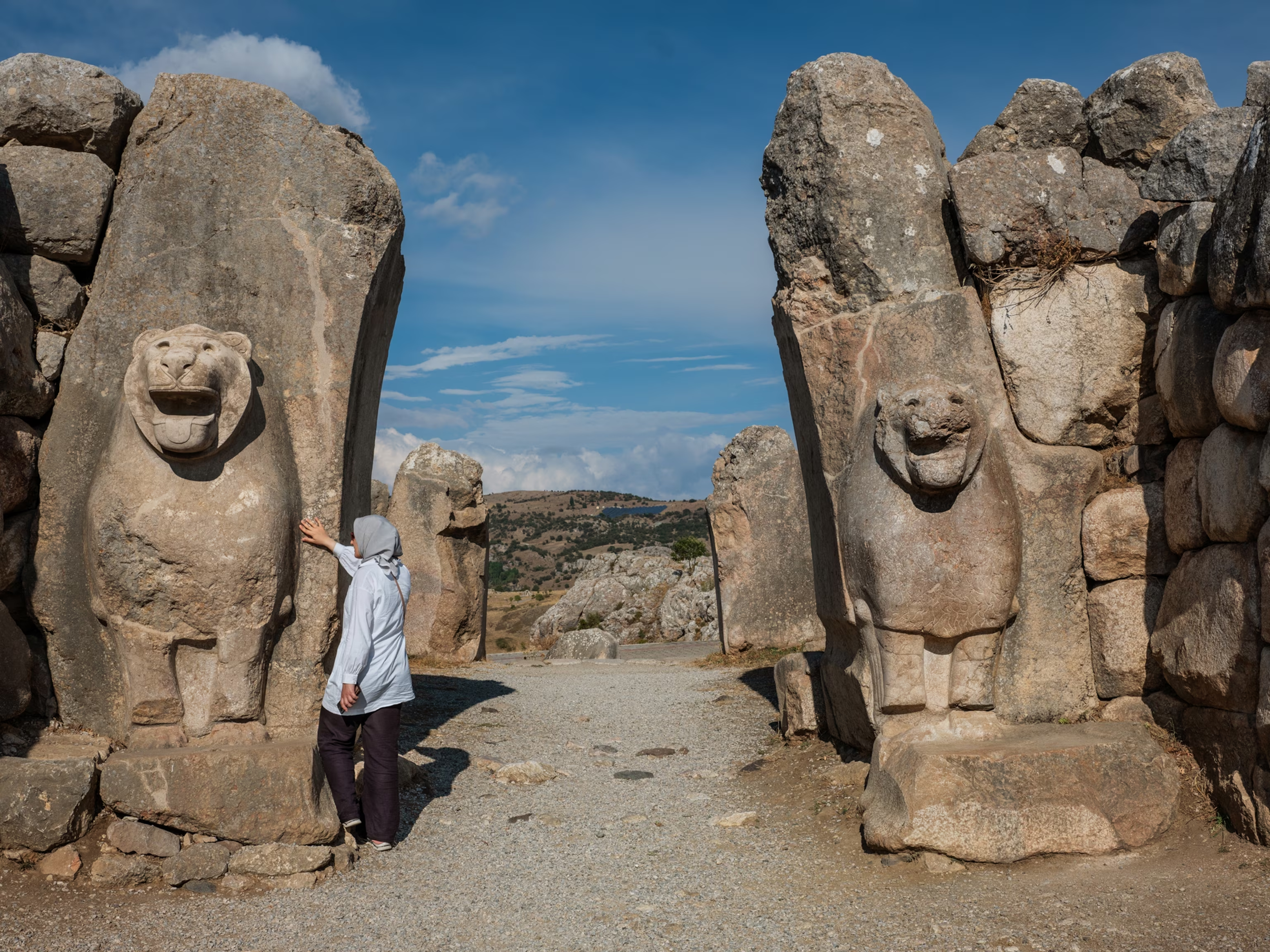
The Forgotten Empire of the Hittites

December 7, 2025

The Hittites established a powerful empire in Anatolia during the second millennium BCE, known for military prowess, diplomacy, and legal innovation. Their influence stretched across the Near East, challenging Egypt and Assyria.

Political and Military Achievements

The Hittites controlled vast territories through fortified cities and well-trained armies. The Treaty of Kadesh with Egypt is one of the earliest known peace agreements in history.

Culture and Religion

They adopted and adapted Mesopotamian gods, developed hieroglyphic scripts, and left records in cuneiform. Their art, pottery, and religious practices reveal a rich cultural life.

Legacy

Though overshadowed by later civilizations, the Hittites contributed legal frameworks, military strategies, and cultural exchanges that shaped the ancient Near East.

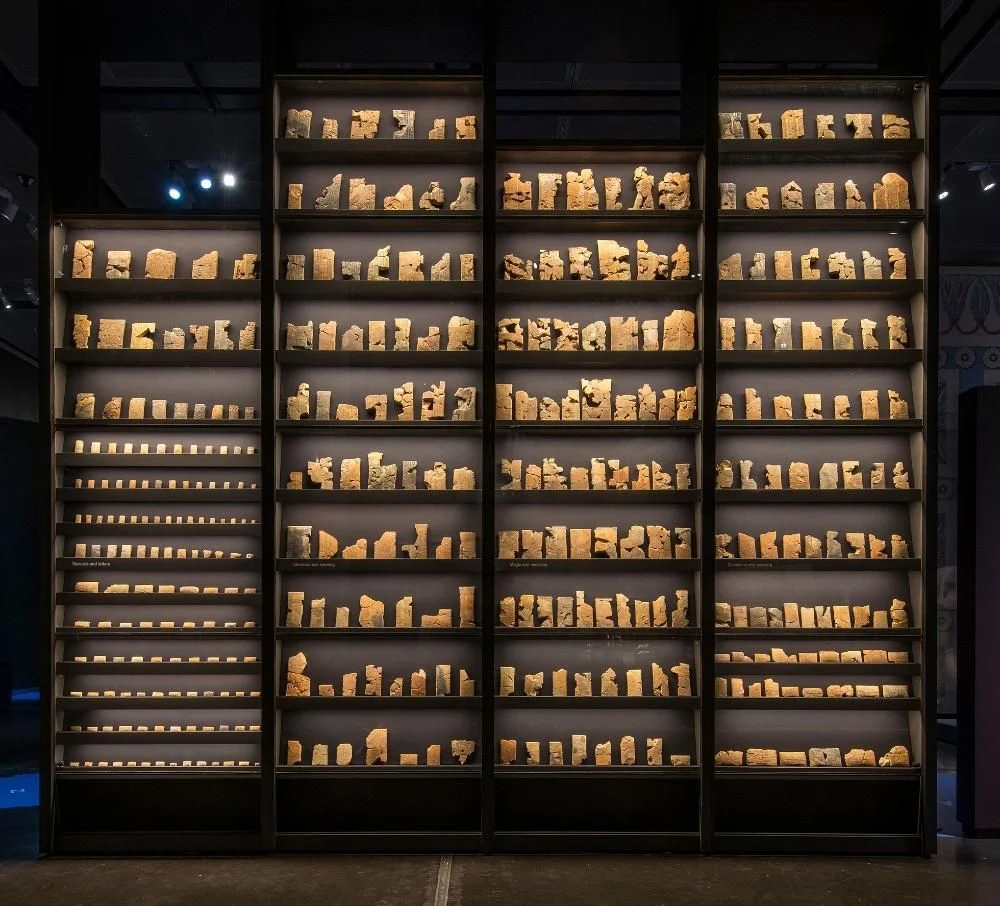
The Ancient Library of Ashurbanipal: The First Knowledge Vault

December 7, 2025

The library of Ashurbanipal in Nineveh, dating to the 7th century BCE, housed tens of thousands of clay tablets inscribed in cuneiform, preserving literature, legal codes, and scholarly texts.

Scope and Content

The library included epic tales like the Gilgamesh Epic, medical texts, astronomical records, and administrative documents. It offered insight into the intellectual life of the Assyrian Empire.

Organization and Access

Tablets were carefully catalogued and stored, illustrating early methods of information management. Scholars accessed the library to study law, religion, and science, ensuring continuity of knowledge.

Legacy

Ashurbanipal’s library represents one of the earliest attempts to preserve human knowledge systematically, influencing later traditions of scholarship and education in the ancient world.

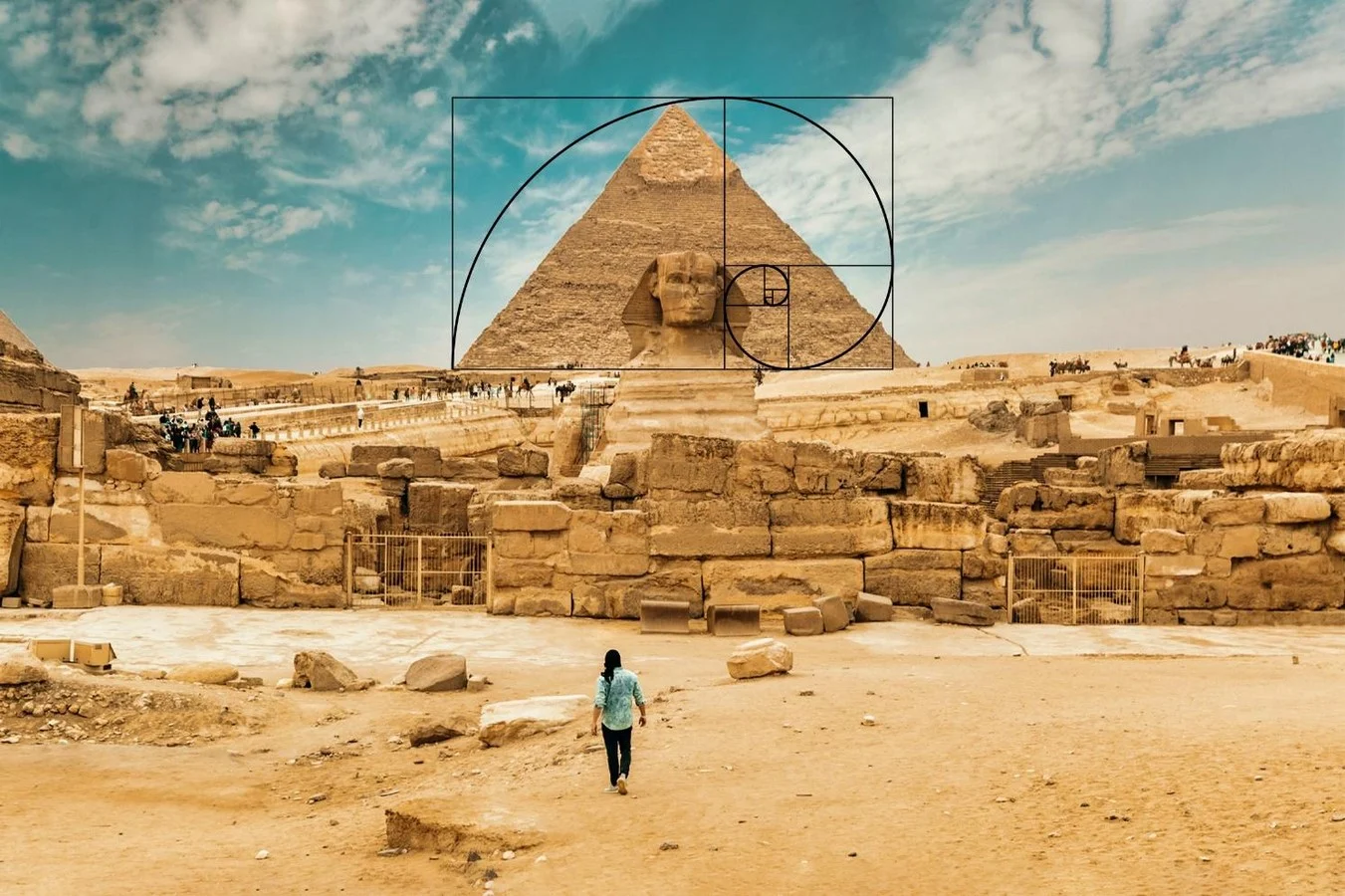
The Sacred Geometry of the Egyptian Pyramids

December 7, 2025

The Egyptian pyramids are not only architectural marvels but also embodiments of sacred geometry, reflecting knowledge of mathematics, astronomy, and cosmic symbolism.

Design Principles

The Great Pyramid of Giza aligns with cardinal points and incorporates precise ratios, suggesting advanced understanding of geometry. Architects integrated mathematical relationships to achieve structural stability and symbolic meaning.

Astronomical Alignment

Pyramids were oriented to celestial bodies, connecting tombs to stars, solstices, and the sun. This alignment reflected beliefs about the afterlife and the pharaoh’s divine journey to the heavens.

Spiritual and Cultural Significance

The use of geometry elevated pyramids beyond tombs, making them monuments to cosmic order, divine authority, and human ingenuity, demonstrating the intersection of science and spirituality

The Oldest Known City in the Americas: Caral

December 7, 2025

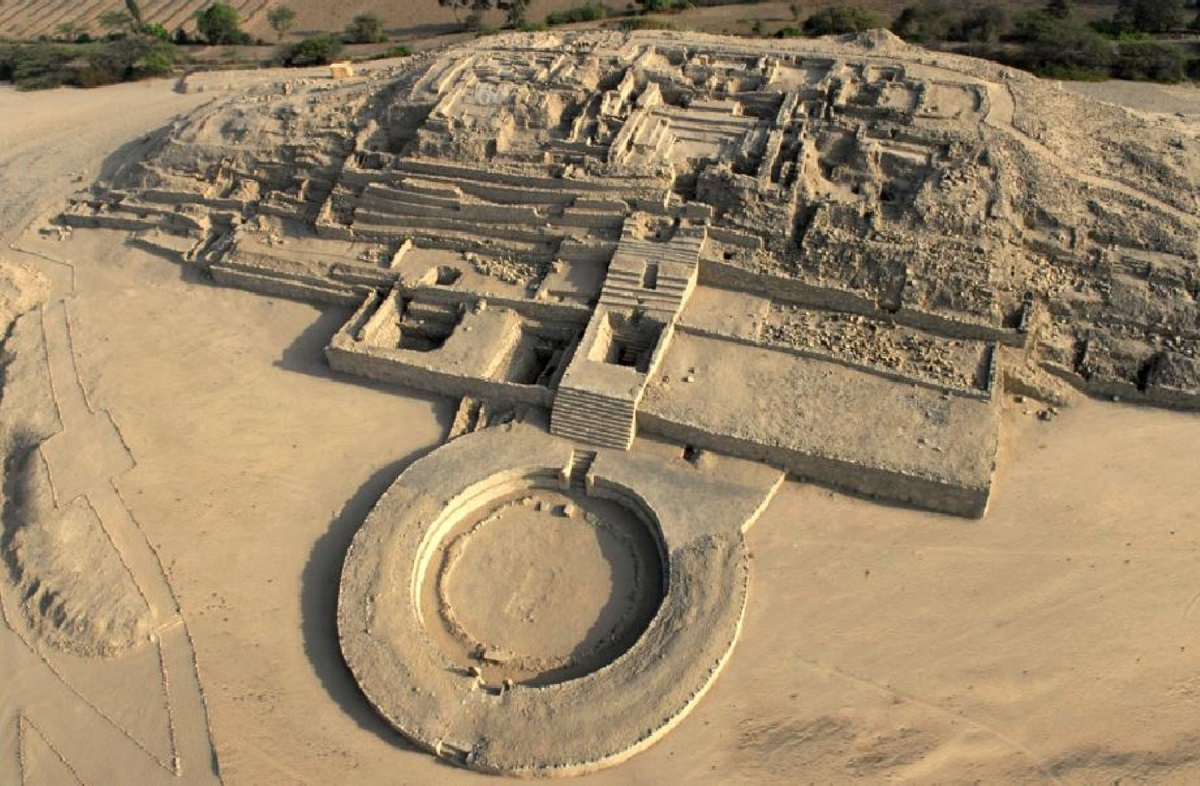
Caral, located in Peru’s Supe Valley, is considered the oldest urban center in the Americas, dating back over 5,000 years. Its monumental architecture and planning reveal an advanced society.

Urban Planning and Architecture

Caral featured pyramids, plazas, and residential complexes arranged with precision. The city’s design reflects social hierarchy, public spaces for communal activity, and sophisticated engineering knowledge.

Cultural Achievements

The Caral civilization developed textiles, musical instruments like flutes, and irrigation systems. They practiced trade with distant regions, demonstrating complex economic networks.

Legacy

Caral challenges assumptions about early American societies, showing that urbanization, architecture, and culture flourished long before European contact.

The Role of Music in Ancient Religious Ceremonies

December 7, 2025

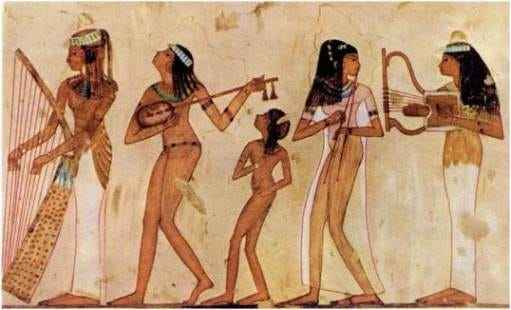
Music was central to religious life in ancient civilizations, enhancing rituals, invoking deities, and unifying communities. Instruments, chants, and rhythmic patterns carried spiritual significance across cultures.

In Ancient Egypt and Mesopotamia

Egyptians used lyres, flutes, and percussion in temple ceremonies, often to accompany hymns and offerings. In Mesopotamia, harps and drums were used to honor gods and signal festivals, blending sound with sacred narrative.

Greek and Roman Rituals

In Greece, music accompanied sacrifices, theatrical performances, and festivals like the Eleusinian Mysteries. Romans incorporated music in public ceremonies, processions, and funerals, using sound to convey reverence and communal identity.

Spiritual and Social Impact

Music not only pleased the gods but also structured rituals, creating shared experiences and reinforcing social cohesion. Its role in religious ceremonies demonstrates the interplay between art, spirituality, and cultural expression.

The Legendary Queen of Sheba: Fact or Fiction?

December 7, 2025

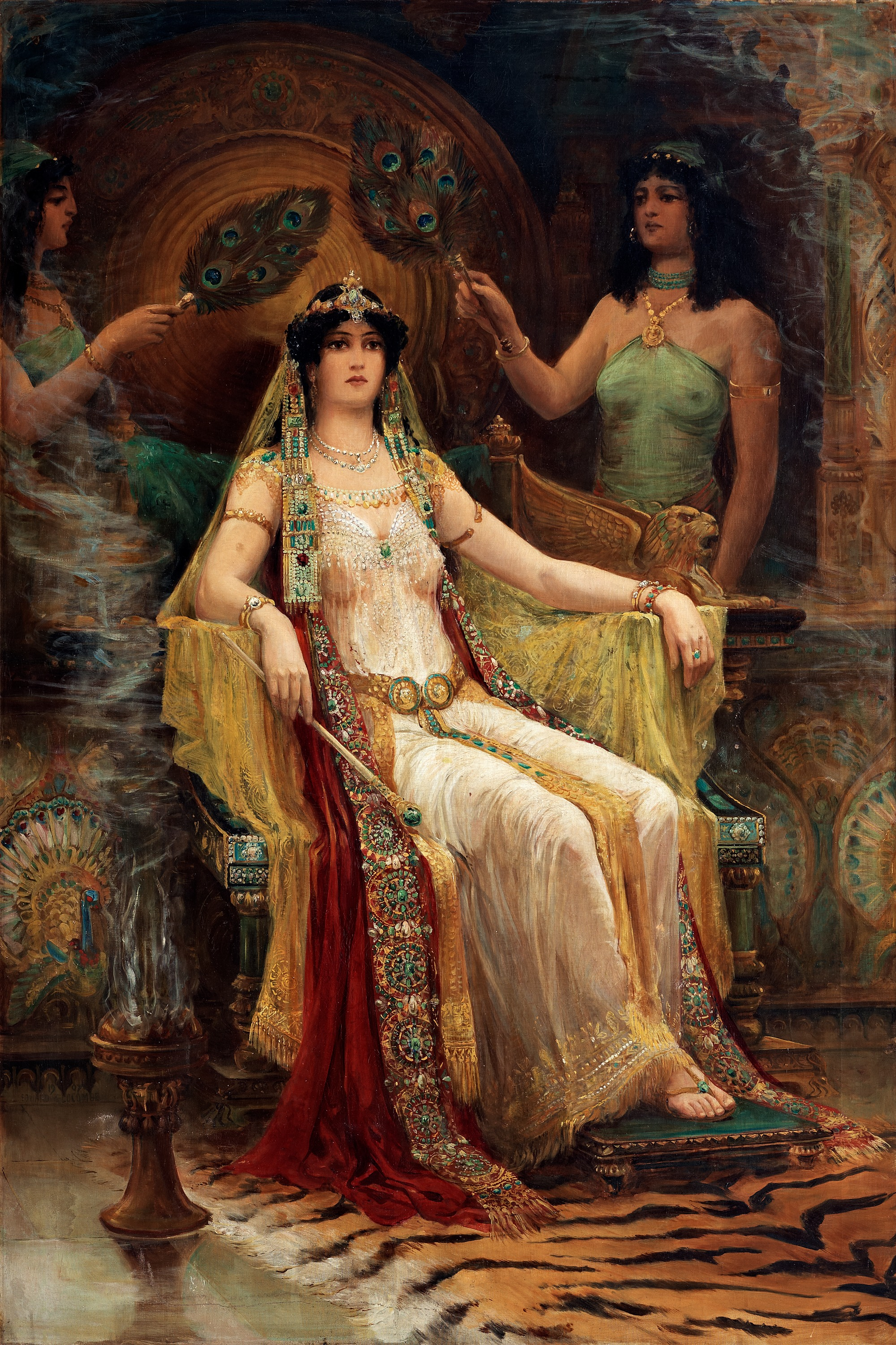
The Queen of Sheba is one of the most captivating figures of ancient lore, appearing in Ethiopian, Arabian, and biblical traditions. Her story blends historical accounts with legend, making her both a political and cultural icon.

Historical Accounts

Some historians link Sheba to the Sabaean kingdom in modern-day Yemen, a wealthy trading state known for frankincense, spices, and gold. Ancient inscriptions suggest that rulers of Sheba engaged in diplomacy with neighboring kingdoms, possibly including Israel.

The Biblical and Qur’anic Narratives

In scripture, Sheba is depicted as a wise and wealthy monarch who visited King Solomon, bringing gifts and testing his wisdom. These accounts emphasize intelligence, wealth, and divine insight, traits celebrated across generations.

Cultural Legacy

Whether historical or mythical, the Queen of Sheba inspired art, literature, and folklore. Her story reflects the power of trade, diplomacy, and cross-cultural exchange in shaping ancient societies.

Nearly 2,000-Year-Old Service Station Unearthed Along a Major Roman Road

December 7, 2025

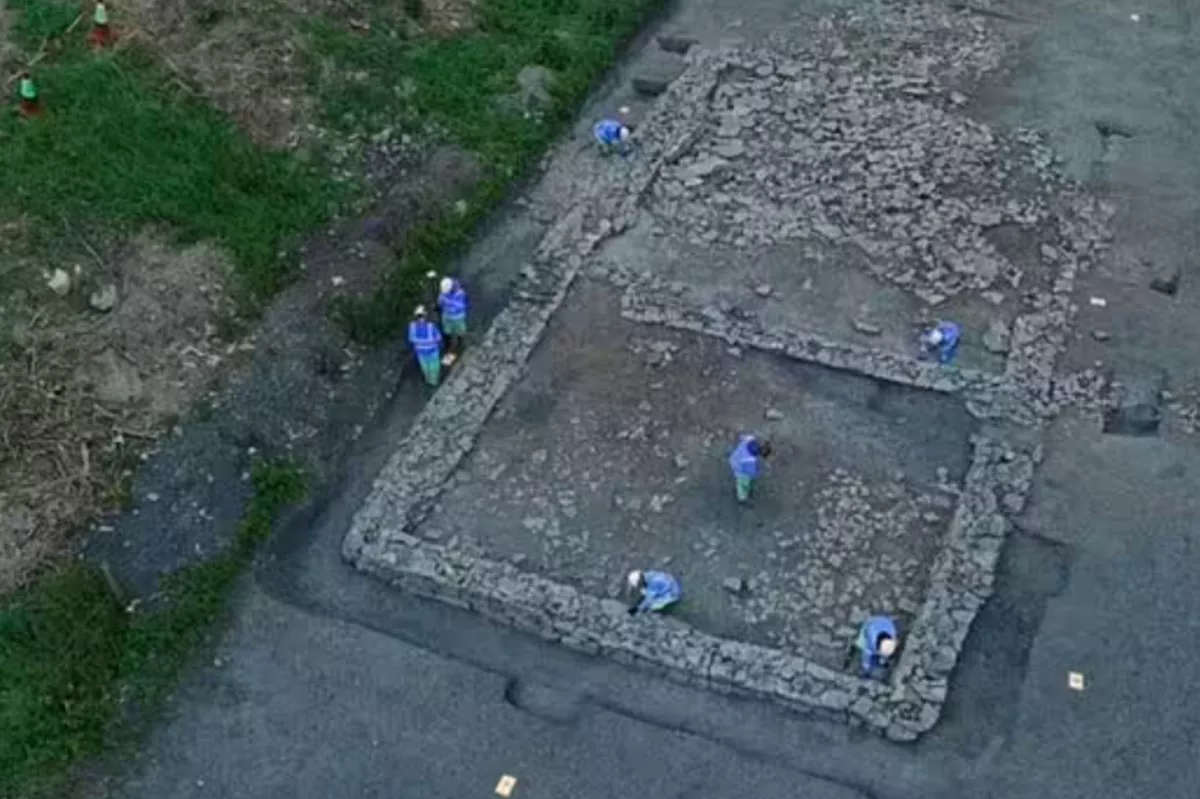
Archaeologists in Gloucestershire have uncovered a remarkable glimpse into daily life in Roman Britain: the remains of what amounts to a 2,000-year-old roadside service station. Situated just off today’s A417, five miles south of Cheltenham, the site sits alongside a major Roman road that once linked Corinium (Cirencester) and Glevum (Gloucester) two of Roman western Britain’s most important towns.

The discovery, made by Oxford Cotswold Archaeology as part of the A417 Missing Link infrastructure project, reveals a rare example of a Roman mutatio—a designated stopover where travellers could rest, eat, and, crucially, change horses. These stations were part of the cursus publicus, Rome’s state-run transport network that moved officials, messages, and goods efficiently across the empire.

A Roadside Hub for Centuries

Evidence suggests this Gloucestershire mutatio was in use from the 2nd to 4th centuries AD, during a period when Roman Britain thrived economically and militarily. The buildings were modest, but their layout shows a clear separation of functions: one area for humans, the other for animals.

In the animal quarters, archaeologists found bridles, harness fittings, and horse gear, confirming the site’s role in swapping tired horses for fresh ones. The human quarters contained primitive ovens, quern stones for grinding flour, cooking areas, and personal items—indicating meals, shelter, and warmth for weary travellers. Food remains show visitors ate bread, meat, and even snails, a delicacy in parts of the Roman world. Cook sites and animal bones further reinforce that this was more than a stable; it was a fully functioning rest stop with its own small supply network.

A Treasure Trove of Artifacts

Excavations uncovered over 460 Roman coins, 420 kilograms of pottery and animal bones, 15 decorative brooches (fibulae), a bronze ring with glass inlay, and a striking blue-white glass bead. Among the most unusual finds was a Roman bone-and-metal nail clipper, a reminder that grooming was part of life even during long journeys.

Project manager Alex Thompson described the discovery as a “remarkable insight into Roman infrastructure,” noting that the site “exceeded all expectations” and could represent one of Europe’s earliest formalized roadside service concepts.

An Unexpected Glimpse Into Roman Travel

While modern travellers take motorway service stations for granted, well-organized rest points were revolutionary in antiquity. The Romans built over 80,000 kilometers of engineered roads across their empire, many equipped with mutationes and mansiones larger inns for overnight stays. The Gloucestershire mutatio fits into this network, positioned along what was likely part of Ermin Street, a major route connecting frontier zones near Wales with central and southern Britain. It would have served both civilian travellers and officials on imperial business, its proximity to Corinium highlighting its significance.

A Region Rich in Roman History

Gloucestershire was a hub of Roman activity. Glevum (modern Gloucester) began as a fortress before becoming a bustling colonia for retired soldiers, while Corinium grew into a wealthy city with mosaics, amphitheatres, and sprawling villas. The region connected the military frontier near Wales with the commercial Cotswolds. Remnants of this history still shape the landscape from Roman roads visible from the air to artifacts in local museums. The newly discovered mutatio and its artifacts are set to join this narrative, with plans for public display.

Modern Roads, Ancient Footsteps

The find highlights a striking continuity between ancient and modern transport. Just as today’s A417 guides drivers to major hubs, the Roman road once carried soldiers, merchants, couriers, and settlers across the province. Long before petrol pumps and convenience stores, travellers relied on these roadside stations to rest, refuel, and continue their journeys.

Hidden for centuries just beneath the tarmac of one of Britain’s busiest modern highways, this discovery reminds us that the past is often closer than we think.

This author has sold 198 million books. Now he’s delving into the ancient unsolved mystery of Stonehenge

December 7, 2025

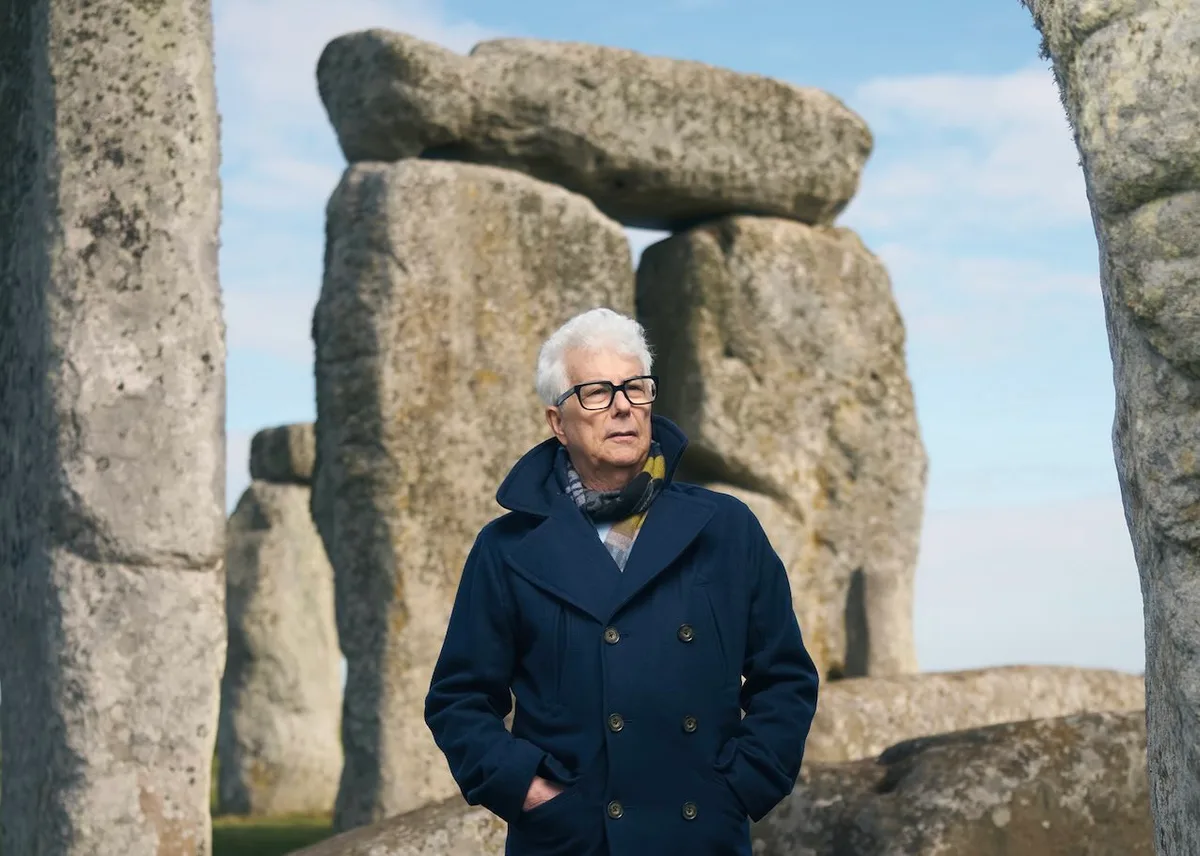
Stonehenge has long captivated both scientists and spiritual seekers, drawing over a million visitors each year to its prehistoric stone circle. In his novel Circle of Days, author Ken Follett explores the enduring mystery surrounding the monument.

When asked about his early interest in history, Follett admits he actually disliked history at school, finding it boring, though he did enjoy reading historical novels. His curiosity deepened while writing spy stories, when he realized a narrative set against real historical battles or wars made for a far more compelling story. This led him to study military history, particularly moments when a spy could influence historical events.

Follett is fascinated by Stonehenge and similar structures because they show how ordinary people, often living humble lives, can create something lasting and extraordinary. He compares this achievement to the building of medieval cathedrals—works that transcend their creators’ circumstances.

During his research for the book, he was especially struck by the discovery that Stone Age people dug mines to extract high-quality flint for tool-making, such as those at Grimes Graves in Norfolk. These mines suggest the existence of trade networks in the Stone Age, a revelation that had a strong impact on him.

Regarding the construction of Stonehenge, Follett acknowledges that while he has his own theories, they are based on archaeological research and expert consensus rather than definitive proof. The mystery surrounding its creation allows him to use imagination to fill in the gaps, which makes Stonehenge an ideal subject for a novelist.

As for the motivation behind the monument, Follett notes that the people who built it are the true focus of his story. Constructing Stonehenge would have been extremely challenging, especially since it predates the wheel and animals were not used to transport the massive stones. Moving them required immense human effort and determination. While the exact reasons remain unknown, the feat itself is inspiring—and for the full answer to why Stonehenge was built, readers must turn to his book.

The Lost Troy of Roman Britain: How a Chance Discovery in Rutland Unlocked an Ancient Story Forgotten for 1,500 Years

December 7, 2025

A lost version of the Trojan War by Aeschylus has come to light through the Rutland mosaic, revealing surprising cultural connections between Roman Britain and the wider Mediterranean world.

For five years, historians and archaeologists at the University of Leicester had been investigating a mystery beneath the fields of Rutland. There, far from the sunlit ruins of Greece or Türkiye, lay a sprawling mosaic unlike any other found in Britain. Its true significance only became clear recently: it depicted a story almost lost to history.

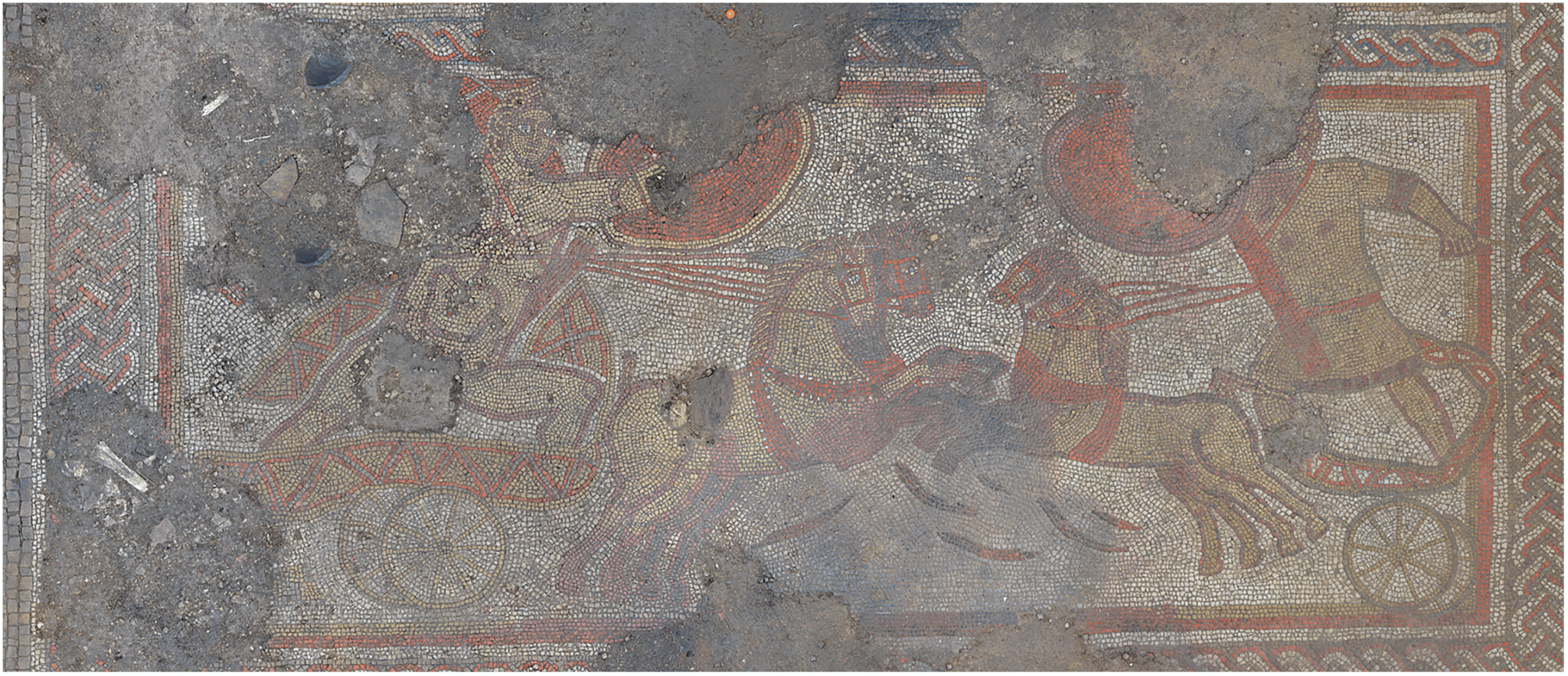
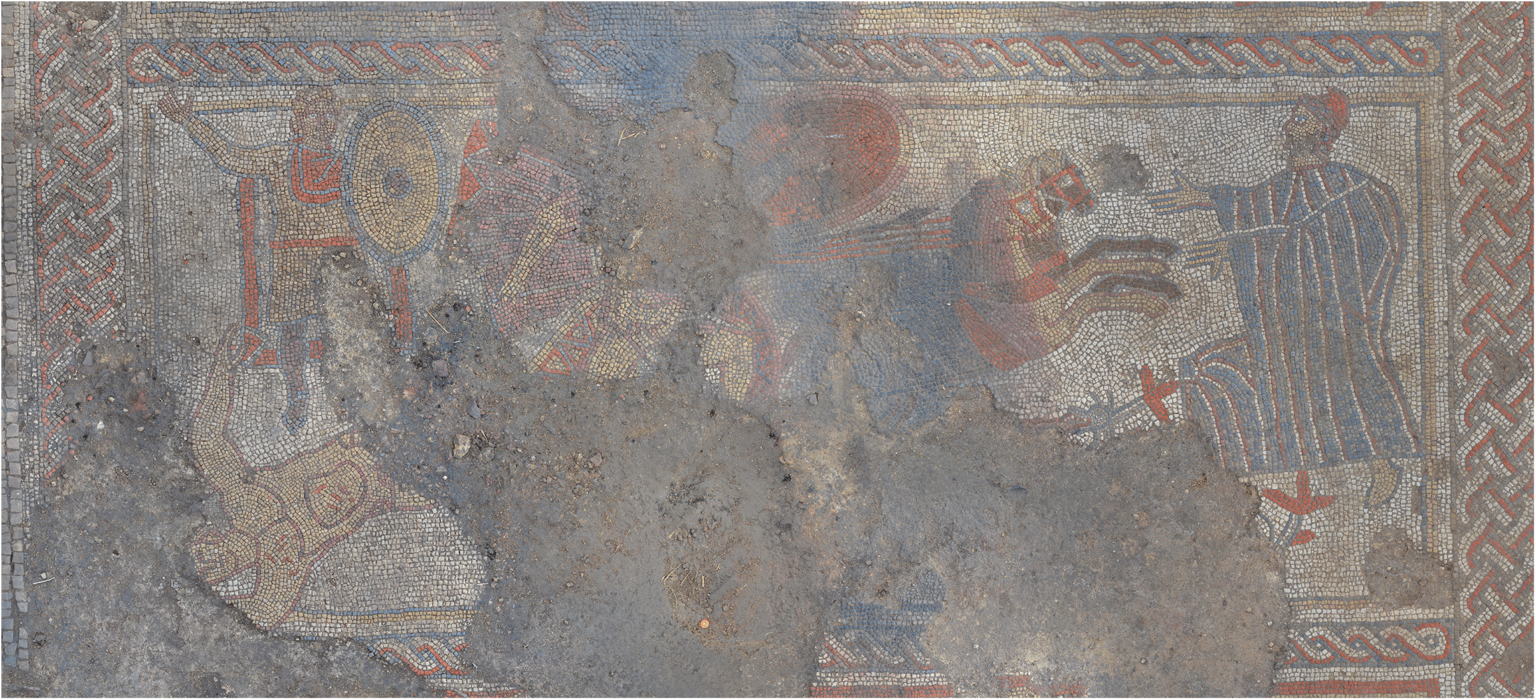
The Ketton mosaic, created around 1,800 years ago, does more than retell Homer’s Iliad. Instead, it draws on a forgotten tragedy by Aeschylus, the renowned Athenian playwright, whose play Phrygians has mostly vanished except for brief mentions. The mosaic preserves this lost narrative not in text but in carefully arranged tesserae on the floor of a luxurious villa at the northern edge of the Roman Empire.

This discovery elevates the mosaic from a rare archaeological find to evidence that Roman Britain actively participated in the classical imagination connecting the Mediterranean world.

The story of the mosaic’s discovery begins in 2020, during the COVID-19 lockdown, when farmer Jim Irvine noticed fragments of patterned stone on his land. Alerting specialists led to the involvement of the University of Leicester Archaeological Services and Historic England. Excavations revealed a large villa complex, its central room adorned with an 11-meter-long mosaic depicting war, grief, and mythological drama.

The mosaic is divided into three scenes focused on the conflict between Achilles and Hector. The first captures their duel, each figure poised in the tense moment before impact. The second depicts the aftermath, with Achilles driving his chariot while Hector’s lifeless body is dragged behind. The final scene, however, is the most remarkable: Hector’s body is weighed against gold as King Priam ransoms his son—a detail absent from Homer but present in Aeschylus’ lost version.

This extraordinary element indicates that the villa’s owner and the artists decorating it were familiar with a rare version of the Trojan legend, suggesting a household deeply engaged with classical literature beyond the widely known texts.

What makes the Ketton mosaic even more remarkable is the heritage of its artistic language. Lead researcher Dr. Jane Masséglia and her team found patterns and motifs that had circulated across the Mediterranean for centuries before the mosaic was created. One upper panel reflects a design seen on a Greek vase from Aeschylus’ era. Elsewhere, the imagery draws from Roman silverware in Gaul, coin iconography from Asia Minor, and decorative styles passed from workshop to workshop long before reaching Britain.

These connections challenge the idea that Roman Britain was culturally isolated. Instead, they show a province actively engaged with Mediterranean art, trade, and intellectual life. The mosaic’s craftsmen were not improvising in a remote corner of the empire; they were inheritors of a network of patterns, motifs, and techniques that flowed across continents like texts did.

The villa’s owners were likely educated, wealthy, and ambitious individuals who valued aligning their homes with stories from the heart of classical culture. In the cold winters of Britannia, far from the Aegean origins of Achilles and Hector, they curated an artistic environment that showcased their sophistication to visitors.

For Jim Irvine, who stumbled upon the mosaic, the discovery is thrilling. It portrays a Roman Britain far more cosmopolitan than often depicted—a place where global narratives resonated with provincial elites. Scholars not involved in the excavation agree. Professor Hella Eckhardt notes that the mosaic shows myths were preserved not only in literature but also in visual traditions passed down across centuries and regions, demonstrating how ancient stories traveled through both hands and words.

Today, the Ketton mosaic and its villa are protected as a Scheduled Monument, with their significance officially recognized. Yet the full impact of the discovery continues to emerge. The mosaic not only revives Aeschylus’ lost drama but also reshapes our understanding of Roman Britain as a connected, informed, and culturally ambitious society.

On a quiet farm in Rutland, the stones are speaking again, revealing that the edge of the Roman Empire was never as distant from the classical world as previously imagined.

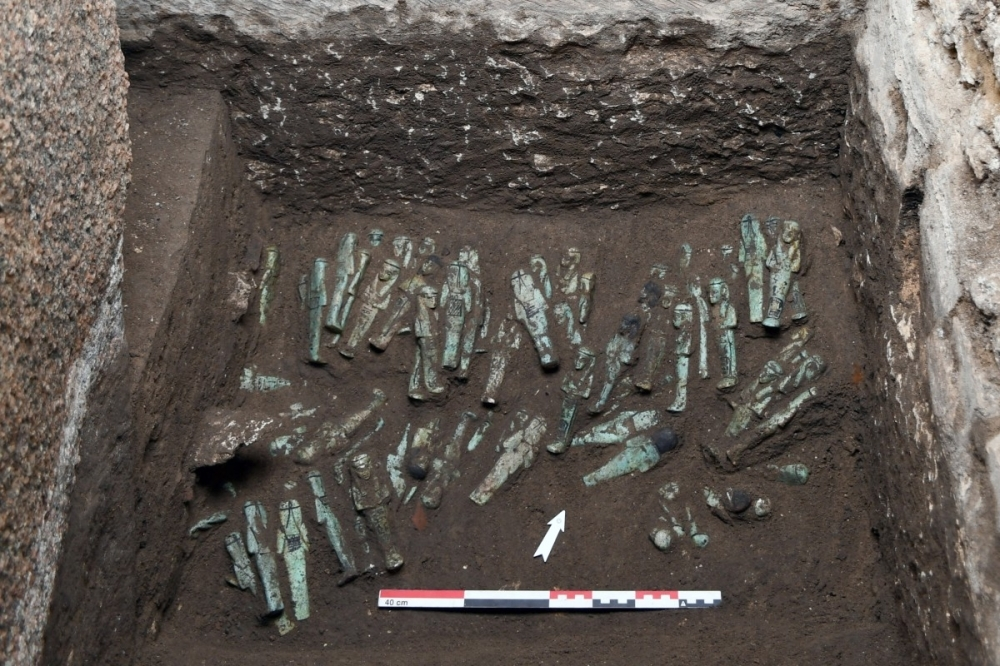
Frederic  Payraudeau, who leads the French Tanis excavation mission, said the remarkable discovery was made on the morning.

Rare haul of 225 funerary figurines in Tanis reveals surprising resting place of Shoshenq III

December 7, 2025

A remarkable collection of 225 funerary figurines has been uncovered inside a tomb in the ancient Egyptian capital of Tanis in the Nile Delt rare discovery that has also resolved a long-standing archaeological puzzle.

According to French Egyptologist Frederic Payraudeau, it has been nearly eight decades since figurines were last found in place within a royal tomb in the Tanis necropolis. Discoveries like this have also never occurred farther south in the Valley of the Kings near modern Luxor, except for the famous find in Tutankhamun’s tomb in 1922, largely because so many burial sites were looted over the centuries.

Payraudeau, who heads the French excavation mission at Tanis, said the discovery was made on the morning of October 9. By that time, the team had already explored three corners of a narrow burial chamber that contained a massive, unidentified sarcophagus.

The moment they noticed several figurines clustered together, they realized the significance of the find. The team immediately alerted others on site, and because the discovery occurred just before the weekend—when work normally ends early—they decided to continue and set up lighting to excavate through the night.

Over the next ten days, archaeologists carefully recovered all 225 figurines. The pieces, made of green material, had been intentionally arranged in a star-like pattern along the sides of a trapezoid-shaped pit, with horizontal rows lining the bottom.

These figurines, known as ushabti, were created to serve the deceased in the afterlife. More than half depict women, an unusually high proportion for such finds.

Tanis, founded around 1050 BC in the Nile Delta, became the capital during Egypt’s 21st dynasty. At that time, the Valley of the Kings—plundered heavily during the reigns of rulers such as Ramses—was abandoned, and the royal burial grounds were relocated to Tanis.

Solving an old mystery

Symbols on the newly uncovered figurines revealed the identity of the individual buried in the sarcophagus: Pharaoh Shoshenq III, who ruled from 830 to 791 BC. This came as a surprise because another tomb at the site including the largest sarcophagus bears his name.

This raised an old question: why was Shoshenq III not buried in the tomb he had prepared?

Experts explain that constructing a tomb in ancient Egypt was always a risk, as a king could never be certain that a successor would honor the original burial plan. Political turmoil during Shoshenq III’s reign—including a violent civil conflict between Upper and Lower Egypt—may have disrupted the intended succession. It is also possible that his remains were moved later to protect them from looting, though relocating a massive granite sarcophagus into such a confined space would have been extremely difficult.

Once fully analyzed, the figurines will be placed on display in an Egyptian museum.

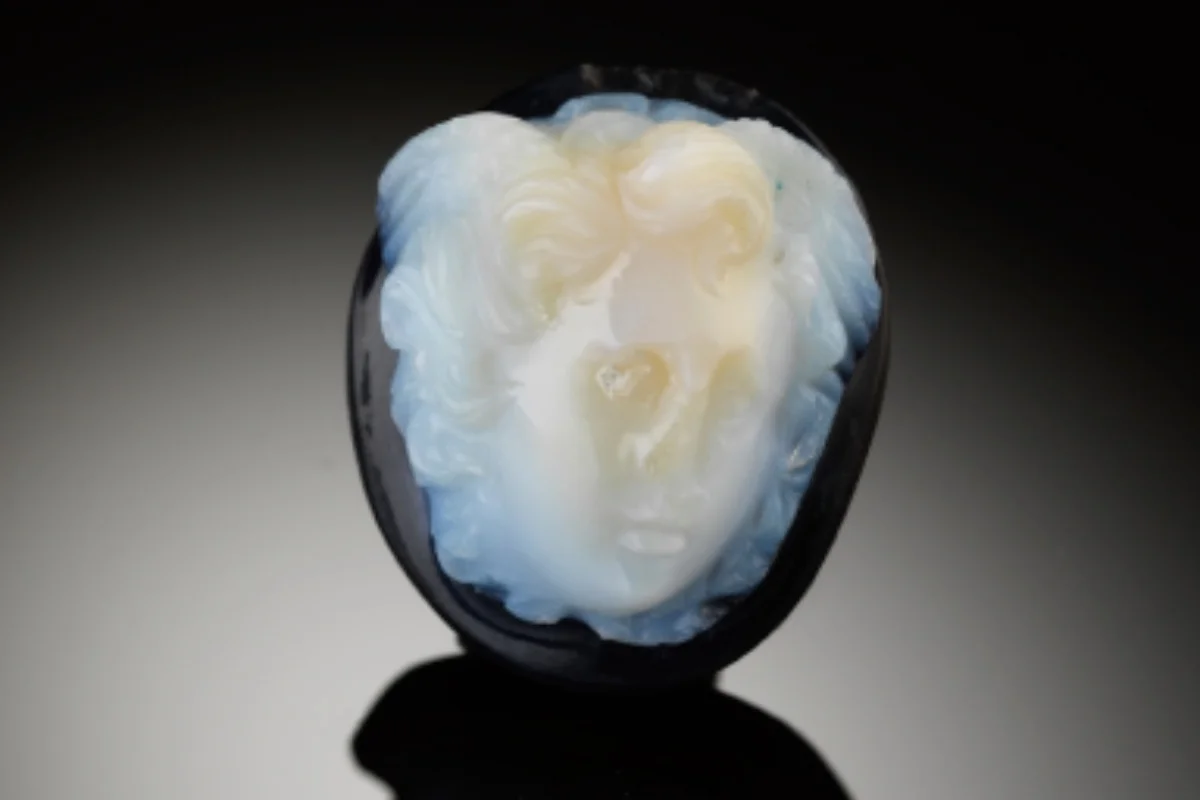
Roman-era cameo depicting Madusa unearthed in Hallstatt

December 7, 2025

Archaeologists in Hallstatt have unearthed a rare Roman-era cameo that has a carving of Medusa from Ancient Greek mythology.

Once a beautiful maiden, Medusa was transformed into a monster by Athena and later killed by the hero Perseus, who avoided her lethal gaze by using a reflective shield before striking the fatal blow.

The Medusa cameo was uncovered during excavations by ARDIS and the Upper Austrian State Museums at the site of the new funicular railway station. In Roman times, this area was a lively lakeside settlement, though many details about its structure and original name remain unclear. Specialists believe the cameo was created in the 2nd century AD in Aquileia, an Adriatic city known for its craftsmanship, and carved from banded black-and-white agate, also called onyx.

Despite its small size, the piece is remarkable for both its high-quality carving and its excellent condition. It is only the third Roman cameo on public display in Upper Austria, joining a lion-themed ring in the Wels City Museum and a gold ring showing a bound Cupid in the Lauriacum Museum.

Compared with the examples from Wels and Enns, the Hallstatt cameo is noticeably larger and features deeper, more sculptural relief work. Experts suggest the slight tilt in the design reflects the natural shape of the original onyx stone.

The winged head of Medusa surrounded by snakes for hair and known as the Gorgoneion was a widely used design in Greek and Roman art. It served as a protective emblem meant to keep away harm.

Given its relatively large size, researchers think it was probably not intended for a ring. Instead, it was likely once set into a necklace worn by a wealthy Roman woman.

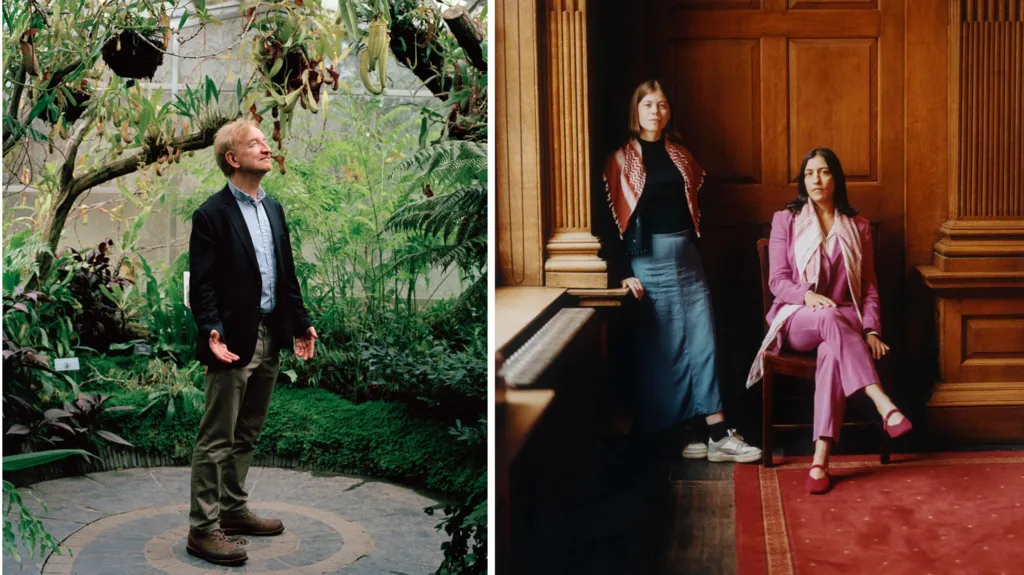
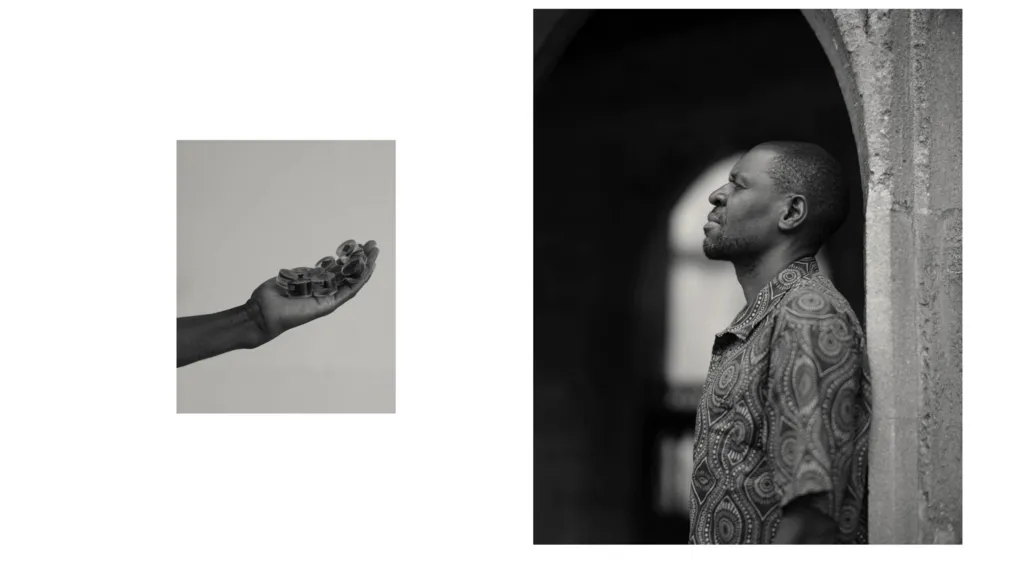
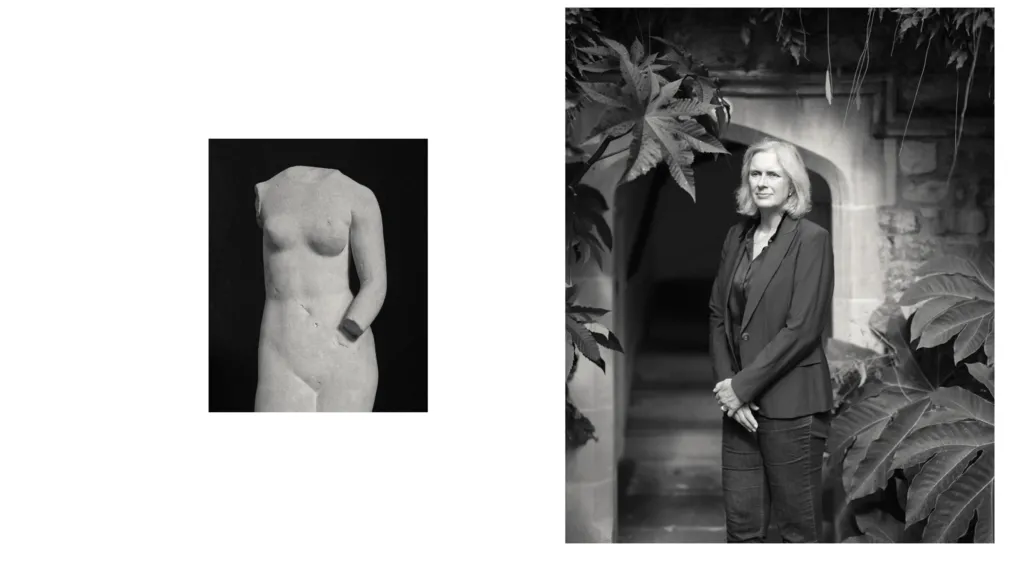
Sir Adrian Hill (pictured at Oxford Botanical Gardens) and Alexis McGivern and Clarissa Salmon (in the Clarendon Building's Delegates' Room) feature in the series.

Historic library unveils portraits of researchers

December 7, 2025

A new portrait collection honoring some of Oxford University’s most influential innovators has been revealed.

The project, called Catalysts, is a collaboration between the Bodleian Libraries and the British Journal of Photography. As part of this initiative, 19 new portraits will join the permanent collection at the Weston Library.

Among those featured are prominent figures such as Sir Adrian Hill, director of the Jenner Institute, known for his work on malaria vaccines and the Oxford–AstraZeneca COVID-19 vaccine, and Professor Krina Zondervan, whose research on endometriosis has shaped modern approaches to women’s reproductive health.

According to Bodley’s Librarian Richard Ovenden, the collection highlights the wide-ranging impact of Oxford’s research community and celebrates the dedication of the people driving it forward.

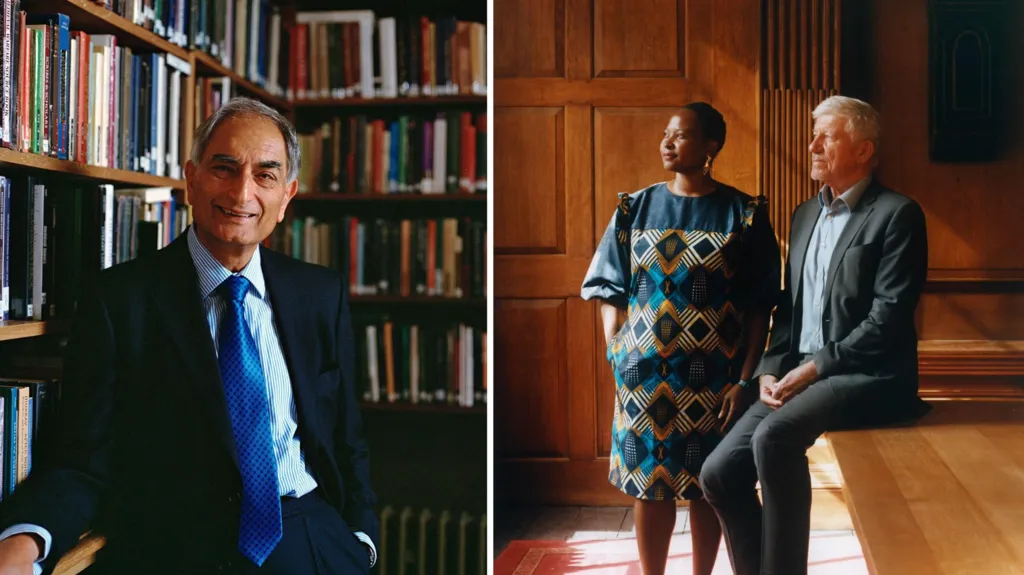
Portraits also include Prof Rajesh Thakker in Somerville College Library, and Dr Anne Makena and Professor Kevin Marsh in the Clarendon Building.

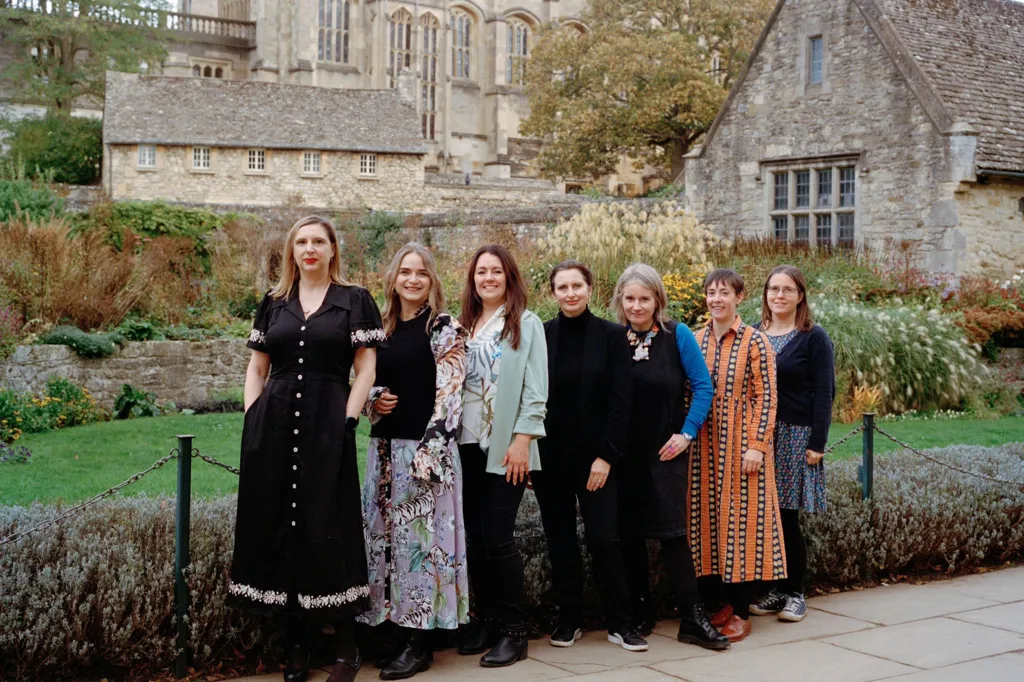
The Garden, Library, and Museum team (pictured in Christ Church Memorial Gardens) develop inclusive programmes for adults with learning disabilities.

The portraits were captured by photographers Alys Tomlinson, Francis Augusto, and Leia Morrison, and they showcase individuals and teams across diverse fields, including:

  • Prof. Shadreck Chirikure, expert in archaeological science

  • Prof. Sir Peter Horby, director of the Pandemic Sciences Institute

  • Dr. Anne Makena and Prof. Kevin Marsh, co-directors of the Africa Oxford Initiative

  • Alexis McGivern and Clarissa Salmon from Global Youth Climate Training, whose program has equipped 4,500 young climate advocates from 177 countries

  • REACH, a research group focused on improving water security in vulnerable regions of Africa and Asia

  • Prof. Rajesh Thakker, a leading figure in endocrinology

  • Prof. Rachel Upthegrove, whose psychosis studies have guided early mental health interventions for children

  • The Garden, Library, and Museum (GLAM) team, known for running inclusive cultural programs for adults with learning disabilities across Oxford’s museums and libraries

This portrait series aims to deepen public understanding of the people behind major scientific, cultural, and social advancements and to celebrate the creative and intellectual energy that drives Oxford’s work today.

Ovenden expressed deep pride in presenting the new portrait series, describing it as a meaningful addition to the library’s collection.

He emphasized that the individuals and groups featured are true catalysts—people whose contributions have driven significant progress in culture, science, and education, influencing not only the university but also the broader global community.

He added that while the project celebrates the far-reaching impact of their work, it also aims to ensure that the Bodleian Libraries’ collections represent the diverse people behind these achievements. In this way, the portraits are intended to motivate and guide future generations of scholars, activists, and innovators.

A diptych of Shadreck Chirikure, Professor of Archaeological Science, includes samples of iron production remains found in Togo.

Krina Zondervan, Professor of Reproductive and Genomic Epidemiology, was photographed at St Edmund Hall, alongside an Aphrodite exhibit from the Ashmolean Museum

Photographer Alys Tomlinson said she was excited by the chance to work with so many remarkable thinkers, noting that each person she photographed was warm, welcoming, and remarkably grounded despite their achievements.

The project was supported by a £40,000 donation provided through the Guy and Elinor Meynell Trust.

Prof Sir Peter Horby is photographed outside the Big Data Institute.

← Newer Posts Older Posts →
Featured
image_2026-03-12_232439795.png
Mar 13, 2026
The Mysterious Architects of Ancient Palaces
Mar 13, 2026
Read More →
Mar 13, 2026
image_2026-03-12_232356896.png
Mar 13, 2026
Divine Kingship: When Rulers Were Seen as Gods
Mar 13, 2026
Read More →
Mar 13, 2026
image_2026-03-12_232211099.png
Mar 13, 2026
The Forgotten Sea Peoples: Raiders of the Ancient World
Mar 13, 2026
Read More →
Mar 13, 2026
image_2026-03-12_232026356.png
Mar 13, 2026
The Origins of Sacred Geometry
Mar 13, 2026
Read More →
Mar 13, 2026
image_2026-03-12_231941982.png
Mar 13, 2026
Buried Temples Beneath Modern Cities
Mar 13, 2026
Read More →
Mar 13, 2026
image_2026-03-12_231845648.png
Mar 13, 2026
The Secret Languages of the Ancient Priesthoods
Mar 13, 2026
Read More →
Mar 13, 2026
read more

Powered by The archaeologist