• MAIN PAGE
  • LATEST NEWS
    • Lost Cities
    • Archaeology's Greatest Finds
    • Underwater Discoveries
    • Greatest Inventions
    • Studies
    • Blog
  • PHILOSOPHY
  • HISTORY
  • RELIGIONS
    • Africa
    • Anatolia
    • Arabian Peninsula
    • Balkan Region
    • China - East Asia
    • Europe
    • Eurasian Steppe
    • Levant
    • Mesopotamia
    • Oceania - SE Asia
    • Pre-Columbian Civilizations of America
    • Iranian Plateau - Central Asia
    • Indus Valley - South Asia
    • Japan
    • The Archaeologist Editor Group
    • Scientific Studies
    • Aegean Prehistory
    • Historical Period
    • Byzantine Middle Ages
    • Predynastic Period
    • Dynastic Period
    • Greco-Roman Egypt
  • Rome
  • PALEONTOLOGY
  • About us
Menu

The Archaeologist

  • MAIN PAGE
  • LATEST NEWS
  • DISCOVERIES
    • Lost Cities
    • Archaeology's Greatest Finds
    • Underwater Discoveries
    • Greatest Inventions
    • Studies
    • Blog
  • PHILOSOPHY
  • HISTORY
  • RELIGIONS
  • World Civilizations
    • Africa
    • Anatolia
    • Arabian Peninsula
    • Balkan Region
    • China - East Asia
    • Europe
    • Eurasian Steppe
    • Levant
    • Mesopotamia
    • Oceania - SE Asia
    • Pre-Columbian Civilizations of America
    • Iranian Plateau - Central Asia
    • Indus Valley - South Asia
    • Japan
    • The Archaeologist Editor Group
    • Scientific Studies
  • GREECE
    • Aegean Prehistory
    • Historical Period
    • Byzantine Middle Ages
  • Egypt
    • Predynastic Period
    • Dynastic Period
    • Greco-Roman Egypt
  • Rome
  • PALEONTOLOGY
  • About us

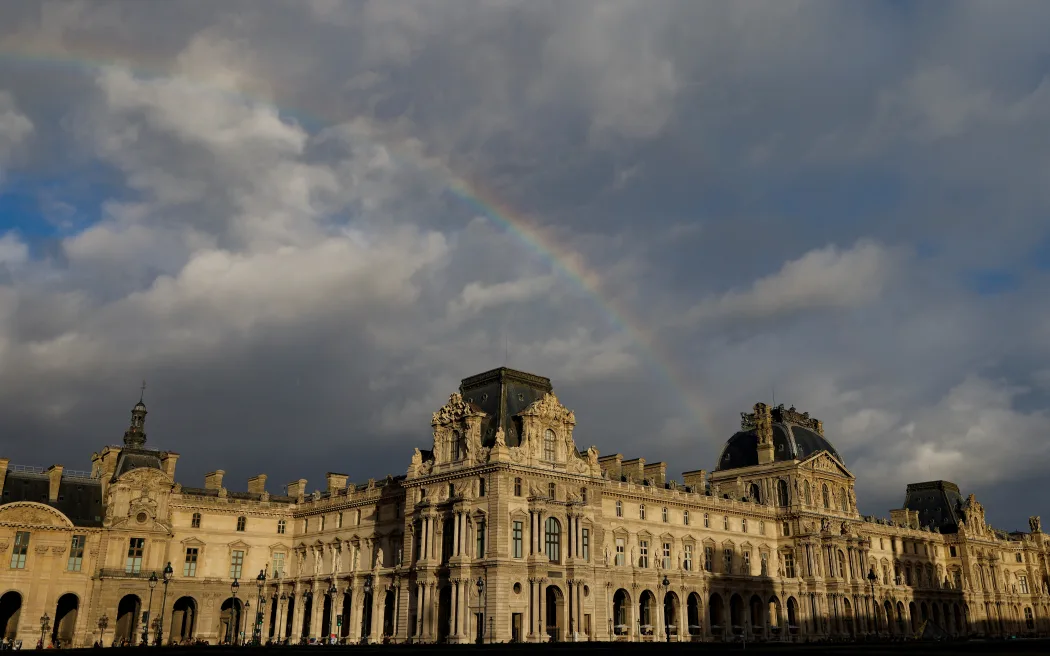
A water leak on November 26, 2025 damaged several hundred items in the Louvre's Egyptian Antiquities library.

Hundreds of works damaged by water leak at Louvre

December 8, 2025

A late-November water leak damaged several hundred items in the Louvre’s Egyptian department, the museum confirmed to AFP. The incident affected 300–400 research materials, mainly Egyptology journals and scientific documentation dating to the late 19th and early 20th centuries. While these resources are important for scholarship, the museum stressed that no heritage artifacts were harmed and that no permanent losses have been identified so far.

The leak, discovered on November 26, occurred when a valve in the museum’s outdated heating and ventilation system was accidentally opened, causing water to seep through the ceiling of the Mollien wing. The system, described as “completely obsolete,” has been shut down for months and is scheduled for replacement in 2026. The damaged materials will be dried, restored by specialists, and returned to storage.

The incident comes only weeks after a high-profile theft in October, when a four-person gang stole an estimated $102 million in jewels in a seven-minute daylight raid—an event that heightened scrutiny of the Louvre’s ageing infrastructure.

To support long-term improvements, the museum recently announced that most non-EU visitors will face a ticket price increase to €32, a 45% rise expected to generate up to $23 million annually. The Louvre remains the world’s most visited museum, drawing 8.7 million visitors in 2024, nearly 70% of them international travelers.

Golden Artifacts, Varvorka and a Rare Paired Burial Redefine Kazakhstan’s 4th–3rd Century BCE Past

December 8, 2025

Kazakhstan is experiencing one of its most remarkable archaeological seasons in years, and at the heart of this surge in discoveries is the Dauylbai necropolis in the Zhetysu region. Nestled at the base of a picturesque ridge in the Karatal district, the site has long been recognized for its burial mounds but its deeper significance was only revealed through recent excavations. Work carried out in 2023–2024 under the leadership of historian Dossbol Baigunakov uncovered an exceptional array of artifacts from the 4th–3rd centuries BCE, offering a vivid look into the cultural identity, ritual practices, and artistry of the Saka people, one of the most influential nomadic groups of the Eurasian steppe.

The necropolis features 23 burial mounds, including 11 belonging to members of the elite. This density of high-status graves hinted at the importance of the site, yet archaeologists were still astonished by the quantity and refinement of the objects revealed. By late 2024, all of the finds had been moved to the Mukhamedzhan Tynyshpaev Regional Local History Museum, where restoration specialists began preparing them for future public display.

Gold Jewelry and Ritual Artifacts That Reveal Saka Craftsmanship

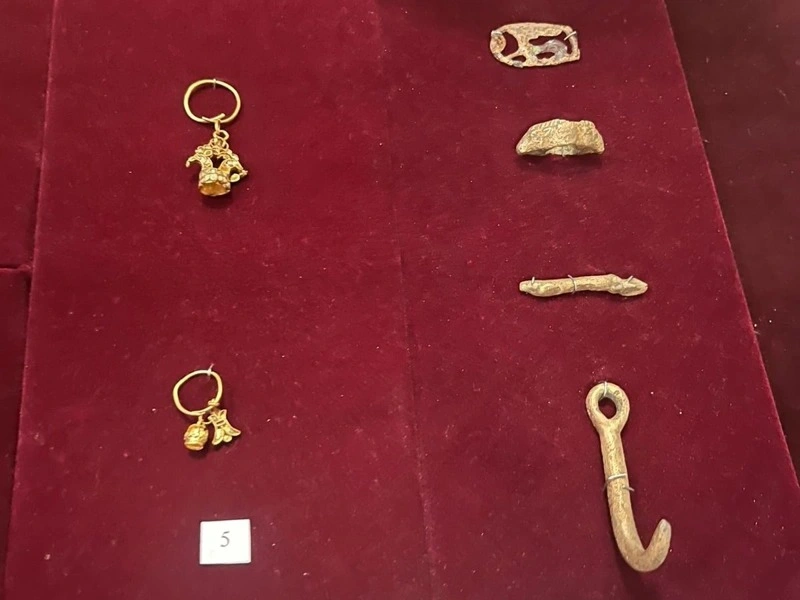
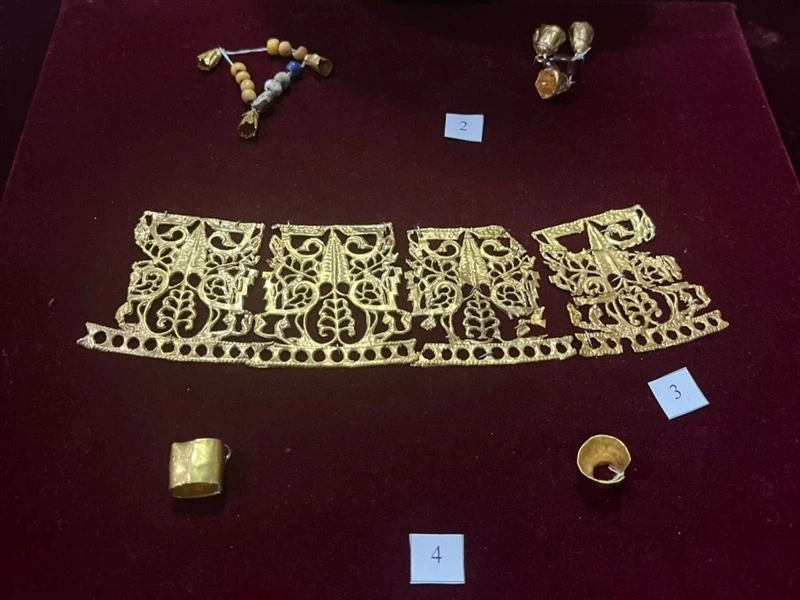
The most impressive part of the excavation is the collection of gold adornments and ceremonial items recovered from several of the burial mounds. These pieces gold beads, earrings, decorative plaques, bronze pins, bone buttons, and numerous ceramic vessels showcase the skilled metalworking and sophisticated aesthetics of Saka artisans. Because organic materials usually decay in the steppe climate, metalwork like this plays a crucial role in reconstructing how Saka clothing, accessories, and ritual attire once looked.

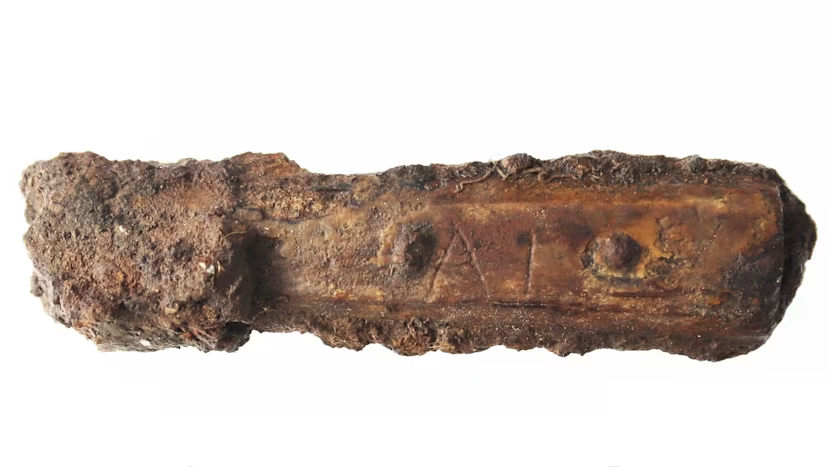
One of the standout finds is the varvorka, a finely crafted gold ornament that would have been sewn onto ceremonial garments. Its discovery confirms that Saka elites wore highly detailed metal embellishments during important rituals and gatherings. Another extraordinary object is a carved bone piece shaped like a snake-dragon. Academics believe it may have played a role in ceremonial practice or symbolized mythological concepts perhaps connected to protection, strength, or spiritual transformation. Though the exact meaning is still being debated, the intricate craftsmanship highlights the symbolic richness of Saka artistic traditions.

These discoveries together form one of the most illuminating archaeological collections yet found in the region, deepening our understanding of the Saka people and their enduring cultural legacy across the steppe.

Excavations conducted between 2023 and 2024 under the leadership of Doctor of History Dossbol Baigunakov have now revealed an extraordinary collection of artifacts dating to the 4th–3rd centuries BCE.

Elite burials at the Dauylbai necropolis have provided some of the clearest evidence yet of how Saka society expressed rank, identity, and power. One of the largest mounds investigated during the excavation measured roughly 40 meters across and rose nearly four meters high. Inside this monumental structure, archaeologists discovered the remains of a man interred with an iron akinak sword—an iconic weapon strongly associated with Saka warriors and nobles. Gold plates and personal ornaments found beside him further emphasize his high status, suggesting he belonged to the ruling elite or held significant military or political authority. Finds like these help map out the social hierarchy of the Saka world, where lineage, warrior prestige, and ceremonial roles shaped community life.

The 2024 season brought an especially rare and moving discovery: a paired burial containing a woman and a child. Such burials are seldom found in the Zhetysu region, making this an important scientific milestone. The child’s skull was located near a pair of gold earrings—an unexpected inclusion, since young children were almost never buried with precious materials. Based on skeletal measurements, the child is estimated to have been around 95 centimeters tall. The presence of gold jewelry suggests the child belonged to a prestigious family or held symbolic importance within the group. Alongside the remains, archaeologists recovered bronze plaques decorated with deer and other sacred creatures rendered in the distinctive Saka animal style. These elements reinforce the ceremonial nature of the burial and offer new clues about spiritual beliefs surrounding death and ancestry.

Restoration and Exhibition

Throughout 2025, conservators carried out careful restoration work to stabilize the artifacts. Metal objects were cleared of corrosion to reveal their original detail, while bone, ceramic, and other fragile materials were reinforced to prevent further deterioration. Thanks to this meticulous work, the pieces can now be studied in greater depth and displayed safely to the public. Many of the Dauylbai finds have already been featured in a temporary exhibition at the Tynyshpaev Museum, where visitors can explore the artistry and symbolism of Saka culture through jewelry, weapons, ritual objects, and everyday items.

A Broader Archaeological Landscape

Dauylbai lies at the center of a vast archaeological zone stretching across more than 100 square kilometers. The ridge is home to more than 190 recorded sites—burial mounds, settlement remains, and expansive petroglyph fields dating from the Bronze Age through later historical periods. For years, the area remained under-explored, but recent excavations have revealed its enormous scientific potential, strengthening the idea that Zhetysu served as an important cultural and ceremonial center for ancient nomadic communities.

Significant discoveries are emerging elsewhere in Kazakhstan as well. In the Turkistan region, archaeologists uncovered unique Bronze Age artifacts, including intricately decorated tools and ritual objects that complement the narrative taking shape in Zhetysu. Together, these finds show that 2024–2025 is becoming a breakthrough period for Kazakh archaeology—one that is reshaping our understanding of early nomadic societies and the deep cultural connections linking communities across Central Asia.

Expanding Knowledge of Ancient Nomadic Life

The Dauylbai discoveries add important new details to what is known about Saka society. The artifacts reveal a clear social structure, advanced metalworking skills, and rich symbolic traditions. The rare paired burial of a woman and a child is especially significant, challenging earlier ideas about family roles and the status of children in elite groups.

The high-quality gold items show that the Saka had skilled artisans and access to valuable materials, likely through strong trade networks. As research continues, these finds will deepen understanding of ancient Kazakhstan’s cultural heritage and give modern audiences a more vivid connection to early nomadic life.

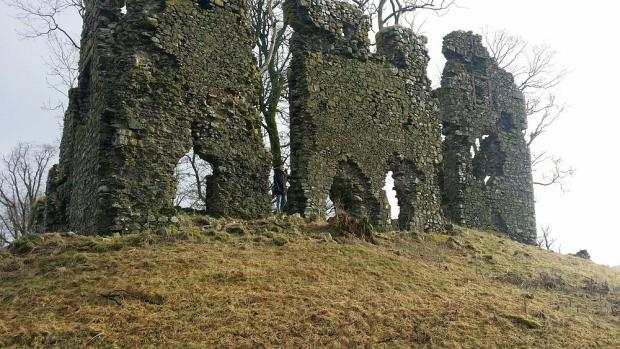
Crawford Castle was once used as a hunting lodge by the Scottish king.

The historic ruined castle not far from Glasgow with a dramatic past

December 8, 2025

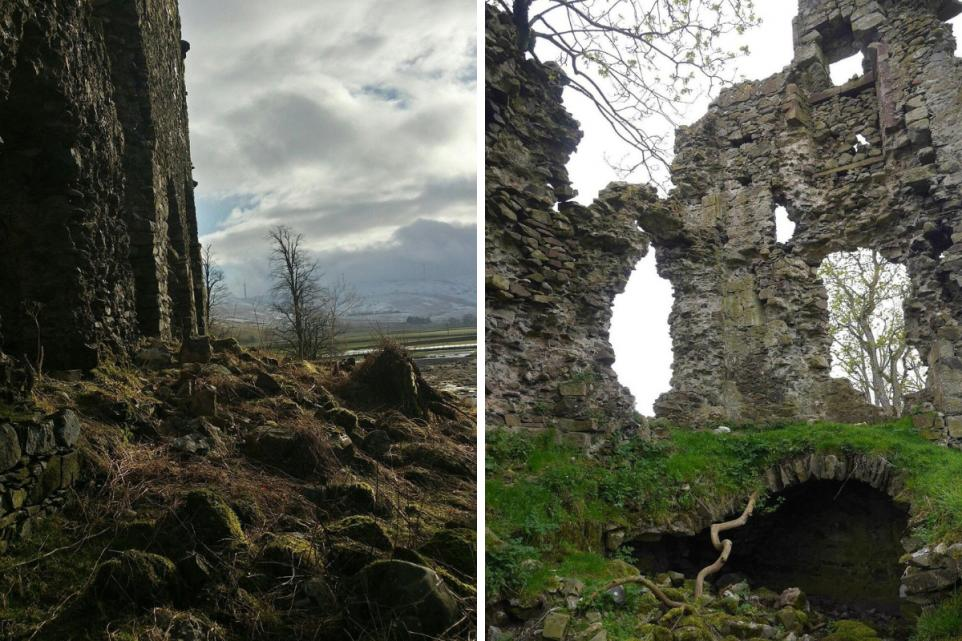
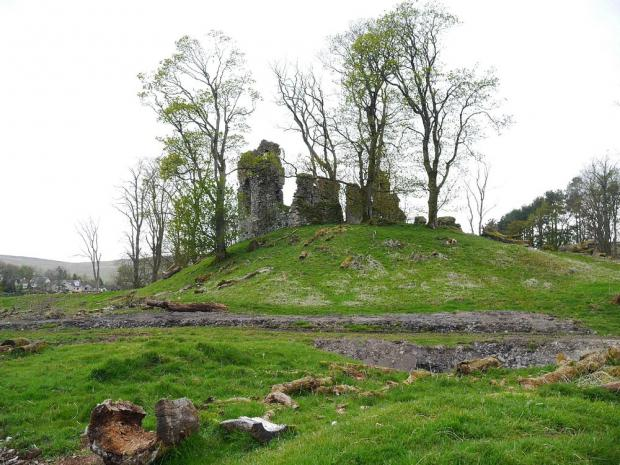
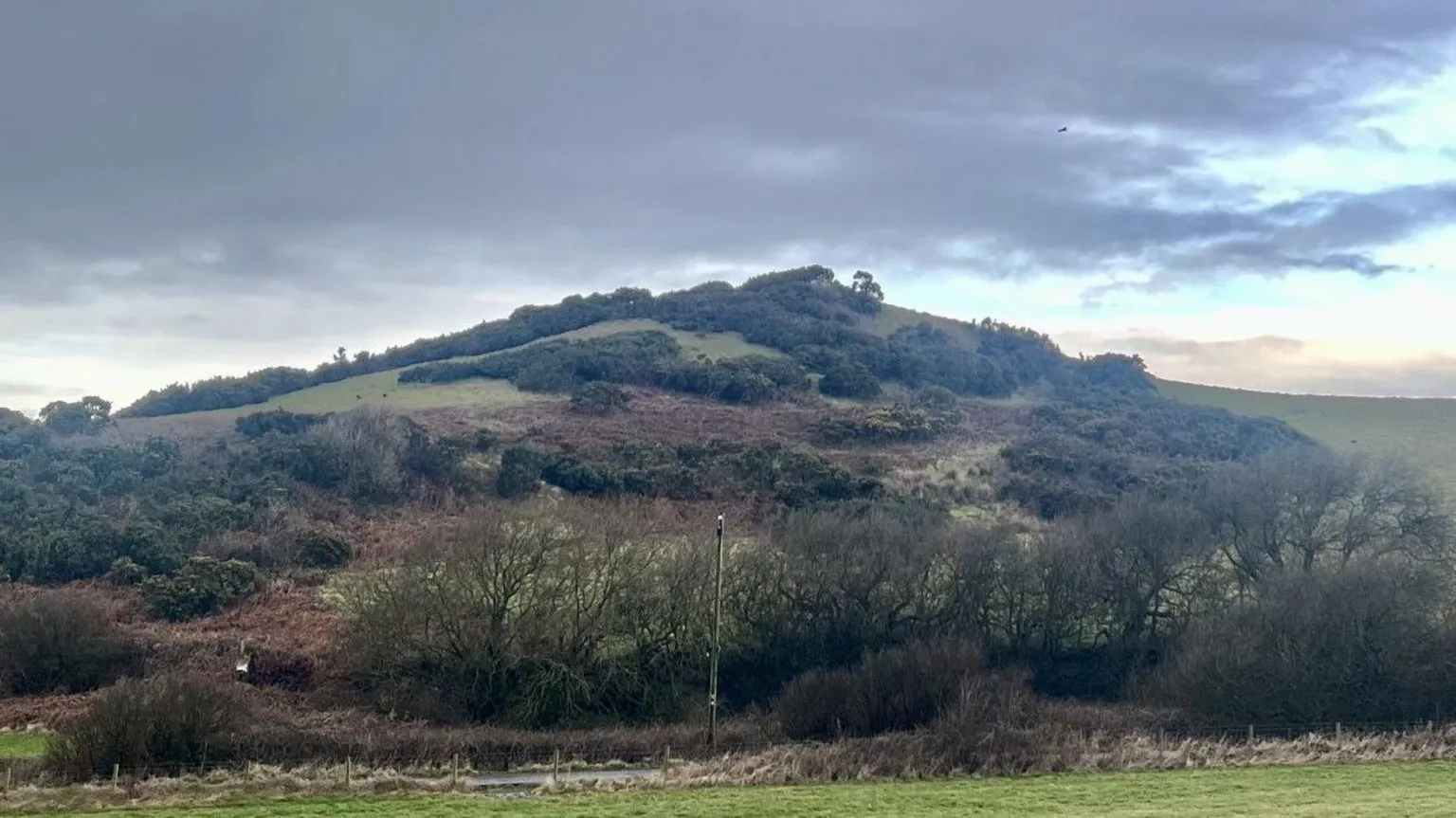
Less than an hour south of Glasgow sits the striking ruins of Crawford Castle a dramatic reminder of the powerful Scottish families who once dominated this stretch of the Clyde Valley.

Perched on the north bank of the River Clyde near the M74, the structure is also known as Lindsay Tower, a nod to one of the noble families who ruled the barony during medieval times.

Archaeological research shows that this landscape had been settled long before the castle was built. A Roman fort once occupied the site between roughly AD 80 and AD 170, guarding a key passage through the Southern Uplands.

Crawford Castle was once held by some of Scotland’s most influential families

There is evidence of human occupation at Crawford since the Roman times

The barony of Crawford eventually came into the hands of the Lindsay family through marriage in the early 1200s, and they are thought to have been the ones who commissioned the first major stone structures on the site.

After King James IV took the throne in 1488, the barony changed hands again this time granted to Archibald Douglas, the 5th Earl of Angus, as a reward for his loyalty. The Douglas family retained control of Crawford Castle for several decades, until 1528, when their lands were seized by King James V and absorbed back into the crown’s estates.

The historic ruined castle not far from Glasgow with a dramatic past

The Castle passed between the Lindsey Family and Earls of Angus

During this chapter of its long history, Crawford Castle even served for a short time as a royal hunting lodge. When the king visited, the rooms were fitted out with tapestries and furnishings brought specially for his stay an evocative reminder of the castle’s brief moment at the heart of royal leisure. After James V died in 1542, the barony reverted once again to the Earls of Angus.

In the years that followed, ownership shifted several more times. The estate was eventually acquired by the Duke of Hamilton, and later, in the 18th century, sold to Sir George Colebrooke. By then, the once-formidable stronghold had begun to decline. It was repurposed as a farmhouse, gradually deteriorating before finally falling into ruin. Much of its stone was later carried away for use in surrounding buildings, including the nearby Castle Crawford House a common fate for many abandoned medieval structures.

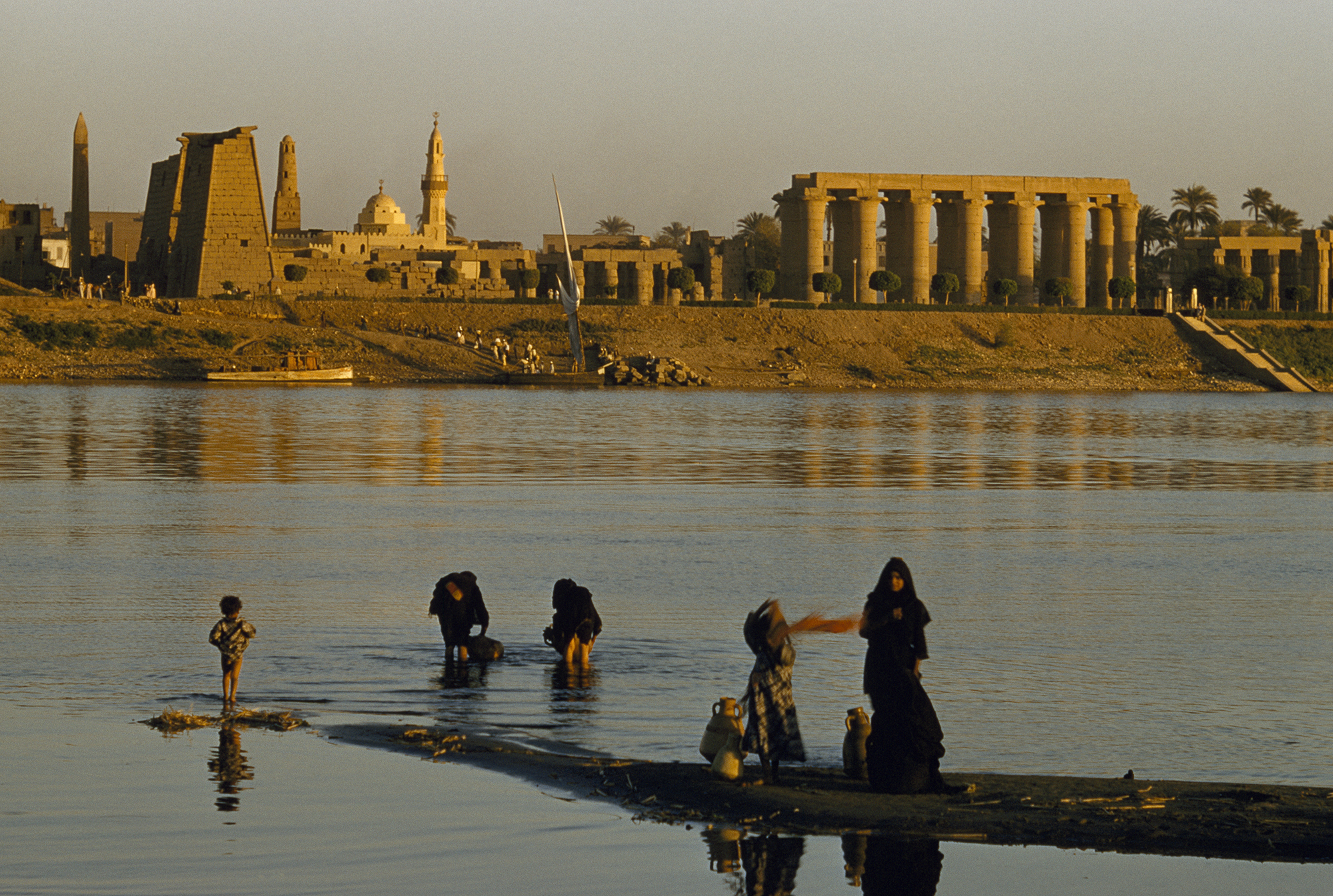
The Role of the Nile River in the Birth of Egyptian Civilization

December 7, 2025

The Lifeblood of Ancient Egypt

The Nile shaped Egypt’s agriculture, religion, and urban development, enabling one of the world’s earliest civilizations to flourish.

Agricultural Significance

Annual floods deposited fertile silt, supporting crop cultivation and food surplus. Irrigation systems allowed settlements to thrive in the desert landscape.

Religious and Cultural Role

The Nile was worshiped as a god, Hapi, symbolizing life, fertility, and abundance. Temples, rituals, and myths reflected its central place in Egyptian consciousness.

Economic and Political Impact

The river enabled trade, communication, and political unification, connecting Upper and Lower Egypt. Its predictability supported administrative organization and monumental construction.

Enduring Legacy

The Nile’s influence shaped Egyptian identity, spirituality, and longevity as a civilization, highlighting the profound link between environment and human development.

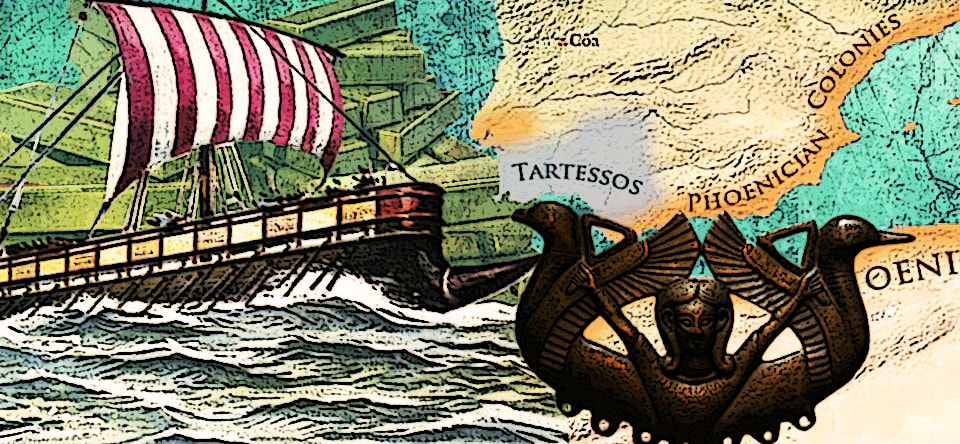
The Lost Kingdom of Tartessos: Spain's Ancient Atlantis

December 7, 2025

Legends of Wealth and Mystery

Tartessos, located in southern Iberia, thrived from the 9th to 6th centuries BCE. Famous for riches in silver, tin, and trade, it inspired tales of an advanced, vanished civilization.

Economic and Cultural Achievements

Tartessos engaged in Mediterranean trade, interacting with Phoenicians and Greeks. Archaeological evidence suggests skilled metallurgy, urban planning, and artistic production.

Myth and Disappearance

Legends describe Tartessos as a land of gold and mystery. Its sudden disappearance may relate to environmental change, invasion, or assimilation by other cultures.

Legacy

Tartessos influenced Iberian history and Mediterranean trade, leaving a lingering aura of myth and curiosity about lost civilizations.

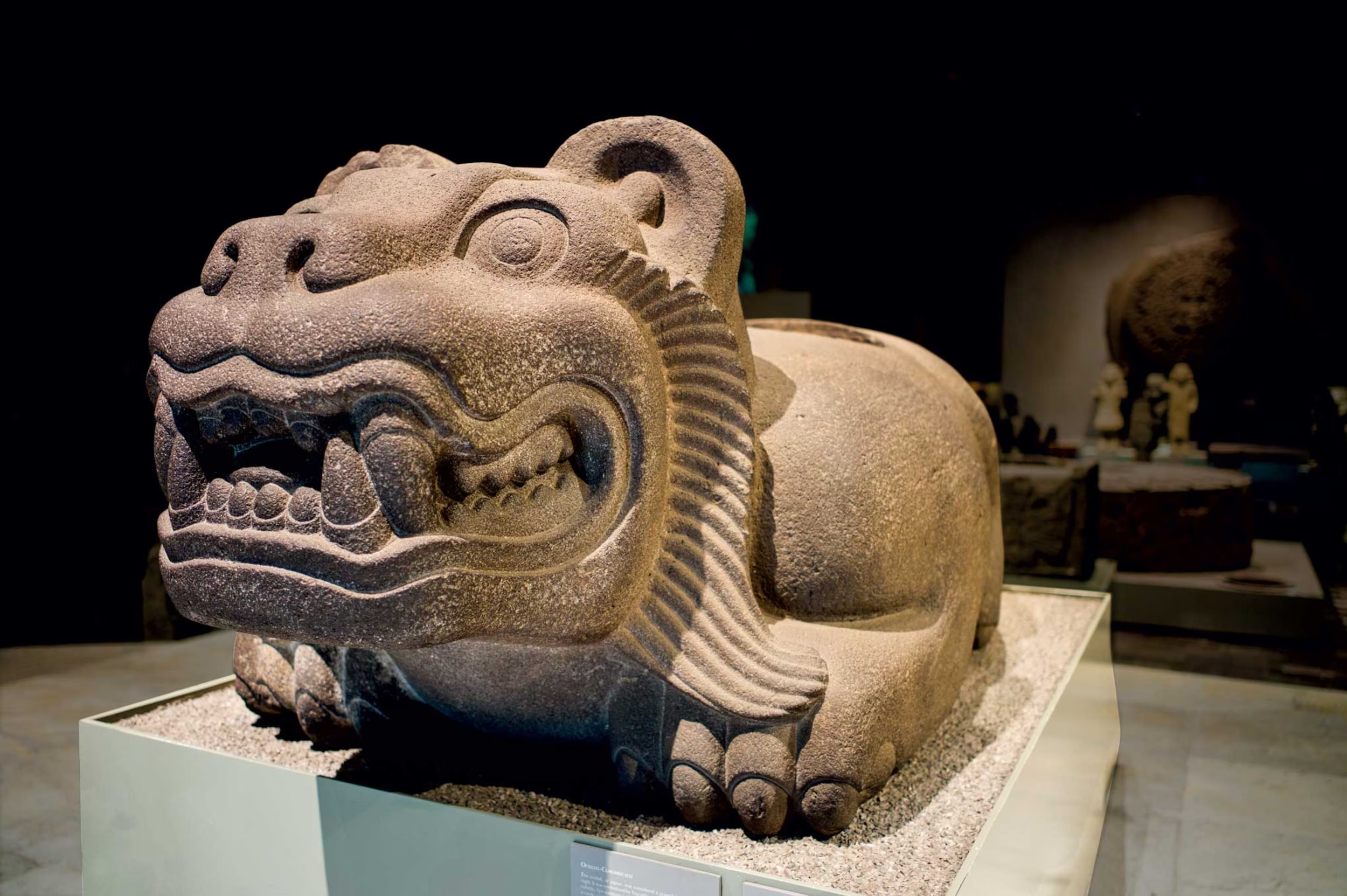
The Role of the Jaguar in Ancient Mesoamerican Mythology

December 7, 2025

Symbol of Power and Mystery

The jaguar was central to Mayan and Aztec mythology, representing strength, the underworld, and spiritual authority. Its image appears in temples, codices, and ceremonial artifacts.

Mayan Symbolism

For the Maya, the jaguar governed night, the underworld, and shamanic journeys. Rulers associated themselves with jaguar power to legitimize authority.

Aztec Interpretation

The Aztecs saw the jaguar as a warrior’s symbol, connected to military prowess and divine protection. Jaguar warriors formed elite military units embodying the animal’s ferocity.

Cultural Impact

The jaguar’s sacred status reinforced societal hierarchy, cosmology, and ritual practices, illustrating the integration of natural observation and spiritual symbolism.

The Secret Rites of the Eleusinian Mysteries

December 7, 2025

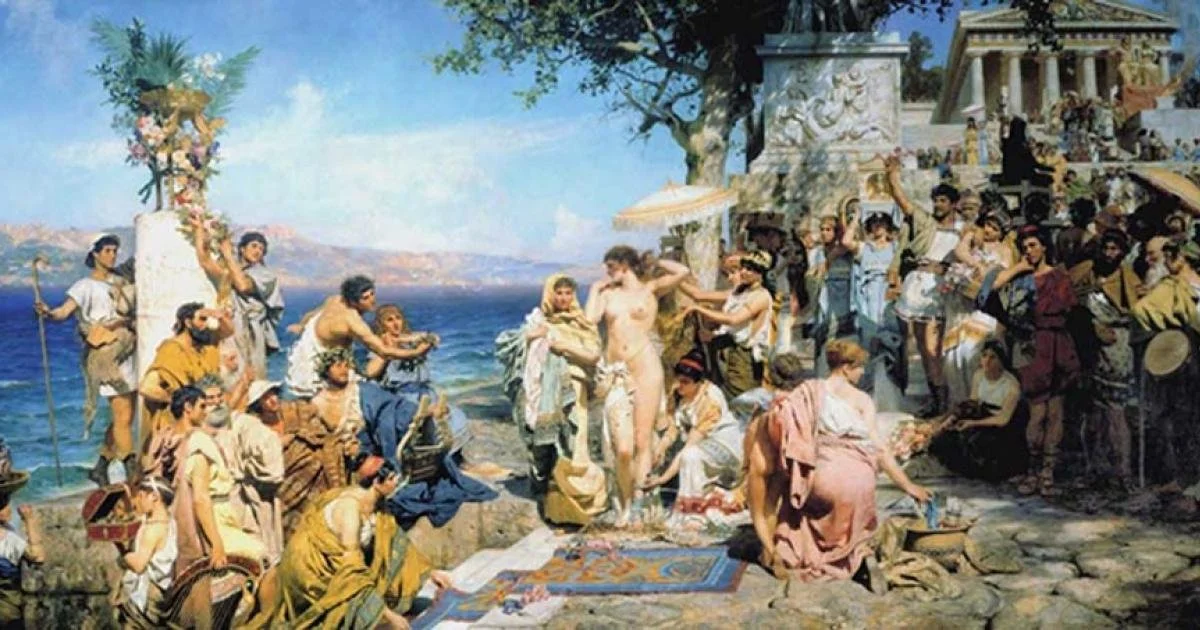
Ancient Greek Spiritual Initiation

The Eleusinian Mysteries were secret religious ceremonies held in Eleusis, Greece, honoring Demeter and Persephone. Initiates sought spiritual insight and promised a blessed afterlife.

Ritual Structure

Participants underwent purification, fasting, and secret rites. Processions, sacred chants, and symbolic enactments of the Demeter myth conveyed themes of life, death, and rebirth.

Mystical Significance

The rituals emphasized personal transformation and the soul’s immortality. Initiates believed the mysteries offered knowledge inaccessible to outsiders.

Cultural Legacy

Though details remain hidden, the Eleusinian Mysteries influenced Greek religion, philosophy, and later esoteric traditions, reflecting the human quest for divine understanding.

The Ancient Science of Metallurgy and Weapon Crafting

December 7, 2025

Forging Civilization

Metallurgy transformed ancient societies by enabling the production of tools, weapons, and ceremonial objects. Knowledge of bronze, iron, and later steel shaped power, trade, and culture.

Bronze Age Innovations

Early metalworkers combined copper and tin to produce bronze, crafting swords, armor, and household tools. This technology revolutionized warfare and agriculture.

Iron and Steel

Iron smelting allowed stronger, more durable weapons, shifting military balance and fostering empires. Metallurgy became both practical and symbolic, demonstrating wealth and authority.

Ritual and Symbolism

Weapons and metal objects were often consecrated or used in religious ceremonies, blending craftsmanship with spiritual significance.

The Role of the Sacred River Ganges in Ancient Hinduism

December 7, 2025

Life, Purity, and Devotion

The Ganges River has been central to Hindu belief for millennia, symbolizing purity, life, and divine presence. Its waters connect humans with gods and ancestors.

Religious Practices

Bathing in the river is believed to cleanse sins and facilitate spiritual renewal. Temples, rituals, and festivals line its banks, reflecting its central role in daily and sacred life.

Cultural Significance

The Ganges influenced settlement patterns, agriculture, and trade. Cities like Varanasi became pilgrimage centers, integrating religious devotion with social and economic activity.

Symbolism and Myth

Personified as the goddess Ganga, the river embodies life-giving force, fertility, and divine protection, linking humans with cosmic order and spiritual continuity.

The Lost Kingdom of the Scythians: Nomadic Warriors of the Steppe

December 7, 2025

Masters of Horse and Bow

The Scythians dominated the Eurasian Steppe from the 9th century BCE to the 4th century CE. Renowned horsemen, archers, and metalworkers, they left a lasting imprint on Eurasian history.

Nomadic Lifestyle

Living in mobile settlements, the Scythians relied on horses for travel, trade, and warfare. Their mobility allowed them to control vast territories and conduct raids with precision.

Art and Warfare

Scythian art, especially gold ornaments, reflects warrior culture, spiritual beliefs, and social status. Weapons, including composite bows and iron swords, reveal advanced metallurgy and combat expertise.

Legacy

Though their cities faded, Scythian culture influenced neighboring civilizations and shaped Eurasian steppe history, leaving behind archaeological treasures that highlight their sophistication.

The Secrets of the Ancient Mayan Ball Game

December 7, 2025

Ritual, Sport, and Sacrifice

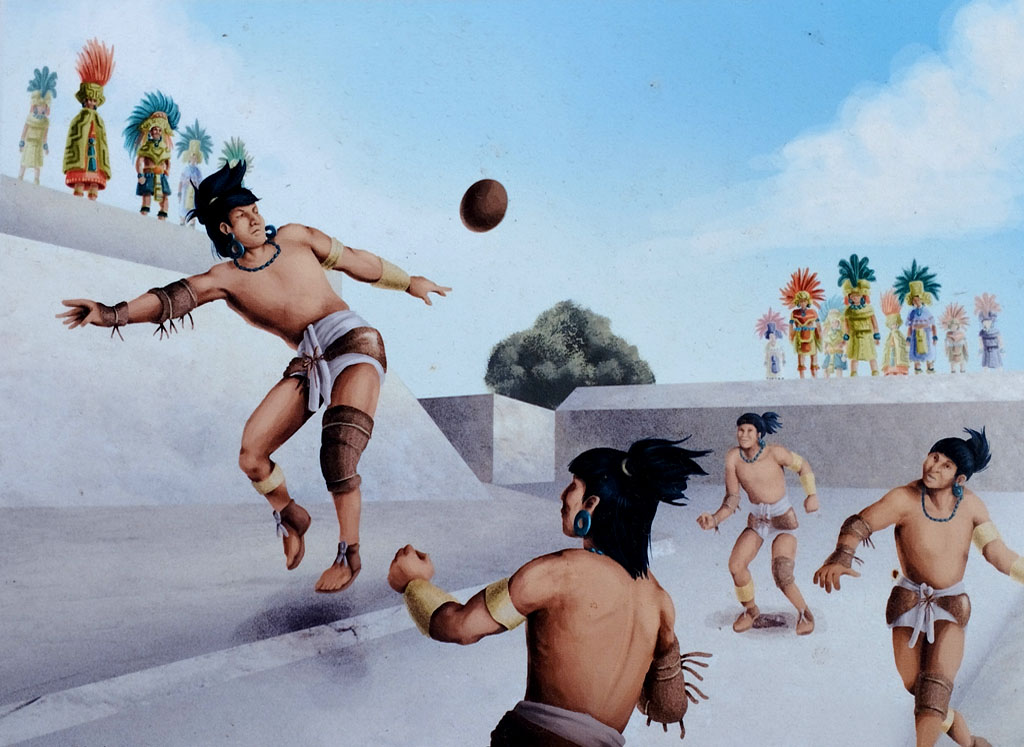
The Mesoamerican ball game, or Ōllamaliztli, was played by the Maya and other civilizations, combining sport, ritual, and political symbolism. Its courts are found throughout Central America.

Rules and Play

Players used hips, elbows, and knees to strike a rubber ball through stone hoops. The game required agility, teamwork, and strategy, reflecting physical prowess and skill.

Ritual Significance

The game often symbolized cosmic battles between life and death, sun and underworld. High-stakes matches could end in human sacrifice, emphasizing its spiritual importance.

Cultural Influence

The ball game reinforced social hierarchy, honored gods, and demonstrated the integration of sport and religious belief in ancient Mesoamerican society.

The Forgotten Kingdom of Aksum in Africa

December 7, 2025

Ethiopia’s Ancient Powerhouse

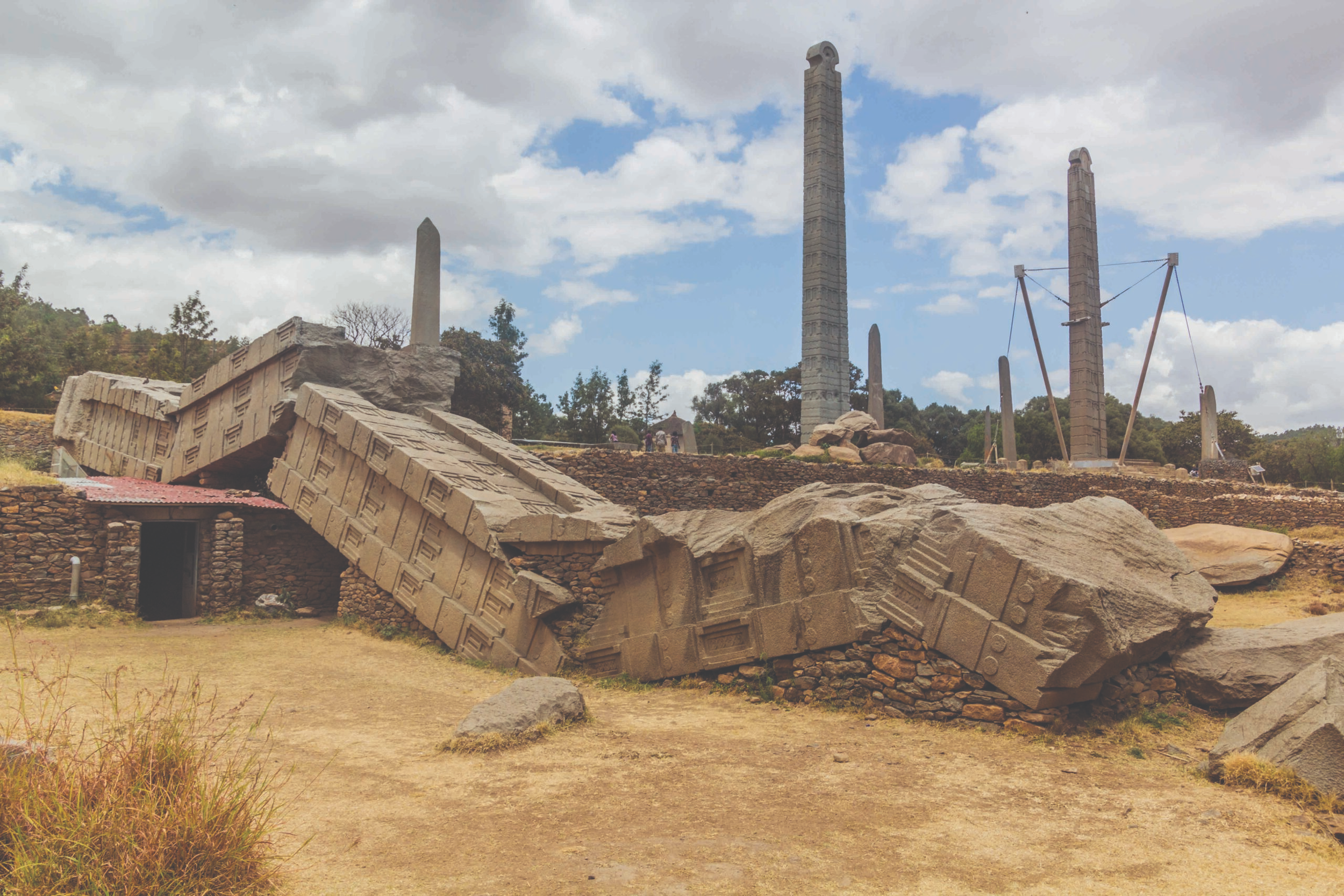
The Kingdom of Aksum, flourishing between the 1st and 7th centuries CE in modern Ethiopia and Eritrea, was a hub of trade, religion, and culture. Its rulers claimed legendary ties to King Solomon and the Queen of Sheba.

Trade and Influence

Aksum controlled Red Sea trade routes, exchanging gold, ivory, and exotic goods. Coins, inscriptions, and architecture reveal a sophisticated, interconnected economy that rivaled contemporary empires.

Religion and Culture

Aksum adopted Christianity in the 4th century CE, blending local traditions with new religious practices. The kingdom left behind monumental stelae, churches, and inscriptions that testify to its spiritual and cultural achievements.

Legacy

Though largely forgotten in Western history, Aksum influenced East African civilization and retains a central place in Ethiopian heritage and identity.

The Ancient Art of Bone Carving and Jewelry Making

December 7, 2025

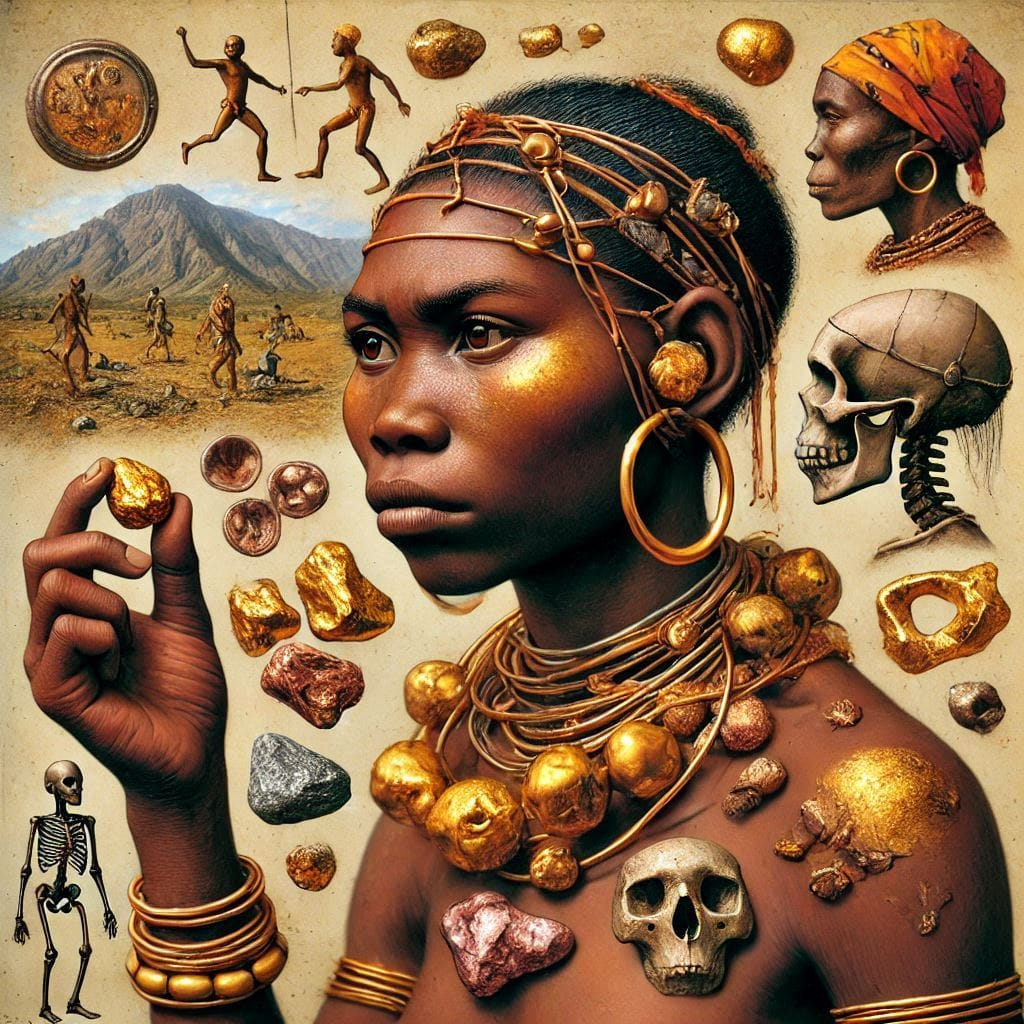
Crafting Beauty from Bones

Early humans transformed bones into tools, ornaments, and amulets, demonstrating creativity, skill, and symbolic thinking. These artifacts reveal both practical and spiritual aspects of prehistoric life.

Functional Tools and Weapons

Bones were carved into needles, awls, and fish hooks, enabling sewing, hunting, and fishing. Their durability and accessibility made them essential resources for survival.

Ornaments and Amulets

Beyond utility, bones were fashioned into beads, pendants, and intricate carvings. These items often served as personal adornment or carried protective and magical significance, reflecting early beliefs and identity.

Artistic Expression

Bone carving required precision and imagination. Patterns, etchings, and symbolic shapes indicate a connection to storytelling, ritual, and social status. These creations offer a tangible link to the ingenuity of early humans.

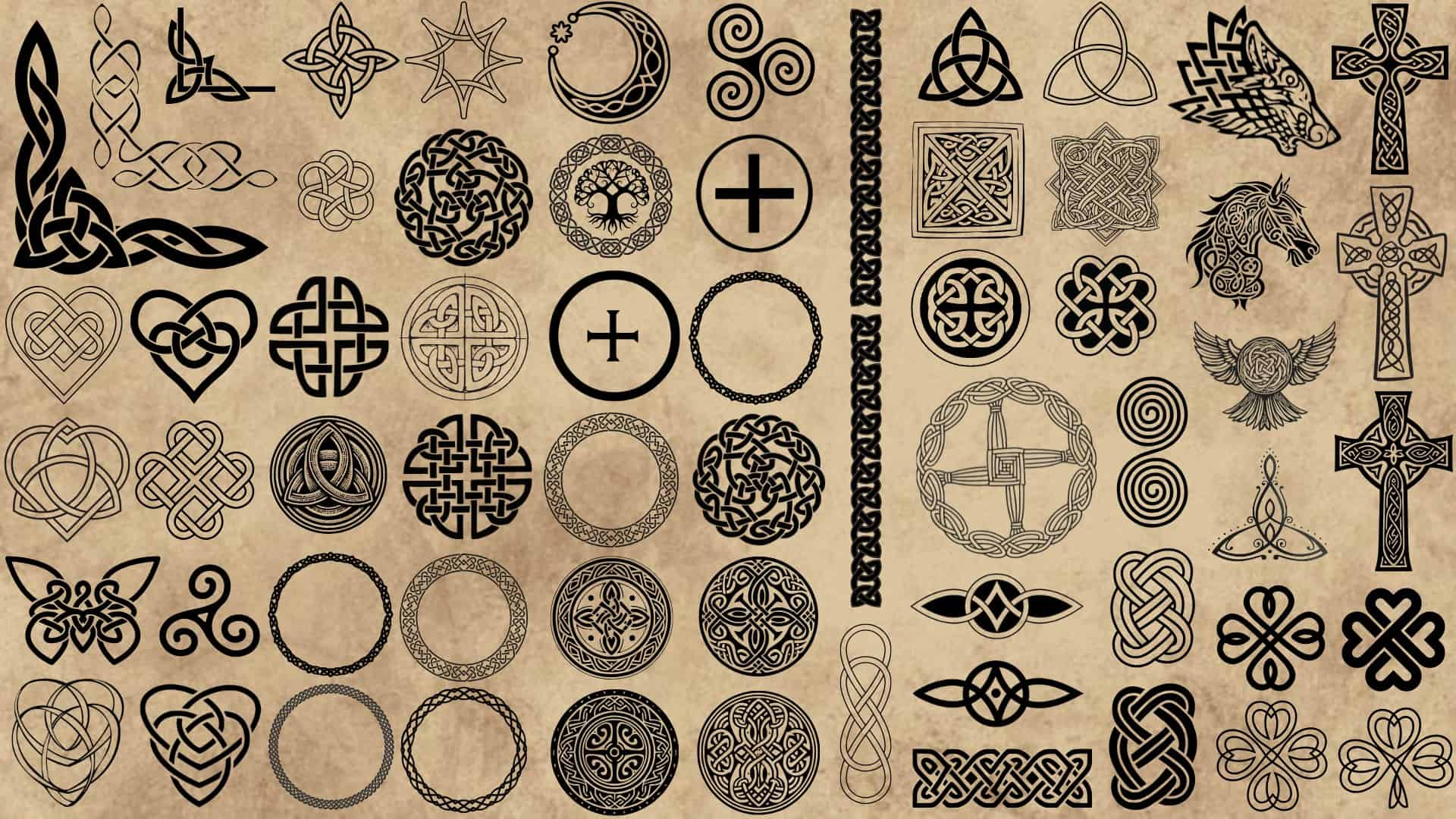
The Sacred Symbols of the Ancient Celts

December 7, 2025

Celtic symbols convey ideas of eternity, balance, and the natural world. Patterns like knots, spirals, and crosses appear in metalwork, stone carvings, and manuscripts.

Knots and Continuity

Celtic knots, with no beginning or end, symbolized eternity, interconnectedness, and the cyclical nature of life. They adorned jewelry, religious artifacts, and ceremonial items.

Spirals and Cosmic Cycles

Spirals represented the sun, growth, and spiritual journeys. They reflect the Celts’ observation of natural cycles and human life stages.

Crosses and Cultural Synthesis

Celtic crosses combine Christian and pagan motifs, symbolizing the fusion of faiths and the adaptation of ancient beliefs into new religious frameworks.

Enduring Legacy

Celtic symbols continue to inspire art, design, and spiritual practice, offering a window into ancient Celtic philosophy and worldview.

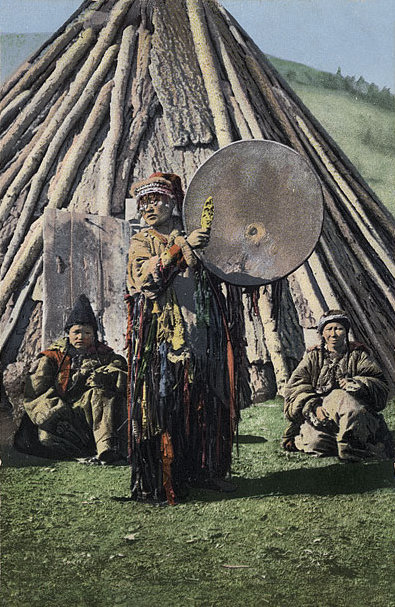
The Role of Shamans in Ancient Tribal Societies

December 7, 2025

Shamans acted as spiritual guides in Siberia, Africa, and the Americas, mediating between humans and the supernatural. They performed healing, divination, and ritual leadership.

Spiritual Practices

Using trance, drumming, and sacred objects, shamans communicated with spirits and ancestors. They interpreted omens, conducted ceremonies, and advised leaders on critical decisions.

Social Importance

Shamans maintained communal health, spiritual balance, and cultural knowledge. Their authority reinforced social cohesion and guided ethical conduct within tribal societies.

Cross-Cultural Insights

Despite geographic differences, shamanistic practices share common themes of spiritual intercession, healing, and ritual performance, highlighting universal aspects of human spirituality.

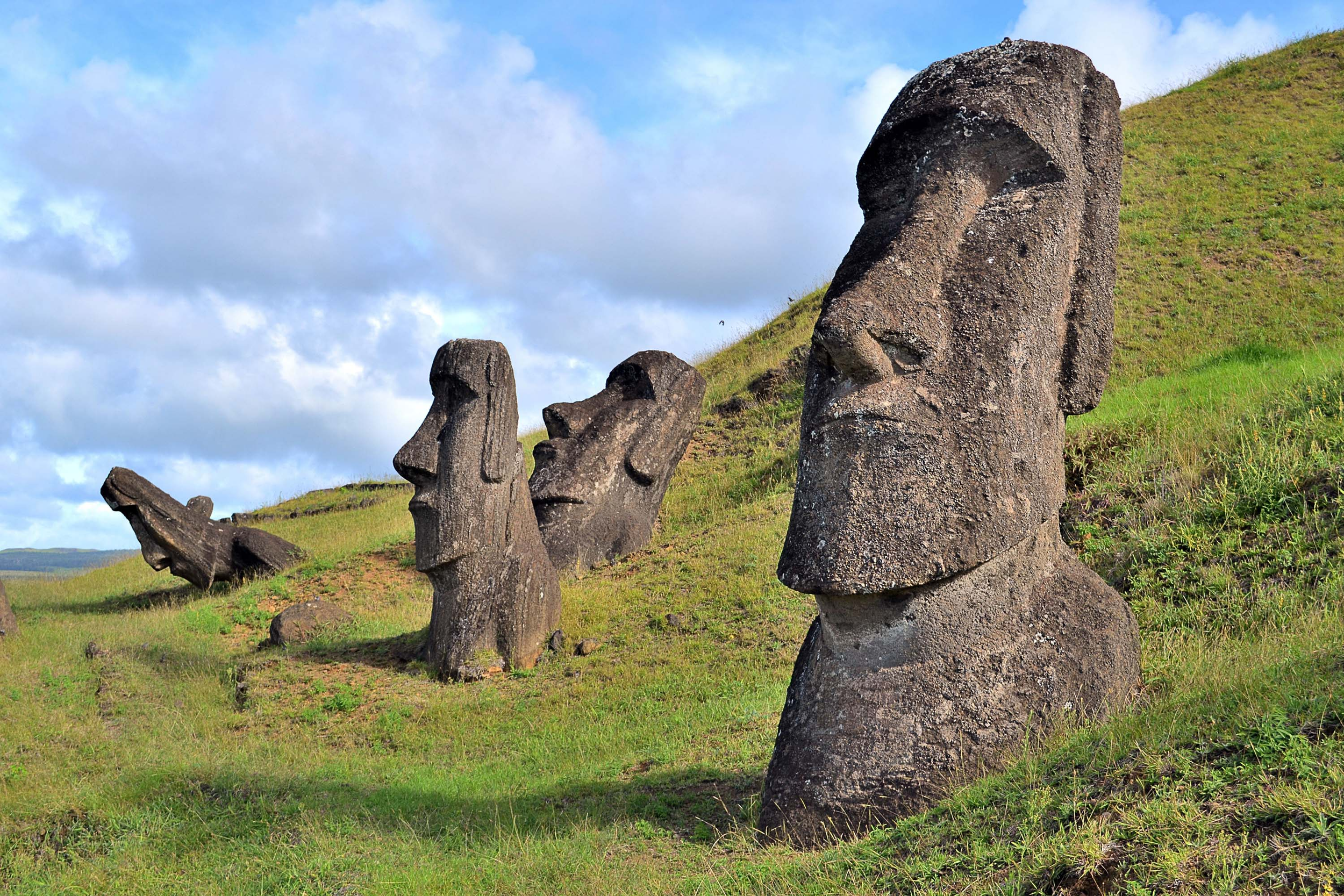
The Mystery of the Giant Statues on Easter Island

December 7, 2025

The Moai statues of Easter Island are massive stone figures carved by the Rapa Nui people between 1400 and 1650 CE. They embody ancestor worship and social hierarchy.

Carving and Transportation

Carved from volcanic tuff, Moai were transported using sleds, rollers, or a “walking” method over distances up to 20 kilometers. Their construction showcases ingenuity and coordination.

Cultural Significance

Moai represented ancestral spirits, ensuring protection, fertility, and prosperity. Positioned to face inland, they symbolically watched over communities.

Legacy and Preservation

Easter Island’s Moai remain a testament to human creativity, cultural identity, and the ability to manipulate the environment on a grand scale.

The Ancient Science of Herbal Medicine

December 7, 2025

Herbal medicine was central to ancient health practices, blending observation, ritual, and spiritual belief. Plants were used to treat illness, enhance wellbeing, and connect with divine forces.

Egyptian and Mesopotamian Practices

Physicians in Egypt and Mesopotamia documented remedies using herbs, roots, and oils. Papyrus scrolls and clay tablets detail treatments for digestive, respiratory, and skin conditions.

Greek and Chinese Traditions

Greek physicians like Hippocrates emphasized the natural properties of herbs, while Traditional Chinese Medicine incorporated herbs in complex systems of balance, yin, and yang.

Spiritual and Practical Applications

Herbs were often used in ritual alongside practical treatments. Healing and magic were intertwined, showing the holistic approach to medicine in ancient societies.

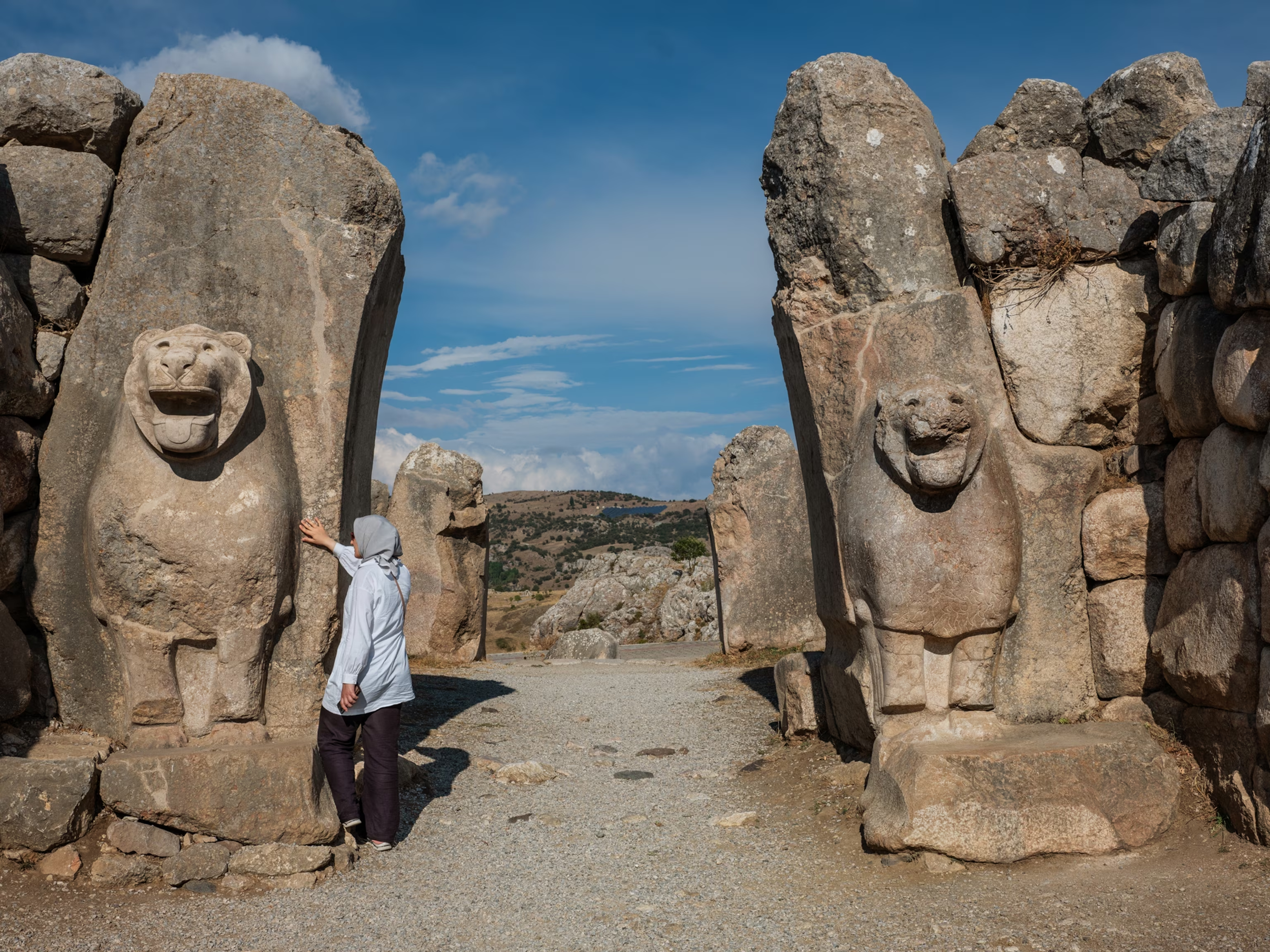
The Forgotten Empire of the Hittites

December 7, 2025

The Hittites established a powerful empire in Anatolia during the second millennium BCE, known for military prowess, diplomacy, and legal innovation. Their influence stretched across the Near East, challenging Egypt and Assyria.

Political and Military Achievements

The Hittites controlled vast territories through fortified cities and well-trained armies. The Treaty of Kadesh with Egypt is one of the earliest known peace agreements in history.

Culture and Religion

They adopted and adapted Mesopotamian gods, developed hieroglyphic scripts, and left records in cuneiform. Their art, pottery, and religious practices reveal a rich cultural life.

Legacy

Though overshadowed by later civilizations, the Hittites contributed legal frameworks, military strategies, and cultural exchanges that shaped the ancient Near East.

The Ancient Library of Ashurbanipal: The First Knowledge Vault

December 7, 2025

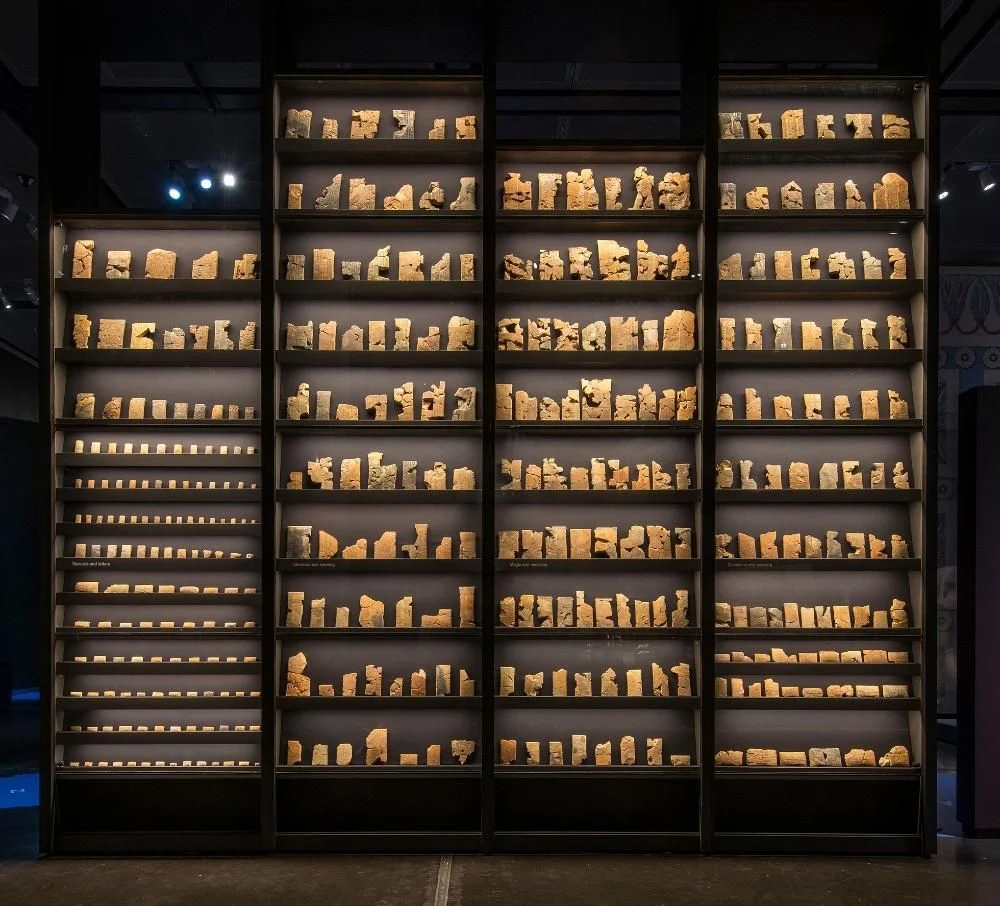
The library of Ashurbanipal in Nineveh, dating to the 7th century BCE, housed tens of thousands of clay tablets inscribed in cuneiform, preserving literature, legal codes, and scholarly texts.

Scope and Content

The library included epic tales like the Gilgamesh Epic, medical texts, astronomical records, and administrative documents. It offered insight into the intellectual life of the Assyrian Empire.

Organization and Access

Tablets were carefully catalogued and stored, illustrating early methods of information management. Scholars accessed the library to study law, religion, and science, ensuring continuity of knowledge.

Legacy

Ashurbanipal’s library represents one of the earliest attempts to preserve human knowledge systematically, influencing later traditions of scholarship and education in the ancient world.

The Sacred Geometry of the Egyptian Pyramids

December 7, 2025

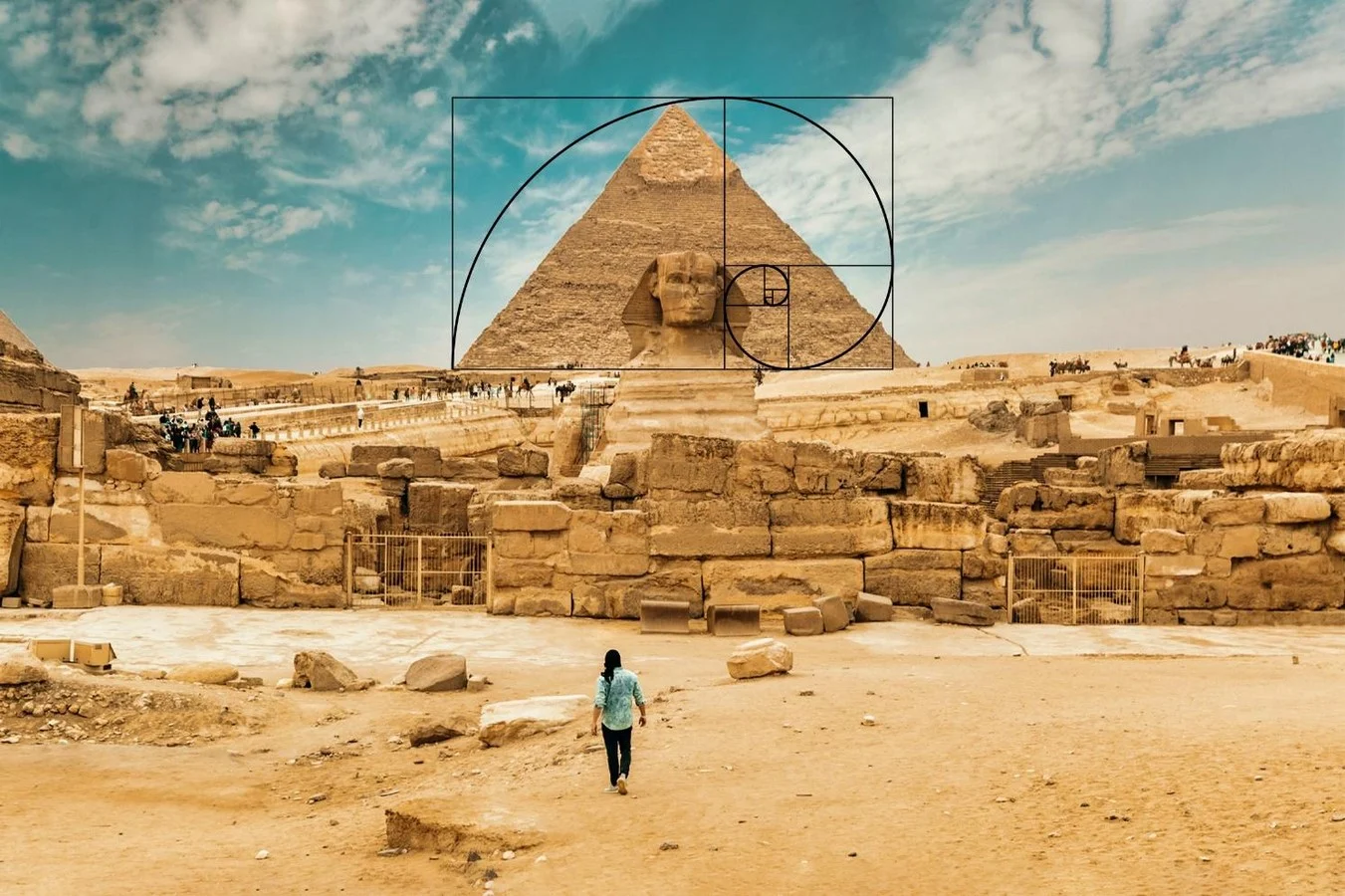
The Egyptian pyramids are not only architectural marvels but also embodiments of sacred geometry, reflecting knowledge of mathematics, astronomy, and cosmic symbolism.

Design Principles

The Great Pyramid of Giza aligns with cardinal points and incorporates precise ratios, suggesting advanced understanding of geometry. Architects integrated mathematical relationships to achieve structural stability and symbolic meaning.

Astronomical Alignment

Pyramids were oriented to celestial bodies, connecting tombs to stars, solstices, and the sun. This alignment reflected beliefs about the afterlife and the pharaoh’s divine journey to the heavens.

Spiritual and Cultural Significance

The use of geometry elevated pyramids beyond tombs, making them monuments to cosmic order, divine authority, and human ingenuity, demonstrating the intersection of science and spirituality

← Newer Posts Older Posts →
Featured
image_2026-02-03_191542268.png
Feb 3, 2026
Wreck of ancient Roman ship found off coast of Puglia
Feb 3, 2026
Read More →
Feb 3, 2026
image_2026-02-03_185334562.png
Feb 3, 2026
England May Hold the Lost Grave of a Legendary Viking Warlord
Feb 3, 2026
Read More →
Feb 3, 2026
image_2026-02-03_185028605.png
Feb 3, 2026
Lost knife belonging to WW1 soldier to be displayed at archaeology open day in Susse
Feb 3, 2026
Read More →
Feb 3, 2026
image_2026-02-03_184056677.png
Feb 3, 2026
Neanderthals and early humans may have interbred over a vast area
Feb 3, 2026
Read More →
Feb 3, 2026
image_2026-02-03_184007492.png
Feb 3, 2026
Medieval Burial Found in Croatian Bronze Age Burial Mound
Feb 3, 2026
Read More →
Feb 3, 2026
image_2026-02-03_183912818.png
Feb 3, 2026
Contents of 1,900-Year-Old Roman Vial Analyzed
Feb 3, 2026
Read More →
Feb 3, 2026
read more

Powered by The archaeologist