New study into DNA of ancient Southern Africans changes perspectives on their origins

Ancient DNA Study Reveals Key Role of Southern African Hunter-Gatherers in Human Evolution

A major new study of ancient Southern African hunter-gatherer DNA is reshaping our understanding of the Khoe and San peoples’ origins. Researchers from Uppsala University in Sweden and the University of Johannesburg analyzed genomes from 28 individuals who lived between 1,200 years and a few hundred years ago.

“These genomes provide an unadmixed view of early Southern African population history,” said co-author Carina Schlebush. The study identified 490 genetic variants unique to modern humans, including adaptations related to the immune system, kidney function, and brain development, suggesting these hunter-gatherers had enhanced endurance and cognitive abilities.

Three genetic variants were unique to Southern African hunter-gatherers, linked to UV protection, skin pigmentation, and disease resistance—adaptations suited to the region’s open, sun-exposed landscapes. Notably, 40% of the human-specific variants also related to neuronal and cognitive traits, shedding light on the origins of complex thinking and technological behaviors such as bow hunting and making compound adhesives.

The findings indicate that the Southern African hunter-gatherers formed a relatively stable population south of the Limpopo River for tens of thousands of years. Some groups migrated north between 100,000 and 70,000 years ago, spreading both their genes and behaviors.

“This suggests that Southern Africa was a key hub in human evolution, with local populations developing advanced technologies and cognitive traits,” said Marlize Lombard, cognitive archaeologist at the University of Johannesburg.

The ancient hunter-gatherers remained largely isolated until less than 1,400 years ago, when West African farmers and East African pastoralists began mixing with Southern African populations. Today, genetic markers from these ancient people persist among the Ju/’hoan of Botswana and Namibia, the Karretjie Mense of South Africa, and to a lesser extent in some coloured and Afrikaans-speaking South African populations.

Ancient ‘dirty dishes’ may have led archaeologists astray for decades

A new study questions if Bronze Age dishes really do have traces of olive oil.

Rethinking Ancient Olive Oil: New Study Challenges Long-Held Assumptions

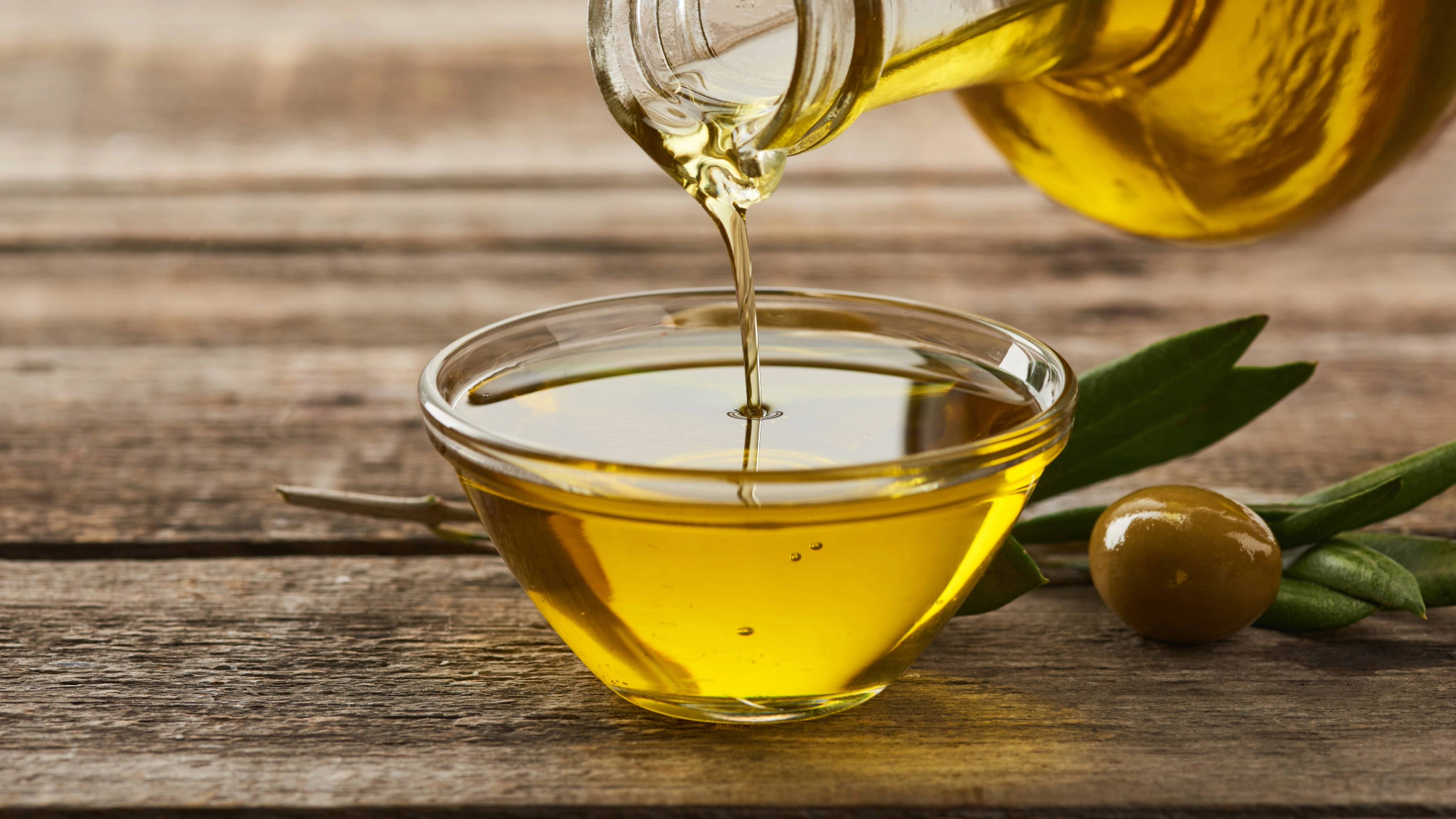
Olive oil has long been celebrated as a staple of Mediterranean cuisine—and archaeologists often report finding its residue on ancient pottery. Humans have been using it for around 8,000 years, but a new study suggests that its historical prevalence may have been overstated in some regions.
Cornell archaeologist Rebecca Gerdes and her team found that organic residues from plant oils, like olive oil, degrade rapidly in calcium-rich Mediterranean soils. This means that earlier identifications of olive oil on ceramics could actually be other plant oils—or even mistaken for animal fats.

Washing Ancient Dishes

Gerdes describes her work as “washing ancient dirty dishes,” collecting the rinse water to analyze molecules left behind on pottery. Partnering with chemical engineer Jillian Goldfarb, she developed an experiment to test how soil chemistry affects residue preservation.

Ceramic pellets were made from terracotta clay, coated with olive oil, and buried in two types of moistened soil—one from Cyprus and one from agricultural fields in New York. After up to a year in incubators at 122°F (50°C), the team analyzed the residues.

Surprising Results

The pellets buried in Cyprus soil—common in the eastern Mediterranean—showed significantly degraded olive oil markers, including a loss of key plant oil biomarkers. In contrast, pellets in mildly acidic New York soil preserved more of the olive oil signature. These results suggest that previous archaeological claims of olive oil may need reevaluation.

Gerdes notes that the assumption archaeologists often make—that finding olive oil molecules automatically means olive oil was present—can be misleading. Degraded olive oil can resemble other plant oils or even animal fats, complicating identification.

Looking Ahead

While this study did not re-examine ancient pottery directly, it highlights the need to revisit existing artifacts. Olive oil may not have been as ubiquitous as previously thought, and other oils or fats could have been used in the Mediterranean world. For Gerdes, the work continues: washing “ancient dirty dishes” to better understand the culinary past.