• MAIN PAGE
  • LATEST NEWS
    • Lost Cities
    • Archaeology's Greatest Finds
    • Underwater Discoveries
    • Greatest Inventions
    • Studies
    • Blog
  • PHILOSOPHY
  • HISTORY
  • RELIGIONS
    • Africa
    • Anatolia
    • Arabian Peninsula
    • Balkan Region
    • China - East Asia
    • Europe
    • Eurasian Steppe
    • Levant
    • Mesopotamia
    • Oceania - SE Asia
    • Pre-Columbian Civilizations of America
    • Iranian Plateau - Central Asia
    • Indus Valley - South Asia
    • Japan
    • The Archaeologist Editor Group
    • Scientific Studies
    • Aegean Prehistory
    • Historical Period
    • Byzantine Middle Ages
    • Predynastic Period
    • Dynastic Period
    • Greco-Roman Egypt
  • Rome
  • PALEONTOLOGY
  • About us
Menu

The Archaeologist

  • MAIN PAGE
  • LATEST NEWS
  • DISCOVERIES
    • Lost Cities
    • Archaeology's Greatest Finds
    • Underwater Discoveries
    • Greatest Inventions
    • Studies
    • Blog
  • PHILOSOPHY
  • HISTORY
  • RELIGIONS
  • World Civilizations
    • Africa
    • Anatolia
    • Arabian Peninsula
    • Balkan Region
    • China - East Asia
    • Europe
    • Eurasian Steppe
    • Levant
    • Mesopotamia
    • Oceania - SE Asia
    • Pre-Columbian Civilizations of America
    • Iranian Plateau - Central Asia
    • Indus Valley - South Asia
    • Japan
    • The Archaeologist Editor Group
    • Scientific Studies
  • GREECE
    • Aegean Prehistory
    • Historical Period
    • Byzantine Middle Ages
  • Egypt
    • Predynastic Period
    • Dynastic Period
    • Greco-Roman Egypt
  • Rome
  • PALEONTOLOGY
  • About us

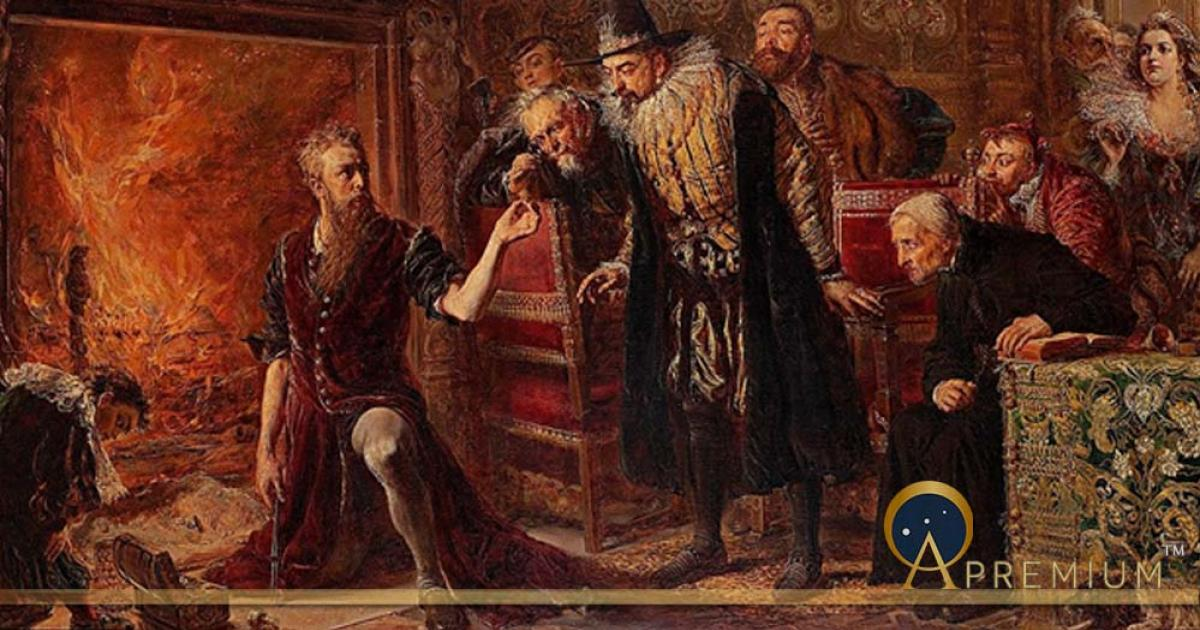
The Role of the Black Obsidian Mirror in Ancient Shamanic Practices

December 9, 2025

How Obsidian Was Used for Scrying and Divination

Material and Mystical Properties
Obsidian, a volcanic glass, was polished into reflective surfaces. Its dark, smooth finish symbolized the unknown, making it an ideal tool for connecting with spiritual realms.

Shamanic Rituals
Shamans used obsidian mirrors to enter altered states, communicate with spirits, and foresee the future. Rituals included chanting, drumming, and incense, heightening the mirror’s mystical properties.

Cultural Significance
From Mesoamerica to Europe and the Near East, obsidian mirrors were revered as powerful tools. They symbolized insight, prophecy, and spiritual authority, bridging the physical and spiritual worlds.

Enduring Legacy
The practice of scrying with obsidian mirrors influenced ceremonial magic, divination, and spiritual traditions across cultures, highlighting the universal human desire to access hidden knowledge.
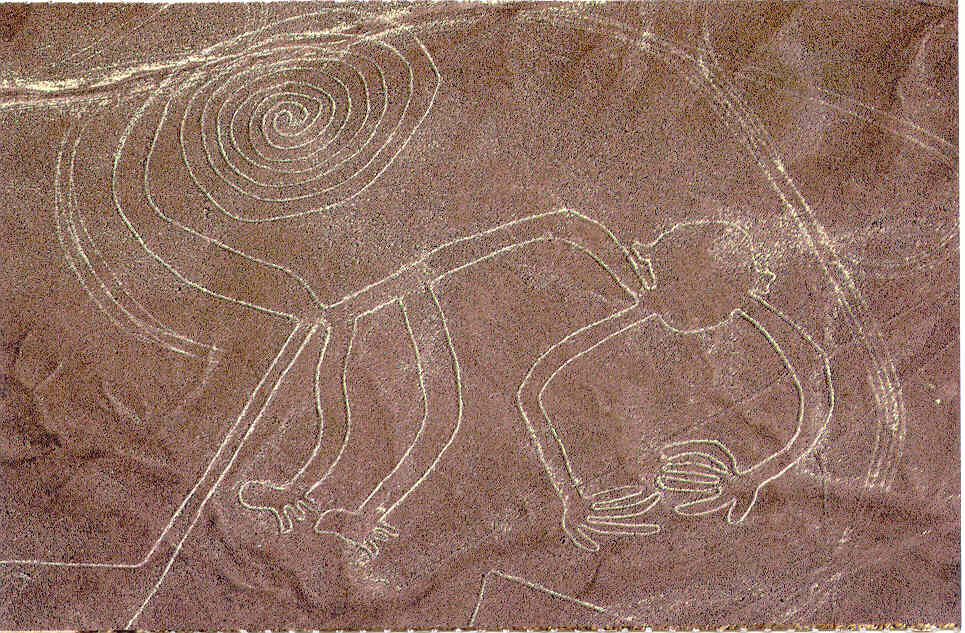
The Mysterious Lines of Nazca in Peru

December 9, 2025

Massive Geoglyphs and Their Connection to Ancient Rituals

Creation of the Geoglyphs
The Nazca removed reddish-brown stones to expose lighter soil, forming geometric patterns, animals, and humanoid figures. Techniques required careful planning and coordination across large teams.

Purpose and Meaning
Scholars suggest astronomical alignments, ritual pathways, and representations of deities or water sources. Some lines may have guided ceremonial processions, linking humans with cosmic forces.

Cultural Significance
The geoglyphs demonstrate sophisticated social organization, astronomical knowledge, and religious devotion. They provide insight into the spiritual life, beliefs, and technical abilities of the Nazca civilization.

Legacy
These lines remain visible today, inspiring archaeologists, artists, and travelers, emphasizing the human drive to communicate with the cosmos and preserve sacred knowledge.

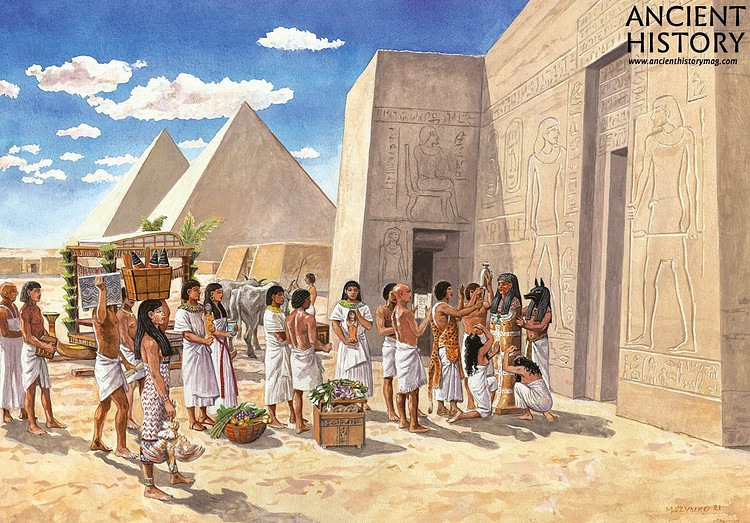
The Rituals of Death and Rebirth in Ancient Egypt

December 9, 2025

The Journey of the Soul Through the Underworld and the Book of the Dead

Concepts of the Afterlife
Egyptians believed that the soul (ka) continued after death and needed protection to reach eternal life. Spiritual success depended on proper burial rites and moral conduct.

The Book of the Dead
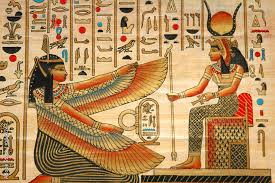
This compilation of spells, prayers, and illustrations guided the deceased through the underworld, protecting them from demons and enabling passage past Osiris. Texts included instructions for navigating trials, invoking gods, and achieving resurrection.

Funerary Practices
Mummification, tomb construction, and grave goods reflected beliefs in immortality. Artworks depicted daily life and divine encounters, ensuring the deceased’s comfort and spiritual readiness.

Cultural and Social Importance
Death rituals reinforced societal hierarchies, religious values, and family lineage. They also shaped monumental architecture, writing systems, and religious philosophy, leaving a lasting legacy in art and literature.

The Ancient Science of Astronomy in Babylon

December 9, 2025

How the Babylonians Tracked the Stars and Planets

Methods of Observation
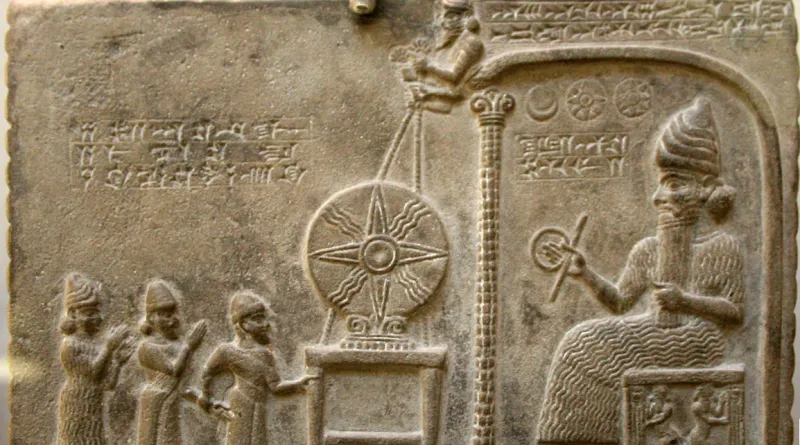
Babylonian astronomers meticulously recorded celestial movements using sighting instruments and star charts. They noted the cycles of planets, eclipses, and lunar phases with impressive accuracy.

Mathematical Innovations
The Babylonians applied mathematical models to predict astronomical events. Their observations were compiled in cuneiform tablets, demonstrating early knowledge of cycles and periodicity, which influenced Greek and later Islamic astronomy.

Applications in Society
Astronomy guided agricultural calendars, religious festivals, and political planning. Celestial omens were interpreted as divine messages, affecting decisions on warfare, trade, and governance. Babylonian astronomy bridged scientific observation with spiritual significance.

The Sacred Serpent Symbol in Ancient Mesoamerican Cultures

December 9, 2025

Worship of Quetzalcoatl and Kukulkan, the Feathered Serpent Gods

Origins and Iconography
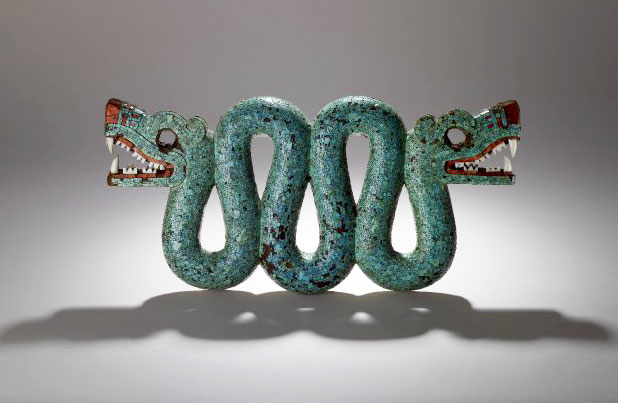
Quetzalcoatl in central Mexico and Kukulkan in the Yucatán were depicted as feathered serpents, merging earth and sky symbolism. They embodied wisdom, fertility, and the creative forces of nature.

Ritual and Ceremonial Practices
Priests conducted offerings, processions, and festivals to honor these deities. The feathered serpent was invoked for agricultural abundance, political legitimacy, and cosmic balance. Temples and pyramids often featured serpent motifs integrated into staircases and façades.

Cultural Significance
The feathered serpent remained a symbol of continuity and cultural identity. Its influence extended to the Aztecs, Toltecs, and later Mesoamerican societies, signifying the persistence of sacred traditions across centuries.

The Forgotten Temples of the Hittite Empire

December 9, 2025

Architecture and Design
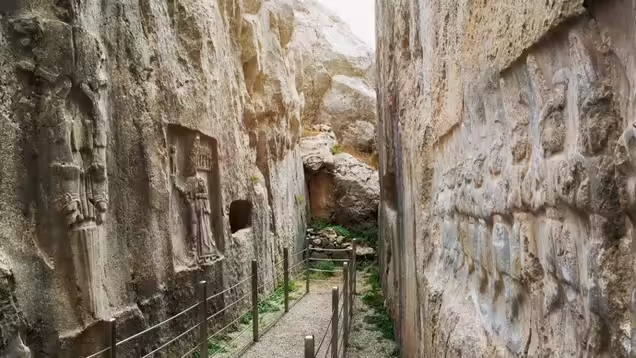
Hittite temples were massive stone constructions featuring altars, courtyards, and intricate reliefs of gods, animals, and celestial motifs. Many were dedicated to Tarhunt, the storm god, reflecting the civilization’s dependence on weather for agriculture and survival.

Ritual Practices
Priests conducted offerings, sacrifices, and divination ceremonies. Rituals often aligned with seasonal cycles to ensure prosperity and protect the empire from natural and spiritual threats. Temples also served as community centers for political and judicial gatherings.

Cultural Legacy
Though many Hittite sites were destroyed or buried, their religious practices, inscriptions, and architectural techniques reveal a sophisticated understanding of theology, cosmology, and societal governance. Modern archaeology continues to uncover insights about their worship and daily life.

The Role of the Eagle in Ancient Roman and Native American Cultures

December 9, 2025

The Symbolic Power of the Eagle as a Divine Messenger

In Ancient Rome
The eagle, or Aquila, was associated with Jupiter, the supreme god. Roman legions carried eagle standards as symbols of unity, power, and divine protection. Losing the eagle in battle was a national disgrace, reflecting the intertwined fate of soldiers and the gods.

In Native American Cultures
Among numerous tribes, the eagle was revered as a bridge between the earthly and spiritual realms. Its feathers symbolized honor, courage, and communication with ancestors and gods. Eagles were central to ceremonies, dances, and vision quests, emphasizing their sacred status.

Shared Symbolism Across Cultures
Both Romans and Native Americans saw the eagle as a messenger of divine will, protector, and emblem of strength. This cross-cultural reverence highlights the universality of the eagle as a symbol of transcendence and spiritual insight.

The Lost Art of Ancient Papyrus Making in Egypt

December 9, 2025

How Egyptians Created Paper from the Papyrus Plant

Harvesting and Preparation
Papyrus, a reed native to the Nile Delta, was integral to Egyptian civilization. Workers harvested the tall, fibrous plant, stripping it into thin layers. These layers were laid perpendicular to each other and pressed together, forming sheets. The natural sap acted as a glue, holding the fibers intact.

Production Techniques
The sheets were pressed under heavy weights and dried under the sun. After drying, artisans polished the surface with smooth stones to create a suitable writing medium. Scribes inscribed hieroglyphics with reed brushes and ink, documenting everything from religious texts to administrative records.

Significance in Society
Papyrus revolutionized record-keeping, literature, and communication. It allowed the codification of laws, medical texts, and historical chronicles. Trade in papyrus expanded throughout the Mediterranean, highlighting Egypt’s influence and demonstrating the civilization’s mastery of natural resources for cultural and technological advancement.

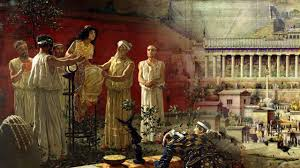
The Ancient Oracle of Delphi: Voice of the Gods

December 9, 2025

How the Pythia Delivered Prophecies in Ancient Greece

Origins of the Oracle
The Oracle of Delphi, located on the slopes of Mount Parnassus, was one of the most significant religious centers in ancient Greece. Dedicated to Apollo, it became a focal point where city-states and individuals sought divine guidance. The sanctuary was believed to be the center of the world, marked by the omphalos stone, symbolizing the connection between the divine and earthly realms.

The Pythia’s Role and Rituals
The Pythia, a priestess chosen from among local women, entered a trance-like state to deliver prophecies. Trance induction reportedly involved inhaling vapors from a fissure in the earth, combined with ritualistic prayers and purification rites. The Pythia’s utterances were often cryptic and required interpretation by temple priests, who translated them into actionable advice for kings, generals, and citizens.

Impact on Greek Society
The Oracle of Delphi influenced political, military, and social decisions across Greece. Leaders consulted it before major wars, colonization efforts, or legislative changes. Delphi was also a cultural hub, inspiring poetry, art, and philosophical thought. The oracle’s authority reinforced the idea that human actions were guided and validated by divine will.

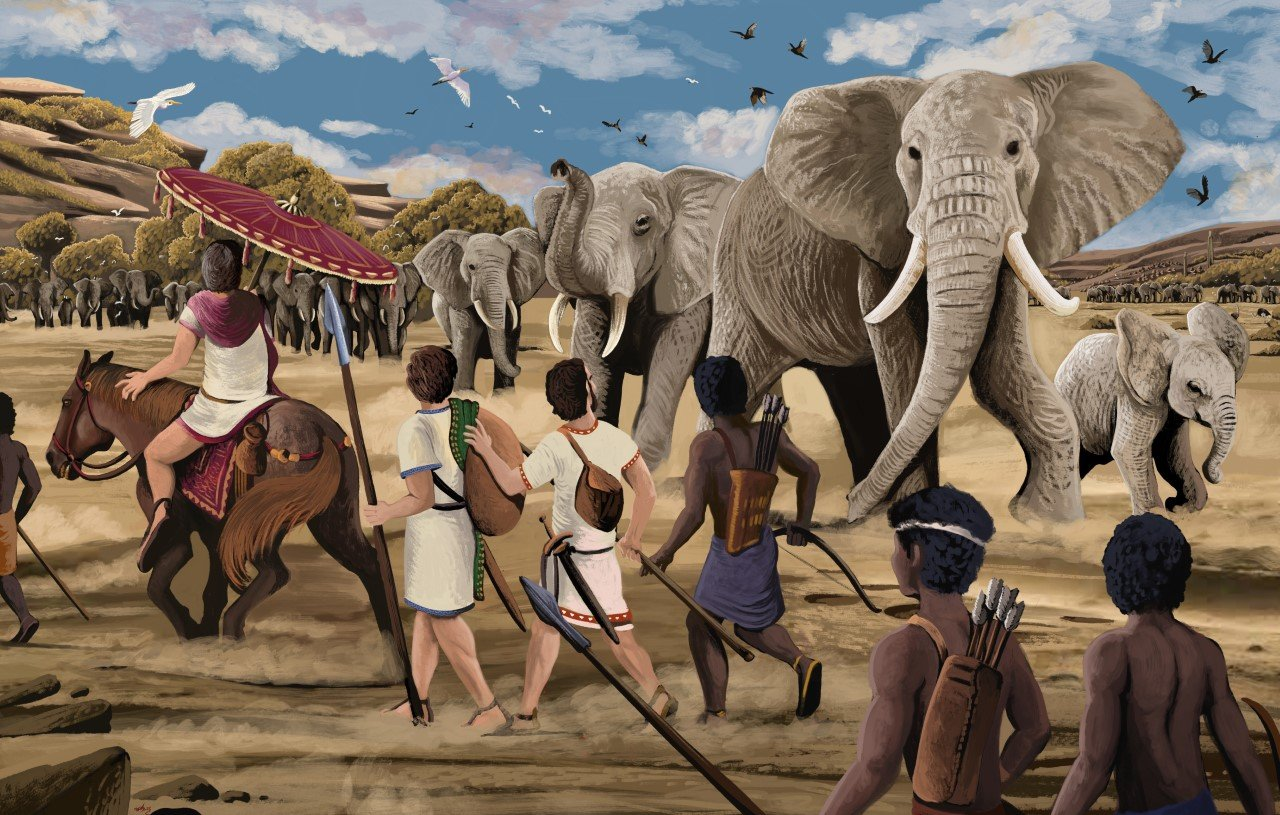
The Role of the Elephant in Ancient Indian and African Cultures

December 9, 2025

Elephants in Hindu Mythology and Spiritual Practice

Elephants are deeply sacred in India, associated with wisdom, protection, and divine power. The god Ganesha, with his elephant head, is worshipped as remover of obstacles and patron of learning. Elephants frequently appeared in temple festivals, royal ceremonies, and mythological stories involving cosmic battles and blessings. Their gentle strength symbolized emotional stability, prosperity, and moral purity.

Elephants in African Cultural and Ritual Traditions

Across Africa, elephants symbolize leadership, community strength, patience, and ancestral wisdom. Many tribes believed elephants carried the spirits of elders or served as guides between the living and the spiritual world. Ritual masks and ceremonies often featured elephant motifs to invoke protection, fertility, and unity. Because elephants shaped the landscape, they were respected as guardians of natural balance.

Royal Power, Warfare, and Social Identity

In ancient India, war elephants formed elite military units trained for battle. African rulers used elephant imagery to express royal authority and divine legitimacy. Ivory carvings, throne decorations, and ceremonial objects emphasized the prestige associated with elephants. Across both continents, elephants represented dignity, endurance, and sacred connection to the earth.

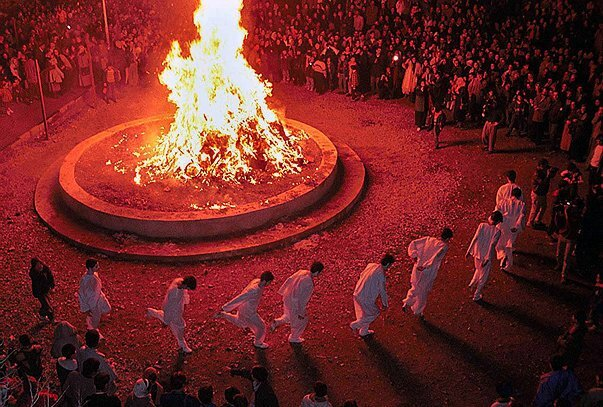
The Sacred Fire Rituals of the Zoroastrians

December 9, 2025

Fire as a Symbol of Purity and Divine Light

In Zoroastrianism, fire represents truth, purity, and the divine presence of Ahura Mazda. Temples housed eternal flames tended by priests who maintained them through strict rituals. Fire was not worshipped itself but served as a bridge to divine wisdom, illuminating the path of righteousness.

Ritual Practices Performed in Fire Temples

Ceremonies included prayers, recitations of the Avesta, offerings of fragrant wood, and purification rites. The sacred fire had to burn continuously without contamination. Believers visited temples to seek blessings, renew spiritual vows, and participate in seasonal festivals such as Nowruz.

Historical Roots and Cultural InfluenceRS

Originating in ancient Persia, Zoroastrian fire temples influenced Persian art, architecture, and state ceremonies. The religion’s emphasis on purity shaped social customs, ethics, and legal practices. Even today, fire remains central to Zoroastrian identity, symbolizing hope and resilience.

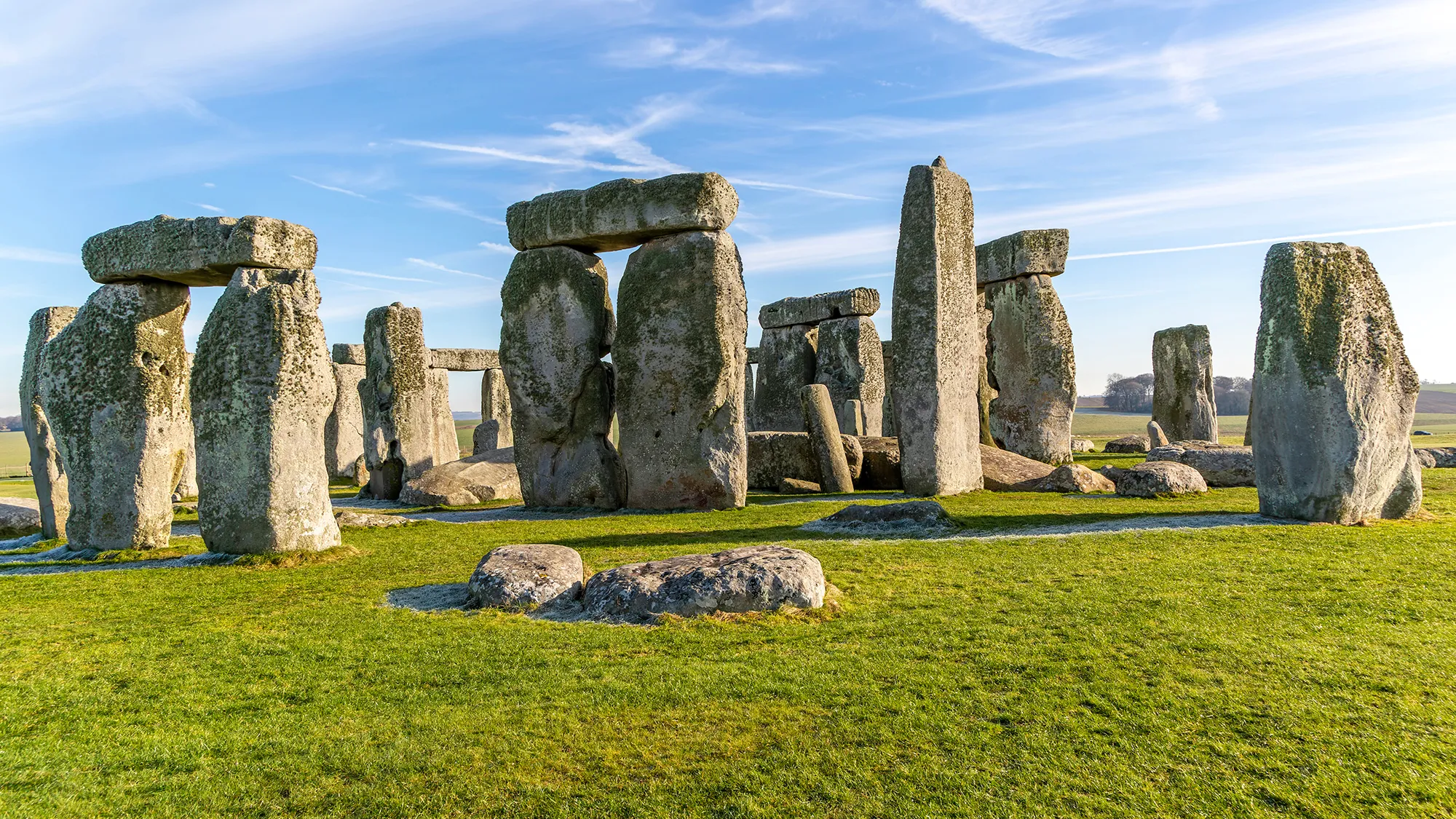
The Secrets of Ancient Stone Circles Across the World"

December 9, 2025

Stonehenge: Engineering and Astronomical Mastery

Built around 3000–2000 BCE, Stonehenge aligned with solstices and lunar cycles. Its enormous stones were transported from distant quarries, demonstrating advanced engineering skills. Many theories propose it served as a celestial calendar, a healing center, or a ritual gathering place for seasonal ceremonies.

Gobekli Tepe: The World’s Oldest Ritual Complex

Dating back more than 11,000 years, Gobekli Tepe in Turkey predates farming and settled life. Its carved pillars depict animals, birds, and symbolic creatures. Archaeologists believe it functioned as a sacred meeting place for early hunter-gatherers, revealing sophisticated spirituality long before urban civilization.

Other Global Stone Circles and Their Possible Purposes

From Nabta Playa in Egypt to Rujm el-Hiri in the Levant, stone circles appear worldwide, often connected to astronomy, ancestor worship, and seasonal rituals. Their alignments suggest early societies observed the sky carefully to predict agricultural cycles, migrations, and ceremonial dates.

The Ancient Cult of the Moon Goddess

December 9, 2025

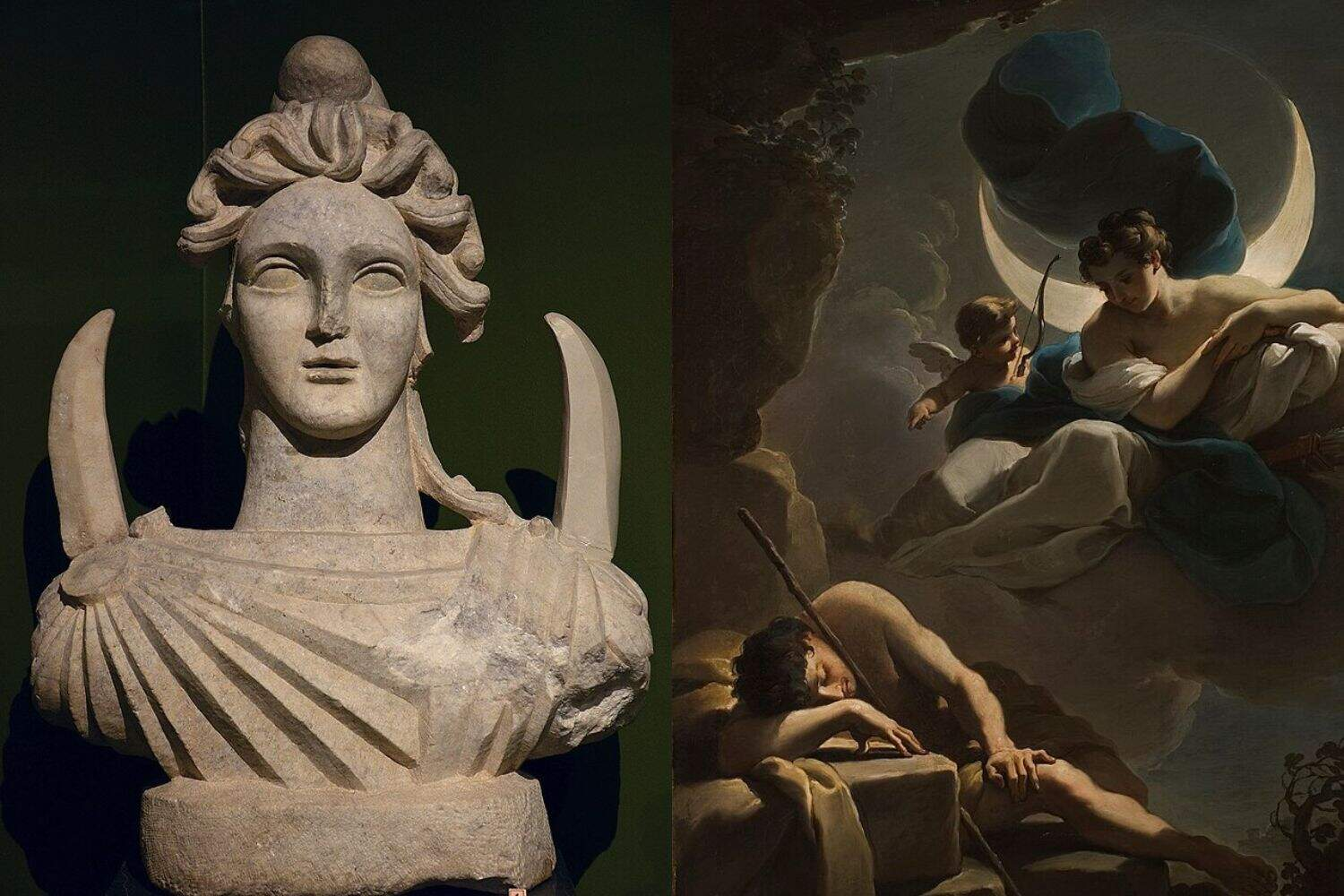
SElene: The Radiant Lunar Deity of Greece

Selene was believed to illuminate the night sky in her silver chariot. Her influence extended to tides, fertility, emotional states, and harvest cycles. Worshippers offered milk, honey, and white flowers during full moons, believing she brought clarity, prophetic dreams, and gentle protection. Myths describe her love for Endymion, symbolizing timeless beauty and eternal sleep.

Artemis: Guardian of the Wild and the Moon

Though primarily a goddess of hunting, Artemis became associated with the moon in later Greek tradition. She was revered for her purity, independence, and protection of women, children, and animals. Rituals in her sanctuaries involved moonlit dances, animal offerings, and rites of passage for young girls. Her connection to lunar cycles reflected themes of transformation and natural rhythm.

Inanna/Ishtar: Mesopotamian Goddess of Moon, Love, and Power

Inanna was a complex goddess linked to the moon, love, war, and fertility. Her rituals included ecstatic dances, sacred marriage ceremonies, and symbolic reenactments of her descent into the underworld. The moon’s phases were seen as expressions of her changing power and dual nature. Inanna’s cult influenced later goddesses across the Near East, demonstrating her far-reaching legacy.

The Role of Falconry in Ancient Royal Courts

December 9, 2025

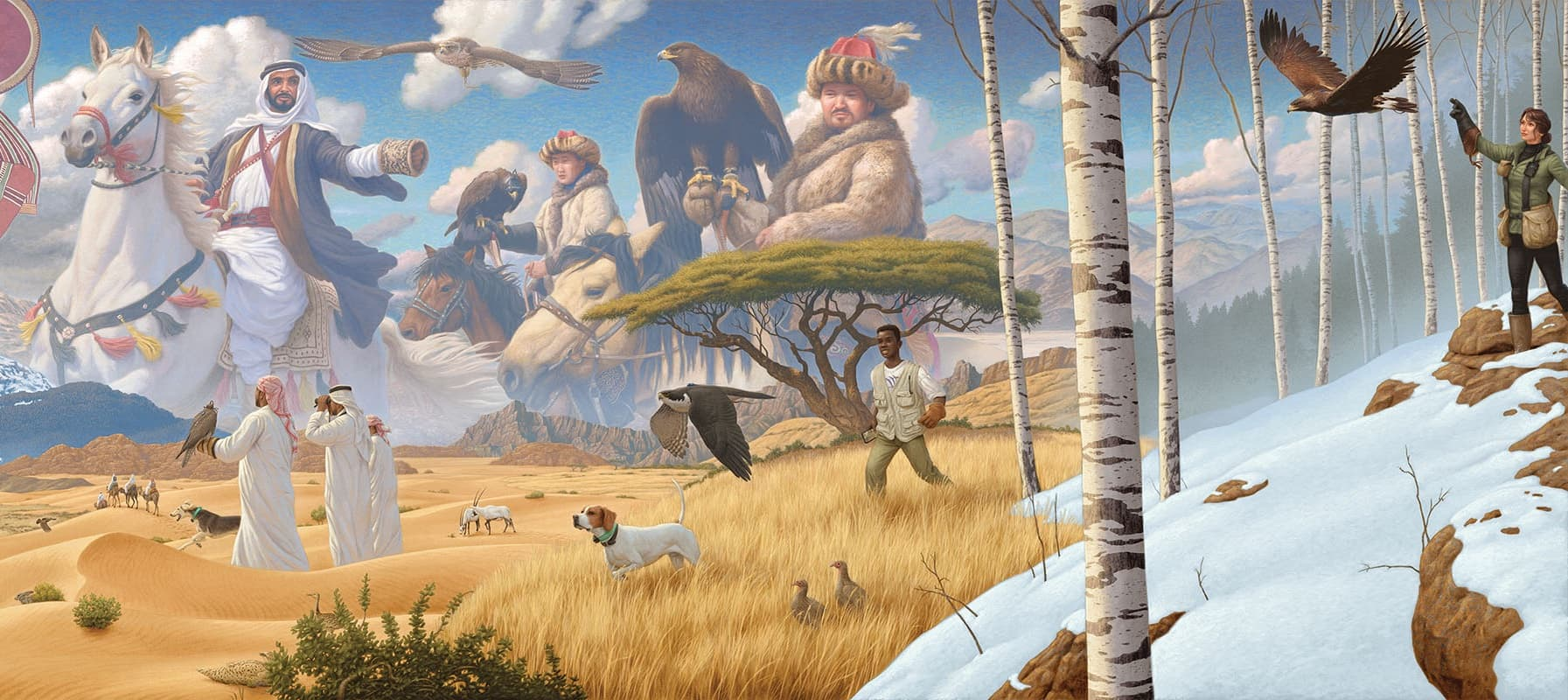
Origins and Global Spread of Falconry

Falconry emerged in Central Asia and quickly gained popularity in Persia, Arabia, China, and Europe. It required deep knowledge of bird behavior, patience, and skill, making it a respected art. Over time, falconry became intertwined with nobility, serving both as a practical hunting method and a ceremonial pastime reserved for elites.

Royal Symbolism and Political Influence

Falcons and hawks symbolized authority, sharp vision, strength, and noble character. Many kings kept entire teams of trainers and prized birds to display their status. Falcons were exchanged as diplomatic gifts, signifying friendship or alliances between kingdoms. A rare or powerful hunting bird could elevate a ruler’s prestige across regions.

Cultural Depictions and Mythic Associations

Artworks from Persia, medieval Europe, and ancient China often show nobles holding falcons during feasts or court ceremonies. Some cultures believed hawks were sacred animals with protective qualities. Literature described falconry as an extension of a ruler’s mastery over nature, discipline, and warfare.

The Forgotten Pyramids of Sudan: The Kingdom of Kush

December 9, 2025

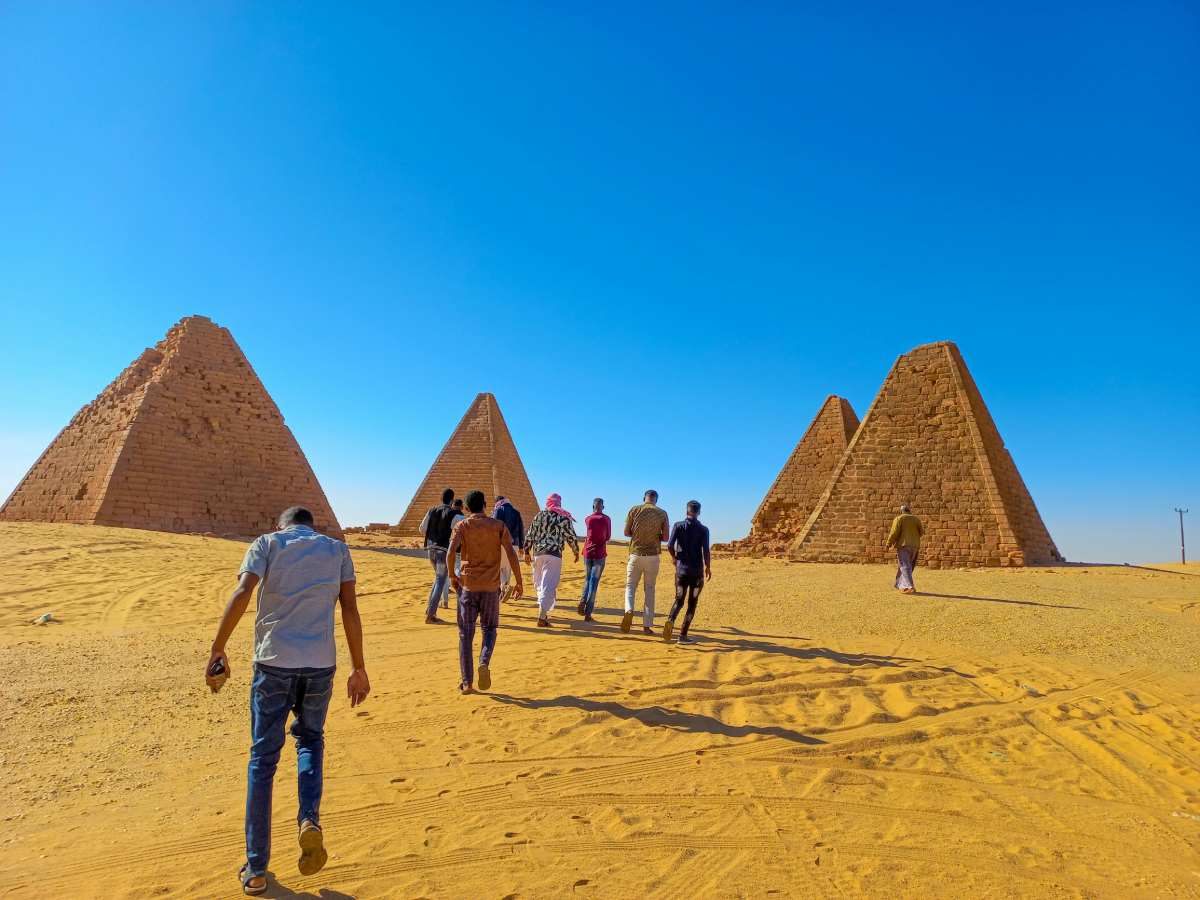
Architectural Features of the Meroë Pyramids

The pyramids of Sudan are taller and narrower than those of Egypt, with steep angles and decorated chapels at their bases. Many were built as tombs for kings, queens, and nobles of the Kushite kingdom. Their darkened appearance today comes from centuries of weathering, though originally they were brightly painted with symbols, murals, and inscriptions. Excavations reveal burial chambers with elaborate goods, pottery, jewelry, and ritual offerings.

Cultural Exchange Between Egypt and Kush

Kush absorbed many Egyptian traditions, from hieroglyphic writing to worship of gods like Amun and Isis. Kushite rulers even became pharaohs of Egypt during the 25th Dynasty, creating a period of shared culture and architecture. Despite this influence, Kush maintained its own customs, artistic styles, and religious practices, blending African and Egyptian traditions into a unique identity.

Society, Trade, and Spiritual Practices in Meroë

Meroë thrived as a commercial hub linking sub-Saharan Africa with the Mediterranean world. Iron production, gold mining, and trade caravans contributed to its prosperity. The religious life of Kush involved rituals honoring both local deities and Egyptian gods, with queens often playing major spiritual roles. The pyramids reflect a sophisticated civilization that valued ancestry, ritual, and royal legacy.

The Ancient Science of Timekeeping and Sundials

December 9, 2025

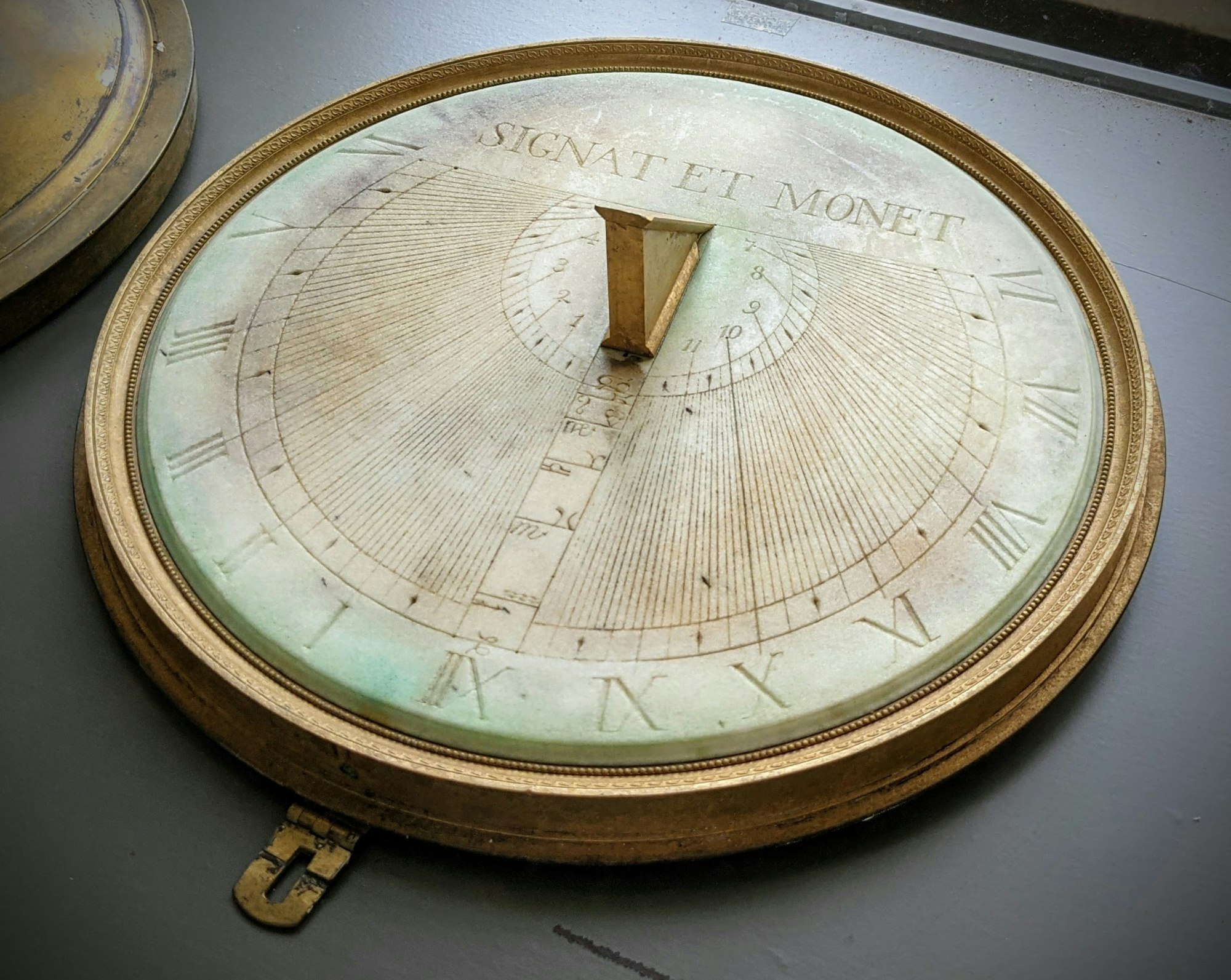
Development of Sundials and Solar Timekeeping

Sundials first appeared in ancient Egypt and Babylon, using the movement of shadows to divide the day into hours. Egyptians built massive obelisks that doubled as monumental timekeepers. Greeks later refined sundials to account for seasonal changes in sunlight, creating curved and portable designs. Romans spread sundials throughout their empire, integrating solar timekeeping into everyday life and public spaces.

Star-Based and Lunar Measurement Systems

Many cultures used stars and lunar phases to measure longer cycles. The Babylonians meticulously tracked constellations to predict seasons and astronomical events. Polynesian navigators used star charts to journey across the open ocean. Chinese astronomers recorded lunar cycles to create early calendars, while Mesopotamians connected moon phases to religious festivals and agricultural tasks.

Calendar Formation and Cultural Significance

Early calendars reflected the needs of farming societies. Egyptians relied on the heliacal rising of Sirius to predict the Nile flood. The Mayans created intricate systems combining solar cycles, ritual periods, and astronomical observations. These calendars influenced governance, religious ceremonies, and social identity, showing how timekeeping shaped entire civilizations.

The Lost Knowledge of the Ancient Alchemists

December 9, 2025

Early Alchemical Traditions and Cultural Roots

Alchemy’s origins lie in ancient Egypt, where temple priests experimented with dyes, metals, and sacred oils. After Alexander the Great, Greek philosophy merged with Egyptian chemical practices, forming the foundation of Western alchemy. Later, Islamic scholars like Jabir ibn Hayyan preserved and expanded alchemical knowledge, introducing new laboratory techniques and detailed symbolic language. Their writings shaped medieval European alchemy, blending mystical transformation with scientific experimentation.

Symbolism and Purpose of the Philosopher’s Stone

The philosopher’s stone symbolized the perfection of matter and the awakening of spiritual wisdom. Many believed it could transform metals into gold, create healing elixirs, and purify the soul. Its pursuit represented a lifelong philosophical journey requiring discipline, moral purity, and deep understanding of nature’s hidden laws. The stone was described through metaphors—such as a phoenix, a red powder, or a divine spark—concealing practical techniques behind layered symbolism.

Alchemical Tools, Experiments, and Secret Writings

Alchemists practiced distillation, calcination, sublimation, and fermentation using furnaces, alembics, and glass vessels. Because alchemy was considered sacred and sometimes dangerous, knowledge was encoded in allegories, ciphers, and mythic narratives. Texts like the Emerald Tablet described principles of transformation using poetic phrases that sparked centuries of interpretation. Through these processes, alchemists laid the foundation for modern chemistry, metallurgy, and pharmacology.

The Mysterious Petroglyphs of the Sahara Desert

December 9, 2025

Locations and Archaeological Importance

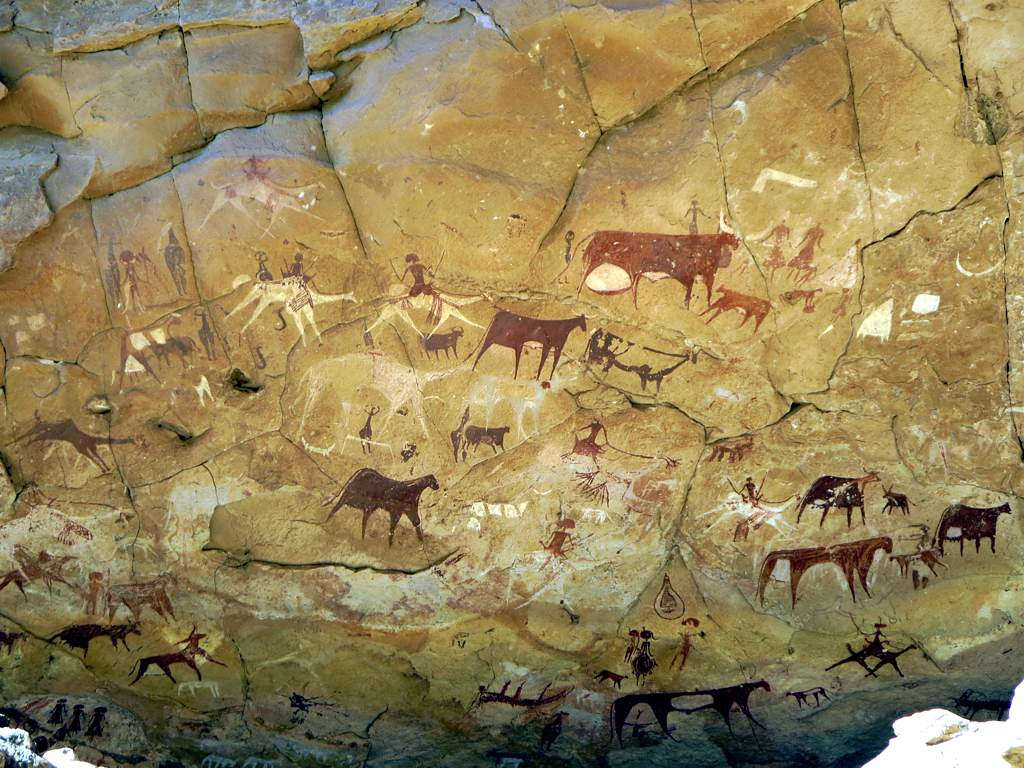
The Sahara’s vast petroglyphs stretch across Algeria, Libya, Niger, and Chad, with Tassili n’Ajjer being the most famous site. These carvings date back 8,000–12,000 years, created when the Sahara was green and fertile. Archaeologists believe the artwork offers one of the most detailed visual records of prehistoric African societies. Layers of carvings from different time periods reveal shifting environments, cultures, and spiritual beliefs as the desert slowly formed.

Common Motifs and Artistic Styles

Figures depict everyday life such as cattle herding, fishing, dancing, and hunting—alongside unusual beings with exaggerated shapes or mask-like faces. Animals like crocodiles, giraffes, elephants, and hippos reflect the region’s ancient wetlands. The “Round Head” figures, with their spherical heads and floating poses, are some of the most mysterious; scholars suggest they may represent shamans, gods, or beings from visionary states. The carvings vary from simple outlines to deeply engraved scenes showing advanced artistic skill.

Interpretations and Cultural Significance

Some researchers believe the carvings acted as teaching tools for rituals, navigation, or storytelling. Others argue they marked sacred spaces or served as offerings to nature spirits. The frequent depiction of cattle suggests early religious reverence for pastoral animals. Theories propose that some images document spiritual journeys or shamanic transformations. Because no written explanations exist, each petroglyph holds layers of meaning that remain open to interpretation.

he Role of Dream Interpretation in Ancient Civilizations

December 9, 2025

Dreams as Messages from the Divine

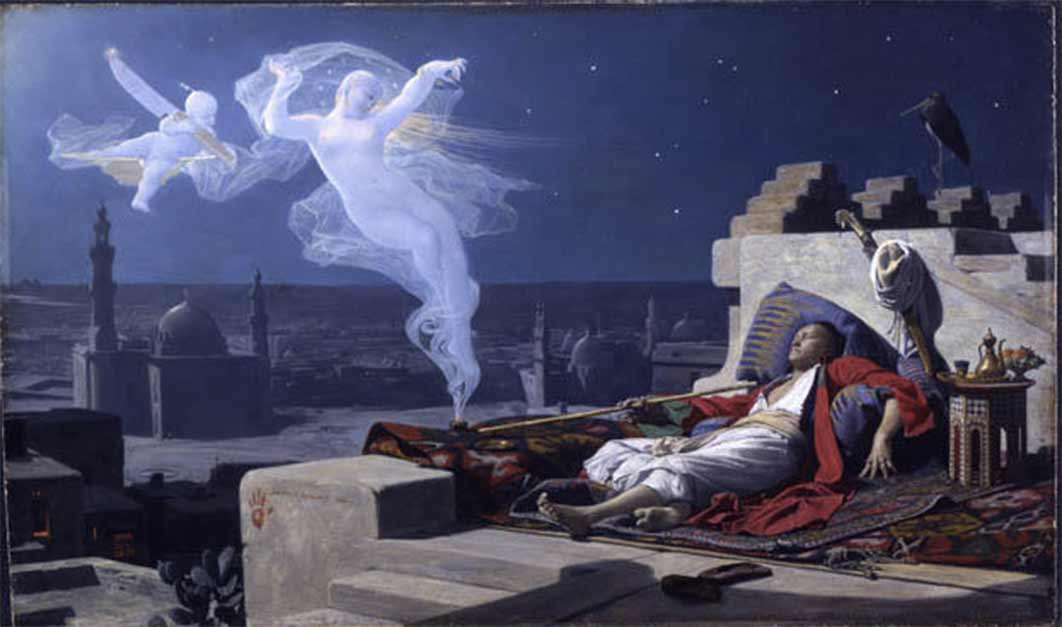
Across the ancient world, dreams were believed to reveal the intentions of gods, spirits, or the universe. Egypt, Mesopotamia, and Greece each developed elaborate systems to decode dreams and understand their hidden meaning.

Egyptian Dream Books

In ancient Egypt, dream interpretation was considered a sacred science. Priests compiled dream manuals describing symbols, omens, and divine messages. Egyptians believed gods communicated through dreams, offering warnings, blessings, or guidance. Temples even had “sleep chambers” where people sought prophetic dreams.

Mesopotamian Omens and Prophecies

Mesopotamians viewed dreams as supernatural events that could predict the future. Clay tablets record thousands of dream interpretations, linking dream events to real-world outcomes. Kings relied heavily on dream interpreters to guide political and military decisions.

Greek Philosophy and the Dream World

In Greece, dreams were connected to both religion and early scientific thought. Followers of Asclepius slept in healing temples hoping for curative dreams, while philosophers like Aristotle and Plato debated whether dreams came from gods or the human mind.

Medieval Cemetery Unearthed in Denmark Reveals Over 50 Skeletons

December 8, 2025

Over 50 Skeletons Unearthed in Aarhus Reveal Early Christian History

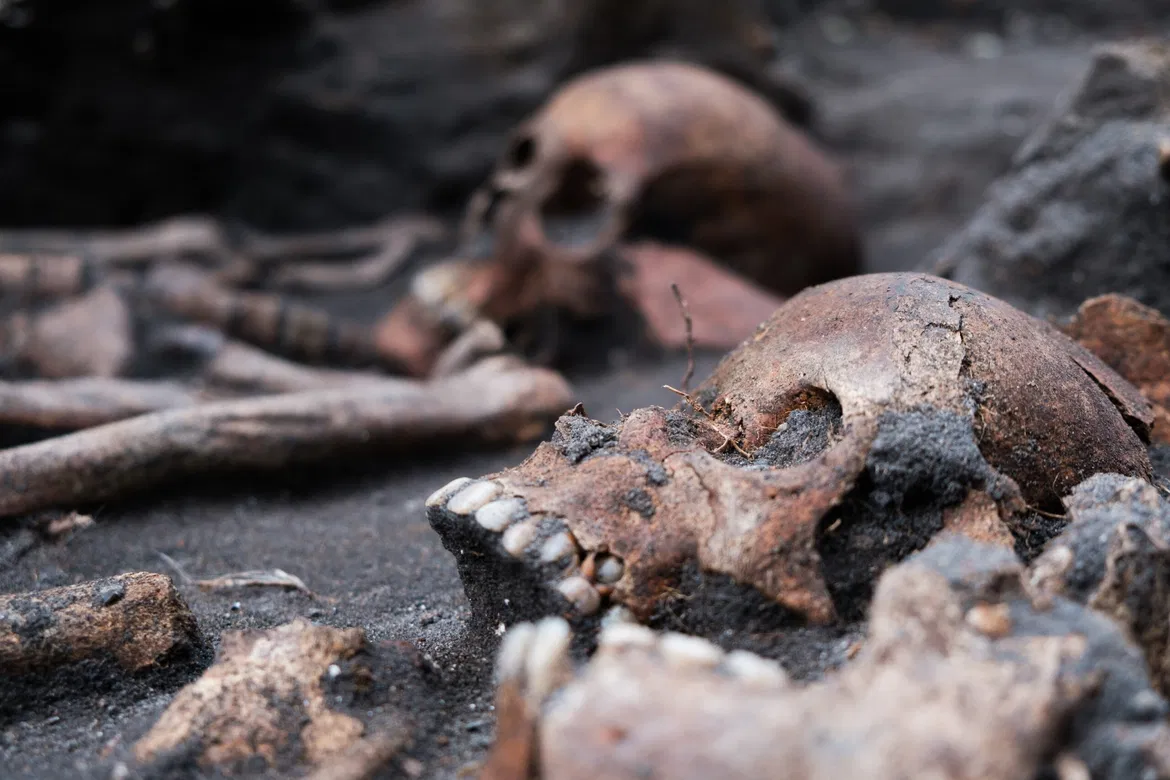
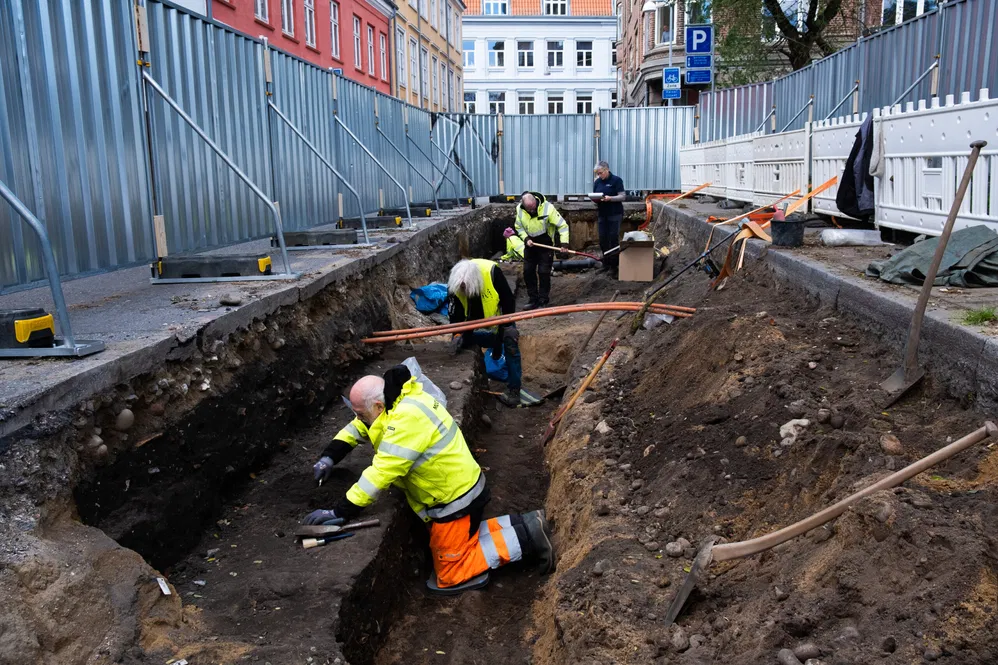
Archaeologists in Denmark have uncovered more than 50 skeletons in central Aarhus, shedding light on the city’s earliest Christian period. The excavation, led by Moesgaard Museum, is taking place at a historic burial ground along St. Oluf’s Street, near the former defensive ramparts of Aros, the Viking settlement that eventually became modern Aarhus.

Some burials are believed to date back around 900 years, to the 12th century, a time when Christianity was becoming firmly established in the region. The cemetery once belonged to St. Oluf’s Church, which collapsed in 1548 after a storm and was later demolished, though the cemetery remained in use until 1813.

Moesgaard archaeologist Mads Ravn emphasized the significance of the find: “The cemetery marks the tangible entry of Christianity into the city at the end of the Viking Age and the beginning of the Middle Ages. The burial customs reflect this transition and offer a rare opportunity to study the lives, illnesses, and beliefs of the first Aarhusians, as well as the role of Christian cultural heritage in the city’s development.”

Burials to Undergo Further Study

Archaeologists excavate in Sct. Olufs Gade.

Excavation Sparked by Infrastructure Work, Reveals Church Dedicated to Viking King

The Aarhus excavation was triggered by municipal work to install underground waste containers, a frequent cause of archaeological discoveries in European city centres where medieval remains often lie just beneath modern streets.

St. Oluf’s Church, once standing beside the cemetery, was named for Olav Haraldsson, the Viking chieftain who became king of Norway in 1015. Olav played a key role in spreading Christianity across Scandinavia, and after his death, his cult grew rapidly, leading to many churches being dedicated to him throughout medieval northern Europe.

← Newer Posts Older Posts →
Featured
image_2025-12-20_005333454.png
Dec 19, 2025
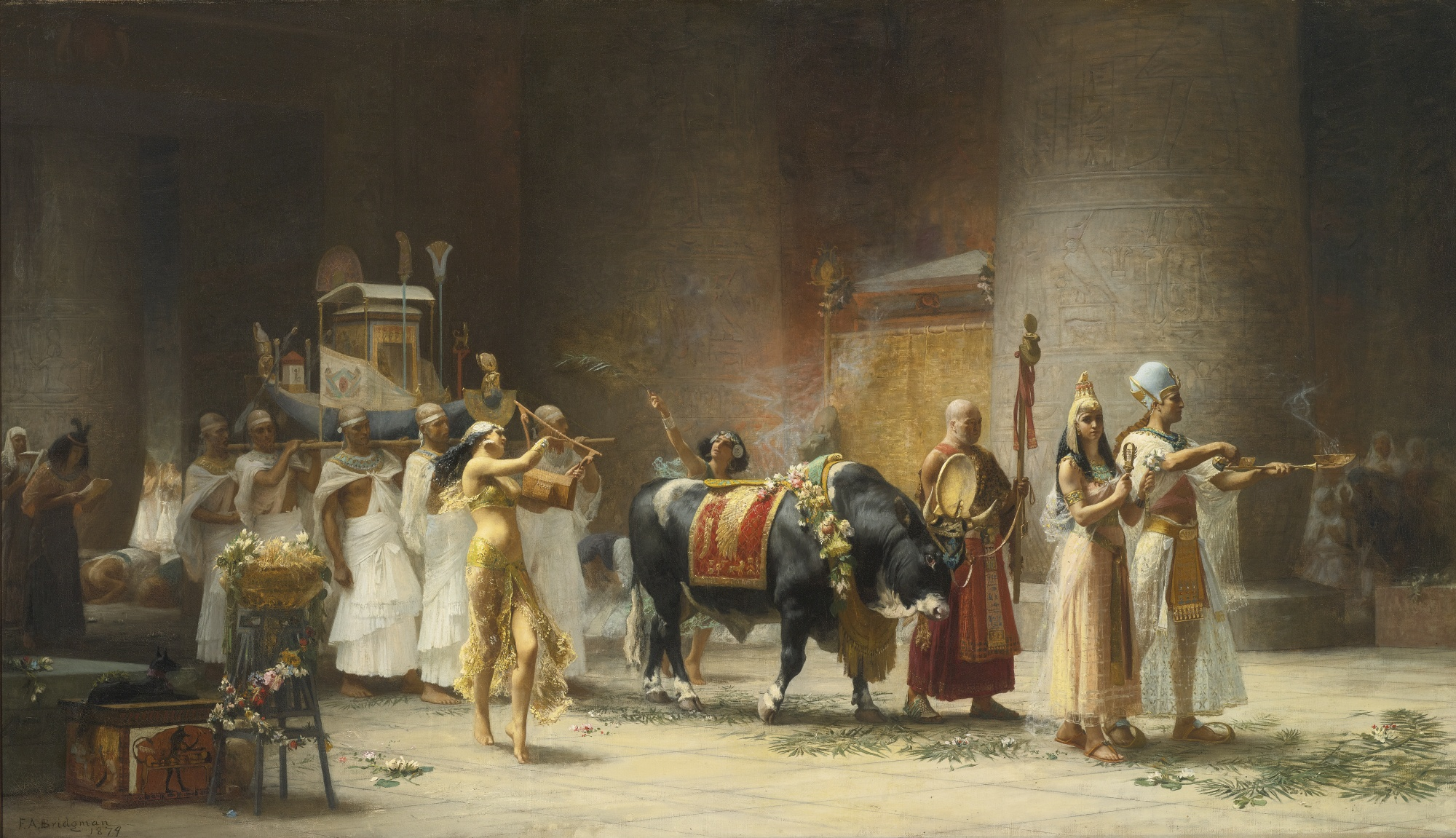
The Sacred Bull in Ancient Cultures
Dec 19, 2025
Read More →
Dec 19, 2025
image_2025-12-20_003537323.png
Dec 19, 2025
The Mystery of the Etruscans
Dec 19, 2025
Read More →
Dec 19, 2025
image_2025-12-20_002741288.png
Dec 19, 2025
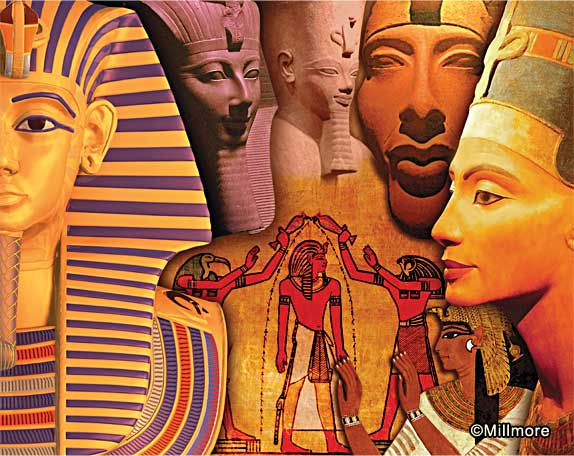
The God-Kings of Ancient Egypt
Dec 19, 2025
Read More →
Dec 19, 2025
image_2025-12-20_002024096.png
Dec 19, 2025
The Ancient Olympic Games
Dec 19, 2025
Read More →
Dec 19, 2025
image_2025-12-20_001517638.png
Dec 19, 2025
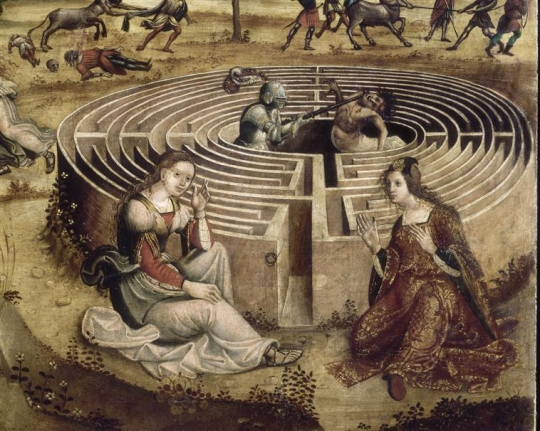
The Legend of the Minotaur and the Labyrinth
Dec 19, 2025
Read More →
Dec 19, 2025
image_2025-12-20_000859029.png
Dec 19, 2025
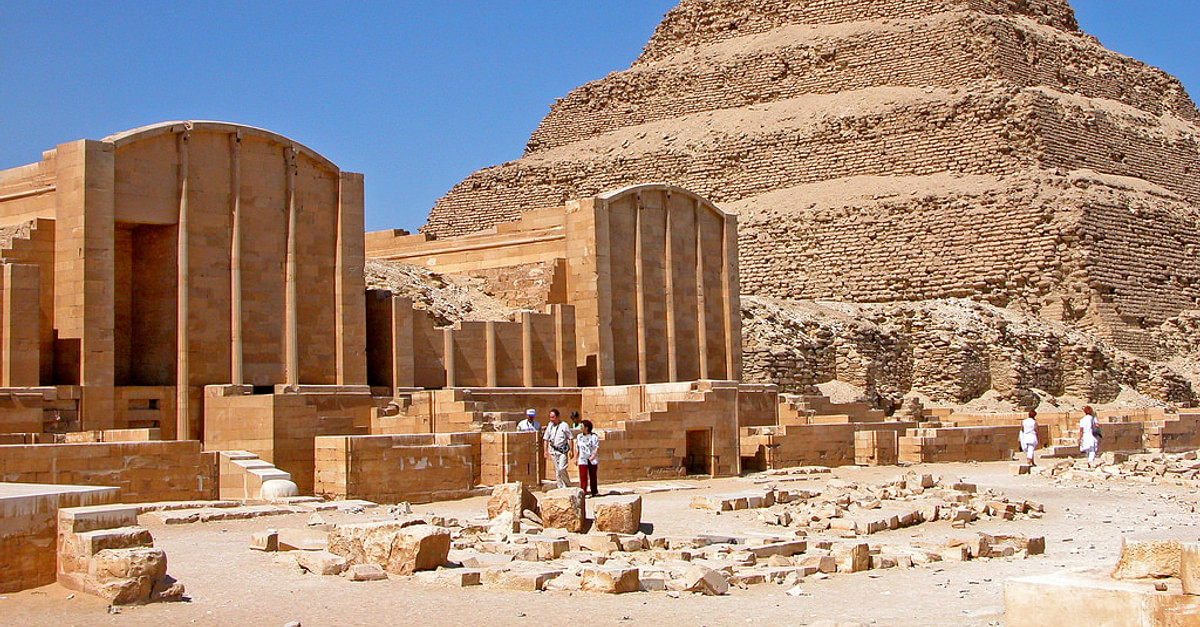
The Step Pyramids of Saqqara
Dec 19, 2025
Read More →
Dec 19, 2025
read more

Powered by The archaeologist