Hominin fossils from Morocco may be close ancestors of modern humans

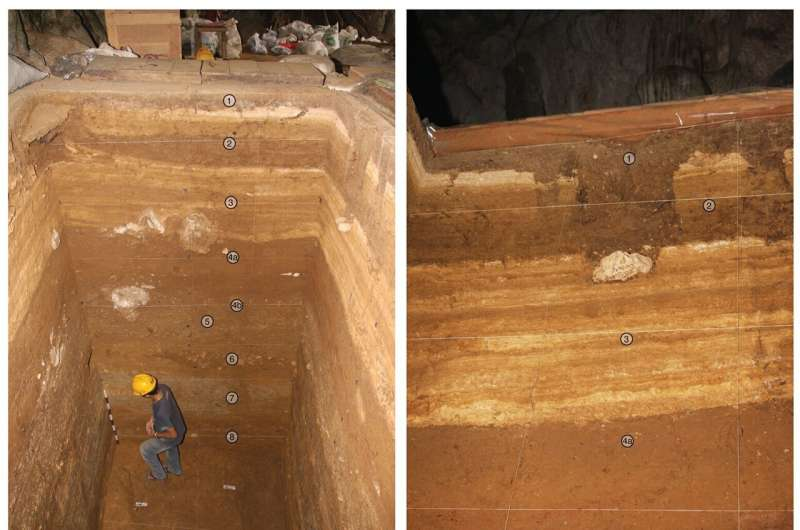
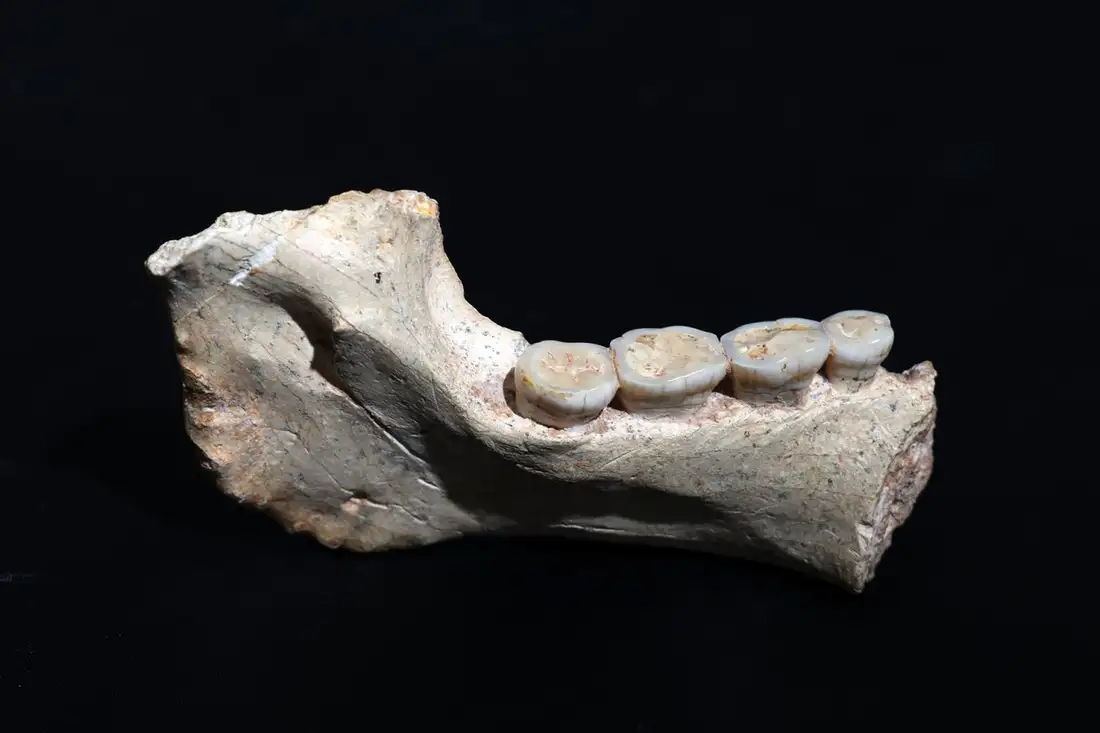
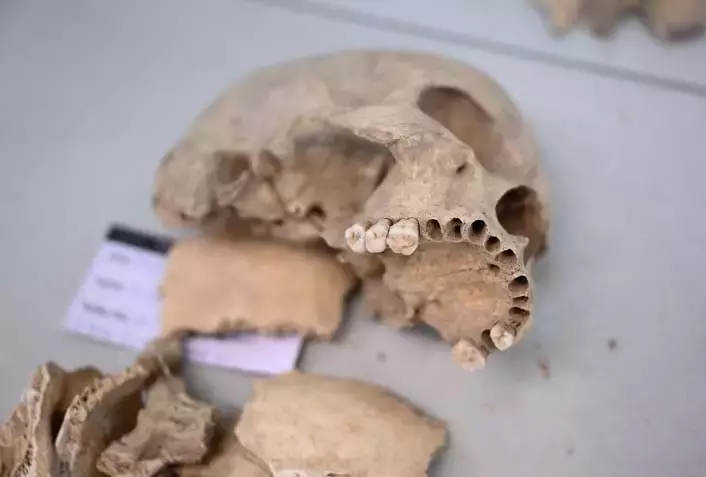
Jawbones and vertebrae belonging to a hominin that lived around 773,000 years ago have been discovered in North Africa. These fossils could represent a shared ancestor of Homo sapiens, Neanderthals, and Denisovans.

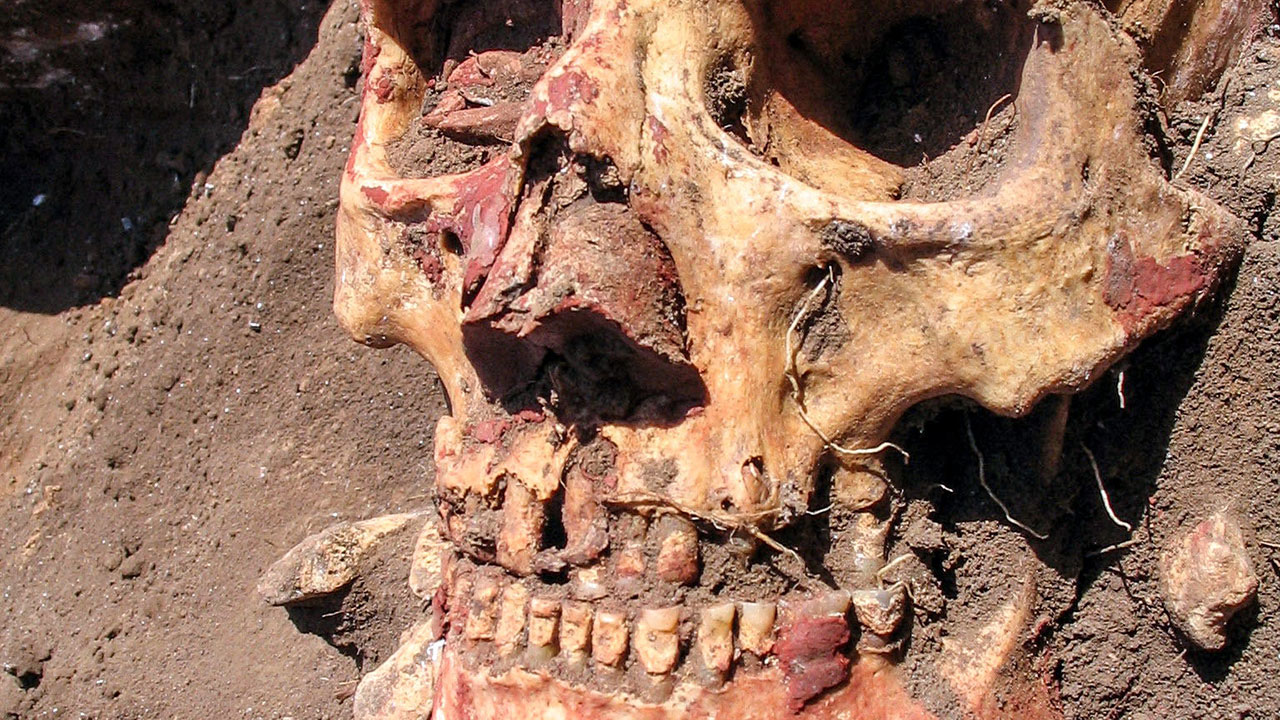
The jawbone of an ancient hominin found at Grotte à Hominidés in Morocco

Fossils from North Africa, dating back nearly 750,000 years, may belong to a common ancestor of Neanderthals, Denisovans, and modern humans, living just before these lineages diverged.

Scientists estimate that this last shared ancestor existed between roughly 765,000 and 550,000 years ago, though its exact time and location remain key mysteries in human evolution.

Archaeologists Uncovered a Strange Carving of a Terrifying Mythical Figure

The more welcoming side of Medusa turns typical mythology upside down, with the smile likely designed to represent peace and prosperity.

Here’s what you’ll discover in this story:

  • Archaeologists excavating an ancient Roman forum in what is now Turkey uncovered an unusual depiction of Medusa.

  • The columned forum featured ceiling panels carved with her image, but instead of a fearsome expression beneath her snake-like hair, Medusa is shown smiling.

  • This gentler portrayal challenges traditional mythology, with the smile likely symbolizing harmony and prosperity.

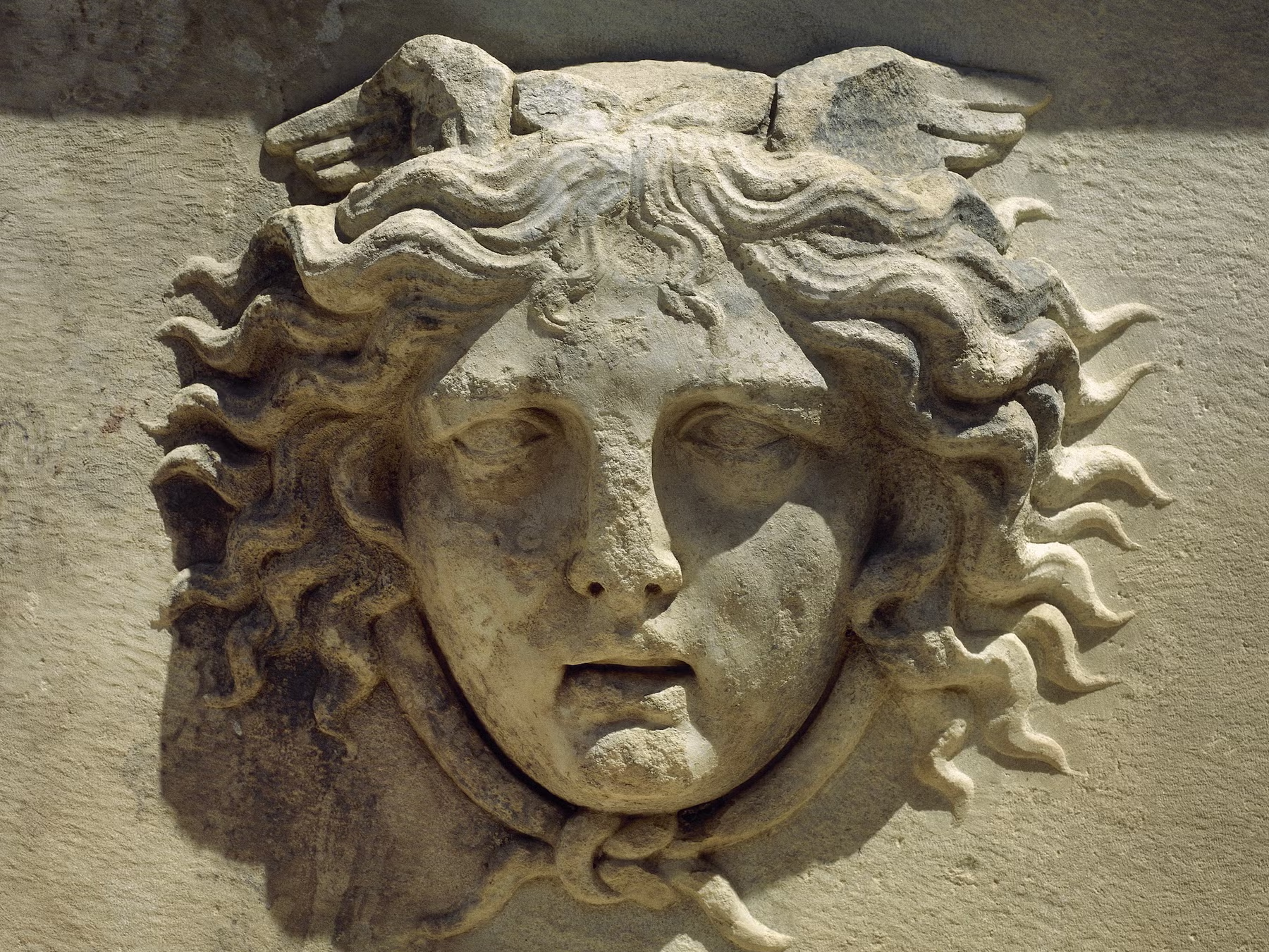
Medusa is typically portrayed as intimidating, defined by her serpentine hair and threatening gaze. However, a recently uncovered carving from an ancient Roman forum presents a strikingly different interpretation. Archaeologists found ceiling panels above marble columns depicting Medusa with a childlike smile.
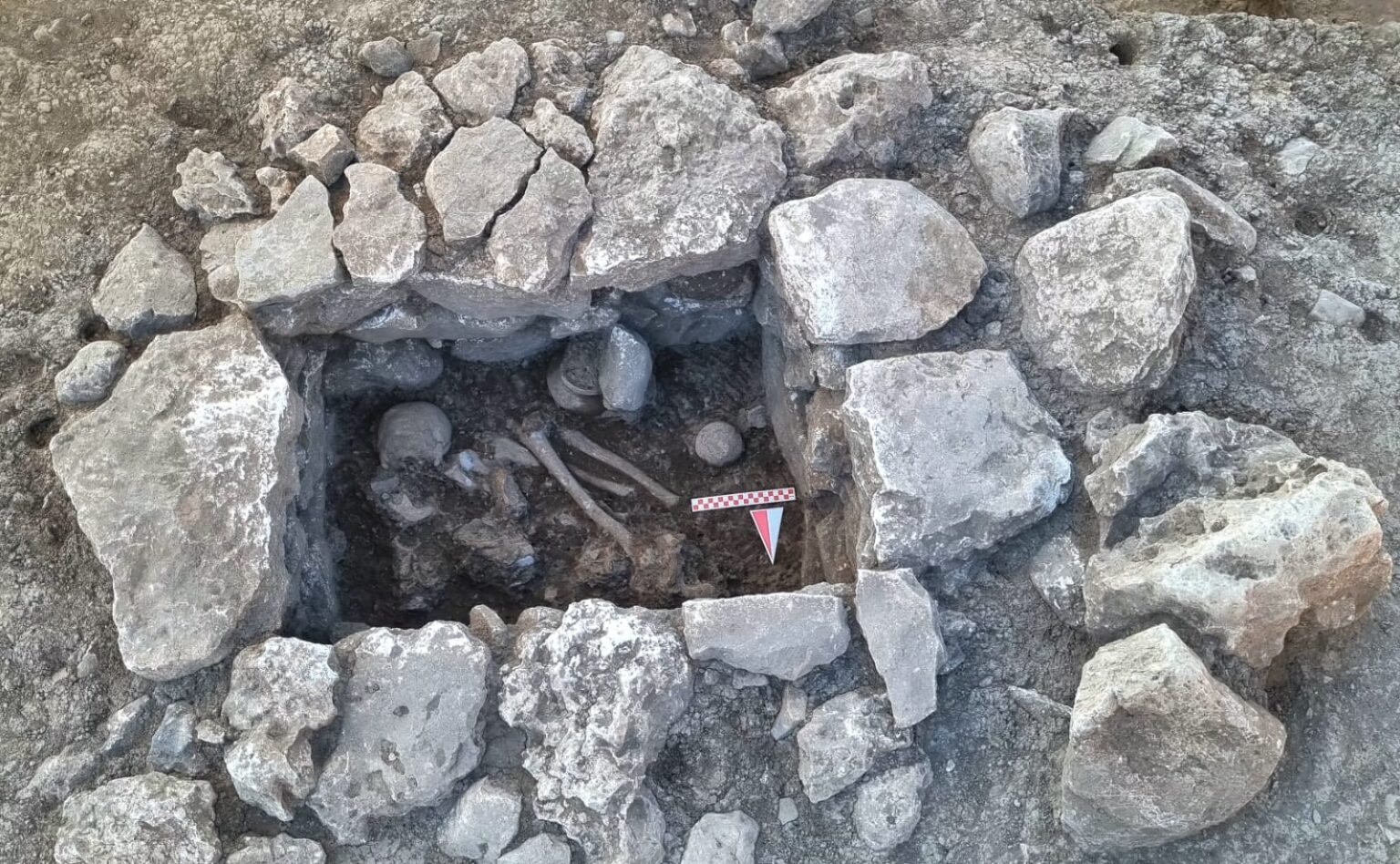
“Our Medusa was fashioned much like Eros, with the face of a very young child and a smiling expression,” said Fatma Bağdatlı Çam, a professor at Bartın University, as quoted by Turkey Today.

The distinctive image was discovered during excavations in the ancient city of Amastris—modern-day Amasra—while researchers were uncovering a monumental Roman forum with a columned gallery and decorated ceiling tiles. The work forms part of Turkey’s Ministry of Culture and Tourism’s Heritage for the Future project, carried out in collaboration with the university’s Archaeology Application and Research Center. So far, excavations across a 30,000-square-foot area have revealed marble columns reaching heights of up to 30 feet.

New Fossil Analysis Suggests This Seven-Million-Year-Old Primate Walked on Two Legs, Potentially Making It the Oldest Known Human Ancestor

Fresh findings about arm and leg bones advance the debate over whether Sahelanthropus tchadensis was bipedal, but not everyone is convinced

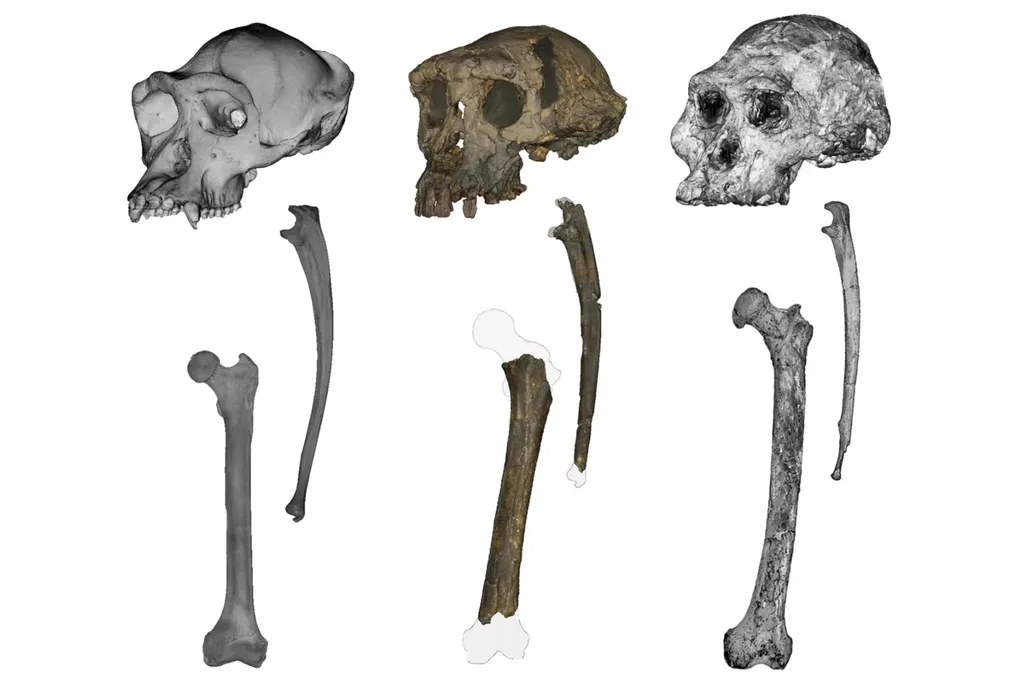
Bones from a chimpanzee on the left, Sahelanthropus tchadensis in the center, and an Australopithecus species on the right

New Analysis Suggests Sahelanthropus tchadensis Walked Upright

In the early 2000s, researchers discovered roughly seven-million-year-old primate bones in Chad’s Djurab Desert. Belonging to the extinct species Sahelanthropus tchadensis, these fossils have sparked decades of debate among paleontologists over whether the species walked on two legs—a trait that would make it the oldest known member of the human lineage, or hominin.

A new study, published January 2 in Science Advances, adds to this debate by analyzing fragments of arm and leg bones, offering evidence that S. tchadensis may indeed have been upright.

The species was first described in 2002 based on a skull, teeth, and jaw fragments. These suggested upright posture, but without leg bones, firm conclusions about bipedalism were impossible. Later, researchers identified a nearby femur and two ulnae as belonging to the species, though interpretations of their meaning for walking remained contested.

In the new analysis, scientists examined the bones’ fine anatomical details and compared them with those of living primates and other fossils. One key finding was a rounded bump on the femur, called the femoral tubercle. Study co-author Scott Williams, an evolutionary morphologist at New York University, explains that this is the attachment point for the largest and most powerful ligament in the body, which tightens when standing and helps stabilize the torso during walking—a feature previously only identified in bipedal hominins.

The researchers also confirmed other traits linked to bipedalism: a twist in the femur that aids upright walking, buttocks muscles modeled for walking and running like those of ancient hominins, and a femur-to-ulna length ratio more similar to Australopithecus than to apes, which typically have shorter legs and longer arms for quadrupedal movement. These proportions suggest a significant evolutionary step toward human-style walking.

Williams concludes, “Sahelanthropus tchadensis was essentially a bipedal ape with a chimpanzee-sized brain, likely spending much time in trees, yet adapted to upright posture and movement on the ground.”

Not all experts are fully convinced. John Hawks, an anthropologist at the University of Wisconsin-Madison, supports the findings but emphasizes the gradual and complex nature of early hominin evolution, noting that Sahelanthropus likely displayed a mix of ape-like and human-like traits.

Marine Cazenave of the Max Planck Institute for Evolutionary Anthropology, however, calls the evidence “weak” due to the fossil’s poor preservation, making it difficult to determine the full structure of the femoral tubercle and its implications for bipedalism.

The debate continues, highlighting the challenges of interpreting some of the earliest steps in human evolution.
And finally… gilt trip

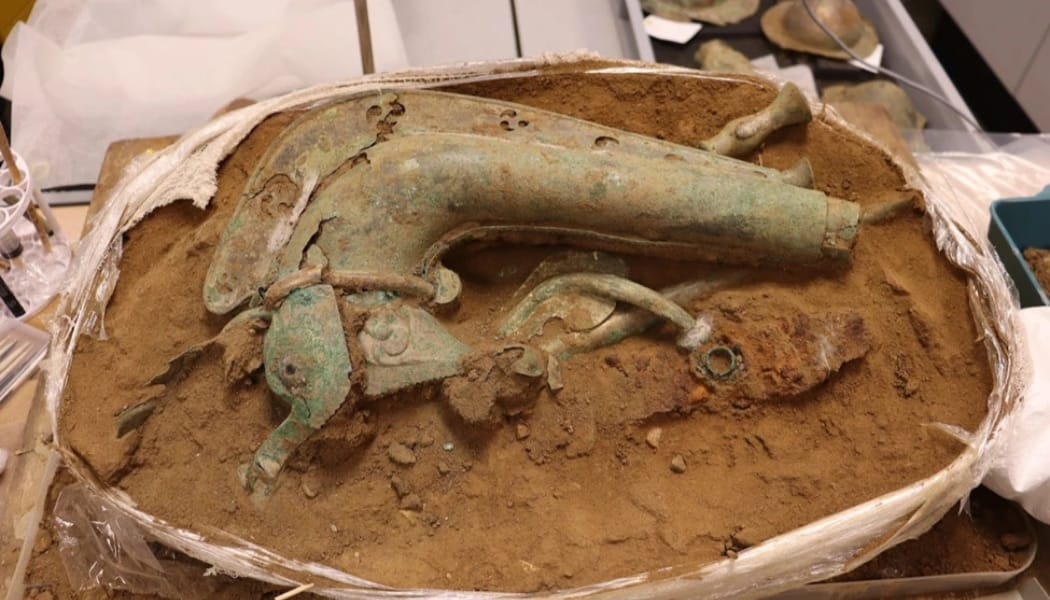
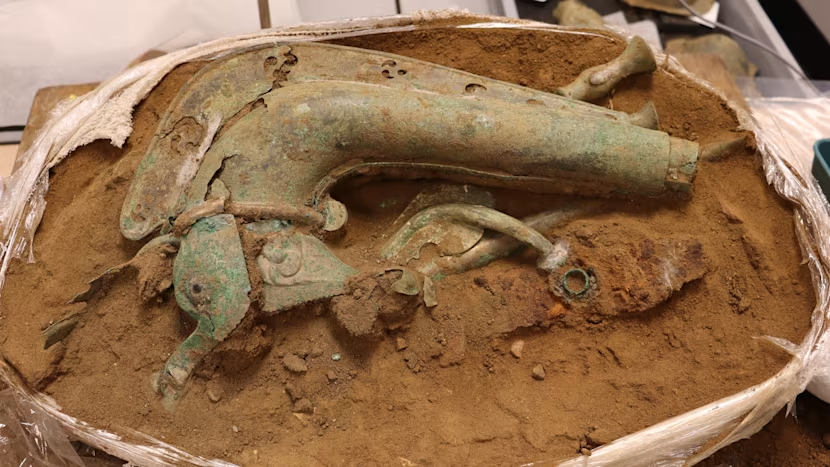
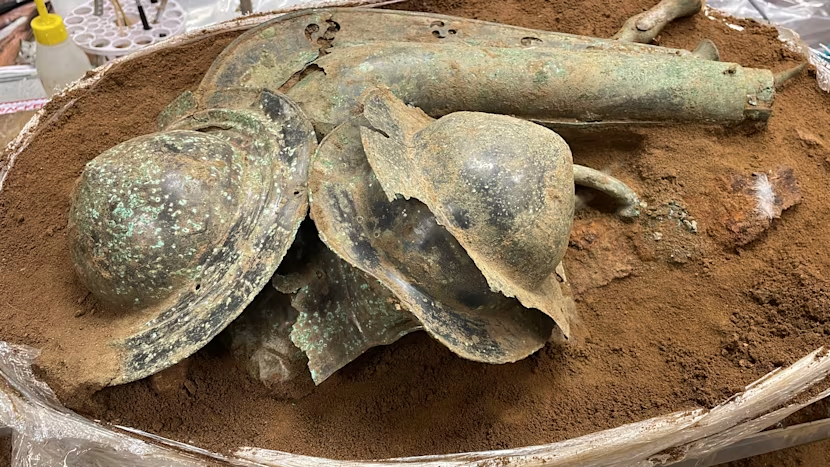
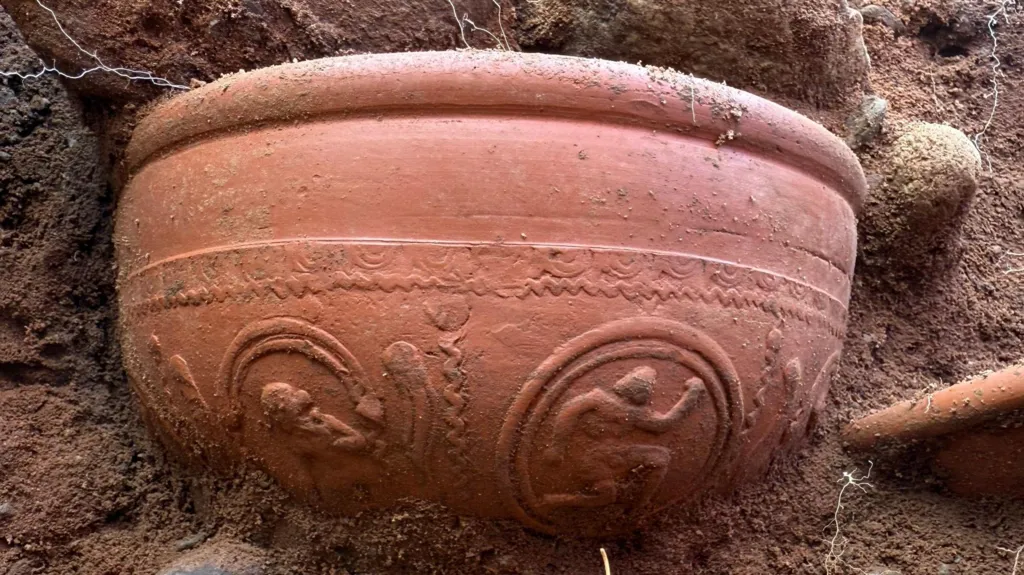
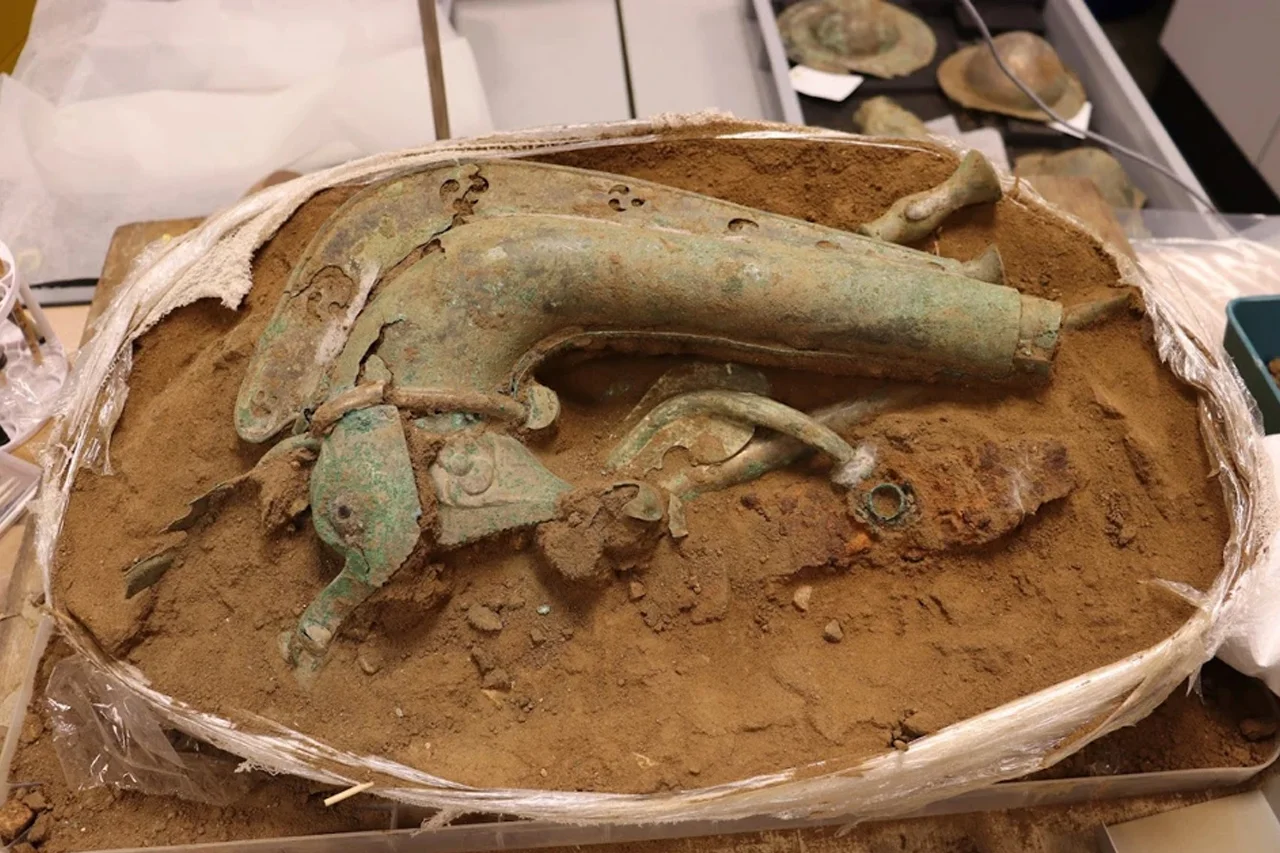
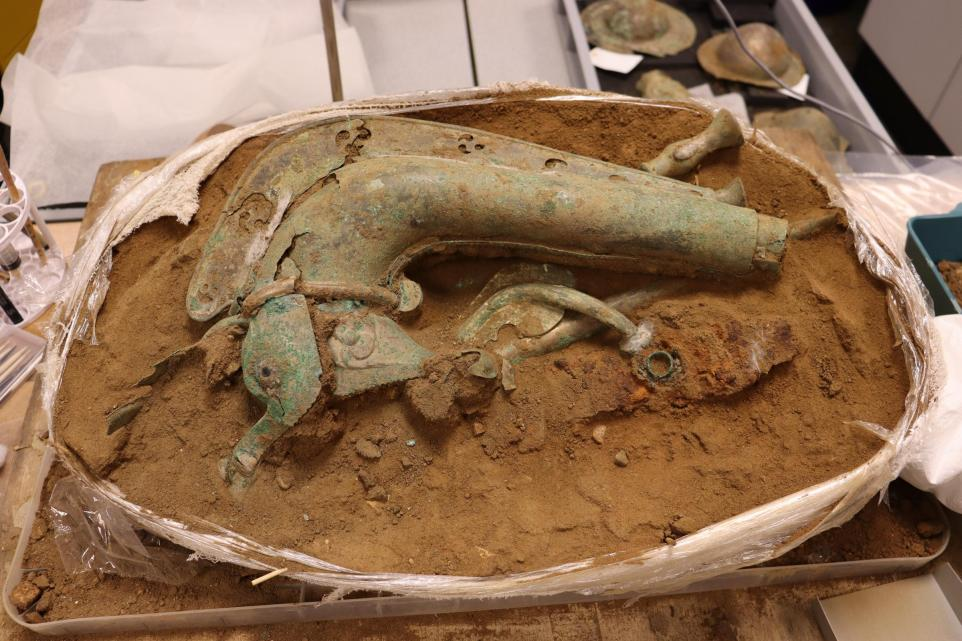
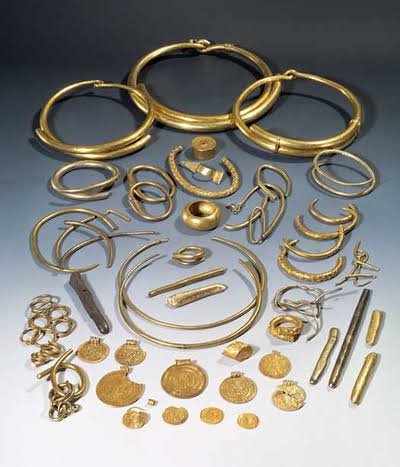
Archaeologists in Lower Saxony have confirmed the discovery of a significant Roman-era hoard near Borsum, comprising 450 silver coins, several silver bars, a single gold coin, and a gold ring.

Early Roman Hoard Unearthed in Lower Saxony

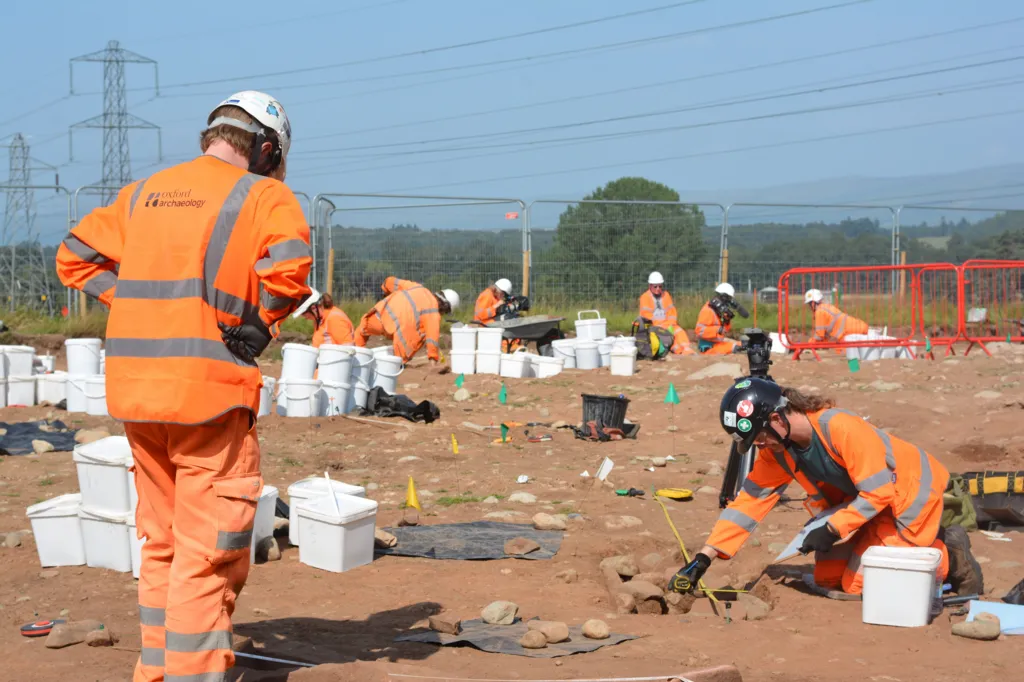
A significant early Roman Imperial hoard was recently recovered in Borsum, Lower Saxony, under the supervision of Sebastian Messal, regional head of the State Office for Monument Preservation. Messal described the find as one of the largest hoards uncovered in the region.
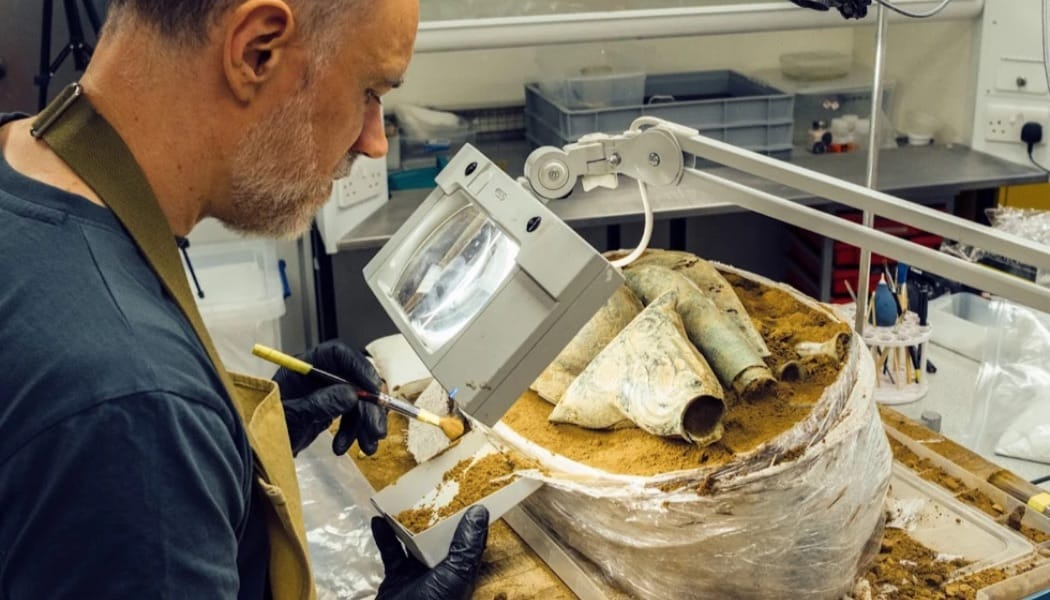
The discovery underscores the delicate balance between amateur detecting and professional archaeology. While metal detecting is regulated and requires permits in Lower Saxony, initial improper digging at the site damaged the archaeological context—the precise positioning of items that helps researchers understand the burial. Messal’s team conducted a controlled secondary sweep of the woodland, recovering additional coins and working to reconstruct the deposit’s history.

Experts classify the find as a hoard, suggesting the valuables were deliberately buried for safekeeping during a period of unrest. The presence of silver bars points to the conversion of loose metal into portable currency, common in frontier economies. A single gold coin and a ring indicate either ownership by a high-status individual or a “piggy bank” approach, where prestige items were saved alongside standard currency.

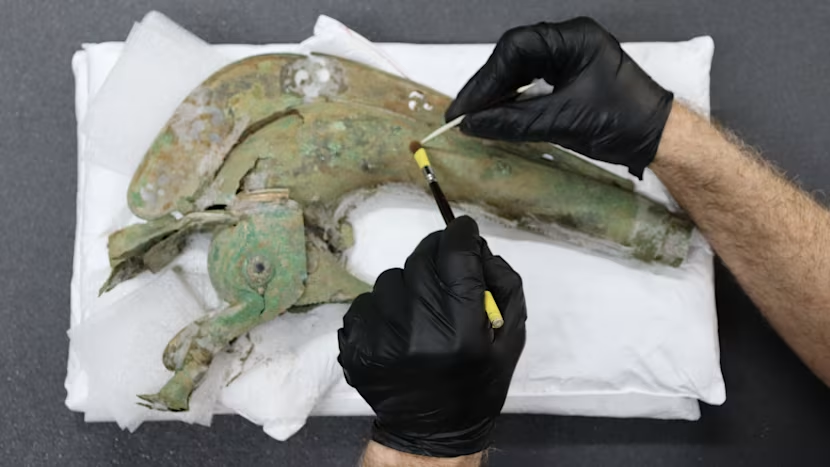
Scientific analysis is now underway to clean the artifacts and examine wear patterns, mint marks, and metallurgical composition. Non-destructive tests on the silver alloys aim to trace the metal to its source mines, while coin inscriptions will provide a terminus post quem, the earliest possible date for the hoard’s burial. This information is key to understanding northern Germany’s turbulent Roman-era history, where Roman forces and local tribes interacted near the Rhine.
Researchers hope the Borsum hoard may be linked to the aftermath of the Varus Battle of 9 AD, offering evidence of the movement of people, goods, and power along the empire’s frontier. Whether it represents Roman military pay, Germanic tribute, or a merchant’s hidden savings, ongoing study aims to map ancient economic and social networks with precision.

The Story of Carthage Isn’t Necessarily What the Romans Committed to History

A new book by historian and archaeologist Eve MacDonald paints a more complete portrait of the once-great African society destroyed by Rome

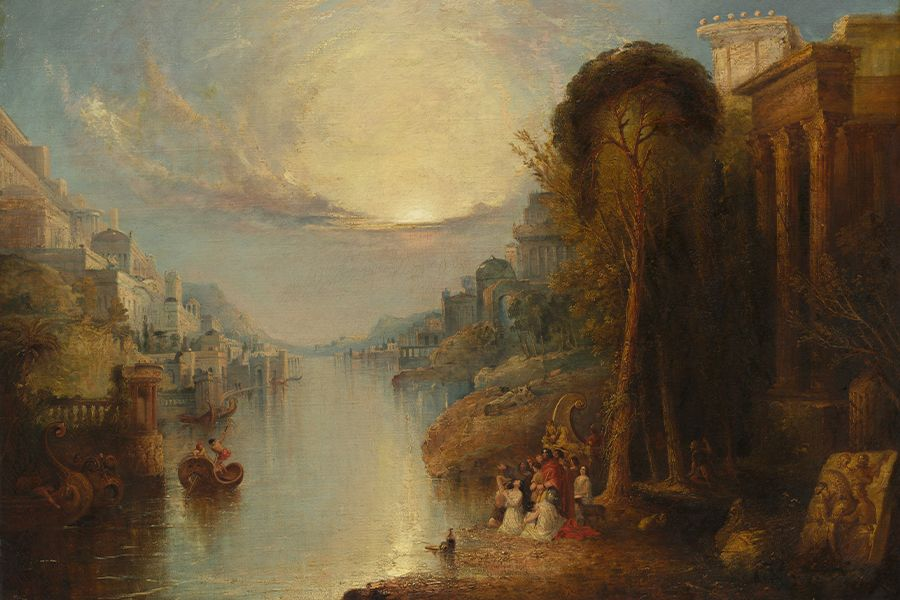
A vision of ancient Carthage, attributed to the painter William Linton

Around 310 B.C.E., Carthage came under siege by Agathocles of Syracuse and his forces. According to the ancient historian Diodorus, the Carthaginians, believing their gods had abandoned them, became so desperate to regain divine favor that they sacrificed 200 children. However, no archaeological evidence has ever confirmed such an event. In her new book, Canadian-British historian and archaeologist Eve MacDonald argues that this horrific account was likely “an imagined scene by a hostile ancient source.”

That source, of course, was Rome, which would later destroy Carthage in the Third Punic War from 149 to 146 B.C.E. Roman leaders sought to depict Carthage and its citizens not as real people, but as a savage enemy, MacDonald writes, using the city’s image to bolster Roman morale. In Carthage: A New History of an Ancient Empire, she draws on archaeological work from the past two decades, including her own, to offer a fuller, more nuanced portrait of the city and its inhabitants.

MacDonald traces Carthage’s story from its Phoenician founding in the ninth century B.C.E. to the myths—and possible truths—surrounding Dido, the political figure from Tyre who became its legendary queen. She explores the city’s rise as a naval power, its eventual destruction, and the first century after its fall, when Punic language and culture continued to influence North Africa. “It is believed that Africa was never so Punic as it was after Carthage was destroyed,” she notes, as surviving Carthaginians formed a kind of Punic diaspora.

“New archaeology and old literature present a different Carthage in the postwar years,” MacDonald writes. Recent isotopic analyses, for instance, show that Carthage could draw on substantial local resources, such as lead-silver mining, even when trade was restricted during wartime.

Her book is ambitious, focusing as much on sailors and soldiers as on generals and aristocrats. “The Roman memories only ever told one side of the story,” she observes. “The complexity of this once-great, sophisticated, and multicultural African city—with its innovative technologies, courageous warriors, and deep religious beliefs—was lost.”