• MAIN PAGE
  • LATEST NEWS
    • Lost Cities
    • Archaeology's Greatest Finds
    • Underwater Discoveries
    • Greatest Inventions
    • Studies
    • Blog
  • PHILOSOPHY
  • HISTORY
  • RELIGIONS
    • Africa
    • Anatolia
    • Arabian Peninsula
    • Balkan Region
    • China - East Asia
    • Europe
    • Eurasian Steppe
    • Levant
    • Mesopotamia
    • Oceania - SE Asia
    • Pre-Columbian Civilizations of America
    • Iranian Plateau - Central Asia
    • Indus Valley - South Asia
    • Japan
    • The Archaeologist Editor Group
    • Scientific Studies
    • Aegean Prehistory
    • Historical Period
    • Byzantine Middle Ages
    • Predynastic Period
    • Dynastic Period
    • Greco-Roman Egypt
  • Rome
  • PALEONTOLOGY
  • About us
Menu

The Archaeologist

  • MAIN PAGE
  • LATEST NEWS
  • DISCOVERIES
    • Lost Cities
    • Archaeology's Greatest Finds
    • Underwater Discoveries
    • Greatest Inventions
    • Studies
    • Blog
  • PHILOSOPHY
  • HISTORY
  • RELIGIONS
  • World Civilizations
    • Africa
    • Anatolia
    • Arabian Peninsula
    • Balkan Region
    • China - East Asia
    • Europe
    • Eurasian Steppe
    • Levant
    • Mesopotamia
    • Oceania - SE Asia
    • Pre-Columbian Civilizations of America
    • Iranian Plateau - Central Asia
    • Indus Valley - South Asia
    • Japan
    • The Archaeologist Editor Group
    • Scientific Studies
  • GREECE
    • Aegean Prehistory
    • Historical Period
    • Byzantine Middle Ages
  • Egypt
    • Predynastic Period
    • Dynastic Period
    • Greco-Roman Egypt
  • Rome
  • PALEONTOLOGY
  • About us

The Forgotten Animal Domestication Experiments

March 4, 2026

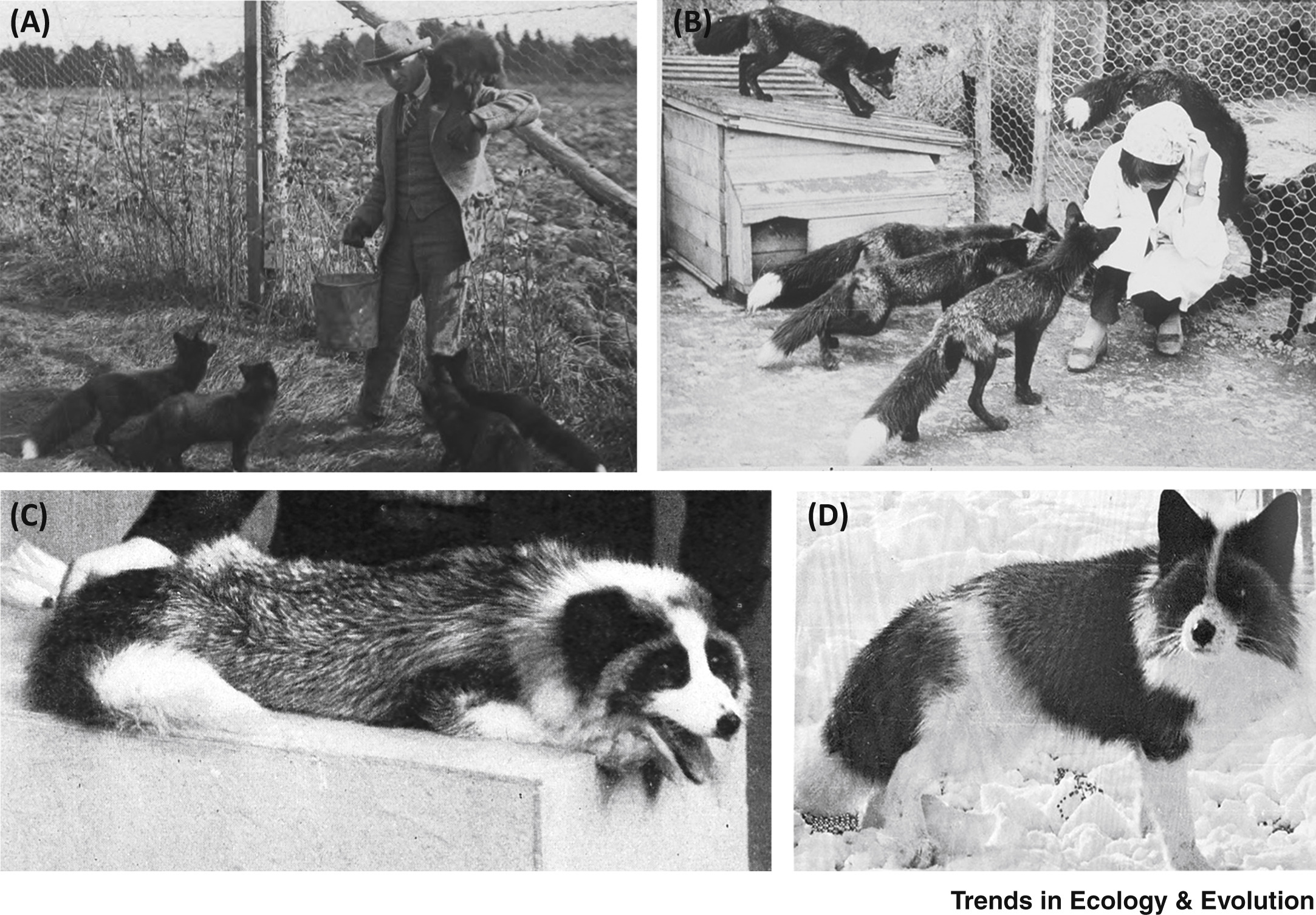
Long before written history, humans were experimenting with one of the most transformative ideas in our species’ story: domestication. We often think of domesticated animals as fixed and familiar—dogs, cattle, sheep, goats. But the path to domestication was not simple or guaranteed. It was full of trials, failures, and forgotten attempts to tame species that never fully adapted to human life.

These early experiments shaped agriculture, settlement, and even human biology. Yet many of them remain largely invisible, preserved only through bones, genetic traces, and archaeological clues.

What Does Domestication Really Mean?

Domestication is not the same as taming. A tamed animal may grow accustomed to human presence, but domestication involves long-term genetic change. Over generations, humans selectively breed animals for desirable traits—docility, size, milk production, strength, or companionship.

This process can take centuries or even millennia.

Archaeologists look for specific signs of domestication:

  • Changes in bone structure or body size

  • Evidence of controlled breeding

  • Pathologies from carrying loads or being penned

  • Settlement patterns showing animals living alongside humans

But not every attempt succeeded.

The First Successful Experiment: Wolves to Dogs

The earliest and most famous domestication story is the transformation of wolves into dogs. Genetic and archaeological evidence suggests this began over 15,000 years ago, possibly earlier.

At sites across Eurasia, early dog burials show that these animals were not merely tools—they were companions. At the ancient settlement of Göbekli Tepe, symbolic carvings include wild animals, but dogs likely lived alongside early farmers in nearby regions, helping guard settlements and assist in hunting.

The domestication of dogs was likely a gradual partnership. Less aggressive wolves may have scavenged near human camps. Over time, mutual benefit led to deeper cooperation.

But not every species was so adaptable.

Attempts That Failed

Evidence suggests that ancient communities experimented with taming various wild species that never became fully domesticated.

1. Gazelles in the Near East

Early Neolithic settlements in Mesopotamia hunted gazelles extensively. Some researchers believe there may have been attempts to manage or herd them. However, gazelles are highly sensitive to stress and difficult to breed in captivity. Unlike sheep or goats, they never transitioned into stable domestic stock.

2. Wild Horses Before Domestication

Horses were hunted for thousands of years before domestication. It was not until later—possibly in the Eurasian steppes—that selective breeding transformed wild horses into manageable riding animals. Early attempts likely involved capturing and tethering individuals, with mixed results.

3. Exotic and Dangerous Species

In ancient Egypt, reliefs show pharaohs keeping exotic animals such as cheetahs and even hyenas. While these animals were tamed for specific purposes, they were never fully domesticated. Their behavior remained unpredictable across generations.

At times, humans attempted to control animals simply because they were impressive or powerful. Most of these efforts did not result in lasting domestic lines.

Why Some Animals Could Be Domesticated—and Others Could Not

Modern research suggests that successful domestication depends on several traits:

  • A social hierarchy that humans can enter and lead

  • A flexible diet

  • The ability to breed in captivity

  • Manageable temperament

  • Fast growth rate

Animals lacking these characteristics proved resistant to domestication, no matter how useful they might have seemed.

For example, zebras have been repeatedly considered for domestication in Africa due to their strength and disease resistance. Yet their unpredictable behavior and aggressive tendencies prevented long-term success.

Domestication as Cultural Innovation

The domestication of sheep, goats, and cattle transformed human society. It allowed permanent settlements, food storage, and population growth. In regions such as Anatolia, early farming communities integrated livestock into daily life, changing landscapes and diets.

But domestication was not purely economic. Animals also held symbolic and spiritual value. Bulls, for example, appear prominently in art and ritual throughout the ancient Mediterranean.

In some cases, domestication experiments may have been motivated by belief as much as practicality.

Archaeological Clues of Forgotten Experiments

How do archaeologists identify failed domestication attempts?

They examine:

  • Unusual concentrations of animal bones within settlements

  • Age profiles suggesting herd management

  • Enclosures or pens

  • Skeletal stress markers indicating restraint

Sometimes evidence suggests short-lived herding attempts that were later abandoned.

Domestication was a process of learning. Communities experimented, observed results, and adjusted strategies. Some animals integrated successfully into human society. Others remained wild.

Domestication Changed Humans Too

The process did not only transform animals—it changed us. Living closely with animals influenced human immunity, diet, labor systems, and even social structure.

The ability to manage livestock led to surplus production. Surplus allowed specialization. Specialization gave rise to cities and states.

The forgotten domestication experiments are part of that larger story. They remind us that progress often involves failure.

The Silent Partnerships of Prehistory

When we look at a modern farm, it is easy to forget how uncertain the beginning was. Early humans did not know which species would thrive under human care. They tested possibilities through patience and persistence.

Some partnerships endured for thousands of years. Others faded into archaeological obscurity.

The forgotten animal domestication experiments reveal something fundamental about our ancestors: they were not only hunters and gatherers. They were observers, experimenters, and innovators—willing to reshape relationships with the natural world in ways that would permanently alter human history.
The Prehistoric Artists Who Painted the Stars

March 4, 2026

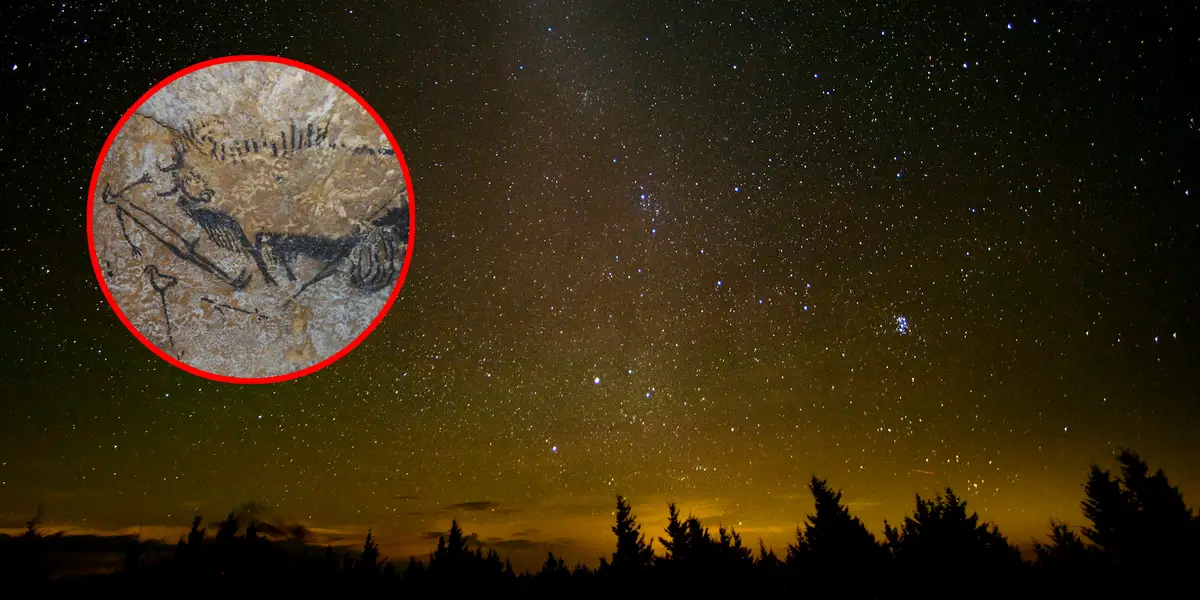
Deep inside caves, far from daylight, early humans painted animals, symbols—and possibly the stars. Some prehistoric artworks suggest that our ancestors observed and recorded astronomical events long before written calendars existed.

These paintings blur the line between art and science.

Cave Ceilings as Cosmic Canvases

In caves such as Lascaux, clusters of dots appear alongside animal figures. Some researchers propose that these dot patterns correspond to star clusters, including the Pleiades.

Similarly, in Chauvet Cave, geometric markings accompany painted animals. While interpretations vary, the possibility of celestial symbolism is compelling.

Recording Astronomical Events

Certain cave images may represent comets, meteor showers, or seasonal constellations. If accurate, this suggests that prehistoric communities tracked recurring sky patterns.

Recognizing seasonal star positions would have helped coordinate hunting, migration, and ritual gatherings.

Myth and Constellation

Stars often inspired mythological stories. Animals painted on cave walls may have been linked to constellations in the sky. Storytelling anchored celestial patterns in memory.

By painting these symbols underground, early artists may have created sacred spaces reflecting the cosmos.

Observation Before Writing

Mapping the sky did not require literacy. Careful observation and pattern recognition were enough.

These prehistoric artists demonstrated intellectual curiosity and symbolic thinking. They transformed cave walls into reflections of the heavens.

Humanity’s Earliest Astronomers

If these interpretations are correct, then some of the world’s first astronomers were also painters.

Their work reminds us that scientific observation and artistic expression have always been intertwined. Long before telescopes, humans were already studying the sky—and leaving traces of that wonder in stone.

The First Diplomats and Peace Negotiators

March 4, 2026

Conflict has existed throughout human history—but so has negotiation. Long before modern embassies and international law, ancient leaders developed strategies to resolve disputes, form alliances, and secure peace.

These early diplomats shaped the political landscape of their time.

Tribal Councils and Oral Agreements

In small-scale societies, elders often mediated conflicts between clans. Decisions were discussed in councils where persuasion and compromise were essential.

Oral agreements carried weight. Honor and reputation ensured compliance.

Formal Treaties in the Ancient World

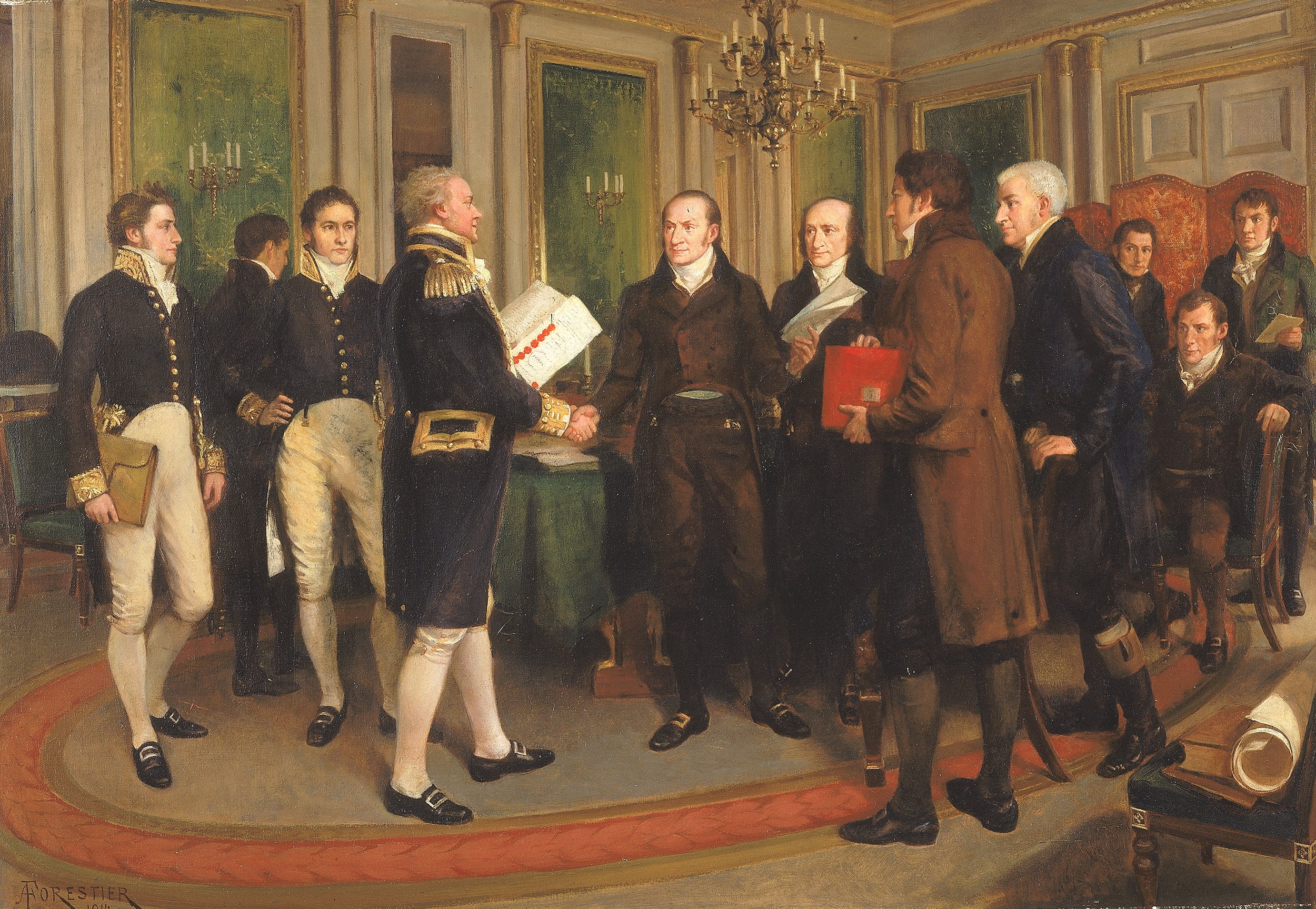
As states grew more complex, written treaties emerged. One of the earliest known peace agreements was concluded between the Egyptians and the Hittites after years of warfare. The treaty, associated with the reign of Ramesses II, outlined mutual defense and non-aggression clauses.

Clay tablet copies were preserved in both Egyptian and Hittite archives, demonstrating diplomatic reciprocity.

Marriage Alliances and Gift Exchange

Diplomacy was not limited to documents. Royal marriages forged alliances between rival powers. Exchanging gifts—gold, textiles, exotic animals—signaled goodwill and mutual respect.

In Amarna, diplomatic letters reveal correspondence between Egyptian pharaohs and neighboring rulers. These letters discuss marriage arrangements, trade, and military support.

Ritual and Symbolic Peace

Ceremonies often accompanied agreements. Oaths were sworn before deities, reinforcing the sacred nature of treaties.

Breaking such agreements risked both political and spiritual consequences.

Foundations of International Relations

Ancient diplomacy laid the groundwork for modern negotiation. Principles such as alliance, arbitration, and mutual recognition have deep historical roots.

The first diplomats understood that power alone could not ensure stability. Communication, compromise, and trust were equally vital.

Ancient Villages Built Beneath Giant Trees

March 4, 2026

Forests have long provided shelter, food, and spiritual inspiration. In some regions, ancient communities built entire settlements beneath towering tree canopies, integrating architecture with living ecosystems.

These were not isolated huts scattered in woodland. They were organized villages shaped by the presence of massive trees.

Life Beneath the Canopy

Dense forests create natural shade, regulate temperature, and protect against wind. Settling beneath large trees offered environmental advantages. Thick roots stabilized soil, while branches shielded homes from heavy rainfall.

In parts of Southeast Asia and Central Africa, communities constructed wooden dwellings around giant tree trunks, sometimes using elevated platforms to avoid damp ground.

Sacred Trees and Community Identity

Many cultures regarded large trees as sacred. Settlements formed around them became centers of ritual life. The tree symbolized continuity, ancestry, and protection.

In South Asia, villages near Bodh Gaya highlight the spiritual importance of trees in religious practice. While not prehistoric villages in themselves, they reflect a broader tradition of revering monumental trees as community anchors.

Architecture in Harmony with Nature

Forest villages relied on renewable materials—wood, bamboo, leaves, and vines. Structures were often temporary or adaptable, designed to blend with surroundings rather than dominate them.

In the Amazon Basin, Indigenous groups built communal longhouses beneath towering rainforest canopies. These structures housed extended families and served as social centers.

Protection and Isolation

Dense forests provided natural defense. Thick vegetation limited visibility for potential attackers and created a buffer zone around settlements.

Isolation also fostered unique cultural traditions, languages, and ecological knowledge.

Living Architecture

Settlements beneath giant trees reflect a philosophy of coexistence. Instead of clearing forests entirely, communities adapted to them.

These ancient villages remind us that sustainable living is not a modern invention. It is an ancient strategy rooted in respect for the environment.

The Stone Giants: Megaliths That Shouldn’t Be Movable

March 4, 2026

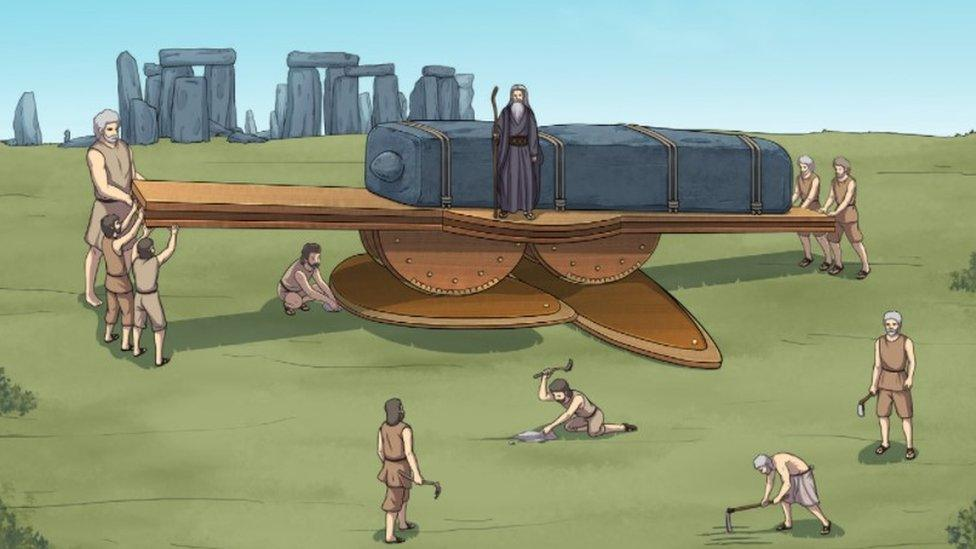
Scattered across the globe stand massive stones weighing dozens—or even hundreds—of tons. These megaliths were quarried, transported, and raised long before cranes or steel cables existed. Their sheer size raises a simple but powerful question: how were they moved?

The answer is still debated.

Monumental Stones Across Continents

In southern England, the towering blocks of Stonehenge were transported from distant quarries. Some of the smaller “bluestones” traveled over 200 kilometers before being arranged in a carefully aligned circle.

In the Andes, the precisely cut stones of Sacsayhuamán fit together so tightly that a blade cannot slip between them. Some blocks weigh more than 100 tons.

On Easter Island, the giant moai statues of Rapa Nui were carved from volcanic rock and transported across rugged terrain.

Theories of Transportation

Archaeologists propose several methods:

  • Rolling logs and sledges: Stones may have been placed on wooden rollers or dragged on sledges over lubricated paths.

  • Earthen ramps: Gradual slopes made from packed earth could have allowed builders to raise stones incrementally.

  • Human coordination: Large groups working in synchronized teams could shift enormous weight with ropes and leverage.

Recent experiments have demonstrated that coordinated human labor, combined with simple mechanical principles, can indeed move massive stones.

Engineering Without Modern Tools

Early builders understood balance, leverage, and counterweight systems. They may not have written formulas, but they applied physics effectively.

The precision of placement also suggests careful planning. Alignments with solstices and celestial events indicate that these stones were not only heavy—they were meaningful.

Why Build on Such a Scale?

Megalithic monuments likely served religious, social, or political purposes. Their scale communicated power and unity. Building them required cooperation, reinforcing community identity.

The Enduring Mystery

While practical explanations exist, not every detail is fully understood. How did builders quarry stones so precisely? How were routes chosen and maintained?

The stone giants stand as reminders of ancient ambition. They prove that early societies were capable of extraordinary engineering feats—without modern machinery.

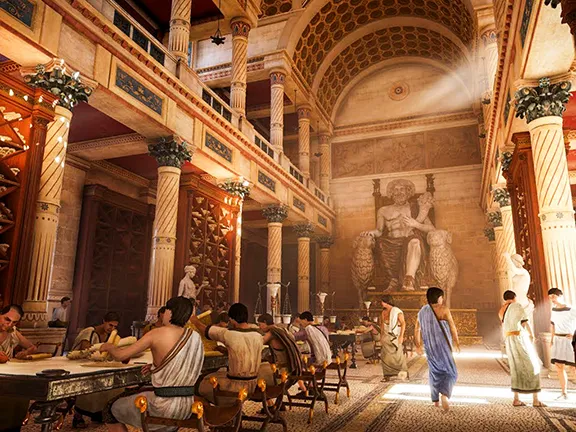
The Forgotten Desert Libraries of Antiquity

March 4, 2026

Deserts are often imagined as empty and lifeless. Yet beneath their shifting sands lie some of the most remarkable archives in human history. In remote oases, ruined cities, and abandoned cave complexes, ancient script depositories once preserved knowledge that might otherwise have vanished forever.
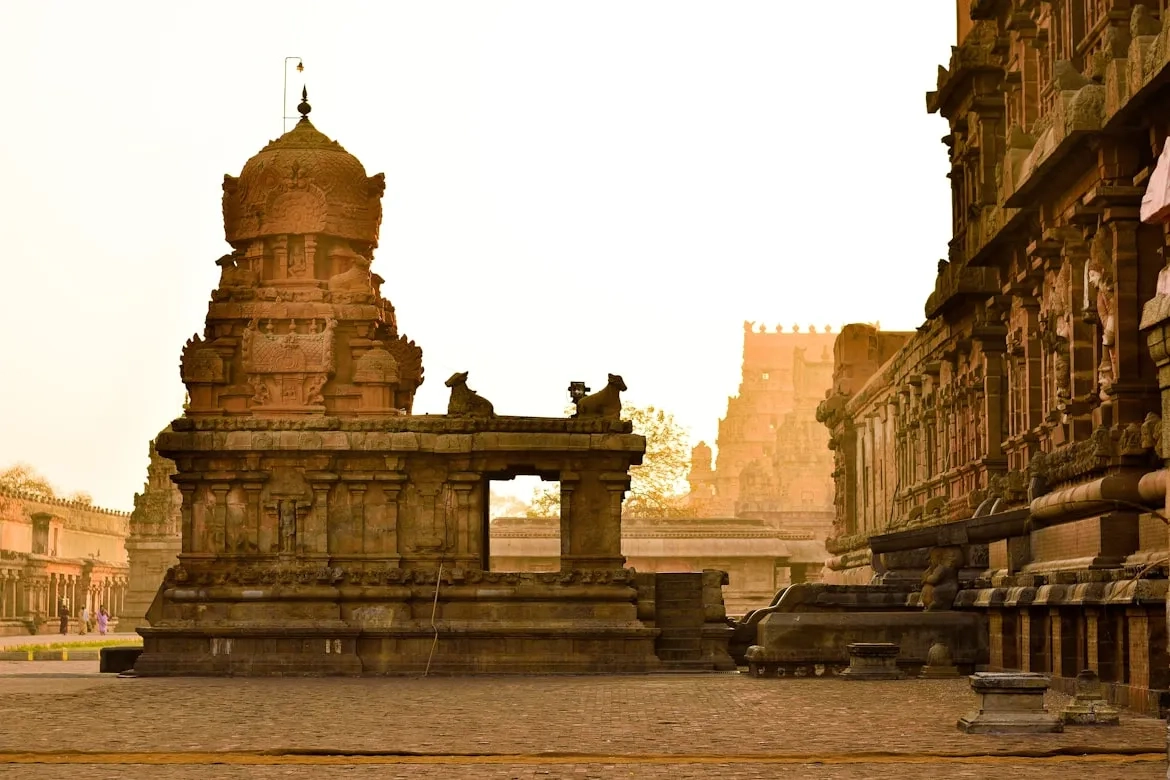
These were the forgotten libraries of antiquity—hidden not behind palace walls, but beneath dunes and inside cliffside chambers.

Why the Desert Preserves the Past

Dry climates are surprisingly protective. In regions where moisture is scarce, organic materials such as papyrus, parchment, and cloth can survive for centuries. What rots in humid environments can endure in arid ones.

This is why sites like Oxyrhynchus have yielded thousands of papyrus fragments. Discarded texts buried in rubbish mounds were preserved by Egypt’s dry sands. These fragments include literary works, administrative records, private letters, and religious writings—offering insight into daily life and intellectual traditions.

Monasteries and Hidden Script Repositories

Some desert libraries were intentionally protected. In the cliffs near the Nile, early Christian communities stored texts in jars and sealed chambers. The discovery of manuscripts near Nag Hammadi in 1945 revealed a cache of early Christian and Gnostic writings hidden for over 1,500 years.

These texts survived precisely because they were placed in isolation, away from political and religious turmoil.

Knowledge Along Desert Trade Routes

Deserts were not barriers—they were highways. Caravans moved across North Africa and Central Asia, linking civilizations. Along these trade routes, scribes recorded contracts, religious texts, scientific treatises, and poetry.

In the Sahara, the manuscript tradition of cities like Timbuktu flourished. Though later in date, these libraries demonstrate how desert scholarship thrived in remote settings. Thousands of handwritten manuscripts on law, astronomy, medicine, and theology were carefully preserved in family collections.

Libraries Lost to Sandstorms and Time

Not all desert libraries survived intact. Many were buried by advancing dunes or destroyed by conflict. In Central Asia, ancient Buddhist cave complexes once housed scriptural scrolls, some rediscovered in the early 20th century after centuries of concealment.

Each rediscovered archive reshapes our understanding of vanished cultures. These texts reveal languages, philosophies, and scientific knowledge that might otherwise have disappeared from history.

Silent Shelves Beneath the Sand

The forgotten desert libraries remind us that knowledge is fragile. It can be lost through war, neglect, or natural forces. Yet sometimes, the very environment that seems hostile becomes a guardian of memory.

Beneath layers of sand lie voices waiting to be heard again.

Ancient Metal Objects with Unknown Purpose

March 4, 2026

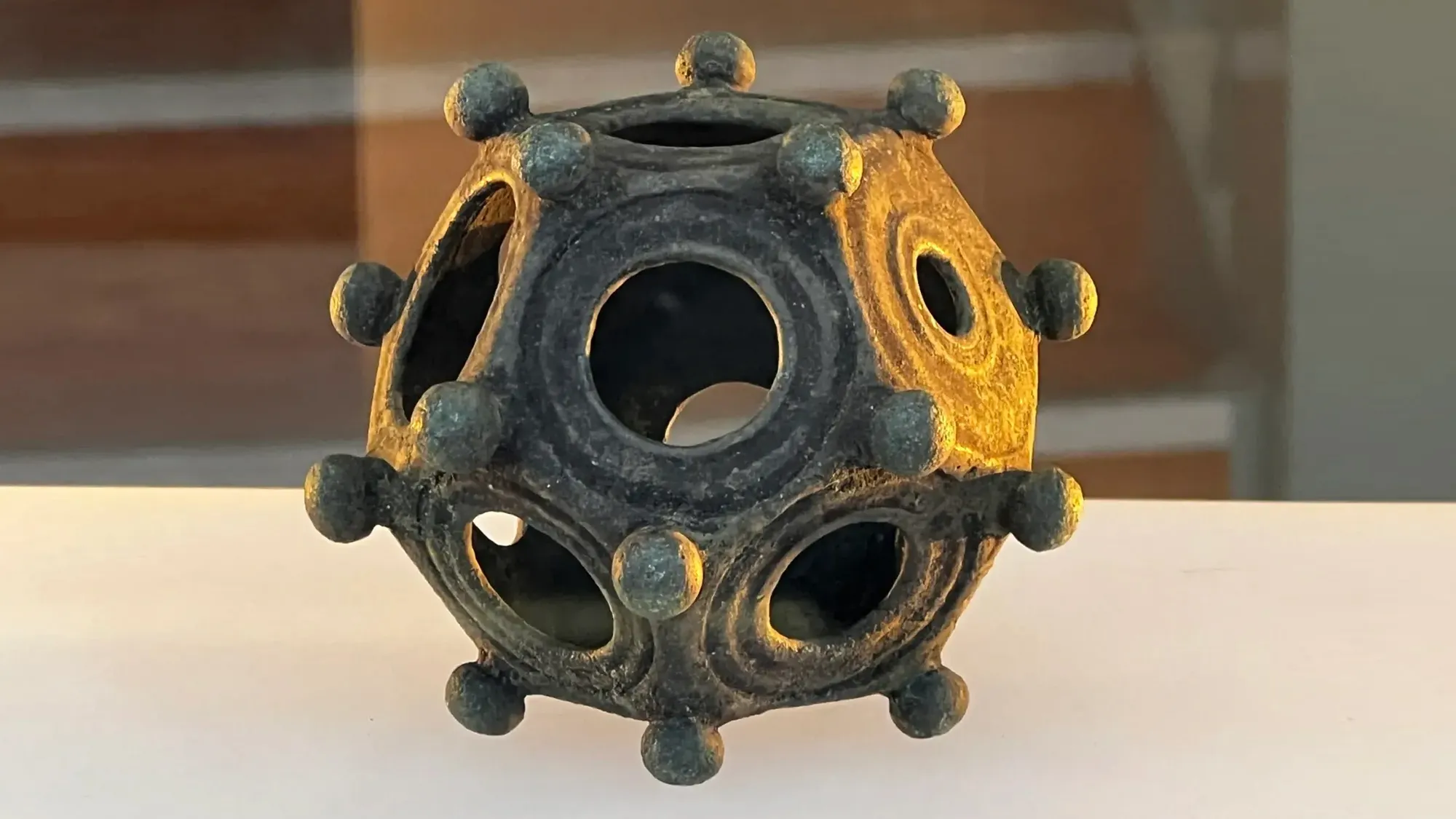
Archaeologists occasionally uncover metal artifacts that defy explanation. Made of bronze or copper, these objects are carefully crafted yet do not resemble tools, weapons, or jewelry.

They challenge classification—and invite imagination.

The Puzzle of Form

Some mysterious objects have intricate geometric shapes, rings attached at odd angles, or hollow chambers without obvious openings. Others appear too delicate for practical use.

Without written descriptions, researchers must rely on context. Where was the object found? Was it buried in a grave, stored in a workshop, or deposited in a temple?

Ritual or Symbolic Use?

Many unidentified metal artifacts may have served ceremonial purposes. Bronze objects discovered in ritual hoards sometimes show little wear, suggesting symbolic rather than practical function.

In parts of ancient Europe, intricate bronze pieces found in wetlands may have been offerings rather than tools.

Experimental Technology

It is also possible that some objects represent experimental designs—early attempts at mechanical devices or specialized instruments.

Ancient metalworkers possessed impressive skill. Cultures in regions such as Anatolia developed advanced smelting techniques, producing complex alloys.

The Limits of Interpretation

Modern categories—tool, weapon, ornament—may not always apply. Ancient societies may have created multifunctional or symbolic objects that do not fit neatly into our definitions.

Every unidentified artifact reminds us that the past was inventive and diverse.

Mystery as Motivation

The unknown purpose of certain metal objects is not a failure of archaeology. It is an invitation. Each discovery encourages further study, new theories, and open-minded thinking.

Ancient metal artifacts prove that even in a well-studied material like bronze, mysteries still endure—waiting patiently beneath the soil.

The First Herbal Magicians and Plant Shamans

March 4, 2026

Long before pharmacies and clinical trials, ancient healers studied plants with extraordinary care. They learned which leaves soothed pain, which roots induced visions, and which herbs could heal—or harm.

These early practitioners were often both healers and spiritual leaders.

Knowledge Through Observation

Early herbal knowledge developed through trial and error. Communities observed animal behavior, seasonal growth patterns, and the effects of different plants on the body.

In ancient China, herbal traditions eventually recorded in texts like the Shennong Bencao Jing reflect centuries of accumulated experimentation.

In the Mediterranean world, physicians such as Hippocrates emphasized natural remedies derived from plants.

Hallucinogens and Spiritual Insight

Certain plants were used not for physical healing but for spiritual exploration. In Mesoamerica, ritual specialists consumed psychoactive mushrooms during ceremonies to seek divine guidance.

In the Amazon, shamans prepared complex plant mixtures for visionary experiences, combining botanical knowledge with spiritual interpretation.

Sacred Gardens and Ritual Spaces

Healing plants were sometimes cultivated near temples or sacred spaces. In ancient Egypt, temple compounds in cities like Thebes likely included gardens used for medicinal preparation.

Plants were associated with deities, seasons, and cosmic forces. Healing was never purely physical—it was holistic.

Proto-Pharmacology

Early herbalists understood dosage, preparation methods, and combinations. Leaves were crushed into poultices, roots boiled into teas, and resins burned as incense.

Though framed in spiritual language, much of this knowledge was empirical and systematic.

The Legacy of Plant Wisdom

Modern medicine still relies on plant-derived compounds. The work of ancient herbal magicians laid the groundwork for pharmacology.

Their practices remind us that curiosity, patience, and respect for nature were among humanity’s earliest scientific tools.

The Oldest Dance Rituals in Human History

March 4, 2026

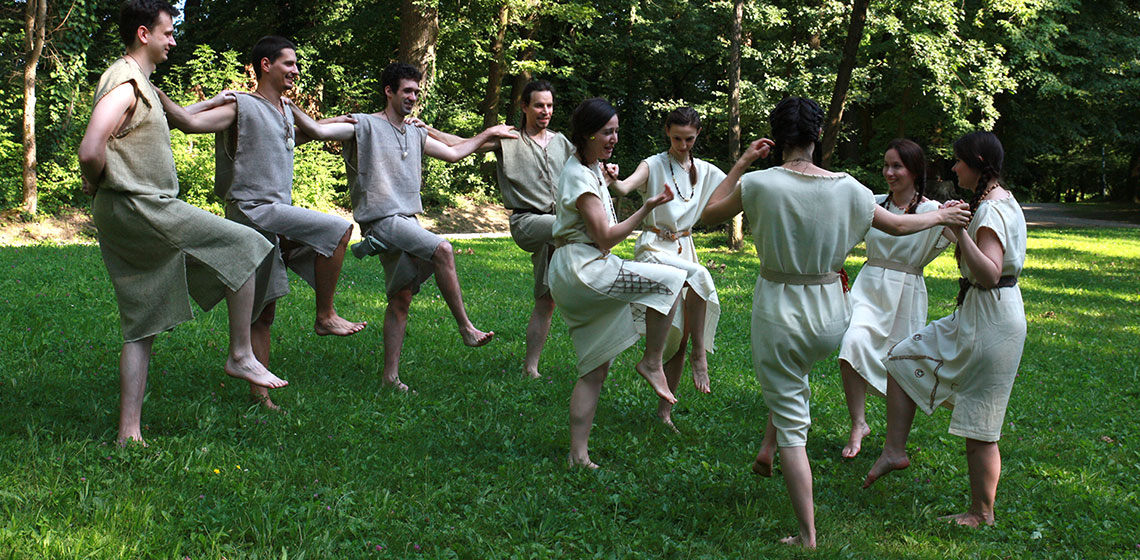
Before written language, before formal religion, there was movement. Dance is one of humanity’s oldest forms of expression. Archaeological and anthropological evidence suggests that rhythmic movement played a central role in storytelling, worship, war preparation, and healing rituals.

Dance was not entertainment alone—it was communication.

Dance as Storytelling

Early human societies relied on oral tradition. Gesture and movement enhanced spoken narratives, making stories vivid and memorable. Cave art depicting human figures in dynamic poses suggests that dance-like movement existed tens of thousands of years ago.

Movement allowed communities to reenact hunts, victories, or mythical events. Through dance, history was embodied.

Worship and Cosmic Connection

Ritual dance often accompanied spiritual ceremonies. At ceremonial centers like Göbekli Tepe, circular gathering spaces may have hosted rhythmic group movement. The arrangement of pillars suggests communal activity, possibly including chanting and synchronized motion.

Dance created unity. Moving together fostered shared emotional experiences, reinforcing belief systems.

Preparing for War

In many cultures, pre-battle dances built courage and group identity. Stamping feet, chanting, and coordinated gestures signaled strength to allies and enemies alike.

These rituals also helped regulate fear. Rhythmic movement calms the nervous system and channels adrenaline into controlled action.

Healing and Trance

Shamanic traditions across the world use repetitive dance to induce trance states. Rapid spinning, drumming, and swaying can alter consciousness, creating visions or spiritual insight.

Dance became a bridge between physical and spiritual realms.

Why Dance Endures

Even today, ceremonial dance remains central to many cultures. Its roots stretch deep into prehistory.

The oldest dance rituals remind us that the human body itself was one of our first sacred instruments. Through movement, early communities expressed identity, belief, and belonging.

The River Kingdoms Built on Floating Villages

March 4, 2026

Rivers have always attracted human settlement. They provide water, transportation, and fertile soil. But some communities took adaptation even further—they built directly on the water itself.

Across different continents, ancient river societies constructed homes on stilts, floating platforms, and artificial islands. These were not temporary shelters. They were thriving, organized communities.

Living Above the Water

In parts of Southeast Asia, stilt houses allowed residents to live safely above seasonal floods. Elevated wooden platforms protected families from rising waters, insects, and wild animals.

In Mesoamerica, the people of Tenochtitlan built chinampas—artificial agricultural islands in shallow lake waters. These floating gardens produced abundant crops and supported a dense urban population. Although anchored to the lakebed, they appeared to float, creating a remarkable landscape of water and greenery.

Floating Islands and Engineered Rafts

One of the most striking examples of floating living spaces comes from Lake Titicaca, where the Uros people constructed islands from totora reeds. Layer upon layer of reeds formed buoyant platforms strong enough to hold homes and communal spaces.

These floating villages required constant maintenance. As lower layers decayed, new reeds were added on top. The result was a living architecture—one that adapted continuously to its environment.

Defense and Mobility

Building on water provided strategic advantages. Water barriers made surprise attacks more difficult. In some cases, floating settlements could be relocated if threatened.

Communities on rivers and lakes also controlled trade routes. Boats moved goods efficiently, turning waterways into economic highways.

Spiritual and Cultural Meaning

Water often held spiritual significance. Living above it symbolized harmony with natural forces. Rituals connected to fishing, rain, and river spirits shaped daily life.

Engineering Ingenuity

Constructing stable platforms on shifting water demanded careful planning. Builders understood buoyancy, weight distribution, and anchoring methods long before these principles were formally studied.

Floating villages show that ancient engineering was not limited to stone and earth. It extended into flexible, organic materials that required creativity and constant care.

These river kingdoms remind us that architecture can adapt gracefully to nature rather than dominate it.

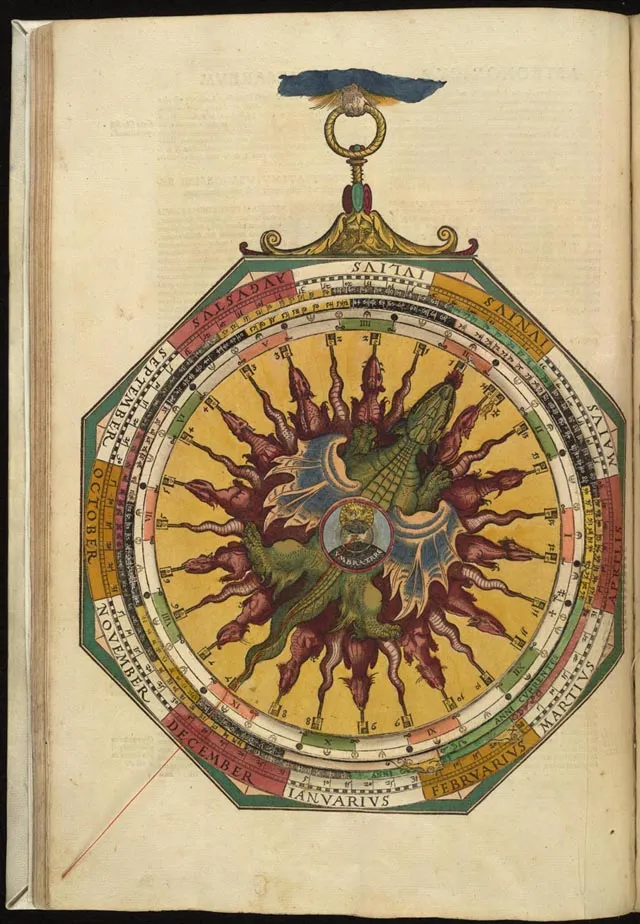
The Ancient Stone Maps That Chart the Heavens

March 4, 2026

Long before telescopes and printed star atlases, ancient people looked up at the night sky and began to map it. They did not use paper or ink. Instead, they carved the heavens into stone. These early star charts—etched into rock surfaces, monuments, and temple ceilings—reveal a deep and organized understanding of astronomy.

They also show something more profound: humanity’s desire to connect earth and sky.

Why Map the Stars?

For ancient societies, the sky was not just decoration. It was a calendar, compass, and sacred text. The movement of stars marked the changing seasons, guided agriculture, and signaled important rituals. Mapping the heavens meant understanding time itself.

Stone, as a durable material, ensured that this celestial knowledge would endure across generations.

Carved Skies in Ancient Civilizations

In ancient Egypt, astronomical ceilings painted and carved into tombs depicted constellations, star deities, and celestial cycles. The temple complex of Dendera Temple complex contains a famous zodiac relief that shows constellations arranged in a circular pattern. While dating from the Greco-Roman period, it reflects much older traditions of sky observation.

In Mesopotamia, systematic records of planetary motion were kept in cities such as Babylon. Though many of these records were written on clay tablets, some astronomical diagrams were also carved into durable surfaces, preserving symbolic representations of stars and constellations.

In Central Europe, the Nebra Sky Disc—though made of bronze rather than stone—illustrates how prehistoric societies visually represented the sun, moon, and star clusters. Its existence supports the idea that mapping the sky visually was already well established in the Bronze Age.

Stone Alignments as Living Maps

Not all celestial maps were literal drawings. Some were architectural. Monumental sites such as Stonehenge are aligned with solstices, effectively functioning as three-dimensional calendars. The placement of stones marks the rising and setting of the sun at specific times of year.

These structures demonstrate that mapping the sky was not only artistic—it was mathematical and observational.

Reading the Sky Through Pattern

Ancient star charts often grouped stars into recognizable patterns linked to mythology. These constellations made the sky easier to remember and interpret. By carving these patterns into stone, societies encoded cosmological stories alongside practical knowledge.

Mapping the heavens was an act of preservation. It ensured that celestial wisdom would survive even if oral traditions faded.

A Sky Set in Stone

Today, these stone maps remind us that astronomy is one of humanity’s oldest sciences. Long before satellites and digital star apps, people studied the sky with patience and precision.

Their carvings prove that the night sky has always been more than a backdrop—it has been a guide, a teacher, and a source of wonder.

The Celestial Kings Who Claimed Power from the Stars

March 4, 2026

Throughout history, rulers have looked to the sky for legitimacy. By linking their authority to celestial forces, they transformed political power into cosmic destiny.

Astrology and Royal Authority

In ancient Mesopotamia, kings consulted astrologers who interpreted planetary movements as signs from the gods. Celestial events were seen as messages about war, harvests, or leadership.

In Babylon, detailed star records were maintained to guide royal decisions.

Divine Lineage and Solar Kings

Egyptian pharaohs claimed connection to the sun god Ra. Their rule was framed as part of a cosmic cycle. The pharaoh was not merely a political leader but a divine intermediary.

Similarly, the rulers of the Inca Empire considered themselves descendants of the sun god Inti. Their capital city was aligned with astronomical events.

Cosmic Architecture

Monuments often reflected celestial symbolism. Temples were aligned with solstices or equinoxes, reinforcing the ruler’s association with cosmic order.

By embedding astronomy into architecture, kings made the heavens part of their political narrative.

Power Written in the Sky

Claiming authority from the stars strengthened legitimacy. If a ruler’s power came from cosmic forces, rebellion could be seen as defiance of the universe itself.

These celestial kings understood that belief shapes stability. By tying leadership to the movements of the heavens, they elevated governance into sacred destiny.

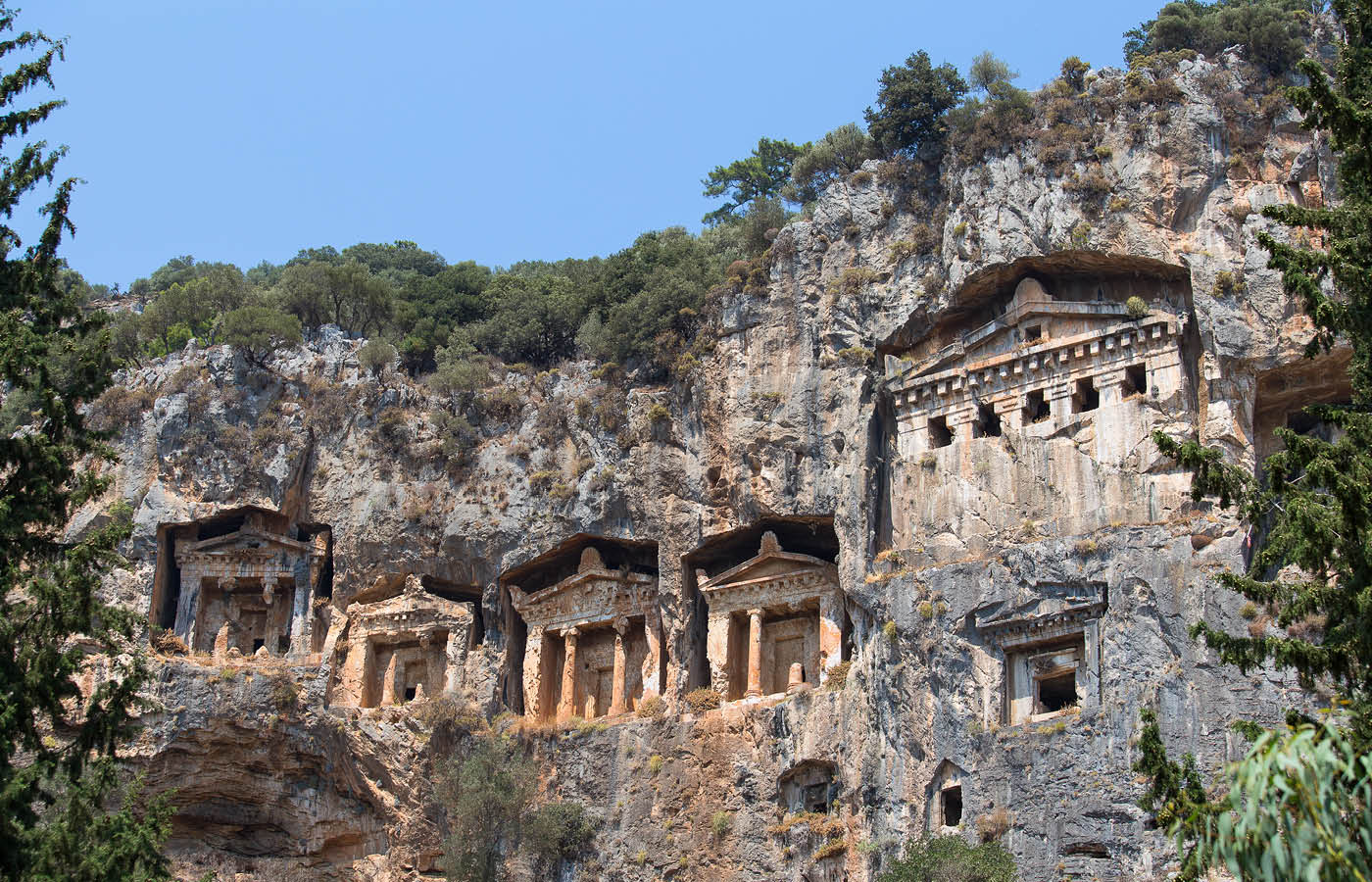
Ancient Fortress Cities Built Into Cliffs

March 4, 2026

In some of the world’s most dramatic landscapes, ancient communities carved homes and temples directly into rock faces. These cliffside cities were engineered for defense, spiritual meaning, and strategic isolation.

Defense Through Elevation

Building into cliffs offered natural protection. Steep rock walls made direct assault nearly impossible. Narrow pathways limited enemy movement.

The Nabataean city of Petra was carved into rose-colored sandstone cliffs. Its concealed entrance, the Siq, created a controlled approach that enhanced security.

Similarly, the cliff dwellings of Mesa Verde were tucked beneath overhanging rock, shielding inhabitants from both enemies and harsh weather.

Spiritual Isolation

Cliffside settlements often had sacred significance. Elevated positions symbolized closeness to the heavens. Monasteries and temples built into cliffs offered solitude for meditation and ritual.

Rock-cut architecture required immense labor and planning, reflecting both devotion and technical skill.

Engineering Challenges

Carving into rock demanded precision. Builders had to ensure structural stability while creating storage areas, water systems, and living quarters.

In some cases, channels were cut to collect rainwater, demonstrating advanced planning despite limited tools.

Living Between Earth and Sky

Cliff cities embodied a balance between nature and human design. They adapted to landscape rather than reshaping it completely.

Today, their dramatic silhouettes remind us that ancient engineering was not only practical but also visionary.

The World’s Earliest Chemical Experiments

March 4, 2026

Long before modern laboratories, ancient artisans experimented with substances in ways that resemble early chemistry. Their goals were practical—beauty, strength, color, transformation—but their discoveries laid the foundation for scientific thinking.

Perfume and Early Distillation

In Mesopotamia, records describe perfume makers who blended oils, flowers, and resins. One of the earliest known chemists was a Mesopotamian woman named Tapputi, who worked with distillation techniques to refine scents.

These processes required heating, filtering, and condensing substances—methods that mirror later chemical practices.

Metallurgy: Transforming Earth into Tools

The shift from stone to metal marked a technological revolution. Smelting copper and later alloying it with tin to create bronze required precise temperature control.

Civilizations in Anatolia were among the early pioneers of metalworking. Extracting metal from ore demanded experimentation, patience, and observation.

Dye Production and Color Chemistry

Producing vibrant dyes was another chemical challenge. The famous purple dye extracted from sea snails became highly valued in the ancient Mediterranean. Textile workshops in cities like Tyre refined complex methods to create lasting pigments.

Plant-based dyes also required fermentation and careful timing. The chemistry was empirical, even if the terminology did not yet exist.

Proto-Alchemy and the Search for Transformation

In Hellenistic Egypt, scholars in Alexandria experimented with metals and minerals, seeking purification and transformation. Proto-alchemy combined practical experimentation with spiritual symbolism.

Though some goals—such as turning base metals into gold—were unrealistic, the methods involved heating, mixing, dissolving, and observing reactions.

The Birth of Scientific Curiosity

Ancient chemical experiments were driven by curiosity and necessity. Craftspeople refined processes through trial and error, gradually building knowledge.

Modern chemistry emerged much later, but its roots lie in these early workshops and furnaces where transformation first fascinated the human mind.

Ancient Burial Mounds That Hide Time Capsules

March 4, 2026

Across Europe and Asia, grassy hills rise gently from the landscape. At first glance, they appear natural. In reality, many are carefully constructed burial mounds—tumuli, kurgans, or barrows—that preserve remarkable time capsules from the ancient world.

What Are Burial Mounds?

Burial mounds are earth or stone structures built over graves. They range from modest hills covering a single individual to massive monuments containing elaborate chambers.

In the Eurasian steppes, kurgans often held elite warriors or leaders. In Western Europe, barrows marked sacred landscapes and family lineages.

Social Status Preserved in Earth

Inside these mounds, archaeologists have discovered weapons, jewelry, pottery, chariots, and even sacrificed animals. These objects reveal social hierarchy. The more elaborate the grave goods, the higher the status of the deceased.

For example, burial mounds associated with the Scythians contained gold ornaments and finely crafted weapons, reflecting wealth and mobility.

In Britain, large barrows from the Bronze Age suggest emerging elites who used monumental burials to display power even in death.

Beliefs About the Afterlife

Grave goods also reveal spiritual beliefs. Items placed in tombs were often intended for use in the afterlife. Food vessels, tools, and personal ornaments suggest that death was viewed as a continuation rather than an end.

In some cases, burial chambers were aligned with celestial events, reinforcing the connection between death and cosmic order.

Archaeological Time Capsules

Because burial mounds were sealed environments, they often preserve organic materials that would otherwise decay. Textiles, wooden objects, and even human remains provide valuable insight into daily life, health, and diet.

Each mound is a carefully constructed message from the past, intentionally designed to protect memory.

Monuments of Memory

Burial mounds are more than graves. They are statements of identity, power, and belief. By raising earth into lasting shapes, ancient societies ensured that their most important individuals—and their worldviews—would not be forgotten.

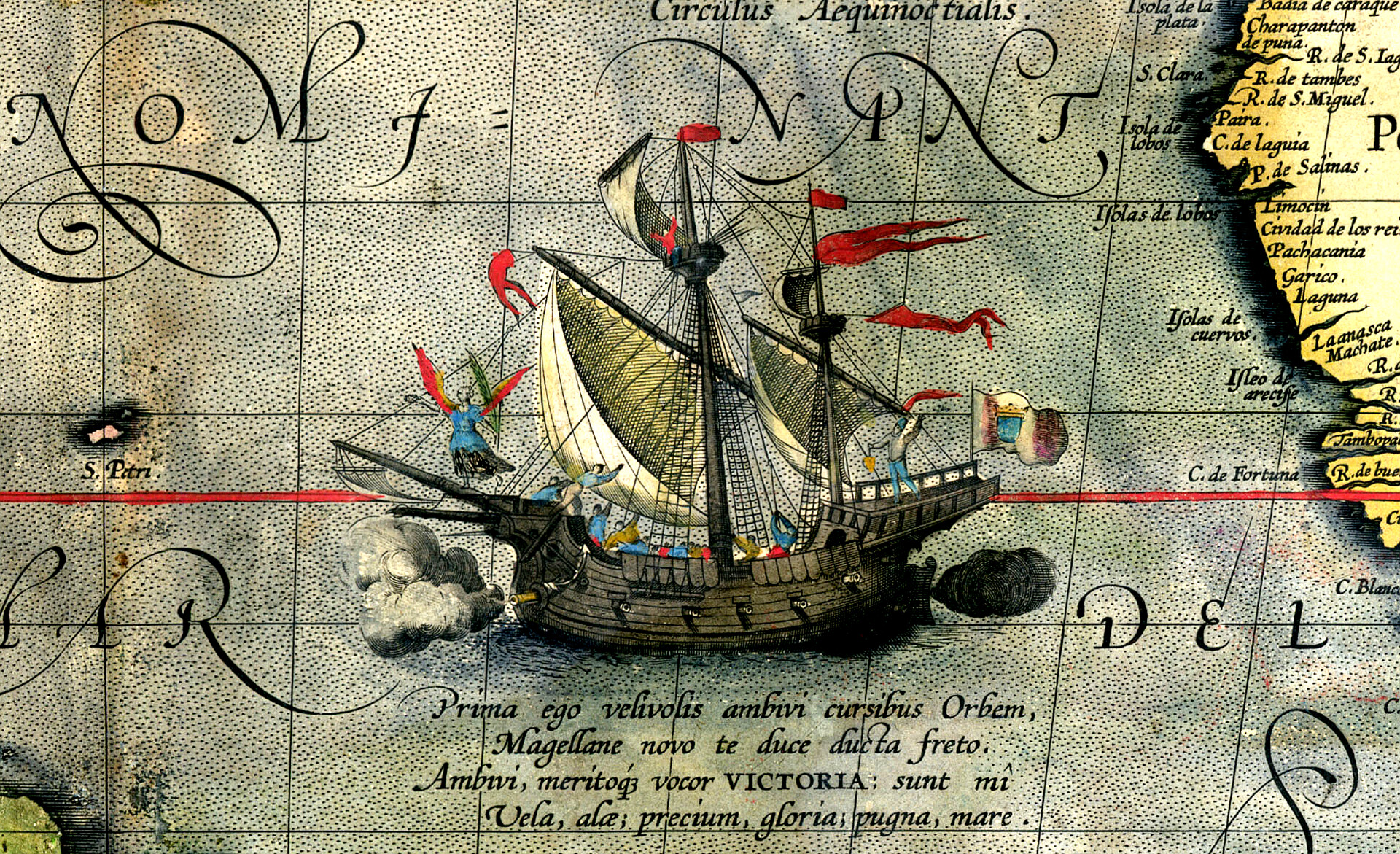
The First Traders Who Crossed Oceans Without Maps

March 4, 2026

Long before compasses, GPS, or printed charts, human beings were already crossing vast oceans. These early mariners did not rely on paper maps. Instead, they read the sky, watched the movement of waves, studied birds, and understood seasonal winds. Their knowledge was not written down in atlases—it lived in memory, training, and tradition.

Navigating by the Stars

The night sky served as a moving map. Sailors memorized star positions and tracked how constellations rose and set across the horizon. In the Pacific, Polynesian navigators developed a sophisticated system of star paths, aligning their canoes with specific stars that marked directions.

These ocean voyagers successfully traveled between islands separated by thousands of kilometers. Without metal instruments, they charted routes across open water with remarkable accuracy.

Reading the Ocean Itself

The sea provided its own clues. Experienced navigators observed wave patterns that reflected off distant islands. Even when land was not visible, changes in swell direction could signal its presence.

Wind patterns were equally important. Seasonal monsoon winds in the Indian Ocean allowed early traders to travel westward and return months later when the winds reversed. Maritime networks linked regions such as Indian Ocean, connecting East Africa, Arabia, South Asia, and Southeast Asia long before modern shipping lanes existed.

Birds as Natural Guides

Seabirds rarely travel far from land during nesting periods. Navigators watched their flight paths at dawn and dusk to determine direction. The presence of floating vegetation or driftwood also hinted at nearby shores.

Trade Before Cartography

These early traders carried spices, metals, textiles, and cultural ideas. Routes between the Arabian Peninsula and the Indus Valley flourished centuries before formal cartography developed in places like Mesopotamia.

Their journeys required courage and trust in knowledge passed down through generations. Navigation was not guesswork—it was a science rooted in observation.

A Legacy of Skill and Memory

The first ocean-crossing traders remind us that exploration does not begin with technology. It begins with attention. By studying stars, winds, waves, and wildlife, these navigators turned the open sea into a network of invisible highways.

The Labyrinth Cities of the Ancient World

March 4, 2026

Some ancient settlements were designed not with straight streets and open plazas, but with winding paths, narrow corridors, and layered passageways. To outsiders, they may have seemed confusing. To residents, they were carefully planned spaces of protection and ritual significance.

Architecture as Defense

In the Neolithic settlement of Çatalhöyük, houses were built tightly together without streets. People entered through openings in the rooftops. This design minimized vulnerable entry points and created a compact community structure.

Similarly, the fortified city of Mycenae featured massive defensive walls and indirect pathways. Invaders would have been forced into narrow, easily defended routes.

The Myth and Reality of Labyrinths

The concept of the labyrinth is famously associated with the palace at Knossos in Crete. According to myth, it housed the Minotaur. While the literal maze is legendary, the palace complex itself is intricate, with interconnected rooms and corridors that could easily confuse visitors.

Labyrinth designs may have served symbolic purposes as well. Walking a winding path can represent a spiritual journey—moving from confusion toward revelation.

Social and Ritual Functions

Maze-like layouts may have separated sacred areas from everyday spaces. They could guide ceremonial processions or control access to important structures.

Urban complexity also reflected social hierarchy. Restricted zones reinforced authority and protected elites or sacred objects.

Order Within Complexity

Labyrinth cities were not chaotic. Their complexity was deliberate. Defense, ritual meaning, and social organization shaped their designs.

Exploring their ruins today reveals careful planning beneath the apparent maze. These cities remind us that ancient architecture was not only about shelter—it was about shaping movement, experience, and power.

The Oldest Prehistoric Musical Rituals

March 4, 2026

Before cities rose and writing systems developed, human communities gathered around firelight and sound. Rhythm, chant, and collective voice likely formed the earliest expressions of spirituality.

Music may be one of humanity’s oldest shared experiences.

Evidence of Early Instruments

Archaeologists have uncovered bone flutes dating back over 35,000 years. These instruments required skill to craft and knowledge of pitch placement. Their existence suggests music was not accidental—it was intentional and meaningful.

At ceremonial sites such as Göbekli Tepe, the circular stone enclosures may have amplified sound. Some researchers propose that rhythmic chanting or drumming accompanied rituals held there.

Rhythm and the Human Body

Sound affects the brain and nervous system. Repetitive drumming can synchronize heartbeats and breathing patterns among participants. This shared rhythm fosters unity and emotional connection.

Early communities may have used rhythm during healing ceremonies, initiations, seasonal celebrations, and funerary rites. Music was likely both social glue and spiritual bridge.

Chanting and Oral Tradition

Before writing, knowledge passed through memory. Chants and rhythmic speech made stories easier to remember. Music therefore played a practical role in preserving culture.

In this sense, prehistoric musical rituals were not separate from daily life. They were woven into communication, spirituality, and identity.

The Enduring Legacy of Sound

Modern religious ceremonies still use rhythm and song. From choirs to drum circles, the structure of collective music echoes ancient practices.

The oldest musical rituals remind us that long before we built monuments, we built harmony. Sound was one of our first tools for shaping shared meaning.

Lost Kingdoms Known Only Through Enemy Records

March 4, 2026

Some civilizations speak to us through their own inscriptions, literature, and monuments. Others remain silent. Their voices were lost, and what we know about them comes almost entirely from the writings of their enemies.

This imbalance shapes how we understand the past.

The Fragility of Historical Memory

Not all societies developed writing systems. Others recorded history on materials that decayed over time. When such civilizations were defeated or absorbed, their cultural memory often disappeared with them.

What survives are references in foreign texts—often written during times of conflict.

The Sea Peoples and the Bronze Age Collapse

Inscriptions from the reign of Ramesses III describe invasions by groups known collectively as the Sea Peoples. Egyptian reliefs portray dramatic battles and claim victory over these attackers.

Yet the Sea Peoples left no confirmed written records of their own. Were they refugees? Raiders? A coalition of displaced communities? Because the evidence comes primarily from Egyptian sources, our understanding is limited and possibly biased.

Carthage Through Roman Eyes

The powerful city of Carthage dominated Mediterranean trade before being destroyed by Rome in 146 BCE. Much of what we know about Carthaginian society comes from Roman historians, who portrayed them as rivals and threats.

Archaeological discoveries have revealed a more complex culture than Roman texts suggest. Temples, trade goods, and urban planning indicate a sophisticated and wealthy civilization.

Reconstructing the Silent Past

Archaeology plays a crucial role in balancing written bias. Pottery styles, burial customs, and architectural remains provide independent evidence. These material traces help historians move beyond enemy narratives.

Why It Matters

History written by rivals can exaggerate cruelty, minimize achievements, or simplify identities. Lost kingdoms known only through enemy records remind us to question sources carefully.

Even when written voices disappear, the ground itself preserves stories. By combining archaeology with critical reading, scholars can reconstruct a fuller picture of the ancient world.

The Ancient World’s First Environmental Engineers

March 4, 2026

Long before the rise of modern engineering, ancient societies developed sophisticated ways to manage land, water, and ecosystems. Without steel machinery or digital tools, they created systems that sustained cities for centuries. These early innovators were, in every sense, environmental engineers.

Controlling Water in Harsh Landscapes

Water management was one of the greatest challenges of the ancient world. In dry regions, rivers could mean the difference between survival and collapse.

In Mesopotamia, communities constructed extensive canal networks to divert water from the Tigris and Euphrates rivers into agricultural fields. These systems required careful coordination, maintenance, and shared labor. Poorly managed canals could lead to flooding or soil salinity, so planning was essential.

Similarly, in the Andes, the engineers of the Inca Empire built stone-lined channels that transported mountain water across steep terrain. Their understanding of gravity and flow allowed them to irrigate crops at high elevations.

Terrace Farming and Soil Preservation

Terrace agriculture transformed hillsides into productive farmland. By cutting flat steps into slopes, ancient farmers prevented soil erosion and conserved water. Each terrace absorbed rainfall and reduced runoff.

At sites like Machu Picchu, terraces were combined with advanced drainage systems. Beneath the visible stone layers lies a foundation of gravel and sand designed to filter water and prevent landslides. These techniques demonstrate long-term environmental planning.

Sustainable Land Management

Ancient farmers also practiced crop rotation and mixed planting. Growing different crops in sequence helped maintain soil nutrients. In forested regions, selective tree cutting allowed ecosystems to regenerate.

In some parts of Mesoamerica, raised fields were built in wetlands, turning swampy terrain into fertile agricultural zones. These systems enhanced biodiversity rather than destroying it.

Engineering as Community Effort

Environmental management was rarely individual. It required cooperation. Canal building, terrace maintenance, and flood control demanded organized labor and shared responsibility. In this way, engineering strengthened social bonds.

Lessons for the Modern World

Ancient environmental systems were not perfect, and some societies collapsed due to mismanagement. However, many techniques were sustainable for centuries. They demonstrate that innovation does not always mean complexity. It means understanding the landscape and working with it.

Today, as modern societies confront climate challenges, these early environmental engineers offer inspiration. Their legacy proves that thoughtful design and respect for natural systems are timeless solutions.

← Newer Posts Older Posts →
Featured
image_2026-03-16_221935251.png
Mar 17, 2026
The First Astral Priests Who Interpreted the Heavens
Mar 17, 2026
Read More →
Mar 17, 2026
image_2026-03-16_221853727.png
Mar 17, 2026
Forgotten Stone Cities Hidden in the Mountains
Mar 17, 2026
Read More →
Mar 17, 2026
image_2026-03-18_000403016.png
Mar 17, 2026
Public help to keep 3,000-year-old torc in county
Mar 17, 2026
Read More →
Mar 17, 2026
image_2026-03-16_221812888.png
Mar 17, 2026
Ancient Explorers Who Mapped the Unknown World
Mar 17, 2026
Read More →
Mar 17, 2026
image_2026-03-16_221717155.png
Mar 17, 2026
The Dawn of Sacred Fire: Humanity’s First Spiritual Flame
Mar 17, 2026
Read More →
Mar 17, 2026
image_2026-03-16_221609992.png
Mar 17, 2026
The Enigmatic Temples Aligned to Celestial Events
Mar 17, 2026
Read More →
Mar 17, 2026
read more

Powered by The archaeologist