• MAIN PAGE
  • LATEST NEWS
    • Lost Cities
    • Archaeology's Greatest Finds
    • Underwater Discoveries
    • Greatest Inventions
    • Studies
    • Blog
  • PHILOSOPHY
  • HISTORY
  • RELIGIONS
    • Africa
    • Anatolia
    • Arabian Peninsula
    • Balkan Region
    • China - East Asia
    • Europe
    • Eurasian Steppe
    • Levant
    • Mesopotamia
    • Oceania - SE Asia
    • Pre-Columbian Civilizations of America
    • Iranian Plateau - Central Asia
    • Indus Valley - South Asia
    • Japan
    • The Archaeologist Editor Group
    • Scientific Studies
    • Aegean Prehistory
    • Historical Period
    • Byzantine Middle Ages
    • Predynastic Period
    • Dynastic Period
    • Greco-Roman Egypt
  • Rome
  • PALEONTOLOGY
  • About us
Menu

The Archaeologist

  • MAIN PAGE
  • LATEST NEWS
  • DISCOVERIES
    • Lost Cities
    • Archaeology's Greatest Finds
    • Underwater Discoveries
    • Greatest Inventions
    • Studies
    • Blog
  • PHILOSOPHY
  • HISTORY
  • RELIGIONS
  • World Civilizations
    • Africa
    • Anatolia
    • Arabian Peninsula
    • Balkan Region
    • China - East Asia
    • Europe
    • Eurasian Steppe
    • Levant
    • Mesopotamia
    • Oceania - SE Asia
    • Pre-Columbian Civilizations of America
    • Iranian Plateau - Central Asia
    • Indus Valley - South Asia
    • Japan
    • The Archaeologist Editor Group
    • Scientific Studies
  • GREECE
    • Aegean Prehistory
    • Historical Period
    • Byzantine Middle Ages
  • Egypt
    • Predynastic Period
    • Dynastic Period
    • Greco-Roman Egypt
  • Rome
  • PALEONTOLOGY
  • About us
No results found

Obscure Vlach Sky Omens in Metsovo Tales

November 19, 2026

Sky omens and traditional environmental observation

Traditional communities often developed systems for interpreting weather, seasons, and environmental changes. In mountain regions, knowledge of the sky could be particularly important because sudden weather changes might affect livestock, travel, agricultural work, and safety.

Vlach communities have historically been associated with pastoral activities, seasonal movement, mountain settlements, and rich oral traditions. Stories and observations about the sky could be part of the practical knowledge developed through life in these environments.

Omens and folklore

The concept of sky omens includes the interpretation of clouds, stars, unusual atmospheric conditions, wind patterns, and other natural phenomena as signs of future events.

Some interpretations may have practical foundations. A particular cloud formation or wind direction could indicate a change in weather. Other interpretations might be symbolic, relating celestial phenomena to fortune, danger, family events, or community expectations.

Traditional stories may preserve such interpretations through narratives involving unusual skies, storms, stars, or other signs.

Metsovo and mountain culture

Metsovo is associated with mountain life, pastoral traditions, regional cultural identity, and historical connections across the Pindos region.

Traditional knowledge in mountainous communities could include understanding terrain, seasonal conditions, animal behavior, and the changing environment. Such knowledge was often transmitted through stories and informal teaching.

Vlach-language traditions and oral narratives can provide material for studying how environmental knowledge and cultural identity were connected.

Stories as environmental memory

Folklore can preserve practical observations even when they are presented in symbolic or narrative form. Stories about weather and celestial signs may reflect generations of experience with the local environment.

A hypothetical collection of Vlach sky omens from Metsovo would be valuable for exploring the relationship between folklore, meteorological observation, oral tradition, and pastoral knowledge. Researchers would need to distinguish documented local sayings from general beliefs attributed to mountain communities.

Hidden Minoan Lullabies in Heraklion Suburbs

November 19, 2026

Lullabies and the early experience of childhood

Lullabies are among the most intimate forms of traditional music. They are used to comfort children, encourage sleep, express affection, and communicate emotions through rhythm, repetition, and melody.

Their lyrics can contain wishes for protection, references to family, descriptions of daily life, and expressions of hope for the child's future.

The idea of Minoan lullabies in the suburbs of Heraklion raises a fascinating question about the history of music and childhood in Bronze Age Crete. However, the exact melodies and words of Minoan lullabies are not known simply from archaeological remains.

Childhood in Minoan society

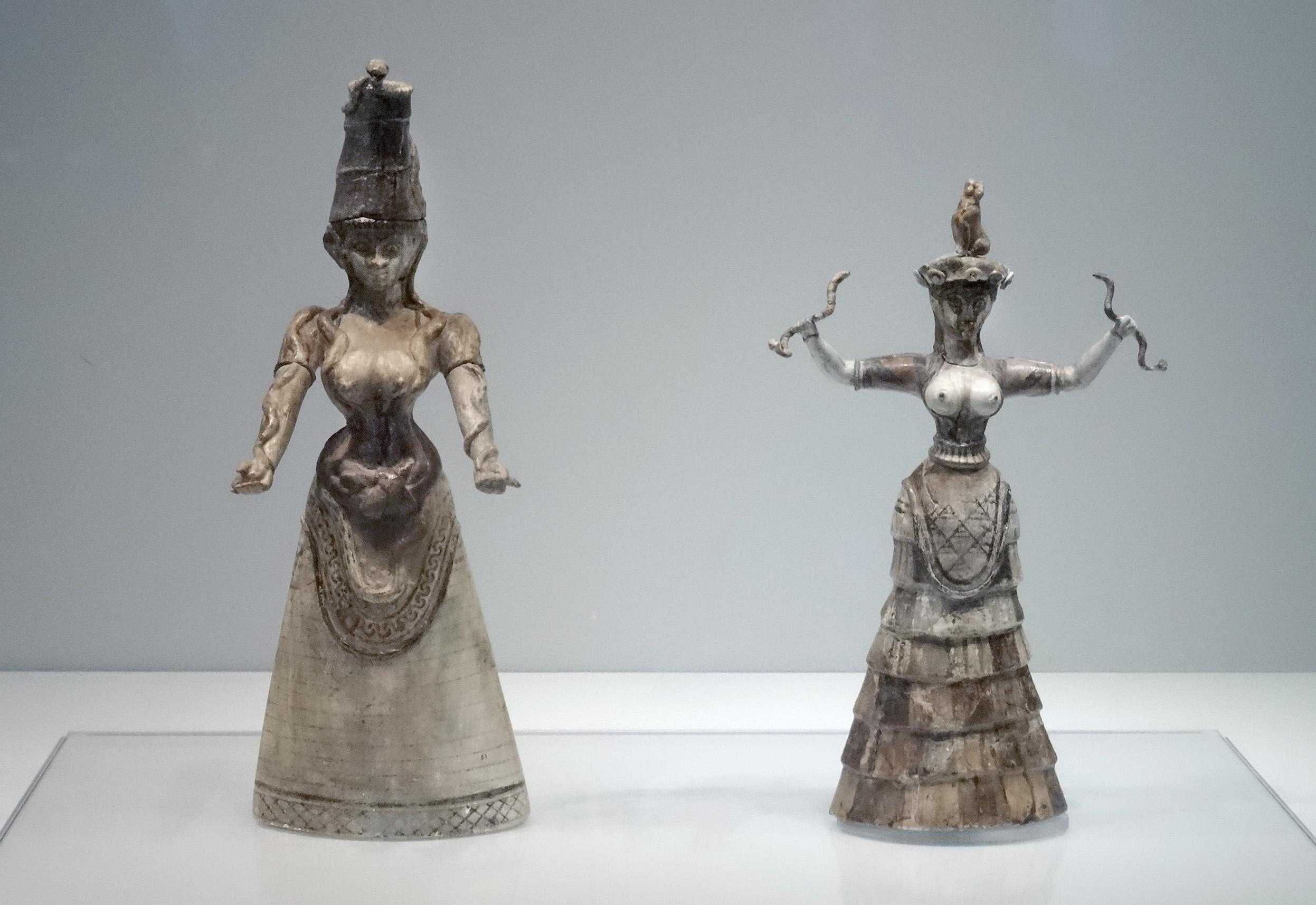
Archaeological evidence from Minoan Crete includes figurines, frescoes, pottery, buildings, and other objects that contribute to understanding social life. Evidence relating specifically to childhood can be more difficult to interpret because children may not have been represented in ways that clearly identify their everyday experiences.

Researchers can investigate childhood through age-related objects, skeletal evidence, depictions, burial practices, and domestic contexts. These materials may reveal aspects of health, social status, family life, and the experiences of young people.

Music and oral traditions, however, are more difficult to reconstruct because they rarely survive directly.

Music, caregiving, and oral transmission

Lullabies are generally transmitted through informal learning. A caregiver sings to a child, and the melody or lyrics may later be remembered and repeated within the family.

This process allows songs to change gradually. New verses may be introduced, words may be modified, and melodies may be adapted to local preferences.

The study of lullabies can therefore reveal the relationship between music, language, emotional expression, and caregiving.

The possibility of prehistoric lullabies

Musical instruments, depictions of musicians, and other artistic evidence can provide information about musical activity in prehistoric Crete. Yet they cannot establish the existence of specific lullabies or their exact form.

A hypothetical study of Minoan lullabies in the Heraklion area would explore how scholars reconstruct the role of music in domestic life, what archaeological evidence can reveal about childhood, and why some forms of cultural expression are difficult to recover.

Obscure Cretan Vine Rites in Vamos

November 19, 2026

Vine cultivation and the agricultural calendar

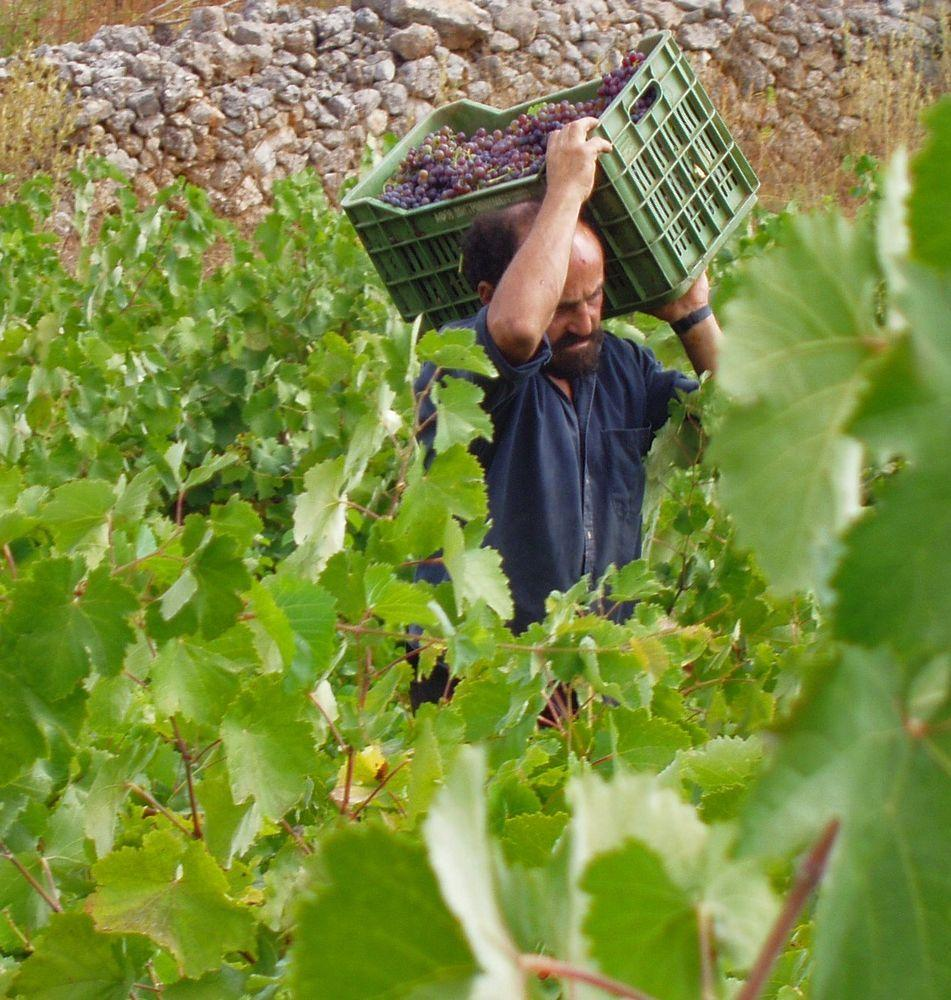
Viticulture has been an important part of Mediterranean agricultural life for thousands of years. The cultivation of vines requires knowledge of soil, climate, pruning, irrigation where needed, harvesting, and the management of pests and disease.

In Crete, grape cultivation and wine production have been connected with agricultural economies, food traditions, social gatherings, and religious practices.

The idea of vine rites in Vamos can be examined within the broader history of seasonal agricultural customs and celebrations associated with grape growing and wine production.

Rituals surrounding vines and wine

Agricultural rituals can reflect the relationship between people and the natural processes that sustain their livelihoods. Such practices may include prayers, symbolic actions, offerings, songs, or celebrations intended to encourage fertility, protect crops, and ensure a successful harvest.

In ancient Greek religion, wine and vineyards were strongly associated with Dionysus, a deity connected with wine, vegetation, festivity, theater, and ritual. Dionysian traditions included a variety of religious and social practices, although their forms differed across communities and periods.

Later agricultural customs might also incorporate Christian prayers, saints' celebrations, or local traditions related to the seasonal cycle.

Vamos and rural Cretan life

Vamos, in the Apokoronas region of Chania, is situated within a landscape of villages, agricultural land, and traditional rural settlement patterns.

Vine cultivation could be connected with household production, local commerce, food preparation, and community gatherings. Wine was often part of everyday meals as well as celebrations.

The relationship between vines and village identity can be explored through local agriculture, family traditions, seasonal work, and the preservation of rural knowledge.

The cultural meaning of the vineyard

Vineyards represent more than agricultural production. They can become symbols of prosperity, continuity, family heritage, and the relationship between people and land.

A hypothetical study of Cretan vine rites in Vamos would examine seasonal customs, agricultural symbolism, religious practices, and the cultural importance of wine. It would require local documentation to establish which specific rituals were actually practiced.

Obscure Lesbos ouzo codes in Mytilene

November 19, 2026

Ouzo production and the cultural history of Lesbos

Lesbos has a well-established association with ouzo production, particularly in and around Mytilene. Ouzo is a Greek anise-flavored spirit whose production and consumption are connected with local industry, food culture, hospitality, and social life.

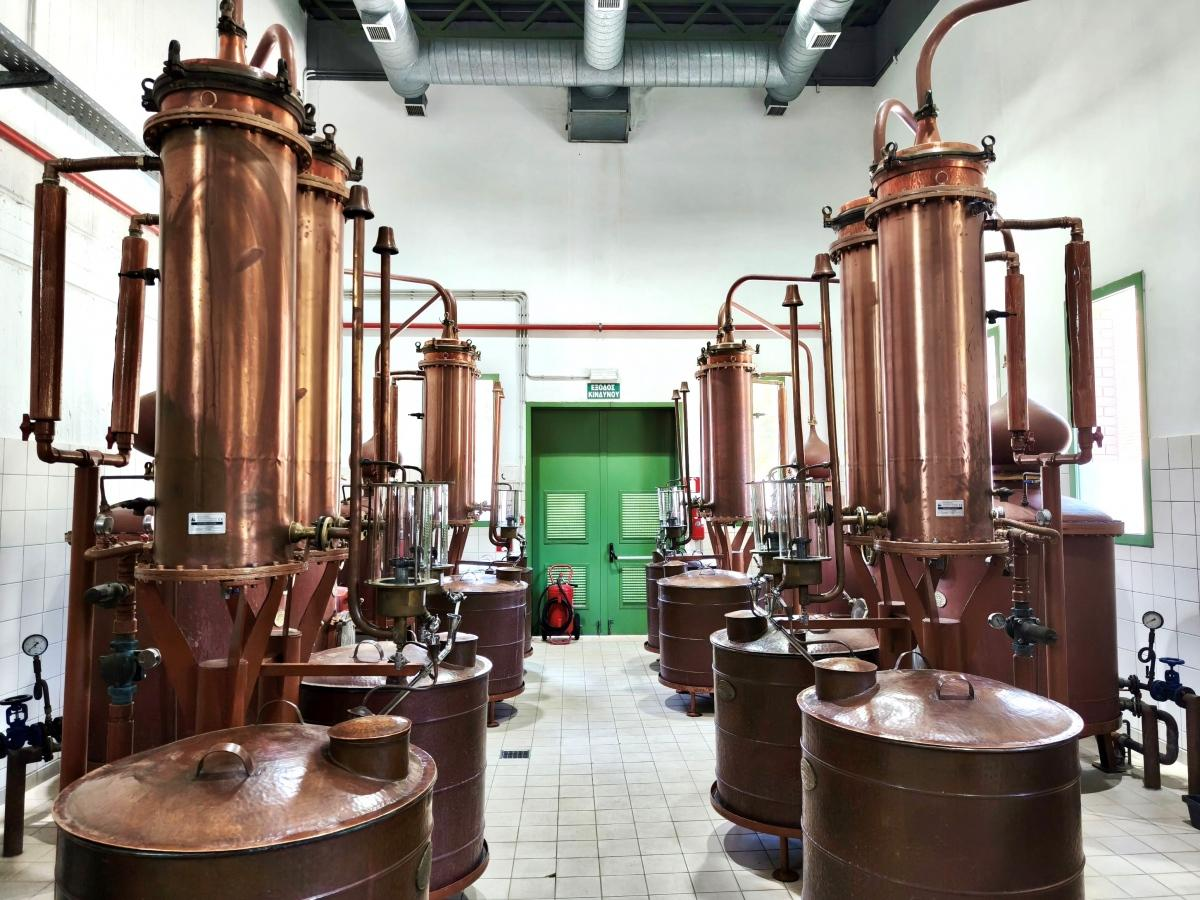
The production process involves distillation and the use of aromatic ingredients. The precise methods and ingredient combinations vary between producers, and the development of the industry reflects changes in technology, regulation, trade, and consumer preferences.

The phrase "ouzo codes" can be interpreted as referring to the hidden knowledge, specialized terminology, production techniques, and informal traditions associated with distillers.

Craft knowledge and distillation

Traditional distillation requires careful control of materials, temperature, equipment, and the characteristics of the resulting spirit. Distillers may develop methods that distinguish their products from those of other producers.

Knowledge of ingredients, aromas, equipment, and production stages can be transmitted through apprenticeship, family businesses, and professional experience.

Some knowledge may be closely guarded because it contributes to a product's identity and reputation. However, such practices should be understood as craft traditions and commercial knowledge rather than assumed to be secret codes.

Ouzo and social culture

Ouzo is often associated with meals, small plates, social gatherings, hospitality, and relaxed conversation. Its consumption may form part of a social ritual in which people gather around food and share time with friends or family.

In Mytilene, the relationship between ouzo production and local identity can be explored through distilleries, taverns, food traditions, festivals, and commercial history.

The drink is not only a product but also a cultural symbol that can represent regional pride and local craftsmanship.

Industrial and cultural heritage

The study of ouzo production can reveal how traditional industries develop and adapt. Distilleries may preserve historical equipment, production methods, family stories, and architectural features associated with earlier periods.

A hypothetical research project on the "codes" of ouzo in Mytilene would examine how knowledge is transmitted among producers, how local identity influences production, and how craft traditions survive within modern commercial systems.

Hidden Thracian Dirges in Rhodopi Hamlets

November 19, 2026

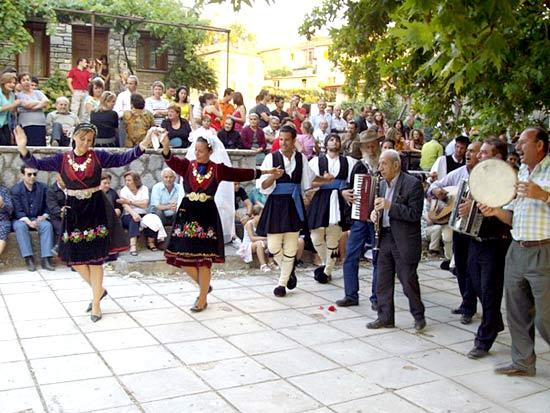
Dirges and the expression of grief

Dirges are songs or vocal expressions associated with mourning and the remembrance of the dead. They appear in many cultures and may be performed during funerals, memorial gatherings, or other occasions connected with loss.

In traditional communities, mourning songs can serve as a way to express emotions that are difficult to communicate through ordinary speech. Their lyrics may describe the deceased, recall personal experiences, express sorrow, or reflect on the meaning of death.

The Thracian cultural region has a complex history of music, language, migration, and cultural exchange. Traditions associated with Thracian communities and their descendants have developed through historical changes and the movement of populations.

Mourning music in rural communities

In village settings, mourning practices can involve family members, neighbors, and members of the wider community. Dirges may reflect shared experiences of grief and reinforce social relationships during difficult moments.

The form of a dirge may vary. Some are highly expressive and improvised, while others follow recognizable musical patterns or lyrical conventions.

Mourning songs may also preserve local dialects, poetic forms, expressions, and references to community life.

The Rhodopi cultural landscape

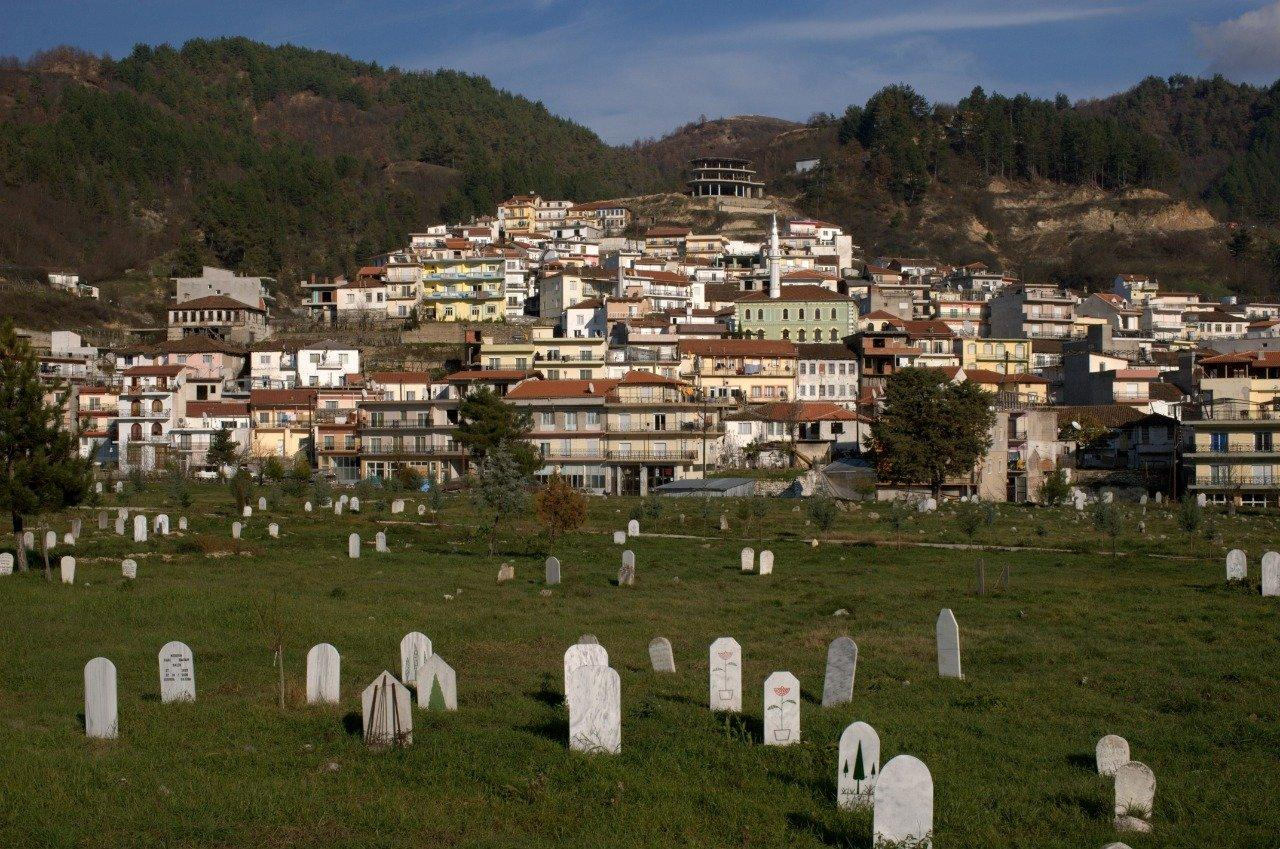
The Rhodopi Mountains are associated with diverse communities and cultural traditions. Their musical heritage includes a variety of vocal and instrumental forms shaped by regional history, religious practices, language, and social interaction.

A study of dirges in Rhodopi hamlets could examine the relationship between mourning, oral tradition, local identity, and the transmission of musical knowledge.

The title's specific hidden dirges would require documented recordings, interviews, or historical evidence before they could be presented as an established local tradition.

Cultural memory and the preservation of mourning songs

Mourning songs are particularly important to cultural preservation because they can contain personal histories and emotional expressions that are not found in written records.

Recording and documenting them requires sensitivity. Researchers should respect the wishes of singers and families and recognize that mourning traditions are not simply performances for an outside audience.

The study of Thracian dirges could provide valuable insight into how communities use music to express grief, preserve memories, and maintain connections with the past.

Obscure Archaic Wedding Songs in North Epirus

November 19, 2026

Marriage and social organization in ancient Greece

Marriage was an important institution in ancient Greek society. It connected families, established social relationships, and played a role in the organization of households and the transmission of property.

Wedding ceremonies could involve rituals, processions, offerings, songs, celebrations, and symbolic actions. The details varied between communities and historical periods.

The Archaic period, broadly associated with the eighth through sixth centuries BCE, witnessed significant changes in Greek communities, including the development of city-states, expanding trade, colonization, artistic expression, and social organization.

Wedding songs from this period would be difficult to reconstruct directly, but later literary and cultural sources can provide broader information about marriage-related practices.

Songs and ceremonial transitions

Wedding songs often accompany important transitions in a person's life. They may express joy, separation, family affection, wishes for prosperity, fertility, protection, and the beginning of a new household.

In traditional Greek communities, songs could be performed during preparations, processions, celebrations, and other stages of a wedding. Some forms might be associated with particular participants or moments within the ceremony.

Songs can serve as both entertainment and ceremonial expression. Their lyrics may communicate expectations about marriage, family roles, social relationships, and the responsibilities of adulthood.

North Epirus and regional traditions

North Epirus is associated with a diverse cultural landscape that includes Greek-speaking communities and other linguistic and cultural traditions. Music and oral traditions in the region reflect historical interactions, migration, religious life, and local identities.

However, a specific Archaic wedding-song tradition in North Epirus cannot be established without evidence. The geographical reference in the title is best treated as a proposed setting for investigating the broader history of marriage songs and regional oral culture.

The value of comparative folklore

Researchers can compare later wedding songs with ancient literary descriptions, artistic representations, and ritual evidence. Such comparisons may reveal recurring themes, but they should not be used to assume uninterrupted survival from antiquity.

A study of wedding songs would contribute to understanding how communities express social transitions through music and how cultural practices change across generations.

Hidden Byzantine Ship Blessings in Argos

November 19, 2026

Maritime religion in the Byzantine world

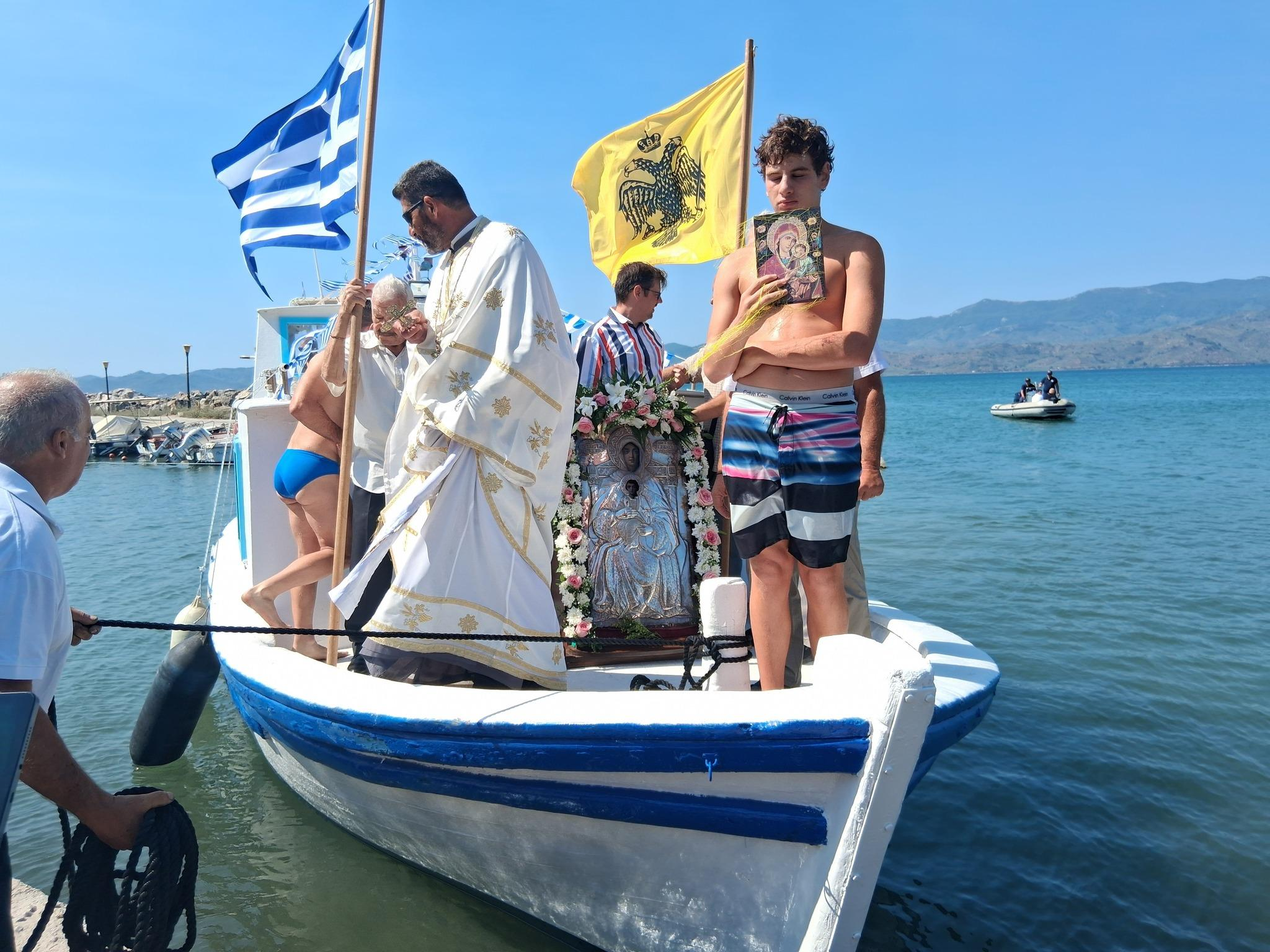
The Byzantine world was closely connected with the sea through trade, transportation, fishing, military activity, and communication. Ships and maritime routes were important for the movement of people, goods, soldiers, religious objects, and information.

Seafaring was also associated with risk. Storms, shipwrecks, uncertain navigation, and hostile conditions could make maritime travel dangerous. Religious practices therefore played an important role in the spiritual lives of sailors, merchants, and communities connected with the sea.

Blessings, prayers, and invocations for protection were common elements of Christian religious life. The idea of ship blessings reflects the broader tradition of seeking divine protection for journeys and occupations.

Religious protection and seafaring

Christian communities used prayers and ritual blessings to express dependence on divine protection. Ships, journeys, travelers, and other activities could be incorporated into religious ceremonies.

Such practices could involve clergy, sacred objects, prayers, processions, and the invocation of saints associated with protection or assistance.

The specific form of a ship blessing could vary depending on the period, location, religious context, and local tradition. The title's reference to hidden Byzantine ship blessings in Argos does not confirm the existence of a particular ceremony there.

Argos and regional connections

Argos has a long history of settlement and cultural development in the Peloponnese. Its broader regional setting includes connections with inland communities, coastal areas, and maritime networks.

Research into religious and maritime traditions in the region would require consideration of archaeological evidence, church records, inscriptions, liturgical sources, and historical documentation.

Rituals and maritime memory

Maritime rituals can help communities express the relationship between religion, danger, livelihood, and collective identity. A blessing may symbolize protection, hope, and the safe return of people who depend on the sea.

A hypothetical study of Byzantine ship blessings associated with Argos would therefore examine the religious practices connected with travel, maritime life, and the protection of vessels. It would also explore how ritual practices were adapted to local communities and historical circumstances.

Hidden Minoan Harvest Songs in Sitia

November 19, 2026

Agriculture in Minoan society

Agriculture formed an important part of the economic life of Bronze Age Crete. Cultivation, livestock raising, food processing, storage, and the management of agricultural resources contributed to the development of settlements and palace-centered systems.

The Minoan civilization is known through archaeological evidence including buildings, pottery, frescoes, storage facilities, tools, and other material remains. These sources reveal aspects of production, exchange, religious activity, and social organization.

Harvest songs, if they existed in a particular Minoan setting, would be difficult to verify because musical traditions rarely survive directly from prehistoric periods without exceptional preservation.

Music and agricultural labor

In many traditional agricultural societies, songs accompanied repetitive work. Singing could help maintain rhythm, encourage cooperation, express emotion, and make difficult tasks more manageable.

Harvest-related songs might have included references to grain, weather, fertility, labor, family, and seasonal change. Their performance could be connected with communal work or celebrations following the completion of harvesting.

For Bronze Age Crete, the existence of such musical practices is plausible in the broader context of human agricultural societies, but the actual lyrics, melodies, and forms of Minoan harvest songs cannot be reconstructed from the title alone.

Sitia and the eastern Cretan landscape

Sitia and eastern Crete have a long history of settlement and agricultural activity. The landscape includes coastal areas, fertile land, mountainous terrain, and communities that have adapted their economic activities to local conditions.

Archaeological research in eastern Crete contributes to the study of Minoan settlement patterns, agricultural production, regional exchange, and the relationship between communities and their environment.

Reconstructing prehistoric music

Researchers investigating prehistoric music can use indirect evidence, including musical instruments, iconography, depictions of performance, sound-producing objects, and comparative studies of later traditions.

Such evidence can help reconstruct the general role of music in ancient society, but it cannot reliably establish the existence or exact content of a particular song.

The imagined harvest songs of Sitia would therefore be an interesting research theme for exploring the relationship between agriculture, music, ritual, and communal identity in Minoan Crete.

Little-known Cycladic plumb lines in a Kimolos storeroom

November 15, 2026

Introduction

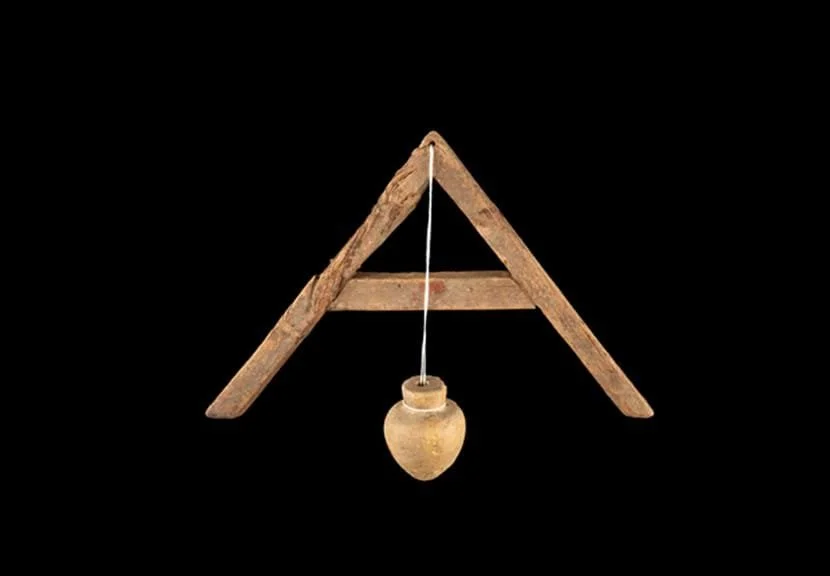
Simple measuring instruments played an important role in ancient construction, navigation, craft production, and everyday practical work. Among the oldest and most widely used tools is the plumb line: a cord or string carrying a small weight that hangs vertically under gravity. Although its design is uncomplicated, the instrument allows builders and craftspeople to establish vertical alignment with considerable accuracy.

The possibility of discovering ancient Cycladic plumb lines in a storeroom on Kimolos raises interesting questions about technology and everyday life in the prehistoric Aegean. Kimolos is one of the Cycladic islands, a region known for its distinctive Bronze Age material culture, maritime connections, and stone-working traditions. However, a particular collection of ancient plumb lines in a Kimolos storeroom should be treated as hypothetical unless supported by archaeological documentation.

Kimolos and the Cycladic archaeological landscape

Kimolos belongs to the western Cyclades, an island group situated in the central Aegean Sea. Its geological environment includes volcanic formations and mineral resources, while its coastal geography connects it with neighboring islands such as Milos.

The Cyclades were important during the Bronze Age because of their maritime position and access to materials such as obsidian, metals, and stone. Communities maintained connections through exchange, craft production, and movement across the Aegean.

Cycladic archaeology is especially recognized for marble figurines, pottery, settlements, burial practices, and evidence of maritime exchange. These remains provide a broader context for investigating the practical technologies that supported construction and production.

Understanding the ancient plumb line

A traditional plumb line consists of three basic elements: a cord, a weighted object, and a point from which the cord can hang freely.

Gravity pulls the weight downward, causing the cord to settle along a vertical line. Builders can use this alignment to check walls, posts, columns, and other upright structures.

The weighted component may be made from stone, metal, ceramic, or another dense material. Its shape can vary, but it must be heavy enough to keep the cord taut and stable.

A small stone or metal object with a hole near one end might appear suitable for use as a plumb weight. Yet the presence of a perforation does not establish this function. The object could also have served as a pendant, spindle whorl, fishing weight, or component of another tool.

Possible materials and manufacturing techniques

The materials available to ancient Cycladic communities could support the manufacture of simple measuring tools.

Stone weights could be shaped by grinding, pecking, or polishing. Metal examples could be cast or hammered into suitable forms, depending on the period and the available technology.

A perforation might be drilled or formed during manufacture. Researchers would examine the hole's shape, wear, symmetry, and relationship to the object's overall design.

The cord itself would be less likely to survive than the weight. Organic fibers can deteriorate in many archaeological environments, leaving only the durable component behind.

Consequently, an object interpreted as a plumb weight may preserve only part of the original instrument.

The role of measuring tools in Cycladic construction

Ancient communities needed practical methods for constructing stable buildings, organizing spaces, and aligning structural elements. Even relatively simple structures benefit from reliable vertical and horizontal measurements.

A plumb line could help builders position upright posts, check wall faces, and maintain vertical alignment during construction. It might also have been useful in stone-working or the installation of architectural elements.

However, identifying a specific measuring technique in prehistoric Cycladic architecture requires evidence. The existence of well-built structures does not automatically establish which tools were used or whether they followed a standardized system.

Archaeologists can investigate possible construction practices through tool marks, building dimensions, repeated architectural arrangements, and comparisons with other ancient technologies.

Why a storeroom deposit would be significant

A storeroom can preserve evidence of how objects were collected, organized, maintained, and used. If several possible plumb weights were discovered together, their grouping might suggest that they belonged to a workshop, construction activity, or household collection.

Yet the location alone would not establish their function. A storeroom could contain objects accumulated over several generations, including items that had been repaired, reused, or transferred from other buildings.

Researchers would need to establish whether the objects were deposited together during a single event or collected gradually. Differences in material, wear, and manufacturing technique could indicate that they came from different periods or activities.

The surrounding pottery, tools, architectural remains, and organic materials would help reconstruct the deposit's history.

Distinguishing plumb weights from other objects

One of the main challenges would be distinguishing a plumb weight from other perforated or weighted objects.

A spindle whorl, for example, also requires a central hole, but its shape and mass distribution are suited to spinning fiber. A fishing weight may have a groove or perforation for attachment to a line. A pendant may have decorative features and evidence of suspension.

A possible plumb weight would need to be evaluated through its balance, shape, suspension point, and practical performance.

Experimental archaeology could help. Researchers might create replicas and test whether they hang steadily and provide a useful vertical reference. Such experiments would not prove the original function, but they could establish whether the proposed interpretation is mechanically plausible.

Archaeological and scientific examination

The first step in investigating a supposed collection would be careful documentation of the storeroom and its contents. Each object should be photographed, measured, mapped, and recorded before cleaning or removal.

Microscopic analysis could identify manufacturing marks and patterns of wear around suspension holes. Material analysis could determine whether the weights were made from local stone, imported material, or metal alloys.

If the deposit included organic remains, radiocarbon dating might help establish its chronology. Ceramic objects found in the same undisturbed layer could provide additional dating evidence.

The interpretation should also consider the possibility of later reuse. An ancient-looking stone weight could have been used for a much more recent purpose, especially in a storeroom with a long history of occupation.

The wider significance of simple ancient technology

Plumb lines illustrate how practical knowledge can exist without complicated machinery. Their operation depends on a basic physical principle, but their effective use requires experience and an understanding of measurement.

Studying such tools helps archaeologists move beyond monumental architecture and examine the everyday work that made construction possible.

A securely identified Cycladic example could contribute to discussions about building practices, technical knowledge, and the circulation of practical objects across island communities. Comparisons with other Aegean and Mediterranean examples might reveal similarities in design and function.

It would also remind researchers that small, unassuming artifacts can provide valuable information when their archaeological context is preserved.

Conservation and responsible documentation

If suspected ancient plumb weights were found in a storeroom, they should not be polished, drilled, or subjected to informal testing. Cleaning may remove residues, while physical experiments could damage fragile surfaces.

The objects should be handled carefully and reported to the appropriate Greek archaeological authorities. Their location, condition, and association with other materials should be recorded.

Conservation specialists can determine suitable storage conditions according to the material. Stone and metal objects may require different treatments, particularly if metal corrosion or salt contamination is present.

Proper documentation protects both the objects and the historical information that accompanies them.

Conclusion

Plumb lines demonstrate the practical importance of simple measuring instruments in ancient societies. In the Cyclades, where maritime activity, stone-working, and settlement construction shaped everyday life, possible measuring tools could provide valuable evidence of technical knowledge.

A collection discovered in a Kimolos storeroom would be especially interesting if its objects could be securely dated and identified through archaeological context, manufacturing analysis, and functional testing. Until such evidence is available, the proposed Cycladic plumb lines should remain a research possibility rather than a confirmed discovery.

The broader lesson is that even a small weighted object can reveal important details about how ancient communities measured, built, worked, and organized their surroundings.


Hidden Archaic metal spirals in an Attica field

November 15, 2026

Introduction

Small metal objects can preserve evidence of ancient clothing, personal decoration, ritual practice, and metalworking. Among these objects are spirals made from bronze or other metals, which could serve as ornaments, fittings, decorative elements, or components of larger objects.

The possibility of hidden Archaic metal spirals in a field in Attica offers an interesting way to explore the material culture of Greece between approximately 700 and 480 BCE. During this period, communities experienced important developments in political organization, trade, artistic production, and religious practice.

However, the existence of a particular group of Archaic spirals in an Attic field is not established merely by the region's archaeological importance. Their date, function, and original context would need to be demonstrated through systematic investigation.

Attica during the Archaic period

Attica is the region surrounding Athens and includes a diverse landscape of coastal areas, plains, hills, and rural settlements. During the Archaic period, its communities participated in expanding networks of trade, craft production, and religious activity.

The period witnessed the gradual development of institutions that would later become associated with classical Athens. Rural settlements, sanctuaries, cemeteries, and agricultural estates all contributed to the region's social and economic life.

Metal objects recovered from Attic contexts can help researchers understand how people dressed, decorated themselves, conducted rituals, and exchanged goods.

What are metal spirals?

A metal spiral is an object formed by winding a metal strip or wire into a coiled shape. It may be open-ended, tightly wound, flattened, or constructed with several turns.

Bronze is a common material for ancient decorative objects, although copper alloys and other metals were also used. The appearance of a spiral depends on the thickness of the metal, the method of manufacture, and the intended function.

Some spirals may have been worn as ornaments or incorporated into clothing and personal accessories. Others could have served as fittings, decorative components, or elements of objects whose original form has not survived.

An isolated spiral is therefore difficult to interpret without comparison and contextual evidence.

Possible uses in clothing and personal decoration

Metal ornaments were part of the wider visual language of ancient dress. Brooches, pins, rings, and other fittings helped secure clothing or communicate personal and social identity.

A spiral might have been attached to a textile or leather item, although direct evidence of attachment is necessary before making that claim. Corrosion patterns, surviving fibers, attachment loops, and repeated wear could provide clues.

If multiple spirals were discovered together, their arrangement might suggest that they once formed part of a single decorative object or garment. Yet a group of similar objects could also represent workshop material, stored ornaments, or a ritual deposit.

Religious and funerary possibilities

Metal ornaments were sometimes deposited in graves and sanctuaries. Their placement could reflect personal possessions, offerings, status, or ritual customs.

An Archaic spiral recovered near a cemetery might have been associated with clothing or burial equipment. One found within a sanctuary could have been dedicated as an offering.

Neither interpretation should be based solely on the object's decorative appearance. The location, associated artifacts, burial arrangements, and architectural features are essential for determining its role.

A field near an ancient sanctuary or burial ground may contain displaced material from earlier activities, particularly where later cultivation has disturbed the soil.

Metalworking and production techniques

Ancient metalworkers shaped copper alloys through processes that included casting, hammering, bending, and annealing. The technique used to make a spiral would depend on its size, shape, and intended purpose.

A wire spiral could be formed by winding a heated or softened metal rod around a mandrel. A strip spiral might be cut and shaped from a thin sheet.

Microscopic examination can reveal hammer marks, tool traces, and deformation. Metallurgical analysis may help identify the alloy composition and manufacturing history.

However, chemical composition alone rarely identifies a specific workshop. Similar alloys could be used by different artisans, and recycled metal could combine materials from several sources.

How a field could preserve ancient metal objects

Agricultural fields can preserve archaeological material beneath the ploughsoil. Objects may become exposed through cultivation, erosion, animal activity, or construction.

Repeated ploughing can also move artifacts away from their original locations and damage fragile objects. A spiral recovered from the surface of a field may therefore have lost much of its archaeological context.

The presence of several metal objects in a small area could indicate an ancient activity zone, but it could also result from later disturbance or the spread of material from a nearby site.

Archaeologists use controlled survey methods, mapping, and stratigraphic excavation to establish whether the objects belong to a coherent deposit.

Dating the spirals

The Archaic period is broad, and a spiral's shape may not provide a precise date. Researchers would compare its form and manufacturing technique with examples from securely dated graves, sanctuaries, settlements, and workshops.

Associated pottery can be particularly useful when recovered from the same undisturbed layer. Coins are less likely to provide direct dating evidence for early Archaic deposits because coinage became established in the Greek world during the later part of the period.

Radiographic imaging may reveal hidden construction features or repairs, while metallurgical analysis can help characterize the material.

The strongest dating argument combines object typology, scientific analysis, and stratigraphic evidence.

Conservation challenges

Copper-alloy objects can corrode in soil, producing green or blue corrosion products. Some corrosion layers may protect the underlying metal, while others indicate active deterioration.

Objects should not be aggressively polished or cleaned by untrained individuals. Removing corrosion can destroy surface details, manufacturing marks, and traces of organic materials.

Professional conservation begins with documentation and an assessment of the object's condition. Stabilization and appropriate storage are then selected according to the metal's composition and corrosion behavior.

If a field discovery occurs, the location and surrounding soil should be documented before any object is removed.

What the find could reveal about Archaic Attica

A securely documented group of metal spirals could contribute to several areas of research. It might illuminate clothing practices, regional craft production, personal ornamentation, or the use of metal objects in ritual settings.

Comparison with finds from other parts of Greece could also reveal similarities and differences in decorative traditions. Such comparisons must account for chronology, local manufacturing practices, and the possibility that objects circulated through trade.

The discovery could be especially useful if the spirals were found alongside textile impressions, pins, pottery, or other personal objects that help establish their original purpose.

Conclusion

Metal spirals are small but potentially informative archaeological objects. In Archaic Attica, they could contribute to the study of personal decoration, clothing, metalworking, and ritual practice.

A field discovery would be meaningful only if the objects' original context could be established. Surface finds may be displaced, while similar forms can serve different functions. Careful archaeological recording, metallurgical examination, and comparison with securely dated material are necessary to determine what the spirals actually represent.

Obscure Minoan oil-pump parts in a Malia rubble pit

November 15, 2026

Introduction

The Minoan civilization of Bronze Age Crete is known for its palatial architecture, maritime connections, craft production, and sophisticated systems of storage and administration. Archaeological discoveries at Malia, one of the major Minoan palace centers, have contributed substantially to the understanding of these societies.

An unusual proposed discovery of "Minoan oil-pump parts" in a rubble pit raises an important archaeological question: what kinds of equipment were used to extract, transfer, and store liquids in Bronze Age Crete? The phrase oil pump, however, should be treated cautiously. Modern mechanical pumps are not an appropriate default model for interpreting ancient ceramic, wooden, or stone components. No specific Malia rubble-pit assemblage should be considered confirmed without published archaeological documentation.

Malia as a Minoan center

Malia is located on the northern coast of Crete and was one of the major centers of Minoan civilization. Its palace complex, surrounding settlement, workshops, and burial areas provide evidence of organized production and social activity.

The site developed over several phases during the Bronze Age. Like other Minoan centers, it experienced architectural changes, destruction, rebuilding, and shifts in the organization of settlement.

These phases are important because objects recovered from rubble may belong to different periods. A fragment in a destruction deposit could be contemporary with the building's final use, but material in later fill might have been moved from an earlier structure.

Olive oil in Minoan society

Olive cultivation and oil production were important parts of the ancient Mediterranean economy. Olive oil could be used for cooking, lighting, bodily care, religious offerings, and trade.

Minoan storage vessels and administrative records demonstrate the importance of agricultural products, although the exact scale and organization of production varied across time and place.

The presence of large storage jars does not, by itself, prove that oil was produced inside the building where they were found. Containers could have held several types of commodities, and residues or associated evidence are needed to identify their original contents.

How ancient olive oil was extracted

Olive oil production generally involved several stages: harvesting, crushing or grinding the fruit, separating liquid from solid material, and collecting the oil.

Ancient systems relied on mechanical pressure and gravity rather than modern powered pumps. Crushing equipment could include stone installations, while pressing arrangements used weights, beams, baskets, or other mechanisms depending on the period and region.

The precise equipment used at a particular Minoan site must be established through archaeological evidence. Later Greek and Roman presses should not automatically be projected backward onto Bronze Age Crete.

A component described as a pump part might instead belong to a pressing installation, a vessel, a drainage system, or another type of mechanical device.

The problem with the term "oil pump"

A pump is a device that moves liquid by creating a pressure difference or using a mechanical lifting system. To identify an ancient object as part of a pump, researchers would need evidence of its mechanical function.

Possible clues might include a piston-like component, a fitted cylinder, a valve arrangement, or repeated wear associated with movement. However, such features would have to be interpreted in relation to the object's material and archaeological context.

A hollow ceramic tube, for example, could be part of a drain, conduit, or vessel system rather than a pump. A wooden fragment might have belonged to a press or lifting mechanism, but its function cannot be determined from shape alone.

For this reason, "liquid-handling equipment" or "possible olive-processing components" may be more appropriate descriptions until the evidence is conclusive.

Understanding a rubble pit at Malia

A rubble pit is a secondary deposit unless evidence shows otherwise. It may contain construction debris, discarded household objects, broken pottery, or material collected during building renovations.

The contents of a pit can therefore combine objects from different activities and periods. A Minoan component recovered from rubble may have originated in a nearby workshop or building but been discarded later.

Archaeologists examine the pit's stratigraphy, sediment composition, and relationship to surrounding structures. They also record whether objects are complete, fragmented, burnt, weathered, or deliberately arranged.

These observations help distinguish construction waste from domestic refuse, industrial debris, and later fill.

Scientific approaches to identifying oil-processing equipment

Residue analysis can help determine whether a vessel or surface was exposed to olive products. Organic residue studies may identify lipid compounds that survive in pottery or other materials.

Such results must be interpreted carefully because fats and oils can degrade, mix, or become contaminated. The identification of plant-derived oils may also require comparison with other possible substances.

Microscopic examination can reveal wear patterns, while experimental archaeology can test whether a proposed component would function as part of a pressing or liquid-transfer mechanism.

Researchers may reconstruct a model using replicas of the suspected components, but experimental success does not automatically prove that the original object was used in the same way.

Connecting equipment with Minoan production

If genuine olive-processing equipment were identified at Malia, it could help clarify how agricultural production was organized around the palace and settlement.

A large installation might indicate processing beyond the needs of a single household. Smaller equipment could point to local domestic production or specialized activity.

The relationship between production and storage is especially important. Processing equipment, storage vessels, access routes, and drainage systems can collectively reveal how commodities moved through a building.

Administrative evidence from Minoan Crete also provides a broader context for understanding agricultural resources. However, written records and archaeological installations must be compared carefully rather than assumed to describe the same operation.

Why the discovery would matter

An unusual mechanical component could expand understanding of Minoan engineering and the practical technology of Bronze Age Crete. It could also encourage researchers to reconsider objects previously classified as ordinary architectural or household fragments.

The most important contribution would not necessarily be proof of a sophisticated pump. It might instead reveal a specialized arrangement for handling, pressing, or transferring agricultural liquids.

Such a discovery would be valuable precisely because it could refine existing interpretations of Minoan production technology.

Conclusion

Malia provides a rich archaeological setting for studying Minoan agriculture, craft production, and technological practice. Olive oil was an important commodity in the ancient Mediterranean, but the identification of particular mechanical components requires strong evidence.

The expression "Minoan oil-pump parts" should therefore remain provisional until the objects' construction, wear, residues, and archaeological context are examined. A careful investigation could determine whether they belonged to an olive-processing installation, a liquid-transfer system, or an entirely different form of equipment.

Submerged Byzantine timbers in a Saronic cove

November 15, 2026

Introduction

The submerged remains of wooden structures can provide unusually direct evidence of maritime activity in the medieval Mediterranean. Unlike stone buildings, timber installations preserve information about woodworking, construction techniques, maintenance, and the practical organization of coastal life. When found underwater, these remains may represent jetties, landing stages, harbor installations, shipwrecks, or structures associated with fishing and trade.

A hypothetical discovery of Byzantine timbers in a cove of the Saronic Gulf would be particularly interesting because the region lies close to major maritime routes connecting the Peloponnese, Attica, the islands, and the wider Aegean. Nevertheless, the presence of Byzantine-period timber in a specific cove requires confirmation through archaeological investigation. Submerged wood can be difficult to date and interpret, particularly when it has been moved by currents or redeposited.

The Saronic Gulf and Byzantine maritime activity

The Saronic Gulf includes islands and coastal areas situated between Attica and the northeastern Peloponnese. Its geography made it important for regional movement, fishing, transport, and communication.

During the Byzantine period, maritime networks connected coastal settlements with larger commercial and administrative centers. Ships carried agricultural products, pottery, construction materials, and other goods between islands and mainland ports.

The importance of a particular cove would have depended on its shelter, water depth, access to fresh water, nearby settlements, and relationship to established routes. Small sheltered locations could serve local maritime activities even when they were not major commercial harbors.

What submerged timbers might represent

Wooden remains on the seabed can have several possible origins.

They may be remnants of a landing stage where boats were secured and goods were transferred. They could belong to a breakwater or protective structure built to reduce wave action. In some locations, timber piles may have supported a small pier or platform.

Other possibilities include shipwreck fragments, abandoned fishing installations, or structural wood displaced from a nearby shoreline.

The distinction is important. A row of wooden posts arranged at regular intervals may suggest deliberate construction, whereas scattered planks could have resulted from a wreck or later disturbance.

Archaeologists therefore examine the shape, position, orientation, joints, and relationship between individual timbers before assigning a function.

Dating Byzantine wood

Radiocarbon dating can help determine when a tree stopped growing, but it does not necessarily identify when the timber was used in a structure.

Wood from an older tree may have been stored or reused for many years before construction. This is sometimes described as the old-wood problem.

Dendrochronology, which compares tree-ring patterns, can provide more precise dating when the timber species and regional reference sequences are suitable. It may also help identify the geographical origin of the wood.

Researchers should examine whether the timbers preserve tool marks, joints, fasteners, or evidence of previous use. These details can help distinguish original structural components from reused ship timbers or construction debris.

Sea-level change and submerged coastal structures

A structure now underwater may have been built at a shoreline that has since changed. Relative sea-level change, land movement, sediment accumulation, erosion, and local tectonic activity can all affect the relationship between ancient structures and the modern coast.

The Saronic region has a complex geological history. Therefore, an underwater structure should not automatically be interpreted as evidence of a dramatic sea-level rise.

Archaeologists and geologists compare the structure's elevation with local sea-level indicators, ancient shoreline deposits, and the geological history of the surrounding coast. This allows researchers to estimate whether the structure was originally built underwater, at the water's edge, or on dry land.

Underwater archaeological investigation

The first stage of investigating submerged timbers is systematic documentation. Divers or remote sensing teams record the position, orientation, dimensions, and visible condition of each element.

Photogrammetry can produce three-dimensional models from overlapping photographs. These models allow researchers to study the structure without repeatedly disturbing it.

Side-scan sonar and other geophysical techniques can help locate larger concentrations of submerged material. However, these methods do not always distinguish wood from sediment, rock, or modern debris.

Excavation may be necessary to determine whether timbers are embedded in an original construction layer. Sediment samples can also provide environmental information about the conditions under which the wood was buried.

Preservation under water

Wood can survive underwater when oxygen levels are low and conditions limit biological decay. However, marine environments may also expose it to bacteria, fungi, marine borers, and mechanical damage.

Even when a timber looks solid, its internal structure may be weakened. Removing it from water can cause rapid deterioration as it dries and contracts.

For this reason, underwater archaeological projects generally prioritize in situ preservation whenever possible. If removal is necessary, the wood requires controlled conservation treatment and long-term monitoring.

The surrounding sediment can be as important as the wood itself. It may protect the remains from currents and biological activity, while also preserving small artifacts associated with the structure.

What associated finds could reveal

Objects found near submerged timbers may help establish the structure's date and function. Pottery fragments, metal fasteners, anchors, fishing equipment, and cargo remains could provide clues about maritime activities.

Yet proximity alone is not proof of association. Currents can transport objects across the seabed, and later vessels may introduce material into older deposits.

A reliable interpretation requires spatial recording and sediment analysis. If artifacts are found in a sealed layer directly associated with the timber construction, their evidential value is stronger.

Why small coves matter

Large harbors often dominate discussions of ancient and medieval maritime history, but small coves were also important. They could provide temporary shelter, local fishing access, or convenient landing places for boats traveling between settlements.

A small timber structure might represent a modest investment by a local community rather than a large state-sponsored harbor project.

Such remains could broaden understanding of everyday maritime life in the Byzantine period. They may reveal how people used coastal environments beyond the major ports recorded in historical sources.

Conclusion

Submerged Byzantine timbers in a Saronic cove would offer an important opportunity to investigate medieval coastal construction and maritime activity. Their arrangement, timber species, construction details, and associated artifacts could help identify whether they belonged to a landing stage, pier, protective structure, or another installation.

The central challenge would be establishing their date and original function. Underwater wood can be reused, displaced, or preserved in complex sedimentary conditions. Careful recording, scientific dating, and conservation are therefore necessary before a submerged timber deposit can be confidently interpreted as a Byzantine harbor structure.

Forgotten Roman tile stamps in a Peloponnese barn

November 15, 2026

Introduction

Roman building materials often preserve evidence that is absent from more elaborate monuments. Roof tiles, floor tiles, bricks, and other ceramic products sometimes carry stamps identifying workshops, producers, military units, estates, or administrative authorities. These markings can help archaeologists reconstruct production systems, construction networks, and the movement of materials across the Roman world.

The idea of forgotten Roman tile stamps in a barn in the Peloponnese provides an opportunity to examine the relationship between rural architecture and ancient industrial activity. The Peloponnese contains extensive evidence of Roman occupation, including settlements, villas, roads, agricultural installations, and public buildings. However, a particular barn containing Roman stamped tiles should not be treated as a documented find without excavation records or reliable provenance.

Roman tile production in the Peloponnese

Roman construction relied heavily on fired clay products. Tiles protected roofs from rain, bricks formed walls and foundations, and specialized ceramic components were used in heating systems, drains, and water installations.

The Peloponnese had access to clay deposits, fuel sources, agricultural labor, and established settlements that could support local production. Some workshops supplied nearby communities, while larger production centers could serve wider regional markets.

The Roman period in Greece did not produce a single uniform building tradition. Local construction practices continued alongside Roman architectural techniques, and the combination varied according to wealth, location, and available materials.

Understanding Roman tile stamps

A tile stamp is a mark impressed or applied to a ceramic object before firing. It may contain letters, abbreviations, symbols, or combinations of these elements.

Some stamps identify a workshop or individual producer. Others may refer to an estate, property owner, official, or institution responsible for production or distribution.

Military tile stamps are particularly useful in regions where Roman troops were involved in construction. However, a stamp bearing a military name does not automatically prove that the tile was manufactured at a nearby military installation. Materials could be transported, reused, or distributed through administrative networks.

The interpretation of a stamp depends on its lettering, archaeological context, parallels, and date.

Why a barn might contain Roman tiles

Rural buildings frequently incorporate reused construction materials. Stone blocks, roof tiles, bricks, and columns can be salvaged from abandoned structures and adapted for later agricultural use.

A barn in the Peloponnese might therefore contain Roman tiles because they were collected from a nearby ruin, reused in a roof or wall, or stored as building material. Their presence would not necessarily indicate that the barn itself dates to Roman times.

An especially important distinction is between a primary archaeological deposit and secondary reuse. Tiles discovered in their original roof collapse can help reconstruct a Roman building. Tiles placed in a later barn may preserve useful information about Roman production, but their original context has been disturbed.

What stamps can reveal about production

When interpreted carefully, tile stamps can contribute to the study of ancient economic organization.

A repeated workshop stamp may indicate standardized production or an established manufacturing operation. Variations in lettering could help researchers distinguish production batches, workshop phases, or different officials.

The distribution of stamped tiles across multiple sites may reveal trade and transport patterns. If similar marks occur in several settlements, archaeologists can investigate whether those communities obtained materials from the same production center.

Nevertheless, identical stamps do not always mean that tiles were produced in the same location. Stamps can be copied, reused, or associated with broader administrative systems.

Dating and identifying the tiles

Dating Roman tiles requires more than reading a stamp. Lettering styles can provide clues, but many inscriptions are difficult to date precisely and may have remained in use over extended periods.

Archaeologists compare stamps with securely dated examples from excavated sites. They also examine clay composition, firing characteristics, tile dimensions, and manufacturing marks.

The surrounding archaeological context is essential. A tile recovered from a sealed Roman construction layer is more informative than one found loose in a modern agricultural building.

Scientific methods such as petrographic analysis can help identify the mineral composition of the clay. Chemical analysis may provide additional evidence for grouping tiles from similar production sources, although results must be interpreted alongside geological reference samples.

Reconstructing a rural Roman building

Stamped tiles can help researchers reconstruct the original structures from which they came. Roof tiles may indicate roofing systems, while bricks and other ceramic components can reveal wall construction or heating arrangements.

If several fragments preserve matching dimensions, profiles, or manufacturing marks, archaeologists may be able to estimate the original arrangement of the roof or building.

A concentration of tiles near a Roman villa or agricultural installation could indicate a roofed storage building, workshop, or residential structure. Yet the function of a building cannot be established from tiles alone. Foundations, drainage features, tools, storage vessels, and environmental evidence are also necessary.

Reuse and the long life of Roman materials

One reason Roman tiles survive in rural landscapes is their durability. Fired clay can remain recognizable long after the buildings that contained it have disappeared.

Later communities often reused ancient materials because they were readily available and required less effort than producing new construction components. This practice can create complex archaeological deposits in which objects from different periods appear together.

A barn containing Roman tiles might therefore preserve a history of several construction phases: an ancient building, its abandonment, the recovery of materials, and their later incorporation into agricultural architecture.

Conservation and documentation

If stamped tiles are discovered in a barn, their location should be recorded before they are moved. Photographs should show the stamp, the tile's dimensions, its condition, and the surrounding architectural context.

Loose fragments should be stored in a stable environment and protected from unnecessary cleaning or abrasion. Aggressive cleaning can damage shallow impressions and surface traces that may be important for identification.

The discovery should be reported to the appropriate Greek archaeological authorities. Unauthorized removal or sale of archaeological material can create legal and ethical problems, while proper documentation helps preserve its historical value.

Conclusion

Roman tile stamps offer a valuable source of information about manufacturing, construction, labor, and regional exchange in the Peloponnese. Even fragments reused in later barns can preserve evidence of ancient production systems.

The key to interpreting such finds is understanding their context. A stamped tile can identify a workshop or production network, but its presence in a later building does not establish where it was originally used. Careful recording, comparative analysis, and archaeological supervision are essential for turning an intriguing rural discovery into reliable historical evidence.

Hidden Geometric toy horses in a Messenia ceiling

November 15, 2026

Introduction

Small clay animals from ancient Greece offer a glimpse into childhood, domestic life, craftsmanship, and religious symbolism. Among the most recognizable are miniature horses, which could have served as toys, offerings, decorative objects, or representations of animals familiar to everyday life. During the Geometric period, approximately 900–700 BCE, horse imagery became particularly prominent in Greek art, appearing on pottery, bronze objects, and other forms of material culture.

The idea of hidden Geometric toy horses inside a ceiling in Messenia is intriguing, but it should be treated as a hypothetical archaeological scenario rather than a documented discovery. Messenia, in the southwestern Peloponnese, has a long history of settlement, and its archaeological landscape includes evidence from prehistoric communities through the Classical and later periods. A supposed ceiling deposit of miniature horses would require careful examination to establish its date, original function, and relationship to the building.

Messenia during the Geometric period

The Geometric period followed the collapse of the Mycenaean palace systems and preceded the emergence of the Greek city-states in their later forms. Communities reorganized their settlements, burial practices, production activities, and social structures.

In Messenia, the period is important for understanding the development of local communities after the Mycenaean world. Archaeological evidence from the wider region can help researchers examine settlement continuity, agricultural activity, burial customs, and connections with other parts of the Peloponnese.

The horse was a meaningful animal in early Greek society. It could represent wealth, status, military capability, and elite identity. Although horses were not equally accessible to all households, their images circulated through artistic and ritual traditions.

Miniature horses in ancient Greek material culture

Small horse figurines were produced in several materials, including clay and bronze. Their size and construction varied, from simplified figures with minimal anatomical detail to more carefully modeled animals.

A clay miniature might have been made by hand, formed from a small lump of clay, or assembled from separate body and leg components. Some figures were decorated with incised lines or painted geometric patterns.

The term "toy horse" requires caution. A miniature horse could have been used by a child, but its small size alone does not establish that function. It might instead have been a votive offering, a grave good, or a symbolic object.

Archaeologists therefore examine wear, breakage, manufacturing quality, find context, and comparison with other objects before assigning a likely purpose.

Why a ceiling deposit would be unusual

A ceiling is not a conventional archaeological context for ancient figurines. Objects can become trapped in roof spaces when buildings collapse, when roof materials are replaced, or when later occupants reuse an abandoned structure.

A miniature horse found in a ceiling could have entered the deposit in several ways. It might have been placed deliberately in a roof cavity, fallen from an upper floor, become trapped during construction, or been incorporated into later building material.

The distinction matters because the date of an object and the date of the building containing it may be very different. A Geometric figurine could be redeposited in a much later structure.

Possible meanings of miniature horses

If a group of Geometric horse figurines were identified in a domestic setting, several interpretations would deserve consideration.

A play-related interpretation would become more convincing if the objects showed repeated handling, simplified forms, or evidence of modification consistent with children's use. A ritual interpretation might be considered if the figurines appeared alongside other offerings or in a location associated with household religious practice.

The horse also had a wider symbolic role. In Greek visual culture, it could communicate social prestige and connections to aristocratic life. A miniature representation might therefore have expressed aspirations or identity even when it was not intended as a literal toy.

Archaeological methods for examining the objects

The first step would be to document the exact location and construction of the ceiling deposit. Researchers would need to determine whether the objects were embedded in original roofing material or introduced during later repairs.

Ceramic analysis could establish the clay composition, firing conditions, and manufacturing technique. Petrographic examination might help identify the geological origin of the clay, although a local source would not automatically prove local manufacture.

Stylistic comparison with securely dated Geometric figurines would help establish a probable date. However, decoration alone is not sufficient. Archaeologists would also need to consider stratigraphy and associated finds.

Residue analysis could occasionally reveal traces of substances that contacted an object, while microscopic examination might identify abrasion or surface modification. These methods would help assess use without assuming that every miniature animal was a child's possession.

The importance of building archaeology

A ceiling deposit cannot be understood separately from the building in which it occurs. Researchers would need to study roof construction, timber supports, plaster layers, repair phases, and the relationship between the ceiling and the walls.

If the structure had undergone several renovations, the objects might belong to a later phase than their archaeological appearance initially suggests. Reused clay, stone, and timber materials are common sources of chronological confusion.

Building archaeology is particularly important in long-lived settlements, where ancient objects can be incorporated into later domestic architecture.

What would establish a genuine discovery?

A credible report would include the excavation location, stratigraphic records, photographs, measurements, material descriptions, and evidence supporting the proposed date. It would also explain why the figurines are interpreted as toys rather than votive objects or decorative pieces.

Without this documentation, the phrase "hidden Geometric toy horses in a Messenia ceiling" should remain an evocative research subject, not a confirmed archaeological event.

Conclusion

Miniature horses offer valuable evidence for studying ancient Greek childhood, artistic traditions, household practices, and the symbolic importance of horses. In Geometric-period Messenia, such objects could contribute to a broader understanding of communities during a period of social transformation.

A ceiling deposit would be especially interesting because it raises questions about building history, object reuse, and the movement of artifacts between generations. Its interpretation, however, would depend on secure archaeological documentation rather than the appearance or age of the figurines alone.

Rare Hellenistic stylus tips in a Thasos wall tube

November 15, 2026

Introduction

Thasos, an island in the northern Aegean, was an important center of ancient settlement, trade, mining, and artistic production. Its strategic location and natural resources supported economic connections with the surrounding mainland and wider Aegean world.

During the Hellenistic period, writing and recordkeeping were important activities in administration, commerce, education, and private communication.

One of the tools associated with ancient writing was the stylus. These instruments were commonly used to make marks on wax-coated writing tablets, although their forms and materials varied.

The possibility of stylus tips discovered inside a wall cavity or tube on Thasos offers an interesting archaeological question concerning storage, loss, and the organization of writing materials.

A specific Hellenistic assemblage in such a feature requires archaeological verification. This article examines ancient stylus technology and how similar finds could contribute to the history of literacy on Thasos.

1. Thasos in the Hellenistic World

Thasos occupied an important position in the northern Aegean.

Its natural resources included valuable mineral deposits, while its location supported connections with coastal settlements and mainland communities.

The island participated in regional trade and experienced changing political relationships during the Hellenistic period.

Its archaeological record includes evidence of urban development, public architecture, religious activity, and economic production.

These conditions provide a useful setting for investigating writing tools and administrative practices.

2. What Was an Ancient Stylus?

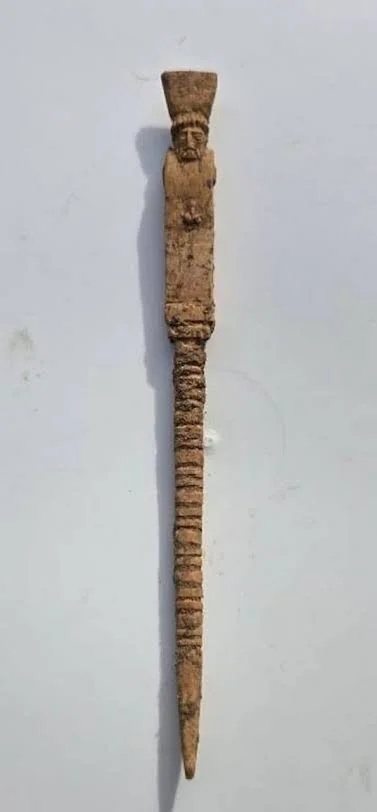
A stylus was a pointed instrument used for writing or marking surfaces.

In the Greek and Roman worlds, styluses were commonly used with wax-coated wooden tablets.

The pointed end created marks in the wax, while the opposite end could be flattened or shaped to smooth the surface for reuse.

Styluses could be manufactured from bronze, iron, bone, wood, and other materials.

Their dimensions and design depended on the writing surface and intended use.

3. Stylus Tips and Writing Technology

The pointed end of a stylus was essential for making marks.

It needed to be sufficiently narrow and durable to create clear lines without damaging the writing surface.

Metal styluses could preserve recognizable points, while wooden examples might survive only in exceptional burial environments.

A fragment consisting mainly of the tip may be difficult to identify because it can resemble a pin, needle, or other pointed implement.

Archaeologists therefore examine its shape, material, manufacturing details, and wear patterns.

4. Writing on Wax Tablets

Wax tablets were practical writing surfaces used for temporary records and notes.

A wooden frame held a layer of wax that could be marked using a stylus.

Several tablets could be connected to create a reusable writing booklet.

This technology was useful for education, commercial calculations, personal correspondence, and administrative work.

Because the wax could be smoothed and reused, many written records created on such tablets have not survived.

The physical styluses are therefore important evidence for writing practices that are otherwise difficult to reconstruct.

5. Why Styluses Might Be Found in a Wall Cavity

Objects discovered inside a wall feature may have been stored, concealed, discarded, or incorporated into construction material.

A small cavity or tube could have served as a storage space for writing equipment or other personal objects.

However, the presence of a pointed metal implement inside a wall does not automatically establish intentional storage.

It may have entered the deposit during construction, renovation, collapse, or later reuse of the building.

The relationship between the object and the surrounding architectural phase is therefore essential.

6. Dating Hellenistic Styluses

The date of a stylus can be investigated through its archaeological context and manufacturing characteristics.

Associated pottery, coins, inscriptions, and stratigraphic evidence may help establish when the object was deposited.

Metal composition and manufacturing techniques can also provide comparative information.

However, stylus forms often continued across long periods, and similar instruments could be produced in different regions.

A particular object should not be assigned a precise Hellenistic date based only on its general appearance.

7. Metalworking and Material Analysis

Metal styluses were commonly made from alloys or metals that could be shaped into durable points.

Researchers may use X-ray fluorescence to investigate elemental composition.

Microscopic examination can identify hammering, casting, filing, and other manufacturing traces.

Corrosion patterns can also provide information about burial conditions and the object's preservation history.

Such analysis may help distinguish writing equipment from similar metal tools.

8. Literacy and Administration on Thasos

Styluses are relevant to the broader study of literacy and administration.

Their presence can indicate that writing was practiced in a settlement, although it cannot reveal how widespread literacy was.

Writing may have been performed by officials, merchants, religious personnel, teachers, and private individuals.

The distribution of writing tools across domestic, commercial, and public buildings can help investigate the social settings in which written communication took place.

Inscriptions and other documentary evidence provide important context for these objects.

9. Conservation of Small Metal Writing Tools

Small metal artifacts can be vulnerable to corrosion and physical damage.

Iron objects may become fragile through corrosion, while bronze can develop mineral deposits and surface deterioration.

Conservators document the object before removing corrosion products or applying stabilizing treatments.

High-resolution imaging and three-dimensional recording can preserve details of the tip and manufacturing process.

The surrounding wall feature should also be recorded because its architectural context may be as important as the object itself.

Conclusion

Stylus tips from a securely dated Hellenistic context on Thasos could provide valuable evidence of writing practices and the use of reusable writing technology in the northern Aegean.

Their form, material, and archaeological context may reveal how people produced temporary written records and organized administrative or commercial activities.

Although the specific wall-tube discovery remains unverified, the study of ancient styluses demonstrates how small everyday tools can contribute to understanding literacy and communication in Hellenistic communities.

Hidden Minoan ink-stones in a Knossos side yard

November 15, 2026

Introduction

Knossos is one of the most important archaeological sites of Bronze Age Crete. Its monumental architecture, administrative records, wall paintings, and extensive material culture provide valuable evidence of Minoan society.

Writing and recordkeeping played important roles in the administration of the palace and associated communities. The Linear A script, which remains undeciphered, and the later use of Linear B provide evidence of complex systems of communication and information management.

One intriguing archaeological subject is the possibility of small stones used for preparing or holding writing materials in a side yard near Knossos.

The term "ink-stone" requires careful definition. It could refer to a stone ink container, a surface used for grinding pigments, or another object associated with writing. A specific Minoan ink-stone discovery in a Knossos side yard should not be presented as verified without excavation records.

This article examines writing technology, pigment preparation, and the archaeological challenges of identifying such objects.

1. Writing in Minoan Crete

Minoan Crete developed sophisticated systems of administration and recordkeeping during the Bronze Age.

The Linear A script was used by Minoan communities, particularly in administrative and religious contexts. Its language remains undeciphered.

During the Late Bronze Age, Linear B became associated with Mycenaean administration on Crete and elsewhere in the Aegean.

Clay tablets provide much of the surviving evidence for these writing systems.

The existence of written administration raises important questions about the tools, materials, and working environments used by ancient scribes.

2. Clay Tablets and Writing Equipment

Many Minoan and Mycenaean administrative records were written on clay tablets.

These tablets were commonly inscribed using pointed tools while the clay was still moist.

They did not require liquid ink in the same way that papyrus or parchment manuscripts did.

This distinction is essential when interpreting possible writing equipment from Bronze Age Crete.

A stone object associated with writing might have been used for preparing pigments, grinding materials, or another activity rather than holding ink for written documents.

3. What Could an Ink-Stone Be?

The expression "ink-stone" can describe several different objects.

A stone ink container might have a depression or cavity designed to hold a liquid writing medium.

A grinding stone could be used to prepare pigments by crushing mineral materials into fine powder.

A small stone palette might provide a surface for mixing or applying pigments.

These objects have different functions, and their identification depends on physical characteristics and archaeological context.

Researchers should avoid using the term "ink-stone" as a definitive classification until supporting evidence is available.

4. Pigments and Minoan Artistic Production

Minoan art made extensive use of colored pigments.

Wall paintings, pottery decoration, and other artistic traditions required materials that could produce stable and recognizable colors.

Mineral pigments included materials that could generate red, yellow, black, and other shades.

Preparing these substances often involved grinding, mixing, and applying them to suitable surfaces.

Small stone tools and palettes could therefore have played a role in pigment preparation, even if they were not used for writing.

5. The Archaeological Importance of a Side Yard

Side yards and courtyards were important spaces within ancient settlements.

They could serve as work areas, storage spaces, circulation zones, or locations for domestic and craft activities.

A small collection of tools found in a yard might indicate localized production.

However, archaeological deposits in outdoor spaces are often disturbed by later construction, weathering, and movement of materials.

The position of an artifact must be examined in relation to the surrounding architecture and stratigraphy.

6. Identifying Writing-Related Objects

Researchers investigate possible writing equipment through shape, material, surface finish, and use-wear.

A stone object with a shallow cavity might have been used to hold pigment, liquid, or another substance.

Microscopic examination can reveal traces of grinding or repeated abrasion.

Chemical residue analysis may identify mineral pigments or other compounds preserved within the object's surface.

Comparisons with securely identified ancient palettes and containers can help establish possible functions.

7. Scientific Analysis of Residues

Residue analysis can provide valuable information about the materials processed using stone objects.

X-ray fluorescence may identify the elemental composition of mineral pigments.

Raman spectroscopy can help characterize certain pigment compounds.

Microscopic examination can reveal particles embedded in surface depressions.

However, contamination from soil, modern handling, and later use can complicate the results.

Researchers must interpret chemical evidence alongside the object's archaeological context.

8. The Organization of Minoan Craft Production

Minoan communities developed a range of specialized crafts, including pottery production, metalworking, textile manufacture, and artistic decoration.

Some activities were associated with palace institutions, while others may have been organized through household production or independent workshops.

The discovery of pigment-processing tools near an administrative or residential building could contribute to understanding how artistic work was organized.

However, proximity to a palace does not automatically demonstrate centralized production or royal ownership.

9. Preservation and Future Investigation

Small stone objects are relatively durable, but their surface details can be damaged through erosion, cleaning, and improper handling.

Researchers document suspected tools using photography, microscopy, and three-dimensional scanning.

Residue sampling should be limited and conducted using appropriate contamination controls.

Further comparisons with objects from other Minoan sites may help clarify whether similar tools were used for pigment preparation, writing-related activities, or other craft processes.

Conclusion

The possibility of Minoan ink-stones in a side yard near Knossos offers an interesting opportunity to explore the material technologies behind ancient writing and artistic production.

Although clay tablets were central to Minoan administrative recordkeeping, pigment preparation and other forms of material processing may have involved small stone tools.

A particular ink-stone discovery remains unverified without archaeological documentation. Careful examination of object form, residues, wear patterns, and context is necessary before assigning a precise function.

Obscure Neolithic grinding stones in a Drama hut

November 15, 2026

Introduction

The region of Drama, in northeastern Greece, contains a rich archaeological landscape associated with prehistoric settlement, agricultural development, and later cultural traditions.

Its position near the fertile plains of eastern Macedonia and the surrounding mountainous areas provided access to agricultural land, freshwater, stone resources, and routes connecting different communities.

One important category of prehistoric domestic equipment is the grinding stone. These tools were used to process grains, seeds, pigments, and other materials.

The possibility of Neolithic grinding stones discovered inside a small hut near Drama raises questions about household production and early agricultural life. Although a specific hut assemblage requires archaeological documentation, the wider region offers a meaningful context for investigating early farming technology.

1. The Neolithic Landscape of Eastern Macedonia

The Neolithic period brought major changes to communities across southeastern Europe.

Farming, animal domestication, pottery production, and more permanent settlement patterns became increasingly important.

Eastern Macedonia contains several archaeological sites associated with Neolithic communities.

The region's fertile plains and access to natural resources supported agricultural settlement.

Archaeological investigations have provided evidence of domestic buildings, storage activities, food preparation, and craft production.

2. The Importance of Grinding Technology

Grinding stones were essential tools in early agricultural societies.

They allowed people to process cereals and other plant materials into smaller particles or flour.

This made grains easier to cook and incorporate into different foods.

Grinding could also be used to process seeds, pigments, minerals, and other substances.

The development of grinding technology was therefore closely connected to changes in food production and household organization.

3. Types of Neolithic Grinding Stones

Grinding equipment varied in shape and construction.

A common arrangement involved a lower grinding slab and an upper handstone used to move back and forth across its surface.

Other tools included mortars and pestles, which were used through repeated downward pressure.

The materials could include sandstone, limestone, and other locally available rocks.

The size and shape of the equipment depended on the intended task and the traditions of the community.

4. Identifying Grinding Stones Archaeologically

Grinding stones can be recognized through their working surfaces.

Repeated abrasion may produce smoothing, grooves, depressions, and changes in surface texture.

Researchers examine these features to distinguish intentional use from natural weathering.

Microscopic analysis can reveal polish and wear patterns associated with grinding particular materials.

Residue analysis may also identify starch grains, plant tissues, pigments, or other substances preserved on the surface.

However, a worn stone is not automatically a grinding tool. Its function must be established through several forms of evidence.

5. Grinding Stones Inside Domestic Buildings

The discovery of grinding equipment within a house or hut can provide important information about domestic activity.

Its position may help identify areas used for food preparation or storage.

A grinding stone found near a hearth, storage containers, and plant remains may suggest a food-processing area.

However, the object could also have been stored, reused as building material, or abandoned during a later occupation phase.

Researchers must examine its relationship to the building's floor and associated artifacts.

6. Reconstructing Neolithic Food Preparation

Grinding stones can provide evidence of how prehistoric communities processed their food.

The recovery of cereal remains, including charred grains and plant fragments, can help identify cultivated crops.

Starch analysis and microscopic residue examination may provide additional information about the materials processed.

The relationship between grinding equipment and storage facilities can also reveal how households organized food production.

These findings contribute to understanding the transition toward agricultural economies.

7. Household Production and Labor

Grinding grain was often a repetitive and physically demanding activity.

The presence of grinding equipment in domestic spaces suggests that food processing formed an important part of everyday household labor.

The size and number of grinding stones may provide clues about the scale of production.

However, it is difficult to assign particular activities to specific individuals based solely on archaeological tools.

Researchers should consider household size, settlement organization, and evidence of shared facilities before drawing conclusions about labor organization.

8. Dating the Neolithic Assemblage

Dating a grinding stone directly is generally difficult because stone itself is not suitable for conventional radiocarbon dating.

Researchers instead use associated organic materials, stratigraphic relationships, and diagnostic artifacts.

Charred seeds or charcoal from a secure context may provide radiocarbon dates.

Pottery styles and settlement sequences can help establish the broader chronological framework.

The possibility of an object being reused over several generations must also be considered.

9. Conservation and Further Research

Grinding stones can survive for long periods, but their surfaces may be damaged by weathering, agricultural activity, and modern handling.

Researchers record the shape, dimensions, material, and microscopic wear before applying conservation treatments.

Residue sampling should be conducted carefully to avoid contamination.

Comparisons with grinding equipment from other Neolithic settlements in Macedonia and the Balkans can help identify regional similarities and differences.

Conclusion

Neolithic grinding stones provide important evidence of food preparation and household technology in prehistoric communities around Drama.

Their surfaces, residues, and archaeological contexts can reveal how early farmers processed cereals and other materials.

Although a specific hut assemblage requires verification, the study of grinding equipment contributes to a broader understanding of domestic life, agricultural development, and the organization of labor in Neolithic eastern Macedonia.

Forgotten Ottoman cannonballs in a Methoni moat

November 15, 2026

Introduction

Methoni, located in southwestern Messenia in the Peloponnese, is known for its impressive coastal fortress and strategic maritime position. Its fortifications developed through centuries of military competition involving Byzantine, Venetian, Ottoman, and other regional powers.

The fortress occupied an important position along Mediterranean maritime routes. Its defensive system included walls, towers, gates, and other structures designed to protect the settlement and harbor.

One potentially revealing archaeological subject is the presence of Ottoman-period cannonballs in the moat surrounding the fortress. Such objects could provide information about artillery technology, military activity, and the history of the site's defenses.

A specific collection of cannonballs in the Methoni moat requires archaeological verification, but the fortress provides a well-established historical context for investigating early modern military remains.

1. Methoni's Strategic Importance

Methoni's location near important maritime routes made it a valuable military and commercial position.

Its harbor provided access to the Ionian and Mediterranean maritime networks, while the fortress controlled an important coastal location.

The site became especially significant during the Venetian period.

Venetian authorities developed and maintained substantial fortifications to protect the settlement and its maritime interests.

The fortress later experienced changes in control and military use during the Ottoman period.

2. The Development of Ottoman Artillery

Ottoman military forces used artillery extensively during the early modern period.

Cannons were employed in sieges, coastal defense, and naval warfare.

Their development involved improvements in casting techniques, barrel design, ammunition, and the organization of artillery crews.

Different cannon types fired projectiles of varying sizes and weights.

The development of artillery changed the design of fortifications because defensive structures needed to resist increasingly powerful weapons.

3. Understanding Cannonballs

Cannonballs were solid projectiles fired from smoothbore artillery.

They were commonly made from cast iron or stone, depending on the period, weapon, and intended use.

Their dimensions and weight were related to the cannon's bore and the type of ammunition it was designed to fire.

Some artillery systems also used explosive shells, but these were different from ordinary solid cannonballs.

Archaeologists examine the material, diameter, mass, and manufacturing characteristics of recovered projectiles to identify their possible origin.

4. Why Cannonballs Might Be Found in a Moat

Moats and defensive ditches often accumulated objects over long periods.

Military equipment could be discarded, lost during combat, or deposited during later modifications to the fortress.

Construction and maintenance activities may also have moved objects from nearby defensive positions into the moat.

A cannonball discovered in a moat therefore does not automatically represent ammunition fired during a siege.

Its location and archaeological context are essential for determining how it entered the deposit.

5. Methoni's Fortification System

The fortress of Methoni developed through multiple construction phases.

Its walls, towers, gates, and defensive arrangements reflected changing military technologies and political conditions.

The use of artillery influenced the shape and thickness of fortifications.

Later defensive modifications may have altered earlier structures, creating a complex archaeological sequence.

Researchers studying cannonballs must therefore consider which phase of the fortress's development was associated with the objects.

6. Identifying Ottoman-Period Projectiles

Cannonballs can sometimes be attributed to a broad historical period through their material, dimensions, manufacturing characteristics, and archaeological context.

Iron projectiles may preserve casting seams, surface corrosion, or other production traces.

Comparisons with documented artillery pieces and historical ammunition types can help establish their likely function.

However, cannonballs were not always unique to one political authority. Different military forces could use similar ammunition.

A projectile found at an Ottoman-controlled fortress cannot automatically be identified as Ottoman without supporting evidence.

7. Scientific Analysis of Cannonballs

Material analysis can provide information about the composition of recovered ammunition.

Metallography may reveal aspects of the casting process and the internal structure of iron projectiles.

Chemical analysis can help identify differences in material composition, although it rarely establishes an exact manufacturing location on its own.

Three-dimensional recording allows researchers to document dimensions and surface features.

Conservation is also essential because corroded iron objects may be structurally fragile.

8. What Cannonballs Reveal About Warfare

A securely dated assemblage of cannonballs could help reconstruct the artillery used at Methoni.

Differences in size and material might indicate several types of weapons or ammunition.

Concentrations of projectiles could be associated with defensive positions, storage areas, or episodes of military activity.

When combined with historical documents and architectural evidence, these objects can contribute to understanding the fortress's military history.

However, ammunition alone cannot identify the precise circumstances of a battle or siege.

9. Conservation and Archaeological Protection

Iron cannonballs recovered from wet or marine environments may deteriorate rapidly after exposure.

Their surfaces can contain unstable corrosion products that require specialist treatment.

Archaeologists and conservators document each object's condition before deciding whether to remove it from its original environment.

Submerged or buried military remains should also be protected from unauthorized collection and disturbance.

Methoni's fortress is an important historical monument, and its surrounding archaeological landscape deserves systematic recording and conservation.

Conclusion

Cannonballs associated with Methoni's moat could provide valuable evidence of the fortress's military history and the development of Ottoman-period artillery.

Their dimensions, composition, and archaeological context could help identify ammunition types and possible episodes of military activity.

Although a specific hidden collection requires verification, the study of artillery remains can contribute to a deeper understanding of how coastal fortifications adapted to changing military technology in the early modern Mediterranean.

Little-known Venetian roof slates in a Kefalonia attic

November 15, 2026

Introduction

Kefalonia, the largest of the Ionian Islands, has a complex architectural history shaped by Venetian administration, maritime trade, earthquakes, and successive periods of rebuilding. Its historic houses, churches, fortifications, and agricultural buildings preserve traces of these different cultural influences.

One potentially revealing architectural feature is the use of stone roof slates. Unlike ordinary clay roof tiles, stone slates were shaped into relatively thin pieces and arranged in overlapping layers to protect buildings from rain and wind.

The possibility of Venetian-period roof slates surviving in an attic on Kefalonia raises questions about local construction traditions, imported materials, and the preservation of historic buildings. A specific attic assemblage, however, requires documentation before it can be considered an archaeological discovery.

This article explores the historical context and archaeological significance of stone roofing materials in the Venetian Ionian Islands.

1. Kefalonia Under Venetian Influence

Kefalonia was part of the Venetian-controlled Ionian Islands for an extended period, particularly from the early sixteenth century until the end of Venetian rule in 1797.

Venetian administration influenced the island's political organization, commerce, military infrastructure, and architectural development.

The island's settlements developed through interactions between local building traditions and wider Mediterranean construction practices.

Venetian influence should not be understood as the complete replacement of local techniques. Instead, architectural forms often reflected a mixture of imported ideas, available materials, and regional craftsmanship.

2. Understanding Stone Roof Slates

Stone roof slates are thin pieces of naturally occurring stone shaped for roofing.

They are generally selected from rocks that can be split into relatively flat layers. Depending on local geology, suitable materials may include certain forms of slate, schist, or other layered stone.

Roof slates are installed in overlapping courses so that rainwater flows downward without entering the building.

Their weight requires a sufficiently strong supporting roof structure, and the design of the building must account for the additional load.

3. Local Materials and Construction Traditions

The use of stone roofing depended heavily on the geology of the surrounding region.

Where suitable stone was available, builders could obtain roofing materials locally rather than importing large quantities of ceramic tiles.

The choice of roofing material also depended on transport costs, building traditions, climate, and the resources available to the property owner.

In an island environment such as Kefalonia, maritime trade could provide access to materials that were unavailable locally.

However, the presence of a particular stone type in a historic building does not automatically establish that it was imported during Venetian rule.

4. Venetian Architecture and Regional Adaptation

Venetian architecture developed across a wide geographical area, from northern Italy to the eastern Mediterranean.

Buildings constructed under Venetian influence often incorporated local materials and responded to regional climatic conditions.

Roofing traditions varied between islands and mainland settlements.

On Kefalonia, architectural evidence must be examined alongside local geology and the history of building reconstruction.

The survival of a Venetian-style roof feature may indicate cultural influence without necessarily demonstrating direct importation from Venice.

5. Archaeological Evidence in Attics

Attics can preserve building materials that were removed during renovation or stored for later reuse.

Stone slates may survive in piles, beneath roof structures, or incorporated into later repairs.

Their archaeological value depends on their original position and relationship to the building's construction phases.

A collection of unused slates may represent leftover construction material rather than an intact historic roof.

Researchers therefore examine the surrounding timber, masonry, fastenings, and documentary history before reconstructing the original roofing system.

6. Identifying the Stone's Origin

Petrographic analysis can help identify the geological composition of roofing materials.

Thin sections examined under a microscope may reveal mineral characteristics associated with particular rock formations.

Researchers can compare these results with geological sources on Kefalonia and neighboring islands.

Such comparisons may help determine whether the stone was locally quarried or transported from elsewhere.

However, establishing an exact quarry source may require additional geochemical analysis and a sufficiently detailed regional reference database.

7. Roof Construction and Building Technology

Historic stone roofs required careful planning.

The supporting structure had to distribute the weight of the slates while allowing adequate drainage.

Individual pieces were arranged in overlapping layers, sometimes secured using wooden battens or other fastening systems.

The thickness, size, and shape of the slates influenced the roof's performance.

The arrangement can also reveal whether a building underwent several phases of renovation.

8. Dating Venetian Roof Materials

Dating roof slates directly can be difficult because stone is not usually suitable for conventional radiocarbon dating.

Researchers instead rely on architectural context, construction records, associated materials, and the chronology of the building.

Timber roof components may sometimes be dated through dendrochronology or radiocarbon analysis.

Historic maps, property records, and renovation documents can provide additional evidence.

The possibility of reused slates must also be considered because roofing materials could be transferred from older buildings to newer structures.

9. Conservation of Historic Roofing

Historic roofs are vulnerable to neglect, water infiltration, earthquakes, and inappropriate renovation.

Replacing traditional roofing materials with modern alternatives may alter the building's appearance and structural behavior.

Conservation specialists assess the condition of the original slates, supporting timber, and masonry before recommending repairs.

Where possible, original materials can be retained or reused, provided that their structural condition allows safe installation.

Documenting surviving roofing materials also contributes to the broader architectural history of Kefalonia.

Conclusion

Stone roof slates offer a valuable opportunity to investigate building technology and regional architectural traditions in Venetian-era Kefalonia.

Their material composition, dimensions, installation methods, and relationship to surviving structures can reveal how builders adapted Mediterranean roofing practices to local conditions.

Although a particular attic assemblage remains unverified without archaeological documentation, examining such materials can contribute to understanding the island's architectural heritage and the long history of its construction traditions.

Submerged Minoan shell-dye vats in a Heraklion harbor

November 15, 2026

Introduction

The Minoan civilization of Bronze Age Crete developed sophisticated craft industries supported by maritime exchange, agricultural production, and specialized labor.

Among the valuable materials produced in the ancient Mediterranean were colored textiles. Purple and reddish-purple dyes were especially significant because their production required specialized knowledge and large quantities of marine resources.

Certain mollusks, particularly species belonging to the family Muricidae, were used to produce highly valued purple dyes. Their processing could involve breaking shells, extracting glands, preparing dye mixtures, and treating fibers.

The possibility of submerged Minoan shell-dye vats in a harbor near Heraklion raises important questions about coastal craft production and maritime industry.

A specific underwater installation should not be considered a confirmed Minoan discovery without archaeological documentation. Nevertheless, the subject provides a useful framework for investigating ancient dye production and the relationship between Minoan settlements and coastal resources.

1. Minoan Crete and Maritime Industry

Minoan Crete developed extensive maritime connections during the Bronze Age.

Its settlements were connected through exchange networks involving the Aegean, eastern Mediterranean, and other regions.

Ships transported pottery, metals, agricultural products, textiles, and luxury goods.

Coastal settlements were particularly important because they provided access to maritime resources and transportation routes.

The relationship between craft production and coastal activity is therefore an important subject in the study of Minoan economic organization.

2. The Importance of Purple Dye

Purple dye was a valuable product in many ancient Mediterranean societies.

Its color could be associated with wealth, prestige, religious importance, and political authority.

Unlike many plant-based dyes, marine purple could be produced from certain sea snails.

The production process was labor-intensive, and the resulting dye could be expensive.

Its economic value depended on the quantity and quality of dye produced, the availability of mollusks, and access to skilled workers.

3. The Marine Mollusks Used in Dye Production

Ancient purple dye was commonly produced from marine gastropods belonging to the Muricidae family.

Different species were used in different regions, including members of the genera Hexaplex and Bolinus.

The dye-producing material came from a gland in the animal's body.

Processing required extracting the relevant substance and exposing it to conditions that allowed the color-producing compounds to develop.

The exact methods varied, and ancient recipes were not necessarily identical across different communities.

4. How Ancient Dye Production Worked

The production of marine purple dye involved several stages.

First, suitable mollusks were collected from coastal waters. Their shells were then opened to extract the dye-producing material.

The extracted substance could be processed in containers with other ingredients and exposed to air, sunlight, and controlled conditions.

Textile fibers were treated through repeated immersion or other procedures depending on the intended shade.

The process could generate strong odors and large quantities of shell waste.

These characteristics are important because they can help archaeologists identify possible dye-production areas.

5. Identifying Ancient Dye Vats

Dye vats were containers or installations used to process dye materials.

They might be made from ceramic, stone, or other heat-resistant and chemically suitable materials.

Archaeological indicators could include large vessels with unusual residues, shell concentrations, staining, and associated processing equipment.

A cluster of broken marine shells may suggest industrial activity, but it could also represent food consumption or natural accumulation.

The identification of a dye workshop requires evidence that the shells, vessels, and residues belong to a connected production process.

6. Why Harbor Installations Might Become Submerged

Coastal archaeological remains can become submerged through several geological and environmental processes.

Relative sea-level change, local land subsidence, tectonic movement, erosion, and sediment accumulation can alter the position of ancient shorelines.

An installation originally located near the water's edge might therefore be underwater today.

However, the modern coastline cannot automatically be used to reconstruct the Bronze Age harbor.

Researchers must investigate local geological conditions and reconstruct the historical shoreline using sediment cores, coastal deposits, and dated archaeological structures.

7. Shell Waste and Chemical Evidence

The discarded shells from dye production can provide important archaeological information.

Researchers identify mollusk species and examine breakage patterns that may indicate deliberate opening.

The presence of large concentrations of particular species may suggest organized collection and processing.

Chemical analysis of vessel residues may also identify compounds associated with marine dye production.

However, distinguishing dye-related residues from other organic deposits can be challenging, especially after thousands of years of burial and exposure to seawater.

8. The Organization of Minoan Dye Production

A specialized dye workshop may have required coordinated labor and access to marine resources.

Workers needed knowledge of mollusk collection, extraction techniques, processing conditions, and textile treatment.

The scale of production could range from household activity to larger specialized operations.

Evidence of storage facilities, processing vessels, shell deposits, and textile-related equipment can help establish the economic importance of a workshop.

The presence of a dye installation does not necessarily prove that production was controlled by a palace or centralized authority.

9. Underwater Archaeology and Conservation

Investigating suspected Minoan dye vats in a modern harbor would require careful underwater survey.

Divers could document structural remains, ceramic vessels, shell deposits, and associated artifacts.

Photogrammetry and three-dimensional mapping would preserve the layout of the installation.

Sediment sampling could establish the relationship between the structures and the ancient shoreline.

Marine archaeological materials require specialist conservation because saltwater exposure and changes in temperature can damage pottery, organic remains, and other artifacts after recovery.

Conclusion

Submerged shell-dye installations near Heraklion would provide valuable evidence of Minoan craft production and the economic importance of marine resources.

The production of purple dye required specialized knowledge, significant labor, and access to suitable mollusks. Its remains could reveal how coastal industries were organized and how valuable textiles entered wider exchange networks.

Although a specific group of submerged Minoan dye vats requires archaeological verification, the subject highlights the importance of investigating ancient shorelines and underwater industrial landscapes as part of Crete's Bronze Age history.

← Newer Posts Older Posts →
Featured
image_2026-11-19_214108362.png
November 22, 2026
Forgotten Roman Chain Links in a Skiathos Cove
November 22, 2026
Read more →
November 22, 2026
image_2026-11-19_214326666.png
November 22, 2026
Hidden Cycladic Pegs in a Seriphos Attic Beam
November 22, 2026
Read more →
November 22, 2026
image_2026-11-19_214513977.png
November 22, 2026
Hidden Hellenistic Bricks in Kozani Side Streets
November 22, 2026
Read more →
November 22, 2026
image_2026-11-19_214554639.png
November 22, 2026
Forgotten Minoan Pits in a Petras Garden
November 22, 2026
Read more →
November 22, 2026
image_2026-11-19_214632804.png
November 22, 2026
Hidden Fresco Underpaint in an Ikaria Chapel
November 22, 2026
Read more →
November 22, 2026
image_2026-11-19_214710478.png
November 22, 2026
Obscure Road Pegs in a Serifos Field Path
November 22, 2026
Read more →
November 22, 2026
read more

Powered by The archaeologist