Surprising face of 1.5M-year-old Homo erectus sheds new light on early human diversity

Digital reconstruction of Ethiopian fossil shows a mix of primitive, classic features, says research team

ISTANBUL

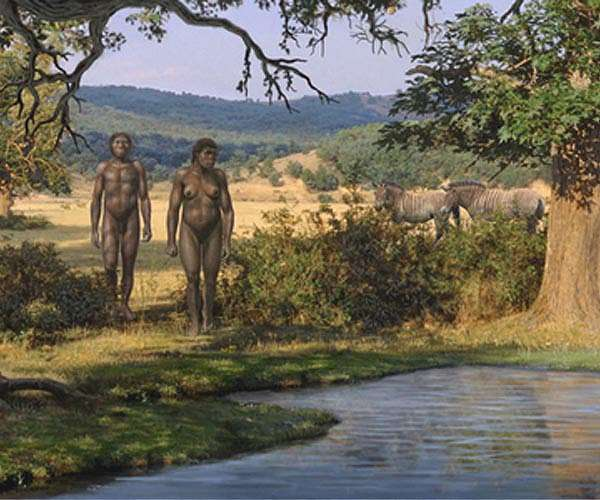
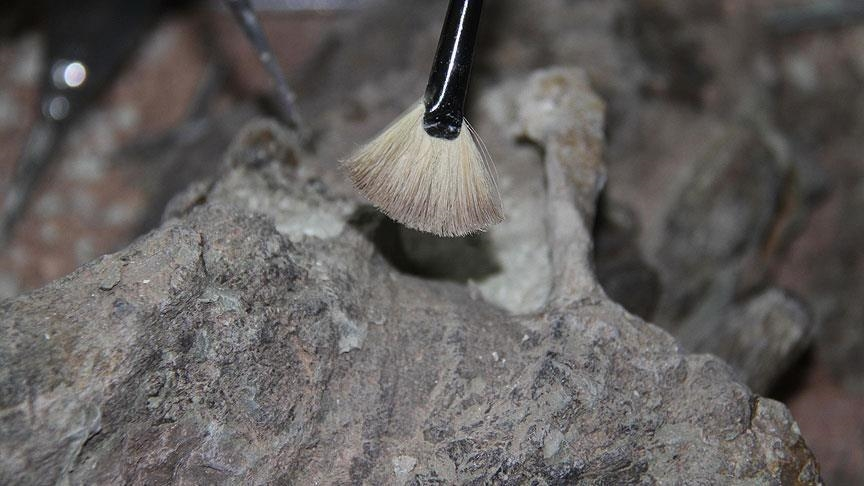
Scientists have digitally reconstructed the face of a 1.5-million-year-old Homo erectus fossil from Ethiopia, revealing unexpectedly primitive features that challenge previous ideas about early human evolution.
The fossil, designated DAN5, was uncovered at the Gona site in Ethiopia’s Afar region and is estimated to be around 1.5 to 1.6 million years old, according to a study published Tuesday in Nature.

An international team led by paleoanthropologist Karen Baab of Midwestern University in Illinois used advanced 3D imaging to reconstruct the individual’s face by combining preserved facial fragments with a previously described braincase.

The reconstruction reveals a surprising combination of traits. While the braincase aligns with classic Homo erectus features, the face and teeth appear much more primitive, resembling earlier human ancestors. This mix suggests that early Homo erectus populations in Africa were more anatomically diverse than previously believed.

Scientists say the findings raise new questions about the origins and evolutionary history of Homo erectus. The primitive facial characteristics may indicate that some African populations retained ancestral traits long after the species began spreading across the continent and into Eurasia.

The study also emphasizes the importance of Ethiopia’s Gona region, which has produced some of the oldest hominin fossils and stone tools ever discovered. The DAN5 individual is associated with both simple Oldowan tools and early Acheulian handaxes, demonstrating early humans’ technological flexibility and adaptability.

This reconstruction provides a rare window into the variability and complexity of Homo erectus, offering new insights into how early human populations evolved and interacted with their environments.

Archaeologists Found Ancient Roman Artifacts From a City That Never Existed

A site in Switzerland contained evidence of an administrative center that was part of a bigger plan to build a urban center that never came to fruition.

Grant Faint

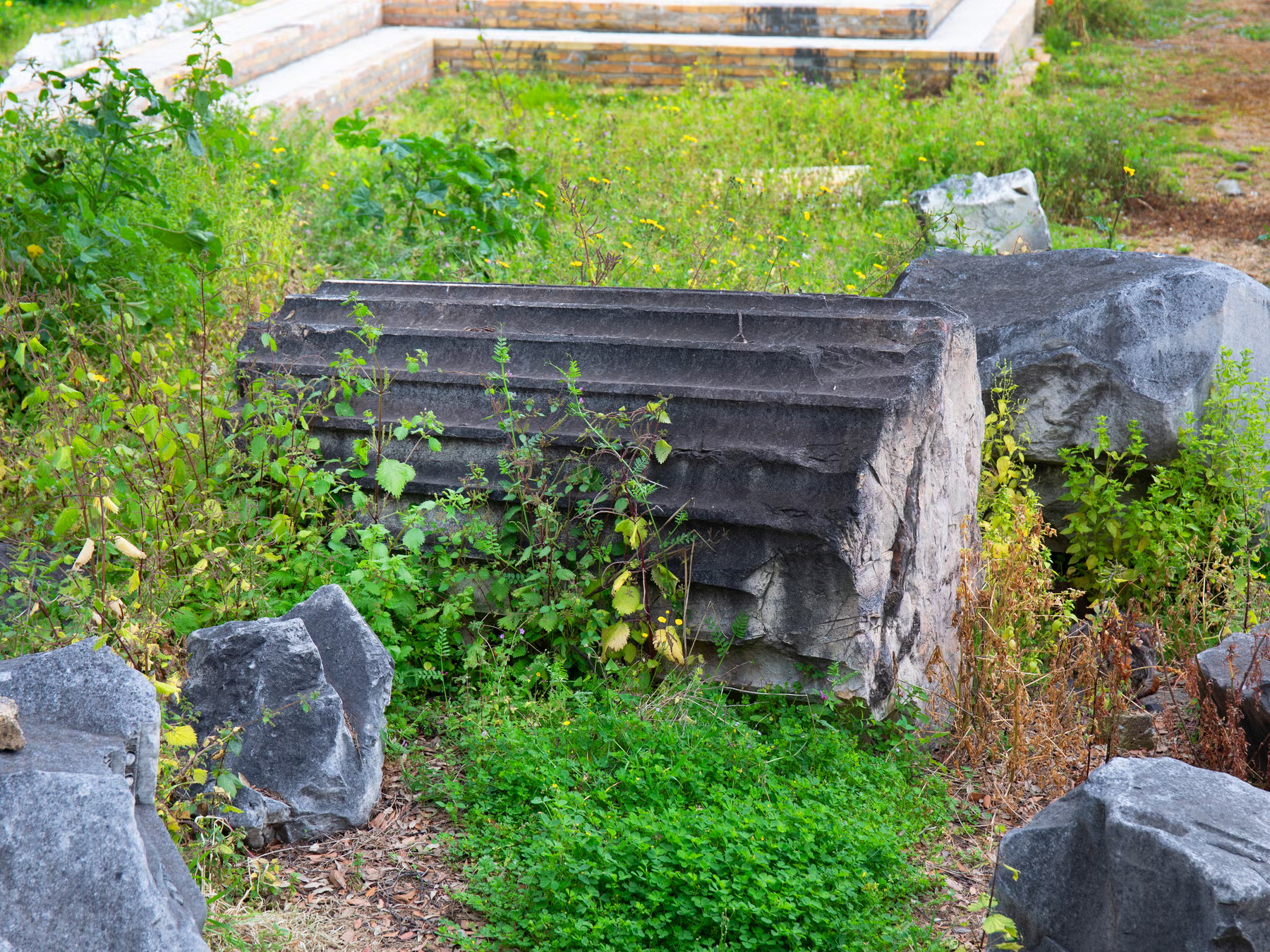
Archaeologists have revealed evidence of a previously unknown Roman-era administrative settlement near the Limmat River in Gebenstorf, Switzerland, shedding light on what could have become a major urban center in northern Switzerland during the late first century C.E. Experts believe the settlement was strategically planned to serve as a hub for trade, commerce, and administrative record-keeping, forming part of a larger vision to establish a fully functioning Roman city.

During a 14-month excavation, archaeologists unearthed over 1,600 artifacts, providing a detailed picture of the site’s intended function. These included 137 coins, specialized weights, a stylus, and a folding ruler—all items associated with trade, measurement, and record-keeping—demonstrating the settlement’s organized economic and bureaucratic activity. The presence of these objects suggests that the settlement was not merely a temporary trading post but a carefully structured administrative center.
Although the urban center was never completed, the findings indicate significant planning and ambition on the part of Roman authorities. The arrangement of the site, alongside the artifacts, shows that northern Switzerland was on the cusp of hosting an important political and economic hub, one that would have integrated commerce, administration, and urban life under Roman governance.

Researchers believe the abandonment of the project may have been influenced by broader political, economic, or environmental factors, leaving the settlement as an unfinished vision rather than a thriving city. Nonetheless, the site offers a rare glimpse into Roman urban planning, economic strategies, and administrative practices beyond the core regions of the Empire. It highlights how northern Switzerland was closely connected to Roman trade networks and underscores the potential the area had for urban development in the first century C.E.

This discovery not only enriches understanding of Roman expansion in the region but also provides invaluable insight into the organizational and commercial systems that underpinned the Empire. The artifacts and layout of the site contribute to a clearer picture of how Romans approached city planning, trade regulation, and bureaucratic administration in frontier areas, demonstrating the Empire’s reach and ambition even in areas that never fully developed into major cities.

The 12 Zodiac Signs That Climbed Mountains and Crossed Seas to Reach Ancient China

Archaeological evidence shows that the 12 astronomical signs at one point entered China, a journey that would eventually include them in religious art and beyond.

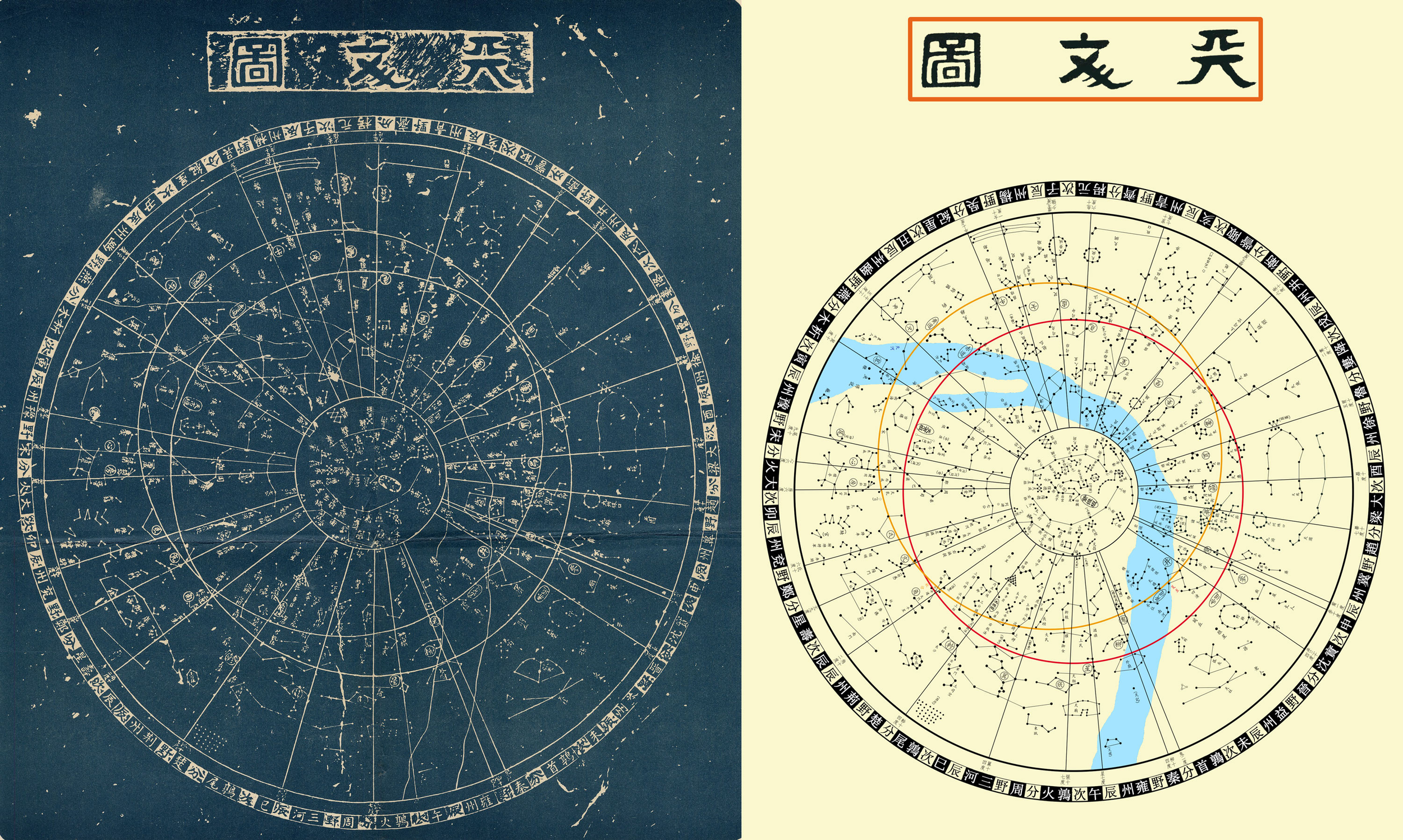
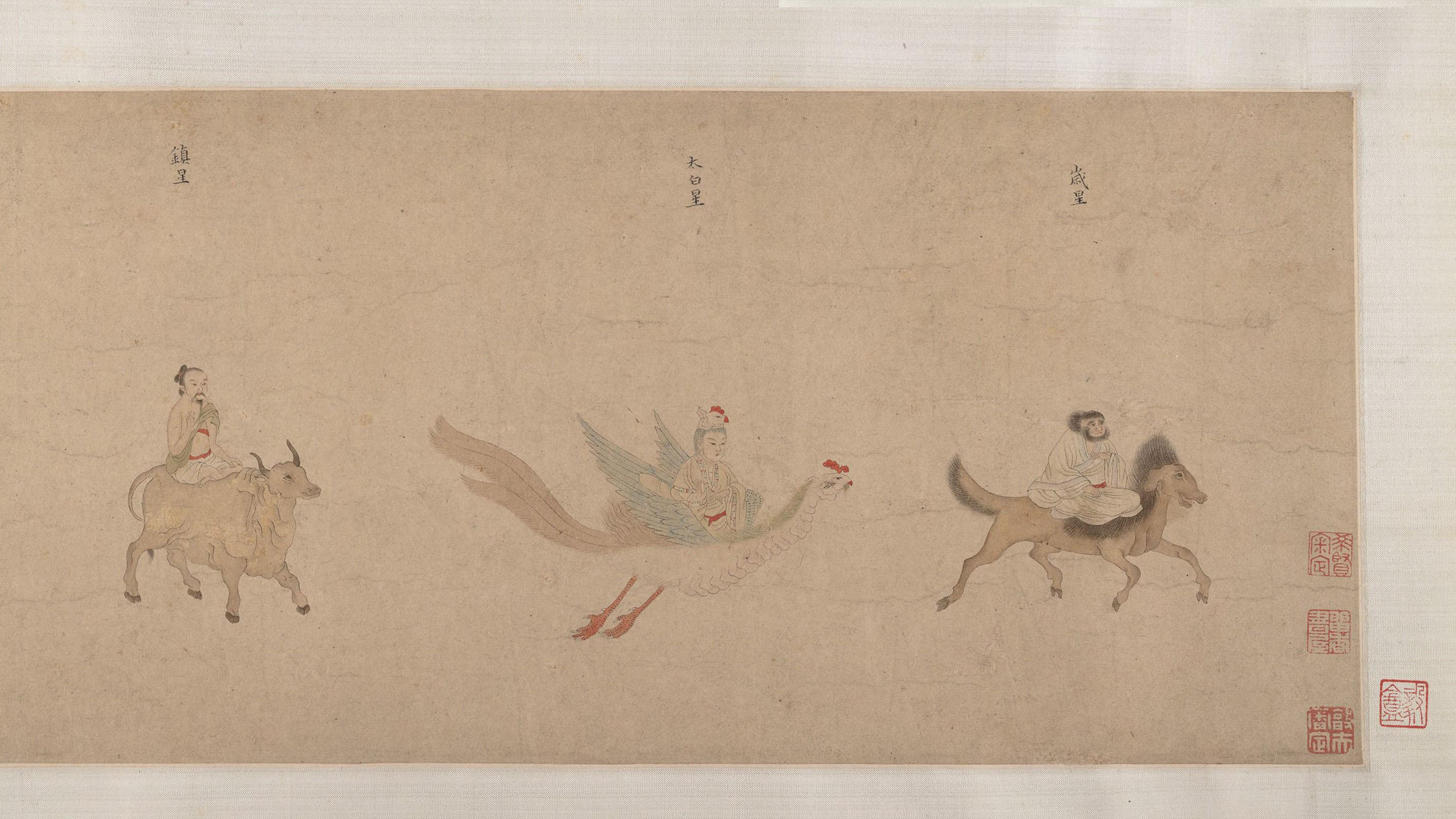
However, by the time images of the 12 astronomical zodiac signs appeared, China had already developed its own distinct tradition of measuring astral phenomena, which used the 28 lunar mansions — segments of the equator that measured the paths of the sun, moon, and five planets traveling across the night sky. Unlike practices in Europe and Central and West Asia, China’s system divided the 28 lunar mansions into four groups for the cardinal directions, each corresponding to a divine animal: the Azure Dragon of the East, the Vermilion Bird of the South, the White Tiger of the West, and the Black Tortoise of the North.

The difference between the systems is significant. In the Chinese constellation system, the 28 lunar mansions vary greatly in width, while the zodiac constellations were equally divided into the 12 signs, each occupying exactly 30 degrees. Even though some of the 28 lunar mansions such as Fang (Room), Xin (Heart), Wei (Tail) overlapped with portions of Scorpio, they were ultimately distinct systems of celestial knowledge, belonging to different cultural traditions.

Left: A rubbing of “Astronomical Chart,” drawn 1190, engraved 1247, Suzhou, Jiangsu province. From the public domain; Right: A digital facsimile by Chen Zhihui, 2022.

“Divinities of the Planets and Constellations,” also known as “The Five Planets and Twenty-Eight Constellations,” attributed to Ming dynasty painter Qiu Ying (1494–1552).

Even so, once zodiac imagery entered China, it continued to interact with local culture for centuries. By the late 6th century, during the Northern Qi dynasty, the Hindu monk Narêndrayaśas had transliterated all 12 zodiac signs from Sanskrit into Chinese, allowing their influence to spread widely across the country.

The zodiac reached its height of popularity during the Tang dynasty (618–907). This rise did not replace the importance of the 28 lunar mansions

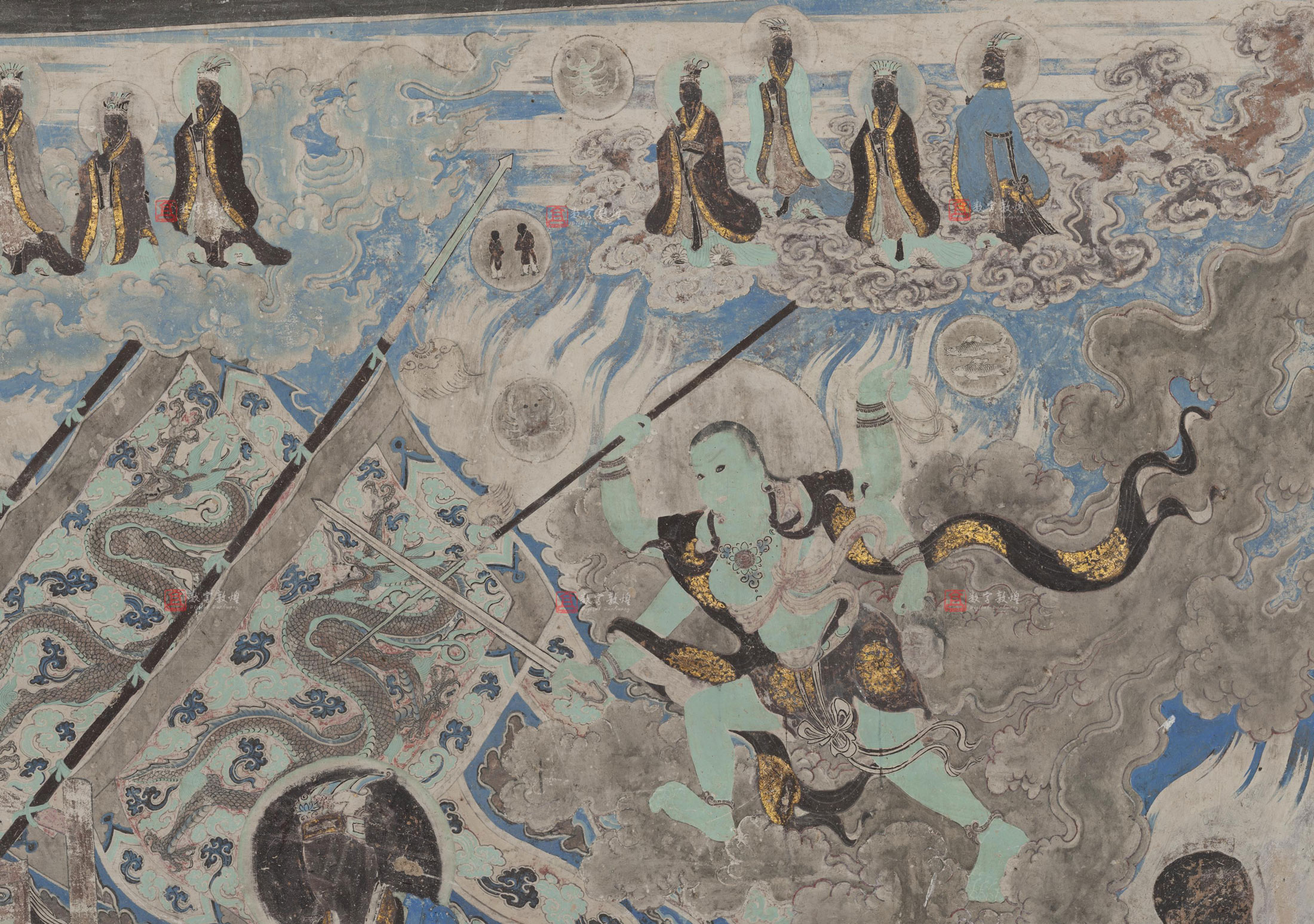
Details of the mural in Cave 61 of the Mogao Grottoes, Five Dynasties (907-960). The zodiac signs of Gemini, Cancer, Pisces, and Scorpio can be seen in the mural.

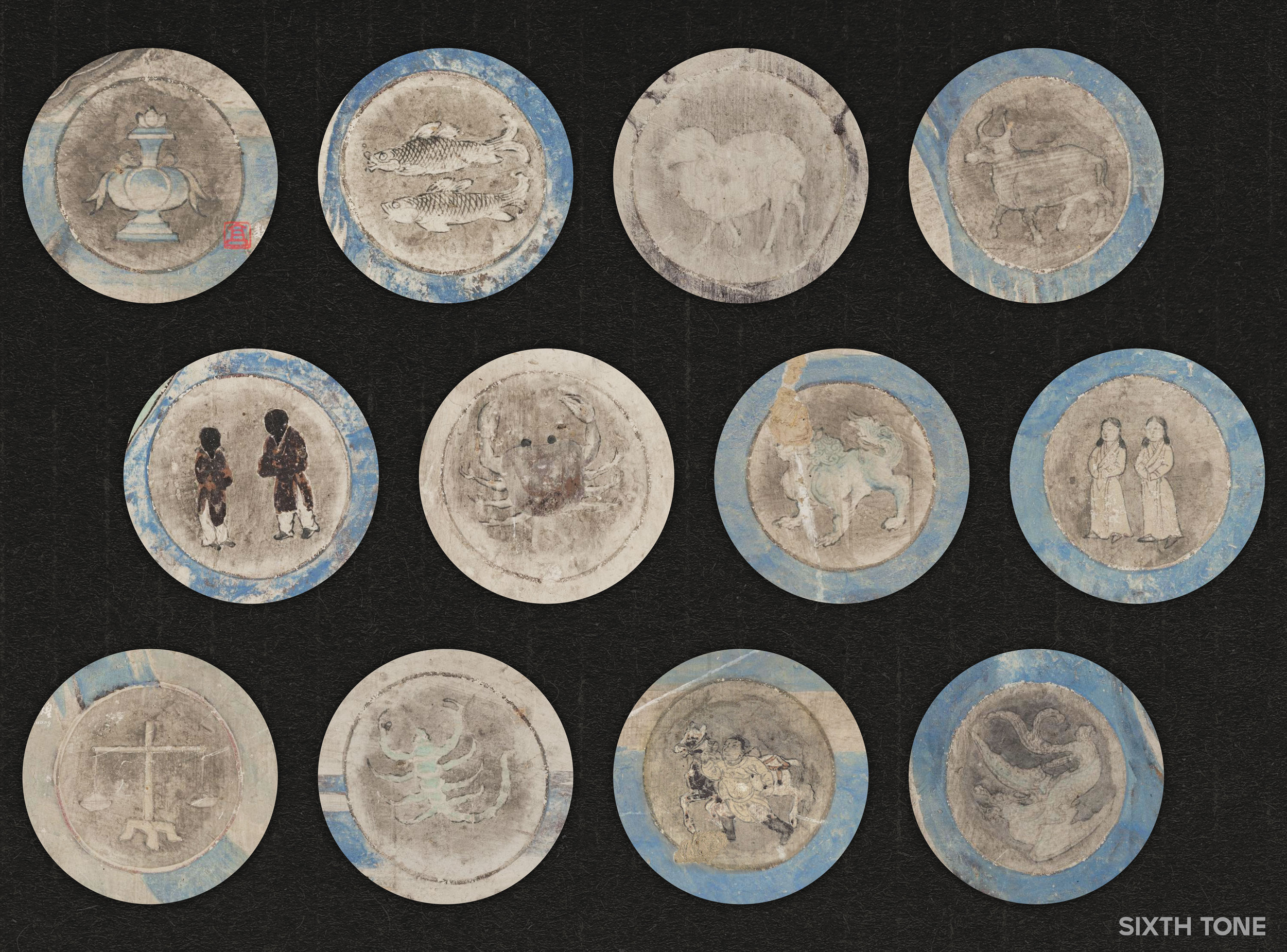
The scene suddenly blends familiar Buddhist imagery with unmistakable zodiac figures: the lion symbolizing Leo, the ram of Aries, and the horned bull representing Taurus. One detail that may seem unusual at first is a vase decorated with flowers, but this is in fact Aquarius. In Chinese sources, Aquarius is often called the “precious vase” and is typically shown holding flowers rather than water, or depicted as a simple, undecorated jar.

Another image shows two young women standing side by side and facing forward, a visual representation of Virgo. In Chinese texts, this sign is consistently translated as shuang nü gong (double maiden palace), a term that remained in use through the Qing dynasty (1644–1911).

Likewise, Gemini is portrayed as a pair consisting of one larger and one smaller monk. In Buddhist art, especially in scenes featuring the Tejaprabhā Buddha, Gemini is often shown as a man and a woman. This reflects the Chinese names for the sign, such as fu qi gong (husband and wife palace) or nan nü gong (male-female palace).

The zodiac signs cropped from a scanned copy of the mural in Cave 61 of the Mogao Grottoes, which dates back to the 10th century.

Finally, the figure of a person guiding a horse represents Sagittarius. In Chinese imagery, the Western centaur was reinterpreted as a human paired with a horse rather than a hybrid creature. This adaptation illustrates how foreign zodiac imagery was absorbed into Chinese visual traditions, blending Western astronomical ideas with local artistic conventions and symbolism to form a distinctive fusion of star lore.

Images of the 12 zodiac signs were often placed among astral deities, such as those surrounding the Tejaprabhā Buddha, and became figures to whom people prayed for blessings or protection from misfortune in both Buddhist and Daoist traditions.

Over time, however, the meaning of the zodiac signs extended beyond religious contexts and entered everyday life. The idea of star gods linked to a person’s birth year, month, or date became part of popular belief, with individuals seeking guidance, protection, or good fortune from these celestial forces. In this way, the zodiac signs became woven into society’s cultural fabric, influencing both spiritual practice and popular culture.

After traveling across seas and mountains, the 12 zodiac signs ultimately became integrated into Chinese culture. Combining astrological symbolism with spiritual meaning, they continue to serve as enduring representations of personal fate, divine influence, and humanity’s connection to the heavens.

Stone Age dog burial unearthed in Swedish Bog

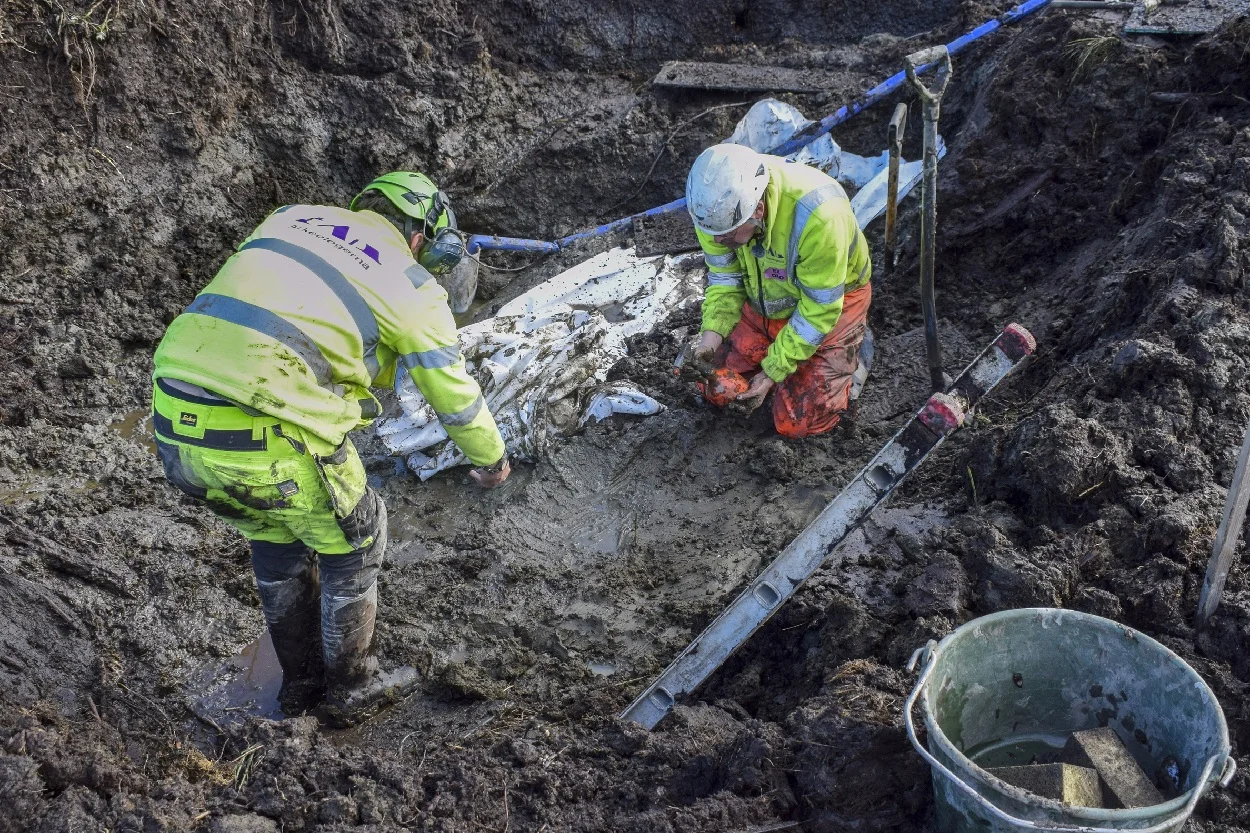
ARchaeologists have unearthed an exceptionally rare Stone Age dog burial in a bog just outside Järna, southern Sweden.

The discovery was made by a team from the State Historical Museums in preparation for the construction of the Ostlänken high-speed railway at Logsjömossen in Gerstaberg.

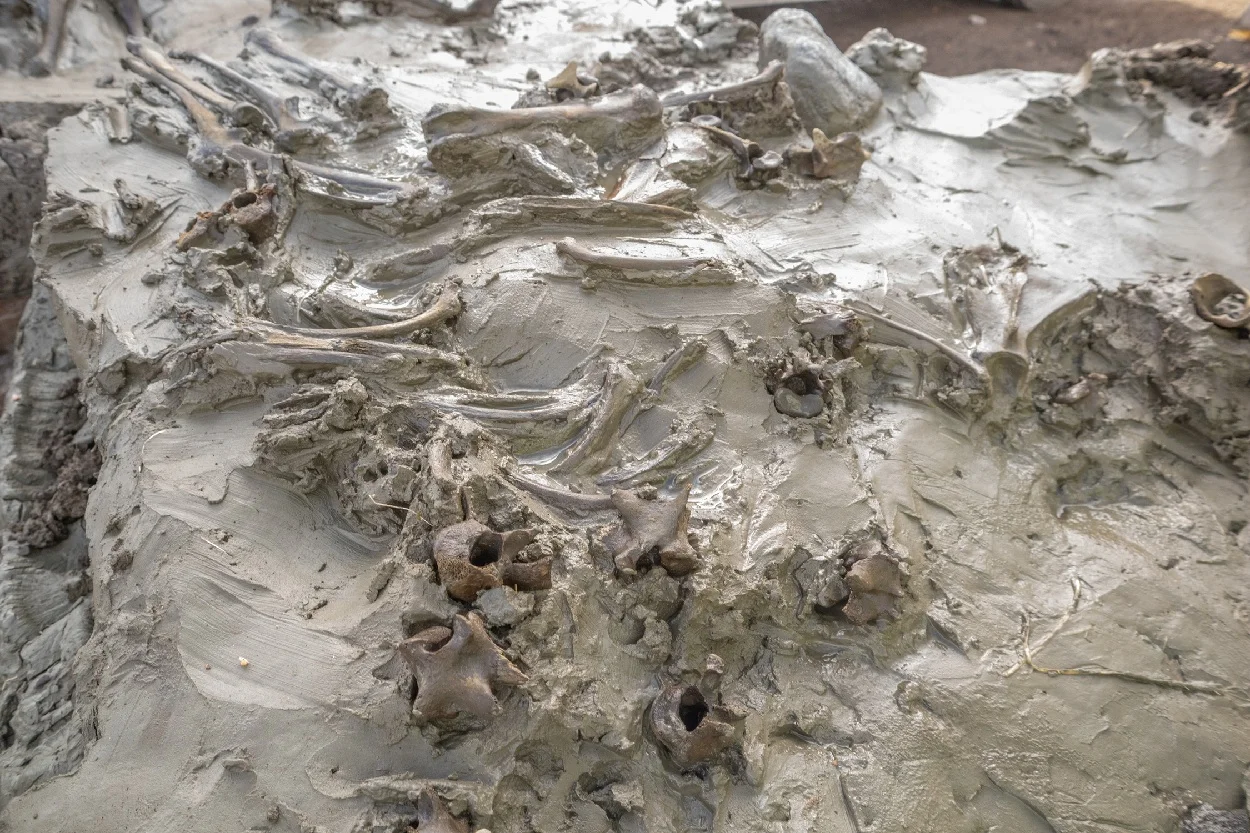
The burial contains the well-preserved skeletal remains of a large male dog, deliberately buried in wetland sediment alongside the funerary offering of a finely crafted bone dagger.

“Finding an intact dog from this period is very unusual, but the fact that it was also buried together with a bone dagger is almost unique”, says Linus Hagberg, archaeologist and project manager at Arkeologina.

An analysis of the dog remains indicates that it was around 3 to 6-years-old at time of death and stood roughly 52 centimetres in height. It was found with the skull completely crushed and was likely buried in a leather bag weighted down with stones.

veral thousand years ago, the site was not a bog but a clear lake used for fishing. Ritual deposits of dogs are known from the Stone Age, and the find is believed to represent a deliberate ceremonial act rather than a disposal.

Planned scientific analyses, including radiocarbon dating, isotope studies, and DNA testing, are expected to provide further insight into the dog’s age, diet, and life history. Researchers hope this information will also illuminate how the people who lived in the area organised their subsistence and daily lives.

In addition to the dog burial, archaeologists uncovered a wealth of well-preserved wooden remains dated to between 3,300 and 2,600 BC. These include driven stakes and posts that may have formed piers, stone anchors or sinkers, and a two-meter-long woven willow structure identified as a mjärde, an early type of fishing trap. Trampling marks in the lakebed suggest repeated human activity, possibly related to fishing or maintaining equipment.

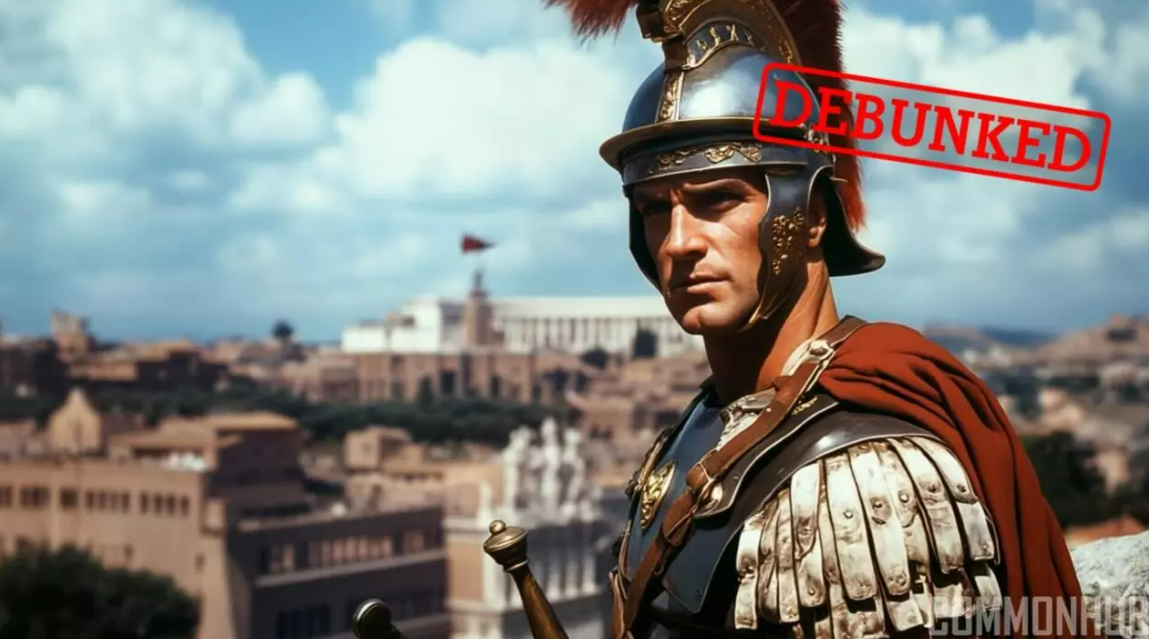
AI-generated reconstructions of ancient Rome turn out to be full of errors

A number of videos and images created by artificial intelligence that claim to accurately depict ancient Rome have been circulating online. However, these images are far from historically accurate, says one historian.

This video generated by artificial intelligence claims to show an accurate depiction of ancient Rome but is, in actuality, full of errors. It was posted on YouTube on November 9, 2024

“A Journey Through Time with Artificial Intelligence,” reads the caption of a YouTube video posted on November 9, 2024. Titled Ancient Rome | AI Generated Video, it invites viewers to explore the Roman Empire and claims that artificial intelligence can reveal new insights into Roman society, architecture, warfare, and everyday life.

In recent months, similar AI-generated videos and images have become increasingly common online, often presenting themselves as realistic depictions of the past, particularly of ancient Rome. Despite their impressive appearance, many of these reconstructions fail to reflect historical accuracy.

To assess these claims, our team consulted Sarah Kourdy, a professor of Art History and Archaeology at the University of Bordeaux Montaigne who specializes in ancient Greek and Roman civilizations. She highlighted several inaccuracies found in such visuals.

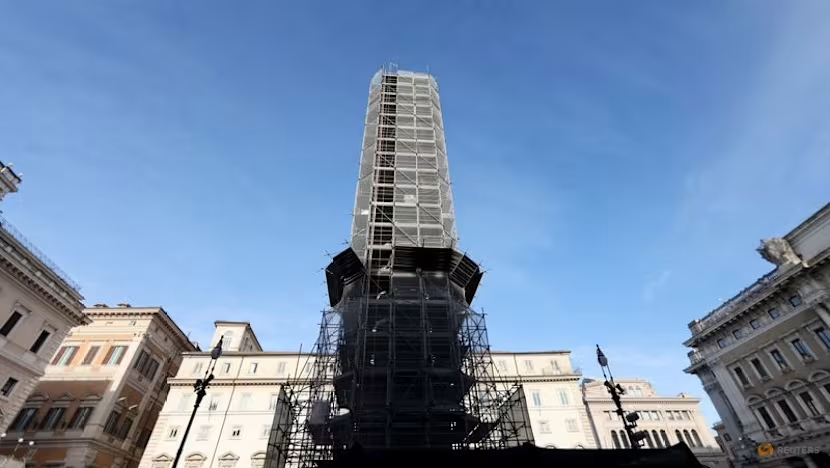
One example from the “Ancient Rome” video illustrates these flaws clearly. At the 47-second mark, a Roman soldier is shown standing before what is supposed to be an ancient Roman setting, yet the background includes a building style that belongs to the 20th century rather than antiquity.

There is a 20th-century building in this scene meant to show ancient Rome in the YouTube video "Ancient Rome".

However, one of the buildings in the image is from another era entirely. 

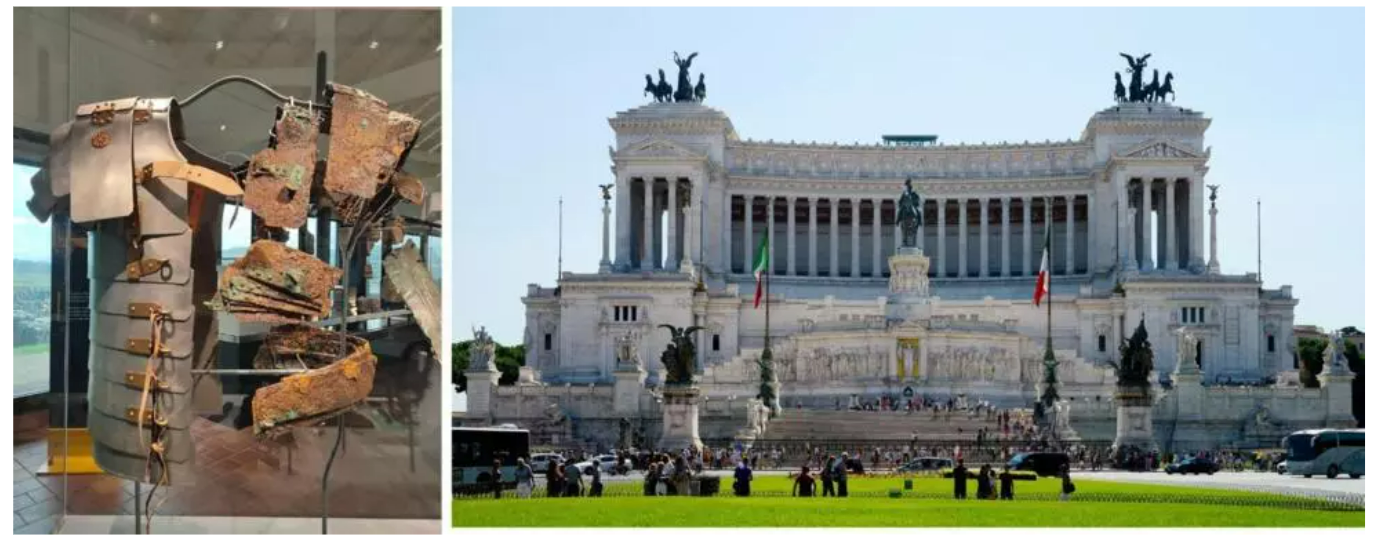
"The building in the background looks a lot like the monument to Victor Emmanuel II, [Editor’s note: built in 1911 to honour the first king of a united Italy], which is clearly anachronous.” 

The soldier is wearing what’s called a lorica segmentata, a jointed breastplate worn by Roman legionnaires. However, Kourdy says that there are also issues with this uniform:

"The metal bands are too thin and are arranged vertically. Usually, they are of a decreasing size and arranged parallel and horizontally to better protect the soldier.” 

At left is a lorica segmentata, where you can see that the metal bands are horizontally placed. At right is the monument honouring Victor Emmanuel II, which was inaugurated in 1911.

The video’s depiction of Circus Maximus contains several errors. According to Sarah Kourdy, the seating tiers look too uniform and modern, unlike the original irregular terraces made of wood and stone that were rebuilt over time. The spina is shown as plain, whereas it was historically decorated with obelisks, statues, and fountains. The audience is underrepresented compared to the estimated 150,000 spectators the stadium could hold. The chariots are also inaccurate, with wheels too wide, horses too small, and too few participating in the race. These mistakes significantly distort the portrayal of Roman public spectacles and architecture.

A widely shared image, claiming to depict the Baths of Caracalla, has attracted 592,000 views on X and circulated across several Facebook history groups. The baths, built by Emperor Caracalla in 216 AD, were among the most opulent in the Roman Empire. The image presents the natatio, or swimming pool, beneath an elaborately decorated ceiling of white marble and gold.

Kourdy points out that the AI-generated image of the Baths of Caracalla is historically incorrect.

The image shows the baths in a Baroque style, even though the Baroque movement only began in the 16th century. Additionally, the baths were constructed from bricks and mortar, not white marble. The AI’s lavish gilding would not have suited the humid environment of the baths, as such decoration was reserved for salons and libraries.

The depiction also exaggerates the scale: the real Baths of Caracalla had impressive dimensions, but the AI image shows an enormous swimming pool with massive columns rising directly from the water, which never existed.

A scientific reconstruction of the Circus Maximus created by the University of Caen.

Municipality of Orestiada: Plan for Multi-theme and Sustainable Tourism in Northern Thrace

The Municipality of Orestiada is developing an integrated tourism strategy aimed at transforming the area into a multi-themed destination that will boost the local economy, improve residents’ quality of life, and make full use of the region’s distinctive geographical and cultural assets. Northern Evros, with its varied natural landscapes and deep historical background, is considered ideal for multiple forms of tourism that complement one another and support year-round visitation.
Cultural tourism stands at the center of this plan. The region is home to one of Thrace’s most important archaeological sites, the Doxipara–Zoni Burial Mound, where visitors can see rare discoveries such as chariots and horses. The experience is enriched by traditional villages showcasing Thracian architecture, along with notable museums including the Historical and Folklore Museum of Nea Orestiada and the Karratheodori Museum. The tourism offering is further strengthened by thematic exhibitions such as the Interactive Science and Technology Exhibition “Eugene Eugenides,” the Archaeological Educational Cave Exhibition, and the Petrified Stone Museum of Petros, as well as cultural events and festivals that preserve and promote local traditions.
Religious tourism is another key pillar, with historically significant monasteries and churches, including the Monastery of Agia Skepi and Agia Paraskevi in Nea Vyssa, providing opportunities for pilgrimage and spiritual visits.

The Municipality is also steadily promoting ecotourism and agrotourism by utilizing agricultural land and the natural environment. Visitors can tour farms cultivating products such as corn, sunflower, regional garlic, and Thracian fruits, while taking part in agricultural activities and tastings. Agrotourism evenings in the lavender fields of “Aroma Evros,” located between Valto and Fylakio, have gained popularity by offering relaxation, wellness, and nature-based experiences. Soft recreational activities are further supported through ecotourism routes along the Arda River.

Conference and educational tourism is being developed through cooperation with the Democritus University of Thrace. This partnership supports the organization of conferences, seminars, summer schools, and programs focused on biodiversity, agriculture, and the long history of Thrace. The involvement of the academic community adds value and attracts specialized visitors.

Sports tourism has also expanded, making use of the Arda River for activities such as canoeing, kayaking, swimming, and beach volleyball. These activities, together with the well-known Arda Festival that combines music, culture, and sports, appeal to younger audiences and encourage outward-facing tourism. Cycling paths and hiking trails in areas such as the Triangle, Petros Quarry, Korakopetra, and the surrounding mountainous landscape further enhance the range of outdoor activities.

Cross-border tourism represents another growing sector, supported by the region’s close proximity to Bulgaria and Turkey. Opportunities exist for joint routes, shared tourism packages, and cultural exchanges that increase visitor numbers and promote cooperation in border regions.

The Municipality’s objective is to position Orestiada as an alternative destination for sustainable tourism that respects the environment, the local population, and cultural heritage. According to municipal officials, this strategy will highlight natural and cultural resources, increase annual visitor numbers, create experience-based tourism centered on culture, ecotourism, and agrotourism, and strengthen the local economy through job creation and improved living standards. At the same time, deeper connections with neighboring regions are expected to lay the groundwork for stronger cross-border collaboration in the future.

Council leads efforts to unearth mystery behind medieval burial site in Buckingham

A new report into burials at a historical site in Buckingham has been published, unearthing a fascinating insight into the extraordinary find which dates back to at least the 13th century.

The site, which appeared to hold a large number of historic human remains, was first discovered in 2018, when archaeological evaluation work was carried out on the site ahead of development.

Buckinghamshire Council’s archaeology team took the lead on liaising with partners to begin the process of carrying out investigations and analysis into the precise date and significance of the finds.

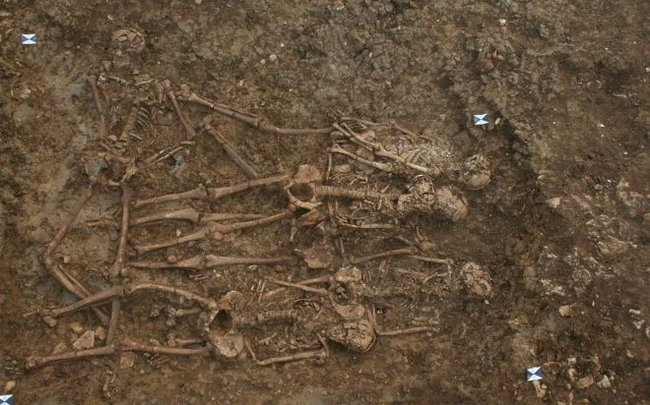
The latest report, submitted to the Buckinghamshire Historic Environment Record (HER) confirms that at least 73 individual bodies have been found across 34 graves. No clear order or layout has been discovered. Most burials were in a traditional east-west position, but many were placed in unusual ways. Most strikingly, 26 skeletons were found with their hands tied behind their backs. The burials were predominantly adult males, with some juveniles and adolescents, but no females were identified.

Further analysis revealed signs of childhood stress, healed fractures, and diseases such as tuberculosis. Only a small number of artefacts were found at the site. This suggests valuables were removed before burial. Two buckles were recovered, one dating to the late Roman period and one dating to the post-medieval period. Carbon-dating of one skeleton provided a date in the late 13th century

The unusual layout, lack of grave goods, and evidence of bound hands strongly suggests this was an execution cemetery, a rare type of burial ground historically used for criminals. These sites, often located on routeways or parish boundaries, represent a marginalised sector of medieval society.

Buckinghamshire Council’s archaeology team played a vital role throughout this project. The team liaised with contractors, monitored fieldwork, advised on next steps, and approved excavation reports for inclusion in the Historic Environment Record. Without this involvement, the site would not have been discovered, excavated, or accurately recorded.

Councillor Peter Strachan, Cabinet Member for Planning and Regeneration, said:

“Our archaeology team has worked tirelessly to ensure this remarkable site was properly investigated. The discovery of what is likely a medieval execution burial ground offers a rare glimpse into Buckinghamshire’s past. We are committed to preserving and sharing these findings with the local community so that everyone can appreciate the depth of our county’s history.

I thank members of the local community and local councillors in Buckingham for their tireless interest in this site – this dedication has helped to maintain momentum in discovering so much more about what happened to these people in our past.”

The next step is for post-excavation analysis to be completed and the results published, to ensure a proper record of the discovery is made. Further research will continue to enhance understanding of the site, the individuals buried there, and life in Buckinghamshire during the Saxon and medieval periods.

Network Archaeology and York Osteoarchaeology, 2025. West End Farm, Buckingham: Human Remains Report for Archaeological Excavation..

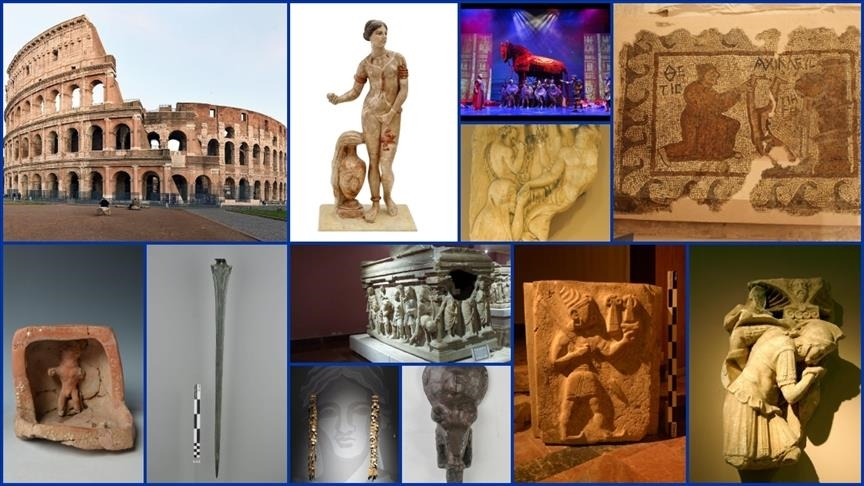
Troy-themed exhibition to be held at Colosseum in Rome, says Turkish minister

‘The exhibition will be prepared with works selected from the collections of Turkish and Italian museums, foremost among them the Troy Museum, and will be crowned with the Troy Opera,' says Mehmet Nuri Ersoy”

Turkish Culture and Tourism Minister Mehmet Nuri Ersoy announced that a Troy-themed exhibition will take place at Rome’s Colosseum in 2026.

Sharing the news on the Turkish social media platform NSosyal, Ersoy said Türkiye will once again present its cultural heritage at one of Ancient Rome’s most iconic landmarks, noting that Troy will be the next focus.

He explained that the UNESCO-listed ancient city of Troy will be showcased at the Colosseum Archaeological Park, following previous exhibitions such as Gobeklitepe: The Mystery of a Sacred Place last year and Magna Mater this year. Authorities have now agreed to move forward with a Troy-centered exhibition.

Ersoy added that the decision was finalized through bilateral meetings held in Rome and Ankara, resulting in a letter of intent signed on Dec. 11. The exhibition will feature selected artifacts from Turkish and Italian museum collections, particularly from the Troy Museum, and will be complemented by the Troy Opera, produced by the Ministry’s State Opera and Ballet. Through this combination of archaeology and performing arts, the story of Troy will be presented to international audiences in Rome.

Submerged structural remains discovered off Crimean coastline

Archaeologists have identified a submerged stone construction thought to be connected to the ancient city of Chersonesus, located in present-day Sevastopol in occupied Ukraine.

Chersonesus was founded around 2,500 years ago as a Greek colony by settlers from Heraclea Pontica. In the Early Middle Ages, it came under Byzantine control while maintaining a level of autonomy.

Because of its isolated position, the city served as a key lookout over Black Sea trade routes and was also used as a place of exile for notable figures, including Popes Clement I and Martin I, as well as the deposed Byzantine emperor Justinian II.

The city declined after being attacked by Mongol forces in 1299. Byzantine sources last reference Chersonesus in 1396, and archaeological evidence indicates it was abandoned soon afterward. In 2013, its ruins—such as temples, residential buildings, and a theater—were designated a UNESCO World Heritage Site.

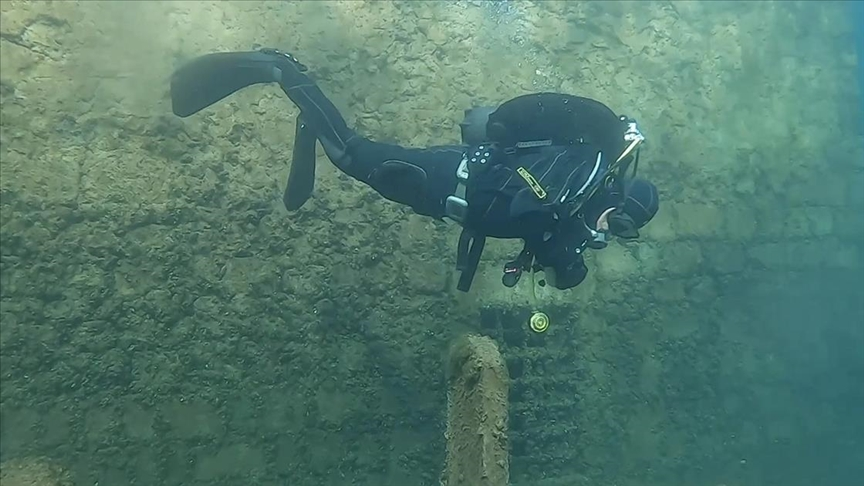
A recent underwater investigation employed non-invasive methods, including Bottom Electrical Resistivity Tomography (ERT), to examine the coastline for hidden archaeological remains.

The survey, led by Vladimir Glazunov of Saint Petersburg Mining University, revealed a long stone rampart that is partly visible on land. Researchers believe it may have been part of the city’s defensive infrastructure or a hydraulic feature used to manage the shoreline.

The structure measures roughly 23 meters long and 10 meters wide, with a vertical height difference of more than two meters.

Excavation of stones from the rampart uncovered several artifacts dating mainly to the medieval period, such as ceramic shards, a fragment of marble architectural decoration, and a limestone drinking vessel. Further research is scheduled for the next field season.

New discoveries in AlUla reveal continuous settlement before rise of Islam

ALULA — Recent archaeological work at Dadan in AlUla has uncovered new evidence that fills a long-standing gap in the history of northwest Arabia, demonstrating that the region was continuously inhabited from the Nabataean period through to the early Islamic era.

The discoveries were made by a joint team from the Royal Commission for AlUla (RCU) and France’s National Centre for Scientific Research (CNRS). Their findings, published in Arabian Archaeology and Epigraphy, document human activity in Wadi al-Qura between the 3rd and 7th centuries CE for the first time.

For many years, historians believed this era represented a period of decline, assuming that permanent settlement largely disappeared after the end of Nabataean rule. The new archaeological evidence challenges this assumption and points instead to long-term continuity.

A long-lasting settlement

The conclusions are based on excavations conducted from 2021 to 2023 under the Dadan Archaeological Project, a collaborative initiative involving RCU, CNRS, and AFALULA.

Researchers uncovered a sizable architectural complex dating to the late 3rd or early 4th century CE. Remarkably, the site remained in use until the first half of the 7th century CE. It is located within the Dadan area, less than one kilometer south of the ancient city.

This represents the first comprehensive archaeological confirmation of an enduring settlement in Wadi al-Qura from the early 5th century up to the period just before the rise of Islam.

Evidence of an organized community

Excavations revealed a well-planned settlement layout, featuring structured rooms and courtyards, a central open space, and an advanced water-management system that included a well, basin, and channels.

Signs of farming, food storage, meal preparation, and craft production indicate a stable and organized population, rather than a short-term or declining occupation.

Scientific analysis of daily life

The research team employed a multidisciplinary approach, analyzing ceramics, stone tools, plant remains, animal bones, and geological data. These methods provided detailed insights into diet, agricultural practices, and oasis life during a time of major cultural and economic change in the region.

Rethinking Wadi al-Qura’s past

The findings suggest that Wadi al-Qura did not experience a break in settlement between the 4th and 6th centuries CE, as previously believed. Instead, the area appears to have supported a socially and economically active community that maintained its architectural traditions and resource systems right up to the dawn of the Islamic period.

Dr. Abdulrahman AlSuhaibani, Vice President of Culture within RCU’s Tourism Sector and a contributor to the study, said the discoveries reveal an essential chapter in AlUla’s history.

“These results show that AlUla was part of a thriving settlement network in the centuries leading up to Islam,” he said, adding that the research strengthens understanding of long-term social continuity in northwest Arabia.

The discovery highlights RCU’s commitment to international archaeological research and reinforces AlUla’s growing role as a global hub for the study of Arabian history.

Bronze Age Roundhouse discovery at Cornwall geothermal site

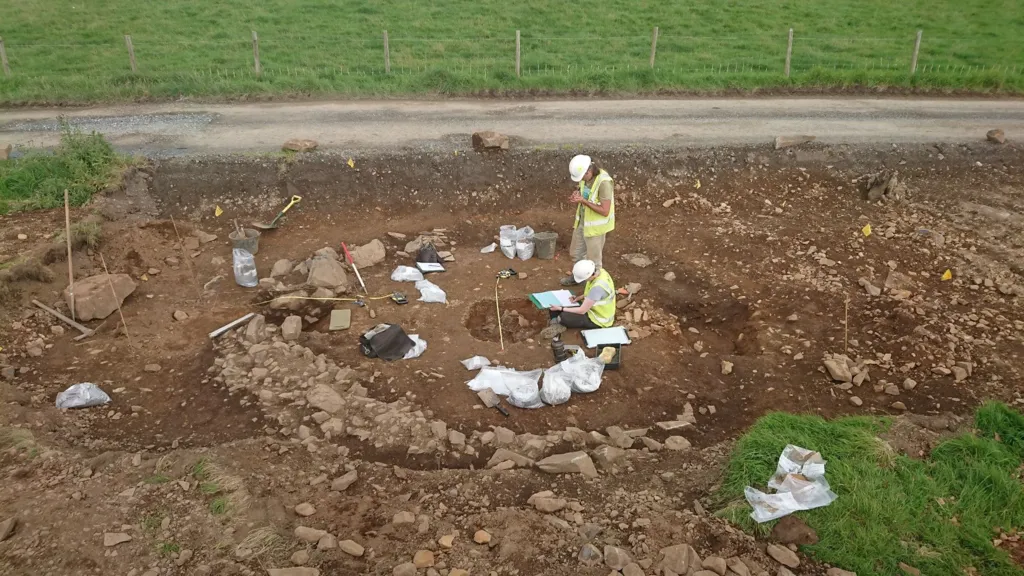
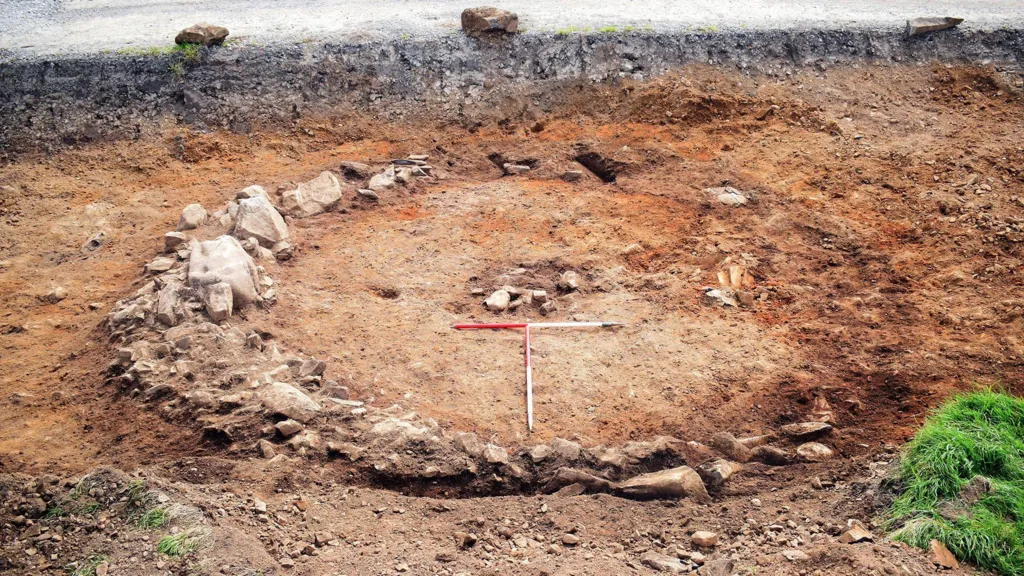
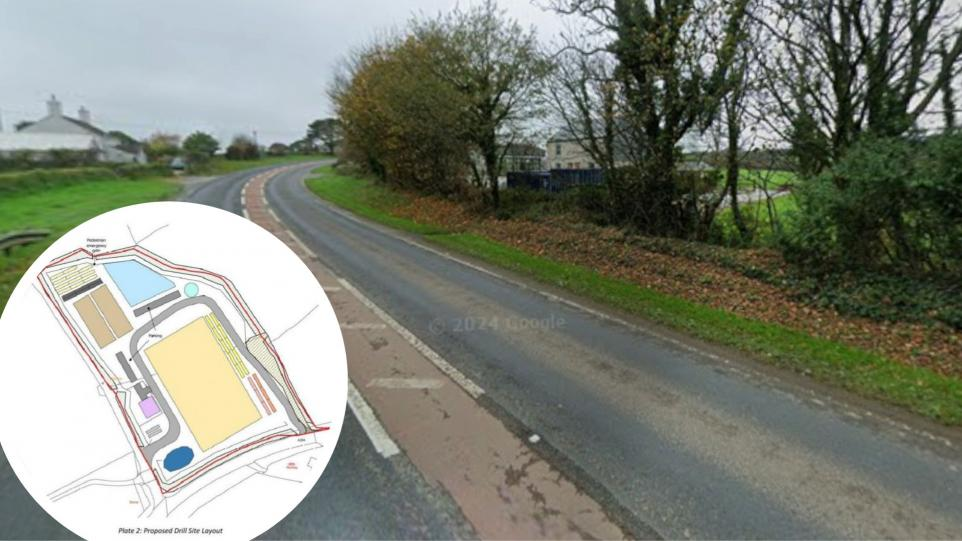
Residents living near a proposed geothermal drilling project in Cornwall have raised urgent concerns following the discovery of a significant Bronze Age roundhouse at the site, which they argue is now under threat from the development.

Residents near a proposed geothermal drilling site in Cornwall have voiced serious concerns after a major Bronze Age roundhouse was discovered on land now earmarked for development, which they say could be damaged or lost if the project proceeds.

The archaeological discovery was made at Manhay on land owned by Cornwall Council, which plans to lease the site to Geothermal Engineering Ltd (GEL). Local residents and heritage advocates are now calling on both the council and the company to reconsider, arguing that protecting Cornwall’s ancient history should take priority over the drilling project.

Opponents claim the importance of the find has been understated by both Cornwall Council and GEL. They fear a revised planning application is being rushed through so work can begin before the original permission expires. One resident told the Packet, “If the project goes ahead on this site, these Bronze Age remains will be destroyed. We accepted the development after the first application failed, but now that a Bronze Age site has been found, it puts everything at risk.”

Concerns are not limited to archaeology. Locals are also worried about changes to site access and road safety. The site lies at a known accident hotspot, and the original planning approval required a one-way traffic system. The new variation proposes allowing two-way HGV traffic at the A394 Manhay crossroads, a junction residents describe as already dangerous.

People living nearby strongly oppose the change, citing increased noise and a higher risk of collisions caused by heavy vehicles entering and leaving the site from both directions.

In response, GEL CEO Ryan Law said the company is addressing both heritage and safety issues. On the archaeological discovery, he stated that GEL has sought professional advice and will carry out all works in line with planning conditions to protect the historic environment.

Regarding traffic concerns, GEL maintains that safety remains a top priority. The company said the revised access plans were developed in cooperation with Cornwall Council’s highways department and that discussions with local councillors are already underway to explore temporary and long-term improvements to road safety along the A394.

GEL also said it will continue to update residents and stakeholders through future community liaison meetings as the planning process moves forward.

Prehistoric Underwater Wall Hints at Sophisticated Human Engineering 7,000 Years Ago

A 400-foot-long granite structure off the coast of Brittany suggests late hunter-gatherers were already beginning to settle down.

Phare de Nividic Lighthouses in Brittany, France.

After surveying Brittany’s coastline with laser-based mapping technology, a French geologist noticed an unusual feature about 30 feet below the Atlantic’s surface.

A follow-up dive revealed a roughly 400-foot-long granite wall built by humans around 7,000 years ago. According to research published in the International Journal of Nautical Archaeology, the structure is made of deliberately arranged stone slabs and monoliths. Its form and location suggest it may have been used either as an early fish trap or as a barrier to protect coastal communities from the sea.

Either explanation highlights an unexpected level of technical knowledge during a key phase of prehistory, when Mesolithic hunter-gatherers were beginning to settle permanently and transition toward Neolithic farming.

A Human Structure Beneath the Sea

The discovery traces back to 2017, when retired geologist Yves Fouquet examined LiDAR seabed data near Sein Island off western France. The scans revealed 11 submerged features at depths deeper than researchers anticipated in such rough waters.

Between 2022 and 2024, underwater investigations confirmed the presence of several granite constructions, including a wall nearly 400 feet long. Today the remains sit about 30 feet underwater, but they date to roughly 5,800–5,300 BCE, when sea levels were lower and the shoreline lay several miles farther out. What is now seabed was once dry land.

Research in the area has long been difficult due to strong tides, heavy waves, and thick seaweed. Because of this, archaeologists were surprised to find the stonework so well preserved, with upright slabs and monoliths still clearly defined in a now-hostile marine environment.

Since no organic material survived on the stones, direct radiocarbon dating was not possible. Instead, researchers estimated the age by reconstructing ancient sea levels and matching them with known periods of human settlement along the former coast.

Fish Weirs or Coastal Defenses

Along the coasts of Brittany and Normandy, many prehistoric fish weirs have already been identified through aerial and satellite imagery. Some of the newly found structures resemble these traps, but others are far larger than typical examples.

Fish weirs were usually placed in tidal zones to guide fish as the water receded. However, the size of several submerged walls suggests they may also have functioned as protective barriers, guarding settlements against storm surges or advancing seas during a time of environmental change.

Whatever their purpose, the walls demonstrate organized labor and advanced construction skills, including the ability to gather and position massive stones. Notably, this knowledge appears to predate the region’s earliest ceremonial megaliths by about five centuries.

Insight into a Time of Change

These underwater remains provide rare evidence of coastal Mesolithic societies on the verge of the Neolithic. The study notes that fish weirs were a vital food source for hunter-gatherers and required coordinated effort and ongoing upkeep—clear indicators of increasingly settled lifestyles.

The Mesolithic-to-Neolithic transition in Brittany, dated to around 5500–5000 BCE, occurred as post-Ice Age sea-level rise began to slow. The submerged walls suggest that coastal groups were already modifying their surroundings and managing resources well before agriculture became fully established.

The Forgotten Cities of the Silk Road

The Silk Road was not a single road but a vast and complex network of land and sea routes that connected East Asia with the Mediterranean world for more than a millennium. Along these routes emerged powerful cities that acted as commercial hubs, cultural crossroads, and centers of knowledge. Merchants, monks, diplomats, and scholars passed through them carrying silk, spices, precious metals, religious ideas, scientific knowledge, and artistic traditions.


Today, many of these once-great cities lie in ruins, buried beneath deserts or absorbed by time. Their rediscovery has transformed our understanding of ancient globalization and the deep interconnectedness of civilizations.

The Rise and Fall of Ancient Trade Hubs

Merv – The Pearl of the East

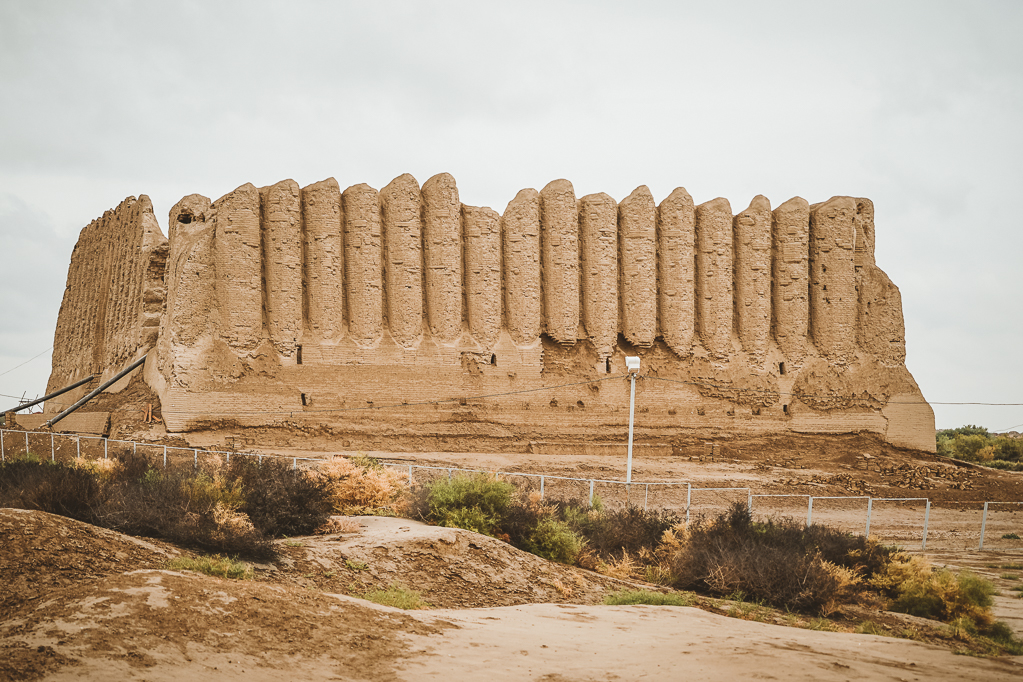
Merv, located in modern-day Turkmenistan, was one of the most important cities on the Silk Road and among the largest cities in the world during its peak. Flourishing under Persian, Islamic, and Seljuk rule, Merv became a center of science, theology, mathematics, and literature. Its libraries and madrasas attracted scholars from across the Islamic world.
The city’s prosperity came to a violent end in 1221 when Mongol forces under Tolui, son of Genghis Khan, sacked Merv. The destruction was so complete that the city never recovered, leaving behind vast ruins that testify to its former grandeur.

Dunhuang – Gateway Between China and Central Asia

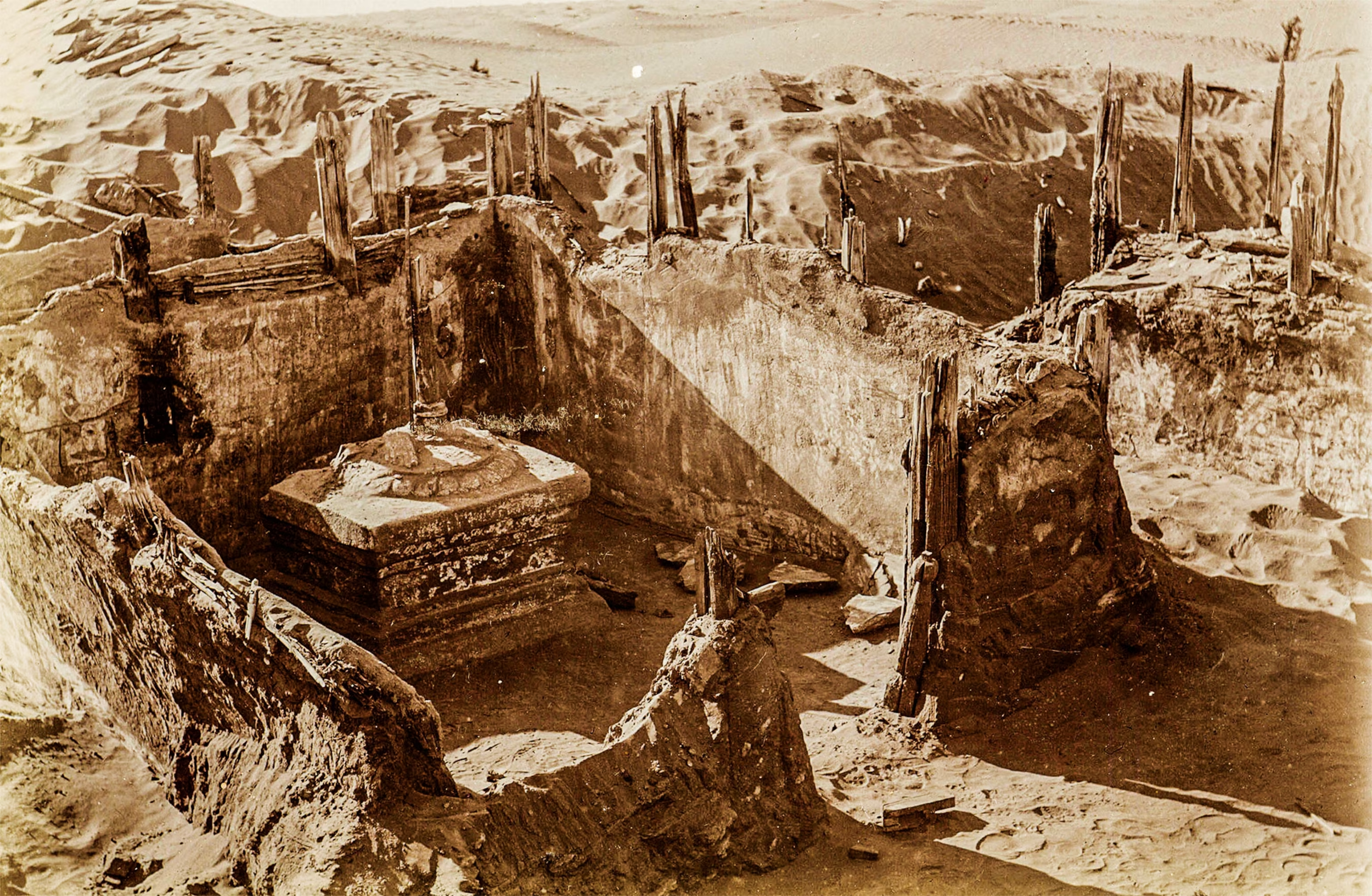
Situated at the edge of the Gobi Desert, Dunhuang was a vital stop for caravans entering or leaving China. It served as a cultural and religious bridge between East and West. The city is most famous for the Mogao Caves, a complex of hundreds of cave temples carved into cliffs and filled with Buddhist murals, statues, and manuscripts.
These caves preserve over a thousand years of religious, artistic, and linguistic exchange, documenting how Buddhism traveled from India into China and beyond.

Samarkand – Jewel of Central Asia

Samarkand, in present-day Uzbekistan, stands as one of the most enduring cities of the Silk Road. Its golden age came under the rule of Timur (Tamerlane) in the 14th century, when it became the capital of a vast empire.
The city was renowned for its monumental architecture, including the Registan Square, grand mosques, and observatories. Samarkand also functioned as a center of astronomy, mathematics, and Persian culture, influencing intellectual life far beyond Central Asia.

For centuries, many Silk Road cities were known only through historical texts and travelers’ accounts. Modern archaeology has dramatically changed this picture.
Satellite imagery has revealed outlines of long-buried city walls and road networks beneath desert sands. Ground-penetrating radar allows researchers to detect buildings, streets, and canals without disturbing the soil. Excavations have uncovered markets, caravanserais, palaces, temples, and advanced irrigation systems that sustained large urban populations in harsh environments.

Artifacts such as coins, ceramics, textiles, and written documents provide direct evidence of long-distance trade and multicultural interaction. These discoveries confirm that the Silk Road was not merely a route for luxury goods but a living system that supported complex societies.

The forgotten cities of the Silk Road were engines of cultural fusion. Religions such as Buddhism, Islam, Christianity, and Zoroastrianism spread through these urban centers, often coexisting within the same city. Artistic styles blended Greek, Persian, Indian, and Chinese elements, creating unique visual traditions.
Scientific and medical knowledge traveled alongside trade goods, contributing to advancements in astronomy, mathematics, medicine, and engineering across Eurasia.

These cities demonstrate that ancient civilizations were far more interconnected than often assumed. Ideas moved as freely as merchants, shaping societies thousands of kilometers apart. Preserving and studying these sites allows modern humanity to better understand the foundations of globalization and cultural exchange.

A Legacy Recovered from the Sands

As archaeological research continues, new sites and artifacts are steadily emerging, filling gaps in our knowledge of Silk Road history. Each discovery adds depth to the story of a world where distant cultures met, traded, debated, and learned from one another.
The forgotten cities of the Silk Road are no longer silent. Through science and scholarship, their voices are once again shaping our understanding of the past and reminding us that civilization has always been built on connection.

Sources

  • UNESCO – Silk Roads Programme
    https://en.unesco.org/silkroad

  • UNESCO World Heritage Centre – Ancient Merv
    https://whc.unesco.org/en/list/886

  • British Library – The Silk Roads
    https://www.bl.uk/silk-roads

  • National Geographic – What Was the Silk Road?
    https://www.nationalgeographic.com/history/article/silk-road

  • Metropolitan Museum of Art – Art of the Silk Road
    https://www.metmuseum.org/toah/hd/silk/hd_silk.htm

Fragments of Nazi vengeance weapon discovered in southeastern Poland

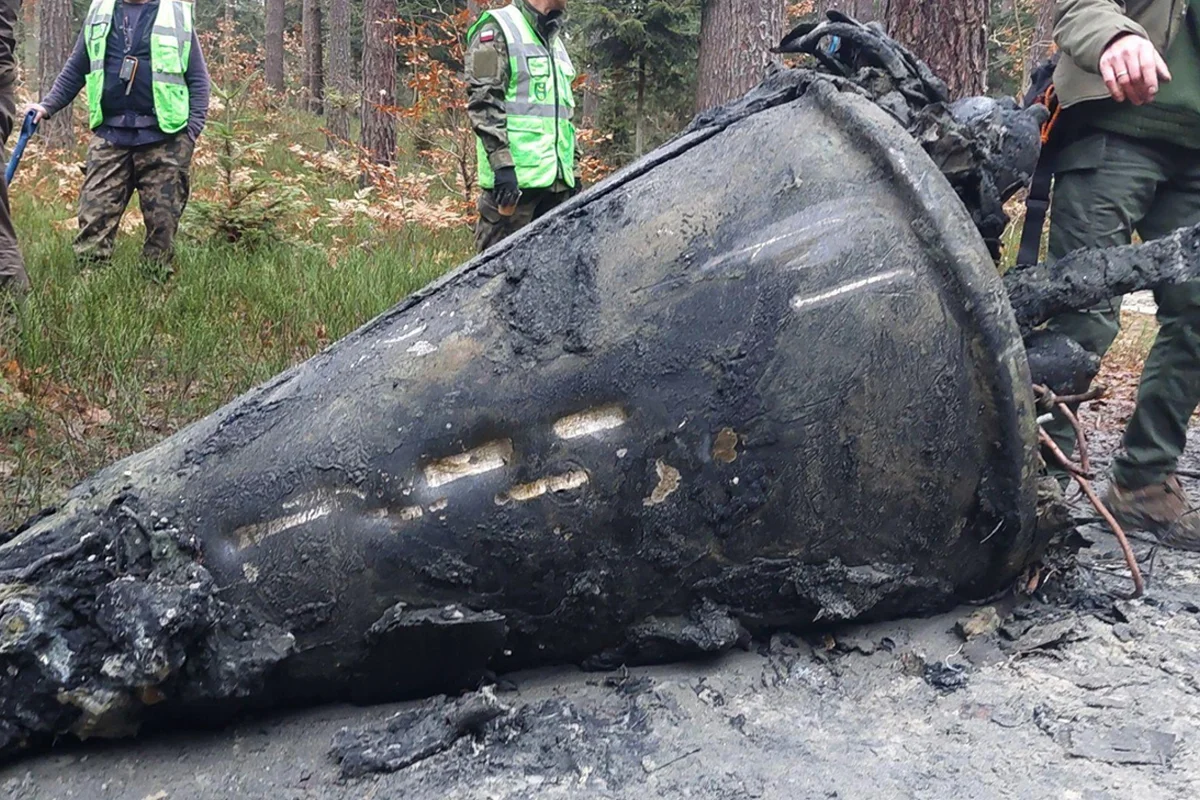
A group of detectorists recently uncovered fragments of a V-2 rocket near Blizna Historical Park in Ropczyce-Sędziszów County, Poland.

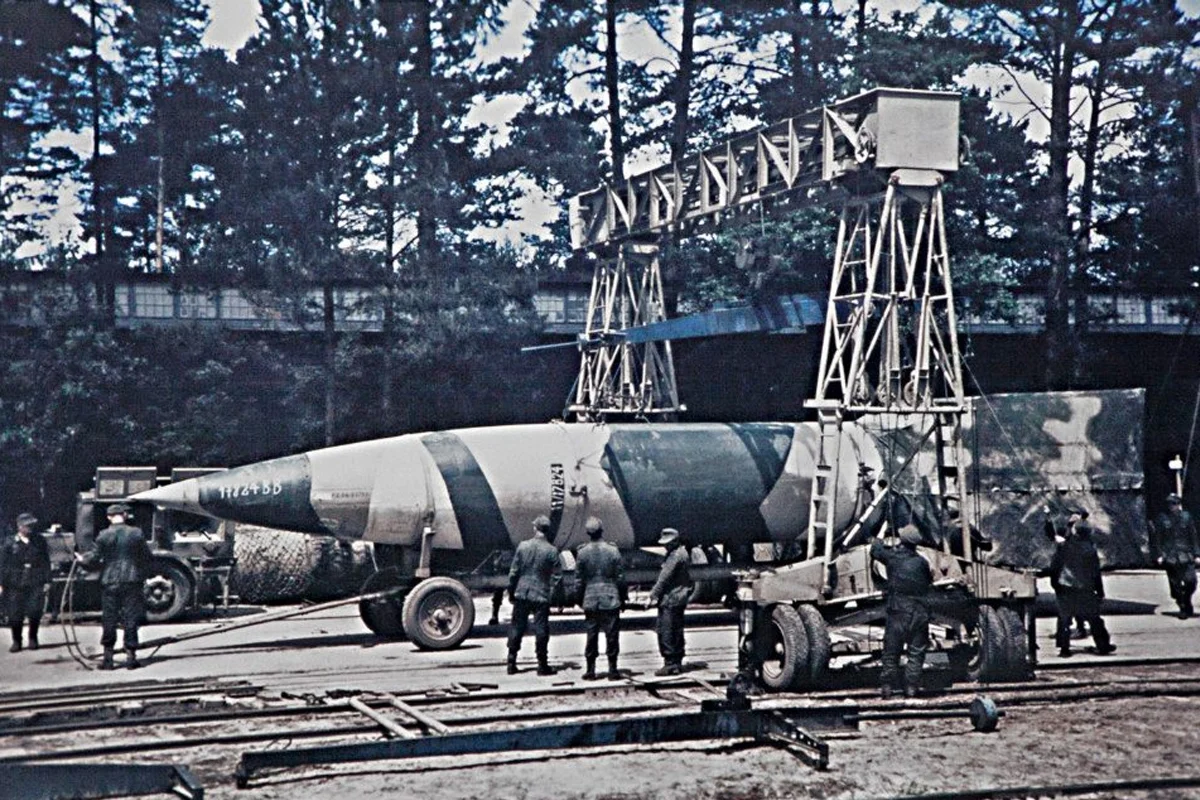
The V-2, also called the Aggregat-4 (A4) or “Vengeance Weapon 2,” was Nazi Germany’s first long-range guided ballistic missile, developed during WWII as retaliation for Allied bombings. Designed by Wernher von Braun and his team at the Peenemünde Army Research Centre, it also became the first human-made object to reach space by crossing the Kármán line.

During the war, over 3,000 V-2 rockets were fired at Allied targets, killing around 9,000 civilians and soldiers, in addition to the thousands of forced laborers and concentration camp prisoners who died building the weapons.

Members of the Podkarpackie Military Enthusiasts Association, collaborating with local authorities and two other detectorist groups, uncovered V-2 rocket fragments while surveying an impact crater near Blizna Historical Park.

Blizna Historical Park served as the primary V-2 testing site after the Peenemünde launch facility in Germany was heavily bombed. Its strategic significance was highlighted by visits from high-ranking Nazi officials, including Adolf Hitler, SS chief Heinrich Himmler, SS-Obergruppenführers Hans Kammler, and Gottlob Berger.

The team recovered fragments including a turbopump, injectors, and a nearly intact ballistic cone, a key feature of the V-2 rocket’s design. The complete rocket warhead was embedded in the ground along with part of the second stage, which had collided with the first segment upon impact. As this was a practice warhead, no explosion occurred. The recovered components will be moved to Blizna Historical Park to join its permanent exhibition.

Ancient cubed-shaped skull found in Mexico challenges human history

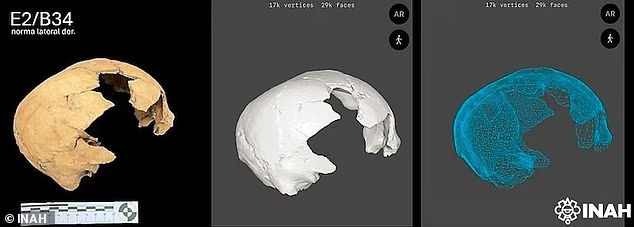
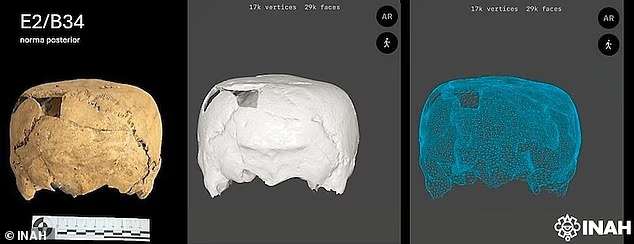
Archaeologists in Mexico have uncovered an extraordinary cube-shaped skull that is challenging current understandings of ancient societies.

The skull belonged to a man over 40 years old who lived during Mexico’s Classic period, between roughly 400 and 900 AD, according to experts from the National Institute of Anthropology and History (INAH).

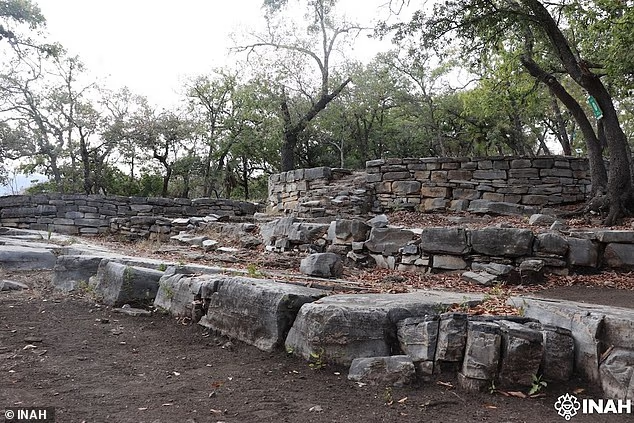
It was found at the Balcón de Montezuma site in the northern Huasteca region of Tamaulipas, a mountainous area in Mexico.

Researchers in Mexico have discovered a man's skull which was deformed to take the shape of a cube roughly 1,400 years ago

The skull was found at the Balcón de Montezuma archaeological site in the northern Huasteca region of Mexico's Tamaulipas state

In ancient Mexico, archaeologists have long found intentionally modified skulls, especially elongated, cone-shaped ones among the Olmec and Maya.

These shapes were created by gently binding infants’ soft skulls with cloth or bandages during the early months or years of life. Different civilizations assigned various meanings to the practice. For example, the Maya often did it for social status or aesthetic reasons.

The newly discovered cube-shaped skull in Tamaulipas, however, is puzzling. It is the only known example from that region, as cube-shaped skulls—with flattened tops forming a boxy appearance—are usually found at distant sites like El Zapotal in Veracruz and scattered Maya settlements in southeastern Mexico.

To determine if the 40-year-old man was truly local to northern Huasteca, researchers analyzed his bones and teeth for “stable oxygen isotopes,” variations of oxygen atoms that remain unchanged over time. The mix of these isotopes reflects the water a person consumed during their life, offering clues about their geographic origins.

The research team was able to confirm that this man spent his entire life in the region, making his cube-shaped skull more of a mystery since this ritual was unusual for the area

Water in different regions such as rainy mountains or dry coastal areas has a distinct oxygen “fingerprint” shaped by local climate and geography.

By analyzing these oxygen signatures in the man’s tooth enamel, which forms in childhood, and bone collagen, which renews throughout adulthood, researchers found patterns matching the mountain water of northern Mexico.

Physical anthropologist Jesús Ernesto Velasco González explained that stable oxygen isotope analysis of bone and teeth confirms the man was born, lived, and died in this mountain region. This rules out a direct connection with groups from El Zapotal or other southern areas.

Although the reason for his cube-shaped skull remains unclear, the team suggests it may have symbolized membership in a broader cultural network that spanned hundreds of miles along the Mexican coastline, rather than being purely aesthetic.