Archaeologists Found a 7,500-Year-Old Seal From a Surprisingly Advanced Society

One small artifact opened up a world of discovery of a Neolithic civilization with a remarkably advanced social structure.

Neolithic Stone Seal Sheds Light on Early Social Organization

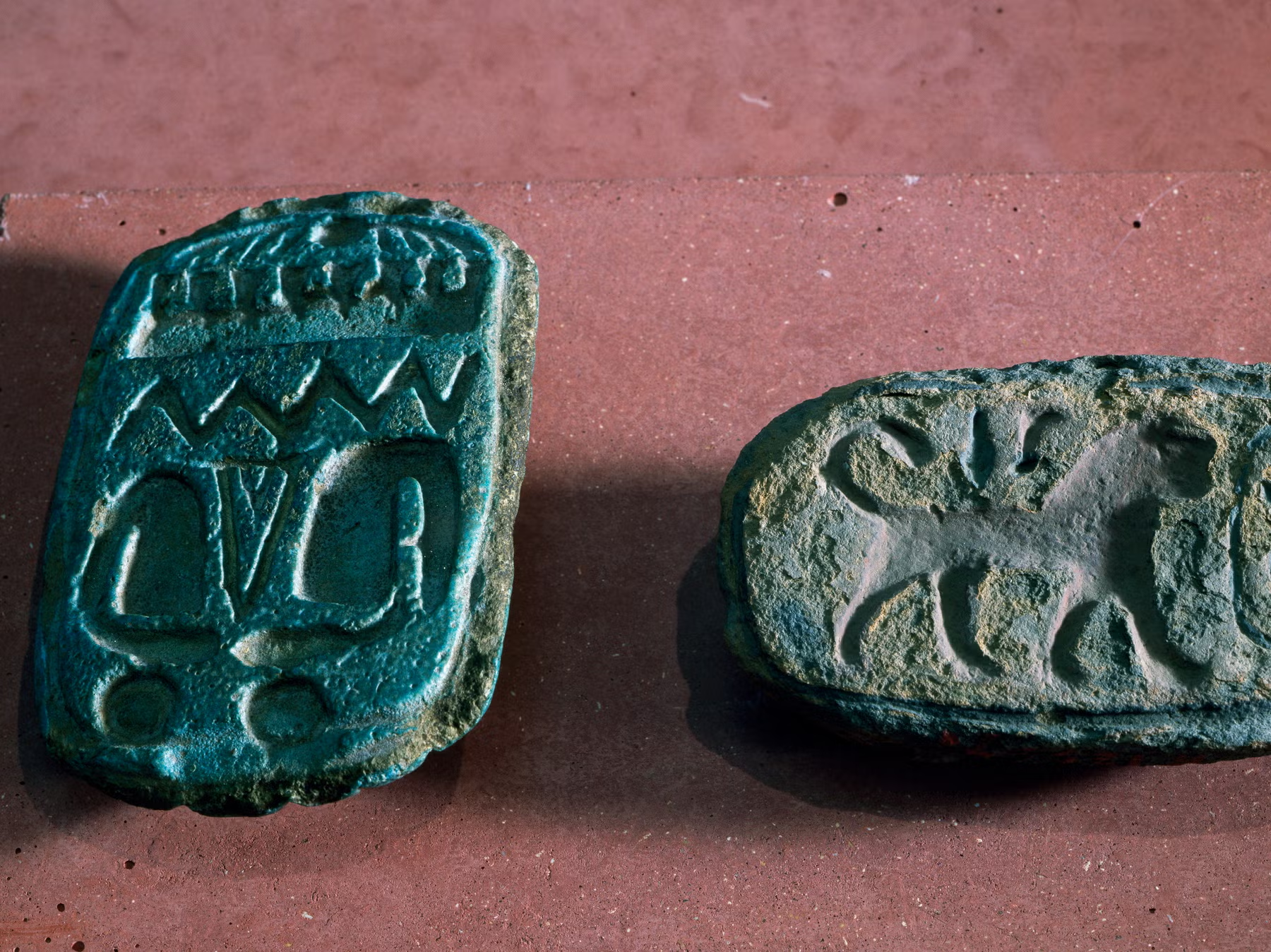
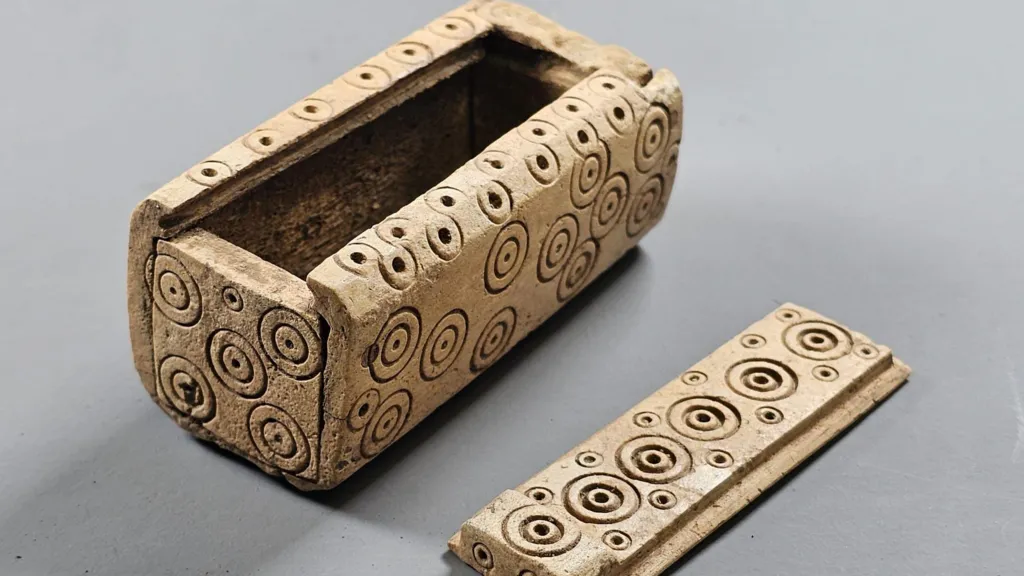
Archaeologists at Tadım Fortress in Elazığ, eastern Türkiye, have uncovered a 7,500-year-old stone seal, offering a rare glimpse into the lives of Neolithic people. The artifact predates the Urartu kingdom and suggests that complex social structures, economic practices, and personal identification systems were emerging long before more widely known ancient civilizations.

While the exact use of the seal is unknown, it may have functioned as:

  • A marker of property or ownership

  • A personal identifier

  • A tool for agricultural trade, similar to another local seal used in grain transactions

These possibilities indicate early administrative and economic sophistication in the region. The seal is part of a broader excavation overseen by the Elazığ Museum and Provincial Directorate of Culture and Tourism, under Türkiye’s Heritage for the Future Project.

Other discoveries at Tadım Fortress highlight ritual and social practices:

  • A recently discovered temple dating to the Late Chalcolithic/Early Bronze Age (~6,000 years ago) features a stone altar with a blood channel, showing evidence of animal and human sacrifice.

  • Artifacts from Byzantine, Roman, Seljuk, and Ottoman periods lie above the Neolithic layers, showing the site’s long history of occupation.
Governor Numan Hatipoğlu remarked that the findings demonstrate the region was not only inhabited early but also had sophisticated cultural, economic, and social practices, influencing later civilizations.

In short, this small stone seal provides a window into advanced social and economic life in Neolithic Türkiye, revealing that organized societies with property markers and trade mechanisms existed thousands of years before the classical civilizations of the region.

Arrow tips found in South Africa are the oldest evidence of poison use in hunting

The earliest known evidence for the use of arrow poison was long believed to come from Egypt, dating back about 4,000 years. This took the form of a black, toxic residue found on bone arrowheads in a tomb at the Naga ed Der archaeological site.

New discoveries from southern Africa are now challenging that view.

Recent research has identified poison residues on stone arrow tips from South Africa dating to around 60,000 years ago, making this the oldest direct evidence of poisoned arrows used for hunting.

These findings add to existing knowledge about the technical skills of early African bowhunters. Such expertise may have played a role in the long-term success of our species in the region and later supported the spread of Homo sapiens beyond Africa.

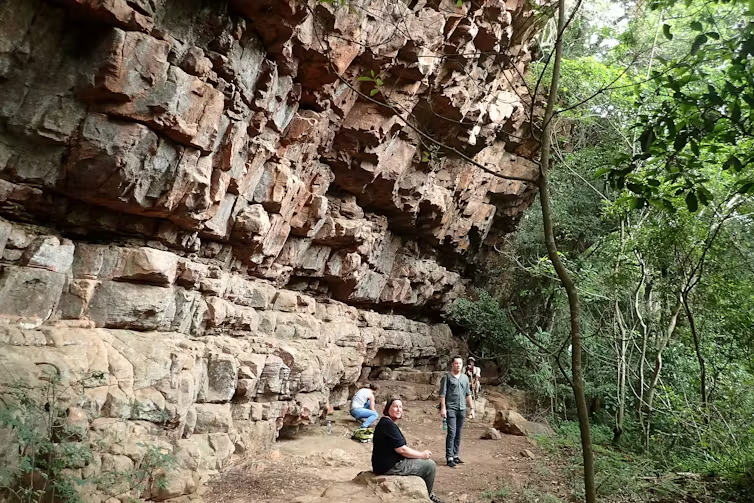
The evidence comes from Umhlatuzana Rock Shelter in South Africa’s KwaZulu-Natal province. The site was partially excavated in the 1980s to protect archaeological material at risk from construction of the N3 highway linking Durban and Pietermaritzburg.

Two of the authors (Marlize Lombard and Anders Högberg) at Umhlatuzana rock shelter, where the poisoned arrow tips were excavated.

Umhlatuzana is recognised as a significant Stone Age site where hunter-gatherers were living at least 70,000 years ago. It is also one of the few locations in southern Africa that shows evidence of continued human occupation until just a few thousand years ago.

In southern Africa, there is a long tradition of hunting with poisoned arrows. For instance, South African and Swedish archaeologists have identified residues on arrow tips dating from a few hundred to about 1,000 years ago, revealing the use of different poison recipes.

More recently, three bone arrowheads kept inside a poison-filled bone container were reported from Kruger Cave in South Africa and dated to nearly 7,000 years ago. This discovery pushed back direct molecular evidence for the use of arrow poison to around 3,000 years earlier than the Egyptian examples.

Earlier traces of poison had been identified on a stick and in a lump of beeswax from Border Cave in KwaZulu-Natal, dating between 35,000 and 25,000 years ago. However, these were considered indirect indications of early hunting poisons.

As a researcher in cognitive and Stone Age archaeology, I examined artefacts from Umhlatuzana almost 20 years ago and identified use-wear and adhesive residues on some quartz backed microliths—small, shaped stone tools—dating to around 60,000 years ago. This suggested they were likely used as arrow tips.

More recently, Sven Isaksson of the archaeology laboratory at Stockholm University has identified molecular traces of toxic plant alkaloids—chemical compounds known to be used as arrow poisons—on several of these artefacts.

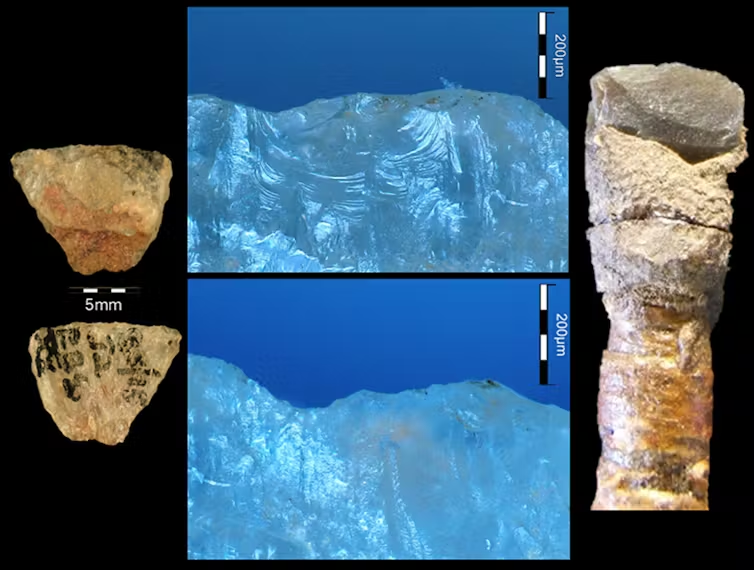
Left: Front and back of a 60,000-year-old poisoned arrow tip from Umhlatuzana. Middle: Two micrographs of the sharp, top edge that shows impact scars and the direction in which the arrow tip was fixed in the shaft. Right: A 2,000-year-old arrow head with stone tip fixed in the same way as the arrow tip from Umhlatuzana.

Poison from indigenous plants

The new study identified the toxic alkaloids buphandrine and epibuphanisine on five of the ten arrow tips analysed from Umhlatuzana. These same compounds were also detected on bone arrowheads collected by Swedish travellers in southern Africa about 250 years ago, indicating that the same type of arrow poison was used in the region for thousands of years.

Both alkaloids occur in several southern African plants belonging to the Amaryllidaceae family, which grow from bulbs. However, the plant most clearly documented as a source of arrow poison is Boophone disticha, commonly known as gifbol (poison bulb). Its bulb produces a highly toxic sap.

The presence of these specific alkaloids on half of the quartz arrow tips examined is unlikely to be accidental. Ancient hunter-gatherers would have been well aware of the poisonous properties of gifbol. Evidence from the region shows that by around 77,000 years ago, people already understood how to use certain aromatic plants for their insecticidal and larvicidal effects in bedding. This suggests they would also have known to handle gifbol carefully and avoid keeping it in living areas.

Modern contamination can be ruled out, as substances containing buphandrine and epibuphanisine are not used in commercial products or in archaeological conservation.

Gifbol bulbs are remarkably resilient, capable of surviving for a century or more despite droughts and frequent fires. The plant is native to South Africa and thrives in grassland, savanna and Karoo environments. It is widespread across southern, eastern and northern South Africa and grows within a day’s walk of Umhlatuzana Rock Shelter today. For these reasons, it is very likely that the plant was also available to the site’s inhabitants tens of thousands of years ago.

The toxic compounds in the bulb are chemically stable. They break down very slowly, even in wet conditions, and bind well to mineral surfaces such as stone arrow tips. This stability helps explain how traces of the poison were able to survive on the artefacts for around 60,000 years.

Illustration of gifbol being prepared for use in hunting.

Implications of the world’s oldest known poisoned arrow tips

The quartz arrow tips coated with gifbol poison now constitute the earliest direct evidence of poisoned arrow use, not only in southern Africa but anywhere in the world, dating back 60,000 years.

This discovery shows that early bowhunters had sophisticated knowledge systems that allowed them to recognise poisonous plants, extract their toxic substances, and apply them effectively to weapons. They also needed an understanding of animal behaviour and ecology, knowing that poison would act gradually and weaken prey over time, making it possible to track and eventually capture it through persistence hunting.

Using a weapon whose effects were delayed and not immediately visible points to complex cognitive abilities. It required self-control, as hunters had to wait for the poison to take effect, as well as advanced planning, abstract thinking, and an understanding of cause and effect. Because poison works chemically rather than through direct physical force, its use reflects a high level of conceptual reasoning.

Beyond establishing the earliest known example of poisoned arrow hunting, these findings deepen our understanding of human adaptation, technological and behavioural sophistication, and the development of modern human behaviour in southern Africa.

And finally… first Scottish coin

The earliest known coin to be minted within Scotland has been secured for the nation following its discovery by a metal detectorist.

Discovered in a wooded area near Penicuik, Midlothian, in 2023, the silver coin dates to the late 1130s, during the reign of King David I. After review by the Scottish Archaeological Finds Allocation Panel, it was valued at £15,000 and assigned to National Museums Scotland (NMS), with the finder receiving the reward, according to BBC reports.

Although King David I is recognised for introducing Scotland’s first coinage, earlier examples were thought to have been minted in Carlisle, Cumbria, which was under his control at the time. This coin, however, carries an inscription showing it was produced in Edinburgh. Alice Blackwell, senior curator of medieval archaeology at NMS, said this makes the find historically significant, as it provides the first evidence of Scottish coins being struck within the heart of the Scottish kingdom rather than south of today’s border.

The coin shows an image of the king on one side and a cross design on the other. With very little surviving documentary evidence about medieval minting, the coin itself acts as a key historical source. It offers rare insight into how David I—who founded royal burghs such as Stirling and Perth—developed Scotland’s economic systems. NMS plans to study the coin further and hopes to display it publicly in the future.

Hominin fossils from Morocco may be close ancestors of modern humans

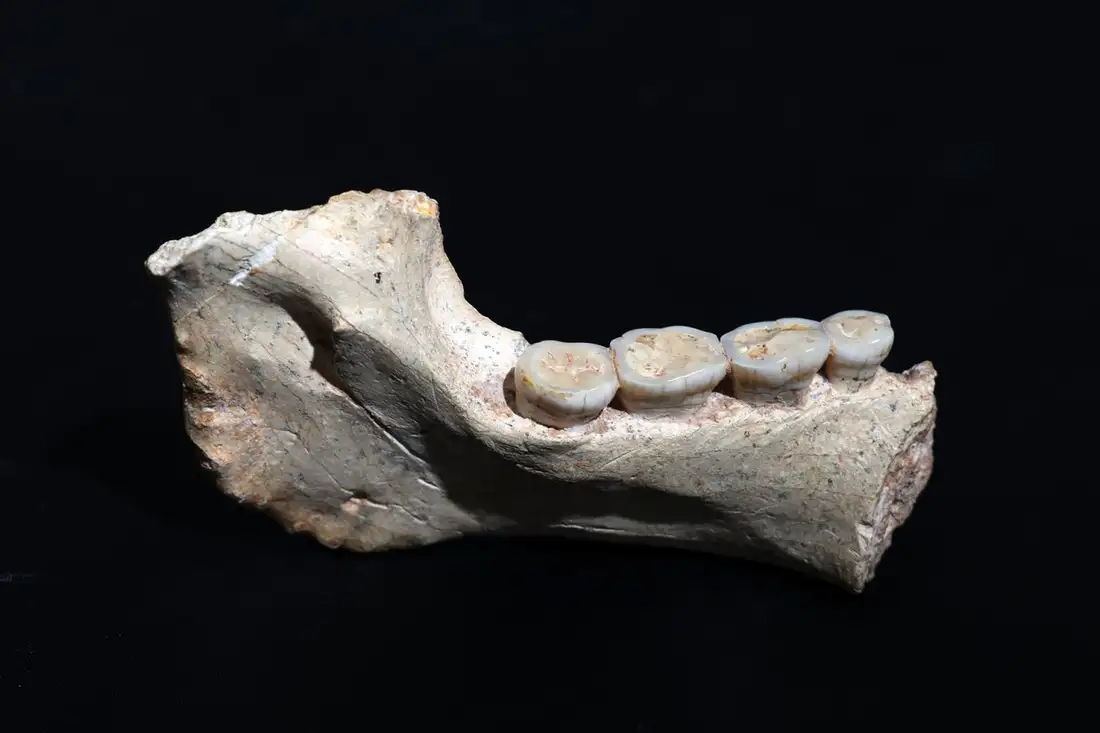
Jawbones and vertebrae belonging to a hominin that lived around 773,000 years ago have been discovered in North Africa. These fossils could represent a shared ancestor of Homo sapiens, Neanderthals, and Denisovans.

The jawbone of an ancient hominin found at Grotte à Hominidés in Morocco

Fossils from North Africa, dating back nearly 750,000 years, may belong to a common ancestor of Neanderthals, Denisovans, and modern humans, living just before these lineages diverged.

Scientists estimate that this last shared ancestor existed between roughly 765,000 and 550,000 years ago, though its exact time and location remain key mysteries in human evolution.

Archaeologists Uncovered a Strange Carving of a Terrifying Mythical Figure

The more welcoming side of Medusa turns typical mythology upside down, with the smile likely designed to represent peace and prosperity.

Here’s what you’ll discover in this story:

  • Archaeologists excavating an ancient Roman forum in what is now Turkey uncovered an unusual depiction of Medusa.

  • The columned forum featured ceiling panels carved with her image, but instead of a fearsome expression beneath her snake-like hair, Medusa is shown smiling.

  • This gentler portrayal challenges traditional mythology, with the smile likely symbolizing harmony and prosperity.

Medusa is typically portrayed as intimidating, defined by her serpentine hair and threatening gaze. However, a recently uncovered carving from an ancient Roman forum presents a strikingly different interpretation. Archaeologists found ceiling panels above marble columns depicting Medusa with a childlike smile.
“Our Medusa was fashioned much like Eros, with the face of a very young child and a smiling expression,” said Fatma Bağdatlı Çam, a professor at Bartın University, as quoted by Turkey Today.

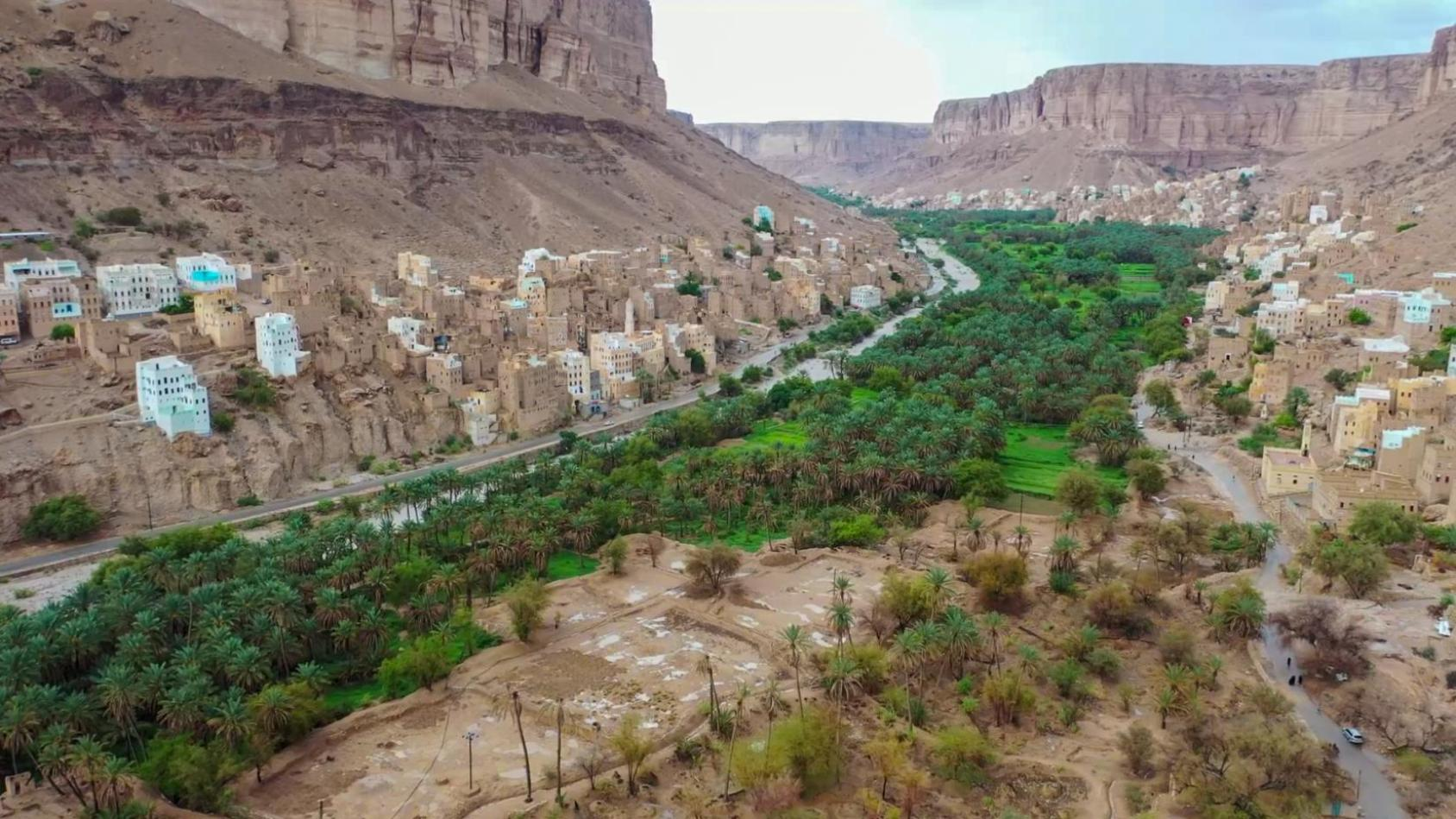
The distinctive image was discovered during excavations in the ancient city of Amastris—modern-day Amasra—while researchers were uncovering a monumental Roman forum with a columned gallery and decorated ceiling tiles. The work forms part of Turkey’s Ministry of Culture and Tourism’s Heritage for the Future project, carried out in collaboration with the university’s Archaeology Application and Research Center. So far, excavations across a 30,000-square-foot area have revealed marble columns reaching heights of up to 30 feet.

New Fossil Analysis Suggests This Seven-Million-Year-Old Primate Walked on Two Legs, Potentially Making It the Oldest Known Human Ancestor

Fresh findings about arm and leg bones advance the debate over whether Sahelanthropus tchadensis was bipedal, but not everyone is convinced

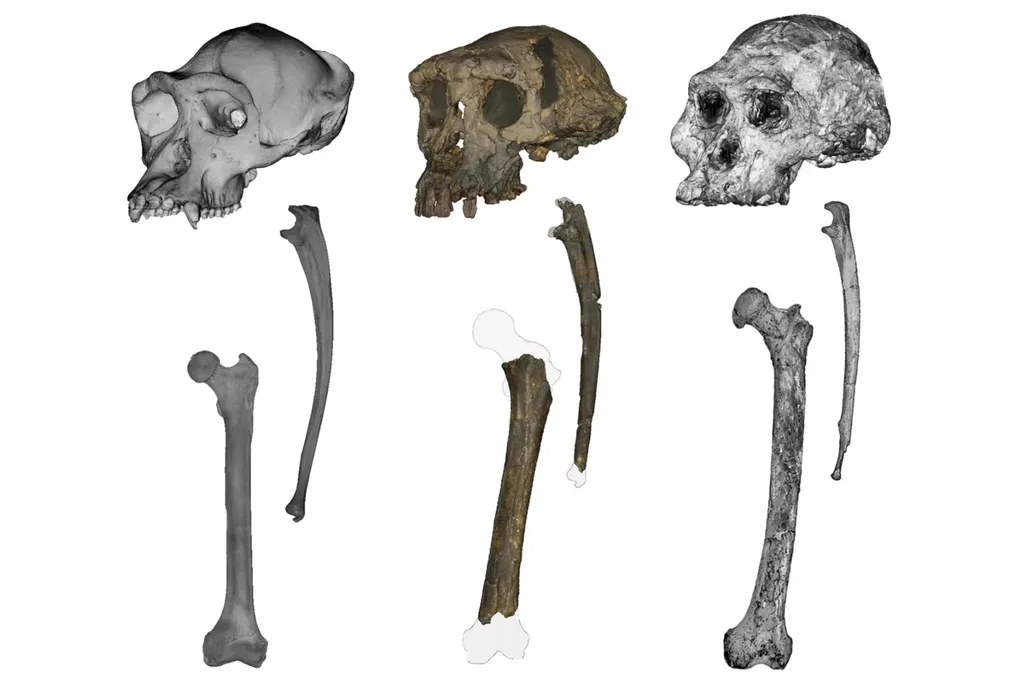
Bones from a chimpanzee on the left, Sahelanthropus tchadensis in the center, and an Australopithecus species on the right

New Analysis Suggests Sahelanthropus tchadensis Walked Upright

In the early 2000s, researchers discovered roughly seven-million-year-old primate bones in Chad’s Djurab Desert. Belonging to the extinct species Sahelanthropus tchadensis, these fossils have sparked decades of debate among paleontologists over whether the species walked on two legs—a trait that would make it the oldest known member of the human lineage, or hominin.

A new study, published January 2 in Science Advances, adds to this debate by analyzing fragments of arm and leg bones, offering evidence that S. tchadensis may indeed have been upright.

The species was first described in 2002 based on a skull, teeth, and jaw fragments. These suggested upright posture, but without leg bones, firm conclusions about bipedalism were impossible. Later, researchers identified a nearby femur and two ulnae as belonging to the species, though interpretations of their meaning for walking remained contested.

In the new analysis, scientists examined the bones’ fine anatomical details and compared them with those of living primates and other fossils. One key finding was a rounded bump on the femur, called the femoral tubercle. Study co-author Scott Williams, an evolutionary morphologist at New York University, explains that this is the attachment point for the largest and most powerful ligament in the body, which tightens when standing and helps stabilize the torso during walking—a feature previously only identified in bipedal hominins.

The researchers also confirmed other traits linked to bipedalism: a twist in the femur that aids upright walking, buttocks muscles modeled for walking and running like those of ancient hominins, and a femur-to-ulna length ratio more similar to Australopithecus than to apes, which typically have shorter legs and longer arms for quadrupedal movement. These proportions suggest a significant evolutionary step toward human-style walking.

Williams concludes, “Sahelanthropus tchadensis was essentially a bipedal ape with a chimpanzee-sized brain, likely spending much time in trees, yet adapted to upright posture and movement on the ground.”

Not all experts are fully convinced. John Hawks, an anthropologist at the University of Wisconsin-Madison, supports the findings but emphasizes the gradual and complex nature of early hominin evolution, noting that Sahelanthropus likely displayed a mix of ape-like and human-like traits.

Marine Cazenave of the Max Planck Institute for Evolutionary Anthropology, however, calls the evidence “weak” due to the fossil’s poor preservation, making it difficult to determine the full structure of the femoral tubercle and its implications for bipedalism.

The debate continues, highlighting the challenges of interpreting some of the earliest steps in human evolution.

And finally… gilt trip

Archaeologists in Lower Saxony have confirmed the discovery of a significant Roman-era hoard near Borsum, comprising 450 silver coins, several silver bars, a single gold coin, and a gold ring.

Early Roman Hoard Unearthed in Lower Saxony

A significant early Roman Imperial hoard was recently recovered in Borsum, Lower Saxony, under the supervision of Sebastian Messal, regional head of the State Office for Monument Preservation. Messal described the find as one of the largest hoards uncovered in the region.

The discovery underscores the delicate balance between amateur detecting and professional archaeology. While metal detecting is regulated and requires permits in Lower Saxony, initial improper digging at the site damaged the archaeological context—the precise positioning of items that helps researchers understand the burial. Messal’s team conducted a controlled secondary sweep of the woodland, recovering additional coins and working to reconstruct the deposit’s history.

Experts classify the find as a hoard, suggesting the valuables were deliberately buried for safekeeping during a period of unrest. The presence of silver bars points to the conversion of loose metal into portable currency, common in frontier economies. A single gold coin and a ring indicate either ownership by a high-status individual or a “piggy bank” approach, where prestige items were saved alongside standard currency.

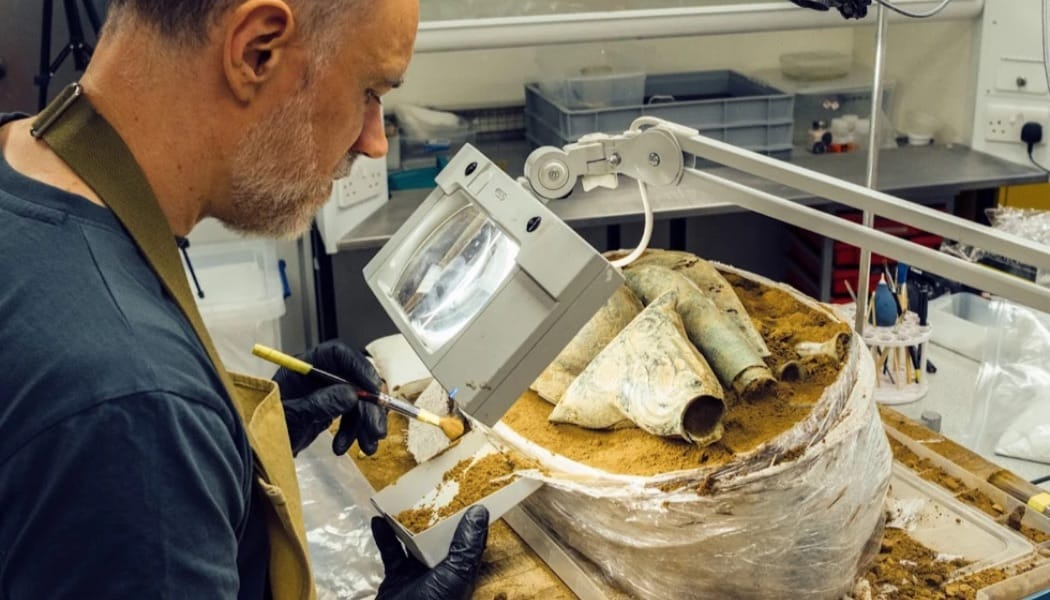
Scientific analysis is now underway to clean the artifacts and examine wear patterns, mint marks, and metallurgical composition. Non-destructive tests on the silver alloys aim to trace the metal to its source mines, while coin inscriptions will provide a terminus post quem, the earliest possible date for the hoard’s burial. This information is key to understanding northern Germany’s turbulent Roman-era history, where Roman forces and local tribes interacted near the Rhine.

Researchers hope the Borsum hoard may be linked to the aftermath of the Varus Battle of 9 AD, offering evidence of the movement of people, goods, and power along the empire’s frontier. Whether it represents Roman military pay, Germanic tribute, or a merchant’s hidden savings, ongoing study aims to map ancient economic and social networks with precision.