• MAIN PAGE
  • LATEST NEWS
    • Lost Cities
    • Archaeology's Greatest Finds
    • Underwater Discoveries
    • Greatest Inventions
    • Studies
    • Blog
  • PHILOSOPHY
  • HISTORY
  • RELIGIONS
    • Africa
    • Anatolia
    • Arabian Peninsula
    • Balkan Region
    • China - East Asia
    • Europe
    • Eurasian Steppe
    • Levant
    • Mesopotamia
    • Oceania - SE Asia
    • Pre-Columbian Civilizations of America
    • Iranian Plateau - Central Asia
    • Indus Valley - South Asia
    • Japan
    • The Archaeologist Editor Group
    • Scientific Studies
    • Aegean Prehistory
    • Historical Period
    • Byzantine Middle Ages
    • Predynastic Period
    • Dynastic Period
    • Greco-Roman Egypt
  • Rome
  • PALEONTOLOGY
  • About us
Menu

The Archaeologist

  • MAIN PAGE
  • LATEST NEWS
  • DISCOVERIES
    • Lost Cities
    • Archaeology's Greatest Finds
    • Underwater Discoveries
    • Greatest Inventions
    • Studies
    • Blog
  • PHILOSOPHY
  • HISTORY
  • RELIGIONS
  • World Civilizations
    • Africa
    • Anatolia
    • Arabian Peninsula
    • Balkan Region
    • China - East Asia
    • Europe
    • Eurasian Steppe
    • Levant
    • Mesopotamia
    • Oceania - SE Asia
    • Pre-Columbian Civilizations of America
    • Iranian Plateau - Central Asia
    • Indus Valley - South Asia
    • Japan
    • The Archaeologist Editor Group
    • Scientific Studies
  • GREECE
    • Aegean Prehistory
    • Historical Period
    • Byzantine Middle Ages
  • Egypt
    • Predynastic Period
    • Dynastic Period
    • Greco-Roman Egypt
  • Rome
  • PALEONTOLOGY
  • About us

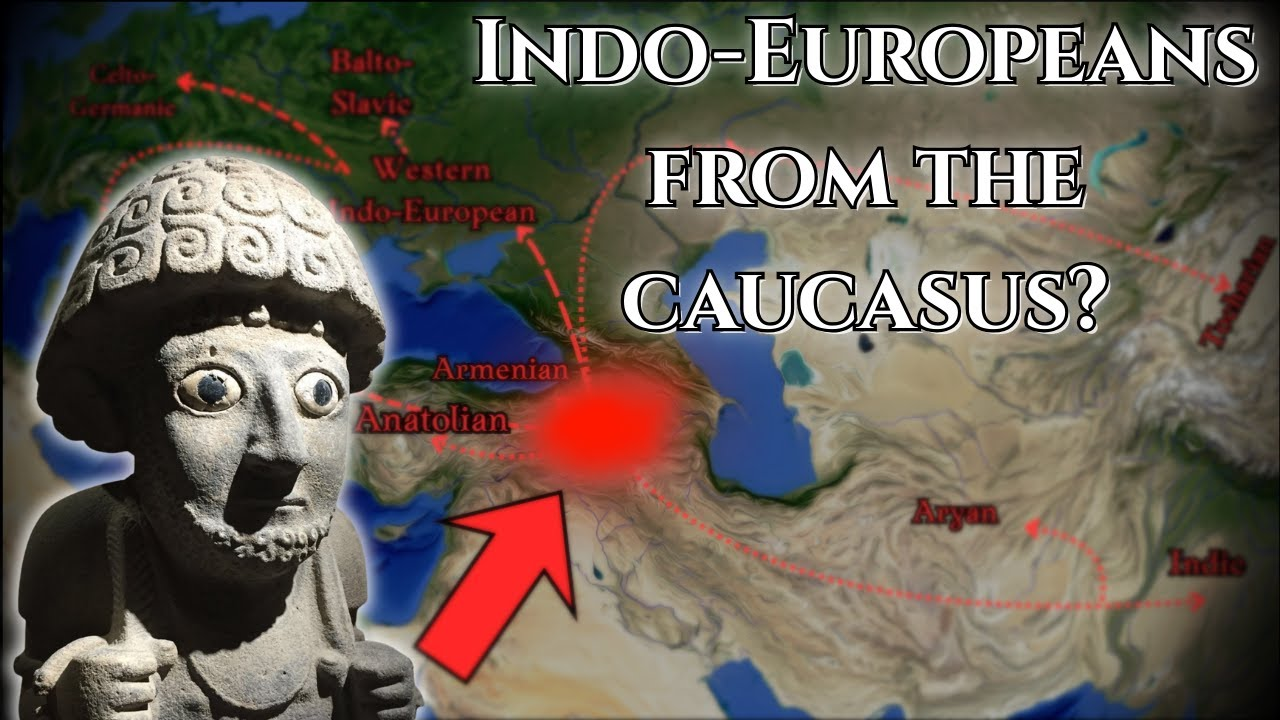
The End of the Steppe Hypothesis? Indo-European Origins in the Caucasus - Genetics & Linguistics

February 8, 2026

The Origins of the Indo-Europeans: Tracing Language and Homeland

Where did the Indo-Europeans come from, and how did their language spread across Europe and Asia? These questions have fascinated linguists, archaeologists, and historians for centuries, leading to multiple theories about the origins of one of the world’s most influential language families.

In this video, we explore the two most widely accepted theories:

  1. The Steppe Hypothesis – Proposes that the Indo-Europeans originated in the Pontic-Caspian Steppe around 4500–2500 BCE, spreading their language and culture through migrations into Europe and parts of Asia.

  2. The Anatolian Hypothesis – Suggests that the Indo-European languages began in Anatolia (modern-day Turkey) much earlier, spreading alongside the advent of agriculture.

Beyond these long-standing ideas, a newer theory has emerged. This hypothesis traces the ultimate homeland of the Indo-Europeans to in or around the Caucasus, potentially offering a solution to one of the biggest linguistic puzzles: the relationship of the Anatolian branch to the other Indo-European languages.

By examining linguistic evidence, archaeological findings, and genetic research, this investigation brings us closer to understanding how one group of ancient people influenced the languages, cultures, and histories of millions of descendants. The origins of the Indo-Europeans are more than a question of geography—they touch on the roots of modern civilization itself.

🎥 Watch the video below to explore the theories about the Indo-European homeland and uncover the latest research on this enduring historical mystery:
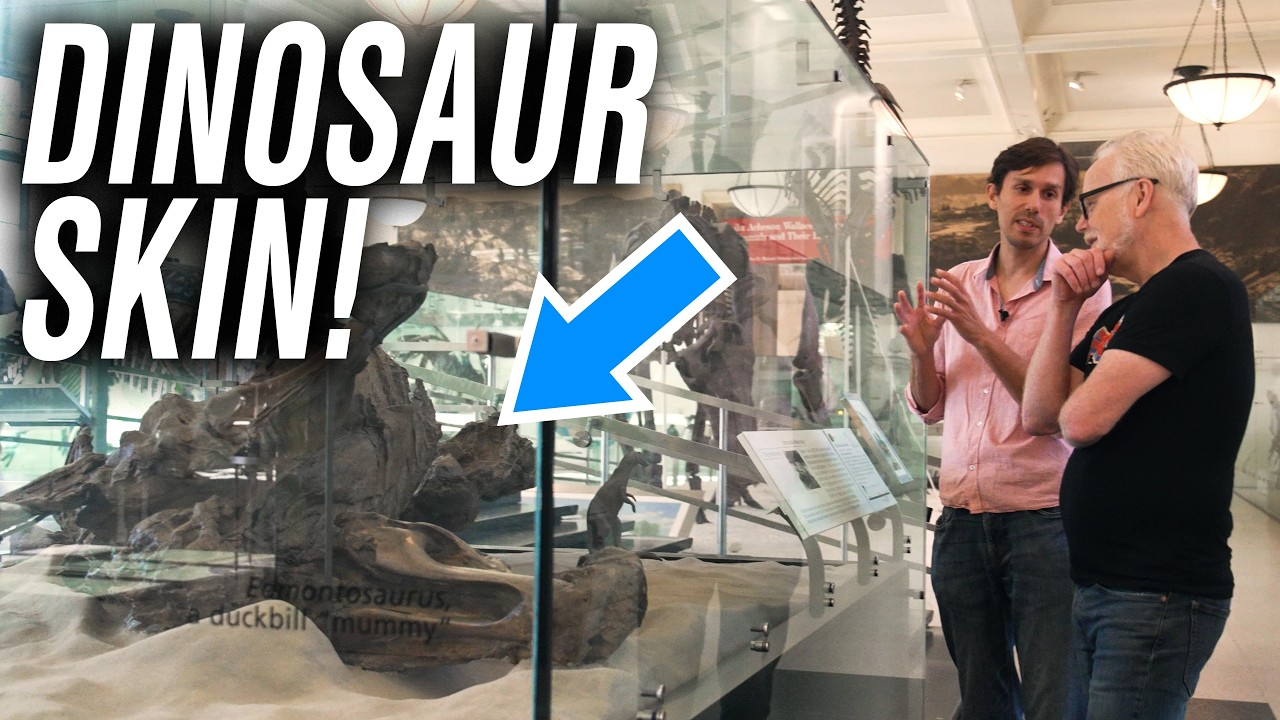

A Mummified DINOSAUR? (at @AMNH)

February 8, 2026

Dinosaur Skin and the Bird Connection: A Paleontological Journey

What did dinosaur skin actually look like? How did scientists come to a consensus that modern birds are descended from dinosaurs? These are questions that have fascinated researchers and the public alike — and the answers lie in both fossil evidence and careful scientific interpretation.

At the American Museum of Natural History (AMNH), Roger Benson, Macaulay Curator in the Division of Paleontology, gives a firsthand look at one of the museum’s most remarkable specimens: a dinosaur “mummy.” This hadrosaur fossil is extraordinarily well-preserved, including impressions of skin, muscle, and other soft tissues, making it one of the greatest discoveries in the history of paleontology.

By studying fossils like this, paleontologists can reconstruct not just the skeleton of a dinosaur, but also the texture, scale patterns, and possible coloration of its skin. Combined with skeletal and anatomical studies, these discoveries have helped scientists confirm that many features we associate with birds — feathers, hollow bones, and certain respiratory structures — first evolved in dinosaurs.

This evidence bridges the ancient past with the present: when you see a modern bird, you are glimpsing the distant descendants of creatures that once roamed the Earth millions of years ago. The research at AMNH highlights not just what dinosaurs looked like, but also how science reconstructs the story of life on our planet through meticulous observation, experimentation, and curiosity.

🎥 Watch the video below to see the hadrosaur “mummy” at AMNH, explore dinosaur skin, and learn how scientists traced the evolutionary connection between dinosaurs and modern birds:


PH Skip navigation Search Avatar image We Reconstructed the Voice of a Medieval King

February 8, 2026

Hearing Richard III Speak Again: Bringing History to Life

Imagine being able to hear one of the most fascinating figures from history speak again — not through Shakespeare’s dramatizations or modern actors, but in his own voice, speaking his own words.

In this special film, Richard III expert Matthew Lewis follows an ambitious project aimed at doing just that: giving Richard III back his voice over 500 years after his death. By combining facial reconstruction, speech science, and historical research, the team has created the closest possible approximation of how Richard actually sounded.

The project relies on the groundbreaking work of voice coach Yvonne Morley-Chisholm, who has brought together experts from diverse fields — historic speech, regional pronunciation, anatomy, theatre, psychology, history, and even dentistry — to reconstruct Richard’s vocal patterns and delivery. Every syllable is informed by scientific evidence, historical context, and meticulous analysis.

Meanwhile, Professor Caroline Wilkinson and her team at FaceLab have recreated Richard’s face using the primary evidence of his skull, rediscovered in 2012. The facial reconstruction is not just static; it is being digitally animated to speak, producing a visual and auditory approximation of the king himself.

This project doesn’t just recreate a voice. It brings Richard III back to life, letting us experience history in a way never before possible — to see him, hear him, and understand him as a living, breathing person rather than a figure frozen in textbooks or theatre performances.

🎥 Watch the video below to hear Richard III speak for the first time in centuries, and witness the extraordinary science and artistry that brings him back to life:

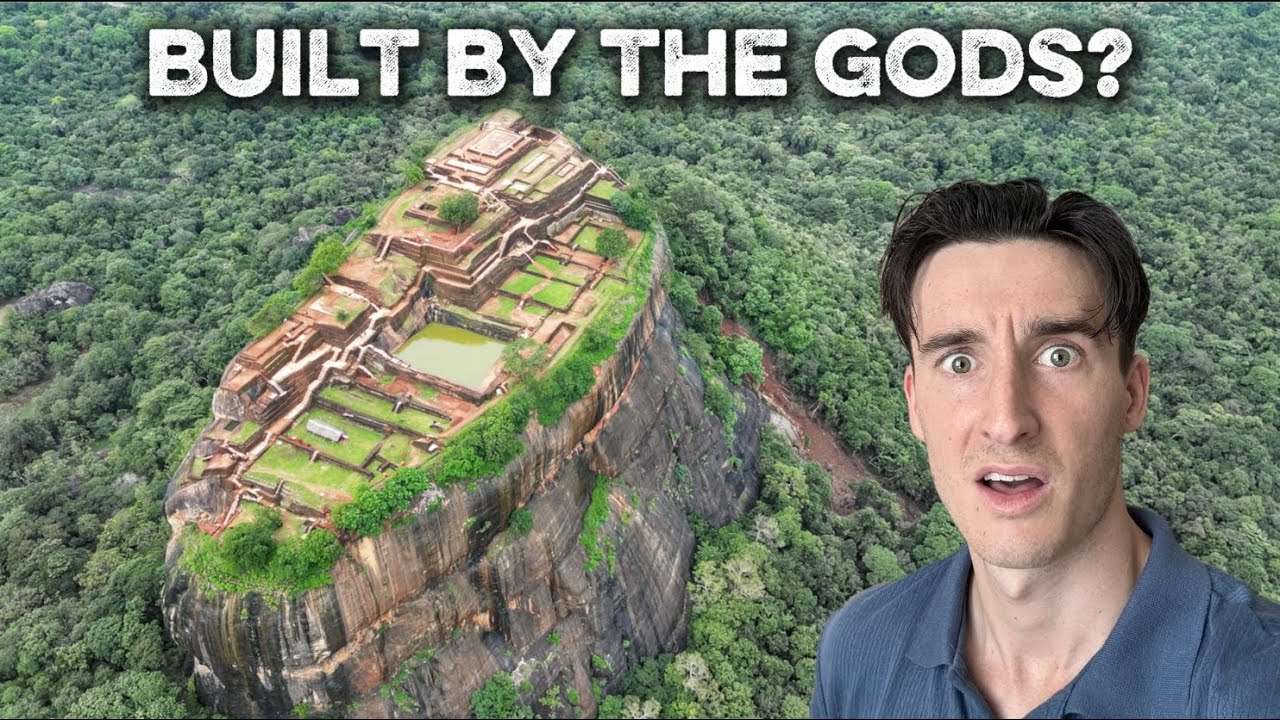
this ancient SKY CITY is covered in unexplained carvings

February 8, 2026

Sigiriya, often called the Lion Rock, is one of Sri Lanka’s most famous landmarks — but it’s far more complex than most people realize. Rising nearly 200 meters above the surrounding plains, this massive rock fortress is not just a single structure; it’s an intricate combination of royal palace, city, garden, and artwork, all designed with astonishing precision.

Dating back to the 5th century CE, Sigiriya was built under King Kashyapa, who transformed the natural rock formation into a fortified citadel, complete with ramparts, terraces, and moats. But what makes Sigiriya truly remarkable is its combination of art, engineering, and urban planning:

  • Frescoes painted on the rock walls, depicting celestial maidens, still captivate visitors with their vibrant colors and elegance.

  • Water gardens at the base demonstrate advanced hydraulic engineering, with pools, fountains, and channels still functioning today.

  • The Mirror Wall, originally polished to reflect the king, bears inscriptions and poems from visitors over the centuries.

Beyond its beauty, Sigiriya tells a story of ambition, ingenuity, and political intrigue. It was both a royal retreat and a defensive stronghold, carefully designed to intimidate enemies and awe visitors. Every stairway, gateway, and terrace was planned to guide movement, display power, and harmonize with the natural landscape.

Even today, walking through the terraces and climbing the rock, it’s easy to feel the scale of vision and complexity behind this ancient masterpiece. Sigiriya is not just a historical site — it’s a testament to human creativity and architectural genius.

🎥 Watch the video below to explore Sigiriya in all its complexity, from the frescoes to the water gardens and the engineering marvels of Lion Rock:

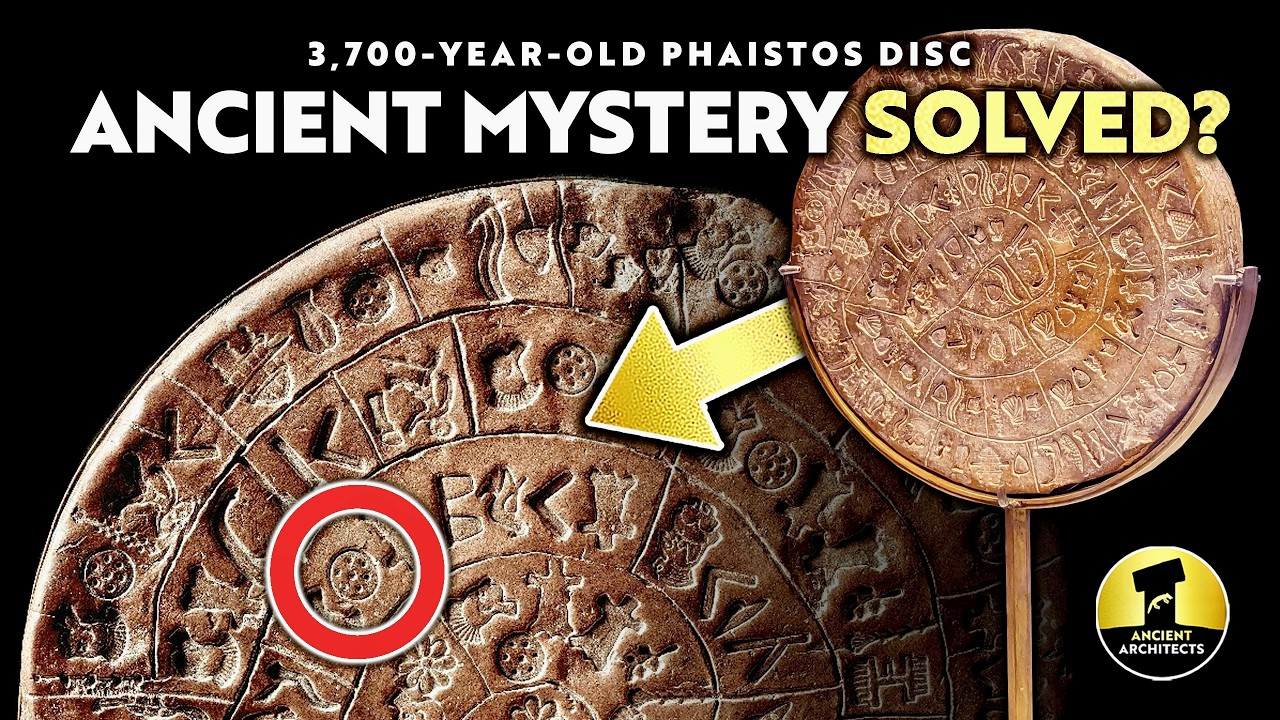
Ancient Mystery Solved? NEW Explanation for the Phaistos Disc

February 8, 2026

The Minoan Tablet We Still Can’t Solve: Exploring the Phaistos Disc

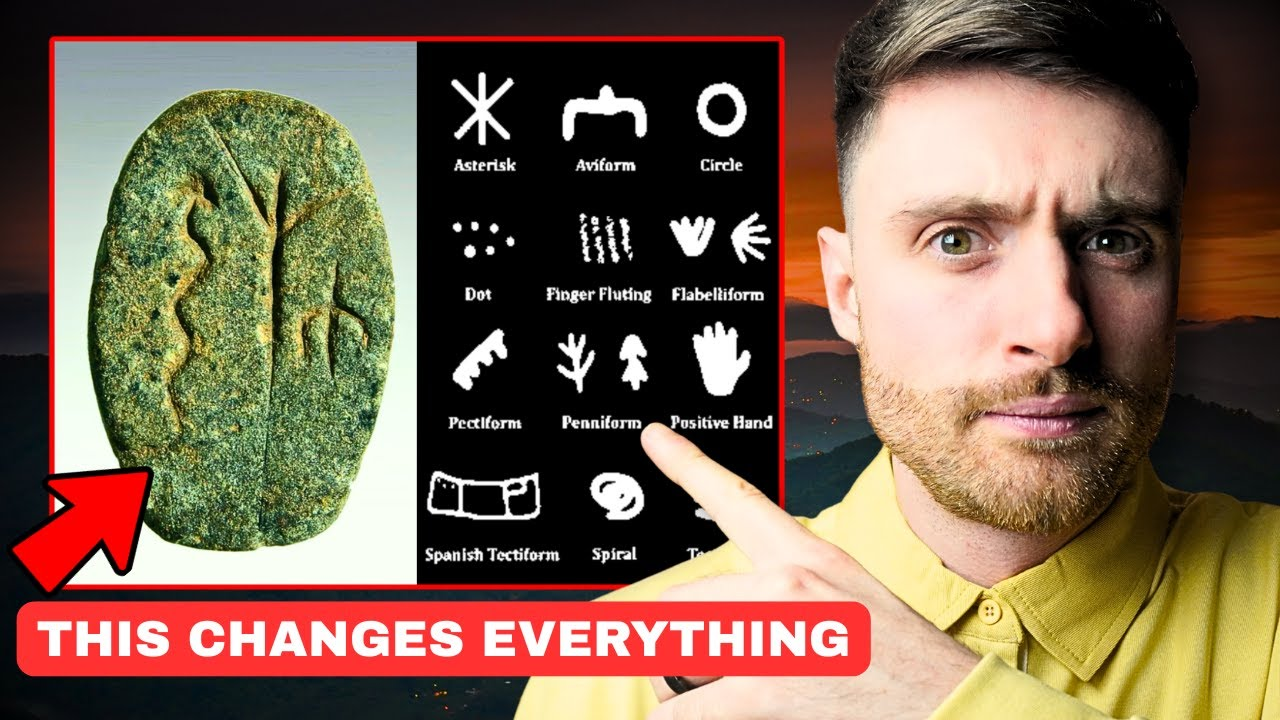
In October 2025, historian and researcher Stefan Milo released a video titled “The Minoan Tablet We Still Can’t Solve”, diving deep into one of the most mysterious artifacts left behind by the Minoan civilization of the ancient world: the Phaistos Disc.

The Minoans, a powerful Bronze Age civilization, were centered on the island of Crete. The disc itself dates back to the second millennium BCE and is made from fired clay. What makes it extraordinary is its surface: dozens of pictographic signs, stamped in a spiral pattern, representing a script that has remained undeciphered for over a century.

The purpose of the Phaistos Disc has been debated since its discovery. Was it a ceremonial object, a form of early record-keeping, or a kind of message? Scholars have proposed countless theories, but no interpretation has gained universal acceptance. In Stefan Milo’s video, one expert presents a bold claim about what the disc may actually mean — a possible key to unlocking a forgotten language of the Minoans.

This artifact is more than just a curiosity. It offers a window into Minoan culture, writing systems, and communication. Each sign represents centuries of knowledge, artistry, and human ingenuity, frozen in clay. While the disc continues to puzzle researchers, it reminds us that even in well-studied ancient civilizations, mysteries remain — waiting for the right mind to uncover their secrets.

All images and sources referenced in this video are used for educational purposes only, including Google Images, Google Earth, and other academic sources.

🎥 Watch the video below to explore the Phaistos Disc, the history of the Minoans, and the expert claims about this ancient undeciphered artifact:

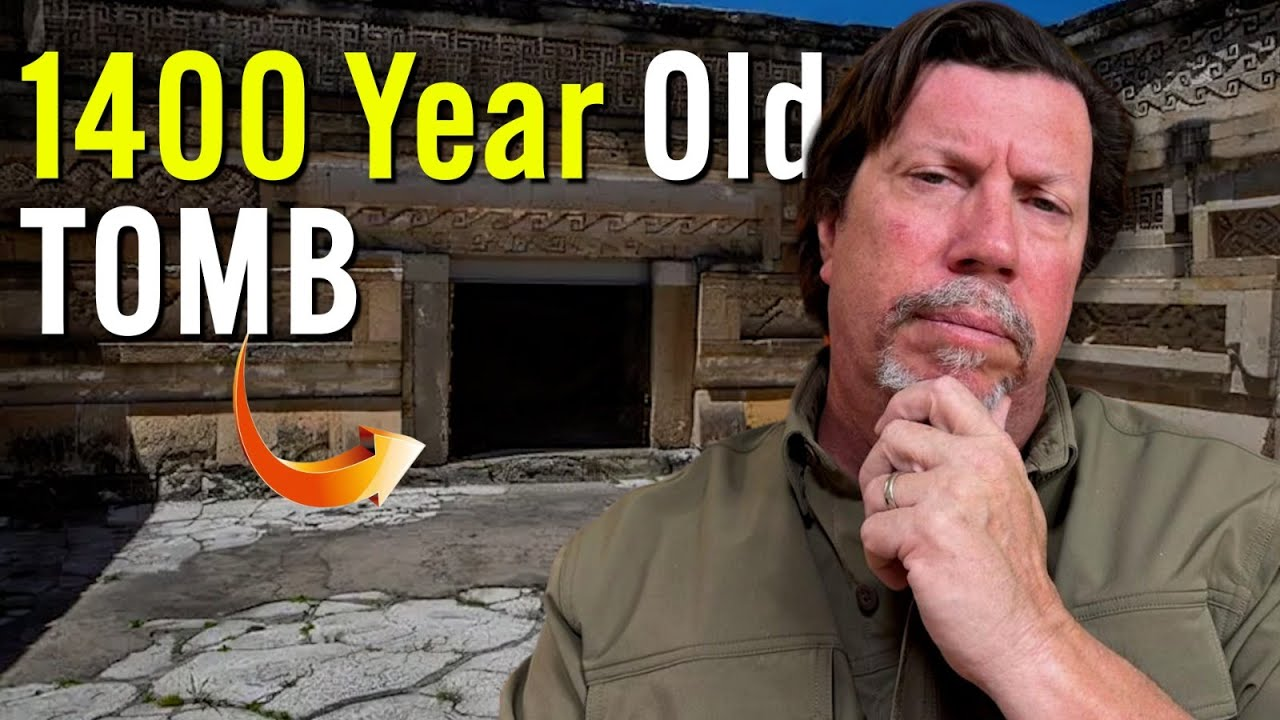
Whats inside the Mysterious 1400 Year old Zapotec Tomb

February 8, 2026

A 1,400-Year-Old Zapotec Tomb: Discovering Ancient Oaxaca

A recently uncovered 1,400-year-old Zapotec tomb in Mexico has been making headlines, hailed as one of the most important archaeological finds of the decade. But what exactly was discovered—and how significant is it for understanding Zapotec civilization?

Dating to around 600 CE, the tomb is located in the Valley of Oaxaca, a region long known as the heartland of Zapotec culture. The site features an antechamber, intricately carved stone doorways, sculpted figures, and painted murals, showcasing the craftsmanship and artistic sophistication of this ancient society.

While impressive, this tomb is part of a larger archaeological pattern: similar structures have been found throughout the valley, highlighting the Zapotecs’ consistent architectural and ceremonial traditions. The discovery reinforces what archaeologists have long known about the complexity and reach of Zapotec civilization, even if it does not radically rewrite history.

To fully understand its significance, it’s important to place the tomb within its broader historical and geographic context. The Zapotec capital of Monte Albán dominated the valley with monumental architecture, while Mitla served as a powerful religious center. Comparing this tomb to others in the region—and even to the famous Monte Albán Tomb 7—provides a glimpse into the ceremonial life, burial practices, and societal hierarchy of one of Mesoamerica’s most enduring cultures.

Finally, the greatest mystery remains: what was inside the tomb? Were its contents looted long ago, preserved in secret, or intentionally withheld from public view? The uncertainty adds to the intrigue, reminding us that even after more than a millennium, the Zapotec world still holds secrets waiting to be uncovered.

This discovery may not overturn the story of Mesoamerican history, but it powerfully highlights the sophistication, artistry, and cultural importance of the Zapotec civilization—a society whose legacy continues to inspire and astonish.

Watch the video below to explore the newly discovered Zapotec tomb, its murals, carvings, and the fascinating history of ancient Oaxaca:

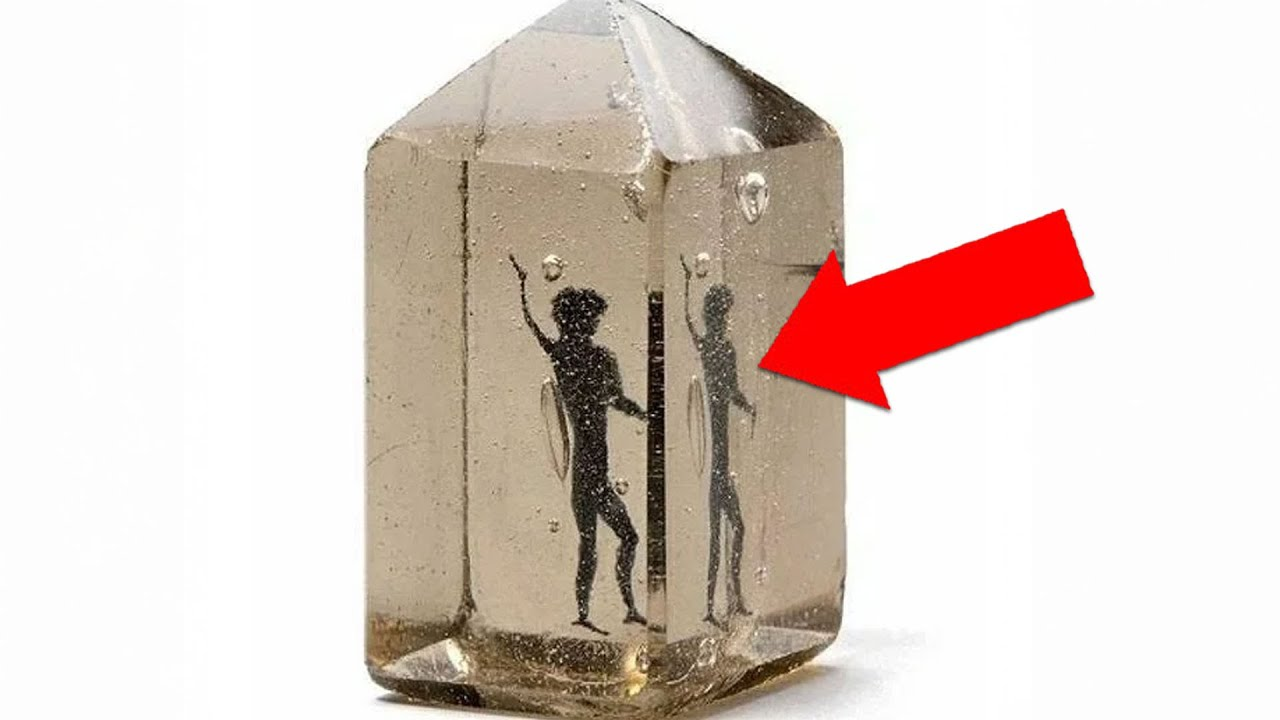
The "Impossible" Artifact: A 400-Year-Old Devil Trapped in Glass

February 8, 2026

The Devil in the Glass: Vienna’s Most Disturbing Artifact

There’s a small object in the collection of Austria’s Kunsthistorisches Museum that carries an enormous claim. Not a painting. Not a legend. But a devil sealed inside glass.

Known in German as Teufel im Glase, the object is a faceted glass prism just 6.6 centimeters tall, containing a sharp-edged, horned black figure crouched inside like an insect trapped in amber. Cast in black lead and cataloged under Kunstkammer 6211, it looks less like folklore and more like evidence.

What makes the artifact truly unsettling is not its appearance — but its documentation.

A 1720 inventory of Vienna’s Imperial Treasury describes the object in chillingly official language. It does not present the figure as symbolic or decorative. Instead, it records it as:

“A spiritus familiaris in a glass… formerly driven out of a possessed person… and banished into this glass.”

This wasn’t a rumor. It wasn’t a myth. It was written into state records.

At the time, Europe existed at a crossroads between emerging science and deeply institutionalized belief in possession, exorcism, and spiritual entities. Cabinets of curiosities were not mere collections — they were attempts to catalog reality itself, including the supernatural.

Whether the Devil in the Glass represents a misunderstood ritual object, a theatrical fraud, or something far stranger, its existence forces an uncomfortable question:
Why would an empire formally record the imprisonment of a demon?

And if they believed it was real — what does that say about the world they lived in?

🎥 Watch the video below to explore the Devil in the Glass and uncover the unsettling history behind Vienna’s most controversial artifact:

London 1600s (AI Reconstruction)

February 8, 2026

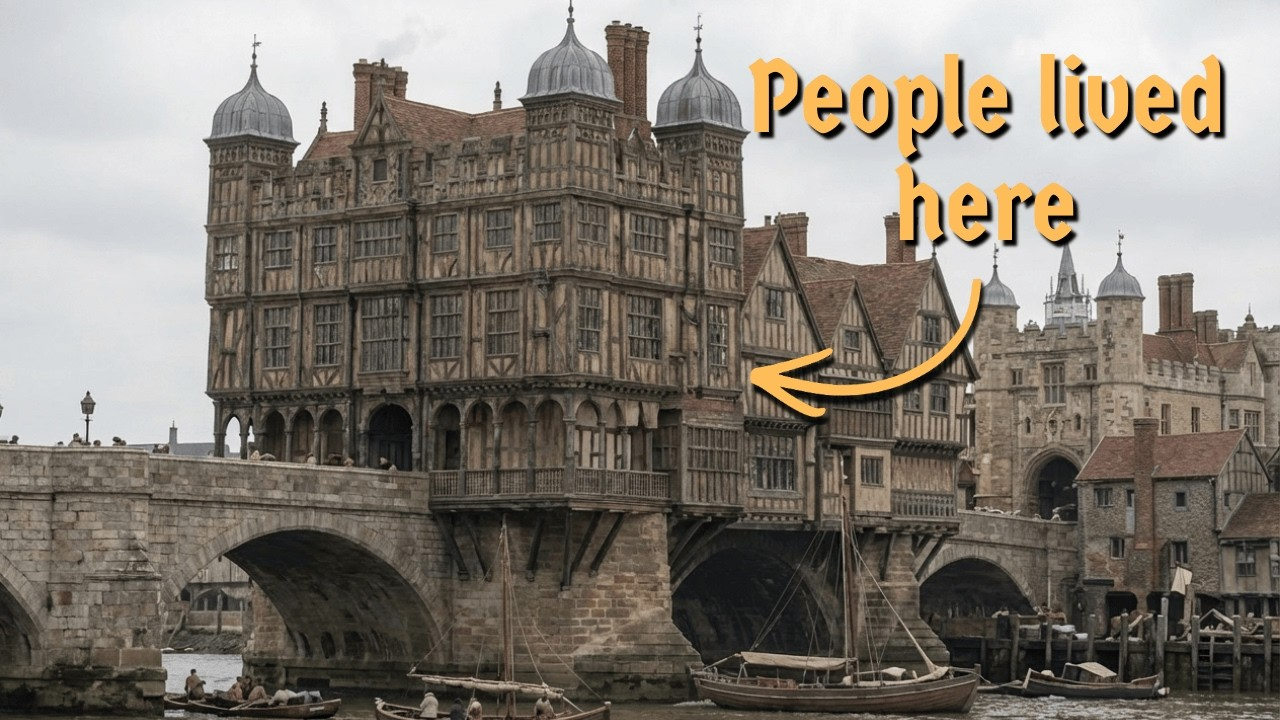
Journey into 17th-century London, a city balanced between collapse and reinvention. In an age before electricity, modern medicine, or industrial power, London was already a global force—crowded, volatile, and expanding at a pace few cities could survive.

This was a time when plague stalked narrow streets, killing tens of thousands, and when fire reshaped the city overnight. The Great Fire of 1666 didn’t just destroy homes and churches—it erased medieval London and forced the birth of something new. Out of disaster came wider streets, new building laws, and the foundations of the modern city.

Using historical records, maps, and period artwork, this reconstruction brings pre-industrial London back to life. With the help of advanced AI video technology, the city is reimagined in striking detail—from crowded river traffic on the Thames to timber-framed houses, markets, and smoke-filled skylines. You’ll see the scale, texture, and atmosphere of a world shaped by trade, survival, and constant risk.

This is not a romantic past. It’s a raw, living city—one that endured catastrophe and emerged transformed. A journey through London before factories and railways, when the future of Britain was being forged in fire, disease, and human resilience.

Seeing 17th-century London described in words is one thing — watching it come back to life is another.

Using historical maps, artwork, and AI-powered reconstruction, this video visually recreates London before industrialization: the crowded streets, the River Thames alive with trade, the devastation of plague, and the aftermath of the Great Fire of 1666.

Watch the full video here:


12 Most Incredible And Mysterious Ships Incidents

February 8, 2026

When Ships Don’t Come Home: The Stories Behind History’s Most Mysterious Wrecks

Most ships live quiet, predictable lives. They’re designed with a purpose, launched with ceremony, spend decades crossing familiar routes, and eventually end their service in a scrapyard. Their stories are practical, documented, and largely forgotten.

But not all ships follow that path.

Some vessels meet a very different fate—one marked by disaster, mystery, or circumstances so strange they continue to haunt maritime history. These are the ships that never completed their final journey, that vanished without explanation, or that met dramatic ends in storms, wars, or unexplained events. Long after the sea reclaimed them, questions remain.

From ghost ships found drifting with no crew aboard, to vessels swallowed by violent weather or lost in remote waters, these wrecks are more than accidents. They are frozen moments in time—snapshots of human ambition, error, courage, and sometimes sheer bad luck. In many cases, the wrecks themselves tell only part of the story, leaving historians, divers, and researchers to piece together what really happened.

Shipwrecks like these remind us that the ocean is not just a highway for trade and exploration, but a vast, unpredictable force. Even with modern technology, it still holds secrets—and it always has.

Below, we explore some of the most spectacular and mysterious shipwrecks ever recorded, examining how they were lost, what was discovered afterward, and why their stories continue to fascinate.

🎥 Watch the video below to explore the most mysterious and dramatic shipwrecks in history:

Someone Was Writing Long Before Civilization

February 8, 2026

Is Writing Far Older Than We Think? Rethinking the Origins of Civilization

Recent discoveries are forcing archaeologists and historians to confront an unsettling possibility: writing may be far older than we have long believed.

For centuries, writing has been treated as a defining “marker of civilisation,” something that appears suddenly with the rise of complex societies in Mesopotamia and Egypt. But emerging evidence suggests this milestone may stretch much deeper into the past, challenging the neat timelines we rely on to explain human progress.

This raises an uncomfortable question: why wouldn’t early humans have developed written language? They already possessed complex speech, symbolic thought, art, ritual, and long-distance trade. If they could paint cave walls, track seasons, navigate landscapes, and pass down myths, what truly prevented them from recording information in lasting symbols?

And if early forms of writing or proto-writing did exist, the implications are profound. Prehistory would no longer be a silent age defined by absence, but a period rich in communication, record-keeping, and cultural complexity—much of it simply lost to time.

Reconsidering the origins of writing forces us to rethink prehistory itself. It suggests that human intelligence and creativity did not suddenly “switch on,” but evolved gradually, leaving behind traces we are only now beginning to recognize.

🎥 Watch the video below to explore the evidence suggesting writing may be far older than history records and what that means for how we understand early human civilization:

The World's Largest Cave: It Has a Forest, a River, and Clouds Inside

February 8, 2026

Son Doong: Inside the Largest Cave on Earth

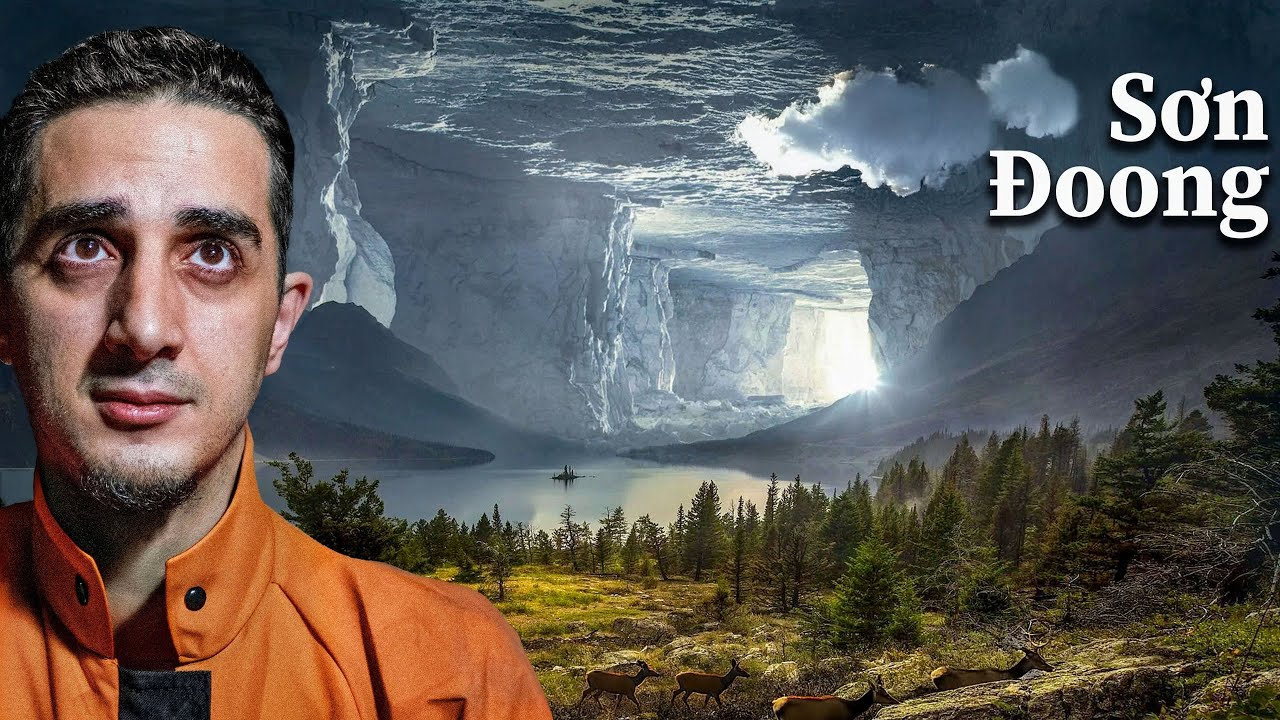
Hidden deep beneath the jungles of Vietnam lies a place so vast and surreal that it feels like another world entirely. Son Doong Cave, the largest cave on our planet, is not just big — it is alive.

This underground giant is so massive that it has developed its own self-sustaining ecosystem and climate. Hundreds of meters below the surface, clouds form inside the cave, drifting through enormous chambers where sunlight breaks in through collapsed ceilings. What looks like weather belongs entirely to the cave itself.

Son Doong shelters an untouched prehistoric rainforest, thriving far below ground, alongside a vast underground river that has carved the cave over millions of years. This hidden world is home to more than 250 endemic plant and animal species, found nowhere else on Earth. From transparent cave fish to vividly colored monkeys, life here has evolved in complete isolation. Recently, seven entirely new animal species were discovered — unique to Son Doong alone.

Stretching 9 kilometers in length and holding an estimated 38.5 million cubic meters of space, Son Doong defies scale. Its passages are so immense that a 40-story skyscraper could fit inside, while its towering stalagmites rise like the ruins of ancient cities. Walking through the cave, visitors often describe the overwhelming sensation of feeling smaller than a bug.

Among its many wonders are phytokarst rocks, strange formations that slowly grow and lean toward sunlight like semi-living organisms, along with rare cave pearls and mineral structures found almost nowhere else on Earth.

Formed around 3 million years ago, Son Doong remained completely unknown to the modern world until it was fully explored in 2009. For millions of years, it existed in total silence beneath the forest canopy — a colossal secret hidden in plain sight.

Today, access to Son Doong is strictly limited to protect both visitors and its fragile environment. Expeditions are operated exclusively by Oxalis, the only authorized agency permitted to lead journeys into this extraordinary underground realm.

🎥 Watch the video below to step inside Son Doong Cave and witness the largest cave on Earth for yourself:

Ancient Islands: Ghost City of the Pacific (Full Episode) | Lost Cities with Albert Lin

February 8, 2026

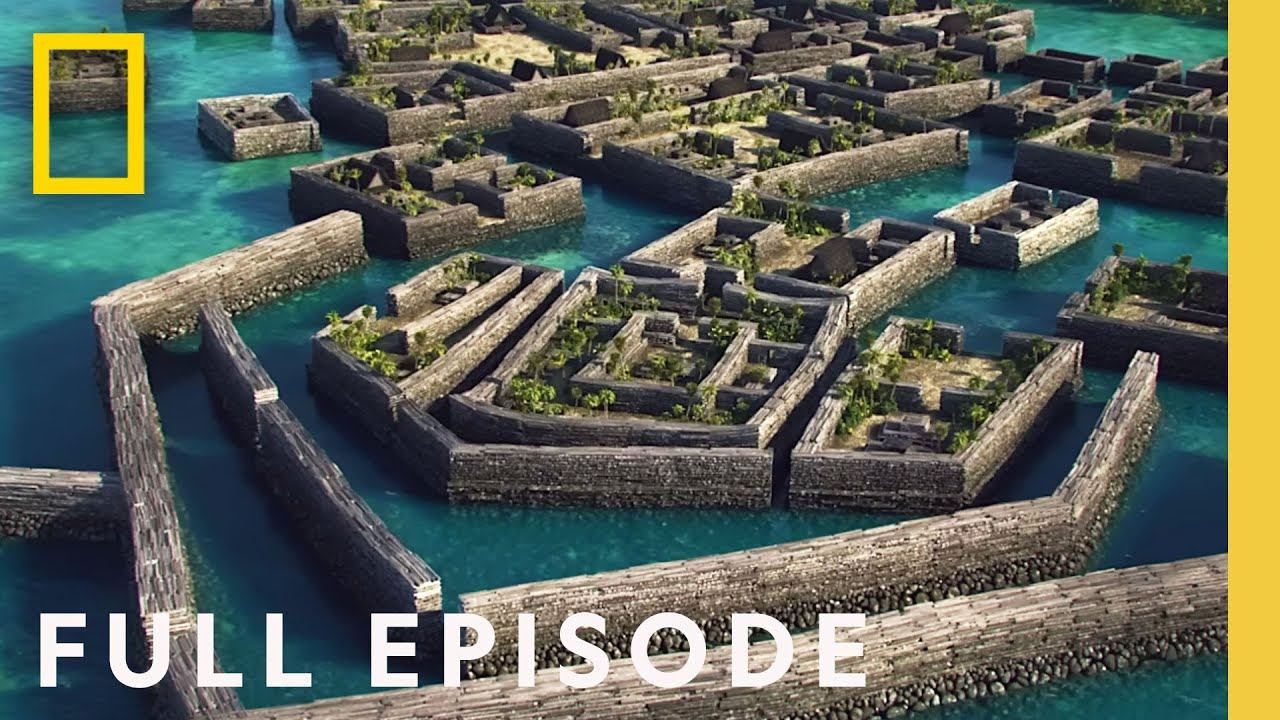
National Geographic Explorer Albert Lin journeys deep into Micronesia, at the heart of the Pacific Ocean, to investigate one of the most enigmatic ancient sites on Earth: Nan Madol. Often called the “Venice of the Pacific,” this extraordinary island city is built from massive basalt columns stacked atop coral reefs, forming a complex network of artificial islets, canals, and stone walls.

Nan Madol’s scale and construction raise profound questions. How were these enormous stones transported across open water? Who organized the labor to build an entire city on the ocean? And why was it ultimately abandoned? With little written history to rely on, the site remains one of archaeology’s greatest puzzles.

Through cutting-edge technology and exploration, Albert Lin seeks clues hidden in the landscape, using modern tools to uncover how ancient island societies may have engineered this monumental city. The investigation reveals that Nan Madol was not a myth or legend, but a real political and ceremonial center—one that challenges assumptions about what ancient Pacific civilizations were capable of achieving.

As with many lost cities, Nan Madol reminds us that human ingenuity has flourished in places far from the traditional centers of history. Its ruins stand as silent proof that complex societies once thrived in the middle of the ocean, leaving behind stone structures that still defy explanation.

🎥 Watch the video below to join Albert Lin and National Geographic as they uncover the secrets of Nan Madol, the ancient island city hidden in the Pacific:

The Fatal Attraction That Killed Neanderthals

February 8, 2026

For decades, Neanderthals were portrayed as a separate, inferior branch of humanity—an evolutionary dead end replaced by modern humans. This video challenges that simplified narrative by examining the fascinating interbreeding between modern humans and Neanderthals, revealing a far more complex and intimate story.

Rather than being entirely distinct species, the evidence suggests that Neanderthals and modern humans were biologically compatible, sharing genes, traits, and lives. This interaction ultimately had tragic consequences for Neanderthals, who disappeared as a distinct population, but their legacy did not vanish. Instead, it lives on in us. Many people today still carry Neanderthal DNA, embedded within our genomes.

The video explores how this interbreeding reshapes our understanding of human history and human evolution. It dismantles the old, linear idea of progress—where one “advanced” species replaces another—and replaces it with a more nuanced biological reality. Early humans did not simply conquer and replace; they met, mixed, and merged.

By looking at genetics, archaeology, and evolutionary biology, this Neanderthal documentary reveals how complex prehistoric human interactions really were. It shows that evolution is not a straight line, but a tangled web of encounters, adaptations, and shared survival.

In understanding Neanderthals, we are not studying an extinct “other.” We are learning about a part of ourselves, and about an ancient world where humanity was already diverse, interconnected, and far more complex than the stories we were taught.

Watch the video below to explore the true relationship between Neanderthals and modern humans, and how their interbreeding reshaped the story of human evolution:

Lost burial grounds rediscovered through folklore

February 5, 2026

Dr Marion Dowd, an archaeology lecturer at Atlantic Technological University (ATU), has shed new light on Ireland’s cillíní—unconsecrated burial grounds for babies who were stillborn, miscarried, or died at birth without baptism.

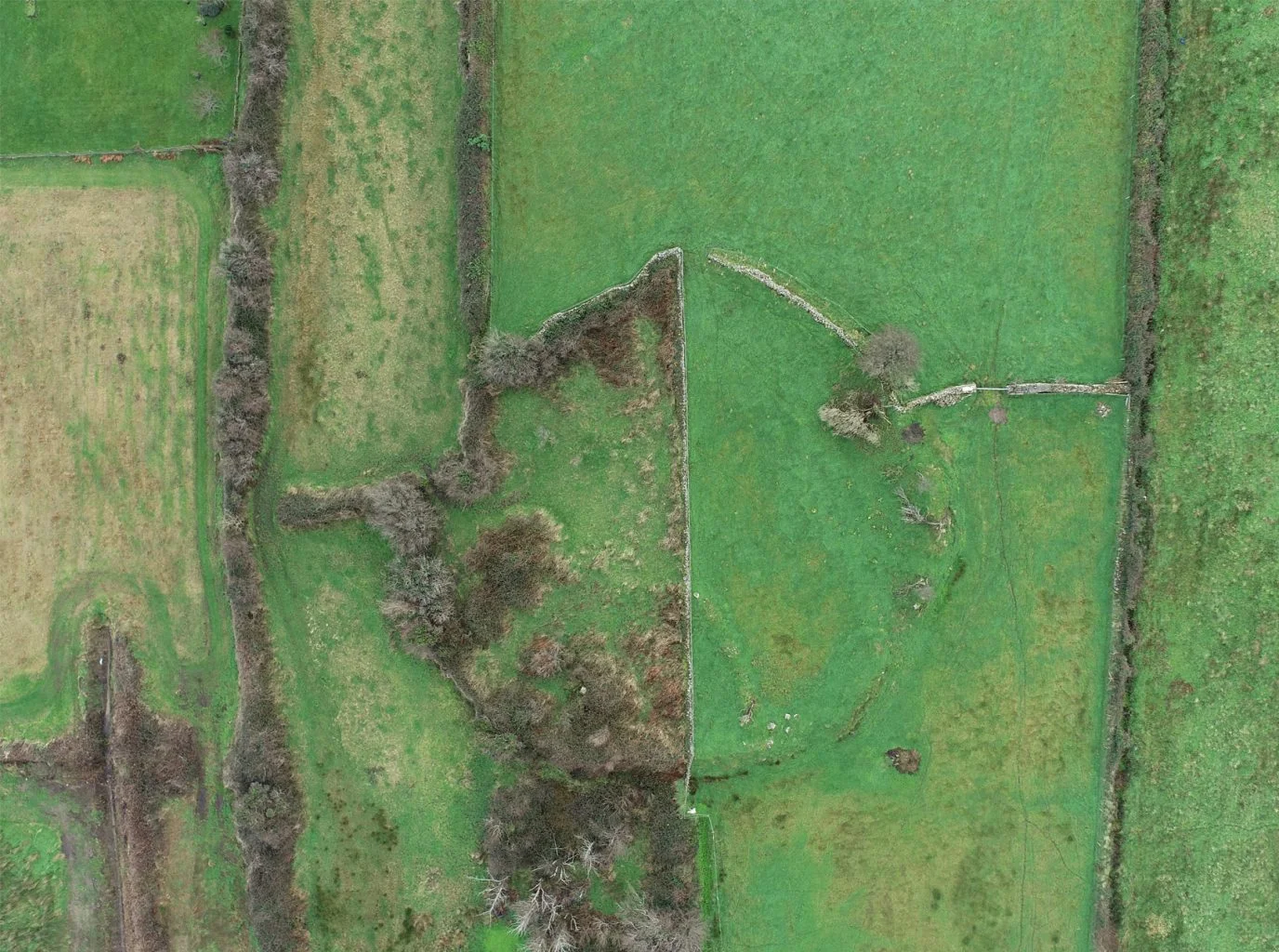
Published in the Journal of Irish Archaeology (Vol. XXXIV, 2025), her research combines folklore and archaeology to reveal forgotten sites and the cultural practices surrounding them. By examining over 350 folklore accounts from the National Folklore Collection Schools archive and cross-referencing them with archaeological records, Dr Dowd identified 11 previously unrecorded cillíní and 16 lost burial grounds across counties including Kerry, Mayo, Donegal, Galway, Clare, Cork, Louth, Sligo, Waterford, Longford, Meath, Monaghan, and Tipperary.

Sites documented include Lisheen na bPáistí (Co. Sligo), Inis na Leanbh in Kilquane (Co. Kerry), burial grounds near holy wells in Waterford, crossroads sites in Clare, and forgotten cillíní within ringforts in Meath—many of which had never appeared in official surveys.

The study also explores the grief, shame, and trauma experienced by parents burying children in unconsecrated ground, a perspective Dr Dowd calls an “archaeology of emotion.” Folklore highlights supernatural beliefs tied to these sites, such as ghostly lights and traditions like the “stray sod” and “hungry sod,” thought to punish those who disturbed graves.

Unique practices, including separate burial grounds for boys and girls and folk cures for sick children, are detailed in an archaeological context for the first time.

“This research reconnects Ireland’s rich folklore with its physical heritage, ensuring that the places associated with the unbaptised are not lost to time,” says Dr Dowd. Many cillíní remain vulnerable to development, farming, and neglect.

With folklore now recognized under Ireland’s heritage legislation via the UNESCO Intangible Cultural Heritage Convention (2015), the study emphasizes the value of integrating oral traditions into heritage preservation. Local communities are encouraged to help identify and protect these sites.

This work is featured in Bright Minds, Big Impact, highlighting ATU’s research excellence and the people driving meaningful change.

Falklands’ Port Louis settlement discoveries shared with Dr. Robert Philpott

February 5, 2026

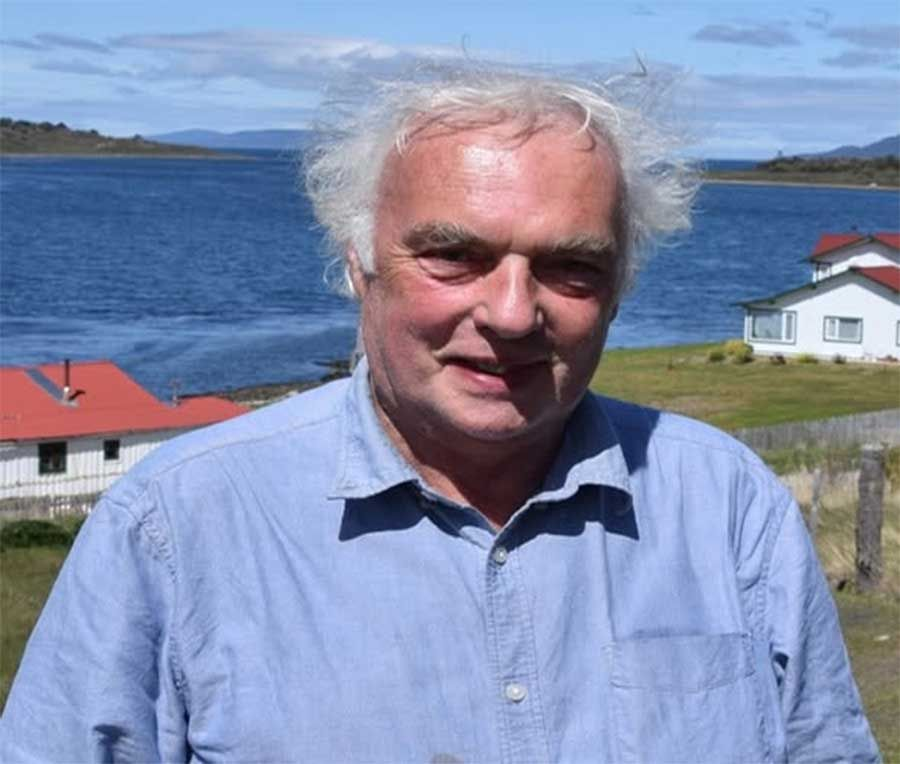
The Friends of the Falkland Islands Museum and the Jane Cameron National Archives are hosting a conference featuring archaeologist Dr. Robert Philpott, who will present his findings on the settlement of Port Louis on February 10.

Port Louis stands out as the most historically important settlement in the Falklands. Though never more than a small village, it changed hands multiple times, coming under the control of France, Spain, the United Provinces of the River Plate, and Britain.

The settlement has hosted notable figures like Charles Darwin and Robert FitzRoy and has witnessed murders, conflicts, and international disputes whose effects are still felt today. Port Louis remains the most captivating historical site in the Falklands.

Treasures worth thousands: homeowners discover vintage items hidden in walls during renovation

February 5, 2026

Hidden Treasures in Your Home: Renovation Surprises

Imagine renovating your home and stumbling upon something unexpected a yellowed envelope, a metal box, or a collection of vintage baseball cards. For some homeowners, these finds can be worth thousands, turning a simple renovation into an exciting treasure hunt.

Historically, people hid valuables in walls for safety, especially before modern banks and security systems. During the Great Depression, many Americans stashed money and valuables at home, a practice that still resonates today. Examples include a couple in Phoenix discovering $50,000 in cash behind a kitchen wall, or a Cleveland family finding rare 1940s comic books hidden in newspaper.

Valuable finds range from artwork and first-edition books to vintage jewelry, coins, and even Prohibition era whiskey. Technology like thermal imaging, metal detectors, and virtual reality now aids homeowners in locating hidden spaces and assessing the potential worth of discoveries. Online databases, auction sites, and social media groups further help identify and value items.

Not all discoveries have monetary value; sometimes the real treasure is historical or emotional. Homeowners have uncovered love letters from the 1920s, children’s drawings, family photos, or time capsules that provide a connection to past residents. Even small details, like height measurements on a hidden wall stud, can enrich a home’s story.

To increase the chance of finding hidden treasures, research your home’s history and proceed carefully during demolition, especially near chimneys, bathrooms, kitchens, attics, and basements. Keep and document everything you find, as provenance can add value.

If you uncover something valuable, avoid cleaning it, take detailed photos, and seek professional appraisals. Be aware of legal or tax implications for found items.

Renovations are more than just updates they’re opportunities to uncover human stories, history, and sometimes even fortune. Even if your walls hold nothing more than old newspapers, the potential for discovery adds excitement and depth to any home improvement project.

Egyptian and Indus Valley civilisations ‘were in contact’

February 5, 2026

Egyptologist Compares Indus Valley and Ancient Egypt

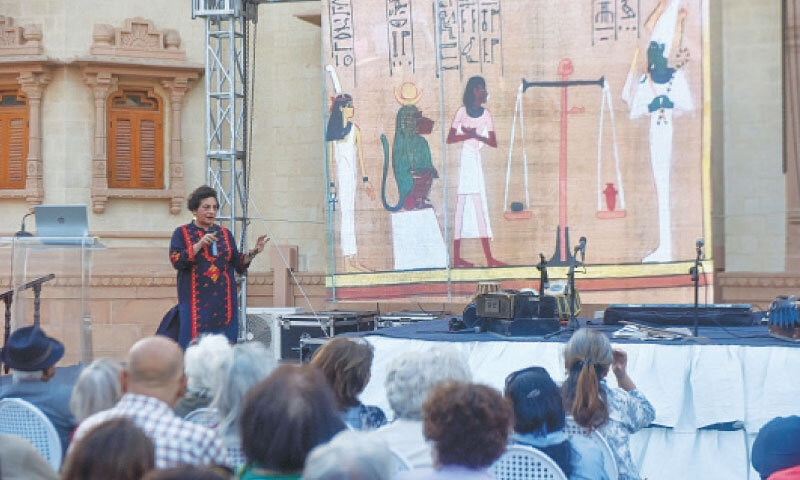
Dr. Salima Ikram, an eminent archaeologist, Egyptologist, and author, discussed the similarities and differences between the Indus Valley Civilization and ancient Egypt during her lecture “From the Indus to the Nile: Exploring Religion and History” at Karachi’s Mohatta Palace Museum.

She noted that while ancient Egyptians used art to project power, the Indus Valley Civilization did not employ its artistic creations as propaganda. Despite being over 4,000 km apart, there were occasional interactions between the two regions over time. Ikram highlighted how ancient Egypt has captivated global imagination through its architecture, art, and cultural influence, even impacting modern fashion, film, and artistic movements like Cubism. She cited examples including The Mummy films and local inspirations in Karachi, such as Pyramid Productions.

Recalling her own fascination, Ikram described receiving a book on ancient Egypt at age eight and visiting the country at nine, which cemented her lifelong passion.

Comparing the two civilizations, she acknowledged that the Indus Valley boasted advanced urban planning, sophisticated mudbrick architecture, complex water and sewage systems, and social stratification. Egyptian cities, while impressive, often emphasized grandeur, monumental architecture, and temples, reflecting kingship and the projection of power. In contrast, Indus Valley artifacts and structures were generally smaller and more miniaturized, a characteristic she found intriguing.

Ikram also explored potential connections between the two civilizations. While the Egyptian pantheon is well-documented, religious practices in the Indus Valley remain unclear due to undeciphered scripts. Both cultures, however, shared a love of jewelry, and there is evidence of trade, particularly in lapis lazuli from Afghanistan. She suggested that trade facilitated the exchange of ideas, though direct evidence of other cultural interactions is limited.

Touching on mummification, Ikram mentioned Pakistan’s so-called “Persian Princess,” which she determined to be a forgery. She also referred to Alexander the Great’s campaigns in the region, noting cultural exchanges that occurred after his conquests, including the movement of soldiers and mercenaries, though she clarified that some local groups, like the Kalash, may not fully reflect Greek traditions.

The lecture concluded with a performance of Shah jo Raag by ustads Zulfiqar, Nazar, and Mazhar from Hyderabad, organized by the Mohatta Palace Museum and the Endowment Fund Trust for Preservation of Heritage of Sindh in collaboration with the Lahore Literature Festival.

British Museum Deletes AI-Generated Pictures After Backlash

February 5, 2026

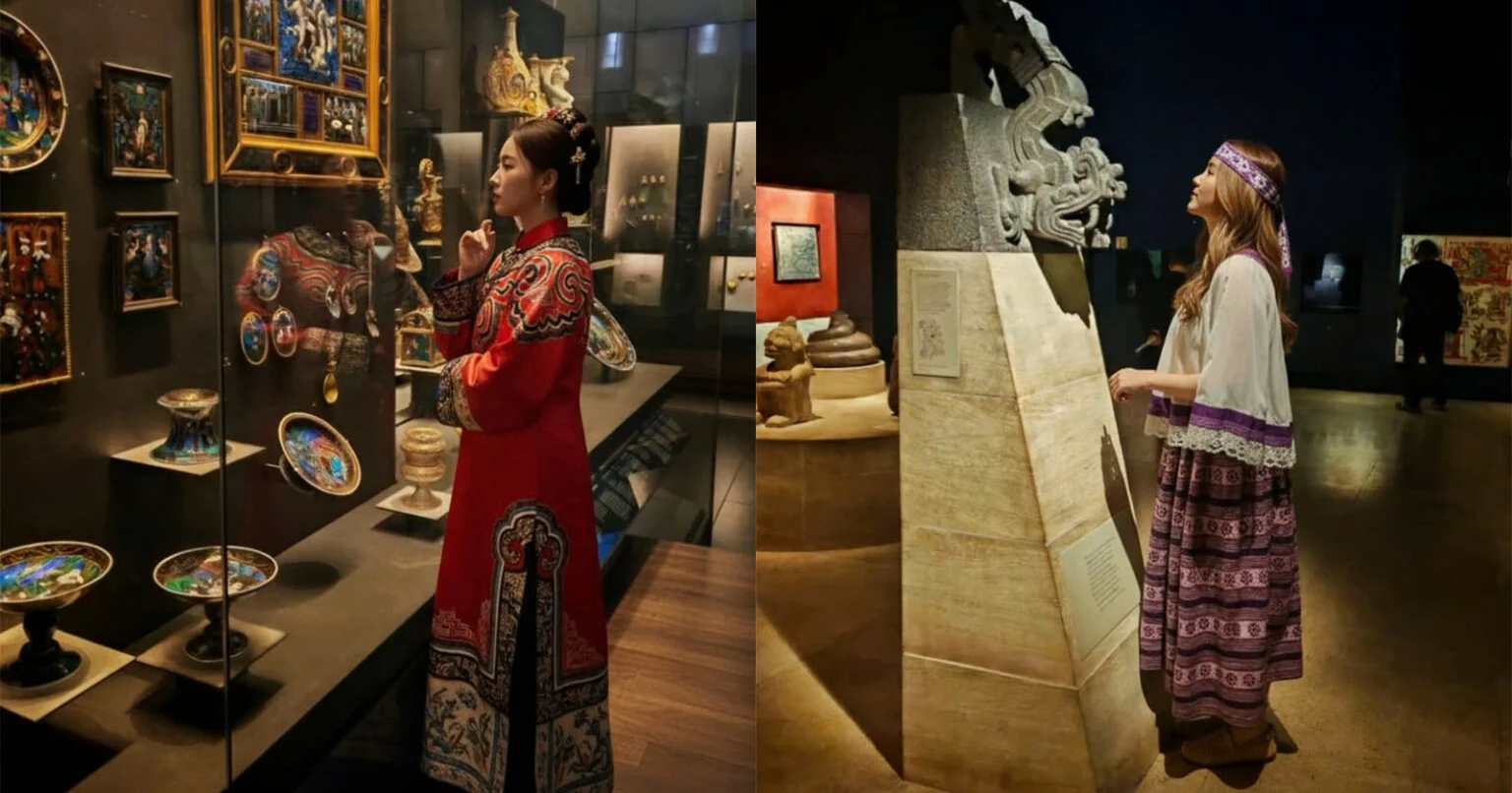
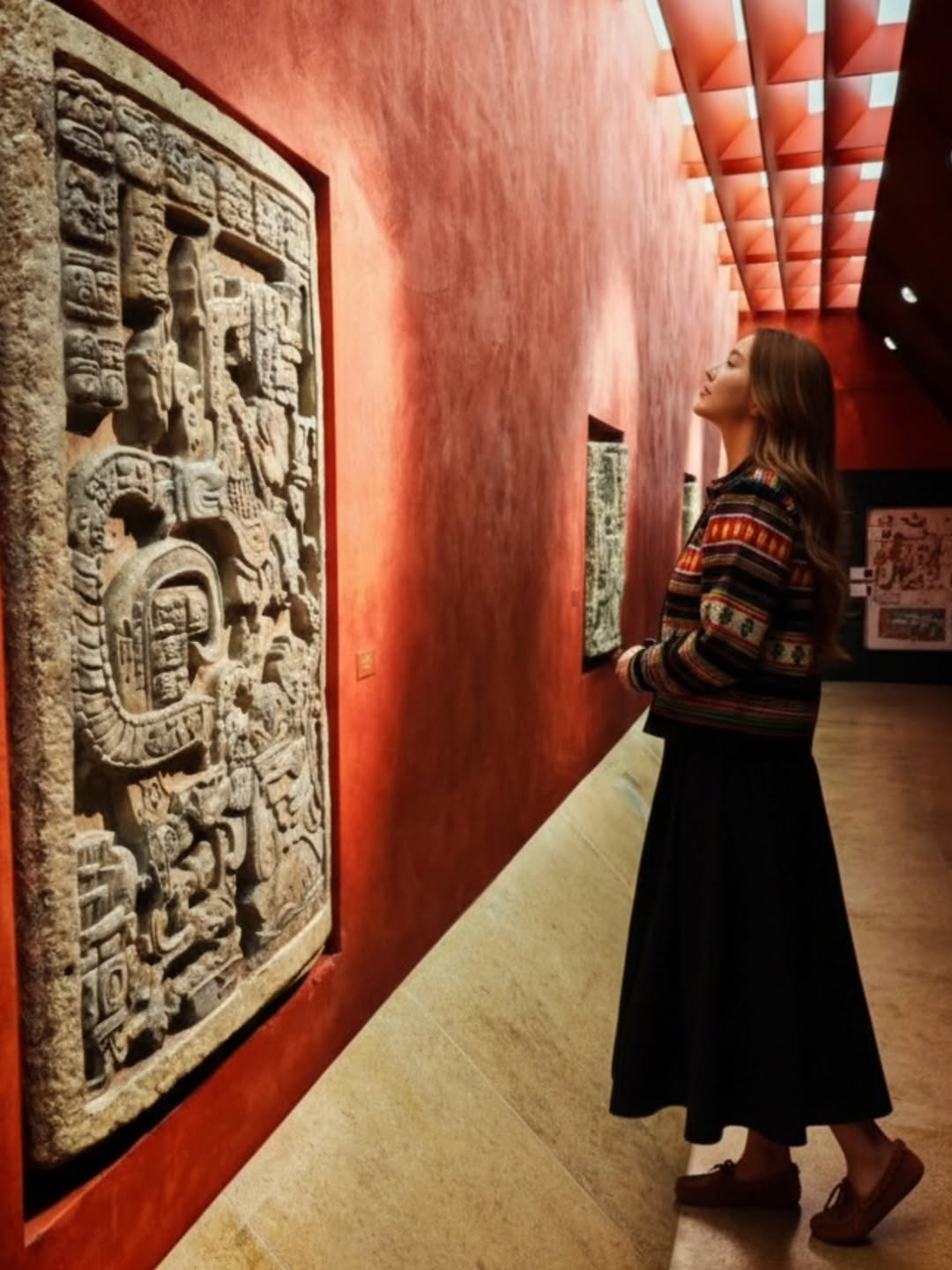
The British Museum in London, often criticized for holding collections accused of being looted, sparked some irony last week with a post featuring AI-generated images.

The images showed Elly Lin, a fictional AI-generated character, exploring the museum while dressed in various cultural outfits. Shared on the museum’s Instagram page, the post was quickly removed after only a few hours following “a barrage of really negative comments,” according to Artnet.

Archaeologist and PhD student Steph Black told Artnet that she suspects the museum is “testing the waters” to gauge public acceptance of AI-generated images, potentially as a way to justify cutting or not hiring human creatives and professionals. Black, who raised the issue to her 200,000 Instagram followers, says the British Museum has since unfollowed her — an action she interprets as a “threat.”

The museum confirmed to Artnet that the post was “user-generated” AI content. It stated, “We do not post AI-created images and, recognizing the potential sensitivity, removed it.”

AI’s Image Problem

Although the AI-generated images have been removed, the British Museum’s Instagram continues to receive a flood of comments about them. Under a post showing a real human viewing a feather cloak gifted by King Kamehameha I of Hawaii to King George III, Steph Black expressed her approval:

“Lovely non-AI image taken by a real human photographer of a real human admiring the artistry and creativity of other real humans,” she commented, earning 266 likes so far. “And look—no weird lighting or neck tilted back at an odd unnatural angle. How I love being human!”

AI images face widespread criticism for several reasons, notably that AI generators are trained on the work of millions of photographers and artists without permission or compensation. This has caused growing unease and backlash whenever AI is used, as seen in the negative reception to Darren Aronofsky’s AI-assisted reenactment of the American Revolution this week.

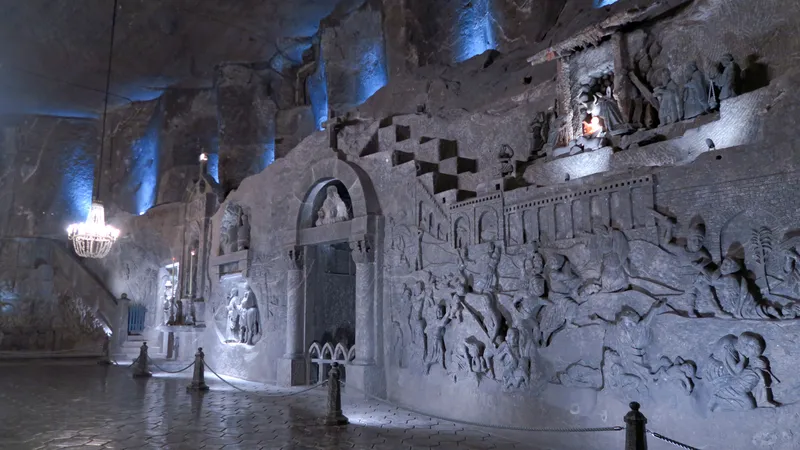
Stunning artworks are carved into the walls of St. Kinga’s Chapel, deep within Poland's Wieliczka Salt Mine.

A Subterranean City Of Salt Has Been Preserved Within This Cave-Like Mine For Centuries

February 5, 2026

Beneath southern Poland, near Kraków, lies a hidden realm of salt. While salt has been harvested in this region for millennia, mining operations ceased in the 1990s, transforming the site from a medieval industrial center into an underground marvel. Today, it boasts a vast network of chapels, museums, and sculptures all carved entirely from salt.

The history of Wieliczka is deeply intertwined with salt. Around 13.5 million years ago, seawater flooded the basin at the base of the Carpathians. Over time, tectonic movements drained the water, leaving massive deposits of salt embedded in the local geology.

Archaeologists have uncovered the oldest salt-working tools in Central Europe near the town, dating back to the Neolithic. Early workers extracted brine from natural springs and boiled it until only the salt remained, which was likely used both for seasoning and food preservation.

This method continued until the 11th and 12th centuries CE, when natural salt springs began to diminish. To maintain production, saline wells and eventually formal mines were constructed in Wieliczka, which has been actively mined since the 13th century, making it one of the world’s oldest known salt mines.

Archaeologists unearth the buried history of Saint-Pierre

February 5, 2026

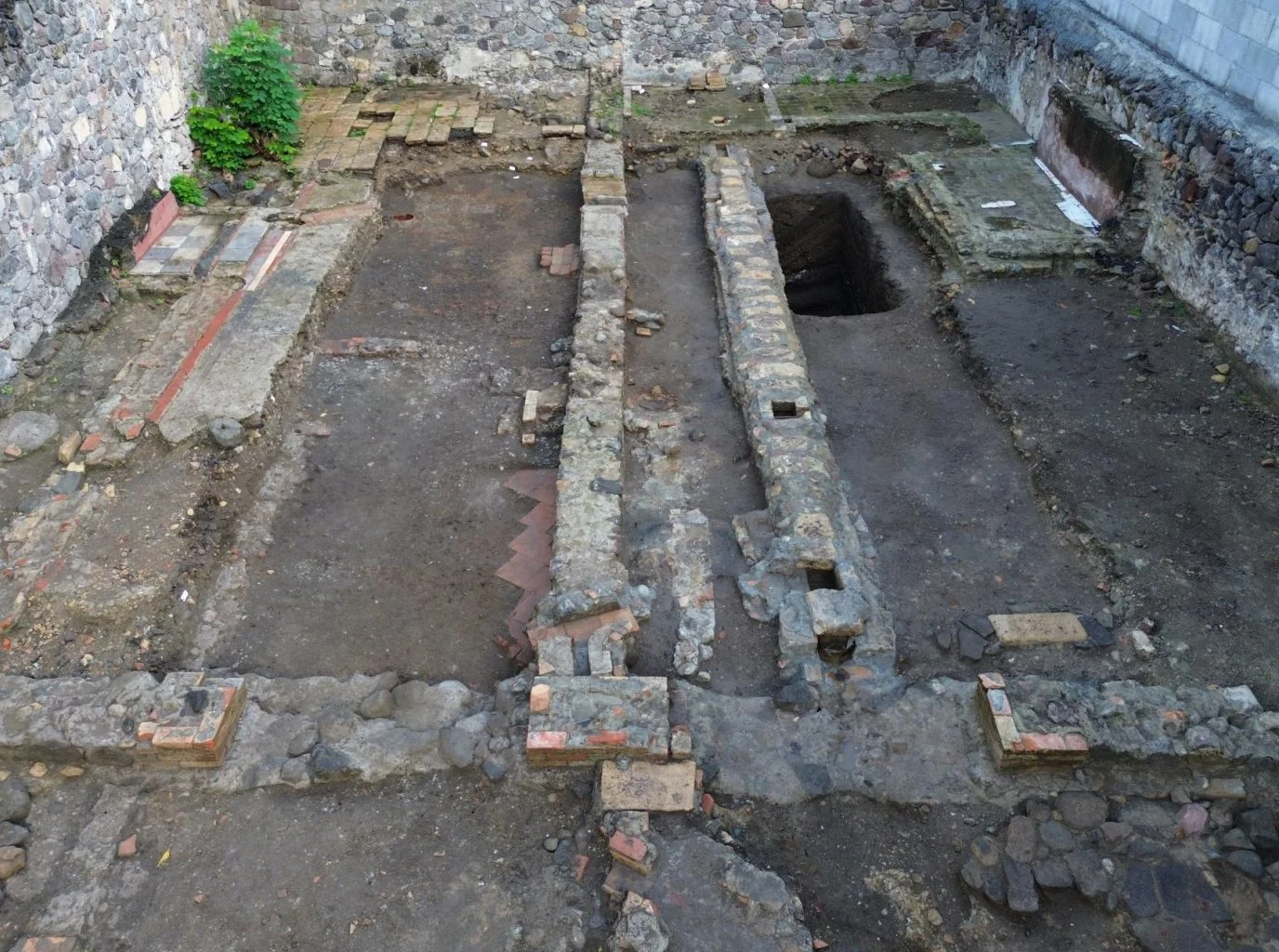
Archaeologists working in the Mouillage district of Saint-Pierre, Martinique, are uncovering new evidence that traces the city’s growth from its earliest settlement to its destruction in the 1902 eruption of Mount Pelée.

Founded in 1635 as France’s first permanent colony on Martinique, Saint-Pierre quickly developed into the island’s main economic and cultural hub, earning the nickname “the Paris of the Caribbean.”

Although few remains survive from the city’s earliest years, recent excavations have identified four distinct phases of occupation spanning from the late 17th century to modern times.

The earliest phase reveals a pumice quarry, where stone was extracted for building materials. In the 18th and 19th centuries, the area was then occupied by a rectangular structure linked to port-related activities.

The site later transformed into a residential neighborhood. Archaeologists uncovered brick, tile, and bluestone-paved surfaces, as well as an extensive network of pipes that supplied running water to homes and decorative basins.

The final phase includes the remains of a two-storey house featuring tiled floors, an outdoor kitchen, a bread oven, and a basin. Finds such as porcelain, earthenware, and glass vessels point to a comfortable standard of living, typical of well-off households in Saint-Pierre during the 18th and 19th centuries.

The excavation has also revealed a much deeper chapter of the site’s history. Two volcanic layers, dated to around 60 BC and AD 1300, contain clear traces of a substantial Native American presence.

This occupation, attributed to the Late Ceramic Age (c. AD 750–1100), includes pottery, stone tools, animal remains, postholes, refuse pits, and six human burials. The evidence points to a community whose livelihood was largely based on fishing, supported by hunting and the use of marine resources.

Together, these discoveries highlight the long and complex past of Saint-Pierre, documenting its transformation from a pre-Columbian settlement to a colonial port city, all preserved beneath the modern urban landscape.

← Newer Posts Older Posts →
Featured
image_2026-03-07_211932144.png
Mar 7, 2026
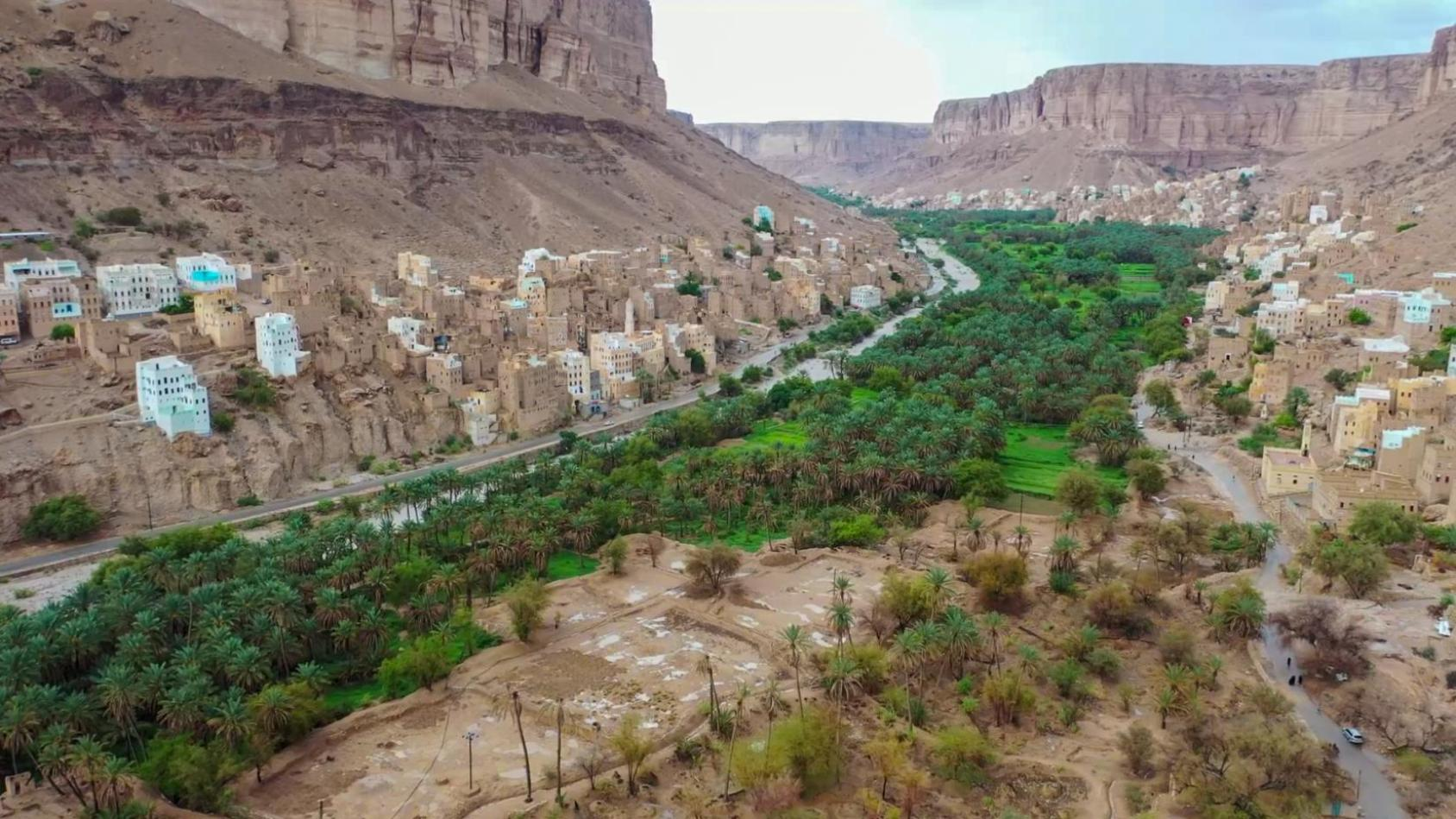
The First Desert Irrigation Systems of Yemen
Mar 7, 2026
Read More →
Mar 7, 2026
image_2026-03-07_211851997.png
Mar 7, 2026
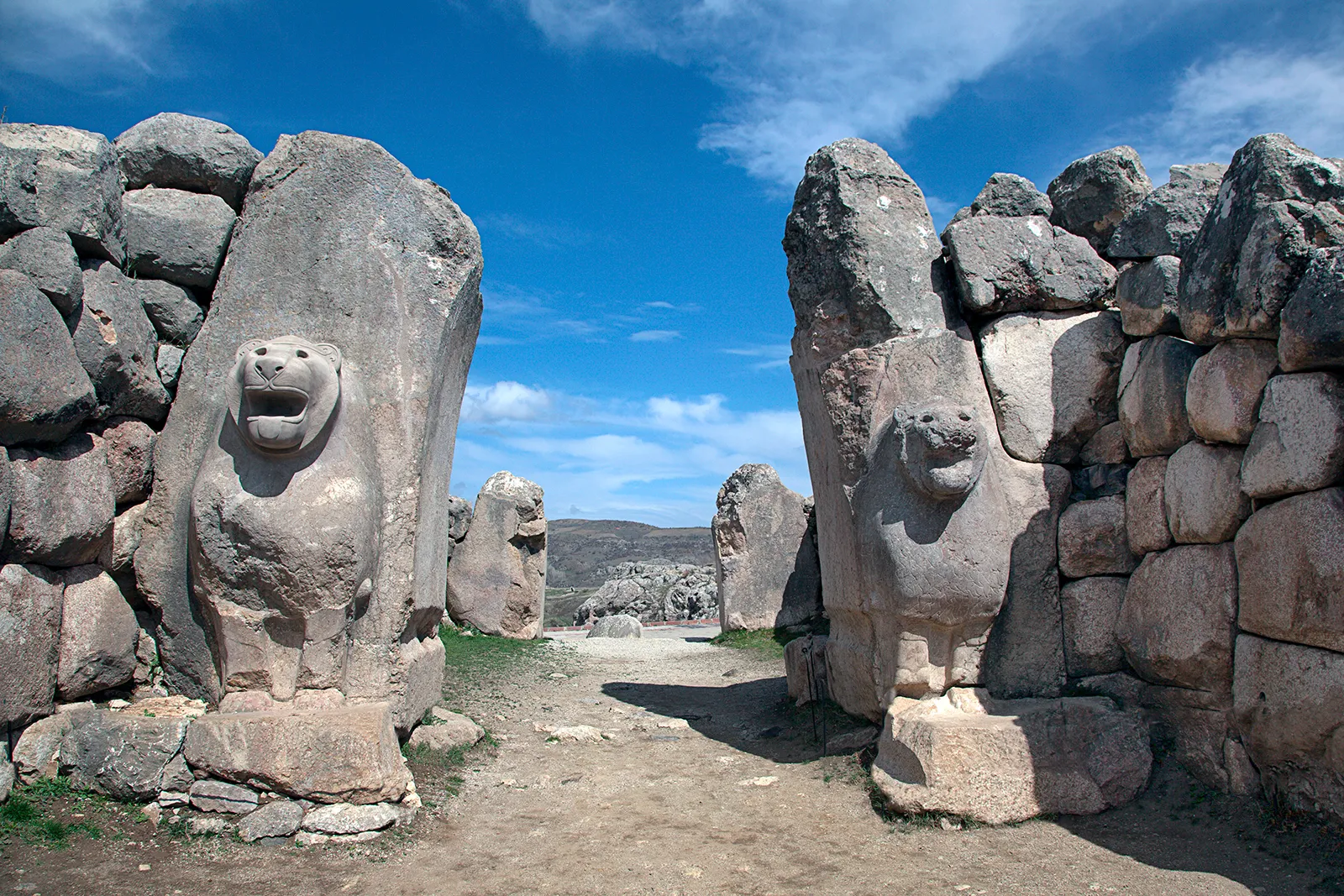
The Forgotten Bronze Age Kingdom of Arzawa
Mar 7, 2026
Read More →
Mar 7, 2026
image_2026-03-07_211802381.png
Mar 7, 2026
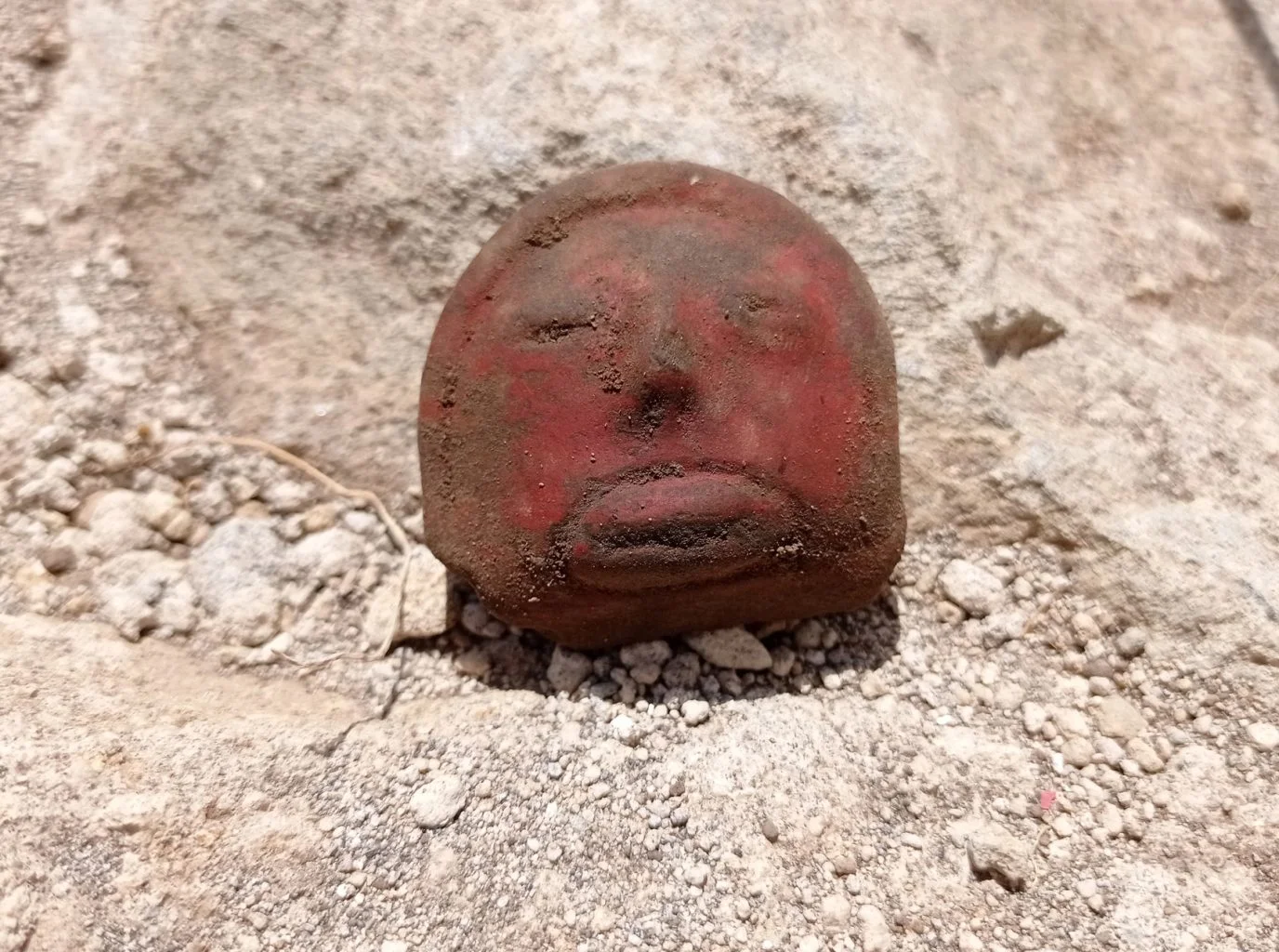
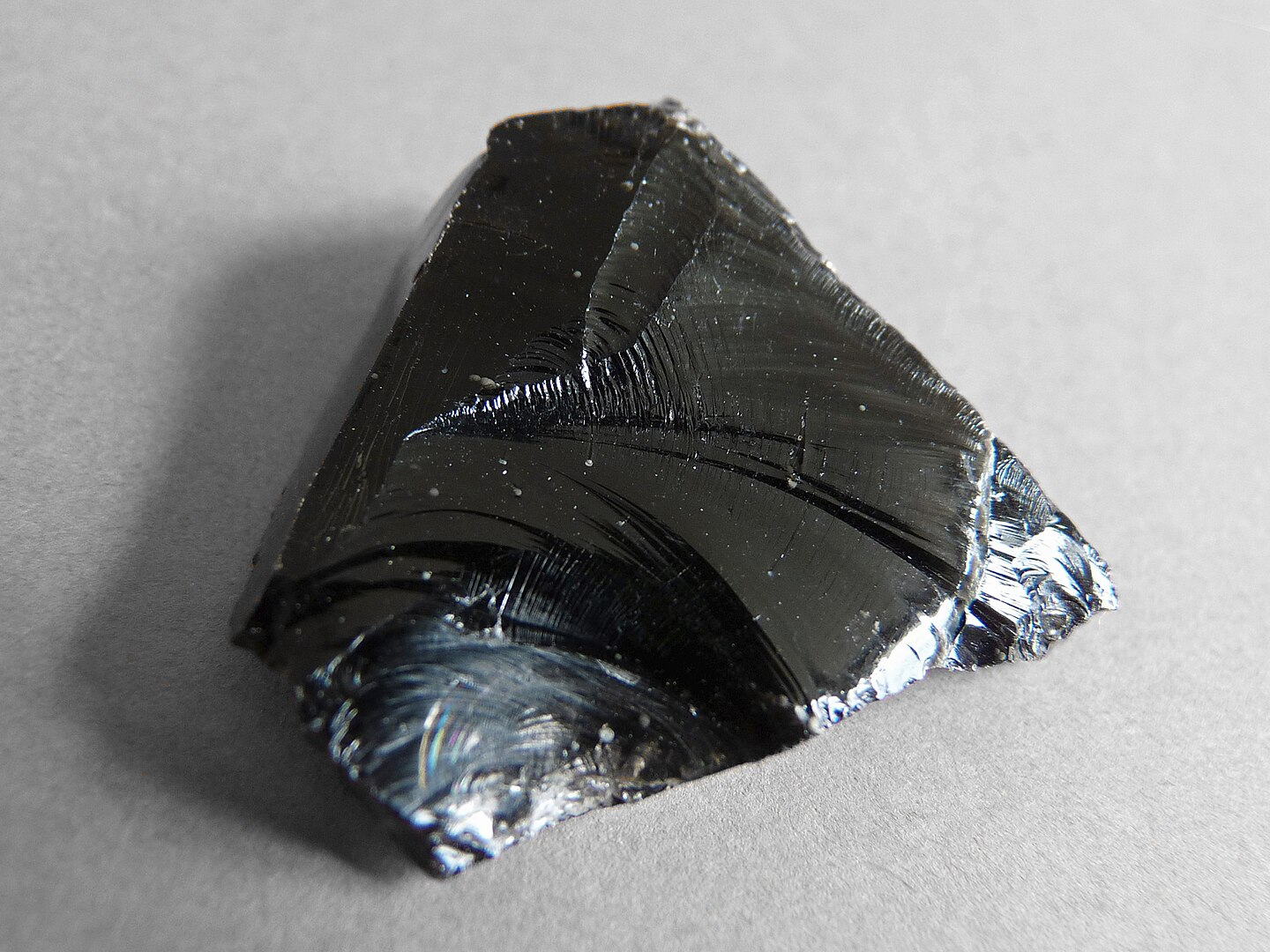
The Obsidian Trade of Early Mesoamerica
Mar 7, 2026
Read More →
Mar 7, 2026
image_2026-03-07_211721996.png
Mar 7, 2026
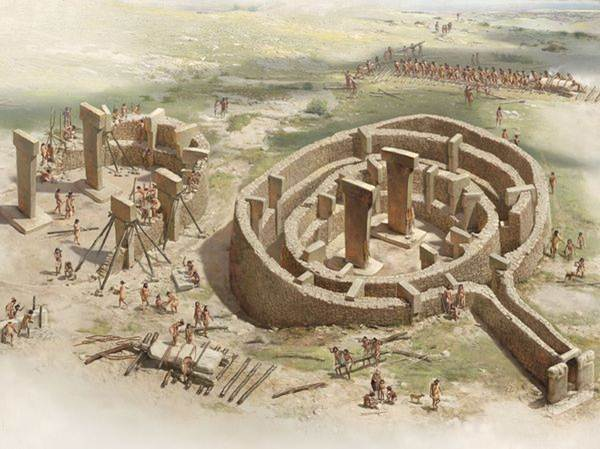
The Stone Temples of Göbekli Tepe’s Neighbors
Mar 7, 2026
Read More →
Mar 7, 2026
image_2026-03-07_211626791.png
Mar 7, 2026
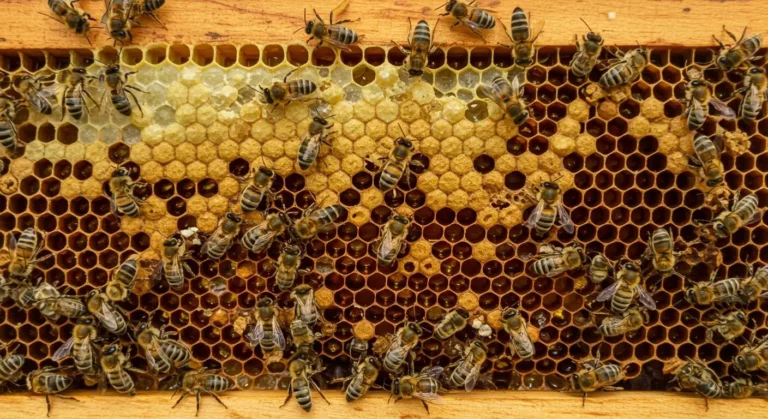
The Ancient Bee-Keepers of Anatolia
Mar 7, 2026
Read More →
Mar 7, 2026
image_2026-03-07_211510108.png
Mar 7, 2026
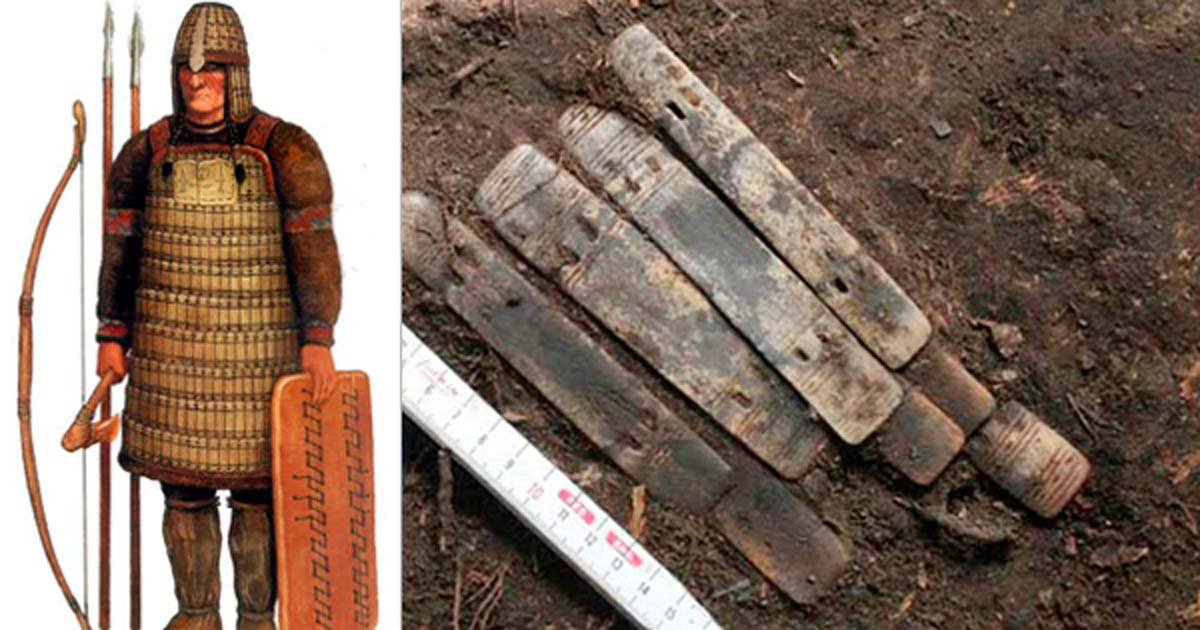
The Ancient Makers of Bone Armor
Mar 7, 2026
Read More →
Mar 7, 2026
read more

Powered by The archaeologist