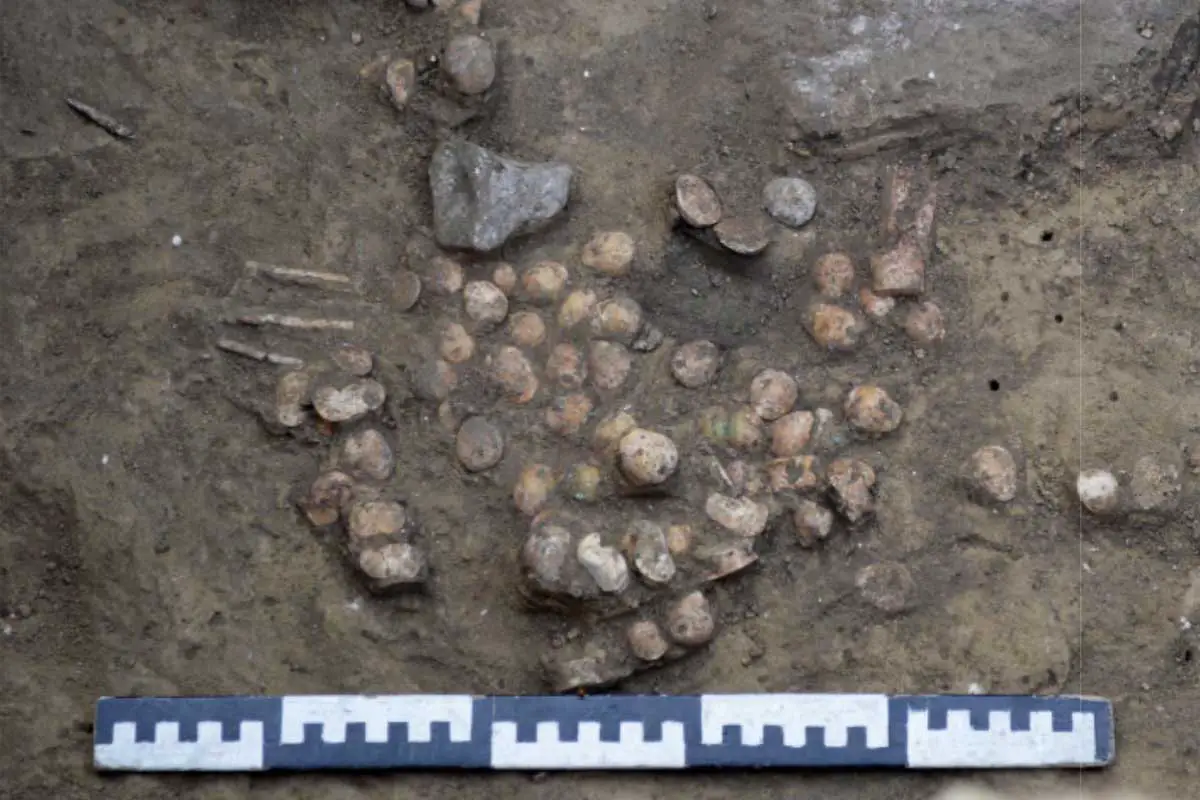
Rescue Excavations Reveal Roman Military Graves at Nove
Emergency archaeological work in the western necropolis of the Roman military camp at Nove, near Svishtov in Bulgaria, has uncovered a remarkable find: a fragment of a tombstone belonging to a centurion of the First Italic Legion (Legio I Italica).
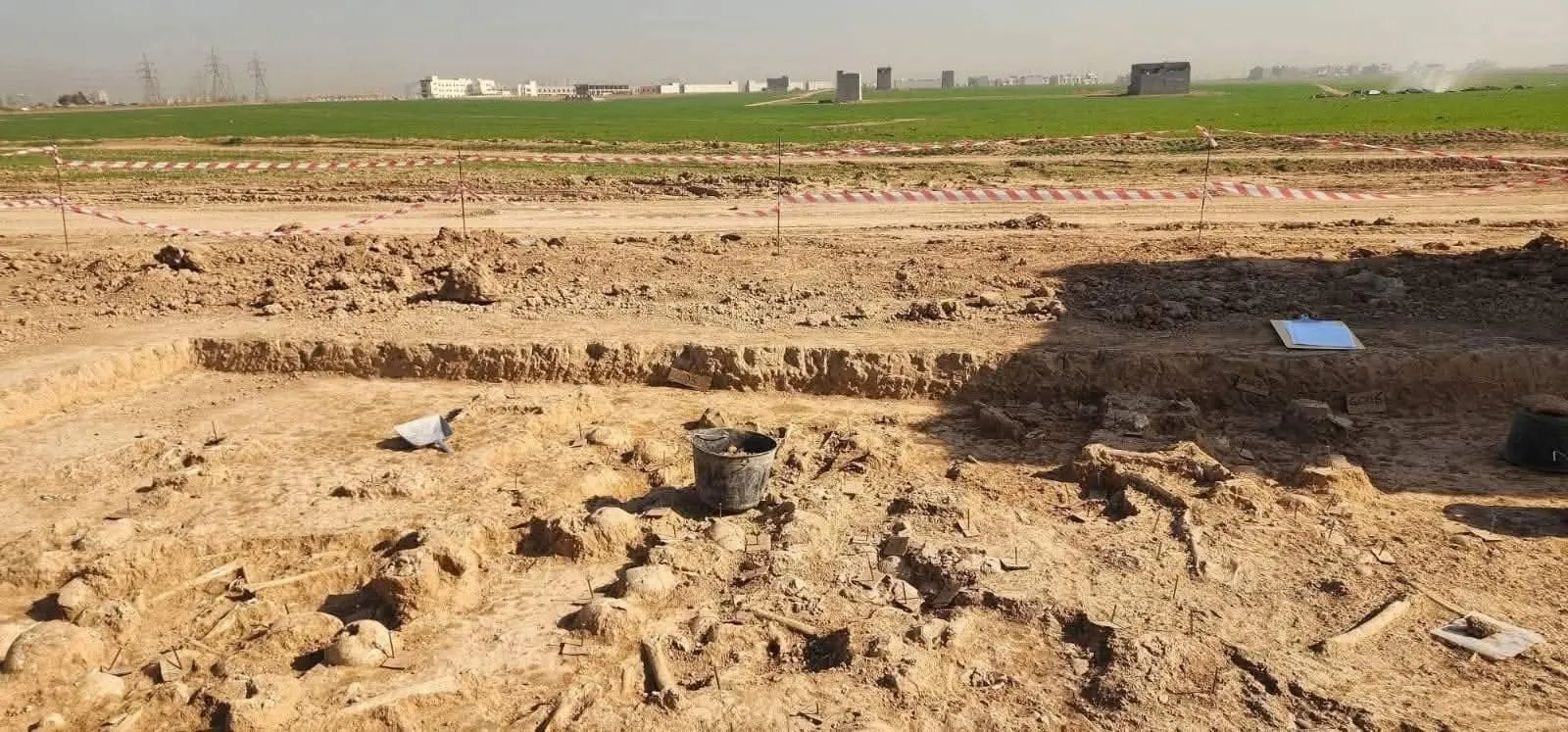
The discovery began unexpectedly. A local resident reported that a tree uprooted on his property in the villa area of Svishtov had exposed what appeared to be ancient burials. Authorities responded swiftly, launching rescue excavations to investigate the site.
Five Burial Structures Identified
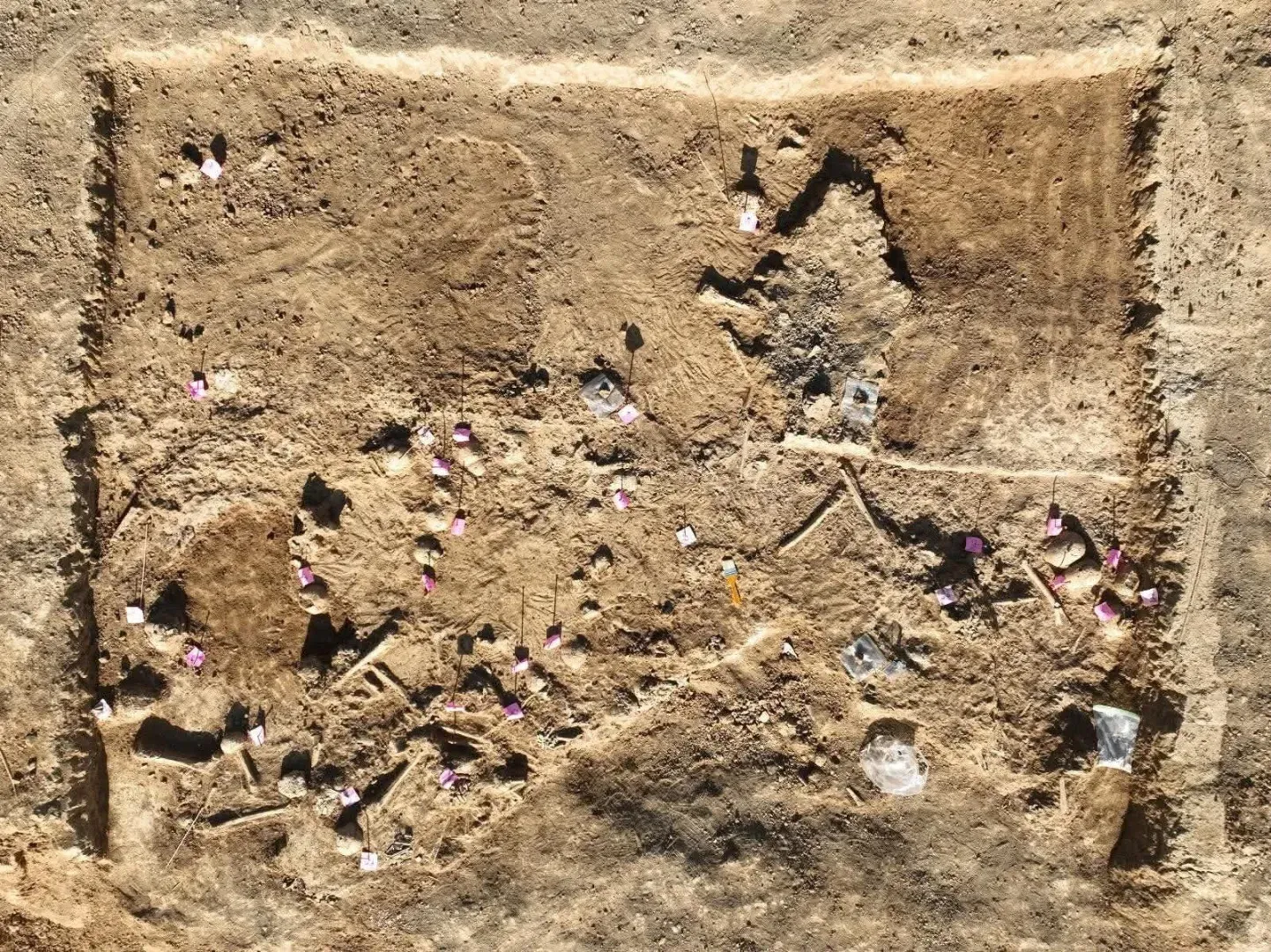
Archaeologists from the Municipal Institute in Svishtov and the Regional Museum of History in Veliko Tarnovo uncovered five distinct burial features. These included:
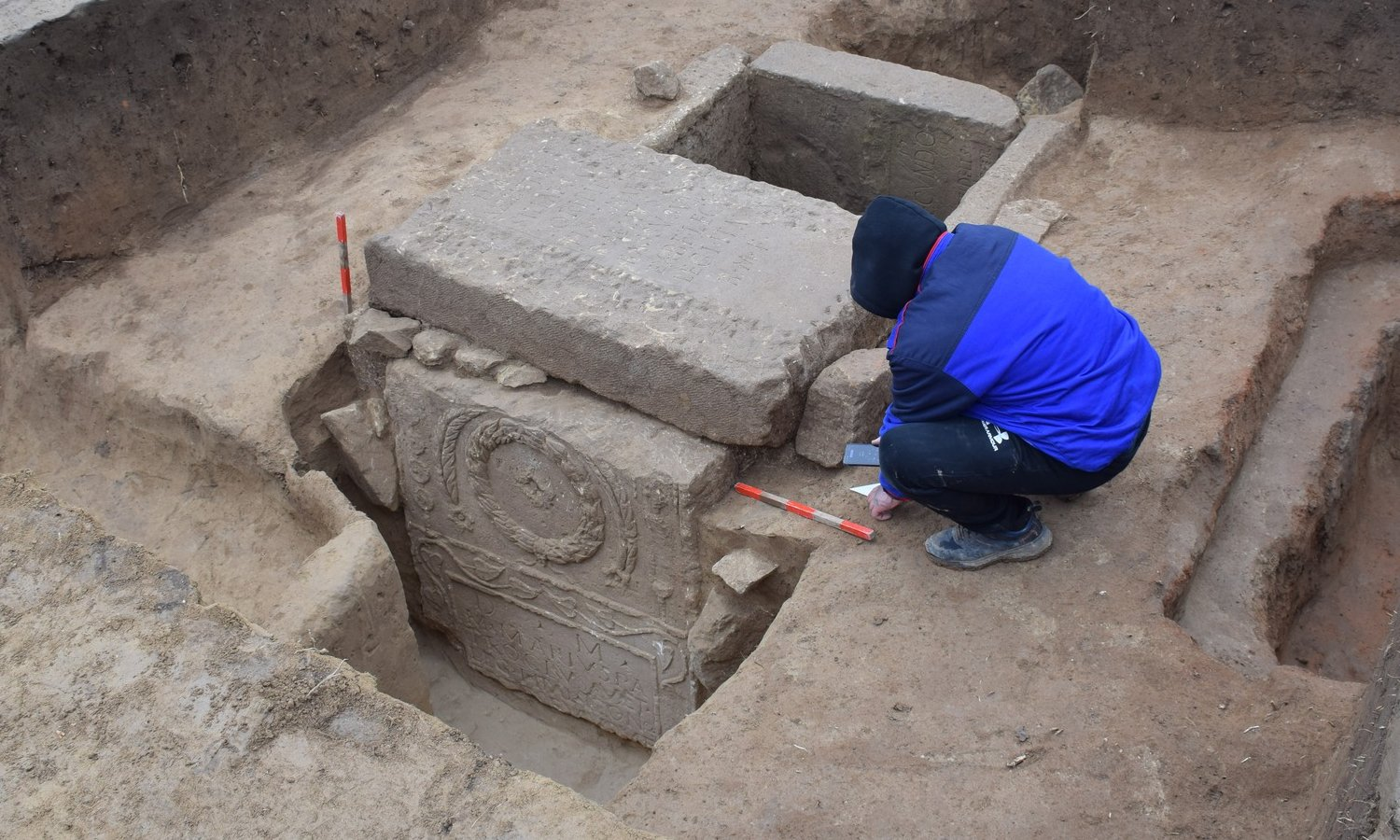
Two limestone cyst graves, built as rectangular chambers from stone slabs
One grave constructed with brick and stone walls
A simple pit burial
A stepped pit that showed signs of burning
The variety of grave types suggests a complex and evolving burial tradition within the Roman military community at Nove.
Tombstone of a Roman Centurion
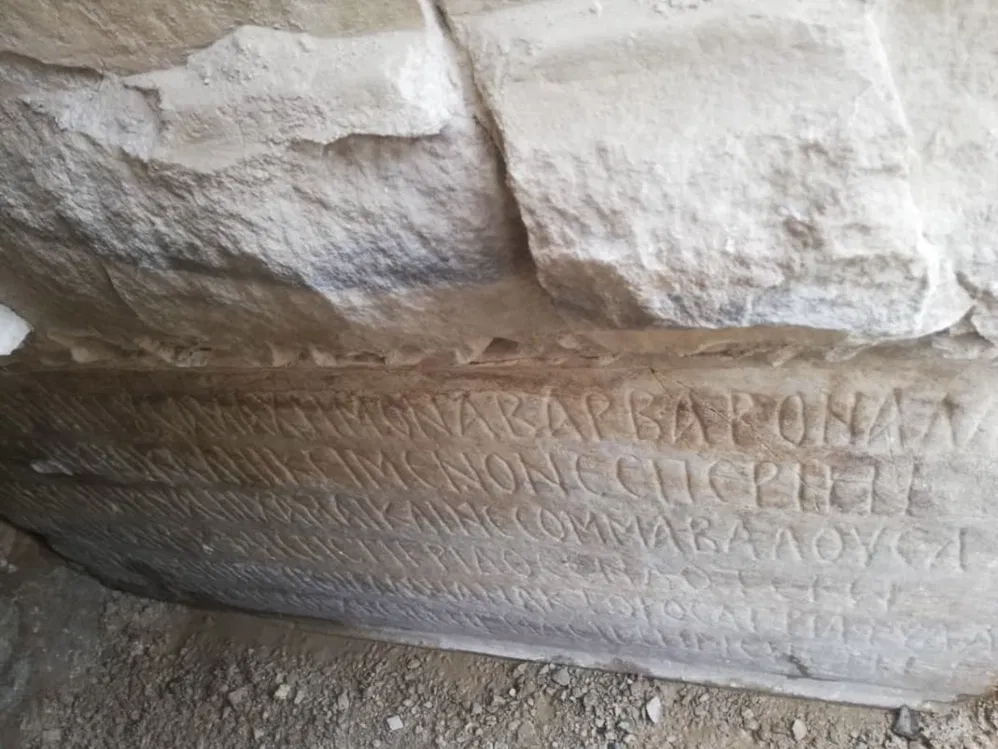
The most significant discovery came from one of the limestone cyst graves. There, researchers found a partially preserved funerary monument that had been reused as construction material.
The tombstone belonged to Gaius Valerius Verecundus, a centurion of the First Italic Legion. His epitaph, written in poetic form, notes that he had been “heavily pressed by fate,” offering a rare and personal glimpse into the life—and death—of a Roman officer.
The reuse of this monument indicates that earlier graves in the necropolis had already been dismantled in antiquity, with their stone repurposed for later burials.
Reused Monuments Tell a Broader Story
Additional inscribed stones were incorporated into the same grave structure.
One belonged to Marcus Marius Patro, a veteran of the First Italic Legion who originally came from Iconium in Asia Minor (modern-day Konya, Turkey). His tombstone features carved military standards, known as signa, highlighting his service and identity as a soldier.
Another slab once commemorated Aelia Basilia, described in her epitaph as a “most devoted sister.” The monument had been set up by her brother, Publius Aelius Bassus, himself a veteran and beneficiarius of the legion—a specialized soldier assigned to administrative or official duties.
Evidence from the Second Cyst Grave
The second limestone cyst grave revealed similar patterns of reuse. Its eastern wall was formed almost entirely from the well-preserved tombstone of Gaius Alpinius Secundus, son of Gaius. He hailed from Colonia Claudia Ara Agrippinensium—modern Cologne in Germany—and served in the Eleventh Legion Claudia.
A roof slab from the same grave carried part of another epitaph honoring a veteran who completed 25 years of military service and died at the age of 60.
These inscriptions reflect the diverse origins of soldiers stationed at Nove, demonstrating how the Roman army drew recruits from across the empire.
Decorative and Military Motifs
Three of the tombstones display carved wreaths, ivy leaves, and branches—common decorative motifs symbolizing honor and remembrance.
The monument of Marcus Marius Patro stands out for its carved military insignia, reinforcing the strong martial identity of those buried in the necropolis.
Looted Graves and Ongoing Research
All five graves had been looted, either in antiquity or in more recent times. As a result, only a few artifacts remained: a bone needle, a fragment of a spindle, and two bronze fibulae.
Mixed skeletal remains recovered from the site will undergo anthropological examination to determine age, sex, and possible origins. Meanwhile, specialists continue analyzing the Latin inscriptions to better understand the individuals memorialized in stone.
The discoveries at Nove offer valuable insight into the lives of Roman soldiers and their families, while also revealing how burial practices evolved over time within this important military settlement along the Danube frontier.