• MAIN PAGE
  • LATEST NEWS
    • Lost Cities
    • Archaeology's Greatest Finds
    • Underwater Discoveries
    • Greatest Inventions
    • Studies
    • Blog
  • PHILOSOPHY
  • HISTORY
  • RELIGIONS
    • Africa
    • Anatolia
    • Arabian Peninsula
    • Balkan Region
    • China - East Asia
    • Europe
    • Eurasian Steppe
    • Levant
    • Mesopotamia
    • Oceania - SE Asia
    • Pre-Columbian Civilizations of America
    • Iranian Plateau - Central Asia
    • Indus Valley - South Asia
    • Japan
    • The Archaeologist Editor Group
    • Scientific Studies
    • Aegean Prehistory
    • Historical Period
    • Byzantine Middle Ages
    • Predynastic Period
    • Dynastic Period
    • Greco-Roman Egypt
  • Rome
  • PALEONTOLOGY
  • About us
Menu

The Archaeologist

  • MAIN PAGE
  • LATEST NEWS
  • DISCOVERIES
    • Lost Cities
    • Archaeology's Greatest Finds
    • Underwater Discoveries
    • Greatest Inventions
    • Studies
    • Blog
  • PHILOSOPHY
  • HISTORY
  • RELIGIONS
  • World Civilizations
    • Africa
    • Anatolia
    • Arabian Peninsula
    • Balkan Region
    • China - East Asia
    • Europe
    • Eurasian Steppe
    • Levant
    • Mesopotamia
    • Oceania - SE Asia
    • Pre-Columbian Civilizations of America
    • Iranian Plateau - Central Asia
    • Indus Valley - South Asia
    • Japan
    • The Archaeologist Editor Group
    • Scientific Studies
  • GREECE
    • Aegean Prehistory
    • Historical Period
    • Byzantine Middle Ages
  • Egypt
    • Predynastic Period
    • Dynastic Period
    • Greco-Roman Egypt
  • Rome
  • PALEONTOLOGY
  • About us

Ancient Stone Slabs with Hunting Scenes Discovered in Burial Mounds of Khakassia

March 2, 2026

Ancient Rock Carvings Discovered in Khakassia Burial Mounds

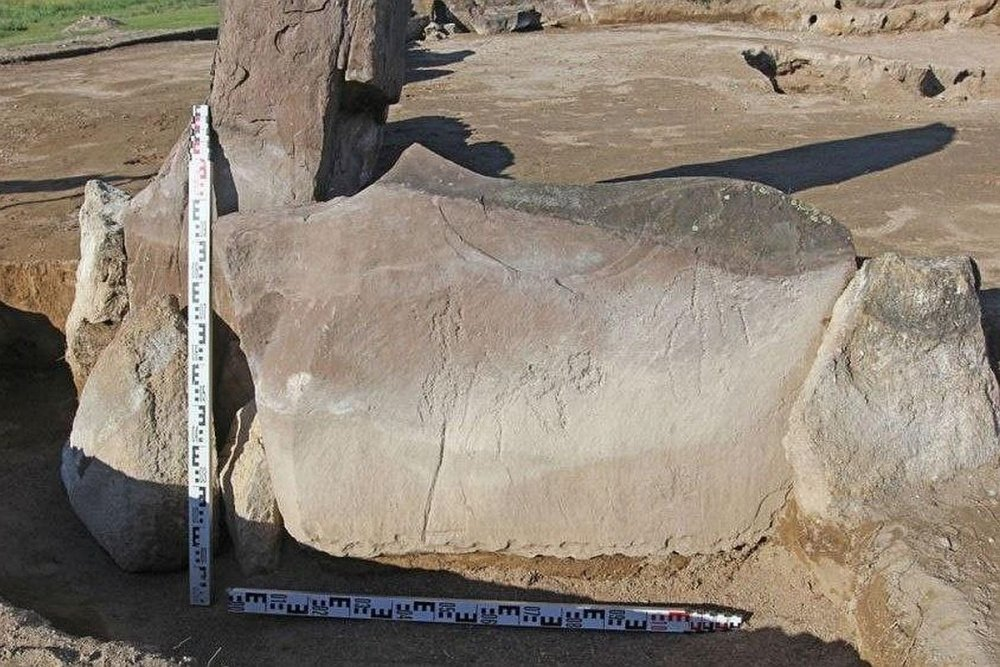
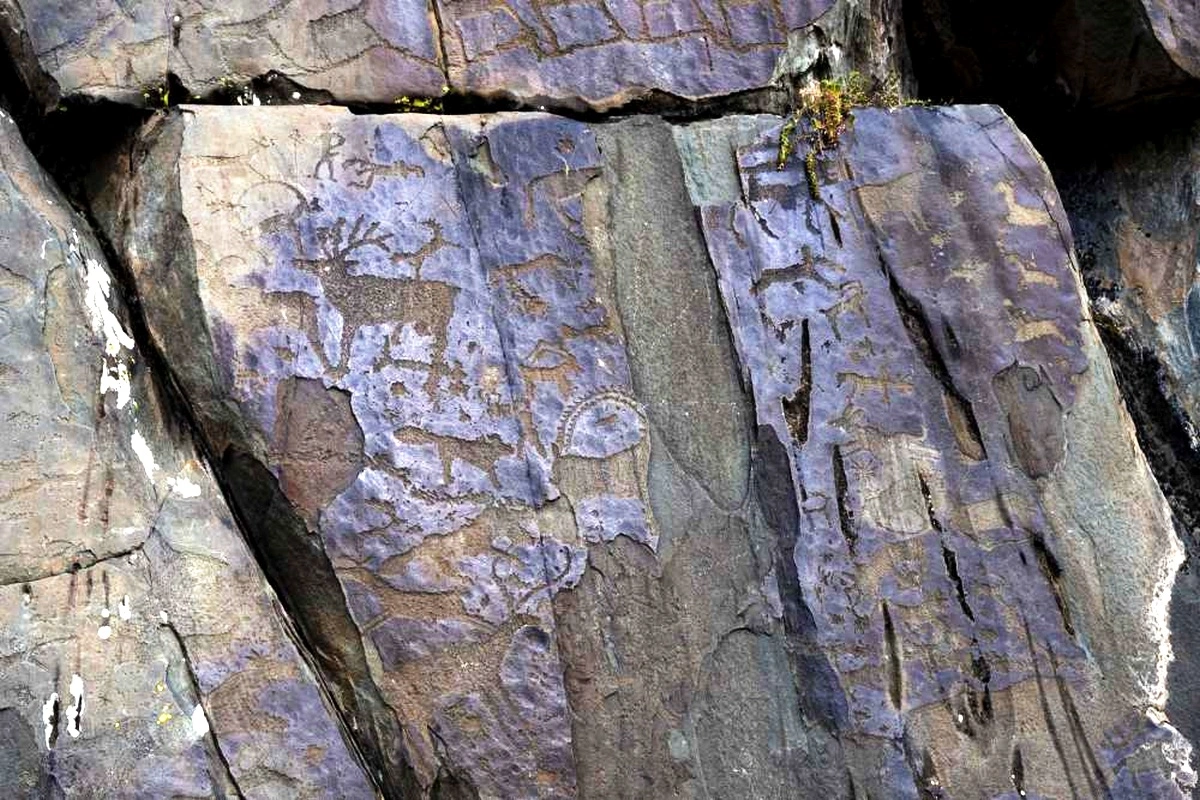
Archaeologists from the Institute for the History of Material Culture have uncovered remarkable stone slabs engraved with hunting scenes and symbolic motifs in burial mounds across Khakassia, southern Siberia. These findings offer rare chronological insight into the region’s rock art traditions and reveal how sacred objects were reused across millennia.

The discoveries were made in the Askizsky District, an area celebrated for its rich archaeological heritage. Researchers studied two burial grounds that were in continuous use for over 3,000 years, spanning the Early Bronze Age (3rd millennium BCE) to the turn of the Common Era. These sites preserve funerary complexes representing nearly all known archaeological cultures of Khakassia.

A Rare Opportunity to Date Rock Art

Rock carvings, or petroglyphs, are common across Siberia, particularly in the Minusinsk Basin. However, dating open-air engravings has long been a challenge due to the lack of contextual archaeological evidence.

These new slabs are different. Embedded within sealed burial structures, the engravings can be directly associated with specific archaeological periods based on accompanying grave goods and contextual clues. This allows researchers to establish a reliable chronological framework for southern Siberia’s rock art.

By analyzing burial inventories alongside the stylistic and thematic details of the carvings, archaeologists linked the slabs to the Early Iron Age (8th century BCE to 2nd century CE). Comparative studies with other petroglyphs across the Minusinsk Basin further reinforced the chronological connections.

Hunting Scenes and Symbolic Imagery

Of the ten slabs examined, six featured identifiable imagery.

One of the most striking examples depicts a hunting scene, showing a human figure accompanied by a dog pursuing a large animal, possibly of mythological importance. These dynamic compositions highlight the central role of hunting in the economy, spirituality, and worldview of ancient steppe societies.

Later slabs display abstract motifs, including spirals, labyrinth-like lines, and stylized anthropomorphic figures. These designs likely reflect changing spiritual beliefs or artistic conventions during the transition from the Bronze Age to the Early Iron Age.

Some engraved details, such as axes, daggers, and bows, closely resemble weapons recovered from the same burial contexts. This correlation between art and material culture not only strengthens the chronological interpretation but also provides a vivid glimpse into daily life, warfare practices, and symbolic systems of ancient Siberian populations.

Insights Into Ancient Siberian Societies

These stone slabs illuminate both artistic expression and cultural continuity across thousands of years. By connecting carved imagery with physical artifacts, the discoveries allow archaeologists to explore the evolution of religious practices, social organization, and material culture in the steppe regions of southern Siberia.

The Khakassia petroglyphs underscore how ancient communities reused sacred objects while adapting their symbolic language to reflect changing beliefs, making them a rare and invaluable resource for understanding Siberia’s deep past.
Sacred Objects Reused as Building Material

One of the most intriguing aspects of the Khakassia study is how the engraved stone slabs were incorporated into burial mounds, or kurgans.

Some slabs were carefully placed within tomb structures, suggesting they were created specifically for funerary purposes and held ritual or symbolic significance. These stones likely played an important role in the spiritual practices of the communities that built the mounds.

Other slabs, however, tell a different story. Several were found overturned, broken, or fragmented along their engraved lines, indicating that later builders repurposed older sacred stones as ordinary construction material. By this time, the carvings’ original ritual meaning had likely been lost.

This pattern illustrates shifting cultural attitudes toward sacred imagery: what was once revered could later become a practical building component in new monuments, showing how spiritual symbols evolved in meaning over time.

Khakassia: A Living Archive of Steppe History

Khakassia, in southern Siberia near Tuva and the Altai region, is one of Eurasia’s richest archaeological landscapes. Located in the fertile Minusinsk Basin, surrounded by mountains, the area has served as a crossroads for nomadic cultures for millennia.

The Askiz District is particularly notable for its dense concentration of kurgans, rock art sites, and ancient settlements. Over thousands of years, it was home to multiple cultural groups, from Bronze Age pastoralists to Early Iron Age nomadic societies connected to the wider Scythian-Siberian world.

The newly studied burial grounds reflect this long cultural continuity, offering a layered record of artistic, technological, and ritual transformations spanning more than three millennia.

Establishing Reference Standards for Rock Art Dating

Petroglyphs discovered inside sealed burial complexes provide rare benchmarks for dating open-air rock carvings across southern Siberia.

Open rock faces rarely contain artifacts that can be securely dated. By comparing stylistic features of the burial slab engravings with undated petroglyphs elsewhere, archaeologists can now refine the chronology of Siberian rock art traditions.

This approach demonstrates how integrating burial archaeology with rock art studies offers powerful new tools for understanding ancient belief systems, artistic expression, and cultural continuity across Eurasia.

Preserving the Stories Carved in Stone

As excavations and comparative analyses continue, Khakassia’s burial mounds promise to reveal even more about the spiritual and artistic worlds of early Siberian societies. Layer by layer, these sites preserve the stories etched into stone thousands of years ago, offering a remarkable window into the long-standing traditions and evolving beliefs of steppe communities.

Arabic Document Found in 17th-Century Rubbish Heap Confirms Semi-Legendary Nubian King Qashqash

March 2, 2026

Ancient Document Confirms Existence of Nubian King Qashqash

A centuries-old piece of Arabic writing, long buried in a refuse layer within the citadel of Old Dongola, has provided the first concrete evidence of a previously semi-legendary ruler. Issued in the name of King Qashqash, the document verifies that this Nubian monarch truly existed and held power during a critical period in Sudan’s pre-colonial history.

The discovery, first reported by Phys.org, is analyzed in a recent peer-reviewed article in Azania: Archaeological Research in Africa. By combining archaeological context, linguistic analysis, radiocarbon dating, and numismatic evidence, researchers were able to determine both the age of the document and its political importance.

From Literary Legend to Archaeological Reality

For centuries, King Qashqash was known primarily through later texts and oral traditions, most notably the nineteenth-century Kitāb al-Ṭabaqāt. In these accounts, he is described as an ancestor of influential Islamic figures in the Dongola region. Until now, however, no contemporary record confirmed that he was an actual historical figure rather than a name preserved in stories and hagiographies.

Old Dongola’s Transitional Era

Old Dongola, once the capital of the Christian Kingdom of Makuria, entered a poorly documented transitional period after the 14th century. Historians often describe this era as one of political fragmentation and gradual Islamization, during which Arabic increasingly replaced earlier written traditions.

The lack of firm documentary evidence from this time has long left the identities and authority of local rulers uncertain. The discovery of the Qashqash document fills a significant gap, providing tangible proof of governance and leadership in a period previously known mostly through indirect sources.

Redefining Sudanese Pre-Colonial History

This small fragment of writing transforms our understanding of the region’s history, turning a legendary figure into a verified historical ruler. It not only confirms Qashqash’s existence but also sheds light on the political and cultural shifts that shaped Nubia during a pivotal moment of transition from Christian to Islamic influence.

By anchoring oral and literary traditions to material evidence, the find underscores the value of archaeology in bridging legend and history, offering a clearer picture of Sudan’s pre-colonial past.

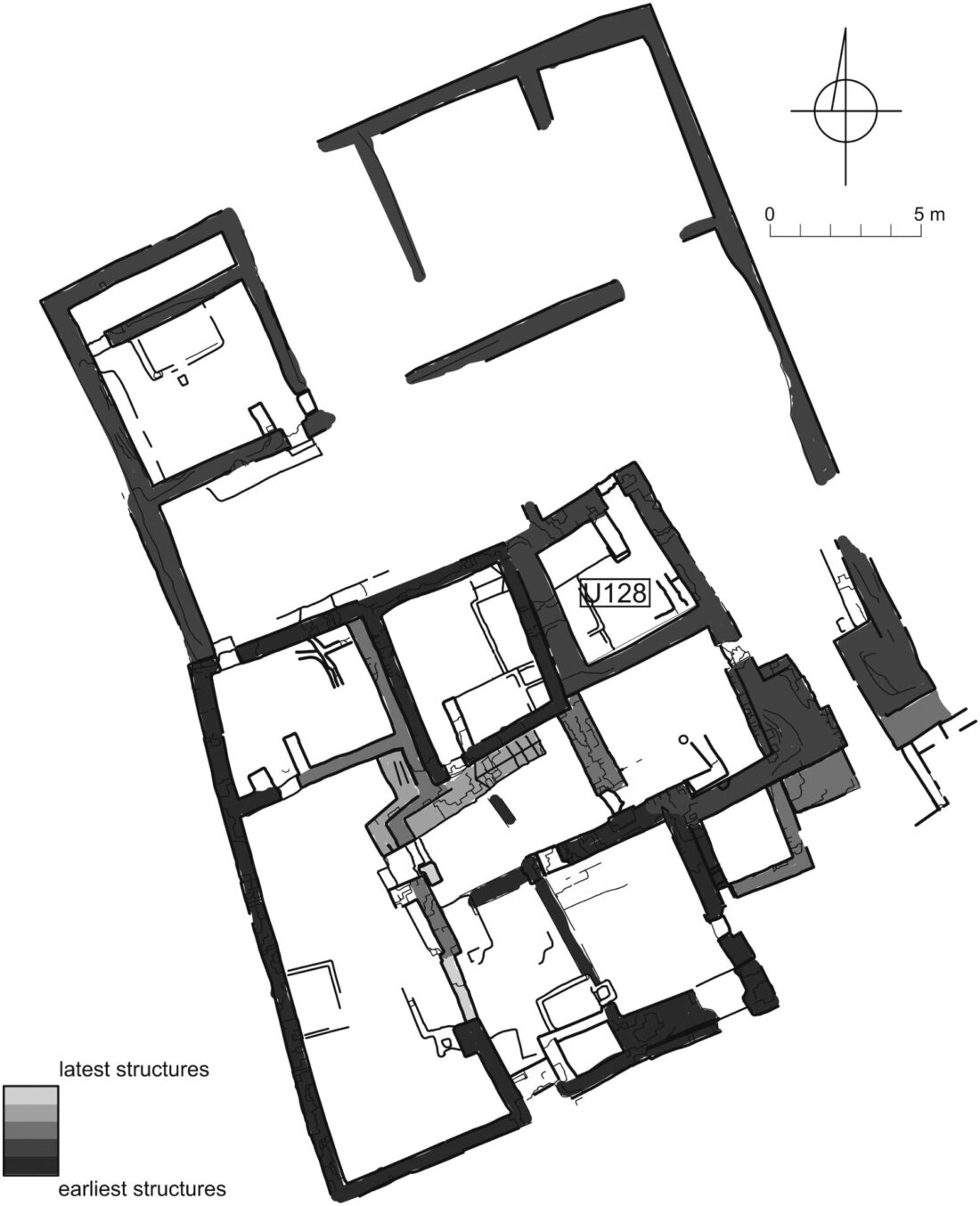
The plan of Building A.1 (House of the Mekk), located in the citadel at Old Dongola. A. Wujec, J. Wyżgoł, and M. Wyżgoł/PCMA.

Discovery in the House of the Mekk

Archaeologists uncovered the Qashqash document in Building A.1 within Old Dongola’s citadel—a structure traditionally associated with the residence of the mekk, or minor king. Excavations under the UMMA project revealed that the building stood out from ordinary houses of the period in both size and material wealth. Items such as silk and fine cotton textiles, leather footwear, an ivory or rhino horn dagger handle, a gold ring, and even musket balls were recovered, all pointing to elite occupation.

Among over twenty Arabic paper fragments found in the building was an order catalogued as Dongola inv. 1990. Although discarded in a rubbish layer, the text clearly carries royal authority. It opens with “From King Qashqash” and is directed to a subordinate named Khiḍr.

Establishing Chronology

The context of the find provides strong chronological clues. Ottoman silver coins discovered in the same room date to the early seventeenth century, while radiocarbon analysis of organic material from the deposit indicates disposal occurred no later than the eighteenth century. Internal references suggest that Qashqash ruled in the late sixteenth or early seventeenth century, making him one of the earliest post-medieval rulers of Dongola whose existence is securely documented.

A King Engaged in Everyday Governance

What makes this document remarkable is its focus on routine administration rather than warfare or conquest. Qashqash’s order instructs Khiḍr to collect goods described as ʾRDWYĀT—likely a type of textile—deliver a ewe and her offspring, and transfer cotton cloth or headwear to another individual. The note ends with a brief greeting and the identification of the royal scribe, Ḥamad.

This administrative tone portrays Qashqash as an active ruler managing micropolitics and the local economy. The exchanges described resemble systems of reciprocal gift-giving typical in pre-colonial Sudan, where textiles were not only trade items but also symbols of status and political alliance. Rather than the “always at war” image sometimes depicted by European travelers, Qashqash appears as a monarch engaged in trade, governance, and maintaining social networks.

Linguistic Insights into Arabization

The document also sheds light on cultural and linguistic shifts in Dongola. While written in Arabic, it exhibits grammatical irregularities and colloquial features. Pronouns do not always follow classical standards, and spellings reflect spoken forms rather than formal orthography.

These traits suggest that Arabic had become the primary language of administration, yet local Nubian speech traditions continued to influence its use. The document thus captures a transitional phase of gradual Arabization, showing both political authority and linguistic evolution in progress.

Reframing Nubian Political History

The confirmation of Qashqash’s existence reshapes understanding of post-medieval Nubian rulership. Previously known only from literary sources, he now emerges as a historically grounded figure operating within complex networks linking local elites, merchants, and possibly itinerant Arab traders.

The find also strengthens the connection between Building A.1 and royal authority, validating local traditions that identified it as a seat of power. In areas where written records are scarce, the convergence of archaeology and oral memory is particularly meaningful.

A Fragment Bridging Past and Present

Beyond its academic value, the document resonates with contemporary communities. Families in the Dongola region tracing their ancestry to Qashqash see it as confirmation of long-preserved genealogical traditions.
Ultimately, this small administrative order transforms historical narratives. Once discarded as refuse, it now anchors King Qashqash in verifiable time and place. He emerges not as a distant legend, but as a monarch actively managing livestock, textiles, and alliances in early modern Nubia.

In a region often described through absence and loss, this fragile sheet of paper speaks with extraordinary clarity—restoring a ruler, a dynasty, and a chapter of Sudanese history that was nearly forgotten.

Submerged cave remains point to an 8,000-year-old burial site

March 2, 2026

8,000-Year-Old Skeleton Discovered in Flooded Cave Along Mexico’s Caribbean Coast

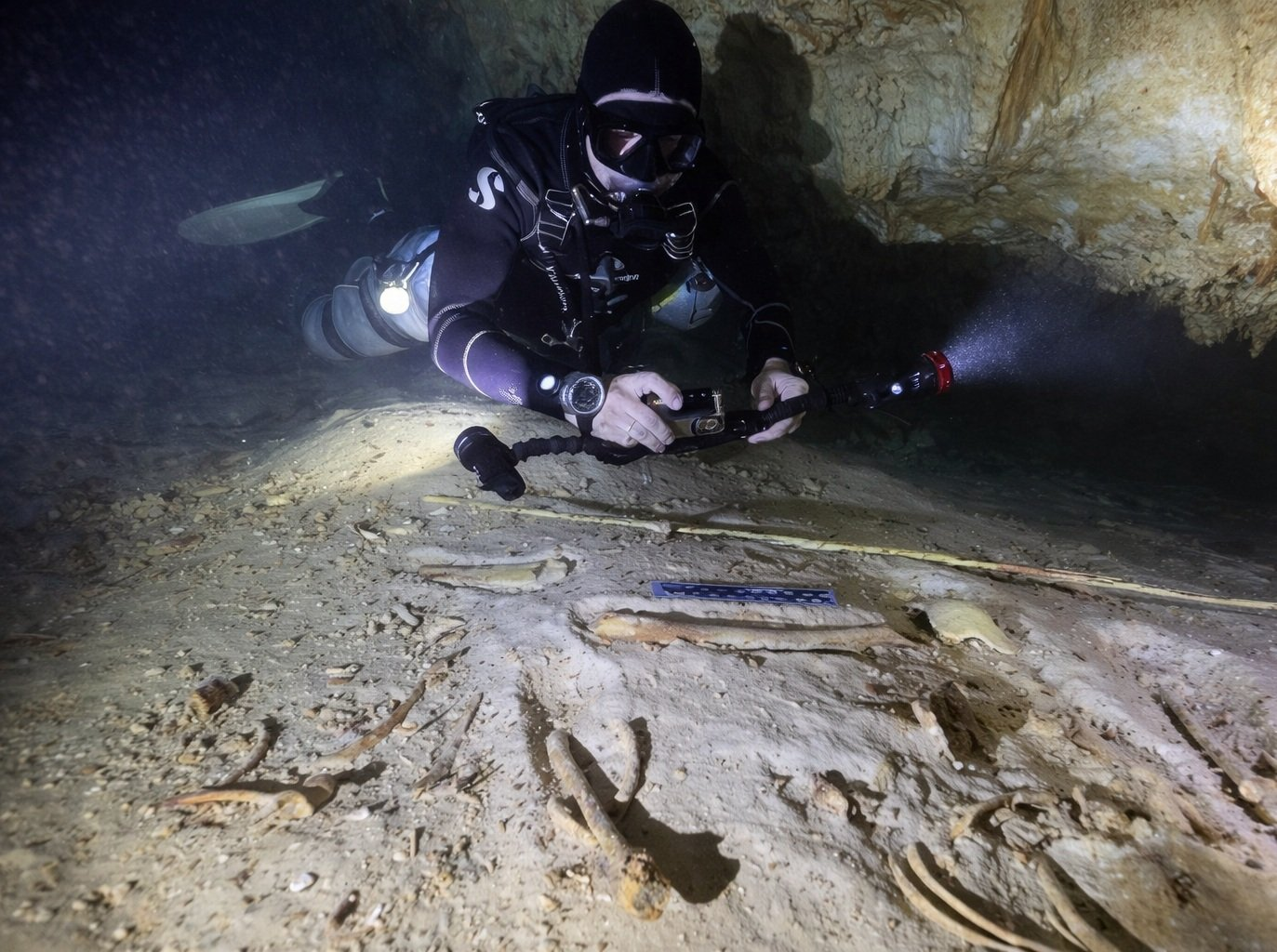
Underwater archaeologists have uncovered a prehistoric human skeleton deep inside a submerged cave system along Mexico’s Caribbean shoreline. Experts believe the remains could be part of a burial dating back at least 8,000 years.

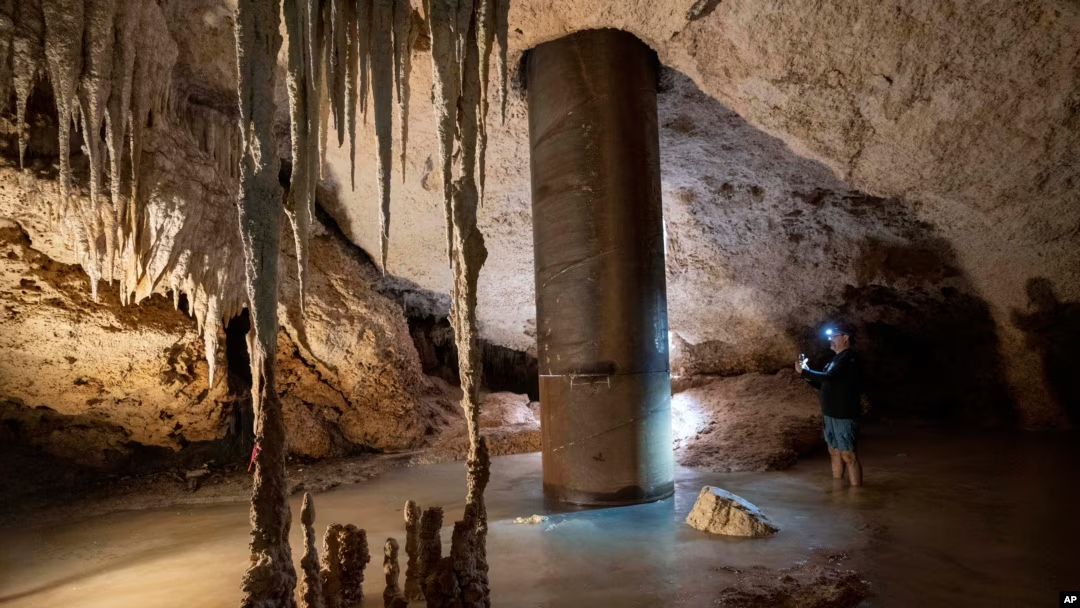
The skeleton was found about eight metres below the surface inside a flooded cavern that forms part of an extensive network of cenotes and underground rivers between Tulum and Playa del Carmen.

A Cave Once Dry at the End of the Ice Age

Today, these caves lie underwater. However, toward the end of the last Ice Age, they were dry passages stretching for kilometres beneath the Yucatán Peninsula. Around 8,000 years ago, rising sea levels gradually flooded the system, preserving whatever had been left inside.

According to Octavio del Río of Mexico’s National Institute of Anthropology and History (INAH), the skeleton could only have reached that location when the cave was still dry.

The remains were recovered at the end of 2025 and are now undergoing detailed scientific analysis.

Evidence of a Possible Ritual Burial

The position of the bones offers important clues. The skeleton was discovered on a sediment dune within a tight space beside an interior chamber. Researchers say the arrangement does not appear accidental.

Del Río noted that the placement suggests a deliberate funerary deposit, possibly linked to ritual practices carried out by early inhabitants of the region. If confirmed, this would indicate that the cave served as a burial site long before it was submerged.

One of Eleven Prehistoric Skeletons Found in the Region

This marks the eleventh prehistoric human skeleton uncovered in the area over the past 30 years. Some earlier discoveries rank among the oldest human remains found in the Americas, dating back more than 13,000 years.

Each new find helps scientists better understand how ancient populations migrated into and adapted to the Yucatán Peninsula. Thousands of years ago, the region looked very different. Instead of today’s dense jungle and coastline, it featured open plains and rocky cliffs.

A Window Into Ice Age Ecosystems

The cave systems have yielded more than human remains. Researchers have also recovered fossils of extinct megafauna, including giant sloths, sabre-toothed cats, and ancient bears. These discoveries are helping scientists reconstruct the ecosystems that existed during the Ice Age.

Together, the human and animal remains offer a rare and detailed glimpse into a prehistoric world that has long since disappeared.

Conservation Efforts Gain Momentum

The discovery comes at a critical time. The cenote systems have faced environmental pressure in recent years, particularly during construction of the Maya Train railway project.

In response, Mexican authorities are working toward officially designating the underground river network as a protected natural and cultural heritage zone by 2026. The goal is to preserve both its fragile ecosystem and its extraordinary archaeological importance.

As research continues, this newly uncovered skeleton may provide valuable insight into early life in the Americas—adding another chapter to the deep and complex history hidden beneath the Yucatán Peninsula.

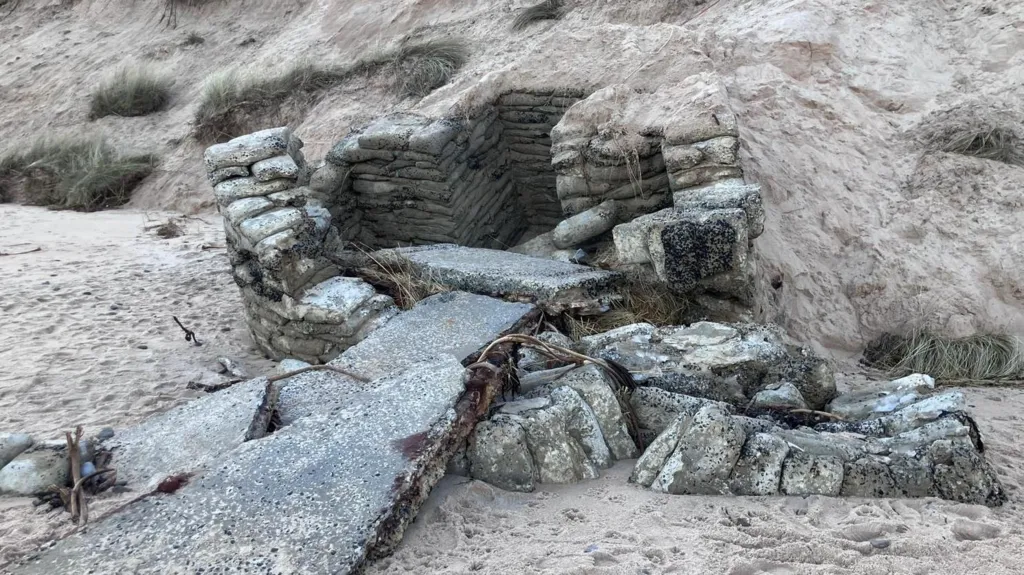
The collapsed pillbox would have provided a sheltered firing position

Storms unearth more World War Two beach defences

March 2, 2026

Storms Expose Hidden WWII Coastal Defences in Northumberland

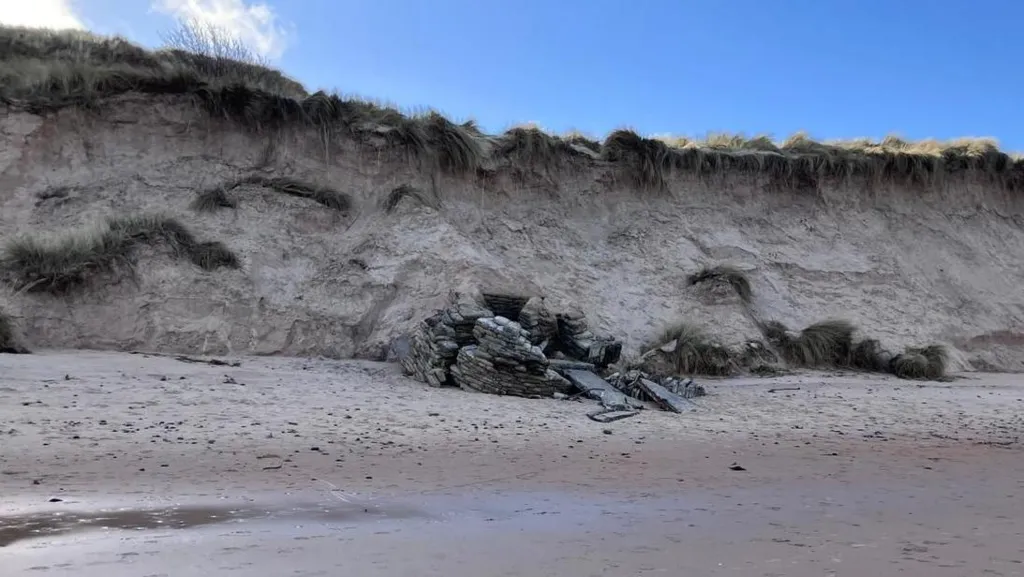
Recent storms along England’s northeast coast have uncovered more reminders of the Second World War. Shifting sand dunes at Low Newton-by-the-Sea in Northumberland have revealed the remains of a collapsed beehive-style pillbox that had been buried for decades.

According to the National Trust, the structure once formed part of a wider defensive network built to protect Britain’s coastline during the war.

A Coastal “Front Line” After Dunkirk

Following the 1940 evacuation of Dunkirk, Britain’s east coast became a critical defensive zone. Fears of invasion led to the rapid construction of bunkers, barriers, and pillboxes designed to provide soldiers with protected firing positions.

The newly exposed pillbox would have served exactly that purpose—offering troops shelter while guarding this vulnerable stretch of shoreline.

How the Pillbox Was Built

Chris Scott, an archaeologist with the conservation charity, explained that the structure was constructed using stacked sandbags filled with concrete. As the material dried, the sandbags bonded together, forming solid walls. The bunker was then finished with a reinforced concrete roof for added protection.

Though weathered and partially collapsed, the pillbox remains a striking example of wartime engineering designed for speed and practicality.

A Coastline That Never Stands Still

Scott noted that discoveries like this are not unusual, especially during winter months when storms reshape the shoreline. “We’ve experienced significant bad weather recently, and winter is often when features like these become visible,” he said.

He described this section of coastline as highly dynamic—constantly shifting with tides, wind, and storms. As a result, buried structures can suddenly appear, only to be covered again just as quickly.

History Hidden Beneath the Sand

The exposure of this pillbox highlights how natural forces continue to reveal fragments of Britain’s wartime past. Along ever-changing coastlines like Northumberland’s, history can literally rise from the sand—offering powerful reminders of a time when these beaches stood on the nation’s front line.

The structure was revealed on the beach at Low Newton-by-the-Sea

Built in 1940 at a Moment of National Crisis

Chris Scott explained that most of the coastal defences in this part of Northumberland were constructed in 1940, shortly after the evacuation of Dunkirk. At that time, fear of a German invasion was very real.

“The beach in Northumberland—like much of England’s east coast—effectively became the front line,” he said. “There was genuine concern that an invasion could happen at any moment.”

These emergency fortifications, including pillboxes and other barriers, were designed to strengthen Britain’s vulnerable shoreline during one of the most uncertain periods of the war.

Public Access — With Caution

Scott noted that several pillboxes along the coast remain intact and accessible, allowing visitors to see and even touch these pieces of wartime history. However, he urged caution around the recently exposed structure at Low Newton-by-the-Sea, as it has partially collapsed and may be unstable.

The site sits on land cared for by the National Trust, which is responsible for balancing public access with safety and preservation.

Climate Change and Accelerated Erosion

Scott also highlighted a broader environmental concern. Increasingly intense and frequent storms—linked to climate change—may be accelerating natural coastal erosion.

This presents a growing challenge. Stronger weather systems can quickly uncover buried archaeological remains, but they can just as easily damage or destroy them before they are properly documented.

“It’s a real challenge for us,” Scott said, referring to the Trust’s ongoing conservation work.

Layers of History Beneath the Dunes

Beyond the pillbox, Scott emphasized that the sand dunes conceal extensive archaeological material from many different time periods—much of it still unrecorded.

The Trust is now working to document the exposed structure and gather as much information as possible. Their goal is not only preservation but public engagement.

As Scott put it, archaeology belongs to everyone. By recording and sharing these discoveries, the Trust hopes to connect people with the rich and varied history hidden beneath their feet—even along a coastline that never stops changing.

Archaeologists discover the lost 'Book of the Dead' buried for thousands of years

March 2, 2026

3,500-Year-Old Cemetery Unearthed in Egypt

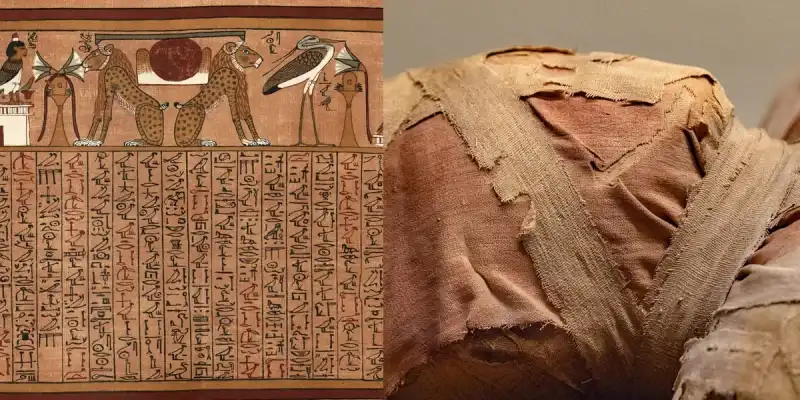
Archaeologists in Egypt have uncovered an extraordinary ancient burial site dating back around 3,500 years. The newly identified cemetery contains an impressive collection of artefacts, including mummies, statues, amulets—and a remarkably well-preserved 43-foot-long papyrus scroll featuring passages from what is widely known as the Book of the Dead.

The discovery offers fresh insight into the religious beliefs and burial customs of ancient Egypt during one of its most powerful eras.

A Rare Papyrus Scroll in Exceptional Condition

The lengthy scroll was found in 2023 in the Al-Ghuraifa area. According to Mostafa Waziry, who was serving as secretary general of the Egyptian Supreme Council of Antiquities at the time, the manuscript stands out for its excellent state of preservation.

Measuring about 43 feet (roughly 13 meters) long, the papyrus was created to guide the deceased through the afterlife. Such texts played a central role in Egyptian burial traditions, helping the soul overcome challenges in the underworld.

Although commonly referred to today as the Book of the Dead, this is a modern label. In ancient Egypt, the collection of funerary spells was known as the “Book of Coming Forth by Day.” Rather than being a single book, it consisted of selected texts placed in tombs to support the deceased’s journey beyond death.

A Glimpse Into the New Kingdom

The cemetery dates to the New Kingdom period (approximately 1550–1070 BCE), a time when Egypt reached significant political power, artistic achievement, and architectural development.

In addition to the papyrus scroll, excavators uncovered numerous burial objects. These included mummies, stone and wooden coffins, protective amulets, and many small figurines known as shabti (also spelled ushabti). According to a statement from the Egyptian Ministry of Tourism and Antiquities, these figurines were intended to act as servants for the deceased in the afterlife, performing labor on their behalf.

Canopic Jars and Stone Sarcophagi

The team also found several canopic jars—containers traditionally used to store preserved internal organs removed during mummification. Fragments of stone sarcophagi were uncovered as well, which once housed wooden coffins placed inside them for additional protection.

Experts say the length and preservation of the scroll make it especially noteworthy. Lara Weiss, CEO of Germany’s Roemer and Pelizaeus Museum and a specialist familiar with these ancient texts, described the find as both impressive and highly significant, particularly given its size and condition.

Why This Discovery Matters

This lost cemetery provides valuable evidence about burial practices, spiritual beliefs, and craftsmanship during the New Kingdom. From the intricately prepared mummies to the rare funerary manuscript, the site sheds light on how deeply ancient Egyptians prepared for life after death.

With each new excavation, Egypt continues to reveal layers of history—reminding us that thousands of years later, its ancient civilization still has powerful stories to tell.

The hidden vaults bringing a city's past alive

March 2, 2026

Hidden Vault Discovered Beneath Canterbury Square

A concealed underground chamber uncovered beneath a busy public square in Canterbury may hold the remains of an 18th-century clergyman and poet, according to specialists involved in the investigation.

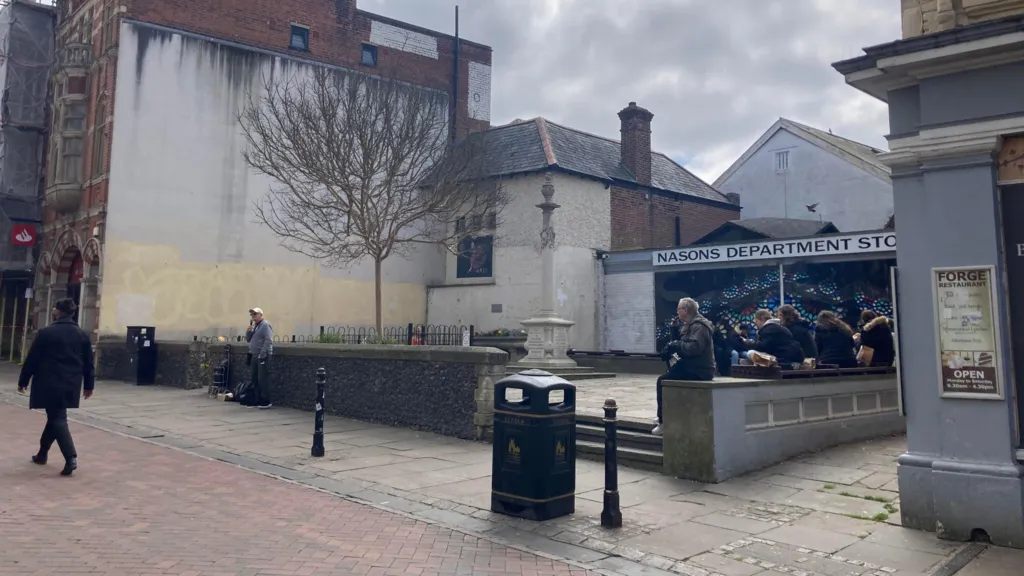
The brick-built vault came to light during renovation work at St Mary Bredman Square. While historians believe it could be connected to Reverend John Duncombe, they caution that this identification has not yet been confirmed.

A Careful and Unexpected Find

The discovery happened when workers removed paving stones near the site of the former Nason’s department store. Beneath the surface, they encountered what experts described as an unexplored hollow space lined with brickwork.

This chamber is one of at least 14 burial vaults that have been examined across three church locations in the city. Its position and design suggest it may date back several centuries, adding to Canterbury’s already rich historical landscape.

Possible Link to an 18th-Century Figure

Researchers believe the vault could be associated with Reverend John Duncombe, a church leader and writer active during the 1700s. However, archaeologists emphasize that the connection remains speculative. Further evidence would be required to confirm whether the vault truly belongs to him.

Preserving the Past

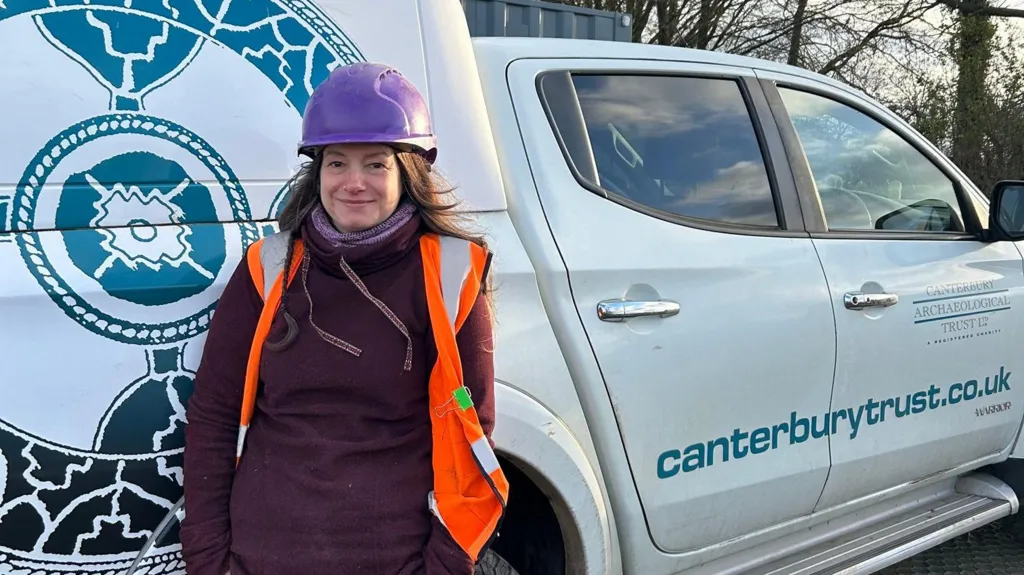
Following the discovery, Canterbury City Council requested assistance from Canterbury Archaeological Trust. The organization documented the structure carefully to ensure its historical details were preserved.

To protect the contents of the chamber, archaeologists chose not to carry out a full excavation. By leaving the vault undisturbed, they aim to safeguard whatever remains inside for future research and conservation efforts.

Why This Discovery Matters

Finds like this highlight the layers of history hidden beneath modern city spaces. Even well-traveled public areas can conceal remarkable stories waiting to be uncovered. As investigations continue, the mystery of the Canterbury vault offers a fascinating glimpse into the city’s past and the figures who once shaped its cultural and spiritual life.

Historic Records Point to Possible Identity

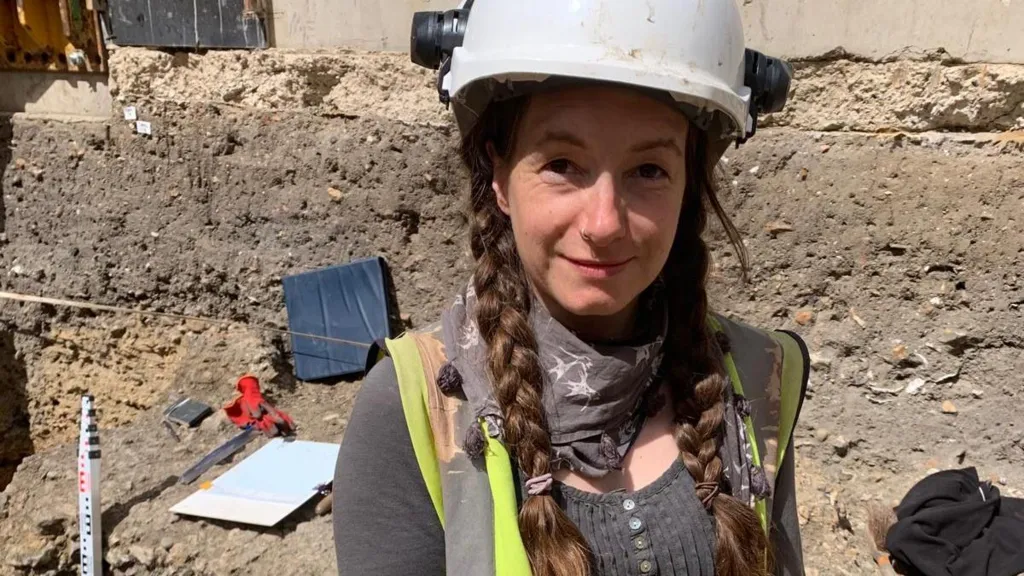
Archaeologist Jess Twyman explained that an account from the late 1700s describing memorials inside the church mentioned a grave slab dedicated to John Duncombe. The record noted that Duncombe passed away in 1786 at the age of 56.

Early findings confirm that he served as vicar of St Mary Bredman. Beyond his clerical duties, he was also known for his poetry and for writing on archaeological subjects—an unusual and fascinating combination for the period.

While the historical reference is compelling, Twyman emphasized that the connection remains uncertain. “We cannot confirm it is his burial vault,” she said, “but the possibility is certainly there.”

Size and Location Suggest Status

The research team documented the chamber as measuring approximately 2.5 meters long and just under one meter wide. Its position directly in front of the church altar is particularly significant.

Burials placed so close to the altar were typically reserved for individuals of high standing within the community. This detail strengthens the theory that the vault may have belonged to an important local figure such as Duncombe.

A Separate Symbolic Discovery

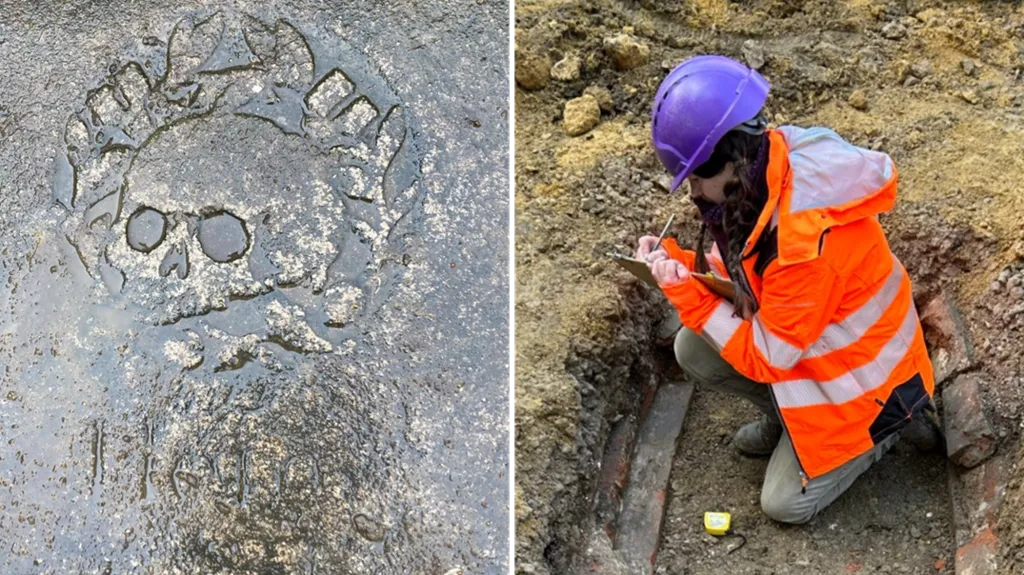
During the investigation, archaeologists also uncovered another grave slab featuring a carved skull encircled by a laurel wreath. This style, known as a “memento mori,” served as a reminder of mortality and was a common funerary symbol in earlier centuries.

Despite its striking design, researchers have confirmed that this second slab is not connected to Duncombe.

A Story Still Unfolding

Although the evidence is intriguing, experts remain cautious. The vault’s size, placement, and historical references suggest it may be linked to a prominent 18th-century figure, but further research will be needed to determine its true occupant.

A Lifelong Passion for the Past

After 25 years with the Canterbury Archaeological Trust, Jess Twyman says her fascination with burials has never faded—even if some of her colleagues don’t quite share her enthusiasm.

For Twyman, archaeology is not just about bones or brickwork. It’s about understanding how people once lived. “What matters most to me,” she explained, “is discovering the stories behind people’s lives in the past.”

Her interest began remarkably early. When she was just five or six years old, medieval skeletons were uncovered at her primary school, leading to a full excavation. That moment left a lasting impression and ultimately shaped her career path.

More Vaults Yet to Be Found?

So far, researchers have investigated 14 burial vaults across three church sites in Canterbury. Twyman believes there may still be more hidden beneath the city’s streets, waiting to be revealed.

Her colleague Mark Houliston points out that many churches began appearing in urban areas during the late Saxon period. Within Canterbury’s historic walls alone, there were once around 25 parish churches. Some of these, including St Mary Bredman and St Mary Magdalen, are now gradually uncovering traces of their long and layered histories.

Reviving “Unloved” Spaces

The discoveries form part of a wider effort by Canterbury City Council through its Connected Canterbury project. Backed by government funding, the initiative aims to improve neglected parts of the city while celebrating its cultural heritage.

According to Houliston, the project is not only about physical improvements. It also focuses on sharing Canterbury’s story with residents and visitors alike.

Twyman has witnessed firsthand how curious people remain about the past. “If there’s a hole in the ground,” she said with a smile, “people will always stop and look. They want to understand what’s there.”

A City That Still Sparks Curiosity

These ongoing excavations show that Canterbury’s history continues to capture public imagination. Beneath everyday streets and squares lie powerful reminders of earlier centuries—proof that the past is never too far below the surface.

From Markets to Memory: The Story of St Mary Bredman Square

According to archaeologist Mark Houliston, the church that once stood at St Mary Bredman Square earned its name from a nearby bread market. Interestingly, it was previously known as St Mary Fishman, reflecting the fish market that also operated close by. The changing names highlight how closely the church was tied to the daily commercial life of the city.

The building itself did not survive into the modern era. In 1900, it was taken down after officials determined it was no longer structurally safe.

Bringing the Past Back to Life

Today, the square is home to a war memorial and landscaped flowerbeds. However, new plans aim to reconnect the space with its historic roots.

A mural designed to resemble a church window will be installed, offering visitors a visual reminder of the lost building. This artistic feature will help residents and tourists imagine what once stood there, blending heritage with contemporary design.

Creating a Peaceful Urban Retreat

The redevelopment will also introduce fresh plantings, including flowers and trees, along with new seating areas. The goal is simple but meaningful: to transform the square into a calm and welcoming space just steps away from the bustling high street.

By combining greenery, public art, and thoughtful design, the project seeks to create a small haven where people can pause, reflect, and enjoy a moment of quiet in the heart of the city.

Prehistoric Toolkits That Shouldn’t Exist

February 27, 2026

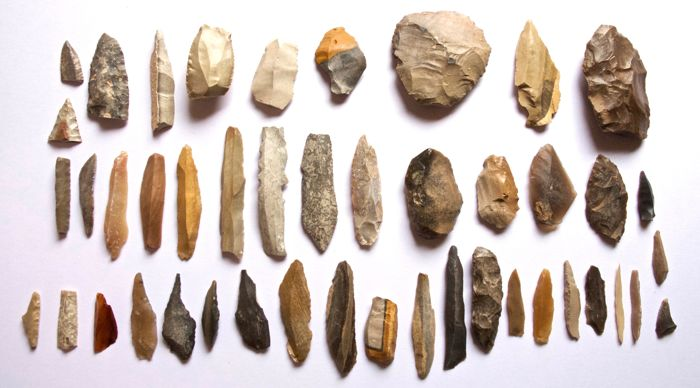
Archaeological discoveries sometimes challenge assumptions about early human capability. Certain prehistoric toolkits appear surprisingly advanced, prompting debate about innovation, adaptation, and lost knowledge.

Precision in the Stone Age

Sophisticated stone blades, carefully shaped and standardized, have been uncovered at multiple Paleolithic sites. These tools required planning, skill, and an understanding of fracture mechanics.

Some Neanderthal toolkits, for example, show evidence of adhesive use—combining stone points with wooden shafts using natural resins. This composite technology reflects strategic thinking rather than simple survival.

Unexpected Complexity

Finely crafted bone needles dating back tens of thousands of years suggest tailored clothing, not just animal hides draped over shoulders. Such discoveries imply detailed craftsmanship and environmental adaptation.

Occasionally, artifacts spark controversy when they appear more advanced than expected for their era. In most cases, further research reveals gradual technological development rather than sudden leaps.

Innovation as a Human Constant

Early humans were observant experimenters. They refined tools over generations, passing knowledge through teaching and imitation.

Rather than viewing advanced prehistoric tools as anomalies, many archaeologists now see them as evidence of steady ingenuity. Humanity’s capacity for invention did not suddenly emerge—it has been present since our earliest ancestors shaped stone with intention and imagination.

The Oldest Evidence of Organized Sports

February 27, 2026

Competition has been part of human culture for thousands of years. Long before modern stadiums, early societies held athletic contests tied to ritual, warfare training, and social prestige.

Ritual Games in Ancient Arenas

In Mesoamerica, the ballgame played at sites like Chichen Itza was both sport and sacred ceremony. Massive stone courts still stand, with carvings depicting players and symbolic scenes. The game likely represented cosmic struggle, possibly linked to myths of life, death, and rebirth.

In ancient Greece, the Olympic Games began in the 8th century BCE at Olympia. Athletes competed in footraces, wrestling, and chariot racing to honor Zeus. Victory brought prestige not only to individuals but to entire city-states.

Sport as Training and Symbolism

Early competitions often prepared participants for warfare. Wrestling, archery, and running developed strength and endurance.

Yet these games were not purely practical. They reinforced social bonds and cultural identity. Ritual elements, including sacrifices and ceremonies, elevated sport into a sacred act.

The Birth of Athletic Culture

Organized sports required rules, referees, and spectators. Their existence suggests structured societies capable of coordinating large public events.

These early athletic traditions reveal that the human drive to compete and celebrate physical excellence has ancient roots.

The Forgotten Woodlands Civilizations

February 27, 2026

Stone ruins endure for millennia, but wood decays quickly. As a result, entire forest civilizations that built primarily with timber have nearly vanished from the archaeological record. Yet evidence suggests they were far more advanced than once assumed.

Building with Living Materials

In prehistoric Europe and parts of Asia, communities constructed large wooden halls, defensive palisades, and raised platforms. Because wood rarely survives in open air, much of this architecture is known only through postholes and soil discolorations.

At sites such as Biskupin, waterlogged conditions preserved wooden fortifications dating back over 2,700 years. The settlement reveals organized streets, protective walls, and carefully engineered homes.

Forest Engineering and Design

Woodland societies mastered carpentry techniques including joinery and structural bracing. Timber allowed for flexibility and speed of construction, making settlements adaptable.

In North America, mound-building cultures often combined earthworks with wooden frameworks. Though the wood has long disappeared, impressions in soil confirm complex architectural planning.

A Civilization Hidden by Time

Because wood decomposes, these societies were once underestimated. The absence of stone monuments led earlier historians to overlook their achievements.

Modern archaeology is reshaping that narrative. The forgotten woodlands civilizations demonstrate that technological sophistication does not depend solely on stone—it can thrive among trees as well.

The World’s First Secret Societies

February 27, 2026

Long before modern fraternities or covert organizations, ancient societies formed exclusive groups bound by oath, ritual, and secrecy. These early brotherhoods used coded symbols, hidden meeting places, and demanding initiation trials to protect their knowledge.

Brotherhoods Beneath the Surface

In ancient Greece, initiates participated in the mysteries at Eleusis, honoring the goddess Demeter. The rites were secret, and participants were forbidden from revealing what they witnessed. Breaking this oath could lead to severe punishment.

Similarly, in ancient Rome, certain religious cults operated privately, requiring symbolic rebirth rituals before full membership was granted. These ceremonies strengthened bonds between members and created shared identity.

Symbols, Codes, and Trials

Secret societies often relied on visual symbols to identify one another discreetly. Signs carved into stone or worn as jewelry communicated belonging without alerting outsiders.

Initiation rituals sometimes involved physical endurance, fasting, or symbolic journeys into darkness and light. These trials marked a psychological transformation, reinforcing loyalty and unity.

Why Secrecy Mattered

Secrecy created power. By limiting access to sacred knowledge, these groups elevated their status within society. Mystery also deepened emotional impact—what is hidden often feels more profound.

While details remain elusive, early secret societies reveal that humans have long been drawn to exclusive communities that promise meaning, protection, and insight beyond the ordinary.

The Lost Stone Calendars That Measured Eternity

February 27, 2026

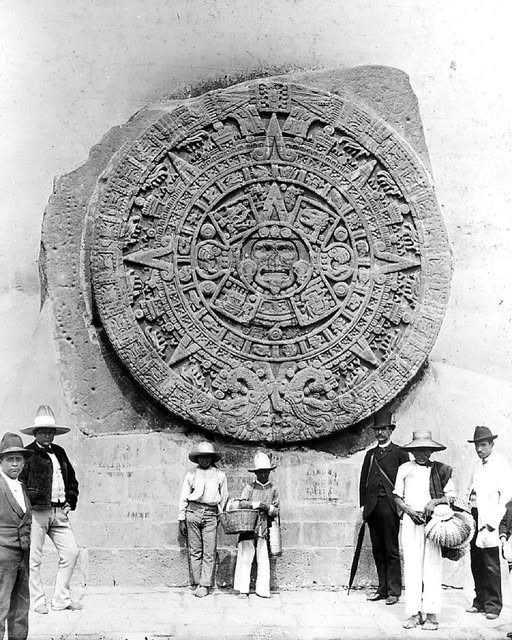
Before printed calendars and digital clocks, ancient communities relied on stone monuments to track time. Circular formations aligned with solar and lunar events allowed societies to measure seasons with surprising precision. These structures blended astronomy, ritual, and architecture into lasting monuments.

Circles Aligned with the Sky

The monumental stones of Stonehenge align with the sunrise during the summer solstice and the sunset during the winter solstice. Built in stages over centuries, the site reflects careful planning and astronomical observation.

In the American Southwest, structures within Chaco Canyon were oriented toward key solar and lunar alignments. These orientations allowed communities to anticipate seasonal changes essential for agriculture.

Tracking Celestial Cycles

By observing how shadows moved across stone markers, ancient observers could mark the longest and shortest days of the year. Some formations may have tracked complex lunar cycles lasting nearly two decades.

Timekeeping was both practical and sacred. Agricultural planning depended on accurate seasonal knowledge, while ceremonies reinforced communal ties to cosmic rhythms.

Measuring Time Beyond a Lifetime

Stone calendars outlasted the generations that built them. They anchored human life within repeating natural cycles, offering a sense of continuity and permanence.

Today, these monuments stand as powerful reminders of early scientific understanding. They reveal that even in distant prehistory, humanity looked to the sky—not only with wonder, but with precision and purpose.

Ancient Children’s Toys That Survived Millennia

February 27, 2026

Childhood has always existed, even if it was understood differently in the past. Archaeological discoveries reveal that ancient children played with dolls, spinning tops, and miniature tools that closely resemble modern toys. These small objects offer intimate glimpses into daily life thousands of years ago.

Dolls and Miniature Figures

In ancient Egypt, wooden dolls with jointed limbs have been found in burials dating to the Middle Kingdom of Egypt. Some were decorated with painted features and bead accessories, suggesting care and creativity in their design.

In Greece and Rome, clay figurines served both as toys and ritual offerings. Young girls sometimes dedicated their dolls to goddesses before marriage, symbolizing the transition into adulthood and new responsibilities.

Spinning Tops and Games of Skill

Spinning tops crafted from clay, wood, or bone have been uncovered in sites associated with Ancient Rome. Their design required balance and coordination, encouraging skill development through play.

Miniature weapons, including small shields and bows, were also discovered. These toys likely introduced children to adult roles, especially in societies where hunting or warfare was central to survival.

What Ancient Toys Reveal

Toys reflect cultural values. They show what skills were encouraged and what social roles children were expected to grow into.

The survival of these small, personal artifacts reminds us that ancient societies were not only defined by monuments and wars. They were also shaped by families, laughter, and imagination.

The Hidden Caverns Used as Prehistoric Courts

February 27, 2026

Deep within limestone caverns and rock shelters, early human groups may have gathered not only for ritual and art but for decision-making. While direct evidence is limited, archaeological patterns suggest that some caves served as communal meeting spaces where disputes were addressed and collective choices were made.

Natural Spaces for Assembly

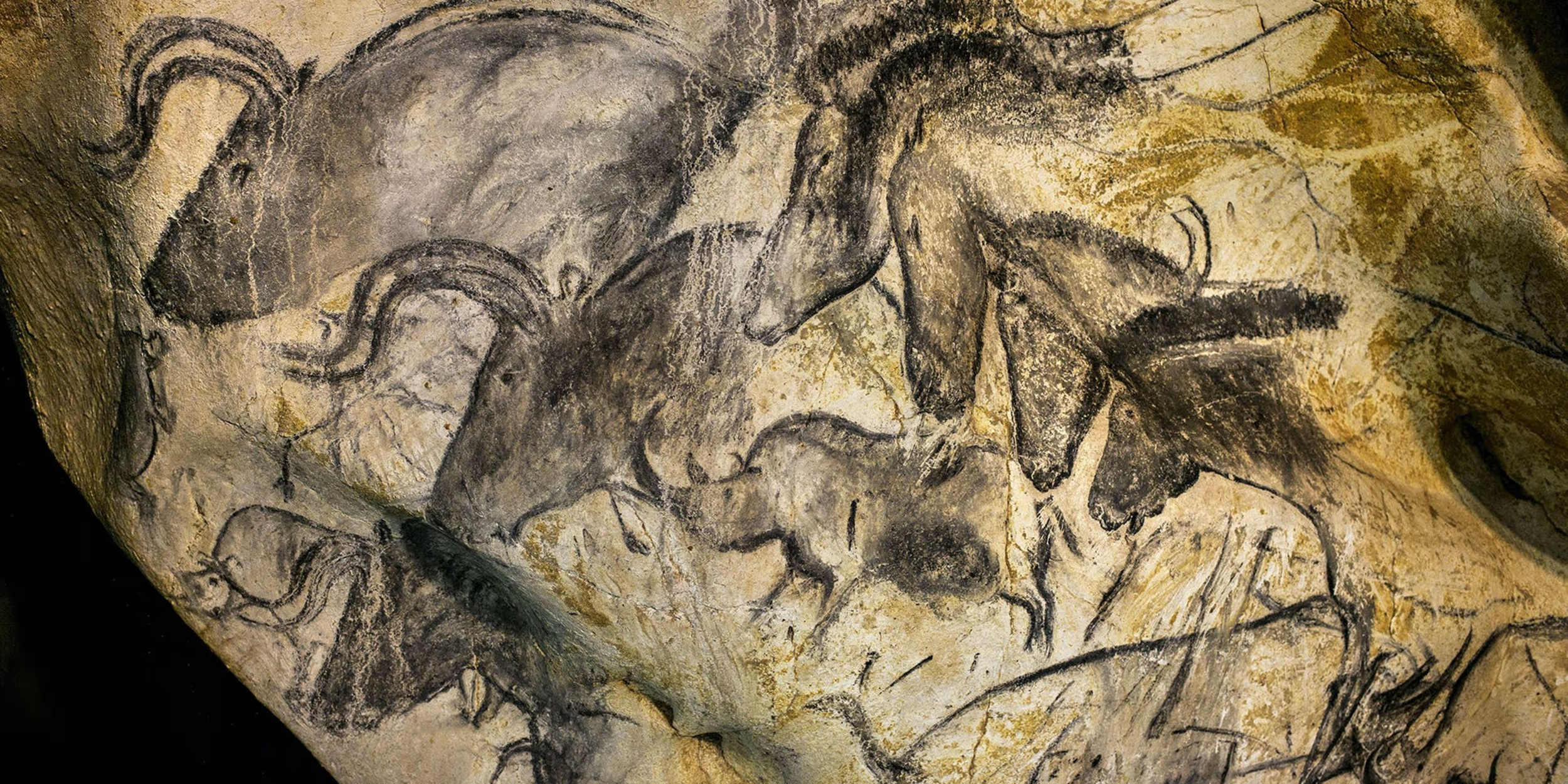
Sites such as Altamira Cave and Lascaux Cave are best known for their extraordinary prehistoric paintings. Yet their large chambers could also accommodate groups of people, making them suitable for communal gatherings.

Cave acoustics often amplify voices, allowing a speaker to address a group without strain. This natural amplification may have made caves ideal for storytelling, ceremonial pronouncements, or conflict mediation.

Evidence of Social Organization

Archaeologists have identified repeated human use in specific chambers, including hearths, arranged stones, and spatial patterns that suggest deliberate organization. These features imply more than temporary shelter.

In tribal societies, justice was typically communal and oral. Elders or leaders likely mediated disputes publicly. A cave, especially one adorned with symbolic art, could provide a solemn environment that reinforced shared identity and tradition.

Justice Before Written Law

Without written records, early communities relied on memory, precedent, and collective agreement. Decisions were shaped by storytelling and ritual as much as by practical reasoning.

If caves did serve as early “courts,” they represent an important stage in social evolution. Organized governance, negotiation, and communal justice may have deep roots stretching far back into prehistory.

The First Desert Kingdoms Powered by Wind

February 27, 2026

In some of the world’s harshest deserts, early civilizations engineered remarkable solutions to survive relentless heat. Long before mechanical cooling systems, desert kingdoms harnessed wind and airflow to create livable environments. Their innovations were practical, elegant, and surprisingly sustainable.

Harnessing Natural Airflow

In ancient Persia, builders designed tall windcatchers that captured breezes and funneled cool air into interior spaces. The historic city of Yazd still preserves striking examples of these structures rising above rooftops.

Windcatchers worked by channeling air through vertical shafts, sometimes directing it over underground water reservoirs to cool it further. As hot air rose and escaped, cooler air circulated naturally below. This system maintained comfortable indoor temperatures even during extreme summer heat.

Architecture Shaped by Climate

Desert cities featured narrow streets that created shade throughout the day. Thick mudbrick walls absorbed heat slowly, reducing indoor temperature swings. Courtyards with water features enhanced evaporative cooling and provided relief from the sun.

Granaries and storage houses were carefully ventilated to prevent spoilage. Builders understood airflow patterns through observation and experience, adjusting structures to local wind directions and seasonal shifts.

Sustainable Innovation Before Modern Technology

These techniques demonstrate advanced environmental knowledge. Rather than fighting nature, desert kingdoms worked with it, designing buildings that responded to climate conditions.

Modern architects now revisit these ancient principles as sustainable design becomes increasingly important. The first wind-powered kingdoms remind us that innovation does not always require complex machinery—sometimes it requires careful listening to the environment.

The Ancient Sky Temples Built for Cloud Gods

February 27, 2026

High above valleys and plains, ancient builders raised temples where earth seemed to touch the sky. These mountaintop sanctuaries were dedicated to deities of thunder, lightning, wind, and rain. Their altitude was never random. Height itself shaped belief, ritual, and architecture in profound ways, transforming geography into theology.

Sacred Peaks and Storm Deities

In ancient Greece, offerings were made to Zeus, ruler of thunder and lightning, on elevated shrines that symbolically placed worshippers closer to his celestial realm. Storm gods were often imagined as dwelling above the clouds, and mountains naturally represented their throne.

Across Mesoamerica, the rain god Tlaloc was honored in temples built on high peaks. Archaeologists have uncovered offerings buried in mountain summits, including ceramics, jade, and even sacrificial remains, left to secure rainfall and agricultural abundance. These rituals were not symbolic alone—they were deeply tied to survival in societies dependent on seasonal rains.

In the Andes, ceremonial platforms were constructed in extreme high-altitude environments where weather conditions were unpredictable and intense. The physical danger of these places reinforced the belief that gods of storms and skies commanded immense power.

Why Altitude Mattered

Mountaintops offered sweeping visibility across the landscape. Priests could observe approaching storm fronts, cloud formations, and lightning strikes, interpreting them as divine signs. The closeness to the sky created a psychological sense of sacred proximity.

Climbing to these temples required endurance and devotion. Pilgrims often undertook long, difficult journeys, turning the ascent itself into a spiritual act. The thin air, strong winds, and cold temperatures heightened emotional intensity, making rituals feel transformative and unforgettable.

Rituals in the Realm of Clouds

Excavations at high-altitude sanctuaries reveal evidence of fire pits, ceremonial platforms, and offerings deliberately placed in exposed locations. Some rituals were timed with seasonal weather patterns, aligning worship with the agricultural calendar.

These sky temples reveal that ancient religion was inseparable from landscape. Mountains were not just elevated ground—they were living symbols of cosmic connection, places where humanity reached upward in hope, fear, and reverence.

Sunken Prehistoric Landscapes Under Today’s Seas

February 27, 2026

At the end of the last Ice Age, rising sea levels dramatically reshaped the planet. Vast coastal plains disappeared beneath expanding oceans, taking entire landscapes—and possibly settlements—with them.

The Drowned Worlds of the Ice Age

Between 12,000 and 8,000 years ago, melting glaciers caused global sea levels to rise by more than 100 meters. Areas that were once habitable grasslands are now underwater.

One such region is Doggerland, which once connected Britain to mainland Europe. Archaeological finds from the seabed suggest it supported human communities before being gradually flooded.

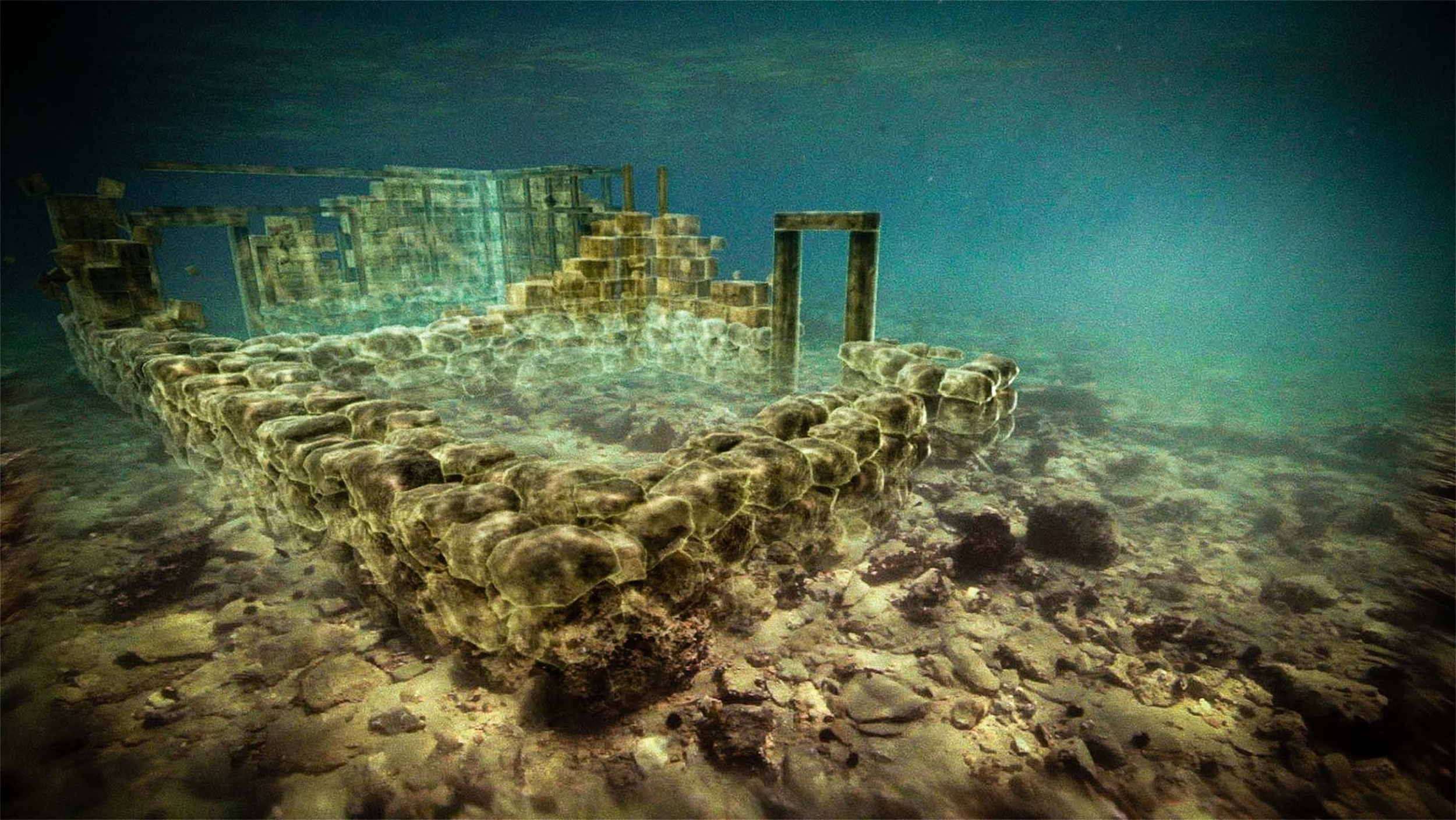
In the Mediterranean, underwater ruins near Heracleion reveal how natural disasters and rising waters reshaped ancient coastlines.

Off the coast of India, structures discovered near Dwarka have sparked debate about submerged settlements linked to ancient tradition.

What These Sites Tell Us

These underwater landscapes suggest that early humans often settled along coastlines—areas now lost to the sea. Fishing, trade, and transportation would have made these regions attractive hubs of activity.

Modern underwater archaeology continues to uncover tools, walls, and pathways hidden beneath layers of sediment. Each discovery expands our understanding of early human migration and adaptation.

The oceans may seem timeless, but beneath their surface lie chapters of history still waiting to be read.

The First Artists Who Carved the Human Spirit in Stone

February 27, 2026

Long before written language, humans expressed emotion, belief, and identity through sculpture. Some of the earliest figurines ever discovered reveal not only artistic skill but deep spiritual meaning.

Symbols of Fertility and Survival

The Venus of Willendorf is one of the oldest known human representations. Carved around 25,000 years ago, it emphasizes fertility and abundance. Its exaggerated features suggest symbolic meaning rather than realistic portraiture.

Across Europe, similar figurines reflect shared concerns about survival, reproduction, and continuity during harsh Ice Age climates.

Faces of Ritual and Emotion

At Göbekli Tepe, massive carved pillars dating back over 11,000 years feature stylized human forms and animal imagery. These carvings suggest ritual gatherings long before organized cities existed.

Meanwhile, the statues of Easter Island—known as moai—demonstrate how sculpture could represent ancestors and spiritual guardians.

The Birth of Artistic Identity

These early works were more than decoration. They embodied belief systems, community identity, and emotional expression. Through stone, early artists captured what it meant to be human—fear, hope, reverence, and belonging.

Art was not an afterthought in civilization. It was one of its foundations.

Lost Temples Hidden in Tropical Jungles

February 27, 2026

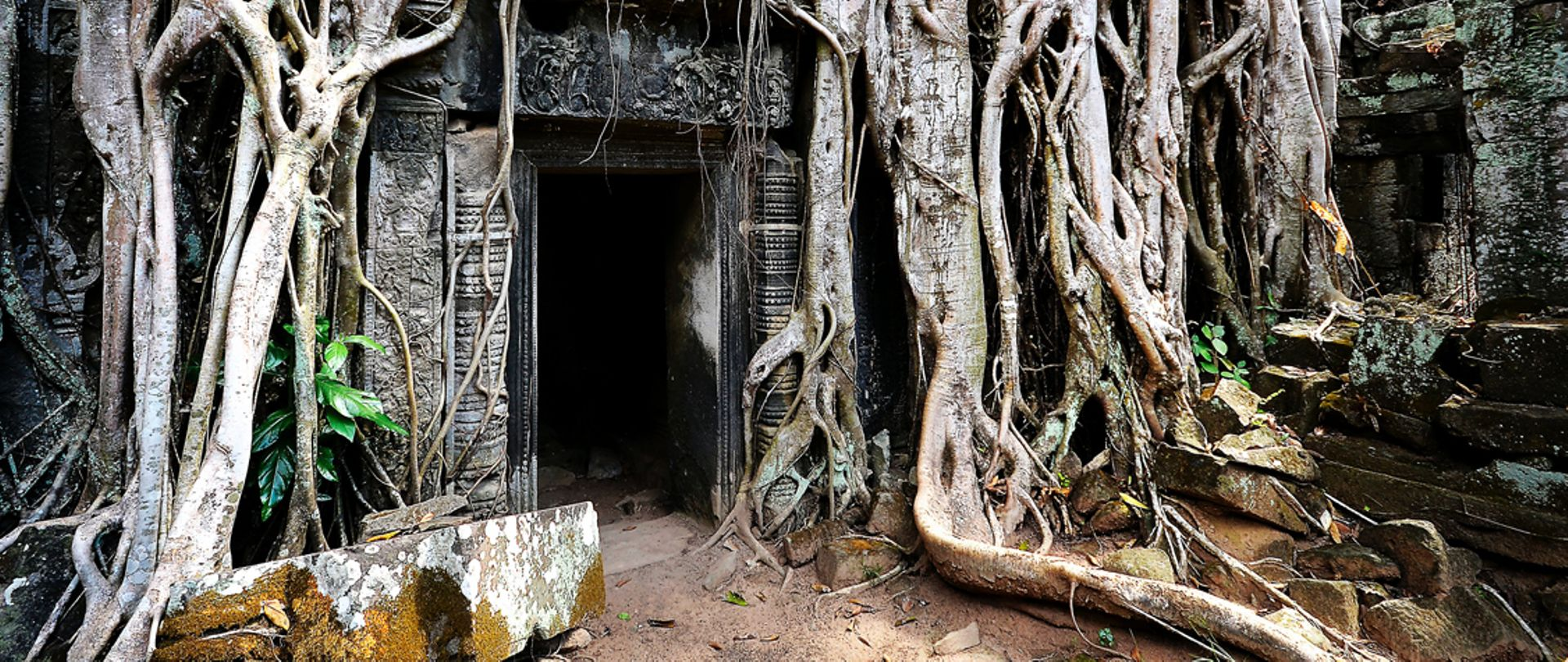
In dense rainforests across the globe, ancient temples lie buried beneath vines and towering trees. For centuries, they remained invisible, swallowed by nature. Their rediscovery has reshaped our understanding of forgotten civilizations.

Cities Beneath the Canopy

One of the most famous rediscoveries is Angkor Wat, a vast temple complex once at the heart of the Khmer Empire. Though never entirely abandoned, much of the surrounding city was reclaimed by jungle. When European explorers documented it in the 19th century, the scale stunned the world.

In Central America, the ancient Maya city of Tikal lay hidden beneath thick forest growth until systematic excavation revealed its towering pyramids.

Similarly, Ta Prohm is now famous for massive tree roots wrapping around stone walls, a dramatic reminder of how nature reclaims human achievement.

How They Were Found

Many of these sites were rediscovered through local knowledge rather than pure accident. In recent years, airborne laser scanning (LiDAR) has allowed archaeologists to “see” through forest canopies, uncovering entire urban landscapes previously unknown.

What the Ruins Reveal

These jungle temples demonstrate that tropical regions supported large, sophisticated populations. Advanced water systems, road networks, and agricultural planning reveal organized societies with impressive engineering skills.

Far from being isolated monuments, these ruins show that complex civilizations flourished in places once thought inhospitable. The jungle did not erase their legacy—it preserved it.

The Oldest Mythological Creatures Ever Recorded

February 27, 2026

Long before modern fantasy novels, ancient cultures imagined dragons, serpents, and hybrid beings that symbolized chaos, wisdom, fertility, and divine power. These creatures were not simply stories—they reflected how early societies understood the world.

Dragons Before History

One of the earliest known epic tales, the Epic of Gilgamesh, features monstrous beings guarding sacred forests. In ancient Mesopotamia, serpentine creatures often symbolized both danger and cosmic power.

In China, dragons emerged as symbols of imperial authority and natural forces. Unlike the fire-breathing beasts of European legend, Chinese dragons were often benevolent and associated with rain and prosperity.

In ancient Greece, hybrid creatures such as the Chimera and multi-headed serpents appeared in myth. These beings represented chaos that heroes had to overcome, reinforcing moral and cultural values.

Hybrids of Human and Animal

In ancient Egypt, gods were often depicted with animal heads and human bodies. Deities such as Anubis embodied both human intelligence and animal instinct. These hybrids symbolized the blending of earthly and divine realms.

Across Mesoamerica, feathered serpent deities like Quetzalcoatl represented knowledge, wind, and creation. The serpent form carried deep symbolic meaning, often connected to rebirth and transformation.

What These Creatures Meant

Dragons and serpents frequently symbolized nature’s unpredictability—storms, floods, and cosmic forces beyond human control. Hybrid beings reflected humanity’s attempt to explain the connection between animals, gods, and people.

These mythological creatures were not mere fantasy. They were early expressions of philosophy, religion, and psychology—stories carved into stone, painted on pottery, and passed down through generations.

The Ancient Stone Fortresses No One Can Date

February 27, 2026

Across the world, massive stone fortresses rise from hills and mountainsides, their walls fitted together with astonishing precision. Many of these structures predate written history. Some cannot be firmly dated at all. They challenge archaeologists, fascinate travelers, and fuel endless debates about the true age of civilization.

Megalithic Masterpieces Without Mortar

One of the most famous examples is Sacsayhuamán, a vast stone complex overlooking Cusco. Its enormous limestone blocks—some weighing over 100 tons—fit so tightly that not even a blade of grass can slip between them. While commonly attributed to the Inca in the 15th century, some researchers argue that parts of the foundation may be far older, inherited from earlier cultures.

In the Pacific, the mysterious ruins of Nan Madol sit on artificial islets built from basalt columns. The scale and engineering required to transport and stack these stones remain puzzling. Local oral traditions speak of powerful ancestral builders, but firm dates are difficult to establish.

Meanwhile, in southern Africa, Great Zimbabwe showcases towering stone enclosures constructed without mortar. Though now linked to a powerful medieval African kingdom, earlier colonial-era scholars once refused to believe Africans built it at all—a reminder that mystery is sometimes shaped by bias as much as by evidence.

Why Dating Is So Difficult

Unlike wooden structures, stone walls contain no organic material for easy carbon dating. Archaeologists often rely on pottery, tools, or human remains found nearby. If these are missing—or if a site was reused over centuries—pinpointing its origin becomes complicated.

Some fortresses were rebuilt layer upon layer. Later civilizations may have constructed new walls on top of ancient foundations. As a result, the visible structure may not represent the earliest phase.

Echoes of a Lost Engineering Tradition

These citadels reveal that early societies possessed advanced knowledge of geometry, logistics, and structural stability. Whether defensive strongholds, ceremonial centers, or symbols of power, they show that monumental architecture did not begin with well-documented empires.

The true age of some of these fortresses may never be fully known. But their existence reminds us that human ingenuity stretches far deeper into the past than written records can tell.

← Newer Posts Older Posts →
Featured
image_2026-03-12_232439795.png
Mar 13, 2026
The Mysterious Architects of Ancient Palaces
Mar 13, 2026
Read More →
Mar 13, 2026
image_2026-03-12_232356896.png
Mar 13, 2026
Divine Kingship: When Rulers Were Seen as Gods
Mar 13, 2026
Read More →
Mar 13, 2026
image_2026-03-12_232211099.png
Mar 13, 2026
The Forgotten Sea Peoples: Raiders of the Ancient World
Mar 13, 2026
Read More →
Mar 13, 2026
image_2026-03-12_232026356.png
Mar 13, 2026
The Origins of Sacred Geometry
Mar 13, 2026
Read More →
Mar 13, 2026
image_2026-03-12_231941982.png
Mar 13, 2026
Buried Temples Beneath Modern Cities
Mar 13, 2026
Read More →
Mar 13, 2026
image_2026-03-12_231845648.png
Mar 13, 2026
The Secret Languages of the Ancient Priesthoods
Mar 13, 2026
Read More →
Mar 13, 2026
read more

Powered by The archaeologist