Pathways That Connected Worlds
Long before modern infrastructure, ancient engineers built roads and bridges that connected distant regions.
These early projects made travel easier, supported trade, and strengthened political control across vast territories.
Engineering Without Modern Tools
Constructing roads and bridges required ingenuity.
Builders used stone, wood, and earth to create durable pathways. Some roads were paved, while others were reinforced to withstand heavy use.
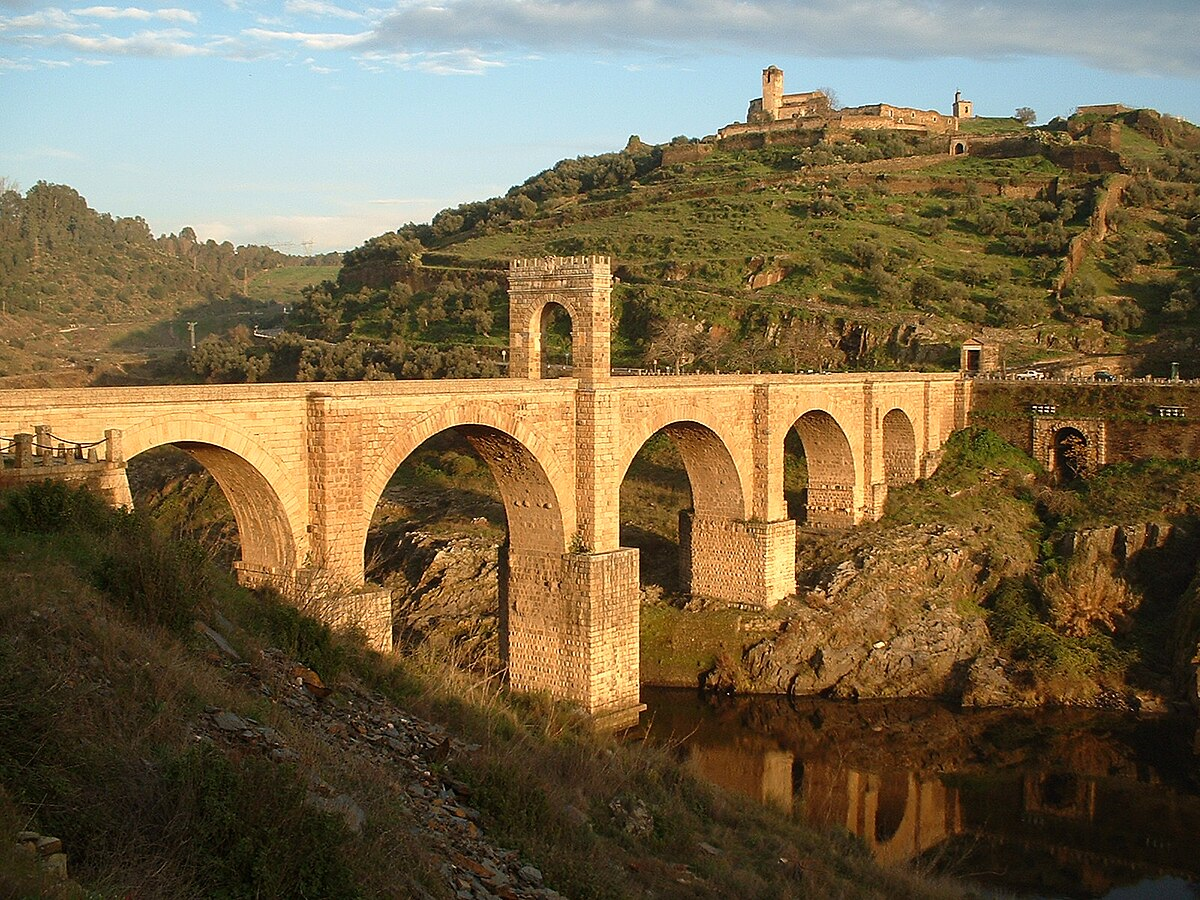
Bridges were carefully designed to cross rivers and valleys, often using arches or simple support structures.
Supporting Trade and Movement
These routes allowed goods, people, and ideas to move between regions.
Merchants relied on them to transport valuable materials, while travelers used them to explore new lands.
Without these networks, long-distance exchange would have been far more difficult.
Political and Strategic Importance
Road systems also played a key role in governance.
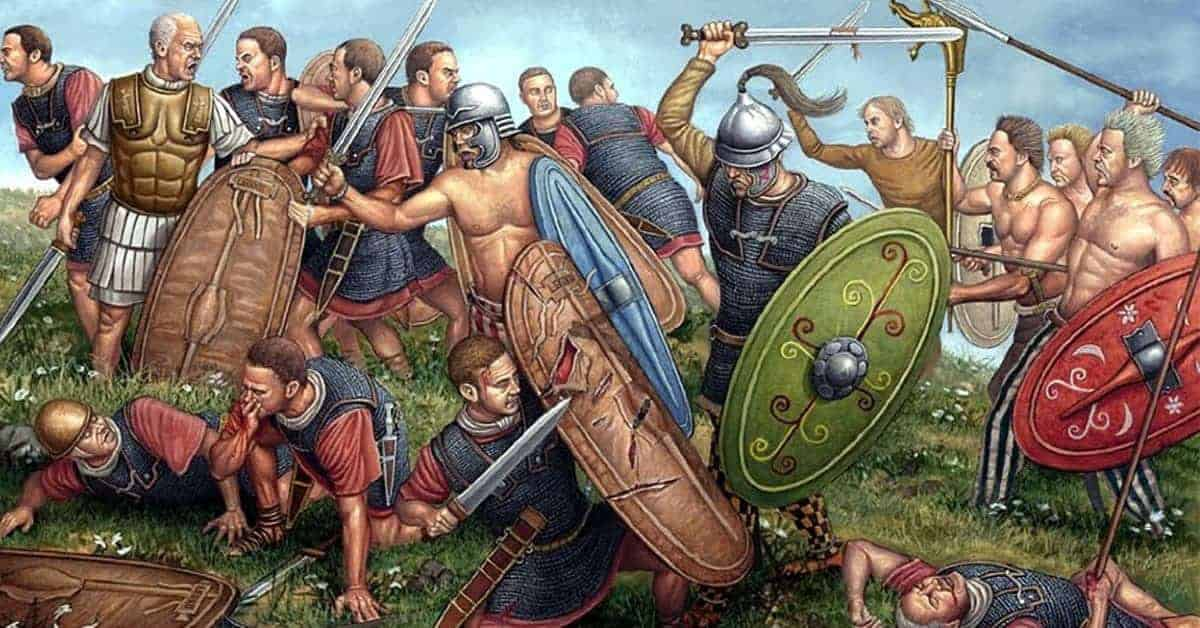
They allowed rulers to maintain control over distant territories by enabling communication and the movement of armies.
Control of major routes often meant control of trade and resources.
Lost to Time
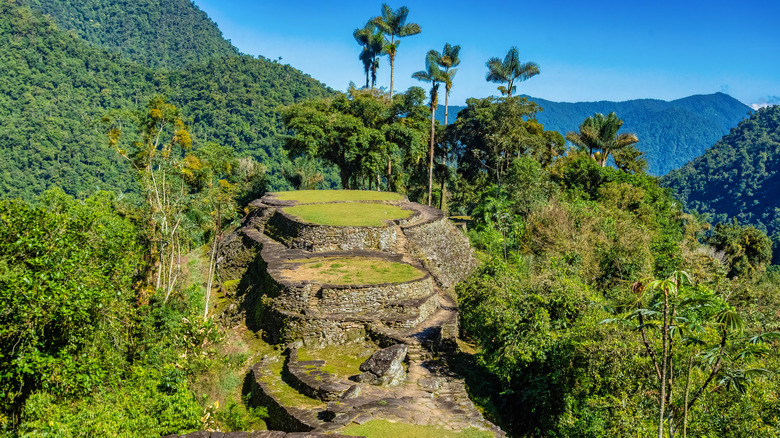
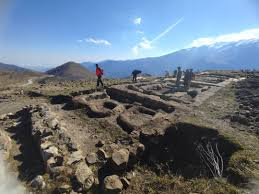
Many ancient roads and bridges have disappeared due to natural erosion, urban development, or changing landscapes.
However, traces still remain, offering clues about the scale and sophistication of early engineering.
Foundations of Modern Infrastructure
These ancient pathways laid the groundwork for the transportation systems we rely on today.
They demonstrate that even early societies understood the importance of connection and movement.