Movement as Meaning
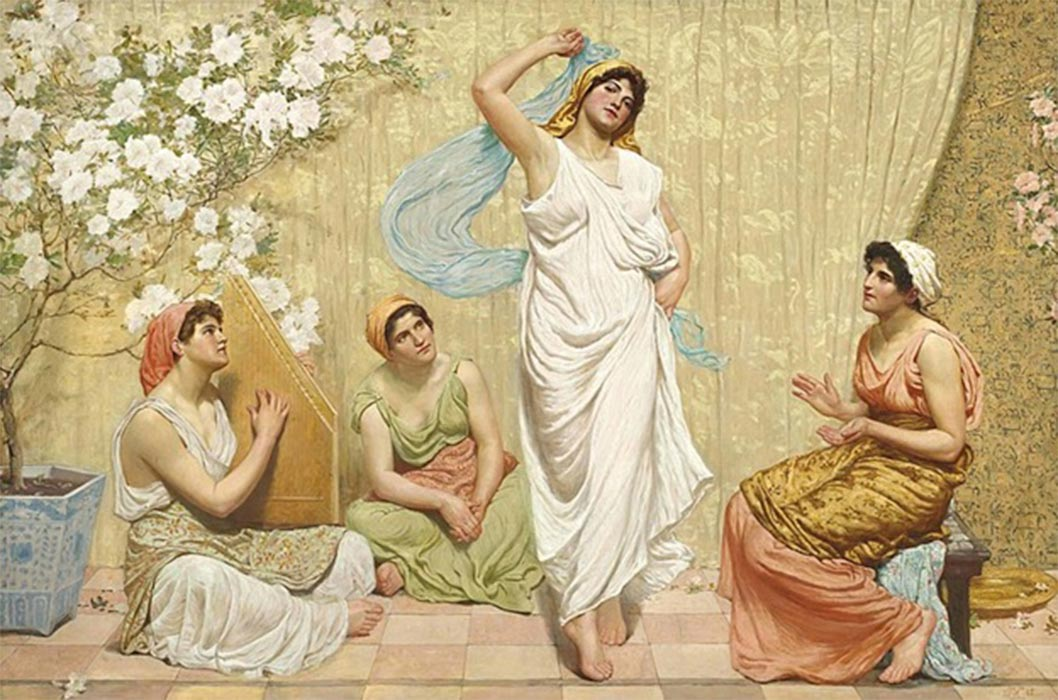
Dance is one of the oldest forms of human expression.
In ancient societies, it played a central role in rituals, ceremonies, and storytelling.
Evidence in Art and Artifacts
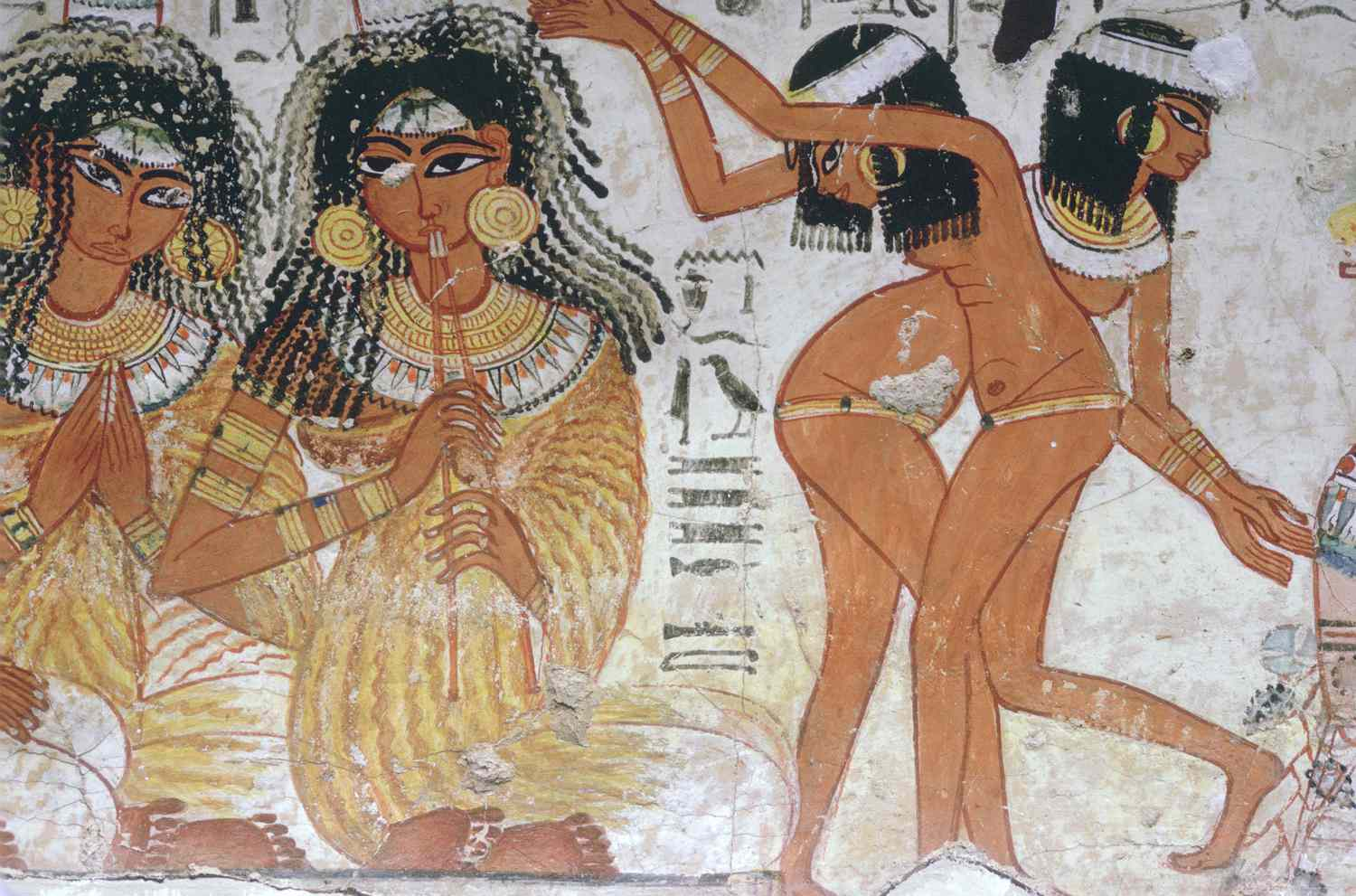
Images of dancing figures appear in cave paintings, carvings, and pottery.
These depictions suggest that dance was an important part of early cultural life.
Symbolic Movements
Ritual dances often carried specific meanings.
Movements could represent natural forces, animals, or spiritual journeys.
Through dance, participants expressed ideas that words could not fully capture.
Community Participation
Dance rituals were often performed in groups.
These shared experiences strengthened social bonds and reinforced cultural traditions.
Connection to the Spiritual World
Many dances were believed to connect participants with spiritual forces.
Through rhythm and movement, individuals could enter altered states or communicate with the divine.
The Roots of Performance
Ancient dance rituals laid the foundation for later forms of art and performance.
They show that human creativity has always been closely tied to culture and belief.
The First Calendar Makers and Their Cosmic Wisdom
Tracking Time Through the Sky
Ancient societies needed to understand time to survive.
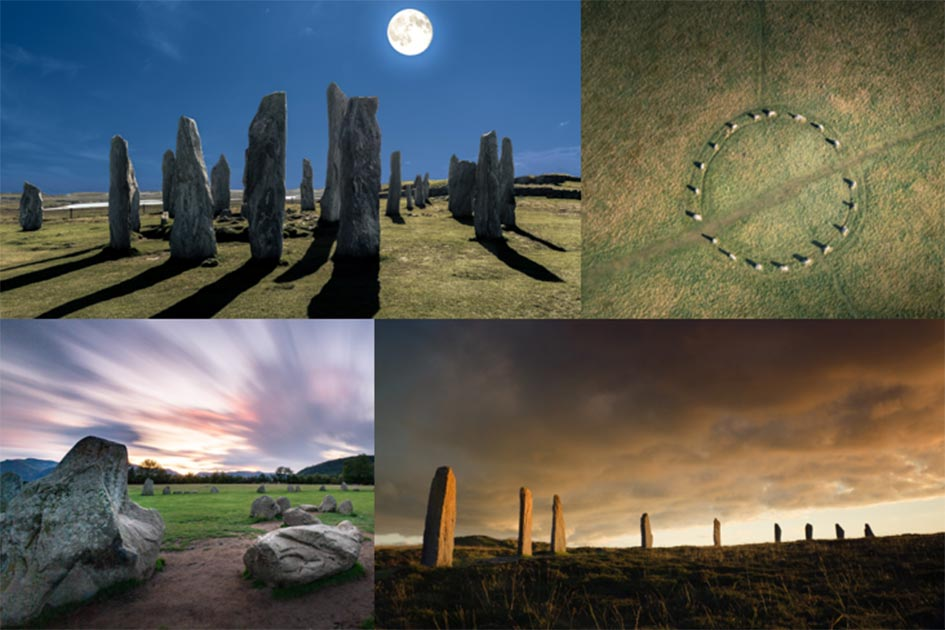
By observing the sun, moon, and stars, early calendar makers developed systems to track seasons and predict natural cycles.
Creating Early Calendars
Calendars were based on repeating patterns in the sky.
Lunar cycles, solar movements, and seasonal changes provided reliable markers for measuring time.
Practical Uses
Accurate calendars helped farmers know when to plant and harvest crops.
They also guided the timing of festivals and religious ceremonies.
Spiritual Significance
Timekeeping was often linked to spiritual beliefs.
Certain dates were considered sacred, and celestial events were seen as meaningful signs.
Knowledge Passed Down
Calendar systems were carefully preserved and refined over generations.
This knowledge became an important part of cultural identity.
Understanding the Cosmos
The first calendar makers transformed observation into knowledge.
Their work reflects humanity’s desire to understand and organize the passage of time.