• MAIN PAGE
  • LATEST NEWS
    • Lost Cities
    • Archaeology's Greatest Finds
    • Underwater Discoveries
    • Greatest Inventions
    • Studies
    • Blog
  • PHILOSOPHY
  • HISTORY
  • RELIGIONS
    • Africa
    • Anatolia
    • Arabian Peninsula
    • Balkan Region
    • China - East Asia
    • Europe
    • Eurasian Steppe
    • Levant
    • Mesopotamia
    • Oceania - SE Asia
    • Pre-Columbian Civilizations of America
    • Iranian Plateau - Central Asia
    • Indus Valley - South Asia
    • Japan
    • The Archaeologist Editor Group
    • Scientific Studies
    • Aegean Prehistory
    • Historical Period
    • Byzantine Middle Ages
    • Predynastic Period
    • Dynastic Period
    • Greco-Roman Egypt
  • Rome
  • PALEONTOLOGY
  • About us
Menu

The Archaeologist

  • MAIN PAGE
  • LATEST NEWS
  • DISCOVERIES
    • Lost Cities
    • Archaeology's Greatest Finds
    • Underwater Discoveries
    • Greatest Inventions
    • Studies
    • Blog
  • PHILOSOPHY
  • HISTORY
  • RELIGIONS
  • World Civilizations
    • Africa
    • Anatolia
    • Arabian Peninsula
    • Balkan Region
    • China - East Asia
    • Europe
    • Eurasian Steppe
    • Levant
    • Mesopotamia
    • Oceania - SE Asia
    • Pre-Columbian Civilizations of America
    • Iranian Plateau - Central Asia
    • Indus Valley - South Asia
    • Japan
    • The Archaeologist Editor Group
    • Scientific Studies
  • GREECE
    • Aegean Prehistory
    • Historical Period
    • Byzantine Middle Ages
  • Egypt
    • Predynastic Period
    • Dynastic Period
    • Greco-Roman Egypt
  • Rome
  • PALEONTOLOGY
  • About us

Ancient Burial Mounds Older Than the Pyramids

March 20, 2026

Monuments of the Dead

Long before the rise of monumental stone pyramids, ancient communities were already building impressive structures to honor their dead.

Burial mounds—large heaps of earth and stone—are among the oldest known funerary monuments in human history.

Construction Techniques

These mounds were created by carefully piling layers of soil, stone, and sometimes wood over graves.

Some were simple, while others were massive constructions requiring coordinated labor from entire communities. The effort involved suggests a strong cultural importance placed on burial practices.

In certain cases, multiple individuals were buried within a single mound, indicating shared or communal significance.

Spiritual Beliefs

The construction of burial mounds reflects early beliefs about death and the afterlife.

Ancient people may have viewed these structures as protective coverings for the deceased or as gateways to another world.

Objects placed within the mounds—such as tools, ornaments, or food—suggest that the dead were believed to continue existing in some form.

Cultural Importance

Burial mounds often became important landmarks within the landscape.

They served as physical reminders of ancestors and may have been used as sites for ongoing rituals or gatherings.

These monuments helped maintain a connection between the living and the dead, reinforcing a sense of identity and continuity.

A Window Into Early Society

By studying burial mounds, archaeologists gain valuable insights into social structures, beliefs, and traditions.

Differences in size and contents can reveal status, roles, and relationships within ancient communities.

Timeless Symbols of Memory

Even today, burial mounds stand as silent witnesses to humanity’s earliest efforts to understand death.

They reflect a deep respect for the past and a desire to preserve memory across generations.

Forgotten Hilltop Fortresses of the Ancient World

March 20, 2026

Strongholds Above the Land

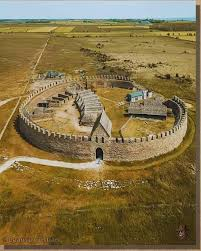
Across ancient landscapes, high above valleys and plains, early societies built fortresses on hilltops. These elevated strongholds offered both security and strategic advantage, making them essential in times of conflict.

Hilltop fortresses were not simply defensive structures—they were symbols of power, control, and survival.

Strategic Design

Built on elevated terrain, these fortresses took advantage of natural geography.

Steep slopes made it difficult for enemies to approach, while narrow pathways limited access. Thick stone walls, watchtowers, and fortified gates added additional layers of defense.

From these high positions, inhabitants could observe vast areas, spotting potential threats long before they arrived.

Life Inside the Fortress

Hilltop fortresses were often self-contained communities.

Inside their walls, people lived, stored food, and prepared for both daily life and potential attacks. Structures included homes, storage facilities, water systems, and defensive installations.

In times of danger, nearby populations could retreat into these fortified spaces for protection.

Centers of Authority

These fortresses were often controlled by leaders or ruling elites.

Their elevated position not only provided defense but also symbolized authority. To live above the surrounding land was to demonstrate power and control over the region.

Abandonment and Rediscovery

Over time, many hilltop fortresses were abandoned.

Changes in political power, trade routes, or environmental conditions may have made these locations less practical. Without maintenance, structures fell into ruin.

Today, archaeologists rediscover these sites, uncovering walls, foundations, and artifacts that reveal how people once lived and defended themselves.

Echoes of Ancient Strategy

The ruins of hilltop fortresses remind us of a time when survival depended on vigilance and strategic planning.

They stand as enduring symbols of resilience and the human ability to adapt to challenging environments.

The First Sun Temples Built by Early Humanity

March 20, 2026

Worshipping the Source of Life

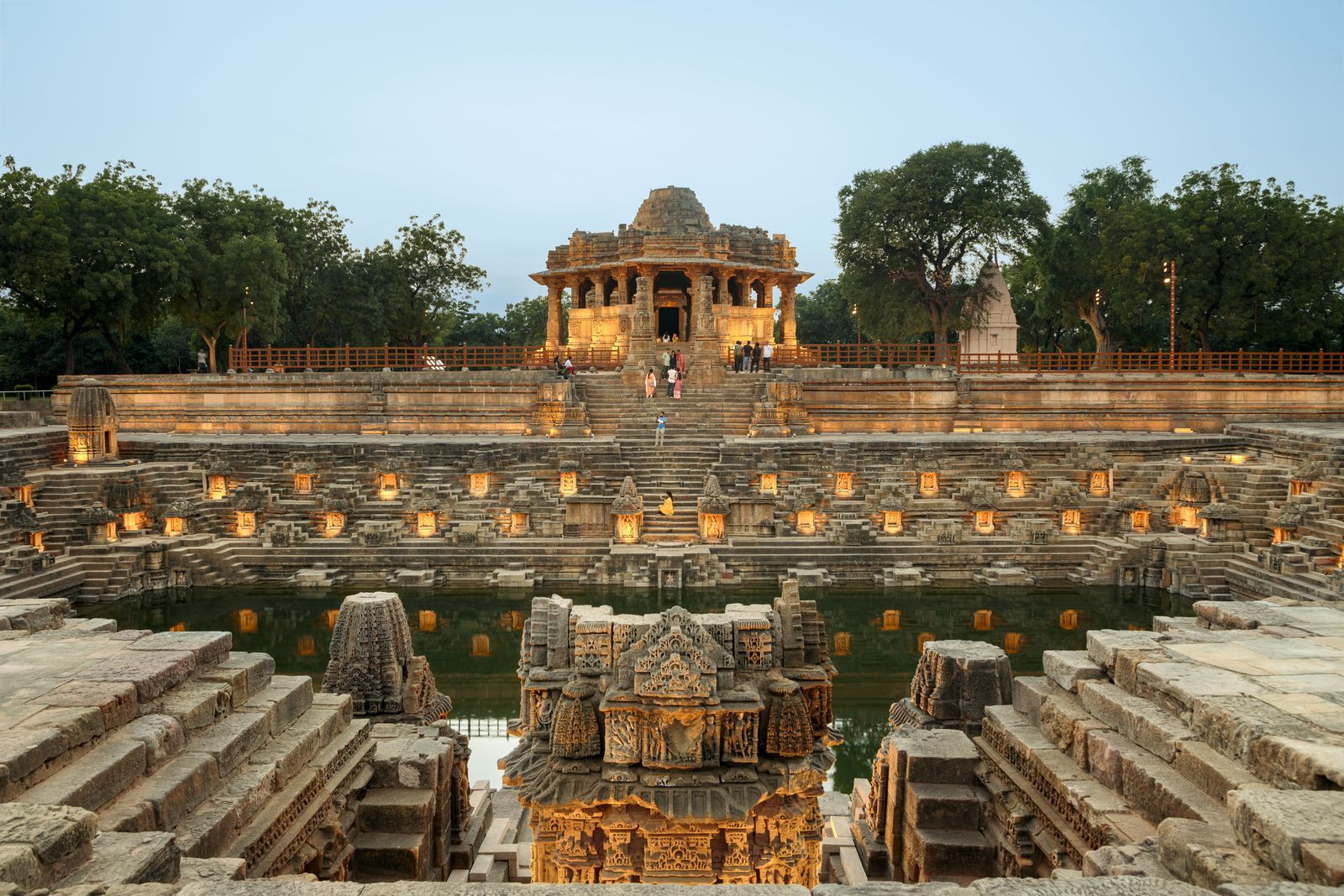
The sun has always been central to human survival, providing light, warmth, and the energy needed for plants to grow and ecosystems to thrive. Long before science explained its role, early humans recognized its importance through observation and experience.

It is no surprise, then, that early societies began to see the sun not just as a natural object, but as a powerful and life-giving force worthy of reverence. Over time, this respect evolved into organized worship, expressed through the construction of temples dedicated to the sun.

Early Sun Temples

Some of the oldest known temples were carefully aligned with the movement of the sun. These were not random structures—they were built with intention, guided by repeated observations of sunrise, sunset, and seasonal changes.

Ancient builders designed these temples to capture sunlight during specific times of the year, especially during solstices and equinoxes. On these days, sunlight would enter the temple in a precise way, illuminating a central altar or sacred space.

These moments were likely seen as deeply significant, marking transitions in seasons and reinforcing the connection between human life and cosmic cycles.

Architectural Features

Sun temples often featured open courtyards, elevated platforms, and carefully aligned entrances. These design elements allowed sunlight to travel through the structure in meaningful ways.

In some temples, long corridors or narrow openings were constructed so that light would pass through them only at specific times. This required not only architectural skill but also a deep understanding of solar patterns.

The placement of altars and sacred objects was also intentional, often positioned where sunlight would fall during important celestial events.

Spiritual Meaning

To ancient societies, the sun was more than a physical presence—it was a divine force.

It represented life, growth, renewal, and the continuous cycle of existence. The rising sun symbolized rebirth, while the setting sun represented rest or transition.

By worshipping the sun, early people expressed gratitude for survival and sought to maintain harmony with the forces that sustained their world.

Cosmic Connection

By aligning temples with the sun, ancient builders created a powerful link between human activity and the larger universe.

These structures acted as bridges between Earth and sky, reinforcing the idea that human life was part of a greater cosmic order.

The precision of these temples reflects not only spiritual belief but also impressive observational knowledge. Early societies were not passive observers—they actively studied and interpreted the movements of the heavens.

A Legacy Written in Light

The first sun temples stand as lasting evidence of humanity’s desire to understand and honor the natural world.

They remind us that even in the earliest stages of civilization, people were capable of combining science, spirituality, and architecture in remarkable ways.

Mysterious Ancient Towers With Unknown Purpose

March 20, 2026

Structures That Defy Explanation

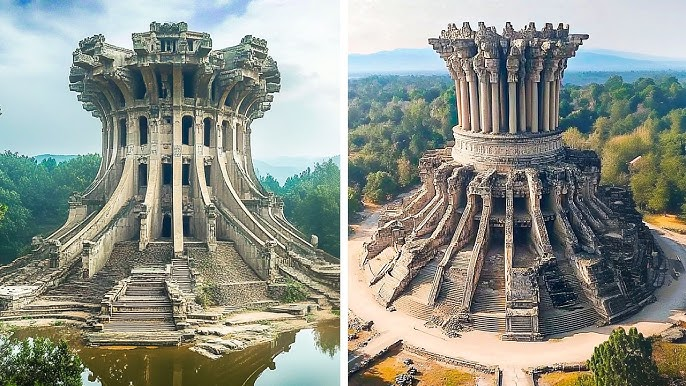
Across the world, ancient tower-like structures stand as puzzles for archaeologists.

Their functions are often unclear, leading to various interpretations about their purpose.

Possible Uses

Some towers may have served as defensive watchtowers, providing visibility over surrounding landscapes.

Others could have been used for ritual or ceremonial purposes.

Astronomical Connections

Certain towers appear aligned with celestial events.

This has led to theories that they were used for observing the sun, moon, or stars.

Symbolic Meaning

Towers may also have held symbolic significance.

Their height and visibility could represent power, connection to the heavens, or spiritual authority.

Ongoing Mystery

Without clear records, the true purpose of many ancient towers remains unknown.

Each discovery adds new possibilities but also raises new questions.

The First Builders of Sacred Pathways and Pilgrimage Routes

March 20, 2026

Journeys of Faith

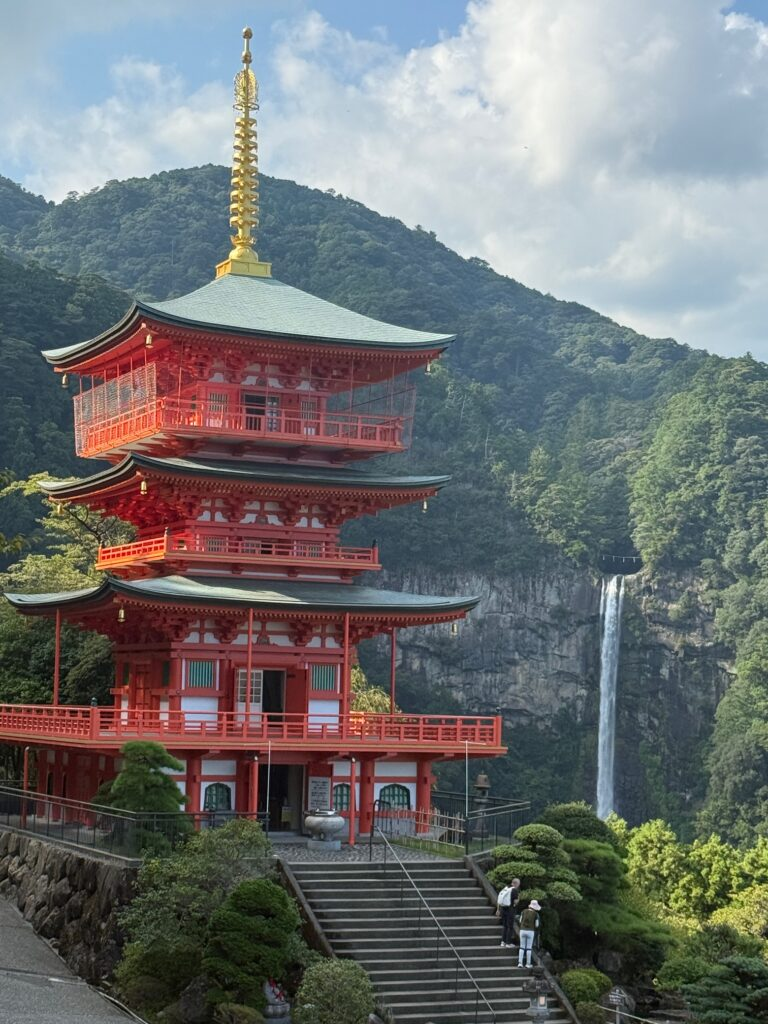
Pilgrimage is one of the oldest forms of spiritual practice.

Ancient people traveled long distances along sacred pathways to reach holy sites, seeking guidance, healing, or connection with the divine.

Creating Sacred Routes

Early pilgrimage routes were often marked by natural landmarks, shrines, or constructed paths.

These routes connected distant regions and became important cultural and spiritual networks.

The Meaning of the Journey

Pilgrimage was not only about reaching a destination.

The journey itself held spiritual significance, representing personal transformation, devotion, and commitment.

Shared Traditions

Pilgrimage routes brought people together from different communities.

Travelers exchanged ideas, stories, and traditions, contributing to cultural exchange.

Enduring Paths

Some ancient pilgrimage routes are still in use today, reflecting their lasting importance.

They serve as reminders of humanity’s enduring search for meaning

The Legendary Kings Mentioned Only in Myth

March 20, 2026

Rulers Between History and Legend

Throughout ancient traditions, stories of powerful kings appear in myths and epics. Some of these rulers may never have existed, while others could be based on real individuals whose stories were transformed over time.

Kings of Myth

Figures like King Arthur are known primarily through legend.

These rulers are often depicted as heroic leaders, wise judges, or warriors who shaped their worlds in extraordinary ways.

Blending Fact and Fiction

Mythical kings may contain elements of historical truth.

Over generations, real events can become exaggerated, and historical figures may be transformed into larger-than-life characters.

This blending makes it difficult to separate fact from legend.

Cultural Significance

These kings often represent ideals such as justice, bravery, and leadership.

Their stories served as moral lessons and sources of inspiration for the societies that told them.

Archaeological Possibilities

In some cases, archaeological discoveries have hinted at the existence of rulers who resemble legendary figures.

However, definitive proof is often difficult to find.

The Power of Storytelling

Whether real or imagined, legendary kings continue to shape cultural identity.

Their stories remind us that history is not only recorded in facts but also preserved in narrative and imagination.

Ancient Healing Temples and the Birth of Medicine

March 20, 2026

Where Healing Met the Divine

In the ancient world, healing was never seen as purely physical. Illness was often believed to have spiritual causes, and recovery required more than just remedies—it required balance between the body, mind, and unseen forces.

Because of this belief, healing became deeply connected to spirituality. Temples dedicated to health and wellness emerged as sacred spaces where religion and early medicine came together. These centers were among the earliest institutions devoted to caring for the sick, combining observation, ritual, and faith in ways that shaped the future of healthcare.

For ancient people, entering a healing temple was not just seeking treatment—it was stepping into a place where the human and divine worlds intersected.

Sacred Healing Centers

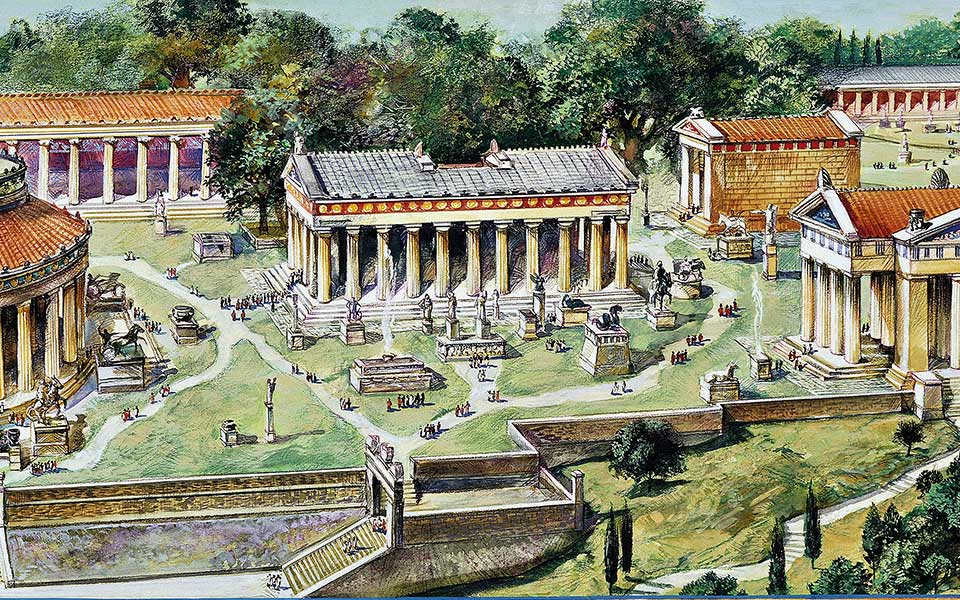
In places like Ancient Greece, healing temples were built to honor gods associated with medicine, most notably Asclepius, the revered deity of healing.

These temples, often located in peaceful natural settings such as hillsides or near springs, were designed to promote both physical and spiritual recovery. The environment itself—quiet, clean, and close to nature—was considered part of the healing process.

Patients traveled long distances to reach these sacred centers. Their journeys reflected both hope and faith, as they sought cures through rituals, prayers, and guidance from temple priests.

These sites became well-known across regions, attracting individuals from different communities who believed in the healing power of the divine.

Rituals and Treatments

Healing practices in these temples were a blend of spiritual ritual and practical care.

Patients often began with purification ceremonies, which could include bathing, fasting, or making offerings. These acts were believed to cleanse both the body and the spirit, preparing the individual for healing.

One of the most distinctive practices was “incubation,” where patients would sleep within the temple grounds. During sleep, they believed that the deity—such as Asclepius—would visit them in dreams, offering guidance or even direct healing.

Priests would then interpret these dreams, turning them into treatment plans or advice.

Alongside these rituals, more practical treatments were also used. Herbal remedies, dietary changes, and basic procedures were applied based on observation and experience.

This combination of physical and spiritual care reflects an early holistic approach to medicine.

The Role of Healers

Healing temples were staffed by a range of individuals, including priests, herbalists, and early physicians.

Priests acted as intermediaries between patients and the divine, guiding rituals and interpreting spiritual messages. Herbalists gathered and prepared plant-based remedies, drawing on knowledge passed down through generations.

At the same time, early physicians began to observe patterns in illness and recovery. They noted symptoms, experimented with treatments, and gradually built a body of knowledge based on experience.

This collaboration between spiritual and practical roles helped shape the early development of medical understanding.

Community and Care

Healing temples were not only places of treatment—they were centers of community support.

Patients often stayed for extended periods, sharing their experiences with others undergoing similar struggles. This created a sense of connection and mutual encouragement.

The belief that divine forces were guiding recovery provided comfort and hope, which likely played a significant role in the healing process.

These temples also reflected a broader cultural value: caring for the sick was a shared responsibility, supported by both community and faith.

Foundations of Medicine

Although rooted in spirituality, the practices developed in healing temples contributed significantly to the growth of systematic medical knowledge.

Observation of symptoms, documentation of treatments, and the use of natural remedies all laid the groundwork for more scientific approaches to health.

Over time, some aspects of healing became more focused on physical causes and treatments, leading to the gradual separation of medicine from purely religious practice.

A Legacy That Endures

The influence of ancient healing temples can still be seen today.

Modern hospitals, wellness centers, and holistic approaches to health echo the idea that healing involves more than just the body. The connection between environment, mental state, and physical health remains an important part of medical understanding.

These early centers remind us that the journey toward modern medicine began not only with science, but also with belief, observation, and the human desire to heal.

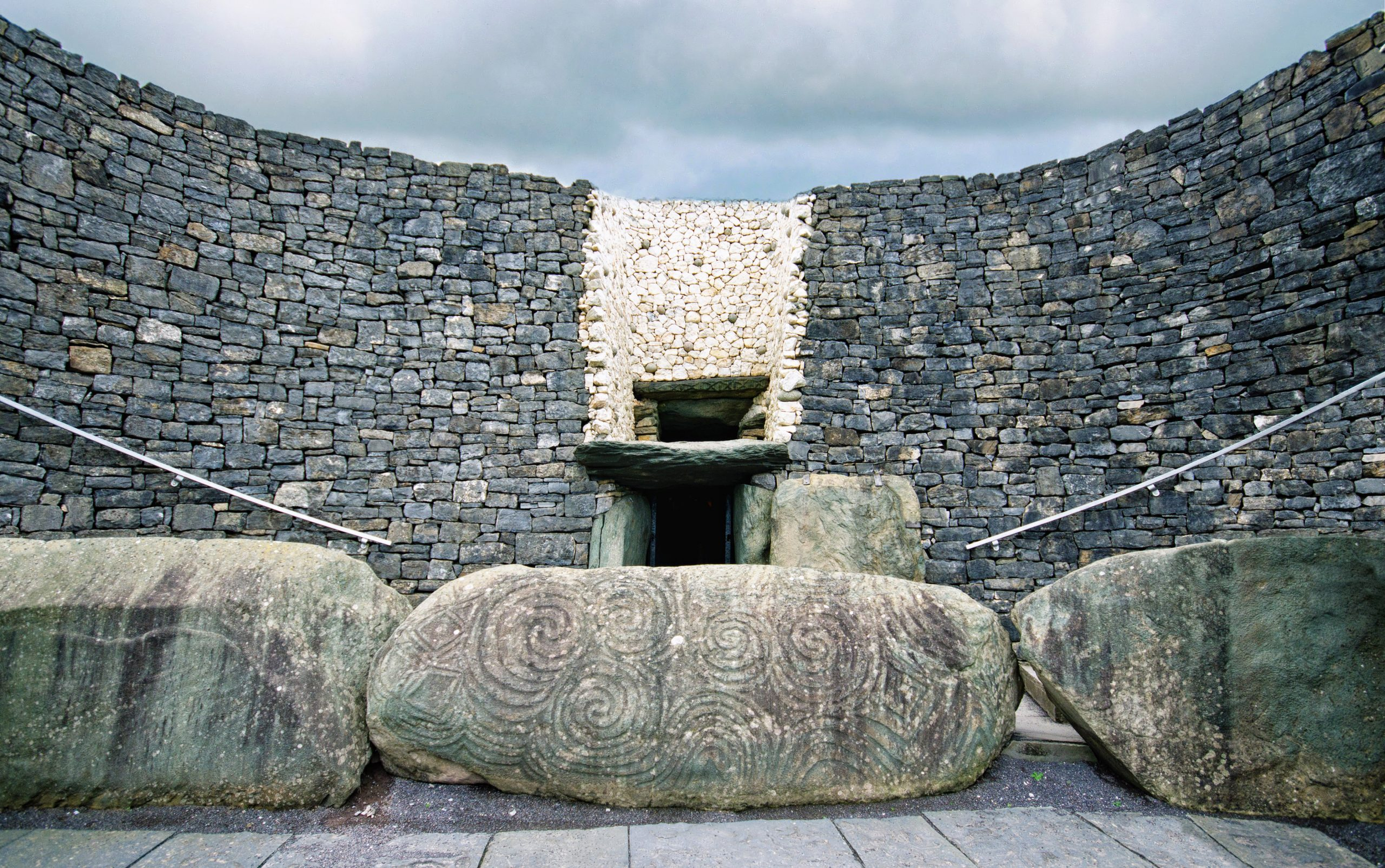
The Oldest Fortresses Built by Human Hands

March 20, 2026

Defending Early Communities

As human societies grew, so did the need for protection.

Fortresses became essential structures designed to defend people, resources, and territory.

Early Defensive Designs

Ancient fortresses often featured walls, towers, and strategic layouts.

Builders used natural landscapes such as hills or cliffs to strengthen defenses.

Evidence of Conflict

The existence of fortresses suggests that organized conflict was a reality in early societies.

These structures were built to withstand attacks and protect communities.

Skilled Construction

Building a fortress required planning, labor, and resources.

Engineers and builders worked together to create strong and durable defenses.

Centers of Power

Fortresses were often associated with political authority.

They served as strongholds for leaders and symbols of strength and control.

Foundations of Military Architecture

The earliest fortresses laid the groundwork for later defensive systems.

They reflect the growing complexity of human societies and the challenges they faced.

Animals in Ancient Warfare: From War Elephants to Sacred Horses

March 19, 2026

Allies on the Battlefield

In ancient warfare, animals were more than companions—they were powerful assets that shaped military strategy and symbolism. From towering elephants to swift horses, animals played crucial roles in combat across civilizations.

War Elephants: Living Weapons

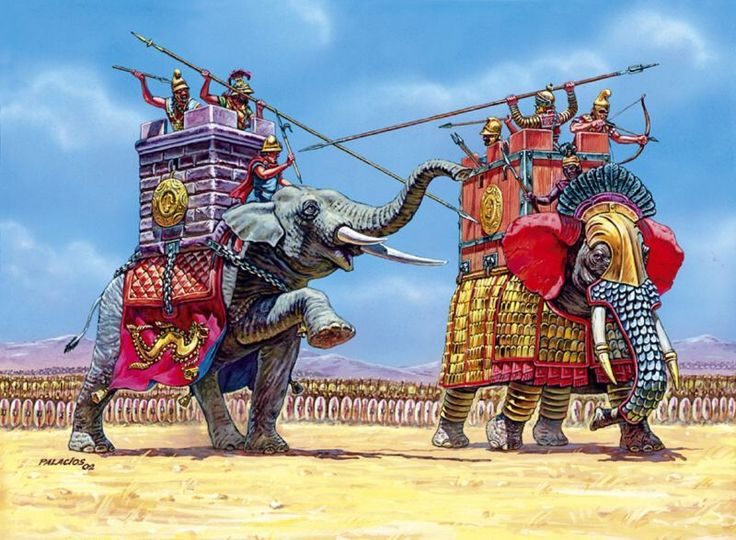
War elephants were among the most formidable forces in ancient battles.

Used in regions of South Asia and beyond, these massive animals could break enemy lines, carry armed soldiers, and intimidate opponents with their sheer size.

Their presence alone often had a psychological impact, causing fear and confusion among enemy troops.

Horses: Speed and Strategy

Horses revolutionized warfare by increasing mobility.

Cavalry units allowed armies to move quickly, scout enemy positions, and launch fast attacks. Horses also became symbols of power, nobility, and divine favor in many cultures.

Their importance extended beyond battle, shaping communication and trade.

Other Animals in War

Camels, dogs, and even birds were used in various military roles.

Camels were especially useful in desert environments, while dogs could guard camps or assist in combat.

Each animal contributed to warfare based on its unique abilities.

Symbolic Power

Animals in warfare were often associated with spiritual meaning.

Sacred horses or revered animals were believed to carry divine protection into battle. Their presence reinforced the belief that armies fought not only with physical strength but also with spiritual support.

Transforming Military Strategy

The use of animals expanded the possibilities of warfare.

They allowed armies to adapt to different environments, improve mobility, and create new tactics that shaped the outcome of battles.

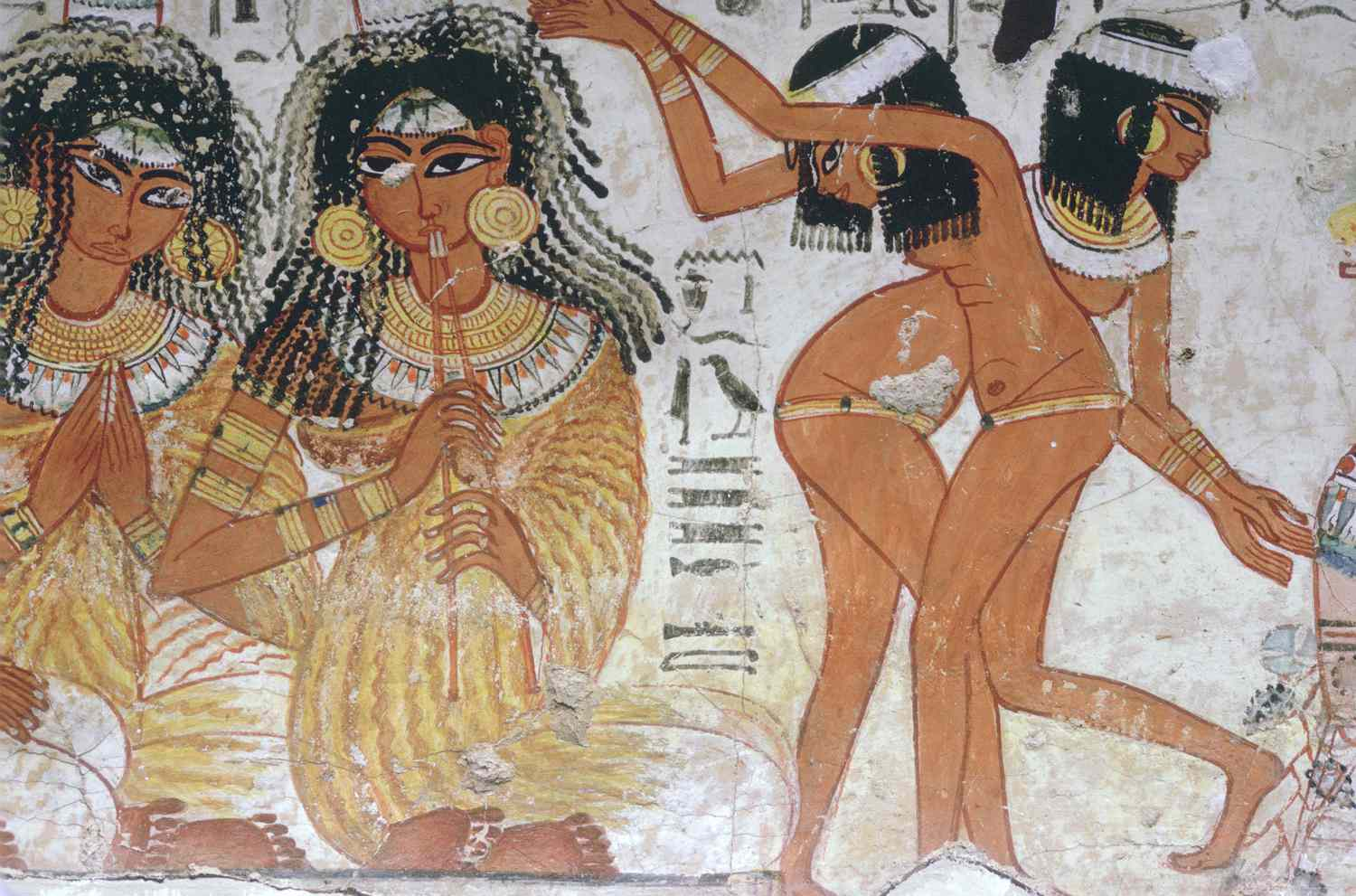
The Origins of Ancient Dance Rituals

March 19, 2026

Movement as Meaning

Dance is one of the oldest forms of human expression.

In ancient societies, it played a central role in rituals, ceremonies, and storytelling.

Evidence in Art and Artifacts

Images of dancing figures appear in cave paintings, carvings, and pottery.

These depictions suggest that dance was an important part of early cultural life.

Symbolic Movements

Ritual dances often carried specific meanings.

Movements could represent natural forces, animals, or spiritual journeys.

Through dance, participants expressed ideas that words could not fully capture.

Community Participation

Dance rituals were often performed in groups.

These shared experiences strengthened social bonds and reinforced cultural traditions.

Connection to the Spiritual World

Many dances were believed to connect participants with spiritual forces.

Through rhythm and movement, individuals could enter altered states or communicate with the divine.

The Roots of Performance

Ancient dance rituals laid the foundation for later forms of art and performance.

They show that human creativity has always been closely tied to culture and belief.

The First Calendar Makers and Their Cosmic Wisdom

Tracking Time Through the Sky

Ancient societies needed to understand time to survive.

By observing the sun, moon, and stars, early calendar makers developed systems to track seasons and predict natural cycles.

Creating Early Calendars

Calendars were based on repeating patterns in the sky.

Lunar cycles, solar movements, and seasonal changes provided reliable markers for measuring time.

Practical Uses

Accurate calendars helped farmers know when to plant and harvest crops.

They also guided the timing of festivals and religious ceremonies.

Spiritual Significance

Timekeeping was often linked to spiritual beliefs.

Certain dates were considered sacred, and celestial events were seen as meaningful signs.

Knowledge Passed Down

Calendar systems were carefully preserved and refined over generations.

This knowledge became an important part of cultural identity.

Understanding the Cosmos

The first calendar makers transformed observation into knowledge.

Their work reflects humanity’s desire to understand and organize the passage of time.

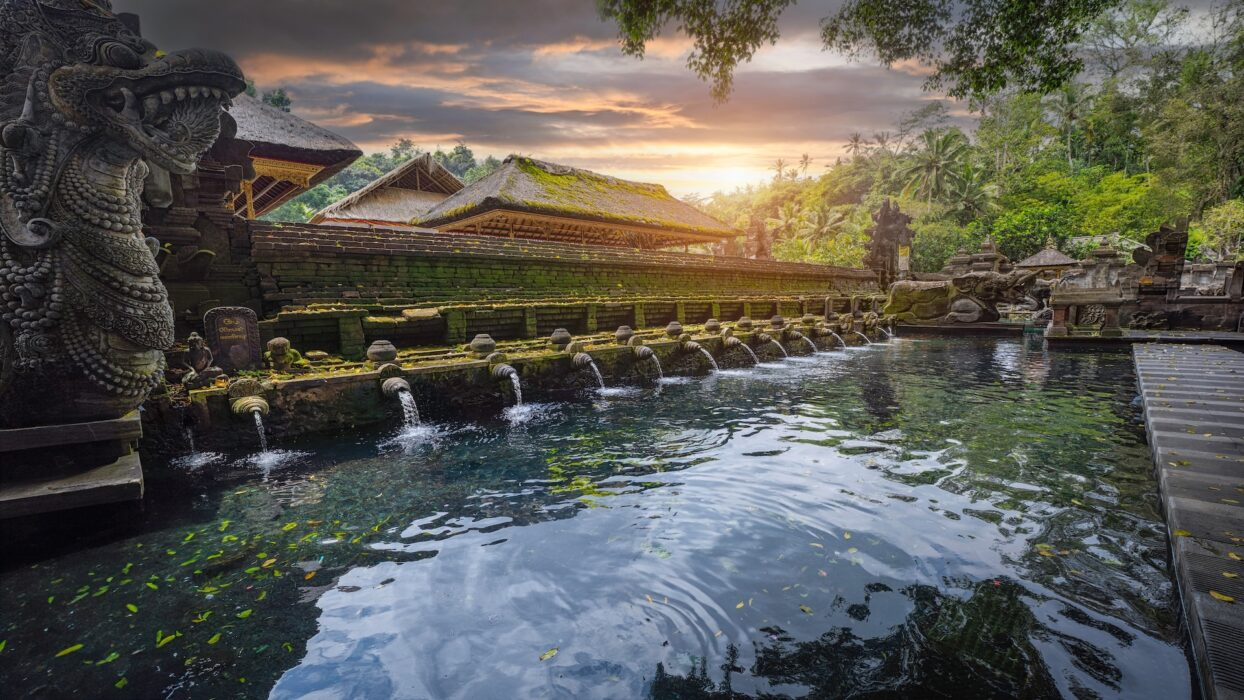
Ancient Water Temples and Sacred Springs

March 19, 2026

Water as a Source of Life and Spirit

Water has always been essential for survival, but in many ancient cultures, it was also considered sacred.

Rivers, springs, and lakes were believed to possess healing and spiritual powers.

Temples Built Around Water

Many ancient temples were constructed near or directly around water sources.

These locations became centers for worship, where rituals focused on purification, renewal, and connection to the divine.

Healing Springs

Some natural springs were believed to have special healing properties.

People traveled long distances to visit these sites, seeking relief from illness or spiritual cleansing.

Ritual Practices

Water played a central role in ceremonies.

Bathing, pouring, or offering water symbolized purification and transformation.

These rituals reflected the belief that water could cleanse both body and spirit.

Cultural Importance

Water temples often became important gathering places.

They supported both spiritual practices and community life, reinforcing their role in society.

A Universal Symbol

Across cultures, water has remained a powerful symbol of life, renewal, and connection.

Ancient water temples remind us of the deep relationship between humans and the natural world.

Guardians of Ancient Cities: Mythic Protectors and Symbols

March 19, 2026

Protectors at the Gates

Ancient cities were often guarded not only by walls and soldiers but also by powerful symbols.

Statues and carvings of mythical creatures were placed at entrances and important buildings to serve as protectors.

Symbolic Guardians

Creatures such as lions, griffins, and dragons were commonly used as guardians.

These figures represented strength, vigilance, and the ability to ward off danger.

Their presence was meant to protect both the physical city and its spiritual well-being.

Art and Architecture

Guardian figures were often integrated into architectural design.

They appeared as massive statues, carved reliefs, or decorative elements on gates and temples.

Their imposing appearance reinforced their protective role.

Cultural Meaning

These guardians were more than decorations—they reflected cultural beliefs about protection and power.

They symbolized the idea that cities were under both human and supernatural protection.

Messages to Visitors

For those entering the city, these figures sent a clear message: this place is protected.

They inspired awe and respect, reinforcing the authority of the rulers and the strength of the community.

Enduring Symbols

Even today, guardian figures continue to appear in art and architecture.

Their origins in ancient cities remind us of humanity’s long-standing desire for protection and security.

Ritual Feasting in Prehistoric Societies

March 19, 2026

Food as a Social Bond

Eating has always been a basic human need, but in prehistoric societies, it also carried deep cultural and spiritual meaning.

Communal feasting brought people together, reinforcing relationships and shared identity.

Evidence of Ancient Feasts

Archaeologists have discovered sites containing large quantities of animal bones, pottery, and cooking tools.

These findings suggest organized gatherings where food was prepared and consumed in large groups.

Such events were likely planned and held at specific times.

Ritual and Celebration

Feasts often had symbolic importance.

They may have marked seasonal changes, successful hunts, or important social events such as alliances or ceremonies.

Food became a central element in expressing gratitude, celebration, and unity.

Sharing and Status

Feasting also reflected social structure.

Leaders or hosts might provide food to demonstrate wealth and generosity. Sharing meals helped strengthen bonds between individuals and groups.

The Power of Gathering

Beyond nourishment, feasting created a sense of belonging.

Participants shared not only food but also stories, traditions, and experiences that reinforced cultural identity.

The Origins of Celebration

Ritual feasting shows that even early humans valued community and connection.

These gatherings laid the foundation for many of the social traditions that continue today.

The Sacred Trees of Early Civilizations

March 19, 2026

Nature as a Source of the Divine

For many ancient cultures, trees were more than part of the natural environment—they were sacred beings.

Towering above the landscape and living for generations, trees symbolized life, growth, and connection between worlds.

Tree Worship and Rituals

Communities often gathered around specific trees believed to hold spiritual power.

These trees might serve as sites for offerings, prayers, or ceremonies. In some traditions, cutting down a sacred tree was considered a serious offense.

The Idea of the World Tree

Many mythologies describe a great tree connecting different realms of existence.

This “world tree” often linked the heavens, the Earth, and the underworld, symbolizing the structure of the universe.

Such myths highlight the deep spiritual meaning attributed to trees.

Archaeological Traces

Though trees themselves rarely survive over thousands of years, evidence of tree worship appears in carvings, artifacts, and sacred sites.

Stone circles, wooden posts, and symbolic representations suggest that forests played a central role in ancient belief systems.

Forests and Survival

Beyond their symbolic meaning, trees were essential for survival.

They provided food, shelter, and materials for tools and construction. This practical importance likely strengthened their spiritual significance.

Living Symbols of Ancient Belief

Sacred trees remind us that early spirituality was closely tied to nature.

They represent a worldview in which the natural environment was not separate from human life, but deeply interconnected with it.

Ancient Bridges and Roads Lost to Time

March 19, 2026

Pathways That Connected Worlds

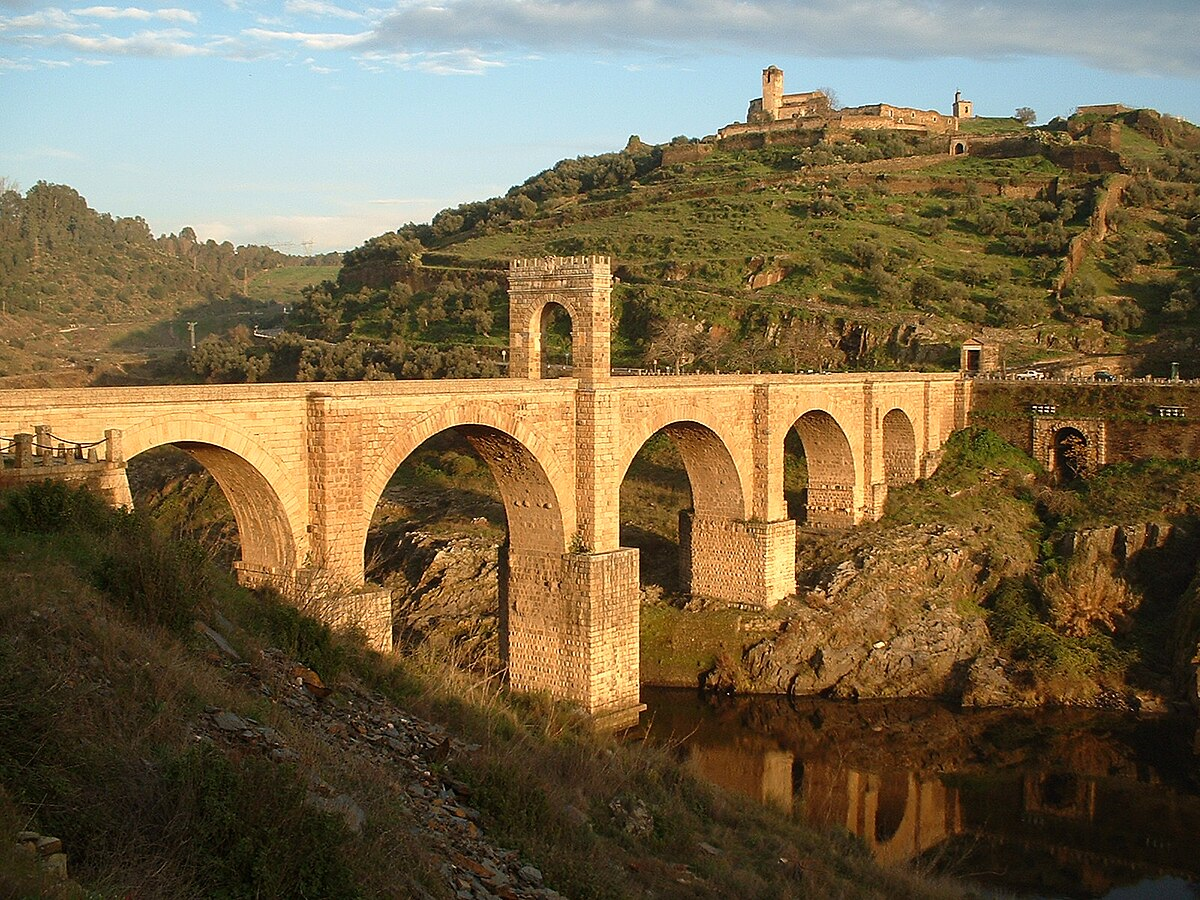
Long before modern infrastructure, ancient engineers built roads and bridges that connected distant regions.

These early projects made travel easier, supported trade, and strengthened political control across vast territories.

Engineering Without Modern Tools

Constructing roads and bridges required ingenuity.

Builders used stone, wood, and earth to create durable pathways. Some roads were paved, while others were reinforced to withstand heavy use.

Bridges were carefully designed to cross rivers and valleys, often using arches or simple support structures.

Supporting Trade and Movement

These routes allowed goods, people, and ideas to move between regions.

Merchants relied on them to transport valuable materials, while travelers used them to explore new lands.

Without these networks, long-distance exchange would have been far more difficult.

Political and Strategic Importance

Road systems also played a key role in governance.

They allowed rulers to maintain control over distant territories by enabling communication and the movement of armies.

Control of major routes often meant control of trade and resources.

Lost to Time

Many ancient roads and bridges have disappeared due to natural erosion, urban development, or changing landscapes.

However, traces still remain, offering clues about the scale and sophistication of early engineering.

Foundations of Modern Infrastructure

These ancient pathways laid the groundwork for the transportation systems we rely on today.

They demonstrate that even early societies understood the importance of connection and movement.

Warrior Queens of the Ancient World

March 19, 2026

Power Beyond Tradition

While ancient warfare is often associated with male warriors, history reveals the presence of powerful female leaders who commanded armies and shaped the course of battles.

These warrior queens challenged traditional roles and left lasting marks on their societies.

Legendary Female Rulers

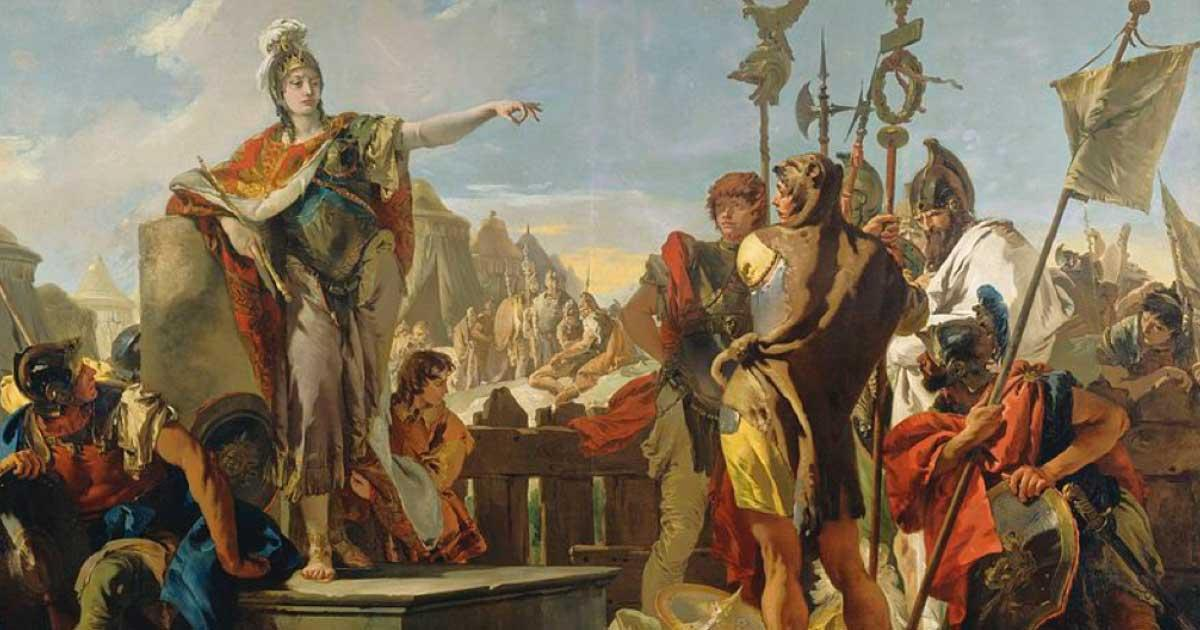
Figures such as Boudica of ancient Britain and Artemisia I of Caria demonstrated remarkable leadership in times of conflict.

Boudica led a large-scale uprising against a powerful empire, while Artemisia commanded naval forces with strategic skill.

Their stories, preserved in historical accounts, highlight the influence women could wield in warfare.

Archaeological Evidence

Beyond written records, archaeological discoveries provide clues about women’s roles in combat.

Graves containing weapons alongside female remains suggest that some women were active participants in warfare.

These findings challenge earlier assumptions about strictly male-dominated battlefields.

Leadership and Strategy

Warrior queens were not only fighters—they were leaders.

They organized armies, developed strategies, and inspired their followers. Their authority often came from royal lineage, personal strength, or both.

Their presence on the battlefield could unite communities during times of crisis.

Cultural Impact

The legacy of warrior queens extends beyond military victories.

Their stories became symbols of resistance, courage, and leadership. In some cultures, they were remembered as heroic figures who defied expectations.

Redefining Ancient Warfare

The existence of warrior queens reminds us that ancient societies were more complex than often assumed.

Women played significant roles not only in governance and culture but also in the defense and expansion of their communities.

The Oldest Cave Shrines of Humanity

March 19, 2026

Sacred Spaces Beneath the Earth

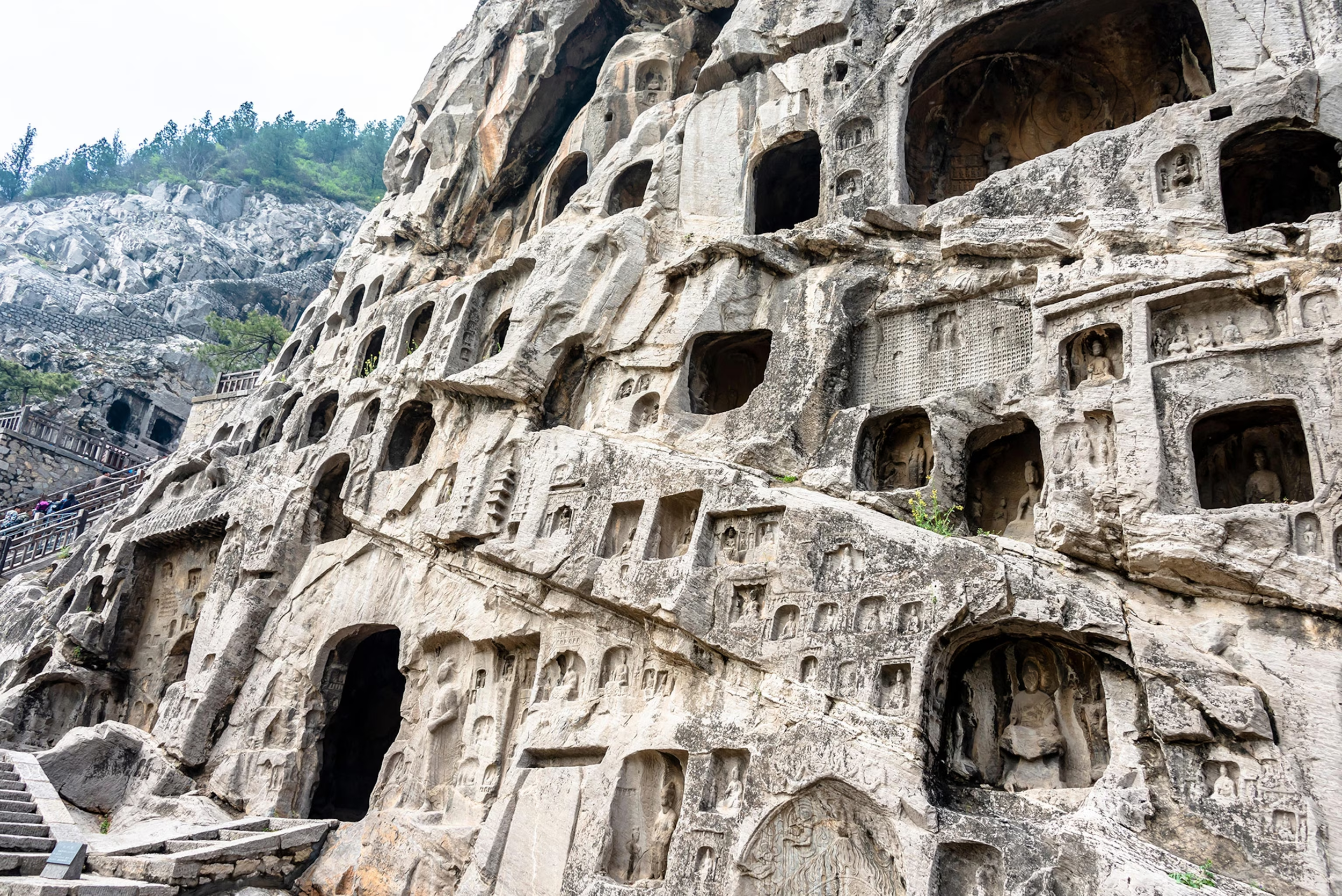
Long before temples of stone and towering monuments, early humans turned to caves as places of spiritual expression. These natural shelters became some of the oldest known sanctuaries, where art, ritual, and belief came together.

Hidden deep within rock formations, cave shrines offer a rare glimpse into the spiritual lives of prehistoric societies.

Prehistoric Art as Sacred Expression

Cave walls were often covered with paintings and carvings depicting animals, human figures, and abstract symbols.

These images were not simply decorative. Many researchers believe they had ritual significance—perhaps connected to hunting success, fertility, or communication with unseen forces.

The careful placement of these artworks suggests that certain areas of caves were considered especially sacred.

Ritual Markings and Symbolism

In addition to paintings, archaeologists have found engraved patterns, handprints, and repeated symbols.

These markings may have served as early forms of symbolic communication or spiritual expression. Some could represent group identity, mythological ideas, or ritual acts performed within the cave.

The Atmosphere of the Sacred

Caves themselves likely contributed to their spiritual importance.

Their darkness, echoes, and isolation created powerful sensory experiences. Entering a cave shrine may have felt like stepping into another world—a place where the boundary between the human and spiritual realms became thinner.

Early Beliefs and Practices

Though the exact meanings of cave rituals remain uncertain, they clearly played an important role in early societies.

These spaces may have been used for ceremonies, storytelling, or rites of passage that helped define community identity.

Humanity’s First Temples

Cave shrines represent some of the earliest known efforts to create sacred spaces.

They remind us that even in prehistoric times, humans were driven to express belief, meaning, and connection to forces beyond the visible world.

Hiker finds 3,000-year-old bull sculpture in Spain

March 19, 2026

Rare Bronze Bull Head Discovered in Mallorca

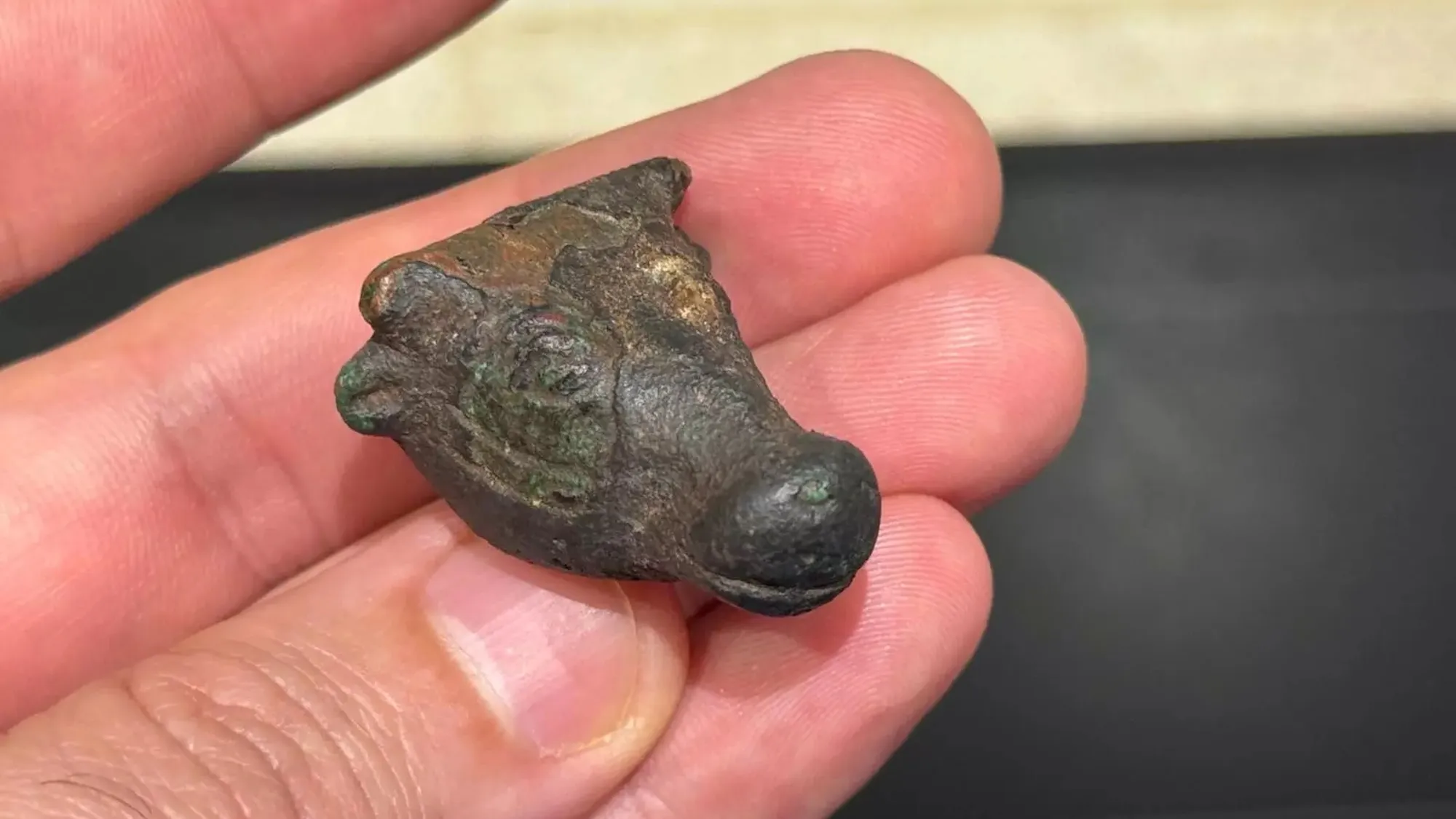
While hiking through the hills of Mallorca, a local trekker stumbled upon a small, unusual artifact. Archaeologists now identify it as a 1.25-inch-long bronze bull sculpture, dating back over 3,000 years to the post-Talaiotic period (550–123 BCE).

A Tauriform of the Post-Talaiotic Era

According to Jaume Deyà, the piece—known as a tauriform—may have originally been part of a larger object: either the head of a statuette or a decorative motif attached to a bull’s horn.

The post-Talaiotic culture, which followed the earlier Talaiotic era (850–550 BCE), is renowned for:

  • Monumental stone towers called talaiots

  • Advances in pottery, fortified architecture, and metallurgy

  • Symbolic use of bull imagery, representing strength, fertility, and seasonal cycles in prehistoric Mediterranean agrarian societies

A Remarkable and Rare Find

This discovery is particularly significant:

  • It is the first tauriform found on Mallorca in 50 years

  • Only three other tauriforms have ever been documented on the island, and all have since disappeared

  • Finding such an artifact in the open is extremely rare

Deyà likened the discovery to his previous find of a Talaiotic sword in 2019, emphasizing the unusual nature of stumbling upon such ancient relics in situ.

Preservation and Public Display

The bronze bull head is now in the care of the Consell de Mallorca, where further analysis and conservation will be conducted. Unlike the three long-lost tauriforms, this artifact will eventually be displayed to the public, though the museum has yet to be determined.

Deyà expressed gratitude to the hiker for reporting the find through proper channels, ensuring the artifact remains in the public domain for educational and cultural enjoyment.

This tiny bronze piece opens a rare window into the symbolic and artistic traditions of prehistoric Mallorca, offering archaeologists a tangible connection to the island’s Bronze Age heritage.

Ancient Metal Artifacts With Unknown Origins

March 18, 2026

Objects That Puzzle Archaeologists

Throughout the world, archaeologists occasionally discover metal artifacts whose origins remain unclear.

These objects sometimes appear in unexpected locations or display unusual craftsmanship that raises intriguing questions.

Exceptional Craftsmanship

Some mysterious artifacts demonstrate advanced metalworking techniques for their time.

Their precise shapes and complex designs suggest that ancient craftspeople possessed remarkable skills and knowledge.

Understanding how these items were produced helps researchers learn more about early technologies.

Uncertain Origins

In some cases, archaeologists cannot determine exactly where certain artifacts were made.

Trade networks may have transported these items across long distances, making it difficult to trace their original source.

Without written records, their journeys remain partially hidden.

Cultural and Symbolic Roles

Many metal artifacts were likely used in ceremonial or symbolic contexts.

Decorative objects, ritual tools, and ornaments may have carried meanings connected to religious beliefs or social status.

These items often reflect the artistic traditions of their creators.

Clues From Scientific Analysis

Modern technologies allow researchers to analyze the chemical composition of ancient metals.

These studies can reveal information about the ores used and the techniques involved in manufacturing.

Such analysis helps archaeologists reconstruct the story behind mysterious artifacts.

Echoes of Ancient Craftsmanship

Though their origins may remain uncertain, these metal objects demonstrate the remarkable ingenuity of ancient artisans.

Each discovery adds another piece to the complex puzzle of humanity’s technological past.

2,400-Year-Old Submerged Structures Captured Beneath Turkey’s Dicle Dam Waters

March 18, 2026

Lost City Beneath the Waters of Eğil

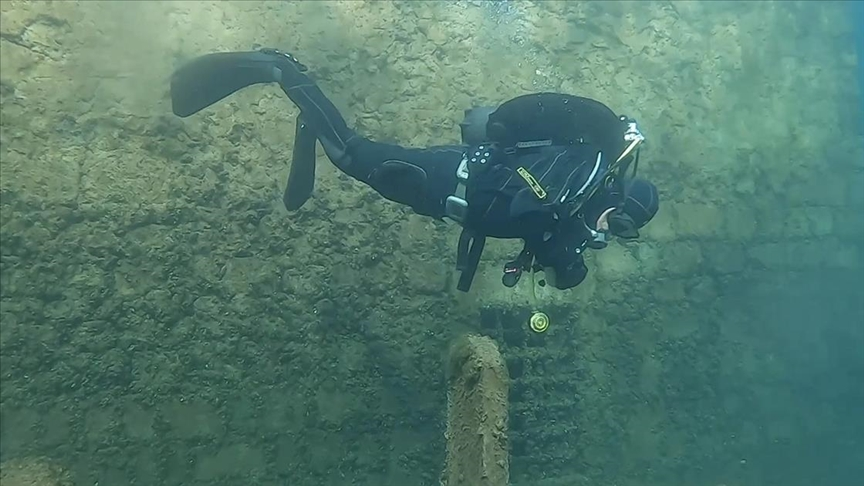
In the historic district of Eğil, an extraordinary discovery is bringing the past back into view—this time from beneath the surface of a reservoir. Underwater imaging has revealed remarkably preserved structures dating back around 2,400 years, hidden below the waters of the Dicle Dam Lake.

A Landscape of Many Civilizations

Located about 52 km from Diyarbakır, Eğil has long been a crossroads of civilizations, including:

  • The Hurri-Mitanni

  • Assyrians and Persians

  • Romans and Byzantines

  • Later Islamic empires

This rich, layered history now lies submerged, preserved like a time capsule beneath the dam waters.

How the City Was Submerged

The transformation began with the construction of the Dicle Dam in 1986, completed in 1997. While it provided essential water resources, it also flooded:

  • Entire neighborhoods

  • Religious sites

  • Cemeteries and schools

  • Ancient architectural landmarks

Some sacred sites, including the tombs of Zülkifl and Elyesa, were relocated to higher ground. But many others were left behind, slowly disappearing beneath the rising waters.

What Lies Beneath

Recent dives by local underwater teams have revealed stunning remains, including:

  • A submerged mosque

  • The likely tomb of Prophet Elyesa

  • The Caferiye Madrasa (also known as Lala Kasım Madrasa)

  • A cemetery from the former Tekke neighborhood

According to İrfan Yıldız of Dicle University, the structures are exceptionally well-preserved, despite being underwater for decades.

Echoes of the Byzantine Past

Among the most intriguing submerged sites is the Deran Bath, believed to date back to the Byzantine era. Like many other structures, it has remained largely untouched since being flooded.

During droughts, when water levels drop, ghostly outlines of these ancient buildings reappear, offering a haunting glimpse of the lost city below.

A New Frontier in Archaeology

Experts believe Eğil could become a key site for underwater archaeology in Turkey, offering opportunities to:

  • Study long-submerged civilizations

  • Preserve fragile historical remains

  • Develop controlled heritage tourism

As Yıldız notes, systematic exploration could uncover invaluable insights into thousands of years of human history.

Why This Discovery Matters

The submerged remains of Eğil tell a powerful story—not just of ancient civilizations, but also of modern change. They highlight:

  • The rich cultural heritage hidden beneath modern landscapes

  • The impact of large-scale development projects

  • The potential of underwater archaeology to recover lost histories

Beneath the calm surface of the Dicle Dam Lake lies a silent city, preserved by water and time—waiting to reveal its secrets to those willing to dive beneath.

← Newer Posts Older Posts →
Featured
image_2026-03-23_001835553.png
Mar 23, 2026
Ancient Maya Marketplaces Discovered in Yucatán: Concentric “Nested” Complexes Reveal Hidden Trade Networks
Mar 23, 2026
Read More →
Mar 23, 2026
image_2026-03-23_001748532.png
Mar 23, 2026
World-Scale Discovery in Northern Israel Reveals Early Humans’ Sense of Aesthetics
Mar 23, 2026
Read More →
Mar 23, 2026
image_2026-03-23_001703075.png
Mar 23, 2026
From the old to the new: Pompeii project revives ancient wine making tradition
Mar 23, 2026
Read More →
Mar 23, 2026
image_2026-03-23_001445809.png
Mar 23, 2026
Archaeologists discover 'miracle' hidden in ancient Egyptian tomb
Mar 23, 2026
Read More →
Mar 23, 2026
image_2026-03-23_001402815.png
Mar 23, 2026
£108k funding secured for Burnley and Nelson Big Dig
Mar 23, 2026
Read More →
Mar 23, 2026
image_2026-03-23_001322557.png
Mar 23, 2026
10,000-year-old settlement challenges traditional views on the origins of sedentary life
Mar 23, 2026
Read More →
Mar 23, 2026
read more

Powered by The archaeologist