Gunman kills Canadian woman, 13 injured at Mexico’s Teotihuacan pyramids

President Claudia Sheinbaum says she instructed authorities to ‘thoroughly investigate’ the incident outside Mexico City.
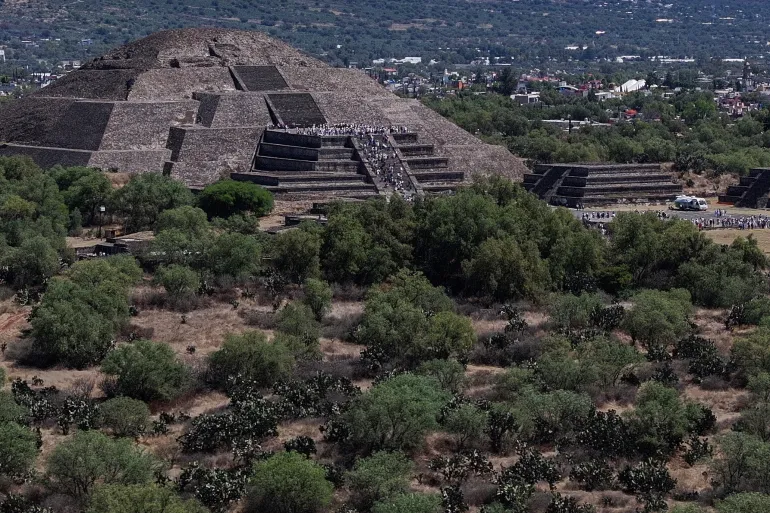
Tragedy at Teotihuacan: Incident at the Pyramid of the Moon

An afternoon of sightseeing turned into a scene of chaos at one of Mexico’s most famous landmarks. A shooting at the Teotihuacan archaeological site, located just outside Mexico City, has left the international community in shock.

Details of the Attack

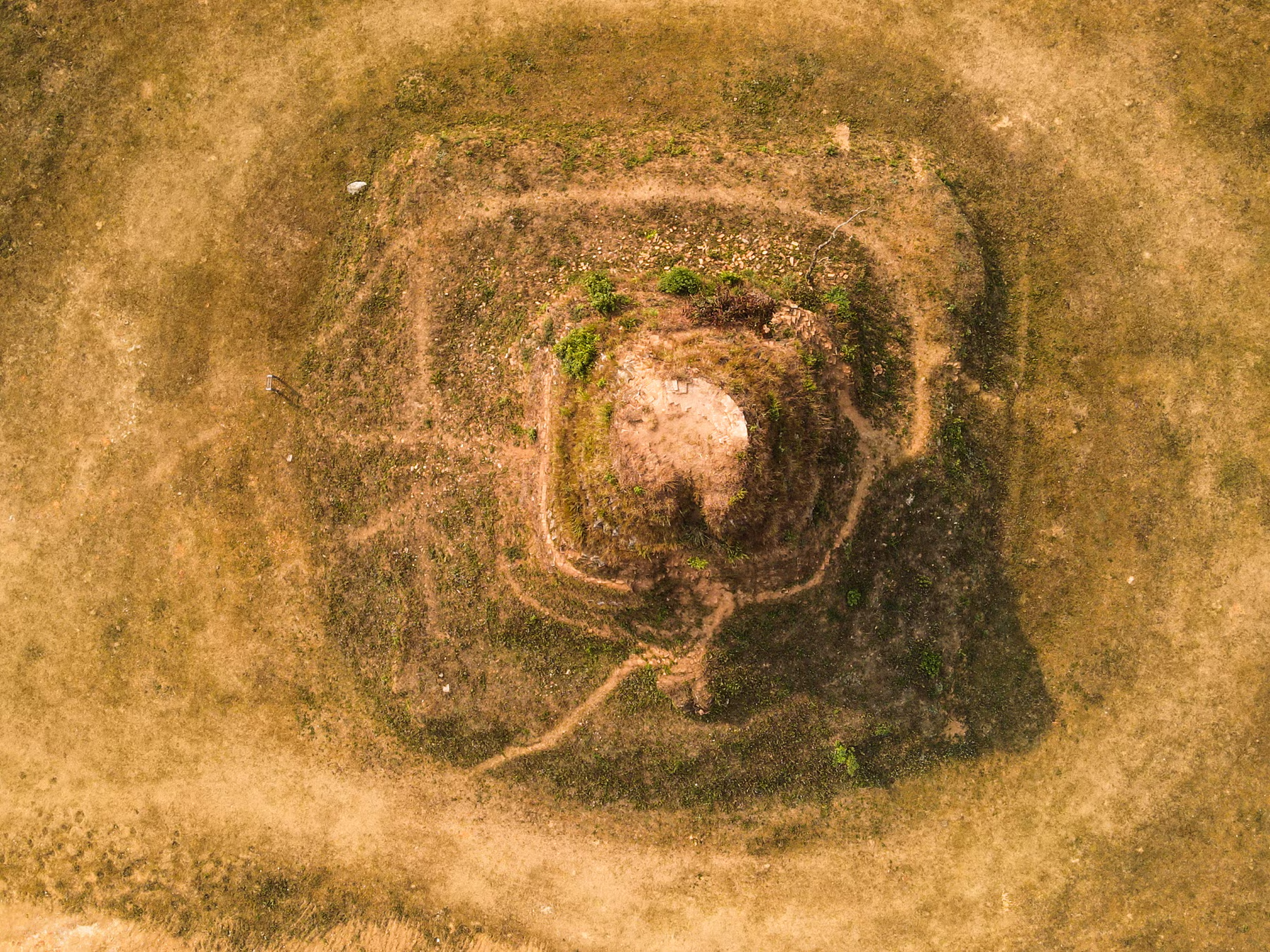
During the late morning on Monday, a gunman opened fire from the top of the Pyramid of the Moon. The violence resulted in the death of a Canadian woman and left at least 13 others wounded.

According to local authorities, the injuries were caused by both gunfire and the frantic scramble for safety as tourists attempted to flee the structure. The victims include travelers from:

  • Canada

  • Colombia

  • Russia

The suspected assailant, identified by prosecutors as a Mexican national named Julio Cesar Jasso Ramirez, died at the scene from a self-inflicted wound.

Eyewitness Accounts and Response

The attack occurred around 11:30 am when the site was crowded with visitors. Eyewitnesses described a terrifying scene where the gunman began firing from a high platform. While some tourists dove for cover on the pyramid’s summit, others rushed down the steep stone steps to escape the line of fire.

Security forces, including local police and the National Guard, arrived shortly after the first shots were heard to secure the perimeter and assist the wounded.

"We are ensuring all affected individuals receive the necessary medical attention," stated State Governor Delfina Gomez Alvarez, noting that a heightened security presence would remain at the site.

Government Action and Safety Concerns

President Claudia Sheinbaum has confirmed that the federal government is coordinating closely with international embassies. She has ordered a comprehensive investigation into the breach of security and the motives behind the attack.

This tragedy has reignited debates regarding safety protocols at Mexico’s historic sites. While security screenings were standard practice at Teotihuacan in previous years, those measures had recently been scaled back.

A Critical Moment for Tourism

This incident is particularly sensitive as Mexico prepares to co-host the FIFA World Cup in just two months. Recent surges in regional violence have already put the nation’s security infrastructure under a microscope, and this high-profile attack at a major cultural hub adds significant pressure on officials to guarantee the safety of international visitors.

Teotihuacan remains one of the most significant cultural treasures of the ancient world, and authorities are working to restore order and safety to the sacred site.
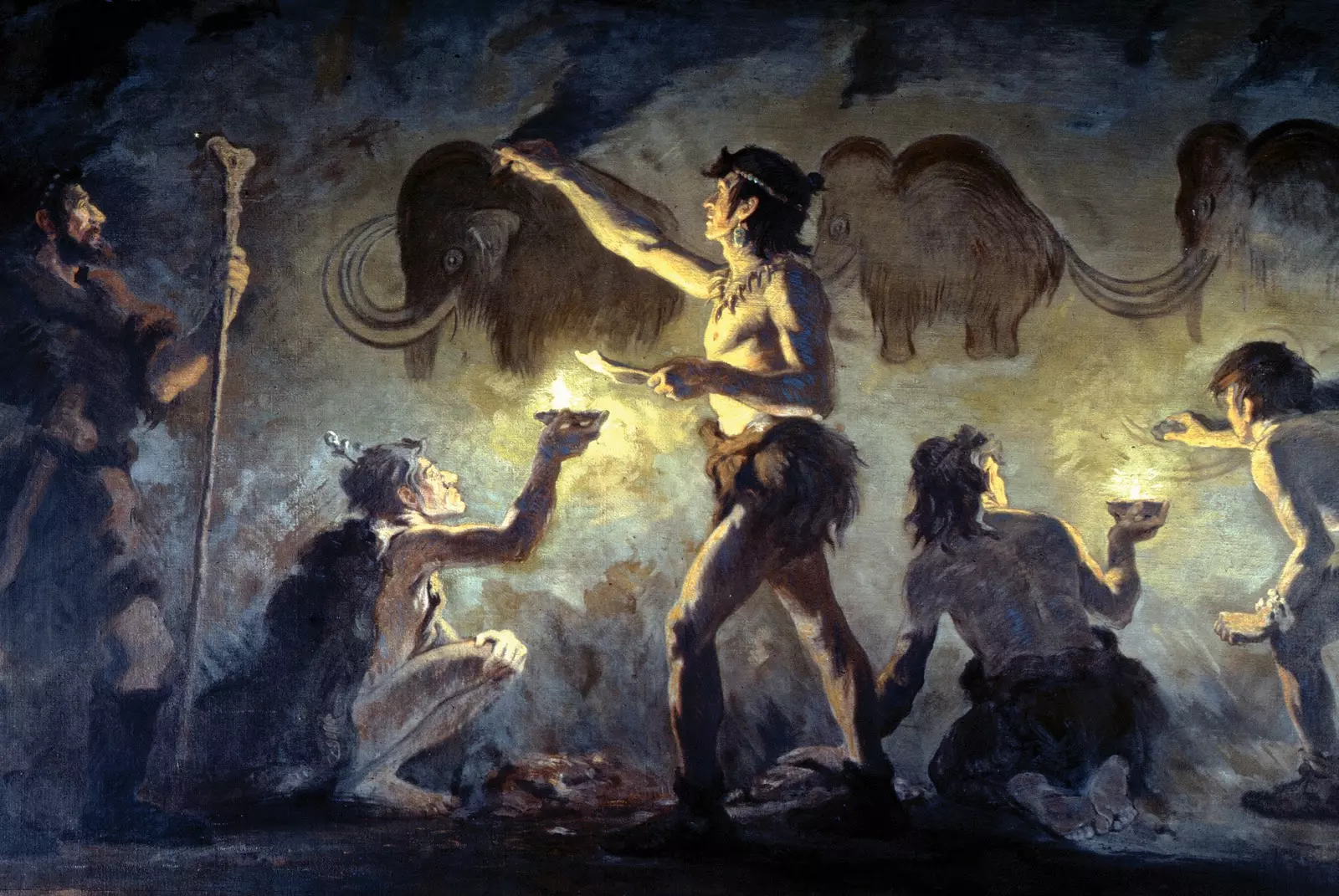
Award of £184,705 will help fund essential work to keep Creswell Crags open

Revitalizing the Ice Age: Major Grant Secured for Creswell Crags Repairs

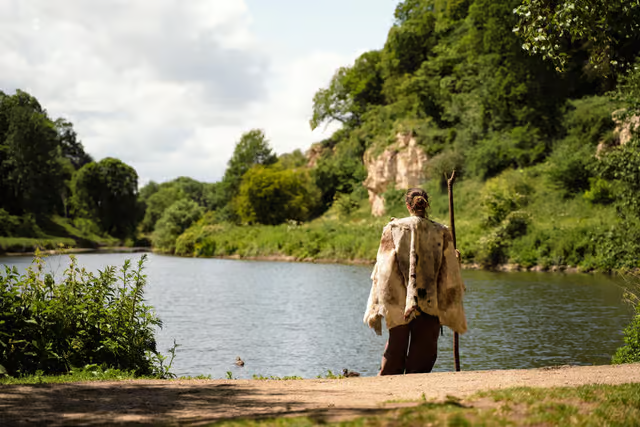
The historic limestone gorge of Creswell Crags is set for a significant transformation following a generous funding boost. An award of £184,705 from the Museum Estate and Development Fund (MEND) has been granted to ensure this internationally recognized archaeological treasure remains safe and accessible for future generations.

Preserving a Landmark of Human History

The Creswell Heritage Trust—the independent charity dedicated to the site’s upkeep—plans to utilize these funds to tackle urgent maintenance issues. Known for its striking natural beauty and world-class Ice Age history, the site requires consistent care to manage the wear and tear that comes with being a popular public destination.

This financial support is a vital lifeline, allowing the Trust to:

  • Protect the Site’s Integrity: Ensure the prehistoric landscape remains stable.

  • Modernize Infrastructure: Update aging facilities that have served the public for decades.

  • Enhance the Visitor Journey: Create a more seamless and enjoyable environment for everyone from casual hikers to history buffs.

Investing in Education and Accessibility

One of the most critical aspects of this project involves upgrading the physical pathways to the caves. The existing steps, which have weathered years of heavy foot traffic, are slated for a total replacement.

This improvement is particularly impactful for the thousands of students who participate in educational programs at the Crags every year. By securing these walkways, the Trust ensures that young learners can safely explore the very caves where Ice Age humans and prehistoric animals once sought shelter, keeping the spirit of discovery alive for the next generation.

A Bright Future for the Crags

With these essential repairs on the horizon, Creswell Crags is reinforcing its position as a premier heritage destination. This project isn't just about fixing steps; it’s about honoring the deep history of the landscape while making sure it remains a welcoming, educational, and safe space for the modern world.

Strengthening the Future: Essential Upgrades for Creswell Crags

The preservation of Creswell Crags is entering a critical new phase. While the recently secured grant provides a massive leap forward, it also highlights the urgent need for ongoing maintenance to ensure these prehistoric landmarks don't become off-limits to the public. Without these targeted interventions, the long-term accessibility of the historic caves would be at serious risk.

Connecting Counties and Community

A major highlight of the upcoming work is the complete overhaul of the site’s iconic wooden footbridge. This vital path serves a unique role, physically linking the borders of Derbyshire and Nottinghamshire.

After years of temporary patches and routine repairs, the aging timber structure will be replaced with a more durable, modern design. This upgrade is about more than just convenience; it’s about creating a reliable link that allows visitors to traverse the landscape just as our ancestors might have—though with much more stability!

The Final Push: Joining the "Care for the Crags" Campaign

While the primary grant is a game-changer, the project isn't fully funded yet. The Creswell Heritage Trust is calling on the community to help raise the remaining £14,200 in "match funding" required to cross the finish line.

The "Care for the Crags" initiative has been launched to bridge this gap. Several local partners and philanthropic groups—including the Gordon Bramah Charitable Settlement and the BNA Charity—have already stepped up, but public support remains the heartbeat of the mission. By contributing, donors are directly protecting the caves where Ice Age humans once thrived.

Behind the Scenes: Protecting a Legacy

While new stairs and bridges are easy to spot, much of the funding will go toward essential "invisible" maintenance. These behind-the-scenes improvements are designed to:

  • Optimize Collection Care: Better protect the delicate artifacts recovered from the site.

  • Ensure Organizational Survival: Secure the caves that are the foundation of the Trust’s educational mission.

  • Preserve Global Significance: Safeguard a site that houses Britain's oldest known artwork—an exquisite Ice Age engraving of a horse.

A Cultural Anchor for the East Midlands

Administered by Arts Council England, this investment reflects a broader commitment to the UK’s museum estates. By modernizing the infrastructure of a site containing over 20 caves and rock shelters, the project aims to break down barriers to history and opportunity.

Ultimately, this work ensures that Creswell Crags remains a "beating heart" for the community—a place where the story of human survival continues to inspire visitors for generations to come.

Ayla: The Red Sea Port That Connected Empires

A Forgotten Hub of Ancient Global Trade

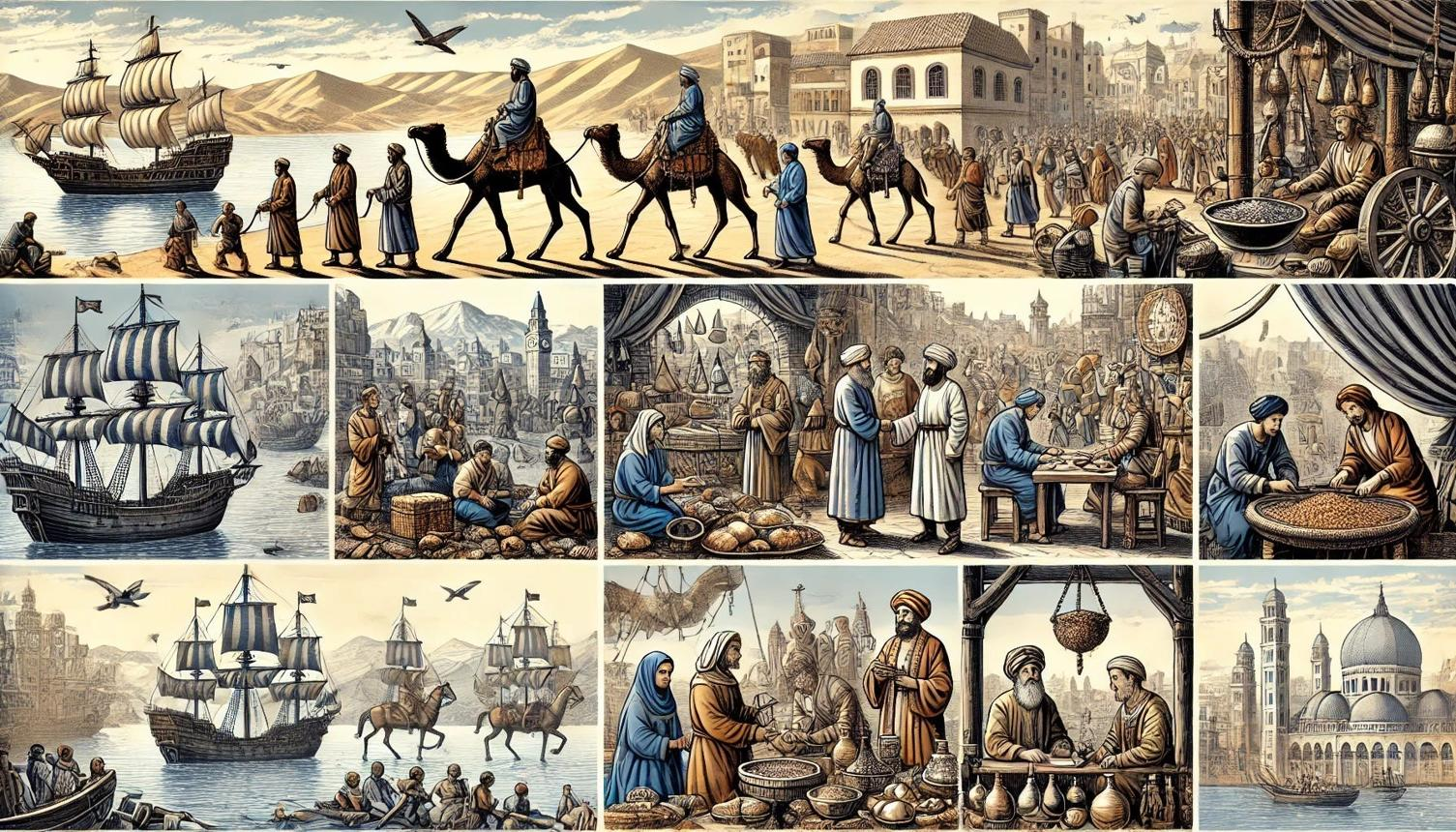
On the shores of the Red Sea once stood the ancient port of Ayla, a vital gateway connecting Africa, Asia, and the Mediterranean world.

A Strategic Location

Ayla’s position at the northern tip of the Red Sea made it a crucial crossroads for trade routes linking:

  • Arabia

  • Egypt

  • India

  • East Africa

Merchants passed through carrying spices, textiles, metals, and luxury goods.

A Multicultural City

Archaeological evidence suggests Ayla was a cosmopolitan settlement where diverse cultures interacted. Goods and ideas flowed through its harbor, shaping regional economies.

Urban Planning and Infrastructure

Excavations reveal:

  • Fortified city walls

  • Organized street grids

  • Harbor facilities

  • Religious structures

This suggests a well-planned urban center rather than a simple trading post.

Decline and Transformation

Over time, shifts in trade routes and political changes led to Ayla’s decline. However, its legacy remains embedded in later port cities in the region.

Conclusion: A Forgotten Gateway

Ayla represents the hidden infrastructure of ancient globalization. It was not just a port—it was a bridge between worlds.

The First Farmers: How the Neolithic Revolution Changed Human Biology

A Turning Point in Human History

The transition from hunting and gathering to agriculture—known as the Neolithic Revolution—was one of the most transformative events in human history. It reshaped societies, economies, and even human biology.

This shift began in multiple regions, including the Fertile Crescent, where early communities domesticated plants and animals.

Changes in Diet and Body

Agriculture introduced new foods such as grains and domesticated livestock. This led to:

  • Increased carbohydrate consumption

  • Reduced dietary diversity

  • Changes in jaw structure due to softer food

  • Higher population densities

These dietary shifts had long-term biological effects.

Disease and Population Growth

Settled farming communities lived in closer proximity, which increased exposure to infectious diseases. However, agriculture also supported larger populations, creating the foundation for cities and civilizations.

Genetic Adaptations

Over time, humans developed genetic adaptations such as:

  • Lactose tolerance in dairy farming societies

  • Amylase gene variations for starch digestion

  • Resistance to certain diseases

Social Transformation

Agriculture also led to:

  • Property ownership

  • Social hierarchies

  • Permanent settlements

  • Organized governance

Human societies became more complex and stratified.

Conclusion: The Biological Legacy of Farming

The Neolithic Revolution did not just change what humans ate—it changed what humans are. Its effects are still visible in our bodies, genetics, and societies today.

The Bog Bodies of Europe: Mummies Preserved by Nature

Nature’s Most Haunting Archives

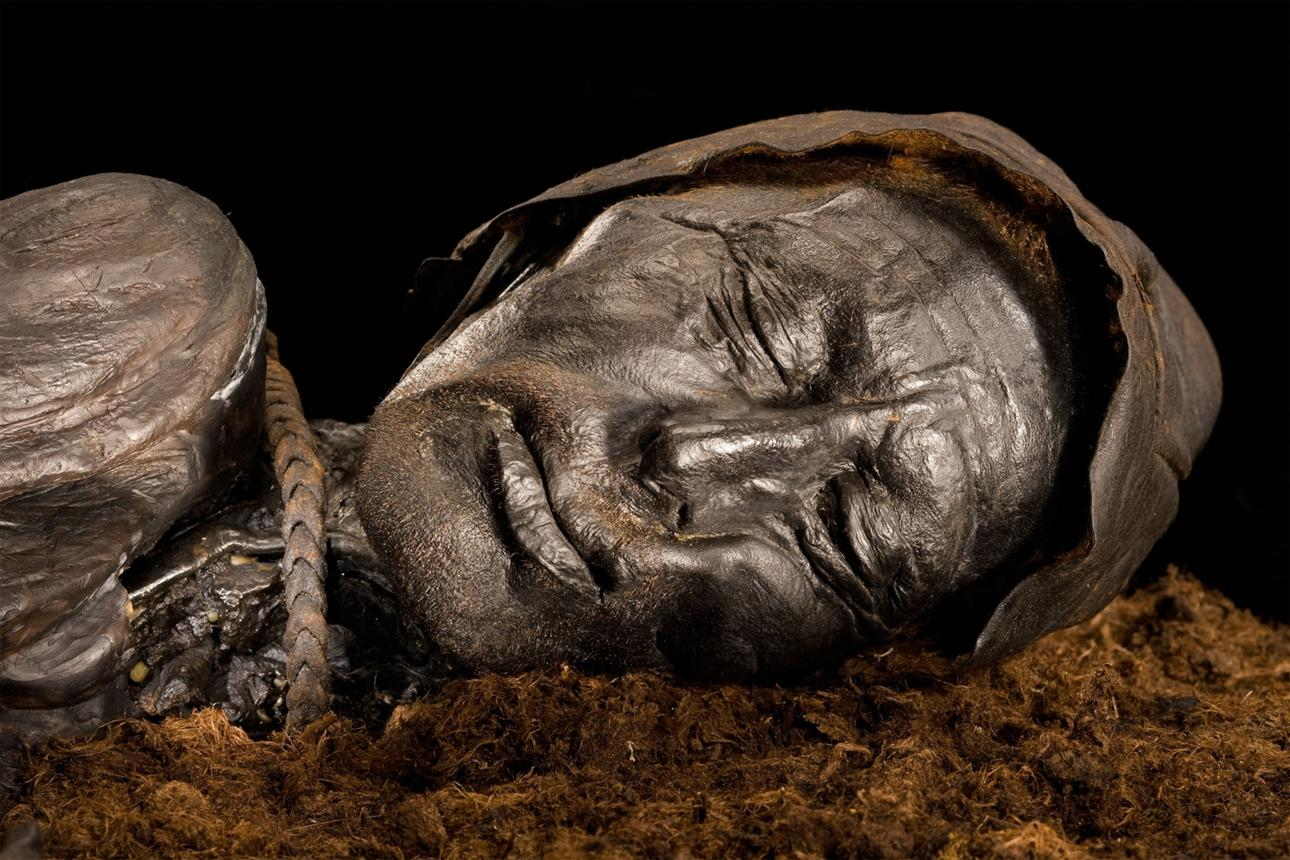
Across northern Europe, archaeologists have discovered remarkably preserved human remains buried in peat bogs. Known as bog bodies, these individuals offer an intimate glimpse into ancient life—and death.

These discoveries are especially common in regions associated with ancient Iron Age Europe societies.

A Natural Preservation Process

Bog bodies are preserved due to unique environmental conditions:

  • Low oxygen levels

  • High acidity

  • Cold temperatures

  • Antibacterial compounds in peat

These conditions slow decomposition dramatically, preserving skin, hair, and even clothing.

Who Were They?

Many bog bodies date to the Iron Age and appear to have died violent deaths. Some show signs of:

  • Strangulation

  • Blunt force trauma

  • Ritual execution

This has led researchers to suggest they may have been sacrificial victims.

Ritual or Punishment?

The exact reason for their deaths remains debated. Possible explanations include:

  • Religious sacrifice to deities

  • Punishment for crimes

  • Political executions

  • Burial of outsiders or prisoners

Extraordinary Preservation

Some bog bodies are so well preserved that fingerprints, facial features, and stomach contents can still be analyzed.

This provides rare insight into:

  • Diet (grains, seeds, meat)

  • Health conditions

  • Last meals before death

A Window Into the Past

Bog bodies are more than archaeological curiosities—they are direct physical connections to individuals who lived thousands of years ago.

Conclusion: Voices from the Earth

These preserved remains challenge us to think about ancient societies not just as cultures, but as human communities with complex beliefs, fears, and rituals.

Lost Women of History: The Female Pharaohs Who Were Erased from Records

History Written—and Rewritten

Throughout ancient history, power was often recorded through male rulers, warriors, and dynasties. Yet in Ancient Egypt, several women rose to the highest position in the land: the role of pharaoh.

Despite their achievements, many of these women were later erased, minimized, or rewritten out of official records.

Hatshepsut: The Disappearing Pharaoh

One of the most powerful female rulers in history, Hatshepsut ruled Egypt during the 18th Dynasty. She expanded trade networks, commissioned monumental architecture, and maintained stability.

Yet after her death, many of her images were systematically defaced, and her name was removed from inscriptions.

This deliberate erasure raises questions about political memory and legitimacy.

Why Were Women Erased?

Several factors contributed:

  • Later rulers wanted to strengthen their own legitimacy

  • Gender norms favored male kingship narratives

  • Religious and political restructuring of royal lineage

  • Fear of precedent for female rule

Erasing female pharaohs helped reshape historical narratives.

Other Forgotten Women Rulers

Hatshepsut was not alone. Other women who held significant power include:

  • Sobekneferu, one of Egypt’s earliest confirmed female pharaohs

  • Cleopatra VII, the last ruler of the Ptolemaic dynasty

  • Possible regents and co-rulers whose records are fragmentary

Many more may have existed but left limited archaeological trace.

Archaeology and Rediscovery

Modern archaeology is gradually restoring their place in history through:

  • Reanalysis of inscriptions

  • Digital reconstruction of damaged reliefs

  • Excavation of previously overlooked tombs

  • Linguistic reinterpretation of royal titles

The Politics of Memory

Ancient records were not neutral. They were often edited by later rulers to reflect political needs. As a result, history becomes a layered narrative shaped by power.

Conclusion: Restoring Forgotten Voices

The rediscovery of female pharaohs challenges long-held assumptions about ancient power structures. It reveals a more complex and inclusive history than traditional narratives suggest.

The Terracotta Army: New Evidence of Greek Influence in Ancient China

A Silent Army Beneath the Earth

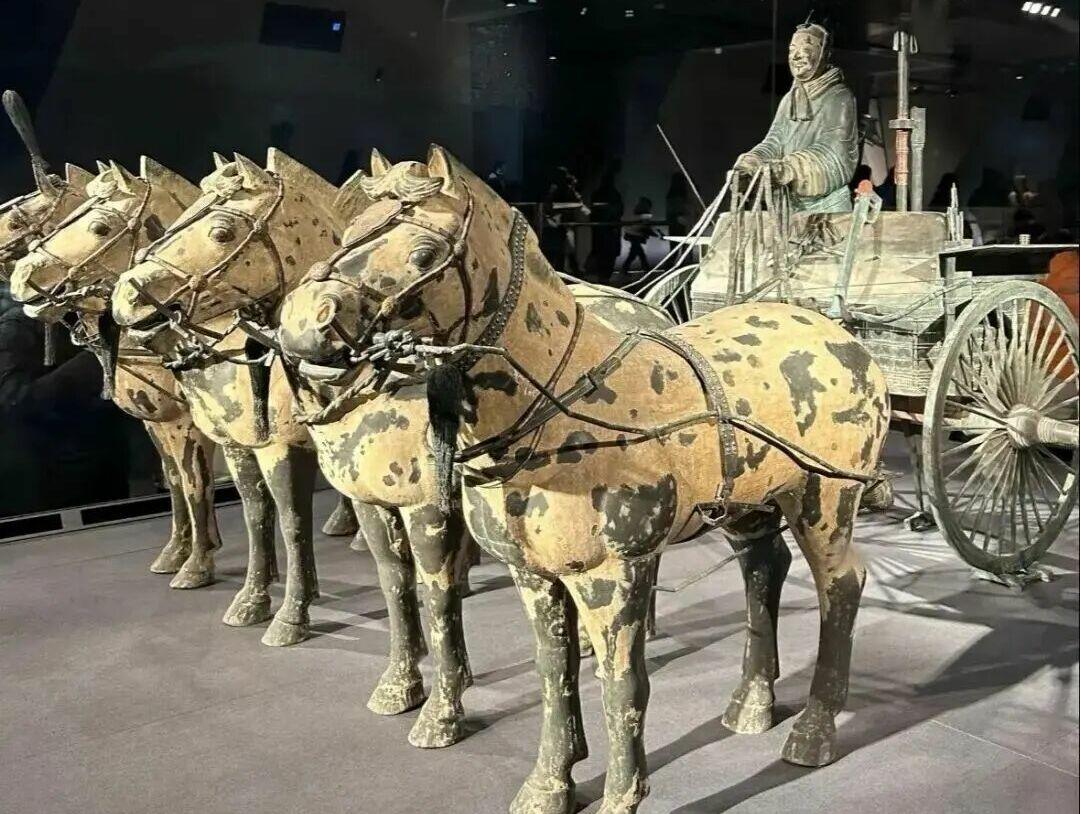
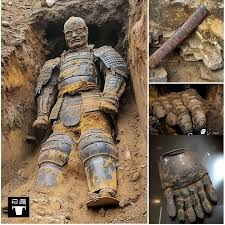
Hidden beneath the fields of Shaanxi Province lies one of the most extraordinary archaeological discoveries in human history: the Terracotta Army. Built to guard the tomb of China’s first emperor, Qin Shi Huang, this vast collection of life-sized clay soldiers has fascinated researchers since its discovery in 1974.

In recent years, however, a controversial and intriguing idea has emerged: could elements of the Terracotta Army show signs of indirect contact with the ancient Greek world?

The Question of Artistic Influence

The debate does not suggest direct Greek construction of the army, but rather possible cultural exchange through intermediary trade routes long before formal Silk Road systems fully developed.

Some scholars point to:

  • Highly naturalistic body proportions

  • Individualized facial features

  • Advanced sculptural realism

These features are unusual in earlier Chinese funerary art, which tended to be more stylized.

Possible Pathways of Contact

If any influence existed, it would likely have traveled through a chain of interactions across Central Asia, possibly involving early trade networks that predate the formal Silk Road.

Key mechanisms may have included:

  • Steppe nomadic intermediaries

  • Exchange of artistic techniques

  • Shared metallurgical knowledge

  • Movement of craftsmen across regions

While evidence remains debated, the possibility highlights how interconnected ancient Eurasia may have been.

The Greek Connection Hypothesis

Some researchers compare Terracotta figures with Hellenistic sculpture traditions that emphasize realism and anatomical accuracy. After Alexander the Great’s campaigns, Greek artistic styles spread across parts of Asia, raising the question of whether earlier contact could have occurred indirectly.

However, most mainstream scholars argue that the Terracotta Army developed independently within Chinese artistic traditions.

Independent Innovation vs. Cultural Diffusion

The key academic question is whether similarities arise from:

  • Independent innovation (parallel development)

  • Cultural diffusion (shared influence across regions)

Both explanations remain plausible, but no definitive evidence confirms direct Greek involvement.

A Monument to Imperial Power

Regardless of external influence, the Terracotta Army primarily reflects the political ideology of the Qin dynasty. It symbolizes:

  • Absolute imperial authority

  • Military organization

  • Belief in an afterlife court

Each soldier represents the emperor’s desire to maintain power beyond death.

Conclusion: A Global Puzzle Still Unsolved

Whether or not Greek influence played a role, the Terracotta Army stands as a masterpiece of ancient engineering and artistry. It also reminds us that ancient civilizations may have been more connected than we once believed.

Megalithic Astronomy: The Solar Alignments of Stonehenge and Newgrange

Ancient Monuments and the Sky

Across prehistoric Europe, massive stone structures reveal a fascinating truth: ancient people carefully observed the heavens. Two of the most famous examples are Stonehenge in Britain and Newgrange in Ireland.

Stonehenge and the Solstice

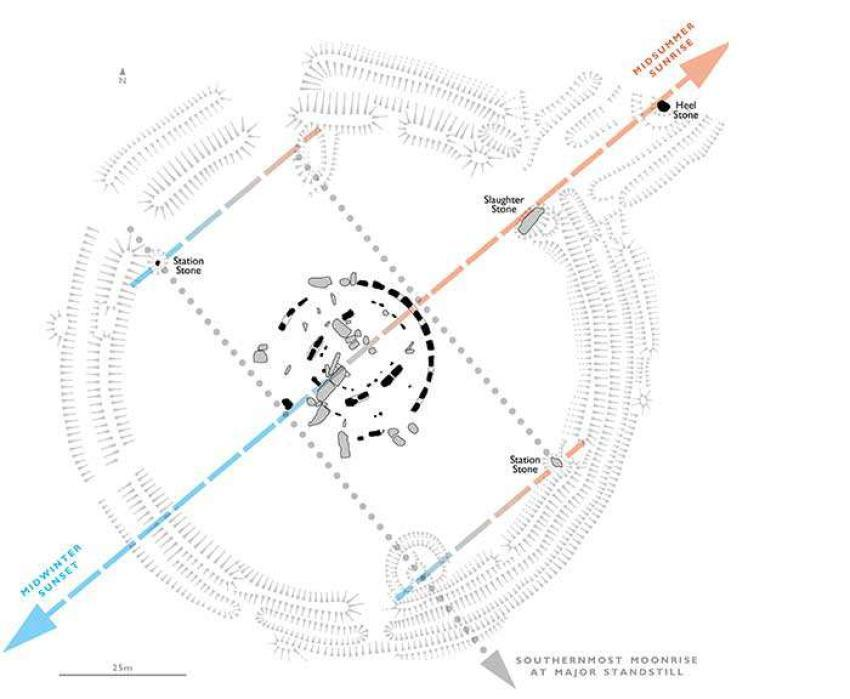
Stonehenge is aligned with the movements of the sun, particularly the summer and winter solstices. During the summer solstice, the sun rises in alignment with the Heel Stone, creating a dramatic visual effect.

This suggests the site was used for:

  • Astronomical observation

  • Ritual gatherings

  • Seasonal celebrations

Newgrange and the Winter Light

Newgrange is even more precise. During the winter solstice, sunlight enters a narrow passage and illuminates the inner chamber for only a few minutes.

This alignment indicates advanced knowledge of solar cycles.

Why Astronomy Mattered

For prehistoric societies, astronomy was essential for:

  • Agriculture planning

  • Seasonal migration

  • Religious ceremonies

  • Timekeeping

The sky was both a calendar and a spiritual guide.

Engineering and Precision

The construction of these monuments required careful planning. Builders had to understand:

  • Solar movement patterns

  • Landscape positioning

  • Structural stability of large stones

A Shared Cultural Idea

Similar astronomical alignments appear in other ancient cultures, suggesting that early humans across regions independently developed sophisticated sky knowledge.

Conclusion: Stones That Track the Sun

Stonehenge and Newgrange show that prehistoric societies were deeply connected to the cosmos. These monuments are not random structures—they are ancient instruments built to track time itself.

Sunken Treasures of the Nile: The Lost Statues of Thonis-Heracleion

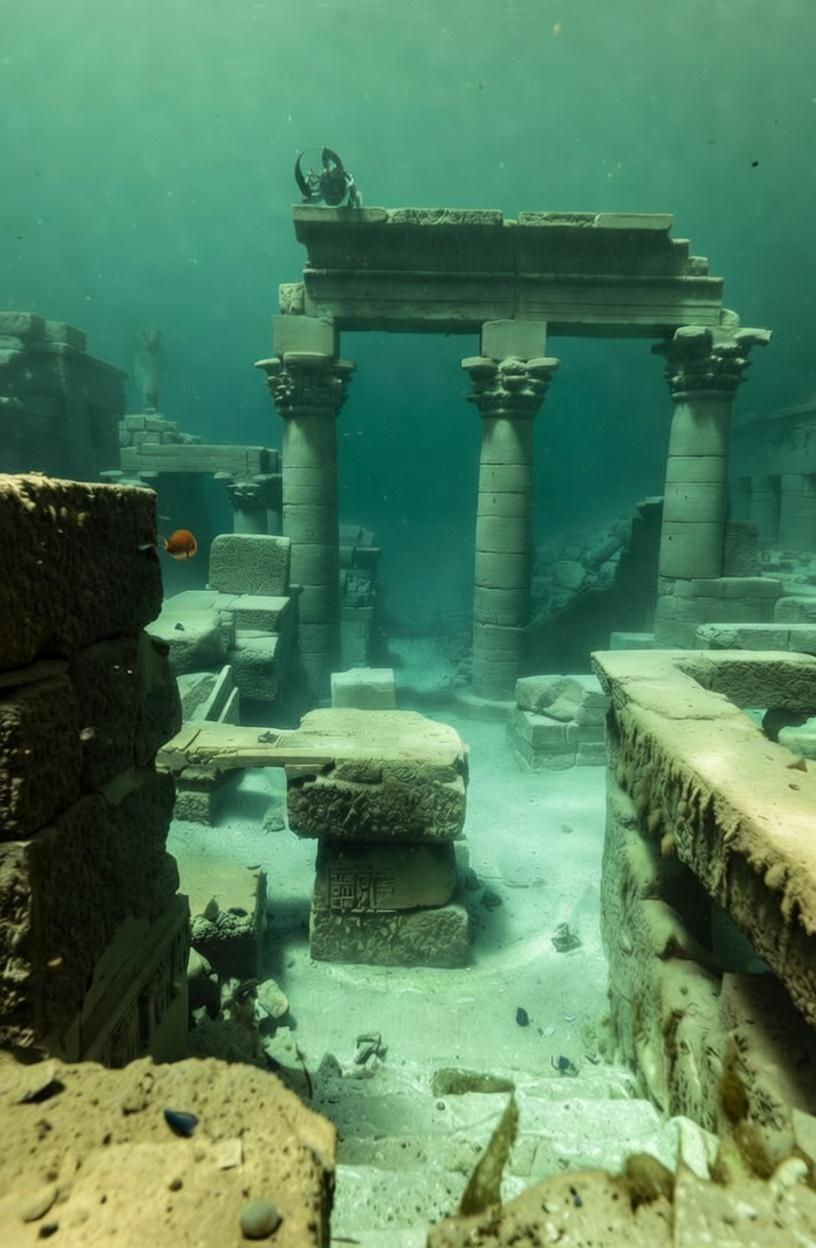
A City Lost Beneath the Sea

Once a thriving port city at the mouth of the Nile, Thonis-Heracleion was long believed to be a myth—until its rediscovery beneath the Mediterranean Sea.

For centuries, it existed only in ancient texts. Today, it is one of the most remarkable underwater archaeological sites ever found.

The Flooded Metropolis

Thonis-Heracleion was once a major trade hub controlling access to Egypt. It featured:

  • Temples dedicated to gods like Amun-Gereb

  • Massive stone statues of pharaohs

  • Canals and harbor infrastructure

  • Residential districts and docks

Over time, the city was submerged due to a combination of rising sea levels, earthquakes, and soil liquefaction.

Rediscovery Beneath the Waves

Modern underwater archaeology revealed extraordinary remains:

  • Giant statues still standing on the seabed

  • Inscribed stelae describing royal decrees

  • Shipwrecks preserved in sediment

  • Gold artifacts and ritual objects

The preservation conditions underwater helped protect many objects for over a thousand years.

Ritual and Trade Center

Thonis-Heracleion was not only a commercial hub but also a religious center. Pilgrims traveled there to worship, making it both economically and spiritually significant.

The Power of Water and Time

The city’s fate reflects the fragile relationship between human civilization and natural forces. What was once a powerful port is now a silent underwater landscape.

Conclusion: A City Reclaimed by the Sea

Thonis-Heracleion reminds us that history is not always lost—it is sometimes simply hidden. Beneath the waves lies a frozen moment of ancient life waiting to be rediscovered.

The Rosetta Stone of the North: Decoding the Pictish Symbols

A Lost Language in Stone

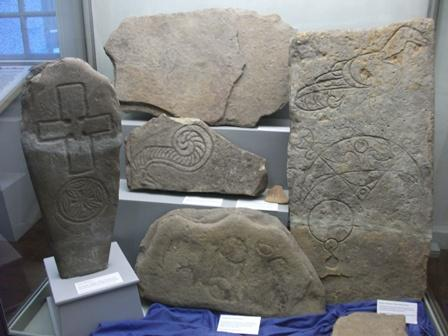
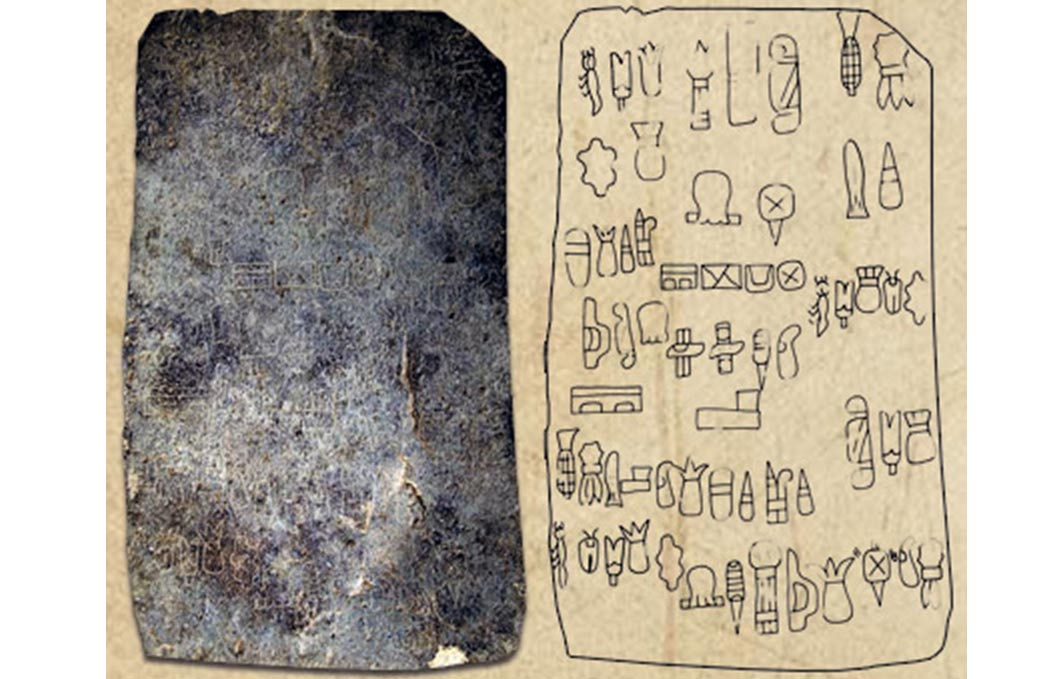
Scattered across northern Scotland are hundreds of carved stones bearing mysterious symbols that have puzzled researchers for centuries. These markings, created by the ancient Picts, represent one of Europe’s most enduring archaeological mysteries.

Unlike written languages such as Latin or Greek, Pictish symbols have never been fully decoded.

The Symbol Stones

Pictish stones typically feature a combination of:

  • Geometric shapes (circles, crescents, zigzags)

  • Animal figures (salmon, eagles, bulls)

  • Abstract symbols (mirrors, combs, rods)

These symbols often appear in pairs, suggesting they may have functioned as a communication system.

A Language or Something Else?

Scholars debate whether Pictish symbols represent:

  • A written language

  • A system of clan or tribal identification

  • Religious or ceremonial markings

  • A combination of symbolic meanings

The lack of bilingual inscriptions makes decoding extremely difficult.

The “Rosetta Stone” Problem

The famous Rosetta Stone allowed scholars to decode Egyptian hieroglyphs because it contained the same text in multiple languages. No equivalent exists for Pictish symbols, making interpretation far more challenging.

Because of this, the symbols remain partially understood but not fully readable.

Archaeological Context

Many stones are found near burial sites, suggesting a funerary or commemorative function. Others appear on monumental stones that may have marked territory or status.

Regional Variation

Different regions of Scotland show variations in symbol styles, hinting at local traditions or evolving meanings over time.

This variation suggests the system was not static but culturally dynamic.

Modern Interpretations

Some researchers use statistical and computational methods to analyze symbol patterns. Others compare them with known early medieval languages and iconography.

Despite these efforts, no consensus has been reached.

Cultural Significance

Even without full translation, Pictish stones offer valuable insight into identity, power, and belief systems in early medieval Scotland.

They represent a society that communicated through symbols as much as words.

Conclusion: A Message Still Unread

The Pictish symbols remain one of archaeology’s greatest mysteries. Whether language, code, or cultural marker, they continue to challenge our understanding of early medieval Europe.

Ancient Megastructures: How the Incas Moved Stones Without the Wheel

Engineering Without Wheels

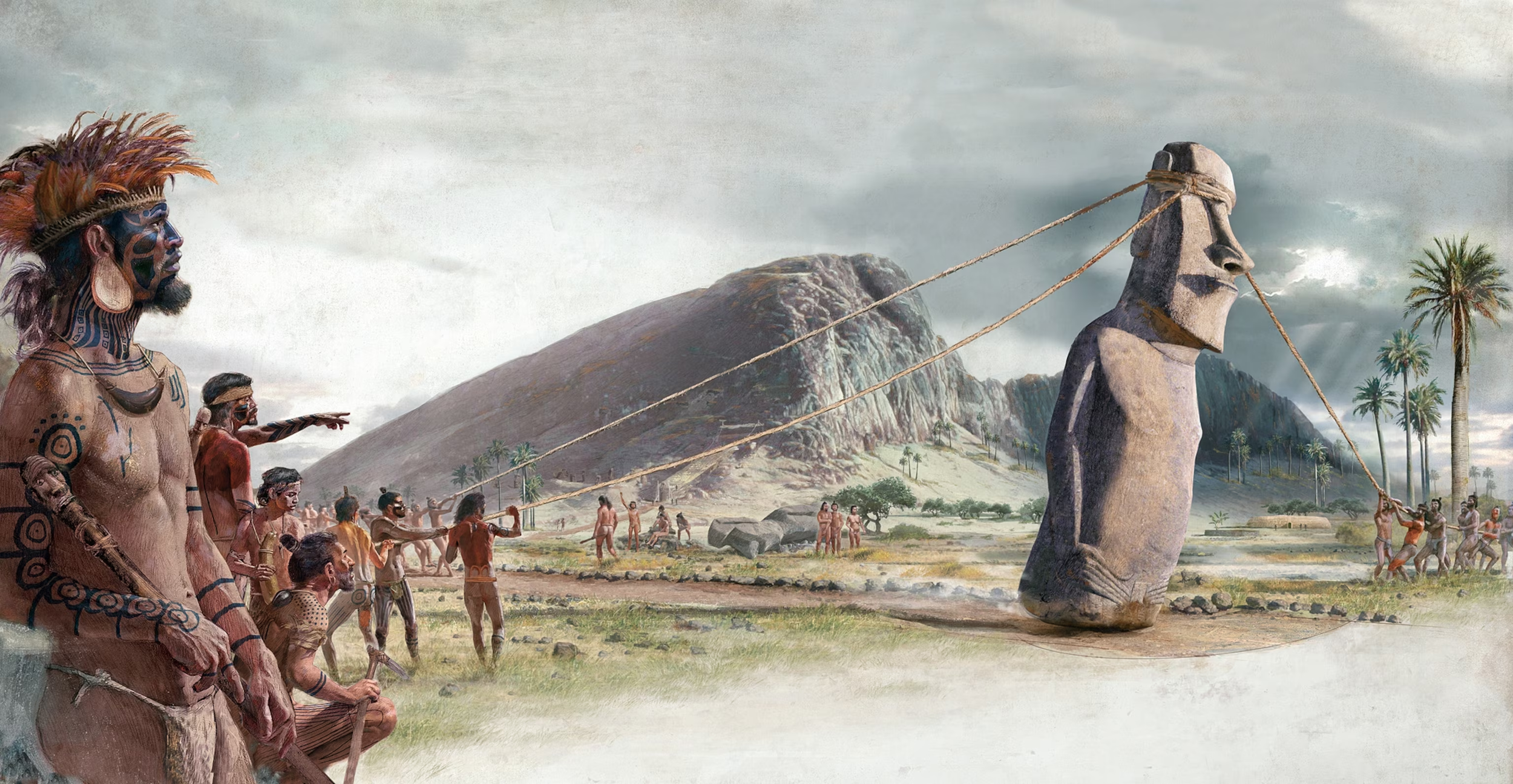
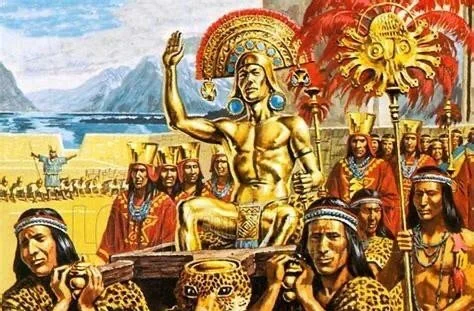
One of the most astonishing achievements in ancient engineering comes from the Andes, where the Inca Empire constructed vast cities and monumental stone structures without the use of iron tools, draft animals like horses, or even the wheel for transportation.

Despite these limitations, they built some of the most precisely fitted stone architecture in human history.

The Mystery of the Moving Stones

Some Inca stones weigh over 100 tons. Yet they were transported across rugged mountainous terrain without modern machinery.

Archaeologists believe several techniques were used:

  • Human labor in large organized teams

  • Rope systems made from plant fibers

  • Earthen ramps and terraces

  • Carefully planned seasonal transport routes

Rather than relying on a single method, the Incas likely combined multiple strategies depending on terrain and stone size.

The Role of Community Labor

The Inca state was highly organized, and labor was structured through a system known as mit’a, a form of rotational public work.

Communities contributed labor to state projects such as:

  • Road construction

  • Agricultural terraces

  • Temple building

  • Stone quarrying and transport

This system allowed the empire to mobilize thousands of workers efficiently.

Precision Without Iron Tools

Inca stonework is famous for its precision. Stones were cut so accurately that mortar was often unnecessary. Even today, it is difficult to insert a knife blade between the joints.

This precision was achieved using:

  • Stone hammers (harder stones used as tools)

  • Sand abrasion techniques

  • Repeated shaping and fitting

  • Careful trial-and-error placement

Why No Wheel?

The absence of the wheel in Inca engineering is often misunderstood. The Andes’ steep terrain made wheeled transport impractical.

Instead, the Incas developed alternatives better suited to their environment:

  • Pack animal caravans (llamas)

  • Human relay systems

  • Suspension bridges made of rope

Megastructures in the Mountains

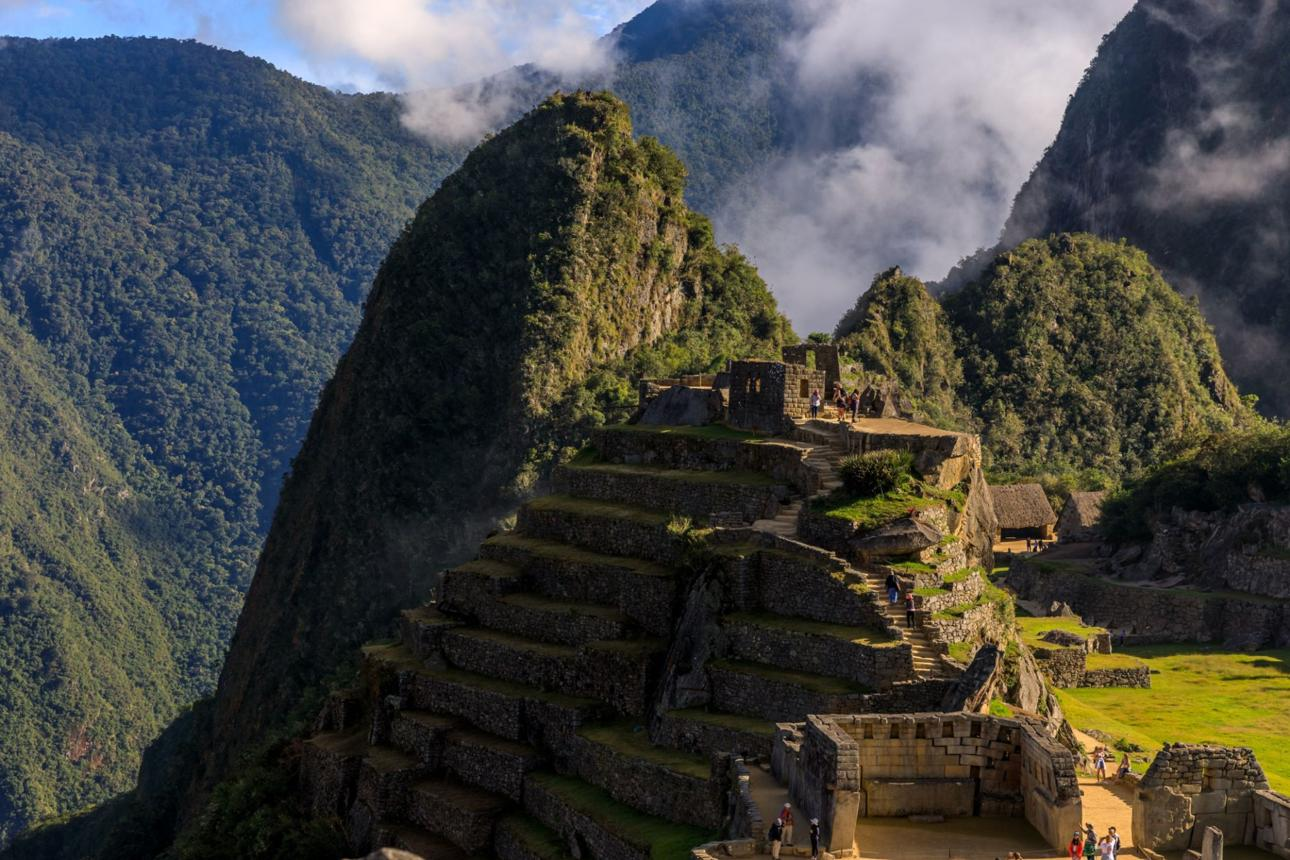
Sites like Machu Picchu and Sacsayhuamán demonstrate the scale of Inca engineering. These structures were not just functional—they were symbolic representations of power, astronomy, and spiritual order.

A Civilization Built on Adaptation

Rather than seeing the lack of wheels as a limitation, the Incas developed a system perfectly adapted to their environment. Their achievements highlight how innovation is shaped by geography.

Legacy of Inca Engineering

Today, Inca stonework continues to inspire architects and engineers. It challenges modern assumptions about technology and demonstrates that intelligence and organization can rival machinery.

Conclusion: Rethinking Ancient Innovation

The Inca Empire proves that technological progress is not linear. Even without wheels or iron tools, they achieved engineering feats that remain unmatched in precision and scale.

The Bronze Age Collapse: What Really Happened in 1177 BC?

One of History’s Greatest Civilizational Crises

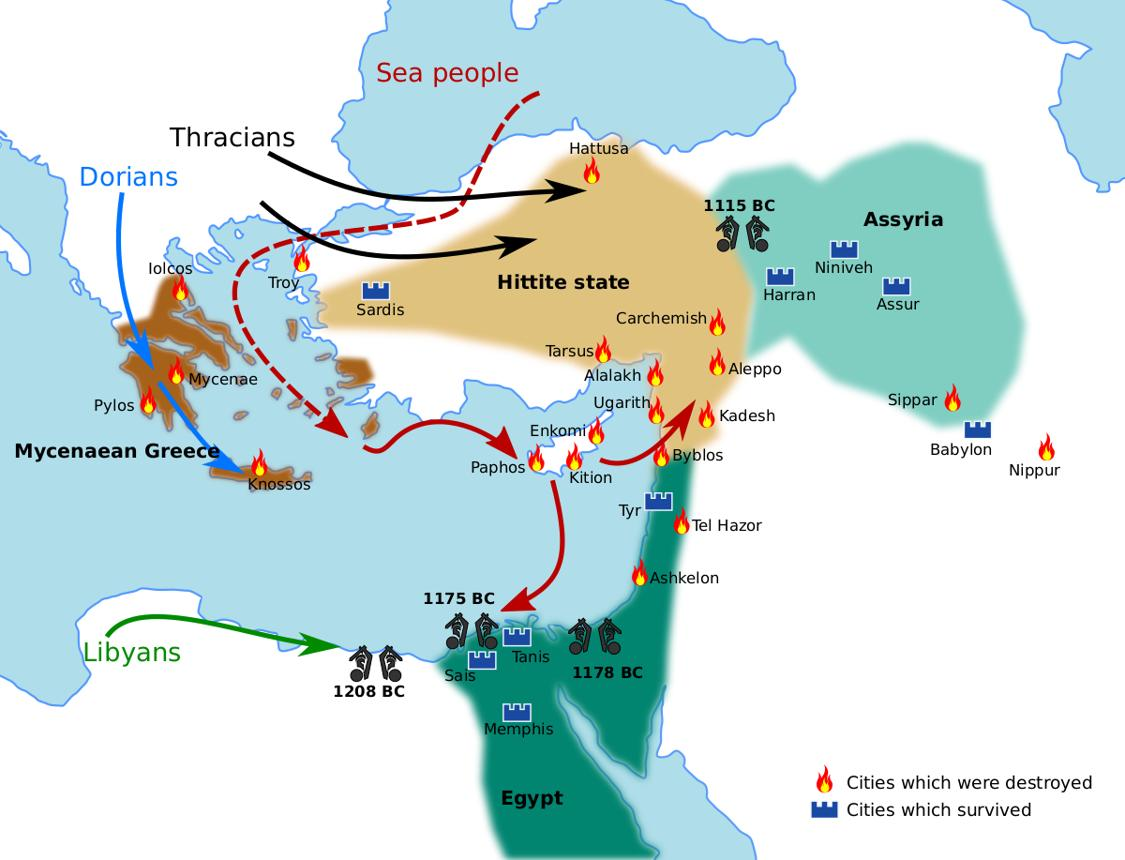
Around 1177 BCE, the ancient Mediterranean world experienced a dramatic collapse. Powerful civilizations that had dominated the region for centuries suddenly fell into decline or disappeared entirely.

This period marks the end of the Late Bronze Age and the beginning of a much darker and more fragmented era.

The Great Civilizations That Fell

The collapse affected several major powers, including:

  • The Mycenaean kingdoms of Greece

  • The Hittite Empire in Anatolia

  • The New Kingdom of Egypt (weakened but surviving)

  • Cities across the Levant

Many urban centers were destroyed, abandoned, or significantly reduced in population.

The Mystery of the Sea Peoples

Ancient Egyptian records describe mysterious invaders known as the “Sea Peoples.” These groups attacked coastal cities and disrupted trade networks.

Their exact identity remains uncertain, but they are believed to have been a combination of displaced populations, raiders, and migrating groups.

Climate, Collapse, and Crisis

Modern research suggests that the collapse was not caused by a single event, but by a combination of factors:

  • Climate change and prolonged drought

  • Earthquakes and natural disasters

  • Disruption of trade networks

  • Political instability

  • External invasions

Together, these pressures created a cascading system failure.

The Collapse of Trade Networks

The Bronze Age world was highly interconnected. Tin, copper, and luxury goods moved across vast distances.

When trade broke down:

  • Metal production declined

  • Armies weakened

  • Economies collapsed

  • Cities lost stability

Interdependence became vulnerability.

Written Records Go Silent

One of the most striking consequences of the collapse is the disappearance of written records in some regions. In Greece, for example, writing systems vanished for centuries, leading to what is sometimes called the “Greek Dark Ages.”

Survival and Adaptation

Not all societies collapsed completely. Some adapted, migrated, or reorganized into new political systems. The crisis reshaped the ancient world rather than simply ending it.

A Modern Warning

Historians often study the Bronze Age Collapse as a case study in systemic fragility. It shows how interconnected societies can be vulnerable to multiple simultaneous stresses.

Conclusion: Collapse as Transformation

The Bronze Age Collapse was not just an ending—it was a transformation. From its ruins eventually emerged the classical civilizations of Greece, Rome, and the wider Mediterranean world.

It remains one of history’s most powerful reminders that even great civilizations are not immune to change.