Humanity’s history of eating ‘processed’ food goes back much farther than you would thinkld think

Researchers say processing plant foods was key to human spread across globe

Archaeologists argue that the belief our early ancestors lived solely on meat and that modern “carnivore” diets reflect ancient eating habits is incorrect.

Evidence now shows that humans have been preparing and consuming plant-based foods far earlier than once believed, gaining significant nutritional advantages along the way.

The latest findings challenge the idea of strictly “palaeolithic meat-eaters,” revealing that early humans used a wide variety of plant resources. They gathered, stored, and ate ground nuts, as well as cooked starchy roots and tubers.

By examining multiple studies on ancient plant use, researchers found that sophisticated plant processing played a major role in the global expansion of early human populations.

Plant-based diets were not a late development tied to farming. Archaeological discoveries from many regions indicate that our ancestors were grinding wild seeds, preparing tubers, and removing toxins from bitter nuts thousands of years before agriculture emerged.

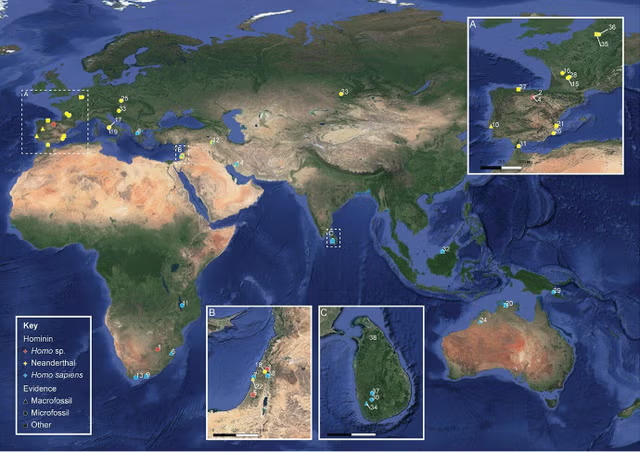
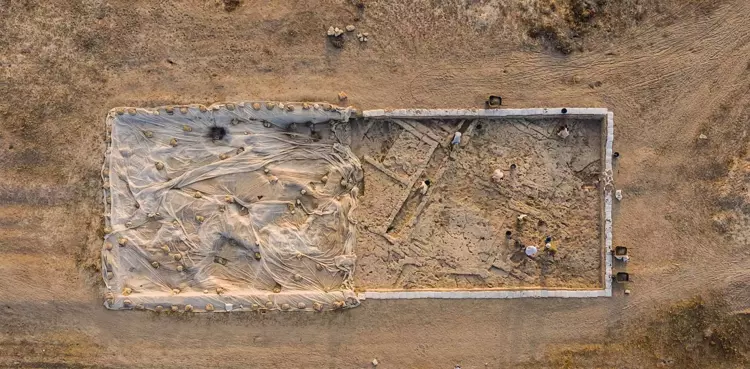
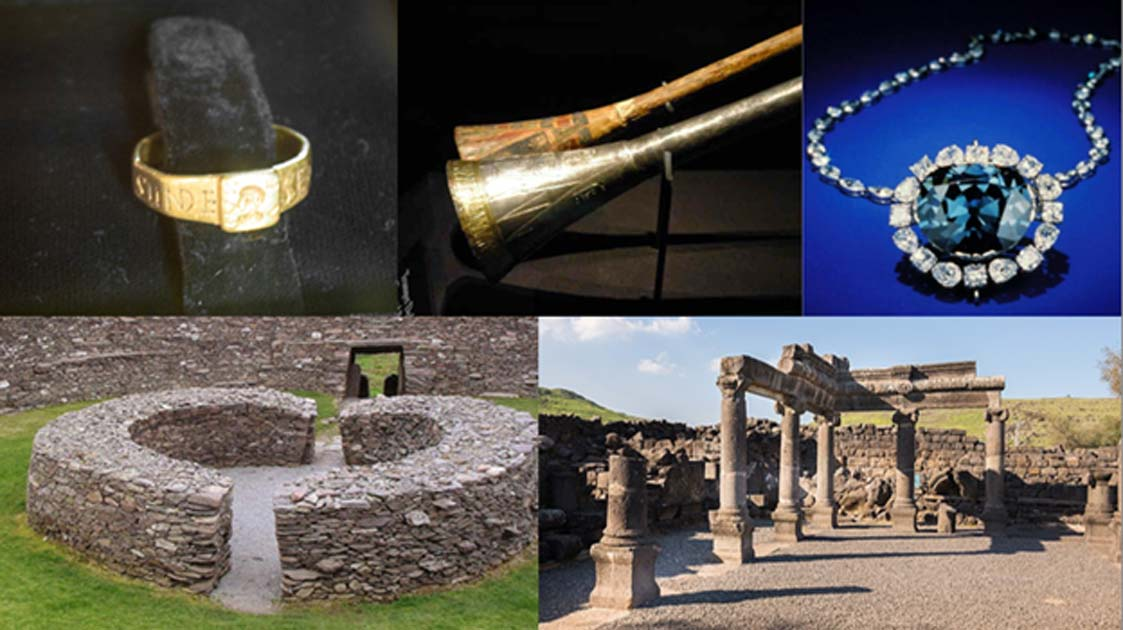
Archaeological sites that show direct evidence of early processed plant food use.

Researchers explain that the human body is not built to rely heavily on protein for energy. The liver can only regulate a small amount of amino acids the components of protein  in the bloodstream. Because of this, eating too much meat can lead to “protein poisoning.”

They note that this biological limit creates an upper “protein ceiling” of roughly 250–300 grams per day. Plant-based foods, therefore, are not just sources of key nutrients and easily absorbed carbohydrates; they also provide the extra calories humans need beyond protein alone.

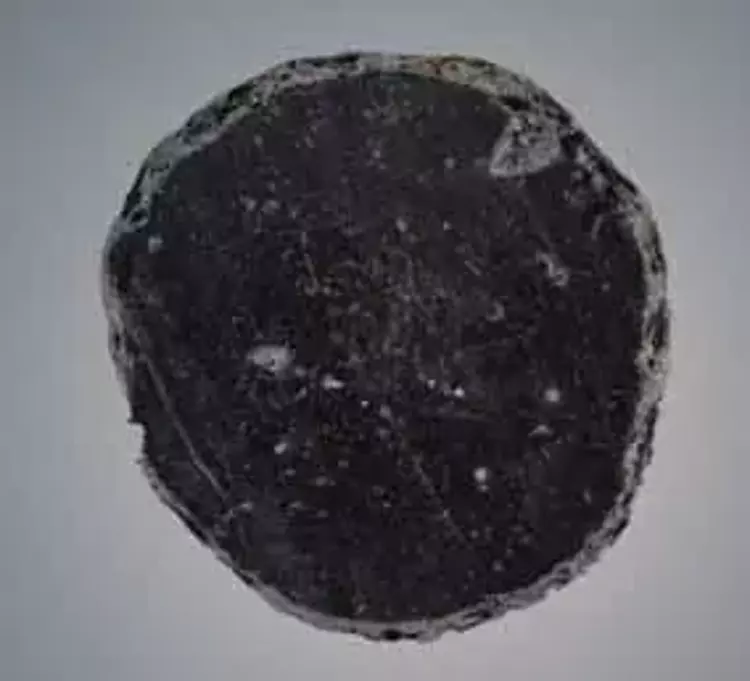
The research team examined fossils containing unusually large amounts of charred grass grains, including wild cereals and various small-seeded grasses. They also uncovered evidence of early food-processing methods such as cooking, pounding, and grinding.

These techniques made plant foods easier to digest and more flavorful, while also helping release more nutrients and energy from them.

Further findings came from the shores of the Sea of Galilee, at the 23,000-year-old site of Ohalo II, where over 150,000 plant fossils were preserved. These remains show that early humans were collecting and processing plant foods long before the rise of agriculture.

According to the researchers, the ability to prepare plant foods allowed early humans to tap into essential calories and nutrients and thrive in diverse environments around the world. It highlights that our species developed as resourceful, tool-using foragers who could turn a wide range of plants into nourishing meals.

Archaeologists Found a 4,000-Year-Old Handprint That Was Never Meant to Be Seen

The hand print was likely left by an Egyptian potter on an ancient structure used in burial practices.

Roughly 4,000 years ago, an ancient Egyptian potter left a full handprint on the bottom of a clay “soul house” used in a burial. At the time, the mark would likely have gone unnoticed, as potters did not hold high status in society. Today, however, this rare handprint is set to be part of a new fall display at the Fitzwilliam Museum in Cambridge.

Helen Strudwick, curator of the Made in Ancient Egypt exhibit and senior Egyptologist at the museum, explained that while fingerprints are sometimes seen on coffins or in wet varnish, finding a complete handprint beneath a soul house is exceptional. The mark was left by the maker before the clay dried, capturing a direct, personal connection to the object.

The soul house itself is a small structure shaped like a building with an open courtyard, designed to hold food offerings in tombs. These miniature installations served as symbolic offering sites and resting places, reflecting ancient Egyptian burial practices and beliefs in the afterlife.

Ancient Rock Paintings Hidden in Texas Canyons Reveal a 6,000-Year-Old Artistic and Spiritual Tradition

Ancient murals in Texas reveal a 4,000-year story of faith, art, and survival

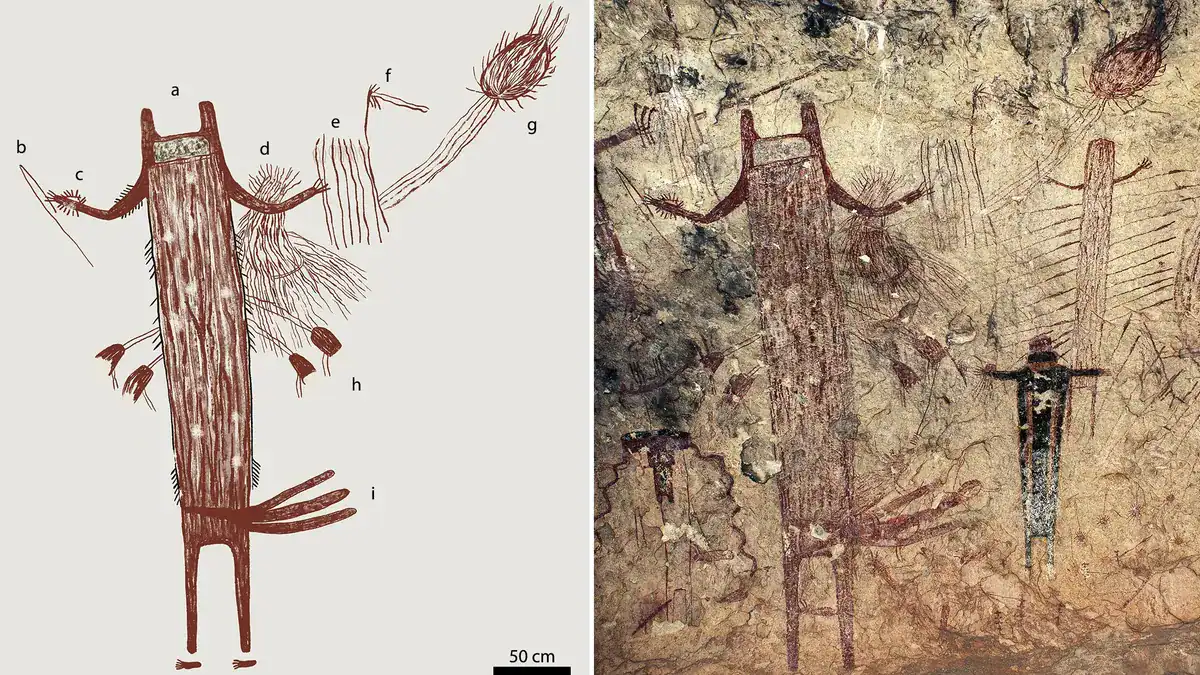
The murals depict humans engaged in hunting, ritual, and daily activities alongside a wide array of animals, including deer, bighorn sheep, and birds. The consistency of style and iconography over millennia suggests a deeply rooted cultural tradition, with knowledge and techniques passed down across countless generations.

Analyses of the pigments indicate the use of locally sourced minerals mixed with organic binders, demonstrating not only artistic skill but also an intimate understanding of available natural resources. The radiocarbon dates show that some paintings were created as early as 4,000 BCE, making them among the oldest known examples of sustained pictorial expression in North America.

This discovery sheds light on the social and spiritual life of the ancient peoples of the Lower Pecos region, emphasizing continuity, cultural identity, and the enduring power of visual storytelling.

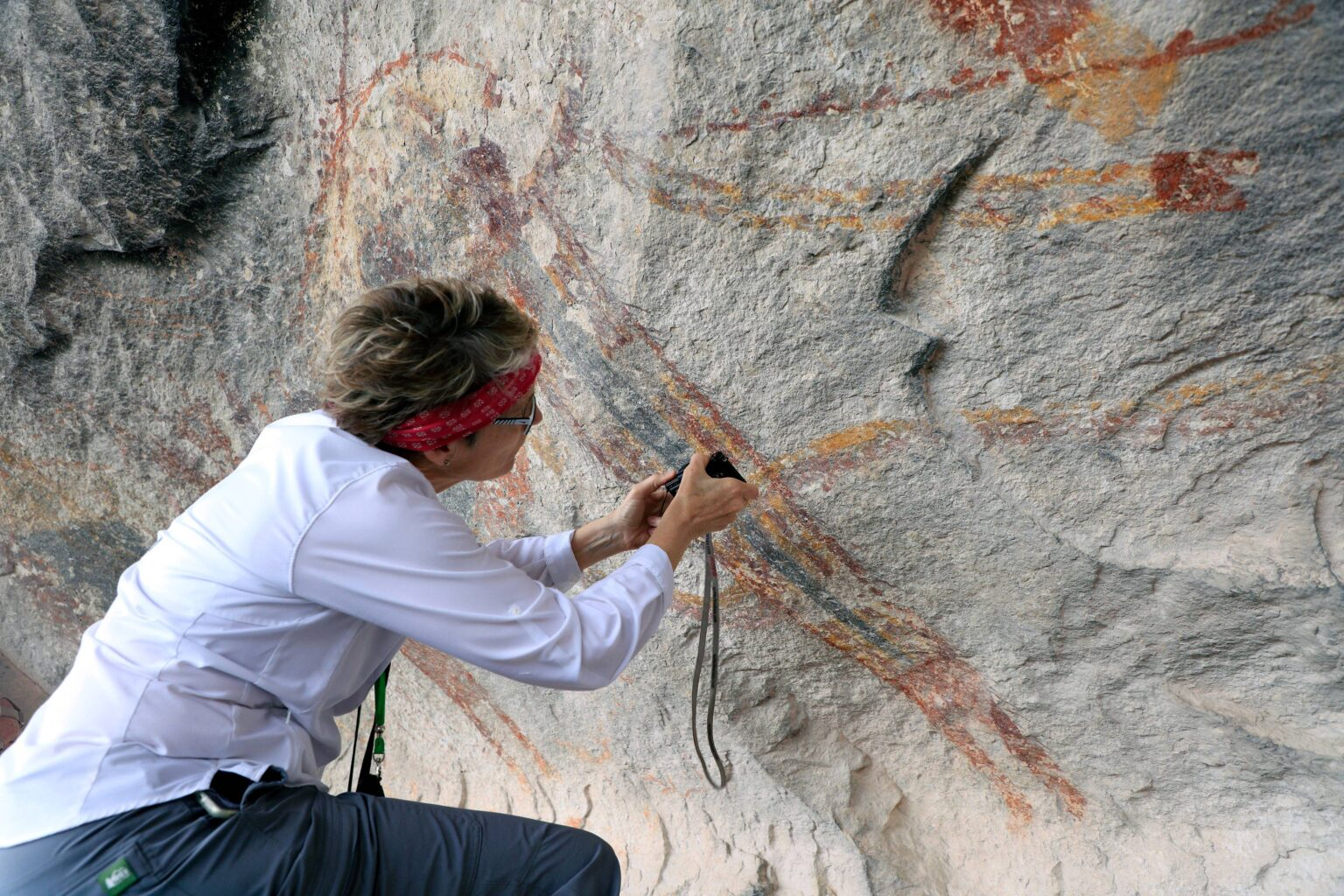
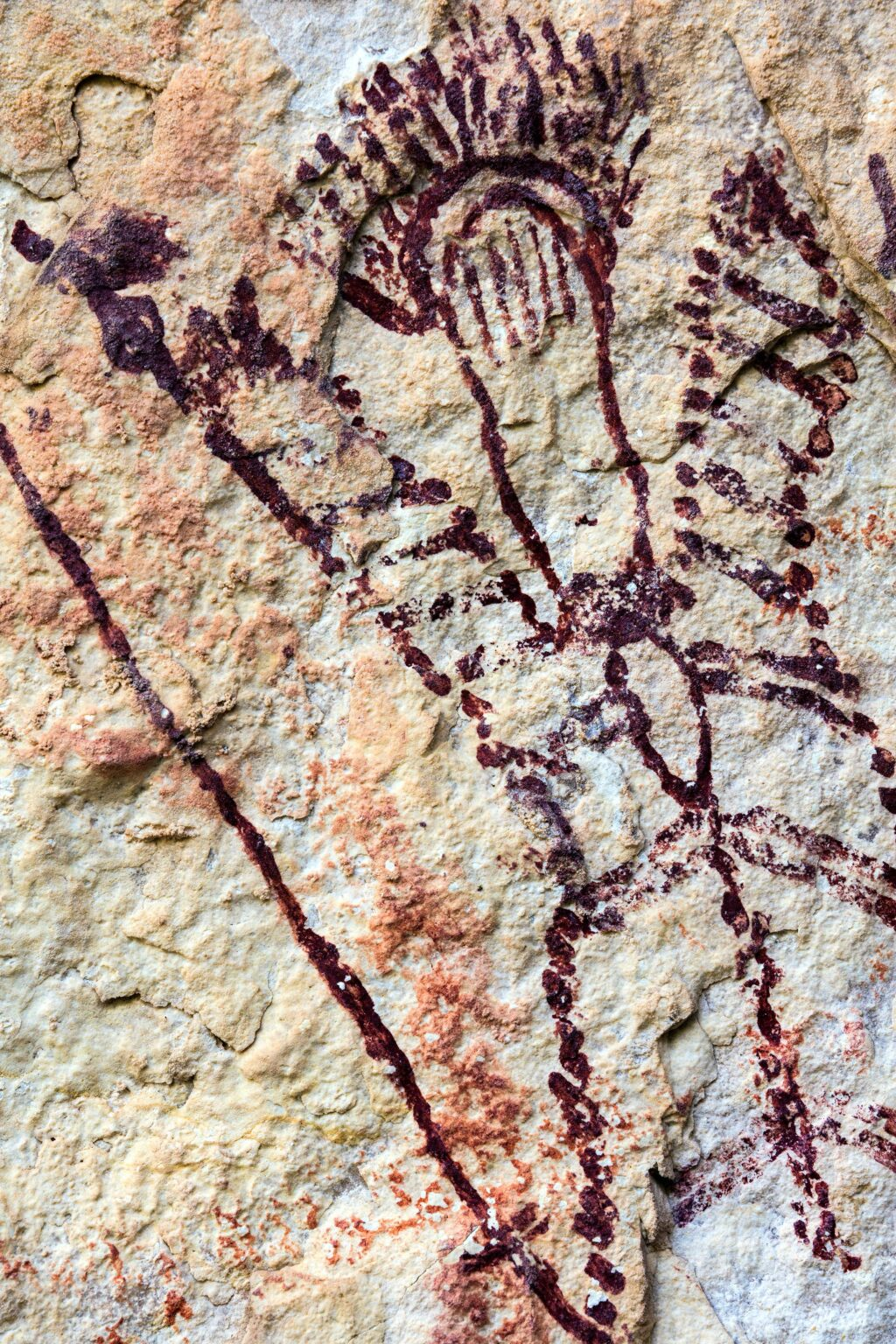
An example of Pecos River-style artworks depicting a human-like figure holding a black spear thrower, with a dart in one hand and red darts and a staff in the other hand.

The study highlights the remarkable continuity and precision of the Pecos River style over thousands of years. Each mural was not a random accumulation of images but a carefully composed “visual manuscript,” reflecting a shared system of symbols and storytelling that persisted across generations.

The use of consistent layering techniques and pigment sequences indicates that the artists followed established conventions, likely taught through apprenticeships or communal instruction. This deliberate method allowed large, complex murals—sometimes spanning over 100 feet—to convey coherent narratives about cosmology, hunting practices, and social life.

Ultimately, the research underscores how the Lower Pecos Canyonlands’ murals are not only artistic masterpieces but also enduring records of the intellectual and spiritual sophistication of the region’s ancient hunter-gatherer communities.

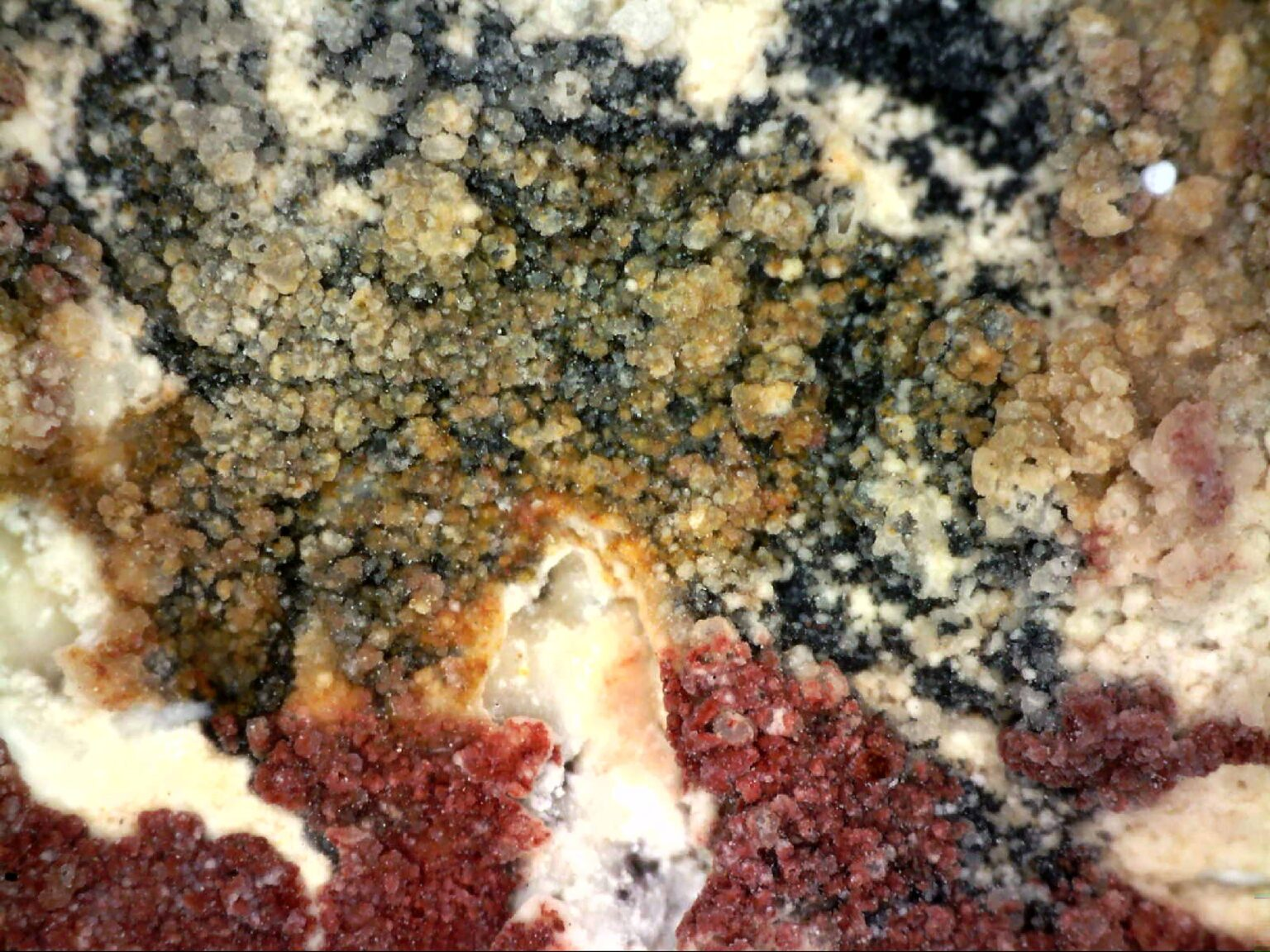
This photomicrograph, taken at Halo Shelter, shows the yellow over red over black paint layers. The black was applied first, then the red, then the yellow. 

The research highlights the deep spiritual significance of the murals. Over 175 generations, artists adhered to consistent rules of composition, paint layering, and iconography, demonstrating a remarkable cultural continuity.

Recurring motifs—such as human-like figures holding spears or staffs, animal hybrids, and “power bundles” extending from the arms—persisted even as environmental conditions, tools, and daily life evolved.

The Lower Pecos Canyonlands emerge as a sacred landscape, repeatedly revisited for ritual purposes. From an Indigenous perspective, these murals are not merely ancient art—they are living entities. They are regarded as sentient ancestral deities, actively participating in creation and the ongoing maintenance of the cosmos.

More characteristic designs of the Pecos River-style tradition, examples of which are found across the Lower Pecos Canyonlands.

The Lower Pecos region has inadvertently preserved an extraordinary cultural archive. Its dry, stable climate protected the pigments on limestone walls, keeping the organic binders intact and enabling precise radiocarbon dating.

Each mural captures a moment of ritual practice frozen in time. At site 41VV584, one of the oldest murals dated to around 5,400 years ago, an anthropomorphic figure with a “power bundle” spans the wall. Remarkably, at site 41VV1230, one of the youngest murals, similar motifs appear unchanged in form and meaning, despite a 4,000-year interval.

Pecos River style artists incorporated natural features in the rock wall to serve as the eyes and nose of this human-like figure. Like several figures at Halo Shelter, this one has a halo-like headdress and fine lines running vertically down its forehead.

The researchers interpret this remarkable continuity as proof of an enduring Archaic worldview that persisted despite changes in economy, climate, and population. The murals’ consistent imagery, they argue, “guaranteed accurate transmission of this sophisticated metaphysical system” over thousands of years.

Ancient Chinese DNA shows gender bias in human sacrifice ritual 4,000 years ago

Sacrificial victims in mass burials were mostly male, while burial attendants for nobles or elites were overwhelmingly female, study finds

Female sacrifice in China occurred much earlier than previously thought, according to a new study analyzing ancient DNA.

The research, conducted by Chinese archaeologists and anthropologists, examined elite burials at a major Stone Age settlement in northwestern China and found evidence of an early hierarchical society. The study also indicates that sacrificial practices were influenced by gender, with different types of rituals performed for men and women.

Shimao, situated in the Yellow River valley in Shaanxi province, is one of China’s largest prehistoric settlements and dates to the late Neolithic period, roughly 3,800–4,300 years ago. By sequencing over 100 ancient genomes from Shimao and its satellite sites, researchers discovered that victims in mass burials, likely intended for public ritual purposes, were primarily male. In contrast, females were overwhelmingly buried as attendants alongside dead nobles or elite individuals.

“These findings reveal a predominantly patrilineal descent structure across Shimao communities and possibly sex-specific sacrificial rituals,” the team reported in a paper published in Nature.

Shimao itself spans approximately 4 square kilometers (1.5 square miles) and sits on the edge of the northern Loess Plateau and the Ordos Desert. The settlement exhibits hallmarks of state-level societies, including craft production, massive fortifications, social stratification, and extensive human sacrifice.

Study anchors obscure pharaoh in time, opening research path into dating the Exodus.

A PLOS ONE paper places Ahmose’s reign over Egypt decades after the famous Thera volcanic eruption in the Aegean Sea, with vast implications for the region’s history

Nebpehtire Ahmose ruled Egypt, showing that his accession likely occurred in the latter half of the 16th century BCE.

This breakthrough also opens new possibilities for exploring a long-suspected link between the biblical Exodus and a major volcanic eruption in the Aegean Sea, which many scholars have long associated with Ahmose’s reign, according to Prof. Hendrik J. Bruins of Ben-Gurion University of the Negev, lead author of the study.

Published last month in PLOS ONE, the research has important implications for understanding the history of Egypt, the land of Israel, and the broader Eastern Mediterranean region.

The eruption of the Thera (Santorini) volcano has captivated archaeologists for generations because of its potential connection to myths and historical events, including the Greek story of Atlantis and the biblical account of the Israelites’ liberation from slavery in Egypt.

Situated roughly 120 kilometers (75 miles) north of Crete, the volcano likely caused days of darkness, massive tsunamis, and perhaps even a dramatic pillar of fire visible in Egypt. Evidence of pumice from this eruption has been discovered in both present-day Israel and Egypt, linking the event to regional historical and geological phenomena.

Previous assessments claimed that the eruption occurred around 1500 BCE.

The Crossing of the Red Sea by Nicolas Poussin,1634.

Ahmose was the founder of the 18th Dynasty and of the New Kingdom, a period of renewed prosperity in ancient Egypt following several difficult centuries.

An important archaeological artifact from the time of Ahmose, the “Tempest Stela,” describes disastrous climate phenomena. In the past, many scholars suggested the inscription refers to the Thera eruption.

However, Bruins and his co-author Johannes van der Plicht from the University of Groningen used the same radiocarbon analysis method on samples associated with Ahmose and on seeds and branches charred by the eruption.

By comparing the results, the scholars determined that the pharaoh clearly ruled over Egypt several decades after the eruption.

“In the last decade, geologists have found ash from the Thera eruption in many places in the eastern Mediterranean,” Bruins told The Times of Israel over the phone. “Eruptions can be very useful as anchors in time, because they happened over the course of a couple of days, and then they are over. Ash from this eruption is a kind of stratigraphic marker.”

Scientific methods, such as radiocarbon analysis, provide independent dating to compare with the more traditional methods used by scholars, including historical sources, pottery typology, and archaeological artifacts. These traditional methods often fail to provide exact dating.

“In many parts of the Mediterranean, including ancient Israel, the local stratigraphies are floating in time and [scholars] try to connect them to Egyptian history for the simple reason that Egyptian history is more well established in time,” Bruins explained.

Yet, even Egyptian chronology, based on when different dynasties and pharaohs ruled over the kingdom, leaves many questions open, even after radiocarbon dating has become more prevalent, offering new tools to support what historians had traditionally dated based on written sources.

The Second Intermediate Period, one of the most obscure periods in Egypt’s ancient history, roughly spanned from 1700 to 1550 BCE. Its beginning, duration, and end are debated among scholars.

During this period, Egypt was divided into the Upper and Lower Kingdoms. Ahmose was the sovereign who reunited the country, defeated the Hyksos Dynasty that ruled over the Lower Kingdom, marking the beginning of the New Kingdom, and started his own dynasty.

“There has been a question about when the 18th Dynasty really began, also in relation to the Thera eruption, and so I was looking for material from the Second Intermediate Period [to date],” Bruins said.

“It was quite difficult to find, because these periods are less well known in historical terms, as its pharaohs do not always have records of them, nor do museums have many remains that could be dated with radiocarbon,” he added.

The scholar began pursuing this research avenue in 2013, approaching several museums and requesting their artifacts. Many did not respond positively, mainly because the study required extracting samples from the items for analysis. However, the British Museum and the Petrie Museum of Egyptian and Sudanese Archaeology (University College, London) ultimately agreed to provide some artifacts from their collections.

“The most important object has been a mud brick excavated around 1900 by British archeologists in the temple of Ahmose in Abydos, in southern Egypt,”  Bruins said. “The brick is stamped with the throne name of the king Nebpehtire. Ahmose was a quite common name in Egypt at the time, and other pharaohs were carrying it, but thanks to his throne name, this marked the first time that we could put our hands on an object that can be confidently related to this particular pharaoh.”

A mudbrick from the Temple of Pharaoh Ahmose at Abydos on display at the British Museum. The artifact has been radiocarbon dated in a study published in PLOS ONE in September 2025, supporting a low chronology for the beginning of the 18th Dynasty, in the first half of the 16th century BCE.

The researchers managed to extract a straw piece added to the brick to strengthen it, as was done at the time.

“Scholarly opinions about Ahmose’s accession year ranged from 1580 BCE to 1524 BCE,” Bruins explained. “Our radiocarbon dating of the Ahmose mudbrick supports the two youngest Egyptological dating assessments for when the mudbricks for his temple were made, around 1517 or 1502 BCE, or what we archaeologists refer to as the ‘low chronology.'”

Since the temple depicts scenes of Ahmose’s battles against the Hyksos, the brick must date to a period in his kingdom after the war, possibly around the 22nd year of his reign.

Bruins was also able to study six shabtis, or human figurines roughly carved from wood representing mummies buried with the deceased, which he received from the Petrie Museum.

“One shabti carries the name of a person that is also mentioned on an important tomb in Southern Egypt as the mayor of Thebes, and his rule covered part of the time of Pharaoh Ahmose and of his son Amenhotep I,” Bruins said. “The radiocarbon date of this shabti is virtually the same as that of the mud brick. They confirmed each other.”

An Egyptian shabti figurine from ancient Thebes. The artifact has been radiocarbon dated in a study published in PLOS ONE in September 2025, supporting a low chronology for the beginning of the 18th Dynasty in the first half of the 16th century BCE.

At the same time, the researchers’ analysis of the Thera eruption yielded a time range of 60-90 years earlier.

According to the Bruins, therefore, the Tempest Stela must refer to a different meteorological event.

A new chronology for the land of Israel?

The PLOS ONE paper does not address the implications of the new datings for the history and chronology of the land of Israel, which have generally been based on the Egyptian chronology.

However, Bruins told The Times of Israel that they are significant and he is already working on a study on the subject.

The transition between the Middle Bronze Age and the Late Bronze Age in Israel has traditionally been linked to the beginning of the 18th Dynasty in Egypt.

“At the time, many powerful city-states in the Middle Bronze Age were somehow destroyed or replaced or didn’t continue [to exist] afterward, and usually this transition was linked with the beginning of the New Kingdom and its pharaohs,” Bruins said.

3,500-year-old Canaanite clay piece found on Tel Gama (the Canaanite city of Yarza) in March 2020. (Emil Eljam/Israel Antiquities Authority)

According to the researcher, the incursions into Canaan have been generally attributed to Pharaoh Thutmose III, the fifth king of the 18th Dynasty.

“We have historical accounts about this pharaoh that he really penetrated into the Levant, in ancient Israel, and also more to the north,” he said.

According to Bruins, if Thutmose was not the one responsible for the destruction of the Canaanite city-states, it is important to investigate who else was.

“If these cities, or some of these cities, were destroyed before the beginning of the 18th Dynasty, then there’s a question about which Egyptians did this? Because we have no records from the Second Intermediate Period that Egyptian pharaohs made large military excursions into the Levant,” he said.

Looking for the Exodus in the right century

According to Bruins, there are questions to be explored around a potential correlation between the Thera eruption, the destruction of Canaanite cities, and the Exodus.

Many academics believe that the biblical narrative does not reflect historical events. At the same time, they tend to suggest that the mass escape of the Israelites from Egypt is supposed to have happened at some point in the early 13th century BCE.

A silver boat donated by Pharaoh Ahmose I to Queen Ahhotep II for her burial is seen at the Egyptian Museum in Cairo.

Bruins, however, disagrees.

“I don’t think that is the right interpretation because we do not have any evidence that the 13th century fits with the archeological record they have been looking for,” he said.

“There are so many Exodus views by different scholars that have no link to the biblical record anymore,” he added. “If you lose any connection with the biblical record, then it becomes a kind of abstract thinking.”

According to Bruins, the strategy for exploring whether and when the Exodus occurred should entail seeking evidence of destruction associated with the Israelites’ conquest of the land under Moses’s successor, Joshua.

Asked in which century he would look, he went back to the Thera eruption.

“If we take the [biblical] text, one of the features of the Exodus is the darkness in Egypt,” he noted, referring to one of the plagues that God sent against the Egyptians according to the Bible.

“From a scientific perspective, what can cause three days of darkness?” he added. “Some suggest a sandstorm, but after living 35 years in the Negev Desert, I can vouch that no sandstorm causes something like that. Others say a solar eclipse, but that is a matter of minutes, not days.”

The rocky promontory of Skaros on the Greek island of Santorini seen on June 15, 2022.

Bruins said that records from the eruption of the Tambora volcano in Indonesia in 1815 state that the event caused three days of darkness at a distance of 500 to 600 kilometers (roughly 310 to 370 miles).

“If darkness in Egypt was really for three days, then the only mechanism we can think of from from the geological or natural science [perspective] is a volcanic eruption, and the only volcanic eruption that was very powerful and could have caused such an effect is the Santorini eruption, that was one of the largest worldwide in the last 10,000 years,” he said.

Bruins believes the destruction of the Canaanite cities in the Levant may have occurred in the following years, but he also stressed that this cannot be stated until there is scientific evidence. The scholar is therefore working to collect and date samples from the relevant destruction layers of these cities to understand when they actually ceased to exist.

“If we are talking about a theory, anybody can make up all kinds of ideas,” he said. “It has to be proven by hard facts, by dating, and this is something that I’m working on publishing.”

Watch DocuNation Season 3: The Heart of Israel

when you join the ToI Community

In this season of DocuNation, you can stream five outstanding Israeli documentaries with English subtitles and then join a live online discussion with the filmmakers. The selected films show Israel beyond the conflict: a place of storytellers and musicians, of dreamers, makers, and communities rooted in meaning and trust.

When you watch DocuNation, you’re also supporting Israeli creators at a time when it’s increasingly difficult for them to share their work globally.

Why Did Indus Valley Civilisation Disappear? IIT Scientists Explain

The Indus Valley Civilisation (IVC), also called the Sindhu-Saraswati civilisation, flourished between 5,000 and 3,500 years ago in what is now northwest India and Pakistan.

The Indus River was the lifeblood of the civilisation.

Why the Indus Valley Civilisation Disappeared: Insights from IIT Scientists

The Indus Valley Civilisation (IVC), also known as the Sindhu-Saraswati civilisation, thrived between 5,000 and 3,500 years ago across what is now northwest India and Pakistan. Famous for its advanced cities like Harappa, Mohenjo-Daro, Rakhigarhi, and Lothal, the IVC featured sophisticated urban planning, drainage systems, and remarkable craftsmanship, including iconic artifacts like the “Dancing Girl.”

Despite its achievements, the civilisation eventually declined, and the reasons for its disappearance have long puzzled historians and archaeologists. Recent research from IIT Gandhinagar offers a compelling explanation: prolonged droughts over centuries forced urban populations to abandon their cities.

Climate Change and Water Scarcity

The Indus River was essential for the civilisation, supporting agriculture, trade, and daily life. Paleo-climate records and climate simulations reveal significant variability in rainfall, driven by shifts in both the Indian summer and winter monsoons. Using high-resolution climate models and geological proxies, such as stalactites and lake sediments, researchers reconstructed rainfall and river flow patterns over thousands of years.

Findings indicate a persistent drying trend, with average annual rainfall dropping by 10–20% and temperatures rising by roughly 0.5°C during the civilisation’s existence. Four major droughts, each lasting more than 85 years, occurred between 4,450 and 3,400 years ago, with the longest spanning 164 years and affecting over 90% of the region. These were part of a broader pattern of declining water availability rather than isolated events.

Impact on Settlements and Agriculture

Initially, IVC communities were concentrated in areas with reliable rainfall. As droughts intensified, people moved closer to the Indus River in search of water. Hydrological simulations show that even riverbanks experienced reduced flows during these droughts, creating widespread water scarcity. Archaeobotanical evidence indicates that farmers attempted to adapt by shifting from wheat and barley to drought-tolerant millets, but these efforts could not fully mitigate the impact of prolonged aridity.

Lake level records and cave data support these findings, showing declines in water bodies and rainfall during key drought periods. The final century-long drought, between 3,531 and 3,418 years ago, coincides with archaeological evidence of large-scale urban abandonment and population dispersal into smaller rural communities.

The Role of Global Climate Drivers

The study also highlights the influence of global climate phenomena on the IVC’s decline. Events like El Niño and North Atlantic cooling weakened the Indian monsoon. Higher Pacific and Indian Ocean temperatures reduced the land-sea temperature gradient, suppressing monsoon rainfall, while changes in atmospheric circulation further limited moisture transport into South Asia.

A Gradual Decline, Not an Abrupt Collapse

Rather than collapsing suddenly, the IVC underwent a slow, complex decline shaped by climate, social, and economic pressures. While severe droughts were a major factor, communities adapted through migration, crop diversification, and trade. The civilisation fragmented into smaller units, representing a transformation rather than a complete disappearance.

Lessons for Today

The story of the Indus Valley Civilisation serves as a warning about the vulnerability of complex societies to environmental stress. It underscores the importance of effective water management and climate adaptation—lessons that remain highly relevant today as modern societies confront increasing risks from climate change and water scarcity. Encouragingly, paleo-climate researchers note that global warming may lead to increased rainfall in the Indian monsoon, offering some hope for the region.

An Ancient Tomb Held Anonymous Bodies for 2,300 Years. Turns Out They’re Famous Royals.

In a startling development, archaeologists say these mysterious skeletons are the father and son of this legendary ruler.

Here’s what you’ll discover in this story

Alexander the Great is remembered as one of the greatest military commanders of all time—but his father, Philip II, was a formidable ruler in his own right. It was Philip who transformed Macedonia and built the powerful army that Alexander later led across vast territories.

Archaeologists have long known that Philip II was buried in the royal cemetery at Aigai (modern Vergina, Greece). What they couldn’t agree on was which of the royal tombs held his remains. Now, a new international study has finally settled the debate using scientific analyses paired with historical and anthropological evidence.

Although Alexander died at just 32, he still ranks among history’s top generals. His decisive victory over Persia at the Battle of Gaugamela earned him titles like “King of Babylon, King of Asia, and King of the Four Corners of the World,” and his battlefield strategies continue to be studied worldwide.

But Alexander—also known as Alexander III of Macedon—did not rise to greatness alone. He was educated by Aristotle himself, and he inherited an incredibly well-trained army forged by his father, King Philip II. Philip’s military reforms turned Macedonia into a dominant power, giving Alexander the foundation he needed to conquer territories stretching across the eastern Mediterranean, the Middle East, and deep into Asia.

Philip II may not be as widely known as his legendary son, but more than 2,300 years after his assassination in 336 BCE at Aigai, he is finally receiving renewed attention.

A recent study in the Journal of Archaeological Science: Reports confirms that the remains of Philip II—alongside those of Alexander the Great’s son and half-brother—are indeed located in the royal tombs at Vergina.

For centuries, Aigai had been forgotten. Then, in 1977, Greek archaeologist Manolis Andronikos uncovered the burial complex believed to belong to Macedonia’s royal family. The site became a UNESCO World Heritage Site in 1996. Still, debate lingered over which tomb housed Philip II, sparking decades of scholarly disagreement.

To resolve the uncertainty, a team of archaeologists from the U.S., Spain, and Greece combined several types of scientific evidence—osteology, X-rays, anatomical study—and cross-checked these findings with ancient written accounts. Their conclusions were clear:

  • Tomb I holds Philip II’s remains, along with those of his wife Cleopatra (not the famous Egyptian queen) and their infant son. Both were killed shortly after Philip’s assassination.

  • Tomb II, once suspected to contain Philip, actually belongs to King Arrhidaeus—Alexander’s half-brother—and his warrior wife, Adea Eurydice.

  • Tomb III contains the remains of Alexander IV, Alexander the Great’s teenage son.

“We examined the claim that Philip II was in Tomb II and showed why the evidence does not support it,” the researchers wrote. “Not all data are available yet, and we still await the publication of the Tomb I excavation notes.”

Few father-and-son pairs have reshaped world history as profoundly as Philip II and Alexander the Great. Now, more than 2,360 years later, archaeologists and anthropologists are finally uncovering the final chapter of the royal family that built—and expanded—the ancient Macedonian empire.

Step inside the lost Native American city that rivalled medieval London

Archaeological findings show that a thousand years ago, North America supported bustling urban centers comparable in size and complexity to those in medieval Europe. Yet major questions remain: what forces led these cities to emerge, prosper, and eventually fade away?

A thousand years ago, the land we now call the United States looked very different from what many people imagine. Rather than a sparsely populated wilderness with only small villages, large parts of North America were filled with productive farming regions and major urban centers cities that were just as complex and politically influential as those found in medieval Europe.

This reality has long been hidden because few stone structures survived, which led to a distorted understanding of what the Native Nations of the United States looked like a thousand years ago. But through archaeology, anthropology, and Indigenous oral traditions, a clearer picture is finally coming into focus.

In an interview on the HistoryExtra podcast, historian Kathleen DuVal, author of Native Nations: A Millennium in North America, notes that the centuries around AD 1000 represented “the height of urbanization in Native North America.”

These cities were not isolated curiosities. They served as key centers of politics, trade, and agriculture—networks that connected and influenced communities across the entire continent.

So why had these great cities disappeared by the time Europeans arrived centuries later?

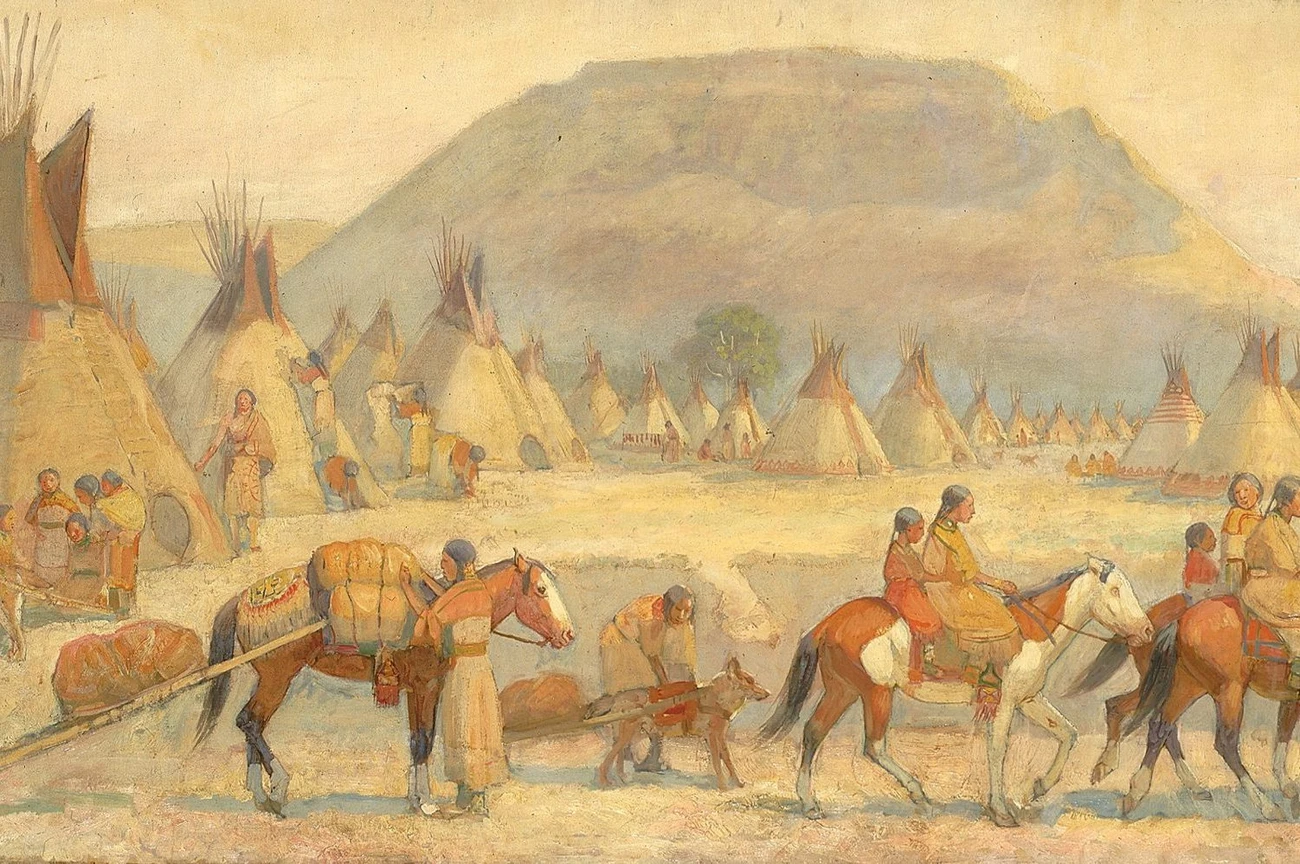
A depiction of the Native North American Blackfoot camp set against the plains landscape. Tipis, riders, and figures at work show the rhythm of daily life within a nomadic community whose culture centred on kinship, mobility, and the great bison herds of the northern plains.

The Urban Landscape of Medieval-Era North America

Across the regions that are now the United States and northern Mexico, large towns and cities served as the centers of regional societies that were, as DuVal notes, “equal in size, complexity, and sophistication to cities in Western Europe.” For context, medieval London around AD 1000 had a population of about 12,000 people.

During this same era, several Native North American cities reached comparable sizes, supported by highly productive farmlands where maize, beans, and squash were cultivated intensively. This agricultural shift—made possible in part by the warmer climate of the Medieval Warm Period from roughly 900 to 1300—created the conditions for rapid urban growth.

According to DuVal, this growth sparked broader transformations, enabling “urbanization, centralization, and the rise of complex economies and powerful religious and political leaders.”

Thanks to food surpluses, these cities became vibrant cultural centers. They supported full-time artisans, religious specialists, and ruling elites, while long-distance trade networks brought copper, shells, obsidian, feathers, and pottery from distant regions.

Cahokia: A Major City at the Heart of the Continent

The largest and most influential of these cities was Cahokia, located in present-day Illinois near the Mississippi River. DuVal calls it “the center of the North American world,” home to “12,000 or so people in its main center […] comparable to places like London.”

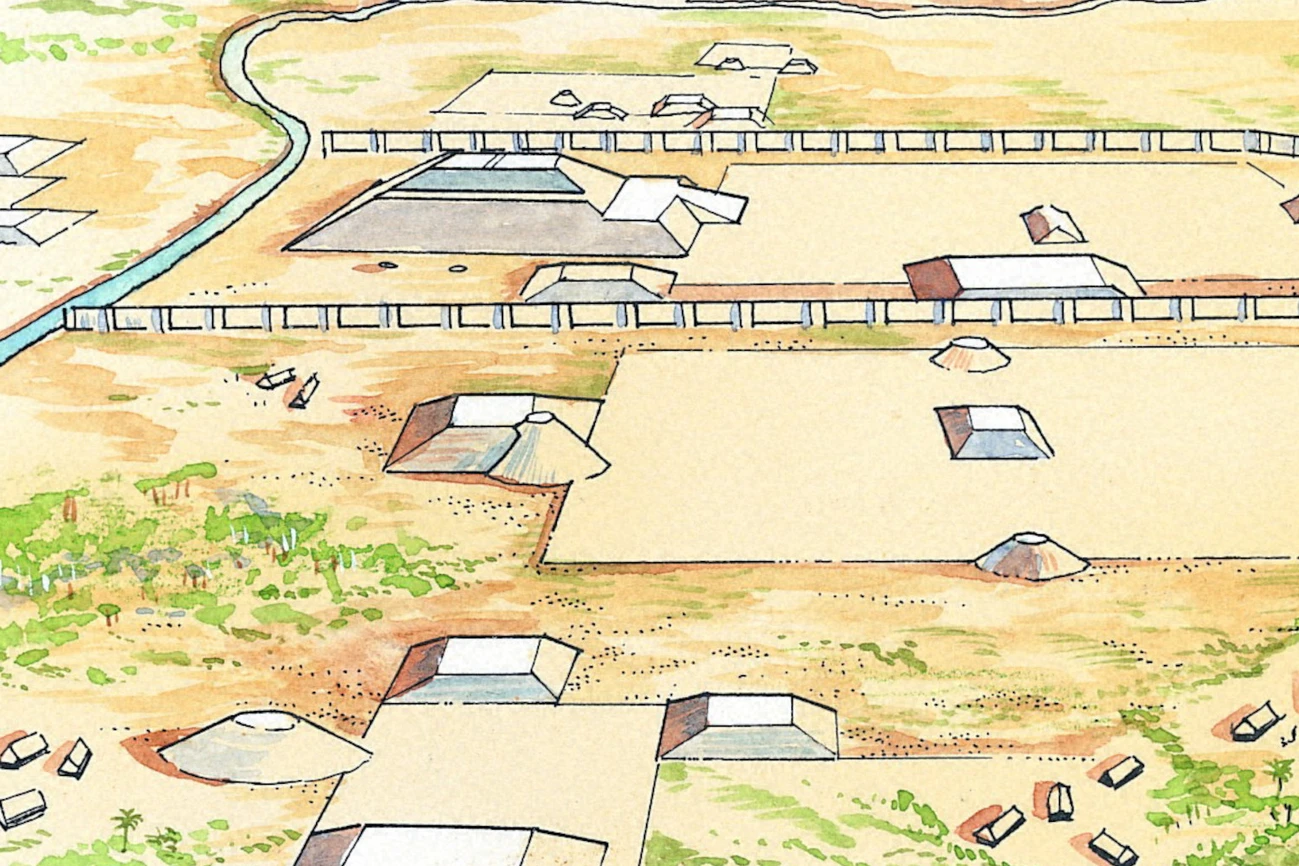
Cahokia was laid out with remarkable planning. Massive earthen mounds formed the bases for temples, elite residences, and civic buildings. The most famous of these, Monks Mound, is still the largest prehistoric earthwork in the Americas. Broad plazas served as spaces for markets, sports, and major ceremonial events.

Beyond the main city, a network of nearby towns and farming villages surrounded Cahokia. These communities were connected through political alliances and economic relationships. Archaeologists have uncovered timber circles used for tracking celestial events, finely crafted shell ornaments, and evidence of large communal feasts—signs of a highly organized and sophisticated society.

Cahokia was not unique. Throughout the Mississippi Valley and the Southeast, mound-building cultures thrived, while in the Southwest, the Ancestral Puebloans constructed multi-story stone settlements such as those in Chaco Canyon. Each region had distinct traditions, yet they shared common traits of urban planning, monumental building, and hierarchical leadership much like the early medieval kingdoms of Anglo-Saxon Britain.

This illustrated reconstruction of Cahokia shows the Native American city when more than a hundred earthen mounds rose around broad ceremonial plazas. At the centre stood Monks Mound — a massive, terraced platform supporting temples and elite residences — surrounded by neighbourhoods of wooden houses, palisades, and bustling marketplaces.

Why these cities changed

Urban life in ancient North America depended heavily on climate and farming, and when environmental conditions shifted in the 1200s, the effects were significant.

As the Little Ice Age began, crops were harder to grow, seasons became shorter, and droughts became more frequent. Communities that had thrived on stable food production suddenly faced shortages. Leaders who drew their authority from promises of abundance found themselves unable to maintain power.

“In some places,” DuVal says, “people turned against leaders who claimed they could control the weather and ensure food, especially during times of famine and drought.”

In other areas, residents simply moved away. By the late 1300s, Cahokia had been mostly abandoned, with its population relocating to smaller, more manageable settlements along rivers and fertile plains. Unlike Europe, where cities tended to endure, many North American societies responded to climate stress by dispersing and reorganizing into flexible, decentralized communities.

This shift was not a downfall but a change in form, and Indigenous cultures across the continent continued to flourish in new social and political structures.

What survives of Cahokia today

The remains of these once-large cities still lie beneath the modern landscape, yet they can be easy to overlook. As DuVal explains, “what you see today in most places are only big earthen mounds […] which now just look like natural hills.”

Because most buildings were made from materials like wood, cane, and thatch—not stone—they did not endure as European structures did. Still, the rediscovered history of these towns shows that North America was once filled with cities, ceremonial sites, and organized nations.

By the time Europeans arrived in the 1500s and 1600s, many of these urban centers had already transitioned or dispersed. Colonists met mobile, village-based groups and wrongly assumed that these societies had always lived that way.

In reality, they were arriving long after centuries of major transformation.

This Ancient Argentine Lineage Survived 8,000 Years Without Mixing With Others

Scientists uncover a human population that thrived in Argentina for 8,000 years

At an archaeological site in central Argentina, scientists have discovered signs of a human lineage that had remained unknown for thousands of years.

A new study published in Nature reveals that a distinct population of early humans lived in this region for at least 8,000 years, preserving their genetic identity despite major cultural and environmental shifts. This lineage—unique to central Argentina—survived largely in isolation and still contributes to the ancestry of Indigenous communities today.

“It’s a major episode in the continent’s history that we simply didn’t know about,” said Javier Maravall López, an evolutionary biologist at Harvard University and lead author of the study.

A Blank Spot on the Map

As humans migrated out of Africa, the far southern tip of South America was among the last places they reached. Archaeological evidence suggests that people arrived around 14,000 years ago, settling early sites such as Arroyo Seco in Argentina’s Pampas region. But the identity of those first settlers—and what ultimately happened to them—has long been unclear.

“This part of the world was almost a blank spot on the map,” said David Reich, a geneticist at Harvard Medical School and senior author of the paper. Most ancient DNA research has focused on Europe and Asia, where colder climates preserve human remains more easily.

To address this gap, the team analyzed genetic material from the bones and teeth of 238 ancient individuals—some up to 10,000 years old—found across Argentina, Chile, and Uruguay. They created the largest ancient DNA dataset ever assembled from this region, increasing the number of available samples more than tenfold.

The researchers compared these genomes with DNA from 588 other ancient individuals across the Americas, spanning 12,000 years. By examining about two million genetic markers where human DNA commonly varies, they uncovered patterns of ancestry and divergence that had previously gone unnoticed.

Hidden in Plain Sight

The results were striking. Around 8,500 years ago, a genetically distinct population emerged in what is now central Argentina. This lineage first identified in a man from the site of Jesús María remained the dominant ancestry of the region for millennia, through the rise of agriculture, the spread of languages, and even the arrival of Europeans.

“We found a new lineage, a new group of people we didn’t know existed, that has persisted as the main ancestry component for at least the last 8,000 years up to today,” said Maravall López.

Genetically, this group was unlike any other known South American populations. They were clearly different from the Andean populations to the northwest and from the forest peoples of Brazil. Even after thousands of years living near other communities, they show surprisingly little evidence of interbreeding.

“People with the same ancestry, in something like an archipelago pattern, were developing distinct cultures and languages while remaining biologically isolated,” Maravall López explained.

Continuity and Change

The study also traces the limited interactions this ancient Argentine lineage had with nearby populations. Around 3,300 years ago, they began mixing with communities in the southern Pampas, eventually becoming the dominant ancestry there. Other contacts linked them to Andean groups in the northwest and to forest populations from the Gran Chaco lowlands.

In the Pampas, these genetic shifts coincided with a population boom and the introduction of new technologies such as ceramics and the bow and arrow. Archaeological evidence from that era—denser settlements and more artifacts—supports the idea of expanded trade networks.

By examining stretches of identical DNA, researchers found that people in northwestern Argentina practiced close-kin marriage more frequently than those in central or southern regions. This likely reflects the development of kin-based social structures similar to the Andean ayllu system, where extended families formed close economic and political units.

Rewriting the Map

Scientists once believed that after humans entered South America, populations mixed freely as they moved southward. But the new evidence shows that at least some groups maintained distinct regional identities for thousands of years. Such patterns now appear to have been far more common than previously realized.

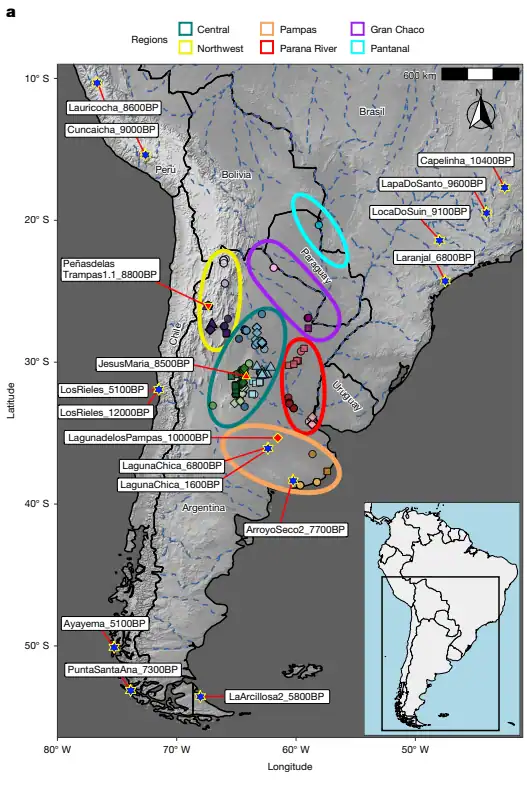
A map published in Nature illustrates how ancient individuals from sites such as Jesús María, Arroyo Seco, and the Córdoba Hills cluster together genetically, while neighboring groups form separate branches. Each region’s people seem to have followed their own evolutionary path for millennia.

The genetic continuity found in Argentina is comparable to what has been observed in the Middle East and East Asia, where ancient DNA also shows long-term stability of local populations. This raises new questions: What allowed these groups to remain so isolated for such extended periods? What natural or cultural barriers kept them apart? And in what ways did they adjust to the environmental and lifestyle changes that occurred throughout the Holocene?

The researchers hope that future work will broaden the ancient DNA record across South America, helping fill the gaps between the Andes and the Atlantic.