• MAIN PAGE
  • LATEST NEWS
    • Lost Cities
    • Archaeology's Greatest Finds
    • Underwater Discoveries
    • Greatest Inventions
    • Studies
    • Blog
  • PHILOSOPHY
  • HISTORY
  • RELIGIONS
    • Africa
    • Anatolia
    • Arabian Peninsula
    • Balkan Region
    • China - East Asia
    • Europe
    • Eurasian Steppe
    • Levant
    • Mesopotamia
    • Oceania - SE Asia
    • Pre-Columbian Civilizations of America
    • Iranian Plateau - Central Asia
    • Indus Valley - South Asia
    • Japan
    • The Archaeologist Editor Group
    • Scientific Studies
    • Aegean Prehistory
    • Historical Period
    • Byzantine Middle Ages
    • Predynastic Period
    • Dynastic Period
    • Greco-Roman Egypt
  • Rome
  • PALEONTOLOGY
  • About us
Menu

The Archaeologist

  • MAIN PAGE
  • LATEST NEWS
  • DISCOVERIES
    • Lost Cities
    • Archaeology's Greatest Finds
    • Underwater Discoveries
    • Greatest Inventions
    • Studies
    • Blog
  • PHILOSOPHY
  • HISTORY
  • RELIGIONS
  • World Civilizations
    • Africa
    • Anatolia
    • Arabian Peninsula
    • Balkan Region
    • China - East Asia
    • Europe
    • Eurasian Steppe
    • Levant
    • Mesopotamia
    • Oceania - SE Asia
    • Pre-Columbian Civilizations of America
    • Iranian Plateau - Central Asia
    • Indus Valley - South Asia
    • Japan
    • The Archaeologist Editor Group
    • Scientific Studies
  • GREECE
    • Aegean Prehistory
    • Historical Period
    • Byzantine Middle Ages
  • Egypt
    • Predynastic Period
    • Dynastic Period
    • Greco-Roman Egypt
  • Rome
  • PALEONTOLOGY
  • About us

The Role of Poison in Ancient Politics

December 4, 2025

Deadly Substances, Power Struggles, and the Shadowy Side of History

Poison was one of the most discreet and effective tools in ancient political life. Unlike open warfare or public trials, poisoning operated in secrecy—allowing rivals to eliminate threats quietly and without the chaos of rebellion. Across empires, it shaped the rise and fall of leaders, altered royal bloodlines, and influenced decisions made behind palace doors. Its silent nature made it a preferred weapon in environments where trust was fragile and power was constantly shifting.

Rome: A Culture Fearful of Poisoning

In the Roman world, fear of poisoning became woven into the daily lives of senators, generals, and emperors. Political rivals sometimes turned to toxins when traditional methods failed. High-profile poisoners, such as Locusta, became infamous for supplying lethal concoctions to those seeking an advantage.

Many emperors lived in perpetual paranoia. They hired food-tasters, commissioned personal antidotes, and avoided certain dishes altogether. Even household servants were treated with suspicion. Rumors of poisoning surrounded numerous imperial deaths, including those of Claudius and Britannicus, illustrating how deeply Rome associated poison with political maneuvering.

China: Intrigue Behind Palace Walls
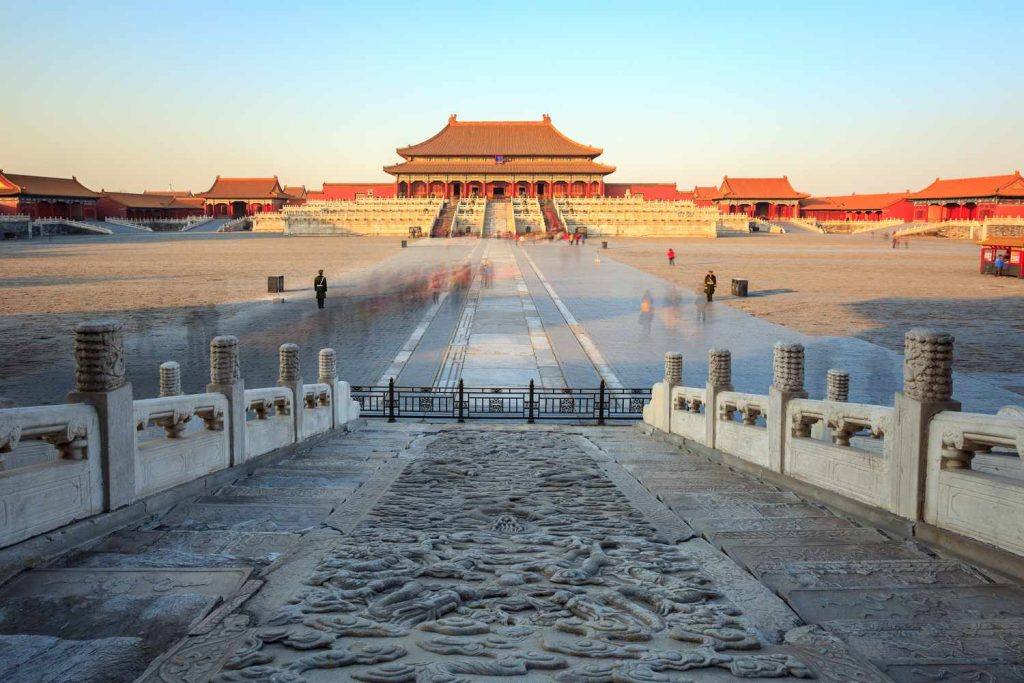
In imperial China, poison was frequently tied to court intrigues—especially within the palace, where competition among concubines, princes, and ministers could determine the future of the empire. The struggle for succession made royal households particularly dangerous. A single cup of tea or a bowl of rice could become a lethal threat.

Women in the palace, who wielded influence but lacked public authority, were sometimes portrayed as using poison to secure power for themselves or their children. Eunuchs, who controlled access to the emperor, were also key players in poisoning scandals. Historical records mention mysterious deaths, sudden illnesses, and accusations of “silent killing,” revealing how poison became part of China’s political fabric.

Egypt: Quiet Assassinations and Court Secrets

In ancient Egypt, where the pharaoh was seen as a divine ruler, open rebellion was rare—making poison an effective alternative for those who sought power without challenging authority directly. Some royal deaths described in historical texts appear sudden and unexplained, fueling speculation that poison was used to resolve disputes within the ruling class.

Court officials, heirs to the throne, and high-ranking nobles could become targets during moments of political instability. Because the Egyptians were skilled in herbal medicine, they likely understood both the healing and harmful properties of plants—knowledge that could be used for protection or for deadly plots.

The Science and Countermeasures of Poison

Understanding poison became a specialized field. Physicians, alchemists, and herbalists studied toxins to protect rulers from assassination. Antidotes, such as the famous mithridate, were developed and refined. Some rulers routinely consumed small doses of poison to build tolerance, believing this practice made them harder to kill.

This scientific knowledge created a unique power structure: those who understood poison whether to administer or cure it—held immense influence. Their expertise could sway political outcomes just as effectively as soldiers or diplomats.

The Hidden Hand That Shaped History

While battles, treaties, and conquests dominate historical narratives, poison operated in the background, quietly altering the course of empires. Many political transitions, once attributed to fate or illness, may have been the result of secret plots carried out with calculated precision.

The legacy of ancient poisoning remains a reminder that political power was not only contested on the battlefield but also at banquets, within royal chambers, and in the private spaces where ambition met opportunity. Silent, secretive, and impossible to trace, poison left an indelible mark on the ancient world—reshaping dynasties from the shadows.
The Secret Tunnels of the Knights Templar

December 4, 2025

Fact, Legend, and the Hidden World Beneath Templar Strongholds

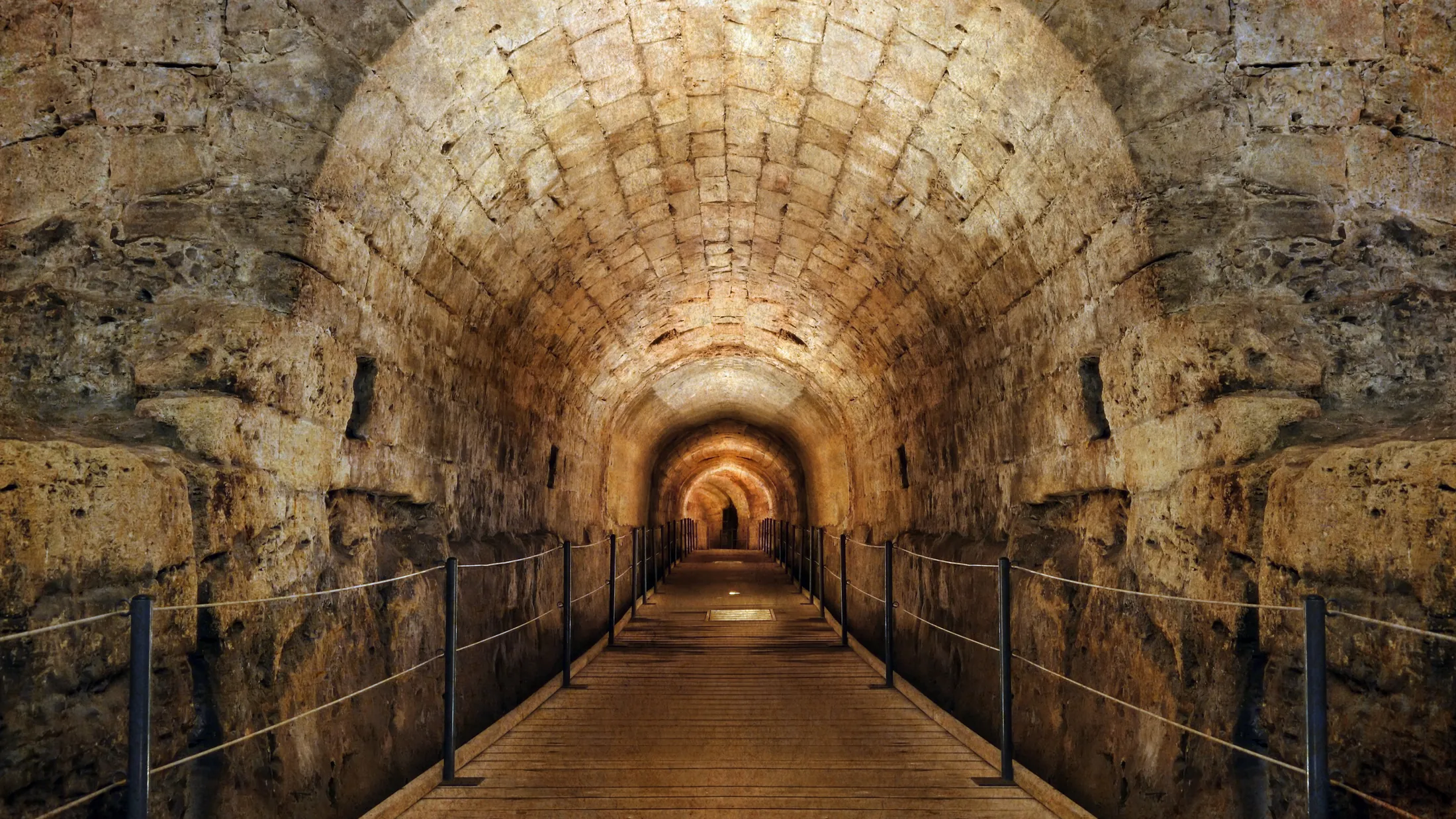
The Knights Templar were known for their military strength, wealth, and mystery. One enduring legend involves the secret tunnels beneath their castles and headquarters.

Real Tunnels Discovered by Archaeologists

Some Templar sites contain verified underground passages. These tunnels may have been used for secure movement, storage, or emergency escape routes during sieges.

Myth, Treasure, and Conspiracy

Popular legends claim the Templars hid sacred relics or treasure in underground chambers. Although no such treasure has been confirmed, these stories reflect the Templars’ reputation for secrecy.

Strategic and Practical Purposes

Tunnels provided:

  • covert pathways during attacks

  • hidden storage for documents or supplies

  • protected communication routes

Their presence highlights the Templars’ sophisticated engineering and military planning.

A Blend of Truth and Mystery

Some tunnels are archaeologically verified; others remain part of folklore. Together, they contribute to the Templars’ enduring mystique.

The Discovery of the Sutton Hoo Ship Burial

December 4, 2025

An Anglo-Saxon Treasure That Redefined Early Medieval History

The Sutton Hoo ship burial, discovered in England in 1939, is one of the most significant archaeological finds in Europe.

An Astonishing Discovery

Inside the remains of a massive ship, archaeologists uncovered armor, weapons, jewelry, coins, and ceremonial objects. The craftsmanship showed a high level of sophistication, challenging the stereotype of the “Dark Ages” as a time of decline.

Who Was Buried There?

The identity of the buried figure remains debated. Many scholars believe it was an Anglo-Saxon king, possibly Rædwald of East Anglia. The lavish burial goods indicate a powerful and respected leader.

What the Burial Reveals

The artifacts show far-reaching trade connections, artistic skill, and a fusion of pagan and Christian symbolism. Sutton Hoo demonstrates that early medieval England was culturally rich, connected, and innovative.

A Glimpse into a Lost World

The ship burial transformed our understanding of Anglo-Saxon society, revealing a complex and vibrant culture.

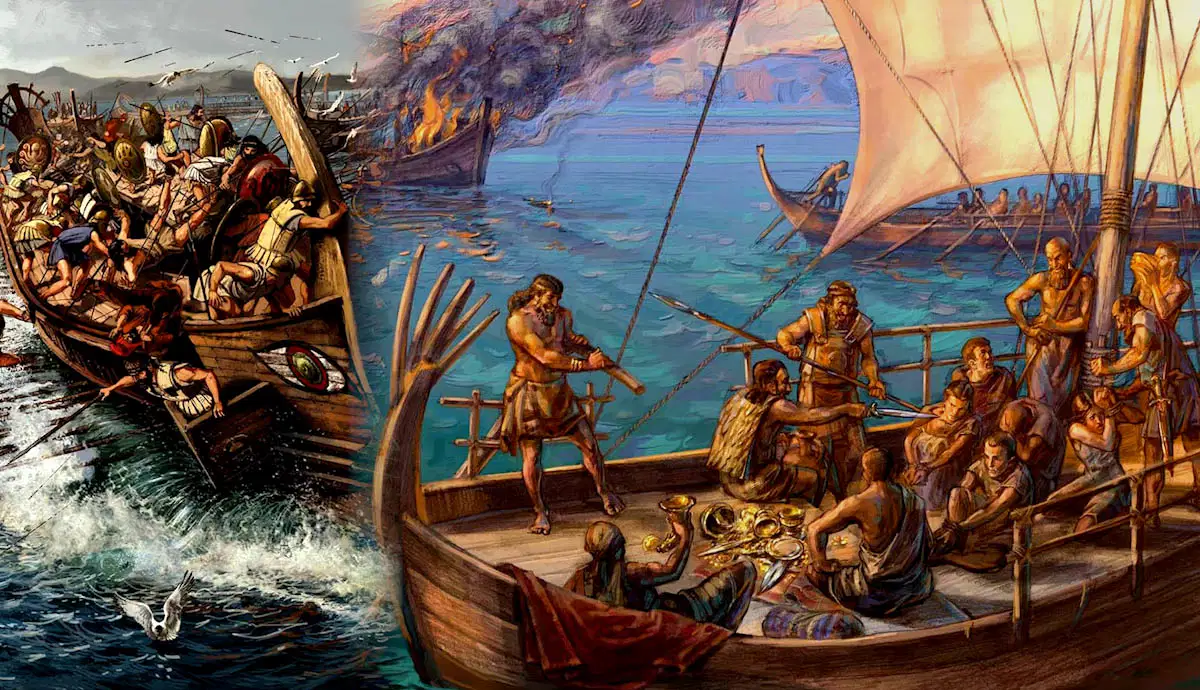
The Role of Pirates in Ancient Civilizations

December 4, 2025

How Seafaring Raiders Shaped Trade, Warfare, and Diplomacy

Piracy is as old as seafaring itself. In the ancient world, pirates raided ships, disrupted trade, and sometimes even influenced political decisions.

Mediterranean Pirates: A Constant Threat

The Mediterranean Sea was filled with merchant ships carrying valuable goods. This made it an ideal hunting ground for pirate groups like the Cilician pirates, who became so powerful that Rome eventually launched massive military campaigns to stop them.

The Sea Peoples and Early Maritime Raids

Before classical piracy, mysterious groups known as the Sea Peoples attacked Mediterranean cities, threatening major powers like Egypt. Their origins remain debated, but their raids marked a turning point in ancient maritime warfare.

Pirates as Mercenaries and Allies

Ancient powers sometimes hired pirates for military purposes. Greek city-states employed them for naval battles, and some rulers used pirate alliances to gain political advantage.

Economic and Political Impact

Piracy influenced shipbuilding, naval strategy, and international law. Ancient societies developed better fleets, coastal defenses, and maritime agreements as a response to pirate activity.

A Shadowy but Influential Presence

Although feared, pirates helped shape the ancient maritime world, forcing civilizations to innovate and cooperate.

The Story of Gilgamesh: The World’s First Epic

December 4, 2025

An Ancient Tale of Friendship, Mortality, and the Search for Meaning

The Epic of Gilgamesh is one of humanity’s oldest literary masterpieces, offering a deep reflection on life, death, and what it means to be human.

Gilgamesh and Enkidu: A Bond That Changed a Hero

The story follows King Gilgamesh of Uruk, a powerful but flawed ruler. When the gods create Enkidu, a wild man, the two become unlikely companions. Their adventures—slaying monsters and challenging fate—reveal themes of bravery and loyalty.

The Search for Eternal Life

After Enkidu’s death, Gilgamesh begins a journey to overcome mortality. He meets wise figures, faces trials, and learns that human life is precious precisely because it is limited.

Themes That Transcend Time

The epic explores:

  • leadership and responsibility

  • friendship and grief

  • fear of death

  • the pursuit of legacy

These universal themes keep the story relevant across cultures and centuries.

A Rediscovered Treasure

Lost for millennia, the epic was uncovered through cuneiform tablets in the 1800s. Its discovery reshaped our understanding of ancient literature and human storytelling.

The Influence of Mesopotamian Myths on Later Religions

December 4, 2025

How Ancient Stories Shaped Beliefs Across the World

Mesopotamia, often called the “cradle of civilization,” produced myths that influenced later religious traditions across the Near East and beyond.

Creation Stories with Familiar Patterns

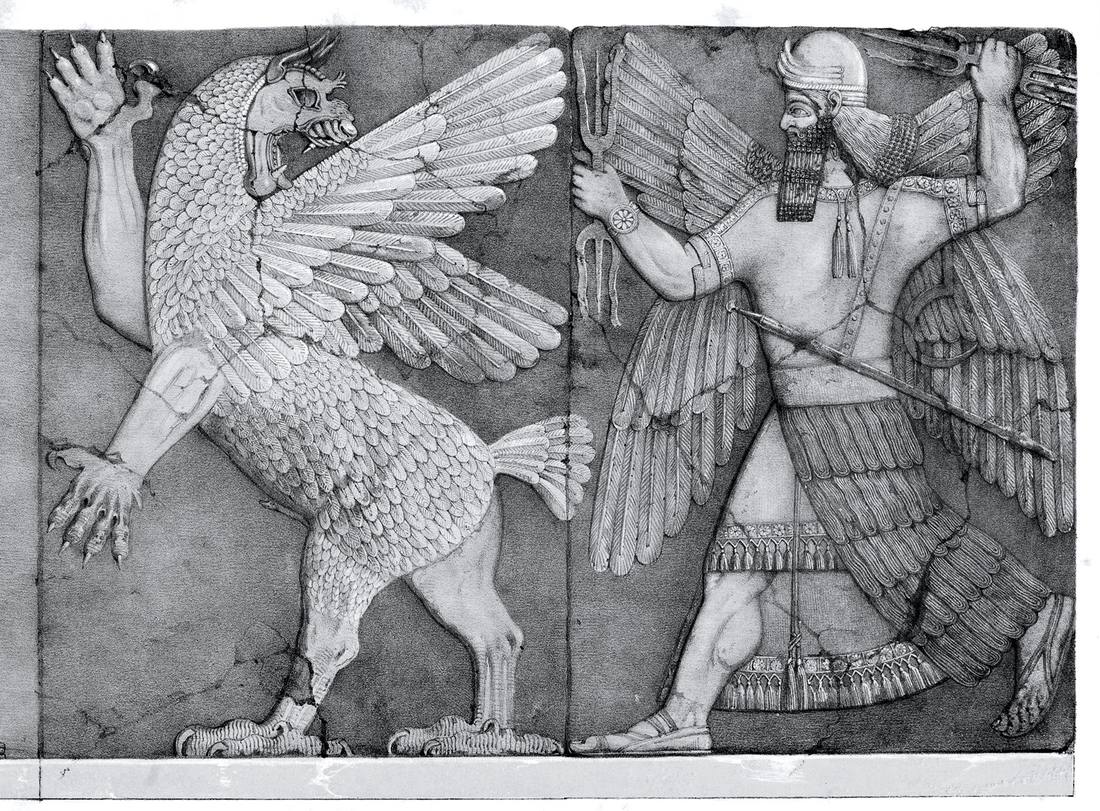
Many Mesopotamian myths describe gods shaping the world from chaos—an idea echoed in later religious texts. Stories of divine battles, sky gods, and earth goddesses appear in later cultures with striking similarities.

The Great Flood Narrative

One of the most famous Mesopotamian stories is the flood epic found in the Epic of Gilgamesh. This narrative predates similar flood stories in later religions and shares elements such as divine anger, a chosen survivor, and the building of a vessel to preserve life.

Shared Themes and Possible Influences

Mesopotamian mythology introduced concepts such as:

  • gods judging human behavior

  • the afterlife as a shadowy realm

  • cosmic order maintained by divine beings

  • heroic quests shaping moral lessons

Many of these ideas appear in later traditions, suggesting a cultural exchange created through trade, migration, and political contact.

A Foundation Beneath Later Belief Systems

While each religion developed its own identity, Mesopotamian stories helped shape the symbolic and narrative vocabulary of the ancient world.

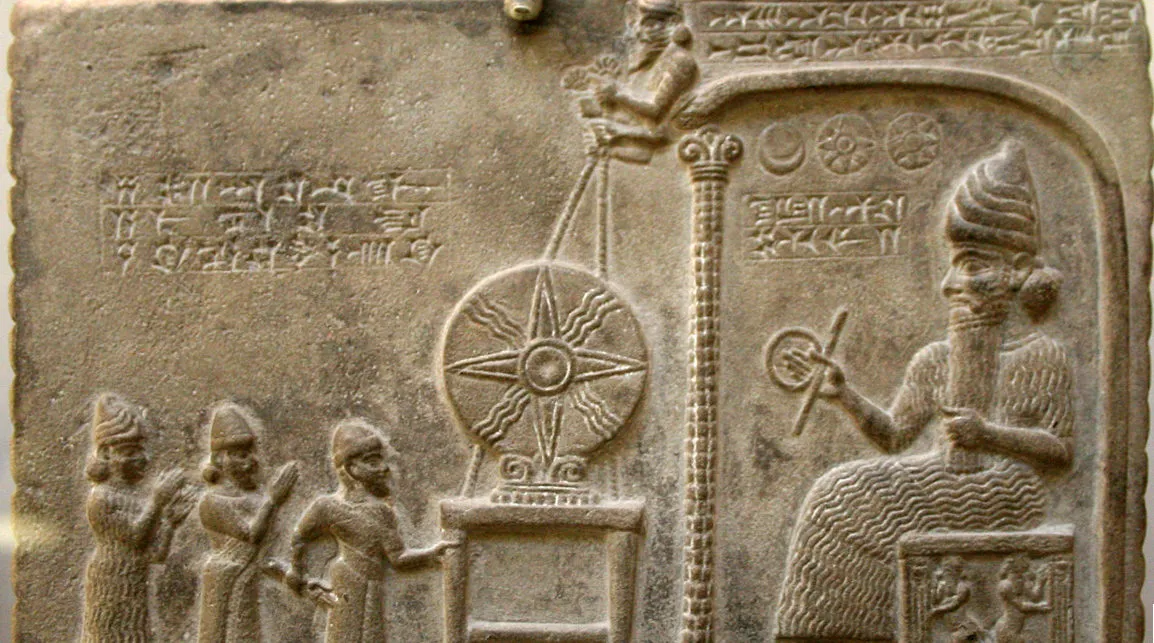
The Role of Astrology in Babylonian Society

December 4, 2025

How the Babylonians Turned the Stars into a System That Shaped Civilizations

Astrology interpreting the heavens to understand life on Earth was not invented for personal horoscopes. In ancient Babylon, it was a serious science linked to religion, agriculture, and the fate of kingdoms.

The Birth of Celestial Observation

Babylonian priests were among the first people to systematically record the positions of stars and planets. They believed the sky was a message board where gods communicated warnings, blessings, and signs. Clay tablets show centuries of detailed records, making Babylon one of the earliest centers of astronomical knowledge.

Astrology’s Role in Decision-Making

Kings relied heavily on astrologers. Before major decisions going to war, building temples, or approving laws they consulted experts who read omens in the sky. The movement of Venus, eclipses, and planetary alignments were believed to influence everything from harvests to political stability.

Ordinary people also depended on astrology for guidance, especially in farming, rituals, and medicine.

Influence on Later Civilizations

Babylon’s astrological system spread far beyond Mesopotamia. Greek scholars expanded it, Romans practiced it widely, and Islamic astronomers refined its mathematical foundations. Much of modern astrology, including the zodiac, traces its roots to Babylonian star lore.

A Legacy Written in the Stars

The Babylonians did not simply watch the sky—they interpreted it. Their work laid the foundation for astronomy and astrology, shaping the spiritual and scientific traditions that followed.

1034. The History of the First Written Peace Treaty

How Egypt and the Hittites Ended a War and Created a Model for Diplomacy

The Treaty of Kadesh is the oldest surviving written peace treaty, created after years of conflict between two ancient superpowers: Egypt and the Hittite Empire.

A War That Needed a Resolution

The Battle of Kadesh, fought around 1274 BCE, was one of the largest chariot battles ever recorded. Both sides claimed victory, but neither gained true control. After decades of tension, both empires faced threats from rivals and internal issues, making peace essential.

Crafting the First Known Peace Agreement

The treaty outlined shared borders, mutual support in case of foreign attacks, and the promise not to harbor fugitives. It was a remarkable step toward organized diplomacy.

Two versions of the treaty exist:

  • The Egyptian version carved in hieroglyphs.

  • The Hittite version written in cuneiform.

Each version presents the treaty in a slightly different tone, reflecting ancient propaganda and political pride.

Why the Treaty Matters Today

This document shows that ancient civilizations valued peace, negotiation, and international cooperation. A replica of the treaty is displayed at the United Nations to symbolize early global diplomacy.

A Landmark in Human Negotiation

The Treaty of Kadesh demonstrates that even in a world dominated by warfare, people sought stability through agreements—not just force.

The Unfinished Obelisk of Aswan

December 4, 2025

A Monument That Reveals the Secrets of Ancient Egyptian Engineering

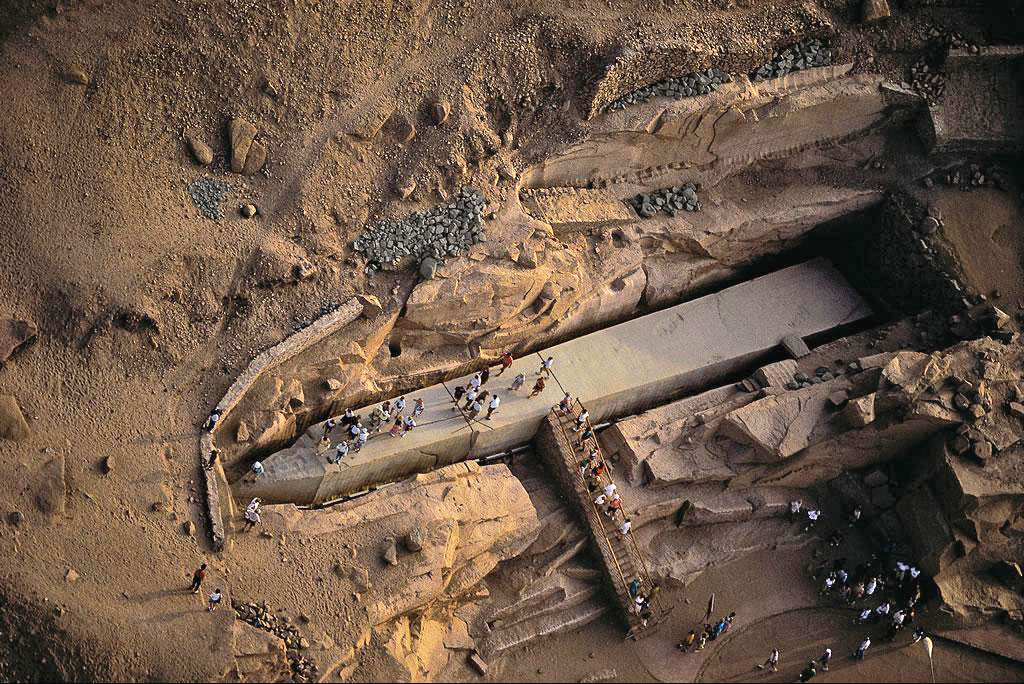
At a quarry in Aswan lies one of the most fascinating monuments of ancient Egypt not because it stands tall, but because it was never completed. The Unfinished Obelisk offers a rare glimpse into how Egyptians carved, shaped, and prepared enormous stone monuments.

A Grand Ambition in Stone

Commissioned during the reign of Queen Hatshepsut, the Unfinished Obelisk was intended to be the tallest and heaviest obelisk ever created. If completed, it would have weighed more than 1,000 tons. Instead, it remains attached to the bedrock where artisans began shaping it thousands of years ago.

Why the Obelisk Was Abandoned

During the carving process, ancient workers discovered deep cracks running through the granite. These flaws made it impossible to safely lift and transport the monument. Rather than risk disaster or waste resources, the workers abandoned the project entirely.

This decision preserved a unique archaeological treasure: a snapshot of stone-carving techniques frozen in time.

What the Obelisk Reveals About Ancient Technology

The unfinished structure shows clear tool marks, drill holes, and channels, demonstrating how workers used dolerite stone hammers to chip away at the granite. It also suggests a highly organized workforce capable of planning massive projects with precision.

The site offers proof that ancient Egyptians possessed advanced engineering knowledge even without steel tools or modern machinery.

A Monument to Human Skill and Limits

The Unfinished Obelisk stands as a testament to Egyptian craftsmanship, ambition, and practicality. Though never raised to the sky, it continues to teach us about the techniques behind some of Egypt’s most iconic monuments.

The Role of Puppetry in Ancient Theaters

December 4, 2025

How Greece, Rome, and China Brought Stories to Life Through Strings, Shadows, and Ingenious Craft

Puppetry is often associated with children’s entertainment today, but in the ancient world, puppets were powerful storytelling tools used in ceremonies, festivals, and theater. Greece, Rome, and China each developed unique forms of puppetry that captivated audiences with movement, voice, and illusion.

Puppetry in Ancient Greece: Small Figures with Big Stories

Ancient Greek theater is famous for its actors and masks, yet puppets also played a key role in public entertainment. Known as “neurospasta,” these small articulated figures were controlled with rods or strings and used in side performances, comedic acts, and traveling shows.

Greek puppeteers amazed audiences with clever mechanical tricks, making puppets dance, fight, or mimic everyday life. While marble theaters hosted tragic performances, the streets and festivals were alive with miniature dramas performed by skilled hands.

Roman Innovation: Mechanized Puppets and Public Shows

Rome expanded on Greek puppetry, introducing more elaborate designs and mechanical ingenuity. Some Roman puppets were operated using gears and levers, creating lifelike gestures that delighted spectators. These puppets appeared in religious festivals, banquet entertainment, and sometimes in small theaters where humorous plays were performed.

In some cases, Roman writers described puppet shows as mirrors of society, using humor and movement to comment on politics, daily life, and human nature—much like modern satire.

China’s Rich Puppetry Traditions: Shadows, Strings, and Spirit

China developed some of the world’s oldest and most sophisticated puppetry traditions. Shadow puppetry emerged during the Han dynasty, with performers using translucent leather figures to cast colorful silhouettes against lit screens. These shows often depicted historical legends, heroic stories, and folk tales.

China also developed intricate marionettes puppets controlled by multiple strings that could perform dances, act out battles, and express emotion through detailed movement. Puppetry was not just entertainment; it was tied to ritual, education, and cultural identity.

A Shared Legacy of Art and Imagination

Across these ancient civilizations, puppetry served as a bridge between storytelling and artistry. Whether moving across a Greek stage, entertaining Roman banquets, or dancing on Chinese screens, puppets allowed performers to explore stories that actors could not. This early theatrical craft left behind a legacy still alive in global puppetry today.

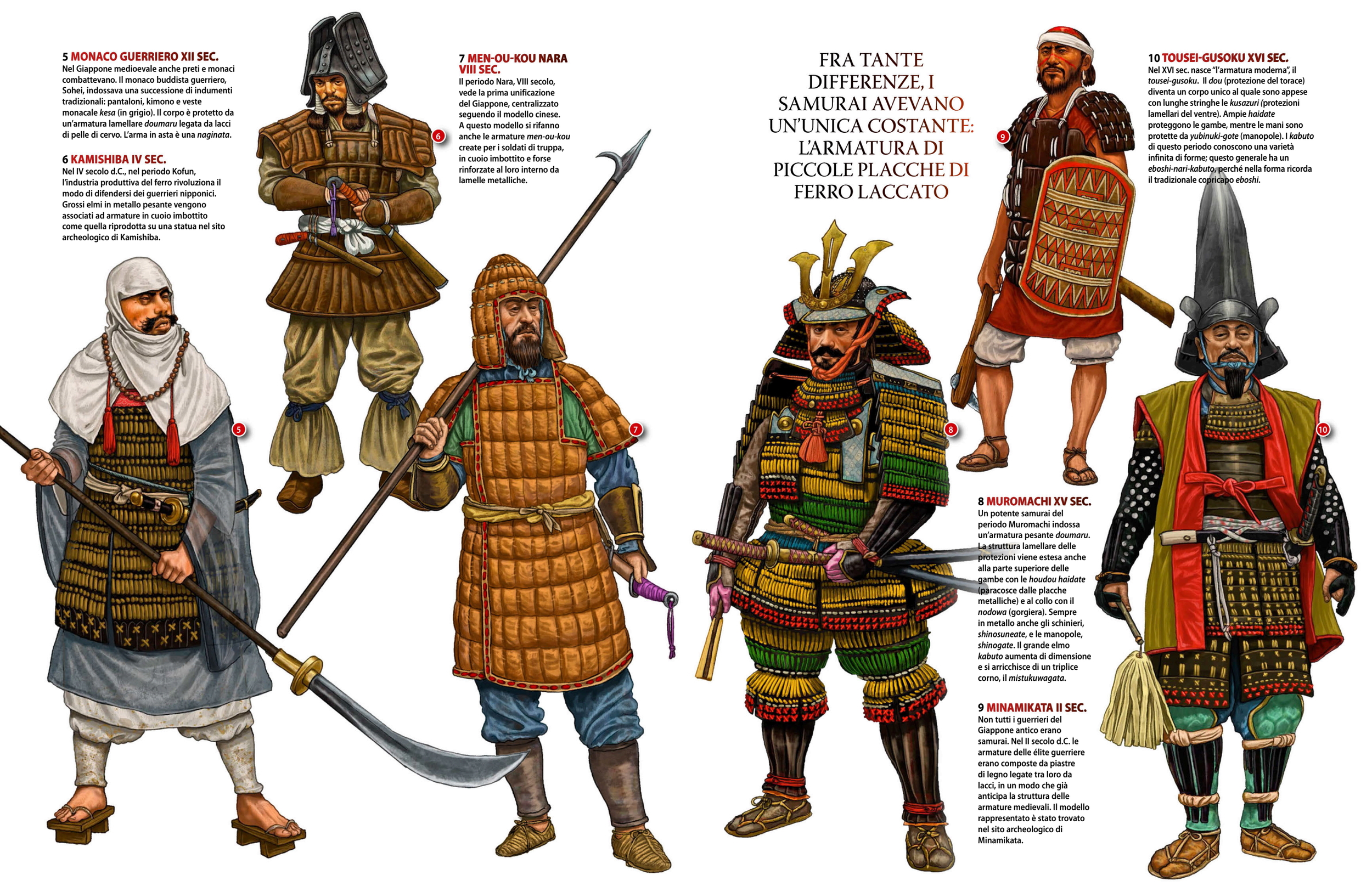
The Secret History of the Samurai Before Japan

December 4, 2025

Tracing the Roots of Japan’s Warrior Class

The samurai are central figures in Japanese history, known for their discipline, loyalty, and martial skill. But the traditions that shaped them may have begun long before Japan formed a formal samurai class.

Early Warrior Cultures Across East Asia

Before samurai emerged, East Asia was home to numerous warrior groups skilled in horseback riding, archery, clan warfare, and protective alliances. These early practices laid the groundwork for Japan’s later military structure.

Japan’s Transition to a Warrior Society

As regional clans gained power in early Japan, local warriors became essential for maintaining order and defending territory. Over time, these fighters developed a shared code of honor, loyalty, and discipline traits that eventually defined the samurai ethos.

From Clan Warriors to Elite Class

By the medieval era, the samurai had evolved into a respected social class with political influence and cultural identity. Their philosophy, refined through centuries of conflict and peace, would shape Japanese history for generations.

The Lost City of Dwarka: India’s Sunken Kingdom

December 4, 2025

Exploring the Underwater Ruins Linked to the Legendary City of Krishna

Off India’s western coast lies a submerged archaeological site that has sparked widespread curiosity. Some believe these underwater structures could be connected to Dwarka, the legendary city of Krishna described in ancient texts.

Exploring the Ruins

Underwater surveys have revealed walls, stone blocks, and possible foundations arranged in grid-like patterns. These discoveries suggest the presence of an ancient settlement that may have been destroyed by rising sea levels.

Mythology and History Intertwined

Hindu scriptures describe Dwarka as a thriving, magnificent city built by Krishna. According to tradition, the city eventually sank beneath the waves after Krishna’s departure. While archaeology cannot confirm the myth, the underwater ruins keep the legend alive and continue to inspire research.

A City Lost to the Sea?

Whether the remains belong to the legendary Dwarka or an unknown ancient settlement, the site highlights the vulnerability of coastal cities and the layers of history hidden beneath the ocean.

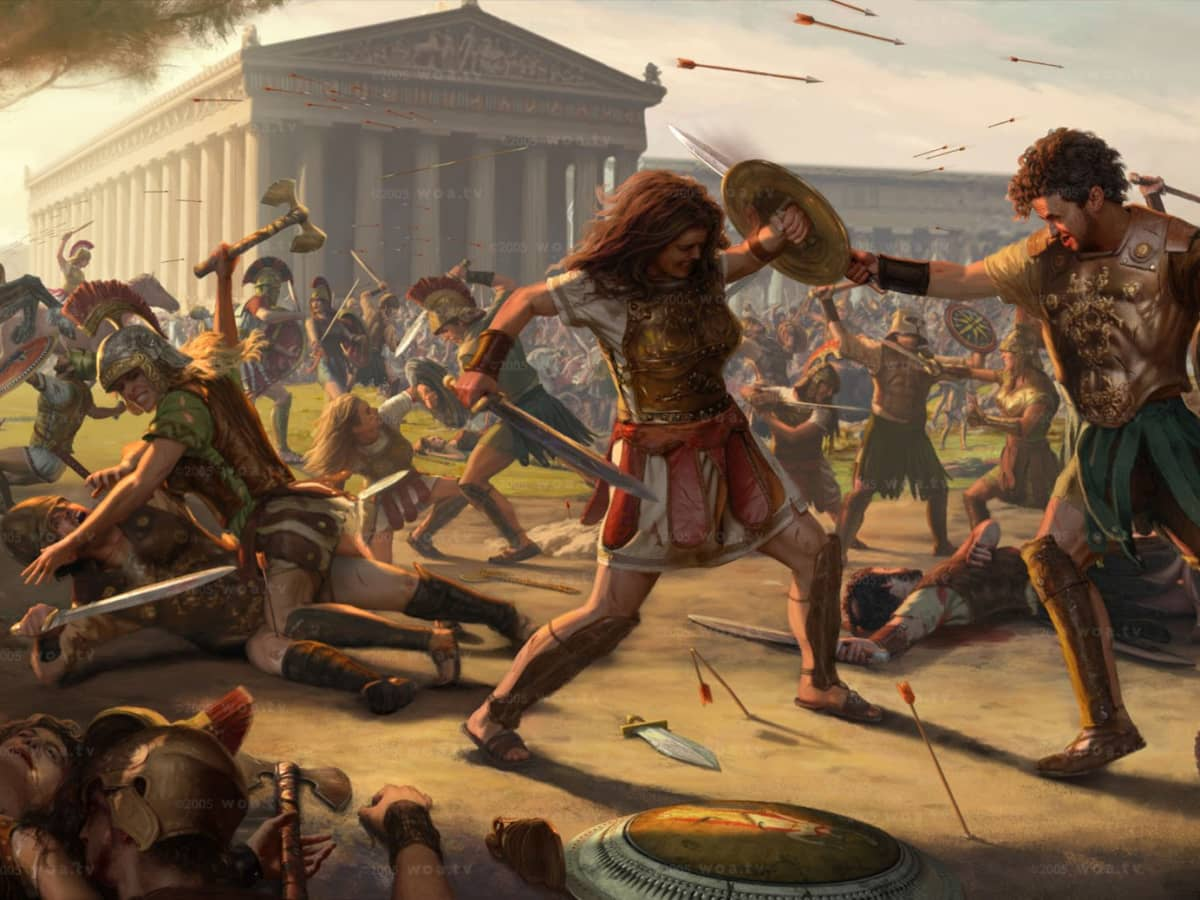
The Truth Behind the Amazon Warrior Women

December 4, 2025

Uncovering the Real Inspiration for the Myth of the Amazons

The Amazons legendary warrior women are often portrayed as fierce fighters who lived independently from men. But evidence suggests these myths were rooted in encounters with real women warriors.

Archaeological Evidence from the Steppe

Excavations in the Eurasian steppe revealed graves of Scythian women buried with weapons, armor, and horses. Some skeletons show battle injuries, suggesting these women actively fought in combat.

Greek Encounters and Storytelling

When Greek travelers met these cultures, they may have been astonished to see women riding horses, hunting, and fighting alongside men. Over time, these observations were transformed into legendary tales of a society entirely composed of warrior women.

The Amazon myth, therefore, reflects both cultural misunderstanding and admiration for societies with strong female fighters.

The Role of Perfumes and Scents in Ancient Rituals

December 4, 2025

How Fragrance Shaped Worship, Burial Traditions, and Early Medicine

Across ancient cultures, scents carried deep symbolic meaning. Perfumes, oils, and incense were used not only for beauty but also for religious ceremonies, healing practices, and honoring the dead.

Sacred Incense in Temples

Burning aromatic substances created an atmosphere believed to attract divine presence. Egyptians used frankincense and myrrh in temple rituals, while Greeks and Romans burned herbs to accompany prayers. Rising smoke symbolized messages ascending to the heavens.

Burial Practices and the Afterlife

Perfumed oils played a major role in preparing bodies for burial. These scents masked odors, purified the deceased, and signified respect. Many tombs contain jars of fragrant oils, showing how important scents were for ensuring a peaceful journey into the afterlife.

Early Healing and Medicine

Ancient healers believed fragrances had therapeutic properties. Oils made from lavender, rose, cedar, and herbs were used to ease pain, treat wounds, or calm the mind. These practices laid early foundations for aromatherapy.

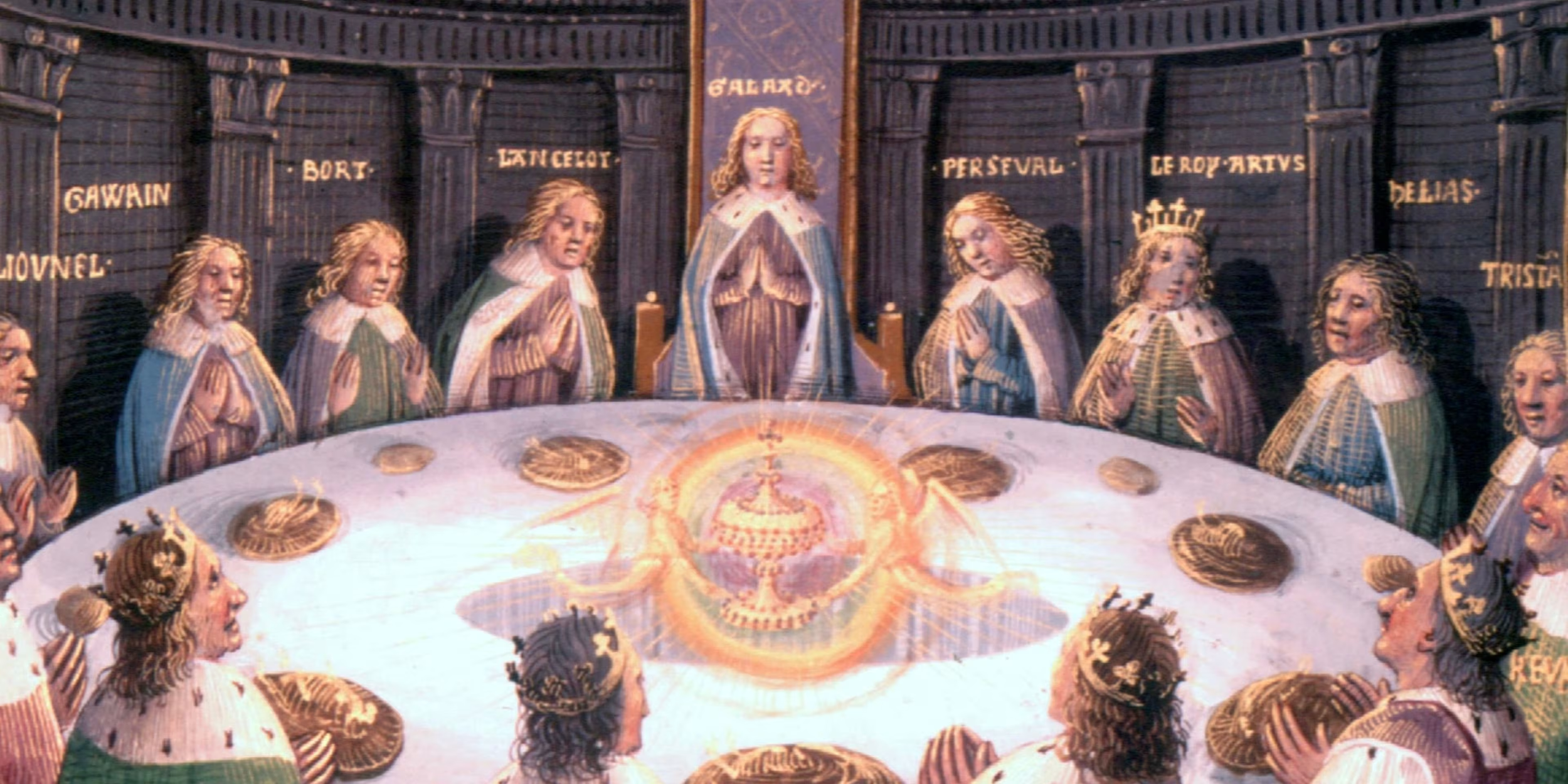
The Legend of the Holy Grail: Origins and Meaning

December 4, 2025

Tracing the Evolution of One of History’s Most Famous Myths

The Holy Grail is one of Western culture’s most enduring symbols, appearing in myth, literature, religion, and modern storytelling. But its origins stretch far beyond medieval knights.

Celtic Roots

Long before the Grail became a Christian relic, Celtic myths told of magical cauldrons and cups that provided endless nourishment or mystical healing. These early legends may have inspired later versions of the Grail.

Medieval Christian Transformations

By the Middle Ages, writers connected the Grail to the life of Jesus—portraying it as the cup from the Last Supper or the vessel that caught his blood at the Crucifixion. This Christian reinterpretation turned the Grail into a holy object that symbolized purity, faith, and divine grace.

Knights in Arthurian legends embarked on quests to find it, transforming the Grail into a symbol of spiritual perfection.

Cultural Legacy

The Grail remains powerful today because it blends mystery, spirituality, and the human desire for transcendence. Whether viewed as a real object or a metaphor for enlightenment, it continues to inspire new interpretations across literature, film, and art.

The First Recorded Plague in History

December 4, 2025

Early Epidemics and How They Reshaped Civilizations

Long before modern pandemics, ancient societies struggled with widespread diseases that altered politics, economics, and culture.

The Plague of Athens

One of the earliest well-documented epidemics struck Athens in 430 BCE during the Peloponnesian War. The disease spread rapidly through the crowded city, killing thousands including soldiers, civilians, and eventually the statesman Pericles.

The plague weakened Athens militarily and politically, contributing to its eventual defeat.

Early Epidemics in Egypt and Mesopotamia

Ancient writings from the Near East describe outbreaks that halted trade, disrupted farming, and caused social unrest. Some epidemics lasted years, leaving entire regions depopulated and vulnerable to invasion.

Long-Term Consequences

Early plagues reshaped society in several ways:

  • Labor shortages changed economic structures.

  • Religious responses shifted as people sought explanations or divine protection.

  • Political instability increased as leaders struggled to manage crises.

These early pandemics remind us that disease has always played a major role in shaping human civilization.

The Role of Elephants in Ancient Warfare

December 4, 2025

How Persians, Indians, and Carthaginians Used War Elephants in Battle

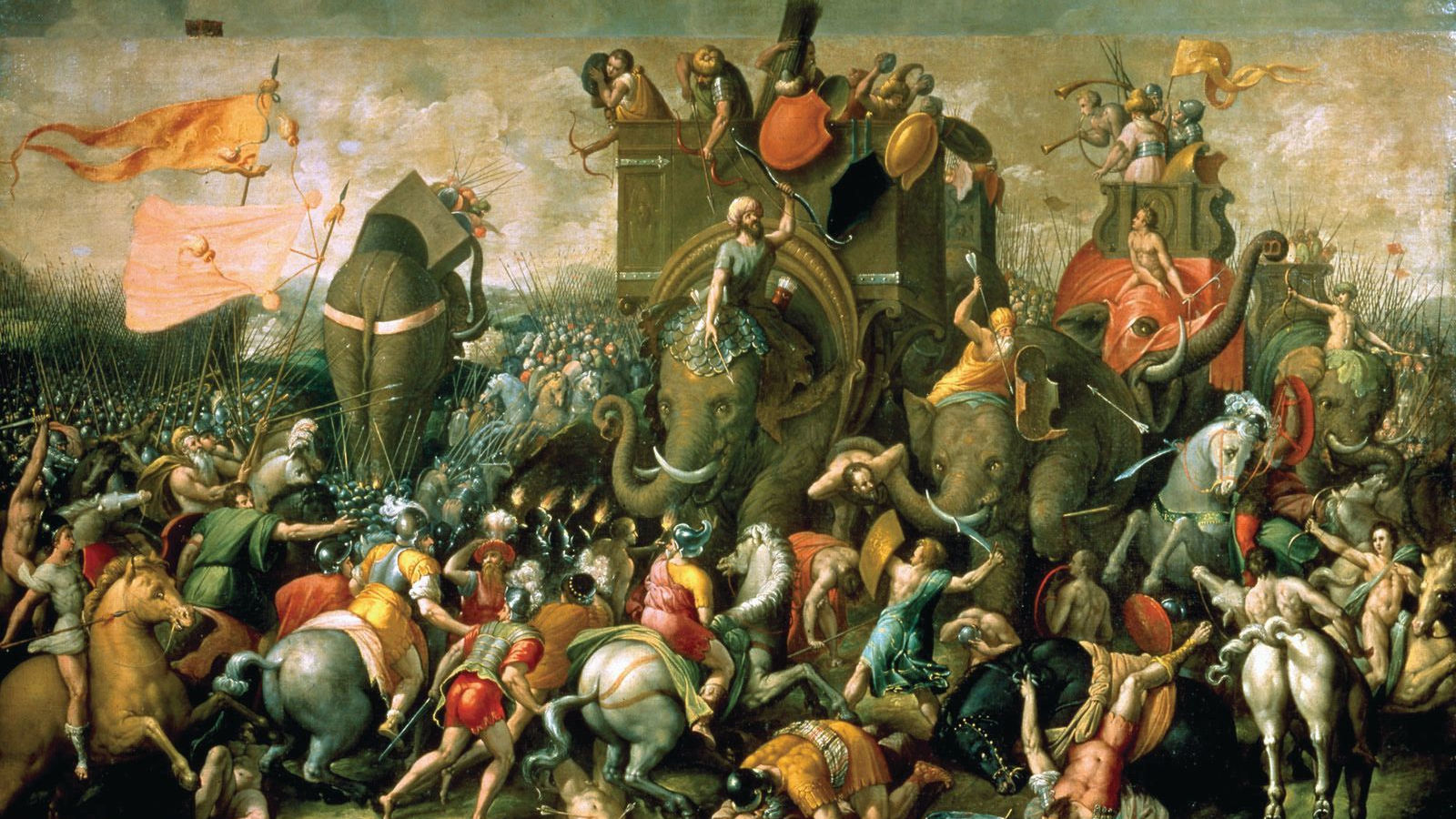
War elephants were among the most imposing forces in ancient warfare. With their height, strength, and intimidating presence, they could break enemy lines and cause chaos long before the fighting began.

India: Home of the Earliest War Elephants

India was the birthplace of organized elephant warfare. Kings trained elephants to carry archers, trample opponents, and act as mobile towers during battle. Their deep roars and massive size terrified infantry.

Elephant units became symbols of royal authority and were often placed at the forefront of armies.

Persia: A Powerful Military Asset

The Achaemenid and later Persian empires adopted war elephants after encountering them in India. These animals became a key part of their strategy, especially when facing Greek and Roman forces unused to such creatures.

Persian generals used elephants to protect flanks, intimidate cavalry, and break defensive formations.

Carthage: Hannibal’s Legendary Elephant Corps

Carthage is perhaps the most famous Western power to use war elephants. Hannibal’s decision to lead elephants across the Alps stands as one of history’s most daring military feats. On the battlefield, they acted as shock troops, disrupting Roman ranks and causing psychological panic.

Although difficult to train and maintain, war elephants left a lasting legacy in ancient military history.

The Mysterious Nazca Lines: Messages to the Gods?

December 4, 2025

Unraveling the Purpose Behind Peru’s Enormous Desert Geoglyphs

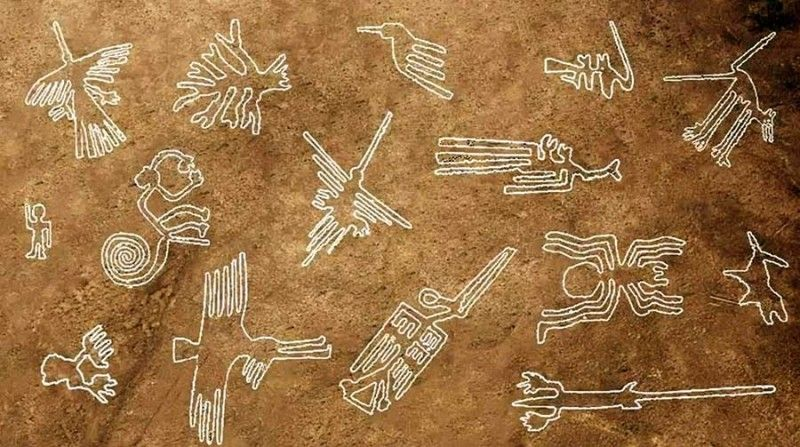
Stretching across Peru’s coastal desert are hundreds of colossal designs known as the Nazca Lines. Visible mainly from the air, these geoglyphs depict animals, geometric patterns, and long lines that run for kilometers. Their sheer scale raises one question: Why were they created?

What the Geoglyphs Look Like

The Nazca Lines include images of hummingbirds, spiders, monkeys, and human-like figures. Some designs are small, while others cover massive expanses. Their precision suggests careful planning and communal labor.

Theories Behind Their Purpose

Scholars have proposed several interpretations:

1. Ritual Pathways

Some researchers believe people walked along these lines during ceremonies. The act of moving through the desert landscape may have been part of spiritual or seasonal rituals.

2. Astronomical Markers

Certain lines appear aligned with solstices or celestial events. If intentional, this orientation suggests the Nazca people used the geoglyphs as giant calendars or cosmic guides.

3. Offerings to Sky Beings

One theory argues that the Lines were meant for gods who looked down from above. Their visibility from the sky supports the idea that they were spiritual messages or symbolic gestures.

4. Water Symbols

In the desert, water meant survival. Some shapes resemble water creatures, suggesting the Lines could have been prayers for rainfall or fertility.

While their exact purpose remains debated, the Nazca Lines continue to fascinate researchers and travelers alike.

The Oldest Maps Ever Discovered

December 4, 2025

How Civilizations in Mesopotamia, China, and Greece First Charted the World

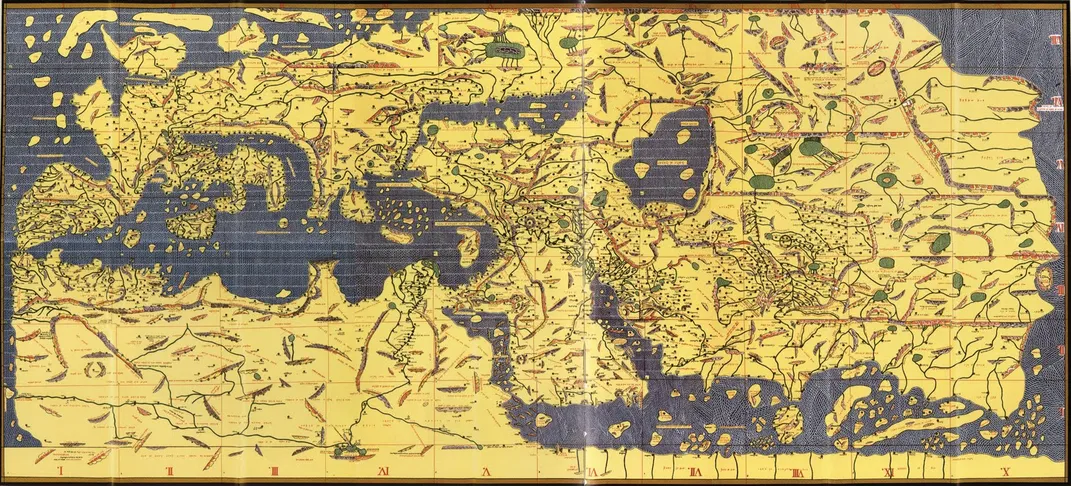
Before satellites and digital mapping tools, early societies developed surprisingly sophisticated ways to represent the world around them. The earliest maps reveal how ancient people understood geography, resource distribution, and cosmic order.

Mesopotamia: The World Carved in Clay

The oldest maps come from ancient Mesopotamia. Inscribed on clay tablets, these early records show cities, rivers, and agricultural land. Some tablets even present the world as a circular landscape surrounded by water, reflecting Babylonian cosmology rather than geographic accuracy.

These maps served practical purposes—managing irrigation, dividing land, and organizing trade routes—and show how essential written geography was for early state administration.

China: Precision and Statecraft

Ancient Chinese maps stand out for their accuracy. Created on silk, wood, and bronze, they portrayed mountains, rivers, roads, and administrative boundaries in impressive detail. Early Chinese rulers relied on these maps to manage vast territories, oversee military campaigns, and maintain order.

By the Han dynasty, Chinese mapmakers were using grids and scaled distances, techniques far ahead of their time.

Greece: Mapmaking Meets Philosophy

Greek scholars pioneered conceptual geography. Thinkers like Anaximander and Hecataeus attempted to understand Earth’s shape, the arrangement of continents, and the relationship between known territories. Later, Ptolemy transformed mapmaking into a scientific discipline by introducing coordinates and mathematical calculations.

Although Greek maps were not always precise, they provided the intellectual foundation for modern cartography.

The Role of Feasting in Ancient Societies

December 4, 2025

How Shared Meals Shaped Diplomacy, Religion, and Community Life

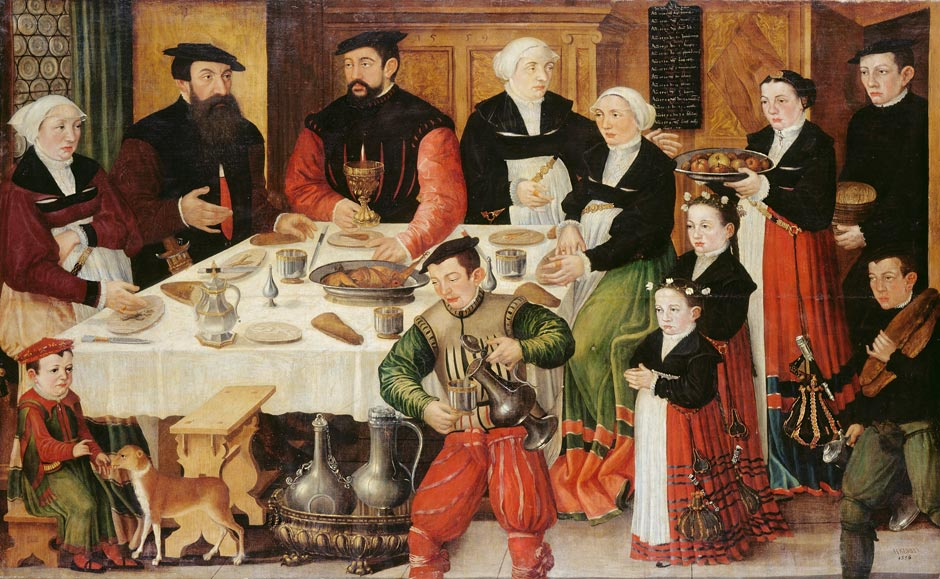
Feasting was far more than an opportunity to enjoy food in ancient civilizations. Across cultures from Mesopotamia and Egypt to Greece, China, and the Americas lavish meals served as social glue, political tools, and sacred rituals. These gatherings reveal how early people expressed identity, negotiated alliances, and honored their gods.

Feasts as Platforms for Diplomacy

In many societies, political influence was demonstrated through generosity. Hosting a grand feast communicated stability, wealth, and authority. Leaders invited allies and rivals alike to the table, knowing that shared food softened tensions and created environments where negotiations could begin.

For example, ancient Near Eastern kings used state banquets to finalize trade agreements or celebrate military victories. The act of eating together symbolized mutual respect and sealed partnerships without written contracts.

Ritual Meals and Sacred Ceremonies

Religion and food were closely linked. Feasts held during festivals or temple ceremonies were believed to bring communities closer to the divine. Offerings whether roasted animals, bread, or wine—were presented to deities before being shared by participants.

In many cultures:

  • Egyptians offered food to gods during temple rituals.

  • Greeks held communal meals after sacrifices to strengthen civic identity.

  • Indigenous societies used feasts to honor ancestors and seek spiritual guidance.

These gatherings turned meals into sacred acts, reinforcing belief systems and cultural continuity.

Strengthening Social Bonds

At their core, feasts brought people together. Weddings, coming-of-age celebrations, harvest festivals, and funerals all featured shared meals that emphasized unity. Feasts reaffirmed status within the community—who sat where and who received what portion reflected social hierarchy.

Even in hierarchical societies, feasting created moments where communities could celebrate, mourn, or commemorate important events as one collective body.

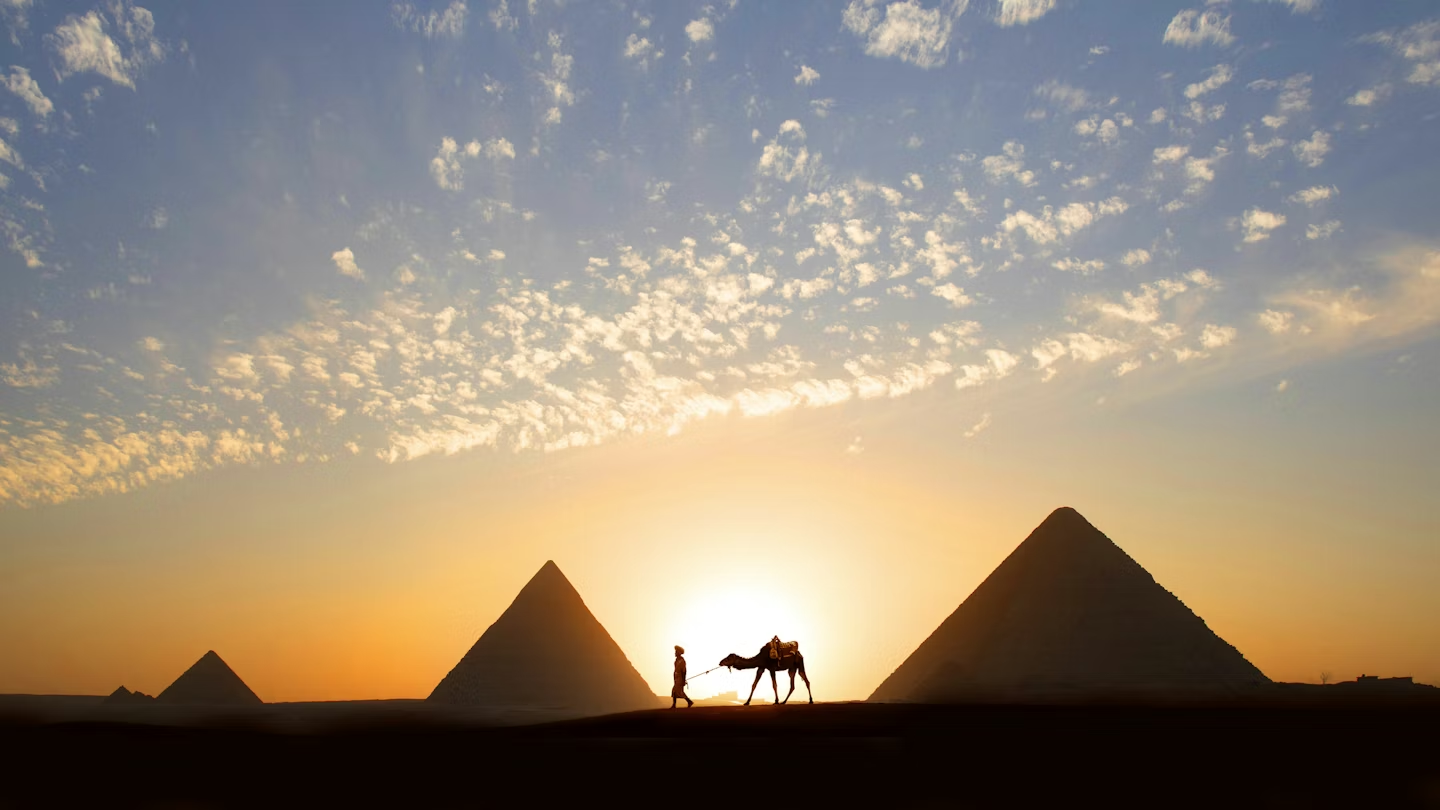
The Pyramids at Giza, Egypt.

Things to know before visiting the Pyramids of Giza, Egypt

December 3, 2025

Egypt is home to some of the world’s most remarkable ancient architecture, including impressive tombs and remarkably preserved temples. Among these treasures stands the Great Pyramid of Giza, the only surviving monument of the Seven Wonders of the Ancient World, making the pyramids a must-see destination for travelers. These monumental structures offer a glimpse into a powerful historical dynasty, showcasing building techniques that continue to intrigue historians today.

Use this guide to plan your visit, learn about how the pyramids were constructed, explore their unique architectural features, and find out what to expect when you go.

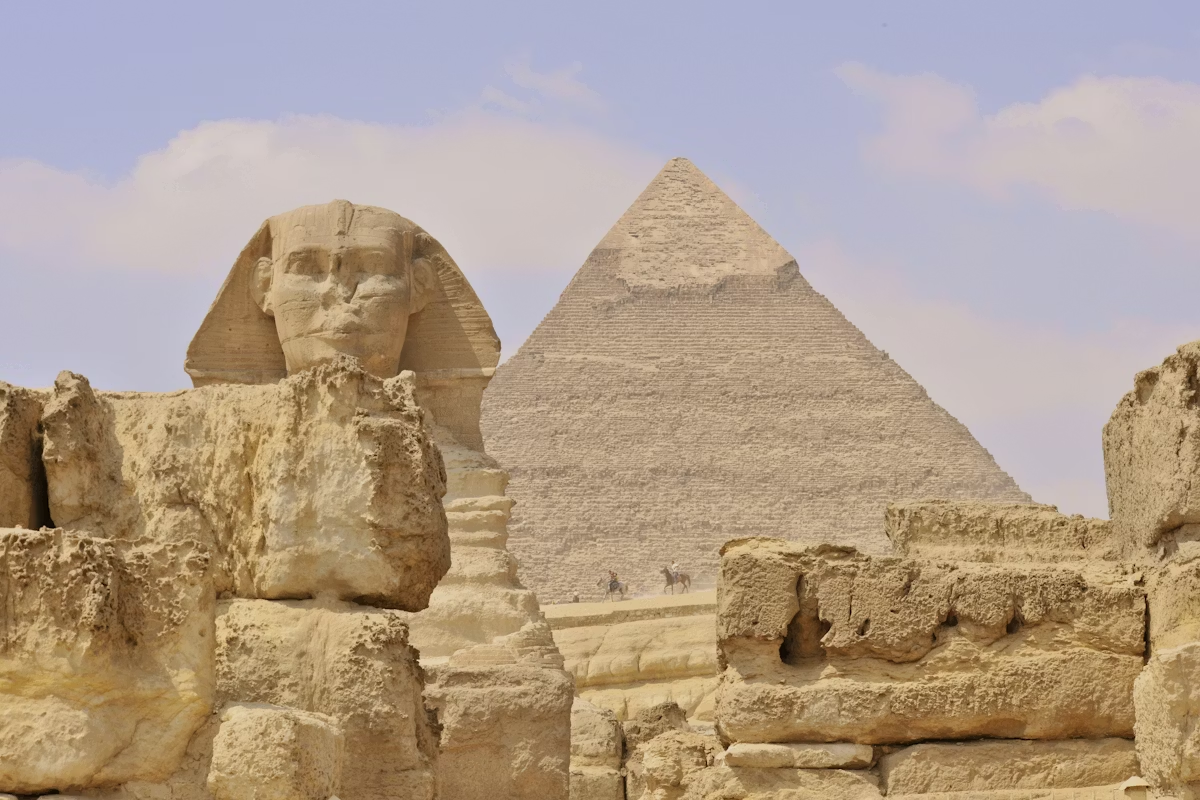
The Great Sphinx of Giza.

What Are the Pyramids of Giza?

The Pyramids of Giza are monumental tombs built for three of Egypt’s ancient pharaohs. Ancient Egyptians believed that when a pharaoh died, they would ascend to the afterlife as a god. To prepare for this journey, each pharaoh commissioned massive pyramids to serve as tombs, where they could store items needed in the next world.

The first and largest pyramid, the Pyramid of Khufu also called the Great Pyramid was constructed around 2550 BCE for Pharaoh Khufu. About 30 years later, his son, Pharaoh Khafre, began building his own pyramid, the Pyramid of Khafre, and the iconic Sphinx, which is thought to bear his likeness, was built to guard the tomb. The smallest of the three, the Pyramid of Menkaure, was completed around 2490 BCE by Khafre’s son.

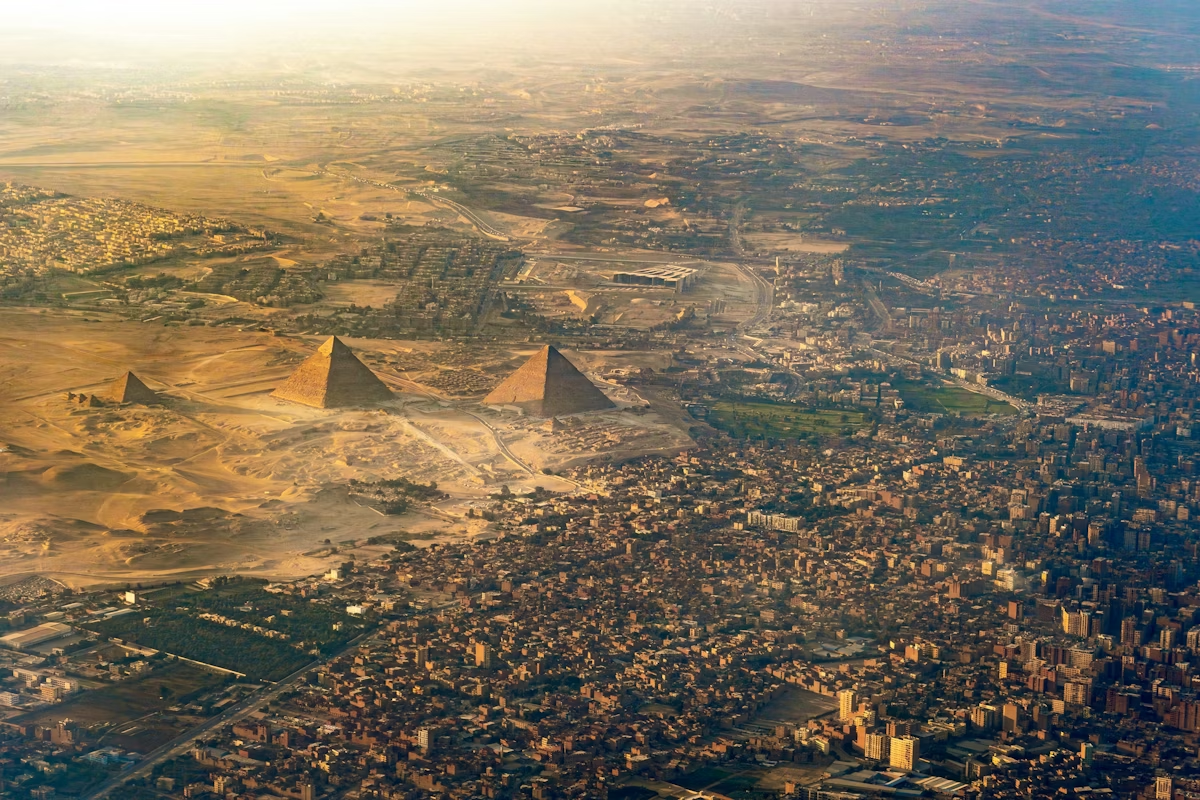
Together with the Sphinx and several smaller pyramids and tombs, these structures form the Giza Pyramid Complex.

How Were the Pyramids Built?

The construction of the Pyramids of Giza remains one of history’s greatest engineering mysteries. Although researchers do not know all the specifics, decades of archaeological discoveries have revealed important clues.

It is estimated that building the three pyramids required 10,000–20,000 workers over roughly 20 years. While older accounts claimed the pyramids were built by enslaved people, more recent evidence indicates that the workforce primarily consisted of native Egyptian farmers, who worked on the pyramids during the annual flooding of the Nile. These workers lived in a temporary settlement near the Pyramid of Menkaure.

Various tools and materials were used in construction. Stones for Khufu and Menkaure’s pyramids came from nearby quarries, though the source of Khafre’s stones is still debated. Workers transported stones by dragging sleds over wet sand and lifting them using ramps. The exact design of these ramps remains unknown, adding to the enduring mysteries of how the Pyramids of Giza were built.

Aerial view of the Pyramids of Giza.

What makes the Pyramids unique?

Precise alignment
The Great Pyramid is nearly perfectly aligned with the cardinal directions north, south, east, and west a fact that continues to puzzle historians. Scholars have suggested various methods for achieving this alignment, with the latest theory involving the fall equinox, though no definitive evidence confirms this.

Limestone casing
Originally, the Pyramids of Giza were covered in smooth limestone, which has mostly been removed over time for use in other Egyptian buildings. Today, only the Khafre Pyramid still has some of its original limestone casing at the top.

Smaller pyramids and tombs
The main pyramids Khufu, Khafre, and Menkaure are accompanied by smaller structures. Along the east side of Khufu’s pyramid are three smaller pyramids, known as the Queens’ Pyramids, built for Khufu’s wives and sisters. Additional smaller pyramids and temples are located near Khafre and Menkaure, along with mastabas, which served as tombs for royal officials and other members of the king’s family.

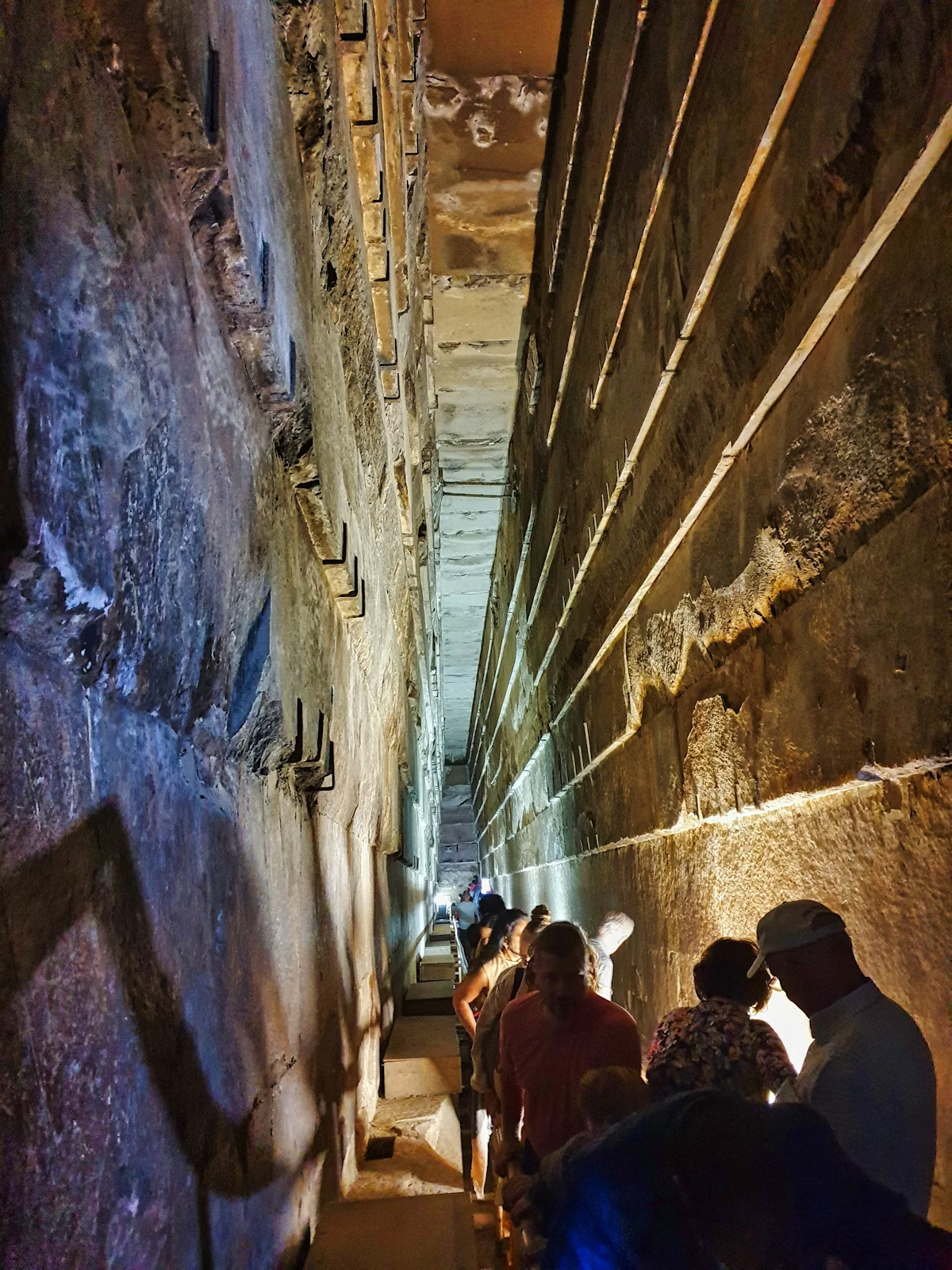
Visitors within the Grand Gallery of the Great Pyramid of Khufu.

Can you go inside the Pyramids?
Visitors can enter the Great Pyramid of Khufu, the Pyramid of Khafre, and the Pyramid of Menkaure for an additional fee. Some sections may be closed for ongoing archaeological work, and the interior passages are often narrow and steep. Entering a pyramid is not recommended for people with limited mobility or those who are claustrophobic.

Best time to visit
The Pyramids of Giza can be visited year-round, but the peak season is from December to February, when the weather is cooler. For fewer crowds and pleasant conditions, consider visiting during the shoulder seasons of October–November or March–April. Arriving early, as soon as the site opens, allows 2–3 hours of quieter exploration before most tour groups arrive around 10 a.m.

What to wear
Egypt is a mainly Muslim country, so dressing conservatively is recommended. Cover your shoulders and knees to respect local customs. Wear comfortable walking shoes or sandals, and bring a hat and sunglasses for sun protection.

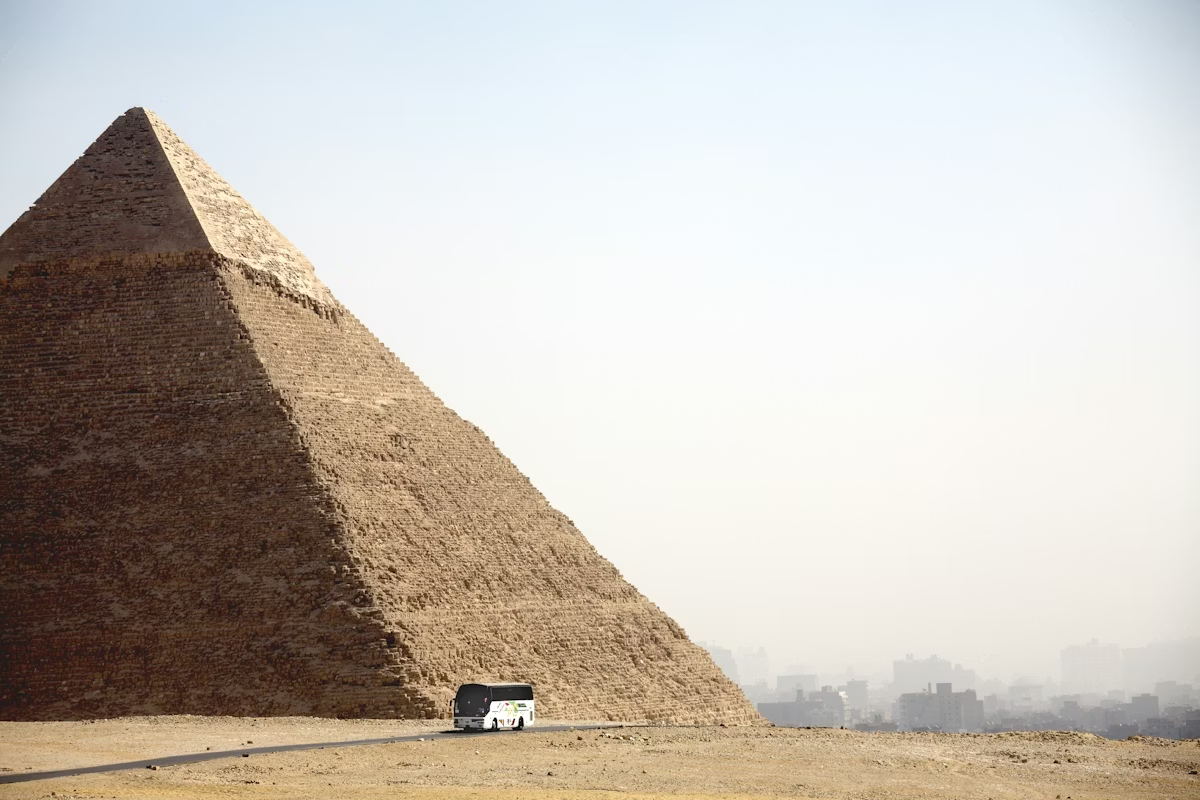
A tour bus within the Giza Complex.

Getting to the Giza Complex
Booking a guided tour is convenient because it helps you avoid the many vendors around the site, and most tours include hotel pickup and drop-off. If you prefer to go independently, Uber is the easiest option. You can also take the metro to Giza and then catch a shared microbus to the ticket office.

How long to visit
Set aside at least 4–5 hours to explore the Giza Complex at a relaxed pace. If you plan to enter the pyramids, visit the cemeteries, and explore the tombs, you may spend over 7 hours there.

Opening hours
The Pyramids are open daily from 7 a.m. to 5 p.m., with last entry at 4 p.m.

Entrance fees
The basic "area entry" fee is LE700 for adults (LE60 for Egyptian and Arab visitors), which allows access to the exterior of the pyramids and the Sphinx. Additional fees apply for entering specific pyramids—for example, the Great Pyramid costs LE1000 (LE100 for Egyptians and Arabs). Visiting the cemeteries and Meresankh Tomb also has extra costs. Students with ID get a 50% discount.

Best places to stay
The Pyramids are in Giza, about a 45-minute drive from Cairo. While staying in Downtown Cairo is fine, booking a hotel near the Pyramids for a night is ideal. This allows you to enjoy the sunrise over the pyramids and rest a bit longer before exploring.

Tip: Planning your visit with a local guide can make the experience smoother and more informative.

← Newer Posts Older Posts →
Featured
image_2025-12-29_232938667.png
Dec 29, 2025
3,000 BC find takes archaeologists by surprise
Dec 29, 2025
Read More →
Dec 29, 2025
image_2025-12-29_232158886.png
Dec 29, 2025
Fort dig reveals glimpse into Roman daily life
Dec 29, 2025
Read More →
Dec 29, 2025
image_2025-12-29_231742439.png
Dec 29, 2025
Türkiye digs uncover ancient olive oil industry in Syedra
Dec 29, 2025
Read More →
Dec 29, 2025
image_2025-12-29_230836192.png
Dec 29, 2025
Dutch defense bomb disposal team dismantles record 3,438 explosives in 2025
Dec 29, 2025
Read More →
Dec 29, 2025
image_2025-12-29_225748111.png
Dec 29, 2025
Earliest known coin minted in Scotland acquired for the nation
Dec 29, 2025
Read More →
Dec 29, 2025
image_2025-12-29_225305072.png
Dec 29, 2025
Kelso: Housing development stalled during pandemic now approved
Dec 29, 2025
Read More →
Dec 29, 2025
read more

Powered by The archaeologist