3D Map of Easter Island Quarry Offers Clues to Moai Construction

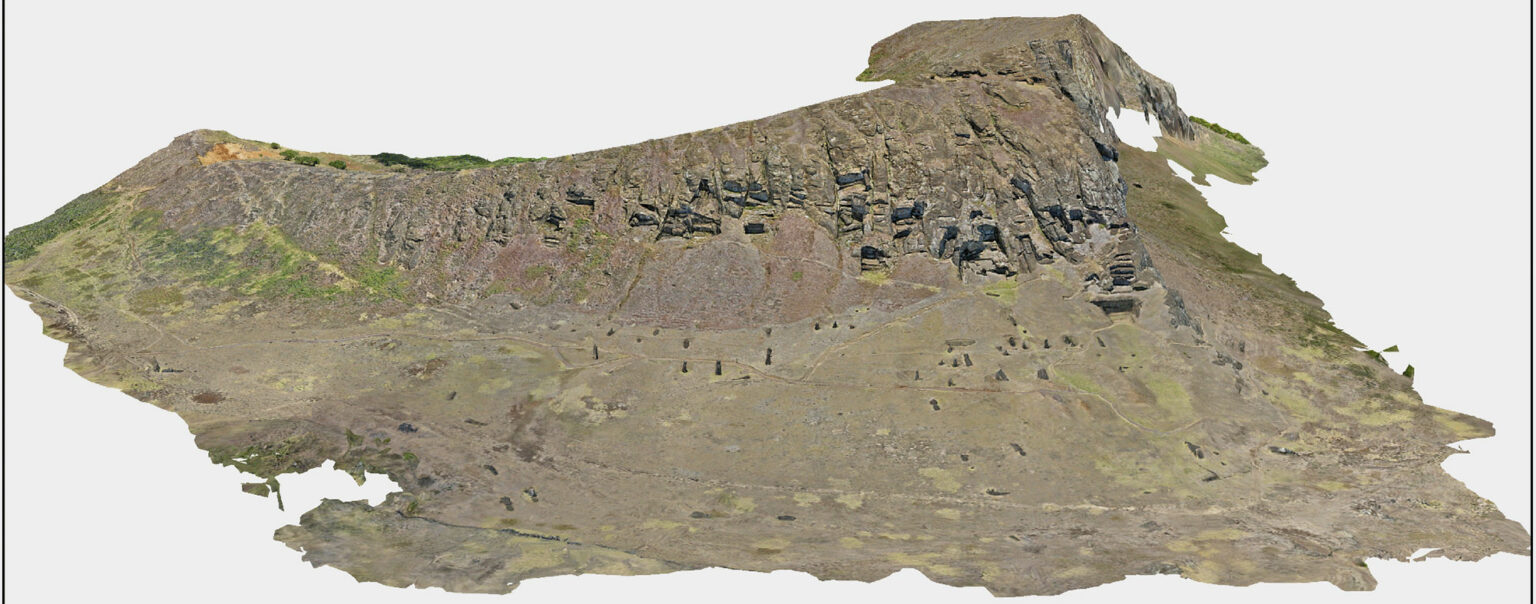
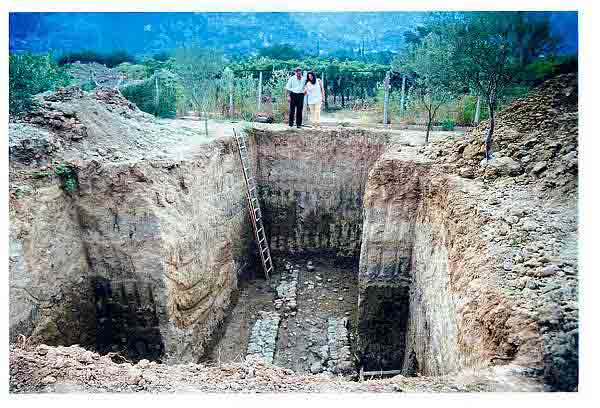
Researchers from Binghamton University have developed a detailed 3D reconstruction of Rano Raraku the quarry on Easter Island where the Rapa Nui carved more than 1,000 moai statues using a collection of 11,000 photographs, according to a report from SciNews. Early written accounts from visitors to the island describe the Rapa Nui as living in small, independent groups with their own defined territories. The new 3D model supports this idea: it reveals around 30 distinct quarrying zones within Rano Raraku.

“We’re seeing individual workshop areas that likely correspond to different clan groups, each focused on its own section of the quarry,” explained Carl Lipo of Binghamton University. “The layout clearly shows one set of statues being carved in one place and another set nearby, indicating separate production areas.”

The model also shows that finished moai were taken out of the quarry in multiple directions, suggesting that statue construction was not overseen by a single centralized authority. Instead, the similarities among the statues probably reflect shared cultural traditions and techniques rather than centralized planning, Lipo said.

1500-Year-Old Roman Ring with a Tiny Hare Was Discovered at Hadrian’s Wall in Britain and It’s Absolutely Stunning.

A forgotten Roman fort at the empire's northern frontier gave up its most beautiful secret yet.

The silver ring was found during digs over this summer.

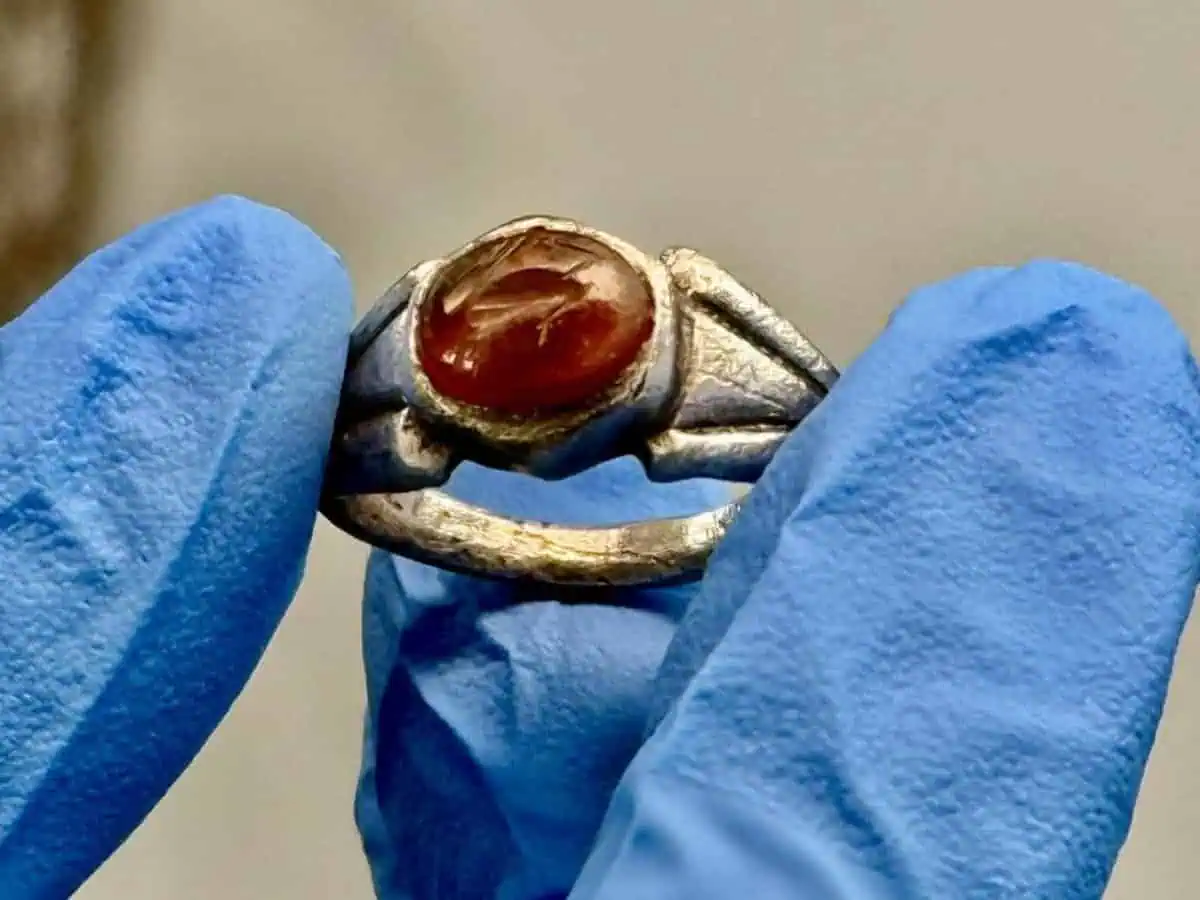
A volunteer working near the cold stones of Hadrian’s Wall made a remarkable discovery: an ancient silver ring featuring a finely carved intaglio. This find provides a rare glimpse into the lives of people who lived along the rugged frontier of Roman Britain.

The ring was uncovered at the Magna Roman Fort in Northumberland, located near the western end of Hadrian’s Wall. Magna, along with its nearby counterpart Vindolanda, is a hotspot for archaeological research, consistently yielding artifacts that shed light on life at the edge of the Roman Empire, where a strong military presence was maintained for centuries.

A Perfectly Preserved Roman Silver Ring

The discovery occurred in early August of this year. Volunteer Shaun noticed something unusual while working in the trench and immediately called over his supervisor.

Rachel Frame, the senior archaeologist at Magna, recounted the moment: “Heading over to where he was digging, I was amazed when he showed me a complete silver finger ring with an intaglio set into it,” she wrote in the team’s diary.

The ring was immediately recognized as an extraordinary artifact, offering a tangible connection to the personal lives of Romans stationed on Britain’s northern frontier.

From the moment it was unearthed, the ring drew attention for its exceptional preservation. “Even before any cleaning or conservation, it was obvious that this was a beautiful piece of jewellery, and in really good condition despite being buried for over 1,500 years!” noted Rachel Frame.

The band of the ring is simple in design, drawing focus to its centerpiece: the intaglio. The gemstone, likely carnelian, bears a finely carved image of a hare. In Roman symbolism, hares represented fertility, agility, and rebirth, and they frequently appeared in art as motifs of luck and the natural world.

The Vindolanda Charitable Trust highlighted the find in its ‘dig diary’ update on November 19, describing it as “beautiful” and “complete.”

A Mystery on the Frontier

Despite its beauty, the ring raises many unanswered questions about its original owner. The context of the find offers no immediate clues, leaving archaeologists to admire its craftsmanship while pondering its history.

Frame admitted her fascination with the artifact’s unknown past. “Was it worn by a man or a woman? Who were they and why were they at Magna? Did they lose the ring, and how did they react when they realised?”

For now, the ring stands as a remarkable artifact among many personal items uncovered at Magna and Vindolanda, where archaeologists have previously found ancient leather shoes and other belongings.

The ring has also made its television debut, appearing in episode three of Sandi Toksvig’s Hidden Wonders, which aired on Channel 4 on November 18. Sandi Toksvig and Raksha Dave joined the excavation team in August to film the series.

“Although excavating the rest of the deposit this ring was found in provided no clues about its story,” Frame reflected, “we can at least appreciate the beauty and craftsmanship of this artefact now it has been brought to light once again.”

Norwegian archaeology find of the year: "So well preserved that they appear to have been made yesterday"

The remarkable find was voted 'find of the year' by Norwegian archaeologists.

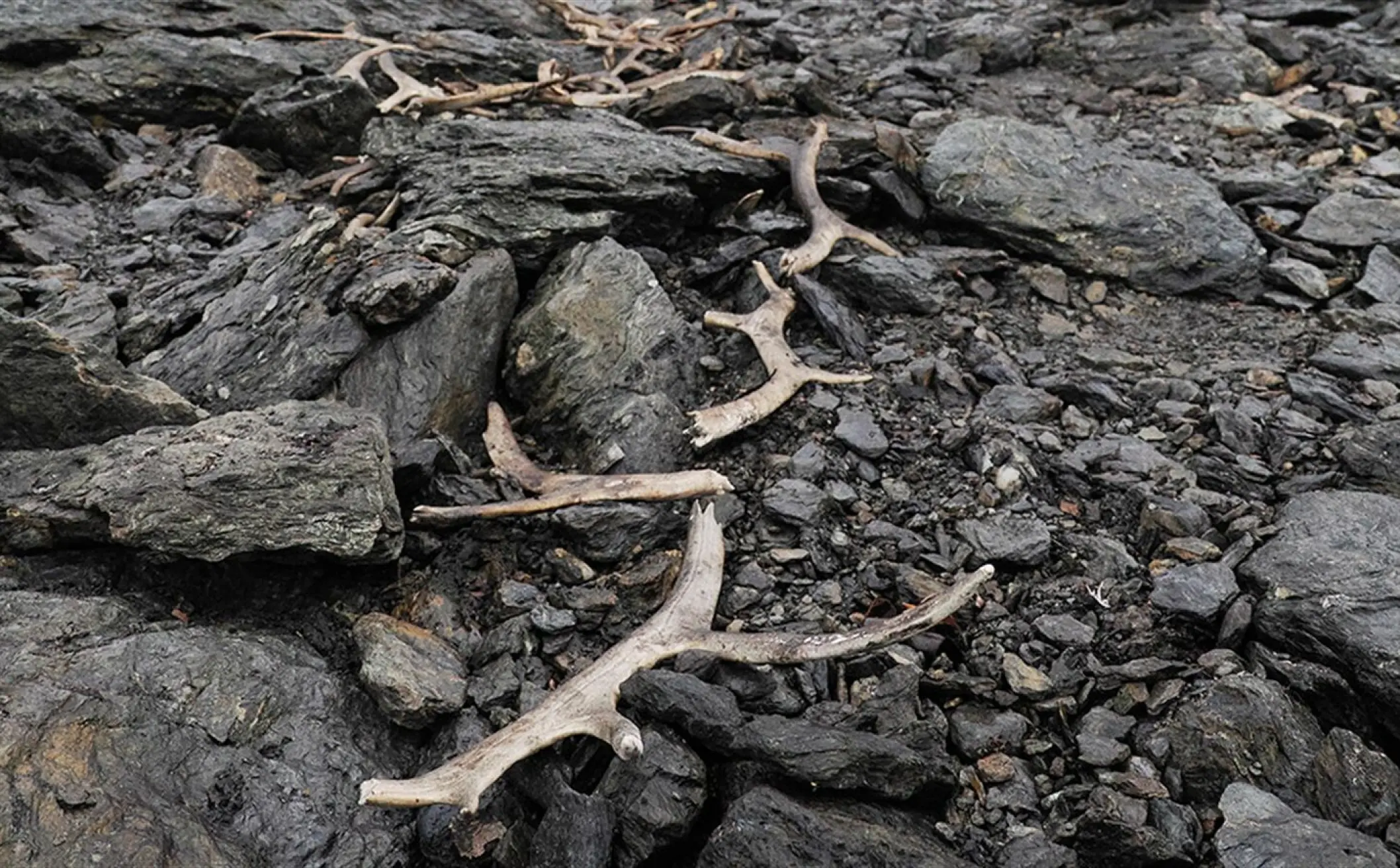
Antlers bearing cut marks were the archaeologists' most important clues to what the facility was used for.

During the autumn, archaeologists from the University Museum of Bergen have been excavating a 1,500-year-old reindeer mass-trapping site on Aurland Mountain.

Until now, the existence of this complex trapping system had been unknown. More details about the discovery can be found here.

On November 15, the find was honored as “Find of the Year” at the Norwegian Archaeology Meeting in Tromsø, highlighting its significance in understanding early reindeer hunting practices.

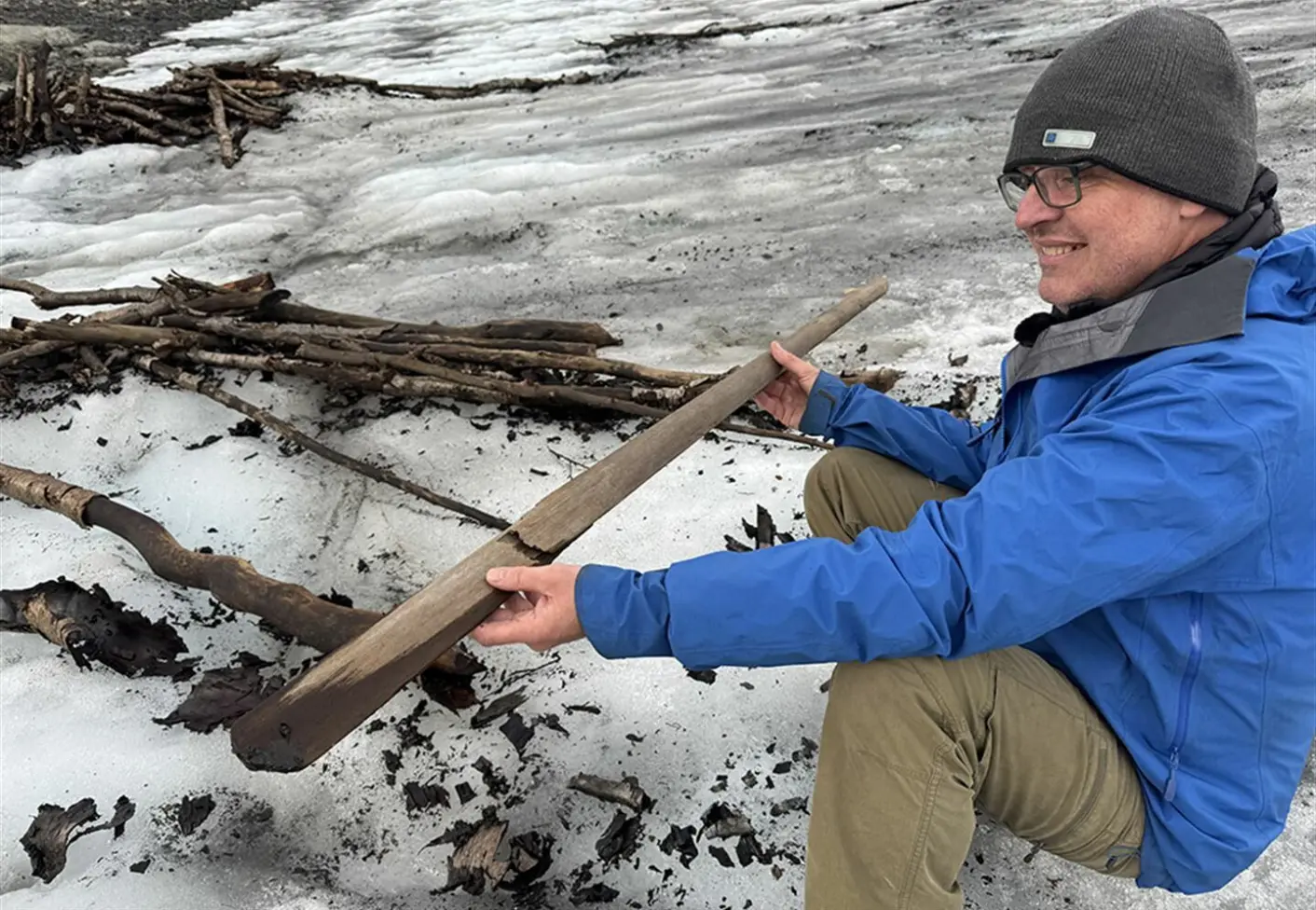
Archaeologist Leif Inge Åstveit is the project leader for the excavation of the mass trapping facility.

“It’s been incredibly busy,” project leader Leif Inge Åstveit told Science Norway. “It feels fantastic that our excavation was named Find of the Year.”

Åstveit acknowledged that Norway has seen numerous remarkable discoveries this year, making the competition for the award especially strong. However, their site ultimately won by a clear margin.

“This discovery is truly exceptional,” he said. “The level of preservation is unlike anything we normally encounter, which makes it remarkable.”

He added that the find has attracted massive attention. “It’s been a whirlwind. We receive multiple inquiries every day, both from within Norway and internationally. The experience has been very unusual,” Åstveit said.

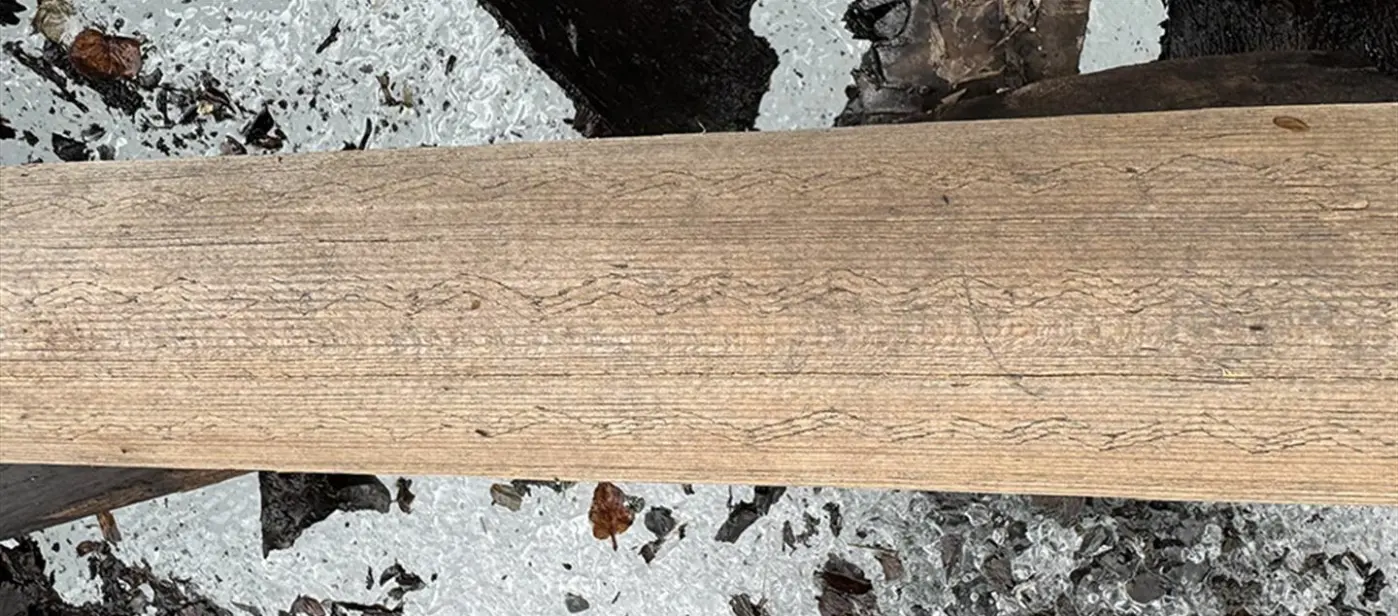
Archaeologists also found a wooden oar decorated with carved ornamentation.

A one-of-a-kind discovery

Archaeologist Erik Kjellmann, who led this year's Norwegian Archaeology Meeting (NAM), believes the find won the award because of its exceptional nature.

“Never before in Norway have such well-preserved remains of what appears to be a wooden trapping facility been uncovered,” he said.

Kjellmann emphasized that the materials already recovered offer enormous potential for new insights, and that the remaining ice likely conceals even more discoveries.

“Finds like this capture the imagination and excitement of archaeologists, which probably contributed to its recognition,” he explained.

He also highlighted the extraordinary state of preservation. “The objects displayed at NAM looked as if they were made yesterday. Wood usually doesn’t survive well in soil, but ice creates near-perfect conditions for preserving materials over thousands of years,” Kjellmann said.

The road ahead

Project leader Leif Inge Åstveit shared that the team plans to continue with a dating program, analyzing tree rings in the wood to determine the exact age of the facility and the season when the trees were felled.

“Other trapping facilities have been found in the mountains before, but they were all built from stone, leaving very little for archaeologists to study. Finding organic material like this opens up an entirely new set of possibilities,” he said.

Archaeologists Found 6,000-Year-Old Artifacts Under One of England’s Most Hallowed Buildings

This stuff is older than Stonehenge.

What You’ll Discover in This Story:

Archaeologists working at the Palace of Westminster have uncovered artifacts spanning 6,000 years of history.

The team found stone tools dating back to around 4300 B.C.E., suggesting the area was once home to a community of hunters and fishers. More than 60 flint tools were recovered, including one carefully shaped item that may date to the late Mesolithic period.

The Palace of Westminster, one of London’s most iconic buildings and home to the Houses of Parliament, sits atop this historically rich site. The discoveries were made as part of a three-year archaeological investigation led by the Houses of Parliament Restoration and Renewal Delivery Authority. Researchers drilled 14 trial pits and 10 geoarchaeological boreholes, including in areas historically used for industrial activity.

Artifacts found across the site cover multiple periods: a medieval leather boot and shoe soles about 800 years old; fragments of elaborately decorated clay tobacco pipes likely used by stonemasons after the 1834 fire; a Roman altar piece more than 2,000 years old; a 14th–15th-century lead badge shaped like a flowering heart, commonly used as a seal or on wedding rings; a 19th-century five-pint beer jug; a medieval floor tile; and a stone crucible used to heat lead, possibly for crafting window frames in the medieval palace.

These discoveries reveal the rich, layered history beneath one of London’s most famous landmarks.