China urged to sue over Japanese royal’s role in Unit 731 crimes

Emperor Hirohito should be held accountable, according to scholars who say the wartime ruler was shielded from prosecution by US policy

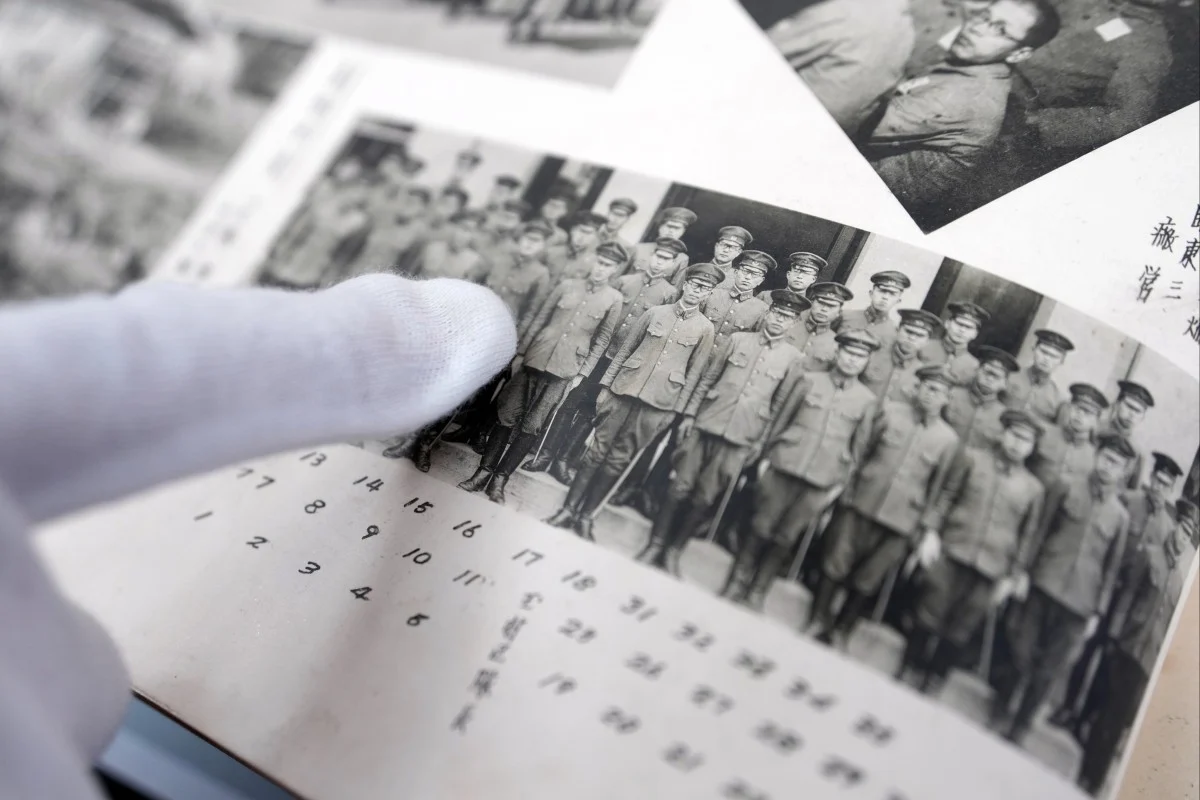
Chinese scholars argue that Japan’s late Emperor Hirohito should be held legally responsible under international law for the crimes committed by Unit 731, saying he authorised the notorious programme but avoided prosecution due to US policies after World War II.

Unit 731, a covert Japanese military operation based in northeastern China, carried out human experimentation, biological warfare, and caused the deaths of tens of thousands of civilians. According to Zhou Donghua, a professor of contemporary history at Hangzhou Normal University, the unit was established by an imperial decree issued in 1936.

Zhou stated that prior to Japan’s surrender, evidence of Unit 731’s crimes was deliberately destroyed on Hirohito’s orders. In a written statement to the South China Morning Post on December 14, Zhou said that ultimate responsibility for the unit’s atrocities could reasonably be placed on the emperor.

His remarks reflect a growing movement among Chinese legal and historical scholars who are pushing to have Unit 731 tried in an international court for crimes against humanity, with Hirohito—who ruled Japan from 1926 until his death in 1989—identified as a principal figure of responsibility.

In a study released this month, researcher Wang Xiaohua and colleagues from the Heilongjiang Provincial Institute of Cultural Relics and Archaeology contended that Unit 731’s operations amounted to a state-sponsored crime rather than isolated actions by individual personnel, meeting the criteria set out under the Nuremberg Code.

Wang added that Hirohito had ordered the expansion of Unit 731 and the relocation of its main headquarters to an area near Harbin.

Despite the scale of Japan’s biological warfare programme across Asia, Zhou noted that only 12 individuals were publicly prosecuted during the Khabarovsk trials.

Beyond aesthetics: The art market as a vector of organized crime and financial risk

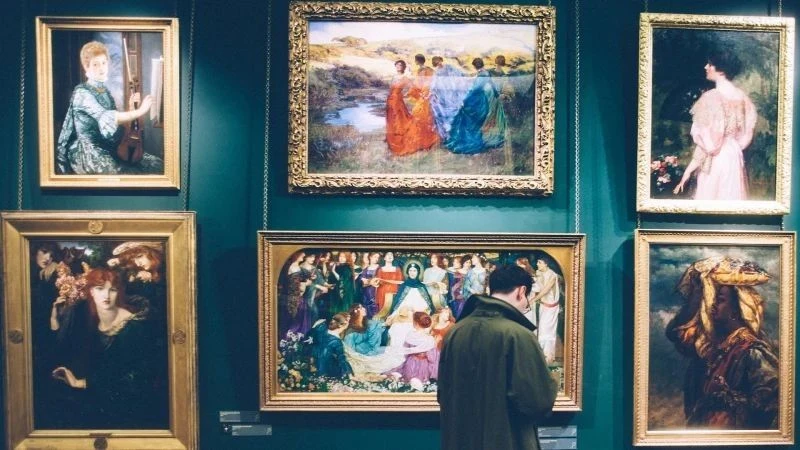
The global art market—now estimated at over $60 billion annually by leading economic studies—is among the most complex and contradictory sectors of today’s economy. It merges culture, finance, geopolitics, and status with illicit and covert practices, creating a multifaceted system that functions both openly and in secrecy.

Reports by the Financial Action Task Force (FATF), including Money Laundering and Terrorist Financing in the Art and Antiquities Market, consistently identify the art and antiquities trade as highly susceptible to money laundering and value-transfer abuse. This exposure results from several defining features: subjective pricing, minimal transparency, international reach, dominance of private transactions, and the use of storage facilities that operate beyond public scrutiny.

An artwork’s value is not determined by objective metrics but by collective agreement among experts, institutional prestige, provenance, and market conditions. As FATF highlights, an object valued at tens of thousands of euros in one context may sell for many times more in another, making it an ideal tool for legitimizing large financial movements. This lack of fixed valuation—an inherent aspect of the market’s cultural nature—is also its greatest vulnerability, enabling criminals to fabricate profits, hide losses, or artificially inflate values without immediately raising suspicion.

Another major vulnerability lies in systemic opacity. Industry estimates suggest that roughly 70–80 percent of art transactions occur privately, outside regulatory oversight, compliance frameworks, and public records. These private deals allow both parties’ identities and the source of funds to remain entirely concealed.

In effect, one of the most valuable segments of the global luxury market operates in a system where secrecy is the norm rather than the exception. As noted by the OECD in Trade in Free Ports and Illicit Financial Flows, even as auction houses strengthen anti–money laundering (AML) procedures, a significant portion of market activity remains beyond regulatory reach. When archaeology, finance, organized crime, and intelligence operations intersect within a single global marketplace, the risks intensify.

Illicit art trade extends beyond financial manipulation. UNESCO’s Illicit Trafficking of Cultural Property reports that more than 80 percent of archaeological sites in the Middle East have been looted in recent decades. Conflicts in Iraq, Syria, Afghanistan, Libya, and Yemen have transformed vast areas into zones of systematic plunder, involving both impoverished locals and organized criminal or terrorist groups.

According to Interpol’s Assessing Crimes Against Cultural Property, groups such as ISIS treated antiquities as a revenue source comparable to oil or weapons, funding military operations through their sale. Artefacts from sites like Palmyra, Apamea, and Dura-Europos later surfaced in European auction houses after passing through multiple owners and falsified provenance records, demonstrating a direct connection between looting and the legitimate market.

In Europe and North America, the illegal cultural-goods market is intertwined with financial, legal, and political networks. FATF describes this as an “industrial ecosystem” involving galleries, private banks, law firms, tax advisers, and foundations. Offshore jurisdictions such as Liechtenstein, Panama, the British Virgin Islands, and Jersey are commonly used to obscure ultimate ownership—a critical element of money laundering schemes.
Intelligence agencies also play a role. While modern services no longer pay operatives with artworks, investigative reports indicate that galleries and auction houses are sometimes used as operational fronts or financial channels in sanctioned states.

Analyses by the Financial Times and Reuters suggest that Russian and Chinese influence networks have leveraged the art market for infiltration and foreign-currency acquisition. North Korea’s Mansudae Art Studio, cited in UNESCO-related sources, operates as a state-run art export hub whose revenues support the regime.

The art market has thus become a convergence point for multiple covert and criminal activities—from looting and laundering to intelligence operations and sanctions evasion. In this context, international enforcement efforts gain importance. Europol and Interpol operations such as Pandora, Athena, and Odysseus aim to dismantle trafficking networks, recover stolen objects, and track both digital and physical flows. Recent operations resulted in the seizure of tens of thousands of items, underscoring the scale of the problem.

Illegal art market as a systemic structure

The modern illegal art market is not merely a series of isolated crimes but a structured system in which looting, smuggling, and financial crime function as interconnected components of a global economic framework.

FATF analyses emphasize that artworks are among the most mobile yet least regulated assets, making them ideal vehicles for transferring value outside traditional banking systems. This is compounded by the absence of standardized identification or ownership records, allowing manipulation of provenance, inflated valuations, and fabricated transaction histories.

Hidden infrastructure of the illegal market

The OECD notes that a fundamental issue is that a large portion of market activity occurs entirely beyond state oversight. Private sales—the dominant mechanism at the high end—carry no reporting obligations, enabling transactions worth hundreds of millions of euros to bypass financial supervision.

For decades, galleries and dealers were exempt from AML requirements, creating fertile ground for abuse. Although regulatory reforms have emerged in Europe and the United States, uneven enforcement across jurisdictions allows criminals to exploit regulatory gaps through “shopping” for the least restrictive environments.

Within this system, free ports play a critical role. These facilities serve as hubs for storing, trading, and concealing high-value assets, often allowing artworks to disappear from public—and sometimes legal—visibility altogether.

In Geneva’s free port, one of the world’s largest, the OECD estimates that hundreds of thousands of objects—paintings, sculptures, and antiquities worth billions—are stored. These sites facilitate financial “layering,” where ownership changes hands without physical movement, and values are reassessed through expert documentation outside oversight. For investigators, reconstructing ownership chains and identifying beneficiaries becomes nearly impossible.

Such mechanisms depend on organized crime groups that treat art as a specialized asset class. Europol reports that Italian mafia groups, Balkan networks, Latin American cartels, and Central European criminal organizations actively use artworks to store and transfer capital.

Documented cases show artworks being used to secure drug deals, settle accounts, or guarantee debts. Cultural objects thus replace cash or precious metals due to their discretion and high value-to-weight ratio.

International operations by Europol and Interpol

Transnational enforcement efforts have become essential tools against cultural-heritage crime. Europol and Interpol regularly conduct joint actions, most notably the Pandora series.

Since 2016, Pandora I–IX have led to the seizure of over 200,000 artefacts and hundreds of arrests related to smuggling and forgery. Pandora IX alone, according to an Interpol statement from May 2025, resulted in 37,727 objects recovered and 80 arrests across 23 countries, highlighting the scale of cooperation and the growing role of digital analytics.

These efforts extend beyond physical inspections. Cyber patrols and data analysis now play a central role. During Pandora VIII, coordinated checks of online platforms uncovered thousands of listings with questionable provenance.
Operations also target source regions in Asia, Africa, and South America, where artefacts are often routed toward European markets. These findings support UNESCO’s assessment that cultural-goods crime is both local and global, requiring cross-border collaboration.

It is crucial to note that seizures reveal only a fraction of the illicit market, as many objects remain undocumented and unregistered.

The black market in art as part of the global financial system

As enforcement agencies expose increasingly complex trade structures, it has become clear that the illicit art market is deeply embedded within the global financial system. Artworks—both high-end pieces and looted antiquities—now function as integral components of criminal infrastructure, facilitating capital concealment and laundering.

FATF reports stress that the art market, once associated primarily with cultural elites, now represents a rapidly growing financial risk sector.

A central mechanism is the use of art for financial layering. Unlike traditional investments, artworks lack transparent transaction histories, and their valuation can be adjusted through expert opinion, which—according to the OECD—is far less regulated than financial markets.

Combating art-related crime is further complicated by the lack of uniform provenance standards. Documentation is often incomplete or falsified, and national registries remain incompatible. UNESCO points out that many countries do not even require formal reporting of stolen artefacts, allowing items to re-enter the market years later with vague or incomplete histories.

These gaps enable both smugglers and legitimate intermediaries—galleries, auction houses, foundations, and law firms—to construct legal narratives around illicit objects.

Conflict zones intensify the problem. Wars in the Middle East, Africa, and Ukraine have fueled looting on a massive scale. UNESCO reports document widespread destruction and theft from museums, libraries, and monuments, with looted items moving through networks spanning local militias to professional dealers.

Developed nations—including Switzerland, the UK, the US, and the UAE—remain major hubs for storage and distribution, often via institutions with opaque legal frameworks. Free ports in these countries function as safe havens for both art and questionable capital.

In response, governments and international bodies have introduced stronger regulations. The EU’s Regulation on the Import of Cultural Goods (2019/880) requires provenance certification and age verification for imported artefacts. While groundbreaking, critics argue it may push trade toward less regulated markets in Asia or the Middle East.

Systemic gaps in combating the illegal art market

Incomplete regulation, capital mobility, secrecy, weak documentation, and advancing technology combine to make illicit art trade a global challenge requiring coordinated action. Europol and Interpol emphasize that no single reform or operation can resolve the issue.

Recent Pandora operations reveal a shift toward digital sales via e-commerce platforms and social media. Smugglers increasingly use fake accounts, cryptocurrency payments, and disguised courier shipments. Europol reports a sharp rise in online listings year over year.

These operations also confirm strong links between art crime and other illicit activities, including drug trafficking, arms trade, human trafficking, and financial crime. Success depends not only on arrests but on improved data-sharing, object cataloguing, and reporting standards—areas where harmonization remains limited.

Free ports as nodes of global financial infrastructure

Free ports in Geneva, Luxembourg, Singapore, and Dubai occupy a central role in this opaque system. As quasi-extraterritorial zones, they allow long-term storage and ownership transfers without disclosure. OECD and FATF identify them as among the least transparent elements of global finance.

Criminal networks adapt rapidly, moving into cryptocurrencies and NFT marketplaces. Pandora VIII and IX documented cases of icons, coins, and antiquities sold via crypto transactions.

Money-laundering schemes in the art world mirror those in tax havens, relying on intermediaries, private sales, offshore entities, free ports, and digital currencies. These schemes follow the classic stages of placement, layering, and integration—executed in ways that are exceptionally difficult to detect.

Future prospects

Operations such as Pandora, Athena, and Odysseus demonstrate that cultural-goods crime is large-scale and constantly evolving. The key conclusion is that illicit art trade must be treated as a global security issue, not merely a cultural or ethical concern.

Future efforts must focus on harmonized AML standards, mandatory provenance documentation, increased transparency, digital registries, and stronger international cooperation. Only a shared regulatory and operational framework can effectively counter transnational criminal networks. Until then, the illicit art market will remain one of the most challenging areas of international policy, operating in the shadows of wealth and hidden value.

Cafe dives into Taiwan's underwater heritage at Shihsanhang Museum of Archaeology

Dining blends with underwater cultural discovery at New Taipei museum

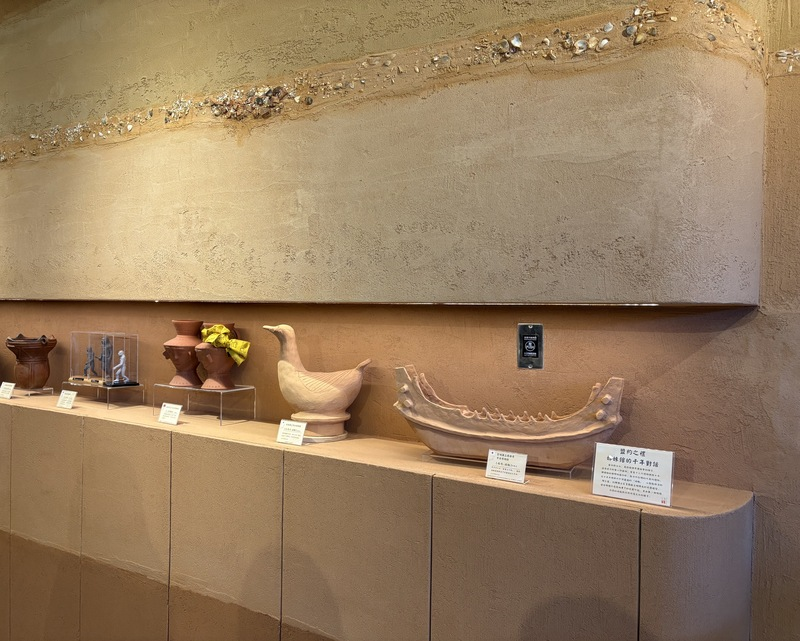
Items on display inside 13 Cafe.

TAIPEI (Taiwan News) — Food and history come together at New Taipei’s Shihsanhang Museum of Archaeology, where a newly launched cafe guides visitors from dining into Taiwan’s seafaring past.

The 13 Cafe opened on Wednesday alongside the museum’s refreshed permanent exhibition focused on underwater archaeology. According to the New Taipei City Government, the cafe integrates food service with exhibition elements, creating a seamless shift from eating to exploring the museum.

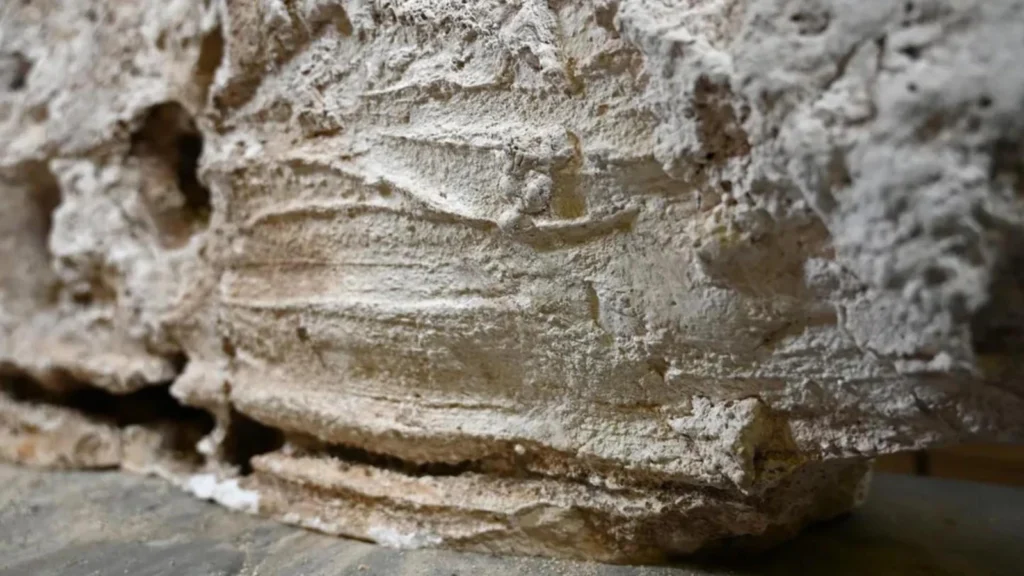
Guests pass from the cafe into exhibition halls displaying shipwreck relics and prehistoric fossils that highlight links between Taiwan’s maritime heritage and cultural development. As visitors enter the cafe, they are met with large walls designed to resemble archaeological layers, finished with locally sourced natural coatings applied by hand to mimic layers of soil and clay, CNA reported.

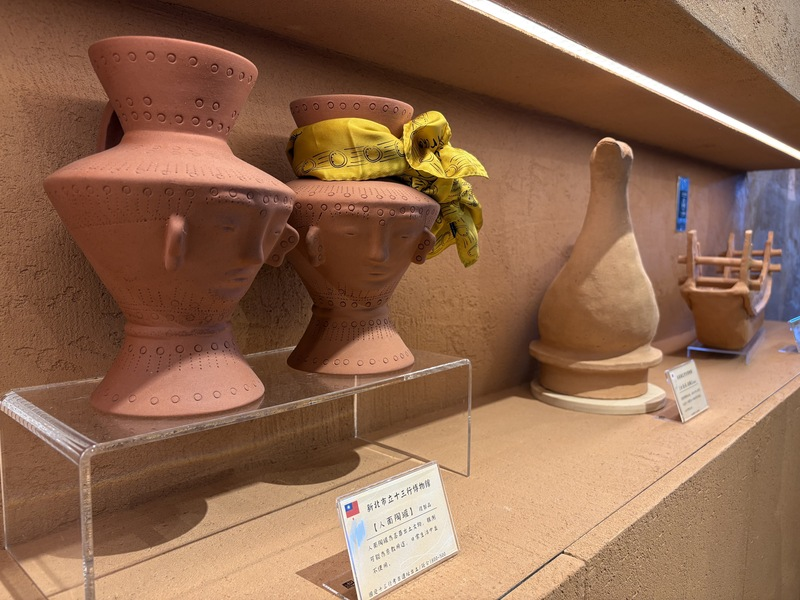
Displayed within the space are replica souvenirs from partner museums in Japan and South Korea, including boat-shaped haniwa figures and ceramic vessels with human faces. The menu itself is also archaeology-inspired, with dishes subtly reflecting themes of excavation, history, and locality.

Human-faced ceramic vessel replicas displayed in 13 Cafe.

Just nearby, the exhibition shifts the focus from flavor to visuals, showcasing rare relics from the Bokhara shipwreck. The British luxury vessel SS Bokhara went down near Penghu during a typhoon on Oct. 10, 1892, killing 125 of the 173 people aboard, Capitan Creative reports.

While shipwrecks are the most well-known examples of underwater cultural heritage, they are only one part of a much broader narrative. These sites also encompass submerged inland settlements, structures lost due to land subsidence or rising sea levels, and other traces of the past, according to the Investigation Bureau.

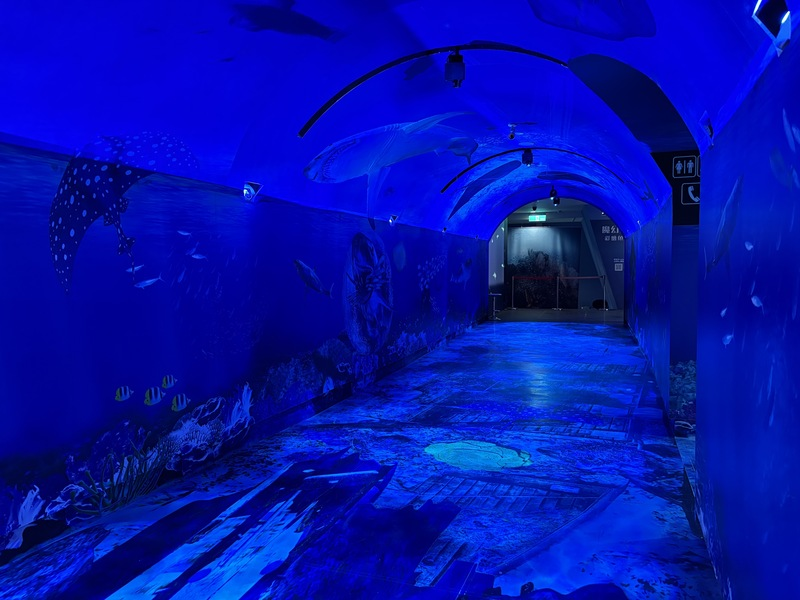
Enhancing the immersive atmosphere is a remarkably preserved prehistoric water buffalo skull from the museum’s collection. Visual elements throughout the gallery are designed to make visitors feel as though they are beneath the ocean’s surface.

Underwater projection at Shihsanhang Museum of Archaeology's permanent exhibition.

Encircled by the ocean and abundant in marine resources, Taiwan has historically depended on the sea for livelihoods such as fishing, tourism, and maritime trade, giving rise to a wide range of cultural characteristics. Its position at the intersection of key land and sea routes further encouraged interaction and exchange between Eastern and Western societies.

Today, technological advancements enable researchers to uncover and protect these concealed heritage sites, addressing past obstacles like technical constraints and destruction caused by trawling activities.

Archaeologists Found an ‘Anomaly’ Near the Pyramids That May Reveal an Ancient Portal

New findings beneath the desert floor hint at entrances to long-lost chambers.

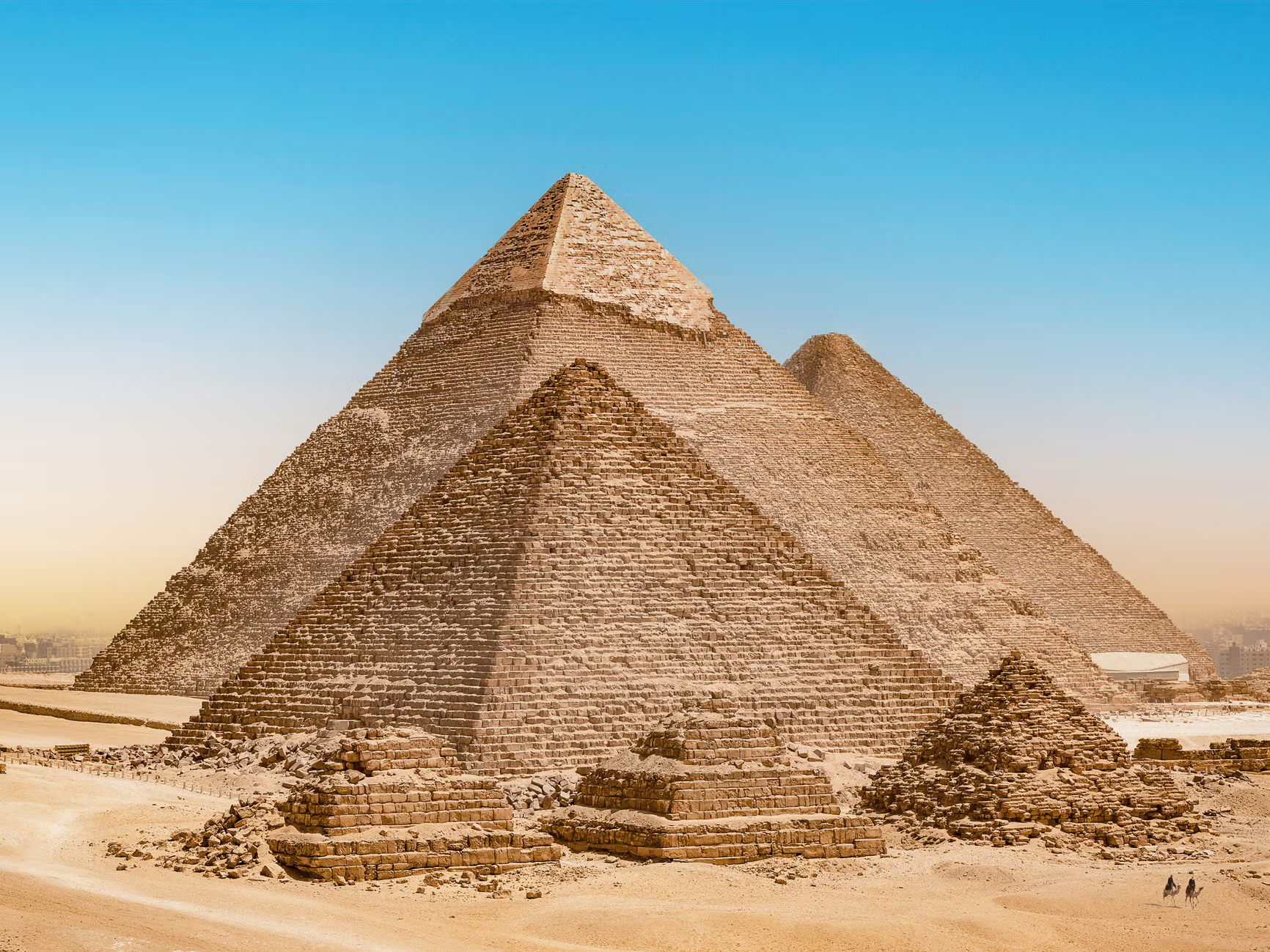
Ground-penetrating radar has enabled archaeologists to identify hidden structures beneath the surface. A new study conducted by Japanese and Egyptian researchers has revealed an L-shaped structure accompanied by a nearby anomaly next to the Great Pyramids of Giza. While the precise nature of the anomaly is unknown, the researchers speculate that the L-shaped feature could potentially be an entrance to a deeper structure.

In archaeology, ground-penetrating radar (GPR) has transformed the way sites are studied. This geophysical technique sends radar pulses into the ground to create subsurface images. Similar methods have previously uncovered Viking longships in Norway, revealed lost civilizations within the Amazon rainforest, and even mapped entire Roman cities without any excavation.

Once again, GPR has yielded discoveries near one of the world’s most thoroughly explored sites—the Great Pyramids of Giza. The research team, led by Motoyuki Sato of Tohoku University, combined GPR with electrical resistivity tomography (ERT), a method that uses variations in electrical resistance to map underground features. Using these techniques, they detected what they describe as an “L-shaped anomaly” in the western cemetery close to the pyramids.

Archaeologists Excavated the Tower of London—and Unearthed Dozens of Hidden Skeletons

Excavations revealed everything from a 14th-century Black Death group burial to three skeletons from the late 12th or early 13th centuries buried in coffins.

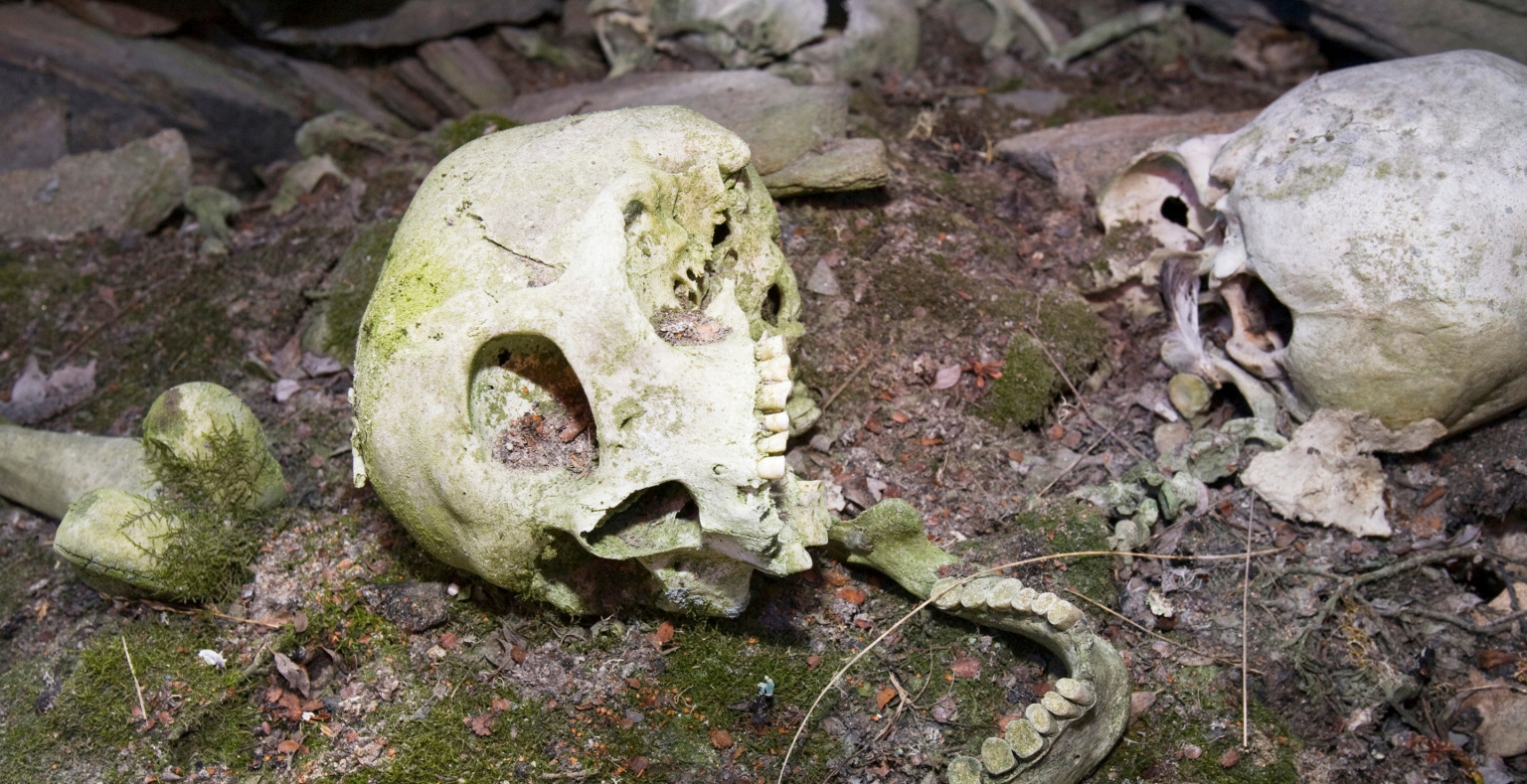
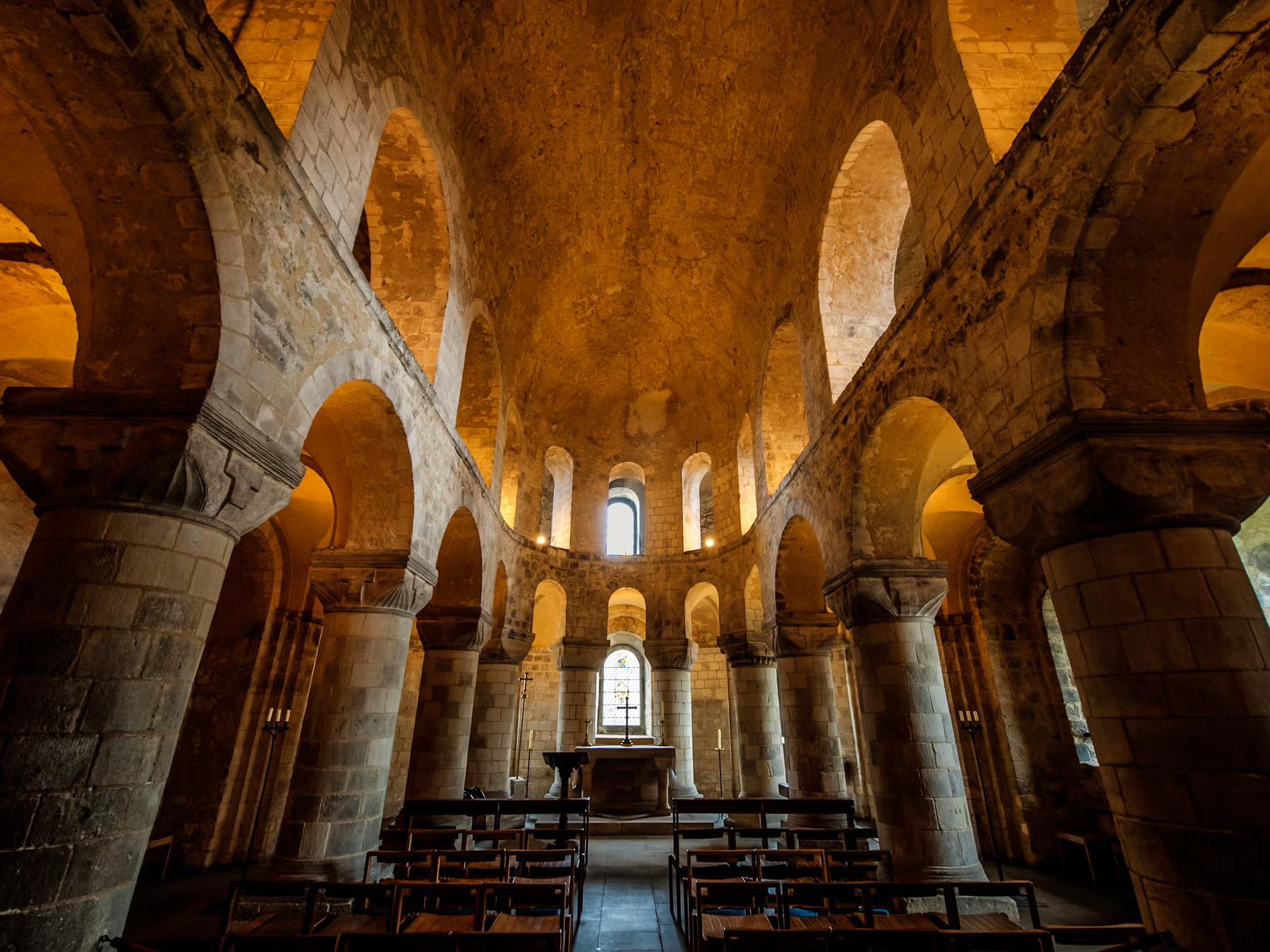
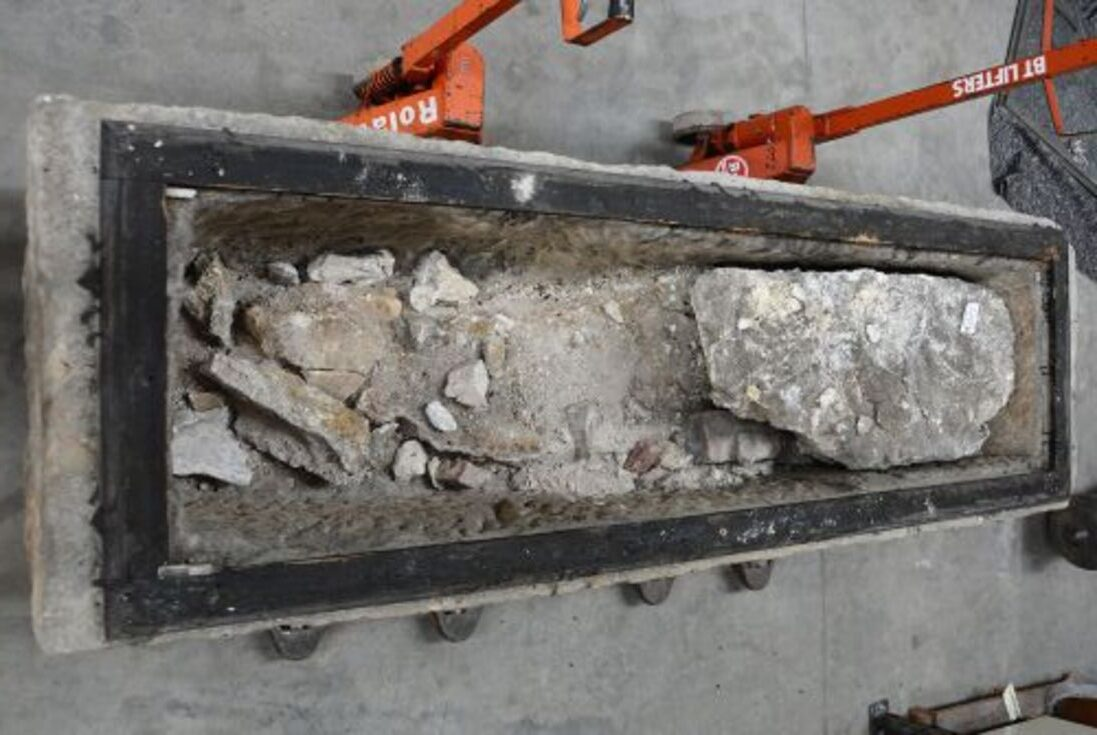
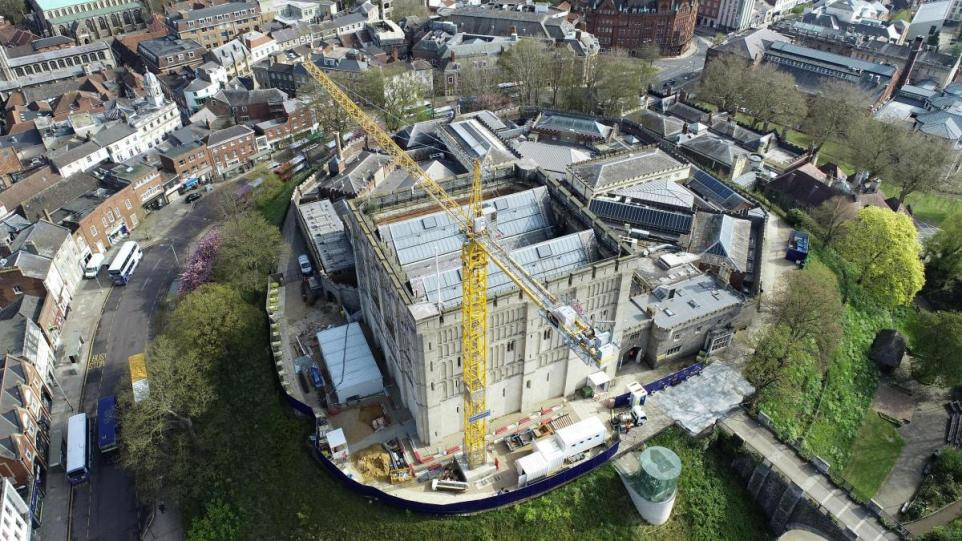
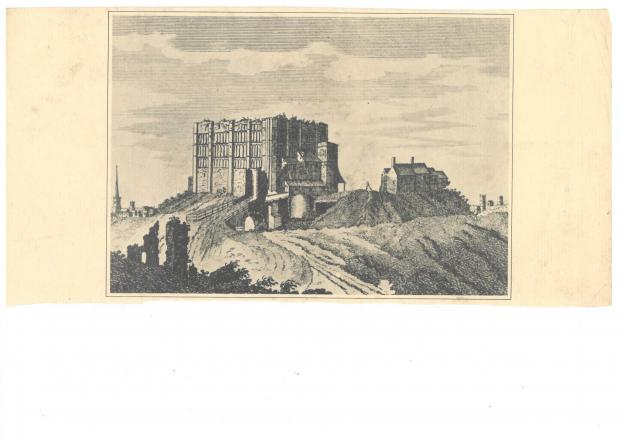
The first excavation at the Tower of London in decades uncovered over 20 skeletal remains. Archaeologists found everything from a group burial linked to the 1348 Black Death to three skeletons dating from the late 12th or early 13th centuries, buried in coffins. The on-site chapel is revealing much about London’s medieval past.

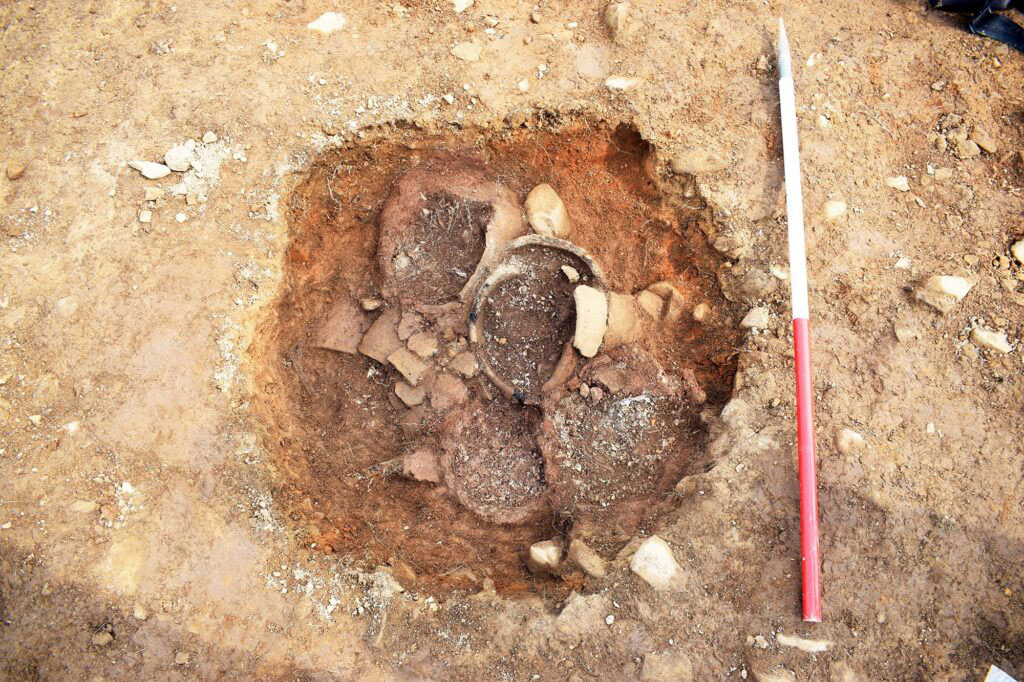
The dig, the first in a generation at the Tower, initially uncovered two skeletons dating to around 1500. Deeper excavations revealed roughly 20 additional burials, including a 14th-century mass grave likely connected to the plague.

Alfred Hawkins, curator of historic buildings at Historic Royal Palaces, said the excavations offered a rare opportunity to better understand the history of the Chapel of St Peter ad Vincula and the buildings that preceded it.

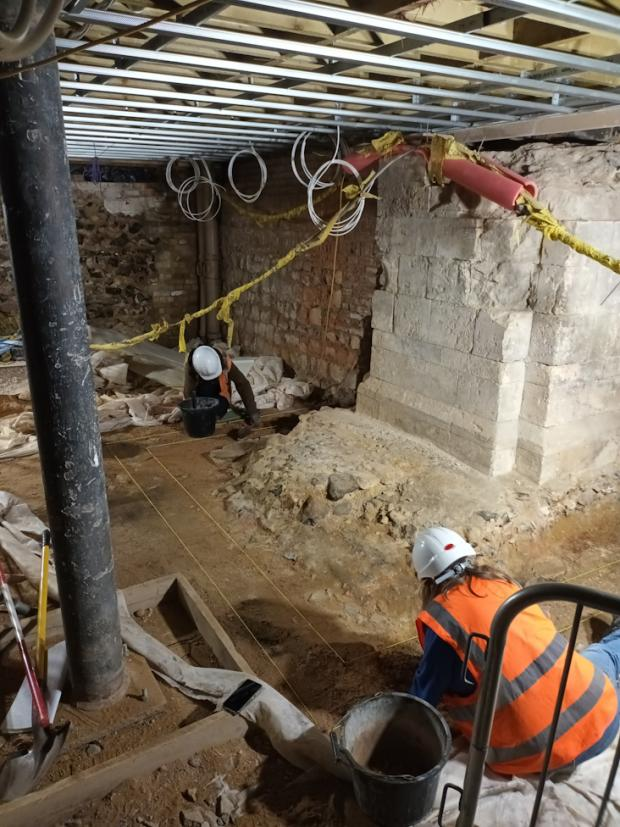
The project began in 2019 as a trial excavation to prepare the Chapel Royal for a new elevator. The initial finds of two skeletons led to further digging outside the chapel, reaching depths of up to 10 feet, uncovering burials ranging from the Black Death era to costly coffined interments from the late 12th and early 13th centuries.

King Thutmose II tomb among top 10 archaeological discoveries of 2025

The tomb of King Thutmose II has been recognized as one of the world’s top ten archaeological discoveries of 2025 by the American magazine Archaeology.

The Ministry of Tourism and Antiquities first announced the find in February. It marks the first discovery of a royal tomb from Egypt’s 18th Dynasty since the uncovering of King Tutankhamun’s tomb in 1922.

Mohamed Ismail Khaled, Secretary-General of the Supreme Council of Antiquities, said the recognition highlights the global importance of Egypt’s archaeological heritage and reinforces the country’s leading role in archaeology. He added that the discovery reflects the close collaboration and sustained efforts of Egyptian and international missions, resulting in major findings that have reshaped understanding of ancient Egyptian history.

A Major Archaeological Find

The tomb was uncovered by a joint Egyptian-British mission from the Supreme Council of Antiquities and the New Kingdom Research Foundation during excavations in the Theban Mountains west of Luxor.

At first, archaeologists believed the tomb might belong to the wife of one of the Thutmose kings, due to its location near the burial places of Thutmose III’s wives and close to Queen Hatshepsut’s tomb, which had originally been prepared for her before she became pharaoh.

Further excavation, however, revealed clear evidence identifying the tomb as that of King Thutmose II. Among the finds were fragments of mortar decorated with blue and yellow star motifs, along with inscriptions and scenes from the Book of Amduat.

The tomb’s relatively simple architectural layout later influenced the design of several royal tombs built during the Eighteenth Dynasty after Thutmose II’s reign.

We will not be defeated in this 2000-year-old war, archaeology proves Tamil is cradle and pinnacle of Indian civilisation: Stalin

The Chief Minister, describing the Tamil Vs Sanskrit North as a 2000-year-old war, made it clear that the DMK government was making every effort to keep aloft Tamil antiquity and pride.

Chief Minister and DMK president M.K. Stalin on Sunday reaffirmed that the Tamil region was both the birthplace and the height of Indian civilisation, stating that archaeological findings clearly support this claim. He said the Porunai Museum, the second museum established by his government in Tirunelveli, was created to scientifically affirm the antiquity of Tamil civilisation.

Referring to what he described as a 2,000-year-old Tamil–Sanskrit conflict, Stalin said the DMK government remains committed to preserving Tamil history and pride.

“Our culture is unique and progressive. The Tamil land was the cradle and the pinnacle of civilisation in the Indian subcontinent. We have literary proof, and through archaeological excavations we are now scientifically validating these claims. That is why sites like Porunai and Keezhadi are so important,” he said while addressing a government event in Palayamkottai, a day after inaugurating the museum.

He accused the BJP-led Union government of obstructing Tamil Nadu’s archaeological efforts, claiming it seeks to suppress evidence that supports Tamil antiquity. “They block excavations and refuse to publish findings that prove our history. Our struggle is against those who harbour hostility toward the Tamil language and people. Those searching for the mythical Saraswati civilisation refuse to acknowledge our discoveries,” he said, adding that the fight to protect Tamil history cannot be abandoned.

Stalin also invited Prime Minister Narendra Modi and Finance Minister Nirmala Sitharaman to visit the Porunai Museum and see the evidence firsthand.

He said the Porunai Museum and the Keezhadi museum near Madurai aim to bring Tamil history and heritage closer to the public. In a post on X, he added that understanding history enables people to shape the future, describing Porunai as a lasting symbol of Tamil antiquity and a global heritage site for Tamils.

Spread across 13 acres and built at a cost of ₹62 crore, the Porunai Museum houses artefacts from Sivagalai—considered the world’s oldest Iron Age site, predating Anatolia—as well as findings from Athichanallur in Tirunelveli. The museum is named after Porunai, the ancient name of the Thamirabarani river, long regarded as a cradle of civilisation. Archaeology, he said, has become central to Tamil pride.

The museum displays Iron Age tools from Sivagalai that push back the timeline of iron smelting by over a thousand years, along with skulls, burial urns, and pots inscribed in ancient Tamil (Tamizhi) script, believed to predate Ashokan Brahmi. Artefacts from Korkai, the historic port city of the Pandya kingdom, are also exhibited.

For the DMK and Tamil scholars, the Sivagalai findings represent a major shift in understanding Tamil antiquity, challenging the conventional Iron Age timeline of 1800 BCE based on discoveries in Uttar Pradesh.

Earlier this year, while releasing the Sivagalai excavation report supported by carbon dating, Stalin declared that iron production began in Tamil Nadu over 5,300 years ago. “I announce to the world that iron smelting technology originated in Tamil land. We are scientifically proving our history to those who dismissed our literature as non-evidence,” he said.

Chinese researchers uncover record-high evidence of ancient human activity on eastern Qinghai-Tibet Plateau

Chinese archaeologists have identified an important Paleolithic site at a record-breaking elevation on the eastern Qinghai-Tibet Plateau, shedding new light on early human movement and adaptation, the Sichuan Provincial Cultural Heritage Administration announced.

The site is located near Tsungqen Co, a high-altitude lake in Daocheng County within the Garze Tibetan Autonomous Prefecture of Sichuan Province, and represents the highest-elevation evidence of ancient human activity yet found in the area.

Full research results were published in the journal Palaeogeography, Palaeoclimatology, Palaeoecology by a joint team from Peking University and the Sichuan Provincial Cultural Relics and Archaeology Research Institute.

Tsungqen Co, which means “big lake” in the local language, is one of many glacial lakes formed after the Last Glacial Maximum as glaciers retreated. Such lakes would have drawn wildlife and offered crucial resources for prehistoric hunter-gatherer groups.

Situated more than 4,300 meters above sea level, the Tsungqen Co site is part of the well-known Piluo site complex, which was named one of China’s top ten archaeological discoveries in 2021.

The main Piluo site, lying at around 3,750 meters in elevation and dating back more than 200,000 years, is considered the earliest, largest, and richest Paleolithic site on the Qinghai-Tibet Plateau. The Tsungqen Co site, however, lies even higher, with its earliest occupation layers dating to about 12,000 years ago.

Researchers recovered more than 190 stone tools from the site, most of them small to medium in size. The assemblage reflects an advanced microlithic tradition, indicating refined production methods and technological adaptations suited to life at high altitude.

The Qinghai-Tibet Plateau—often called the “Third Pole” because of its extreme height, thin air, and cold climate—has long been viewed as a difficult environment for early human settlement. The discovery at Tsungqen Co represents a major advance in Paleolithic research on the plateau’s eastern edge, significantly expanding knowledge of human presence in high-altitude regions.

“This was likely not a short-term camp, but a place people returned to repeatedly,” said Zheng Zhexuan, lead archaeologist of the Piluo project and head of the Paleolithic Archaeology Institute at the Sichuan Provincial Cultural Relics and Archaeology Research Institute.

“It indicates that more than 10,000 years ago, human groups were already using warmer climatic periods to live near highland lakes. They moved into and remained in these high-altitude areas, showing a stable ability to adapt to plateau conditions,” Zheng explained.

Scholars describe the Tsungqen Co site as a vital “spatiotemporal key” that fills an important gap in the archaeological record of human activity on the “roof of the world.” The discovery offers valuable evidence for studying early modern human dispersal routes in East Asia and their survival strategies in challenging environments.

Excavation and interdisciplinary studies at the broader Piluo site are ongoing, with researchers carrying out detailed analyses of dating, environmental context, and material remains to build a clearer picture of ancient life in this region.