The National Trust for Scotland’s archaeology team has announced its most significant discoveries of 2025, ranging from Neolithic artefacts to medieval castles and poignant 17th-century finds linked to the Jacobite era.
As Scotland’s largest independent conservation charity, the Trust cares for around 11,000 archaeological sites spanning human history from the Mesolithic period, around 10,000 years ago, to the present day. Alongside safeguarding known sites, its archaeology team continues to investigate new locations to deepen understanding of Scotland’s past. A particular highlight in 2025 was the strong involvement of volunteers, members of the public, and schoolchildren in fieldwork across the country.
Neolithic connections uncovered in Argyll
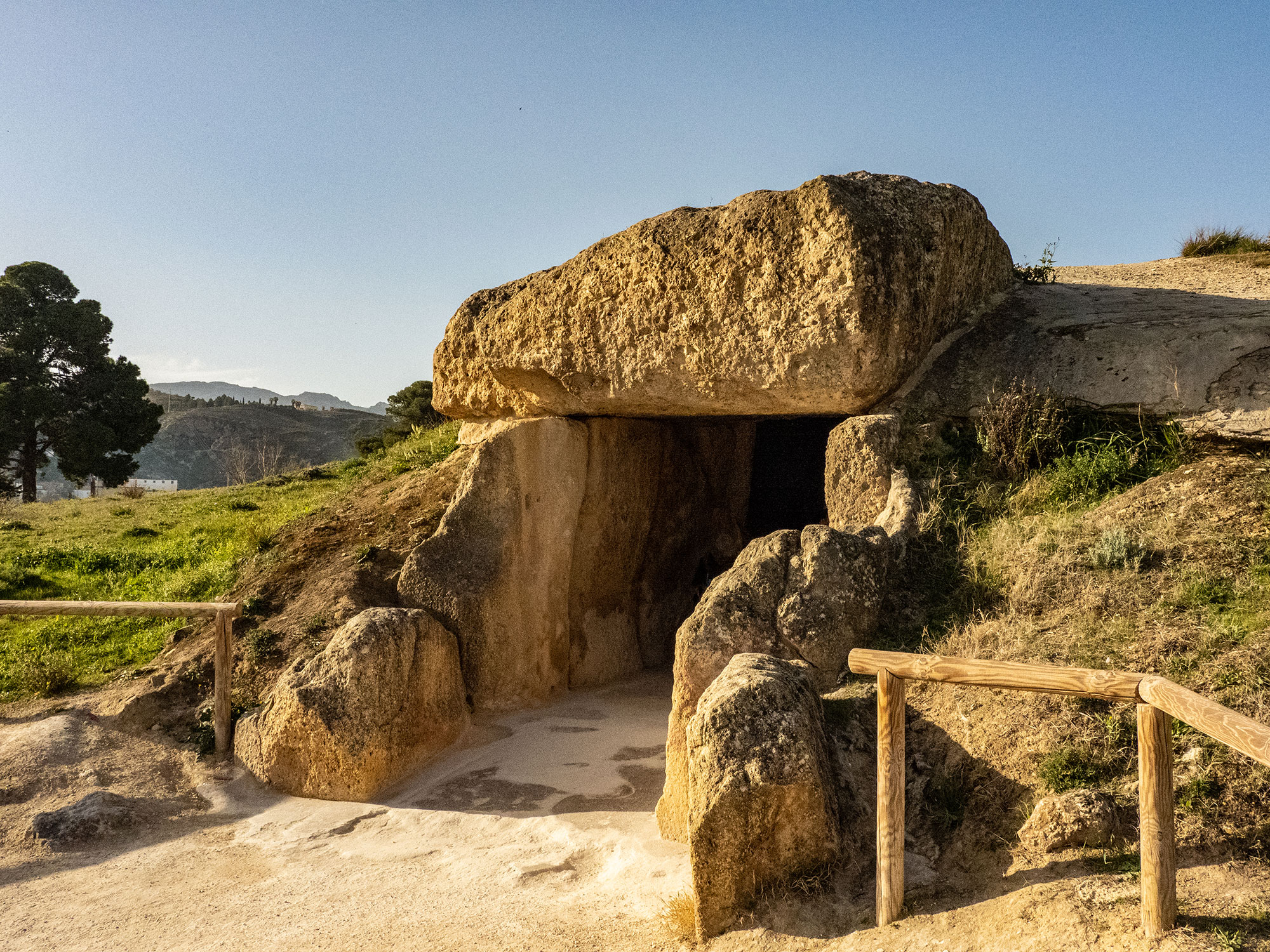
Excavations near the chambered cairn at Crarae Garden in Argyll uncovered a range of artefacts associated with a Neolithic community. These included quartz flakes, burnt and unburnt flint, and two pieces of Arran pitchstone, as well as charcoal-stained soil likely marking the remains of prehistoric fires.
Alice Connelly, an archaeology trainee with the Trust, said the finds offer insight into ritual activity around the cairn. The discovery of pitchstone from the Isle of Arran, some 60 kilometres away, highlights long-distance connections between Neolithic communities and demonstrates the extent of early trade networks. Previous work at Crarae Garden has revealed activity dating back to 3700–3500 BC, and a 3D model of the cairn is now available online.
Medieval castle remains revealed in Angus
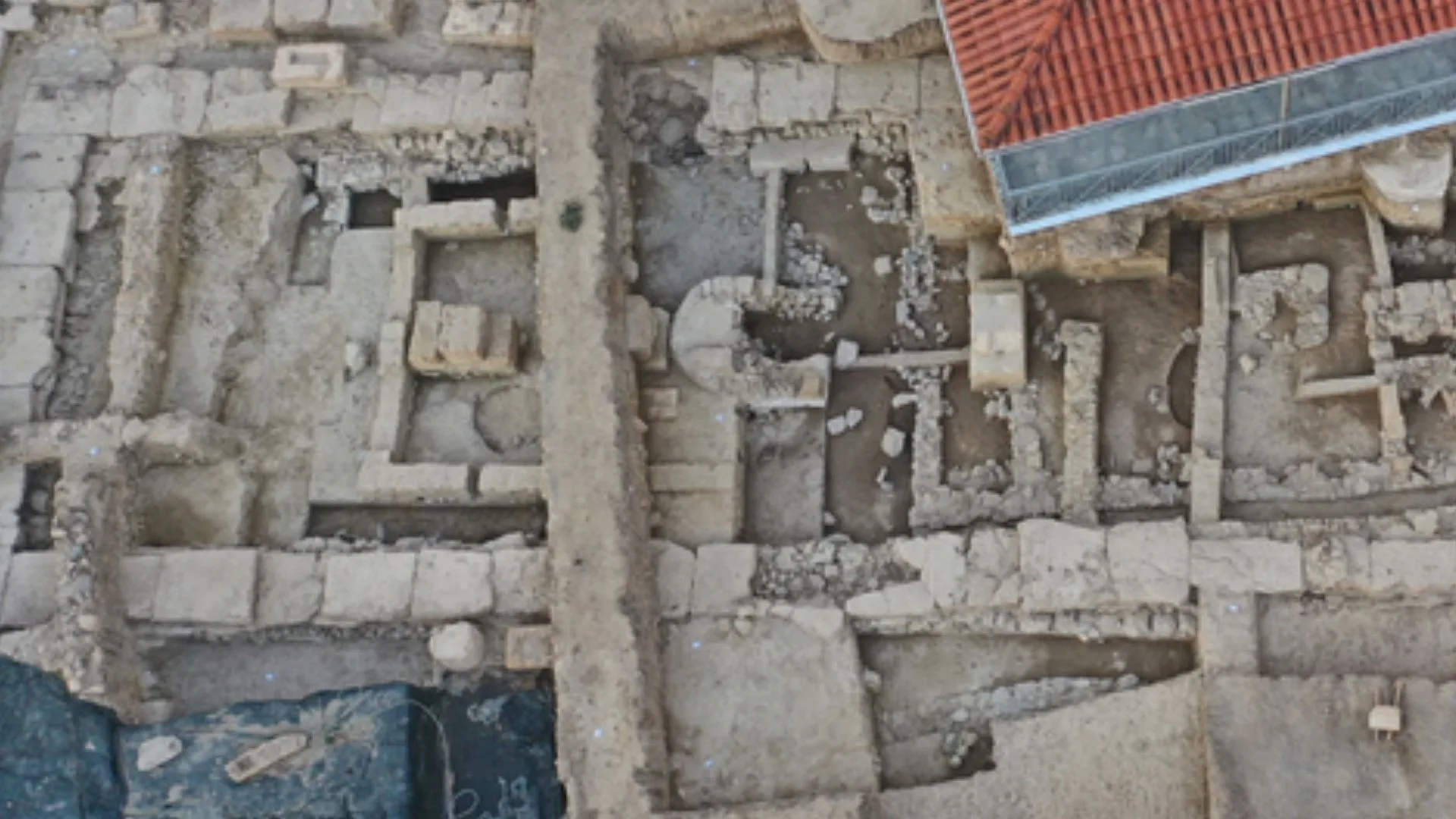
At the House of Dun, archaeologists uncovered the foundations of a medieval castle once belonging to the Erskine family. Finds included medieval pottery and a copper “Turner” coin dated between 1642 and 1668.
Senior archaeologist Daniel Rhodes explained that while many castles contain earlier structures, these are usually concealed by later buildings. At House of Dun, however, the castle foundations lie separate from the later house, allowing them to be studied directly. The excavation involved a wide range of volunteers, including local school communities, mental health groups, and participants from refugee support programmes. The castle was destroyed in 1644 during an attack by royalist forces.
Jacobite history revealed through coins in Glencoe
Work in Glencoe uncovered 17th-century coins inside the remains of a turf house, confirming it was once home to Jacobite supporters. Silver coins from the reign of Elizabeth I suggest the house was built in the late 16th century, while the most recent find—a brass Irish “gun money” coin dated 1690—connects it to the reign of James VII/II.
Such coins were issued with promises of repayment that were never fulfilled, and the house may have been destroyed during or after the Glencoe Massacre in 1692. Head of archaeology Derek Alexander noted that the scattered coins may reflect the violence of the event, showing how archaeology can provide a powerful connection to personal experiences of the past. The project was carried out in collaboration with the University of Glasgow.
Medieval monastic life illuminated in the Scottish Borders
At Priorwood Garden in the Scottish Borders, excavations revealed a finely carved stone boss originally part of Melrose Abbey’s vaulted ceiling. The stone had likely been removed from the abbey during its decline around the Reformation period.
Daniel Rhodes said the discovery adds to understanding of the monastic community that once occupied the area, which would have supported itself through farming, tool-making, and brewing. Volunteers, including local schoolchildren, participated in the excavation, and further exploration is planned.
Insights into 19th-century farming on Iona
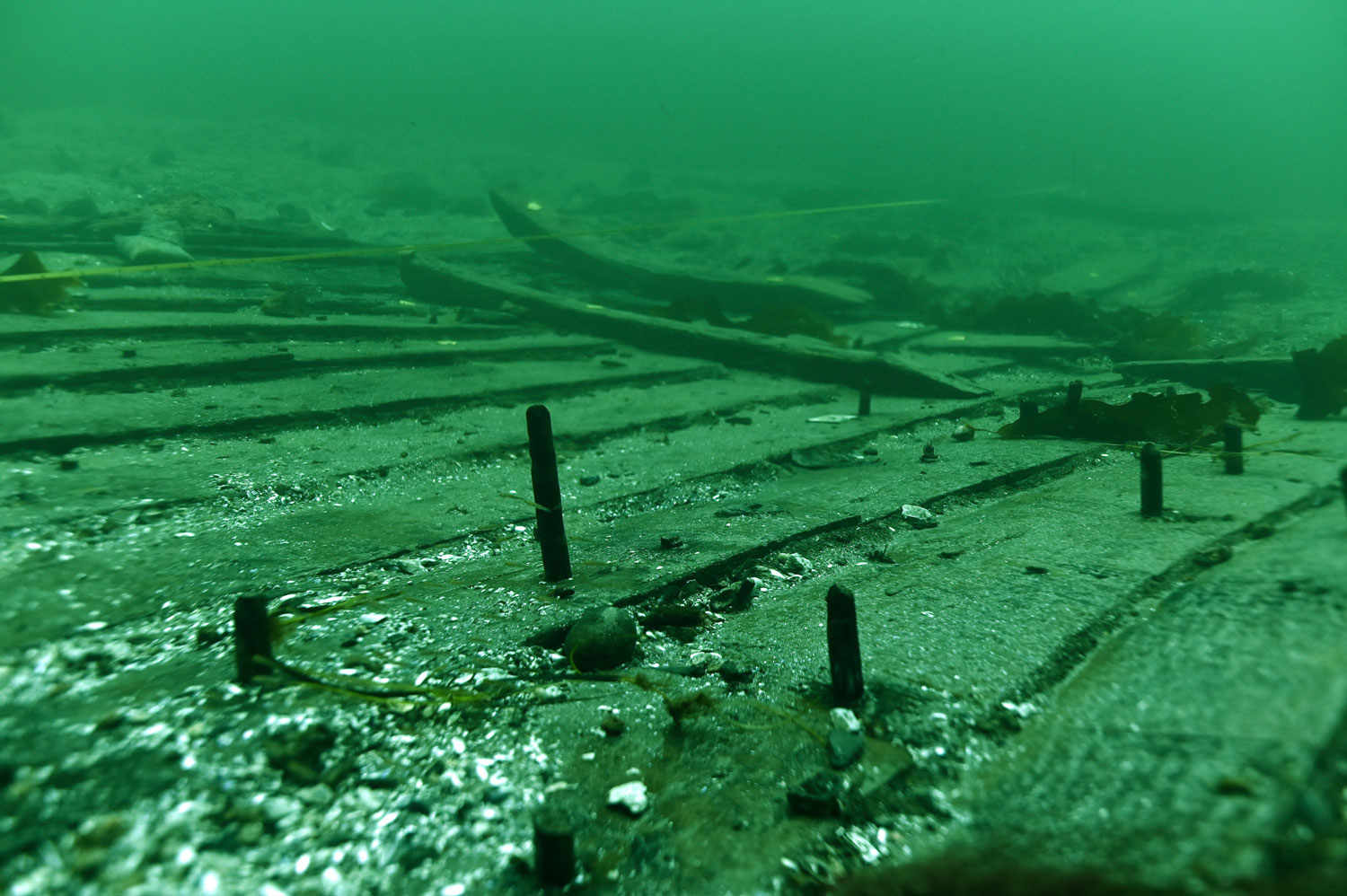
Investigations at Maol Cottage on Iona revealed reused timber couples that once supported an earlier thatched roof. These timbers likely originated from ships or driftwood, reflecting the scarcity of building materials on the island and the sustainable reuse practices of early farmers.
The cottage formed part of a small farming cluster around a kailyard and remains one of the few surviving early 19th-century crofts on Iona. It continues to operate as a working farm under the Trust’s care.
Looking ahead
Reflecting on a year that spanned thousands of years of human history, the Trust’s archaeology team is preparing for further work in 2026. However, increasing climate instability—such as flooding, storms, and coastal erosion—is increasingly shaping excavation priorities, with many projects focused on recording sites at risk.
Archaeology remains central to the National Trust for Scotland’s mission, helping to uncover how past communities shaped today’s landscapes while encouraging public engagement with heritage. This work supports the Trust’s long-term vision to protect Scotland’s nature, beauty, and history, as outlined in its 10-year strategy launched in 2022.