Hidden rock art dating back 5,000 years uncovered in Saudi Arabia

New discoveries in Soudah Peaks hint at early life, rituals and lost stories

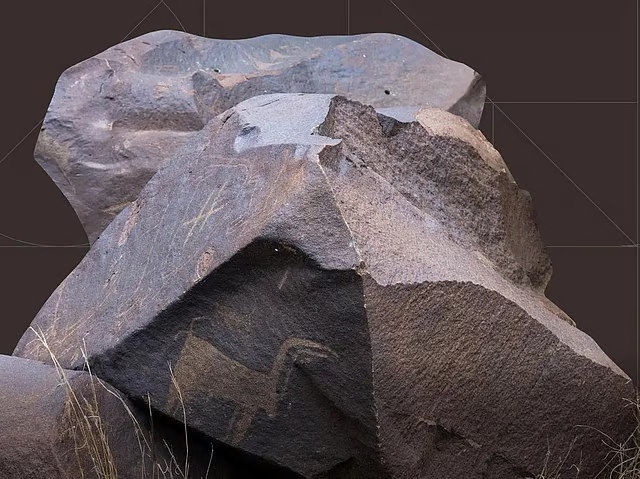
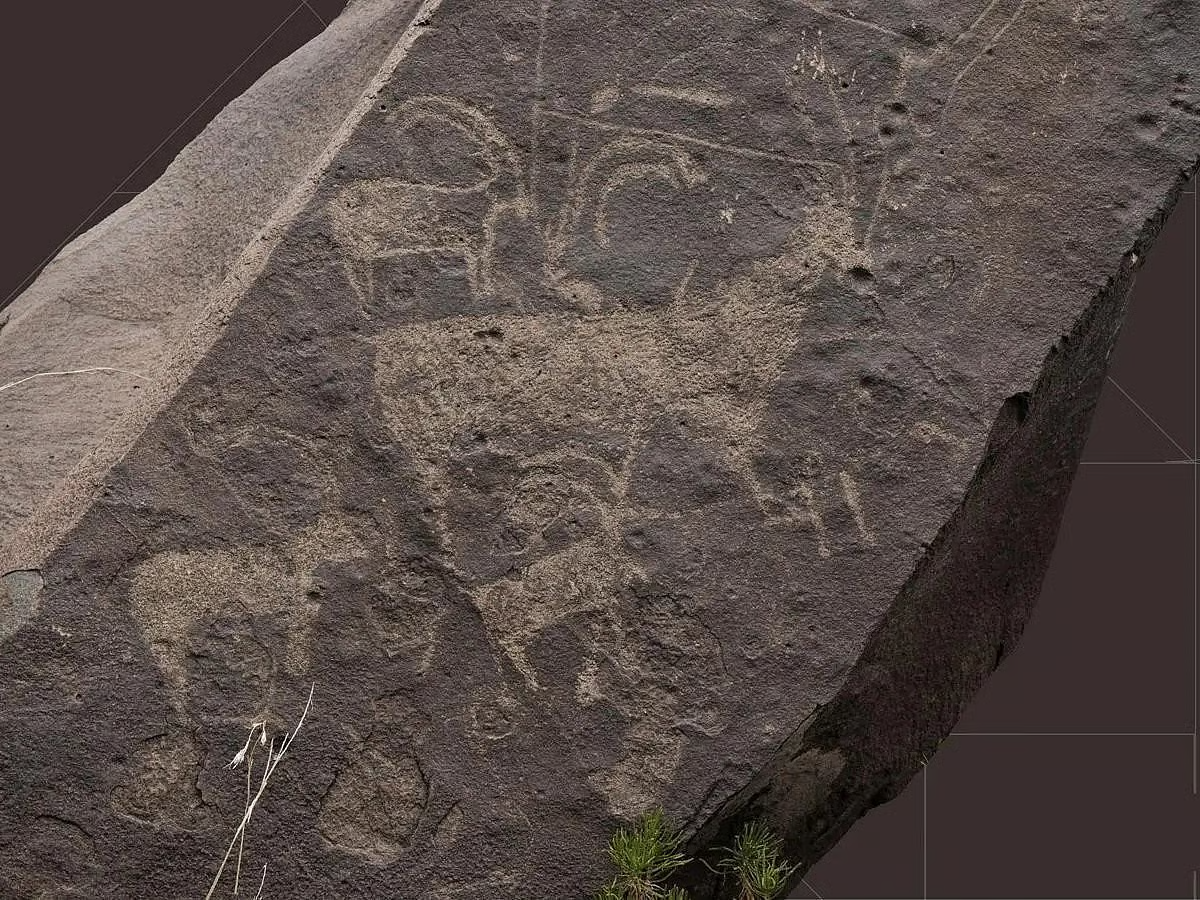
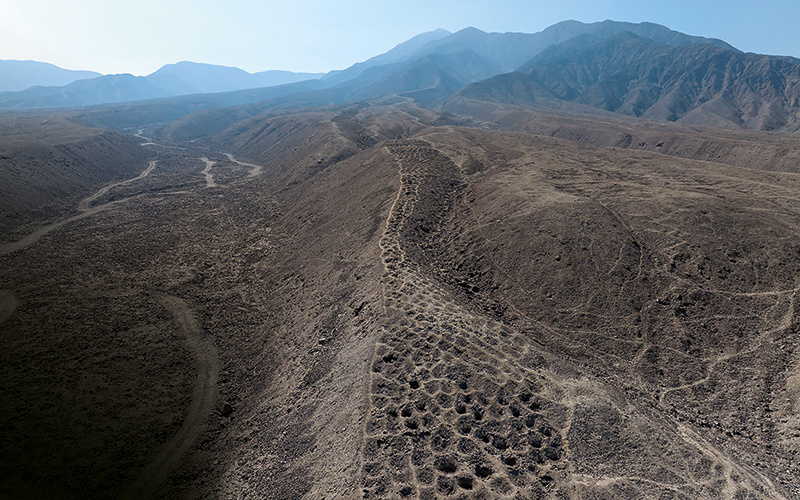
Saudi Arabia’s Heritage Commission, working with the Soudah Development Company, has revealed the discovery of 20 rock formations engraved with ancient inscriptions inside the Soudah Peaks Project area—finds experts describe as among the oldest cultural traces ever identified in the region.

According to the Saudi Press Agency (SPA), the carvings are thought to be between 4,000 and 5,000 years old, providing rare insight into the daily lives, beliefs, and surrounding environments of the early communities that once lived there.

The project area spans more than 636.5 square kilometres, covering Soudah and parts of Rijal Almaa Governorate in the Asir region. Researchers now say this dramatic landscape holds significant historical and cultural value, adding a new dimension to understanding the area’s deep past.

Among the most significant discoveries are Thamudic inscriptions, an early writing system linked to the Thamud tribe. The rock faces also display carvings of animals such as ibexes, hyenas, and ostriches, alongside depictions of hunters, dancers, palm trees, and weapons. Together, these images offer insight into everyday life, ritual activity, and environmental conditions in ancient times.

The commission said the finds confirm that Soudah and Rijal Almaa were long-established centres of human settlement and cultural activity, playing an important role in the area’s historical development. The discoveries resulted from a joint archaeological survey conducted under a memorandum of understanding between the Heritage Commission and the Soudah Development Company. The survey was completed in four scientific stages: data gathering, site analysis, documentation, and the identification of high-value archaeological sites, creating a basis for their long-term protection and integration into future development plans.

Rijal Almaa is a striking historic village and governorate in Saudi Arabia’s Asir region, dating back around 900 years. It is known for its distinctive stone, mud, and wood architecture, vibrant decorative patterns, and its historic role as a key trade centre connecting Yemen, Makkah, and the Levant.

The Archeological Menagerie: China Uncovers 3,000-Year-Old ‘Zoo’

The findings shed light on an ancient system of acquiring and keeping captive a variety of wild animals, likely for use as sacrifices by ancient elites.

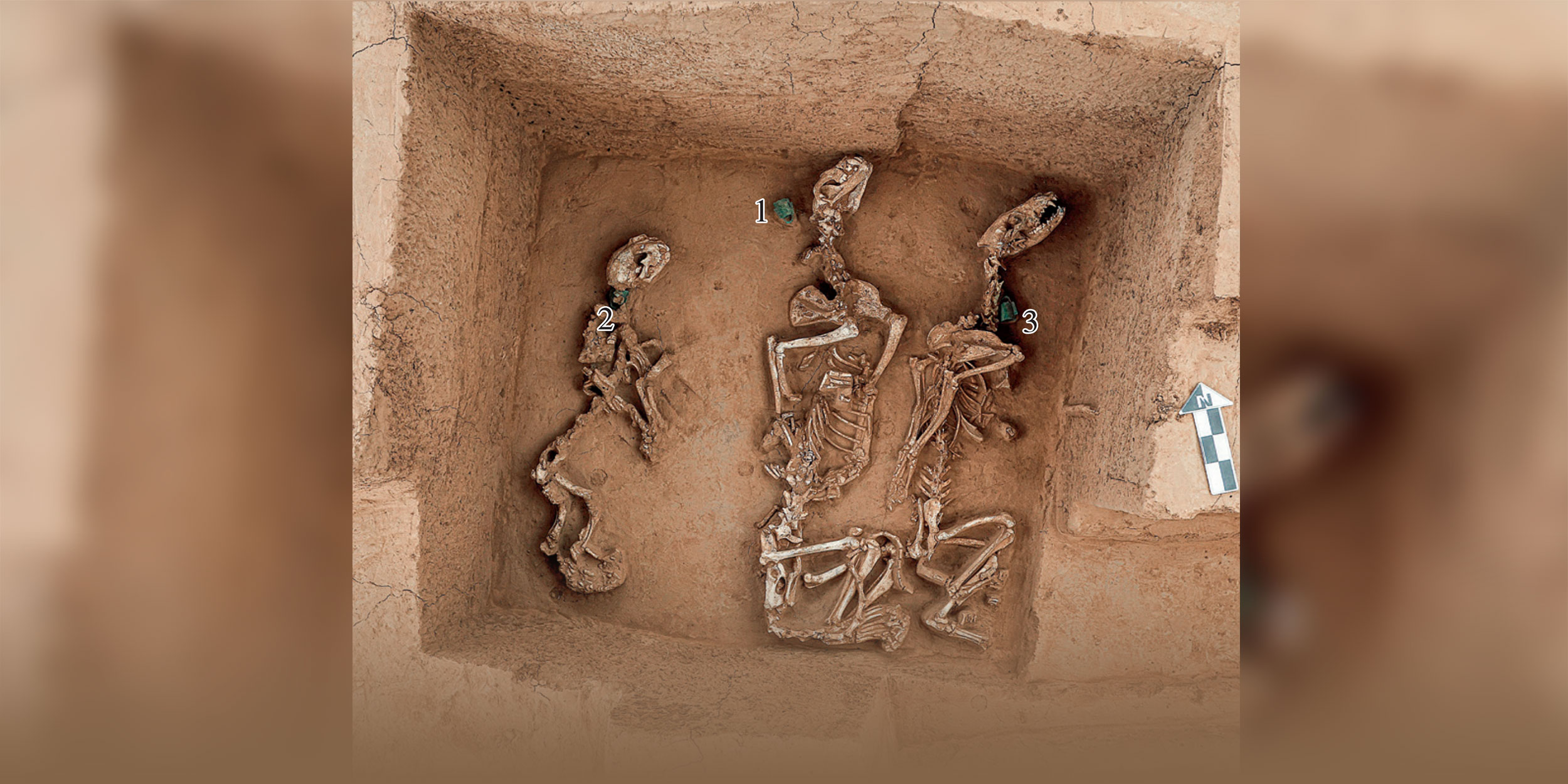
Archaeologists in China have discovered what may be the country’s oldest known collection of captive wild animals at a site in central Henan province. The 3,000-year-old sacrificial pits contain remains of big cats, Asian water buffalo, and other species.

The find, announced on January 9 by researchers from the Chinese Academy of Social Sciences (CASS), comes from Yinxu, the last capital of the Shang dynasty (c. 1600–1046 B.C.), a site already famous for royal tombs, oracle bones, and ritual artifacts.

Excavations conducted between 2023 and 2024 covered roughly 1,240 square meters, revealing 19 small and medium-sized sacrificial pits. Archaeologists recovered remains of mammals including deer, wolves, tigers, leopards, foxes, serows, and wild boars, along with birds such as swans, cranes, and geese. “What’s most unusual is that some animals were found with bronze bells hanging from their necks,” said Niu Shishan, a CASS researcher who has worked at Yinxu for over 20 years.

A total of 29 bronze bells were recovered. Niu explained that the presence of the bells indicates the animals were not hunted but kept alive as “exotic creatures” in enclosures managed by the Shang king or other elites.

“The concentration of wild animals and the standardized way they were handled point to a relatively advanced system for acquiring, raising, and managing wild animals during the Shang dynasty,” Niu added. He also noted that the variety of species could provide valuable insights into climate and ecological conditions during the late Shang period.

Similar pits containing captive animals have been found at later sites from the Warring States period (475–221 B.C.). One such pit, believed to belong to the grandmother of Qin Shi Huang, China’s first emperor known for the Terracotta Army, contained remains of an extinct gibbon species, leopards, Asiatic black bears, and lynxes.

See a 157-Year-Old Great Lakes Shipwreck in Stunning Detail With This New 3D Scan

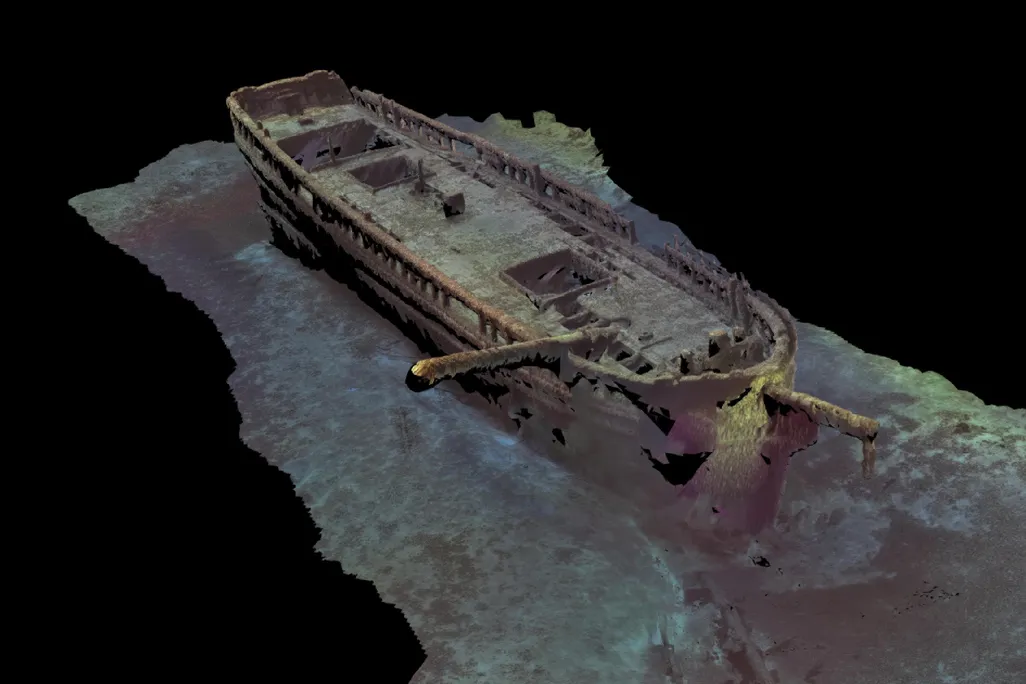
Last year, maritime archaeologists revisited the “Northerner” in Lake Michigan and captured hundreds of still images, which they stitched together to create a digital replica of the vessel

The Northerner sank in 1868 and has been resting upright on the lakebed of Lake Michigan off the coast of Wisconsin ever since.

On November 28, 1868, an American schooner named Northerner was taking on cargo near Cedar Grove, Wisconsin, when its hull was severely damaged. The following day, while being towed to Milwaukee for repairs, the vessel began taking on water and ultimately sank to the bottom of Lake Michigan. Although the crew survived, the ship was never salvaged.

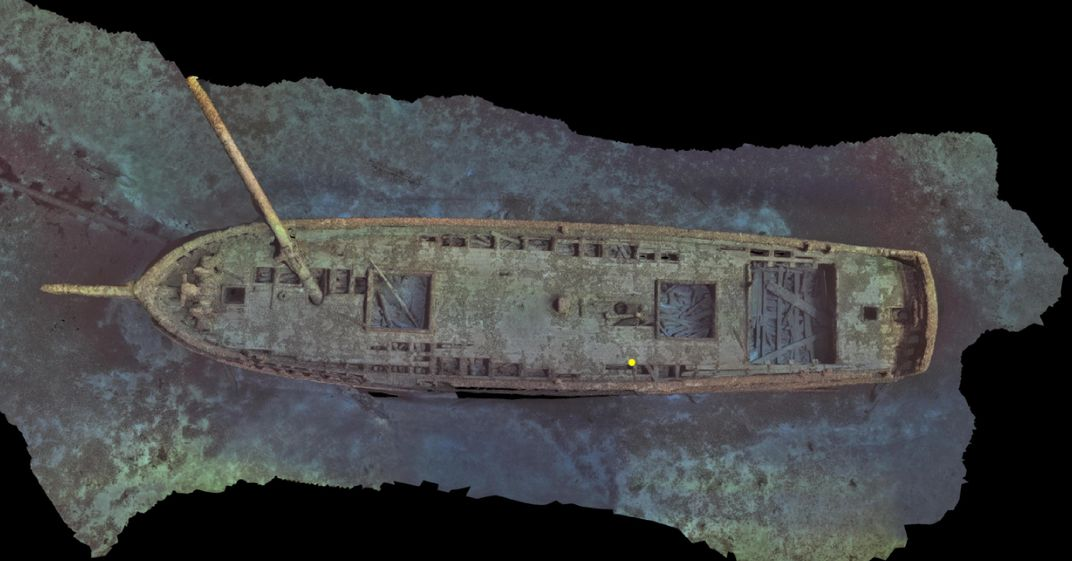
More than 150 years later, specialists have created a highly detailed 3D digital model that allows people to virtually explore the wreck as it lies on the lakebed. The model was produced using 1,670 stitched photographs and even reveals the ship’s final cargo of cordwood still inside the hull.

The 81.1-foot schooner was built in Clayton, New York, in 1850 by veteran shipbuilder John Oades. It originally operated on Lake Ontario, transporting goods to settlements along both the American and Canadian shores, before later being used to carry lumber on Lake Michigan. During one of these lumber runs, the vessel suffered fatal damage. According to a November 1868 report in the Milwaukee Sentinel, the ship “pounded heavily upon the bottom” while loading cordwood at a pier in Amsterdam.

With the hull leaking badly, the captain sailed south to Port Washington and unloaded the deck cargo. The attempt failed to save the ship. While being towed by the vessel Cuyahoga, Northerner filled with water and capsized near Port Ulao, a historic harbor about 20 miles north of Milwaukee.

Divers first located the wreck in the early 1970s, but its position was officially documented by the Wisconsin Historical Society’s Maritime Preservation and Archaeology Program in 2009. The schooner was added to the National Register of Historic Places in 2010 and became part of the Wisconsin Shipwreck Coast National Marine Sanctuary in 2021.

The wreck remains largely intact today, resting upright about 135 feet below the surface, and has become a popular site for recreational divers. In 2024, crews installed buoys and permanent mooring lines at 19 of the sanctuary’s most visited wrecks, including Northerner, improving safety and accessibility while preventing damage to the lakebed from anchors and grappling equipment.

In the detailed scan, the Northerner's final load of cordwood is still visible in its hold.

Last year, maritime archaeologists and engineers set out on a weeklong mission to examine some of the deepest shipwrecks in the Great Lakes, many of which are quickly degrading due to invasive quagga mussels. Their first survey focused on the comparatively shallow Northerner, where they tested an autonomous underwater vehicle fitted with advanced imaging technology.

Using the Saab Sabertooth robotic system, the team recorded extremely detailed photographs of the wreck. These images were later combined to produce the new 3D digital model.

The visuals also led to new discoveries. For the first time, researchers identified the Northerner’s rigging, which lies about 60 feet away from the main body of the ship, as reported by Caitlin Looby for the Milwaukee Journal Sentinel. “We know less about Lake Michigan than we thought we did,” said sanctuary superintendent Russ Green. “As we explore deeper areas of Lake Michigan, autonomous technology is essential for understanding what’s happening below.”

Similar 3D reconstructions have been created for other historic vessels, including Ernest Shackleton’s Endurance. The ship sank on November 21, 1915, after becoming trapped in pack ice and has remained on the seabed near Antarctica ever since. In 2024, researchers released a 3D model built from more than 25,000 high-resolution images taken after the wreck was discovered in 2022. The scan is detailed enough to show everyday objects used by the crew, such as plates and a boot.

In addition, the public can explore 3D models of dozens of shipwrecks located within Thunder Bay National Marine Sanctuary, a protected 4,300-square-mile area of Lake Huron.

2,500-Year-Old Iron Age Teeth Reveal How Ancient Childhoods and Diets Unfolded

Learn how growth patterns in tooth enamel and residues trapped in dental plaque were used to reconstruct childhood development and adult diets in an Iron Age Italian community.

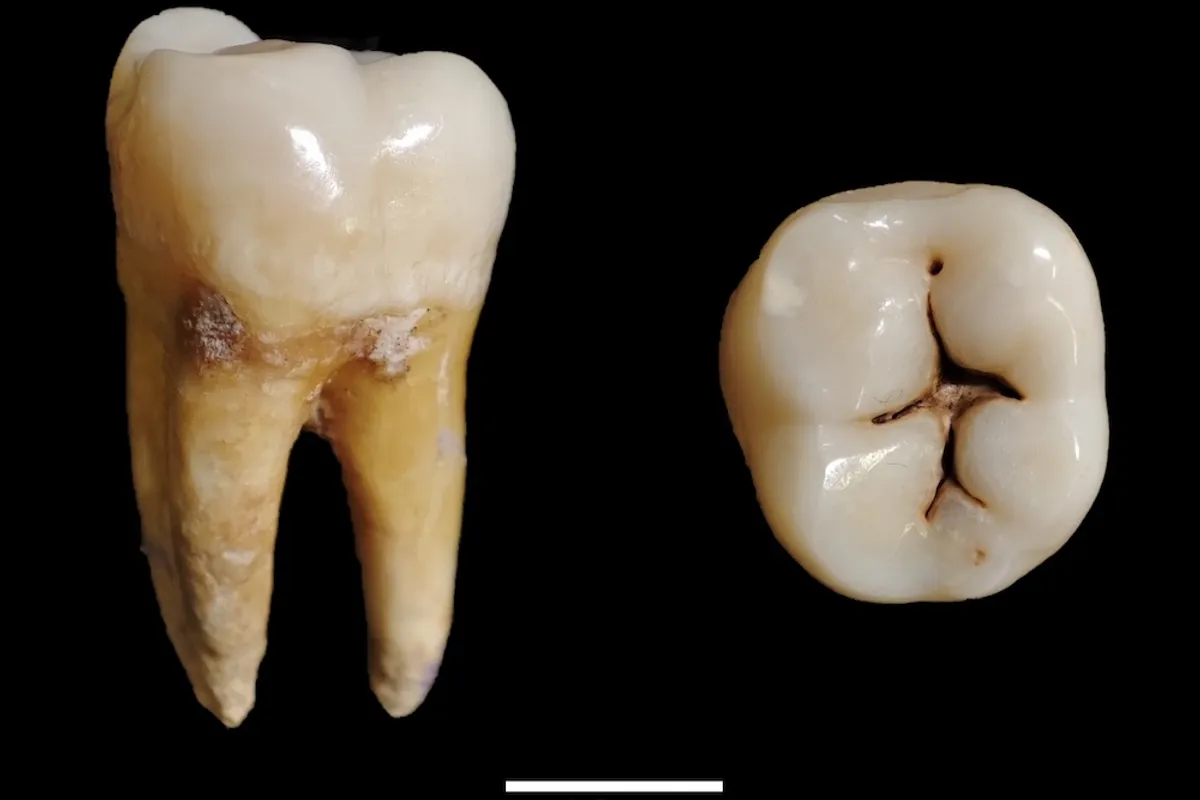
Iron Age sampled teeth.

More than 2,500 years after their burial, the teeth of Iron Age Italians are still preserving detailed records of their lives. Microscopic markers embedded in dental enamel and plaque reveal periods of physical stress during childhood, changes in diet over time, and the foods adults commonly consumed—including fermented staples that continue to shape Mediterranean cuisine today.

In an in-depth study of teeth from the Iron Age site of Pontecagnano in southern Italy, researchers used multiple dental analysis methods to reconstruct individual life histories from early childhood into adulthood. By identifying growth interruptions in enamel and food residues trapped in dental calculus, the research—published in PLOS One—provides a close-up view of everyday life in the 7th and 6th centuries BC, capturing childhood experiences as well as sophisticated food practices influenced by broader Mediterranean connections.

“Teeth act like a kind of time machine, preserving minute yet remarkably powerful traces of daily life,” said Roberto Germano, an archaeologist at Sapienza University of Rome and the study’s lead author. “Through them, we can see how people grew up, what they ate, and how they responded to the challenges of their world. Perhaps most striking is how familiar their lives seem—these Iron Age individuals also went through sensitive stages of childhood and ate fermented foods that are still fundamental to Mediterranean culture today.”

Archaeologists Say They’ve Unearthed a Massive Medieval Cargo Ship That’s the Largest Vessel of Its Kind Ever Found

Spotted off the coast of Denmark, the “Svælget 2” is a cog, a kind of large trading vessel used in the Middle Ages. Experts say the 600-year-old discovery is “exceptionally well-preserved”

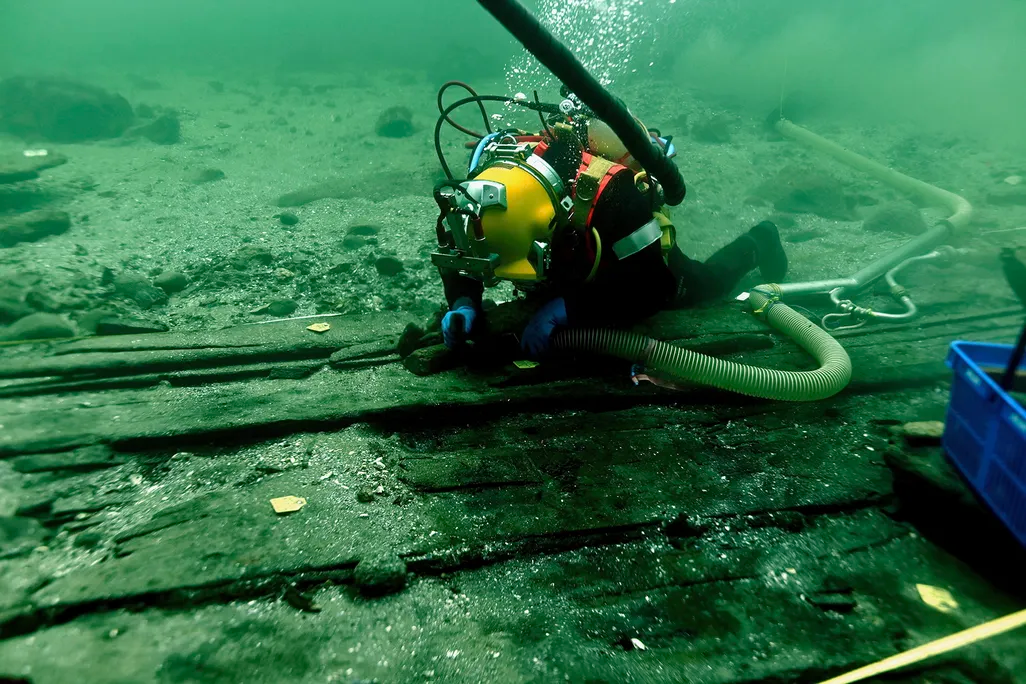
Divers swept away sand and silt to reveal the wreck.

Forty feet beneath the waters of Øresund, the strait between Denmark and Sweden, archaeologists have uncovered the wreck of a 600-year-old ship. Lavishly equipped and exceptionally well-preserved, the vessel is a medieval cargo ship, or cog, and is believed to be the largest of its kind ever discovered.

Maritime experts from Denmark’s Viking Ship Museum found the ship while mapping the seabed. The silt-covered vessel, named Svælget 2, measures roughly 92 feet in length, 30 feet in width, and 20 feet in height. Its estimated cargo capacity was 300 tons.

“This discovery marks a milestone in maritime archaeology,” said excavation leader Otto Uldum. “It is the largest cog known to us and offers a unique chance to study both the construction and daily life aboard the largest trading ships of the Middle Ages.”

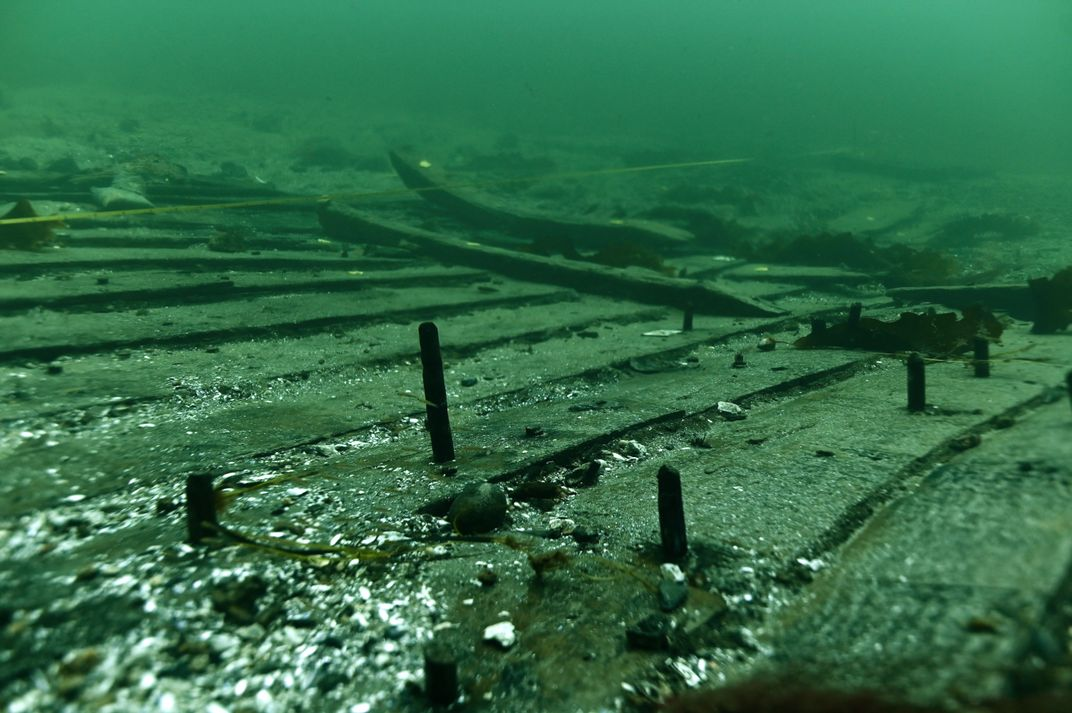
The ship's frame was made of wood from the Netherlands

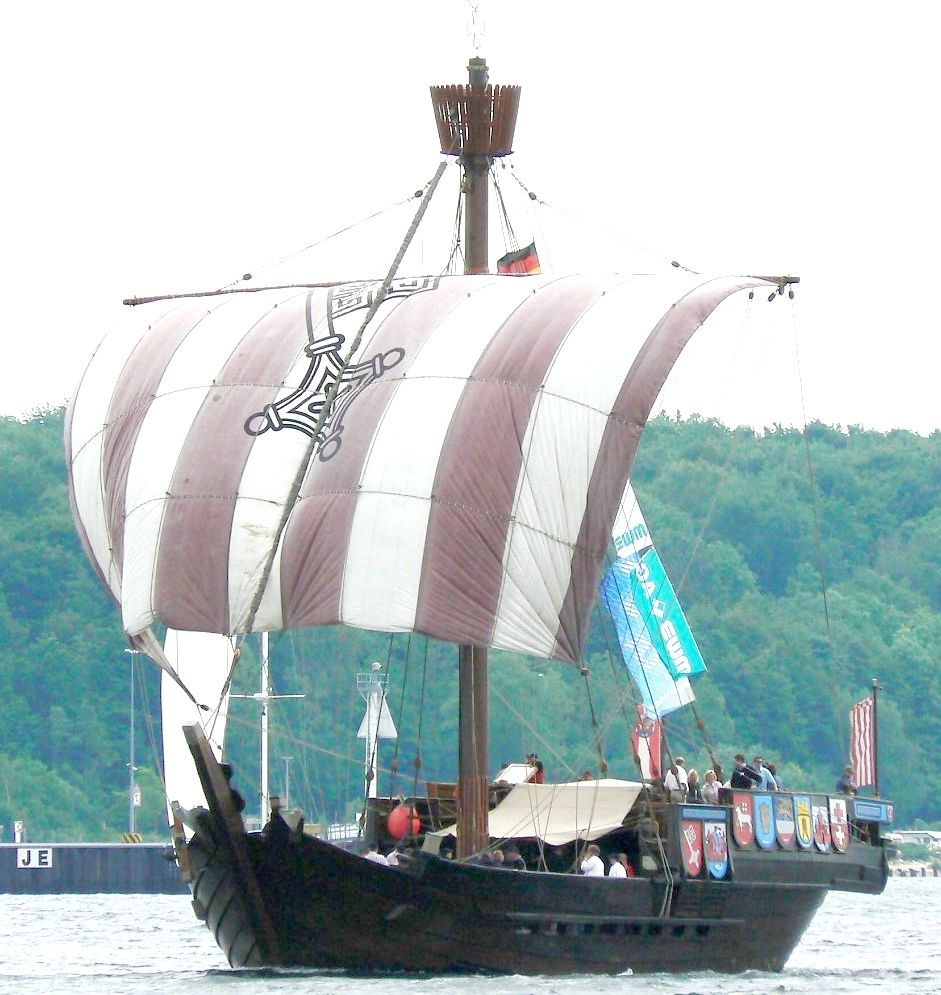
Cogs first appeared around the tenth century as a secure and efficient way to transport large quantities of goods, according to Artnet’s Min Chen. Their deep cargo holds outmatched Viking ships like knarrs, and their tall sides made them difficult to board during naval conflicts. These large vessels were built to travel from the Netherlands, past Denmark, and into the Baltic Sea. Despite their size, a cog could be handled by a relatively small crew.

“The cog transformed trade in northern Europe,” said Otto Uldum. “It allowed goods to be moved on a scale never seen before.”

Shipbuilders constructed cogs as large as possible to carry heavy or bulky items such as timber, bricks, salt, and other staples. While no cargo was found in Svælget 2, archaeologists did recover personal items from the crew, including shoes, combs, and rosary beads.

The museum notes that the ship is exceptionally well-preserved. Buried in sand, its starboard side was shielded from erosion, preserving much of the rigging—the ropes and chains used to manage sails, secure masts, and protect cargo. “This provides an unprecedented opportunity to understand how cogs were outfitted for sailing,” Uldum added.

A replica of the "Bremen cog," a ship built in 1380 and found wrecked in Germany in the 1960s

Svælget 2 features other exceptionally well-preserved elements. At the stern, archaeologists discovered extensive remains of a castle—a covered deck where the crew would have taken shelter. While medieval records show that castles were common on cogs, no physical examples had ever been found.

“We have plenty of drawings of castles, but they have never been found because usually only the bottom of the ship survives,” said Uldum. “This time we have the archaeological proof.”

The ship also contained the remains of a brick galley, where the crew prepared meals. Built from 200 bricks and 15 tiles, this fireproof galley allowed cooking over an open flame. Nearby, divers recovered bronze cooking pots, wooden dishes, ceramic bowls, and remnants of meat and fish.

Dendrochronology shows that Svælget 2 was constructed around 1410. Its planks came from Pomeranian oak in modern-day Poland, and its frame wood originated in the Netherlands. The ship’s size reflects the strength of the medieval northern European trading economy, requiring a society capable of financing, building, and outfitting such massive vessels to meet demand for imported goods, Uldum explains.

Europe experienced an agricultural boom in the centuries leading up to Svælget 2, with its population increasing from 18 million in the seventh century to over 70 million by the 14th century, enabling more international trade.

“Perhaps the find does not change the story we already know about medieval trade,” Uldum said, “but it shows that it was through ships like Svælget 2 that this trade occurred. We now know, undeniably, that cogs could reach this size—that the ship type could be pushed to this extreme.”