A Lost Language in Stone
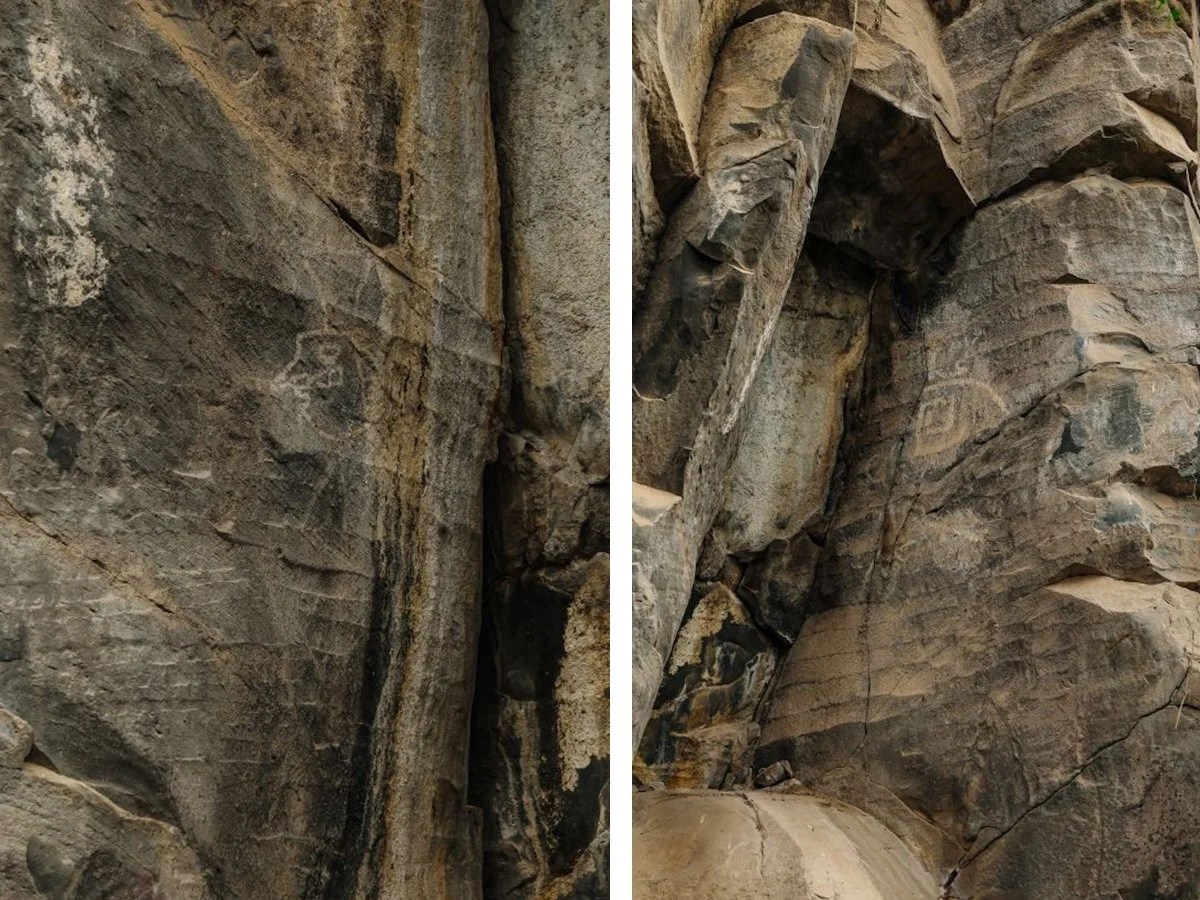
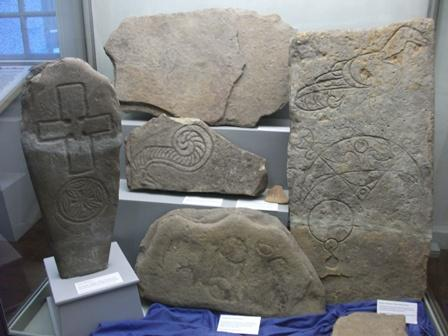
Scattered across northern Scotland are hundreds of carved stones bearing mysterious symbols that have puzzled researchers for centuries. These markings, created by the ancient Picts, represent one of Europe’s most enduring archaeological mysteries.
Unlike written languages such as Latin or Greek, Pictish symbols have never been fully decoded.
The Symbol Stones
Pictish stones typically feature a combination of:
Geometric shapes (circles, crescents, zigzags)
Animal figures (salmon, eagles, bulls)
Abstract symbols (mirrors, combs, rods)
These symbols often appear in pairs, suggesting they may have functioned as a communication system.
A Language or Something Else?
Scholars debate whether Pictish symbols represent:
A written language
A system of clan or tribal identification
Religious or ceremonial markings
A combination of symbolic meanings
The lack of bilingual inscriptions makes decoding extremely difficult.
The “Rosetta Stone” Problem
The famous Rosetta Stone allowed scholars to decode Egyptian hieroglyphs because it contained the same text in multiple languages. No equivalent exists for Pictish symbols, making interpretation far more challenging.
Because of this, the symbols remain partially understood but not fully readable.
Archaeological Context
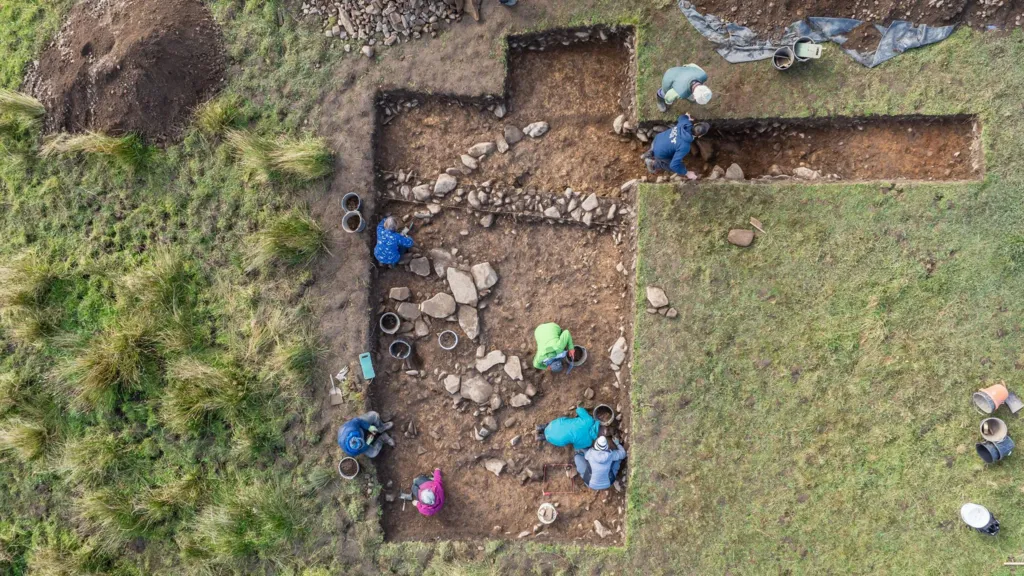
Many stones are found near burial sites, suggesting a funerary or commemorative function. Others appear on monumental stones that may have marked territory or status.
Regional Variation
Different regions of Scotland show variations in symbol styles, hinting at local traditions or evolving meanings over time.
This variation suggests the system was not static but culturally dynamic.
Modern Interpretations
Some researchers use statistical and computational methods to analyze symbol patterns. Others compare them with known early medieval languages and iconography.
Despite these efforts, no consensus has been reached.
Cultural Significance
Even without full translation, Pictish stones offer valuable insight into identity, power, and belief systems in early medieval Scotland.
They represent a society that communicated through symbols as much as words.
Conclusion: A Message Still Unread
The Pictish symbols remain one of archaeology’s greatest mysteries. Whether language, code, or cultural marker, they continue to challenge our understanding of early medieval Europe.