Introduction
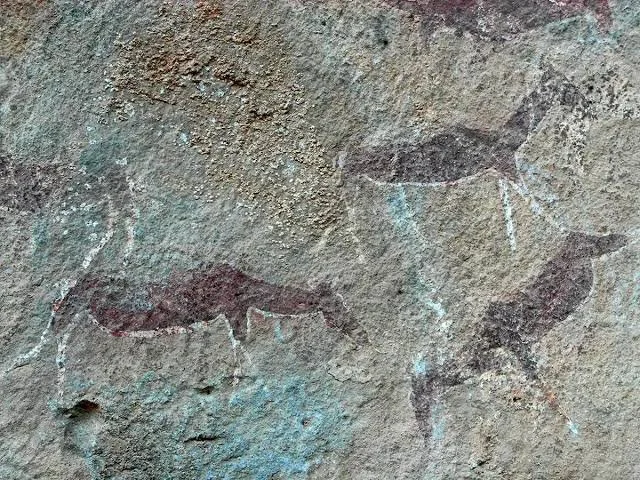
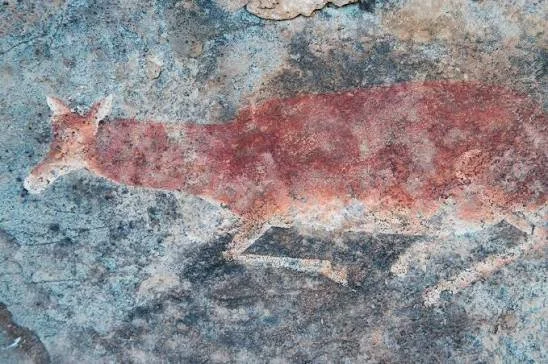
Didima, in the KwaZulu-Natal Drakensberg, is associated with the region’s rich heritage of San rock paintings. The surrounding mountains contain numerous sandstone shelters in which Indigenous artists created images of animals, human figures, and unusual combinations of human and animal characteristics.
Some of these images have been interpreted as mythological or spiritual figures. They are particularly interesting because they challenge the idea that rock art simply records everyday activities. A painting may communicate ideas about animals, spiritual forces, healing, transformation, or relationships between people and the natural world.
However, the term “mythological figures” requires careful interpretation. The original meanings of many images are not known with certainty, and a figure that appears supernatural to a modern viewer may have had a different significance within the artist’s cultural tradition.
The Didima Landscape
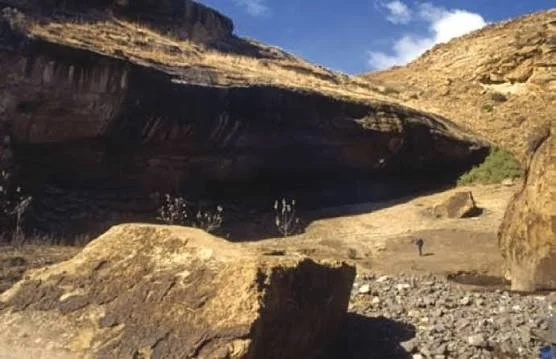
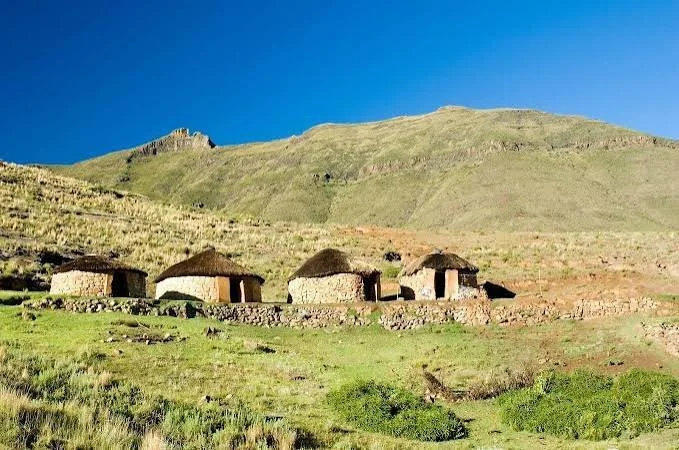
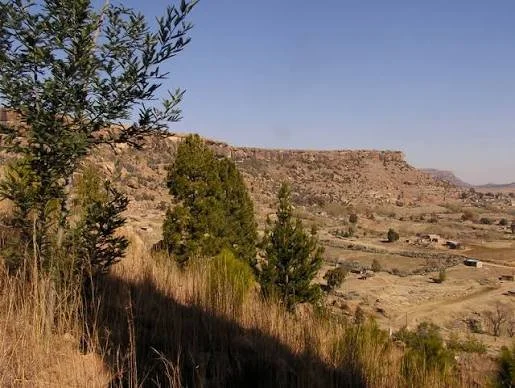
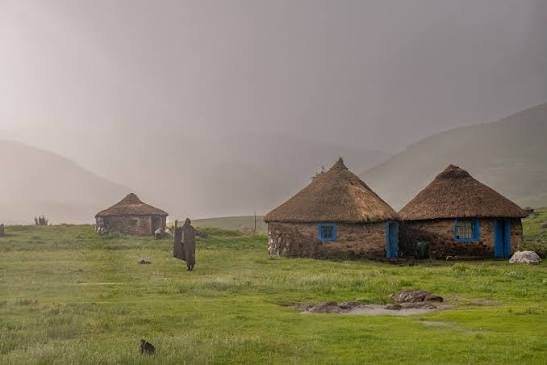
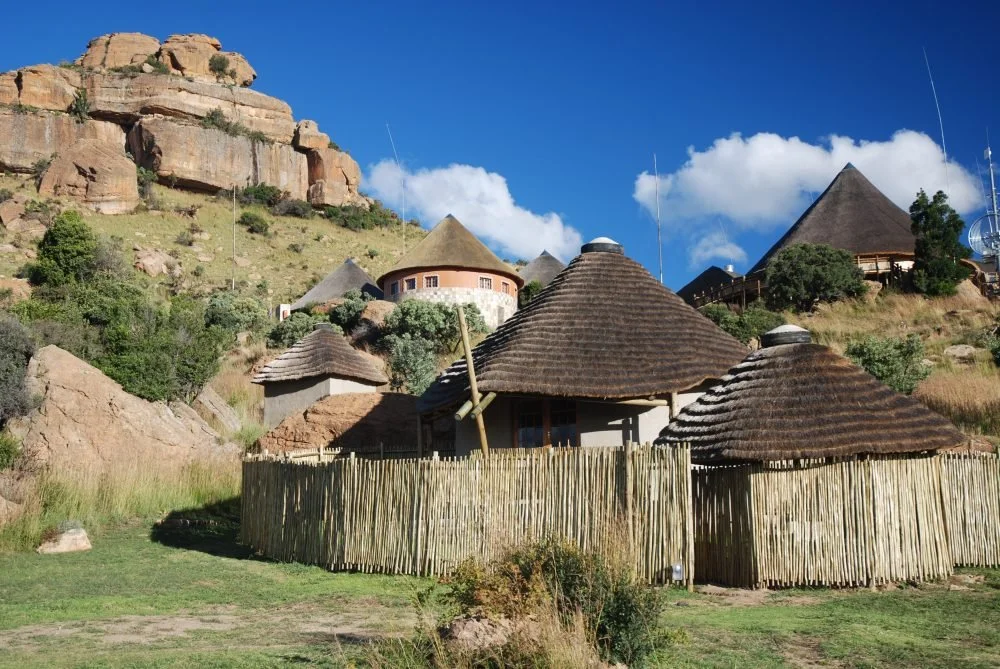
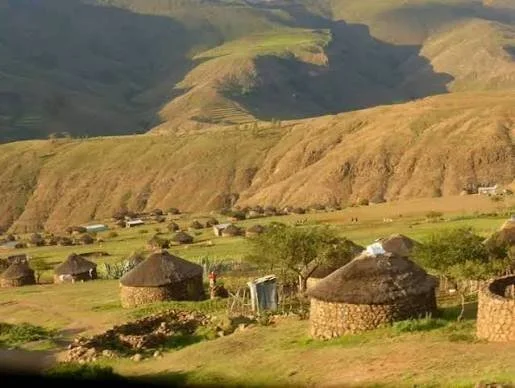
The Didima area lies within the dramatic mountain environment of the Drakensberg. Sandstone cliffs, valleys, grasslands, and streams created a landscape that supported wildlife and offered shelter to human communities.
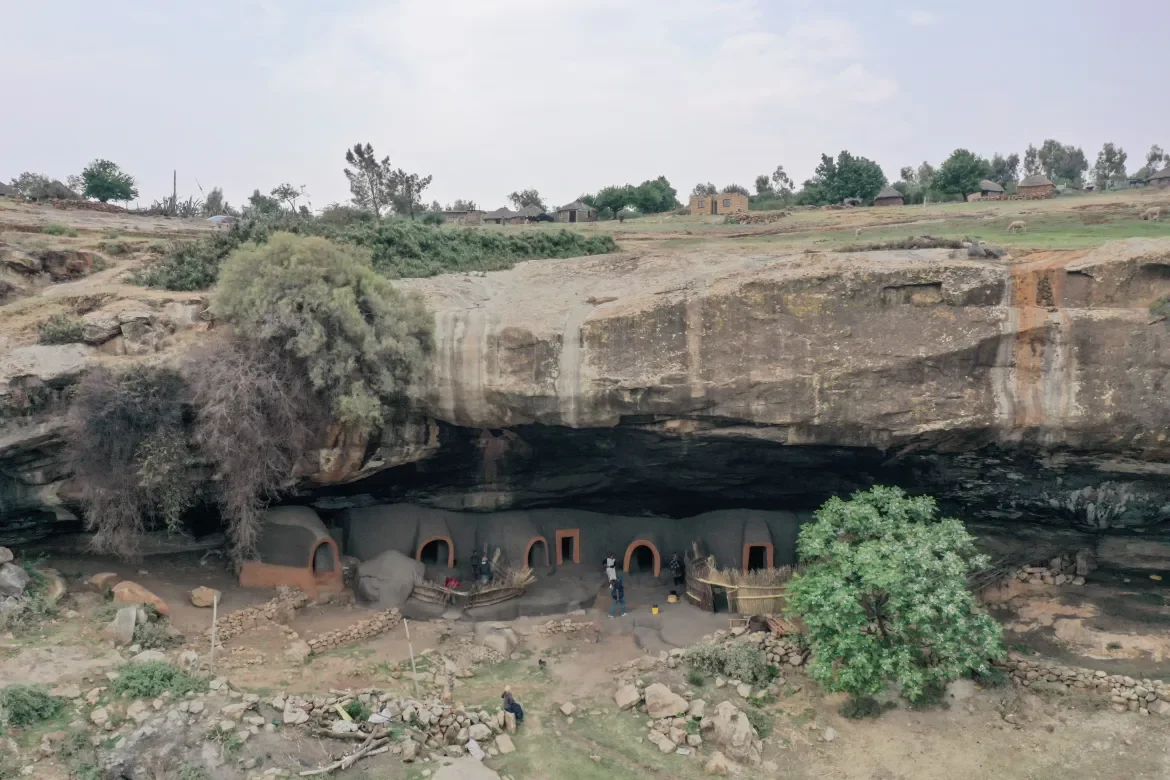
Rock shelters could be used for temporary refuge, rest, or other activities. Some may also have held particular cultural significance. The relationship between a shelter and its surrounding landscape can help researchers understand why people repeatedly visited particular locations.
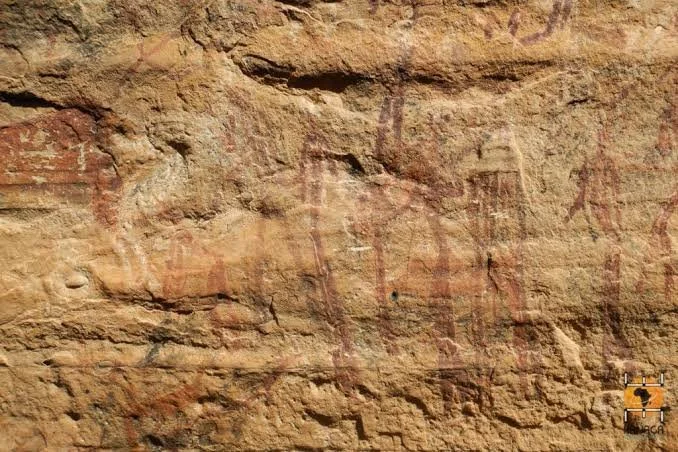
The rock surfaces themselves influenced the preservation and appearance of the paintings. Pigments applied to sheltered walls could survive for centuries or longer, although moisture, mineral deposits, and natural weathering gradually alter their appearance.
Human and Animal Figures
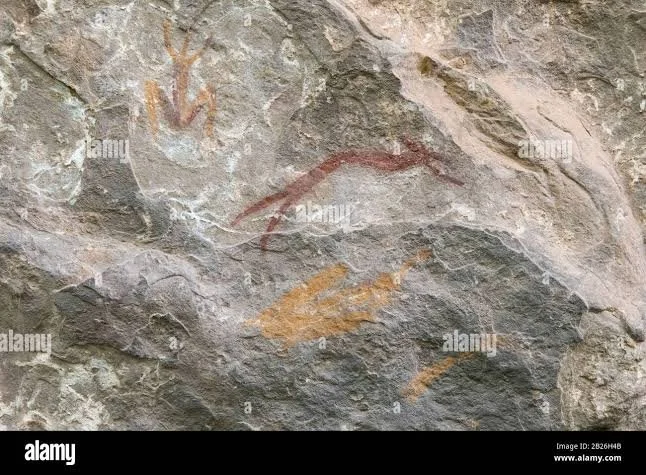
San rock art in the Drakensberg includes many images of eland and other animals, alongside human figures in a variety of postures. Some compositions contain figures whose bodies appear partly human and partly animal, or whose movements differ from ordinary activities.
These unusual characteristics have encouraged interpretations involving spiritual transformation and ritual experience. In some documented San traditions, animals held spiritual significance beyond their practical value as food. Certain ceremonies involved beliefs about healing, potency, and interactions between human and spiritual worlds.
Such cultural information helps researchers interpret the art, but it does not provide a definitive explanation for every figure. Different communities could attach different meanings to similar images, and traditions changed over time.
What Does Mythological Mean?
In everyday language, mythological often refers to supernatural beings or stories involving gods and extraordinary events. In the study of Indigenous art, however, the term must be used with care.
A figure that appears unusual may represent a spiritual being, a ritual specialist, a symbolic transformation, or an artistic convention. It may also be difficult to identify because parts of the painting have faded or disappeared.
Researchers therefore begin by describing the visible evidence. They examine body shape, posture, associated animals, the arrangement of figures, and the location of the painting within the shelter. They then compare these observations with other rock art and relevant cultural knowledge.
This approach reduces the risk of imposing modern assumptions on an image whose original meaning may have been very different.
Rock Art and Spiritual Experience
Some scholars interpret particular Drakensberg paintings in relation to healing ceremonies and altered states of consciousness. In certain San traditions documented by ethnographers, ritual specialists participated in ceremonies involving dancing, healing, and spiritual potency.
Researchers have suggested that some unusual figures and compositions may represent experiences associated with these practices. Animal-human combinations, for example, have been examined as possible expressions of transformation or relationships between different forms of existence.
Nevertheless, these interpretations remain dependent on context. Not every animal-human figure depicts a ritual specialist, and not every unusual posture indicates an altered state. The strongest interpretations are those supported by several features of the artwork and by relevant cultural evidence.
Dating and Preserving the Paintings
The age of individual paintings at Didima cannot be established solely from their appearance. Different images may have been produced during different periods, and some shelters contain overlapping paintings.
Researchers may use pigment analysis, archaeological context, stylistic comparison, and other suitable scientific methods to develop chronological estimates. Each method has limitations, so conclusions should distinguish between established dates and broader estimates.
Conservation is equally important. Rock art can be damaged by touching, graffiti, uncontrolled access, and environmental changes. Photography and digital documentation help preserve a record of the paintings, but the original surface must also be protected.
Conclusion
Didima’s rock-art heritage provides a valuable opportunity to study how San artists represented animals, human figures, and possible spiritual concepts. Images interpreted as mythological figures demonstrate the richness of southern Africa’s artistic traditions, but their meanings cannot always be reconstructed with certainty.
Careful observation, archaeological research, and respect for Indigenous perspectives are essential to understanding these paintings. By preserving the artworks and explaining the limits of interpretation, researchers can help ensure that Didima remains an important part of South Africa’s cultural heritage.