Youngest Mammoth Fossils Ever Found Turn Out To Be Whales… 400 Kilometers From The Coast

Could mammoths have walked among us just 2,000 years ago?

Mammoths disappeared from Beringia 13,000 years ago.

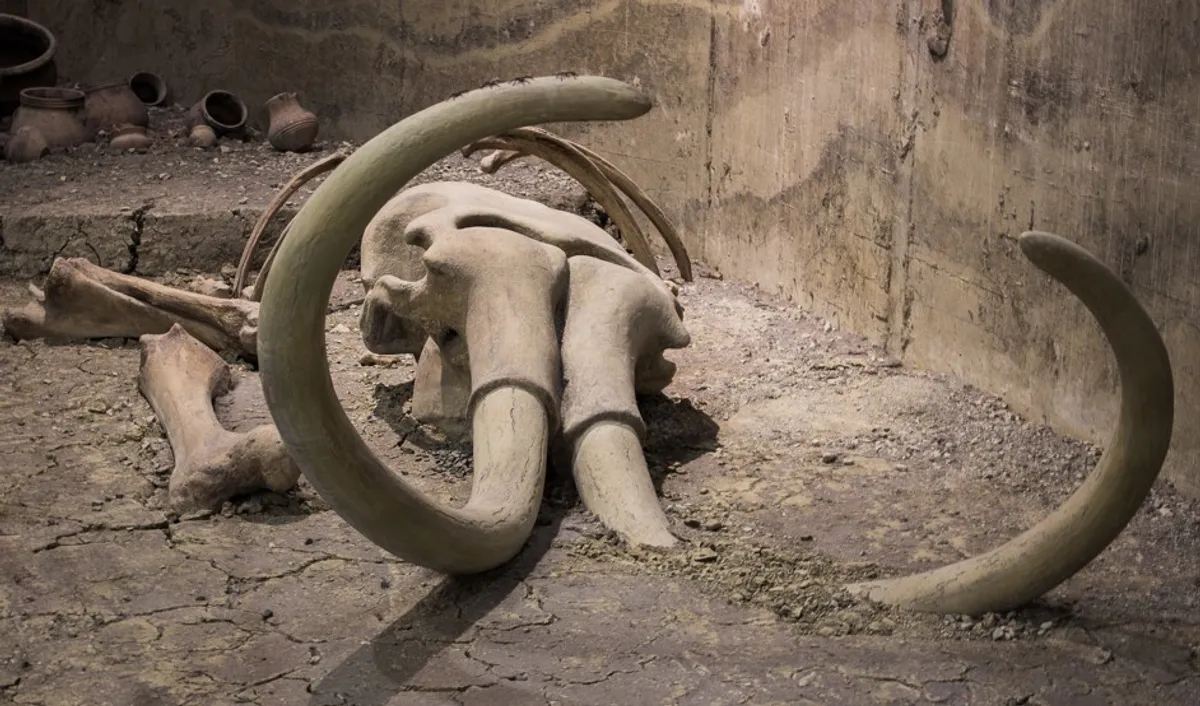
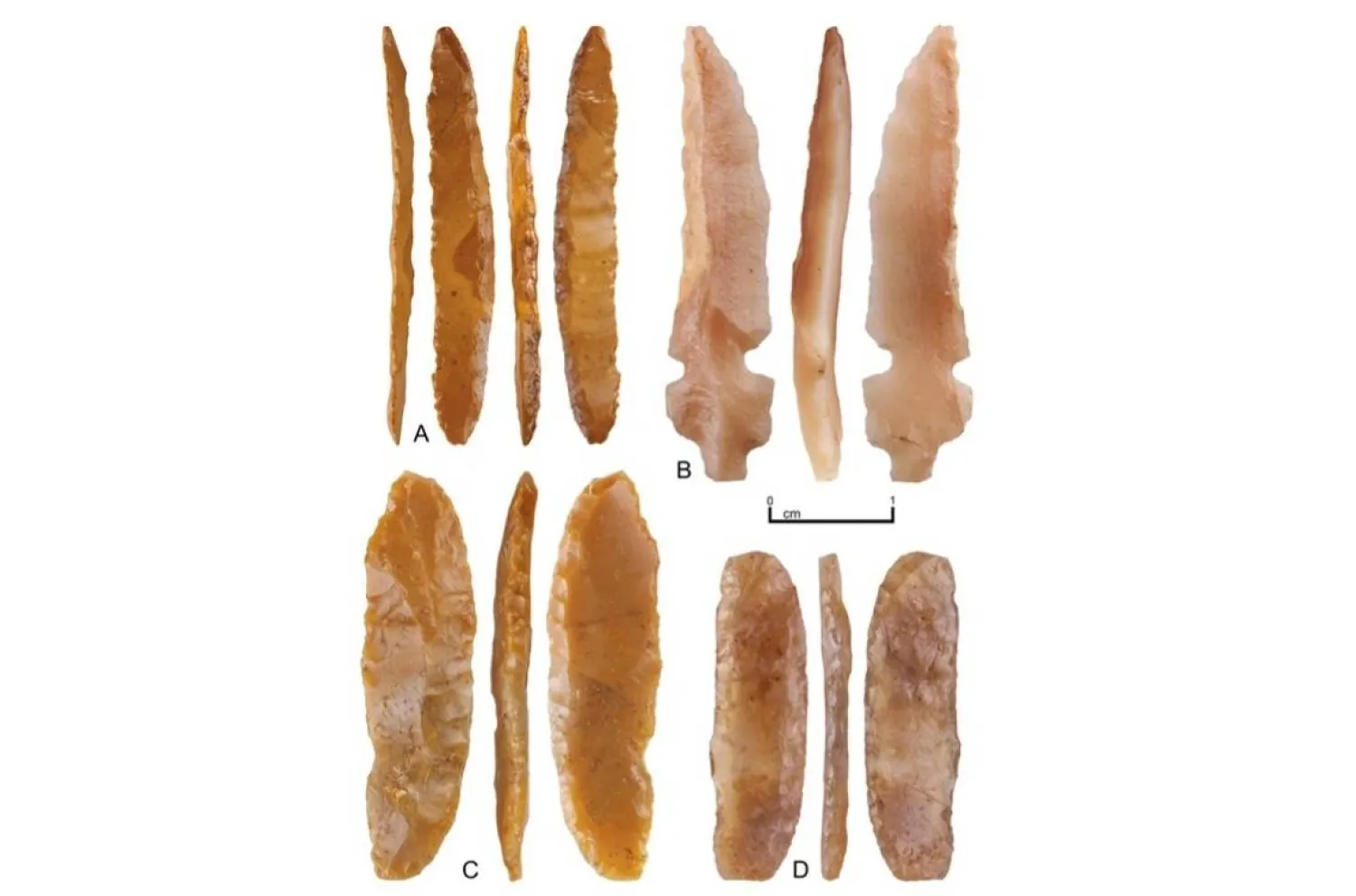
A pair of vertebrae long believed to be woolly mammoth bones from Alaska has been reidentified as whale fossils, overturning decades of assumptions about the region’s prehistoric fauna.

The bones were originally collected in the early 1950s by German explorer and naturalist Otto Geist near Fairbanks, hundreds of kilometers from the ocean. They were cataloged at the University of Alaska Museum of the North as mammoth vertebral plates. In 2022, radiocarbon dating suggested the fossils were between 1,900 and 2,700 years old, an extraordinary result given that mammoths are thought to have gone extinct in interior Alaska around 13,000 years ago.

Skeptical of such a remarkable finding, researchers conducted isotopic and DNA analyses. Nitrogen isotope levels hinted at a marine diet, inconsistent with a land-dwelling proboscidean. DNA testing confirmed the bones actually belonged to a common minke whale and a Northern Pacific right whale. This revelation ended decades of mistaken identity.

The discovery also raised a puzzling question: how did the bones of ocean-going whales end up over 400 kilometers inland? The creek near Fairbanks where they were found could never have supported such large animals, and it’s unlikely scavengers transported them. One theory suggests ancient hunter-gatherers may have carried the bones inland for symbolic or practical purposes, as whale bones were sometimes used in toolmaking , although inland evidence for this practice is sparse.

Another likely explanation involves a museum cataloging error. Geist collected both inland and coastal fossils (from Norton Bay), and the whale bones may have been misfiled with his Fairbanks collection, leading to seven decades of confusion.

Red Fort hosts UNESCO meeting amid maximum vigil by police, paramilitary forces after November car blast

The meeting comes against the backdrop of the November 10 Red Fort car blast that killed 15 people and injured more than two dozen.

A security official stands guard a heavily-barricaded roadside near the Red Fort complex, in New Delhi.

Delegates entering Delhi’s Red Fort from the Chandni Chowk side must navigate a series of tightly arranged security barricades before reaching the heavily guarded Lahori Gate to access the venue for a major UNESCO event, being hosted in India for the first time. Security personnel from the Delhi Police and paramilitary forces are maintaining strict surveillance both around the monument’s perimeter and within the historic Mughal-era complex, a UNESCO World Heritage Site.

India is hosting the 20th session of the Intergovernmental Committee for the Safeguarding of the Intangible Cultural Heritage from December 8 to 13 at the Red Fort. This gathering comes in the aftermath of the November 10 Red Fort blast, which killed 15 people and injured over two dozen others.

Managed by the Archaeological Survey of India (ASI), the 17th-century fort has been closed to the public since December 5 for the event and is expected to remain shut until December 14. A series of barricades labeled 'Delhi Police' have been installed in a winding pattern near the blast site. One police officer noted that soot is still visible on the road near the Lal Quila Metro Station gate, marking the blast’s location. He emphasized that security is stringent day and night due to the significance of the international gathering.

Access to the Red Fort is limited to delegates and accredited media, all of whom must carry badges issued jointly by UNESCO and the Indian government. Armed CISF personnel guard the Delhi Gate entrance, while inside the fort, security teams constantly monitor the movement of attendees. After dark, police patrols on motorcycles cover the area from Lahori Gate to Delhi Gate.

The event officially opened on December 7, with External Affairs Minister S. Jaishankar attending as chief guest. Other dignitaries present included Union Minister Gajendra Singh Shekhawat, UNESCO Director-General Khaled El-Enany, Delhi Chief Minister Rekha Gupta, and India’s Permanent Delegate to UNESCO, Vishal V. Sharma. On Wednesday, Deepavali was added to the UNESCO Representative List of the Intangible Cultural Heritage of Humanity.

Delegates also attended a cultural program on the lawns facing the historic Diwan-i-Aam, followed by a gala dinner under heightened security. Walid Al Halani of the UAE delegation expressed his pleasure at visiting India for the first time, appreciating the country and its people. Meanwhile, traders at Old Lajpat Rai Market quietly recalled the blast while trying to resume normal life, acknowledging the lasting impact of the incident.

The Red Fort continues to be one of India’s most visited landmarks. Commissioned by Mughal emperor Shah Jahan as the palace complex of Shahjahanabad, its construction spanned from 1638 to 1648. The fort is famous for its massive defensive walls and also hosted the inaugural India Art, Architecture, and Design Biennale (IAADB) in 2023.

Archaeologists Discovered the Origins of Nearly 18,000 Ancient ‘Ghost Tracks’

The prints, likely left by theropods 70 million years ago, make the Carreras Pampa tracksite the largest recorded site for dinosaur prints.

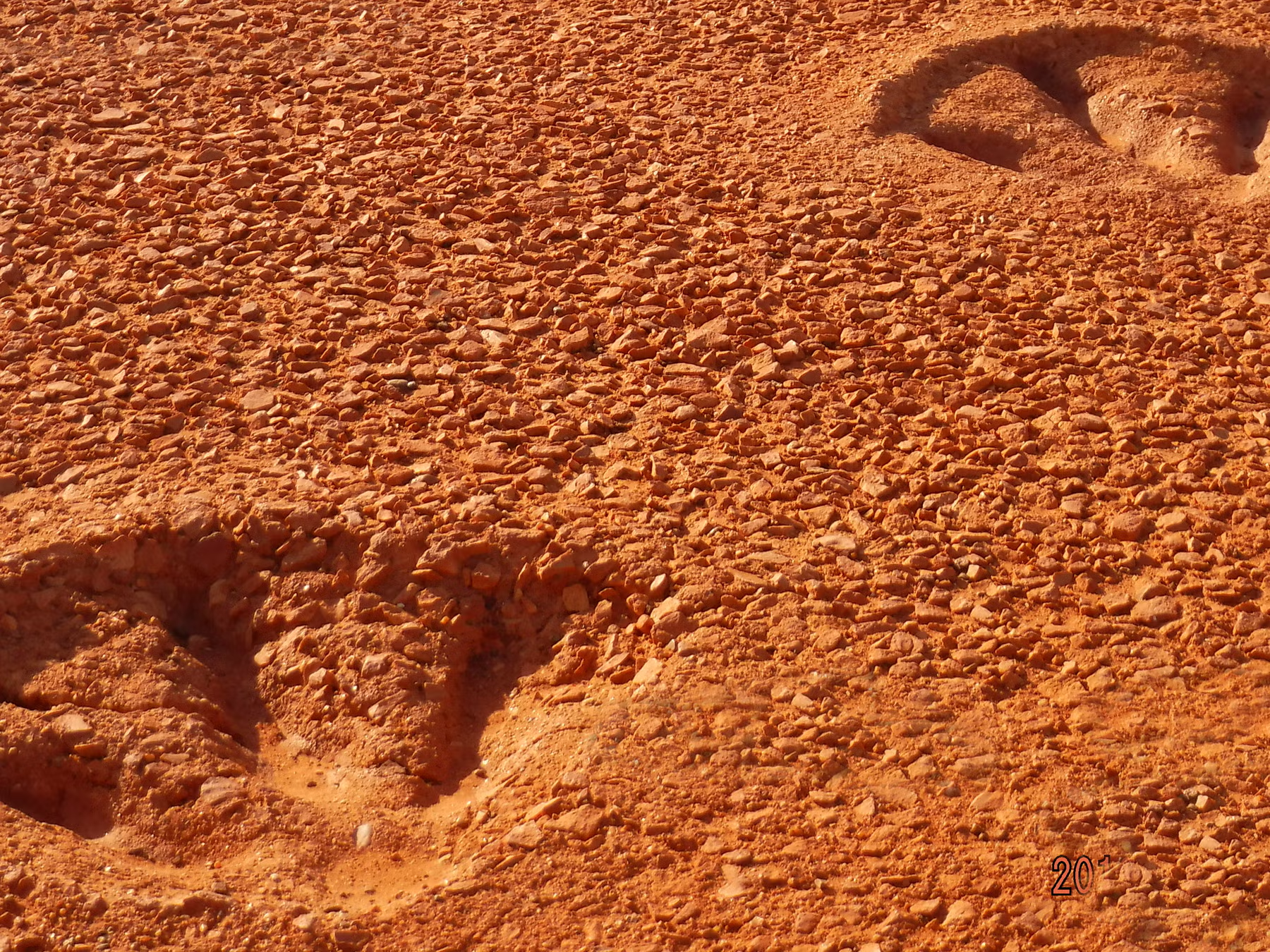
Paleontologists have identified the Carreras Pampa tracksite in Bolivia’s Torotoro National Park as the largest known concentration of dinosaur footprints ever recorded. The enormous site preserves an astonishing number of tracks left around 70 million years ago, during a time when the region now dry and rugged was a warm, humid landscape dotted with shallow lakes. What is today a series of hardened sandstone surfaces once formed muddy lakeshores where theropod dinosaurs gathered, walked, hunted, and occasionally swam.

Those ancient animals left behind extensive trails of footprints and tail drags that were eventually buried by sediments and preserved. Researchers have now documented 1,321 separate trackways, including 16,600 three-toed prints and 289 isolated impressions, some of which display tail-dragging traces. They also identified 1,378 “swim tracks” elongated marks possibly created by paddling theropods or early crocodilian species found in 280 of the trackways. Altogether, the site contains close to 18,000 individual tracks, making it a record-breaking discovery.
These footprints are mostly classified as “ghost tracks” impressions so faint or incomplete that they don’t allow a precise match to a known species. Because dinosaur bones are extremely rare at Torotoro, scientists have little skeletal evidence to determine which exact animals made the prints. Still, most of the three-toed tracks suggest various kinds of theropods once patrolled the lake margins.