Bronze Age Roundhouse discovery at Cornwall geothermal site

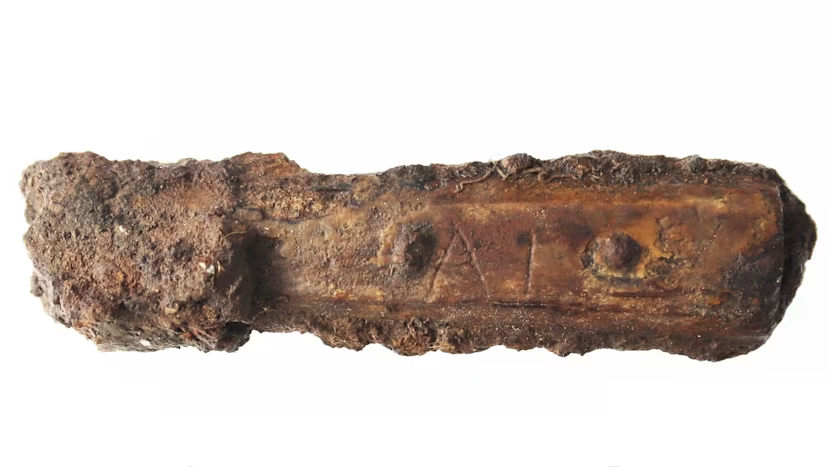
Residents living near a proposed geothermal drilling project in Cornwall have raised urgent concerns following the discovery of a significant Bronze Age roundhouse at the site, which they argue is now under threat from the development.

Residents near a proposed geothermal drilling site in Cornwall have voiced serious concerns after a major Bronze Age roundhouse was discovered on land now earmarked for development, which they say could be damaged or lost if the project proceeds.

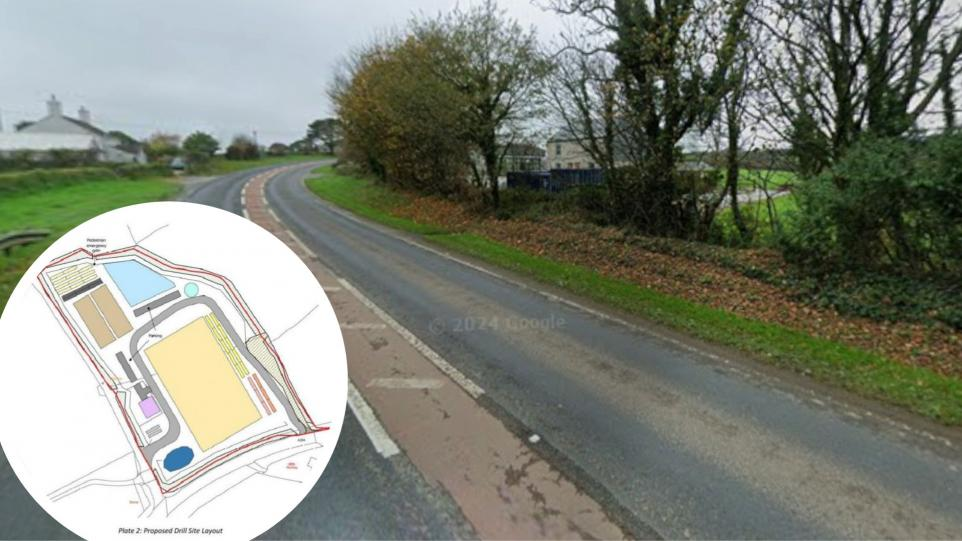
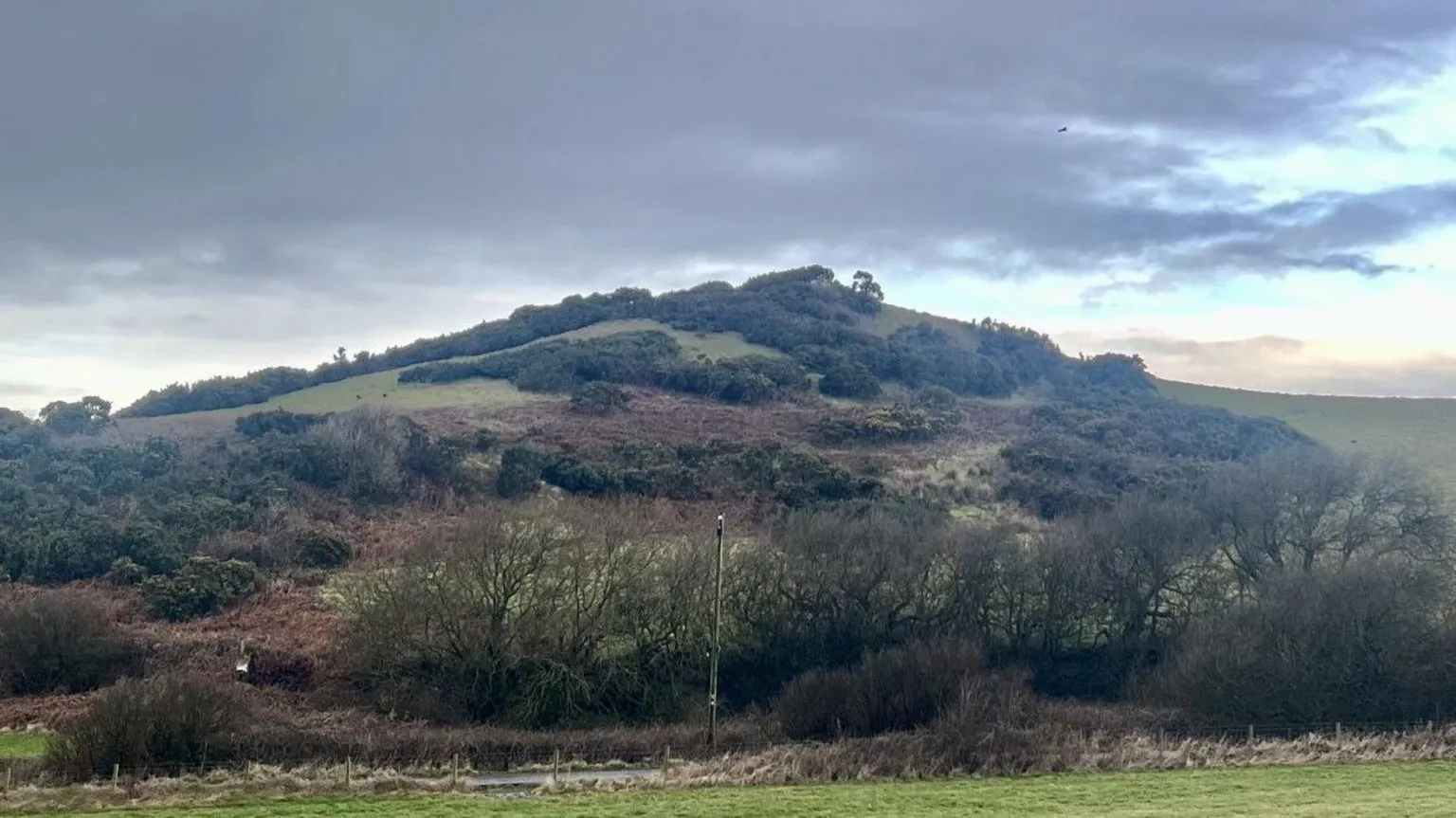
The archaeological discovery was made at Manhay on land owned by Cornwall Council, which plans to lease the site to Geothermal Engineering Ltd (GEL). Local residents and heritage advocates are now calling on both the council and the company to reconsider, arguing that protecting Cornwall’s ancient history should take priority over the drilling project.

Opponents claim the importance of the find has been understated by both Cornwall Council and GEL. They fear a revised planning application is being rushed through so work can begin before the original permission expires. One resident told the Packet, “If the project goes ahead on this site, these Bronze Age remains will be destroyed. We accepted the development after the first application failed, but now that a Bronze Age site has been found, it puts everything at risk.”
Concerns are not limited to archaeology. Locals are also worried about changes to site access and road safety. The site lies at a known accident hotspot, and the original planning approval required a one-way traffic system. The new variation proposes allowing two-way HGV traffic at the A394 Manhay crossroads, a junction residents describe as already dangerous.

People living nearby strongly oppose the change, citing increased noise and a higher risk of collisions caused by heavy vehicles entering and leaving the site from both directions.

In response, GEL CEO Ryan Law said the company is addressing both heritage and safety issues. On the archaeological discovery, he stated that GEL has sought professional advice and will carry out all works in line with planning conditions to protect the historic environment.

Regarding traffic concerns, GEL maintains that safety remains a top priority. The company said the revised access plans were developed in cooperation with Cornwall Council’s highways department and that discussions with local councillors are already underway to explore temporary and long-term improvements to road safety along the A394.

GEL also said it will continue to update residents and stakeholders through future community liaison meetings as the planning process moves forward.
Prehistoric Underwater Wall Hints at Sophisticated Human Engineering 7,000 Years Ago

A 400-foot-long granite structure off the coast of Brittany suggests late hunter-gatherers were already beginning to settle down.
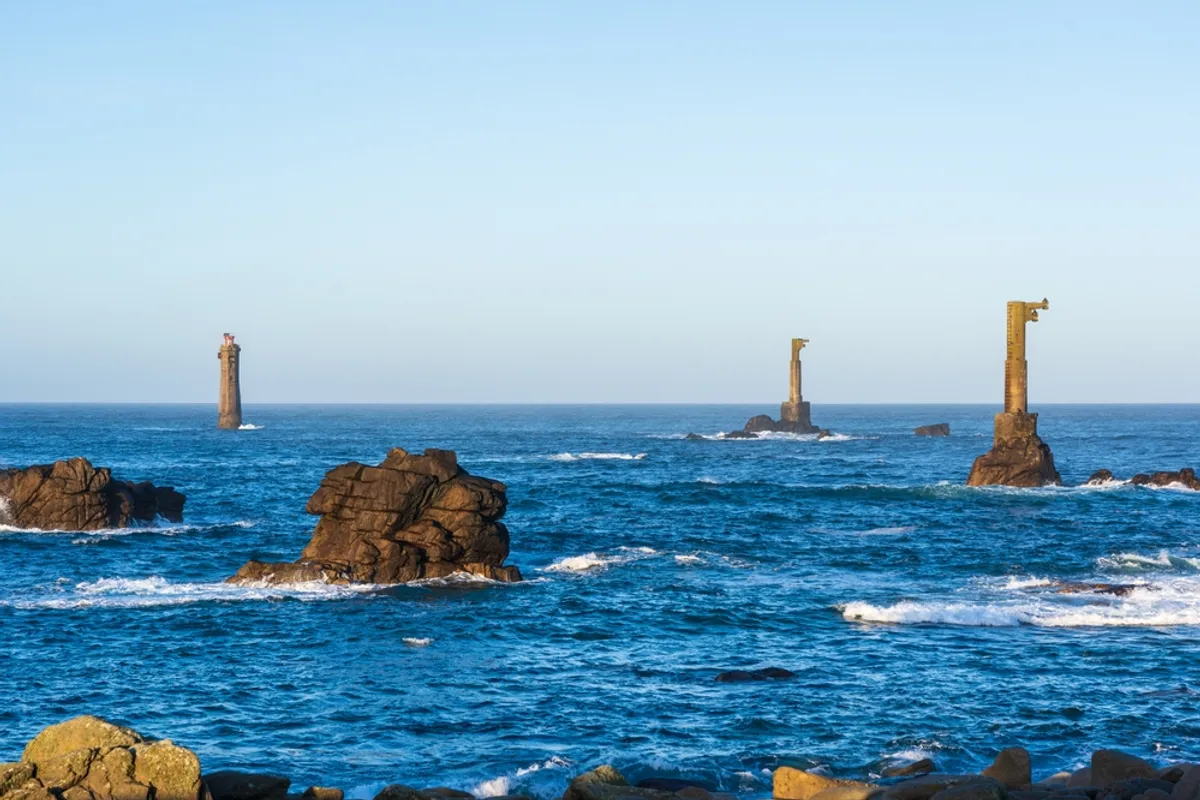
Phare de Nividic Lighthouses in Brittany, France.

After surveying Brittany’s coastline with laser-based mapping technology, a French geologist noticed an unusual feature about 30 feet below the Atlantic’s surface.

A follow-up dive revealed a roughly 400-foot-long granite wall built by humans around 7,000 years ago. According to research published in the International Journal of Nautical Archaeology, the structure is made of deliberately arranged stone slabs and monoliths. Its form and location suggest it may have been used either as an early fish trap or as a barrier to protect coastal communities from the sea.

Either explanation highlights an unexpected level of technical knowledge during a key phase of prehistory, when Mesolithic hunter-gatherers were beginning to settle permanently and transition toward Neolithic farming.

A Human Structure Beneath the Sea

The discovery traces back to 2017, when retired geologist Yves Fouquet examined LiDAR seabed data near Sein Island off western France. The scans revealed 11 submerged features at depths deeper than researchers anticipated in such rough waters.

Between 2022 and 2024, underwater investigations confirmed the presence of several granite constructions, including a wall nearly 400 feet long. Today the remains sit about 30 feet underwater, but they date to roughly 5,800–5,300 BCE, when sea levels were lower and the shoreline lay several miles farther out. What is now seabed was once dry land.

Research in the area has long been difficult due to strong tides, heavy waves, and thick seaweed. Because of this, archaeologists were surprised to find the stonework so well preserved, with upright slabs and monoliths still clearly defined in a now-hostile marine environment.

Since no organic material survived on the stones, direct radiocarbon dating was not possible. Instead, researchers estimated the age by reconstructing ancient sea levels and matching them with known periods of human settlement along the former coast.

Fish Weirs or Coastal Defenses

Along the coasts of Brittany and Normandy, many prehistoric fish weirs have already been identified through aerial and satellite imagery. Some of the newly found structures resemble these traps, but others are far larger than typical examples.

Fish weirs were usually placed in tidal zones to guide fish as the water receded. However, the size of several submerged walls suggests they may also have functioned as protective barriers, guarding settlements against storm surges or advancing seas during a time of environmental change.

Whatever their purpose, the walls demonstrate organized labor and advanced construction skills, including the ability to gather and position massive stones. Notably, this knowledge appears to predate the region’s earliest ceremonial megaliths by about five centuries.

Insight into a Time of Change

These underwater remains provide rare evidence of coastal Mesolithic societies on the verge of the Neolithic. The study notes that fish weirs were a vital food source for hunter-gatherers and required coordinated effort and ongoing upkeep—clear indicators of increasingly settled lifestyles.

The Mesolithic-to-Neolithic transition in Brittany, dated to around 5500–5000 BCE, occurred as post-Ice Age sea-level rise began to slow. The submerged walls suggest that coastal groups were already modifying their surroundings and managing resources well before agriculture became fully established.

The Forgotten Cities of the Silk Road

The Silk Road was not a single road but a vast and complex network of land and sea routes that connected East Asia with the Mediterranean world for more than a millennium. Along these routes emerged powerful cities that acted as commercial hubs, cultural crossroads, and centers of knowledge. Merchants, monks, diplomats, and scholars passed through them carrying silk, spices, precious metals, religious ideas, scientific knowledge, and artistic traditions.


Today, many of these once-great cities lie in ruins, buried beneath deserts or absorbed by time. Their rediscovery has transformed our understanding of ancient globalization and the deep interconnectedness of civilizations.

The Rise and Fall of Ancient Trade Hubs

Merv – The Pearl of the East

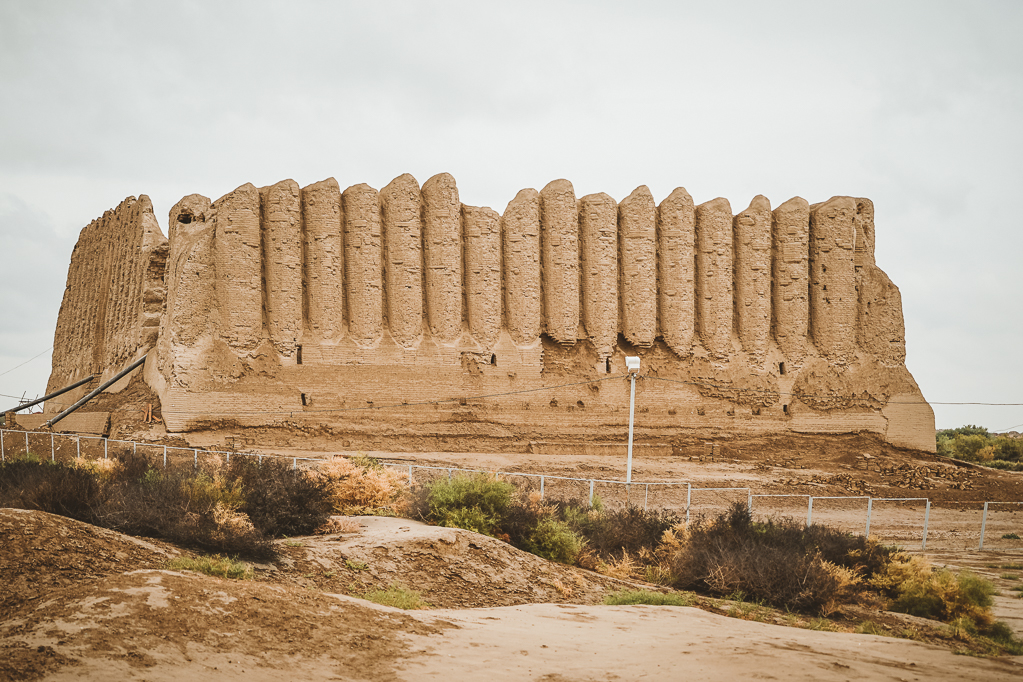
Merv, located in modern-day Turkmenistan, was one of the most important cities on the Silk Road and among the largest cities in the world during its peak. Flourishing under Persian, Islamic, and Seljuk rule, Merv became a center of science, theology, mathematics, and literature. Its libraries and madrasas attracted scholars from across the Islamic world.
The city’s prosperity came to a violent end in 1221 when Mongol forces under Tolui, son of Genghis Khan, sacked Merv. The destruction was so complete that the city never recovered, leaving behind vast ruins that testify to its former grandeur.

Dunhuang – Gateway Between China and Central Asia

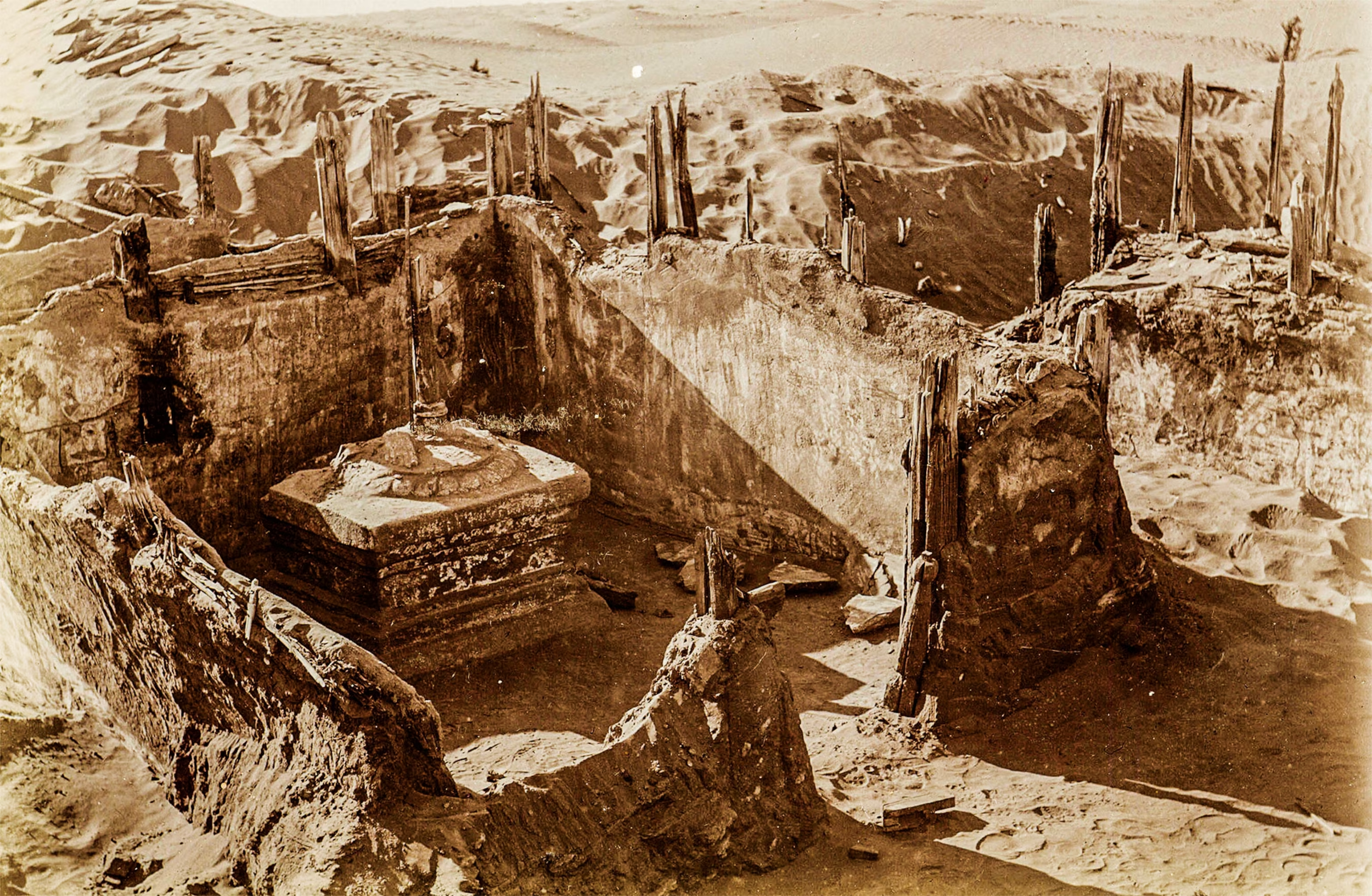
Situated at the edge of the Gobi Desert, Dunhuang was a vital stop for caravans entering or leaving China. It served as a cultural and religious bridge between East and West. The city is most famous for the Mogao Caves, a complex of hundreds of cave temples carved into cliffs and filled with Buddhist murals, statues, and manuscripts.
These caves preserve over a thousand years of religious, artistic, and linguistic exchange, documenting how Buddhism traveled from India into China and beyond.

Samarkand – Jewel of Central Asia

Samarkand, in present-day Uzbekistan, stands as one of the most enduring cities of the Silk Road. Its golden age came under the rule of Timur (Tamerlane) in the 14th century, when it became the capital of a vast empire.
The city was renowned for its monumental architecture, including the Registan Square, grand mosques, and observatories. Samarkand also functioned as a center of astronomy, mathematics, and Persian culture, influencing intellectual life far beyond Central Asia.

For centuries, many Silk Road cities were known only through historical texts and travelers’ accounts. Modern archaeology has dramatically changed this picture.
Satellite imagery has revealed outlines of long-buried city walls and road networks beneath desert sands. Ground-penetrating radar allows researchers to detect buildings, streets, and canals without disturbing the soil. Excavations have uncovered markets, caravanserais, palaces, temples, and advanced irrigation systems that sustained large urban populations in harsh environments.

Artifacts such as coins, ceramics, textiles, and written documents provide direct evidence of long-distance trade and multicultural interaction. These discoveries confirm that the Silk Road was not merely a route for luxury goods but a living system that supported complex societies.

The forgotten cities of the Silk Road were engines of cultural fusion. Religions such as Buddhism, Islam, Christianity, and Zoroastrianism spread through these urban centers, often coexisting within the same city. Artistic styles blended Greek, Persian, Indian, and Chinese elements, creating unique visual traditions.
Scientific and medical knowledge traveled alongside trade goods, contributing to advancements in astronomy, mathematics, medicine, and engineering across Eurasia.

These cities demonstrate that ancient civilizations were far more interconnected than often assumed. Ideas moved as freely as merchants, shaping societies thousands of kilometers apart. Preserving and studying these sites allows modern humanity to better understand the foundations of globalization and cultural exchange.

A Legacy Recovered from the Sands

As archaeological research continues, new sites and artifacts are steadily emerging, filling gaps in our knowledge of Silk Road history. Each discovery adds depth to the story of a world where distant cultures met, traded, debated, and learned from one another.
The forgotten cities of the Silk Road are no longer silent. Through science and scholarship, their voices are once again shaping our understanding of the past and reminding us that civilization has always been built on connection.

Sources

  • UNESCO – Silk Roads Programme
    https://en.unesco.org/silkroad

  • UNESCO World Heritage Centre – Ancient Merv
    https://whc.unesco.org/en/list/886

  • British Library – The Silk Roads
    https://www.bl.uk/silk-roads

  • National Geographic – What Was the Silk Road?
    https://www.nationalgeographic.com/history/article/silk-road

  • Metropolitan Museum of Art – Art of the Silk Road
    https://www.metmuseum.org/toah/hd/silk/hd_silk.htm

Fragments of Nazi vengeance weapon discovered in southeastern Poland

A group of detectorists recently uncovered fragments of a V-2 rocket near Blizna Historical Park in Ropczyce-Sędziszów County, Poland.

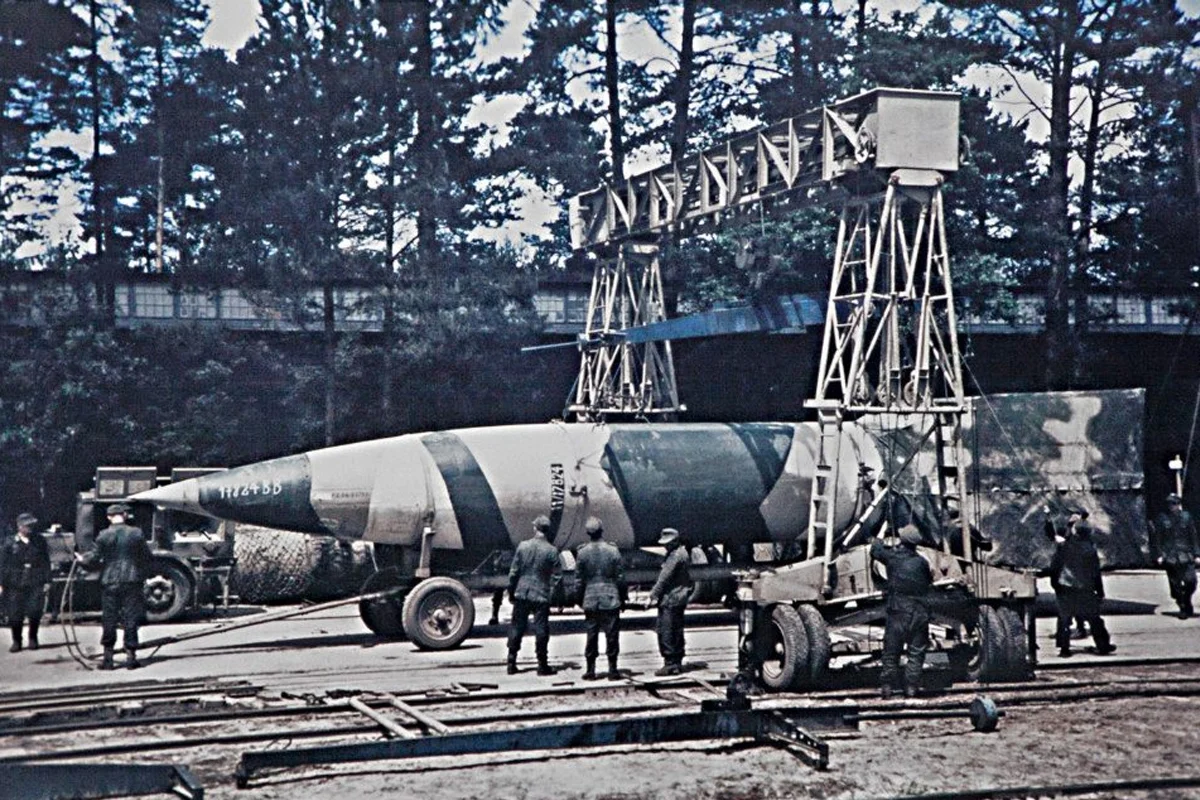
The V-2, also called the Aggregat-4 (A4) or “Vengeance Weapon 2,” was Nazi Germany’s first long-range guided ballistic missile, developed during WWII as retaliation for Allied bombings. Designed by Wernher von Braun and his team at the Peenemünde Army Research Centre, it also became the first human-made object to reach space by crossing the Kármán line.

During the war, over 3,000 V-2 rockets were fired at Allied targets, killing around 9,000 civilians and soldiers, in addition to the thousands of forced laborers and concentration camp prisoners who died building the weapons.

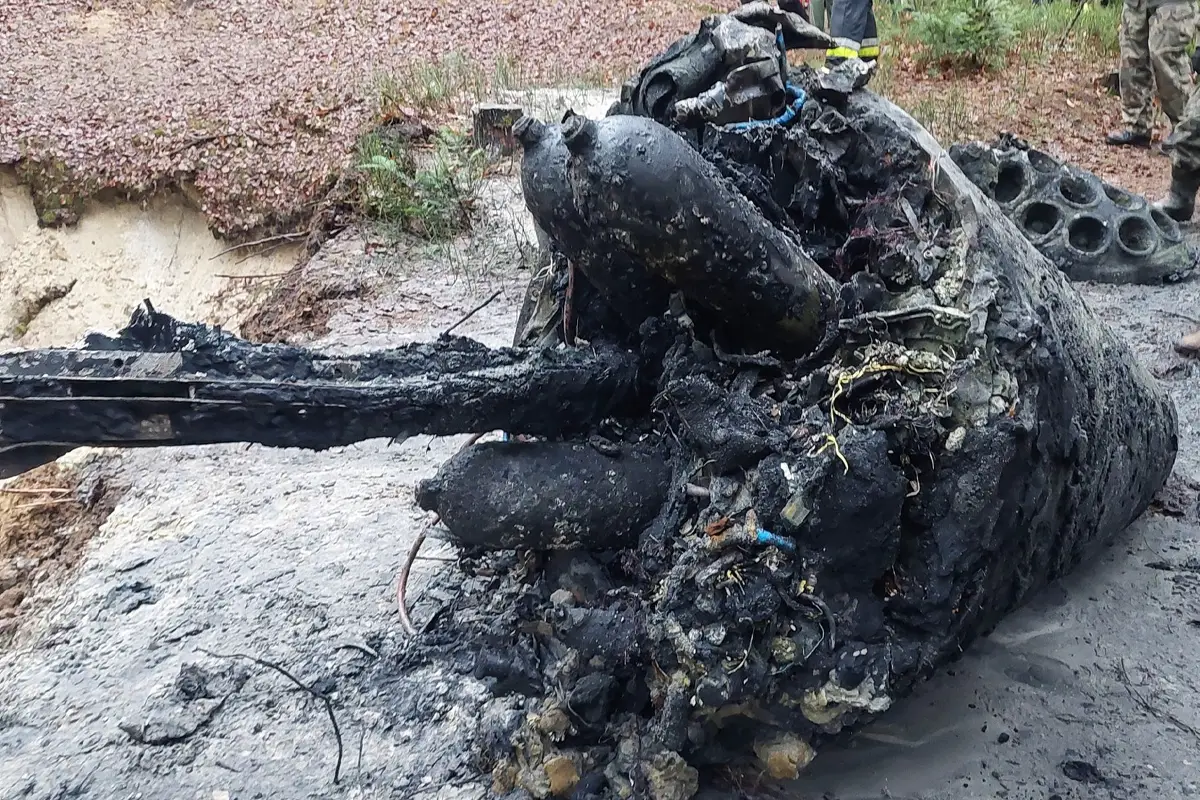
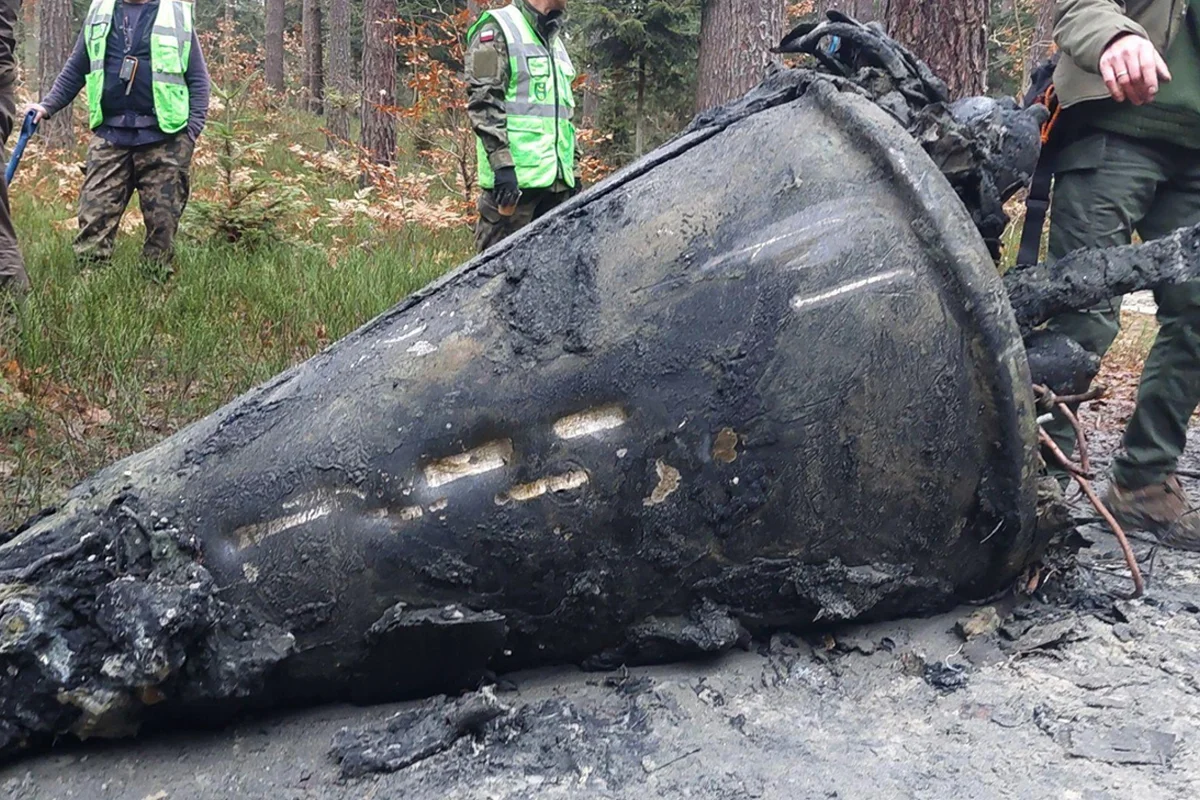
Members of the Podkarpackie Military Enthusiasts Association, collaborating with local authorities and two other detectorist groups, uncovered V-2 rocket fragments while surveying an impact crater near Blizna Historical Park.

Blizna Historical Park served as the primary V-2 testing site after the Peenemünde launch facility in Germany was heavily bombed. Its strategic significance was highlighted by visits from high-ranking Nazi officials, including Adolf Hitler, SS chief Heinrich Himmler, SS-Obergruppenführers Hans Kammler, and Gottlob Berger.

The team recovered fragments including a turbopump, injectors, and a nearly intact ballistic cone, a key feature of the V-2 rocket’s design. The complete rocket warhead was embedded in the ground along with part of the second stage, which had collided with the first segment upon impact. As this was a practice warhead, no explosion occurred. The recovered components will be moved to Blizna Historical Park to join its permanent exhibition.

Ancient cubed-shaped skull found in Mexico challenges human history

Archaeologists in Mexico have uncovered an extraordinary cube-shaped skull that is challenging current understandings of ancient societies.

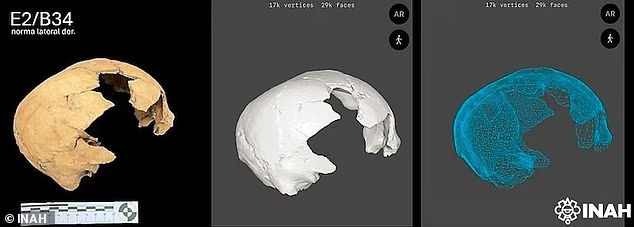
The skull belonged to a man over 40 years old who lived during Mexico’s Classic period, between roughly 400 and 900 AD, according to experts from the National Institute of Anthropology and History (INAH).

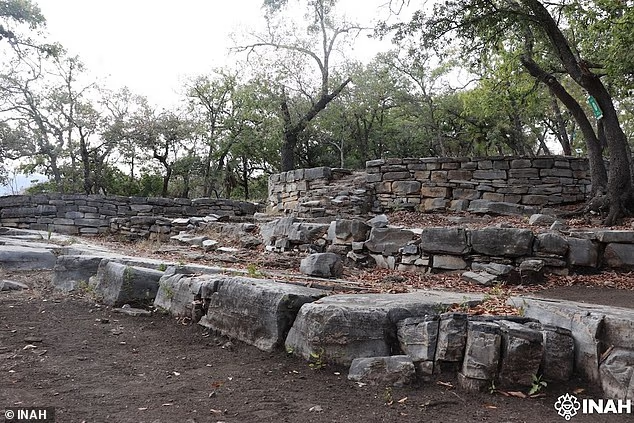
It was found at the Balcón de Montezuma site in the northern Huasteca region of Tamaulipas, a mountainous area in Mexico.

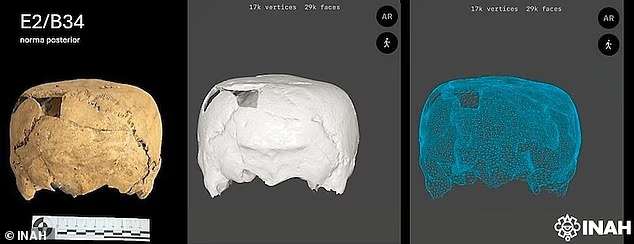
Researchers in Mexico have discovered a man's skull which was deformed to take the shape of a cube roughly 1,400 years ago

The skull was found at the Balcón de Montezuma archaeological site in the northern Huasteca region of Mexico's Tamaulipas state

In ancient Mexico, archaeologists have long found intentionally modified skulls, especially elongated, cone-shaped ones among the Olmec and Maya.

These shapes were created by gently binding infants’ soft skulls with cloth or bandages during the early months or years of life. Different civilizations assigned various meanings to the practice. For example, the Maya often did it for social status or aesthetic reasons.

The newly discovered cube-shaped skull in Tamaulipas, however, is puzzling. It is the only known example from that region, as cube-shaped skulls—with flattened tops forming a boxy appearance—are usually found at distant sites like El Zapotal in Veracruz and scattered Maya settlements in southeastern Mexico.

To determine if the 40-year-old man was truly local to northern Huasteca, researchers analyzed his bones and teeth for “stable oxygen isotopes,” variations of oxygen atoms that remain unchanged over time. The mix of these isotopes reflects the water a person consumed during their life, offering clues about their geographic origins.

The research team was able to confirm that this man spent his entire life in the region, making his cube-shaped skull more of a mystery since this ritual was unusual for the area

Water in different regions such as rainy mountains or dry coastal areas has a distinct oxygen “fingerprint” shaped by local climate and geography.

By analyzing these oxygen signatures in the man’s tooth enamel, which forms in childhood, and bone collagen, which renews throughout adulthood, researchers found patterns matching the mountain water of northern Mexico.

Physical anthropologist Jesús Ernesto Velasco González explained that stable oxygen isotope analysis of bone and teeth confirms the man was born, lived, and died in this mountain region. This rules out a direct connection with groups from El Zapotal or other southern areas.

Although the reason for his cube-shaped skull remains unclear, the team suggests it may have symbolized membership in a broader cultural network that spanned hundreds of miles along the Mexican coastline, rather than being purely aesthetic.

Egypt restores colossal statues of pharaoh 3,200 years after earthquake

Refurbished monuments to Amenhotep III unveiled in Luxor

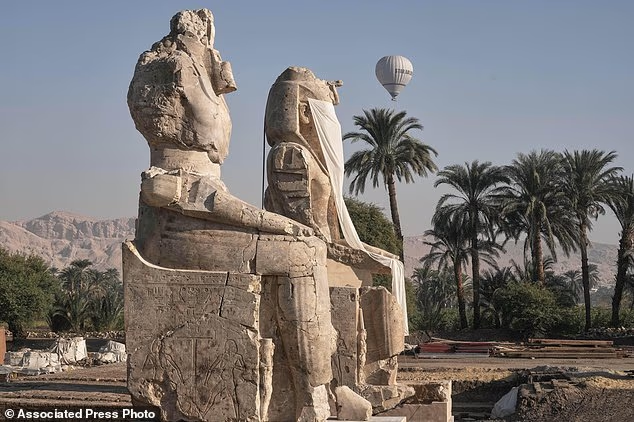
Egypt has unveiled two restored statues of Pharaoh Amenhotep III in Luxor, more than 3,200 years after they were toppled by an earthquake, in an effort to boost tourism.

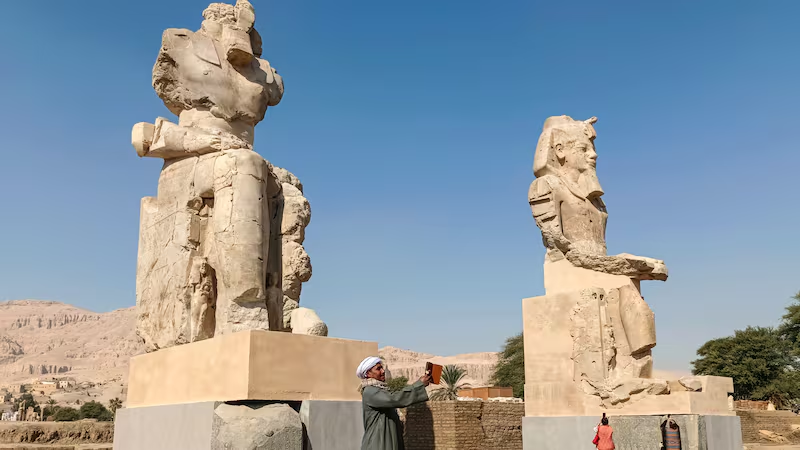
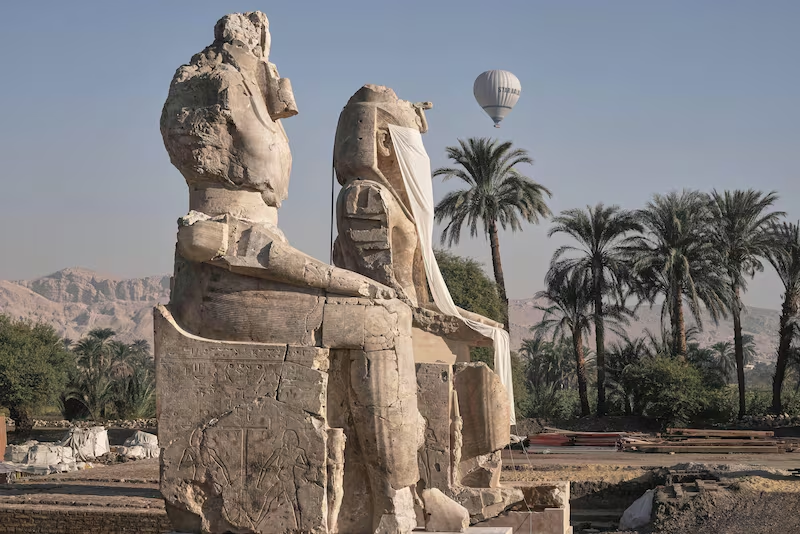
The giant alabaster Colossi of Memnon were reassembled in a 20-year renovation project. Mohamed Ismail, secretary-general of the Supreme Council of Antiquities, described the event as a celebration of the completion and re-erection of the statues.

Mr. Ismail emphasized the statues’ importance to Luxor, a city famed for its ancient temples and artifacts, noting that the restoration aims to “revive how this funerary temple of King Amenhotep III looked long ago.”

Amenhotep III, a notable pharaoh of the New Kingdom—Egypt’s most prosperous era—ruled from 1390 to 1353 BC, a period marked by peace, wealth, and major construction projects, including his funerary temple where the Colossi of Memnon stand.

The colossi were toppled by a powerful earthquake around 1200 BC, which also damaged the temple. Over time, the statues were fragmented and partially quarried, with some blocks reused in other temples. Archaeologists have now retrieved and reassembled these blocks to restore the colossi, according to the Antiquities Ministry.

In the late 1990s, an Egyptian-German team led by German Egyptologist Hourig Sourouzian began work in the temple area, focusing on restoring the colossi. “This project aims … to save the last remains of a once-prestigious temple,” she said.

The statues depict Amenhotep III seated with his hands on his thighs, facing east toward the Nile and the rising sun. He wears a headdress topped with double crowns and a pleated royal kilt, symbols of his divine authority. Two smaller statues at his feet represent his wife, Tiye.

Measuring 14.5 and 13.6 metres, the colossi stand at the entrance to the king’s temple on the Nile’s western bank. They were carved from Egyptian alabaster sourced from Hatnub quarries in Middle Egypt.

The Luxor unveiling took place six weeks after the opening of the long-delayed Grand Egyptian Museum, a major government project aimed at boosting tourism and supporting the economy. The museum is located near the Giza Pyramids and the Sphinx.

Egypt’s tourism, heavily reliant on its pharaonic heritage, suffered during years of political unrest following the 2011 protests and the coronavirus pandemic. Recent recovery efforts have been aided by tourists from countries such as Russia and Ukraine, despite ongoing geopolitical tensions.

Rare fresco portraying Jesus discovered in Türkiye's Iznik

Tomb believed to date to 3rd century when Christianity was subject to persecution within Roman Empire

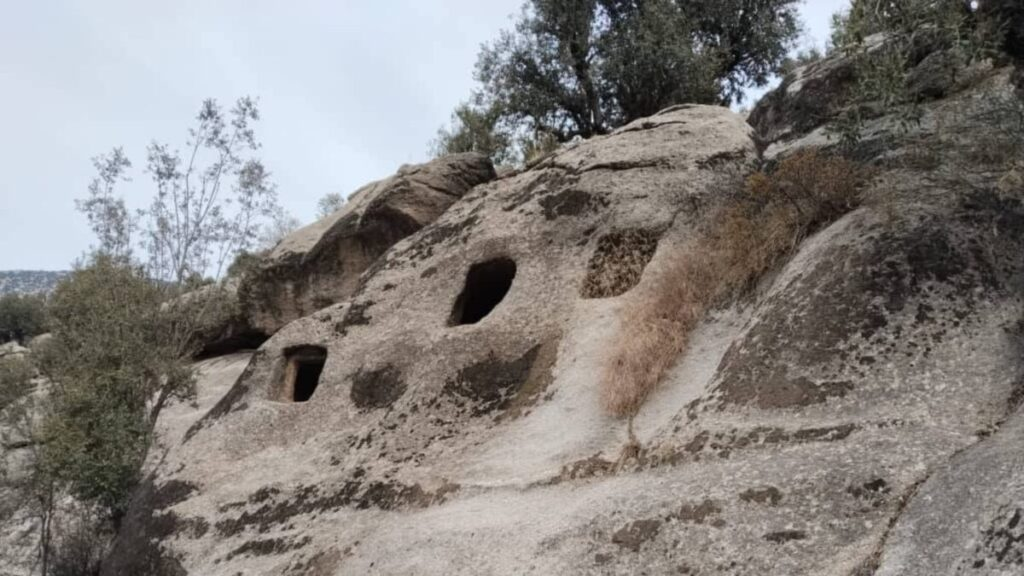
Turkish archaeologists have discovered a rare 3rd-century fresco depicting Jesus as the “Good Shepherd” with Roman features, inside an underground burial chamber near Iznik, a town known for the 325 AD Council of Nicaea.

The fresco shows a youthful, clean-shaven Jesus in a toga carrying a goat, an unusual representation in the region reflecting Roman artistic influence. The tomb’s walls and ceilings are richly decorated with birds, plants, and images of noble figures with servants, highlighting a cultural shift from late pagan traditions to early Christian beliefs.

Excavations also uncovered the remains of five individuals, including two young adults and an infant. Lead archaeologist Gulsen Kutbay noted the fresco may be unique in Anatolia, while museum expert Eren Erten Ertem said it presents the deceased’s journey to the afterlife optimistically.

During recent commemorations of the Council of Nicaea’s 1,700th anniversary, President Erdogan presented Pope Leo XIV with a tile painting inspired by the fresco. Anatolia was central to early Christian history, with St. Paul born in Tarsus, St. John spending his final years in Ephesus, and the Virgin Mary believed to have lived nearby.

Archaeological site dating to pre-Christian era discovered in eastern Afghanistan: Statement

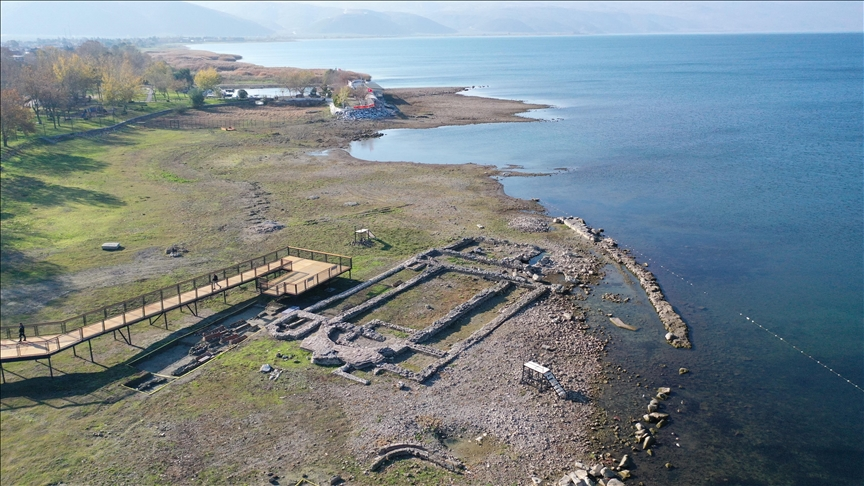
Authorities in Laghman province have announced the discovery of an archaeological site thought to date to the pre-Christian era.

The site is located in Situn village, Alingar district, within the Saw valley.

Preliminary excavations have uncovered several historical remains, the provincial culture department reported.

The discoveries at the site include a stone staircase, 12 chambers, and other architectural features associated with ancient periods.

According to the provincial culture department, the evidence suggests the site predates the birth of Christ and could shed light on Laghman’s early history and ancient civilizations in the region.

Laghman has previously yielded several archaeological finds, with multiple historical sites identified and officially registered in recent years.

Egypt reveals restored colossal statues of pharaoh in Luxor

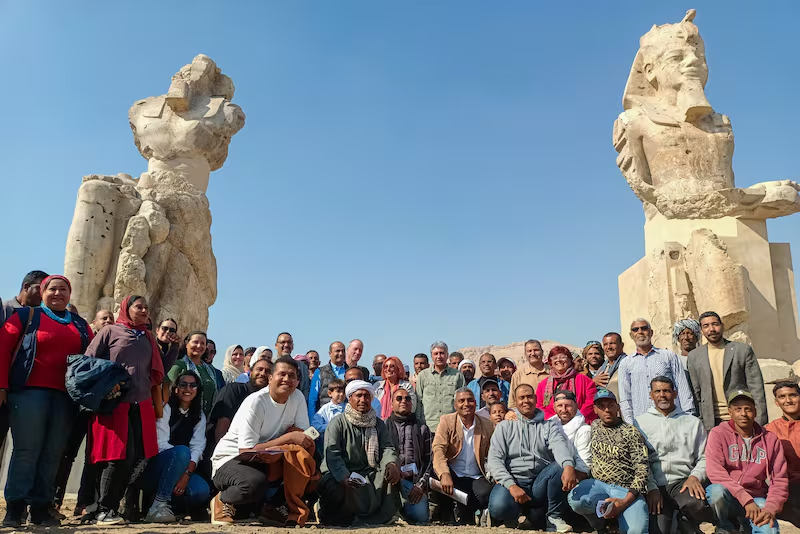
Luxor, Egypt (AP) — Egypt on Sunday unveiled the restoration of two massive statues of a renowned pharaoh in the southern city of Luxor, part of a series of archaeological showcases designed to boost tourism.

The enormous alabaster figures, known as the Colossi of Memnon, have been reassembled following a restoration effort that spanned nearly two decades. The statues depict Pharaoh Amenhotep III, who reigned around 3,400 years ago.

“We are celebrating the completion and re-erection of these two colossal statues today,” said Mohamed Ismail, secretary-general of Egypt’s Supreme Council of Antiquities, speaking to The Associated Press ahead of the official ceremony.

Ismail emphasized the importance of the statues to Luxor, a city famed for its ancient temples and monuments. He explained that the project also aims to recreate the original appearance of Amenhotep III’s funerary temple as it once stood in antiquity.

Amenhotep III, considered one of ancient Egypt’s most influential pharaohs, ruled during the New Kingdom—widely regarded as Egypt’s most prosperous era. His reign, dated from 1390 to 1353 BC, was marked by peace, wealth, and ambitious building projects, including his mortuary temple in Luxor, where the Colossi stand, and the temple of Soleb in Nubia. His mummy is currently displayed in a museum in Cairo.

According to Ismail, the two statues were knocked down by a powerful earthquake around 1200 BC, an event that also led to the destruction of Amenhotep III’s funerary temple.

A hot air ballon flys over the assembly of two giant alabaster statues for Pharoah Amenhotep III, before the official opening, in the southern city of Luxor, Egypt, Sunday, Dec. 14, 2025.

Egypt Unveils Restored Colossi of Memnon in Luxor

Egypt has unveiled the restoration of two massive statues of a renowned ancient pharaoh in Luxor, part of a series of high-profile archaeological projects aimed at boosting tourism.

The alabaster statues, known as the Colossi of Memnon, depict Pharaoh Amenhotep III, who ruled around 3,400 ago. The figures were reassembled following a restoration effort that spanned nearly two decades. The announcement was made during a ceremony in the southern city of Luxor.

Mohamed Ismail, secretary-general of the Supreme Council of Antiquities, said the project marked the completion and re-erection of the colossal statues. He noted their importance to Luxor, a city famed for its temples and archaeological heritage, adding that the restoration helps recreate the original appearance of Amenhotep III’s funerary temple.

Amenhotep III ruled during Egypt’s New Kingdom, a period marked by prosperity, stability, and extensive construction. His reign, dated to 1390–1353 BC, is remembered for major building projects, including his mortuary temple in Luxor and another at Soleb in Nubia. His mummy is currently displayed in a museum in Cairo.

According to Ismail, a powerful earthquake around 1200 BC destroyed much of the pharaoh’s funerary temple and toppled the statues. Over time, the colossi were broken into fragments, some of which were reused in other monuments, including the Karnak Temple. Archaeologists later recovered and reassembled these pieces as part of the restoration.

Work on the site began in the late 1990s under an Egyptian-German archaeological mission led by German Egyptologist Hourig Sourouzian. She said the goal of the project was to preserve what remains of a once-grand temple complex.

The statues show Amenhotep III seated, with his hands resting on his thighs and his face turned east toward the Nile and the rising sun. He wears a nemes headdress topped with the double crown and a pleated royal kilt, symbols of his divine authority. Smaller statues at his feet represent his wife, Queen Tiye.

Measuring 14.5 meters and 13.6 meters tall, the colossi stand at the entrance of the king’s temple on the west bank of the Nile. The temple complex spans about 35 hectares and is believed to have been one of the largest and richest in Egypt, often compared to the Karnak Temple.

The statues were carved from Egyptian alabaster quarried at Hatnub in Middle Egypt and mounted on inscribed pedestals naming the temple and quarry. Unlike many ancient Egyptian monuments, the colossi were partly assembled from separately carved pieces attached to a central alabaster core.

The unveiling follows the recent opening of the long-awaited Grand Egyptian Museum near the Giza Pyramids, a flagship project in Egypt’s efforts to revive tourism and support the economy.

Tourism, a key sector dependent on Egypt’s ancient heritage, suffered after the 2011 uprising and later during the COVID-19 pandemic and the war in Ukraine. However, it has begun to recover. About 15.7 million tourists visited Egypt in 2024, contributing roughly 8% of the country’s GDP.

Tourism and Antiquities Minister Sherif Fathy, who attended the ceremony, said Luxor would continue to attract visitors as new discoveries and restorations emerge. Authorities expect around 18 million tourists this year and are aiming for 30 million annual visitors by 2032.