• MAIN PAGE
  • LATEST NEWS
    • Lost Cities
    • Archaeology's Greatest Finds
    • Underwater Discoveries
    • Greatest Inventions
    • Studies
    • Blog
  • PHILOSOPHY
  • HISTORY
  • RELIGIONS
    • Africa
    • Anatolia
    • Arabian Peninsula
    • Balkan Region
    • China - East Asia
    • Europe
    • Eurasian Steppe
    • Levant
    • Mesopotamia
    • Oceania - SE Asia
    • Pre-Columbian Civilizations of America
    • Iranian Plateau - Central Asia
    • Indus Valley - South Asia
    • Japan
    • The Archaeologist Editor Group
    • Scientific Studies
    • Aegean Prehistory
    • Historical Period
    • Byzantine Middle Ages
    • Predynastic Period
    • Dynastic Period
    • Greco-Roman Egypt
  • Rome
  • PALEONTOLOGY
  • About us
Menu

The Archaeologist

  • MAIN PAGE
  • LATEST NEWS
  • DISCOVERIES
    • Lost Cities
    • Archaeology's Greatest Finds
    • Underwater Discoveries
    • Greatest Inventions
    • Studies
    • Blog
  • PHILOSOPHY
  • HISTORY
  • RELIGIONS
  • World Civilizations
    • Africa
    • Anatolia
    • Arabian Peninsula
    • Balkan Region
    • China - East Asia
    • Europe
    • Eurasian Steppe
    • Levant
    • Mesopotamia
    • Oceania - SE Asia
    • Pre-Columbian Civilizations of America
    • Iranian Plateau - Central Asia
    • Indus Valley - South Asia
    • Japan
    • The Archaeologist Editor Group
    • Scientific Studies
  • GREECE
    • Aegean Prehistory
    • Historical Period
    • Byzantine Middle Ages
  • Egypt
    • Predynastic Period
    • Dynastic Period
    • Greco-Roman Egypt
  • Rome
  • PALEONTOLOGY
  • About us

Dutch defense bomb disposal team dismantles record 3,438 explosives in 2025

December 29, 2025

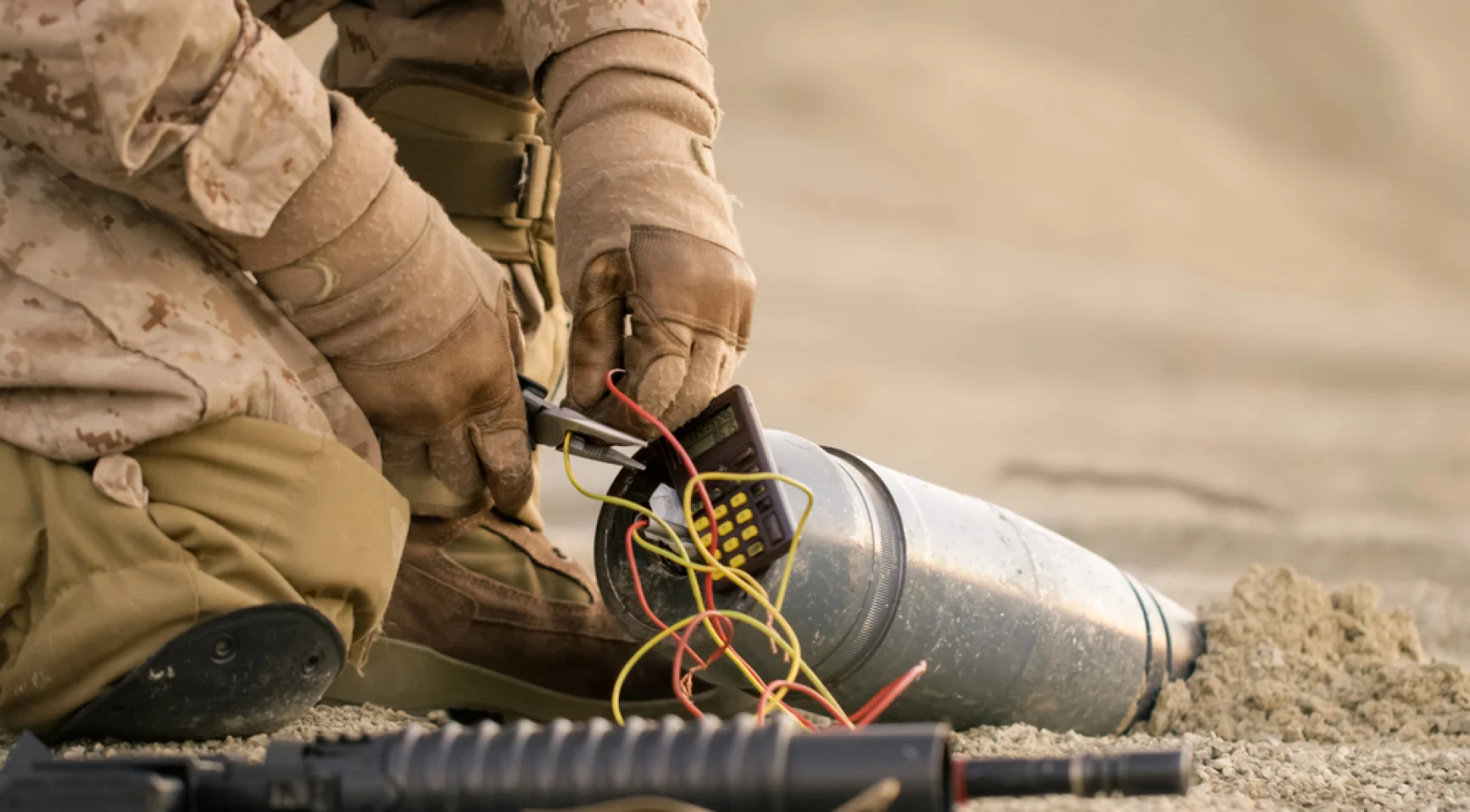
In 2025, the Dutch Defense Explosive Ordnance Disposal (EOD) team dismantled a record 3,438 explosive devices, a 40 percent increase from the 2,455 handled in 2024.

Most of the neutralized items were conventional explosives, such as bombs and shells leftover from World War II. The rise in cases is partly due to numerous construction and archaeological projects across the Netherlands that frequently uncover old ordnance.

In 264 incidents, the EOD responded to situations involving heavy fireworks, like Cobras, which were used in criminal activities including attacks on homes and businesses. Reports of serious fireworks incidents tend to spike around New Year’s and during clashes within organized crime.

A major operation occurred at Deelen Air Base, where 14 high-explosive bombs and thousands of shells were cleared from a former drop zone over a two-month period at the end of 2025. The explosives were mostly unexploded British and American ammunition left from World War II, with a large portion safely detonated at the airbase on December 11, 2025.

While the EOD typically carries out over 2,500 ordnance clearances each year, 2025 was unusually busy. The team operates around the clock, handling incidents on land as well as in and under water.

Following strict safety protocols, they transport, disarm, or deliberately detonate explosives, often working in coordination with law enforcement and local authorities.

The earliest known coin minted in Scotland

Earliest known coin minted in Scotland acquired for the nation

December 29, 2025

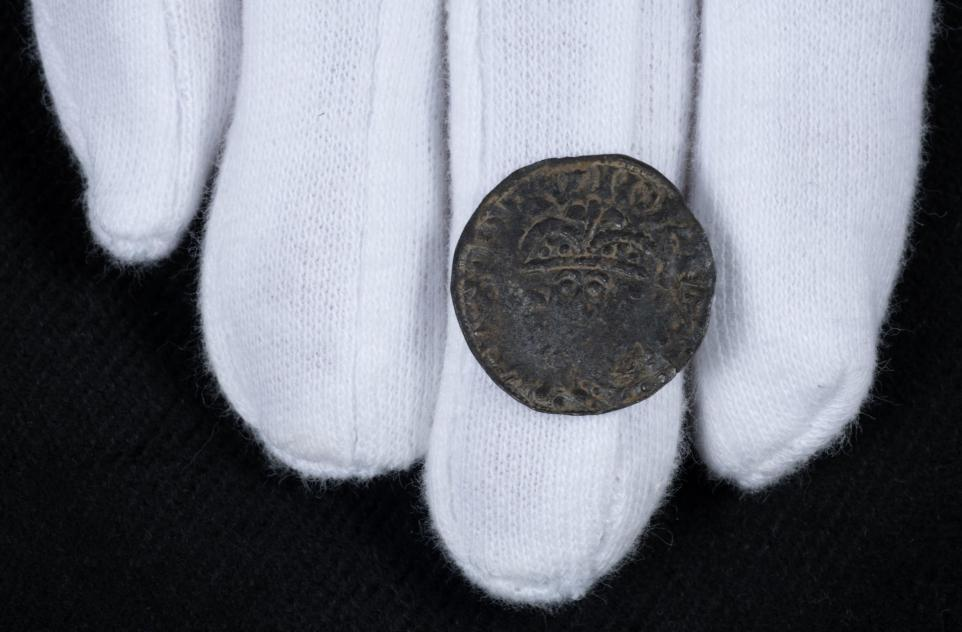
The earliest known coin minted in Scotland – almost 900 years ago – has been acquired for the nation after it was found by a metal detectorist.

The medieval David I silver coin was discovered in a wooded area near Penicuik, Midlothian, and has now been allocated to National Museums Scotland (NMS) by the Scottish Archaeological Finds Allocation Panel.

King David I of Scotland, who reigned from 1124 until 1153, introduced the country’s first coinage.

It had been thought all his earliest coins were created in a mint in Carlisle, Cumbria, which he took control of in the 1130s.

But the coin found by the metal detectorist bears an inscription showing it was minted in Edinburgh.

Alice Blackwell, senior curator of medieval archaeology and history at NMS, said: “This coin was minted in the name of King David I who ruled Scotland from 1124 to 1153, and David introduced the first coinage minted in Scotland.

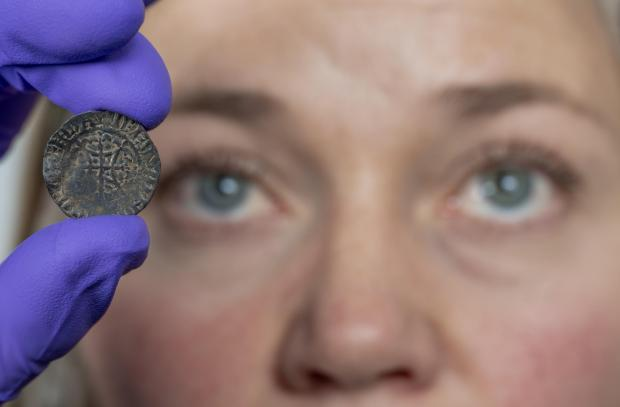
The coin bears an inscription showing it was minted in Edinburgh

The earliest known coin minted in Scotland – almost 900 years ago – has been acquired for the nation after it was found by a metal detectorist.

The medieval David I silver coin was discovered in a wooded area near Penicuik, Midlothian, and has now been allocated to National Museums Scotland (NMS) by the Scottish Archaeological Finds Allocation Panel.

King David I of Scotland, who reigned from 1124 until 1153, introduced the country’s first coinage.

It had been thought all his earliest coins were created in a mint in Carlisle, Cumbria, which he took control of in the 1130s.

But the coin found by the metal detectorist bears an inscription showing it was minted in Edinburgh.

Alice Blackwell, senior curator of medieval archaeology and history at NMS, said: “This coin was minted in the name of King David I who ruled Scotland from 1124 to 1153, and David introduced the first coinage minted in Scotland.

“Scotland had never produced coinage before. Any coins that are found in Scotland before this date have been minted elsewhere, whether that’s Roman Age coinage or Viking Age coinage, or medieval coinage. So he produced Scotland’s first coinage.

“Until this discovery, all of David’s first, earliest coinage was minted in Carlisle.

“This coin is really significant because it’s the first of that earliest type, the earliest coins to actually have been minted outside of Carlisle.

“It was minted in Edinburgh, so it’s the first time that we have Scottish coinage being minted in what was a core part of the Scottish kingdom.”

David I later lost control of Carlisle.

The coin found in Midlothian has been dated to the second half of the 1130s. It has a portrait of the monarch’s head on one side and a cross-based design on the other.

The discovery will help experts expand their understanding of how and where coins were minted in medieval times.

Dr Blackwell said: “What makes this really significant is that until we found this, we thought all of David’s first coinage was produced in Carlisle because there are virtually no documentary sources that explain how coinage was produced, where, when, why things changed, why the designs changed, any of that.

“There’s very, very little documentary sources for that for Scotland. So the coins themselves are the primary source.

“This is the first time that we can see this very early minting of coinage in Edinburgh.”

Dr Blackwell said the first Scottish coins are quite rare and the discovery of another has the potential to increase understanding about how the first coinage was produced and how it began to be used in Scotland.

Later in the reign of King David I, coins were minted in places including Perth, Berwick-upon-Tweed, Aberdeen, St Andrews, and Roxburgh in the Scottish Borders.

As well as introducing Scotland’s first coinage his reign included the foundation of royal burghs such as Perth, Dunfermline and Stirling, and the reorganisation of civil institutions.

It is thought the coin found near Penicuik was simply dropped accidentally by someone passing by in medieval times.

The coin was found in 2023 by a metal detectorist who reported it to Treasure Trove as required by law, and it was allocated to NMS in autumn 2025.

It was valued at £15,000, which was paid to the finder as a reward by the King’s and Lord Treasurer’s Remembrancer, having been paid to the Crown by NMS.

The coin will be used for research but it is hoped it will go on display in future.

APPROVED: The housing development is going ahead

Kelso: Housing development stalled during pandemic now approved

December 29, 2025

A housing project in Kelso that was delayed due to the pandemic is now moving forward again.

Back in 2019, Scottish Borders Council approved planning permission in principle (PPP) for the demolition of existing structures and the construction of 11 new homes on the former D M Wallace and Sons Ltd site on Bowmont Street.

However, the approval was never implemented after Covid-19 halted construction activity and created uncertainty in the housing market, particularly for smaller developments.

The site has since been acquired by Gilbert Developments, which has now secured a renewal of the planning permission. In a report recommending approval, SBC assistant planning officer Euan Calvert explained: “Demolition is considered acceptable in this case as the proposals involve the removal of unlisted buildings that do not contribute to the architectural or historic value of the townscape.

“The industrial units and former shop add little positive character to the conservation area.

“There will be no negative impact on residential amenity as a result of the demolition. Effects relating to daylight, sunlight, shadowing, and overlooking from the proposed housing development will not have an adverse impact on nearby residents.”

A report linked to the original application noted: “The approval was never carried out due to a combination of factors, including the fact that permission was granted only months before Covid-19 brought global activity to a halt.

“Confidence in this type of small, complex brownfield development was severely affected, as the site is too limited for major developers and generally too large for smaller independent companies.

“Gilbert Developments Ltd later purchased the site, which until recently was occupied by a garage repair and sales business.

“That lease has now ended, and the intention is to reinstate the PPP approval initially. This will allow demolition works to begin and enable the completion of required site investigations, including archaeological and contamination assessments, before submitting a further application covering the detailed design and layout of the housing scheme.

Massive Medieval Cog Ship Discovered off Denmark: The ‘Emma Maersk’ of the Middle Ages

December 29, 2025

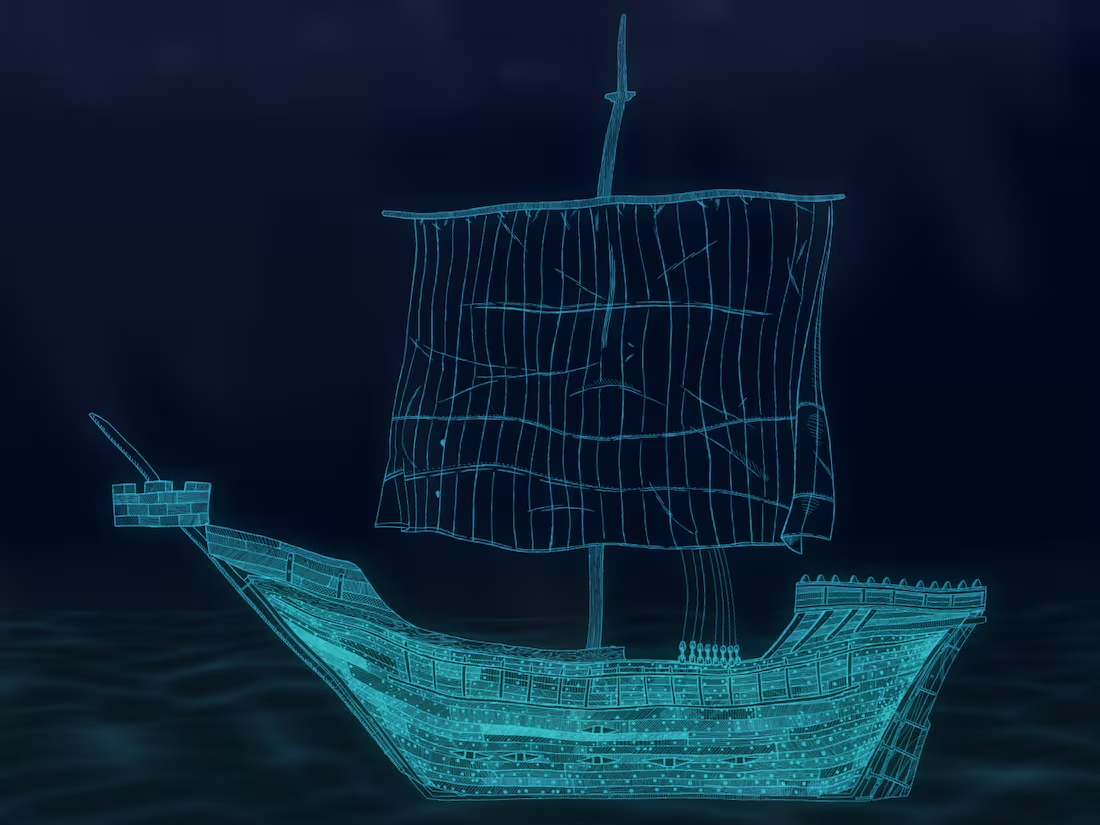
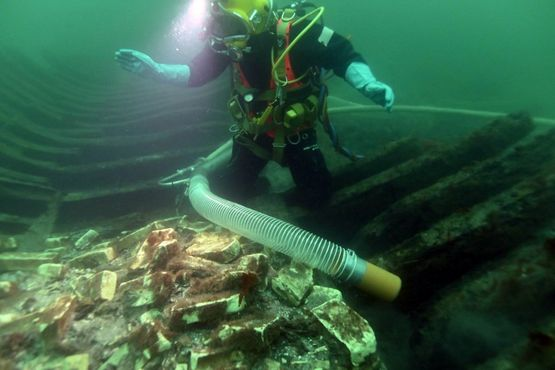
An extraordinary archaeological find has been uncovered off the coast of Copenhagen: a 600-year-old shipwreck now identified as the largest cog ship ever discovered. Researchers estimate that the vessel was capable of carrying as much as 300 tons of cargo, making it a significant landmark in maritime history.

The ship, named Svælget 2, lay untouched for around six centuries at a depth of 13 meters in the Øresund Strait. Marine archaeologists from the Viking Ship Museum in Roskilde, including Otto Uldum, expressed great enthusiasm over the discovery. Historian Cecilie Nielsen of DR TV described it as “the medieval equivalent of the Emma Maersk,” comparing it to today’s massive cargo ships.

An Exceptional Find

Excavating Svælget 2 required 289 dives conducted over more than two and a half years. Archaeologists were able to recover and study the ship’s hull, which remains remarkably intact from keel to deck due to the way it sank sideways in deep water. Such preservation is rare for medieval cogs, which are typically found in broken sections closer to shore.

The team also uncovered remains of the forecastle and aftcastle—small crew shelters—providing rare insight into shipbuilding techniques of the 15th century. Everyday objects such as shoes, a comb, a cooking pot, and a wooden tray were also found, offering glimpses into life aboard the vessel.

Designed for Trade

During the Middle Ages, cogs like Svælget 2 were widely used in Northern Europe and were well suited for long voyages with relatively small crews. Unlike earlier ships that mainly transported luxury goods in limited quantities, cogs allowed for the large-scale movement of materials such as timber, bricks, and food. Svælget 2 was constructed using planks imported from Poland, while its framework came from Dutch wood, reflecting the extensive trade connections of medieval Europe.

The ship measured about 28 meters long, nine meters wide, and six meters high. With an estimated cargo capacity of 300 tons, it stands as the largest cog ship found so far. According to Uldum, the vessel demonstrates how everyday goods were traded in large volumes and how merchants built increasingly bigger ships to transport them more efficiently.

The world’s largest: At the bottom of the sea off Copenhagen, marine archaeologists from the Viking Ship Museum have excavated and recovered a massive medieval trading ship. It has now been identified as the largest of its kind ever found.

A Vessel Designed for Profit, Not Durability
Notably, Svælget 2 was never intended to endure for long periods. Archaeologists observed that many of its planks were of average quality, with some already cracked during the building process. Ships like this were constructed for rapid financial return, often earning back their cost after just one or two trips. Uldum pointed out that by the 15th century, ship construction, seafaring, and trade functioned as well-structured commercial enterprises, supported by organized financing systems that made such ventures profitable.

Cultural and Historical Importance
The discovery provides important insight into medieval Scandinavian seafaring life. The ship featured a stone-lined cooking area, suggesting that crew members were able to prepare warm meals on board—an uncommon detail rarely preserved in similar discoveries. In addition, the recovered objects and building methods offer a clear glimpse into commerce and everyday life in the Øresund area during the rule of Queen Margrethe I.

For Denmark, the find highlights the nation’s long-standing position within European trade routes. “The methods used to transport goods during the Middle Ages formed the basis of today’s logistics and trade systems in Northern Europe,” said Cecilie Nielsen. “It’s striking how these practices still echo in modern commerce, even though the goods themselves have changed.”


Preservation and Public Access
At present, the Svælget 2 shipwreck is undergoing careful conservation at the National Museum in Brede. At the same time, the Viking Ship Museum in Roskilde has launched a dedicated exhibition that highlights marine archaeology and showcases the vessel. The complex recovery process including the striking moment when the ship’s keel was cut and lifted was recorded in the DR TV documentary series Gåden i Dybet (“The Mystery in the Deep”), allowing audiences to see the detailed and demanding work involved in bringing the wreck to the surface.

This exceptional discovery not only deepens knowledge of medieval ship construction and commercial activity but also helps modern audiences connect with Denmark’s seafaring past, showing how centuries-old shipwrecks can still transform our understanding of history.

The Rituals of the Ancient Druids

December 27, 2025

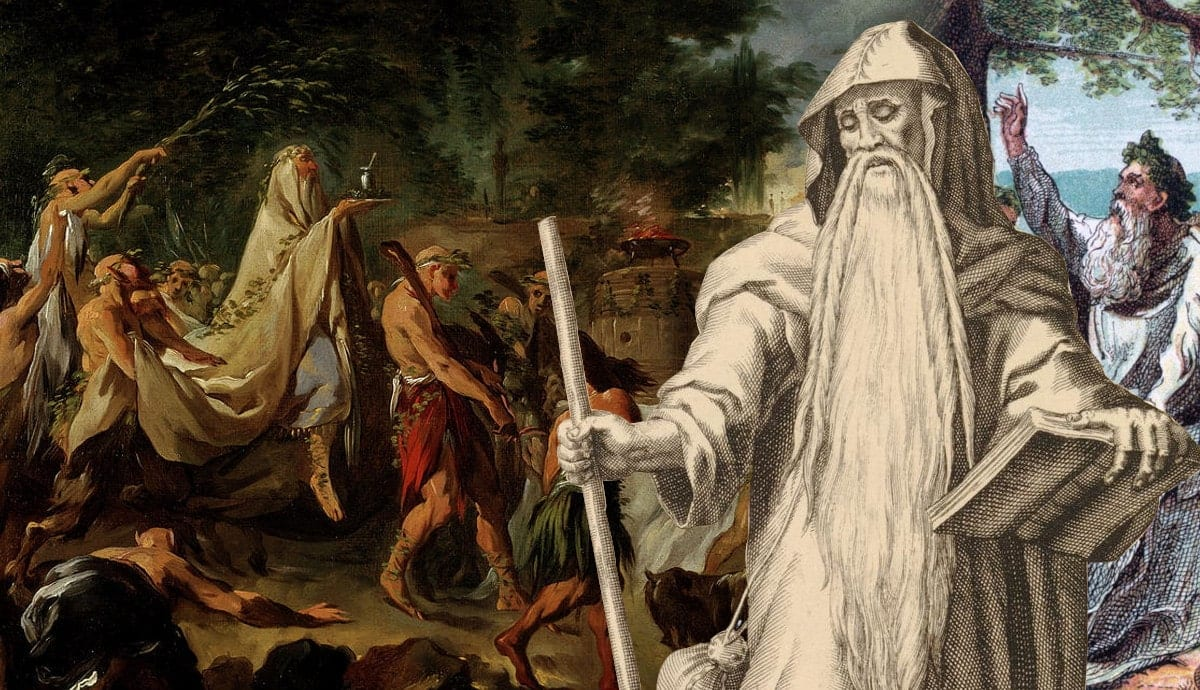
Druids were the intellectual and spiritual leaders of ancient Celtic societies. Serving as priests, judges, healers, and advisors, they held immense authority. Their rituals were deeply tied to nature, seasonal cycles, and sacred landscapes such as forests, rivers, and stone circles.

Much of what we know about druidic rituals comes from Roman writers, who described ceremonies involving offerings, chants, and astronomical observation. Druids believed that natural forces were alive and infused with spiritual power. Oaks, mistletoe, and fire were especially sacred elements in their ceremonies.

Although Roman conquest suppressed druidism, its influence endured through folklore and later Celtic traditions. Modern interpretations of druidic practices continue to inspire spiritual movements focused on nature reverence and ecological harmony.

The Lost Civilization of Tartessos

December 27, 2025

Tartessos remains one of the most mysterious civilizations of ancient Iberia. Flourishing between roughly 1200 and 500 BCE, it was known to Greek writers as a wealthy land rich in metals, especially silver. Tartessos likely developed through interaction with Phoenician traders who established coastal colonies.

Archaeological evidence suggests that Tartessos had advanced metallurgy, trade networks, and a complex social structure. Lavish burial goods and metal artifacts indicate a prosperous elite class. However, much about their language, religion, and political organization remains unknown.

The sudden disappearance of Tartessos has fueled speculation. Some scholars suggest environmental disasters, while others point to political collapse or invasion. Despite its disappearance, Tartessos played a crucial role in connecting Mediterranean and Atlantic trade networks, influencing later Iberian cultures.

The Iron Age in Sub-Saharan Africa

December 27, 2025

The Iron Age in Sub-Saharan Africa marked a major technological and social transformation. Unlike other regions, African ironworking developed independently rather than being borrowed from the Near East. Cultures such as the Nok in present-day Nigeria pioneered early iron smelting as early as 1000 BCE.

Iron tools revolutionized agriculture by allowing forests to be cleared more efficiently and crops to be cultivated on a larger scale. This led to population growth, settlement expansion, and the rise of complex societies. Iron weapons also changed warfare, giving communities better means of defense and conquest.

The Bantu migrations spread ironworking knowledge across central and southern Africa. Along with metallurgy, people carried language, farming techniques, and cultural traditions. Iron production became deeply tied to ritual and spirituality, with smelting often viewed as a sacred act. These innovations shaped African civilizations long before European contact.

The Ancient Dyes and Colors Industry

December 27, 2025

Color held immense symbolic and economic value in the ancient world. Civilizations developed advanced techniques to extract dyes from plants, insects, and minerals, transforming textiles into markers of status, power, and identity. Producing vibrant colors required specialized knowledge, making dyers highly skilled artisans.

One of the most famous ancient dyes was Tyrian purple, derived from sea snails by Phoenician craftsmen. The process was labor-intensive and expensive, making purple garments exclusive to royalty and elites. Similarly, indigo was extracted from plants in India and Egypt, while red dyes came from madder roots and crushed insects like cochineal.

Colors were not merely decorative; they carried cultural meaning. White symbolized purity in many societies, red represented power or sacrifice, and blue was associated with divinity or protection. The dye industry fueled long-distance trade networks and stimulated technological innovation. These ancient color traditions continue to influence art, fashion, and symbolism today.

The First Known Peace Treaties

December 27, 2025

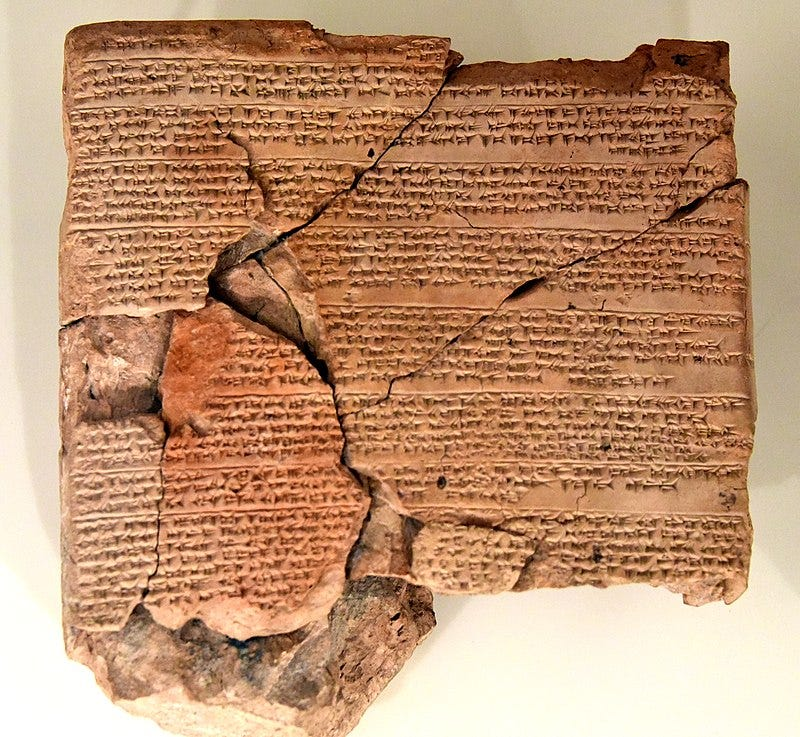
Early peace treaties represent humanity’s first attempts to regulate conflict through diplomacy rather than endless warfare. In Mesopotamia and the Near East, warfare between city-states was common due to competition over land, water, and trade routes. As societies became more complex, rulers realized that written agreements could stabilize borders and secure long-term prosperity. These treaties often followed destructive wars and were meant to prevent future bloodshed.

One of the earliest known treaties dates back to around 2500 BCE between the Sumerian city-states of Lagash and Umma. This agreement defined territorial boundaries and was sanctioned by the gods, showing how religion reinforced political obligations. Violating the treaty was believed to bring divine punishment, making the agreement morally binding as well as legally enforced.

Later peace treaties became more formalized, especially in the Bronze Age. They included clauses about mutual defense, extradition of fugitives, and trade relations. These documents reveal that ancient diplomacy was highly sophisticated and recognized the importance of cooperation. The tradition of treaty-making laid the foundation for international law and modern diplomatic practices.

The Origins of the Samurai

December 27, 2025

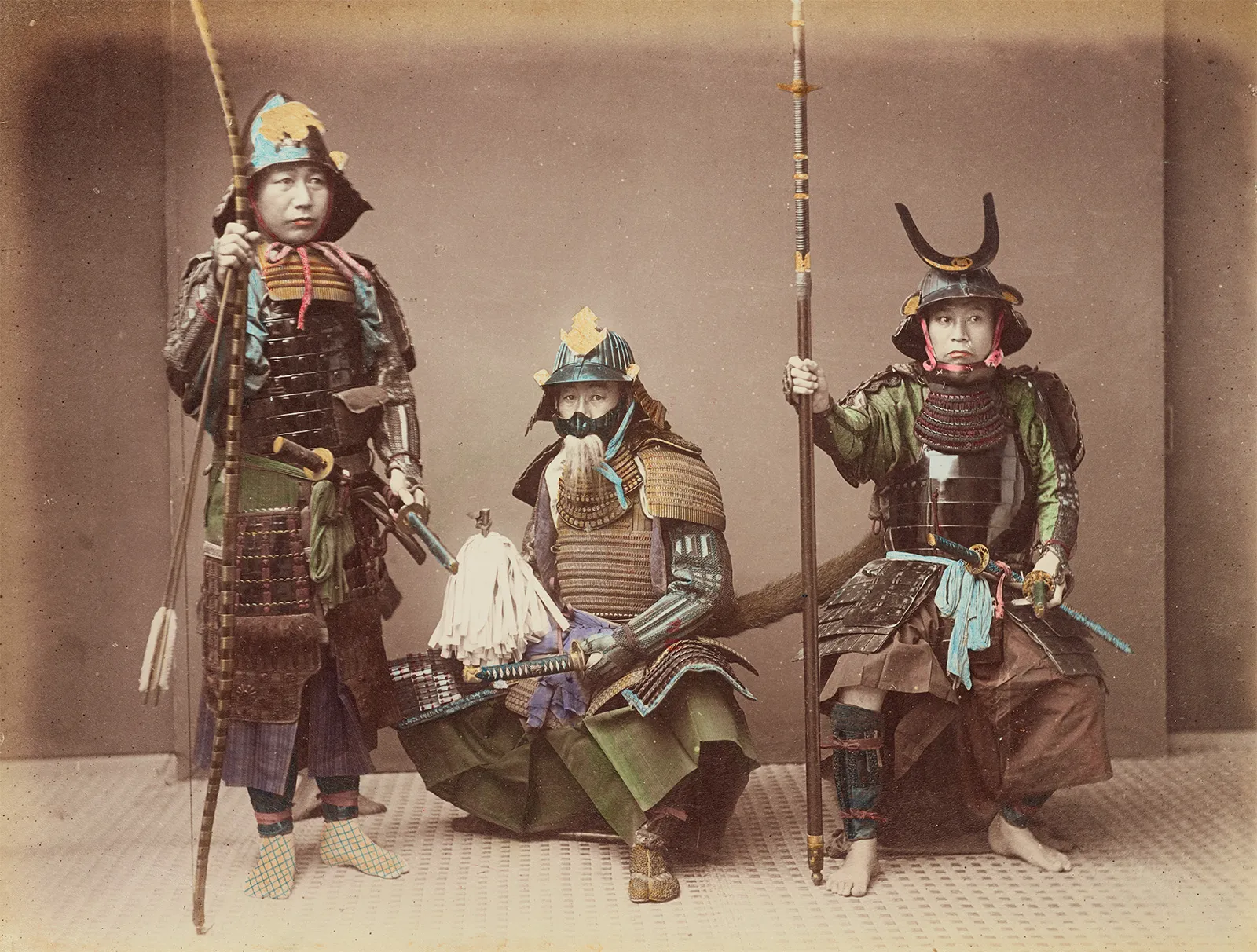
The samurai emerged in Japan as elite warrior classes during the late Heian period. Initially hired to protect landowners, they gradually gained political power as central authority weakened.

Samurai culture emphasized loyalty, discipline, and honor. These values later became formalized in the code of bushidō, which stressed duty to one’s lord and moral integrity.

Early samurai were skilled archers and horsemen before swordsmanship became dominant. Their rise transformed Japanese warfare and governance.

Over time, the samurai became both military leaders and cultural icons, shaping Japan’s history for centuries.

The Forgotten Empire of Kush

December 27, 2025

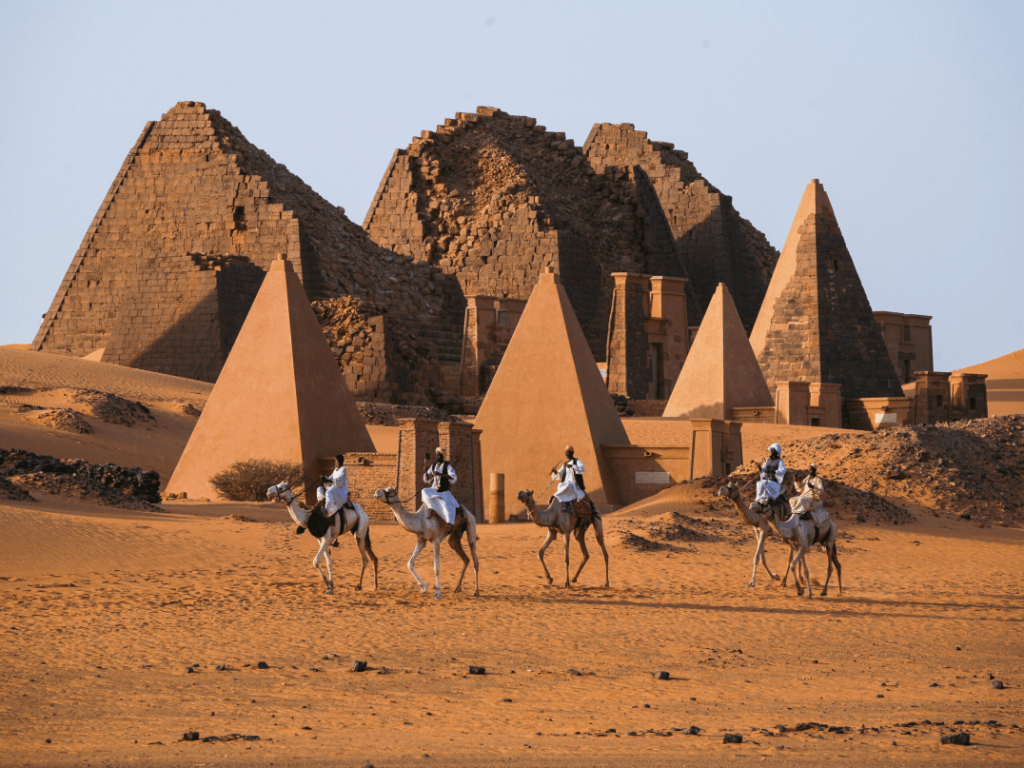
The Kingdom of Kush, located south of Egypt in Nubia, was a powerful African civilization that rivaled and even ruled Egypt at times. Kush prospered through control of trade routes connecting sub-Saharan Africa to the Mediterranean.

The Kushites adopted many Egyptian cultural elements, including pyramids, hieroglyphs, and religious practices, while maintaining their own identity. Their capital cities, such as Napata and Meroë, became centers of learning and craftsmanship.

Kushite kings ruled Egypt during the 25th Dynasty, often called the “Black Pharaohs.” They sought to restore traditional religious practices and monumental architecture.

Despite its significance, Kush was long overshadowed by Egypt in historical narratives. Modern archaeology continues to uncover its importance as a major African empire.

The Ancient Egyptian Amulets

December 27, 2025

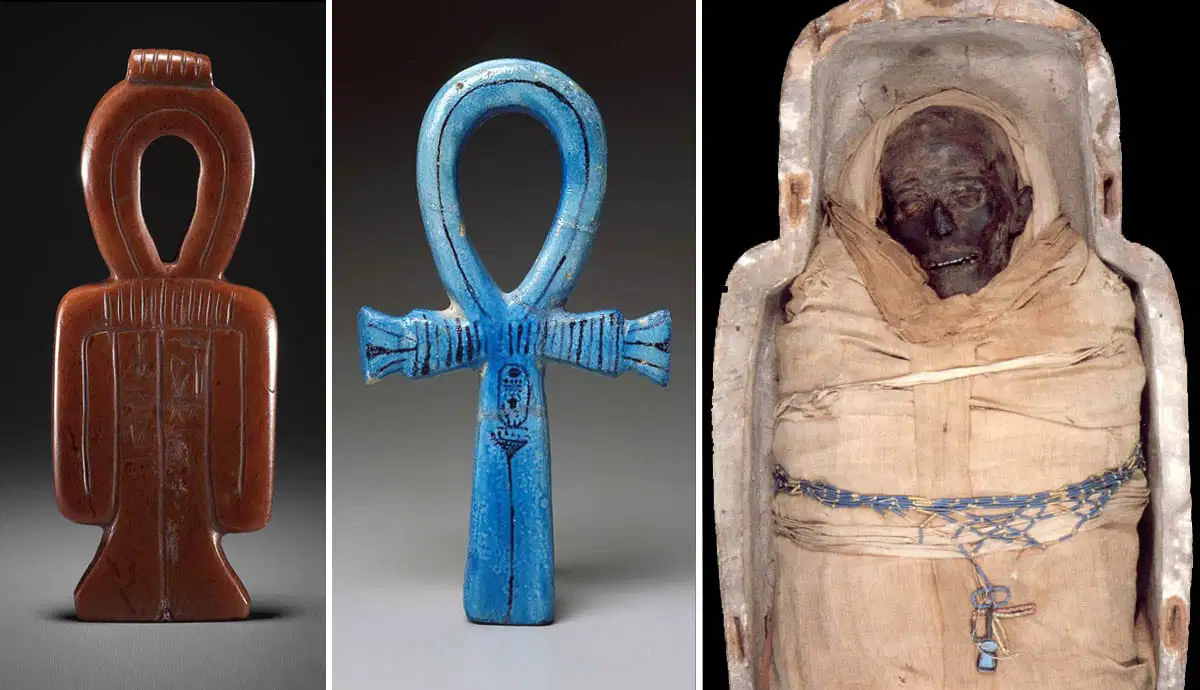
Amulets were an essential part of ancient Egyptian spiritual life. These small objects were worn daily and placed in tombs to provide protection, healing, and guidance in the afterlife. They were crafted from materials believed to hold magical properties, such as faience, gold, and semi-precious stones.

Common amulets included the Eye of Horus, symbolizing protection and health, and the scarab beetle, representing rebirth and regeneration. The ankh symbolized life and divine power, often worn by both the living and the dead.

Amulets were not decorative; they were activated through rituals and spells. Priests recited incantations to imbue them with power. In burial practices, amulets were carefully positioned on the body to protect specific organs.

These objects reveal how Egyptians viewed life, death, and the divine as deeply interconnected.

The Religious Festivals of Ancient Rome

December 27, 2025

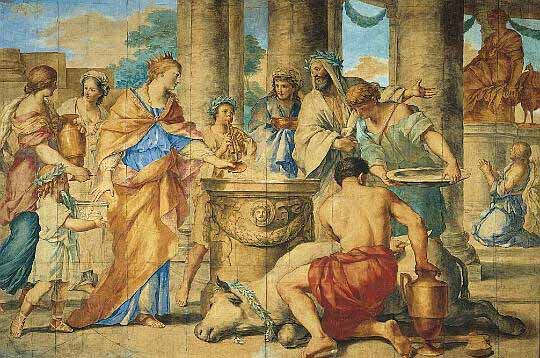
Religious festivals were central to Roman public life, reinforcing social order and divine favor. Saturnalia, held in honor of Saturn, was one of the most popular festivals. During this time, social hierarchies were temporarily reversed, slaves were treated as equals, and gift-giving was common.

Lupercalia was another ancient festival, associated with fertility and purification. Priests known as Luperci ran through the streets, striking people with goat-hide whips believed to promote fertility. This festival reflected Rome’s deep connection between religion and physical well-being.

Other festivals honored gods such as Jupiter, Mars, and Vesta. These celebrations involved sacrifices, games, and public feasts, strengthening civic identity. Participation was both a religious duty and a social obligation.

Roman festivals helped legitimize political power by linking leaders to divine approval. They also allowed citizens to feel connected to Rome’s sacred destiny.

The Celtic Knot: Symbolism and Meaning

December 27, 2025

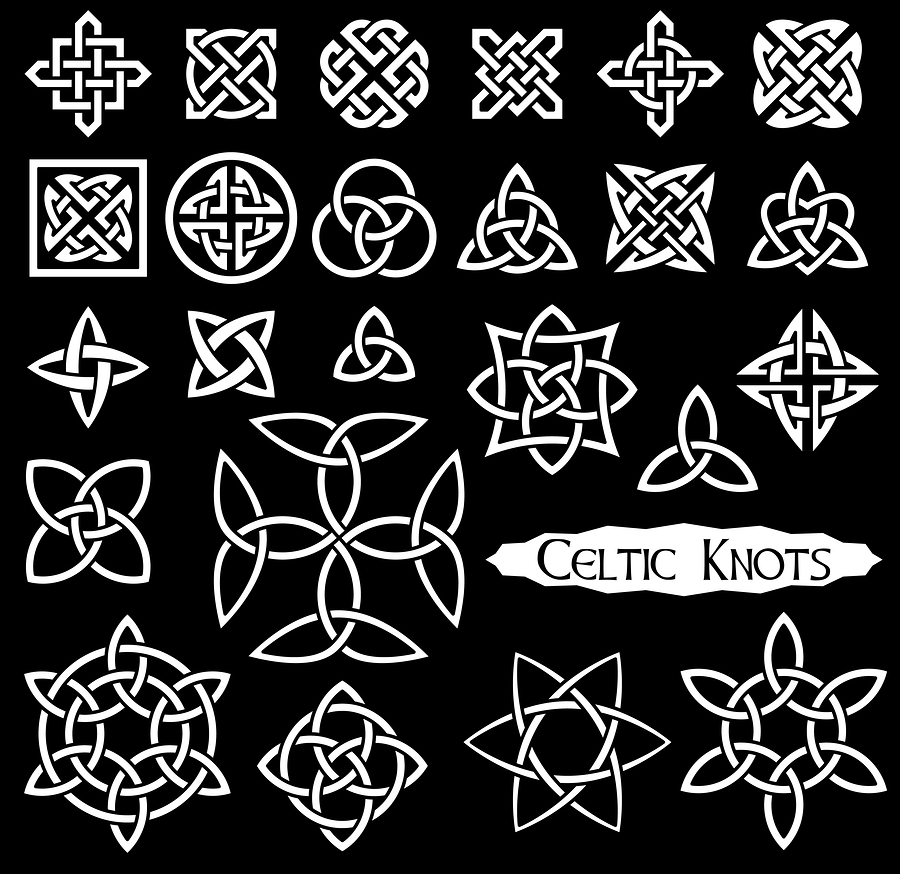
The Celtic knot is one of the most recognizable symbols of ancient Celtic culture. Characterized by endless, interwoven lines with no clear beginning or end, the knot represents eternity, continuity, and the interconnectedness of life. These designs appeared in metalwork, stone carvings, and illuminated manuscripts.

For the Celts, who believed deeply in cycles of nature, the knot symbolized the eternal flow between life, death, and rebirth. It reflected their worldview, which emphasized harmony between humans, the natural world, and the spiritual realm. Each knot pattern carried layered meanings rather than a single interpretation.

Celtic knots were also associated with protection and spiritual power. Warriors wore knot designs into battle, believing they offered divine protection. Later, Christian monks adopted these designs, blending pagan symbolism with Christian theology in manuscripts like the Book of Kells.

Today, Celtic knots remain enduring symbols of heritage, spirituality, and unity. Their survival demonstrates the lasting influence of Celtic artistic and philosophical traditions.

The Ancient City of Babylon

December 27, 2025

Babylon was one of the most influential cities of the ancient world, located along the Euphrates River in Mesopotamia. It rose to prominence under King Hammurabi, whose legal code became a foundation for governance and justice. The city later reached its height under Nebuchadnezzar II.

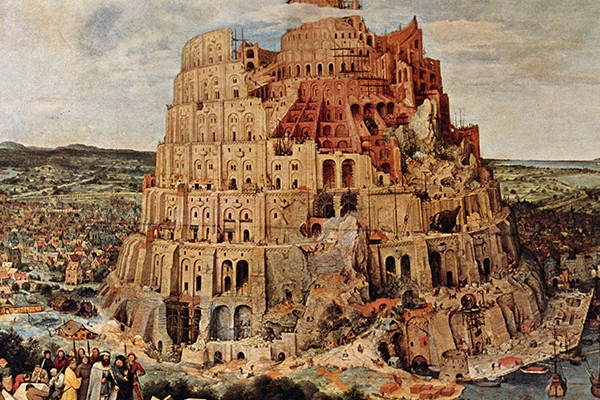
Architecturally, Babylon was famous for its massive walls, ceremonial gates, and monumental ziggurats. The most renowned structure was the Etemenanki ziggurat, believed by many scholars to be the inspiration for the biblical Tower of Babel. These towering structures symbolized the connection between heaven and earth.

Babylon was also a center of science, astronomy, and literature. Scholars developed advanced mathematical systems and recorded celestial movements that influenced later Greek astronomy. The city’s scribes preserved myths, omens, and historical records on clay tablets.

Politically and culturally, Babylon represented imperial power and divine favor. Its eventual fall to the Persians marked the end of an era, but its legacy continued to shape religion, law, and myth across civilizations.

The Ritual Masks of the Ancient World

December 27, 2025

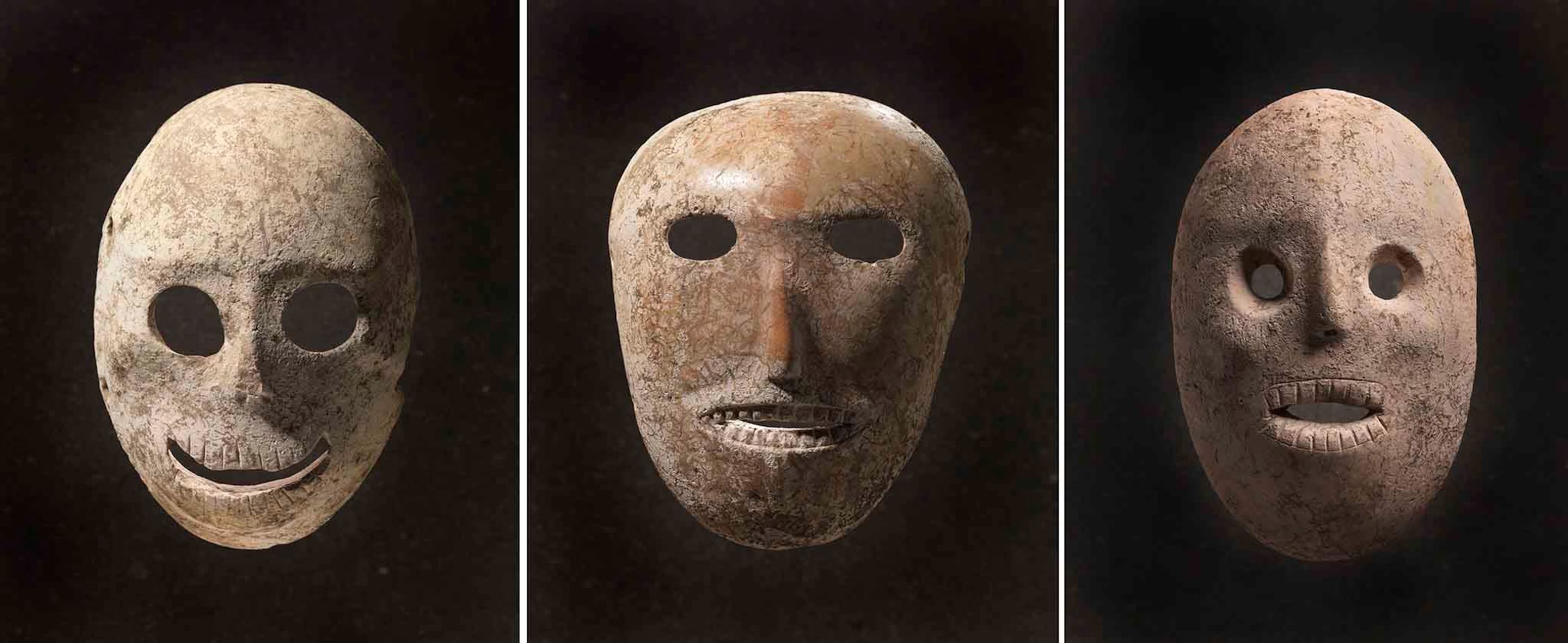
Ritual masks played a vital role in ancient religious and ceremonial practices across many civilizations. In Africa, masks were believed to allow wearers to embody spirits, ancestors, or gods during dances and rites. These masks were not mere decorations but sacred objects imbued with spiritual power.

In ancient Greece, masks were central to theatrical performances that originated as religious rituals honoring Dionysus. Actors used masks to represent gods, heroes, and mythical creatures, allowing a single performer to portray multiple roles. The exaggerated expressions helped convey emotions to large audiences while reinforcing mythological narratives.

In Japan, ritual masks were used in Shinto ceremonies and later in Noh theater. These masks symbolized gods, demons, women, and spirits, often designed to appear emotionally dynamic depending on the angle of light. Their use reflected Japanese beliefs about impermanence and spiritual presence.

In the Americas, particularly among the Maya and Aztec, masks were used in funerary rituals and ceremonies linked to cosmic cycles. Jade, obsidian, and turquoise masks represented transformation and rebirth. Across cultures, ritual masks served as tools for crossing boundaries between the human and divine worlds.

The Ancient Legend of Gilgamesh and Enkidu

December 27, 2025

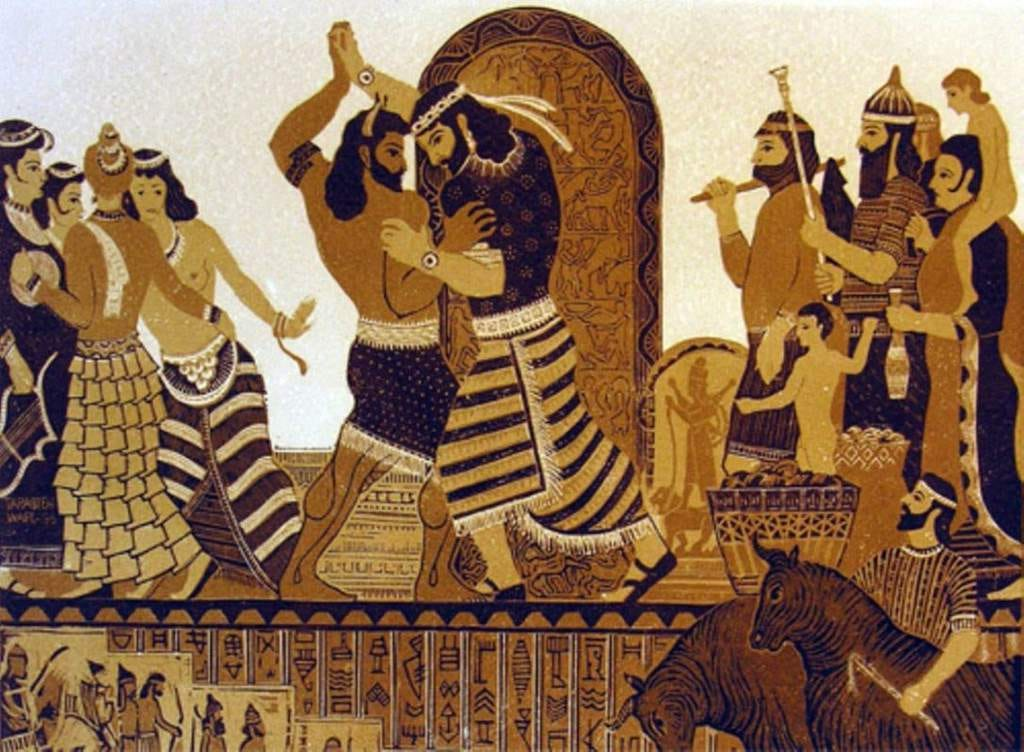
The story of Gilgamesh and Enkidu forms the emotional and moral core of the Epic of Gilgamesh, the oldest surviving literary work in human history. Set in ancient Mesopotamia, the epic explores themes of friendship, power, mortality, and the search for meaning. Gilgamesh, king of Uruk, begins the story as a powerful but tyrannical ruler who abuses his authority.

The gods create Enkidu, a wild man raised among animals, to challenge Gilgamesh and restore balance. Their initial battle ends not in death but in mutual respect, leading to one of the earliest depictions of deep male friendship in literature. Enkidu becomes Gilgamesh’s moral anchor, helping to temper his arrogance and guiding him toward heroic rather than selfish acts.

Together, they undertake dangerous quests, including the defeat of Humbaba, guardian of the Cedar Forest, and the killing of the Bull of Heaven. These victories, however, anger the gods. As punishment, Enkidu is sentenced to die, a turning point that profoundly transforms Gilgamesh.

Enkidu’s death forces Gilgamesh to confront his own mortality. His grief drives him on a futile journey to seek eternal life, ultimately teaching him that immortality lies not in physical survival but in legacy and wisdom. Their friendship remains one of the earliest literary examples of how human bonds shape identity and growth.

The Mysterious Socotra Island in Antiquity

December 27, 2025

Socotra Island, located in the Arabian Sea near the Horn of Africa, has long fascinated ancient travelers due to its isolation and unusual natural features. Known to Greek and Roman writers as Dioscorida, the island was strategically positioned along major maritime trade routes connecting the Mediterranean, Arabia, India, and East Africa. Because of this location, Socotra became an important stopover for merchants navigating the monsoon winds of the Indian Ocean.

Ancient texts describe Socotra as a land rich in valuable natural resources, particularly frankincense, myrrh, aloe resin, and dragon’s blood—a deep red sap used in medicine, dyes, and rituals. These commodities made the island economically significant despite its small population. Merchants from Egypt, Rome, Persia, and India interacted with the island’s inhabitants, creating a unique blend of cultural influences.

Socotra was also surrounded by myth and mystery. Classical writers believed the island was inhabited by strange creatures and protected by supernatural forces. Some legends claimed it was settled by descendants of Alexander the Great, while others linked it to ancient serpent cults due to its unusual flora and fauna. These myths enhanced the island’s reputation as both sacred and dangerous.

Archaeological evidence shows that Socotra hosted early Christian communities, likely introduced by traders from the Near East. This religious presence demonstrates how the island functioned as a crossroads of belief systems as well as commerce. Even in antiquity, Socotra stood as a rare example of isolation combined with global connectivity.

The Hellenistic Libraries of the Ancient World

December 27, 2025

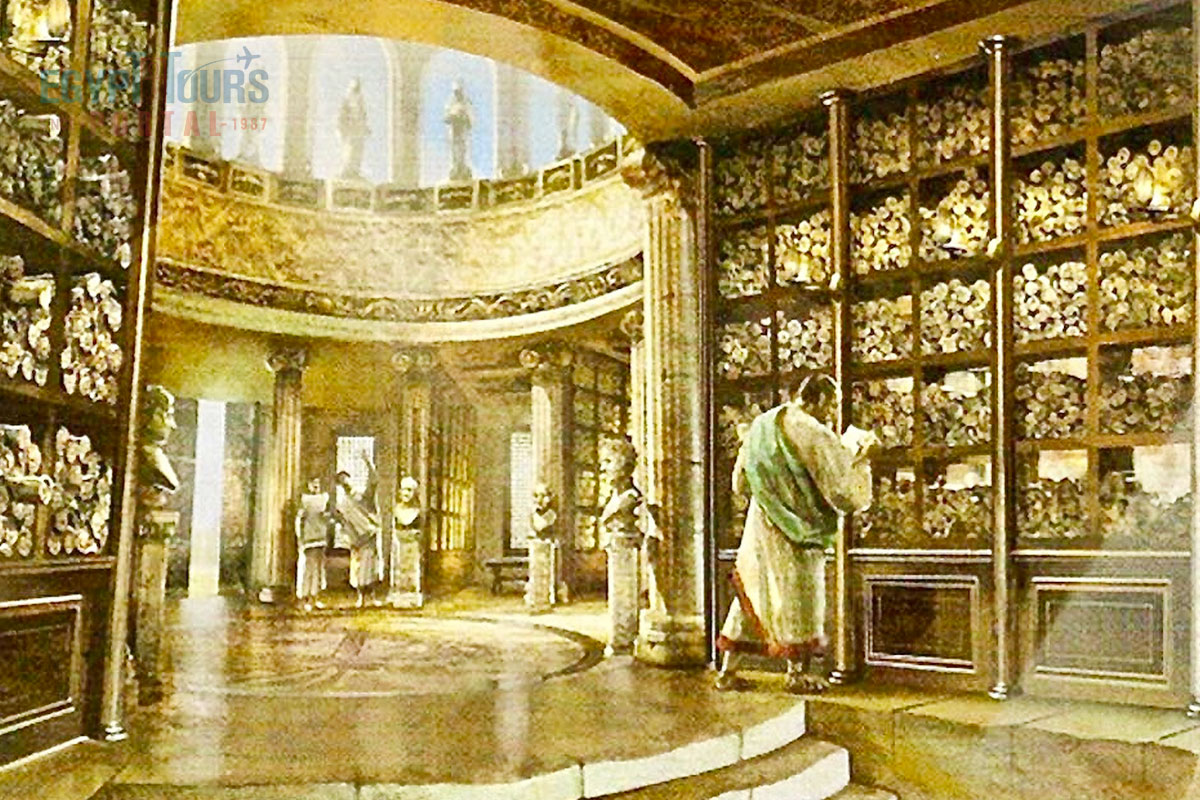
The Hellenistic period saw the rise of major libraries that preserved and expanded human knowledge. The Library of Alexandria was the most famous, aiming to collect all known written works. Scholars from across the Mediterranean studied mathematics, medicine, astronomy, and philosophy there.

Pergamon rivaled Alexandria, especially after restrictions on papyrus trade led to the development of parchment. This innovation transformed book production and preservation. Antioch also emerged as a center of learning, supporting scientific and philosophical inquiry.

These libraries were more than storage spaces; they were research institutions that encouraged debate, experimentation, and scholarship. They played a critical role in advancing science and literature.

Although most Hellenistic libraries were eventually destroyed, their legacy shaped education, knowledge preservation, and intellectual culture in the ancient and modern worlds.

The Ancient Oracle of Siwa

December 27, 2025

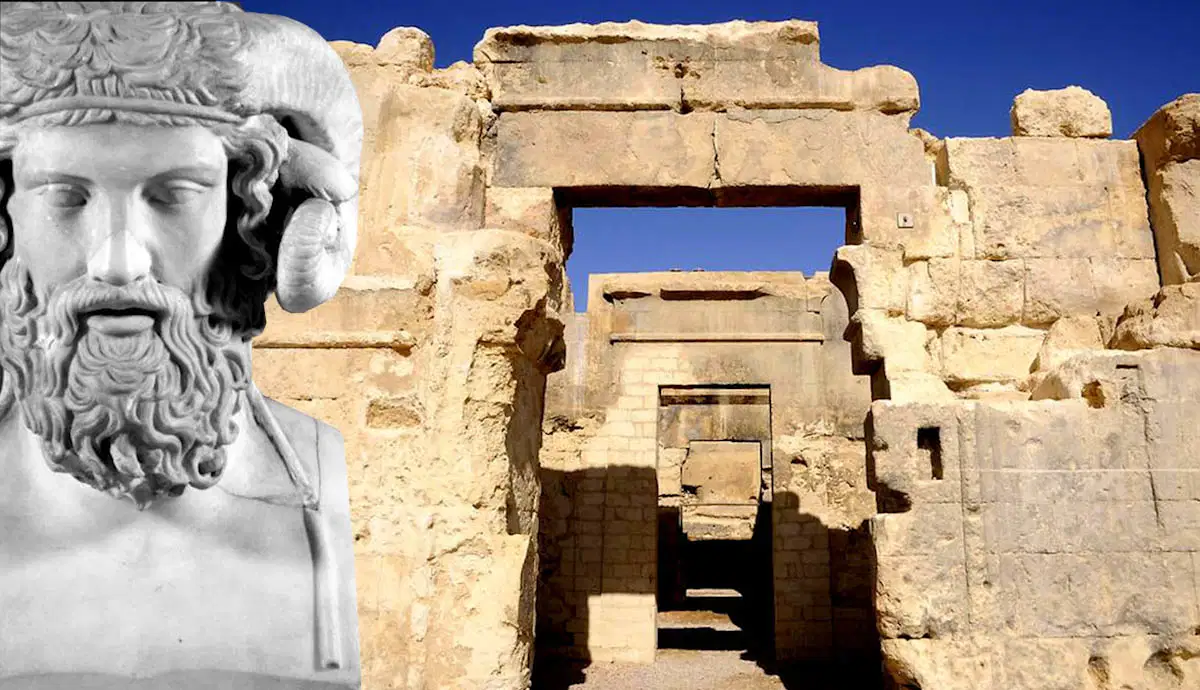
The Oracle of Siwa, located in the Western Desert of Egypt, was one of the most famous oracles in the ancient world. Dedicated to the god Amun, it attracted visitors seeking divine guidance on political and personal matters.

Egyptians believed Amun spoke through the oracle, reinforcing royal authority and religious legitimacy. Greek travelers later identified Amun with Zeus, blending religious traditions and expanding the oracle’s influence.

Alexander the Great famously visited the Oracle of Siwa, where he was reportedly declared the son of Zeus -Amun. This declaration strengthened his claim to rule Egypt and unified Greek and Egyptian beliefs.

The oracle exemplifies religious syncretism and the political power of spiritual authority in the ancient world. Its influence extended across cultures and centuries.

← Newer Posts Older Posts →
Featured
image_2026-02-03_191542268.png
Feb 3, 2026
Wreck of ancient Roman ship found off coast of Puglia
Feb 3, 2026
Read More →
Feb 3, 2026
image_2026-02-03_185334562.png
Feb 3, 2026
England May Hold the Lost Grave of a Legendary Viking Warlord
Feb 3, 2026
Read More →
Feb 3, 2026
image_2026-02-03_185028605.png
Feb 3, 2026
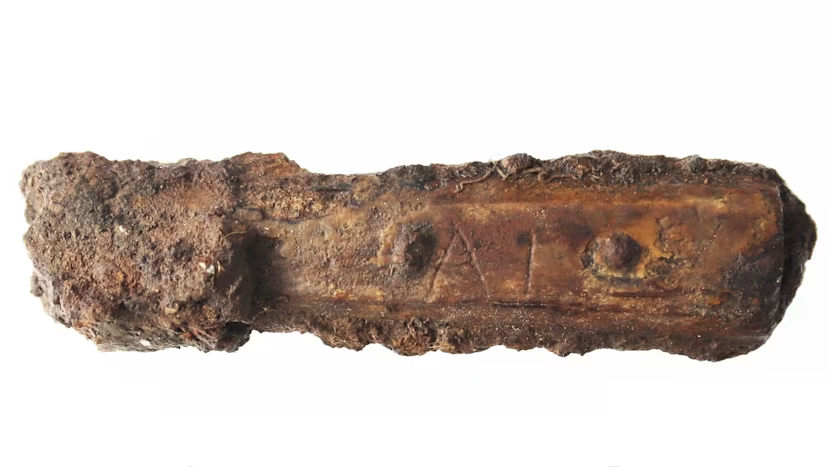
Lost knife belonging to WW1 soldier to be displayed at archaeology open day in Susse
Feb 3, 2026
Read More →
Feb 3, 2026
image_2026-02-03_184056677.png
Feb 3, 2026
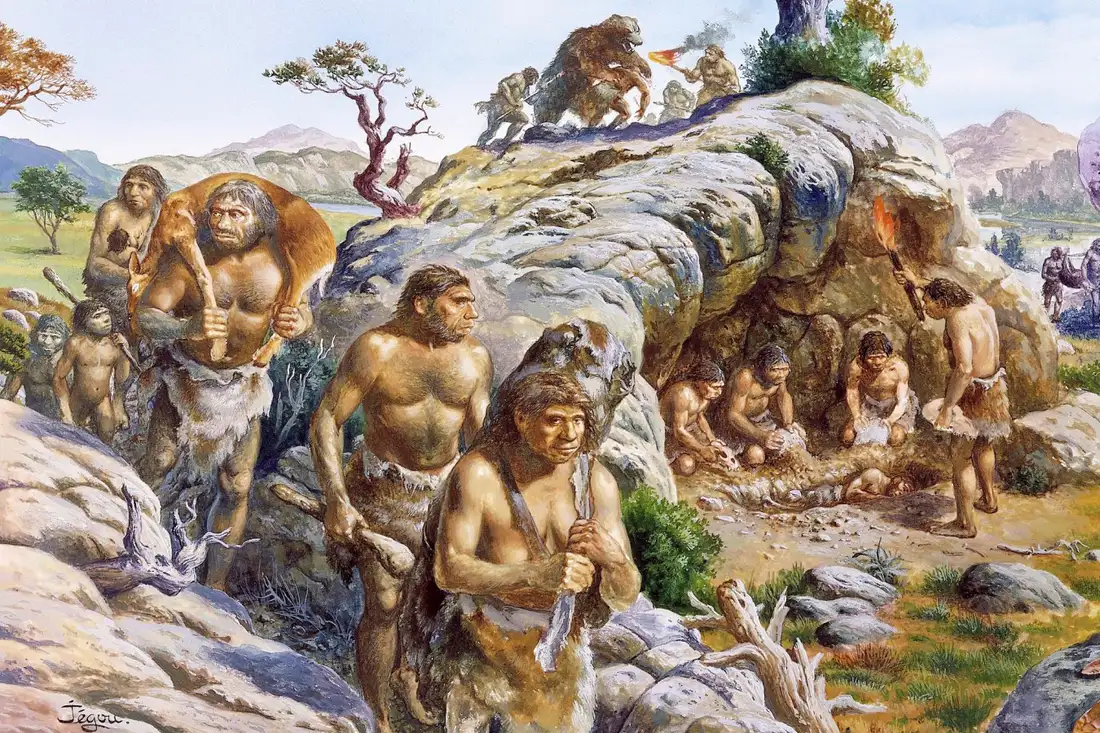
Neanderthals and early humans may have interbred over a vast area
Feb 3, 2026
Read More →
Feb 3, 2026
image_2026-02-03_184007492.png
Feb 3, 2026
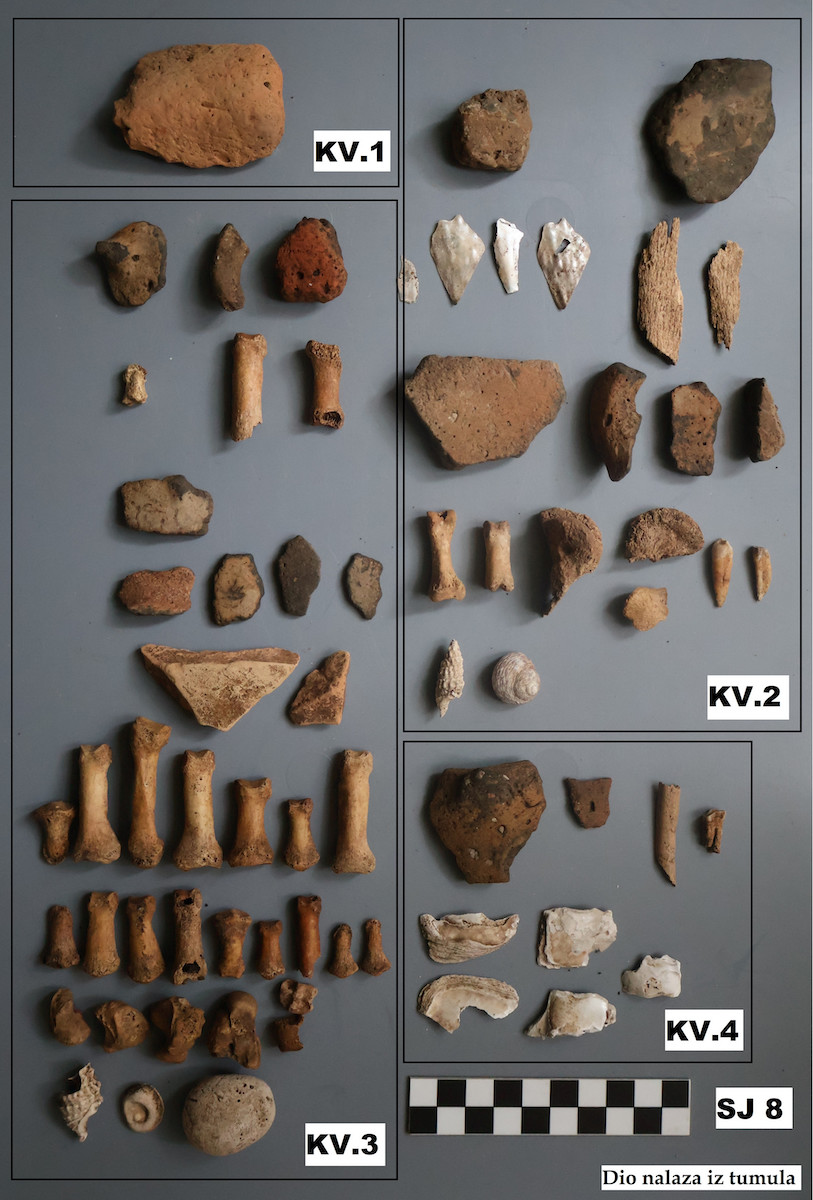
Medieval Burial Found in Croatian Bronze Age Burial Mound
Feb 3, 2026
Read More →
Feb 3, 2026
image_2026-02-03_183912818.png
Feb 3, 2026
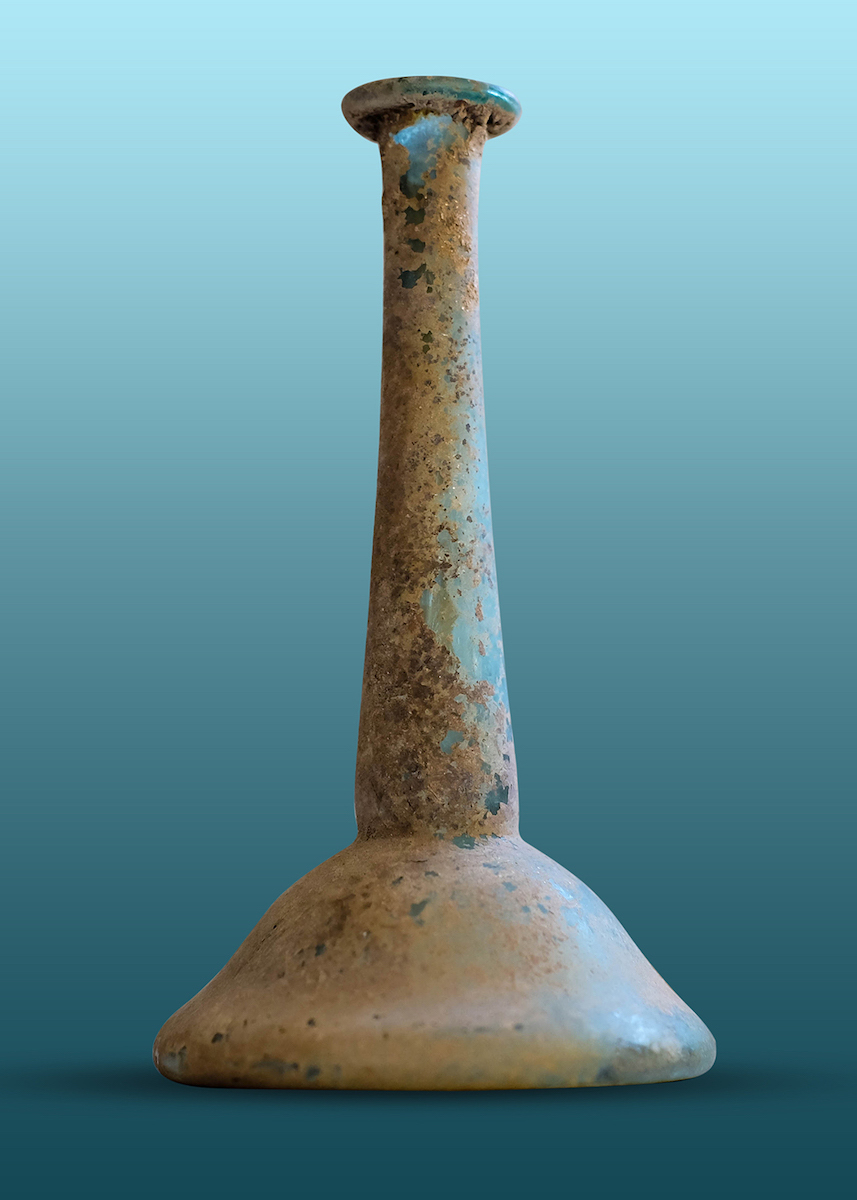
Contents of 1,900-Year-Old Roman Vial Analyzed
Feb 3, 2026
Read More →
Feb 3, 2026
read more

Powered by The archaeologist