The Story of Carthage Isn’t Necessarily What the Romans Committed to History

A new book by historian and archaeologist Eve MacDonald paints a more complete portrait of the once-great African society destroyed by Rome
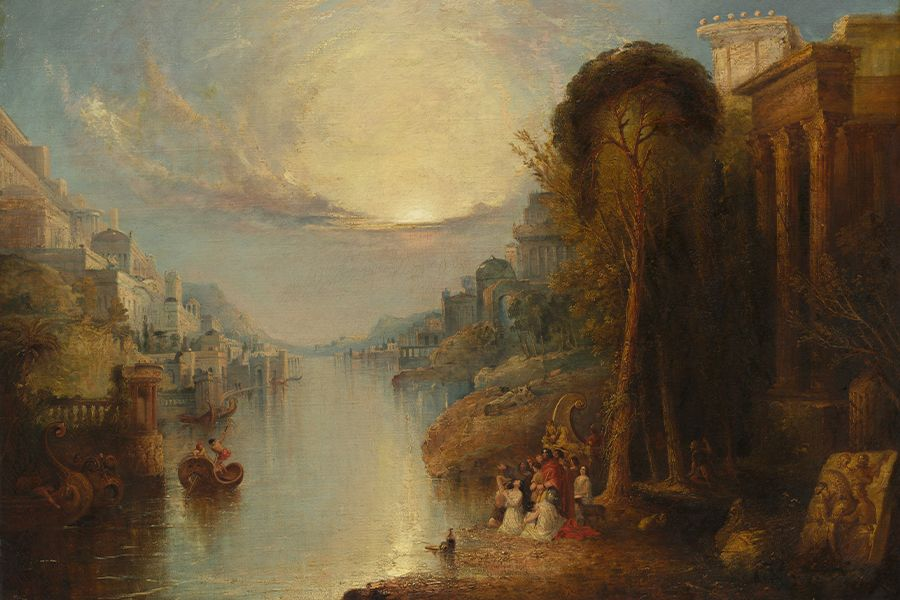
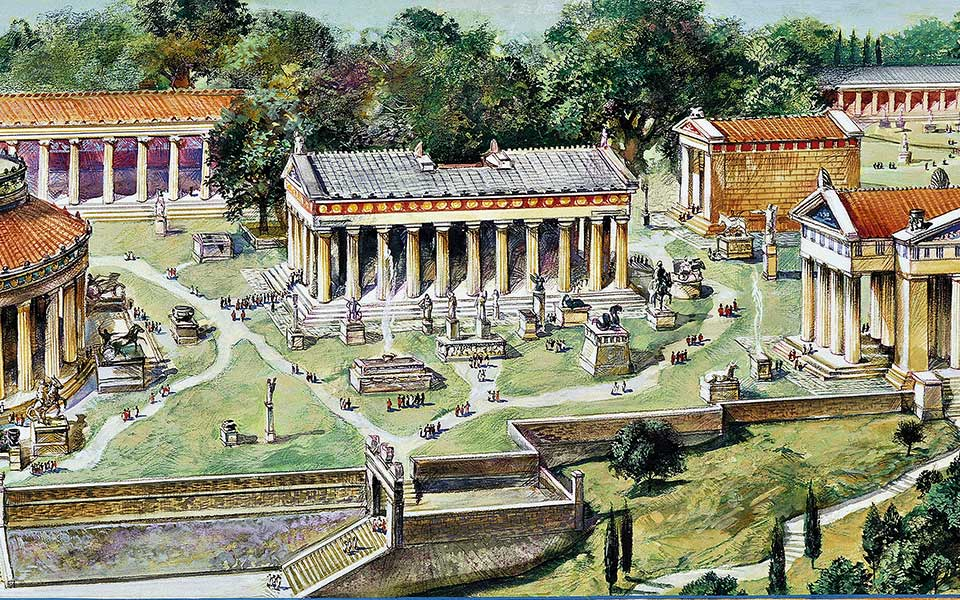
A vision of ancient Carthage, attributed to the painter William Linton

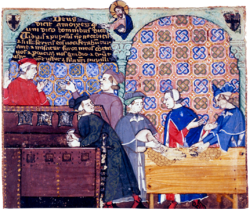
Around 310 B.C.E., Carthage came under siege by Agathocles of Syracuse and his forces. According to the ancient historian Diodorus, the Carthaginians, believing their gods had abandoned them, became so desperate to regain divine favor that they sacrificed 200 children. However, no archaeological evidence has ever confirmed such an event. In her new book, Canadian-British historian and archaeologist Eve MacDonald argues that this horrific account was likely “an imagined scene by a hostile ancient source.”

That source, of course, was Rome, which would later destroy Carthage in the Third Punic War from 149 to 146 B.C.E. Roman leaders sought to depict Carthage and its citizens not as real people, but as a savage enemy, MacDonald writes, using the city’s image to bolster Roman morale. In Carthage: A New History of an Ancient Empire, she draws on archaeological work from the past two decades, including her own, to offer a fuller, more nuanced portrait of the city and its inhabitants.

MacDonald traces Carthage’s story from its Phoenician founding in the ninth century B.C.E. to the myths—and possible truths—surrounding Dido, the political figure from Tyre who became its legendary queen. She explores the city’s rise as a naval power, its eventual destruction, and the first century after its fall, when Punic language and culture continued to influence North Africa. “It is believed that Africa was never so Punic as it was after Carthage was destroyed,” she notes, as surviving Carthaginians formed a kind of Punic diaspora.

“New archaeology and old literature present a different Carthage in the postwar years,” MacDonald writes. Recent isotopic analyses, for instance, show that Carthage could draw on substantial local resources, such as lead-silver mining, even when trade was restricted during wartime.

Her book is ambitious, focusing as much on sailors and soldiers as on generals and aristocrats. “The Roman memories only ever told one side of the story,” she observes. “The complexity of this once-great, sophisticated, and multicultural African city—with its innovative technologies, courageous warriors, and deep religious beliefs—was lost.”

Bradford-led project to explore Roman Empire’s northern edge

Archaeologists from the University of Bradford will carry out cutting-edge work at Scotland’s biggest Roman complex after being selected as a pilot for a national funding scheme.

The University’s project, Romans at the Tweed: Returning to Trimontium to examine a crossing point at the northern limit of the Roman Empire, is one of five initiatives selected under the Research Infrastructure for Conservation and Heritage Science (RICHeS) Access Fund Catalyst Projects.

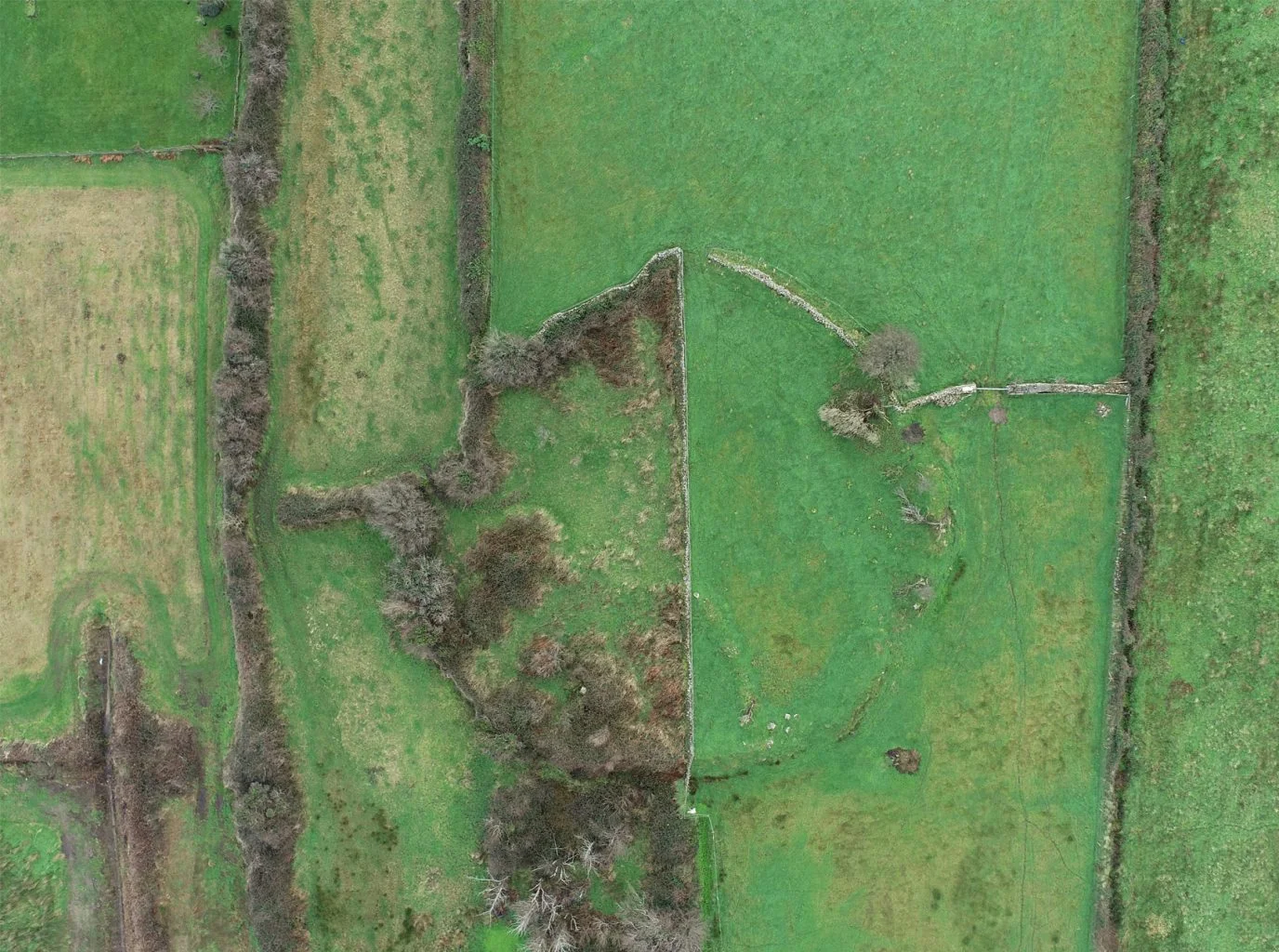
This spring, scientific surveys will be conducted at Trimontium, an important Roman frontier site, using advanced survey methods to deepen understanding of how the Roman Empire managed movement across the River Tweed at its northern edge. The work is being carried out in collaboration with the Trimontium Trust and AOC Archaeology.

Dr Kayt Armstrong, Facility Manager of the RICHeS-funded mobile laboratory From Land to Sea – a facility for prospection, landscapes and people at the University of Bradford, said: “I am pleased that our partnership with AOC Archaeology and the Trimontium Trust has been chosen as an Access Fund Catalyst Project, as it allows us to apply state-of-the-art geophysical equipment to explore key questions about the fortifications at Trimontium and the interactions between the Romans, local communities, and the River Tweed.”

More on Romans at the Tweed
In 2022, the Trimontium Trust and AOC Archaeology carried out ground-penetrating radar (GPR) surveys at the fort for the first time, training volunteers and relaunching fieldwork at the site.

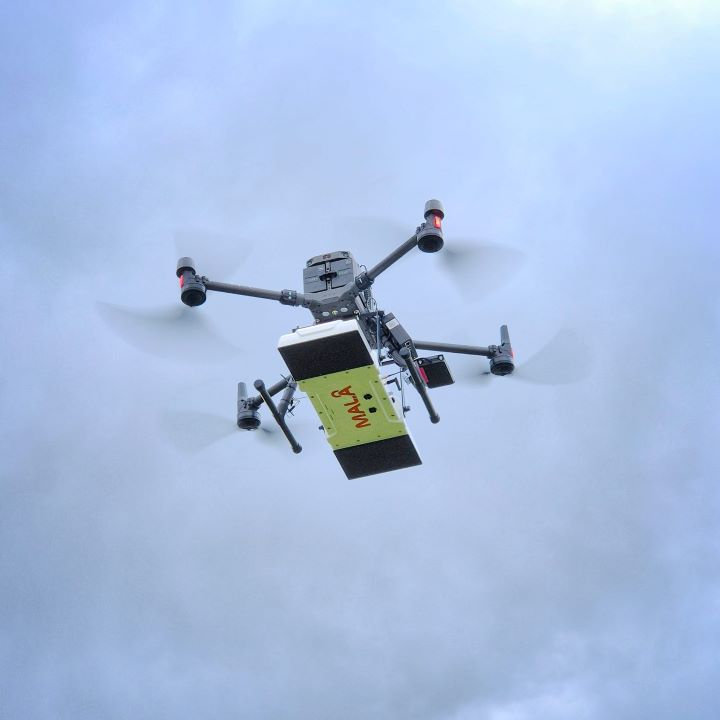
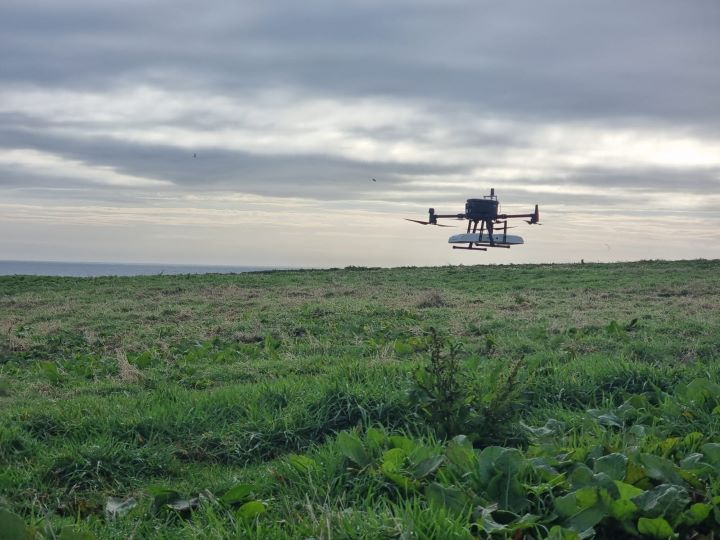
That work used a high-resolution Mala MIRA system—the first time such equipment had been deployed at a Roman fort in Scotland. However, the system is no longer available in the UK, leaving sections of the site unexplored. To move the research forward, the University of Bradford’s compact Mala MIRA unit, along with newly RICHeS-funded equipment such as drone-mounted GPR, will now be used to complete surveys of the fort and to investigate the location of a Roman crossing point on the River Tweed.

Conducted through the Uncovering the Tweed project, the research brings together technical experts, archaeologists, and volunteers. It places public participation at the centre of frontier studies while ensuring that newly gathered data is widely shared.

More on Trimontium
Situated in the Scottish Borders, Trimontium is the largest Roman fort and settlement in Scotland and one of the richest sites in the UK for Roman military-related finds.

Covering around 370 acres, the fort and its associated settlement include a combined military and civilian complex with a fort, a bridge over the River Tweed, roads, shrines, and a cemetery. The site also contains the northernmost amphitheatre in the Roman Empire.

Heritage Science Support
Five new projects have been awarded funding through the RICHeS Access Fund Catalyst scheme to explore how heritage science can support research, conservation, and public engagement across the UK.

These projects will test new ways of widening access to advanced facilities and specialist expertise, helping to safeguard nationally important heritage for the future.

Running until March 2026, the Catalyst Projects mark the first phase of activity for the RICHeS Access Fund. From 28 January 2026, the fund will provide researchers and other eligible users with access to specialist equipment, collections, and expert advice.

This project reflects the University of Bradford’s strategic focus on innovation, collaboration, and social impact. By combining advanced heritage science technologies with public engagement, the research supports the protection and understanding of a significant historical site.

Through partnerships with national organisations and local volunteers, the University demonstrates its commitment to producing knowledge that benefits communities and strengthens cultural heritage, in line with its goal of making a positive impact both regionally and globally.

Iron Age DNA Reveals a Herpesvirus That Still Infects Humans Today

Learn how ancient DNA from human remains provided the first direct evidence that a common childhood virus has been part of the human genome since the Iron Age.

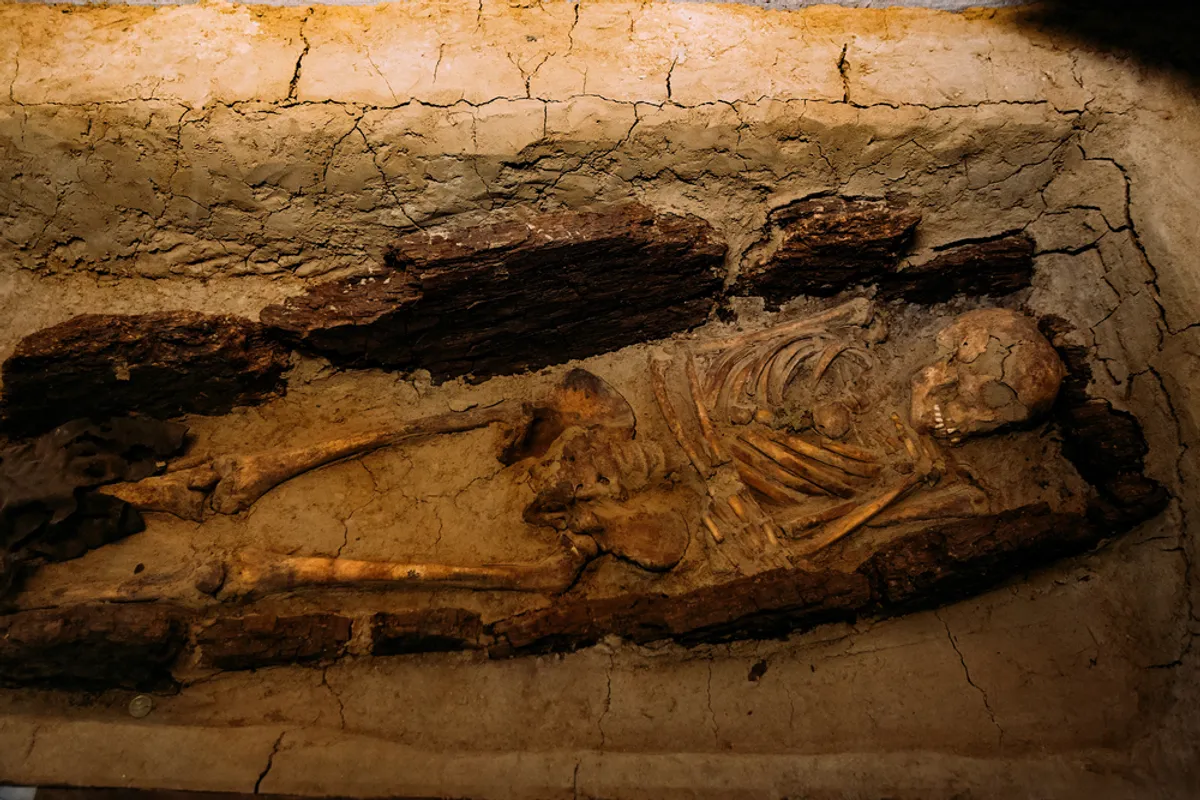
Ancient human remains, not associated with the study.

Human herpesvirus 6 is now almost universal, with most people becoming infected in early childhood. New evidence suggests that this relationship is much older than previously demonstrated—and in some cases far more permanent than once believed.

A study published in Science Advances presents the first direct genetic proof that this relationship dates back thousands of years. By reconstructing ancient genomes of human herpesvirus 6A and 6B (HHV-6A/B) from archaeological remains across Europe, researchers show that these viruses have infected humans—and in rare cases permanently integrated into human chromosomes—since at least the Iron Age.

The results confirm that some herpesviruses did more than coexist with early humans; they became part of the human genome itself.

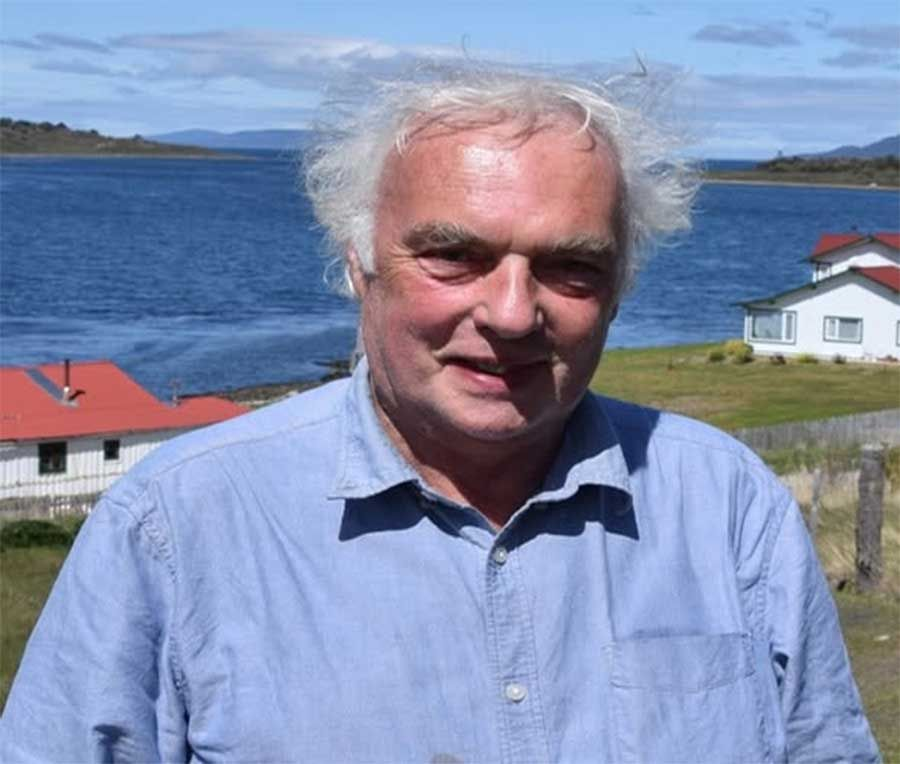
“Modern genetic data suggested that HHV-6 may have been evolving with humans since our migration out of Africa,” said lead researcher Meriam Guellil in a press release. “These ancient genomes now provide the first concrete evidence of their presence in the deep human past.”

From Childhood Infection to Inherited Virus
HHV-6B typically infects children within their first two years of life and causes roseola infantum, a common childhood illness and the leading cause of febrile seizures in young children. Together with its close relative HHV-6A, the virus usually remains dormant in the body after the initial infection.

What distinguishes these viruses is their ability to insert their DNA into human chromosomes. When this occurs, the viral DNA can be passed from parent to child and is present in about one percent of people today.

Tracing Human Herpesvirus Across Millennia
For the study, researchers screened nearly 4,000 human skeletal remains from archaeological sites across Europe for traces of viral DNA. From these samples, they reconstructed eleven ancient HHV-6 genomes, including the oldest from a young girl who lived in Italy during the Iron Age, between 1100 and 600 B.C.E. Additional genomes came from individuals in medieval England, Belgium, Estonia, Italy, and Russia.

“While HHV-6 infects nearly 90 percent of people at some point in their lives, only about one percent carry the virus inherited from their parents in all of their cells,” Guellil said. “These cases are the most likely to be detected using ancient DNA, which makes identifying viral sequences particularly difficult.”

Several individuals from England carried inherited forms of HHV-6B, making them the earliest known humans with chromosomally integrated herpesviruses. One site in Sint-Truiden, Belgium, stood out for producing the highest number of cases, with both HHV-6A and HHV-6B present in the same population.

“Based on our data, the evolution of these viruses can now be traced across Europe for more than 2,500 years, from the 8th–6th centuries BCE to the present,” Guellil added.

How a Virus Became Part of the Human Genome
By comparing ancient viral genomes with modern ones, researchers identified where HHV-6 integrated into human chromosomes and how long those integrations persisted. Some events occurred thousands of years ago and continued across many generations, providing dated records of long-term interactions between viruses and humans.

The analysis also showed that the two closely related viruses did not evolve in parallel. HHV-6A appears to have lost its ability to integrate into human DNA relatively early, while HHV-6B retained this ability, showing how closely related viruses can diverge as they adapt to the same host.

Rather than relying solely on patterns in modern genomes, the study provides direct genetic evidence of when—and how—a common childhood virus transitioned from temporary infection to inherited presence.

Archaeologists Discover ‘Sumptuous’ Frescoes at Ancient Villa Preserved by Mount Vesuvius’ Eruption

Fragments of a peahen, a comedic theatrical mask and other intriguing finds are providing new insights into the history of the Villa of Poppaea

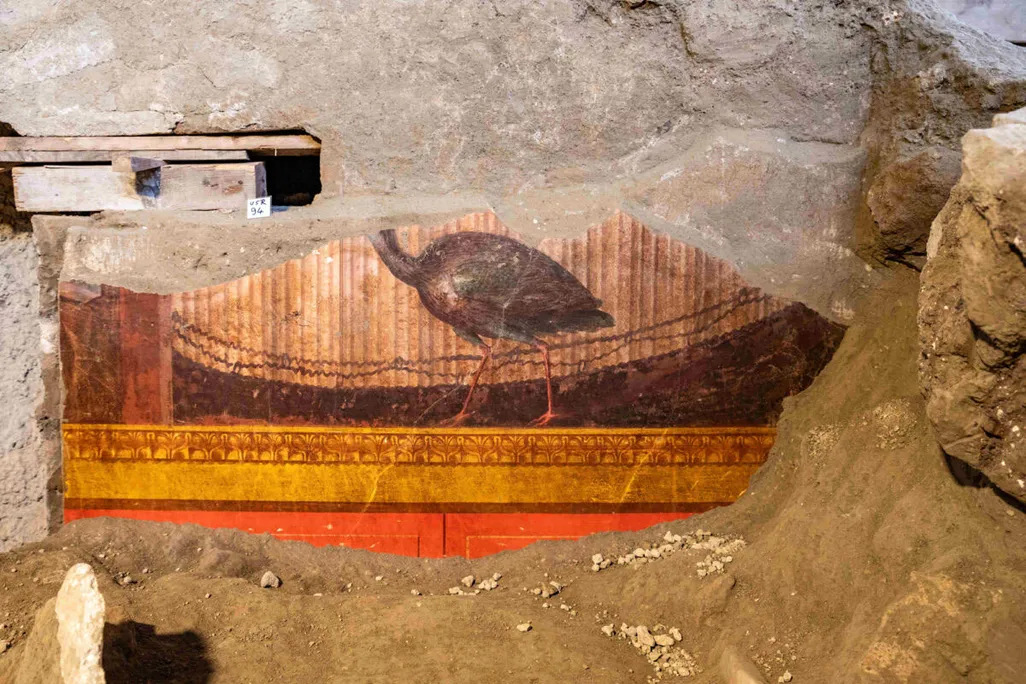
Archaeologists unearthed a fresco depicting a peahen that mirrors a peacock found on another part of the same wall.

When Mount Vesuvius erupted in 79 C.E., ash and volcanic debris blanketed Pompeii, freezing the ancient Roman city in time for centuries to come. Yet the destruction extended well beyond Pompeii itself, as smoke, gases, and pumice spread across the wider Campania region of Italy.

Archaeologists have continued to advance their work in the areas surrounding Pompeii, with recent excavations concentrating on an opulent residential villa near the modern town of Torre Annunziata, just south of Naples. According to a statement from the Archaeological Park of Pompeii, this site has become the latest focus of intensive study.

Known as the Villa of Poppaea, the residence may once have belonged to Poppaea Sabina, the second wife of the Roman emperor Nero. Constructed in the mid–first century B.C.E., the villa featured lavish decoration, private thermal baths, and expansive gardens. Offering sweeping views of the Bay of Naples, the complex was enlarged around the middle of the first century C.E. to include a swimming pool, winter gardens, guest apartments, and additional rooms. Situated in Oplontis, a fashionable seaside retreat for Rome’s elite, the villa was likely unoccupied when Vesuvius erupted.

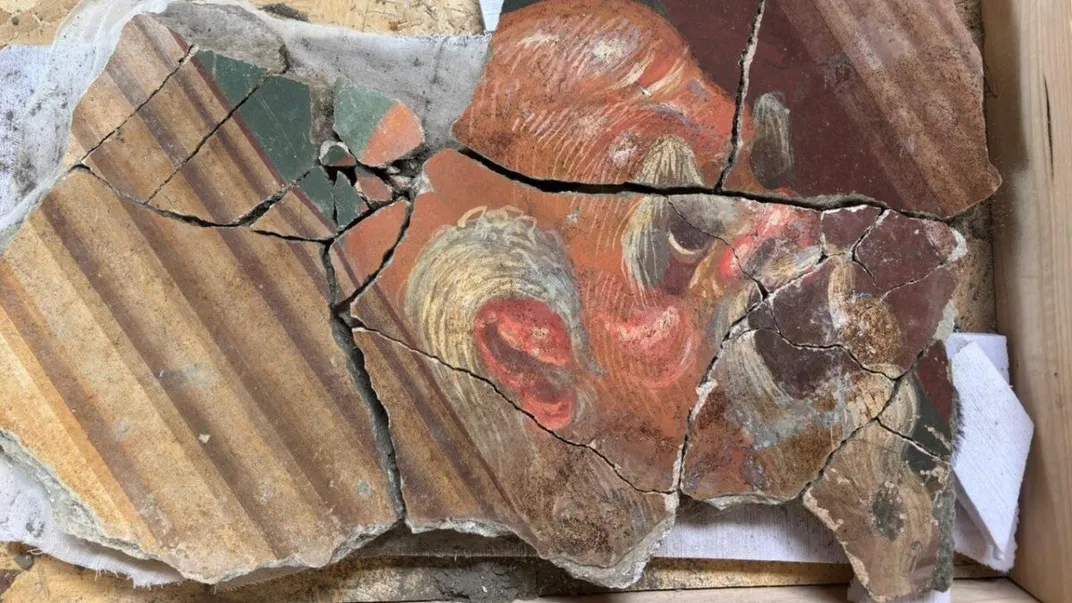
In a spacious and refined room known as an oecus, archaeologists recently uncovered richly decorated frescoes showing a peahen and a theatrical mask. The peahen mirrors a peacock depicted elsewhere on the same wall. The mask represents a character from Atellan Comedy, a form of improvised farce popular in ancient Rome. Specifically, it portrays Pappus, a stock figure described as an aging fool who attempts to appear youthful but is inevitably ridiculed. This comic image stands in contrast to the other masks found in the room, which appear to draw their inspiration from Roman tragic theatre.

Researchers unearthed a theater mask from a Roman comedy of a character called Pappus.

Archaeologists have examined the villa’s oecus in the past, but its exact layout—and that of the surrounding spaces—remained uncertain. According to Gabriel Zuchtriegel, director of the archaeological park, the current phase of research may help resolve these questions while also uncovering new decorative elements with exceptional detail and colour, of which only an intriguing glimpse has so far been revealed.

The excavations have led to the discovery of four additional rooms, including one that may have formed part of a bathing complex, raising the total number of identified rooms in the villa to 103. Researchers also uncovered traces of a seasonal stream, believed to have developed after the eruption of Vesuvius in 1631.

By using plaster casts, the team was able to identify the positions of trees that once lined the villa’s garden. These plantings followed a carefully planned ornamental scheme that echoed the rows of columns supporting the south portico. Comparable garden layouts have been documented in the residences of Pompeii’s elite.

As Zuchtriegel notes, the early findings open up valuable new opportunities to deepen understanding of the villa’s overall design, as well as the long-term relationship between human habitation and the surrounding natural landscape.

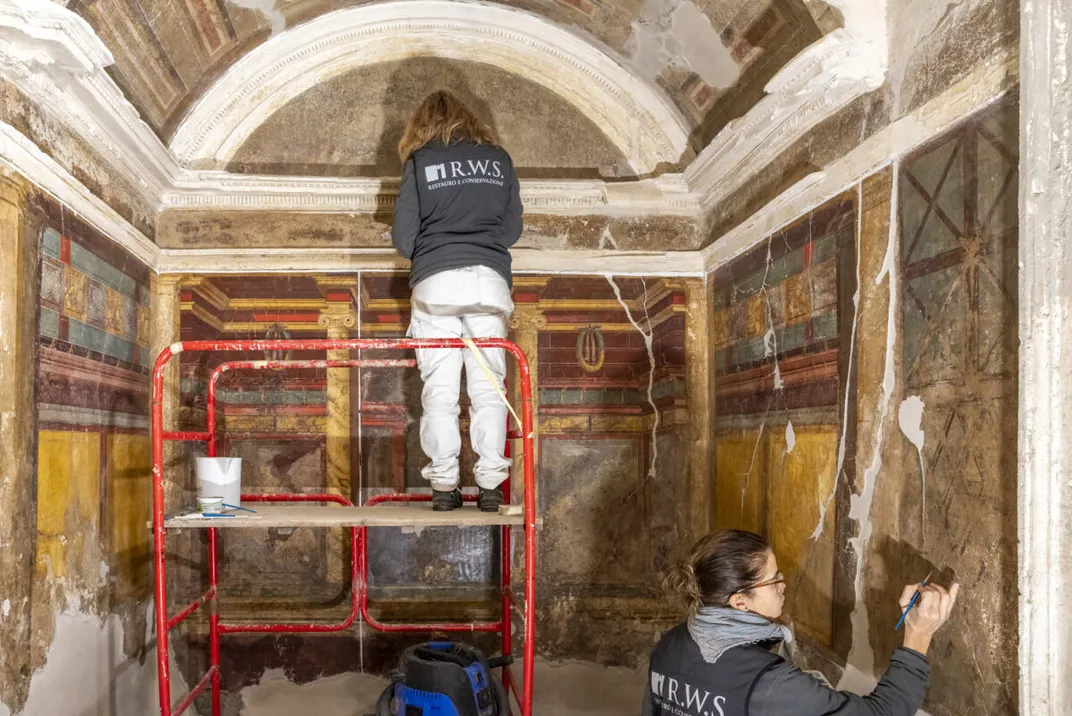
While excavations continue, workers are also restoring two small bedrooms at the villa.

As excavations continue, restoration teams have also been working to conserve two small bedrooms overlooking the southwest section of the villa. These rooms are richly decorated, featuring stucco work, frescoes, mosaic floors, and painted vaulted ceilings in a vibrant palette that includes Egyptian blue.

One of the bedrooms appears to have been in the midst of renovation when Vesuvius erupted, showing multiple stages of work, some left unfinished. Its more restrained decorative programme remains incomplete and includes floral designs set against plain, monochromatic backgrounds, according to Artnet’s Jo Lawson-Tancred.

Researchers have created plaster casts of the shutters that once covered the doors and windows, preserving impressions of the original wooden elements. The ongoing restoration—which involves cleaning surfaces, removing damaged material, and retouching paint—has also brought to light colours and details that had previously gone unnoticed.