Wallpaper* Best Use of Material 2026: Beit Bin Nouh, Saudi Arabia, by Shahira Fahmy

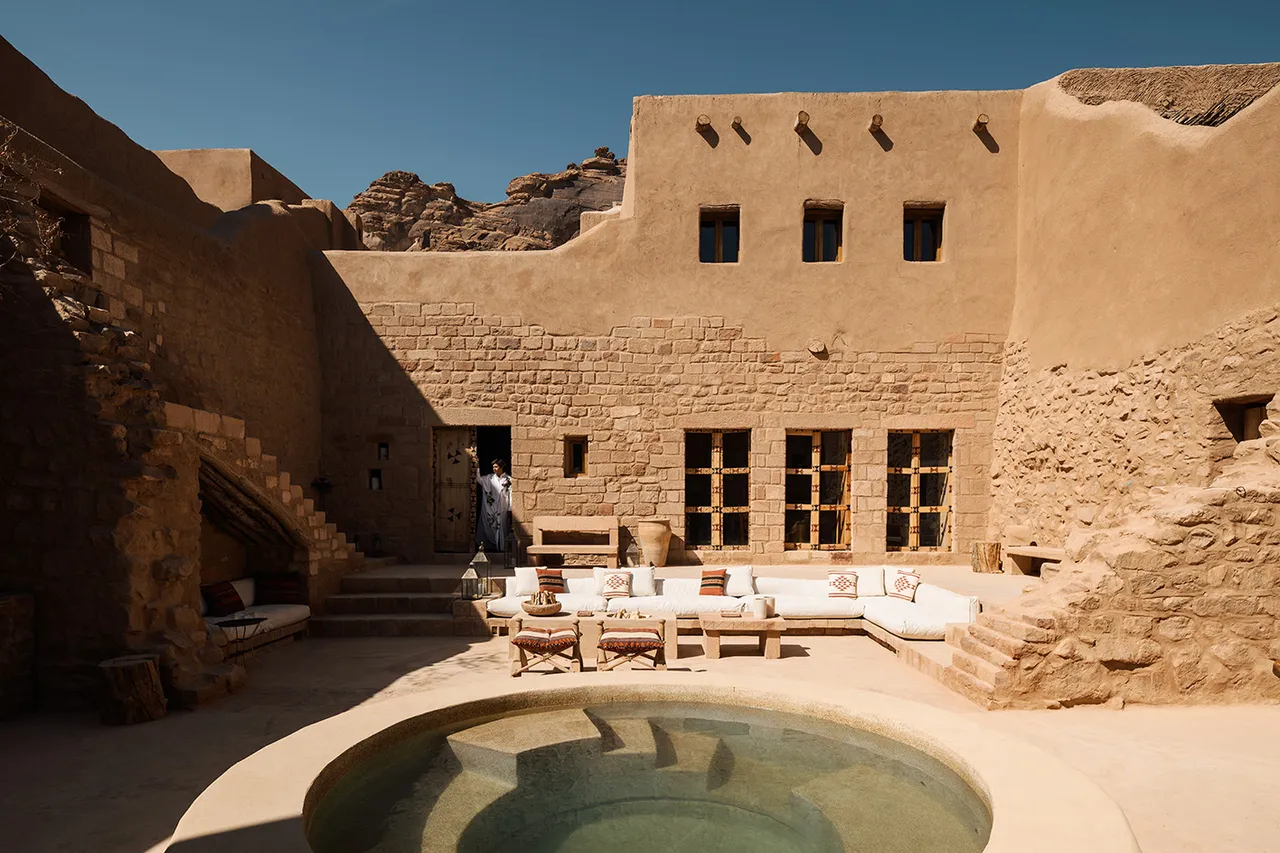
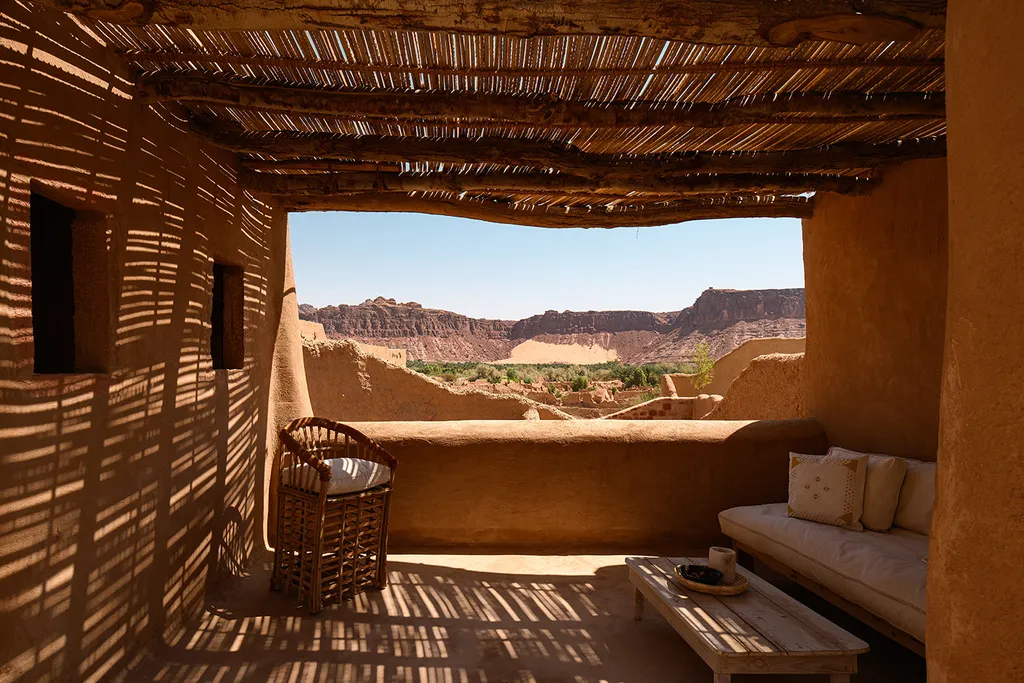
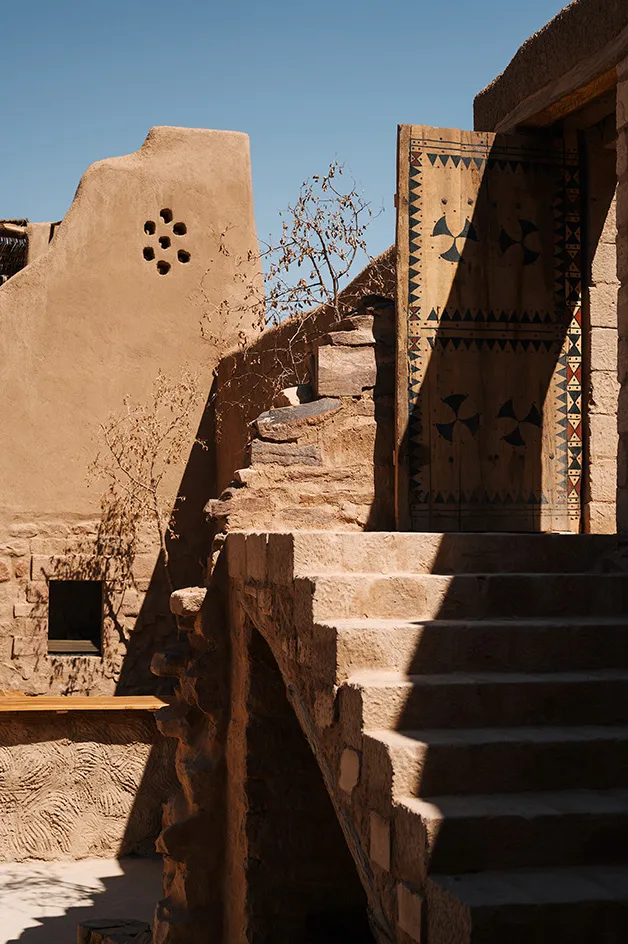
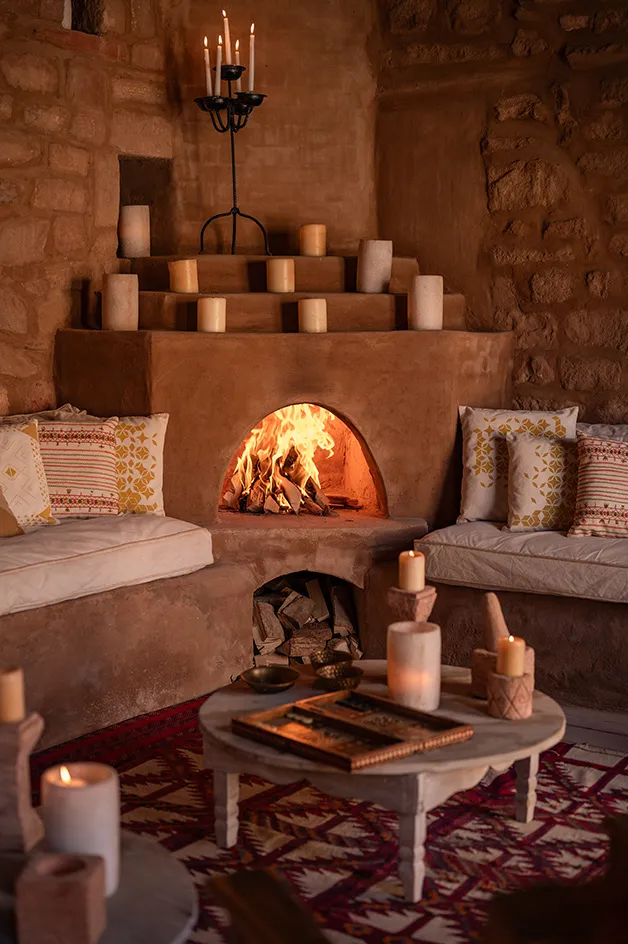
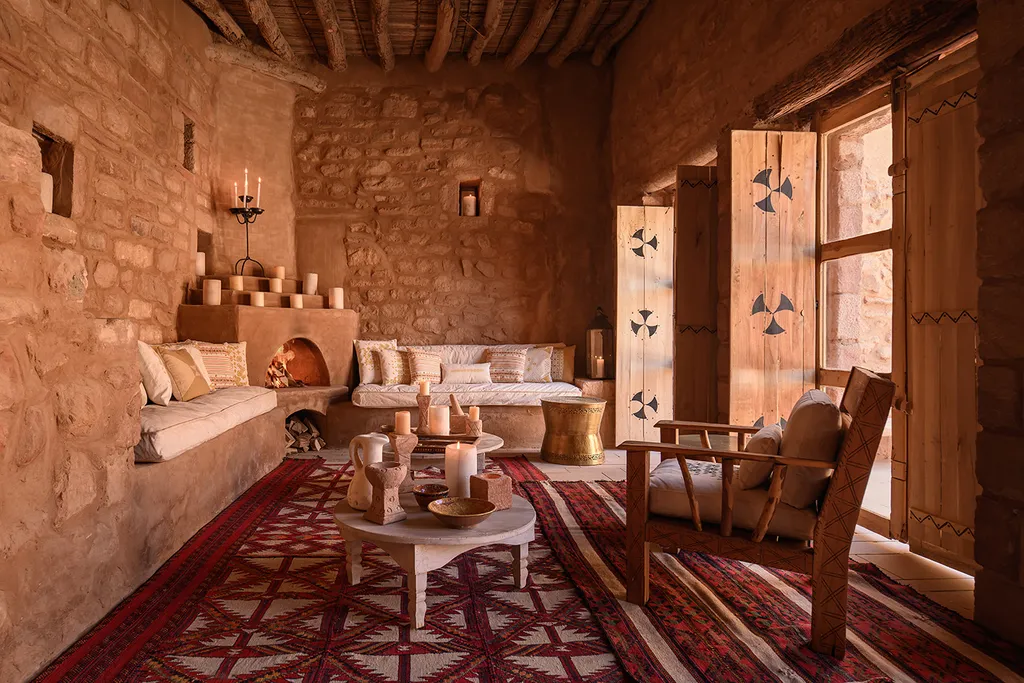
Beit Bin Nouh by Shahira Fahmy is a captivating rebirth of a traditional mud brick home in AlUla, Saudi Arabia - which won it a place in our trio of Best Use of Material winners at the Wallpaper* Design Awards 2026

Once home to over 1,000 people at its peak, the ancient Arabian city of AlUla was left deserted in the 1980s after residents relocated to a newly built town centre nearby. The site contains hundreds of mud-brick homes clustered around a fortress dating back to the tenth century, set within a valley now celebrated for its rich archaeological heritage. This includes the Nabataean city of Hegra—Saudi Arabia’s first UNESCO World Heritage Site—the ancient kingdom capital of Dadan, and the rock inscriptions found at Jabal Ikmah.

Discover Beit Bin Nouh, Saudi Arabia, by Shahira Fahmy

The old town has become the focus of a heritage-led regeneration project spearheaded by the Royal Commission for AlUla (RCU). The initiative aims to revive the area through sensitive conservation efforts and the introduction of new cultural activities. Tucked within the intricate network of narrow alleyways that date back to the 12th century is Dar Tantora, a hotel restored in 2021 by Egyptian architect Shahira Fahmy, who employed traditional building techniques and passive cooling strategies in the project.

While she was working on Dar Tantora, Fahmy was contacted by a long-standing client from a family renowned for major developments across the Middle East. He wanted to transform a ruin in the old town into a private residence. “He told me that I wouldn’t truly understand the place unless I visited it,” Fahmy recalls. “No drawing could convey what exists there.”

The site was essentially an empty space created from the remains of two former houses. Locally, it was known as Beit Bin Nouh, named after the family who once used the area as an open courtyard for social gatherings.

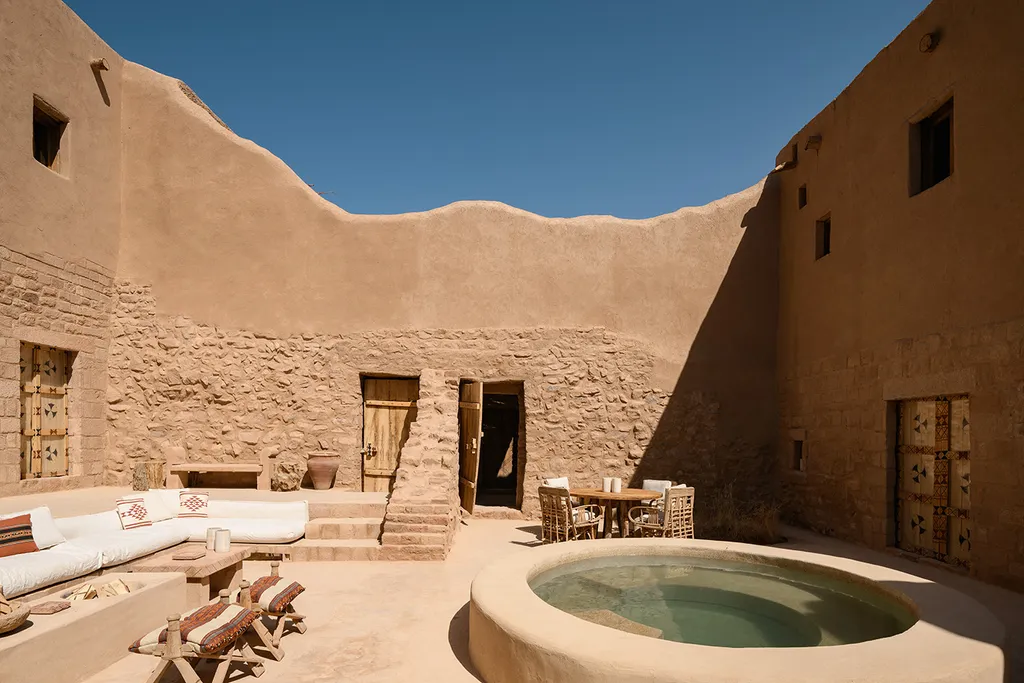
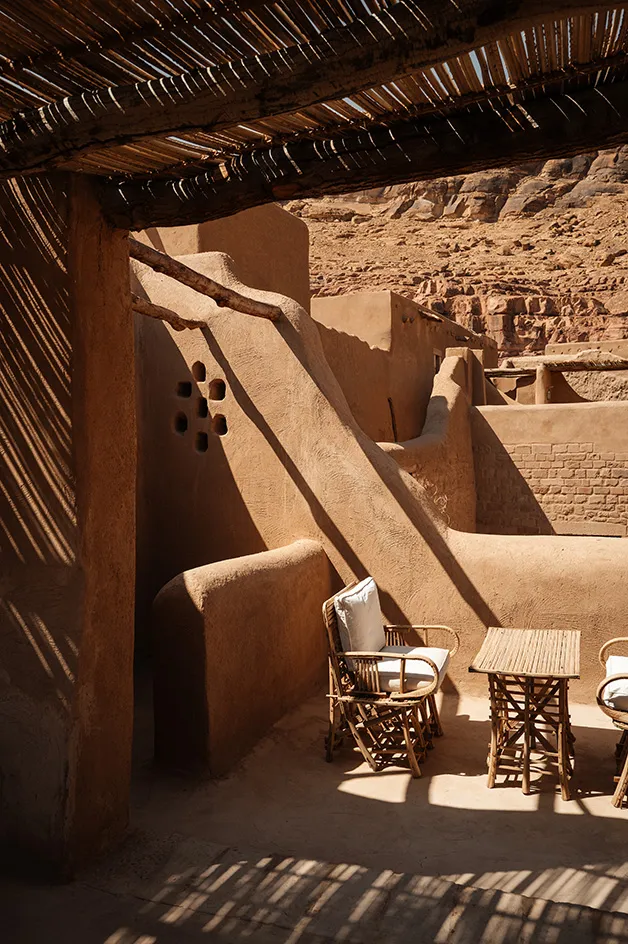
The mud-brick homes shared a common design seen throughout the old town. The ground floor typically contained three rooms for work, cooking, and storage, while the upper level was reserved for sleeping and family activities. This straightforward layout was closely adapted to the local environment. Thick stone foundations protected the buildings from flash floods, while mud bricks made from local soil, clay, and straw helped insulate the interiors. Small windows reduced heat gain, narrow alleyways provided shade, and inner courtyards allowed air to circulate and cool the spaces.

Fahmy’s team carefully studied the site’s topography, mapping original floor levels, thresholds, and movement patterns to ensure the reconstructed buildings honored the logic of the old homes. “It was technical, philosophical, and emotional. The bricks had to come from AlUla, and making them connects you to the labor of those who originally built this town,” Fahmy explains. Her experience with past restoration projects, especially in Cairo, has honed her sensitivity to historic architecture and cultural context.

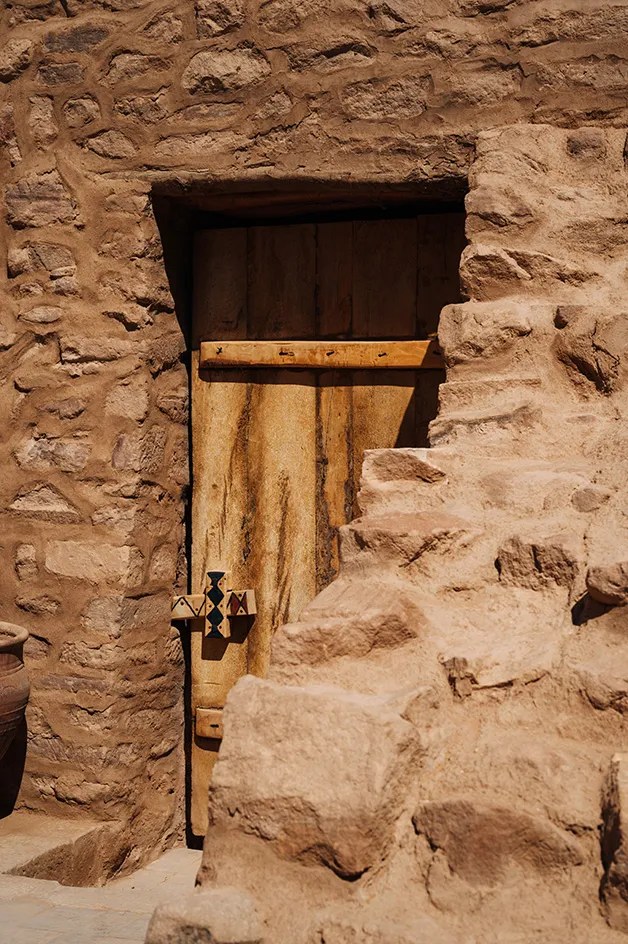
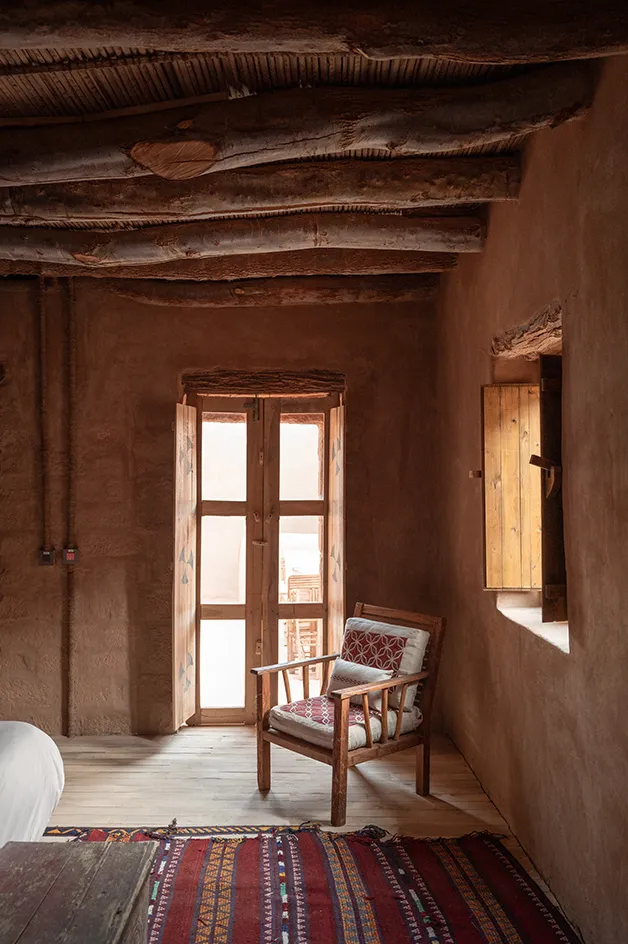
Every material and design decision reflects the building’s connection to its environment and traditional construction techniques. Stone was quarried from RCU-approved sites; tamarisk wood beams and door frames were treated with natural oils instead of chemicals; and ceilings were lined with woven palm fronds to allow airflow. Modern infrastructure was kept outside the historic walls, with pipes and wiring wrapped in palm rope, while parts of the ancient qanat system of underground water channels were restored to manage drainage and conserve water.

“The first lesson was about sustainability,” Fahmy explains. “We learned from the site itself—how water was managed, the materials used, and how people adapted to the climate.” Consequently, Beit Bin Nouh stands as a remarkable example of how traditional earth construction, guided by the logic of the original site, can bring a historic home into the modern era while preserving its character.

Stunning UK village 'perfect for recharging' has 'hidden gem' attraction

The picturesque medieval village in North Yorkshire has stunning historic landmarks and beautiful vistas - perfect for a peaceful weekend escape.

It's the perfect getaway for those seeking tranquillity and beauty

A charming village in North Yorkshire is home to a hidden treasure that visitors simply can’t resist. Nestled in the region’s stunning countryside, this tranquil spot has earned praise as the perfect escape for anyone looking to unwind and recharge—and it’s easy to see why.

The medieval village offers a unique glimpse into England’s rich history, all while showcasing stunning attractions and breathtaking views. Appleton-le-Moors, a village and civil parish in the North York Moors National Park, lies about two and a half miles northeast of Kirkbymoorside. It is also conveniently close to Pickering and blends seamlessly into the neighboring villages of Spaunton and Lastingham, perched on the edge of the open moorland.

With a modest population of just 161, according to the 2021 census, Appleton-le-Moors derives its name from an Old English term meaning “apple orchard.” Often cited as a near-perfect example of a planned village in the UK, it boasts a strong sense of community. Perched on a hillside above a bend in the River Seven, the village is surrounded by fertile farmland crisscrossed with footpaths—making it a dream destination for walkers seeking picturesque landscapes.

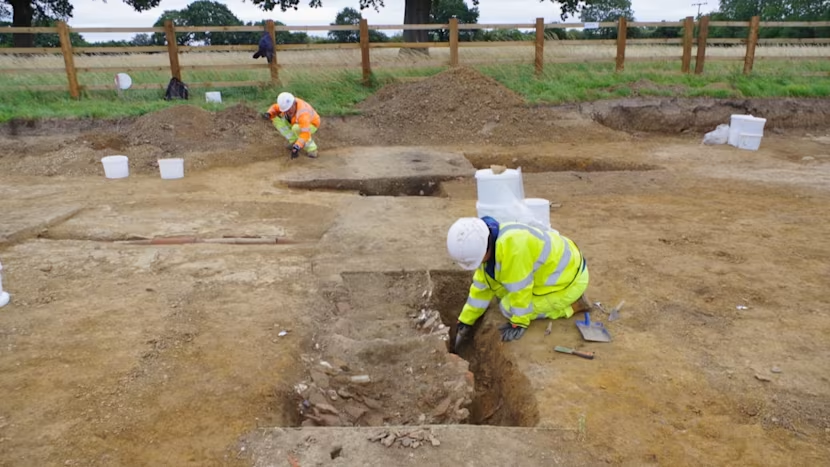
Mentioned in the renowned Domesday Book, Appleton-le-Moors has preserved its traditional medieval layout and remains a point of archaeological interest. The village is a treasure trove of historical finds, including a medieval oven, flint tools, and Roman coins.

Hidden gem church

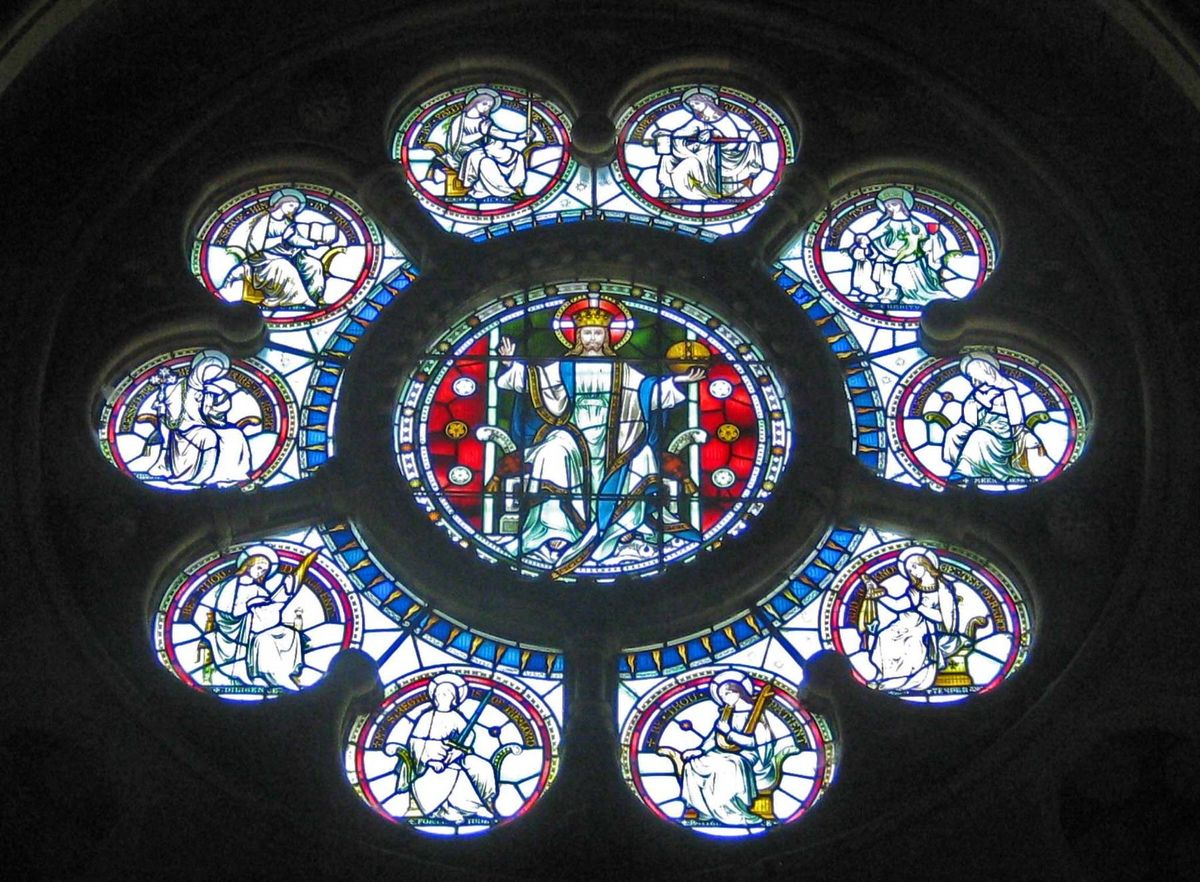
The Rose Window is the church's most breathtaking feature

The village is also renowned for its historic Christ Church, often described as “the little gem of moorland churches.” This Grade I listed 19th-century building showcases exquisite craftsmanship and was designed by J. L. Pearson, the architect behind Britain’s famous Truro Cathedral. Christ Church reflects Pearson’s signature French Gothic style, featuring intricate decoration throughout. Its most celebrated feature is the Rose Window, inspired by the White Rose of York, with stained-glass panels depicting Christian virtues such as Hope, Faith, and Charity. The church is further distinguished by a tower crowned with a graceful spire.

The Village Hall

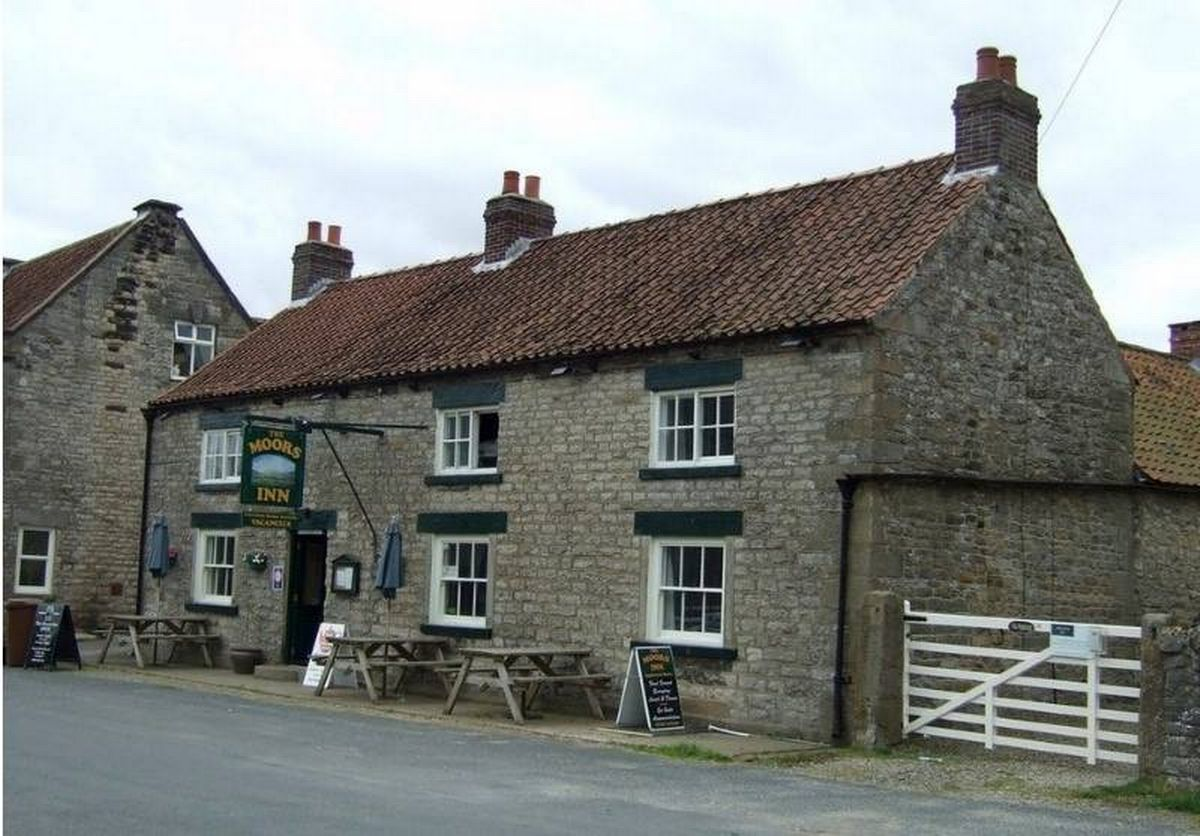
The Moors Inn is a must visit for food and drinks

Another notable landmark in Appleton-le-Moors is the Village Hall, also designed by J. L. Pearson. This Grade II listed building, originally a school, was constructed in 1867 and reflects Pearson’s Victorian Gothic style. Following major refurbishment in 1999, the hall now serves as a central hub for village life, embodying the spirit of the community.

Visitors should also make time for the village’s most famous establishment, The Moors Inn, which has welcomed guests since the 17th century.

The Reading Room
Another key feature of Appleton-le-Moors is the Reading Room, built in 1911 at a cost of £75. The project was financed by Joseph Page, a local butler at Appleton Hall, with the intention of providing villagers a social space where they could gather without the influence of alcohol.

Archaeologists Found a 7,500-Year-Old Seal From a Surprisingly Advanced Society

One small artifact opened up a world of discovery of a Neolithic civilization with a remarkably advanced social structure.

Neolithic Stone Seal Sheds Light on Early Social Organization

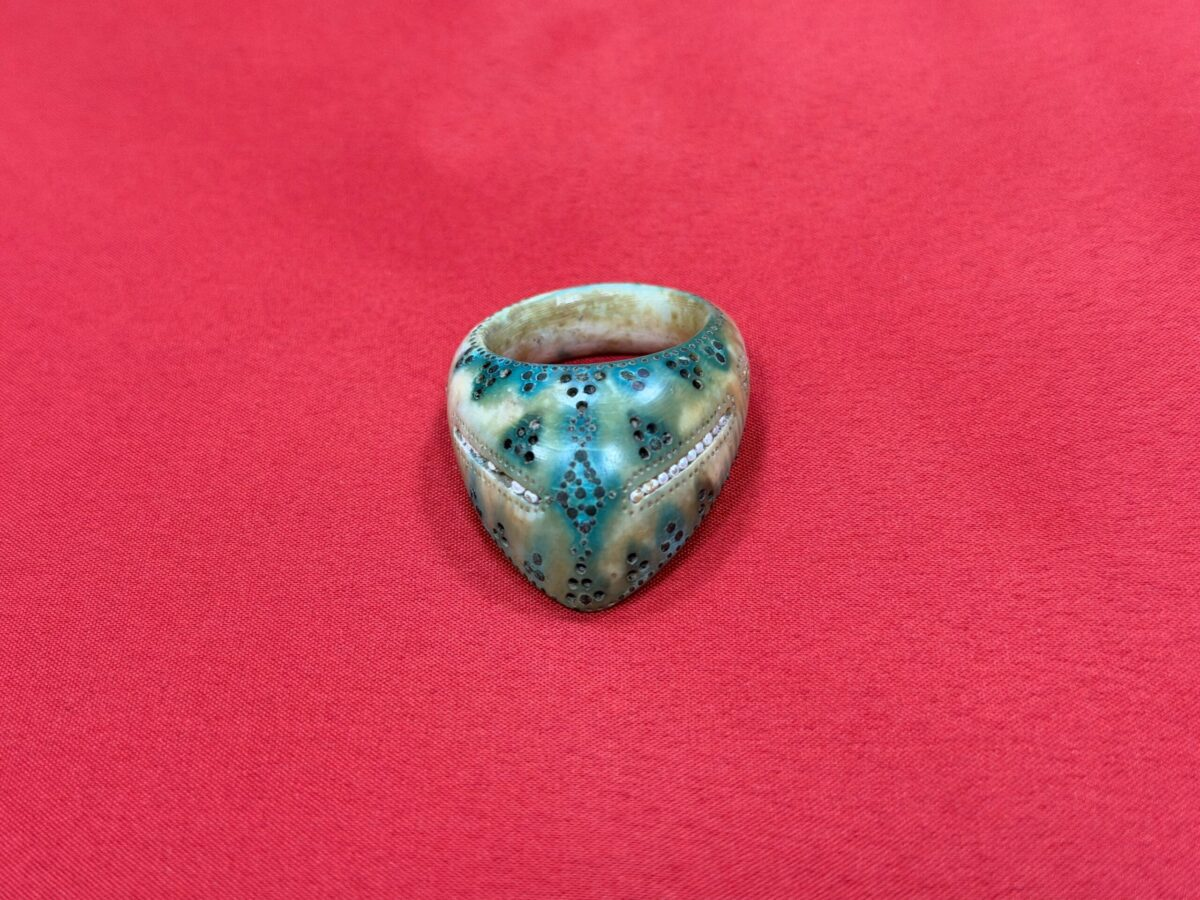
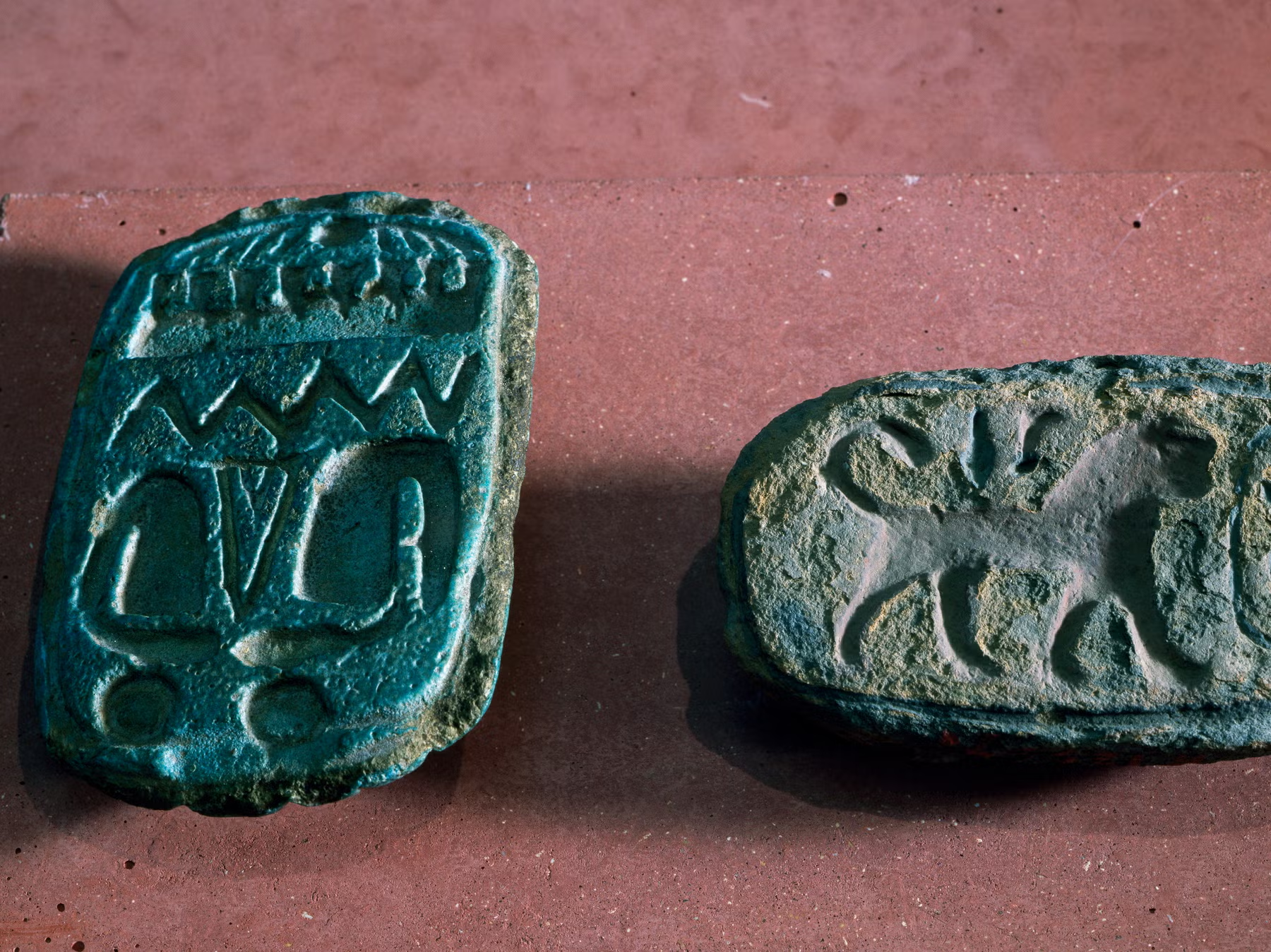
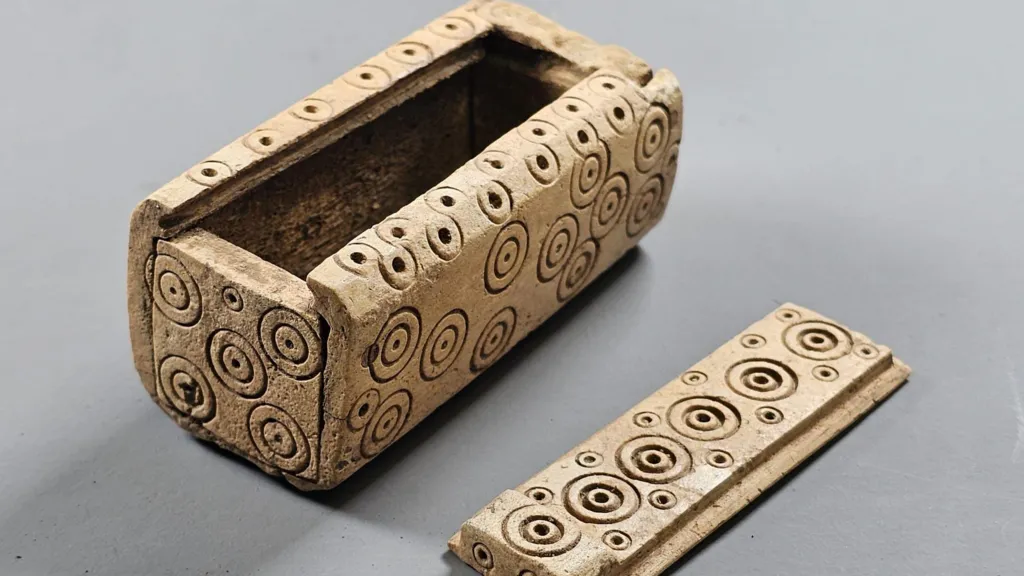
Archaeologists at Tadım Fortress in Elazığ, eastern Türkiye, have uncovered a 7,500-year-old stone seal, offering a rare glimpse into the lives of Neolithic people. The artifact predates the Urartu kingdom and suggests that complex social structures, economic practices, and personal identification systems were emerging long before more widely known ancient civilizations.

While the exact use of the seal is unknown, it may have functioned as:

  • A marker of property or ownership

  • A personal identifier

  • A tool for agricultural trade, similar to another local seal used in grain transactions

These possibilities indicate early administrative and economic sophistication in the region. The seal is part of a broader excavation overseen by the Elazığ Museum and Provincial Directorate of Culture and Tourism, under Türkiye’s Heritage for the Future Project.

Other discoveries at Tadım Fortress highlight ritual and social practices:

  • A recently discovered temple dating to the Late Chalcolithic/Early Bronze Age (~6,000 years ago) features a stone altar with a blood channel, showing evidence of animal and human sacrifice.

  • Artifacts from Byzantine, Roman, Seljuk, and Ottoman periods lie above the Neolithic layers, showing the site’s long history of occupation.

Governor Numan Hatipoğlu remarked that the findings demonstrate the region was not only inhabited early but also had sophisticated cultural, economic, and social practices, influencing later civilizations.

In short, this small stone seal provides a window into advanced social and economic life in Neolithic Türkiye, revealing that organized societies with property markers and trade mechanisms existed thousands of years before the classical civilizations of the region.

Arrow tips found in South Africa are the oldest evidence of poison use in hunting

The earliest known evidence for the use of arrow poison was long believed to come from Egypt, dating back about 4,000 years. This took the form of a black, toxic residue found on bone arrowheads in a tomb at the Naga ed Der archaeological site.

New discoveries from southern Africa are now challenging that view.

Recent research has identified poison residues on stone arrow tips from South Africa dating to around 60,000 years ago, making this the oldest direct evidence of poisoned arrows used for hunting.

These findings add to existing knowledge about the technical skills of early African bowhunters. Such expertise may have played a role in the long-term success of our species in the region and later supported the spread of Homo sapiens beyond Africa.

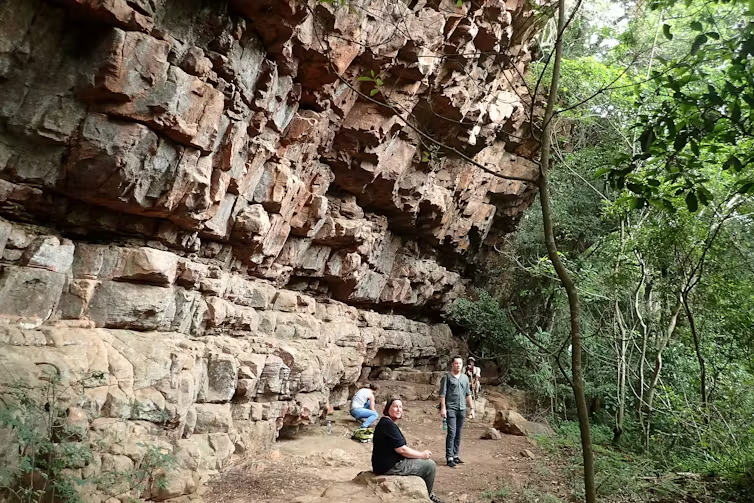
The evidence comes from Umhlatuzana Rock Shelter in South Africa’s KwaZulu-Natal province. The site was partially excavated in the 1980s to protect archaeological material at risk from construction of the N3 highway linking Durban and Pietermaritzburg.

Two of the authors (Marlize Lombard and Anders Högberg) at Umhlatuzana rock shelter, where the poisoned arrow tips were excavated.

Umhlatuzana is recognised as a significant Stone Age site where hunter-gatherers were living at least 70,000 years ago. It is also one of the few locations in southern Africa that shows evidence of continued human occupation until just a few thousand years ago.

In southern Africa, there is a long tradition of hunting with poisoned arrows. For instance, South African and Swedish archaeologists have identified residues on arrow tips dating from a few hundred to about 1,000 years ago, revealing the use of different poison recipes.

More recently, three bone arrowheads kept inside a poison-filled bone container were reported from Kruger Cave in South Africa and dated to nearly 7,000 years ago. This discovery pushed back direct molecular evidence for the use of arrow poison to around 3,000 years earlier than the Egyptian examples.

Earlier traces of poison had been identified on a stick and in a lump of beeswax from Border Cave in KwaZulu-Natal, dating between 35,000 and 25,000 years ago. However, these were considered indirect indications of early hunting poisons.

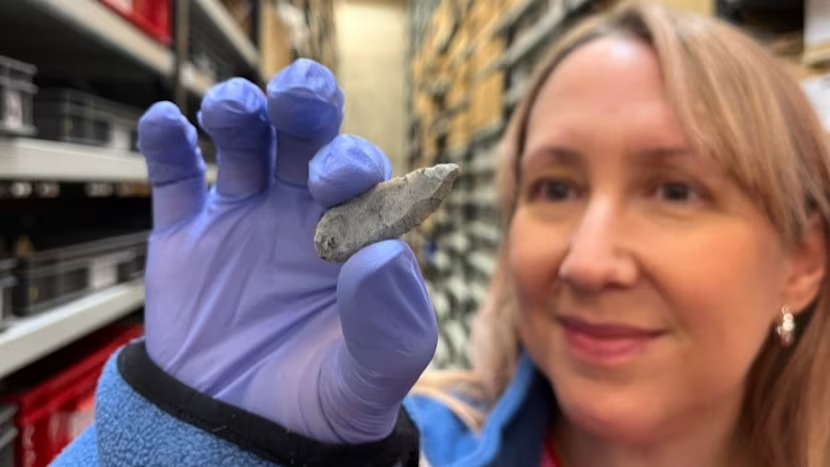
As a researcher in cognitive and Stone Age archaeology, I examined artefacts from Umhlatuzana almost 20 years ago and identified use-wear and adhesive residues on some quartz backed microliths—small, shaped stone tools—dating to around 60,000 years ago. This suggested they were likely used as arrow tips.

More recently, Sven Isaksson of the archaeology laboratory at Stockholm University has identified molecular traces of toxic plant alkaloids—chemical compounds known to be used as arrow poisons—on several of these artefacts.

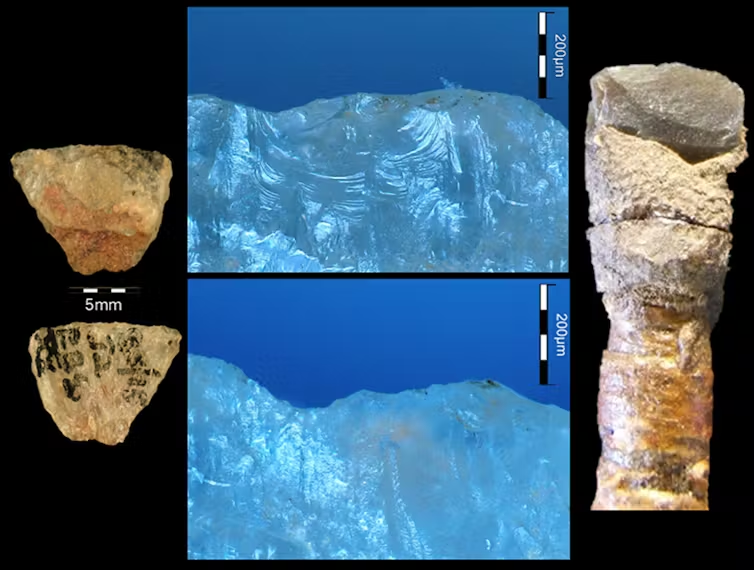
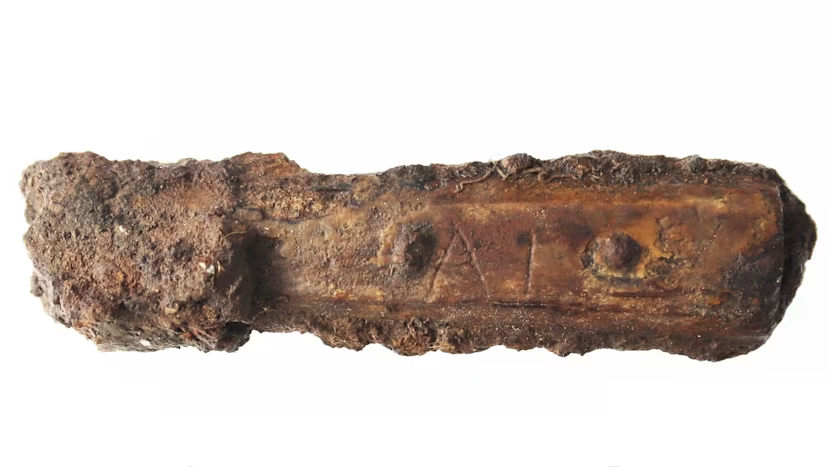
Left: Front and back of a 60,000-year-old poisoned arrow tip from Umhlatuzana. Middle: Two micrographs of the sharp, top edge that shows impact scars and the direction in which the arrow tip was fixed in the shaft. Right: A 2,000-year-old arrow head with stone tip fixed in the same way as the arrow tip from Umhlatuzana.

Poison from indigenous plants

The new study identified the toxic alkaloids buphandrine and epibuphanisine on five of the ten arrow tips analysed from Umhlatuzana. These same compounds were also detected on bone arrowheads collected by Swedish travellers in southern Africa about 250 years ago, indicating that the same type of arrow poison was used in the region for thousands of years.

Both alkaloids occur in several southern African plants belonging to the Amaryllidaceae family, which grow from bulbs. However, the plant most clearly documented as a source of arrow poison is Boophone disticha, commonly known as gifbol (poison bulb). Its bulb produces a highly toxic sap.

The presence of these specific alkaloids on half of the quartz arrow tips examined is unlikely to be accidental. Ancient hunter-gatherers would have been well aware of the poisonous properties of gifbol. Evidence from the region shows that by around 77,000 years ago, people already understood how to use certain aromatic plants for their insecticidal and larvicidal effects in bedding. This suggests they would also have known to handle gifbol carefully and avoid keeping it in living areas.

Modern contamination can be ruled out, as substances containing buphandrine and epibuphanisine are not used in commercial products or in archaeological conservation.
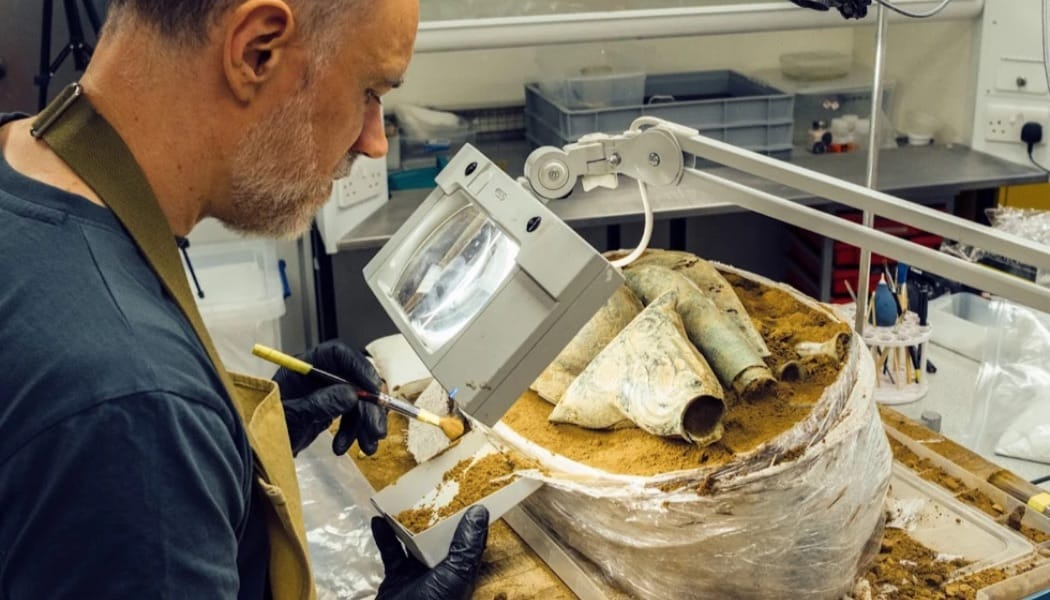
Gifbol bulbs are remarkably resilient, capable of surviving for a century or more despite droughts and frequent fires. The plant is native to South Africa and thrives in grassland, savanna and Karoo environments. It is widespread across southern, eastern and northern South Africa and grows within a day’s walk of Umhlatuzana Rock Shelter today. For these reasons, it is very likely that the plant was also available to the site’s inhabitants tens of thousands of years ago.
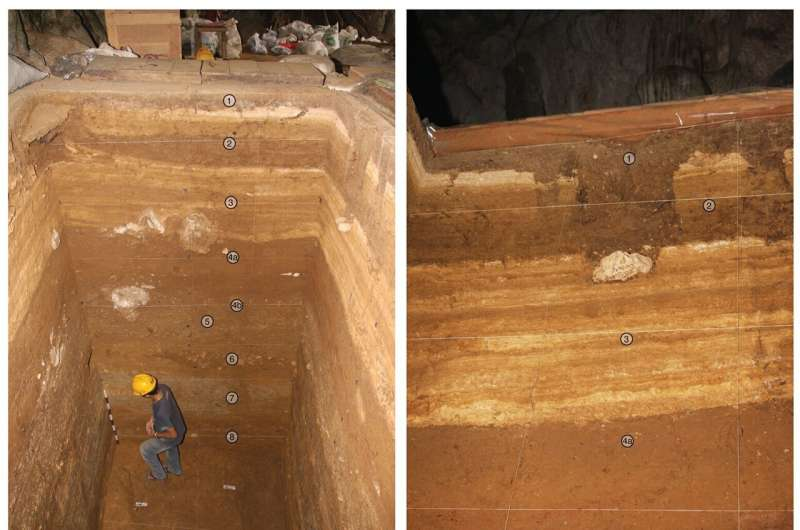
The toxic compounds in the bulb are chemically stable. They break down very slowly, even in wet conditions, and bind well to mineral surfaces such as stone arrow tips. This stability helps explain how traces of the poison were able to survive on the artefacts for around 60,000 years.

Illustration of gifbol being prepared for use in hunting.

Implications of the world’s oldest known poisoned arrow tips

The quartz arrow tips coated with gifbol poison now constitute the earliest direct evidence of poisoned arrow use, not only in southern Africa but anywhere in the world, dating back 60,000 years.

This discovery shows that early bowhunters had sophisticated knowledge systems that allowed them to recognise poisonous plants, extract their toxic substances, and apply them effectively to weapons. They also needed an understanding of animal behaviour and ecology, knowing that poison would act gradually and weaken prey over time, making it possible to track and eventually capture it through persistence hunting.

Using a weapon whose effects were delayed and not immediately visible points to complex cognitive abilities. It required self-control, as hunters had to wait for the poison to take effect, as well as advanced planning, abstract thinking, and an understanding of cause and effect. Because poison works chemically rather than through direct physical force, its use reflects a high level of conceptual reasoning.

Beyond establishing the earliest known example of poisoned arrow hunting, these findings deepen our understanding of human adaptation, technological and behavioural sophistication, and the development of modern human behaviour in southern Africa.

And finally… first Scottish coin

The earliest known coin to be minted within Scotland has been secured for the nation following its discovery by a metal detectorist.

Discovered in a wooded area near Penicuik, Midlothian, in 2023, the silver coin dates to the late 1130s, during the reign of King David I. After review by the Scottish Archaeological Finds Allocation Panel, it was valued at £15,000 and assigned to National Museums Scotland (NMS), with the finder receiving the reward, according to BBC reports.

Although King David I is recognised for introducing Scotland’s first coinage, earlier examples were thought to have been minted in Carlisle, Cumbria, which was under his control at the time. This coin, however, carries an inscription showing it was produced in Edinburgh. Alice Blackwell, senior curator of medieval archaeology at NMS, said this makes the find historically significant, as it provides the first evidence of Scottish coins being struck within the heart of the Scottish kingdom rather than south of today’s border.

The coin shows an image of the king on one side and a cross design on the other. With very little surviving documentary evidence about medieval minting, the coin itself acts as a key historical source. It offers rare insight into how David I—who founded royal burghs such as Stirling and Perth—developed Scotland’s economic systems. NMS plans to study the coin further and hopes to display it publicly in the future.