Introduction
Squeezed precariously between the expanding, aggressive empires of the ancient Macedonians to the south, the fierce Thracians to the east, and the predatory Illyrian tribal confederations to the west, the Kingdom of Paionia has long remained one of the most unfairly forgotten realms of ancient Balkan history. Occupying the fertile river valleys of the Axios (Vardar) and Strymon in what is now North Macedonia, southern Serbia, and western Bulgaria, the Paionians were a distinct, highly powerful group of tribes who appear as early as Homer’s Iliad as elite chariot-riding allies of Troy. Despite minting their own exquisite silver coinage and maintaining a fiercely independent sovereignty for centuries, they were eventually subdued and absorbed by Philip II of Macedon in the 4th century BCE.
Because their language left no written texts and their material culture was heavily overshadowed by the historical fame of their Macedonian neighbors, Paionian identity remained deeply mysterious. Who exactly were the Paionians biologically, and how did they relate to the surrounding Illyrian and Thracian populations? The answers have emerged from the systematic excavation and paleogenomic analysis of elite Paionian tombs across North Macedonia.
The Genomic Mapping of a Buffer State
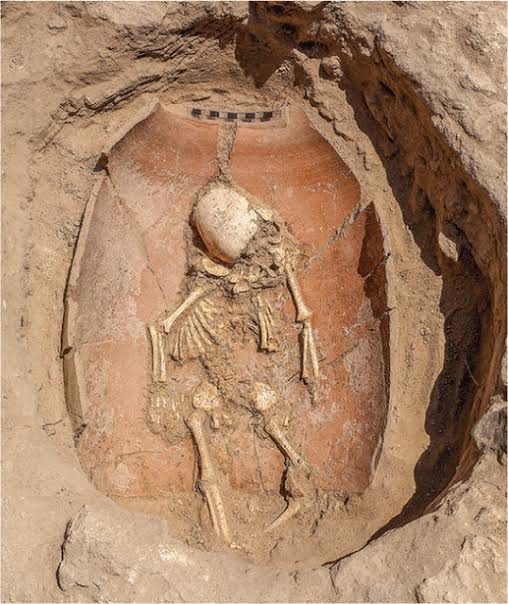
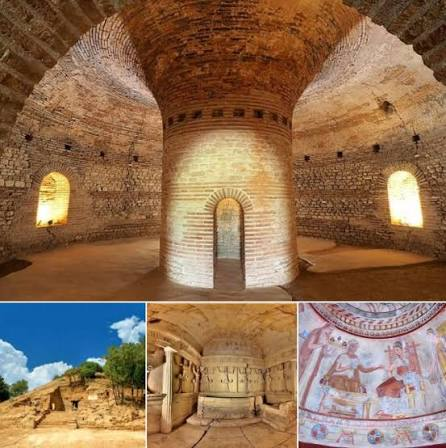
The path to identifying the Paionians required extracting well-preserved ancient DNA from the dramatic necropolises of sites like Bylazora and Marvinci, where Paionian elites were buried in elaborate stone-lined cist tombs accompanied by iron weapons, heavy bronze fibulae, and unique amber jewelry traded from the Baltic. The resulting genome-wide data revealed that the Paionians possessed a highly distinct genetic profile that placed them squarely between the shifting genetic clusters of the ancient Greeks and the northern Thracian tribes. This genomic placement perfectly mirrored their physical, geographic reality as a classic buffer state.
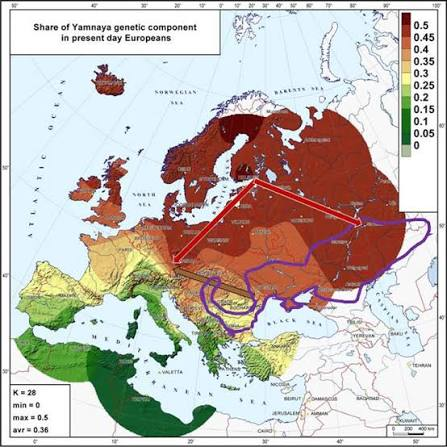
The archaeogenetic data demonstrated that the Paionians carried a high proportion of Bronze Age European ancestry with a localized retention of hunter-gatherer lineages, rendering them genetically distinct from both the highly Mediterranean-shifted populations of the southern Aegean and the heavily steppe-admixed tribes of the deep northern plains. Paternally, their tombs showed a high frequency of Paleo-Balkan Y-chromosome haplogroups, particularly specific branches of E-V13 and I2, pointing to a deep, patrilineal stabilization that occurred within the Axios river valley over centuries.
Crucially, the genetic timeline also tracks the exact moment of Macedonian absorption. Skeletons from the late Hellenistic and Roman-era layers of these tombs display an increasing genetic homogenization with the wider Macedonian and Aegean gene pools, signaling a peaceful, systematic process of intermarriage and cultural integration that followed the loss of their political independence.
Conclusion
The paleogenomic unmasking of the Paionian tombs rescues this brilliant, forgotten kingdom from the footnotes of classical history. It demonstrates that the Paionians were not merely a minor sub-tribe of the Thracians or Macedonians, but a distinct biological and cultural population that successfully carved out a wealthy, independent homeland in the heart of the Balkans during the Iron Age.
Their control over vital riverine trade routes allowed them to develop a sophisticated society that left behind a rich archaeological footprint. By mapping their ancient genomes, modern science has restored the Paionians to their rightful place in the ancient Balkan landscape, revealing them as a vital genetic and cultural bridge that linked the diverse tribal networks of prehistoric Europe.