• MAIN PAGE
  • LATEST NEWS
    • Lost Cities
    • Archaeology's Greatest Finds
    • Underwater Discoveries
    • Greatest Inventions
    • Studies
    • Blog
  • PHILOSOPHY
  • HISTORY
  • RELIGIONS
    • Africa
    • Anatolia
    • Arabian Peninsula
    • Balkan Region
    • China - East Asia
    • Europe
    • Eurasian Steppe
    • Levant
    • Mesopotamia
    • Oceania - SE Asia
    • Pre-Columbian Civilizations of America
    • Iranian Plateau - Central Asia
    • Indus Valley - South Asia
    • Japan
    • The Archaeologist Editor Group
    • Scientific Studies
    • Aegean Prehistory
    • Historical Period
    • Byzantine Middle Ages
    • Predynastic Period
    • Dynastic Period
    • Greco-Roman Egypt
  • Rome
  • PALEONTOLOGY
  • About us
Menu

The Archaeologist

  • MAIN PAGE
  • LATEST NEWS
  • DISCOVERIES
    • Lost Cities
    • Archaeology's Greatest Finds
    • Underwater Discoveries
    • Greatest Inventions
    • Studies
    • Blog
  • PHILOSOPHY
  • HISTORY
  • RELIGIONS
  • World Civilizations
    • Africa
    • Anatolia
    • Arabian Peninsula
    • Balkan Region
    • China - East Asia
    • Europe
    • Eurasian Steppe
    • Levant
    • Mesopotamia
    • Oceania - SE Asia
    • Pre-Columbian Civilizations of America
    • Iranian Plateau - Central Asia
    • Indus Valley - South Asia
    • Japan
    • The Archaeologist Editor Group
    • Scientific Studies
  • GREECE
    • Aegean Prehistory
    • Historical Period
    • Byzantine Middle Ages
  • Egypt
    • Predynastic Period
    • Dynastic Period
    • Greco-Roman Egypt
  • Rome
  • PALEONTOLOGY
  • About us
No results found

Schöningen Spears: Germany's 400,000-Year Weapons

August 10, 2026

The Schöningen spears are among the most famous prehistoric wooden weapons ever discovered.

Excavated near Schöningen in Lower Saxony, Germany, the weapons were preserved in waterlogged sediments associated with a Middle Pleistocene archaeological horizon.

For decades, they were widely described as approximately 300,000–400,000 years old, making them extraordinary evidence for ancient hunting technology.

However, recent research has significantly complicated the chronology.

A 2025 study published in Science Advances proposed that the spear-bearing horizon dates to approximately 200,000 years ago, based on amino-acid geochronology and regional chronostratigraphic reassessment.

The new date has major implications because it places the weapons closer to the period of Neanderthal populations.

The Discovery

The spears were discovered during excavations associated with a former open-cast lignite mine.

The preservation conditions were exceptional.

Wood normally decomposes rapidly.

But waterlogged, oxygen-poor sediments can prevent microorganisms from completely destroying organic material.

As a result, wooden objects from hundreds of thousands of years ago survived.

The Spear Horizon

The famous weapons came from what archaeologists call the Spear Horizon.

The archaeological context included numerous horse remains.

The association between weapons and animal bones immediately raised an important question:

Were these animals hunted using the wooden weapons?

The evidence strongly supports intensive hunting and processing activity at the site.

What Do the Spears Look Like?

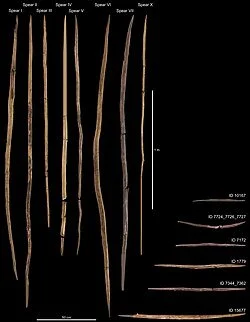
The weapons were made primarily from carefully selected coniferous wood, including spruce and pine.

The makers shaped the wood deliberately.

The spears were not simply sharpened branches.

They show evidence of technological planning.

Their points were carefully formed.

The bodies were shaped to create balanced weapons.

Throwing Spears or Thrusting Spears?

Experimental archaeology has played an important role in understanding the Schöningen weapons.

Researchers have constructed replicas and tested their aerodynamic properties.

Some of the spears appear suitable for throwing.

Others may have been used for thrusting.

The possibility that prehistoric hunters could throw wooden spears effectively demonstrates a sophisticated understanding of weapon design.

The Horse Assemblage

The site contained remains of numerous horses.

Some bones display evidence of human processing.

This makes the hunting interpretation particularly compelling.

A successful hunt requires more than a weapon.

Hunters need:

  • knowledge of animal behavior,

  • coordination,

  • planning,

  • timing,

  • suitable weapons,

  • and strategies for approaching dangerous prey.

Cooperative Hunting

One of the most important implications of the Schöningen discoveries concerns cooperation.

Large-scale hunting is difficult for a solitary individual.

Groups can:

  • drive animals,

  • surround them,

  • restrict escape routes,

  • coordinate attacks,

  • and process carcasses afterward.

The 2025 dating study specifically interpreted the Schöningen evidence as part of a broader development toward communal hunting strategies.

The Dating Controversy

The chronology is crucial.

Early research placed the site around 400,000 years ago.

Later dating revised this to approximately 300,000 years.

The 2025 study proposed approximately 200,000 years.

This demonstrates that archaeological dates are not always permanent numbers.

Dating methods improve.

Regional geological sequences are reassessed.

New samples become available.

Interpretations change.

Who Used the Spears?

The original attribution was often associated with Homo heidelbergensis or related Middle Pleistocene populations.

The revised age proposed in 2025 raises the possibility that the weapons were made or used by Neanderthals.

However, this attribution should be presented cautiously.

The revised dating is an important scientific proposal, but independent researchers have expressed reservations and called for additional evidence before treating the new chronology and user attribution as completely settled.

Why the Revised Date Matters

If the weapons really are approximately 200,000 years old and were used by Neanderthals, their significance becomes even greater.

They would demonstrate that Neanderthals possessed:

  • sophisticated wooden technology,

  • planned hunting strategies,

  • cooperative behavior,

  • and effective projectile or thrusting weapons.

This would further challenge outdated portrayals of Neanderthals as technologically primitive.

Wood as Technology

Stone tools dominate prehistoric archaeology partly because stone survives.

Wood is usually lost.

This creates a major bias in the archaeological record.

If wooden objects survived as frequently as stone, our understanding of prehistoric technology would probably be very different.

Schöningen gives researchers a rare glimpse into this invisible technological world.

Why Wood Was Excellent for Spears

Wood has several useful properties.

It is:

  • relatively light,

  • strong,

  • workable,

  • resilient,

  • and widely available.

A skilled prehistoric craftsperson could select a straight branch or trunk section and shape it into an effective weapon.

The absence of a stone point does not mean the weapon was technologically simple.

The wooden shaft itself can be engineered.

Manufacturing Skill

Creating a functional spear requires understanding:

  • wood grain,

  • straightness,

  • balance,

  • symmetry,

  • point geometry,

  • and durability.

The Schöningen weapons demonstrate that these properties were deliberately controlled.

The makers were not simply sharpening sticks.

They were manufacturing hunting equipment.

The Broader Meaning

The weapons demonstrate that complex hunting technology predates the Upper Paleolithic.

This is important because older narratives sometimes associated advanced technology with much later modern humans.

Schöningen shows that sophisticated technological behavior existed much earlier.

Ancient Hunting Strategy

The archaeological evidence suggests that prehistoric hunters understood animal behavior.

Horses are fast and highly alert.

Successfully hunting them requires strategy.

The hunters may have used environmental features to restrict movement.

They could have attacked from close range or thrown weapons from a distance.

The precise hunting sequence remains uncertain.

But the archaeological pattern demonstrates successful large-animal exploitation.

Schöningen and Neanderthal Social Organization

If the revised chronology is correct, the site provides another line of evidence for Neanderthal cooperation.

Cooperative hunting requires communication.

Hunters must coordinate movements.

They must recognize roles.

They must respond to changing animal behavior.

This implies sophisticated social cognition.

Conclusion

The Schöningen spears remain extraordinary regardless of whether their final date is approximately 400,000, 300,000, or 200,000 years.

They are among the oldest and most complete prehistoric wooden hunting weapons known.

The traditional "400,000-year-old" description reflects the earliest age estimates, but current research has proposed a substantially younger date of approximately 200,000 years.

If that revised chronology is confirmed, the implications for Neanderthal hunting behavior will be profound.

The weapons demonstrate that ancient humans could transform wood into carefully engineered hunting tools and use them within coordinated hunting strategies.

Schöningen therefore represents one of archaeology's clearest reminders that technological sophistication does not begin with metal, writing, or civilization.

It begins with the ability to understand materials, anticipate problems, cooperate with others, and transform natural resources into tools designed for a purpose.
Neumark-Nord: Germany's 125,000-Year Mammoth Hunt

August 10, 2026

Neumark-Nord is one of the most important Middle Paleolithic archaeological landscapes in Germany for understanding Neanderthal subsistence, landscape use, animal hunting, and resource management.

Located in Saxony-Anhalt, the site complex preserves evidence from the Last Interglacial, approximately 125,000 years ago.

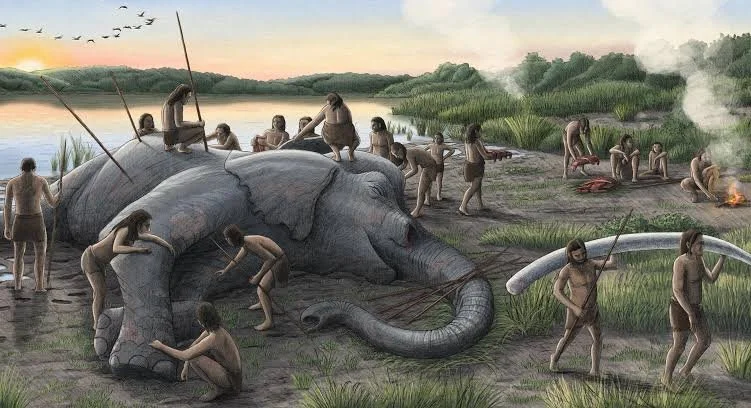
The site is particularly famous for evidence that Neanderthals hunted and butchered enormous straight-tusked elephants (Palaeoloxodon antiquus).

These animals were among the largest terrestrial mammals of the Pleistocene.

The archaeological evidence therefore provides an extraordinary picture of Neanderthal hunters confronting animals weighing many tons.

The Last Interglacial

Approximately 125,000 years ago, Europe experienced the Eemian or Last Interglacial.

The climate was considerably warmer than during the glacial periods that followed.

Large portions of northern Europe contained forests, lakes, wetlands, and productive ecosystems.

Neanderthals occupied this landscape.

Neumark-Nord preserves evidence of their interaction with it.

The Straight-Tusked Elephant

The main elephant species was Palaeoloxodon antiquus, commonly called the straight-tusked elephant.

These animals were enormous.

Some individuals could weigh many tonnes.

They possessed massive tusks and powerful bodies.

Successfully killing one would have been an extraordinary achievement.

But the archaeological evidence indicates that Neanderthals repeatedly exploited them.

Evidence for Hunting

The 2023 archaeozoological study of the Neumark-Nord elephant assemblage concluded that elephant hunting formed part of the cultural repertoire of Last Interglacial Neanderthals over more than 2,000 years, representing many generations.

This is a major conclusion.

The evidence does not represent a single lucky encounter.

It indicates repeated behavior.

Butchery Marks

The elephant bones preserve traces of human processing.

Cut marks indicate that Neanderthals removed tissues from the carcasses.

The location of the marks can provide information about butchery strategy.

Neanderthals were not simply encountering dead elephants.

They were systematically processing them.

Why Hunt an Elephant?

Large animals provide enormous quantities of food.

A successful elephant hunt could provide:

  • meat,

  • fat,

  • marrow,

  • hides,

  • tendons,

  • bones,

  • and other materials.

However, large animals also present significant logistical challenges.

A single group could not necessarily consume an entire elephant immediately.

The carcass therefore had to be processed and managed.

Nutritional Efficiency

Recent research has emphasized the importance of fat.

Fat provides a high caloric return.

In environments where meat is abundant but carbohydrates are limited, access to fat can be especially valuable.

Neumark-Nord demonstrates that Neanderthals understood how to exploit within-bone nutrients.

The "Fat Factory"

A 2025 Science Advances study identified evidence of large-scale processing of animal bones at Neumark-Nord.

Researchers found evidence that Neanderthals processed at least 172 large mammals at a lakeside location to extract bone grease and other within-bone nutrients.

This has been described as a prehistoric "fat factory."

The term is modern, but it captures the organized nature of the activity.

How Was Bone Grease Extracted?

The process was labor-intensive.

Large bones were broken into fragments.

The fragments were then processed to release fat.

Evidence suggests that the material was heated in water.

This allowed grease to separate and be collected.

The process required:

  1. obtaining carcasses;

  2. transporting selected body parts;

  3. breaking bones;

  4. heating fragments;

  5. extracting fat;

  6. collecting and storing the resulting resource.

This is an elaborate sequence.

Resource Intensification

The behavior represents what archaeologists call resource intensification.

Instead of simply consuming the easiest-to-access food, people invest more labor to obtain additional nutritional value.

Bone grease is an excellent example.

It requires substantial effort.

But the caloric return can be significant.

The strategy therefore makes sense when groups have predictable access to large quantities of animal remains.

A Lakeside Processing Area

The location of the processing activity is significant.

Neanderthals apparently used particular parts of the landscape for particular tasks.

This suggests spatial organization.

A location near water could be advantageous for:

  • processing,

  • cleaning,

  • cooking,

  • extracting fat,

  • and disposing of waste.

Hunting and Planning

Large-scale elephant hunting requires planning.

Hunters need to know where animals travel.

They need to identify opportunities.

They need to coordinate.

They must decide how to process and transport the carcass.

This indicates that Neanderthal hunting was not simply spontaneous opportunism.

It could involve long-term knowledge of the landscape.

Social Group Size

The quantity of meat and fat produced by large-animal hunting has implications for social organization.

A single elephant can produce far more food than a small group can consume quickly.

This may indicate that larger social groups gathered around major resources or that carcass products were transported or preserved.

The researchers behind the elephant study argued that the evidence is consistent with Neanderthal social units being larger and less mobile than older models often assumed.

Neanderthals and Landscape Management

Neumark-Nord is valuable because it is not merely an isolated kill site.

The broader archaeological landscape preserves evidence of repeated human activity.

Researchers have investigated:

  • vegetation,

  • animal populations,

  • lakes,

  • hunting,

  • butchery,

  • fire,

  • and resource processing.

This allows archaeologists to reconstruct Neanderthal interaction with an entire environment.

Beyond the Mammoth Image

The title refers to a "mammoth hunt," but the primary species at Neumark-Nord was the straight-tusked elephant, not the woolly mammoth.

This distinction is scientifically important.

The woolly mammoth is associated primarily with colder Ice Age environments.

Straight-tusked elephants occupied warmer interglacial landscapes.

Neumark-Nord therefore represents a very different ecological world.

Why the Site Changed Perceptions

Older stereotypes portrayed Neanderthals as opportunistic scavengers.

Neumark-Nord provides strong evidence against such a simplistic model.

Repeated elephant hunting requires:

  • knowledge,

  • courage,

  • cooperation,

  • planning,

  • butchery skill,

  • and resource management.

The behavior is sophisticated.

The Scale of the Achievement

Imagine confronting an elephant several times larger than any modern terrestrial animal found in most of Europe.

Now imagine doing so using wooden weapons, stone tools, fire, and group coordination.

The archaeological record indicates that Neanderthals repeatedly accomplished this.

Their success required more than physical strength.

It required accumulated ecological knowledge.

Hohle Fels: Germany's 40,000-Year Ivory Venus

August 10, 2026

Deep within the Ach Valley of southwestern Germany lies Hohle Fels, one of the world's most important archaeological sites for understanding the emergence of Upper Paleolithic art, music, symbolic behavior, and modern human culture.

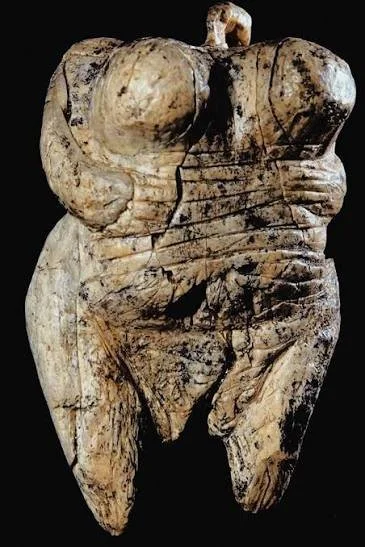
The cave is particularly famous for the Venus of Hohle Fels, a small female figurine carved from mammoth ivory and dated to approximately 40,000 years ago.

Discovered in 2008, the figurine is one of the earliest known examples of figurative human representation and is generally dated to the Aurignacian period. The University of Tübingen describes it as approximately 40,000 years old and among the most important early representations of a human figure.

The figurine is only a few centimeters high.

Yet its significance is enormous.

The Hohle Fels Cave

Hohle Fels is located near Schelklingen in the Ach Valley of Baden-Württemberg.

The cave formed in Jurassic limestone and contains archaeological layers spanning both the Middle and Upper Paleolithic.

Researchers from the University of Tübingen have conducted excavations at the site since 1977.

The cave is therefore important not because of one object alone.

It contains a long archaeological record.

The Aurignacian

The Venus belongs to the Aurignacian, an Upper Paleolithic archaeological tradition associated with early Homo sapiens in Europe.

The Aurignacian is famous for technological and symbolic innovations including:

  • blade production,

  • bone and antler tools,

  • ornaments,

  • ivory carving,

  • figurative art,

  • and musical instruments.

Hohle Fels contains several of these categories.

It is therefore an exceptional site for examining the emergence of early modern human culture in Europe.

Discovery of the Venus

In 2008, archaeologists recovered six fragments of mammoth ivory.

At first, the pieces appeared incomplete.

When researchers carefully reconstructed them, they formed a small female figurine.

The sculpture measures approximately 5.97 centimeters in height.

Its discovery transformed the archaeological significance of Hohle Fels.

What Does the Figurine Depict?

The figurine clearly represents a human female body.

It has exaggerated:

  • breasts,

  • abdomen,

  • hips,

  • and genital region.

The head is absent.

Instead, the upper portion of the figure includes a small perforation or loop-like feature.

This unusual design has led to speculation that the figurine may have been suspended or worn.

However, the precise function remains unknown.

The Missing Head

The absence of a head is particularly interesting.

The figure does not appear to be unfinished simply because of damage.

Its design incorporates the upper body and leaves the head absent.

The perforated area could have allowed the object to be suspended.

This raises the possibility that the figurine was worn as a pendant.

But this remains an interpretation.

Why "Venus"?

The term Venus is a modern archaeological convention.

It does not mean that Paleolithic people worshipped the Roman goddess Venus.

The name was adopted because of the figurine's female form and the later tradition of calling prehistoric female figurines "Venuses."

The actual cultural meaning of the Hohle Fels figurine is unknown.

Possible Interpretations

Researchers have proposed numerous possibilities.

The figurine could have represented:

  • fertility,

  • sexuality,

  • motherhood,

  • an ancestor,

  • an individual woman,

  • an idealized body,

  • social identity,

  • or a symbolic figure.

Some interpretations are more speculative than others.

There is currently no written evidence telling us what the artist intended.

The Body as a Cultural Symbol

The figurine demonstrates that the human body had become an important subject of visual representation.

This is significant.

Animals had already appeared in prehistoric art.

But the creation of a three-dimensional human figure demonstrates another dimension of symbolic behavior.

The artist was not merely recording an animal.

The artist was representing members of the same species.

Mammoth Ivory

The choice of mammoth ivory is itself technologically significant.

Ivory is hard.

It requires specialized tools.

The artist had to understand:

  • the structure of the material,

  • how it fractures,

  • how it can be carved,

  • and how to achieve a desired shape.

The process likely required considerable time.

The Figurine and Skilled Craftsmanship

The finished sculpture is small but carefully executed.

The artist had to create anatomical forms at miniature scale.

The exaggerated proportions appear deliberate.

The craftsmanship demonstrates that early Aurignacian people possessed sophisticated carving skills.

Hohle Fels and Early Music

The Venus was not the only extraordinary discovery.

The same cave produced fragments of an early musical instrument.

The University of Tübingen reports that a flute made from a griffon-vulture wing bone was found approximately 70 centimeters from the Venus in the same broad archaeological context. It retained a mouthpiece, five finger holes, and a length of approximately 21.8 centimeters.

This association is remarkable.

The cave preserves evidence for both:

visual representation

and

music.

The Bird Figurines

Hohle Fels also contains animal figurines.

These include representations of:

  • horses,

  • birds,

  • and other animals.

The cave therefore reveals a broader artistic repertoire rather than a single isolated human sculpture.

The Lion Man Connection

The region around the Swabian Jura has produced several famous ivory sculptures.

The Lion Man from nearby Hohlenstein-Stadel is another extraordinary Aurignacian figure.

Together with Hohle Fels, these discoveries demonstrate that southwestern Germany was a major center of early figurative art.

The Swabian Jura

The caves of the Swabian Jura have produced some of the world's earliest known figurative artworks and musical instruments.

The region includes:

  • Hohle Fels,

  • Geißenklösterle,

  • Hohlenstein-Stadel,

  • and other important Paleolithic sites.

These sites collectively demonstrate a remarkable concentration of symbolic culture.

Human Expansion and Symbolic Culture

The emergence of figurative art in Europe is often discussed in connection with the arrival and expansion of Homo sapiens.

The Hohle Fels figurine contributes to this broader debate.

It demonstrates that early modern humans in Europe were capable of producing sophisticated symbolic objects very early in the archaeological record.

This does not mean that symbolic cognition suddenly appeared at one precise moment.

The evolution of symbolic behavior was likely much older and more complex.

The Meaning of the Figurine

The safest conclusion is that the figurine had symbolic significance.

Its deliberate carving, unusual proportions, and placement within an Aurignacian archaeological context distinguish it from an ordinary utilitarian tool.

But exactly what it symbolized remains unknown.

That uncertainty should be preserved rather than replaced with a confident but unsupported story.

A Portable Object

Unlike cave paintings, the Venus was portable.

Someone could carry it.

The perforation reinforces the possibility that it may have been suspended.

If it was worn, the object could have functioned as a personal symbol.

This raises fascinating questions about identity.

Perhaps people used such objects to communicate:

  • belonging,

  • social roles,

  • age,

  • status,

  • ancestry,

  • or personal beliefs.

The Figurine and Human Imagination

Regardless of its exact meaning, the Venus demonstrates something fundamental.

The artist was capable of taking a physical human body and transforming it into an abstract cultural object.

The sculpture is not a natural body.

It is an interpretation.

The artist selected particular features and exaggerated them.

This demonstrates intentional representation.

The Importance of Hohle Fels

The cave's importance extends far beyond the Venus.

Its archaeological layers preserve evidence of:

  • Neanderthal occupation,

  • early modern human occupation,

  • stone tools,

  • bone and ivory technology,

  • ornaments,

  • figurative art,

  • musical instruments,

  • and subsistence practices.

This makes Hohle Fels an exceptional laboratory for studying the transition from Middle to Upper Paleolithic lifeways.

Recent Discoveries

The cave continues to produce important finds.

In 2025, archaeologists recovered two tiny mammoth-ivory bird figurines from Aurignacian layers, adding to an earlier bird figurine discovered in 2001. The new pieces were reported in 2026 and demonstrate continued artistic production at the site approximately 40,000 years ago.

These discoveries further strengthen Hohle Fels' reputation as one of Europe's most important centers of early figurative art.

Conclusion

Hohle Fels is one of the most extraordinary prehistoric sites in Europe.

Its approximately 40,000-year-old ivory Venus represents one of the earliest known human figurative sculptures and provides compelling evidence of sophisticated symbolic expression during the Aurignacian.

Yet the figurine becomes even more significant when viewed within its archaeological context.

The same cave produced musical instruments, animal figurines, ornaments, tools, and evidence of repeated human occupation.

The Venus therefore should not be understood as an isolated masterpiece.

It is part of a larger cultural transformation in which early modern humans were creating new forms of visual representation, music, personal ornamentation, and technological expression.

The tiny ivory figure ultimately tells us something enormous about human history:

tens of thousands of years ago, people were already using art to transform the human body, natural materials, and the surrounding world into expressions of ideas that could outlive the individuals who created them.

Sclayn Cave: Belgium's 100,000-Year Neanderthal Site

August 7, 2026

Introduction

Located along the Meuse River near Andenne, Belgium, Sclayn Cave is one of Europe's most important Middle Paleolithic archaeological sites. The cave has preserved evidence of repeated Neanderthal occupation dating back approximately 100,000 years, making it a crucial location for understanding the daily lives, hunting practices, and environmental adaptations of prehistoric humans. Excavations have uncovered exceptionally preserved stone tools, butchered animal bones, hearths, and one of Belgium's best-known Neanderthal child fossils, providing valuable insight into family life during the Ice Age.

Geological Formation and Occupation

Sclayn Cave formed naturally within Carboniferous limestone cliffs overlooking the Meuse Valley. Its elevated position protected occupants from flooding while offering wide views of the surrounding landscape, making it an ideal seasonal shelter for Neanderthal hunting groups.

Archaeological evidence indicates that the cave was occupied repeatedly rather than continuously. During colder periods of the Pleistocene, small Neanderthal groups likely returned to the cave while following migrating herds of large mammals across the valley.

The cave's layered sediments preserved thousands of years of occupation, allowing archaeologists to reconstruct changing climates and human activities over multiple Ice Age cycles.

Stone Tool Technology

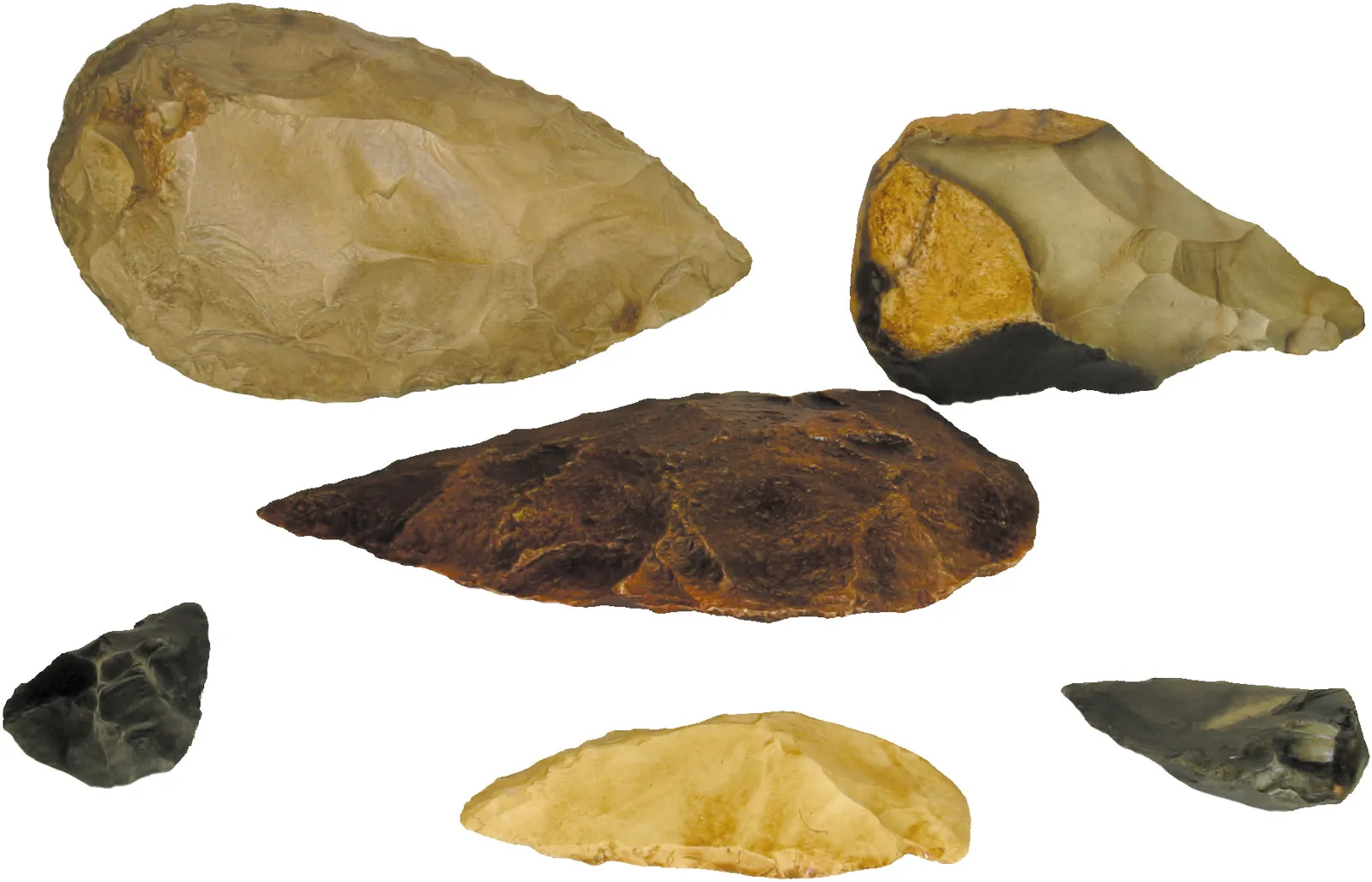
Excavations at Sclayn Cave have yielded hundreds of Mousterian stone tools, the characteristic technology of Neanderthals. These tools were produced primarily from locally available flint using the Levallois prepared-core technique, which enabled knappers to remove carefully shaped flakes from specially prepared stone cores.

Recovered implements include scrapers used to process animal hides, knives for butchering meat, pointed spear tips, denticulated cutting tools, and flakes used for woodworking and plant processing. The consistency and quality of the stone tools demonstrate advanced planning and remarkable technical skill.

The Sclayn Neanderthal Child

One of the cave's most significant discoveries is the partial skeleton of a young Neanderthal child, estimated to have been between 8 and 10 years old at the time of death. The remains include portions of the skull, jaw, teeth, and limb bones, providing valuable information about Neanderthal growth, development, and anatomy.

Studies of the child's bones indicate that Neanderthal children matured differently from modern humans while sharing many similar developmental patterns. The fossil has become one of Belgium's most important contributions to the study of human evolution.

Environment and Hunting

Animal remains recovered from the cave include woolly rhinoceroses, mammoths, reindeer, horses, bison, cave bears, and red deer. Cut marks on many bones demonstrate systematic butchering using stone tools, while fractured bones suggest that Neanderthals extracted nutritious bone marrow.

Charcoal deposits and hearth remains show that fire played a central role in cooking, warmth, and protection from predators during harsh Ice Age winters.

Conclusion

Sclayn Cave provides exceptional evidence of Neanderthal intelligence, adaptability, and survival during the Middle Paleolithic. Through its remarkably preserved fossils, Mousterian stone tools, and environmental remains, the site offers an invaluable window into the lives of prehistoric humans living in Ice Age Europe over 100,000 years ago.

Spy Cave: Belgium's Neanderthal Type Specimens

August 7, 2026

Introduction

Situated near the village of Spy in Namur Province, Belgium, Spy Cave is one of the most famous Neanderthal archaeological sites in the world. In 1886, archaeologists Marcel de Puydt and Max Lohest uncovered two nearly complete Neanderthal skeletons within the cave, providing some of the strongest early evidence that Neanderthals represented an extinct human species rather than diseased modern humans. Dating to approximately 36,000–40,000 years ago, the discoveries transformed the scientific understanding of human evolution and established Spy Cave as one of paleoanthropology's most influential sites.

Discovery of the Neanderthal Skeletons

The excavation revealed the remains of two adult Neanderthals buried within Mousterian occupation layers alongside stone tools and animal bones. The skeletons displayed the distinctive physical characteristics now associated with Neanderthals, including robust bones, powerful limb muscles, projecting faces, large brow ridges, and low elongated skulls.

Because the fossils were found in clearly dated archaeological deposits together with Mousterian artifacts, they confirmed that Neanderthals belonged to a separate prehistoric human population that had lived throughout Ice Age Europe.

The Spy fossils remain among the world's classic Neanderthal reference specimens.

Mousterian Culture

Thousands of flint tools recovered from the cave represent the Mousterian industry, characterized by prepared-core technology and specialized flake production. Stone implements include side scrapers, spear points, knives, denticulates, and cutting flakes used for butchering animals, processing hides, woodworking, and daily survival.

The abundance of tools suggests repeated occupation by Neanderthal hunting groups over many generations.

Hunting and Environment

Animal remains recovered from Spy Cave include horses, woolly mammoths, woolly rhinoceroses, bison, reindeer, cave hyenas, and red deer. Numerous cut marks demonstrate skilled butchering practices, while evidence of fire indicates that Neanderthals regularly cooked meat and maintained hearths inside the cave.

The surrounding Ice Age environment consisted largely of open grasslands and cold steppe ecosystems that supported large grazing mammals.

Scientific Importance

Spy Cave fundamentally changed nineteenth-century anthropology by demonstrating that Neanderthals were genuine prehistoric humans with their own culture and technology. Modern analyses of the fossils continue to provide information about Neanderthal genetics, health, mobility, and adaptation shortly before their disappearance from Europe.

Conclusion

Spy Cave remains one of the world's most significant Neanderthal sites. Its famous fossil discoveries, well-preserved Mousterian tools, and abundant archaeological evidence continue to shape our understanding of Neanderthal biology, behavior, and the broader story of human evolution.

Goyet Cave: Belgium's Aurignacian Ivory Bear

August 7, 2026

Introduction

Located near Gesves in Namur Province, Belgium, Goyet Cave is one of Europe's richest prehistoric archaeological sites, preserving evidence of occupation from the Middle Paleolithic through the Upper Paleolithic. Excavations have uncovered Neanderthal remains, early modern human fossils, Aurignacian artifacts, and remarkable examples of prehistoric craftsmanship dating between 45,000 and 15,000 years ago. Among its most famous discoveries is an exquisitely carved ivory bear figurine, demonstrating the artistic abilities of some of Europe's earliest modern humans.

Multiple Occupation Phases

Unlike many caves occupied during only a single prehistoric period, Goyet Cave preserves evidence from numerous archaeological cultures. Neanderthals first used the cave during the Middle Paleolithic, followed by Aurignacian, Gravettian, Magdalenian, and later Upper Paleolithic groups.

Each occupational layer contains different tool industries, food remains, and cultural artifacts, allowing archaeologists to trace thousands of years of technological and artistic development.

The Aurignacian Ivory Bear

Among the cave's most celebrated discoveries is a small carved bear made from mammoth ivory, dating to the Aurignacian period around 35,000–40,000 years ago. The sculpture demonstrates sophisticated carving techniques and careful observation of animal anatomy, reflecting the growing symbolic behavior and artistic traditions of early Homo sapiens.

The figurine belongs to a broader tradition of Ice Age portable art found across Europe, including carvings of animals, human figures, and abstract symbols.

Human Fossils and DNA Research

Goyet Cave has also yielded numerous human remains that have become central to genetic studies of prehistoric Europe. Ancient DNA extracted from these fossils has provided important information about the relationships between Neanderthals and early modern humans, revealing patterns of migration, population replacement, and interbreeding.

These discoveries continue to refine our understanding of Europe's complex prehistoric population history.

Conclusion

Goyet Cave is one of Belgium's most important archaeological sites, preserving exceptional evidence of human evolution, Ice Age art, and technological innovation. Its combination of Neanderthal fossils, Aurignacian ivory carvings, and ancient DNA research makes it a cornerstone of European prehistoric archaeology.

Trou de l'Hermite: Belgium's Maglemosian Site

August 7, 2026

Introduction

Trou de l'Hermite, located in southern Belgium, is an important Mesolithic archaeological site associated with the Maglemosian culture, which flourished between approximately 9000 and 6000 BCE following the end of the last Ice Age. As glaciers retreated and forests spread across northwestern Europe, hunter-gatherer communities adapted to changing environments by developing new technologies, exploiting diverse food resources, and establishing seasonal camps such as Trou de l'Hermite.

Environmental Adaptation

During the Mesolithic period, Belgium's landscape transformed from cold tundra into dense mixed forests populated by red deer, wild boar, elk, beavers, and numerous bird species. Rivers and lakes became rich sources of fish, shellfish, and freshwater resources.

Trou de l'Hermite provided a sheltered location overlooking these productive ecosystems, allowing seasonal groups to hunt, fish, gather edible plants, and process food throughout the year.

Stone Tool Technology

Excavations have recovered numerous microliths—small geometric flint blades mounted into wooden or bone shafts to create arrows, spears, and cutting tools. These lightweight composite tools represented a major technological innovation that improved hunting efficiency within heavily forested landscapes.

Other discoveries include scrapers, burins, awls, and woodworking tools used to manufacture bows, dugout canoes, fishing equipment, and household implements.

Daily Life

Evidence from hearths, food remains, and tool production indicates that the cave functioned as a temporary seasonal campsite rather than a permanent settlement. Small groups likely occupied the shelter while exploiting nearby forests and waterways before moving to different locations throughout the year.

The Maglemosian people demonstrated remarkable flexibility by combining hunting, fishing, trapping, and plant gathering into a diversified subsistence economy.

Conclusion

Trou de l'Hermite illustrates the successful adaptation of Mesolithic hunter-gatherers to Europe's rapidly changing post-glacial environment. The site's microlithic technology and seasonal occupation provide valuable insight into one of the earliest forest-dwelling societies in prehistoric Belgium.

Abri des Folles-Fontaines: Belgium's Late Glacial Art

August 7, 2026

Chaleux Cave: Belgium's Mousterian Tools

August 7, 2026

Introduction

Located in the Lesse Valley of southern Belgium, Chaleux Cave is an important prehistoric archaeological site preserving evidence from both the Middle and Upper Paleolithic. The cave is particularly noted for its rich collection of Mousterian stone tools associated with Neanderthals, as well as later Upper Paleolithic occupations by modern humans. These archaeological deposits document tens of thousands of years of human adaptation to changing Ice Age environments.

Mousterian Stone Industry

The oldest archaeological layers contain classic Mousterian stone tools manufactured primarily from locally available flint. Neanderthal knappers employed the Levallois prepared-core technique to produce standardized flakes that could be transformed into scrapers, knives, spear points, denticulates, and woodworking implements.

The abundance of discarded cores and production waste indicates that tool manufacture took place directly within the cave.

Occupation and Hunting

Chaleux Cave served as a temporary hunting camp overlooking important migration routes through the Lesse Valley. Neanderthals hunted horses, bison, red deer, woolly rhinoceroses, and other Ice Age mammals using wooden thrusting spears tipped with carefully shaped stone points.

Hearths preserved within the cave demonstrate repeated use of fire for warmth, cooking, and light during seasonal occupations.

Later Upper Paleolithic Occupation

After the disappearance of Neanderthals, early modern humans also occupied Chaleux Cave, introducing blade-based stone technology, bone tools, and artistic traditions characteristic of the Upper Paleolithic. This long sequence allows archaeologists to compare technological changes across major phases of human evolution.

Conclusion

Chaleux Cave preserves one of Belgium's most informative records of prehistoric life. Its extensive Mousterian tool assemblages, evidence of Neanderthal hunting, and later Upper Paleolithic occupations make it an invaluable site for understanding technological development and human adaptation during the European Ice Age.

Walou Cave: Belgium's 35,000-Year Aurignacian Site

August 7, 2026

Introduction

Situated near Trooz in Liège Province, Belgium, Walou Cave is one of the country's most significant Upper Paleolithic archaeological sites. The cave preserves evidence of human occupation dating to approximately 35,000 years ago, during the Aurignacian period, when the first populations of anatomically modern humans (Homo sapiens) spread across western Europe. Walou Cave documents the transition from Neanderthal-dominated landscapes to those inhabited by modern humans, making it an important site for understanding technological innovation, symbolic behavior, and adaptation during the early Upper Paleolithic.

Geological Setting and Occupation

Walou Cave formed naturally within limestone cliffs overlooking the Vesdre Valley. Its sheltered entrance protected prehistoric communities from harsh weather while providing easy access to nearby forests, rivers, and open grasslands rich in animal resources. Archaeological evidence indicates that small groups of hunter-gatherers repeatedly occupied the cave during seasonal hunting expeditions rather than as a permanent settlement.

The cave's well-preserved sediment layers allow archaeologists to reconstruct thousands of years of environmental and cultural change during the closing stages of the last Ice Age.

Aurignacian Technology

Excavations have uncovered numerous Aurignacian stone tools, distinguished by long, narrow blades produced from carefully prepared prismatic cores. Unlike the heavier Mousterian tools associated with Neanderthals, Aurignacian technology emphasized standardized blade production that created lighter, sharper, and more efficient cutting implements.

Recovered artifacts include end scrapers for preparing animal hides, burins used for engraving bone and antler, blade knives for butchering animals, and finely retouched projectile points that may have tipped wooden spears. Bone and antler tools discovered at the site further demonstrate the technological versatility of early modern humans.

Subsistence and Daily Life

Animal bones recovered from Walou Cave include horse, reindeer, red deer, bison, and ibex, indicating that Aurignacian hunters exploited a wide range of Ice Age mammals. Cut marks on many bones reveal systematic butchering practices, while hearths containing charcoal and burnt bone fragments indicate the regular use of fire for cooking, warmth, and social gatherings.

The cave likely served as a temporary base camp where hunting parties processed meat, repaired tools, and prepared hides before continuing their seasonal movements across the landscape.

Archaeological Importance

Walou Cave contributes significantly to understanding the earliest expansion of Homo sapiens into Belgium. The site's Aurignacian artifacts demonstrate advanced planning, specialized craftsmanship, and technological innovation, highlighting important differences between modern humans and the Neanderthal populations that previously occupied the region.

Conclusion

Walou Cave stands as one of Belgium's most important Aurignacian sites, preserving exceptional evidence of early Homo sapiens during the Upper Paleolithic. Its blade technology, hunting remains, and well-preserved archaeological deposits provide valuable insight into the cultural and technological developments that accompanied the spread of modern humans across Ice Age Europe.

Remouchamps Cave: Belgium's Prehistoric Bear Den

August 7, 2026

Introduction

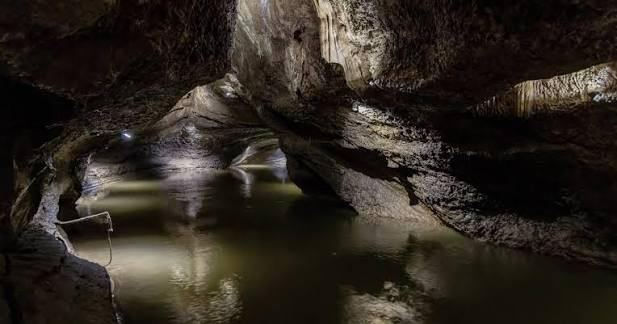
Located near Aywaille in Liège Province, Remouchamps Cave is one of Belgium's most spectacular limestone cave systems, extending for more than one kilometer beneath the Ardennes Plateau. Although the cave is famous today for its underground river and dramatic chambers, archaeological investigations have shown that it also served as an important refuge for prehistoric animals and humans throughout the Pleistocene. Among its most remarkable discoveries are abundant remains of cave bears (Ursus spelaeus), earning Remouchamps the reputation of being one of Belgium's notable prehistoric bear dens.

Formation and Ice Age Environment

The cave developed over hundreds of thousands of years as underground streams dissolved thick limestone bedrock, producing extensive galleries, chambers, and subterranean rivers. During the Ice Age, the stable temperatures inside the cave created an ideal shelter for large mammals seeking protection during winter months.

Seasonal occupation by cave bears resulted in the accumulation of numerous skeletal remains preserved within the cave sediments. Other Ice Age animals also used portions of the cave, contributing to its rich fossil record.

The Cave Bears

Thousands of bones recovered from Remouchamps belong primarily to cave bears, one of Europe's largest prehistoric carnivores. Adult cave bears could exceed 500 kilograms in weight and were considerably larger than modern brown bears. Although they were predominantly herbivorous, these massive animals depended on caves for winter hibernation.

Many skeletons discovered at Remouchamps appear to represent animals that died naturally while hibernating, creating exceptional fossil deposits that allow scientists to study cave bear anatomy, growth, and extinction.

Evidence of Human Activity

Archaeological excavations have also uncovered stone tools, hearth remains, and butchered animal bones indicating that prehistoric humans occasionally visited the cave. Both Neanderthals and later Upper Paleolithic hunter-gatherers likely used portions of the cave as temporary shelters or hunting stations.

Stone tools recovered from archaeological layers include scrapers, flakes, and cutting implements used to process animal carcasses and manufacture wooden equipment.

Scientific Importance

The combination of abundant cave bear fossils and archaeological remains makes Remouchamps an important site for reconstructing Ice Age ecosystems. Researchers use the cave's fossil deposits to study changing climates, extinct mammals, and interactions between prehistoric humans and large carnivores.

Conclusion

Remouchamps Cave preserves one of Belgium's richest records of Ice Age wildlife and prehistoric occupation. Its extensive cave bear remains, geological formations, and archaeological evidence provide valuable insight into the environments inhabited by both extinct animals and early humans during the Pleistocene.

Engis Caves: Belgium's First Neanderthal Finds

August 7, 2026

Introduction

The Engis Caves, located near Liège, Belgium, occupy a unique place in the history of paleoanthropology. In 1829, nearly three decades before the famous Neander Valley discovery in Germany, Dutch physician Philippe-Charles Schmerling excavated human fossils from the caves, including the skull of a prehistoric child that was later recognized as one of the earliest known Neanderthal specimens. Although its significance was not fully understood at the time, the Engis discovery eventually became one of the foundational pieces of evidence for the existence of an extinct human species.

Early Excavations

Schmerling carefully excavated several cave chambers, recovering fossilized human bones alongside stone tools and the remains of extinct Ice Age animals such as cave bears, mammoths, woolly rhinoceroses, and reindeer. His systematic approach was unusual for the early nineteenth century, when archaeology was still in its infancy.

Initially, many scholars assumed that the unusual skull belonged to an anatomically modern human because the concept of extinct human species had not yet gained scientific acceptance.

The Engis Child

The most famous fossil from the cave is the partial skull of a young child, now known as Engis 2. Modern analyses have identified the specimen as belonging to a Neanderthal child approximately 2 to 4 years old.

The fossil exhibits several Neanderthal characteristics, including a long, low cranial shape and distinctive facial proportions. Because children's skulls are less robust than those of adults, the Neanderthal features are subtler than in later discoveries, explaining why its significance remained unrecognized for many years.

Archaeological Context

Stone tools recovered from the cave belong primarily to the Mousterian tradition, characterized by prepared-core flake technology associated with Neanderthal populations. Animal bones bearing cut marks indicate systematic hunting and butchering activities, while hearth remains demonstrate regular use of fire.

The cave's archaeological sequence provides evidence for repeated occupation during different climatic phases of the Pleistocene.

Historical Importance

Although the Neanderthal fossils discovered in Germany's Neander Valley became internationally famous in 1856, historians now recognize that the Engis child represents the first scientifically recovered Neanderthal fossil. The site therefore occupies a central place in the history of human evolutionary research.

Conclusion

The Engis Caves are among the most historically significant archaeological sites in Europe. Their early fossil discoveries, Mousterian artifacts, and Ice Age faunal remains have made the caves a cornerstone in the scientific study of Neanderthals and human evolution.

Liège Province Aurignacian: Belgium's Blade Tool Industry

August 7, 2026

Introduction

The Liège Province of eastern Belgium contains numerous archaeological sites preserving evidence of the Aurignacian culture, which flourished between approximately 43,000 and 26,000 years ago. During this period, the first populations of anatomically modern humans spread throughout western Europe, introducing revolutionary advances in stone technology, bone tool manufacture, artistic expression, and symbolic behavior. Sites throughout Liège Province—including caves such as Walou and Engis—provide important evidence of this technological transformation.

Blade Technology

The defining innovation of the Aurignacian industry was the systematic production of long, standardized stone blades. Flint cores were carefully prepared so that multiple elongated blades could be removed efficiently with minimal waste. Compared with earlier Neanderthal Mousterian tools, Aurignacian blades were thinner, sharper, and more versatile.

These blades served as the basis for numerous specialized implements, including knives, burins, end scrapers, perforators, and projectile points used for hunting, hide preparation, woodworking, and bone carving.

Bone and Antler Industries

Aurignacian craftspeople expanded tool production beyond stone by manufacturing implements from bone, antler, and ivory. Excavations in Liège Province have uncovered awls, spear points, needles, and engraved objects demonstrating remarkable craftsmanship.

These organic tools allowed greater precision in sewing fitted clothing, constructing hunting equipment, and creating ornamental objects, providing modern humans with technological advantages during the harsh climatic conditions of the Upper Paleolithic.

Hunting and Settlement

Aurignacian hunter-gatherers occupied caves and rock shelters throughout Liège Province while following migrating herds of reindeer, horses, bison, and red deer. Seasonal camps contained hearths, butchered animal bones, stone-knapping debris, and evidence of hide processing.

The archaeological record indicates highly mobile communities capable of adapting to diverse environments while maintaining extensive cultural traditions across much of Europe.

Conclusion

The Aurignacian sites of Liège Province document one of the most significant technological revolutions in prehistoric Europe. Through advanced blade production, innovative bone industries, and increasingly sophisticated hunting strategies, these early Homo sapiens communities laid the foundations for the remarkable cultural achievements of the Upper Paleolithic.

Pech de l'Azé: France's Neanderthal Hearths

August 7, 2026

Introduction

Located in the Dordogne region of southwestern France, Pech de l'Azé is a group of prehistoric cave sites that preserve some of the most important evidence of Neanderthal life during the Middle Paleolithic, dating between approximately 120,000 and 40,000 years ago. The caves are especially renowned for their exceptionally preserved hearths, making them among the earliest known archaeological sites demonstrating the controlled and repeated use of fire by Neanderthals. Excavations have uncovered stone tools, fireplaces, butchered animal bones, and traces of daily domestic activities, providing remarkable insight into how Neanderthals adapted to Ice Age environments.

Geological Setting and Occupation

Pech de l'Azé consists of several limestone caves overlooking the Vézère River Valley, an area rich in freshwater, forests, and migrating herds of large mammals. The natural rock shelters protected occupants from harsh weather while offering excellent vantage points for observing game. Archaeological evidence indicates that Neanderthal groups repeatedly occupied the caves over tens of thousands of years, returning seasonally as they followed animal migrations.

The site's deep sediment layers preserve numerous occupation floors, allowing archaeologists to reconstruct changing climates, technologies, and settlement patterns throughout the Middle Paleolithic.

Neanderthal Hearths

One of Pech de l'Azé's greatest archaeological contributions is the discovery of numerous well-preserved hearths. Circular patches of charcoal, ash, reddened soil, and heat-fractured stones demonstrate that Neanderthals intentionally constructed and maintained fireplaces inside the caves.

These hearths served multiple essential purposes. Fire provided warmth during cold Ice Age winters, illuminated the dark cave interiors, cooked meat to improve nutrition, deterred predators, and created central gathering places where families could prepare food, manufacture tools, and interact socially. The repeated rebuilding of fireplaces over thousands of years suggests that fire had become an integral part of Neanderthal daily life.

Stone Tools and Hunting

Excavations have yielded large collections of Mousterian stone tools, including scrapers, knives, Levallois flakes, denticulates, and spear points. These implements were primarily fashioned from locally available flint using sophisticated prepared-core techniques.

Animal remains recovered from the site include horse, red deer, reindeer, bison, and woolly rhinoceros. Numerous bones bear cut marks produced during butchering, while fractured long bones indicate deliberate extraction of nutrient-rich marrow. Together, these discoveries demonstrate highly organized hunting and food-processing practices.

Scientific Importance

Pech de l'Azé has played a major role in understanding Neanderthal behavior, particularly regarding the controlled use of fire. Modern microscopic analyses of hearth sediments have revealed repeated burning episodes and careful maintenance of fireplaces, challenging earlier assumptions that Neanderthals used fire only opportunistically.

Conclusion

Pech de l'Azé offers compelling evidence of Neanderthal technological skill and domestic life. Its remarkably preserved hearths, Mousterian tools, and hunting remains reveal that Neanderthals possessed sophisticated survival strategies, making the site one of the most significant Middle Paleolithic localities in France.

La Ferrassie: France's Neanderthal Family Burials

August 7, 2026

Introduction

Situated in the Dordogne region of southwestern France, La Ferrassie is one of the world's most important Neanderthal archaeological sites. Dating primarily between 70,000 and 50,000 years ago, the rock shelter has yielded one of the largest collections of Neanderthal human remains ever discovered, including the skeletons of adults, children, and infants. The remarkable preservation of these individuals has led many archaeologists to interpret the site as evidence for intentional burial practices, offering valuable insight into Neanderthal social relationships, family life, and attitudes toward death.

Discovery and Excavation

Excavations beginning in the early twentieth century uncovered the remains of at least eight Neanderthal individuals, including men, women, adolescents, young children, and infants. The skeletons were found within carefully prepared sediment layers rather than randomly scattered, suggesting deliberate placement after death.

The exceptional preservation of the burials has made La Ferrassie one of the primary reference sites for studying Neanderthal anatomy, growth, and variation across different age groups.

Evidence of Burial Practices

Several of the skeletons appear to have been placed in shallow pits excavated into the cave floor before being carefully covered with sediment. Some burials show distinct body positioning and separation from ordinary occupation debris, leading many researchers to argue that Neanderthals intentionally buried their dead.

Although debate continues regarding the symbolic meaning of these burials, the evidence strongly suggests that Neanderthals demonstrated concern for deceased members of their community and may have practiced simple funerary rituals.

The presence of infants and young children among the burials also indicates that family groups occupied the shelter together rather than consisting solely of adult hunting parties.

Stone Tools and Daily Life

The archaeological layers contain abundant Mousterian flint tools, including scrapers, knives, spear points, and Levallois flakes. Hearths, butchered animal bones, and charcoal deposits demonstrate that La Ferrassie functioned as a long-term residential camp where families prepared food, manufactured tools, and shared daily activities.

Animal remains include horse, bison, red deer, and reindeer, reflecting skilled hunting strategies adapted to Ice Age environments.

Scientific Importance

La Ferrassie has become one of the world's most influential sites for understanding Neanderthal biology and behavior. The exceptional preservation of individuals from multiple age groups enables researchers to study childhood development, aging, disease, skeletal anatomy, and population diversity.

The site continues to contribute to debates concerning Neanderthal cognition, social organization, and symbolic behavior.

Conclusion

La Ferrassie remains one of the finest examples of Neanderthal family life ever discovered. Through its remarkable burials, extensive Mousterian artifacts, and well-preserved human fossils, the site provides extraordinary insight into the social complexity and humanity of our closest extinct relatives.

Le Moustier: France's Neanderthal Type Site

August 7, 2026

Introduction

Located in the Vézère Valley of Dordogne, Le Moustier is one of the most influential archaeological sites in prehistoric research. It is the type site for the Mousterian culture, the Middle Paleolithic stone tool industry closely associated with Neanderthals throughout Europe and western Asia. Occupied between approximately 160,000 and 40,000 years ago, the rock shelters preserve abundant evidence of Neanderthal technology, hunting, and daily life, making Le Moustier a cornerstone of Paleolithic archaeology.

The Discovery of the Mousterian Culture

During nineteenth-century excavations, archaeologists recognized a distinctive stone tool tradition unlike earlier Acheulean hand axes or later Upper Paleolithic blade industries. Because these tools were first systematically described at Le Moustier, the industry became known as the Mousterian.

This technological tradition spread widely across Europe and remained the dominant stone tool culture throughout much of the Neanderthal period.

Stone Tool Technology

The Mousterian industry at Le Moustier is characterized by the widespread use of the Levallois prepared-core technique, allowing stoneworkers to produce flakes of predetermined size and shape. These flakes were transformed into scrapers, knives, denticulates, points, and specialized cutting implements.

The efficiency of Mousterian technology enabled Neanderthals to maximize the usefulness of available raw materials while producing versatile tools suited for numerous tasks.

Neanderthal Fossils

Le Moustier is also famous for the discovery of two Neanderthal skeletons, including a remarkably preserved adolescent known as Le Moustier 1. The fossil provides valuable information about Neanderthal growth, anatomy, and muscular development.

Studies of these remains have helped scientists understand how Neanderthals matured and adapted physically to the demanding conditions of Ice Age Europe.

Daily Activities

Archaeological evidence indicates that Le Moustier functioned as a repeatedly occupied residential site. Hearths, butchered animal bones, stone-knapping debris, and hide-processing tools reveal a wide range of domestic activities.

The site's occupants hunted horses, bison, reindeer, and deer while using fire for cooking, warmth, and social interaction.

Conclusion

Le Moustier stands as one of the most influential archaeological sites in the world. As the defining locality of the Mousterian culture, it has shaped modern understanding of Neanderthal technology, adaptation, and daily life for more than a century.

La Chapelle-aux-Saints: France's Old Man Neanderthal

August 7, 2026

Introduction

Located in Corrèze, southwestern France, La Chapelle-aux-Saints became internationally famous in 1908 following the discovery of one of the most complete Neanderthal skeletons ever found. Known as the "Old Man of La Chapelle," the individual lived approximately 60,000 years ago and has become one of the best-studied Neanderthal fossils in history. The skeleton provided groundbreaking evidence of Neanderthal anatomy, aging, healthcare, and possible intentional burial.

Discovery of the Skeleton

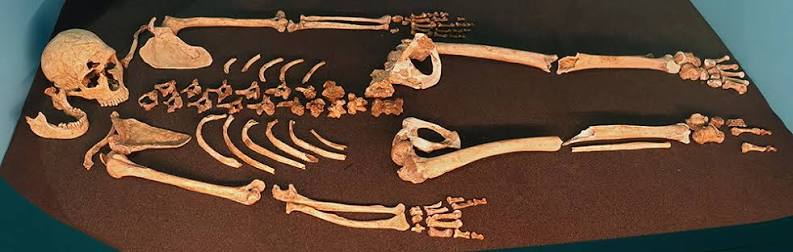
The nearly complete skeleton belonged to an elderly Neanderthal male estimated to have been around 50 to 60 years old, an unusually advanced age for the harsh conditions of the Middle Paleolithic. The body was found lying within a shallow pit beneath cave sediments, leading many archaeologists to interpret the discovery as an intentional burial.

The careful positioning of the skeleton remains one of the strongest pieces of evidence supporting the existence of Neanderthal funerary practices.

An Elderly Survivor

Examination of the skeleton revealed severe arthritis affecting the spine and limbs, as well as the complete loss of most teeth before death. Despite these debilitating conditions, the individual survived for many years after becoming largely unable to chew tough foods or participate fully in hunting.

Researchers believe that other members of the community must have provided food and care, suggesting strong social bonds and compassion among Neanderthals.

Scientific Legacy

Although early reconstructions portrayed the Old Man as stooped and primitive, later studies demonstrated that many of these characteristics resulted from advanced arthritis rather than typical Neanderthal anatomy. Modern research has corrected these misconceptions, presenting Neanderthals as intelligent, adaptable humans with sophisticated social lives.

The fossil continues to play an important role in studies of human evolution and prehistoric healthcare.

Conclusion

La Chapelle-aux-Saints transformed scientific understanding of Neanderthals by revealing that they cared for elderly individuals and possibly practiced intentional burial. The Old Man remains one of the most iconic fossils in the history of paleoanthropology.

Regourdou: France's Neanderthal Bear Cult Cave

August 7, 2026

Introduction

Located near Montignac in Dordogne, France, Regourdou Cave is a remarkable Middle Paleolithic site dating to approximately 70,000 years ago. The cave is famous for preserving both a Neanderthal burial and an extraordinary concentration of cave bear remains, leading some researchers to propose that the site represents evidence of a possible Neanderthal bear cult. Although this interpretation remains debated, Regourdou continues to provide important evidence regarding Neanderthal ritual behavior, hunting, and symbolic thought.

The Neanderthal Burial

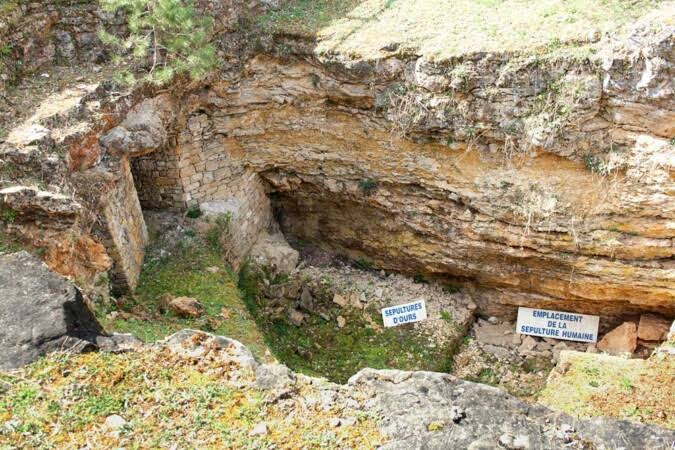
Excavations uncovered the partial skeleton of an adult Neanderthal placed within a carefully prepared burial area. Stone tools, animal bones, and other archaeological materials surrounded the grave, suggesting that the burial occurred within an active occupation site.

The placement of the body has contributed to broader discussions concerning intentional burial practices among Neanderthals.

The Cave Bears

Hundreds of cave bear bones were discovered within specially arranged stone enclosures inside the cave. Some researchers suggested that these accumulations reflected ritual treatment of bears, perhaps indicating symbolic beliefs or ceremonial practices associated with these powerful animals.

Other archaeologists argue that the bear remains accumulated naturally through repeated hibernation and later geological processes. Regardless of interpretation, the concentration of cave bear fossils at Regourdou is among the richest in France.

Stone Tools and Occupation

The site yielded numerous Mousterian flint tools manufactured using Levallois techniques. Scrapers, knives, spear points, and flakes indicate a wide variety of activities including hunting, butchering, woodworking, and hide preparation.

Charcoal deposits and hearths demonstrate repeated occupation by Neanderthal hunting groups over many thousands of years.

Scientific Importance

Regourdou occupies a unique position in Paleolithic archaeology because it combines evidence of Neanderthal burial with abundant cave bear remains. Whether or not a true bear cult existed, the site continues to stimulate important discussions regarding Neanderthal cognition, symbolism, and ritual behavior.

Conclusion

Regourdou Cave remains one of France's most intriguing Neanderthal sites. Its remarkable combination of human fossils, cave bear deposits, and Mousterian artifacts.

Isturitz Cave: France's Magdalenian Flutes

August 7, 2026

Introduction

Located in the French Basque Country near the Pyrenees, Isturitz Cave is one of Europe's richest Upper Paleolithic archaeological sites. Occupied by prehistoric hunter-gatherers between approximately 35,000 and 12,000 years ago, the cave preserves evidence from several cultural periods, including the Aurignacian, Gravettian, Solutrean, and especially the Magdalenian culture. Isturitz is internationally renowned for its remarkable collection of bone flutes, making it one of the earliest known centers of prehistoric music in Europe.

The Magdalenian Occupation

During the Magdalenian period (approximately 17,000–12,000 years ago), Isturitz Cave became an important seasonal settlement where hunter-gatherers processed game, manufactured tools, created artwork, and participated in ceremonial activities. Extensive occupation layers contain hearths, stone blades, bone implements, engraved objects, and abundant animal remains.

The cave's large chambers provided an ideal environment for communal gatherings and long-term seasonal occupation.

The Bone Flutes

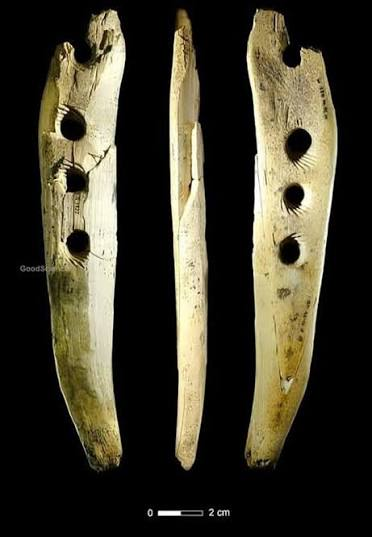
Isturitz Cave has yielded dozens of carefully crafted musical instruments made primarily from the hollow wing bones of vultures and other large birds. Craftspeople drilled evenly spaced finger holes into the bones, creating flutes capable of producing a range of musical notes.

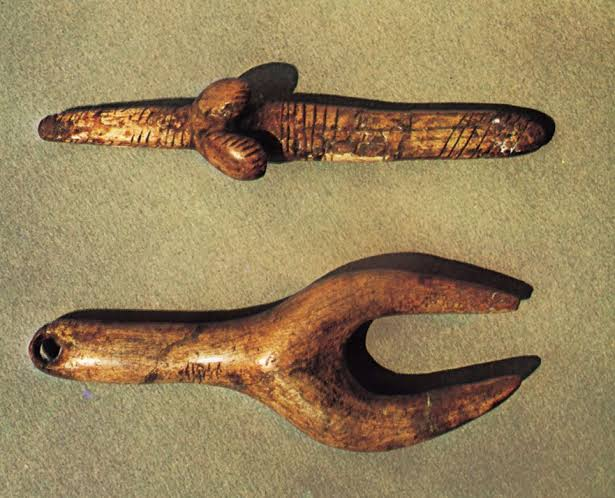
These instruments represent some of the oldest directly preserved evidence of music in prehistoric Europe. Their careful craftsmanship demonstrates sophisticated knowledge of acoustics and suggests that music played an important role in ceremonies, storytelling, social gatherings, or ritual performances.

Art and Craftsmanship

In addition to its famous flutes, the cave contains engraved antler objects, decorated spear throwers, carved animal figures, pierced ornaments, and finely crafted bone needles. Stone tools include long blades, burins, end scrapers, and backed points characteristic of Magdalenian technology.

Many engraved artworks depict horses, bison, ibex, and reindeer with remarkable anatomical accuracy, reflecting the close relationship between prehistoric artists and the animals they depended upon.

Conclusion

Isturitz Cave is one of Europe's greatest Upper Paleolithic archaeological treasures. Its extraordinary collection of Magdalenian bone flutes, artistic engravings, and sophisticated hunting technology reveals the rich cultural life of Ice Age hunter-gatherers and provides some of the earliest evidence for the universal human tradition of making music.

Veyrier-du-Lac: France's Alpine Rock Shelter

August 7, 2026

Introduction

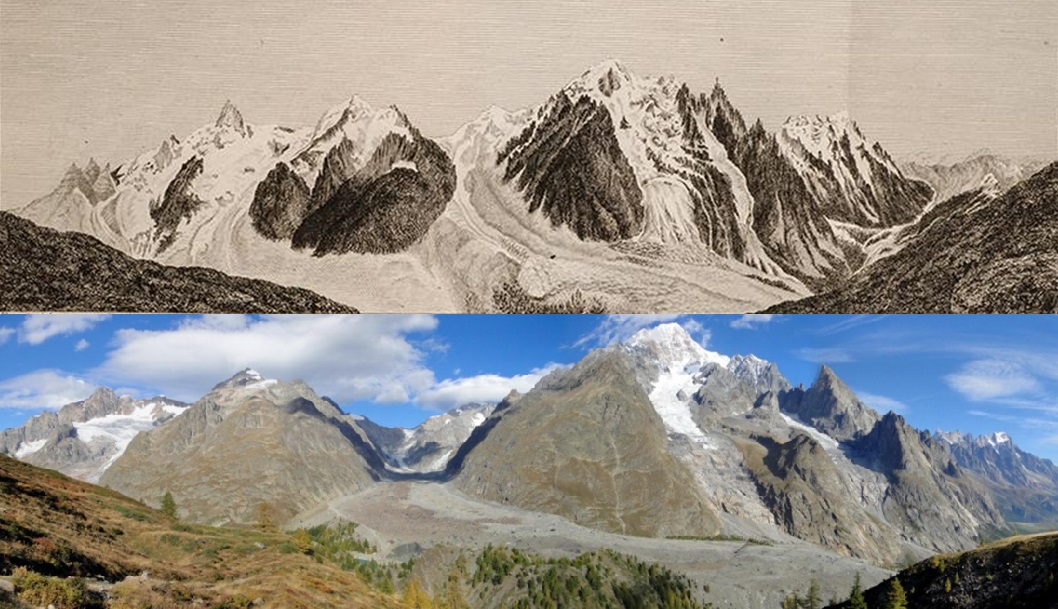
Located on the eastern shores of Lake Annecy in Haute-Savoie, France, Veyrier-du-Lac is an important prehistoric rock shelter situated at the foot of the French Alps. Occupied primarily during the Upper Paleolithic, particularly between 15,000 and 12,000 years ago, the site preserves evidence of Magdalenian hunter-gatherers who adapted to the mountainous environments that emerged as the last Ice Age came to an end. Excavations have uncovered stone tools, bone implements, hearths, ornaments, and animal remains that reveal how prehistoric communities successfully exploited alpine forests, lakes, and valleys while maintaining sophisticated cultural traditions.

Alpine Environment

During the Late Glacial period, glaciers were gradually retreating from the Alps, creating new valleys, freshwater lakes, and expanding forests. Veyrier-du-Lac occupied a strategic location overlooking Lake Annecy, where prehistoric hunters had access to freshwater, fish, migratory animals, edible plants, and high-quality stone suitable for tool production.

The rock shelter offered natural protection from harsh mountain weather while providing excellent visibility across surrounding valleys used by herds of red deer, ibex, reindeer, horses, and other game animals.

Settlement and Daily Life

Archaeological evidence suggests that Veyrier-du-Lac served as a seasonal hunting camp rather than a permanent village. Small groups of hunter-gatherers occupied the shelter during favorable seasons while pursuing migrating animals and collecting plant resources from the alpine landscape.

Numerous hearths indicate repeated occupations over many generations. Around these fireplaces, families prepared food, repaired hunting equipment, processed animal hides, manufactured tools, and shared social activities. The repeated use of the shelter demonstrates an intimate knowledge of seasonal migration patterns and environmental resources.

Stone and Bone Technology

Excavations have yielded finely crafted Upper Paleolithic blade tools, including burins, end scrapers, backed blades, and projectile points manufactured from high-quality flint. Bone and antler artifacts include needles, spear points, awls, and decorative objects that illustrate the remarkable craftsmanship of Magdalenian societies.

These specialized tools allowed prehistoric communities to sew tailored clothing, manufacture efficient hunting weapons, and construct shelters capable of withstanding changing climatic conditions.

Scientific Importance

Veyrier-du-Lac provides valuable evidence of how Late Ice Age hunter-gatherers adapted to newly emerging alpine ecosystems. The site documents changes in settlement patterns as glaciers retreated and demonstrates the flexibility of Magdalenian populations in exploiting a wide range of mountain resources.

Its archaeological remains also contribute to understanding the spread of Upper Paleolithic cultures throughout southeastern France.

Conclusion

Veyrier-du-Lac stands as an important example of prehistoric adaptation to alpine environments. Through its well-preserved stone tools, hearths, hunting evidence, and seasonal occupation layers, the site offers a detailed picture of Magdalenian life in the French Alps during the closing stages of the Ice Age.

← Newer Posts Older Posts →
Featured
images (85).jpeg
September 14, 2026
Birka: Sweden's Viking Trading Island
September 14, 2026
Read more →
September 14, 2026
images (84).jpeg
September 14, 2026
Uppåkra: Sweden's Iron Age Power Center
September 14, 2026
Read more →
September 14, 2026
images (83).jpeg
September 14, 2026
Tissø: Denmark's Viking Age Lake Village
September 14, 2026
Read more →
September 14, 2026
images (82).jpeg
September 14, 2026
Lejre: Denmark's Royal Iron Age Hal
September 14, 2026
Read more →
September 14, 2026
images (81).jpeg
September 14, 2026
Gudme: Denmark's Iron Age Gold Hoard Site
September 14, 2026
Read more →
September 14, 2026
images (80).jpeg
September 14, 2026
Nonnebakken: Odense's Viking Fort Remains
September 14, 2026
Read more →
September 14, 2026
read more

Powered by The archaeologist