New publication explores Spanish Armada Captain’s remarkable survival after shipwreck off Sligo coast

Extraordinary story of Captain Francisco de Cuéllar who was shipwrecked at Streedagh but survived is told in new joint Irish/Spanish publication

The Spanish Armada is commemorated each year at Streedagh

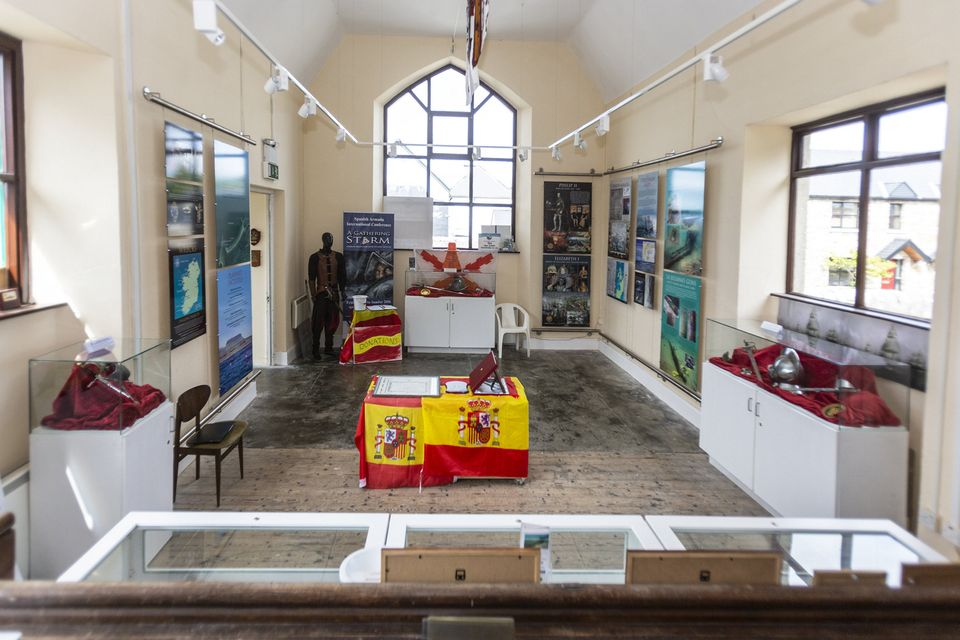
Spanish Armada museum at the former courthouse in Grange

The National Monuments Service of Ireland, in collaboration with the Spanish Ministry of Culture, has released a new publication titled “The Letter from Captain Cuéllar – Shipwrecks of the Spanish Armada in Ireland”. The book examines Captain Francisco de Cuéllar’s firsthand account of surviving the wreck of three Spanish Armada ships—La Juliana, La Lavia, and Santa Maria de Visón—off Streedagh Bay, Sligo, in 1588. It includes contributions from experts in both Ireland and Spain, incorporating contemporary historical records and recent archaeological findings. A facsimile of Cuéllar’s letter, La Carta, is also presented alongside an English translation.

Cuéllar’s letter vividly recounts his extraordinary experiences following the shipwreck. He describes Ireland’s geography, inhabitants, language, and society in the late 16th century, as he navigated a hostile and unfamiliar land after losing his crew and ship. His journey involved traveling through northwestern Ireland, seeking shelter with Gaelic chieftains, evading English forces, and ultimately securing passage to Scotland, then the Spanish Netherlands, and finally back to Spain. In 1589, he wrote a detailed account of these events in a letter to King Philip, offering one of the most valuable firsthand perspectives of the period.

Minister of State for Heritage, Nature and Biodiversity, Christopher O’Sullivan, praised the work of the National Monuments Service in preserving and highlighting Ireland’s Armada heritage. He noted that Ireland’s ratification of the 2001 UNESCO Convention on the Protection of Underwater Cultural Heritage demonstrates a commitment to safeguarding submerged archaeology and fostering international cooperation with Spain.

The archaeological remains of the Armada lie off Streedagh beach. In response to winter storms in 2015, the National Monuments Service recovered nine bronze guns and a cauldron from La Juliana, along with carriage wheels and ship timbers. These artifacts represent the largest collection of Armada guns recovered from a single wreck worldwide.

The Spanish Ambassador to Ireland, Teresa Lizaranzu, highlighted the shared history between the two nations and the courage of Captain Cuéllar and his comrades. Carmen Cabrera, Assistant Deputy Director of Spain’s Ministry of Culture, emphasized that the publication underscores the importance of underwater cultural heritage and promotes ongoing collaboration between Ireland and Spain.

La Juliana, La Lavia, and Santa Maria de Visón sank on 21 September 1588, resulting in over 1,100 fatalities. La Juliana, a 860-ton ship, carried 325 soldiers and 70 crew. Survivors like Pedro Blanco went on to serve in Ireland, while Cuéllar’s detailed letter from 1589 offers insight into his survival and travels across northwest Ireland. He encountered both friend and foe, found refuge under Gaelic lords, and eventually reached Derry, from where he secured passage home.

Cuéllar’s Carta provides a vivid description of Ireland at the time:

“The custom of these savages is to live as the brute beasts among the mountains, which are very rugged in this part of Ireland where we lost ourselves. They live in huts made of straw. The men are all large bodied, and of handsome features and limbs; and as active as the roe-deer. The most of the women are very beautiful, but badly dressed up…wearing no more than a chemise, and a blanket, with which they cover themselves, and a linen cloth, much doubled, over the head and tied in front.” — Captain Cuéllar, Antwerp, October 1589.


Archaeologists Digging Beneath Britain’s Houses of Parliament Discover 6,000-Year-Old Flint Artifacts and a 2,000-Year-Old Roman Altar Fragment

During restorations at the Palace of Westminster in London, excavations have revealed a trove of historic objects, the oldest of which date to around 4300 B.C.E.
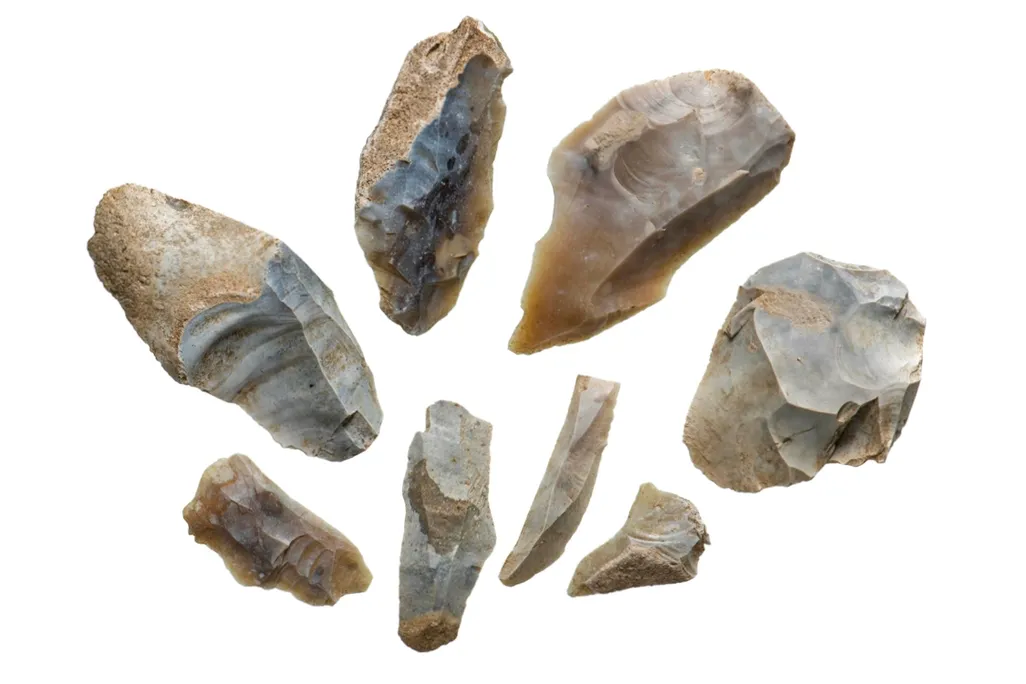
Evidence of prehistoric flint tool-making dating to approximately 4300 B.C.E.

At London’s Palace of Westminster, home to Britain’s Parliament, archaeologists have uncovered a diverse collection of artifacts, ranging from a 19th-century beer jug to prehistoric flint flakes dating back 6,000 years.

The discoveries were made by researchers from the Museum of London Archaeology during excavations commissioned by the Houses of Parliament Restoration and Renewal Program’s Delivery Authority. The digs are part of an ongoing project designed to explore Westminster’s rich history and guide restoration efforts.

“The Palace of Westminster has played a central role in the nation’s story for a thousand years, witnessing events that have shaped the U.K.,” said historian Simon Thurley, chair of the Delivery Authority. “As we carry out major restoration and renewal, we must proceed carefully to preserve and learn from the history lying beneath our feet.”

Archaeologists observing the dig

The 60 prehistoric flint fragments date back to around 4300 B.C.E. The irregularly broken stones indicate tool-making activity from the late Mesolithic or early Neolithic periods, according to the statement. Flint was commonly used during these eras for its sharp edges, and among the fragments discovered in sand deposits near Westminster was a complete tool. These sand layers were once part of Thorney Island, where prehistoric communities fished, hunted, and foraged.

“Although research suggested there might be traces of early human activity here, I was surprised to find direct evidence of flint tool-making from about 6,000 years ago,” said Diane Abrams, archaeology lead for the Delivery Authority. She added that uncovering prehistoric remains in central London is “incredibly rare.”

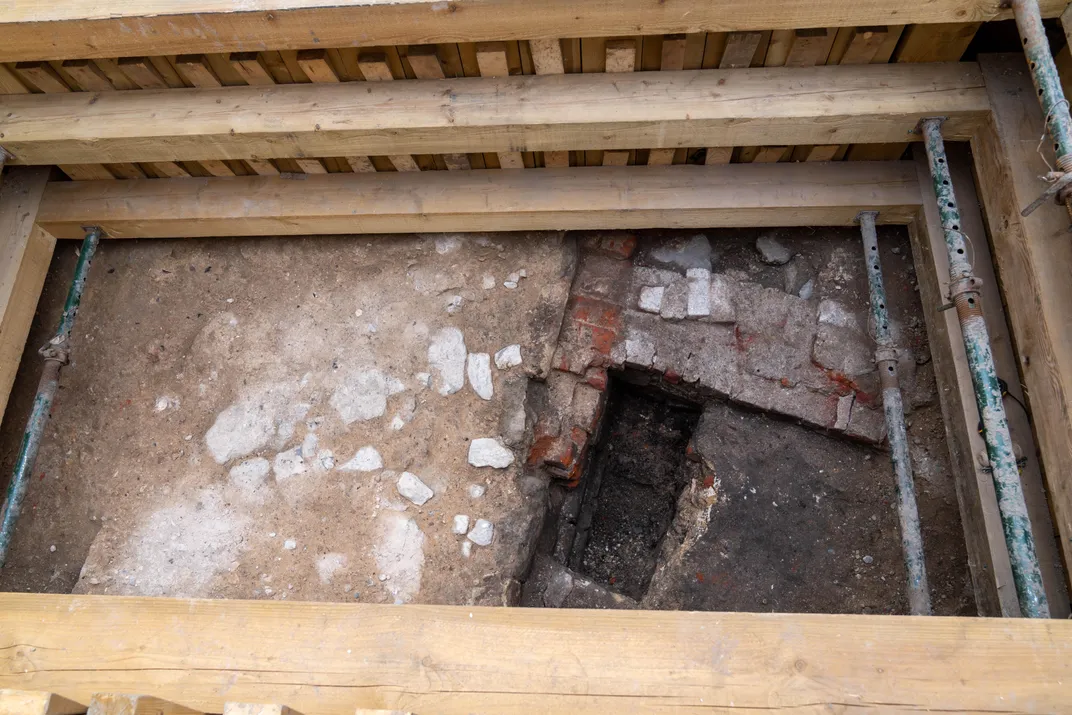
The excavations also revealed substantial remains of the Lesser Hall, a medieval two-story structure also known as the White Hall. Built in 1167, it originally served as a royal dining hall and later accommodated the Court of Chancery, the Court of Requests, and at times both the House of Commons and House of Lords.

Abrams described the hall’s remains as one of the “most exciting and unexpected” finds of the project. “It was uncertain how much of it would survive beneath the current courtyard and car park,” she said.

In 1834, while Lesser Hall housed the House of Lords, a fire broke out in the basement furnace room, sparking the Great Fire of 1834. The recent excavation showed that the hall’s medieval stone walls survived the blaze. The building was reroofed and remained in use until its demolition in 1851. According to the statement, these walls are “the most significant discovery of the current archaeological investigations,” offering “vital insights into the layout and preservation of historic structures beneath the modern palace.”

The medieval stone remnants of Lesser Hal.

Abrams told Fox News Digital that the remains of Lesser Hall and other pre-1834 structures at Westminster were meticulously recorded, with some even reconstructed as 3D models, before being reburied for preservation.

Beyond the flints and medieval structures, the team also uncovered a Roman altar fragment, estimated to be about 2,000 years old, which was likely reused in a later building. Other finds included 800-year-old shoe soles, straps, and a leather boot. The archaeologists additionally discovered a lead badge shaped like a flowering heart, a romantic symbol dating to the 14th or 15th century.

A 19th-century five-pint beer jug with the words “Geo Painter"

The team found several artifacts dating to the 19th century, like fragments of clay tobacco pipes probably smoked by the stonemasons working in the wake of the 1834 fire. They also unearthed a five-pint beer jug marked with the words “Ship and Turtle Tavern” and “Geo Painter”—likely referring to George Painter, owner of the tavern.

3,500-Year-Old Burial Discovered in Sudan

KERMA, SUDAN—A burial from the Kerma culture, dated by radiocarbon to between 1775 and 1609 B.C., has been uncovered in Sudan’s Bayuda Desert, once part of ancient Nubia. The discovery was made by a team including Monika Badura and Henryk Paner from the Gdańsk Archaeological Museum.

The grave contained the remains of a robust man, approximately 5 feet 4 inches tall. His lumbar vertebrae were flattened and his left ankle showed changes consistent with heavy physical labor. Thickening of his skull suggests he may have suffered malnutrition, disease, or trauma during his life.

Two clay vessels were also found. One was an upside-down bowl, a common feature in Kerma burials, which researchers suggest may symbolize the “emptying of life” from the vessel and the body. The other vessel, more unusual, had a black stripe and contained traces of fire, animal bones, coprolites, and insects, indicating a burial ritual that involved fire and possibly feasting, according to Paner.

Additionally, 82 faience disk-shaped beads were discovered near the man’s neck. These beads, likely acquired through Nubia’s extensive trade networks, reflect the social connections and material wealth of the period.

A New Study Revealed the Secret Origin of One of America’s Most Mysterious Monuments

Poverty Point, a 3,500-year-old earthen mound, is a well-researched UNESCO World Heritage Site, but a pair of studies re-examines its original purpose.

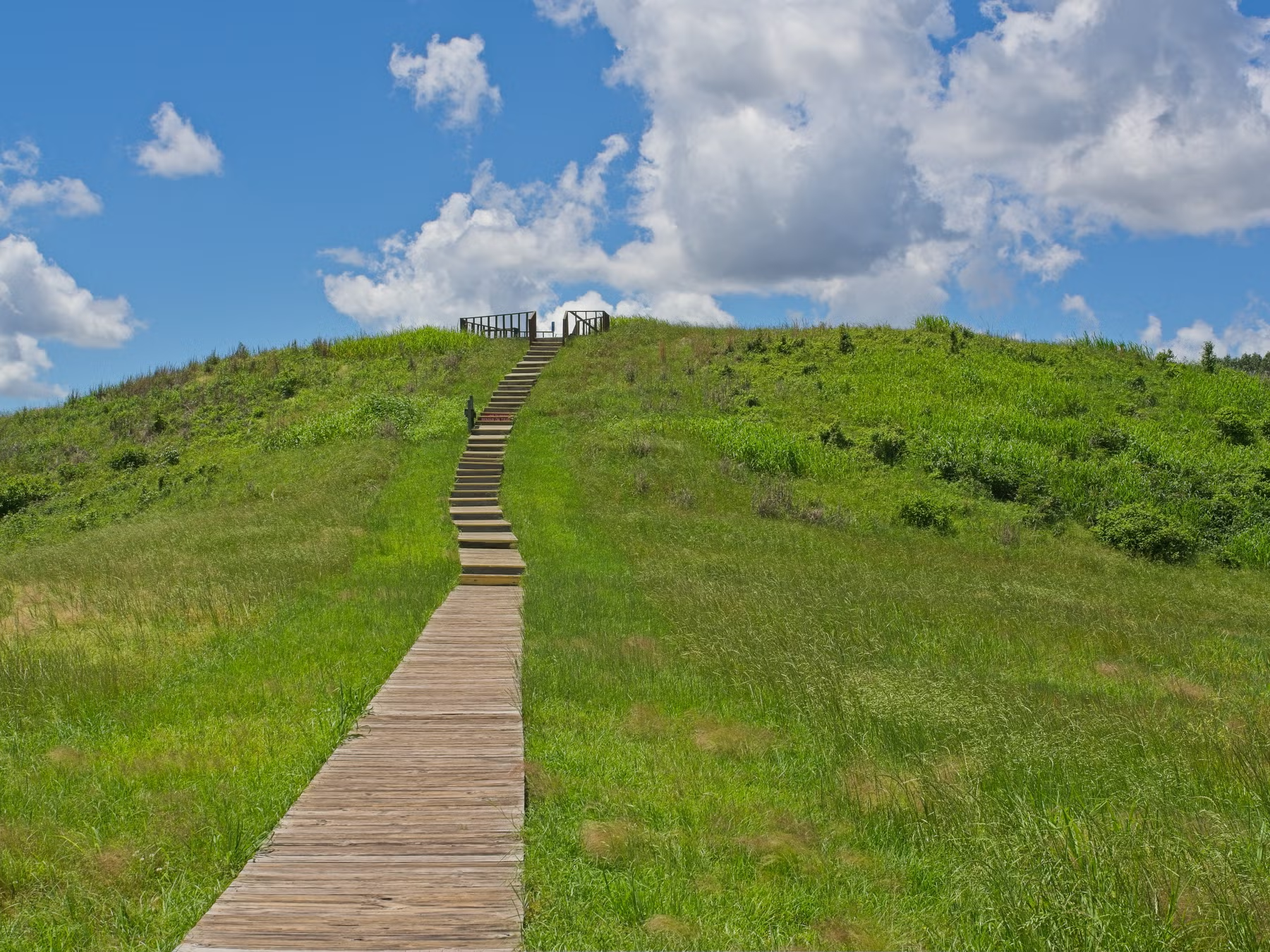
Poverty Point, located north of New Orleans, is an archaeological site believed to have been a major trading center between roughly 1700 B.C.E. and 1100 B.C.E. A new study suggests that the massive 1.5-square-mile site was built by an egalitarian hunter-gatherer society, challenging earlier ideas that such monumental earthworks required hierarchical leadership. The discovery of artifacts from across the Midwest and Southeast supports the view that Poverty Point functioned as a significant trade hub.

Around 1,500 B.C.E., major civilizations were emerging worldwide. Ancient Egypt was entering its New Kingdom, the Hittites were establishing themselves in the Middle East, the Shang Dynasty rose in China, and the Olmecs appeared in what is now Mexico. At the same time, hunter-gatherers in the Lower Mississippi Valley about 350 miles from the river’s mouth were constructing one of the oldest and most impressive earthwork complexes in the Americas.

Today known as Poverty Point a name originating from a 19th-century plantation nearby this 3,500-year-old site is a UNESCO World Heritage Site. Its scale is remarkable: the ancient builders moved the equivalent of 140,000 dump trucks of soil, accomplishing this feat without the use of horses or wheels.

Humanity’s history of eating ‘processed’ food goes back much farther than you would thinkld think

Researchers say processing plant foods was key to human spread across globe

Archaeologists argue that the belief our early ancestors lived solely on meat and that modern “carnivore” diets reflect ancient eating habits is incorrect.

Evidence now shows that humans have been preparing and consuming plant-based foods far earlier than once believed, gaining significant nutritional advantages along the way.

The latest findings challenge the idea of strictly “palaeolithic meat-eaters,” revealing that early humans used a wide variety of plant resources. They gathered, stored, and ate ground nuts, as well as cooked starchy roots and tubers.

By examining multiple studies on ancient plant use, researchers found that sophisticated plant processing played a major role in the global expansion of early human populations.

Plant-based diets were not a late development tied to farming. Archaeological discoveries from many regions indicate that our ancestors were grinding wild seeds, preparing tubers, and removing toxins from bitter nuts thousands of years before agriculture emerged.

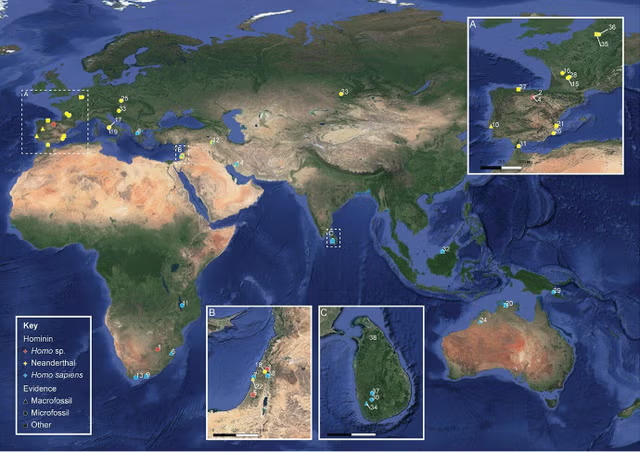
Archaeological sites that show direct evidence of early processed plant food use.

Researchers explain that the human body is not built to rely heavily on protein for energy. The liver can only regulate a small amount of amino acids the components of protein  in the bloodstream. Because of this, eating too much meat can lead to “protein poisoning.”

They note that this biological limit creates an upper “protein ceiling” of roughly 250–300 grams per day. Plant-based foods, therefore, are not just sources of key nutrients and easily absorbed carbohydrates; they also provide the extra calories humans need beyond protein alone.

The research team examined fossils containing unusually large amounts of charred grass grains, including wild cereals and various small-seeded grasses. They also uncovered evidence of early food-processing methods such as cooking, pounding, and grinding.

These techniques made plant foods easier to digest and more flavorful, while also helping release more nutrients and energy from them.

Further findings came from the shores of the Sea of Galilee, at the 23,000-year-old site of Ohalo II, where over 150,000 plant fossils were preserved. These remains show that early humans were collecting and processing plant foods long before the rise of agriculture.

According to the researchers, the ability to prepare plant foods allowed early humans to tap into essential calories and nutrients and thrive in diverse environments around the world. It highlights that our species developed as resourceful, tool-using foragers who could turn a wide range of plants into nourishing meals.

Archaeologists Found a 4,000-Year-Old Handprint That Was Never Meant to Be Seen

The hand print was likely left by an Egyptian potter on an ancient structure used in burial practices.

Roughly 4,000 years ago, an ancient Egyptian potter left a full handprint on the bottom of a clay “soul house” used in a burial. At the time, the mark would likely have gone unnoticed, as potters did not hold high status in society. Today, however, this rare handprint is set to be part of a new fall display at the Fitzwilliam Museum in Cambridge.

Helen Strudwick, curator of the Made in Ancient Egypt exhibit and senior Egyptologist at the museum, explained that while fingerprints are sometimes seen on coffins or in wet varnish, finding a complete handprint beneath a soul house is exceptional. The mark was left by the maker before the clay dried, capturing a direct, personal connection to the object.

The soul house itself is a small structure shaped like a building with an open courtyard, designed to hold food offerings in tombs. These miniature installations served as symbolic offering sites and resting places, reflecting ancient Egyptian burial practices and beliefs in the afterlife.

Ancient Rock Paintings Hidden in Texas Canyons Reveal a 6,000-Year-Old Artistic and Spiritual Tradition

Ancient murals in Texas reveal a 4,000-year story of faith, art, and survival

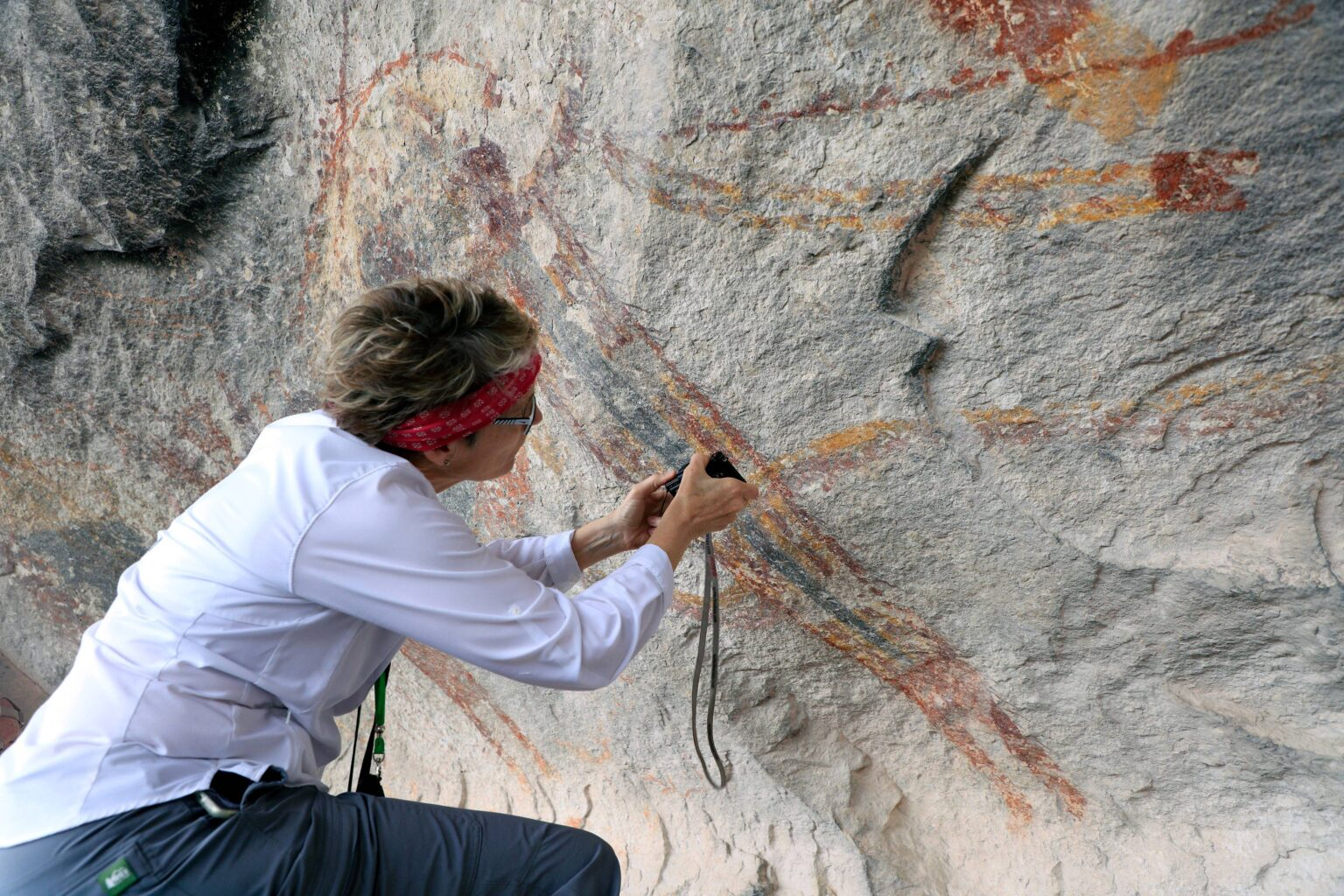
The murals depict humans engaged in hunting, ritual, and daily activities alongside a wide array of animals, including deer, bighorn sheep, and birds. The consistency of style and iconography over millennia suggests a deeply rooted cultural tradition, with knowledge and techniques passed down across countless generations.

Analyses of the pigments indicate the use of locally sourced minerals mixed with organic binders, demonstrating not only artistic skill but also an intimate understanding of available natural resources. The radiocarbon dates show that some paintings were created as early as 4,000 BCE, making them among the oldest known examples of sustained pictorial expression in North America.

This discovery sheds light on the social and spiritual life of the ancient peoples of the Lower Pecos region, emphasizing continuity, cultural identity, and the enduring power of visual storytelling.

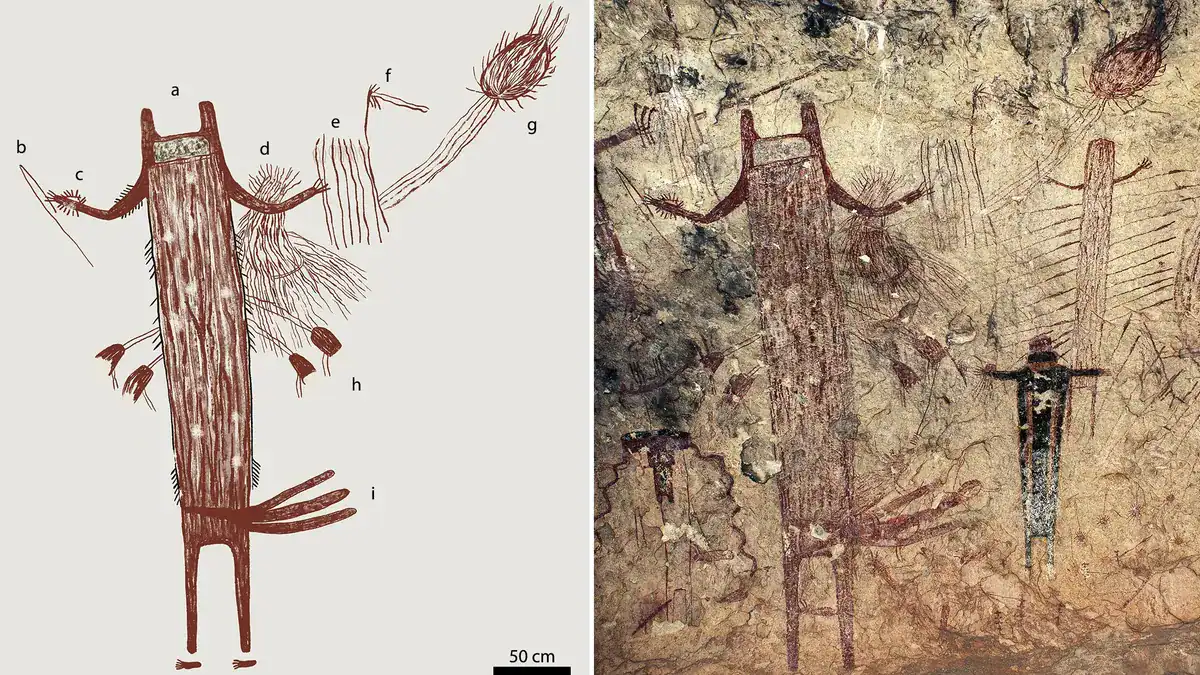
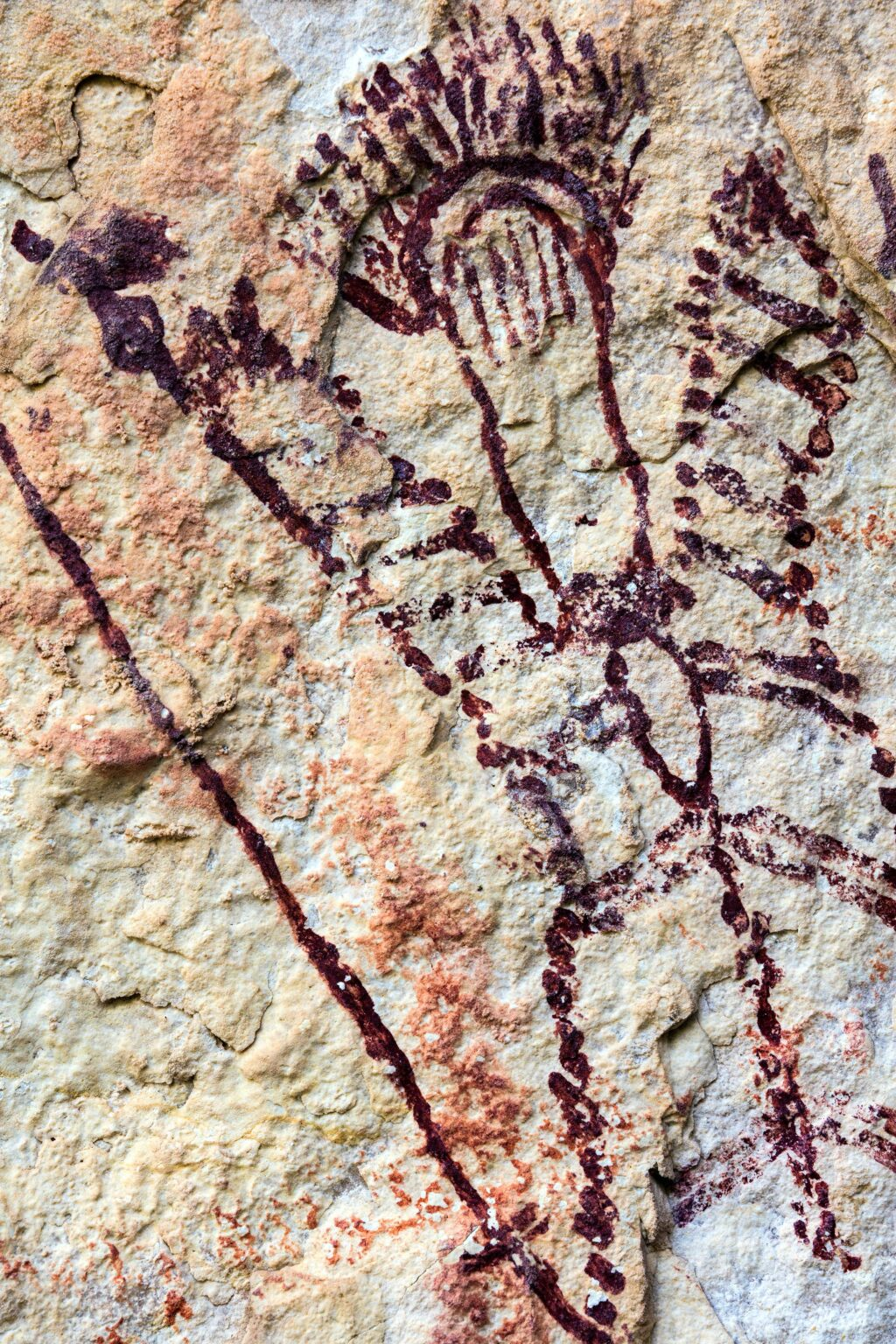
An example of Pecos River-style artworks depicting a human-like figure holding a black spear thrower, with a dart in one hand and red darts and a staff in the other hand.

The study highlights the remarkable continuity and precision of the Pecos River style over thousands of years. Each mural was not a random accumulation of images but a carefully composed “visual manuscript,” reflecting a shared system of symbols and storytelling that persisted across generations.

The use of consistent layering techniques and pigment sequences indicates that the artists followed established conventions, likely taught through apprenticeships or communal instruction. This deliberate method allowed large, complex murals—sometimes spanning over 100 feet—to convey coherent narratives about cosmology, hunting practices, and social life.

Ultimately, the research underscores how the Lower Pecos Canyonlands’ murals are not only artistic masterpieces but also enduring records of the intellectual and spiritual sophistication of the region’s ancient hunter-gatherer communities.

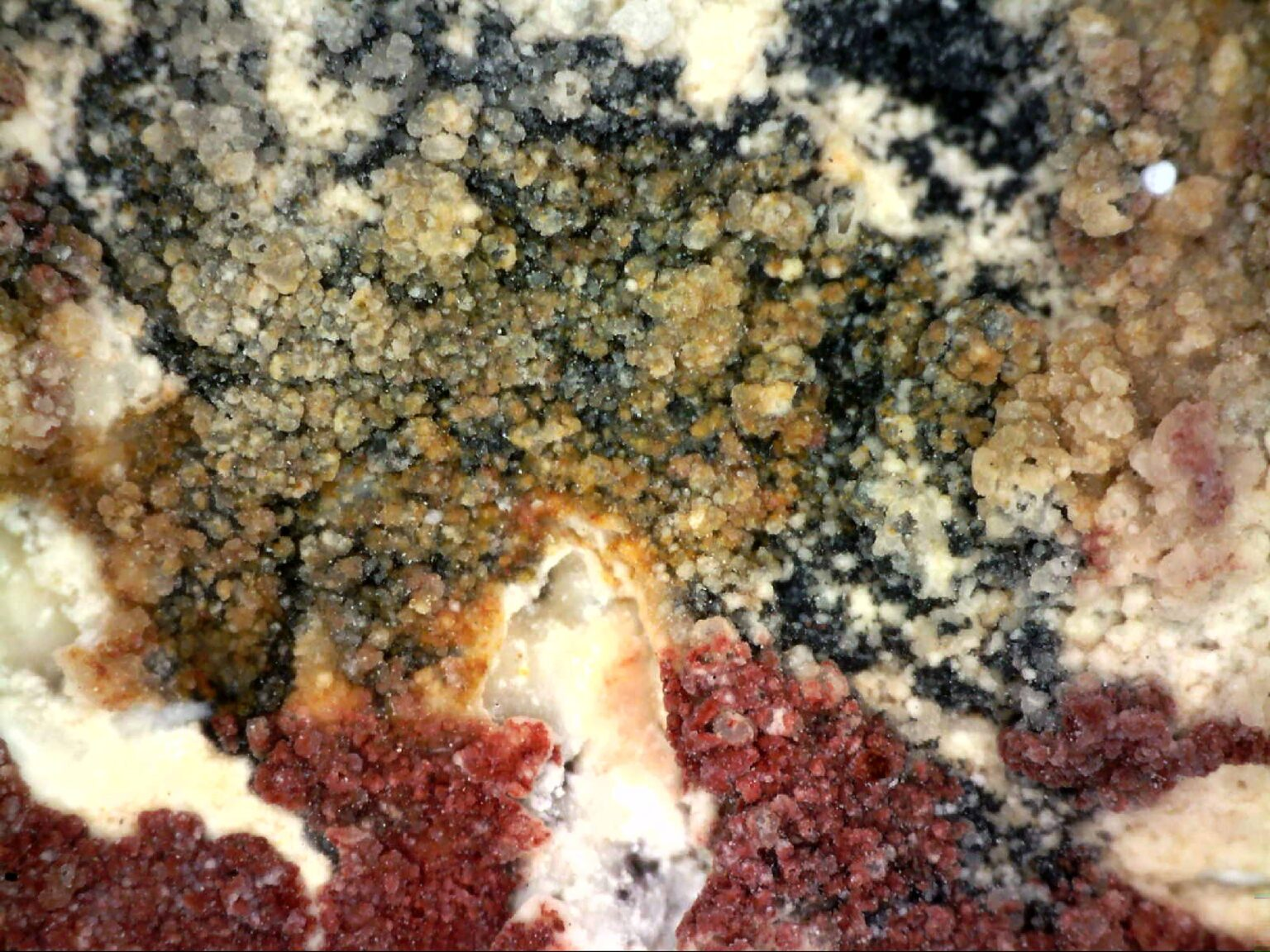
This photomicrograph, taken at Halo Shelter, shows the yellow over red over black paint layers. The black was applied first, then the red, then the yellow. 

The research highlights the deep spiritual significance of the murals. Over 175 generations, artists adhered to consistent rules of composition, paint layering, and iconography, demonstrating a remarkable cultural continuity.

Recurring motifs—such as human-like figures holding spears or staffs, animal hybrids, and “power bundles” extending from the arms—persisted even as environmental conditions, tools, and daily life evolved.

The Lower Pecos Canyonlands emerge as a sacred landscape, repeatedly revisited for ritual purposes. From an Indigenous perspective, these murals are not merely ancient art—they are living entities. They are regarded as sentient ancestral deities, actively participating in creation and the ongoing maintenance of the cosmos.

More characteristic designs of the Pecos River-style tradition, examples of which are found across the Lower Pecos Canyonlands.

The Lower Pecos region has inadvertently preserved an extraordinary cultural archive. Its dry, stable climate protected the pigments on limestone walls, keeping the organic binders intact and enabling precise radiocarbon dating.

Each mural captures a moment of ritual practice frozen in time. At site 41VV584, one of the oldest murals dated to around 5,400 years ago, an anthropomorphic figure with a “power bundle” spans the wall. Remarkably, at site 41VV1230, one of the youngest murals, similar motifs appear unchanged in form and meaning, despite a 4,000-year interval.

Pecos River style artists incorporated natural features in the rock wall to serve as the eyes and nose of this human-like figure. Like several figures at Halo Shelter, this one has a halo-like headdress and fine lines running vertically down its forehead.

The researchers interpret this remarkable continuity as proof of an enduring Archaic worldview that persisted despite changes in economy, climate, and population. The murals’ consistent imagery, they argue, “guaranteed accurate transmission of this sophisticated metaphysical system” over thousands of years.