Archaeologists Found an ‘Anomaly’ Near the Pyramids That May Reveal an Ancient Portal

New findings beneath the desert floor hint at entrances to long-lost chambers.

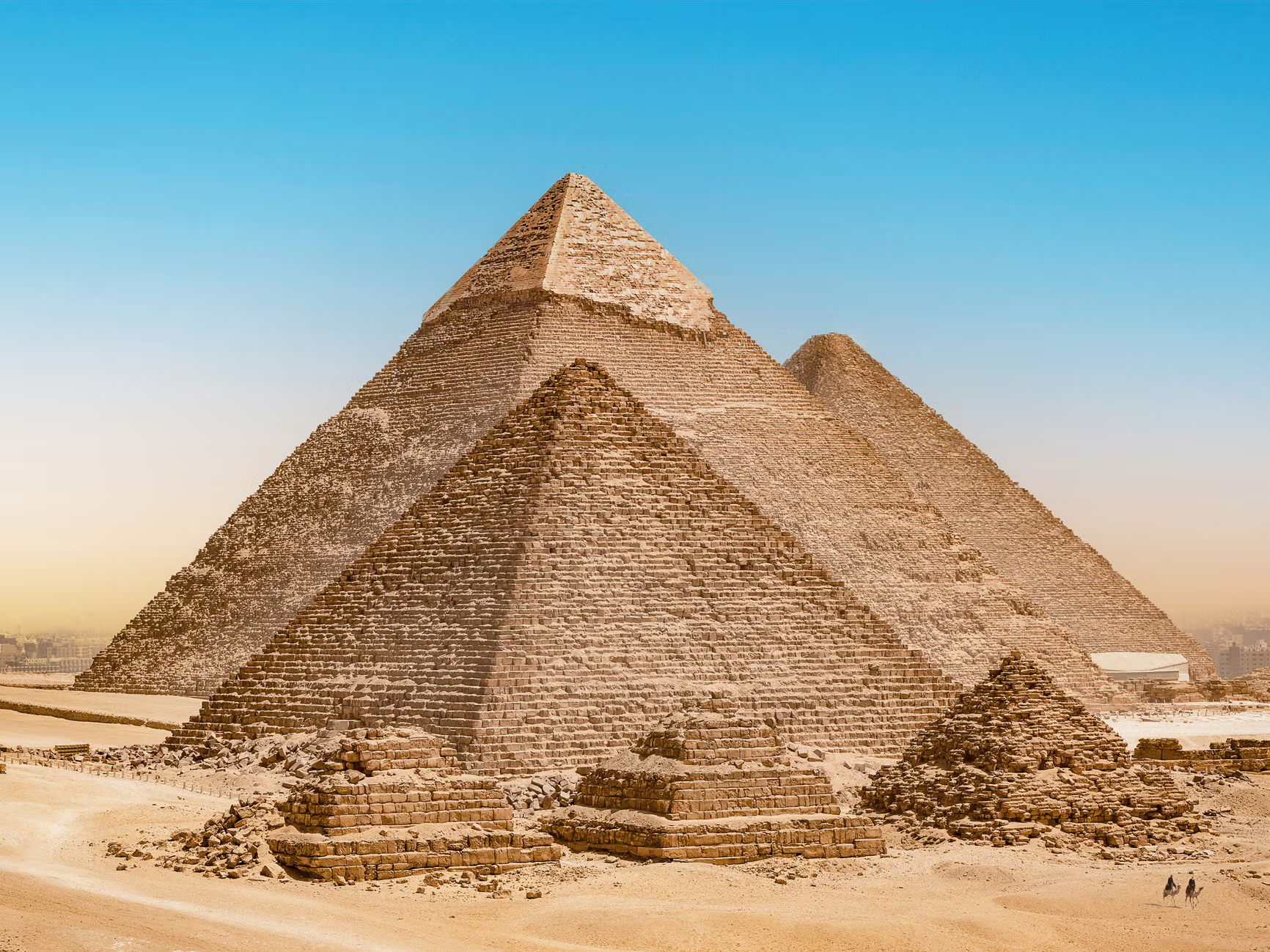
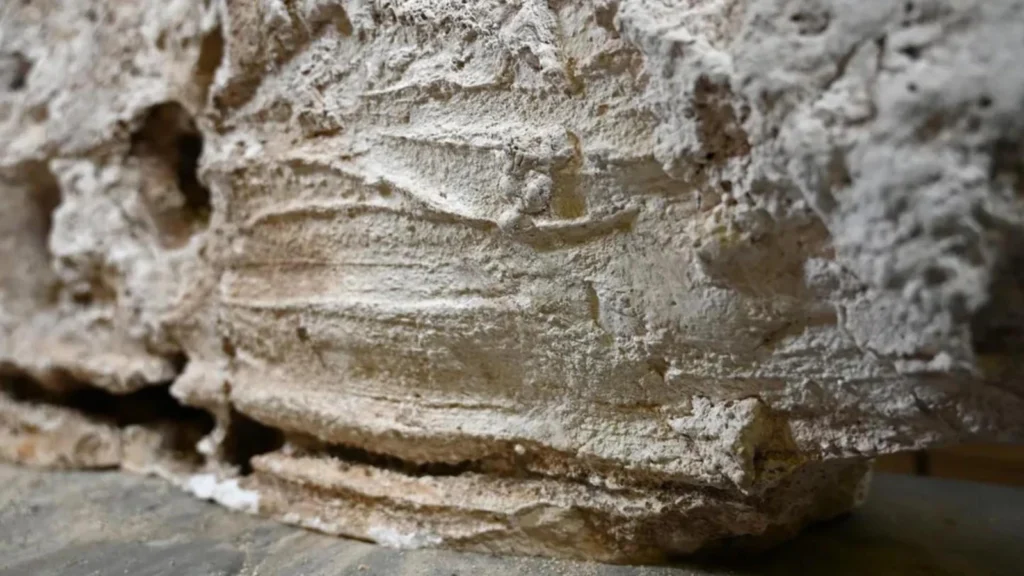
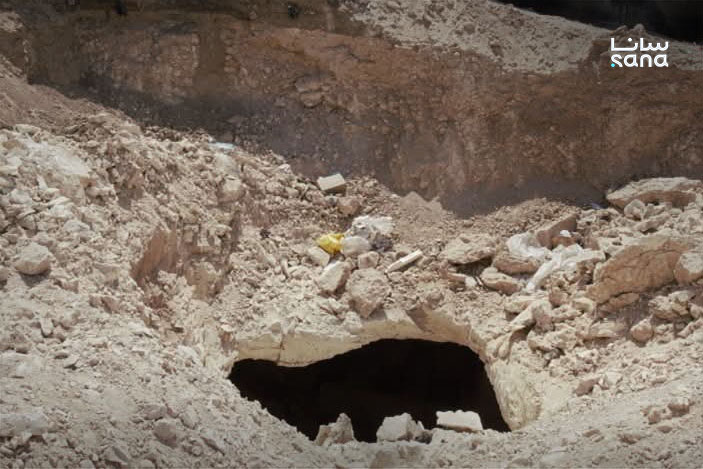
Ground-penetrating radar has enabled archaeologists to identify hidden structures beneath the surface. A new study conducted by Japanese and Egyptian researchers has revealed an L-shaped structure accompanied by a nearby anomaly next to the Great Pyramids of Giza. While the precise nature of the anomaly is unknown, the researchers speculate that the L-shaped feature could potentially be an entrance to a deeper structure.

In archaeology, ground-penetrating radar (GPR) has transformed the way sites are studied. This geophysical technique sends radar pulses into the ground to create subsurface images. Similar methods have previously uncovered Viking longships in Norway, revealed lost civilizations within the Amazon rainforest, and even mapped entire Roman cities without any excavation.

Once again, GPR has yielded discoveries near one of the world’s most thoroughly explored sites—the Great Pyramids of Giza. The research team, led by Motoyuki Sato of Tohoku University, combined GPR with electrical resistivity tomography (ERT), a method that uses variations in electrical resistance to map underground features. Using these techniques, they detected what they describe as an “L-shaped anomaly” in the western cemetery close to the pyramids.

Archaeologists Excavated the Tower of London—and Unearthed Dozens of Hidden Skeletons

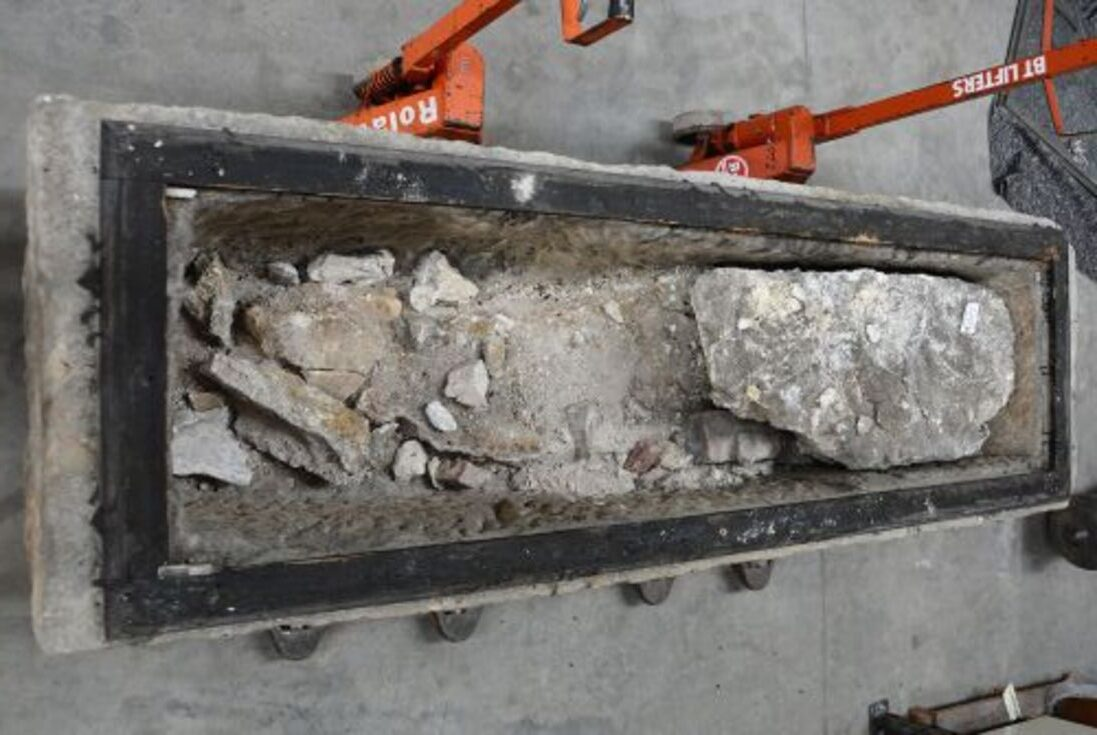
Excavations revealed everything from a 14th-century Black Death group burial to three skeletons from the late 12th or early 13th centuries buried in coffins.

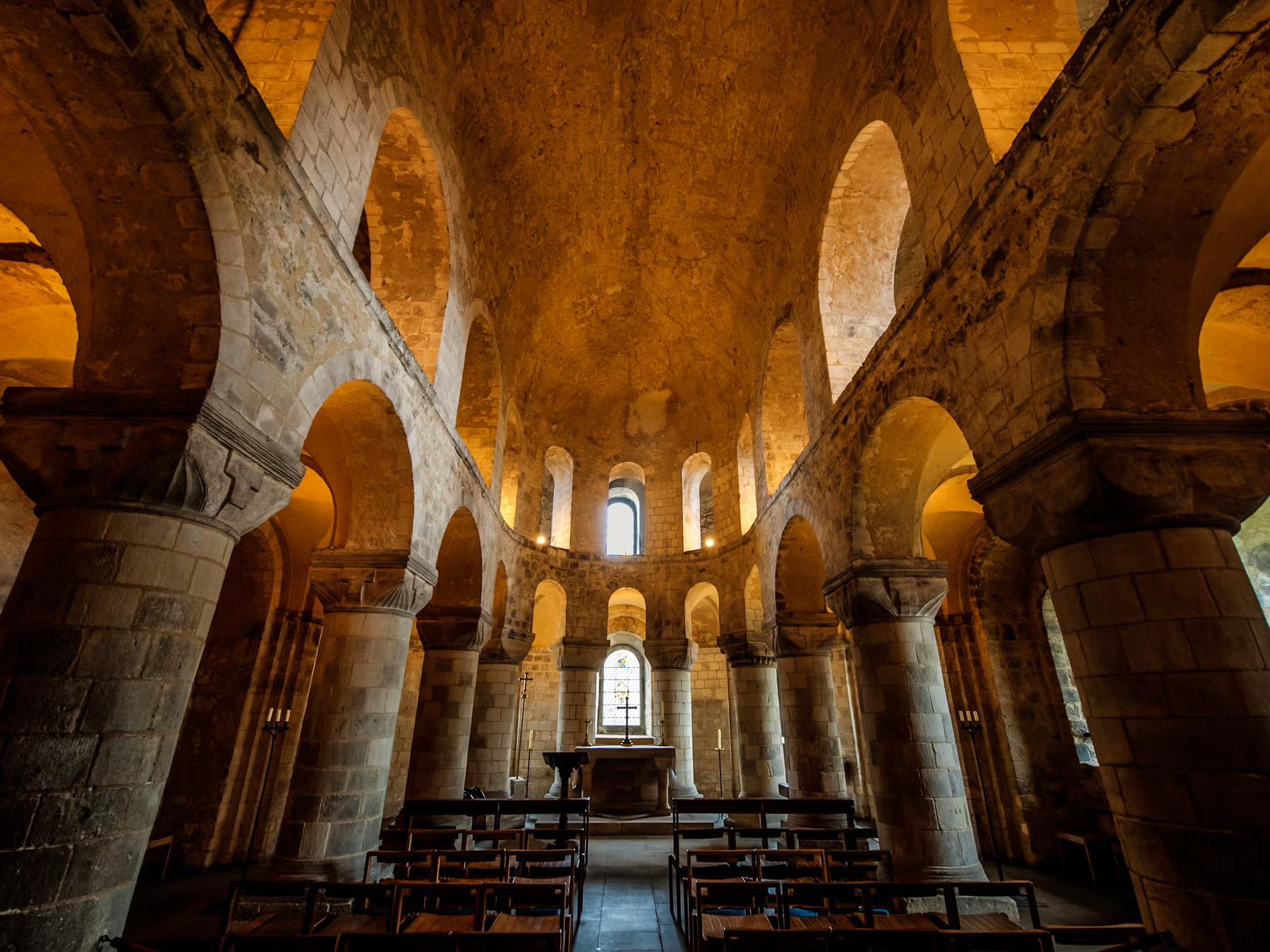
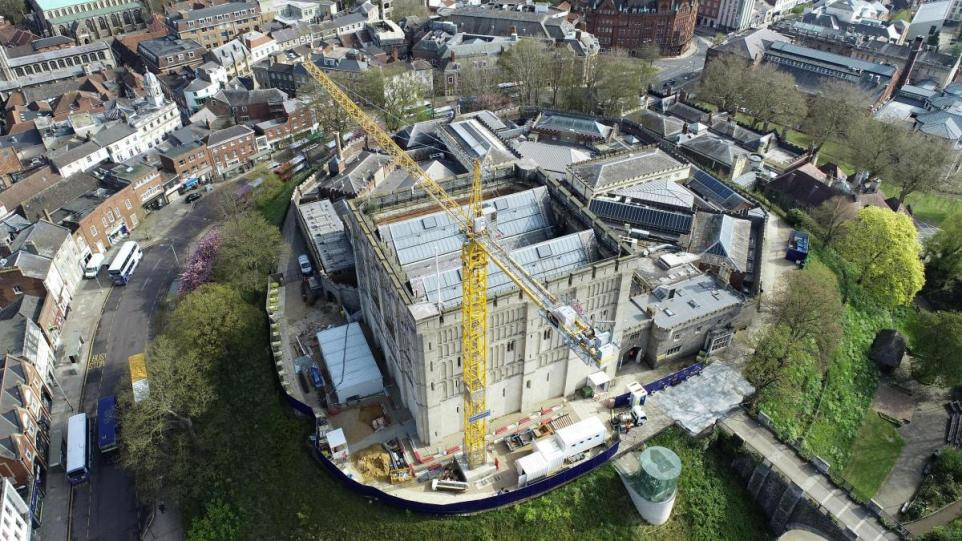
The first excavation at the Tower of London in decades uncovered over 20 skeletal remains. Archaeologists found everything from a group burial linked to the 1348 Black Death to three skeletons dating from the late 12th or early 13th centuries, buried in coffins. The on-site chapel is revealing much about London’s medieval past.

The dig, the first in a generation at the Tower, initially uncovered two skeletons dating to around 1500. Deeper excavations revealed roughly 20 additional burials, including a 14th-century mass grave likely connected to the plague.

Alfred Hawkins, curator of historic buildings at Historic Royal Palaces, said the excavations offered a rare opportunity to better understand the history of the Chapel of St Peter ad Vincula and the buildings that preceded it.

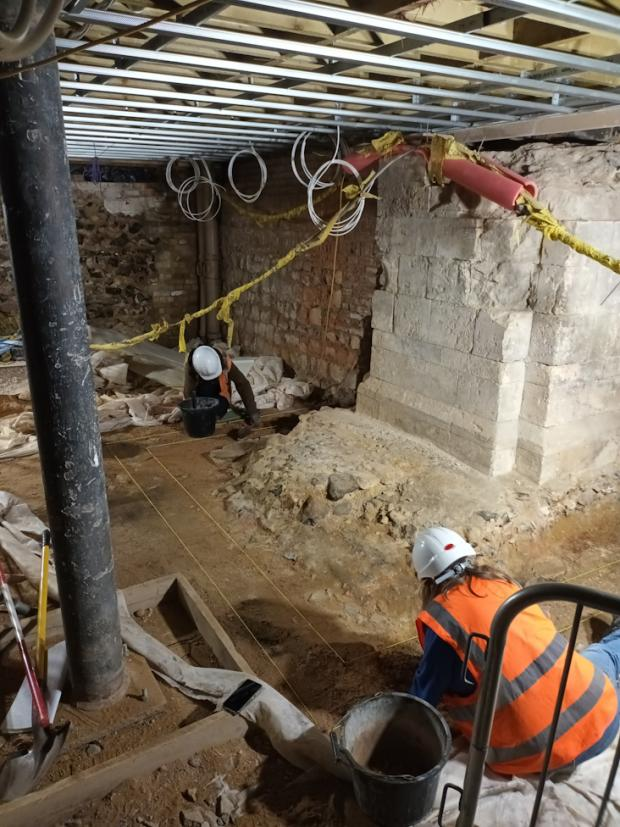
The project began in 2019 as a trial excavation to prepare the Chapel Royal for a new elevator. The initial finds of two skeletons led to further digging outside the chapel, reaching depths of up to 10 feet, uncovering burials ranging from the Black Death era to costly coffined interments from the late 12th and early 13th centuries.

King Thutmose II tomb among top 10 archaeological discoveries of 2025

The tomb of King Thutmose II has been recognized as one of the world’s top ten archaeological discoveries of 2025 by the American magazine Archaeology.

The Ministry of Tourism and Antiquities first announced the find in February. It marks the first discovery of a royal tomb from Egypt’s 18th Dynasty since the uncovering of King Tutankhamun’s tomb in 1922.

Mohamed Ismail Khaled, Secretary-General of the Supreme Council of Antiquities, said the recognition highlights the global importance of Egypt’s archaeological heritage and reinforces the country’s leading role in archaeology. He added that the discovery reflects the close collaboration and sustained efforts of Egyptian and international missions, resulting in major findings that have reshaped understanding of ancient Egyptian history.

A Major Archaeological Find

The tomb was uncovered by a joint Egyptian-British mission from the Supreme Council of Antiquities and the New Kingdom Research Foundation during excavations in the Theban Mountains west of Luxor.

At first, archaeologists believed the tomb might belong to the wife of one of the Thutmose kings, due to its location near the burial places of Thutmose III’s wives and close to Queen Hatshepsut’s tomb, which had originally been prepared for her before she became pharaoh.

Further excavation, however, revealed clear evidence identifying the tomb as that of King Thutmose II. Among the finds were fragments of mortar decorated with blue and yellow star motifs, along with inscriptions and scenes from the Book of Amduat.

The tomb’s relatively simple architectural layout later influenced the design of several royal tombs built during the Eighteenth Dynasty after Thutmose II’s reign.

We will not be defeated in this 2000-year-old war, archaeology proves Tamil is cradle and pinnacle of Indian civilisation: Stalin

The Chief Minister, describing the Tamil Vs Sanskrit North as a 2000-year-old war, made it clear that the DMK government was making every effort to keep aloft Tamil antiquity and pride.

Chief Minister and DMK president M.K. Stalin on Sunday reaffirmed that the Tamil region was both the birthplace and the height of Indian civilisation, stating that archaeological findings clearly support this claim. He said the Porunai Museum, the second museum established by his government in Tirunelveli, was created to scientifically affirm the antiquity of Tamil civilisation.

Referring to what he described as a 2,000-year-old Tamil–Sanskrit conflict, Stalin said the DMK government remains committed to preserving Tamil history and pride.

“Our culture is unique and progressive. The Tamil land was the cradle and the pinnacle of civilisation in the Indian subcontinent. We have literary proof, and through archaeological excavations we are now scientifically validating these claims. That is why sites like Porunai and Keezhadi are so important,” he said while addressing a government event in Palayamkottai, a day after inaugurating the museum.

He accused the BJP-led Union government of obstructing Tamil Nadu’s archaeological efforts, claiming it seeks to suppress evidence that supports Tamil antiquity. “They block excavations and refuse to publish findings that prove our history. Our struggle is against those who harbour hostility toward the Tamil language and people. Those searching for the mythical Saraswati civilisation refuse to acknowledge our discoveries,” he said, adding that the fight to protect Tamil history cannot be abandoned.

Stalin also invited Prime Minister Narendra Modi and Finance Minister Nirmala Sitharaman to visit the Porunai Museum and see the evidence firsthand.

He said the Porunai Museum and the Keezhadi museum near Madurai aim to bring Tamil history and heritage closer to the public. In a post on X, he added that understanding history enables people to shape the future, describing Porunai as a lasting symbol of Tamil antiquity and a global heritage site for Tamils.

Spread across 13 acres and built at a cost of ₹62 crore, the Porunai Museum houses artefacts from Sivagalai—considered the world’s oldest Iron Age site, predating Anatolia—as well as findings from Athichanallur in Tirunelveli. The museum is named after Porunai, the ancient name of the Thamirabarani river, long regarded as a cradle of civilisation. Archaeology, he said, has become central to Tamil pride.

The museum displays Iron Age tools from Sivagalai that push back the timeline of iron smelting by over a thousand years, along with skulls, burial urns, and pots inscribed in ancient Tamil (Tamizhi) script, believed to predate Ashokan Brahmi. Artefacts from Korkai, the historic port city of the Pandya kingdom, are also exhibited.

For the DMK and Tamil scholars, the Sivagalai findings represent a major shift in understanding Tamil antiquity, challenging the conventional Iron Age timeline of 1800 BCE based on discoveries in Uttar Pradesh.

Earlier this year, while releasing the Sivagalai excavation report supported by carbon dating, Stalin declared that iron production began in Tamil Nadu over 5,300 years ago. “I announce to the world that iron smelting technology originated in Tamil land. We are scientifically proving our history to those who dismissed our literature as non-evidence,” he said.

Chinese researchers uncover record-high evidence of ancient human activity on eastern Qinghai-Tibet Plateau

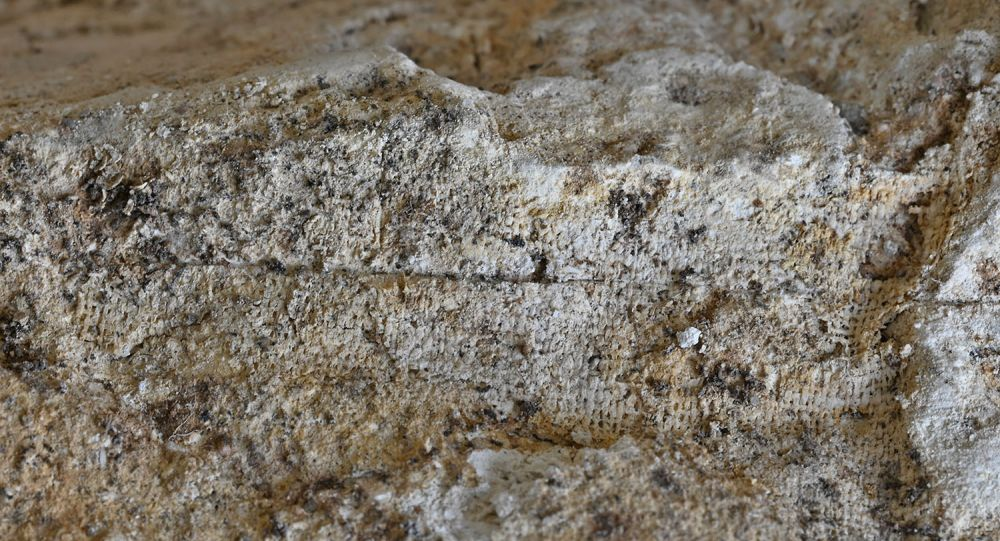
Chinese archaeologists have identified an important Paleolithic site at a record-breaking elevation on the eastern Qinghai-Tibet Plateau, shedding new light on early human movement and adaptation, the Sichuan Provincial Cultural Heritage Administration announced.

The site is located near Tsungqen Co, a high-altitude lake in Daocheng County within the Garze Tibetan Autonomous Prefecture of Sichuan Province, and represents the highest-elevation evidence of ancient human activity yet found in the area.

Full research results were published in the journal Palaeogeography, Palaeoclimatology, Palaeoecology by a joint team from Peking University and the Sichuan Provincial Cultural Relics and Archaeology Research Institute.

Tsungqen Co, which means “big lake” in the local language, is one of many glacial lakes formed after the Last Glacial Maximum as glaciers retreated. Such lakes would have drawn wildlife and offered crucial resources for prehistoric hunter-gatherer groups.

Situated more than 4,300 meters above sea level, the Tsungqen Co site is part of the well-known Piluo site complex, which was named one of China’s top ten archaeological discoveries in 2021.

The main Piluo site, lying at around 3,750 meters in elevation and dating back more than 200,000 years, is considered the earliest, largest, and richest Paleolithic site on the Qinghai-Tibet Plateau. The Tsungqen Co site, however, lies even higher, with its earliest occupation layers dating to about 12,000 years ago.

Researchers recovered more than 190 stone tools from the site, most of them small to medium in size. The assemblage reflects an advanced microlithic tradition, indicating refined production methods and technological adaptations suited to life at high altitude.

The Qinghai-Tibet Plateau—often called the “Third Pole” because of its extreme height, thin air, and cold climate—has long been viewed as a difficult environment for early human settlement. The discovery at Tsungqen Co represents a major advance in Paleolithic research on the plateau’s eastern edge, significantly expanding knowledge of human presence in high-altitude regions.

“This was likely not a short-term camp, but a place people returned to repeatedly,” said Zheng Zhexuan, lead archaeologist of the Piluo project and head of the Paleolithic Archaeology Institute at the Sichuan Provincial Cultural Relics and Archaeology Research Institute.

“It indicates that more than 10,000 years ago, human groups were already using warmer climatic periods to live near highland lakes. They moved into and remained in these high-altitude areas, showing a stable ability to adapt to plateau conditions,” Zheng explained.

Scholars describe the Tsungqen Co site as a vital “spatiotemporal key” that fills an important gap in the archaeological record of human activity on the “roof of the world.” The discovery offers valuable evidence for studying early modern human dispersal routes in East Asia and their survival strategies in challenging environments.

Excavation and interdisciplinary studies at the broader Piluo site are ongoing, with researchers carrying out detailed analyses of dating, environmental context, and material remains to build a clearer picture of ancient life in this region.

Archaeologists Uncovered the First Evidence of Math—Before Numbers Were Even Invented

The Halafian culture of northern Mesopotamia arranged floral depictions on pottery with symmetry and numerical sequences, displaying one of the earliest pieces of evidence of mathematical thinking.

The Metropolitan Museum of Art

Here’s what you’ll discover in this story:

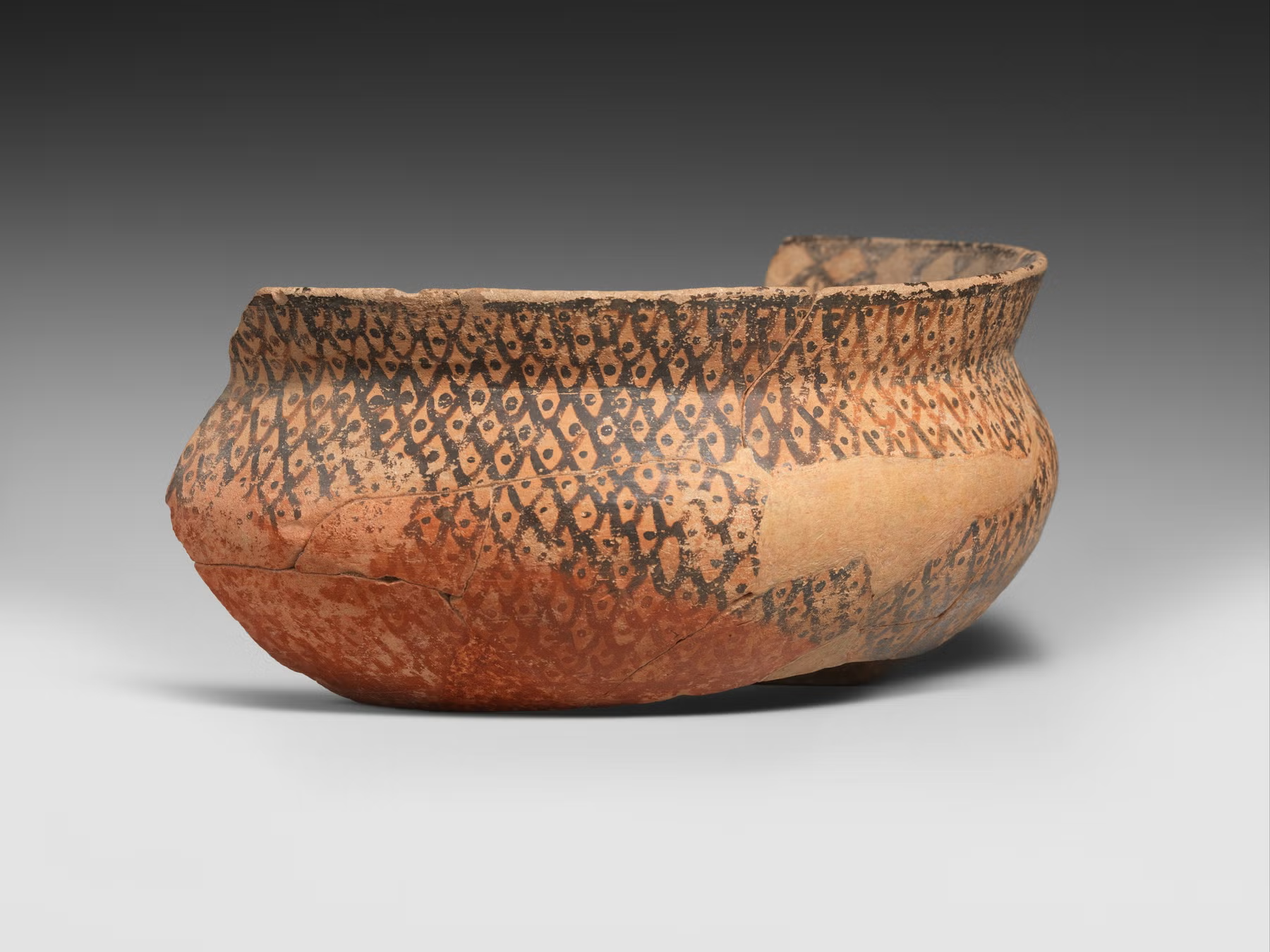
Uncovering signs of ancient mathematics is difficult without written sources, but new research suggests that floral designs on pottery from the Halafian culture of northern Mesopotamia reveal an understanding of geometry, symmetry, and spatial division that predates formal number systems.
The findings also mark the earliest known point at which plants became subjects of human art, as earlier artistic expressions mainly focused on animals and people.
Across 700 pottery fragments, artists depicted non-edible plants such as flowers, indicating they were selected for visual appeal rather than practical use.

Mathematics functions as a universal language—not Esperanto, but a system grounded in shared principles across cultures. This universality explains why mathematics often appears in science fiction as a means of communicating with extraterrestrials. The same logic applies across time. While archaeologists rely on reference texts like the Rosetta Stone to interpret ancient languages, mathematical patterns can be recognized and understood even millennia later.

In a study published in the Journal of World Prehistory, researchers from the Hebrew University of Jerusalem examined floral motifs painted on pottery by the Halafian culture, which inhabited northern Mesopotamia between 6200 and 5500 B.C.E., revealing sophisticated mathematical thinking embedded in prehistoric art.