Space Archaeology: Satellites vs. Looters

A Global Threat to the Past

Archaeological looting has become a major global issue, with priceless artifacts being removed from sites before they can be studied.

But now, the fight to protect heritage has moved into space.

Watching the Earth from Orbit

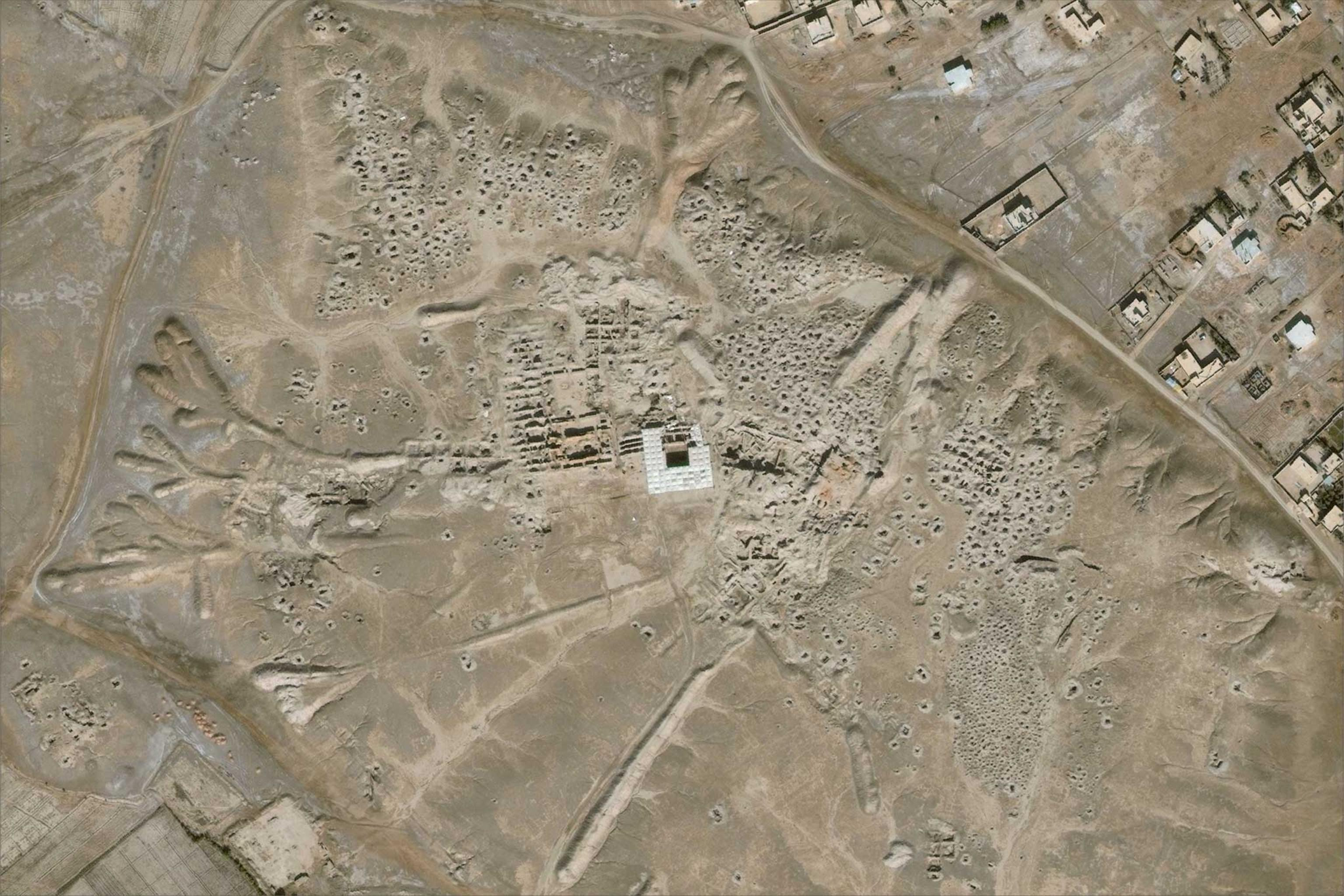
High-resolution satellite imagery allows archaeologists to monitor sites in real time.

They can detect:

  • Fresh digging pits

  • Changes in terrain

  • New roads or access paths

Even subtle disturbances in the soil can signal looting activity.

Rapid Response and Prevention

By identifying threats early, authorities can intervene before damage becomes widespread.

This approach is especially valuable in remote or conflict zones where on-the-ground monitoring is difficult.

A New Kind of Archaeology

Space archaeology is redefining the field—not just as a tool for discovery, but as a method of protection and preservation.

Ancient DNA: How a Single Tooth is Rewriting Human History

Small Evidence, Big Discoveries

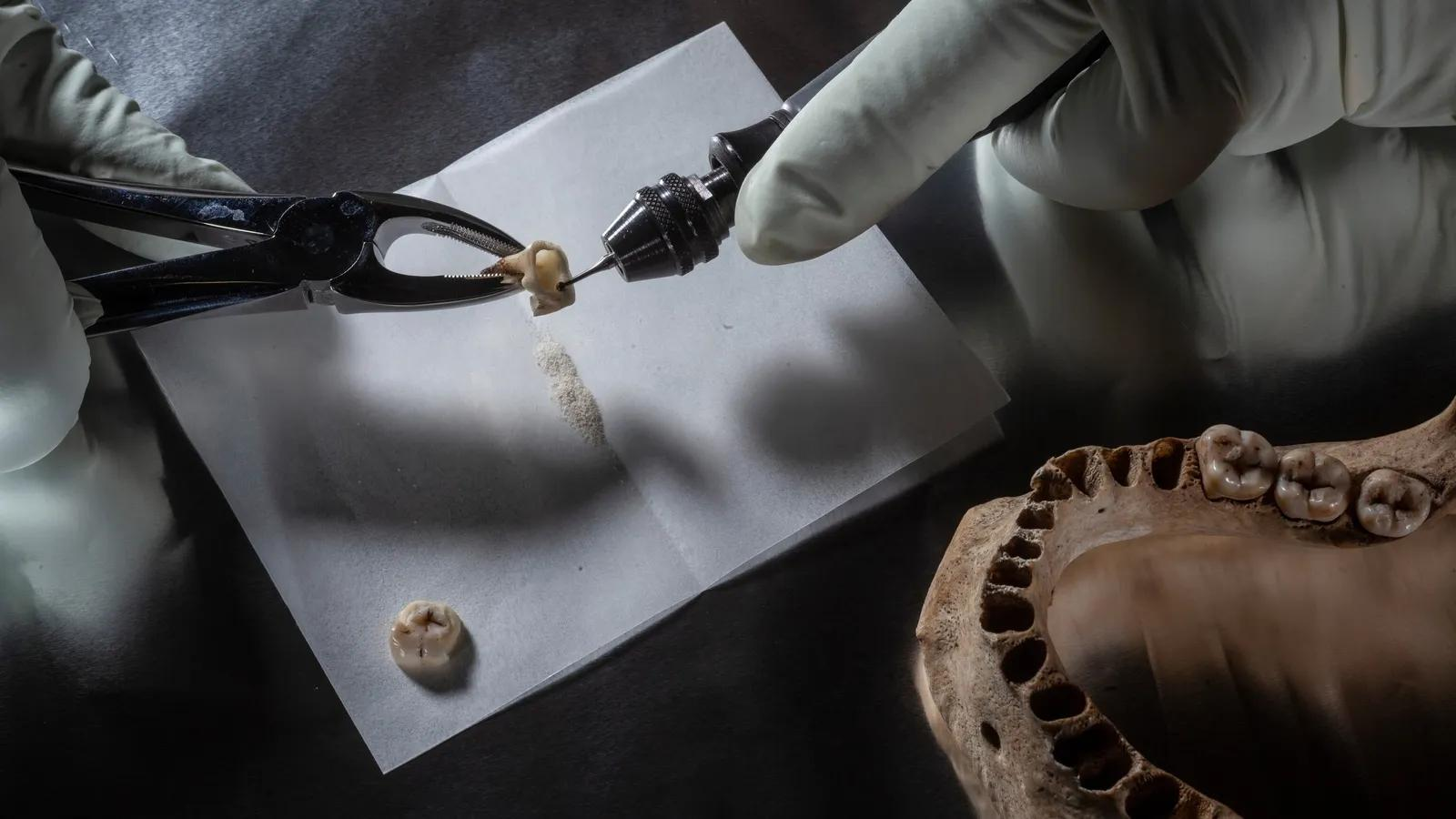
In archaeology, breakthroughs don’t always come from monumental ruins. Sometimes, they come from something as small as a single tooth.

Teeth are among the most durable parts of the human body, capable of preserving DNA for tens of thousands of years.

Unlocking the Genetic Record

Inside a tooth lies genetic material that can reveal:

  • An individual’s ancestry

  • Population movements across continents

  • Interactions between ancient groups

Advances in sequencing technology now allow scientists to extract and analyze this DNA with remarkable precision.

Rewriting Migration Stories

For decades, historians relied on artifacts and language patterns to trace human migration. Ancient DNA has transformed this field.

It has revealed that:

  • Populations mixed far more frequently than once believed

  • Migration occurred in multiple waves

  • Cultural change does not always match genetic change

A More Complex Human Story

Rather than a simple linear progression, human history now appears as a web of interconnected populations.

A single tooth can challenge long-held assumptions—proving that history is constantly evolving as new evidence emerges.

AI vs. the Herculaneum Papyri: Unlocking the Unreadable

A Library Lost to Fire, Preserved by Chance

When Mount Vesuvius erupted in 79 CE, it destroyed entire Roman cities—but in Herculaneum, something extraordinary survived. Hidden inside a seaside villa was a collection of ancient scrolls, carbonized by intense heat yet miraculously preserved.

These scrolls, known as the Herculaneum papyri, are the only surviving library from the classical world. However, their survival came at a cost—each scroll was turned into a fragile, charcoal-like cylinder that crumbles if touched.

For centuries, scholars faced a painful paradox: the texts existed, but could not be read.

The Birth of Digital Unrolling

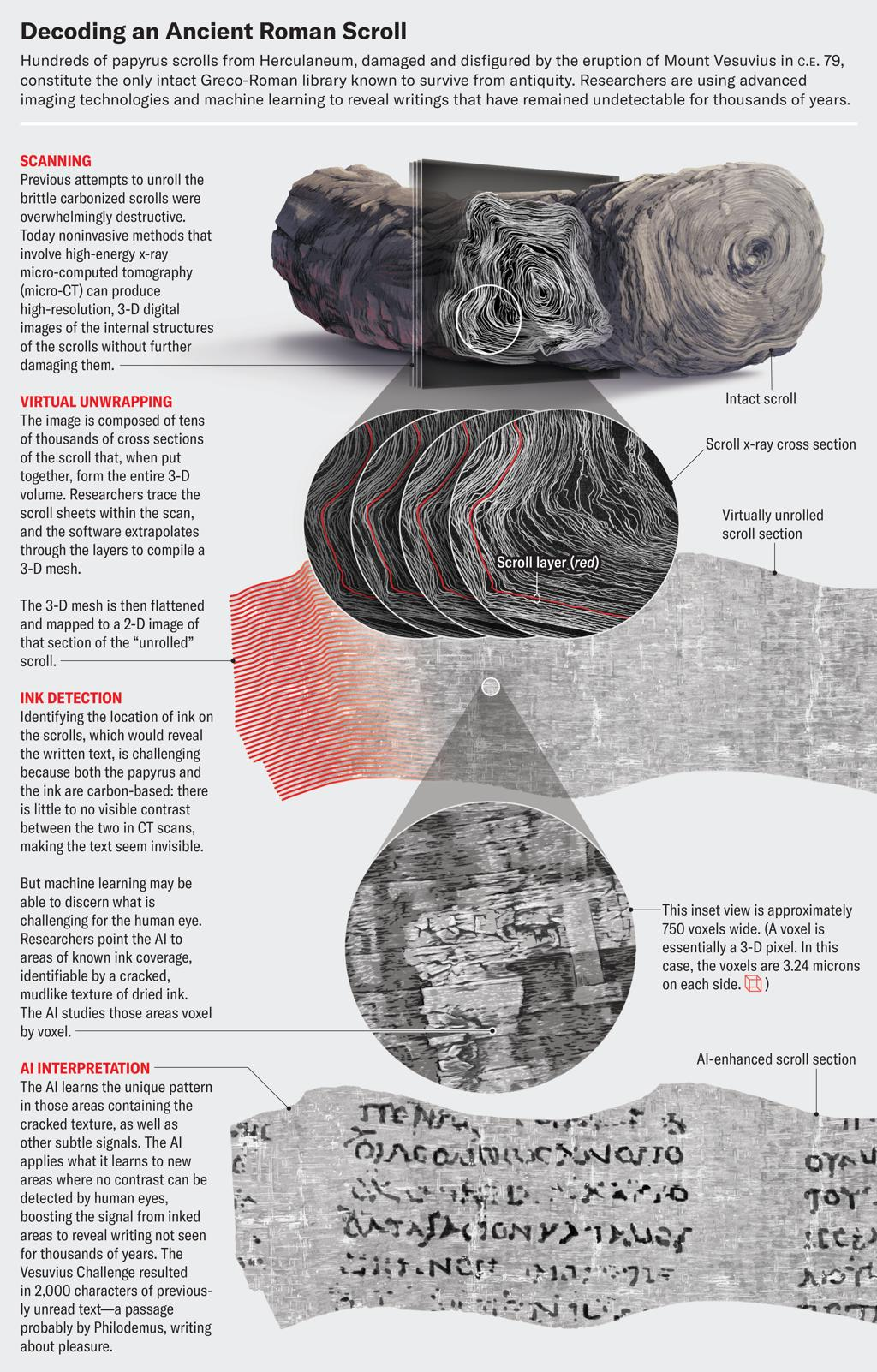
Traditional attempts to open the scrolls physically often resulted in irreversible damage. This changed with the introduction of advanced imaging technologies and artificial intelligence.

Researchers now use:

  • X-ray phase-contrast tomography to scan internal layers

  • Machine learning algorithms to detect faint ink traces

  • Digital modeling to reconstruct each layer virtually

Instead of opening the scroll, scientists peel it back digitally, revealing text hidden for nearly 2,000 years.

Teaching AI to Read the Invisible

One of the greatest challenges is that the ink used in ancient texts is often carbon-based—making it nearly indistinguishable from the burnt papyrus.

AI solves this by:

  • Identifying subtle density differences

  • Recognizing patterns consistent with handwriting

  • Learning from known Greek and Latin texts

This process allows researchers to reconstruct letters, words, and even entire passages.

What the Scrolls Might Contain

Many of the recovered texts are believed to belong to Epicurean philosophy, possibly linked to the philosopher Philodemus. However, the full contents of the library remain unknown.

Future discoveries could include:

  • Lost works of classical philosophers

  • New insights into Roman intellectual life

  • Previously unknown authors

A New Chapter in Archaeology

The Herculaneum papyri represent a turning point. For the first time, technology is allowing us to read texts that were once thought permanently lost.

AI is not just preserving history—it is bringing it back to life.

Cleopatra’s Final Resting Place: Is the Search Nearing Its End?

The Last Queen of Egypt

The death of Cleopatra marked the end of ancient Egypt’s independence—but her tomb has never been definitively found.

What Ancient Sources Tell Us

The primary clues about Cleopatra’s burial come from classical writers such as Plutarch. He recorded that Cleopatra arranged for herself to be buried with Mark Antony after their defeat by Octavian, who would later become the first Roman emperor.

This detail is crucial. It suggests that:

  • Cleopatra’s tomb was likely grand and carefully planned

  • It may have held both royal and symbolic significance

  • The burial site could have been protected or hidden intentionally

However, ancient descriptions are often vague, leaving modern researchers to piece together the evidence.
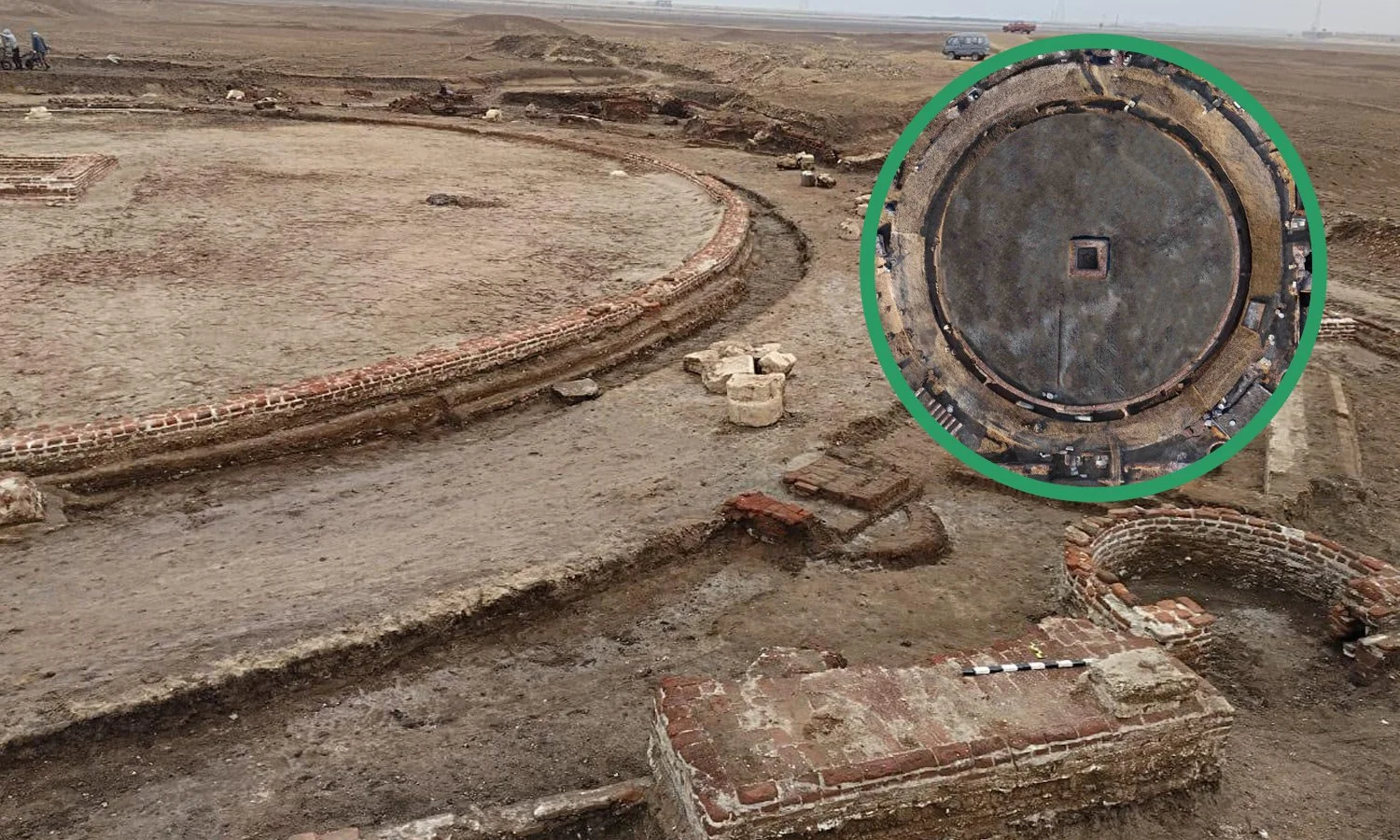
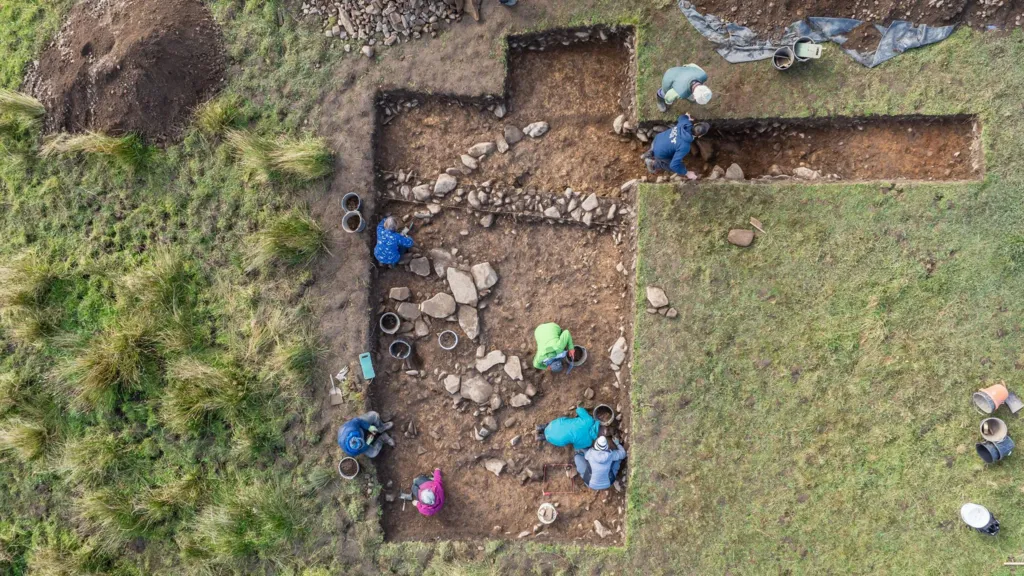
Excavations at Taposiris Magna have uncovered several intriguing clues:

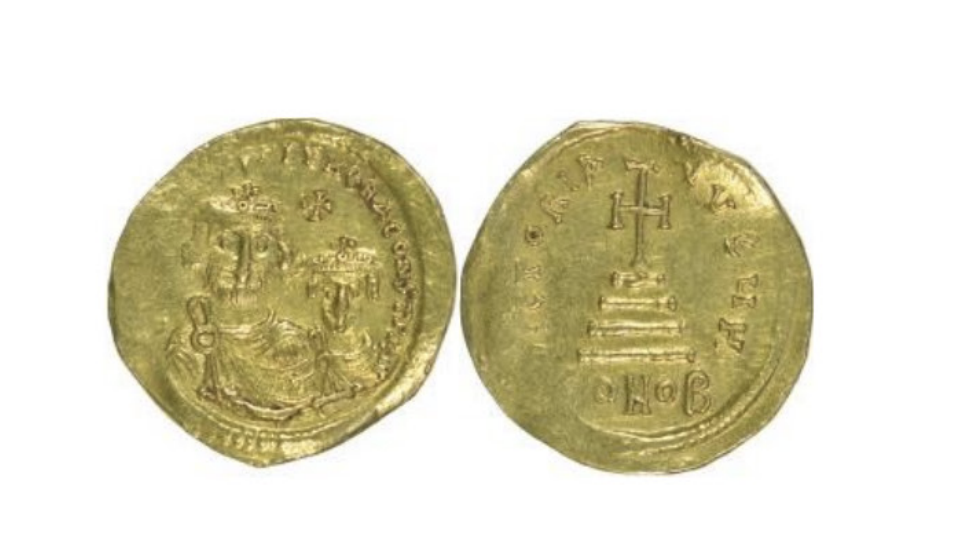
  • Coins bearing Cleopatra’s likeness

  • Statues linked to the Ptolemaic period

  • Subterranean tunnels and burial chambers

  • Artifacts associated with Egyptian religious practices

These discoveries suggest the site was active during Cleopatra’s reign and held significant cultural importance.

A Sacred Landscape of Gods and Power

The importance of Taposiris Magna goes beyond archaeology—it is deeply rooted in religion and symbolism.

Cleopatra famously aligned herself with the goddess Isis, presenting herself as her earthly embodiment. The temple at Taposiris Magna was dedicated to:

  • Osiris, god of the afterlife

  • Isis, goddess of magic, motherhood, and rebirth

This connection makes the site a symbolically powerful location for a royal burial.

Placing her tomb in such a sacred setting would have reinforced Cleopatra’s divine image—even in death.

Alexandria: A Lost City Beneath the Sea

Another major theory places Cleopatra’s tomb in Alexandria itself, once one of the greatest cities of the ancient world.

However, this theory faces a major challenge:

  • Large parts of ancient Alexandria are now submerged underwater due to earthquakes and rising sea levels

Underwater archaeology has revealed:

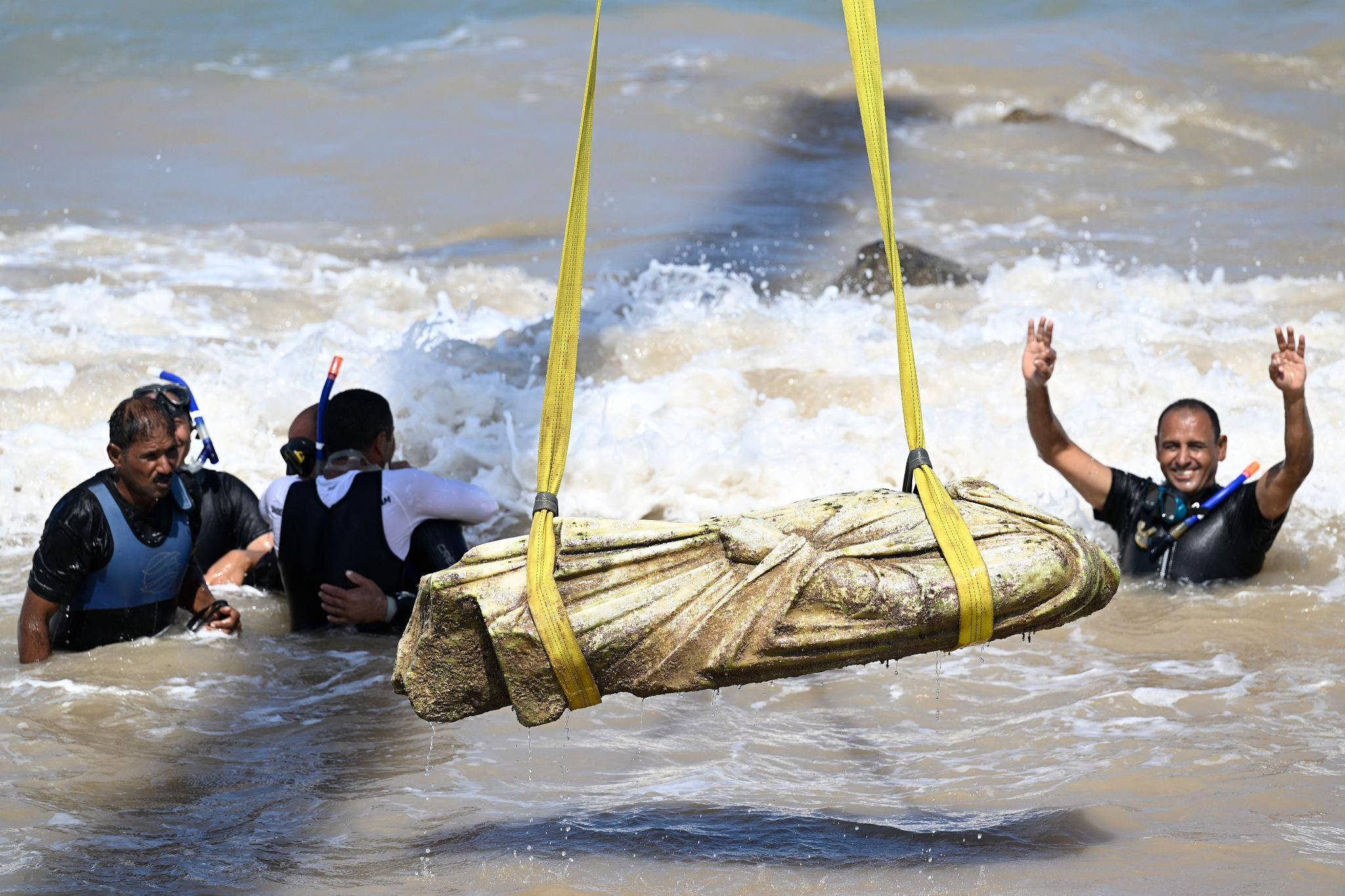
  • Sunken statues

  • Ruins of palaces

  • Fragments of ancient infrastructure

If Cleopatra’s tomb was located in this area, it may now lie beneath the Mediterranean Sea—making discovery far more difficult.

Technology and the Modern Search

Today’s search for Cleopatra’s tomb is powered by advanced technology, transforming how archaeologists investigate ancient sites.

Modern methods include:

  • Ground-penetrating radar (GPR) to detect hidden chambers

  • 3D mapping of underground structures

  • Satellite imaging to analyze landscapes

  • DNA and material analysis of discovered remains

At Taposiris Magna, researchers have identified extensive tunnel systems and sealed spaces that could still hold undiscovered chambers.

Each new scan brings the possibility of a breakthrough.

Challenges and Controversies

Despite exciting discoveries, the search is far from straightforward.

Key challenges include:

  • Limited historical records

  • Extensive damage from time and natural disasters

  • The sheer size of potential search areas

  • Differing interpretations among scholars

Some experts remain skeptical about the Taposiris Magna theory, arguing that Cleopatra would more likely have been buried within Alexandria itself.

Others believe her tomb may have been lost entirely—destroyed or looted in antiquity.

A Mystery on the Brink of Discovery?

In recent years, optimism has grown. The scale of ongoing excavations and the quality of new findings suggest that researchers are closer than ever to uncovering definitive evidence.

Still, archaeology is a slow and careful process. Even with modern tools, confirming a discovery of this magnitude requires:

  • Clear identification of inscriptions or remains

  • Strong historical and contextual evidence

  • Peer-reviewed validation

Until then, the mystery remains open.

Why Cleopatra’s Tomb Matters

The search for Cleopatra’s final resting place is about more than locating a tomb—it is about understanding a pivotal moment in history.

Her burial site could reveal:

  • Insights into royal burial practices of the Ptolemaic era

  • New information about her reign and legacy

  • Connections between Egyptian and Roman cultures

It would also represent one of the most significant archaeological discoveries of modern times.

The Enduring Fascination

Cleopatra’s story has endured for over two millennia because it blends history, politics, romance, and myth.

Her missing tomb adds one final layer of intrigue—a mystery that continues to captivate researchers and the public alike.

Whether hidden beneath desert sands, buried within ancient ruins, or resting beneath the sea, her final resting place remains one of archaeology’s greatest unsolved puzzles.

And perhaps that is part of its power:
a queen whose legacy refuses to be buried, still waiting to be found.

Roman Concrete: The “Self-Healing” Secret

A Material That Defied Time

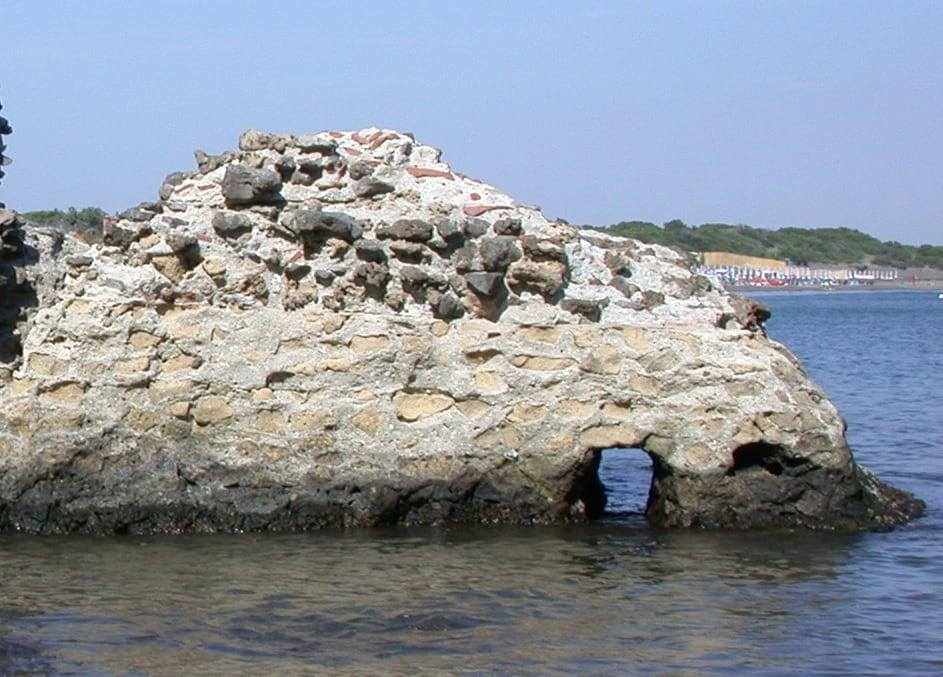
The durability of Roman structures has long amazed engineers. Buildings made with Roman concrete have survived for over 2,000 years—far longer than many modern constructions.

What Made It Special?

Roman concrete was made using:

  • Volcanic ash (pozzolana)

  • Lime

  • Water

  • Aggregates like stone

This mixture created a material that was both strong and chemically reactive.

The “Self-Healing” Property

Recent studies suggest that Roman concrete could repair itself over time.

When cracks formed, water would enter and react with lime clasts in the material, triggering chemical processes that:

  • Recrystallized minerals

  • Sealed cracks naturally

  • Strengthened the structure

Why Modern Concrete Falls Short

Modern concrete often prioritizes speed and cost over longevity. It lacks the same chemical composition that allows Roman concrete to heal itself.

Engineers today are studying ancient techniques to create more durable and sustainable materials.

Ancient Innovation, Modern Inspiration

Roman concrete shows that ancient builders achieved levels of sophistication that still challenge modern science. It’s a reminder that sometimes, the past holds solutions for the future.

The Minoan “Labyrinth”: Was Knossos a Palace or a Giant Necropolis?

The Legend Behind the Labyrinth

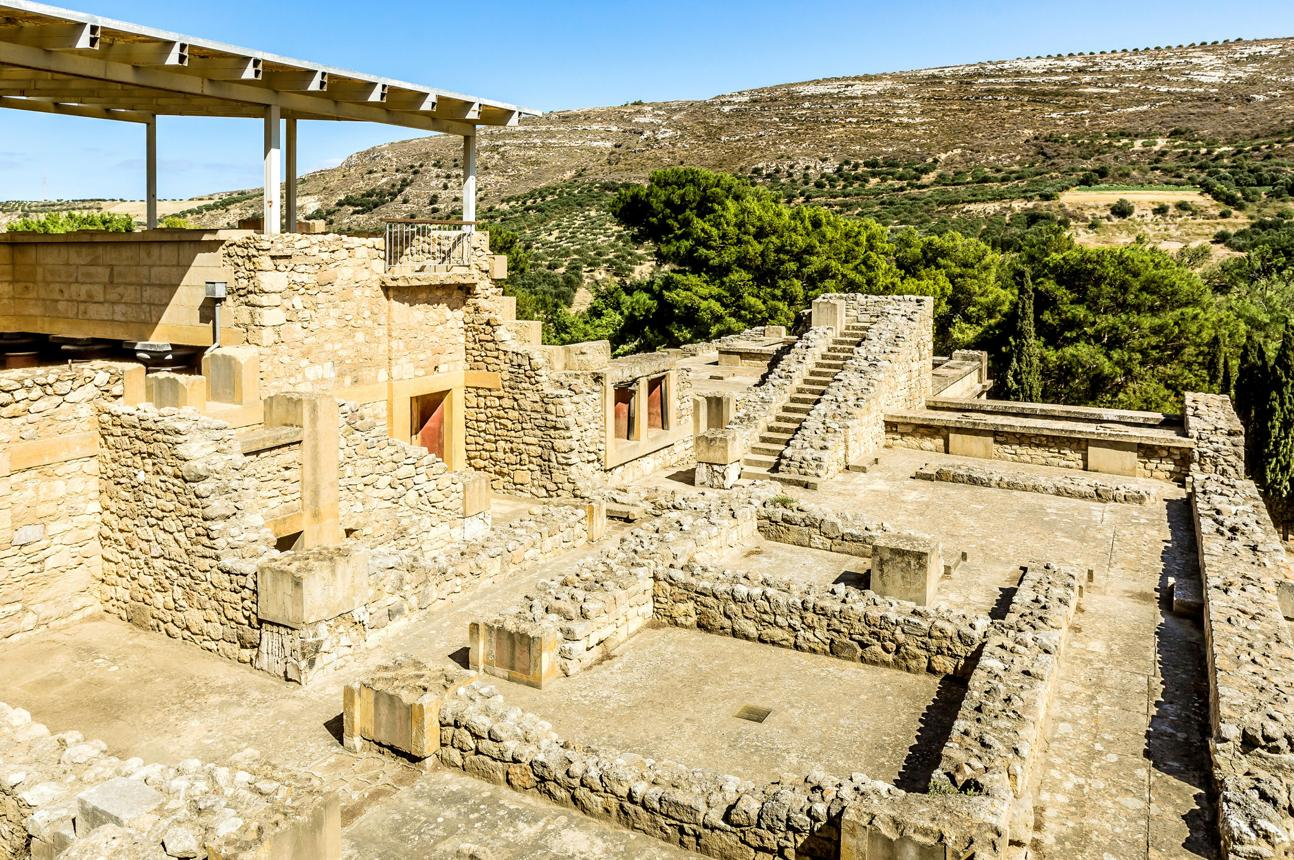
Few ancient stories are as enduring as the tale of the Labyrinth—a vast, twisting structure said to house the fearsome Minotaur. This legend is closely tied to Knossos, the largest Bronze Age site on the island of Crete.

But what was Knossos, really? A royal palace? A ceremonial center? Or something more mysterious?

A Palace of Power and Administration

Most archaeologists identify Knossos as a palatial complex, serving as the political and economic heart of the Minoan civilization around 2000–1400 BCE.

The site features:

  • Vast storage rooms filled with large clay jars (pithoi)

  • Administrative areas with early writing systems like Linear B

  • Workshops for crafts such as pottery and metalworking

These elements suggest centralized control over resources and trade.

The Labyrinth Myth and Architecture

Knossos is famous for its maze-like layout. Its interconnected rooms, corridors, staircases, and courtyards may have inspired the idea of a labyrinth.

Rather than a literal maze, the complexity likely reflects:

  • Organic urban growth over time

  • Multiple construction phases

  • Functional zoning within the complex

Still, its design was impressive—and possibly confusing to outsiders.

A Place of Ritual and Death?

Some scholars have proposed an alternative theory: that Knossos may have had funerary or ritual significance beyond its administrative role.

Evidence includes:

  • Religious symbols and shrines

  • Ritual objects and offerings

  • Nearby burial sites

However, there is little direct evidence that Knossos itself functioned as a necropolis. Instead, it may have been a place where life, power, and ritual intersected.

Between Myth and Reality

Knossos sits at the crossroads of history and legend. While it was likely a palace at its core, its scale and symbolism gave rise to myths that transformed it into something far more mysterious.

Akrotiri vs. Pompeii: Two Cities Frozen in Time

Catastrophe Preserved in Ash

Across the ancient world, few discoveries have captured the imagination quite like cities frozen at the exact moment of disaster. Among the most extraordinary are Akrotiri and Pompeii—two civilizations separated by more than a thousand years, yet united by a similar fate.

Both cities were buried beneath volcanic ash, sealing buildings, objects, and even moments of daily life in astonishing detail. Yet despite these similarities, the stories they tell are profoundly different—offering contrasting insights into how ancient societies lived, responded to disaster, and ultimately disappeared.

Akrotiri: The Bronze Age City Ahead of Its Time

Long before the rise of classical Greece, Akrotiri flourished on the island of Santorini during the Bronze Age, around the 17th century BCE. It was part of the wider Minoan world, a civilization known for its maritime trade, artistic sophistication, and advanced infrastructure.

A Remarkably Advanced Society

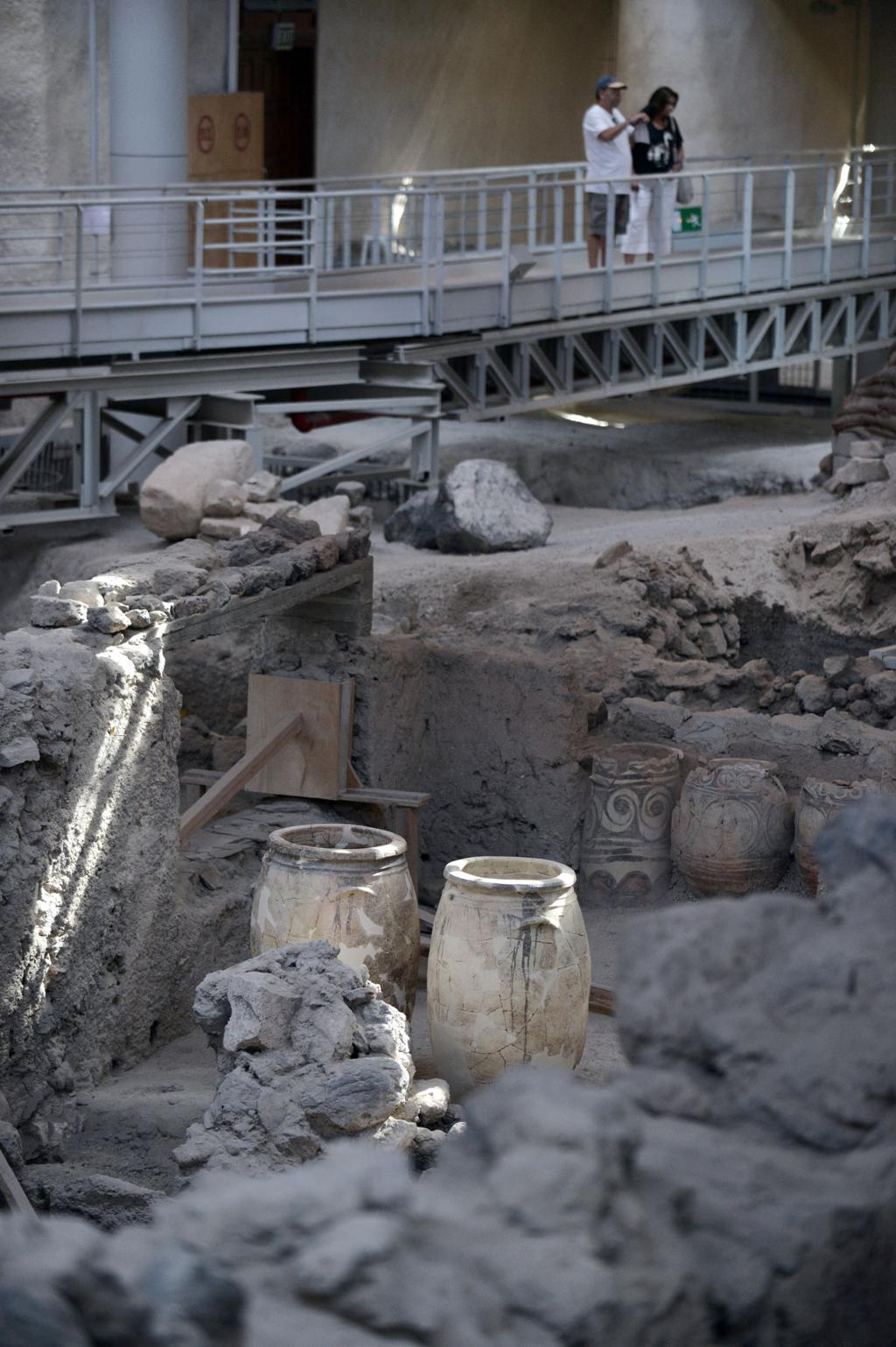
Excavations at Akrotiri have revealed a city that feels strikingly modern in its design. Its features include:

  • Multi-story buildings with stone and timber frameworks

  • Complex drainage and sewage systems

  • Carefully planned streets and neighborhoods

  • Large storage jars (pithoi) for food and trade goods

These elements suggest a highly organized urban environment, one that prioritized both functionality and comfort.

Art That Captured Everyday Life

Perhaps the most breathtaking discoveries at Akrotiri are its frescoes. These vibrant wall paintings depict:

  • Maritime scenes with ships and coastal landscapes

  • People engaged in daily activities

  • Animals, plants, and symbolic imagery

Unlike many ancient artworks focused on rulers or warfare, Akrotiri’s frescoes offer a more human perspective—capturing moments of life, movement, and culture.

The Mystery of the Missing People

One of the most puzzling aspects of Akrotiri is what is not found: human remains.

Despite the scale of the eruption that destroyed the city, archaeologists have uncovered very few bodies. This strongly suggests that residents may have evacuated in advance, possibly after experiencing warning signs such as earthquakes or volcanic activity.

If true, Akrotiri represents not just a tragedy—but a rare example of successful disaster response in the ancient world.

Pompeii: A Roman City Caught in Time

More than a millennium later, another city would meet a similar but far more devastating fate. In 79 CE, the eruption of Mount Vesuvius buried Pompeii under layers of ash and pumice.

Unlike Akrotiri, Pompeii tells a story of sudden catastrophe and human loss.

A Snapshot of Roman Life

Pompeii offers one of the most detailed records of daily life in the Roman Empire. Its remains include:

  • Houses decorated with mosaics and frescoes

  • Shops, bakeries, and taverns

  • Public baths and temples

  • Streets with preserved wheel tracks

Everyday objects—from cooking utensils to graffiti—provide an intimate look at how people lived, worked, and socialized.

The Human Tragedy

What makes Pompeii especially powerful is the presence of its victims. Archaeologists have created plaster casts of bodies found in the ash, capturing their final moments.

These haunting figures reveal:

  • People shielding themselves from falling debris

  • Families huddled together

  • Individuals attempting to flee

They transform Pompeii from a historical site into a deeply human story—one of fear, confusion, and loss.

No Time to Escape

Unlike Akrotiri, Pompeii’s residents appear to have had little warning. The eruption unfolded rapidly, releasing deadly gases and ash that overwhelmed the city.

Many people likely did not understand the danger until it was too late.

Comparing Two Ancient Tragedies

Although both cities were preserved by volcanic eruptions, their differences highlight the unpredictability of natural disasters.

Timing and Warning

  • Akrotiri: Likely experienced warning signs, allowing evacuation

  • Pompeii: Sudden eruption, leaving little time to escape

Human Impact

  • Akrotiri: Few casualties discovered

  • Pompeii: Thousands perished, preserved in ash

Cultural Context

  • Akrotiri: Bronze Age, Minoan-influenced society

  • Pompeii: Roman Empire, highly urbanized and structured

Preservation Style

  • Akrotiri: Focus on architecture and art

  • Pompeii: Preserves both environment and human experience

What These Cities Reveal About the Ancient World

Together, Akrotiri and Pompeii provide an unparalleled window into the past.

They show us:

  • How ancient cities were designed and organized

  • The role of art, trade, and daily life in different cultures

  • The impact of natural disasters on human societies

Most importantly, they reveal how people responded to crisis—whether through preparation or panic.

Lessons That Still Matter Today

These ancient disasters are not just historical events—they carry lessons that remain relevant in the modern world.

  • The importance of early warning systems

  • The need for disaster preparedness

  • The vulnerability of even advanced societies

Both cities remind us that while technology and knowledge have advanced, humanity is still deeply connected to the forces of nature.

Frozen Moments, Living Stories

Akrotiri and Pompeii are more than archaeological sites. They are time capsules, preserving moments that would otherwise have been lost forever.

In Akrotiri, we see a society that may have escaped in time—leaving behind a silent, beautifully preserved city.

In Pompeii, we encounter the human cost of disaster—lives interrupted in an instant.

Together, they tell a powerful story:
civilizations may fall, but their stories endure—etched in ash, waiting to be rediscovered.

The Secret Life of Gladiators: What Bones Reveal

Beyond the Arena

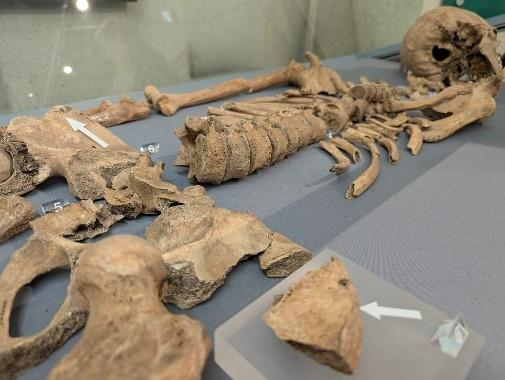
Gladiators are often imagined as fierce warriors fighting for survival in ancient Rome. But new research into their skeletal remains reveals a more complex story.

Surprising Dietary Discoveries

Bone analysis shows that gladiators primarily consumed a diet rich in:

  • Barley

  • Beans and legumes

  • Minimal meat

This plant-based diet earned them the nickname “barley men.”

Why This Diet?

The diet may have helped build body fat, which provided protection during combat. It also ensured a steady, affordable food supply for large numbers of fighters.

Evidence of Training and Care

Skeletal remains also reveal signs of:

  • Repeated injuries that healed over time

  • Medical treatment and care

  • Structured training regimes

This suggests gladiators were not simply expendable—they were valuable assets.