The Terracotta Army: New Evidence of Greek Influence in Ancient China

A Silent Army Beneath the Earth

Hidden beneath the fields of Shaanxi Province lies one of the most extraordinary archaeological discoveries in human history: the Terracotta Army. Built to guard the tomb of China’s first emperor, Qin Shi Huang, this vast collection of life-sized clay soldiers has fascinated researchers since its discovery in 1974.
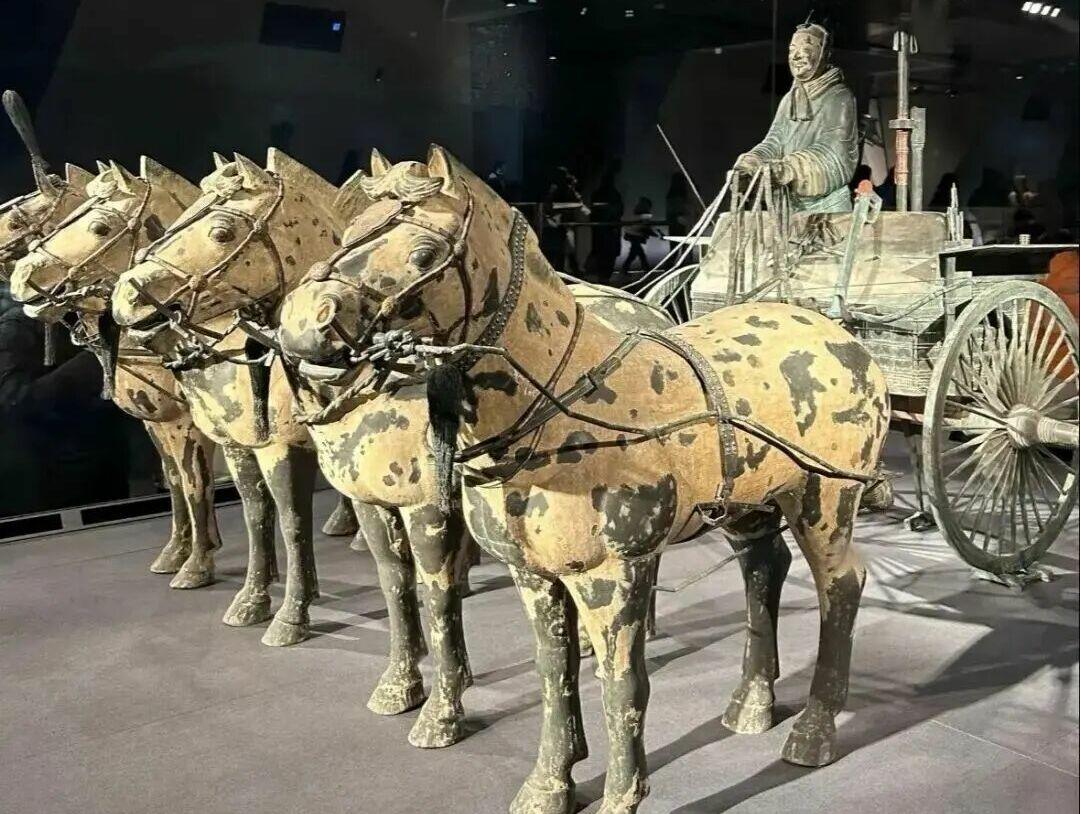
In recent years, however, a controversial and intriguing idea has emerged: could elements of the Terracotta Army show signs of indirect contact with the ancient Greek world?

The Question of Artistic Influence

The debate does not suggest direct Greek construction of the army, but rather possible cultural exchange through intermediary trade routes long before formal Silk Road systems fully developed.

Some scholars point to:

  • Highly naturalistic body proportions

  • Individualized facial features

  • Advanced sculptural realism

These features are unusual in earlier Chinese funerary art, which tended to be more stylized.

Possible Pathways of Contact

If any influence existed, it would likely have traveled through a chain of interactions across Central Asia, possibly involving early trade networks that predate the formal Silk Road.

Key mechanisms may have included:

  • Steppe nomadic intermediaries

  • Exchange of artistic techniques

  • Shared metallurgical knowledge

  • Movement of craftsmen across regions

While evidence remains debated, the possibility highlights how interconnected ancient Eurasia may have been.

The Greek Connection Hypothesis

Some researchers compare Terracotta figures with Hellenistic sculpture traditions that emphasize realism and anatomical accuracy. After Alexander the Great’s campaigns, Greek artistic styles spread across parts of Asia, raising the question of whether earlier contact could have occurred indirectly.

However, most mainstream scholars argue that the Terracotta Army developed independently within Chinese artistic traditions.

Independent Innovation vs. Cultural Diffusion

The key academic question is whether similarities arise from:

  • Independent innovation (parallel development)

  • Cultural diffusion (shared influence across regions)

Both explanations remain plausible, but no definitive evidence confirms direct Greek involvement.

A Monument to Imperial Power

Regardless of external influence, the Terracotta Army primarily reflects the political ideology of the Qin dynasty. It symbolizes:

  • Absolute imperial authority

  • Military organization

  • Belief in an afterlife court

Each soldier represents the emperor’s desire to maintain power beyond death.

Conclusion: A Global Puzzle Still Unsolved

Whether or not Greek influence played a role, the Terracotta Army stands as a masterpiece of ancient engineering and artistry. It also reminds us that ancient civilizations may have been more connected than we once believed.
Megalithic Astronomy: The Solar Alignments of Stonehenge and Newgrange

Ancient Monuments and the Sky

Across prehistoric Europe, massive stone structures reveal a fascinating truth: ancient people carefully observed the heavens. Two of the most famous examples are Stonehenge in Britain and Newgrange in Ireland.

Stonehenge and the Solstice

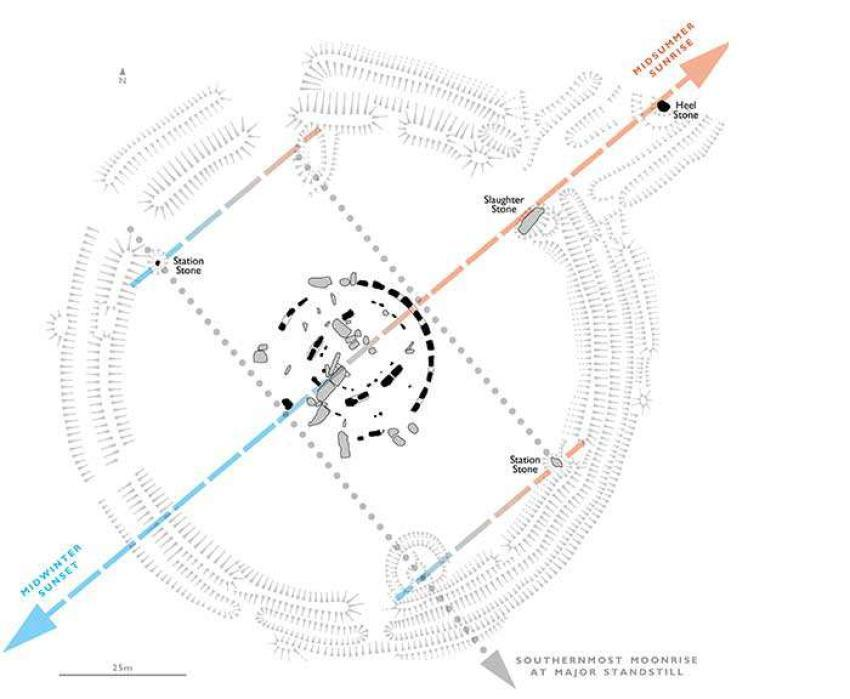
Stonehenge is aligned with the movements of the sun, particularly the summer and winter solstices. During the summer solstice, the sun rises in alignment with the Heel Stone, creating a dramatic visual effect.

This suggests the site was used for:

  • Astronomical observation

  • Ritual gatherings

  • Seasonal celebrations

Newgrange and the Winter Light

Newgrange is even more precise. During the winter solstice, sunlight enters a narrow passage and illuminates the inner chamber for only a few minutes.

This alignment indicates advanced knowledge of solar cycles.

Why Astronomy Mattered

For prehistoric societies, astronomy was essential for:

  • Agriculture planning

  • Seasonal migration

  • Religious ceremonies

  • Timekeeping

The sky was both a calendar and a spiritual guide.

Engineering and Precision

The construction of these monuments required careful planning. Builders had to understand:

  • Solar movement patterns

  • Landscape positioning

  • Structural stability of large stones

A Shared Cultural Idea

Similar astronomical alignments appear in other ancient cultures, suggesting that early humans across regions independently developed sophisticated sky knowledge.

Conclusion: Stones That Track the Sun

Stonehenge and Newgrange show that prehistoric societies were deeply connected to the cosmos. These monuments are not random structures—they are ancient instruments built to track time itself.

Sunken Treasures of the Nile: The Lost Statues of Thonis-Heracleion

A City Lost Beneath the Sea

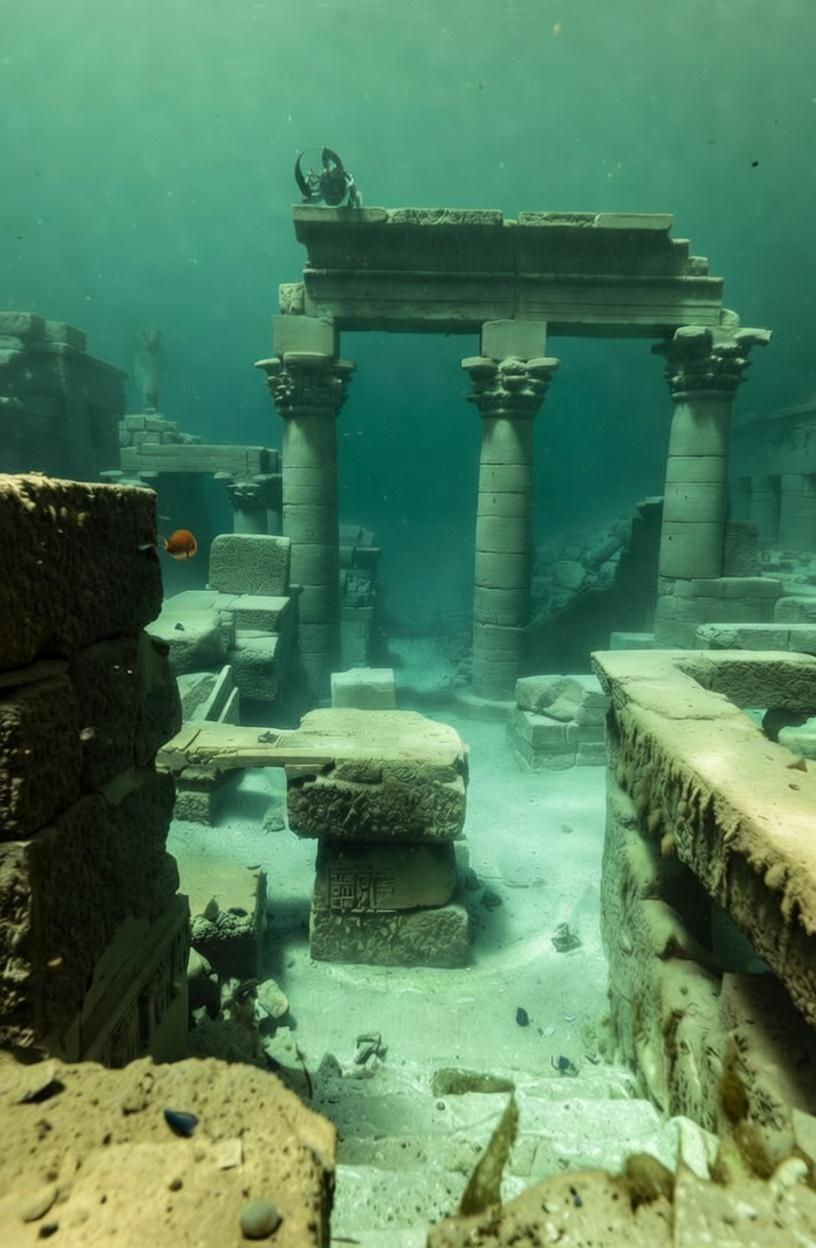
Once a thriving port city at the mouth of the Nile, Thonis-Heracleion was long believed to be a myth—until its rediscovery beneath the Mediterranean Sea.

For centuries, it existed only in ancient texts. Today, it is one of the most remarkable underwater archaeological sites ever found.

The Flooded Metropolis

Thonis-Heracleion was once a major trade hub controlling access to Egypt. It featured:

  • Temples dedicated to gods like Amun-Gereb

  • Massive stone statues of pharaohs

  • Canals and harbor infrastructure

  • Residential districts and docks

Over time, the city was submerged due to a combination of rising sea levels, earthquakes, and soil liquefaction.

Rediscovery Beneath the Waves

Modern underwater archaeology revealed extraordinary remains:

  • Giant statues still standing on the seabed

  • Inscribed stelae describing royal decrees

  • Shipwrecks preserved in sediment

  • Gold artifacts and ritual objects

The preservation conditions underwater helped protect many objects for over a thousand years.

Ritual and Trade Center

Thonis-Heracleion was not only a commercial hub but also a religious center. Pilgrims traveled there to worship, making it both economically and spiritually significant.

The Power of Water and Time

The city’s fate reflects the fragile relationship between human civilization and natural forces. What was once a powerful port is now a silent underwater landscape.

Conclusion: A City Reclaimed by the Sea

Thonis-Heracleion reminds us that history is not always lost—it is sometimes simply hidden. Beneath the waves lies a frozen moment of ancient life waiting to be rediscovered.

The Rosetta Stone of the North: Decoding the Pictish Symbols

A Lost Language in Stone

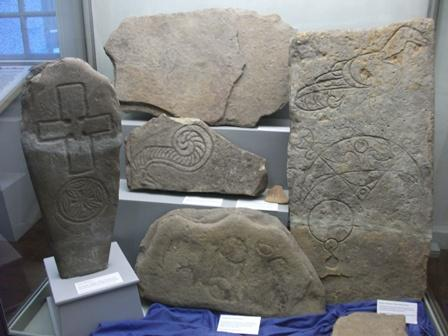
Scattered across northern Scotland are hundreds of carved stones bearing mysterious symbols that have puzzled researchers for centuries. These markings, created by the ancient Picts, represent one of Europe’s most enduring archaeological mysteries.

Unlike written languages such as Latin or Greek, Pictish symbols have never been fully decoded.

The Symbol Stones

Pictish stones typically feature a combination of:

  • Geometric shapes (circles, crescents, zigzags)

  • Animal figures (salmon, eagles, bulls)

  • Abstract symbols (mirrors, combs, rods)

These symbols often appear in pairs, suggesting they may have functioned as a communication system.

A Language or Something Else?

Scholars debate whether Pictish symbols represent:

  • A written language

  • A system of clan or tribal identification

  • Religious or ceremonial markings

  • A combination of symbolic meanings

The lack of bilingual inscriptions makes decoding extremely difficult.

The “Rosetta Stone” Problem

The famous Rosetta Stone allowed scholars to decode Egyptian hieroglyphs because it contained the same text in multiple languages. No equivalent exists for Pictish symbols, making interpretation far more challenging.

Because of this, the symbols remain partially understood but not fully readable.

Archaeological Context

Many stones are found near burial sites, suggesting a funerary or commemorative function. Others appear on monumental stones that may have marked territory or status.

Regional Variation

Different regions of Scotland show variations in symbol styles, hinting at local traditions or evolving meanings over time.

This variation suggests the system was not static but culturally dynamic.

Modern Interpretations

Some researchers use statistical and computational methods to analyze symbol patterns. Others compare them with known early medieval languages and iconography.

Despite these efforts, no consensus has been reached.

Cultural Significance

Even without full translation, Pictish stones offer valuable insight into identity, power, and belief systems in early medieval Scotland.

They represent a society that communicated through symbols as much as words.

Conclusion: A Message Still Unread

The Pictish symbols remain one of archaeology’s greatest mysteries. Whether language, code, or cultural marker, they continue to challenge our understanding of early medieval Europe.

Ancient Megastructures: How the Incas Moved Stones Without the Wheel

Engineering Without Wheels

One of the most astonishing achievements in ancient engineering comes from the Andes, where the Inca Empire constructed vast cities and monumental stone structures without the use of iron tools, draft animals like horses, or even the wheel for transportation.

Despite these limitations, they built some of the most precisely fitted stone architecture in human history.

The Mystery of the Moving Stones

Some Inca stones weigh over 100 tons. Yet they were transported across rugged mountainous terrain without modern machinery.

Archaeologists believe several techniques were used:

  • Human labor in large organized teams

  • Rope systems made from plant fibers

  • Earthen ramps and terraces

  • Carefully planned seasonal transport routes

Rather than relying on a single method, the Incas likely combined multiple strategies depending on terrain and stone size.

The Role of Community Labor

The Inca state was highly organized, and labor was structured through a system known as mit’a, a form of rotational public work.

Communities contributed labor to state projects such as:

  • Road construction

  • Agricultural terraces

  • Temple building

  • Stone quarrying and transport

This system allowed the empire to mobilize thousands of workers efficiently.

Precision Without Iron Tools

Inca stonework is famous for its precision. Stones were cut so accurately that mortar was often unnecessary. Even today, it is difficult to insert a knife blade between the joints.

This precision was achieved using:

  • Stone hammers (harder stones used as tools)

  • Sand abrasion techniques

  • Repeated shaping and fitting

  • Careful trial-and-error placement

Why No Wheel?

The absence of the wheel in Inca engineering is often misunderstood. The Andes’ steep terrain made wheeled transport impractical.

Instead, the Incas developed alternatives better suited to their environment:

  • Pack animal caravans (llamas)

  • Human relay systems

  • Suspension bridges made of rope

Megastructures in the Mountains

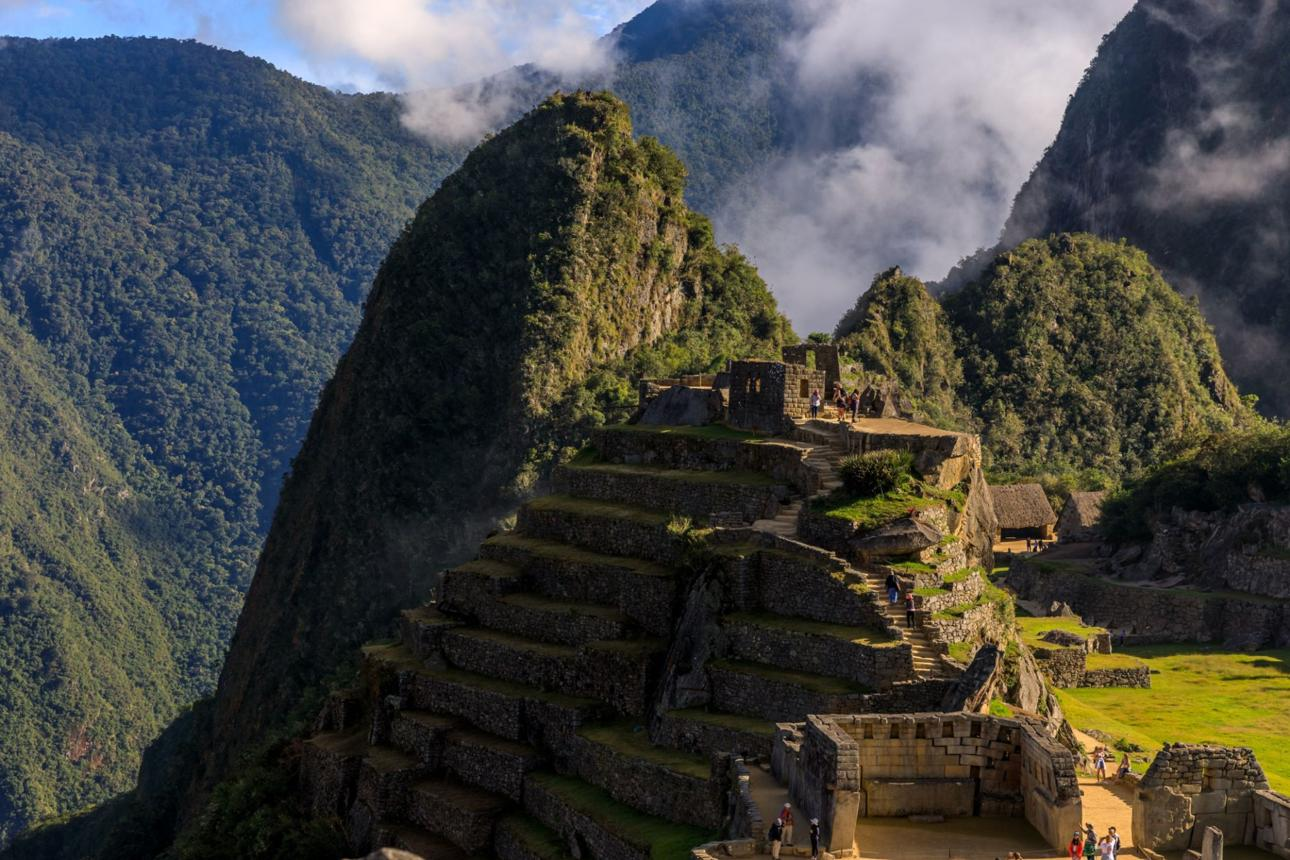
Sites like Machu Picchu and Sacsayhuamán demonstrate the scale of Inca engineering. These structures were not just functional—they were symbolic representations of power, astronomy, and spiritual order.

A Civilization Built on Adaptation

Rather than seeing the lack of wheels as a limitation, the Incas developed a system perfectly adapted to their environment. Their achievements highlight how innovation is shaped by geography.

Legacy of Inca Engineering

Today, Inca stonework continues to inspire architects and engineers. It challenges modern assumptions about technology and demonstrates that intelligence and organization can rival machinery.

Conclusion: Rethinking Ancient Innovation

The Inca Empire proves that technological progress is not linear. Even without wheels or iron tools, they achieved engineering feats that remain unmatched in precision and scale.

The Bronze Age Collapse: What Really Happened in 1177 BC?

One of History’s Greatest Civilizational Crises

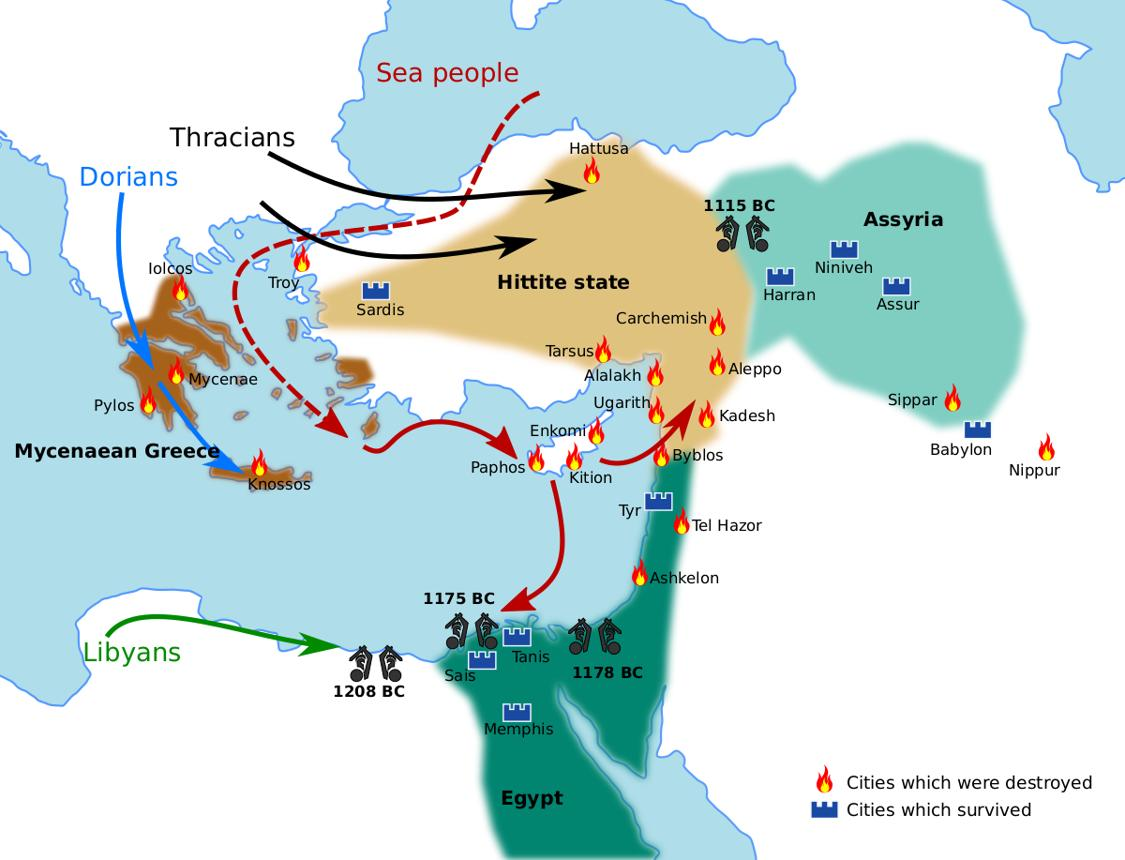
Around 1177 BCE, the ancient Mediterranean world experienced a dramatic collapse. Powerful civilizations that had dominated the region for centuries suddenly fell into decline or disappeared entirely.

This period marks the end of the Late Bronze Age and the beginning of a much darker and more fragmented era.

The Great Civilizations That Fell

The collapse affected several major powers, including:

  • The Mycenaean kingdoms of Greece

  • The Hittite Empire in Anatolia

  • The New Kingdom of Egypt (weakened but surviving)

  • Cities across the Levant

Many urban centers were destroyed, abandoned, or significantly reduced in population.

The Mystery of the Sea Peoples

Ancient Egyptian records describe mysterious invaders known as the “Sea Peoples.” These groups attacked coastal cities and disrupted trade networks.

Their exact identity remains uncertain, but they are believed to have been a combination of displaced populations, raiders, and migrating groups.

Climate, Collapse, and Crisis

Modern research suggests that the collapse was not caused by a single event, but by a combination of factors:

  • Climate change and prolonged drought

  • Earthquakes and natural disasters

  • Disruption of trade networks

  • Political instability

  • External invasions

Together, these pressures created a cascading system failure.

The Collapse of Trade Networks

The Bronze Age world was highly interconnected. Tin, copper, and luxury goods moved across vast distances.

When trade broke down:

  • Metal production declined

  • Armies weakened

  • Economies collapsed

  • Cities lost stability

Interdependence became vulnerability.

Written Records Go Silent

One of the most striking consequences of the collapse is the disappearance of written records in some regions. In Greece, for example, writing systems vanished for centuries, leading to what is sometimes called the “Greek Dark Ages.”

Survival and Adaptation

Not all societies collapsed completely. Some adapted, migrated, or reorganized into new political systems. The crisis reshaped the ancient world rather than simply ending it.

A Modern Warning

Historians often study the Bronze Age Collapse as a case study in systemic fragility. It shows how interconnected societies can be vulnerable to multiple simultaneous stresses.

Conclusion: Collapse as Transformation

The Bronze Age Collapse was not just an ending—it was a transformation. From its ruins eventually emerged the classical civilizations of Greece, Rome, and the wider Mediterranean world.

It remains one of history’s most powerful reminders that even great civilizations are not immune to change.

De-extinction and Archaeology: Should We Bring Back the Woolly Mammoth?

A Radical Idea Reshaping Science

In recent years, advances in genetics have made what once sounded like science fiction seem increasingly plausible: the return of extinct species. Among the most famous candidates is the woolly mammoth, a giant Ice Age animal that once roamed the northern tundra.

Through DNA extraction from preserved remains, scientists are exploring whether de-extinction is possible.

What Is De-Extinction?

De-extinction refers to the process of reviving extinct species using modern genetic technology. This may involve:

  • Cloning preserved DNA

  • Editing genes of living relatives

  • Creating hybrid organisms

For mammoths, scientists are working with Asian elephants as the closest living relatives.

The Scientific Progress So Far

DNA from frozen mammoth remains has been successfully sequenced. However, the DNA is fragmented, making full cloning impossible at present.

Instead, researchers are exploring gene editing techniques to introduce mammoth-like traits into elephants, such as:

  • Thick fur

  • Fat layers for cold resistance

  • Cold-adapted blood proteins

The goal is not an exact replica, but a functional ecological substitute.

The Ecological Argument

Supporters of de-extinction argue that bringing back mammoth-like animals could help restore lost ecosystems, particularly the Arctic tundra.

They suggest mammoths could:

  • Trample snow to help permafrost remain frozen

  • Encourage grassland ecosystems

  • Reduce methane emissions from thawing soil

This concept is known as “Pleistocene rewilding.”

The Ethical Debate

However, the idea raises serious ethical questions:

  • Is it right to recreate extinct life forms?

  • What quality of life would these animals have?

  • Could they disrupt modern ecosystems?

Some scientists argue that resources would be better spent protecting endangered species rather than reviving extinct ones.

Archaeology and De-Extinction

For archaeologists, de-extinction is particularly intriguing. It could allow researchers to:

  • Study ancient ecosystems in real time

  • Test theories about human-animal interactions

  • Understand extinction causes more deeply

But it also blurs the line between past and present in unprecedented ways.

Risks and Uncertainties

Major challenges include:

  • Genetic instability

  • Unknown ecological consequences

  • High costs of long-term care

  • Ethical responsibility for engineered life

There is also concern about whether such projects could be misused or commercialized.

A Symbolic Return

Even if true mammoths are never fully revived, the effort itself represents something important: humanity’s desire to reconnect with lost worlds.

Conclusion: Science at a Crossroads

De-extinction sits at the intersection of archaeology, genetics, and ethics. It forces us to ask whether we should undo extinction—or focus on preventing it in the present.

Either way, the woolly mammoth has already achieved something remarkable: it has become a symbol of humanity’s power to reshape life itself.

Climate Change vs. Heritage: The Race to Save Coastal Sites from Rising Tides

A Heritage Crisis Unfolding in Real Time

Across the world’s coastlines, an urgent battle is unfolding. Ancient cities, sacred monuments, and archaeological landscapes are being slowly consumed by rising seas, stronger storms, and accelerating coastal erosion. As climate change intensifies, humanity is facing a new kind of loss—not just environmental, but cultural.

Many of these vulnerable sites represent thousands of years of history, now at risk of disappearing within decades.

The Science Behind Rising Threats

Sea levels are rising due to two major factors:

  • Melting glaciers and polar ice sheets

  • Thermal expansion of warming ocean water

As a result, low-lying archaeological sites are increasingly exposed to flooding, saltwater damage, and structural collapse.

Saltwater is especially destructive, as it:

  • Weakens stone foundations

  • Corrodes metals

  • Accelerates decay of organic materials

Once damage begins, it is often irreversible.

Sites on the Front Line

Some of the world’s most significant heritage locations are under threat, including:

  • Coastal temples and religious shrines

  • Ancient ports and trade cities

  • Prehistoric settlement sites

  • Shipwrecks and submerged landscapes

Entire archaeological landscapes are now being documented before they are lost forever.

The Race Against Time

Archaeologists are working rapidly to document endangered sites using:

  • Drone mapping

  • 3D laser scanning (LiDAR)

  • Underwater archaeology

  • Satellite imaging

These technologies allow researchers to create detailed digital records before physical structures disappear.

In many cases, documentation is now considered a form of preservation.

Preservation vs. Relocation

There are two main strategies for protecting coastal heritage:

1. In-situ protection

Building barriers, seawalls, or drainage systems to protect sites in their original location.

2. Relocation

Moving artifacts or even entire structures to safer ground.

However, both approaches have limitations. Relocation can strip sites of their context, while barriers are often expensive and temporary against rising seas.

The Emotional Cost of Loss

Beyond scientific value, these sites hold deep cultural and spiritual meaning for local communities. Their disappearance represents:

  • Loss of identity

  • Loss of ancestral connection

  • Loss of historical continuity

In many regions, heritage is not just history—it is living memory.

Digital Preservation as a New Solution

When physical preservation is impossible, digital archaeology offers an alternative.

Projects now use:

  • 3D reconstructions of temples and ruins

  • Virtual reality heritage experiences

  • Digital archives accessible worldwide

This ensures that even if sites are destroyed, their knowledge survives.

A Global Inequality Problem

Climate change does not affect all heritage equally. Many of the most vulnerable sites are in regions with limited funding for conservation.

This creates a global inequality in preservation, where wealthier nations can protect their heritage more effectively than others.

A Future of “Lost Heritage”

Archaeologists warn that the coming decades may see the largest loss of cultural heritage since the end of the last Ice Age. Some sites may disappear before they are even fully studied.

This raises a profound question: what is lost when history itself disappears?

Who Really Discovered America? Evidence for Pre-Columbian Voyages

Rethinking a Familiar Narrative

For centuries, history books have taught that Christopher Columbus “discovered” the Americas in 1492. However, archaeological and historical research increasingly shows that this narrative is incomplete.

Long before Columbus arrived, multiple groups may have reached the Americas through migration, exploration, or accidental voyages.

The Viking Presence in North America

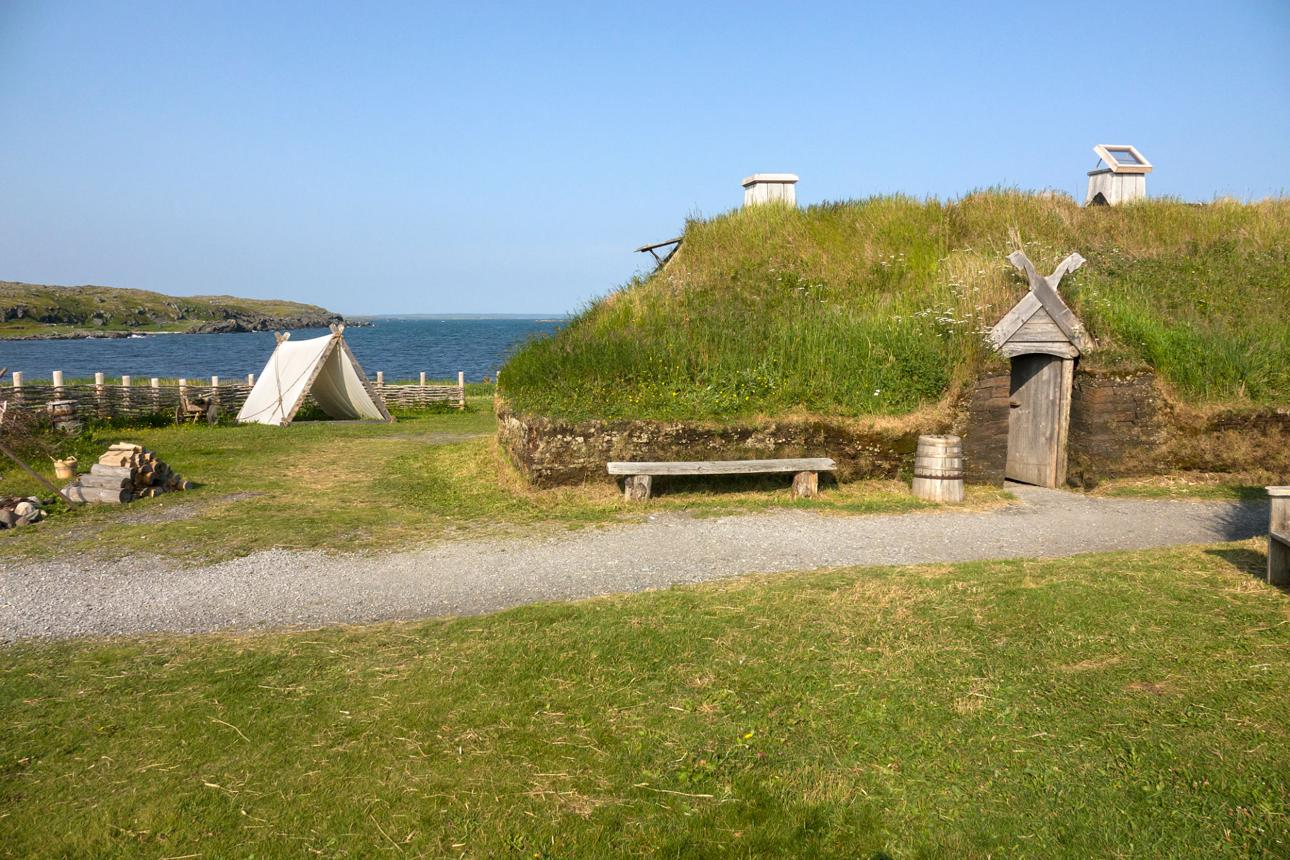
One of the strongest pieces of evidence comes from Norse exploration. Settlements at L'Anse aux Meadows in Newfoundland confirm that Norse explorers reached North America around 1,000 CE.

These findings demonstrate that Europeans reached the continent nearly 500 years before Columbus.

Possible Transoceanic Contacts

Beyond the Vikings, some researchers propose other pre-Columbian contacts, though these remain debated:

  • Polynesian navigation across the Pacific

  • Possible African transatlantic voyages

  • Ancient drift or accidental crossings

While evidence varies in strength, these theories challenge the idea of a single “discovery moment.”

Indigenous Civilizations Were Already Thriving

It is important to emphasize that the Americas were already home to complex societies long before European arrival.

Civilizations such as the Maya, Aztec, and Inca had:

  • Advanced agriculture

  • Urban planning

  • Written systems and astronomy

This means the concept of “discovery” is itself misleading, as millions of people already inhabited the continents.

The Problem with “Discovery”

Modern historians increasingly argue that the word “discovery” reflects a Eurocentric perspective. It overlooks the fact that the Americas were not empty lands waiting to be found.

Instead, scholars prefer terms like:

  • “Contact”

  • “Encounter”

  • “Transoceanic interaction”

These terms better reflect historical complexity.

Archaeology and Evidence

Evidence for pre-Columbian voyages includes:

  • Norse settlement remains

  • Botanical traces suggesting plant movement

  • Oral histories from Indigenous communities

  • Experimental navigation studies

However, many claims remain controversial and require further verification.

A More Complex Global History

The growing body of evidence suggests that ancient peoples were more mobile and capable than previously believed. Ocean travel, trade, and exploration may have been more widespread than traditionally assumed.

Redefining Global Origins

Rather than a single discovery, the history of the Americas is increasingly seen as a series of interactions between diverse peoples over thousands of years.

A History Still Being Written

As new archaeological discoveries emerge, our understanding of early global contact continues to evolve. What remains clear is that human history is far more interconnected than once thought.

The Parthenon Marbles: Why 2026 Could Be the Year of Their Return

A Cultural Debate That Refuses to Fade

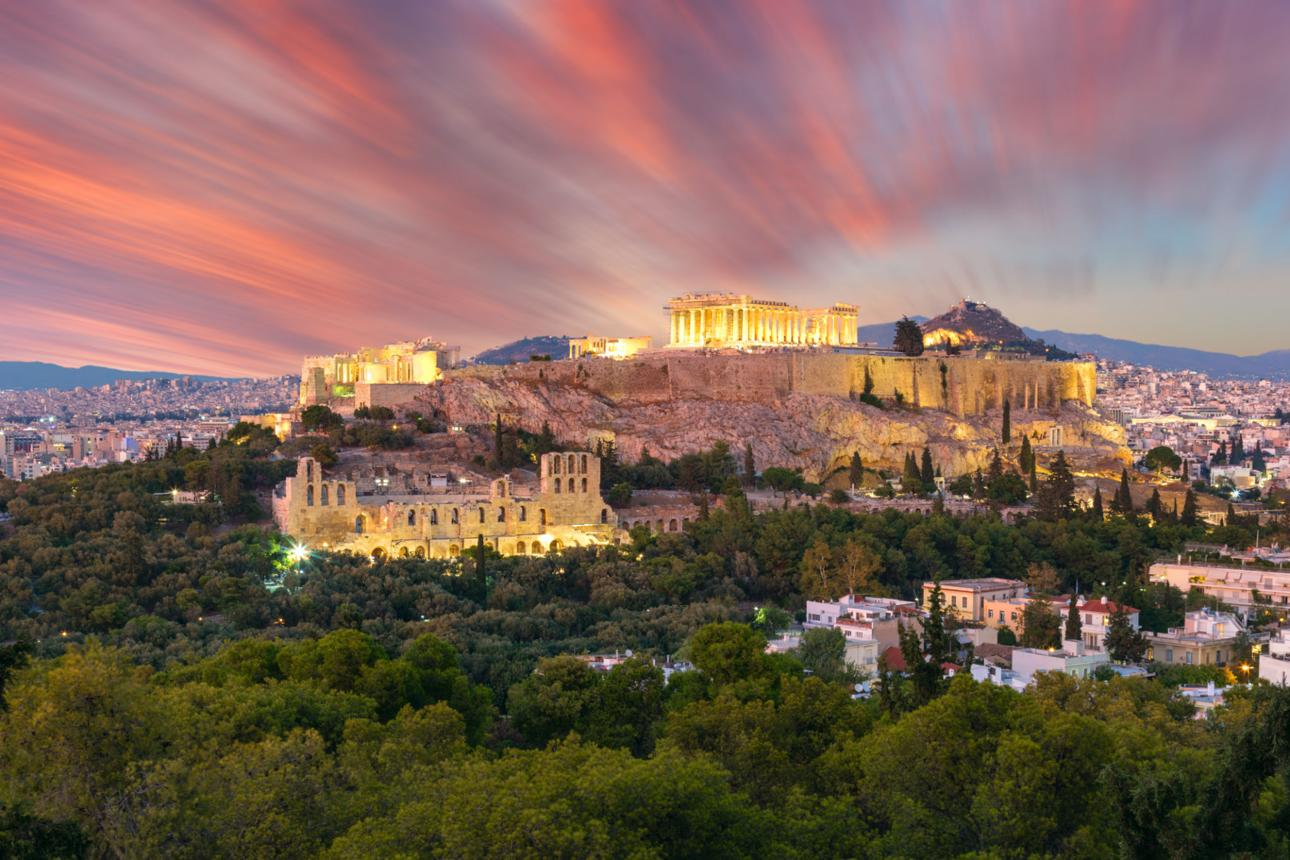
Few heritage disputes in the world carry as much emotional, political, and cultural weight as the debate over the Parthenon Marbles. These sculptures, originally part of the Parthenon temple in Athens, have been housed in the British Museum since the early 19th century, where they remain one of its most visited collections.

In recent years, however, momentum has been building for their return to Greece. As 2026 approaches, many cultural analysts believe the conversation may be entering its most decisive phase yet.

The Origins of the Dispute

The Parthenon Marbles were removed from the Acropolis in Athens in the early 1800s by Lord Elgin, then British ambassador to the Ottoman Empire. He later transported them to Britain, where they were sold to the British Museum.

Greece has long argued that the sculptures were taken under questionable circumstances during a period of foreign occupation. Britain, on the other hand, has maintained that the acquisition was legal under the rules of the time.

This disagreement has shaped over two centuries of debate.

Why 2026 Is Seen as a Turning Point

Several factors are converging that may make 2026 a pivotal year:

  • Increased diplomatic dialogue between Greece and the UK

  • Growing international support for cultural repatriation

  • Advances in museum collaboration agreements

  • Rising public interest in heritage justice

Cultural institutions are also under pressure to reassess colonial-era acquisitions, making this an especially sensitive moment.

The Case for Return

Supporters of repatriation argue that the marbles belong in their original architectural and cultural context: the Acropolis in Athens. The newly built Acropolis Museum was specifically designed with space reserved for their return, offering a modern, climate-controlled environment.

They argue that reunification would:

  • Restore the integrity of the Parthenon narrative

  • Strengthen global cultural cooperation

  • Acknowledge historical imbalances in museum collecting

The Case for Retention

Opponents of return argue that the marbles are part of a global museum collection and accessible to millions in London. They also claim that major museums serve as guardians of world heritage, preserving artifacts beyond national boundaries.

This perspective emphasizes the idea of a “universal museum,” where history is shared rather than geographically restricted.

Cultural Identity and Global Responsibility

At the heart of the debate lies a deeper question: who owns the past?

For Greece, the marbles are an essential part of national identity and cultural continuity. For Britain, they represent a shared global heritage accessible to international audiences.

This tension reflects broader discussions in archaeology and museology about ownership, ethics, and cultural stewardship.

The Role of Public Opinion

Public sentiment has shifted significantly in recent years. Surveys across Europe and beyond show growing support for the return of disputed artifacts to their countries of origin.

Social media and global advocacy campaigns have amplified the issue, turning what was once a scholarly debate into a worldwide conversation.

What Happens Next?

While no final agreement has been reached, negotiations between institutions continue. Any potential resolution would likely involve long-term loans, shared exhibitions, or formal repatriation agreements.

As 2026 approaches, the question is no longer whether the debate will continue—but whether a breakthrough is finally within reach.

A Symbol Beyond Stone

The Parthenon Marbles are more than ancient sculptures. They represent how modern societies interpret history, ownership, and cultural memory.

Their future may redefine how the world manages its shared heritage.

Mystery item spotted in 2,000-year-old Egyptian child mummy

Critical information about this unknown boy was destroyed during World War II.

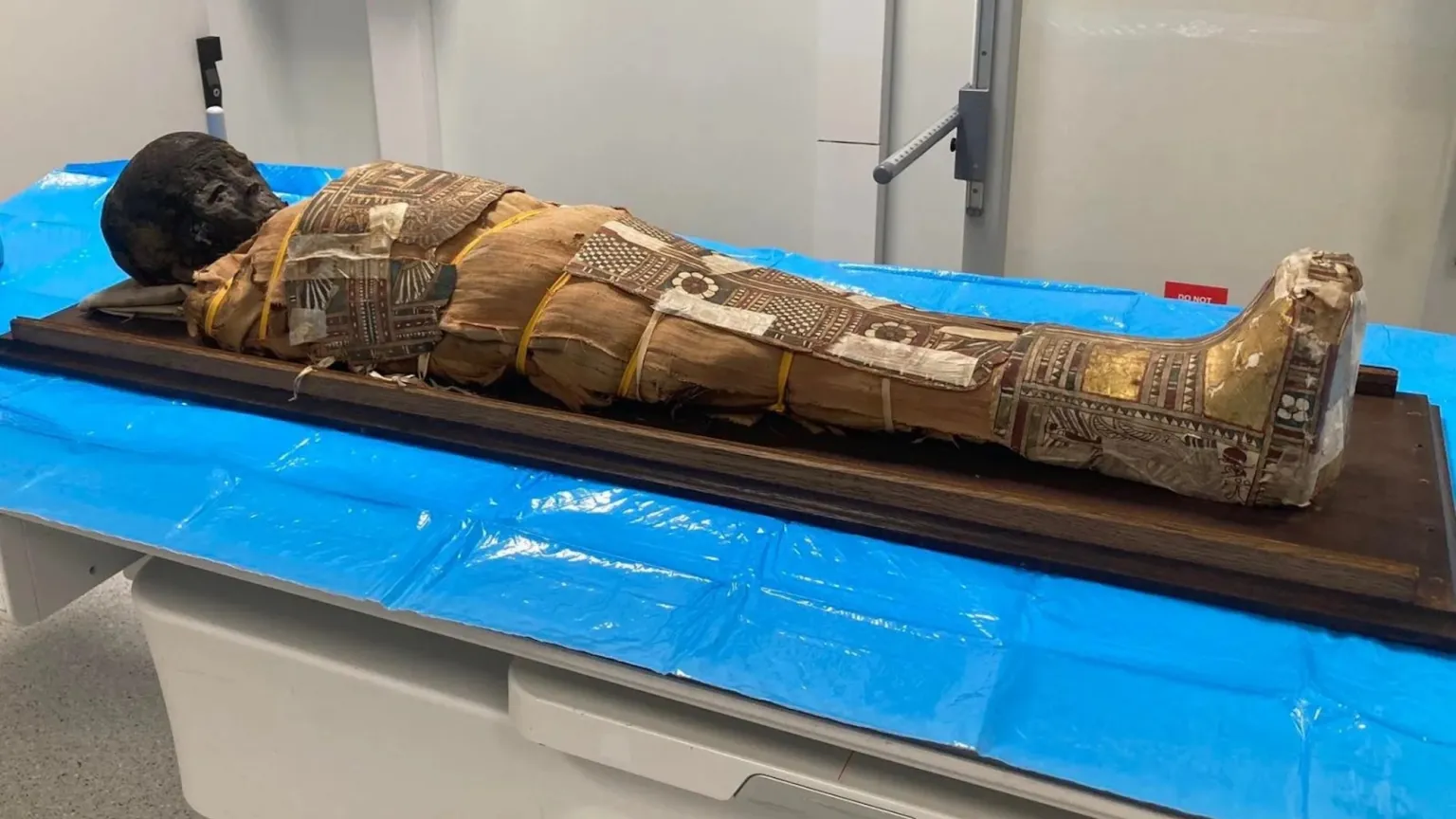
Archaeologists in Poland are gradually reconstructing the story of an ancient Egyptian child mummy whose identity was nearly lost to history. Housed in the Archdiocesan Museum in Wrocław since 1914, the mummy’s documentation disappeared during World War II, leaving researchers with little context—until now.

Modern technology meets ancient remains

A team led by Agata Kubala at the University of Wrocław began a full investigation in 2023 using:

  • CT scans

  • X-ray imaging

  • 3D digital reconstruction

These non-invasive methods allowed researchers to study both the body and its outer casing (cartonnage) without unwrapping or damaging the mummy—a major advancement compared to older excavation techniques.

Who was the child?

From dental analysis, the team determined:

  • The mummy belonged to a boy around 8 years old

  • No clear signs of disease or trauma were found

  • The cause of death remains unknown

Despite this uncertainty, the burial itself reveals important social clues.

Unusual mummification methods

The boy’s body shows a mix of traditional and unusual embalming practices:

  • The brain was removed through the nasal cavity (standard Egyptian method)

  • Internal organs were extracted—but likely through the rectum, rather than the usual abdominal incision

  • The body was partially filled with textiles instead of heavy resin use

These variations suggest:

  • a non-elite but still careful burial

  • likely a middle-class family during the Ptolemaic Period (332–30 BCE)

This is important because it shows that mummification techniques were not uniform, but varied depending on resources and local practices.

Clues from the decorated casing (cartonnage)

The cartonnage—made of layered linen and plaster—contains rich symbolic imagery pointing to the boy’s origins.

Key motifs include:

  • rosettes

  • lotus flowers

  • a winged scarab

  • a hybrid deity figure

These elements suggest a connection to Upper Egypt, particularly regions near Kom Ombo or Aswan.

One especially intriguing figure may represent Nehebkau, a serpent god associated with protection and the afterlife.

The most mysterious discovery: an object on the chest

The most surprising find came not from the body itself, but from inside the wrappings.

Using 3D imaging, researchers identified:

  • a previously unknown object placed on the child’s chest

Because the mummy is too fragile to unwrap, the object remains untouched. However, researchers believe it could be:

  • a papyrus scroll

  • possibly containing the boy’s name or personal information

If confirmed, this would be extremely rare and valuable—offering a direct link to the child’s identity, something usually lost in anonymous mummies.

Why this discovery matters

This case highlights several important developments in archaeology:

1. Technology is transforming research

Non-invasive imaging allows scientists to study fragile remains without destroying them.

2. Mummification was more diverse than expected

Not all Egyptians followed the same embalming methods—social class and region mattered.

3. Identity can still be recovered

Even without historical records, objects like amulets or scrolls may preserve personal details.

4. War still impacts archaeology

The loss of records during World War II shows how modern events can permanently affect our understanding of the ancient past.

A Historian Found Evidence of a Hidden Army Inside the Roman Empire

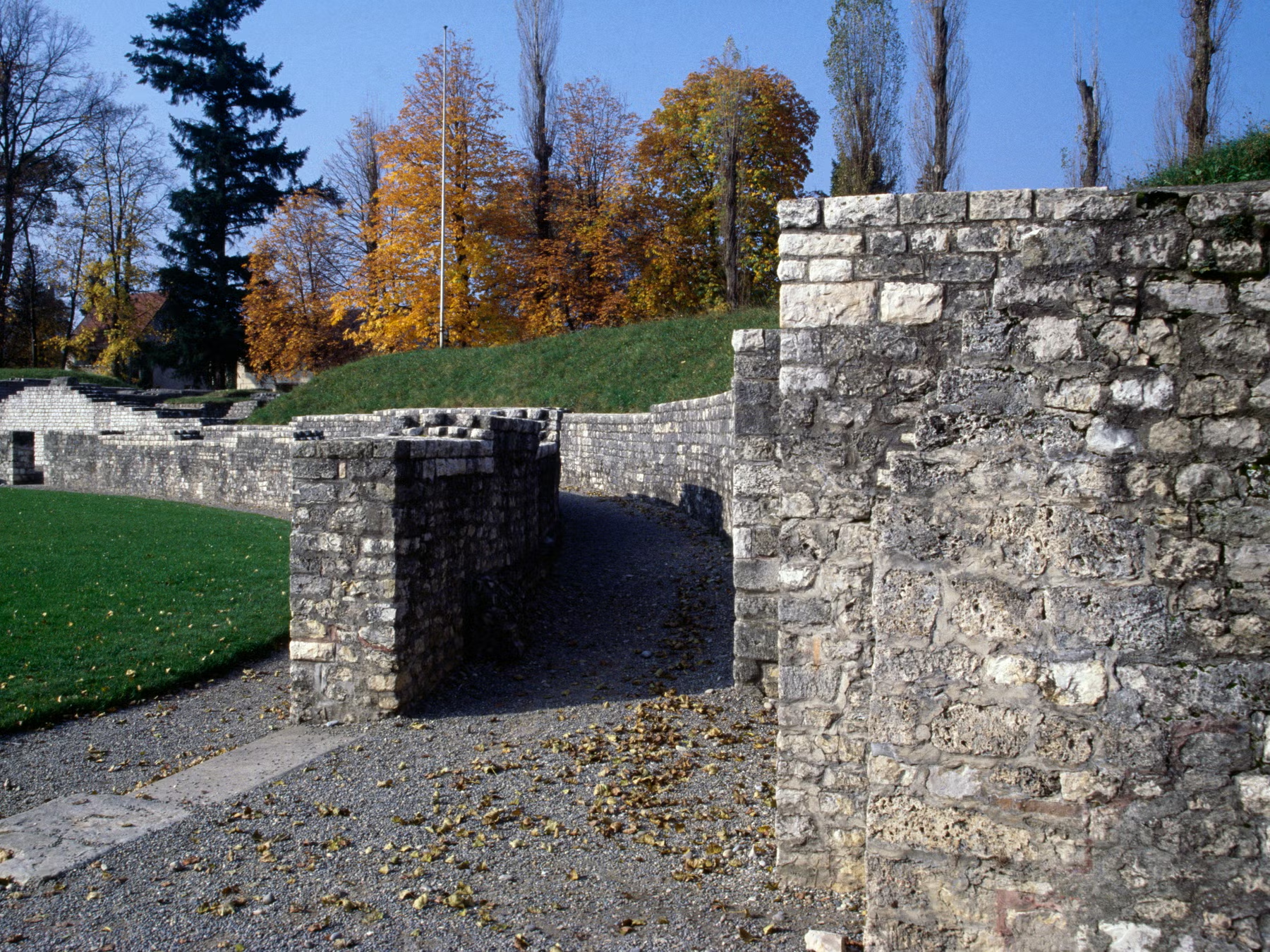
This example demonstrates that local independence may have been possible within the empire.

A new interpretation by John Ma challenges a long-standing assumption about the Roman Empire: that it simply absorbed and controlled every society it encountered.

Instead, the case of the Helvetians (in present-day Switzerland) suggests something more nuanced—a system of shared power and negotiated autonomy.

Who were the Helvetians?

The Helvetians were a Celtic group living on the Swiss Plateau before and during Roman expansion into Gaul. Traditionally, historians assumed that once Rome conquered Gaul, groups like them:

  • lost political independence

  • adopted Roman systems entirely

  • became passive provincial subjects

But this new research paints a different picture.

A “state within an empire”

According to the study, the Helvetians continued to function as a “state-like” community even under Roman rule. That means they:

  • maintained administrative control over their territory

  • raised and funded their own military forces

  • managed local governance independently

  • preserved elements of their cultural identity

This was not rebellion, but recognized autonomy within the imperial structure.

Their military: Roman style, local control

One of the most important insights is how the Helvetian army operated:

  • they adopted Roman-style equipment and organization

  • they were not directly controlled by Rome

  • they equipped and paid soldiers themselves

  • they likely defended local forts and territories

This reflects a hybrid system combining Roman influence with local decision-making.

The role of civitates

The Helvetians were organized as a civitas (plural: civitates), a Roman administrative unit often based on pre-existing tribal territories.

However, these civitates:

  • were not just bureaucratic divisions

  • acted as active political entities

  • handled taxation, defense, and governance locally

This shows that Rome relied on existing local structures rather than eliminating them.

Rethinking how empires worked

This discovery reshapes how we understand Roman imperialism.

Traditional view:

  • Rome conquers, replaces systems, and imposes total control

Revised view:

  • Rome conquers, integrates, and shares authority with local powers

The Helvetians demonstrate that:

  • imperial rule could be flexible and negotiated

  • local elites remained influential

  • cultural identity persisted

Why this matters beyond Gaul

This case likely reflects a broader pattern:

  • other Gallic communities may have had similar autonomy

  • provinces may have functioned as networks of semi-independent groups

  • Rome’s strength may have depended on cooperation as much as control.