Introduction
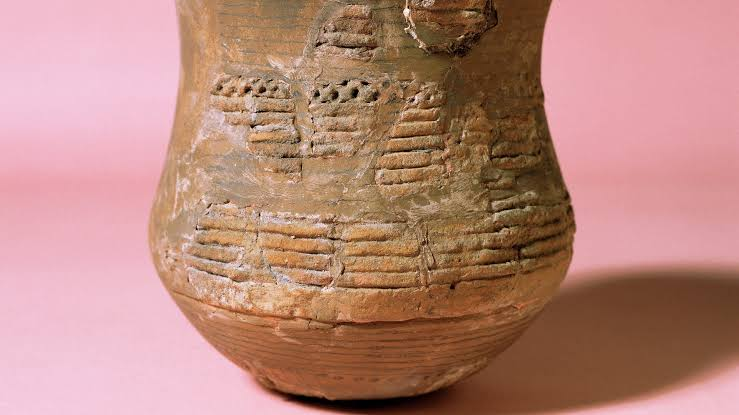
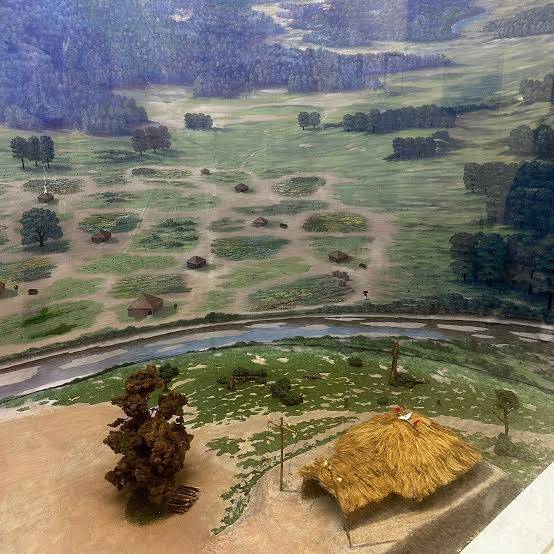
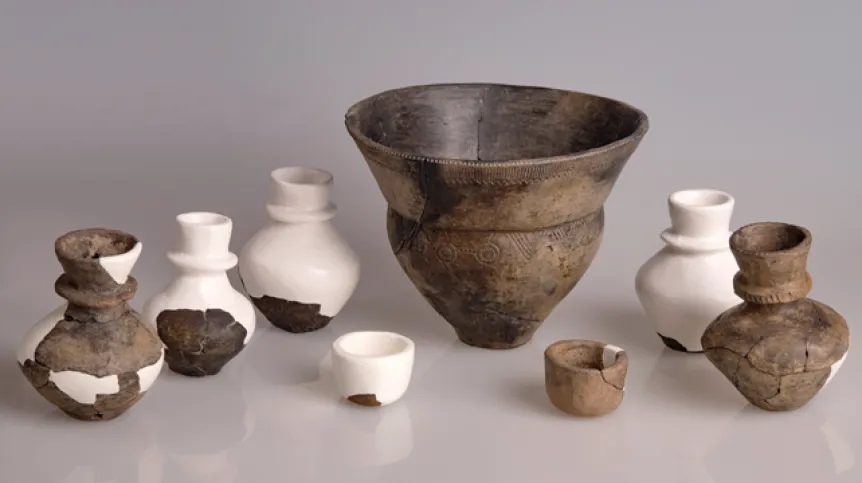
The Globular Amphora culture represents a critical, highly dynamic ideological and economic transition across the forested plains of Central and Eastern Europe during the Late Neolithic period (flourishing between roughly 3400 BCE and 2800 BCE). Named after their distinctive, bulbous ceramic vessels featuring small loop handles and narrow necks, these people occupied a massive geographic band stretching from central Germany to Ukraine.
For generations, mainstream archaeology struggled to map the precise socio-economic lifestyle of this culture and its exact relationship to the massive demographic shifts under way across Europe. Did they represent a sedentary, crop-dependent society, or were they highly specialized pastoralists driving a revolution in dietary economics?
The answers came from two complementary scientific breakthroughs: advanced paleogenomic sequencing of a tragic prehistoric mass grave and cutting-edge organic residue analysis of ceramic molecular lipids, which yielded concrete, five-thousand-year-old evidence of widespread milk consumption and dairy farming.
Molecular Lipids and the Koszyce Tragedy
The most definitive economic insights into the Globular Amphora culture emerged from the application of gas chromatography-mass spectrometry to the porous clay matrices of their signature pottery. Chemists successfully extracted ancient lipid residues trapped inside the ceramic walls of vessels excavated at multiple sites across Poland.
The molecular structure and carbon isotope ratios of these fatty acids provided absolute, unassailable proof that the vessels were routinely used to process, store, and consume milk and dairy products derived from cattle, sheep, or goats. This molecular evidence established that the Globular Amphora culture was at the forefront of the "Secondary Products Revolution"—a monumental shift in human prehistory where livestock were no longer raised exclusively for meat, but managed as a renewable, high-energy source of dairy nutrition.
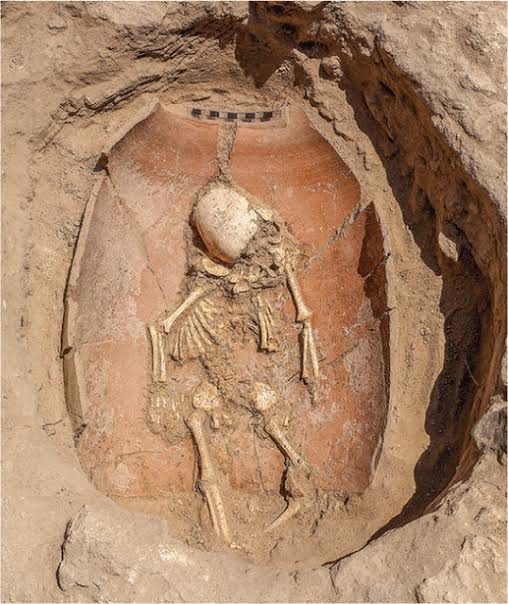
While chemistry mapped their diet, paleogenomics mapped their social structures through the analysis of a famous mass grave discovered in Koszyce, southern Poland, dating to approximately 2800 BCE. The grave contained the skeletal remains of 15 men, women, and children who had been brutally executed by blows to the skull.
Genome-wide DNA sequencing revealed a deeply poignant social insight: the individuals were buried in a highly organized manner, placed side-by-side based on their biological relationships. Mothers were buried holding their children, and siblings were placed next to one another. No fathers were present in the grave.
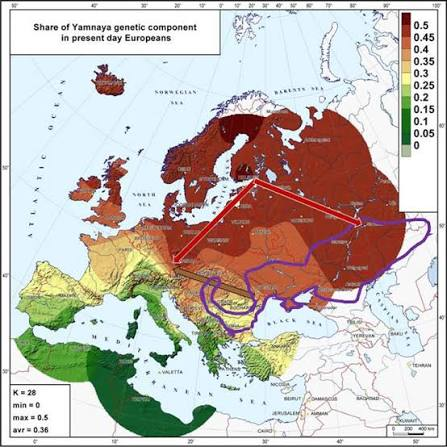
Genetically, these people carried a high proportion of Early European Agriculturalist (EEA) ancestry with a significant retention of Western Hunter-Gatherer (WHG) lineages, completely lacking the incoming Yamnaya steppe herder DNA that was beginning to expand across the region. The Koszyce mass grave represents a tragic snapshot of local, tight-knit European dairy farmers slaughtered during a period of intense territorial warfare, likely defending their valuable herds from incoming steppe warrior patrilines.
Conclusion
Ultimately, the multidisciplinary unmasking of the Globular Amphora culture provides an invaluable window into the economic and social resilience of Late Neolithic Europe. The molecular lipid evidence from Poland proves that specialized dairy farming was well established five thousand years ago, providing a reliable, high-calorie food source that allowed these communities to thrive in the dense forests of Central Europe.
Although the Koszyce massacre highlights the violent demographic pressures they faced, their biological and economic legacy was not entirely lost. As the Bronze Age stabilized, their advanced dairy traditions and deeply rooted local genetic lineages were absorbed into the subsequent Corded Ware and Unetice populations, leaving a lasting impact on the dietary habits and genetic makeup of modern Central Europeans.