• MAIN PAGE
  • LATEST NEWS
    • Lost Cities
    • Archaeology's Greatest Finds
    • Underwater Discoveries
    • Greatest Inventions
    • Studies
    • Blog
  • PHILOSOPHY
  • HISTORY
  • RELIGIONS
    • Africa
    • Anatolia
    • Arabian Peninsula
    • Balkan Region
    • China - East Asia
    • Europe
    • Eurasian Steppe
    • Levant
    • Mesopotamia
    • Oceania - SE Asia
    • Pre-Columbian Civilizations of America
    • Iranian Plateau - Central Asia
    • Indus Valley - South Asia
    • Japan
    • The Archaeologist Editor Group
    • Scientific Studies
    • Aegean Prehistory
    • Historical Period
    • Byzantine Middle Ages
    • Predynastic Period
    • Dynastic Period
    • Greco-Roman Egypt
  • Rome
  • PALEONTOLOGY
  • About us
Menu

The Archaeologist

  • MAIN PAGE
  • LATEST NEWS
  • DISCOVERIES
    • Lost Cities
    • Archaeology's Greatest Finds
    • Underwater Discoveries
    • Greatest Inventions
    • Studies
    • Blog
  • PHILOSOPHY
  • HISTORY
  • RELIGIONS
  • World Civilizations
    • Africa
    • Anatolia
    • Arabian Peninsula
    • Balkan Region
    • China - East Asia
    • Europe
    • Eurasian Steppe
    • Levant
    • Mesopotamia
    • Oceania - SE Asia
    • Pre-Columbian Civilizations of America
    • Iranian Plateau - Central Asia
    • Indus Valley - South Asia
    • Japan
    • The Archaeologist Editor Group
    • Scientific Studies
  • GREECE
    • Aegean Prehistory
    • Historical Period
    • Byzantine Middle Ages
  • Egypt
    • Predynastic Period
    • Dynastic Period
    • Greco-Roman Egypt
  • Rome
  • PALEONTOLOGY
  • About us
No results found

Trou de l'Hermite: Belgium's Maglemosian Site

August 7, 2026

Introduction

Trou de l'Hermite, located in southern Belgium, is an important Mesolithic archaeological site associated with the Maglemosian culture, which flourished between approximately 9000 and 6000 BCE following the end of the last Ice Age. As glaciers retreated and forests spread across northwestern Europe, hunter-gatherer communities adapted to changing environments by developing new technologies, exploiting diverse food resources, and establishing seasonal camps such as Trou de l'Hermite.

Environmental Adaptation

During the Mesolithic period, Belgium's landscape transformed from cold tundra into dense mixed forests populated by red deer, wild boar, elk, beavers, and numerous bird species. Rivers and lakes became rich sources of fish, shellfish, and freshwater resources.

Trou de l'Hermite provided a sheltered location overlooking these productive ecosystems, allowing seasonal groups to hunt, fish, gather edible plants, and process food throughout the year.

Stone Tool Technology

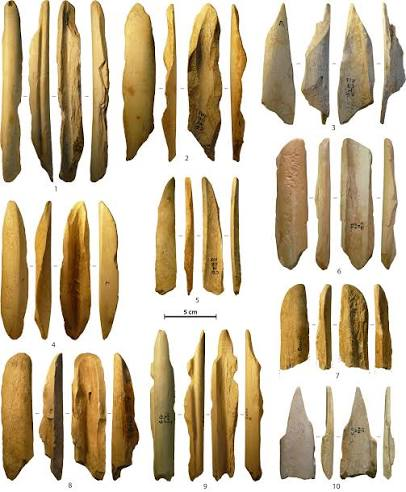
Excavations have recovered numerous microliths—small geometric flint blades mounted into wooden or bone shafts to create arrows, spears, and cutting tools. These lightweight composite tools represented a major technological innovation that improved hunting efficiency within heavily forested landscapes.

Other discoveries include scrapers, burins, awls, and woodworking tools used to manufacture bows, dugout canoes, fishing equipment, and household implements.

Daily Life

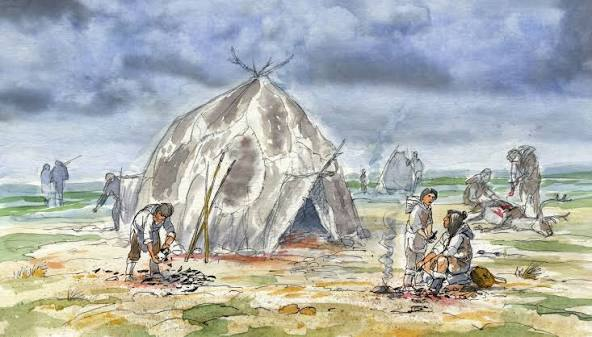
Evidence from hearths, food remains, and tool production indicates that the cave functioned as a temporary seasonal campsite rather than a permanent settlement. Small groups likely occupied the shelter while exploiting nearby forests and waterways before moving to different locations throughout the year.

The Maglemosian people demonstrated remarkable flexibility by combining hunting, fishing, trapping, and plant gathering into a diversified subsistence economy.

Conclusion

Trou de l'Hermite illustrates the successful adaptation of Mesolithic hunter-gatherers to Europe's rapidly changing post-glacial environment. The site's microlithic technology and seasonal occupation provide valuable insight into one of the earliest forest-dwelling societies in prehistoric Belgium.
Abri des Folles-Fontaines: Belgium's Late Glacial Art

August 7, 2026

Chaleux Cave: Belgium's Mousterian Tools

August 7, 2026

Introduction

Located in the Lesse Valley of southern Belgium, Chaleux Cave is an important prehistoric archaeological site preserving evidence from both the Middle and Upper Paleolithic. The cave is particularly noted for its rich collection of Mousterian stone tools associated with Neanderthals, as well as later Upper Paleolithic occupations by modern humans. These archaeological deposits document tens of thousands of years of human adaptation to changing Ice Age environments.

Mousterian Stone Industry

The oldest archaeological layers contain classic Mousterian stone tools manufactured primarily from locally available flint. Neanderthal knappers employed the Levallois prepared-core technique to produce standardized flakes that could be transformed into scrapers, knives, spear points, denticulates, and woodworking implements.

The abundance of discarded cores and production waste indicates that tool manufacture took place directly within the cave.

Occupation and Hunting

Chaleux Cave served as a temporary hunting camp overlooking important migration routes through the Lesse Valley. Neanderthals hunted horses, bison, red deer, woolly rhinoceroses, and other Ice Age mammals using wooden thrusting spears tipped with carefully shaped stone points.

Hearths preserved within the cave demonstrate repeated use of fire for warmth, cooking, and light during seasonal occupations.

Later Upper Paleolithic Occupation

After the disappearance of Neanderthals, early modern humans also occupied Chaleux Cave, introducing blade-based stone technology, bone tools, and artistic traditions characteristic of the Upper Paleolithic. This long sequence allows archaeologists to compare technological changes across major phases of human evolution.

Conclusion

Chaleux Cave preserves one of Belgium's most informative records of prehistoric life. Its extensive Mousterian tool assemblages, evidence of Neanderthal hunting, and later Upper Paleolithic occupations make it an invaluable site for understanding technological development and human adaptation during the European Ice Age.

Walou Cave: Belgium's 35,000-Year Aurignacian Site

August 7, 2026

Introduction

Situated near Trooz in LiĆØge Province, Belgium, Walou Cave is one of the country's most significant Upper Paleolithic archaeological sites. The cave preserves evidence of human occupation dating to approximately 35,000 years ago, during the Aurignacian period, when the first populations of anatomically modern humans (Homo sapiens) spread across western Europe. Walou Cave documents the transition from Neanderthal-dominated landscapes to those inhabited by modern humans, making it an important site for understanding technological innovation, symbolic behavior, and adaptation during the early Upper Paleolithic.

Geological Setting and Occupation

Walou Cave formed naturally within limestone cliffs overlooking the Vesdre Valley. Its sheltered entrance protected prehistoric communities from harsh weather while providing easy access to nearby forests, rivers, and open grasslands rich in animal resources. Archaeological evidence indicates that small groups of hunter-gatherers repeatedly occupied the cave during seasonal hunting expeditions rather than as a permanent settlement.

The cave's well-preserved sediment layers allow archaeologists to reconstruct thousands of years of environmental and cultural change during the closing stages of the last Ice Age.

Aurignacian Technology

Excavations have uncovered numerous Aurignacian stone tools, distinguished by long, narrow blades produced from carefully prepared prismatic cores. Unlike the heavier Mousterian tools associated with Neanderthals, Aurignacian technology emphasized standardized blade production that created lighter, sharper, and more efficient cutting implements.

Recovered artifacts include end scrapers for preparing animal hides, burins used for engraving bone and antler, blade knives for butchering animals, and finely retouched projectile points that may have tipped wooden spears. Bone and antler tools discovered at the site further demonstrate the technological versatility of early modern humans.

Subsistence and Daily Life

Animal bones recovered from Walou Cave include horse, reindeer, red deer, bison, and ibex, indicating that Aurignacian hunters exploited a wide range of Ice Age mammals. Cut marks on many bones reveal systematic butchering practices, while hearths containing charcoal and burnt bone fragments indicate the regular use of fire for cooking, warmth, and social gatherings.

The cave likely served as a temporary base camp where hunting parties processed meat, repaired tools, and prepared hides before continuing their seasonal movements across the landscape.

Archaeological Importance

Walou Cave contributes significantly to understanding the earliest expansion of Homo sapiens into Belgium. The site's Aurignacian artifacts demonstrate advanced planning, specialized craftsmanship, and technological innovation, highlighting important differences between modern humans and the Neanderthal populations that previously occupied the region.

Conclusion

Walou Cave stands as one of Belgium's most important Aurignacian sites, preserving exceptional evidence of early Homo sapiens during the Upper Paleolithic. Its blade technology, hunting remains, and well-preserved archaeological deposits provide valuable insight into the cultural and technological developments that accompanied the spread of modern humans across Ice Age Europe.

Remouchamps Cave: Belgium's Prehistoric Bear Den

August 7, 2026

Introduction

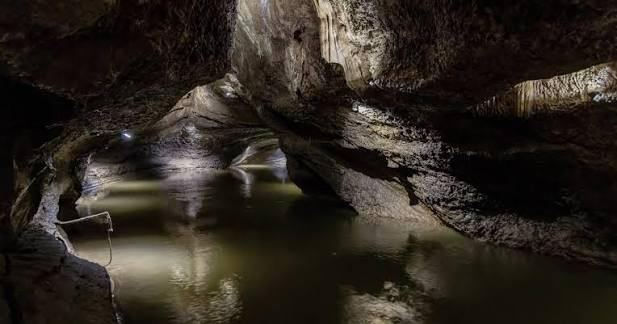
Located near Aywaille in LiĆØge Province, Remouchamps Cave is one of Belgium's most spectacular limestone cave systems, extending for more than one kilometer beneath the Ardennes Plateau. Although the cave is famous today for its underground river and dramatic chambers, archaeological investigations have shown that it also served as an important refuge for prehistoric animals and humans throughout the Pleistocene. Among its most remarkable discoveries are abundant remains of cave bears (Ursus spelaeus), earning Remouchamps the reputation of being one of Belgium's notable prehistoric bear dens.

Formation and Ice Age Environment

The cave developed over hundreds of thousands of years as underground streams dissolved thick limestone bedrock, producing extensive galleries, chambers, and subterranean rivers. During the Ice Age, the stable temperatures inside the cave created an ideal shelter for large mammals seeking protection during winter months.

Seasonal occupation by cave bears resulted in the accumulation of numerous skeletal remains preserved within the cave sediments. Other Ice Age animals also used portions of the cave, contributing to its rich fossil record.

The Cave Bears

Thousands of bones recovered from Remouchamps belong primarily to cave bears, one of Europe's largest prehistoric carnivores. Adult cave bears could exceed 500 kilograms in weight and were considerably larger than modern brown bears. Although they were predominantly herbivorous, these massive animals depended on caves for winter hibernation.

Many skeletons discovered at Remouchamps appear to represent animals that died naturally while hibernating, creating exceptional fossil deposits that allow scientists to study cave bear anatomy, growth, and extinction.

Evidence of Human Activity

Archaeological excavations have also uncovered stone tools, hearth remains, and butchered animal bones indicating that prehistoric humans occasionally visited the cave. Both Neanderthals and later Upper Paleolithic hunter-gatherers likely used portions of the cave as temporary shelters or hunting stations.

Stone tools recovered from archaeological layers include scrapers, flakes, and cutting implements used to process animal carcasses and manufacture wooden equipment.

Scientific Importance

The combination of abundant cave bear fossils and archaeological remains makes Remouchamps an important site for reconstructing Ice Age ecosystems. Researchers use the cave's fossil deposits to study changing climates, extinct mammals, and interactions between prehistoric humans and large carnivores.

Conclusion

Remouchamps Cave preserves one of Belgium's richest records of Ice Age wildlife and prehistoric occupation. Its extensive cave bear remains, geological formations, and archaeological evidence provide valuable insight into the environments inhabited by both extinct animals and early humans during the Pleistocene.

Engis Caves: Belgium's First Neanderthal Finds

August 7, 2026

Introduction

The Engis Caves, located near LiĆØge, Belgium, occupy a unique place in the history of paleoanthropology. In 1829, nearly three decades before the famous Neander Valley discovery in Germany, Dutch physician Philippe-Charles Schmerling excavated human fossils from the caves, including the skull of a prehistoric child that was later recognized as one of the earliest known Neanderthal specimens. Although its significance was not fully understood at the time, the Engis discovery eventually became one of the foundational pieces of evidence for the existence of an extinct human species.

Early Excavations

Schmerling carefully excavated several cave chambers, recovering fossilized human bones alongside stone tools and the remains of extinct Ice Age animals such as cave bears, mammoths, woolly rhinoceroses, and reindeer. His systematic approach was unusual for the early nineteenth century, when archaeology was still in its infancy.

Initially, many scholars assumed that the unusual skull belonged to an anatomically modern human because the concept of extinct human species had not yet gained scientific acceptance.

The Engis Child

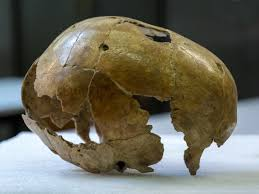
The most famous fossil from the cave is the partial skull of a young child, now known as Engis 2. Modern analyses have identified the specimen as belonging to a Neanderthal child approximately 2 to 4 years old.

The fossil exhibits several Neanderthal characteristics, including a long, low cranial shape and distinctive facial proportions. Because children's skulls are less robust than those of adults, the Neanderthal features are subtler than in later discoveries, explaining why its significance remained unrecognized for many years.

Archaeological Context

Stone tools recovered from the cave belong primarily to the Mousterian tradition, characterized by prepared-core flake technology associated with Neanderthal populations. Animal bones bearing cut marks indicate systematic hunting and butchering activities, while hearth remains demonstrate regular use of fire.

The cave's archaeological sequence provides evidence for repeated occupation during different climatic phases of the Pleistocene.

Historical Importance

Although the Neanderthal fossils discovered in Germany's Neander Valley became internationally famous in 1856, historians now recognize that the Engis child represents the first scientifically recovered Neanderthal fossil. The site therefore occupies a central place in the history of human evolutionary research.

Conclusion

The Engis Caves are among the most historically significant archaeological sites in Europe. Their early fossil discoveries, Mousterian artifacts, and Ice Age faunal remains have made the caves a cornerstone in the scientific study of Neanderthals and human evolution.

LiĆØge Province Aurignacian: Belgium's Blade Tool Industry

August 7, 2026

Introduction

The LiĆØge Province of eastern Belgium contains numerous archaeological sites preserving evidence of the Aurignacian culture, which flourished between approximately 43,000 and 26,000 years ago. During this period, the first populations of anatomically modern humans spread throughout western Europe, introducing revolutionary advances in stone technology, bone tool manufacture, artistic expression, and symbolic behavior. Sites throughout LiĆØge Province—including caves such as Walou and Engis—provide important evidence of this technological transformation.

Blade Technology

The defining innovation of the Aurignacian industry was the systematic production of long, standardized stone blades. Flint cores were carefully prepared so that multiple elongated blades could be removed efficiently with minimal waste. Compared with earlier Neanderthal Mousterian tools, Aurignacian blades were thinner, sharper, and more versatile.

These blades served as the basis for numerous specialized implements, including knives, burins, end scrapers, perforators, and projectile points used for hunting, hide preparation, woodworking, and bone carving.

Bone and Antler Industries

Aurignacian craftspeople expanded tool production beyond stone by manufacturing implements from bone, antler, and ivory. Excavations in LiĆØge Province have uncovered awls, spear points, needles, and engraved objects demonstrating remarkable craftsmanship.

These organic tools allowed greater precision in sewing fitted clothing, constructing hunting equipment, and creating ornamental objects, providing modern humans with technological advantages during the harsh climatic conditions of the Upper Paleolithic.

Hunting and Settlement

Aurignacian hunter-gatherers occupied caves and rock shelters throughout LiĆØge Province while following migrating herds of reindeer, horses, bison, and red deer. Seasonal camps contained hearths, butchered animal bones, stone-knapping debris, and evidence of hide processing.

The archaeological record indicates highly mobile communities capable of adapting to diverse environments while maintaining extensive cultural traditions across much of Europe.

Conclusion

The Aurignacian sites of LiĆØge Province document one of the most significant technological revolutions in prehistoric Europe. Through advanced blade production, innovative bone industries, and increasingly sophisticated hunting strategies, these early Homo sapiens communities laid the foundations for the remarkable cultural achievements of the Upper Paleolithic.

Pech de l'AzƩ: France's Neanderthal Hearths

August 7, 2026

Introduction

Located in the Dordogne region of southwestern France, Pech de l'AzƩ is a group of prehistoric cave sites that preserve some of the most important evidence of Neanderthal life during the Middle Paleolithic, dating between approximately 120,000 and 40,000 years ago. The caves are especially renowned for their exceptionally preserved hearths, making them among the earliest known archaeological sites demonstrating the controlled and repeated use of fire by Neanderthals. Excavations have uncovered stone tools, fireplaces, butchered animal bones, and traces of daily domestic activities, providing remarkable insight into how Neanderthals adapted to Ice Age environments.

Geological Setting and Occupation

Pech de l'Azé consists of several limestone caves overlooking the Vézère River Valley, an area rich in freshwater, forests, and migrating herds of large mammals. The natural rock shelters protected occupants from harsh weather while offering excellent vantage points for observing game. Archaeological evidence indicates that Neanderthal groups repeatedly occupied the caves over tens of thousands of years, returning seasonally as they followed animal migrations.

The site's deep sediment layers preserve numerous occupation floors, allowing archaeologists to reconstruct changing climates, technologies, and settlement patterns throughout the Middle Paleolithic.

Neanderthal Hearths

One of Pech de l'AzƩ's greatest archaeological contributions is the discovery of numerous well-preserved hearths. Circular patches of charcoal, ash, reddened soil, and heat-fractured stones demonstrate that Neanderthals intentionally constructed and maintained fireplaces inside the caves.

These hearths served multiple essential purposes. Fire provided warmth during cold Ice Age winters, illuminated the dark cave interiors, cooked meat to improve nutrition, deterred predators, and created central gathering places where families could prepare food, manufacture tools, and interact socially. The repeated rebuilding of fireplaces over thousands of years suggests that fire had become an integral part of Neanderthal daily life.

Stone Tools and Hunting

Excavations have yielded large collections of Mousterian stone tools, including scrapers, knives, Levallois flakes, denticulates, and spear points. These implements were primarily fashioned from locally available flint using sophisticated prepared-core techniques.

Animal remains recovered from the site include horse, red deer, reindeer, bison, and woolly rhinoceros. Numerous bones bear cut marks produced during butchering, while fractured long bones indicate deliberate extraction of nutrient-rich marrow. Together, these discoveries demonstrate highly organized hunting and food-processing practices.

Scientific Importance

Pech de l'AzƩ has played a major role in understanding Neanderthal behavior, particularly regarding the controlled use of fire. Modern microscopic analyses of hearth sediments have revealed repeated burning episodes and careful maintenance of fireplaces, challenging earlier assumptions that Neanderthals used fire only opportunistically.

Conclusion

Pech de l'AzƩ offers compelling evidence of Neanderthal technological skill and domestic life. Its remarkably preserved hearths, Mousterian tools, and hunting remains reveal that Neanderthals possessed sophisticated survival strategies, making the site one of the most significant Middle Paleolithic localities in France.

La Ferrassie: France's Neanderthal Family Burials

August 7, 2026

Introduction

Situated in the Dordogne region of southwestern France, La Ferrassie is one of the world's most important Neanderthal archaeological sites. Dating primarily between 70,000 and 50,000 years ago, the rock shelter has yielded one of the largest collections of Neanderthal human remains ever discovered, including the skeletons of adults, children, and infants. The remarkable preservation of these individuals has led many archaeologists to interpret the site as evidence for intentional burial practices, offering valuable insight into Neanderthal social relationships, family life, and attitudes toward death.

Discovery and Excavation

Excavations beginning in the early twentieth century uncovered the remains of at least eight Neanderthal individuals, including men, women, adolescents, young children, and infants. The skeletons were found within carefully prepared sediment layers rather than randomly scattered, suggesting deliberate placement after death.

The exceptional preservation of the burials has made La Ferrassie one of the primary reference sites for studying Neanderthal anatomy, growth, and variation across different age groups.

Evidence of Burial Practices

Several of the skeletons appear to have been placed in shallow pits excavated into the cave floor before being carefully covered with sediment. Some burials show distinct body positioning and separation from ordinary occupation debris, leading many researchers to argue that Neanderthals intentionally buried their dead.

Although debate continues regarding the symbolic meaning of these burials, the evidence strongly suggests that Neanderthals demonstrated concern for deceased members of their community and may have practiced simple funerary rituals.

The presence of infants and young children among the burials also indicates that family groups occupied the shelter together rather than consisting solely of adult hunting parties.

Stone Tools and Daily Life

The archaeological layers contain abundant Mousterian flint tools, including scrapers, knives, spear points, and Levallois flakes. Hearths, butchered animal bones, and charcoal deposits demonstrate that La Ferrassie functioned as a long-term residential camp where families prepared food, manufactured tools, and shared daily activities.

Animal remains include horse, bison, red deer, and reindeer, reflecting skilled hunting strategies adapted to Ice Age environments.

Scientific Importance

La Ferrassie has become one of the world's most influential sites for understanding Neanderthal biology and behavior. The exceptional preservation of individuals from multiple age groups enables researchers to study childhood development, aging, disease, skeletal anatomy, and population diversity.

The site continues to contribute to debates concerning Neanderthal cognition, social organization, and symbolic behavior.

Conclusion

La Ferrassie remains one of the finest examples of Neanderthal family life ever discovered. Through its remarkable burials, extensive Mousterian artifacts, and well-preserved human fossils, the site provides extraordinary insight into the social complexity and humanity of our closest extinct relatives.

Le Moustier: France's Neanderthal Type Site

August 7, 2026

Introduction

Located in the Vézère Valley of Dordogne, Le Moustier is one of the most influential archaeological sites in prehistoric research. It is the type site for the Mousterian culture, the Middle Paleolithic stone tool industry closely associated with Neanderthals throughout Europe and western Asia. Occupied between approximately 160,000 and 40,000 years ago, the rock shelters preserve abundant evidence of Neanderthal technology, hunting, and daily life, making Le Moustier a cornerstone of Paleolithic archaeology.

The Discovery of the Mousterian Culture

During nineteenth-century excavations, archaeologists recognized a distinctive stone tool tradition unlike earlier Acheulean hand axes or later Upper Paleolithic blade industries. Because these tools were first systematically described at Le Moustier, the industry became known as the Mousterian.

This technological tradition spread widely across Europe and remained the dominant stone tool culture throughout much of the Neanderthal period.

Stone Tool Technology

The Mousterian industry at Le Moustier is characterized by the widespread use of the Levallois prepared-core technique, allowing stoneworkers to produce flakes of predetermined size and shape. These flakes were transformed into scrapers, knives, denticulates, points, and specialized cutting implements.

The efficiency of Mousterian technology enabled Neanderthals to maximize the usefulness of available raw materials while producing versatile tools suited for numerous tasks.

Neanderthal Fossils

Le Moustier is also famous for the discovery of two Neanderthal skeletons, including a remarkably preserved adolescent known as Le Moustier 1. The fossil provides valuable information about Neanderthal growth, anatomy, and muscular development.

Studies of these remains have helped scientists understand how Neanderthals matured and adapted physically to the demanding conditions of Ice Age Europe.

Daily Activities

Archaeological evidence indicates that Le Moustier functioned as a repeatedly occupied residential site. Hearths, butchered animal bones, stone-knapping debris, and hide-processing tools reveal a wide range of domestic activities.

The site's occupants hunted horses, bison, reindeer, and deer while using fire for cooking, warmth, and social interaction.

Conclusion

Le Moustier stands as one of the most influential archaeological sites in the world. As the defining locality of the Mousterian culture, it has shaped modern understanding of Neanderthal technology, adaptation, and daily life for more than a century.

La Chapelle-aux-Saints: France's Old Man Neanderthal

August 7, 2026

Introduction

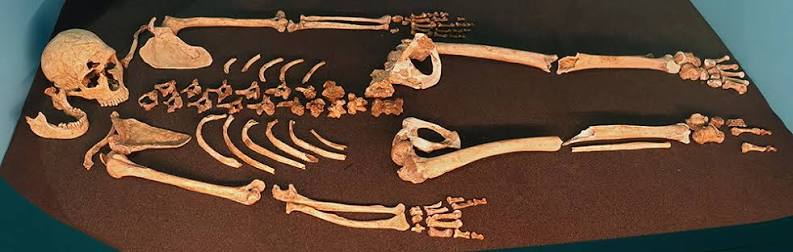
Located in CorrĆØze, southwestern France, La Chapelle-aux-Saints became internationally famous in 1908 following the discovery of one of the most complete Neanderthal skeletons ever found. Known as the "Old Man of La Chapelle," the individual lived approximately 60,000 years ago and has become one of the best-studied Neanderthal fossils in history. The skeleton provided groundbreaking evidence of Neanderthal anatomy, aging, healthcare, and possible intentional burial.

Discovery of the Skeleton

The nearly complete skeleton belonged to an elderly Neanderthal male estimated to have been around 50 to 60 years old, an unusually advanced age for the harsh conditions of the Middle Paleolithic. The body was found lying within a shallow pit beneath cave sediments, leading many archaeologists to interpret the discovery as an intentional burial.

The careful positioning of the skeleton remains one of the strongest pieces of evidence supporting the existence of Neanderthal funerary practices.

An Elderly Survivor

Examination of the skeleton revealed severe arthritis affecting the spine and limbs, as well as the complete loss of most teeth before death. Despite these debilitating conditions, the individual survived for many years after becoming largely unable to chew tough foods or participate fully in hunting.

Researchers believe that other members of the community must have provided food and care, suggesting strong social bonds and compassion among Neanderthals.

Scientific Legacy

Although early reconstructions portrayed the Old Man as stooped and primitive, later studies demonstrated that many of these characteristics resulted from advanced arthritis rather than typical Neanderthal anatomy. Modern research has corrected these misconceptions, presenting Neanderthals as intelligent, adaptable humans with sophisticated social lives.

The fossil continues to play an important role in studies of human evolution and prehistoric healthcare.

Conclusion

La Chapelle-aux-Saints transformed scientific understanding of Neanderthals by revealing that they cared for elderly individuals and possibly practiced intentional burial. The Old Man remains one of the most iconic fossils in the history of paleoanthropology.

Regourdou: France's Neanderthal Bear Cult Cave

August 7, 2026

Introduction

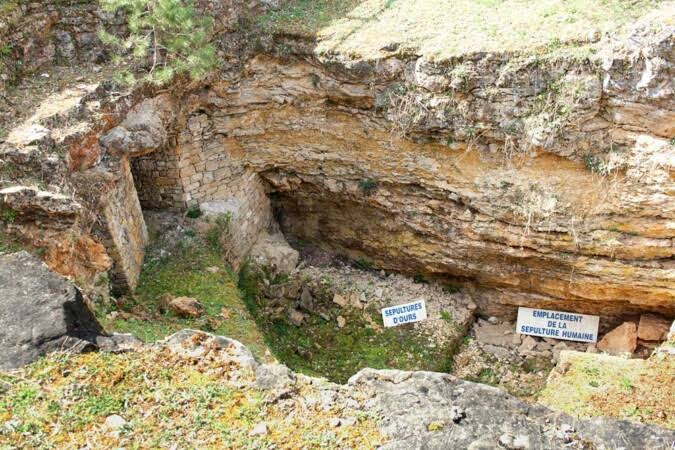
Located near Montignac in Dordogne, France, Regourdou Cave is a remarkable Middle Paleolithic site dating to approximately 70,000 years ago. The cave is famous for preserving both a Neanderthal burial and an extraordinary concentration of cave bear remains, leading some researchers to propose that the site represents evidence of a possible Neanderthal bear cult. Although this interpretation remains debated, Regourdou continues to provide important evidence regarding Neanderthal ritual behavior, hunting, and symbolic thought.

The Neanderthal Burial

Excavations uncovered the partial skeleton of an adult Neanderthal placed within a carefully prepared burial area. Stone tools, animal bones, and other archaeological materials surrounded the grave, suggesting that the burial occurred within an active occupation site.

The placement of the body has contributed to broader discussions concerning intentional burial practices among Neanderthals.

The Cave Bears

Hundreds of cave bear bones were discovered within specially arranged stone enclosures inside the cave. Some researchers suggested that these accumulations reflected ritual treatment of bears, perhaps indicating symbolic beliefs or ceremonial practices associated with these powerful animals.

Other archaeologists argue that the bear remains accumulated naturally through repeated hibernation and later geological processes. Regardless of interpretation, the concentration of cave bear fossils at Regourdou is among the richest in France.

Stone Tools and Occupation

The site yielded numerous Mousterian flint tools manufactured using Levallois techniques. Scrapers, knives, spear points, and flakes indicate a wide variety of activities including hunting, butchering, woodworking, and hide preparation.

Charcoal deposits and hearths demonstrate repeated occupation by Neanderthal hunting groups over many thousands of years.

Scientific Importance

Regourdou occupies a unique position in Paleolithic archaeology because it combines evidence of Neanderthal burial with abundant cave bear remains. Whether or not a true bear cult existed, the site continues to stimulate important discussions regarding Neanderthal cognition, symbolism, and ritual behavior.

Conclusion

Regourdou Cave remains one of France's most intriguing Neanderthal sites. Its remarkable combination of human fossils, cave bear deposits, and Mousterian artifacts.

Isturitz Cave: France's Magdalenian Flutes

August 7, 2026

Introduction

Located in the French Basque Country near the Pyrenees, Isturitz Cave is one of Europe's richest Upper Paleolithic archaeological sites. Occupied by prehistoric hunter-gatherers between approximately 35,000 and 12,000 years ago, the cave preserves evidence from several cultural periods, including the Aurignacian, Gravettian, Solutrean, and especially the Magdalenian culture. Isturitz is internationally renowned for its remarkable collection of bone flutes, making it one of the earliest known centers of prehistoric music in Europe.

The Magdalenian Occupation

During the Magdalenian period (approximately 17,000–12,000 years ago), Isturitz Cave became an important seasonal settlement where hunter-gatherers processed game, manufactured tools, created artwork, and participated in ceremonial activities. Extensive occupation layers contain hearths, stone blades, bone implements, engraved objects, and abundant animal remains.

The cave's large chambers provided an ideal environment for communal gatherings and long-term seasonal occupation.

The Bone Flutes

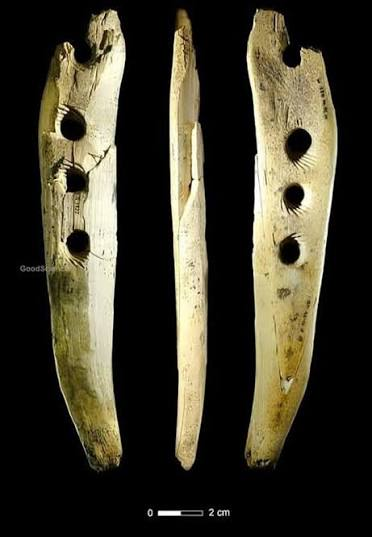
Isturitz Cave has yielded dozens of carefully crafted musical instruments made primarily from the hollow wing bones of vultures and other large birds. Craftspeople drilled evenly spaced finger holes into the bones, creating flutes capable of producing a range of musical notes.

These instruments represent some of the oldest directly preserved evidence of music in prehistoric Europe. Their careful craftsmanship demonstrates sophisticated knowledge of acoustics and suggests that music played an important role in ceremonies, storytelling, social gatherings, or ritual performances.

Art and Craftsmanship

In addition to its famous flutes, the cave contains engraved antler objects, decorated spear throwers, carved animal figures, pierced ornaments, and finely crafted bone needles. Stone tools include long blades, burins, end scrapers, and backed points characteristic of Magdalenian technology.

Many engraved artworks depict horses, bison, ibex, and reindeer with remarkable anatomical accuracy, reflecting the close relationship between prehistoric artists and the animals they depended upon.

Conclusion

Isturitz Cave is one of Europe's greatest Upper Paleolithic archaeological treasures. Its extraordinary collection of Magdalenian bone flutes, artistic engravings, and sophisticated hunting technology reveals the rich cultural life of Ice Age hunter-gatherers and provides some of the earliest evidence for the universal human tradition of making music.

Veyrier-du-Lac: France's Alpine Rock Shelter

August 7, 2026

Introduction

Located on the eastern shores of Lake Annecy in Haute-Savoie, France, Veyrier-du-Lac is an important prehistoric rock shelter situated at the foot of the French Alps. Occupied primarily during the Upper Paleolithic, particularly between 15,000 and 12,000 years ago, the site preserves evidence of Magdalenian hunter-gatherers who adapted to the mountainous environments that emerged as the last Ice Age came to an end. Excavations have uncovered stone tools, bone implements, hearths, ornaments, and animal remains that reveal how prehistoric communities successfully exploited alpine forests, lakes, and valleys while maintaining sophisticated cultural traditions.

Alpine Environment

During the Late Glacial period, glaciers were gradually retreating from the Alps, creating new valleys, freshwater lakes, and expanding forests. Veyrier-du-Lac occupied a strategic location overlooking Lake Annecy, where prehistoric hunters had access to freshwater, fish, migratory animals, edible plants, and high-quality stone suitable for tool production.

The rock shelter offered natural protection from harsh mountain weather while providing excellent visibility across surrounding valleys used by herds of red deer, ibex, reindeer, horses, and other game animals.

Settlement and Daily Life

Archaeological evidence suggests that Veyrier-du-Lac served as a seasonal hunting camp rather than a permanent village. Small groups of hunter-gatherers occupied the shelter during favorable seasons while pursuing migrating animals and collecting plant resources from the alpine landscape.

Numerous hearths indicate repeated occupations over many generations. Around these fireplaces, families prepared food, repaired hunting equipment, processed animal hides, manufactured tools, and shared social activities. The repeated use of the shelter demonstrates an intimate knowledge of seasonal migration patterns and environmental resources.

Stone and Bone Technology

Excavations have yielded finely crafted Upper Paleolithic blade tools, including burins, end scrapers, backed blades, and projectile points manufactured from high-quality flint. Bone and antler artifacts include needles, spear points, awls, and decorative objects that illustrate the remarkable craftsmanship of Magdalenian societies.

These specialized tools allowed prehistoric communities to sew tailored clothing, manufacture efficient hunting weapons, and construct shelters capable of withstanding changing climatic conditions.

Scientific Importance

Veyrier-du-Lac provides valuable evidence of how Late Ice Age hunter-gatherers adapted to newly emerging alpine ecosystems. The site documents changes in settlement patterns as glaciers retreated and demonstrates the flexibility of Magdalenian populations in exploiting a wide range of mountain resources.

Its archaeological remains also contribute to understanding the spread of Upper Paleolithic cultures throughout southeastern France.

Conclusion

Veyrier-du-Lac stands as an important example of prehistoric adaptation to alpine environments. Through its well-preserved stone tools, hearths, hunting evidence, and seasonal occupation layers, the site offers a detailed picture of Magdalenian life in the French Alps during the closing stages of the Ice Age.

Balma de l'Aubrac: France's Magdalenian Camp

August 7, 2026

Introduction

Situated within the rugged highlands of the Aubrac Plateau in southern France, Balma de l'Aubrac is an important Upper Paleolithic rock shelter associated with the Magdalenian culture, dating between approximately 17,000 and 12,000 years ago. The shelter preserves evidence of repeated seasonal occupations by highly mobile hunter-gatherers who followed migrating herds across the upland grasslands and river valleys of central France. Excavations have revealed hearths, stone blades, bone tools, ornaments, and butchered animal remains that illustrate the sophisticated lifeways of Europe's final Ice Age hunters.

Landscape and Seasonal Occupation

The Aubrac Plateau offered rich hunting grounds where large herbivores such as reindeer, wild horses, red deer, and bison grazed across open meadows. Balma de l'Aubrac overlooked important migration routes, making it an ideal temporary camp for hunting expeditions.

Rather than functioning as a permanent settlement, the shelter was occupied repeatedly during different seasons as Magdalenian groups moved across the landscape in search of game and other natural resources. This seasonal mobility allowed prehistoric communities to maximize food availability throughout the year.

Camp Organization

Excavations have identified several well-preserved hearths surrounded by concentrations of stone-knapping debris, butchered animal bones, and bone-working areas. These activity zones indicate that families organized their camps carefully, assigning specific areas for food preparation, tool manufacture, hide processing, and sleeping.

The repeated rebuilding of fireplaces suggests that the shelter remained an important stopping point within broader seasonal migration routes for many centuries.

Technology and Hunting

Stone artifacts recovered from the site include long blades, burins, end scrapers, backed points, and finely retouched projectile inserts. Bone and antler tools include spear tips, needles, fish hooks, and decorative pendants.

Animal bones display cut marks from systematic butchering, while fractured long bones indicate marrow extraction. Evidence suggests that hunters used spear throwers (atlatls) to increase the accuracy and force of their hunting weapons.

Artistic and Symbolic Objects

Alongside practical tools, archaeologists have recovered personal ornaments made from perforated animal teeth, shells, and carved bone. These decorative items likely expressed individual identity, social status, or cultural affiliation and demonstrate that artistic expression formed an important part of Magdalenian life.

Conclusion

Balma de l'Aubrac provides an excellent example of a Magdalenian seasonal hunting camp. Its organized living areas, advanced hunting technology, and symbolic artifacts reveal the adaptability and cultural sophistication of Upper Paleolithic hunter-gatherers living in the uplands of southern France.

Combe Grenal: France's Mousterian Sequence

August 7, 2026

Introduction

Nestled within the famous Vézère Valley of Dordogne, Combe Grenal is one of the world's most important Middle Paleolithic archaeological sites. The rock shelter preserves an exceptionally long sequence of occupation spanning approximately 200,000 to 40,000 years ago, documenting numerous climatic changes and repeated Neanderthal settlement. Its remarkable succession of archaeological layers has made Combe Grenal one of the key reference sites for studying the development of the Mousterian culture and the long-term adaptation of Neanderthals to fluctuating Ice Age environments.

A Long Archaeological Record

Unlike many prehistoric sites representing only a single occupation period, Combe Grenal contains more than 60 distinct archaeological layers, each recording separate episodes of human activity. These layers preserve evidence of changing climates, evolving stone tool technologies, shifts in hunting practices, and repeated returns by Neanderthal groups over tens of thousands of years.

The site's exceptional stratigraphy allows archaeologists to reconstruct one of the most complete chronological records of the European Middle Paleolithic.

Mousterian Technology

The archaeological sequence contains numerous varieties of Mousterian stone industries, reflecting technological adaptations through time. Neanderthal toolmakers employed prepared-core techniques such as the Levallois method to manufacture standardized flakes, which were transformed into scrapers, knives, denticulates, notched tools, and spear points.

Changes in tool design between different occupation layers demonstrate how Neanderthals adjusted their technology in response to shifting climates, available raw materials, and hunting strategies.

Hunting and Environmental Change

Animal remains recovered throughout the sequence include horse, bison, reindeer, red deer, mammoth, ibex, and woolly rhinoceros. Variations in species composition reflect repeated climatic shifts between warmer forested environments and colder open grasslands during the Pleistocene.

Cut marks, broken bones, and hearth remains demonstrate that Neanderthals consistently hunted, butchered, cooked, and processed large mammals throughout these environmental transitions.

Scientific Importance

Combe Grenal is considered one of Europe's most valuable archaeological sequences because it documents nearly the entire history of Neanderthal occupation in southwestern France. Its detailed stratigraphy has enabled researchers to correlate archaeological evidence with climatic fluctuations and technological development over more than 150,000 years.

The site continues to serve as a benchmark for studies of Neanderthal evolution, settlement patterns, and adaptation.

Conclusion

Combe Grenal provides one of the most complete records of Middle Paleolithic life ever discovered. Its extensive Mousterian sequence, well-preserved archaeological layers, and evidence of long-term Neanderthal occupation make it an indispensable site for understanding human adaptation during the European Ice Age.

Chucalissa: Tennessee's Shell-Tempered Pottery Site

August 2, 2026

Introduction

Situated on a bluff overlooking the Mississippi River near Memphis, Tennessee, Chucalissa was an important Mississippian village occupied between approximately 1000 and 1500 CE. The name Chucalissa, meaning "abandoned house" in the Choctaw language, was assigned to the site in modern times. Covering nearly 40 acres (16 hectares), the settlement contained platform mounds, residential neighborhoods, ceremonial plazas, and workshops where skilled artisans produced distinctive shell-tempered pottery, one of the defining technologies of the Mississippian world. Today, the site is preserved as the C.H. Nash Museum at Chucalissa, providing valuable insight into prehistoric life in the Mississippi Valley.

Settlement and Monumental Architecture

The village was centered around a broad ceremonial plaza surrounded by earthen platform mounds supporting temples, council houses, and elite residences. Ordinary families lived in rectangular houses constructed from wooden poles woven with cane and covered in clay plaster. The carefully organized layout reflects the hierarchical social structure characteristic of Mississippian communities.

The mounds were built through repeated additions of compacted earth transported in woven baskets. Elevated public buildings protected important structures from flooding while emphasizing the authority of political and religious leaders.

Shell-Tempered Pottery Technology

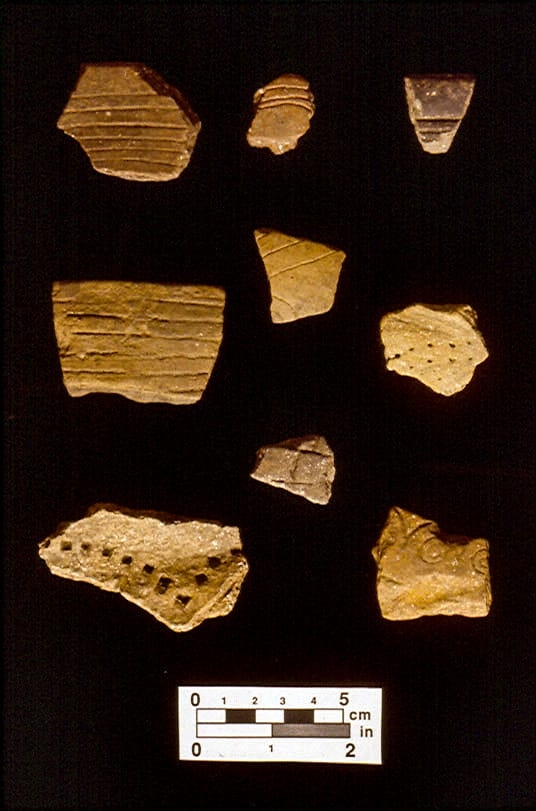
One of Chucalissa's most significant archaeological discoveries is its extensive production of shell-tempered pottery. Potters crushed freshwater mussel shells into fine particles and mixed them with clay before shaping vessels by hand. During firing, the shell temper strengthened the pottery, making it lighter, more durable, and more resistant to cracking than earlier ceramic traditions.

Artisans produced cooking pots, storage jars, serving bowls, ceremonial vessels, and decorated containers featuring incised geometric designs, animal motifs, and symbolic patterns. These ceramics were widely traded throughout the Mississippi Valley and became one of the defining characteristics of Mississippian culture.

Daily Life and Economy

The inhabitants relied on intensive maize agriculture supplemented by beans, squash, sunflower cultivation, hunting, fishing, and gathering wild resources. The nearby Mississippi River provided abundant fish, freshwater mussels, and transportation routes connecting Chucalissa with neighboring communities.

Craft specialists manufactured pottery, stone tools, shell ornaments, bone implements, and woven textiles. Trade networks brought exotic materials such as marine shell, copper, and high-quality stone from distant regions, demonstrating Chucalissa's participation in extensive regional commerce.

Archaeological Importance

Excavations have uncovered house floors, storage pits, hearths, pottery kilns, food remains, ceremonial artifacts, and burial features that provide detailed evidence of Mississippian daily life. Chucalissa is particularly valuable because its well-preserved shell-tempered ceramics have allowed archaeologists to better understand prehistoric manufacturing techniques and regional trade.

Conclusion

Chucalissa represents one of Tennessee's finest examples of a Mississippian farming village, combining monumental earthworks with advanced ceramic technology. Its platform mounds, organized community layout, and mastery of shell-tempered pottery illustrate the technological innovation, agricultural prosperity, and artistic achievements of prehistoric Native American societies in the Mississippi Valley.

Renfrew Mounds: Mississippi's Moundville Satellite

August 2, 2026

Introduction

Located in northeastern Mississippi, the Renfrew Mounds represent an important regional ceremonial center associated with the expansion of Mississippian culture across the Tennessee–Tombigbee river system. Occupied between approximately 1200 and 1450 CE, the settlement functioned as a smaller political and ceremonial community closely connected to the larger Mississippian centers of the Southeast, particularly Moundville in present-day Alabama. Because of similarities in architecture, pottery, and ceremonial artifacts, archaeologists regard Renfrew as one of the satellite communities that participated in the broader Moundville cultural network. The site demonstrates how Mississippian political influence extended across multiple river valleys through shared religious traditions, trade, and architectural practices.

Settlement Layout and Platform Mounds

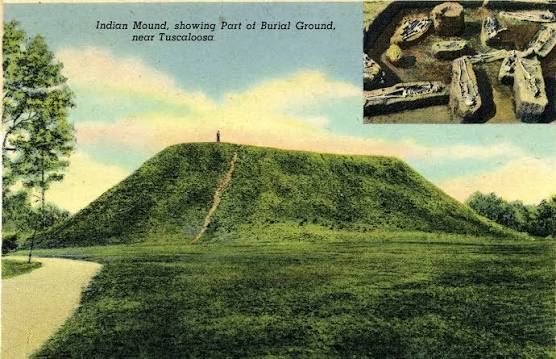
The Renfrew Mounds were organized around a central ceremonial plaza bordered by several earthen platform mounds. These elevated structures were constructed by transporting compacted clay and soil in woven baskets over many years. The largest mound likely supported a temple or the residence of a local chief, while smaller mounds served as council houses, ceremonial buildings, and elite residences.

The surrounding residential area consisted of rectangular wooden houses arranged around the ceremonial center. Storage pits, workshops, and agricultural fields indicate that Renfrew supported a permanent farming population while serving as an important gathering place for nearby villages.

Connections to Moundville

Archaeological evidence demonstrates strong cultural ties between Renfrew and Moundville, one of the largest Mississippian cities in the Southeast. Pottery styles, engraved shell ornaments, ceremonial stone tools, and architectural layouts closely resemble those found at Moundville, suggesting frequent interaction through trade, migration, or political alliances.

The site likely functioned as a regional administrative center where local leaders maintained relationships with larger chiefdoms while governing surrounding farming communities. These connections illustrate the widespread influence of Mississippian civilization throughout the southeastern United States.

Economy and Religious Life

Residents cultivated maize, beans, squash, and sunflowers while hunting deer and fishing in nearby rivers. Agricultural surpluses supported priests, craftsmen, and community leaders responsible for organizing ceremonies and maintaining public buildings.

Religious festivals held within the central plaza included ritual dances, feasting, ancestor veneration, and agricultural ceremonies associated with seasonal cycles. Temples atop the platform mounds reinforced the sacred authority of local chiefs and strengthened community identity.

Archaeological Importance

Excavations have uncovered pottery, shell ornaments, stone tools, food remains, and building foundations that reveal the daily life of a regional Mississippian community. Renfrew is especially important because it demonstrates how large ceremonial capitals such as Moundville influenced surrounding settlements without direct political control.

Conclusion

The Renfrew Mounds illustrate the regional expansion of Mississippian civilization beyond its major urban centers. Its platform mounds, ceremonial plaza, agricultural economy, and strong cultural ties with Moundville highlight the interconnected political and religious landscape of the prehistoric Southeast. The site remains an important example of how smaller ceremonial communities contributed to the success and spread of Mississippian culture.

Carson Mounds: Mississippi's Mound Group Metropolis

August 2, 2026

Introduction

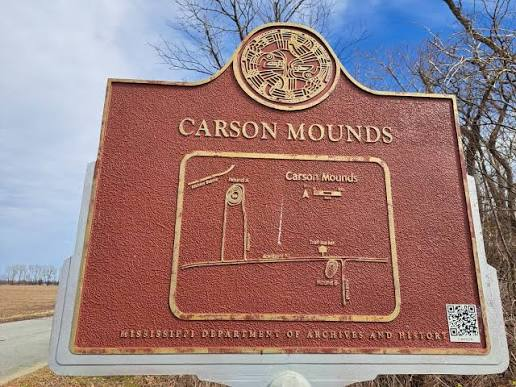
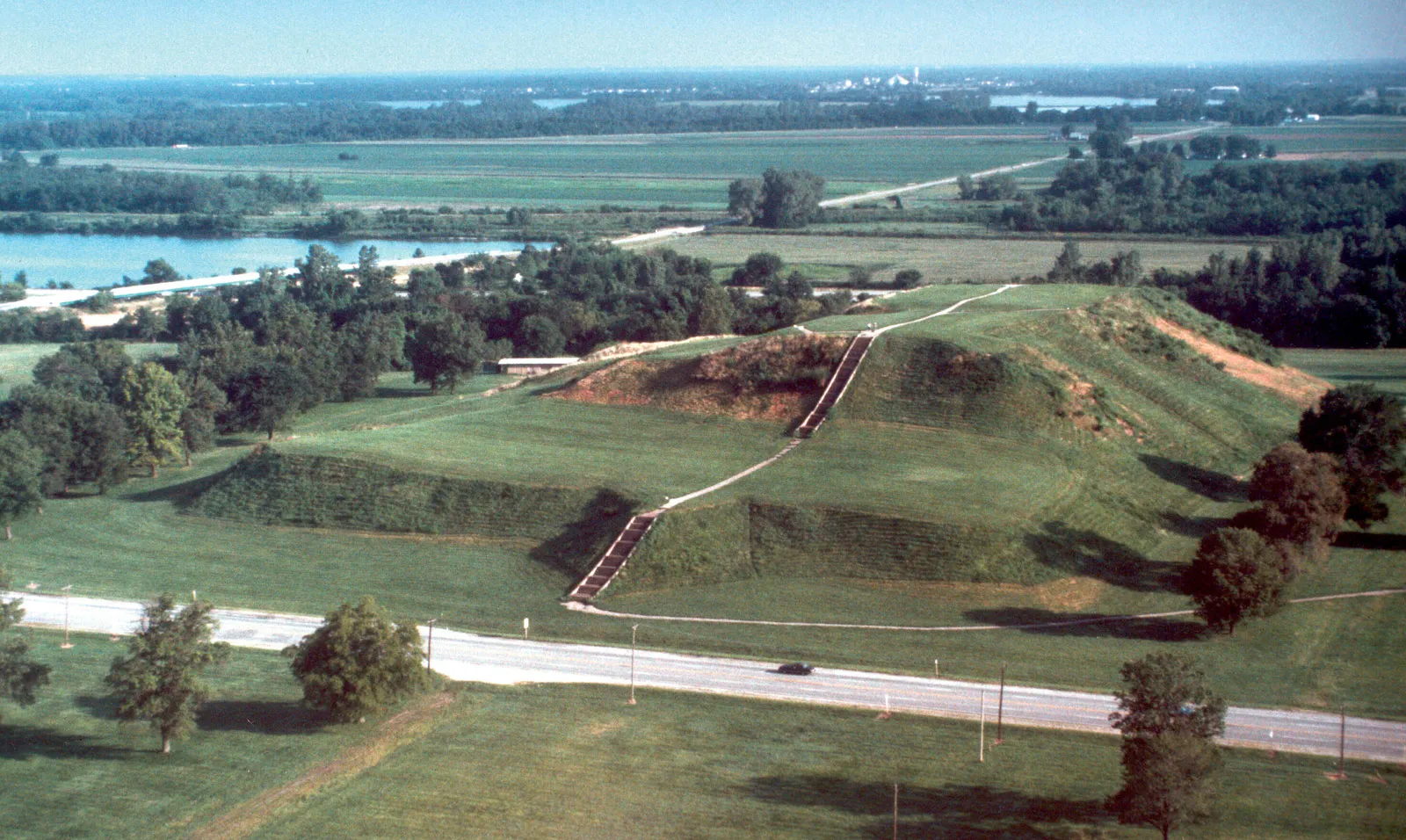
Situated near Clarksdale, Mississippi, in the fertile Yazoo Basin, the Carson Mounds comprise one of the largest prehistoric mound complexes in the Lower Mississippi Valley. Occupied primarily between 1200 and 1500 CE, the site served as a major regional center during the late Mississippian Period, functioning as a political, ceremonial, and economic metropolis. Spread across several hundred acres, Carson originally contained more than 80 earthen mounds, making it one of the most extensive mound groups ever constructed in North America. Its impressive scale demonstrates the remarkable organizational abilities and engineering expertise of the Indigenous societies that inhabited the Mississippi Delta.

Urban Planning and Monumental Earthworks

Unlike many Mississippian towns organized around a single plaza, Carson consisted of numerous mound groups distributed across a broad landscape connected by open spaces and residential districts. The largest platform mounds supported temples, council houses, and elite residences, while smaller mounds served ceremonial, administrative, or funerary purposes.

Builders transported enormous quantities of clay and earth using woven baskets, constructing each mound through repeated stages over several generations. The careful layering of soils improved stability and resistance to erosion, allowing many of the earthworks to survive for centuries despite periodic flooding.

The site's expansive layout suggests that Carson functioned as a regional capital serving numerous surrounding farming communities rather than a single compact settlement.

Political, Religious, and Economic Role

Carson Mounds served as an important political center where hereditary chiefs governed surrounding communities and organized large public ceremonies. Religious rituals conducted atop the platform mounds honored ancestral spirits, agricultural deities, and celestial forces believed to influence fertility and prosperity.

The central plazas hosted seasonal festivals, public feasts, ritual dances, athletic competitions, and diplomatic gatherings that strengthened regional alliances. Agricultural surpluses from nearby villages supported priests, craftsmen, political leaders, and other specialists living within the ceremonial center.

Carson also participated in extensive trade networks linking communities throughout the Mississippi Valley. Artifacts recovered from the site include decorated pottery, shell ornaments, stone tools, copper objects, and exotic materials imported from distant regions, demonstrating its importance as a commercial hub.

Engineering and Archaeological Importance

The construction of more than eighty mounds required careful planning, centralized leadership, and coordinated labor over many centuries. Archaeological excavations have uncovered house foundations, storage pits, workshops, ceremonial buildings, burial areas, and thousands of artifacts that provide valuable information about Mississippian social organization and urban development.

The sheer number and diversity of mounds make Carson one of the most significant archaeological landscapes in North America, illustrating how regional political centers evolved after the decline of Cahokia while maintaining many of the same religious and architectural traditions.

Conclusion

The Carson Mounds represent one of the largest and most impressive Mississippian mound complexes ever constructed in North America. Its vast network of platform mounds, ceremonial plazas, residential districts, and trade connections reflects a highly organized civilization capable of coordinating monumental public works and sustaining complex political and religious institutions. Today, Carson remains one of Mississippi's most significant archaeological sites, offering invaluable insight into the engineering achievements, urban planning, and cultural legacy of the Indigenous peoples who flourished in the Lower Mississippi Valley before European contact.

Feltus Mounds: Mississippi's Plaquemine Culture

August 2, 2026

Introduction

Located in Jefferson County, Mississippi, overlooking the fertile floodplains of the Mississippi River, the Feltus Mounds represent one of the best-preserved ceremonial centers of the Plaquemine culture, which flourished between approximately 1200 and 1540 CE. The Plaquemine people were descendants of earlier Mississippian societies who developed distinctive political and religious traditions in the Lower Mississippi Valley. Covering more than 36 acres (15 hectares), Feltus consisted of several large platform mounds arranged around broad ceremonial plazas, serving as an important center for religious rituals, political gatherings, trade, and community celebrations.

Site Layout and Platform Mounds

The Feltus complex contains four large earthen platform mounds surrounding a spacious rectangular plaza. These mounds were constructed through repeated additions of compacted clay and soil, transported in thousands of woven baskets over many generations. Their flat summits supported wooden temples, council houses, elite residences, and ceremonial buildings elevated above the surrounding landscape.

The carefully planned arrangement of the mounds created a formal ceremonial precinct where public rituals and community gatherings could take place. Broad ramps connected the plaza with the elevated structures, allowing processions to move between sacred spaces during religious festivals.

Religious and Ceremonial Functions

Feltus served primarily as a ceremonial center rather than a densely populated town. The expansive plaza hosted seasonal festivals, dances, feasts, athletic competitions, and diplomatic meetings involving neighboring communities. Priests conducted rituals atop the platform mounds to honor ancestral spirits, agricultural deities, and supernatural beings associated with fertility and cosmic order.

The site's architecture reflects the Plaquemine emphasis on sacred landscapes, where elevated mounds symbolized the connection between the human world and the spiritual realm. Ceremonial gatherings strengthened alliances between communities while reinforcing the authority of hereditary leaders.

Agriculture and Daily Life

Nearby villages surrounding Feltus cultivated maize, beans, squash, sunflowers, and other crops in the fertile alluvial soils of the Mississippi River Valley. Hunting deer, turkey, and small game, together with fishing and gathering wild plants, supplemented agricultural production.

Archaeological excavations have uncovered finely crafted pottery, stone tools, shell ornaments, and food remains, indicating a prosperous farming society supported by extensive regional trade. The community maintained cultural connections with neighboring Mississippian and Plaquemine settlements while preserving its own distinctive artistic traditions.

Archaeological Significance

The Feltus Mounds provide valuable evidence for understanding the evolution of the Plaquemine culture after the decline of Cahokia and other major Mississippian centers. Excavations have revealed multiple construction phases, ceremonial buildings, domestic structures, and numerous artifacts that illuminate changes in political organization, religious practices, and regional interaction.

Because the site remained relatively undisturbed for centuries, archaeologists have been able to reconstruct its original layout with considerable accuracy, making Feltus one of the most important Plaquemine archaeological sites in Mississippi.

Conclusion

The Feltus Mounds stand as an outstanding example of Plaquemine ceremonial architecture, demonstrating the continued tradition of platform mound construction in the Lower Mississippi Valley after the height of the Mississippian Civilization. Its monumental earthworks, organized plazas, agricultural economy, and rich ceremonial life reveal a sophisticated Indigenous society whose cultural achievements continued to shape the region well into the centuries preceding European contact.

← Newer Posts Older Posts →
Featured
image_2026-08-21_231115959.png
August 23, 2026
Mudejar Sintra: Portugal's Islamic Palace Remains
August 23, 2026
Read more →
August 23, 2026
image_2026-08-21_231446774.png
August 23, 2026
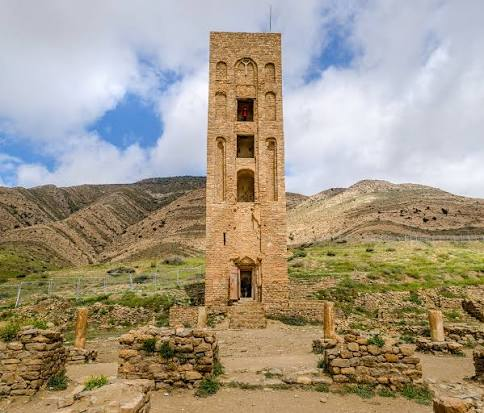
Qal'at Bani Hammad: Algeria's 11th-Century Aghlabid City
August 23, 2026
Read more →
August 23, 2026
image_2026-08-23_221330300.png
August 23, 2026
Timgad: Algeria's Roman North African Colony
August 23, 2026
Read more →
August 23, 2026
libya-tadrart-acacus-cave-art--e1508918107880.jpg
August 23, 2026
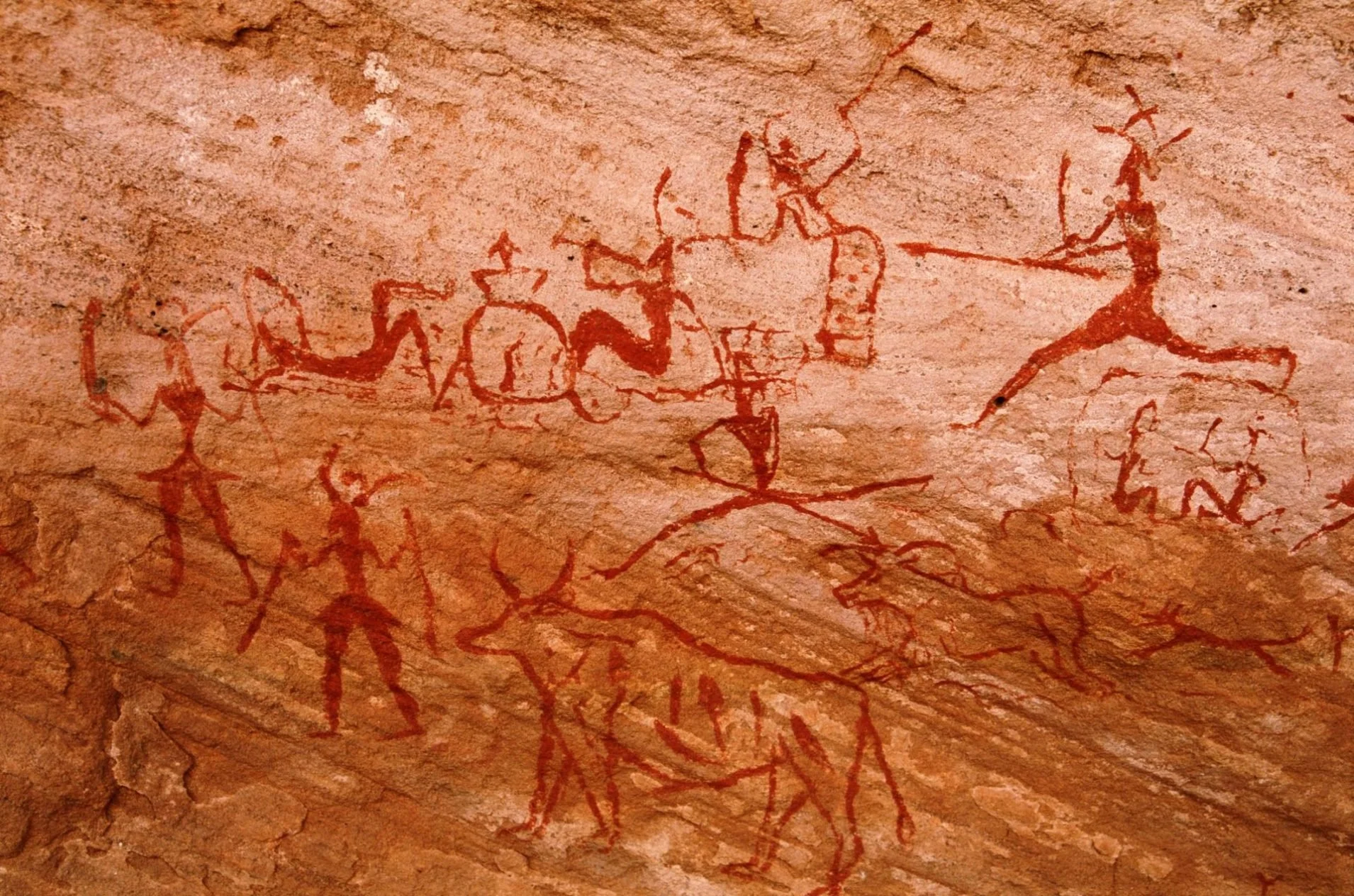
Acacus Mountains: Libya's 14,000-Year Rock Art
August 23, 2026
Read more →
August 23, 2026
Fondazione_Passaré_V1_056.jpg
August 23, 2026
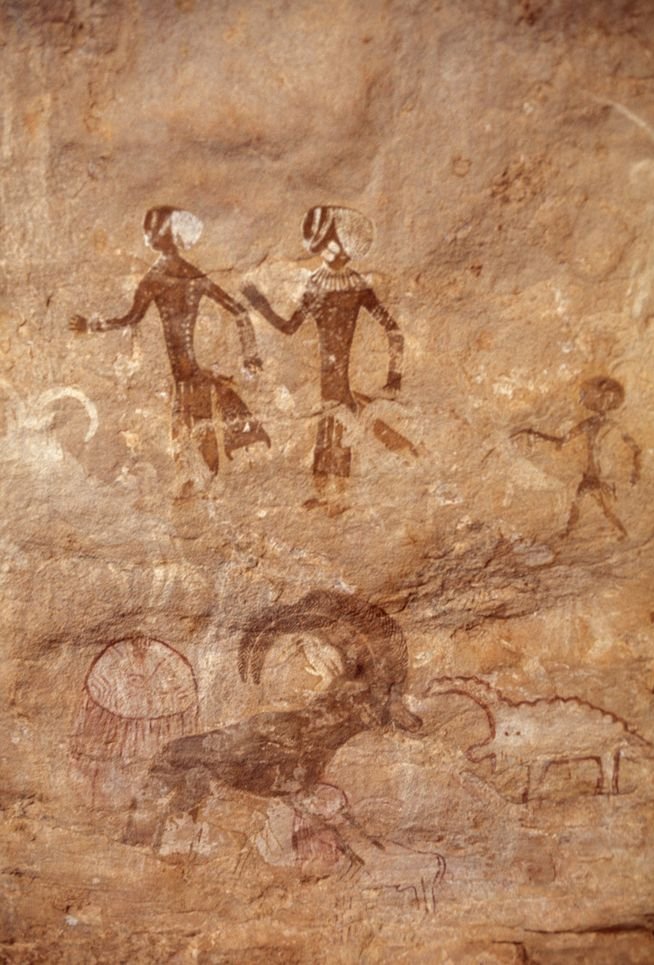
Ti-n-Torha: Libya's Round Head Paintings
August 23, 2026
Read more →
August 23, 2026
images.jpeg
August 23, 2026
Messak Settafet: Libya's 10,000-Year Engravings
August 23, 2026
Read more →
August 23, 2026
read more

Powered by The archaeologist