• MAIN PAGE
  • LATEST NEWS
    • Lost Cities
    • Archaeology's Greatest Finds
    • Underwater Discoveries
    • Greatest Inventions
    • Studies
    • Blog
  • PHILOSOPHY
  • HISTORY
  • RELIGIONS
    • Africa
    • Anatolia
    • Arabian Peninsula
    • Balkan Region
    • China - East Asia
    • Europe
    • Eurasian Steppe
    • Levant
    • Mesopotamia
    • Oceania - SE Asia
    • Pre-Columbian Civilizations of America
    • Iranian Plateau - Central Asia
    • Indus Valley - South Asia
    • Japan
    • The Archaeologist Editor Group
    • Scientific Studies
    • Aegean Prehistory
    • Historical Period
    • Byzantine Middle Ages
    • Predynastic Period
    • Dynastic Period
    • Greco-Roman Egypt
  • Rome
  • PALEONTOLOGY
  • About us
Menu

The Archaeologist

  • MAIN PAGE
  • LATEST NEWS
  • DISCOVERIES
    • Lost Cities
    • Archaeology's Greatest Finds
    • Underwater Discoveries
    • Greatest Inventions
    • Studies
    • Blog
  • PHILOSOPHY
  • HISTORY
  • RELIGIONS
  • World Civilizations
    • Africa
    • Anatolia
    • Arabian Peninsula
    • Balkan Region
    • China - East Asia
    • Europe
    • Eurasian Steppe
    • Levant
    • Mesopotamia
    • Oceania - SE Asia
    • Pre-Columbian Civilizations of America
    • Iranian Plateau - Central Asia
    • Indus Valley - South Asia
    • Japan
    • The Archaeologist Editor Group
    • Scientific Studies
  • GREECE
    • Aegean Prehistory
    • Historical Period
    • Byzantine Middle Ages
  • Egypt
    • Predynastic Period
    • Dynastic Period
    • Greco-Roman Egypt
  • Rome
  • PALEONTOLOGY
  • About us
No results found

Submerged Burial Boats: Canoe Interments in Shallow Lagoons

November 15, 2026

Introduction

Water has held an important place in burial traditions across many societies. Rivers, lakes, coastal waters, and wetlands have served as boundaries between communities, routes of travel, sources of livelihood, and landscapes associated with spiritual beliefs.

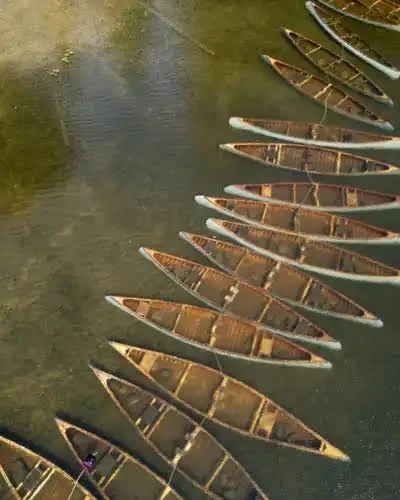
In some archaeological contexts, boats were incorporated into funerary practices. Watercraft could function as coffins, burial containers, symbolic vehicles, or objects accompanying the deceased. Canoe interments are particularly interesting because they connect the practical technology of water travel with the social and ceremonial treatment of the dead.

Shallow lagoons offer a potentially important environment for investigating such practices. Their sediments may preserve wooden remains under favorable conditions, although preservation varies considerably.

This article examines the archaeological evidence, possible meanings, preservation conditions, and research challenges associated with submerged canoe burials.

1. Boats as Burial Containers

A boat used in a burial could serve several different purposes. In some traditions, the vessel functioned as a container for the body, while in others it formed part of a larger funerary arrangement.

The deceased might have been placed directly inside the hull, accompanied by personal belongings, tools, ornaments, or other objects. The vessel could then be buried on land, deposited in water, or placed in a location that later became submerged.

The distinction is important because a boat-shaped burial container is not necessarily evidence of a deliberate underwater interment.

2. The Archaeological Significance of Canoes

Canoes are generally lightweight watercraft constructed from materials such as hollowed tree trunks, bark, or assembled wooden components.

Their construction reflects specialized knowledge of timber selection, shaping, balance, and water movement. In communities dependent on waterways, canoes could be essential for fishing, transport, trade, and communication.

When a canoe is used in a funerary context, its practical significance may also contribute to its symbolic importance. It could represent the deceased's livelihood, social identity, journey through life, or imagined passage into another realm.

These interpretations must be evaluated within the cultural and archaeological context of each burial tradition.

3. Why Shallow Lagoons May Preserve Burial Evidence

Shallow lagoons can contain fine sediments, organic deposits, and waterlogged environments that sometimes preserve wooden objects.

When timber remains continuously submerged in oxygen-poor sediment, the microorganisms responsible for rapid decay may be restricted. This can improve the survival of wooden structures.

However, preservation is not guaranteed. Changes in salinity, oxygen levels, temperature, water movement, and microbial activity can cause significant deterioration.

Storms, dredging, shoreline development, and changes in water levels may also disturb submerged archaeological deposits.

4. Identifying a Canoe Interment

The identification of a canoe burial requires careful examination of the vessel and its surrounding deposits.

Researchers look for evidence that a human body or funerary materials were intentionally placed within the craft. This may include skeletal remains, grave goods, deliberate positioning, and sediment layers associated with a burial event.

The vessel's orientation and condition can also provide useful information. A canoe resting in a stable position within a burial deposit may suggest deliberate placement, although natural deposition must be ruled out.

A wooden boat discovered in a lagoon should not automatically be classified as a burial vessel. It may instead represent an abandoned craft, a lost fishing boat, or ordinary transport equipment.

5. Human Remains and Funerary Objects

Human remains can provide important evidence of the burial process. Their position, preservation, and relationship to the canoe may help establish whether the vessel served as a funerary container.

Grave goods can include ornaments, tools, pottery, weapons, fishing equipment, or personal objects. Their presence and arrangement may reveal social distinctions or beliefs associated with death.

Archaeologists must also consider whether objects were deposited together or accumulated at different times. A mixed deposit could contain materials from multiple activities rather than one burial event.

Where human remains are present, excavation and analysis should follow appropriate ethical, legal, and cultural protocols, including consultation with relevant descendant communities.

6. The Symbolism of Water Travel

Boats have often carried meanings beyond transportation. In some cultures, watercraft appear in myths, ceremonies, funerary art, and religious traditions.

A canoe burial might have represented the continuation of a journey after death. It could also reflect the importance of waterways as routes connecting settlements, ancestors, and distant communities.

However, there is no universal meaning for boat burials. Similar practices may emerge independently in societies with very different religious traditions.

The symbolism of a particular burial must therefore be reconstructed using local evidence rather than assumptions based on unrelated cultures.

7. Scientific Methods for Investigating Submerged Canoes

Underwater archaeology combines visual recording, sediment analysis, controlled excavation, and conservation science.

Photogrammetry can create detailed three-dimensional records of submerged vessels and surrounding features. Measurements of wood anatomy may help identify the tree species used in construction.

Radiocarbon dating can establish the approximate age of organic materials, while dendrochronology may provide more precise dates when suitable timber and reference chronologies are available.

Sediment samples can reveal environmental conditions and help reconstruct whether the lagoon was freshwater, brackish, or marine when the burial occurred.

8. Distinguishing Intentional Burial from Accidental Submergence

A major challenge is determining why a boat ended up underwater.

Natural flooding, shoreline changes, storms, erosion, and rising water levels can submerge objects that were originally deposited on dry land.

Evidence for deliberate burial may include a prepared pit, a consistent arrangement of human remains, grave goods, and sediment layers showing intentional placement.

By contrast, a vessel with scattered cargo, damage from movement, or no associated funerary evidence may be better interpreted as a lost or abandoned boat.

9. Conservation of Waterlogged Wood

Waterlogged archaeological wood is often extremely fragile. After centuries underwater, its internal structure may be weakened even when its external shape appears intact.

Removing it from water without proper treatment can cause rapid shrinkage, cracking, and deformation.

Conservation specialists therefore use controlled drying, stabilization treatments, and carefully monitored storage conditions. Large vessels may require extensive resources to preserve.

In some cases, leaving a submerged canoe in place may be safer than recovering it, particularly when the site can be protected and monitored.

Conclusion

Submerged canoe interments offer an important opportunity to investigate the relationship between watercraft, identity, and funerary traditions. Shallow lagoons may preserve wooden vessels and associated burial materials under favorable environmental conditions.

Yet the identification of an underwater canoe burial requires more than discovering an old boat. Researchers must demonstrate a meaningful association between the vessel, human remains, funerary objects, and the surrounding archaeological deposit.

Through underwater survey, scientific dating, sediment analysis, and careful conservation, archaeologists can better understand how communities incorporated boats and waterways into their treatment of the dead.
The Archaeology of Small-Scale Wattle and Daub Fortifications

November 15, 2026

Introduction

Fortifications are often associated with monumental stone walls, massive castles, and large defensive earthworks. Yet many communities relied on smaller and less permanent structures to protect homes, settlements, livestock, and stored resources.

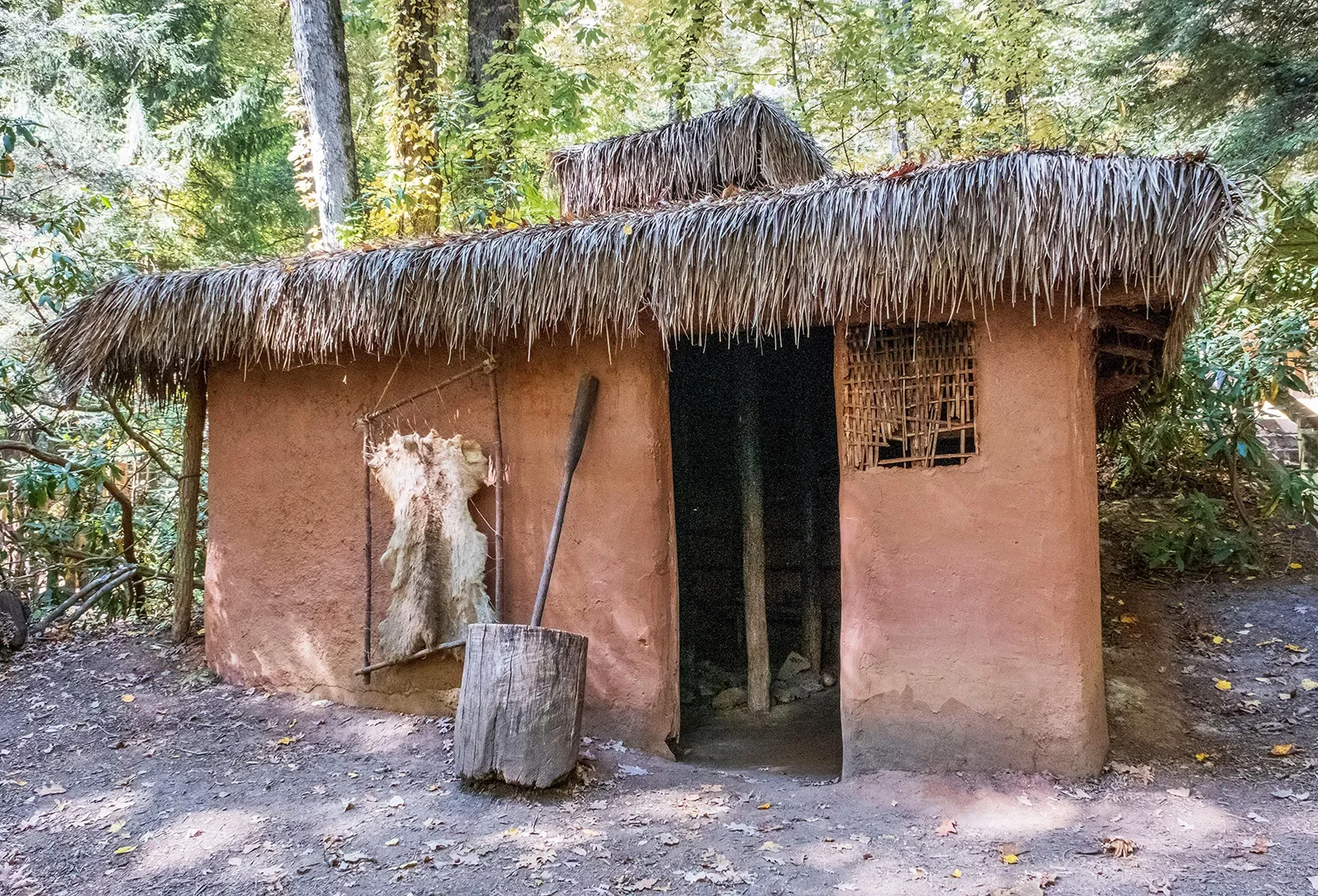
One construction technique particularly suited to local materials was wattle and daub. It involved weaving flexible branches or wooden strips between upright supports and covering the framework with a mixture commonly containing clay, earth, water, and plant fibers.

Although wattle and daub is widely recognized in traditional architecture, its use in defensive structures presents an important archaeological question. Could relatively modest fences, reinforced barriers, and compact enclosures have served as fortifications for smaller settlements?

This article explores the construction, archaeological traces, defensive functions, and limitations of small-scale wattle and daub fortifications.

1. Understanding Wattle and Daub Construction

Wattle and daub construction uses a framework of wooden supports and interwoven branches. The woven material creates a lattice that can be covered with a thick earthen mixture.

The daub may contain clay-rich soil, sand, straw, grasses, animal hair, or other organic materials. The precise composition depends on local resources and building traditions.

This technique is relatively economical because it requires materials that may be available close to a settlement. It can also be constructed without extensive stoneworking or advanced masonry skills.

However, wooden components and unfired earthen surfaces are vulnerable to weathering, decay, insects, and fire. Archaeological remains may therefore be incomplete even when the original structures were substantial.

2. Why Small Communities Needed Defensive Barriers

Not every settlement required a large defensive wall. Small agricultural villages, pastoral communities, temporary camps, and isolated farmsteads could face more localized threats.

These might include livestock theft, disputes over resources, raids, wild animals, or unauthorized access to stored food and valuable equipment.

A small defensive enclosure could provide an additional layer of protection without requiring the labor and resources needed for a major fortification system.

Such structures may have been particularly useful where communities needed to secure entrances, protect vulnerable buildings, or create controlled spaces within a larger settlement.

3. Structural Features of Defensive Wattle and Daub

A defensive wattle and daub barrier would likely require stronger construction than an ordinary internal partition.

Upright posts could be placed in prepared holes, with woven branches connecting the supports. The resulting framework might be reinforced with additional horizontal beams, thicker timber, or closely spaced posts.

An earthen coating could strengthen the surface and reduce visibility through the woven structure. In some circumstances, a substantial barrier might also resist weather and minor physical impacts.

However, the effectiveness of such a structure would depend on its height, thickness, maintenance, and the availability of suitable timber. Wattle and daub should not automatically be understood as equivalent to a high stone defensive wall.

4. Archaeological Evidence of Wooden Frameworks

The most important evidence for timber-based structures often comes from postholes, stakeholes, foundation trenches, and preserved organic remains.

Postholes may appear as dark circular or oval features in archaeological soil. Their dimensions, spacing, and arrangement can help researchers reconstruct the position of former walls or fences.

Linear patterns of closely spaced posts may indicate a barrier, although similar arrangements can also belong to ordinary buildings, animal enclosures, or agricultural fencing.

Where wooden material survives in waterlogged or oxygen-poor conditions, researchers may be able to examine the original construction more directly.

5. Identifying Daub Fragments

Burned or collapsed wattle and daub structures can leave fragments of hardened clay. These pieces sometimes preserve impressions of branches, reeds, or other woven materials.

Such impressions are especially useful because they reveal how the original framework was assembled.

Some fragments may also preserve fingerprints, smoothing marks, or impressions left by construction tools. Microscopic analysis can identify plant fibers, tempering materials, and mineral components.

Nevertheless, daub fragments alone cannot establish that a structure was defensive. They must be studied alongside posthole arrangements, settlement layouts, entrances, and evidence of surrounding barriers.

6. Fire and the Preservation of Defensive Structures

Fire can destroy a wattle and daub structure while simultaneously improving the preservation of some of its components.

High temperatures may harden clay surfaces, preserve impressions of wooden frameworks, and create recognizable layers of burned building material.

Archaeologists sometimes find concentrations of burned daub associated with collapsed walls. The distribution of these fragments can provide clues about the original structure's orientation and collapse.

However, a burned building does not necessarily indicate warfare. Accidental fires, domestic hearths, industrial activity, and deliberate demolition can produce similar archaeological evidence.

7. Entrances, Gates, and Controlled Access

A defensive enclosure is not simply a barrier. Its effectiveness also depends on how people enter and leave the protected space.

Small-scale fortifications may have included narrow openings, movable wooden gates, reinforced entrances, or overlapping barrier sections.

Archaeologists can investigate possible access points by examining interruptions in linear posthole patterns and identifying areas where additional structural supports were placed.

The presence of an entrance alone does not prove defensive intent. Its interpretation becomes stronger when combined with restricted movement, strategic positioning, and other protective features.

8. Distinguishing Fortifications from Ordinary Fences

One of the central challenges in archaeological interpretation is distinguishing defensive barriers from agricultural or domestic structures.

Animal pens, garden fences, property boundaries, and temporary windbreaks may all produce posthole patterns resembling small fortifications.

Researchers therefore consider several factors together: the scale of the barrier, the thickness of the construction, the arrangement of entrances, its relationship to houses, and the presence of other defensive features.

A structure surrounding an elevated settlement position or protecting a concentrated group of buildings may be more plausibly interpreted as defensive than an isolated fence beside a field.

9. Conservation and Experimental Archaeology

Experimental archaeology can help researchers understand how wattle and daub barriers were constructed and how they performed under different conditions.

By recreating traditional techniques, investigators can test the strength of different post arrangements, daub mixtures, and reinforcement methods.

These experiments can also help explain the archaeological appearance of collapsed structures. Comparisons between experimental remains and excavated daub fragments may reveal construction techniques that are otherwise difficult to reconstruct.

Conservation presents additional challenges because exposed daub can deteriorate rapidly after excavation. Recording, stabilization, and controlled storage are therefore important for preserving this evidence.

Conclusion

Small-scale wattle and daub fortifications demonstrate that defensive architecture did not always require monumental construction. Communities could use timber, woven branches, and earthen materials to create barriers adapted to local security needs.

Although distinguishing defensive structures from ordinary fences and enclosures can be difficult, posthole patterns, daub impressions, settlement layouts, and evidence of controlled entrances provide valuable clues.

Further archaeological and experimental research can help clarify how these modest structures contributed to the protection and organization of ancient settlements.

Petroglyphs Near Mineral Sources: Rituals of Extraction

November 15, 2026

Introduction

Across many ancient landscapes, mineral deposits were more than valuable natural resources. Springs rich in iron, copper-bearing rocks, salt deposits, ochre outcrops, and other mineral sources could become important places of gathering, exchange, and ritual activity. Some were associated with healing, fertility, protection, or the spiritual significance of the land.

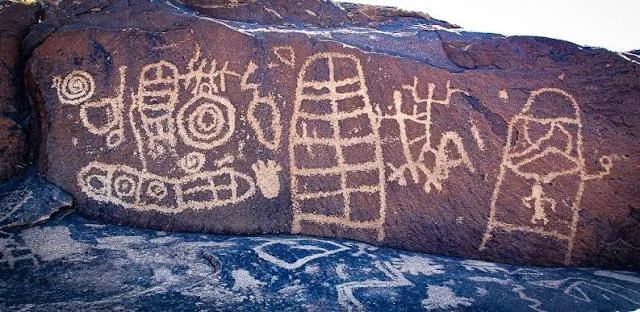
Petroglyphs—images and symbols carved or pecked into exposed rock surfaces—provide one possible way to investigate how prehistoric and early historic communities understood these locations. When rock carvings occur near mineral sources, their proximity may suggest a relationship between symbolic expression and resource extraction. However, proximity alone cannot prove that the carvings were created specifically for mining rituals.

This article examines the archaeological potential of petroglyphs near mineral deposits, the possible rituals associated with extraction, and the methods researchers can use to distinguish established evidence from interpretation.

1. Mineral Sources as Important Cultural Landscapes

Mineral deposits often attracted repeated human activity because they supplied materials that were difficult or impossible to obtain elsewhere. Ochre could be used for coloring, copper ores for metal production, salt for food preservation, and certain stones for tools or ornaments.

The locations of these resources sometimes shaped settlement patterns and travel routes. Communities could revisit the same outcrops over generations, creating places with accumulated practical and cultural significance.

A mineral source might therefore function simultaneously as a workplace, meeting point, exchange location, and place associated with local beliefs.

2. Understanding Petroglyphs in Resource Landscapes

Petroglyphs are produced by techniques such as pecking, incision, scraping, and abrasion. Their subjects vary considerably, including geometric patterns, animals, human figures, footprints, weapons, and abstract marks.

When carvings are found near mines or mineral outcrops, archaeologists examine their relationship to the surrounding landscape. Important questions include whether the images face the resource, follow paths leading to it, or appear near entrances to extraction areas.

Researchers also investigate whether the carvings belong to the same period as the earliest mining activity. Without reliable dating, an apparent relationship may represent separate episodes of human use.

3. Possible Rituals Before Extraction

Mining and mineral collection could involve uncertainty and danger. Rockfalls, unstable tunnels, difficult terrain, and unpredictable material quality made extraction potentially hazardous.

It is plausible that some communities developed practices intended to secure protection or favorable outcomes before collecting resources. These could have included offerings, spoken invocations, symbolic markings, or ceremonies conducted near important outcrops.

However, archaeological evidence must be interpreted carefully. A carved animal or geometric symbol does not automatically represent a mining deity or protective ritual. Such interpretations require support from associated deposits, repeated patterns, historical accounts, or comparable archaeological contexts.

4. Ochre, Pigments, and Symbolic Practices

Ochre is among the most widely documented mineral materials used by ancient communities. Its pigments could be applied to bodies, objects, tools, burial contexts, and rock surfaces.

The presence of ochre deposits near petroglyph sites raises interesting questions about the relationship between resource collection and symbolic expression. A community might have visited an outcrop to obtain pigment and also used the surrounding rock surfaces for marking or ceremonial activities.

In some contexts, pigment traces on carvings or nearby surfaces may help establish a connection between mineral materials and artistic practices. Yet researchers must distinguish naturally occurring discoloration from deliberate pigment application.

5. Metal Ores and the Development of Extraction Traditions

The emergence of metalworking increased the cultural and economic importance of certain mineral landscapes. Copper, tin, iron, and other ores became essential to technologies involving tools, weapons, ornaments, and exchange networks.

Mining areas sometimes developed distinctive traditions involving specialized knowledge, labor organization, and restricted access. If petroglyphs occur near ancient extraction zones, they may provide evidence of how communities represented these important places.

Possible interpretations include territorial symbols, records of group identity, commemorative images, or ritual markings. Establishing their purpose requires more than visual resemblance to familiar symbols.

6. Archaeological Methods for Investigating the Relationship

Researchers use several complementary methods to investigate petroglyphs near mineral sources.

Spatial analysis identifies the distance between carvings, extraction pits, mineral veins, water sources, and ancient pathways. Geological surveys establish the composition and distribution of available resources.

Microscopic examination can reveal carving techniques, tool marks, weathering, and possible pigment residues. Archaeologists may also compare the patination of carved and uncarved surfaces to investigate relative chronology.

Radiocarbon dating can sometimes establish the age of associated charcoal, organic offerings, or occupation layers, although it generally cannot directly date a carving made into bare rock. Other techniques, including surface exposure studies and archaeological stratigraphy, may provide additional chronological information.

7. Offerings and Depositional Evidence

Evidence of ritual activity may be found in deposits surrounding extraction sites. These can include intentionally placed objects, animal remains, pottery fragments, unusual concentrations of charcoal, or carefully arranged stones.

The context of these materials is essential. Objects deposited in a sealed archaeological layer may provide stronger evidence of deliberate placement than scattered materials found on a disturbed surface.

Even when offerings are identified, their exact purpose may remain uncertain. They could relate to mining, travel, settlement activity, burial practices, or other forms of community ceremony.

8. The Social Organization of Mineral Extraction

Mineral extraction often required cooperation, technical expertise, and knowledge passed between generations. Certain individuals or families may have controlled access to valuable deposits or possessed specialized skills in recognizing and processing ores.

Petroglyphs could have contributed to the social identity of groups associated with these resources. Repeated symbols might have marked routes, commemorated important events, or expressed connections between communities and particular landscapes.

Such interpretations become stronger when carvings can be connected to identifiable settlement networks, trade routes, or patterns of resource distribution.

9. Challenges in Interpreting Ritual Landscapes

One of the greatest difficulties in studying petroglyphs near mineral deposits is avoiding the assumption that every unusual image has a religious meaning.

Carvings may have served practical, social, commemorative, territorial, or artistic purposes. Mineral sources may also have attracted people for ordinary economic reasons without requiring formal ceremonies.

Natural erosion, later mining, quarrying, vandalism, and modern excavation can further complicate archaeological interpretation. A convincing explanation must account for both the carvings and the physical history of the surrounding site.

Conclusion

Petroglyphs near mineral sources offer a valuable opportunity to investigate the relationship between ancient communities, natural resources, and symbolic expression. These landscapes may have combined practical extraction activities with social traditions, ceremonial practices, and collective identities.

Although specific ritual interpretations require careful archaeological confirmation, the relationship between rock art and mineral resources remains an important subject of research. By combining geological analysis, spatial mapping, dating methods, and contextual excavation, researchers can better understand how ancient people experienced and organized their resource landscapes.

Ancient Salt-lick Sculptures: Animal Offerings and Hunting Magic

November 15, 2026

Introduction

Salt has been an important natural resource throughout human history. It was used for food preservation, seasoning, and various practical activities. It also played a role in animal behavior because many species seek out mineral-rich sources to obtain sodium and other nutrients.

Natural salt licks can attract wild animals, making them significant locations for hunters and pastoral communities.

The title "Ancient Salt-lick Sculptures" suggests a connection between mineral sources, carved landscape features, animal offerings, and hunting-related rituals. However, the existence of a deliberate ancient tradition of sculpting salt licks must be established through archaeological evidence rather than assumed.

The subject provides an opportunity to examine how natural animal gathering places could become meaningful human landscapes.

What Is a Salt Lick?

A salt lick is a natural or artificial source of mineral salts that animals visit to obtain nutrients.

Such locations may occur around mineral springs, exposed rock, evaporating water sources, and mineral-rich soil.

Herbivorous animals often seek sodium because many plants contain relatively low concentrations of this mineral.

Salt licks can therefore attract animals repeatedly, sometimes creating visible trails and worn surfaces.

Why Salt Licks Interested Ancient Communities

Hunters could recognize that animals returned to particular mineral sources.

These locations might offer predictable opportunities to observe or intercept wildlife.

Pastoral communities could also use salt sources to support domesticated animals.

A natural salt lick might therefore have economic value as well as environmental importance.

Repeated human visits could gradually transform the surrounding area through paths, shelters, storage features, and other modifications.

The Possibility of Deliberate Sculptures

Some natural mineral formations may resemble carved objects.

Weathering, erosion, water movement, and biological activity can create unusual shapes.

To establish that a feature is a deliberate sculpture, researchers would need evidence of human modification.

This might include tool marks, repeated geometric forms, prepared surfaces, associated artifacts, or clear archaeological context.

Without such evidence, a naturally shaped mineral formation should not be classified as an ancient sculpture.

Animal Offerings and Ritual Landscapes

Animals have played important roles in religious practices across many societies.

Offerings could involve the deposition of bones, horns, figurines, or other animal-related objects.

Certain natural features, including caves, springs, mountains, and mineral sources, may have been incorporated into ritual landscapes.

A salt lick could potentially acquire symbolic importance because animals gathered there repeatedly.

However, evidence of animal bones near a mineral source does not automatically indicate sacrifice. The remains could result from natural deaths, hunting, scavenging, or ordinary food preparation.

Hunting Magic and Symbolic Practices

The term "hunting magic" refers to beliefs and practices intended to influence hunting success through symbolic or ritual action.

Such practices are known from different historical and ethnographic contexts.

They may involve images of animals, ceremonial objects, offerings, dances, or special treatment of hunting equipment.

Archaeologists sometimes interpret animal imagery in prehistoric art in relation to hunting beliefs, but the exact meaning of such images is often uncertain.

A direct connection between salt licks and hunting magic requires evidence beyond the presence of animal remains.

Archaeological Evidence

Researchers investigating possible ritual salt-lick sites may examine several forms of evidence.

These include carved rock surfaces, animal bones, mineral deposits, stone tools, pottery, and signs of repeated human activity.

Zooarchaeological analysis can identify animal species and sometimes reveal whether bones were butchered or burned.

Microscopic study of rock surfaces may distinguish tool marks from natural erosion.

Geochemical analysis can identify mineral sources and determine whether humans modified them.

The relationship between all these materials is crucial for interpretation.

Salt and Animal Management

Salt was also important in the management of domesticated animals.

Livestock require sodium and other minerals for normal physiological functions.

Communities could guide animals toward natural salt sources or provide mineral supplements.

A salt lick might therefore form part of a pastoral route or seasonal grazing system.

Evidence of repeated livestock access could include hoof-worn surfaces, dung deposits, and nearby enclosures.

These indicators must be distinguished from patterns created by wild animals.

Preserving Salt-Related Archaeological Evidence

Salt-rich environments can create unusual preservation conditions.

Some materials may survive well, while others deteriorate through chemical reactions.

Mineral crusts can cover carved surfaces and obscure evidence of modification.

Water movement may also redistribute salt and sediment.

Conservation and excavation must account for these processes.

Conclusion

Natural salt licks could attract animals, influence hunting strategies, and support pastoral management.

They may also have become meaningful locations within ritual landscapes.

However, the idea of ancient salt-lick sculptures requires direct evidence of deliberate human carving and a reliable archaeological context.

By combining geology, animal-bone analysis, landscape archaeology, and the study of symbolic deposits, researchers can investigate how natural mineral sources became connected with human activity.

The most important insight is that ordinary environmental features could acquire economic, social, and potentially ritual significance through repeated interaction between people, animals, and the landscape.

The Role of Small Rivers as Cultural Boundaries in Prehistory

November 15, 2026

Introduction

Rivers have always influenced how people move through landscapes.

Large rivers can separate territories, support trade, and provide transportation routes. Smaller rivers may appear less significant, but they can also shape patterns of settlement, social interaction, and cultural identity.

In prehistoric landscapes, a narrow river might mark the boundary between communities, separate different resource zones, or influence where people established settlements.

However, rivers were not necessarily barriers. They could also provide bridges between groups through fishing, exchange, seasonal movement, and shared access to water.

The archaeology of small rivers therefore offers an opportunity to understand how natural features influenced cultural relationships.

Rivers as Geographic Boundaries

A river can create a visible division in the landscape.

Its banks may separate agricultural fields, grazing areas, hunting territories, and settlement zones.

A small river may also mark a transition between ecological environments.

For prehistoric communities, these distinctions could become socially meaningful.

A river might be recognized as the limit of a group's regular territory or as a place where neighboring communities met.

Such boundaries were not necessarily fixed or formally controlled.

Rivers as Corridors of Movement

Although rivers can divide landscapes, they also create routes.

River valleys often provide relatively level passages through hills and mountains.

People could follow waterways to reach hunting grounds, settlements, and exchange locations.

Small rivers may connect larger drainage systems, making them part of broader movement networks.

Seasonal changes in water levels could affect how easily these routes were used.

Archaeological Evidence for Cultural Boundaries

Researchers investigate cultural boundaries by examining settlement distribution and material culture.

Differences in pottery styles, stone tools, burial practices, and architecture may occur on opposite sides of a river.

If these differences remain consistent across several archaeological sites, they may indicate distinct cultural traditions.

However, a river should not automatically be treated as the cause.

Communities may have developed different practices for other reasons, including chronology, resource access, or social relationships.

Crossing Points and Interaction

Small rivers could become important meeting places.

Shallow crossings, natural stepping stones, and stable banks might support repeated movement.

Archaeologists may identify crossing points through paths, trackways, bridges, or concentrations of artifacts.

A crossing could become a location for exchange between neighboring communities.

It might also serve as a boundary marker where access was regulated or negotiated.

Rivers and Territorial Organization

Prehistoric territorial systems are difficult to reconstruct because boundaries were rarely marked with permanent structures.

Communities may have understood territory through repeated use rather than formal lines.

Fishing locations, grazing areas, hunting grounds, and water sources could be shared or contested.

A river might represent a boundary during one season and a shared resource during another.

This flexibility is important when interpreting prehistoric landscapes.

Environmental Change

Small rivers can change course, dry up, flood, or become buried by sediment.

A modern stream may not follow the same channel used by prehistoric communities.

Researchers reconstruct ancient river systems through sediment cores, geological mapping, and analysis of floodplain deposits.

Environmental changes may also alter settlement patterns.

A river that once supported a village could become less reliable, encouraging people to move elsewhere.

River Archaeology and Material Evidence

Artifacts found near riverbanks can reveal how people used these environments.

Fishing equipment, animal remains, stone tools, pottery, and settlement features may indicate different activities.

Organic materials can sometimes survive in waterlogged deposits.

However, rivers also transport artifacts away from their original locations.

Flooding may redeposit objects from distant settlements, making their archaeological context difficult to interpret.

Rivers and Cultural Identity

Natural features can become part of community identity.

A river may appear in place names, oral traditions, ritual practices, and stories about ancestral territories.

Archaeological evidence alone cannot fully reconstruct these meanings.

However, the repeated placement of settlements, burials, or ritual sites near a river may suggest that it held significance beyond its practical value.

Comparisons with later traditions may offer context, but they should not be used as direct proof of prehistoric beliefs.

Conclusion

Small rivers could influence prehistoric social organization by separating territories, guiding movement, and providing shared resources.

Their importance depended on local geography, seasonal conditions, and the relationships between neighboring communities.

Archaeological differences across a river may indicate cultural boundaries, but these patterns must be interpreted alongside chronology, settlement evidence, and environmental change.

Rather than viewing small rivers only as barriers, researchers should consider them dynamic spaces where communities met, exchanged goods, negotiated access, and shaped their relationships with the surrounding landscape.

The Use of Feather Insulation in Early Clothing: Osteo-trace Evidence

November 15, 2026

Introduction

Clothing in cold environments required more than protection from wind and rain. People living in high-latitude and high-altitude regions needed materials capable of retaining body heat while remaining flexible enough for movement.

Animal skins, fur, wool, plant fibers, and other materials provided different forms of insulation.

Feathers are another possible source of insulation. Their structure traps air and can reduce heat loss, making them useful in certain types of clothing and bedding.

However, identifying feather insulation in ancient garments is challenging because feathers are organic materials that rarely survive for long periods. The phrase "osteo-trace evidence" also requires clarification: bones may provide indirect evidence of feather-bearing animals, but they do not independently demonstrate that feathers were used in clothing.

How Feather Insulation Works

Feathers have structures that can trap air between their branches and barbs.

Down feathers are particularly effective at retaining warm air because of their soft, three-dimensional structure.

When placed inside clothing or bedding, feathers can create an insulating layer.

The effectiveness depends on the species, feather type, density, moisture, and construction of the garment.

Feathers can also become less effective when wet or heavily compressed.

Possible Uses in Early Clothing

Feathers may have been used in several ways.

They could have been attached to the exterior of garments for decoration or protection.

Down or other soft feathers might have been placed inside sewn layers of hide or textile.

Feather-filled coverings could also have served as blankets, bedding, or portable insulation.

These possibilities are technologically plausible, but their use in a specific prehistoric community requires direct evidence.

Why Bones Cannot Prove Feather Clothing

Bird bones can identify the presence of particular species at an archaeological site.

They may reveal hunting, consumption, or the exploitation of birds for feathers and other materials.

However, the presence of bird remains does not demonstrate that feathers were used in clothing.

Birds could have been eaten, used for ornaments, or incorporated into other activities.

Researchers therefore need additional evidence to establish textile or clothing use.

Direct Archaeological Evidence

The strongest evidence would involve preserved feathers found in a clear association with garments or bedding.

In exceptional preservation environments, feathers may survive through freezing, desiccation, waterlogging, or other conditions that slow decomposition.

Microscopic traces may also survive on hide, textile, or other materials.

Researchers can examine feather structure, barb arrangement, and microscopic characteristics to identify the material.

Context is essential because feathers may enter deposits naturally through bird activity.

Trace Evidence and Microscopy

Microscopic analysis can identify small feather fragments or impressions.

Scanning electron microscopy may reveal surface details that help distinguish feathers from other organic materials.

Protein analysis may sometimes identify biological residues, although ancient preservation and contamination create significant challenges.

Researchers must also consider whether traces were introduced by modern handling, excavation materials, or environmental processes.

A convincing interpretation requires a clear relationship between the feather traces and the suspected garment.

Archaeological Evidence from Birds

Bird bones can still provide important supporting information.

Species identification may reveal which birds were available to ancient communities.

The distribution of skeletal elements may help distinguish food preparation from other forms of exploitation.

Some bird species possess valuable feathers that could have been collected without consuming the entire animal.

Patterns of feather collection may be suggested by unusual bone distributions or repeated selection of particular species, but such interpretations remain indirect.

Clothing Technology and Environmental Adaptation

Feather insulation would have required knowledge of material properties and garment construction.

Feathers could be inserted between layers, sewn into compartments, or attached to an existing covering.

The garment would need to retain the feathers while allowing movement.

The choice of insulation may have depended on local ecology.

Communities with access to suitable birds might have used feathers alongside fur, hide, and plant fibers.

Different materials could also have been combined for different functions.

Preservation Environments

Organic clothing survives only under exceptional conditions.

Frozen deposits may preserve fibers and feathers, while dry caves can protect organic materials from moisture and microorganisms.

Waterlogged environments can preserve some organic remains when oxygen is limited.

However, preservation is uneven.

A garment may survive while its feather filling disappears, leaving only traces or impressions.

This creates a significant challenge for reconstructing ancient clothing.

The Importance of Experimental Archaeology

Experimental studies can help test how feather insulation behaves.

Researchers can produce replicas using different feather types and garment constructions.

They can examine warmth, moisture retention, compression, and durability.

These experiments can demonstrate whether a proposed design is technically practical.

They cannot prove that ancient people used a particular garment unless the archaeological evidence supports the reconstruction.

Conclusion

Feathers offer a plausible source of insulation for early clothing, particularly in environments where maintaining body heat was essential.

Their use may have involved down-filled garments, layered coverings, or feather-lined bedding.

However, bird bones alone cannot establish that feathers were used as insulation.

Direct feather preservation, microscopic traces, garment evidence, and careful archaeological context are necessary to support the interpretation.

Combining osteological evidence with organic residue analysis and experimental reconstruction can help researchers investigate how ancient communities used animal materials to adapt to demanding climates.

The Archaeology of Small-Scale Glass Recycling in Antiquity

November 15, 2026

Introduction

Glass was a valuable material in many ancient societies. It was used to produce vessels, beads, ornaments, windows, decorative objects, and specialized equipment.

Manufacturing glass from raw ingredients required considerable technical knowledge and high temperatures. Recycling existing glass offered an alternative because broken or unwanted objects could be collected, sorted, remelted, and transformed into new products.

While major glassmaking centers have received considerable archaeological attention, small-scale recycling may have occurred in workshops, households, market districts, and other local production environments.

The archaeology of glass recycling provides insight into resource management, craft organization, trade, and the circulation of materials in ancient economies.

Why Glass Was Recycled

Glass production required raw materials such as silica, alkali, and lime.

The preparation and heating of these ingredients demanded specialized equipment and fuel.

Recycling could reduce the need for some raw materials and lower the energy required to produce new objects.

Broken vessels and manufacturing waste could therefore retain economic value.

Recycling was particularly useful where glass was expensive, raw materials were difficult to obtain, or existing trade networks supplied large quantities of reusable fragments.

Evidence of Recycling Workshops

Archaeologists identify recycling activity through several types of evidence.

These include glass fragments, furnace remains, crucibles, heating installations, production waste, and tools used for handling molten material.

A concentration of broken glass alone is not sufficient.

It may represent ordinary rubbish, discarded containers, or material accumulated through trade.

Evidence becomes stronger when fragments occur alongside installations capable of heating and reshaping glass.

Sorting and Preparing Waste Glass

Before recycling, glass may have required sorting.

Different colors and compositions could produce different results when remelted together.

Workers might separate transparent, colored, and opaque fragments.

Contaminants such as ceramic, metal, and organic materials could also affect the final product.

The degree of sorting depended on the intended object and the workshop's technical capabilities.

Researchers can study fragment composition to investigate whether different glass groups were processed separately.

Remelting and Reshaping

Recycled glass could be heated until it became workable.

It might then be molded, drawn, wound around a core, or shaped through other techniques.

Some workshops produced new vessels from recycled material.

Others may have manufactured beads, decorative inlays, or small objects that required relatively limited quantities of glass.

The remains of crucibles and furnace installations can help identify the production process.

Glass adhering to ceramic vessels may provide evidence of heating and remelting.

Chemical Analysis and Provenance

Ancient glass composition can reveal information about raw materials and manufacturing traditions.

Researchers use techniques such as X-ray fluorescence and other laboratory methods to identify chemical elements.

Different production traditions may have distinctive chemical signatures.

Recycled glass often contains mixtures of materials from earlier objects.

This can complicate provenance studies because the final product may combine glass originally manufactured in different regions.

The presence of mixed compositions may therefore provide evidence of recycling rather than a single primary production source.

Small Workshops and Household Production

Not all recycling required a large industrial installation.

Some operations may have been carried out in small workshops with limited equipment.

A craftsperson could collect fragments from nearby settlements and produce new items for local markets.

Other recycling may have taken place within larger glassmaking facilities.

The scale of production can be investigated through the size of furnaces, the volume of waste, and the distribution of finished objects.

Researchers should avoid assuming that every glassworking installation was dedicated exclusively to recycling.

Trade and Material Circulation

Glass fragments could move through several stages before being recycled.

Broken vessels might be collected by merchants, waste handlers, or craft workers.

Fragments could then be transported to workshops and sold as raw material.

This created an economic network connecting consumers, collectors, traders, and manufacturers.

The distribution of recycled glass objects may reveal how local workshops participated in wider commercial systems.

Environmental and Economic Benefits

Recycling reduced the amount of usable material discarded.

It could also conserve fuel and reduce the need to transport some raw materials.

However, ancient recycling should not be equated with modern environmental policy.

Its primary motivation may have been economic efficiency and material availability rather than environmental protection.

Nevertheless, recycling demonstrates that ancient craftspeople understood the value of recovering useful materials.

Identifying Recycled Objects

An object made from recycled glass may not always be visually distinctive.

Chemical analysis can reveal mixed compositions or unusual combinations of elements.

Color variations and small inclusions may also provide clues.

However, recycling does not always produce obvious defects.

A carefully remelted object can be visually similar to one made from newly prepared glass.

Archaeological context is therefore essential.

Conclusion

Small-scale glass recycling reveals how ancient communities recovered valuable materials and incorporated them into local production systems.

Broken vessels, workshop waste, crucibles, and chemical signatures can help researchers identify recycling activities.

These practices connected household consumption with craft production and regional trade.

By examining recycled glass, archaeologists can better understand the economic decisions and technical skills that supported ancient material economies.

Early Community Bakeries: Communal Hearths and Social Organization

November 15, 2026

Introduction

Bread production has played an important role in the development of settled communities. As agriculture expanded and populations became more concentrated, preparing food required increasingly organized systems of cultivation, processing, storage, and cooking.

Although many households maintained their own cooking facilities, some communities developed shared baking areas. These communal hearths could serve several families or larger groups, creating spaces where food production became a collective activity.

The archaeology of early community bakeries provides insight into how people organized labor, distributed food, and maintained social relationships through everyday cooking.

The Development of Communal Baking

Early bread production involved several stages.

Grain had to be harvested, cleaned, ground into flour, mixed with water, and cooked.

These activities required equipment and labor. Grinding stones, storage containers, mixing vessels, and heating installations became important components of food preparation.

In some settlements, individual households carried out all these tasks.

In others, certain stages may have been organized collectively.

Shared baking facilities could reduce the need for every household to maintain a separate oven and provide a convenient place for preparing food in larger quantities.

Archaeological Evidence for Communal Hearths

A communal bakery may contain one or more substantial ovens or hearths.

Researchers examine their dimensions, construction materials, heat-altered surfaces, and relationship with nearby work areas.

Large installations may include prepared floors, fuel-storage spaces, ash deposits, and areas for handling dough.

Repeated use can create thick layers of ash, charcoal, burnt soil, and discarded cooking equipment.

However, a large oven is not automatically a community bakery. It may have served a wealthy household, a specialized workshop, or another institution.

The interpretation depends on the size of the installation, its location, and evidence for repeated production.

Bread Production Technology

Ancient bread-making techniques varied considerably.

Some communities cooked flatbreads on heated stones or simple hearth surfaces.

Others used enclosed ovens that retained heat and allowed more controlled baking.

Grain could be ground using hand-operated querns or larger milling installations.

The type of grain also mattered. Wheat, barley, and other cereals had different processing and cooking characteristics.

Archaeologists study charred bread remains, cereal grains, grinding stones, and oven structures to reconstruct ancient production methods.

Food Preparation and Labor Organization

Communal baking required coordination.

Someone had to obtain fuel, prepare grain, grind flour, mix dough, maintain the fire, and distribute the finished food.

These tasks could be divided among households or carried out by designated specialists.

A shared oven might operate according to an agreed schedule.

Families could bring prepared dough and take turns using the installation.

In larger settlements, baking could become a specialized occupation rather than a purely household responsibility.

Social Interaction Around Hearths

Communal hearths were not simply technical installations.

They could become gathering places where people exchanged information, maintained relationships, and coordinated daily activities.

Food preparation often involves cooperation.

People may share equipment, fuel, ingredients, and labor.

A communal bakery could therefore strengthen neighborhood relationships and create a sense of collective responsibility.

The social importance of these spaces may have extended beyond the food they produced.

Food Distribution and Economic Organization

A community bakery could support different forms of food distribution.

Bread might be prepared for household consumption, public gatherings, workers, religious ceremonies, or other collective activities.

In some settings, organized baking could indicate the existence of institutions responsible for supplying food.

Researchers may investigate whether production was connected with storage facilities, administrative buildings, or public spaces.

However, the presence of a communal oven does not automatically prove centralized control.

It could represent cooperation among independent households.

Identifying Production Scale

The scale of baking can be investigated through the size and number of ovens, fuel consumption, grain-processing equipment, and the volume of archaeological food remains.

Repeated use may leave substantial deposits of ash and burnt sediment.

Cereal remains can sometimes reveal which grains were processed.

Residue analysis may identify fats or other substances associated with food preparation.

Comparing household ovens with larger shared installations can help researchers estimate differences in production capacity.

Health and Environmental Considerations

Communal baking required large quantities of fuel.

Wood, charcoal, agricultural waste, or other combustible materials could be used depending on local availability.

Repeated fuel collection may have affected surrounding vegetation.

Smoke and heat also influenced the design and location of baking facilities.

Some installations may have been positioned away from residential rooms to reduce smoke exposure and fire risks.

Conclusion

Early community bakeries reveal how food production could become an organized social activity beyond the boundaries of individual households.

Communal hearths brought together labor, technology, fuel, and ingredients while creating opportunities for cooperation and exchange.

Their archaeological remains can help researchers understand the development of shared infrastructure and the social relationships that supported settled life.

A bakery was not simply a place where bread was made. It could also be a central space where communities organized their daily routines and maintained collective identities.

The Micro-stratigraphy of Animal Pens in Pastoral Settlements

November 15, 2026

Introduction

Pastoral settlements were organized around the management of domesticated animals. Sheep, goats, cattle, and other livestock required grazing areas, water sources, shelters, and spaces for handling and protection.

Animal pens were essential parts of these settlements, but their remains are not always easy to identify. Many were constructed from perishable materials such as branches, timber, reeds, and packed earth.

Even when the physical structures disappear, repeated animal occupation can leave distinct layers in the ground.

Micro-stratigraphy—the study of very small-scale sediment layers and their formation—allows archaeologists to investigate how animal pens were used, cleaned, repaired, and abandoned.

What Is Micro-stratigraphy?

Stratigraphy examines the sequence of deposits formed over time.

Micro-stratigraphy applies this approach to small-scale layers that may not be visible during ordinary excavation.

Thin sediment deposits can reveal repeated activities within a limited space.

In an animal pen, these layers may represent trampling, dung accumulation, bedding, cleaning, burning, and the introduction of fresh soil.

Each activity can produce a different microscopic signature.

Identifying Ancient Animal Pens

Animal pens may leave several kinds of evidence.

These include compacted floors, postholes, fence lines, dung-rich layers, drainage features, and concentrations of animal remains.

A pen may be positioned beside a house, at the edge of a settlement, or within a larger enclosure.

Some pastoral settlements used temporary pens that were moved as animals grazed different areas.

Others maintained more permanent enclosures.

Archaeologists must distinguish pens from courtyards, rubbish areas, workshops, and ordinary outdoor activity spaces.

Dung and Organic Accumulation

Animal dung is one of the most important indicators of pen use.

Repeated accumulation can create dark, organic-rich deposits.

Microscopic examination may reveal plant fibers, pollen, parasite remains, and other biological materials.

Dung can also contain undigested seeds and plant fragments, providing information about animal diets.

Chemical analysis may identify elevated nutrient levels associated with animal waste.

However, the composition of a deposit depends on the species, diet, environmental conditions, and the frequency with which the pen was cleaned.

Trampling and Floor Compaction

Animals moving repeatedly over the same surface compact soil and organic material.

This can create dense layers with distinctive microscopic structures.

Trampling may crush plant remains and redistribute dung and sediment.

The pattern of compaction can sometimes help identify high-traffic areas near entrances, feeding locations, or water points.

Experimental studies with modern animals can help researchers understand how repeated movement affects different soils.

Such experiments provide comparisons rather than exact reconstructions of ancient behavior.

Bedding and Cleaning Practices

Some communities may have placed plant material inside pens to absorb moisture and provide bedding.

Straw, leaves, grasses, and other vegetation could be used.

Over time, bedding would mix with dung and soil, creating layered organic deposits.

Pens might be cleaned periodically, with accumulated waste removed for use as fertilizer or fuel.

These practices could leave alternating layers of dung-rich material and cleaner sediment.

Repeated cleaning may therefore be visible as interruptions in the accumulation sequence.

Reconstructing Animal Diets

Micro-stratigraphic evidence can contribute to the reconstruction of animal feeding practices.

Plant fragments, phytoliths, pollen, and parasite remains may reveal which vegetation animals consumed or encountered.

Isotopic analysis of animal bones and teeth can provide additional information about diet and grazing environments.

The combination of these methods may reveal whether animals relied on local pasture, stored fodder, crop residues, or a mixture of resources.

However, plant remains in a pen can come from bedding or other human activities, not only from animal feeding.

Seasonal Use of Pens

Some pastoral settlements were occupied throughout the year, while others were used seasonally.

The sequence of deposits in animal pens may help identify periods of intensive occupation.

Changes in dung composition, plant remains, and sediment accumulation can indicate shifts in animal populations or feeding practices.

A pen with several distinct occupation layers may have been used repeatedly over many years.

Seasonal interpretation requires additional chronological and environmental evidence.

Livestock Management and Social Organization

Animal pens can reveal how pastoral communities organized their herds.

Separate enclosures may have been used for different species, age groups, or purposes.

Young animals might have required protection.

Milking animals could have been kept near households.

Larger communal pens may indicate cooperation between families or the management of shared livestock.

Differences in enclosure size and construction can therefore contribute to understanding household organization and social relationships.

Scientific Methods

Researchers use several techniques to study pen deposits.

Thin-section micromorphology allows intact sediment samples to be examined under a microscope.

Phosphate and other chemical analyses can identify areas affected by organic waste.

Pollen and phytolith studies reveal plant materials.

Parasite analysis can provide evidence of animal presence and sometimes help identify the species involved.

Radiocarbon dating may establish the age of organic deposits, while stratigraphic relationships help determine the sequence of activities.

Conclusion

The micro-stratigraphy of animal pens provides a detailed record of everyday pastoral management.

Small sediment layers can reveal repeated occupation, trampling, bedding, cleaning, feeding, and changes in herd organization.

These deposits are especially valuable because the fences and shelters that once enclosed animals were often made from materials that rarely survive.

By combining microscopic soil analysis with botanical, chemical, and faunal evidence, archaeologists can reconstruct how pastoral communities organized their settlements and maintained the animals on which their livelihoods depended.

Sea-level Markers on Submerged Cemetery Stones

November 15, 2026

Introduction

Coastal cemeteries can provide important evidence about environmental change.

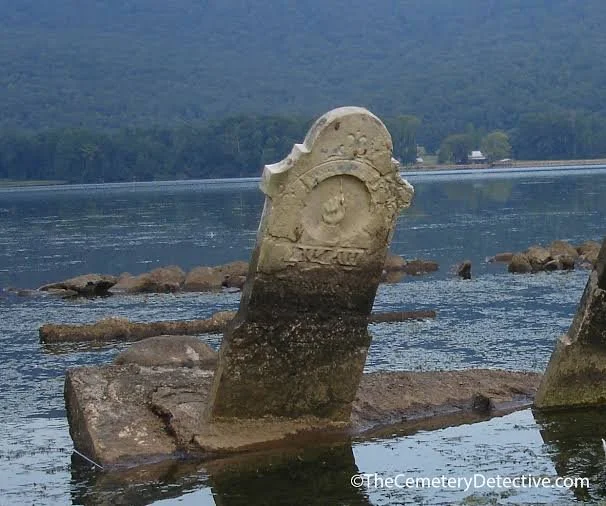
Gravestones, burial structures, and cemetery walls sometimes become submerged as sea levels rise or land surfaces sink. Their position beneath modern water can help researchers reconstruct changes in the relationship between human settlements and the coastline.

A submerged cemetery stone may also preserve physical indicators of former water levels. These include biological growth zones, mineral deposits, erosion patterns, and changes in surface texture.

However, interpreting these features requires careful scientific analysis. A submerged stone does not automatically provide an exact measurement of ancient sea level.

Cemeteries as Environmental Records

Cemeteries are often constructed in locations selected for religious, cultural, and practical reasons.

Coastal burial grounds may occupy low terraces, islands, estuaries, or shore-adjacent areas.

Over time, environmental changes can place these sites below modern sea level.

The survival of gravestones and burial structures creates a valuable archaeological record.

Their inscriptions may also provide historical dates that can be compared with geological evidence.

How Coastal Submergence Occurs

Several processes can cause a cemetery to become submerged.

Global sea-level rise occurs as ocean water expands and land-based ice melts.

Local relative sea-level change can also result from tectonic subsidence, sediment compaction, or changes in coastal landforms.

In some locations, earthquakes may produce sudden changes in land elevation.

Storms and erosion can remove protective sediment and expose previously buried structures.

The relative importance of each process varies between regions.

Physical Sea-level Indicators

Researchers examine several features on submerged stones.

Biological growth zones may indicate the depth at which organisms lived over extended periods.

Marine encrustations can reveal prolonged exposure to seawater.

Erosion patterns and mineral deposits may provide information about changing water conditions.

Certain marine organisms occupy relatively narrow vertical zones, making their remains useful as indicators of former sea level.

However, the relationship between biological growth and exact water height depends on local tides, wave action, salinity, and ecological conditions.

Gravestones and Historical Dating

Inscriptions can provide valuable chronological information.

A gravestone may identify the date of death or burial, allowing researchers to establish when the cemetery was in use.

If a dated stone is now submerged, it provides evidence that the surrounding ground was once above water or otherwise accessible for burial.

However, the date of the inscription is not necessarily the date of submergence.

The cemetery may have remained in use for decades or centuries after the earliest surviving marker was installed.

Distinguishing Sea-level Rise from Land Subsidence

One of the most important scientific challenges is separating changes in sea level from changes in land elevation.

A cemetery may become submerged because the ocean rose, because the land sank, or because both processes occurred.

Geologists use regional sea-level histories, sediment cores, geological structures, and historical records to investigate these possibilities.

Tectonic activity is particularly important in earthquake-prone coastal regions.

A single submerged grave cannot establish a regional sea-level trend without supporting environmental evidence.

Marine Encrustation and Preservation

Submerged gravestones may develop layers of algae, mollusks, barnacles, and other marine organisms.

These growths can obscure inscriptions and decorative details.

Mineral deposits may also form on the stone surface.

Different stone types respond differently to marine exposure.

Some materials are relatively resistant, while others may deteriorate through salt crystallization, biological activity, and chemical weathering.

Conservators must balance the need to document inscriptions with the importance of preserving the original surface.

Archaeological Survey Methods

Underwater survey can document submerged cemeteries without immediate excavation.

Divers may record inscriptions, dimensions, and the arrangement of stones.

Photogrammetry can produce three-dimensional models.

Sonar and bathymetric mapping can help locate larger cemetery areas and identify surrounding landscape features.

Sediment cores may reveal when marine deposits began accumulating over the burial ground.

Combining these methods can provide a more complete reconstruction of coastal change.

Cultural and Ethical Considerations

Submerged cemeteries are sensitive archaeological sites.

They contain human remains, personal names, religious symbols, and evidence of community memory.

Research should respect burial traditions and relevant legal protections.

Excavation should be undertaken only when scientifically justified and appropriately authorized.

In many cases, non-invasive documentation provides sufficient information while minimizing disturbance.

Conclusion

Submerged cemetery stones can provide important evidence for historical coastal change.

Their inscriptions, biological encrustations, mineral deposits, and relationship with surrounding sediments help researchers reconstruct how shorelines and land elevations changed over time.

However, interpreting these features requires distinguishing global sea-level rise from local subsidence and other geological processes.

When combined with historical records and environmental analysis, submerged cemeteries offer a powerful connection between human memory and the changing geography of coastal landscapes.

The Archaeology of Hand-Held Mirrors as Status Markers

November 15, 2026

Introduction

Hand-held mirrors have served practical and symbolic purposes throughout human history.

They allowed individuals to examine their appearance, arrange clothing, apply cosmetics, and participate in personal grooming practices. Yet mirrors could also communicate wealth, social identity, craftsmanship, and access to valuable materials.

Ancient mirrors were manufactured from polished metals, glass, and other reflective surfaces. Their archaeological distribution can reveal differences in consumption, trade, personal presentation, and burial customs.

Studying mirrors as status markers requires more than examining their material value. Their size, decoration, craftsmanship, ownership patterns, and archaeological context all contribute to interpretation.

Early Mirror Technology

Before modern glass mirrors became widespread, many ancient communities produced reflective surfaces by polishing metal.

Copper, bronze, and other metal alloys were commonly used in different regions.

A reflective surface required careful finishing to achieve sufficient smoothness.

Some mirrors had handles or decorated backs, while others were simple circular or oval plates.

The technical quality of the reflective surface could influence the object's usefulness and value.

Materials and Craftsmanship

The material used to manufacture a mirror could reveal access to particular resources and production techniques.

Bronze mirrors required knowledge of metal casting and surface finishing.

Silver examples could possess higher material value and often required more specialized craftsmanship.

Glass mirrors developed in different forms across ancient and historical periods.

Some objects were decorated with engraving, relief designs, inscriptions, or elaborate handles.

These features could increase the social and economic significance of an otherwise practical object.

Mirrors and Personal Appearance

Mirrors were associated with grooming and personal presentation.

They could be used when arranging hair, applying cosmetics, or checking clothing.

The ability to maintain a carefully presented appearance might be important in social settings where dress and bodily presentation communicated identity.

However, mirrors were not exclusively associated with women.

Their ownership and use varied according to period, region, and cultural practice.

Archaeologists should not assume the gender of a mirror's owner based on modern stereotypes.

Mirrors as Indicators of Wealth

Some mirrors were relatively simple objects that could be widely available.

Others required expensive materials, skilled production, or elaborate decoration.

A richly decorated mirror might indicate access to wealth or specialized markets.

Yet material value is only one aspect of status.

A modest object could possess considerable personal, religious, or symbolic importance.

The presence of a mirror in a wealthy burial does not automatically establish that it was a luxury possession during the owner's lifetime.

Mirrors in Burials

Mirrors are sometimes recovered from graves.

Their placement may provide information about funerary beliefs and personal identity.

A mirror might have been included as a personal possession, a symbolic object, or part of a larger set of burial offerings.

Researchers compare burial patterns across different social groups to investigate whether mirrors were associated with particular ages, genders, occupations, or status categories.

However, burial customs do not always reflect everyday ownership.

An object placed in a grave may have been selected specifically for the funerary ceremony.

Decoration and Symbolism

Mirror backs and handles could carry decorative images.

These might include geometric designs, plants, animals, mythological scenes, or religious symbols.

Such decoration could connect the owner with particular artistic traditions or cultural networks.

Motifs may also reveal influence from other regions.

However, a decorative style does not necessarily identify the ethnicity or social identity of the person who owned the mirror.

Objects could travel through trade, gifts, inheritance, and exchange.

Mirrors and Trade Networks

Mirrors could circulate through regional and long-distance markets.

Raw materials, finished objects, and manufacturing techniques moved between communities.

An imported mirror may indicate contact with a distant production center.

Chemical analysis can sometimes help identify the metal composition and compare it with known manufacturing traditions.

The distribution of mirror types may also reveal changing trade patterns and consumer preferences.

Identifying Mirrors Archaeologically

Ancient mirrors are not always immediately recognizable.

Corrosion can obscure their reflective surfaces.

Metal discs may be mistaken for lids, decorative fittings, or other household objects.

Researchers examine thickness, edge treatment, handle attachments, surface polishing, and traces of decoration.

Microscopic analysis may identify polishing marks and manufacturing techniques.

Conservation is essential because aggressive cleaning can remove surviving surface details.

The Limits of Status Interpretation

A mirror should not be classified as a status object solely because it is decorative or unusual.

Researchers must consider its archaeological context, material, quality, distribution, and relationship with other artifacts.

A common object may acquire special significance in a particular society, while an expensive object may have been accessible to a wider group through exchange or reuse.

Status is therefore a social interpretation rather than a property that can be read directly from an artifact.

Conclusion

Hand-held mirrors provide valuable evidence for personal presentation, craftsmanship, exchange, and social identity.

Their materials and decoration can reveal differences in wealth and access to specialized production, while their burial contexts may illuminate symbolic and funerary practices.

By studying mirrors alongside other personal objects and settlement evidence, archaeologists can better understand how appearance and material possessions contributed to social life in ancient communities.

The Distribution Patterns of Miniature Altars in Domestic Spaces

November 15, 2026

Introduction

Religious activity in ancient societies was not confined to monumental temples and public sanctuaries. Many households maintained small spaces for prayer, offerings, family ceremonies, and the worship of domestic deities or protective figures.

Miniature altars are particularly valuable archaeological objects because they provide evidence of religious activity within private environments. They may appear as small stone platforms, clay structures, decorated stands, or portable objects used for offerings.

Their distribution across domestic spaces can reveal how religious practices were organized within households and how beliefs differed between families, neighborhoods, and social groups.

What Are Miniature Altars?

A miniature altar is a small structure or object interpreted as having served a ritual function.

Some examples resemble larger monumental altars but are reduced in scale. Others have distinctive features such as offering surfaces, shallow basins, decorated sides, or spaces for burning incense and other substances.

They could be made from stone, clay, terracotta, or other available materials.

Not every small platform is an altar. Archaeologists must consider its shape, wear patterns, associated objects, and archaeological location before assigning a religious function.

Domestic Religion and Household Space

The household was an important setting for religious practice in many ancient societies.

Families could maintain small shrines, dedicate objects to protective deities, and conduct rituals connected with birth, marriage, illness, prosperity, and remembrance.

These practices were often integrated into ordinary domestic routines.

A household altar might occupy a corner of a room, a courtyard, a niche, or a location near an entrance.

Its position could reflect practical considerations as well as symbolic beliefs.

Distribution Within Houses

The location of miniature altars can help researchers understand how domestic space was organized.

An altar near an entrance might have been associated with protection of the household.

A shrine positioned in a central room could have served as a focus for family ceremonies.

Courtyard altars might have accommodated activities involving larger groups or the use of fire and smoke.

However, these interpretations are not universal. The meaning of a location must be established through comparison with other houses and relevant historical evidence.

Differences Between Households

The distribution of miniature altars across a settlement may reveal variations in religious practice.

Some households may contain several ritual objects, while others have very few.

These differences could reflect wealth, family traditions, household size, occupation, or the preservation conditions of the archaeological site.

A house without a surviving altar cannot automatically be considered nonreligious. Ritual activity may have taken place using objects made from perishable materials or in areas that were not preserved.

Materials and Craftsmanship

Miniature altars were produced from different materials depending on local resources and technical traditions.

Stone examples may show carving marks, polished surfaces, or inscriptions.

Terracotta altars could be molded or hand-built and sometimes decorated with painted designs.

The quality of workmanship may indicate whether an object was purchased from a specialist workshop or produced within the household.

Material analysis can also reveal whether the object was locally manufactured or imported.

Offerings and Residue Analysis

Small altars may preserve traces of substances used during rituals.

Burning can leave charcoal, ash, and heat-altered surfaces.

Residue analysis may identify traces of oils, fats, resins, or other substances, although contamination and later use can complicate interpretation.

Associated objects such as miniature vessels, figurines, lamps, and coins may provide additional evidence.

The combination of an altar-like object and a repeated pattern of offerings is generally more persuasive than the object's shape alone.

Social and Gender Dimensions

Domestic rituals involved family members and could be connected with household responsibilities.

In some societies, particular ceremonies were associated with women, men, elders, or heads of households.

However, archaeological objects rarely reveal exactly who performed a ritual.

Researchers should avoid assigning gender or social roles to miniature altars without supporting evidence.

Household size, room use, inscriptions, and comparisons with written sources may help establish a more complete picture.

Mapping Ritual Activity

Archaeologists can use spatial analysis to map the distribution of miniature altars within a settlement.

Comparing their locations with kitchens, storage rooms, courtyards, entrances, and workshops may reveal patterns.

If several neighboring houses contain similar objects, this could indicate shared traditions or access to the same craft producers.

Differences between residential districts might reflect social or cultural variation.

Chronology is essential because objects found in the same settlement may belong to different periods.

Conclusion

Miniature altars provide important evidence for the religious life of ancient households.

Their size and distribution can reveal how families incorporated ritual practices into ordinary domestic environments.

By studying their materials, locations, associated offerings, and relationship with household architecture, researchers can investigate how religious traditions operated beyond major public sanctuaries.

These modest objects demonstrate that ancient religion was often practiced in intimate spaces where family identity, daily routines, and beliefs intersected.

Subterranean Iron Ovens: Hidden Metalworking in Peripheral Villages

Introduction

Ironworking transformed ancient economies by providing materials for tools, weapons, agricultural equipment, and construction.

Although major metalworking centers are often associated with urban settlements and large industrial areas, smaller production sites also existed in villages and rural landscapes.

Some ironworking installations were constructed partly underground or incorporated into slopes and earthen structures. These furnaces could be difficult to identify because their remains may resemble ordinary pits, hearths, or collapsed building features.

The study of subterranean iron ovens offers insight into how peripheral communities participated in metal production and how specialized technologies operated outside major centers.

Understanding Ancient Iron Production

Iron production generally involved two major processes: extracting metal from ore and shaping the resulting iron into usable objects.

In many ancient technologies, smelting took place in furnaces where iron-bearing minerals were heated with charcoal.

The resulting material could form a solid mass known as a bloom, containing iron mixed with slag and other impurities.

The bloom then required repeated heating and hammering to produce workable metal.

These processes demanded knowledge of temperature, airflow, fuel preparation, and ore selection.

Why Build Furnaces Partly Underground?

A furnace built into a slope or partly surrounded by earth could benefit from the natural support provided by the surrounding ground.

Earth could help stabilize the structure and reduce heat loss in certain configurations.

A hillside location might also make it easier to construct air channels or arrange access to fuel and raw materials.

However, not every underground furnace was designed for iron smelting.

Some installations may have been used for cooking, pottery production, charcoal preparation, or other heating activities.

Their identification requires metallurgical evidence.

Furnace Structure and Design

Ancient iron furnaces varied considerably.

Some were shaft furnaces, with a vertical chamber where ore and charcoal were arranged in layers.

Others used bowl-shaped or low structures.

Air entered through openings or tuyères, which helped maintain the high temperatures required for smelting.

Subterranean or semi-subterranean examples may preserve only the lower chamber, making their original height difficult to reconstruct.

The arrangement of clay lining, stone supports, airflow openings, and slag deposits helps researchers identify their function.

Slag and Metallurgical Evidence

Slag is one of the most important indicators of ancient ironworking.

It forms when impurities in the ore and other materials separate during smelting or forging.

The composition and structure of slag can help distinguish smelting from later metalworking.

Researchers may examine iron-rich fragments, furnace lining, tuyère pieces, and hammer scale.

Microscopic and chemical analysis can reveal the temperatures and conditions under which production occurred.

A furnace containing slag and iron-bearing residues provides stronger evidence of metalworking than a simple burnt pit.

Village-Based Production

Small rural workshops could supply local communities with essential tools and repairs.

Agricultural settlements required iron sickles, knives, axes, plough components, and other equipment.

A local metalworker could maintain these objects without relying entirely on distant urban workshops.

Some villages may have specialized in particular stages of production, while others carried out complete smelting and forging operations.

The organization depended on access to ore, fuel, skilled labor, and transportation.

Fuel and Environmental Impact

Iron production required substantial quantities of charcoal.

Woodland resources were therefore important to the operation of furnaces.

Repeated charcoal production and timber harvesting could alter surrounding landscapes.

Archaeologists can investigate these effects through charcoal remains, pollen records, and evidence of vegetation change.

The availability of suitable wood may also explain why some production sites were located away from dense settlements.

Dating and Identifying Peripheral Workshops

Dating an ironworking site requires more than examining the furnace's appearance.

Researchers use associated pottery, stratigraphic relationships, radiocarbon dating of charcoal, and scientific analysis of production residues.

Charcoal dating must be interpreted carefully because old wood or reused fuel can produce dates earlier than the actual furnace operation.

The relationship between the installation and nearby buildings is also important.

Trade and Exchange

Even small workshops could participate in wider economic networks.

Iron tools and raw materials might be exchanged with neighboring villages or transported to regional markets.

The distribution of similar metal objects can help researchers investigate connections between production areas and consumer settlements.

Chemical analysis may sometimes identify differences in ore sources, although recycling and mixing of metals complicate provenance studies.

Conclusion

Subterranean iron ovens reveal the technological capabilities of communities beyond major urban and industrial centers.

Their construction, slag deposits, furnace lining, and associated artifacts can demonstrate how rural metalworkers produced and repaired essential equipment.

The identification of these installations requires careful distinction between metallurgical furnaces and other types of heating structures.

When securely identified, peripheral ironworking sites help reconstruct the economic networks, environmental resources, and technical knowledge that supported ancient village life.

The Archaeology of Frozen Thatched Roofs in High-Altitude Sites

November 15, 2026

Introduction

High-altitude settlements present difficult conditions for human habitation. Cold temperatures, heavy snowfall, strong winds, seasonal isolation, and limited building materials influence how communities construct and maintain their homes.

Thatched roofs, made from grasses, reeds, straw, or other plant materials, have been used in many parts of the world because they provide insulation and can be built with locally available resources.

In rare environments, freezing conditions can preserve organic roofing materials that would normally decay. Archaeological deposits containing frozen or otherwise exceptionally preserved roof remains can therefore reveal construction techniques and environmental adaptation.

The phrase "frozen thatched roofs" describes a preservation possibility rather than a widespread or universally documented archaeological category. Each claimed example requires evidence that the material belonged to a roof and was preserved through freezing or related environmental conditions.

Why Thatched Roofs Were Used

Thatched roofing offered several practical advantages.

Plant materials were often locally available and could be gathered without the need for specialized stone or metal production.

When properly assembled, thick thatch could provide insulation against cold weather.

Its layered structure could also shed rain and snow, provided that the roof had sufficient slope and was maintained regularly.

Different plants were suitable for different environments. Reeds, grasses, straw, and other fibrous materials varied in durability, water resistance, and flexibility.

High-Altitude Building Challenges

High-altitude communities faced environmental pressures that influenced roof design.

Snow accumulation could place considerable weight on a roof.

Strong winds could remove loosely secured thatch.

Freeze-thaw cycles could damage structural materials and introduce moisture into buildings.

Builders therefore needed to consider roof pitch, supporting beams, fastening techniques, and the thickness of the thatch layer.

A steep roof could help snow slide away, although local building traditions and available materials also influenced construction.

How Frozen Preservation Occurs

Organic roofing materials usually decompose after abandonment.

However, freezing conditions can slow biological decay.

If a building is rapidly covered by snow, ice, or permanently frozen sediment, some plant materials may survive.

Preservation depends on temperature stability, moisture, oxygen availability, and the speed at which the remains become buried.

A roof exposed to repeated thawing may deteriorate even in a cold mountain environment.

Identifying Roofing Material

Archaeologists must determine whether preserved plant material actually belonged to a roof.

Thatch can be identified through the arrangement of stems, repeated layering, compression, and its relationship with roof beams or supporting structures.

Impressions on clay, plaster, or other building materials may preserve evidence of roofing even when the original plants have disappeared.

Plant identification can be carried out through microscopic examination of preserved fibers, seeds, and other botanical structures.

The presence of straw or reeds near a building does not independently prove that the material served as roofing.

Roof Construction Techniques

Thatched roofs require a supporting framework.

Timber beams, rafters, poles, and battens can provide the structure onto which plant bundles are attached.

The thatch may be tied, woven, layered, or secured through other local methods.

Different construction traditions produce distinctive patterns.

Archaeologists can examine preserved fastening points, plant orientation, beam spacing, and impressions to reconstruct how the roof was assembled.

Environmental Reconstruction

High-altitude archaeology benefits from environmental evidence.

Pollen analysis can reveal the vegetation surrounding a settlement.

Plant macrofossils can identify species used in building materials.

Ice cores, lake sediments, and other environmental archives may help reconstruct historical temperature and precipitation patterns.

This information can clarify whether the conditions necessary for freezing preservation existed when the building was abandoned.

Domestic Life and Roof Maintenance

A roof was not a permanent structure requiring no attention.

Thatch needed periodic repair, replacement, and protection from moisture and animals.

The labor required to maintain roofs could involve several members of a household or a wider community.

The choice of plant material may also reflect access to nearby wetlands, grasslands, forests, and agricultural fields.

Roofing therefore reveals relationships between architecture, seasonal work, and the surrounding environment.

Preservation and Excavation Risks

Frozen archaeological remains are extremely fragile.

Once exposed to warmer air, they may begin to thaw and decay rapidly.

Excavation must therefore be carefully planned.

Researchers may use controlled thawing, immediate documentation, sampling, and specialized cold storage.

Plant fibers should be recorded before removal because their arrangement can reveal construction techniques.

Failure to control temperature and moisture can destroy evidence that survived for centuries.

Conclusion

Frozen thatched roofs in high-altitude archaeological sites offer a rare opportunity to study organic architecture and environmental adaptation.

Their remains can reveal which plants were selected, how roofs were assembled, and how communities responded to snow, wind, and cold temperatures.

However, identifying a frozen roof requires more than finding preserved vegetation near a building. Structural relationships, botanical evidence, and environmental conditions must all support the interpretation.

When securely documented, these remains provide an unusually detailed record of vernacular architecture and the practical knowledge used to survive in demanding mountain environments.

The Role of Minor Springs in Embodying Sacred Topography

November 15, 2026

Introduction

Water has held religious and symbolic importance in many societies. Rivers, lakes, seas, and springs have been associated with purification, fertility, healing, divine presence, and the boundaries between ordinary and sacred spaces.

Large rivers and famous sanctuaries often receive the most attention in historical studies. Yet smaller springs may also have played important roles in local religious landscapes.

A minor spring could become a place of offerings, healing ceremonies, seasonal gatherings, or pilgrimage. Its importance did not necessarily depend on its size. Instead, the relationship between water, landscape, community memory, and religious practice could transform an ordinary natural feature into a sacred location.

What Is Sacred Topography?

Sacred topography refers to the way religious meaning becomes attached to particular places and landscape features.

A mountain peak may be associated with a deity, a cave with a supernatural presence, or a spring with healing and purification.

These associations can influence where people build sanctuaries, leave offerings, hold ceremonies, or establish routes.

Sacred landscapes are not always organized around large temples. Natural features can themselves become central to religious practice.

Why Small Springs Mattered

Minor springs often provided dependable water in areas where other sources were seasonal or distant.

Their practical value could encourage repeated visits.

Over time, a spring might become associated with a local tradition, protective spirit, deity, ancestor, or healing practice.

Its religious importance could develop gradually through repeated community use.

A spring that served a small village might therefore possess considerable cultural significance even if it never became a major regional pilgrimage destination.

Springs in Ancient Religious Traditions

In the ancient Mediterranean, springs and other water sources were sometimes connected with deities and ritual practices.

Some were associated with nymphs, healing powers, purification, or divination.

Offerings could include coins, pottery, figurines, and other objects.

However, not every spring with archaeological material was a sanctuary. Objects might have been lost, discarded, or deposited through ordinary activity.

The interpretation depends on the nature of the deposit and its relationship to the water source.

Architecture Around Springs

Some sacred springs were modified through construction.

Stone basins could collect water.

Channels might direct its flow.

Steps could provide access, while small enclosures or buildings could mark the location as special.

In some cases, a spring might be incorporated into a larger sanctuary.

A modest structure beside a natural water source could have served as a place for offerings, ritual washing, or shelter.

The architectural remains need to be distinguished from ordinary water-management infrastructure.

Offerings and Ritual Deposits

Archaeologists sometimes find objects near springs that may have been deliberately deposited.

Coins are particularly common in some historical water-related contexts, although their presence does not always prove a religious offering.

Figurines, small vessels, lamps, and inscribed objects may provide stronger evidence when found in a clearly structured ritual deposit.

The location and arrangement of the objects matter.

An assemblage repeatedly placed at the same point may indicate a tradition of offering, especially when associated with a known sanctuary.

Healing and Purification

Springs have often been associated with healing.

Water may have been believed to possess special properties because of its taste, temperature, color, or mineral content.

Some communities used spring water in purification ceremonies.

Others may have associated particular sources with the intervention of a deity or supernatural figure.

Archaeologists cannot directly recover ancient beliefs from water chemistry alone. Written inscriptions, votive objects, and historical accounts are needed to establish how people understood a spring.

Routes and Local Pilgrimage

A spring may have occupied an important position along a route between villages, sanctuaries, or mountain settlements.

Travelers could stop to collect water, rest, or perform a ritual.

Some routes may have developed religious importance because they connected several sacred features.

A minor spring could function as a local destination or a stopping point within a larger sacred landscape.

However, the existence of a path beside a spring does not automatically establish a pilgrimage route. Repeated ritual activity and evidence of religious destinations are necessary for that interpretation.

Environmental and Geological Evidence

The geological setting of a spring can help explain its historical significance.

Some springs emerge along faults, geological boundaries, or permeable rock layers.

Others are fed by rainfall and groundwater stored in mountain formations.

Changes in rainfall, groundwater levels, earthquakes, and land use can alter spring flow.

Environmental reconstruction can therefore reveal whether a spring was likely to have been active during a particular archaeological period.

Continuity and Changing Beliefs

A spring may remain important across several historical periods, but its meaning can change.

A natural water source associated with one ancient deity might later become linked to a Christian saint or another religious tradition.

Such continuity does not necessarily mean that the original belief survived unchanged.

Researchers examine changes in offerings, architecture, inscriptions, and ritual practices to understand how sacred meaning developed.

Conclusion

Minor springs could become important elements of sacred topography because their value extended beyond the practical provision of water.

Repeated visits, local traditions, offerings, healing practices, and connections with nearby sanctuaries could transform small natural sources into meaningful religious places.

Archaeological interpretation requires distinguishing ritual deposits from ordinary activity and understanding the environmental history of each spring.

Studying these modest sites reveals how religious landscapes were created not only around famous temples and monumental sanctuaries but also around small, familiar places woven into everyday community life.

Ancient Ropenotations: Knot Traces and Maritime Literacy

November 15, 2026

Introduction

Maritime communities developed complex systems for managing ropes, sails, cargo, fishing equipment, and navigation. Knots were essential to these activities, but their significance may have extended beyond practical fastening.

A rope could carry information through its arrangement, knots, loops, spacing, and attached objects. In some societies, cord-based systems were used to record quantities, ownership, obligations, or other information.

The term "ropenotations" is not a universally established archaeological category. It can be used as a descriptive concept for investigating whether rope arrangements and knot patterns served as forms of information storage in maritime societies.

The subject therefore connects the archaeology of ropes with the broader history of communication and practical literacy.

Rope Technology in Ancient Maritime Life

Rope was essential to ancient seafaring.

Ships required lines for anchoring, mooring, towing, rigging, cargo handling, and sail control.

Fishing communities used ropes for nets, traps, lines, and equipment maintenance.

The materials varied according to region and availability. Plant fibers such as flax, hemp, and other bast fibers were used in different historical settings. Coir, animal hair, and other materials also served particular purposes.

The properties of each fiber influenced strength, flexibility, resistance to moisture, and durability.

Knots as Practical Information

Knots were not all interchangeable.

Different knot forms served different functions. Some secured loads, others joined ropes, created loops, or allowed lines to be released quickly.

Experienced sailors learned to recognize these distinctions.

A particular arrangement might communicate how equipment should be assembled or which line belonged to a specific task.

This represents practical knowledge, although it does not necessarily constitute a formal writing system.

From Knots to Notation

A notation system uses signs or arrangements to represent information in a repeatable way.

Knotted cords can potentially serve this purpose when the number, position, type, or color of knots carries a defined meaning.

The best-known historical example is the Andean khipu, a sophisticated system of knotted cords used for recording information in the Inca world and earlier Andean societies.

It demonstrates that cord-based information systems can be highly developed.

However, the existence of khipu does not prove that ancient Mediterranean sailors used an equivalent system.

Each proposed case requires its own archaeological and historical evidence.

Maritime Administration and Cargo Records

Ships and ports required systems for organizing goods.

Merchants needed to track quantities, ownership, deliveries, and obligations.

Rope tags, knots, or repeated cord arrangements could theoretically have served as practical memory aids.

A marked line might distinguish cargo belonging to one merchant from another.

A sequence of knots could potentially represent a quantity or a stage in a process.

These possibilities should not be mistaken for confirmed ancient practices without examples that can be interpreted reliably.

Archaeological Evidence for Knotted Cords

Rope is usually made from organic materials, which decay in ordinary burial conditions.

Preservation is more likely in waterlogged deposits, dry caves, salt-rich environments, or other unusual contexts.

Occasionally, rope impressions survive on pottery, metal objects, or other materials.

These impressions can reveal the texture and construction of cords even when the original fibers have disappeared.

Researchers can study fiber direction, twisting patterns, knot structure, and wear marks to reconstruct how the rope was made and used.

The Meaning of Knot Traces

A knot impression may indicate that a rope was tied around an object during transport, storage, or manufacture.

A series of impressions might reveal repeated fastening techniques.

But identifying a notation system requires more than finding a complicated knot.

Researchers would need to demonstrate that specific patterns were repeated consistently and associated with recognizable information or administrative practices.

Without this, the most cautious interpretation is that the knots represent practical maritime technology.

Maritime Literacy Beyond Writing

Literacy is often associated with the ability to read and write formal scripts.

However, ancient communities also used specialized forms of practical knowledge.

Sailors learned wind patterns, coastal landmarks, rope techniques, navigation procedures, and cargo-handling systems.

Some knowledge was communicated orally, while other information could be represented through marks, symbols, or objects.

A broader understanding of maritime literacy therefore includes the ability to interpret and transmit technical information.

Research Methods

Experimental archaeology can help investigate ancient rope technology.

Researchers produce replicas using traditional fibers and tools, then compare their properties with archaeological traces.

Microscopy can identify fiber structure and manufacturing techniques.

Wear analysis may reveal whether a rope was used repeatedly or exposed to marine conditions.

Comparative study of historical knot traditions can provide context, but modern techniques should not automatically be projected backward into antiquity.

Conclusion

Ancient rope systems were essential to maritime work and may have carried information beyond their immediate mechanical functions.

Knots could communicate practical knowledge, distinguish equipment, and support the organization of maritime activities.

The broader idea of "ropenotations" is an intriguing research framework, but a formal knot-based recording system in a particular ancient maritime society must be demonstrated through evidence.

By combining rope analysis, experimental archaeology, and the study of ancient administration, researchers can better understand how sailors managed complex activities before modern written documentation became widespread.

Micro-husbandry: Evidence for Backyard Animal Keeping in Urban Cores

November 15, 2026

Introduction

Ancient cities were not always separated from agricultural life. Even in densely occupied urban environments, households often maintained close relationships with animals and small-scale food production.

Backyard animal keeping, sometimes described as micro-husbandry, involved raising a limited number of animals within residential spaces or immediately adjacent yards. Chickens, ducks, pigeons, goats, pigs, and other domestic species could provide food, materials, transportation, or income.

Although large farms and commercial livestock operations are easier to recognize archaeologically, small-scale animal keeping can leave subtle traces. Animal bones, dung deposits, feeding remains, enclosure structures, and soil chemistry can reveal how animals were incorporated into everyday urban life.

What Is Micro-husbandry?

Micro-husbandry refers to the small-scale management of domesticated animals, often at the household level.

Unlike large agricultural estates, these systems could operate within courtyards, gardens, narrow alleys, roofed enclosures, or small plots behind houses.

Families might keep a few animals for eggs, milk, meat, manure, feathers, or other useful products.

The scale of production varied. Some households may have maintained animals primarily for personal consumption, while others produced small surpluses for local exchange.

Animals in Ancient Urban Environments

Different animals served different purposes.

Chickens and ducks could provide eggs and meat. Pigeons were sometimes kept for food or other uses. Goats and sheep could provide milk, meat, wool, and hides.

Pigs were useful meat animals in some communities, although their presence depended on local cultural and religious practices.

Dogs and cats could occupy domestic environments without necessarily being part of food production.

The species present in an urban settlement therefore reflect both economic choices and cultural preferences.

Archaeological Evidence

Animal bones are among the most important sources of evidence.

Researchers identify species, skeletal elements, age profiles, and patterns of butchery.

A concentration of juvenile animals, for example, may indicate breeding or household management rather than the consumption of animals acquired exclusively from external markets.

However, bone deposits alone cannot establish that animals were kept in a particular courtyard.

The remains could have arrived through trade, food preparation, or waste disposal.

Identifying Enclosures and Pens

Small animal enclosures may leave traces in the form of postholes, low walls, compacted surfaces, drainage channels, or gates.

These structures may be difficult to distinguish from ordinary fences, storage areas, and household workspaces.

Repeated deposits of animal dung can help establish the function of a space.

Microscopic soil analysis may reveal trampling, organic enrichment, and changes caused by prolonged animal occupation.

The strongest interpretations combine architectural features with faunal and environmental evidence.

Soil Chemistry and Dung Deposits

Animal waste changes the chemical composition of soil.

Phosphorus, nitrogen, and other nutrients can accumulate in areas used repeatedly by livestock.

Micromorphology may identify microscopic organic residues and compacted layers associated with animal activity.

Parasite eggs and other biological indicators can sometimes provide additional evidence for the presence of animals.

Nevertheless, enriched soil is not automatically proof of a pen. Human waste, food preparation, and rubbish disposal can produce overlapping chemical signatures.

Food Security and Household Economies

Keeping animals within urban neighborhoods could provide a degree of food security.

Households might rely on eggs, milk, or occasional meat without depending entirely on market supplies.

Animals could also transform household waste into useful products.

Some species consume food scraps, while manure can be used to enrich gardens and agricultural plots.

This creates a small cycle of resource reuse within the household.

The economic value of these practices depended on access to space, feed, water, and local regulations.

Urban Planning and Public Health

Backyard animal keeping also created challenges.

Animals required water and food, while their waste could attract insects and produce unpleasant odors.

Dense settlements increased the risk of conflict between households over space, noise, and sanitation.

Authorities in some cities introduced rules governing animal ownership, slaughter, waste disposal, and the use of streets.

The archaeological record may reveal how residential areas accommodated these competing needs.

Social Differences Between Households

Not every urban household had equal access to animal-keeping space.

Wealthier families might possess larger courtyards and dedicated service areas.

Poorer households could have maintained animals in smaller spaces or relied on shared facilities.

Differences in animal species and quantities may reveal variations in household resources, although archaeological samples must be interpreted carefully.

The absence of animal remains does not necessarily mean a household never kept animals.

Conclusion

Micro-husbandry demonstrates that ancient urban life could include small-scale agricultural activities within residential neighborhoods.

Animal bones, enclosures, dung deposits, soil chemistry, and household architecture can reveal how families managed animals close to their homes.

These practices contributed to food security, recycling, and local economies, but they also required adjustments to urban sanitation and spatial organization.

Studying backyard animal keeping helps challenge the idea that ancient cities were entirely separate from agricultural production. Instead, many urban communities maintained a close and practical relationship with domesticated animals.

The Archaeology of Small Quarry Temples and Pilgrimage Routes

November 15, 2026

Introduction

Ancient temples are often associated with major urban sanctuaries and monumental religious complexes. Yet religious life also depended on smaller structures located near quarries, mountain paths, mineral springs, and other distinctive landscapes.

Some modest shrines may have served workers, travelers, local communities, or pilgrims moving through areas where stone and other building materials were extracted.

The archaeology of small quarry temples offers a way to investigate the relationship between sacred architecture, labor, natural resources, and movement across ancient landscapes.

Their importance lies not necessarily in architectural grandeur but in their location and connection to everyday activities.

Temples Near Quarries

Quarries were places of sustained human activity.

Workers extracted stone, shaped blocks, transported materials, and maintained access routes.

Some quarry landscapes also contained religious structures or dedications.

A shrine near a quarry could serve workers who sought protection, expressed gratitude, or honored a deity associated with the landscape or a particular occupation.

However, proximity alone does not establish a religious relationship. A small building near a quarry might instead have served as a shelter, workshop, storage area, or administrative facility.

Identifying Small Quarry Temples

Archaeologists examine architecture, inscriptions, religious objects, and spatial relationships.

A modest structure may contain an altar, a platform for offerings, a niche, or a distinctive arrangement of stones.

Votive objects, figurines, lamps, and inscribed dedications can strengthen the interpretation.

The building's position relative to quarry faces, roads, and working areas is also important.

A shrine located beside a frequently used quarry entrance may have served workers and visitors, while one placed along a mountain route might have had a wider connection with travelers.

Religious Practices of Workers

Quarry workers faced difficult and potentially dangerous conditions.

Heavy stone blocks, unstable rock faces, sharp tools, and demanding transport work created substantial risks.

Religious offerings may have been intended to seek protection or express gratitude for successful work.

Inscriptions dedicated by individuals or groups can sometimes identify the people responsible for a sanctuary.

Such evidence is especially valuable because workers are often less visible in traditional histories than rulers, architects, and wealthy patrons.

Pilgrimage Routes and Sacred Landscapes

Pilgrimage routes connected settlements with sanctuaries, temples, sacred springs, mountain shrines, and other religious destinations.

These routes could follow established roads, mountain passes, coastal paths, or river valleys.

A small temple near a quarry might have served as a stopping point along a longer journey.

Pilgrims could rest, make offerings, obtain water, or participate in local ceremonies.

Not every route used by travelers was a pilgrimage route. Archaeologists need evidence of religious destinations, votive deposits, inscriptions, or repeated patterns of ritual activity before identifying a route as sacred.

Architecture and Available Materials

Quarry temples often used materials readily available nearby.

Stone blocks could be extracted from the surrounding landscape.

Some structures may have been built using unfinished or reused quarry material.

Architectural simplicity does not necessarily indicate a lack of religious importance.

A small shrine could serve a significant community despite having limited decoration or space.

Its design may have been influenced by the skills and resources of local builders.

Mapping Routes and Religious Networks

Archaeologists reconstruct ancient routes using topography, road remains, inscriptions, milestones, and the distribution of settlements.

Geographic information systems can help analyze slope, distance, visibility, and access to water.

Researchers may also examine whether small sanctuaries occupy natural stopping points.

A series of shrines along a mountain corridor could indicate a network of religious sites, although their chronological relationship must be established.

A route may have changed over time as political boundaries, road conditions, and settlement patterns evolved.

Votive Deposits and Ritual Objects

Small temples may contain offerings left by workers, travelers, and local worshippers.

These objects can include lamps, pottery, coins, figurines, inscriptions, and miniature vessels.

The composition of a votive deposit can reveal who visited the site and what kinds of practices occurred there.

Repeated offerings over several centuries may indicate that a sanctuary remained important even as the surrounding quarry or settlement changed.

However, objects can also be moved from their original positions through later disturbance.

Economic and Religious Connections

Quarries were connected to wider economic systems.

Stone could be transported to cities, ports, temples, roads, and public buildings.

Workers, merchants, and transport specialists moved through these landscapes.

Small religious structures may therefore reflect the movement of people and resources.

A sanctuary could connect a working community with a regional religious center.

In some cases, pilgrimage and commercial travel may have overlapped, creating routes used for both practical and sacred purposes.

Preservation and Excavation Challenges

Small temples can be difficult to identify because their remains may resemble ordinary buildings.

Quarry activity can also destroy earlier structures.

Stone may be reused in later construction, leaving only foundations or scattered architectural fragments.

Vegetation and erosion can obscure routes and building remains.

Archaeologists therefore combine surface survey, excavation, architectural recording, and environmental analysis.

Inscriptions and securely dated artifacts are particularly useful for establishing the identity and chronology of a sanctuary.

Conclusion

Small quarry temples reveal how religious practice could become embedded in working landscapes and travel routes.

They may have served quarry workers, local residents, travelers, and pilgrims who moved through areas associated with stone extraction and transportation.

Their identification depends on architectural, archaeological, and contextual evidence rather than location alone.

By studying these modest sanctuaries, researchers can move beyond monumental religious centers and reconstruct the everyday connections between labor, mobility, and sacred life in the ancient world.

Submerged Amphitheaters: Sunken Performance Spaces of Antiquity

November 15, 2026

Introduction

Ancient performance spaces were important centers of entertainment, political expression, religious celebration, and public identity.

Theaters and amphitheaters were often built in prominent locations, sometimes near coastlines, harbors, or river valleys. Changes in sea level, earthquakes, coastal subsidence, erosion, and sediment movement can eventually place parts of these structures underwater.

The concept of submerged amphitheaters therefore connects classical architecture with underwater archaeology and coastal environmental change.

However, not every submerged circular structure is an amphitheater. Identifying an ancient performance space requires architectural evidence, comparison with known building types, and a reliable reconstruction of the ancient shoreline.

The Difference Between Theaters and Amphitheaters

Ancient theaters and amphitheaters were designed for different forms of performance.

Greek theaters commonly featured a semicircular arrangement of seating around a performance area. They were associated with dramatic performances, music, festivals, and civic events.

Roman amphitheaters generally had an oval or elliptical arena surrounded by seating. They hosted spectacles such as gladiatorial contests and animal displays.

The architectural distinction matters because the terms are not interchangeable.

A submerged structure should be identified according to its original design rather than its modern appearance.

Why Ancient Performance Spaces Became Submerged

Several geological and environmental processes can place coastal architecture underwater.

Relative sea-level rise can gradually inundate low-lying land.

Tectonic activity may cause coastal subsidence, lowering buildings relative to the sea.

Earthquakes can also damage foundations and alter local topography.

Erosion and sediment movement may remove supporting ground or expose structures previously buried beneath coastal deposits.

In some cases, a structure may have been built beside a lagoon or harbor that later expanded.

These processes can occur together, making it difficult to reconstruct the original landscape.

Architectural Features Underwater

Underwater archaeologists search for recognizable construction features.

Seating tiers may survive as curved stone rows.

Foundations may reveal the geometry of the building.

A performance area could be identified through its relationship with surrounding seating and architectural entrances.

Other features might include retaining walls, drainage channels, corridors, and decorative architectural fragments.

A collection of curved masonry alone is not sufficient to identify an amphitheater. Natural rock formations, harbor structures, and other buildings can produce similar patterns.

The Importance of Ancient Shorelines

Reconstructing the ancient shoreline is essential.

Researchers examine sediment cores, geological formations, historical maps, and archaeological evidence.

Changes in sea level can be estimated through coastal indicators, including submerged shore platforms, ancient harbor structures, and dated biological remains.

The elevation of a submerged building must be interpreted in relation to local tectonic history.

A structure submerged in one region may reflect sea-level rise, while another may have been lowered by local geological movement.

Underwater Archaeological Methods

Modern underwater archaeology uses several techniques to investigate submerged architecture.

Diver surveys allow direct examination where conditions permit.

Photogrammetry creates detailed three-dimensional models from overlapping photographs.

Side-scan sonar can identify structures and anomalies across the seabed.

Multibeam bathymetry records underwater topography and helps map the extent of archaeological remains.

Sub-bottom profiling can sometimes reveal buried foundations beneath sediment.

These technologies allow researchers to document structures without immediately excavating them.

Performance and Civic Life

Ancient theaters and amphitheaters were more than entertainment venues.

They were places where communities gathered and expressed shared identities.

Performances could reinforce religious traditions, political authority, civic pride, and social hierarchy.

Large structures also required substantial investment.

Their construction may indicate the economic resources and organizational capacity of a city or regional authority.

If a performance space is found in a coastal settlement, it may provide evidence for the importance of that settlement within regional networks.

Earthquakes and Coastal Destruction

Earthquakes have affected many ancient Mediterranean settlements.

Seismic activity can crack walls, damage seating, destabilize foundations, and alter coastal elevations.

Tsunamis and storm surges may introduce sediment and debris into structures.

A submerged building may therefore preserve evidence of several separate episodes of damage and inundation.

Researchers must establish whether the structure was gradually submerged, suddenly damaged, deliberately abandoned, or affected by a combination of processes.

Preservation Challenges

Marine environments can preserve stone architecture while damaging other materials.

Wood, textiles, and organic decorative elements may survive only under specific conditions.

Marine organisms can colonize stone surfaces.

Salt crystallization and chemical processes may weaken some materials, especially after recovery.

Underwater archaeological sites are also vulnerable to anchoring, fishing activity, construction, looting, and uncontrolled diving.

Documentation and protection are therefore essential.

Distinguishing Archaeology from Legend

Stories of sunken cities and theaters are common in coastal folklore.

Some may preserve memories of real landscape changes, while others are later inventions.

A submerged structure should not be identified as a theater simply because local tradition describes a lost performance venue.

Archaeological interpretation requires measurable architectural evidence, dating, and environmental reconstruction.

Conclusion

Submerged amphitheaters and theaters offer an opportunity to study the relationship between ancient public architecture and changing coastal landscapes.

Their remains can reveal how communities built spaces for performance, organized civic life, and adapted to maritime environments.

Identifying such structures requires careful architectural analysis and geological reconstruction.

When supported by reliable evidence, underwater performance spaces provide a remarkable record of ancient cities whose public monuments now lie beneath the sea.

The Social Meaning of Small Spindle Whorls in Village Economies

November 15, 2026

Introduction

Spindle whorls are small objects that played an important role in ancient textile production. Often made from clay, stone, bone, or other durable materials, they were attached to spindles to provide rotational momentum during the spinning of fibers.

Their size can make them appear insignificant compared with larger archaeological objects. Yet spindle whorls offer valuable evidence about household production, gendered labor, exchange, craft specialization, and village economies.

Small spindle whorls are especially interesting because their dimensions may reflect particular spinning techniques, fiber types, and production requirements. Their distribution across domestic spaces can reveal how textile work was organized within a community.

What Is a Spindle Whorl?

A spindle whorl is a weighted component attached to a spindle.

When the spindle rotates, the whorl helps maintain momentum and supports the twisting of fibers into yarn.

The spinner draws out fibers and allows the rotating spindle to twist them together.

This process creates a continuous thread that can later be woven into fabric.

The basic principle is simple, but the technique requires practice and coordination.

Materials and Manufacture

Spindle whorls were produced from materials available in different regions.

Clay was especially common because it could be shaped and fired.

Stone offered durability, while bone and other materials could be carved into compact forms.

Some whorls were plain, while others carried incised patterns, painted decoration, or distinctive shapes.

Their manufacturing quality may reveal whether they were produced by specialized craftspeople or made within households.

Why Small Whorls Matter

The weight and diameter of a spindle whorl influence how it behaves during spinning.

Different fibers and yarn thicknesses may require different combinations of spindle speed and rotational momentum.

A smaller, lighter whorl may be suitable for particular fine-spinning techniques, while heavier examples may be used for other fibers and yarn types.

However, size alone cannot identify the exact material spun.

Researchers must compare whorl dimensions with experimental spinning, fiber remains, and other archaeological evidence.

Textile Production in Village Households

Textile production was an important part of many preindustrial economies.

Households needed cloth for clothing, bedding, storage, trade, and ritual activities.

Spinning could be carried out alongside other domestic work.

In some communities, textile production was primarily organized at the household level. In others, specialists produced yarn and cloth for wider markets.

The number and distribution of spindle whorls within a settlement can help researchers investigate these differences.

Social Organization and Labor

Spinning required time and skill.

The task could be performed by individuals of different ages and social positions, although its organization varied across societies.

Historical sources sometimes associate textile work strongly with women, but archaeologists should avoid assuming that every spindle whorl represents female labor.

Objects alone rarely establish the identity of the person who used them.

A more reliable interpretation examines household organization, burial evidence, workshop spaces, and written or ethnographic comparisons where available.

Whorls as Objects of Identity

Spindle whorls could also carry symbolic or personal significance.

Decorated examples may have communicated aesthetic preferences or local traditions.

Differences in shape and ornamentation could reflect community identity, individual craftsmanship, or exchange between settlements.

A spindle whorl might also have been a personal possession passed between family members.

However, decorative variation does not automatically indicate a specific social group.

Exchange and Village Economies

Textiles were valuable goods.

Even when spinning took place inside households, finished yarn and cloth could enter wider exchange networks.

A village producing surplus textiles might trade them for food, tools, pottery, or other materials.

Standardized whorl forms across several settlements may indicate shared techniques or contact between communities.

Imported materials could also reveal connections beyond the immediate region.

Archaeological Distribution

Researchers examine where spindle whorls are found.

Concentrations inside houses may indicate domestic textile production.

Groups recovered from storage areas or workshop deposits may suggest organized craft activity.

Whorls found in graves can provide information about burial customs and symbolic associations, although grave goods do not always represent the deceased person's occupation.

Spatial analysis is therefore essential.

Experimental Archaeology and Use-Wear

Experimental archaeology allows researchers to reproduce ancient spinning techniques.

Replicas can be made using comparable materials and dimensions.

By testing different fibers and spindle configurations, researchers can investigate how whorl weight and shape affect spinning performance.

Microscopic analysis may reveal wear caused by repeated handling or contact with spindle components.

Such evidence can help distinguish objects that were used regularly from those that were decorative, unfinished, or deposited without extensive use.

Conclusion

Small spindle whorls provide an important record of village economies and household production.

Their dimensions, materials, decoration, and distribution can reveal aspects of textile technology, social organization, and exchange.

Although their size may seem modest, they represent the time and skill required to transform raw fibers into usable yarn.

By studying spindle whorls alongside other archaeological evidence, researchers can better understand the economic and social importance of textile work in ancient communities.

Early Fodder Storage Yards: Sediment Signatures and Animal Diets

November 15, 2026

Introduction

The development of animal husbandry transformed human settlement, food production, and economic organization. As communities began keeping domesticated animals, they needed reliable ways to provide food throughout the year.

Fodder storage became particularly important in environments where pasture availability changed seasonally. Hay, straw, leaves, crop residues, and other plant materials could be collected and stored for later consumption.

Archaeological evidence for early fodder storage yards is not always obvious. Unlike monumental buildings or large storage silos, these areas may leave subtle traces in soil chemistry, sediment layers, plant remains, and animal bones.

Studying these signatures can reveal how communities organized animal feeding and managed livestock before modern agricultural systems developed.

The Importance of Stored Fodder

Animals require food throughout the year, but natural pasture is not equally available in every season.

Cold winters, dry summers, flooding, and changing vegetation can reduce the amount of forage available.

Stored fodder helped communities maintain animals during periods when grazing was limited.

It could also support animals that were kept near settlements for transportation, traction, milk, meat, or wool production.

The ability to store feed may therefore have influenced the size and stability of livestock populations.

What Was Stored?

Early communities could use several forms of fodder.

Hay made from dried grasses was useful because it could be stored for extended periods if kept sufficiently dry.

Straw and other crop residues provided additional feed after grain harvesting.

Leaves, branches, and other gathered vegetation could also be used, particularly in woodland and mountain environments.

Different animals required different feeding strategies. Cattle, sheep, goats, horses, and pigs did not all consume the same plants in the same proportions.

The contents of a storage area would therefore reflect local livestock needs and available vegetation.

Identifying Ancient Fodder Storage Yards

A fodder storage yard may leave several archaeological signatures.

Researchers look for prepared surfaces, postholes, fencing remains, drainage features, and concentrations of plant material.

Some storage areas may have been located near animal enclosures or barns.

Others could have occupied open spaces within or beside settlements.

The identification of a storage yard requires caution because similar features may belong to ordinary courtyards, workshops, rubbish areas, or animal pens.

Sediment Signatures

Sediment analysis is particularly useful when visible structures have disappeared.

Repeated storage and handling of plant material can introduce organic matter into the ground.

Animal activity may add manure, urine, and compacted organic deposits.

These processes can change soil chemistry, texture, and microscopic composition.

Researchers may identify elevated concentrations of phosphorus, nitrogen, or other elements associated with animal occupation and organic waste.

However, chemical enrichment does not independently prove fodder storage. It must be compared with the broader archaeological context.

Archaeobotanical Evidence

Plant remains provide some of the strongest evidence for fodder management.

Seeds, chaff, grass fragments, phytoliths, and pollen can reveal which plants were present.

Carbonized remains may survive when stored vegetation accidentally burns.

Waterlogged deposits can preserve delicate plant tissues.

Researchers compare the botanical composition of suspected storage areas with surrounding soils and natural vegetation.

A concentration of plants commonly used as animal feed may support a fodder interpretation, especially when accompanied by evidence of storage structures.

Animal Diet Reconstruction

Animal bones can reveal aspects of livestock management.

Stable isotope analysis can help reconstruct the types of vegetation animals consumed and the environments in which they grazed.

Carbon isotopes may distinguish between different photosynthetic plant groups, while nitrogen isotopes can provide information about dietary and environmental conditions.

Dental microwear and microscopic examination of tooth surfaces can also contribute to dietary reconstruction.

These methods do not usually identify a specific fodder yard by themselves. Instead, they help determine whether animals were eating plants consistent with managed feeding.

Seasonal Feeding and Livestock Mobility

Fodder storage may indicate a shift toward more controlled livestock management.

Communities could keep animals close to settlements during difficult seasons rather than relying entirely on open grazing.

This does not mean that stored feeding replaced pastoral mobility.

Many societies combined seasonal movement with supplementary feeding.

A community might move sheep and goats to summer pastures while keeping other animals near the settlement.

The balance between grazing and stored fodder depended on local ecology, animal type, and economic needs.

Social and Economic Organization

Fodder storage required labor.

Plants had to be collected, dried, transported, protected, and distributed.

Large-scale storage could therefore indicate cooperation among households or centralized management.

In some communities, individual families may have maintained their own supplies.

In others, shared storage areas could have supported communal herds or animals used for collective work.

Differences in storage capacity may reveal variations in wealth and access to land.

Preservation and Research Challenges

Plant material rarely survives in ordinary soil for long periods.

Carbonization, waterlogging, desiccation, and mineralization can improve preservation, but each creates a different archaeological record.

Sediment samples must be collected carefully to avoid contamination.

Researchers also need to distinguish between plants stored for human consumption and plants intended for animals.

The same crop residue might have served multiple purposes.

Conclusion

Early fodder storage yards reveal how communities managed livestock beyond the limits of natural grazing.

Their remains may be subtle, but soil chemistry, botanical evidence, animal bones, and structural features can combine to reconstruct ancient feeding systems.

These studies help explain how people adapted animal husbandry to seasonal conditions and organized the labor required to maintain domesticated herds.

Fodder storage was not simply an agricultural convenience. It was part of a wider transformation in settlement planning, food security, and the relationship between humans, animals, and landscapes.

← Newer Posts Older Posts →
Featured
image_2026-11-19_214108362.png
November 22, 2026
Forgotten Roman Chain Links in a Skiathos Cove
November 22, 2026
Read more →
November 22, 2026
image_2026-11-19_214326666.png
November 22, 2026
Hidden Cycladic Pegs in a Seriphos Attic Beam
November 22, 2026
Read more →
November 22, 2026
image_2026-11-19_214513977.png
November 22, 2026
Hidden Hellenistic Bricks in Kozani Side Streets
November 22, 2026
Read more →
November 22, 2026
image_2026-11-19_214554639.png
November 22, 2026
Forgotten Minoan Pits in a Petras Garden
November 22, 2026
Read more →
November 22, 2026
image_2026-11-19_214632804.png
November 22, 2026
Hidden Fresco Underpaint in an Ikaria Chapel
November 22, 2026
Read more →
November 22, 2026
image_2026-11-19_214710478.png
November 22, 2026
Obscure Road Pegs in a Serifos Field Path
November 22, 2026
Read more →
November 22, 2026
read more

Powered by The archaeologist